Successfully copied to clipboard!
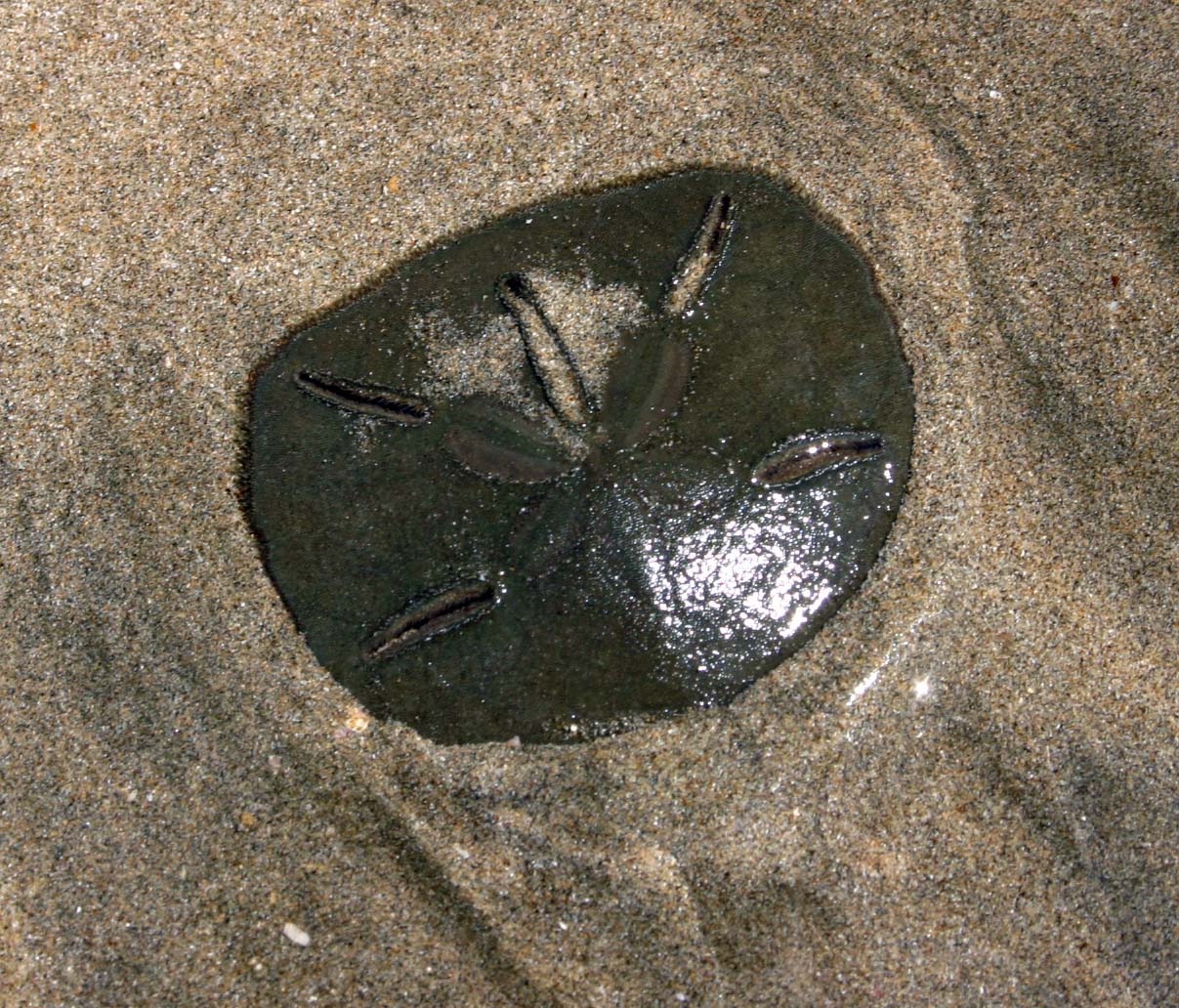
Sand Dollar
Uncover the secrets of playful flat discs beneath the waves!
Let’s Explore
Overview
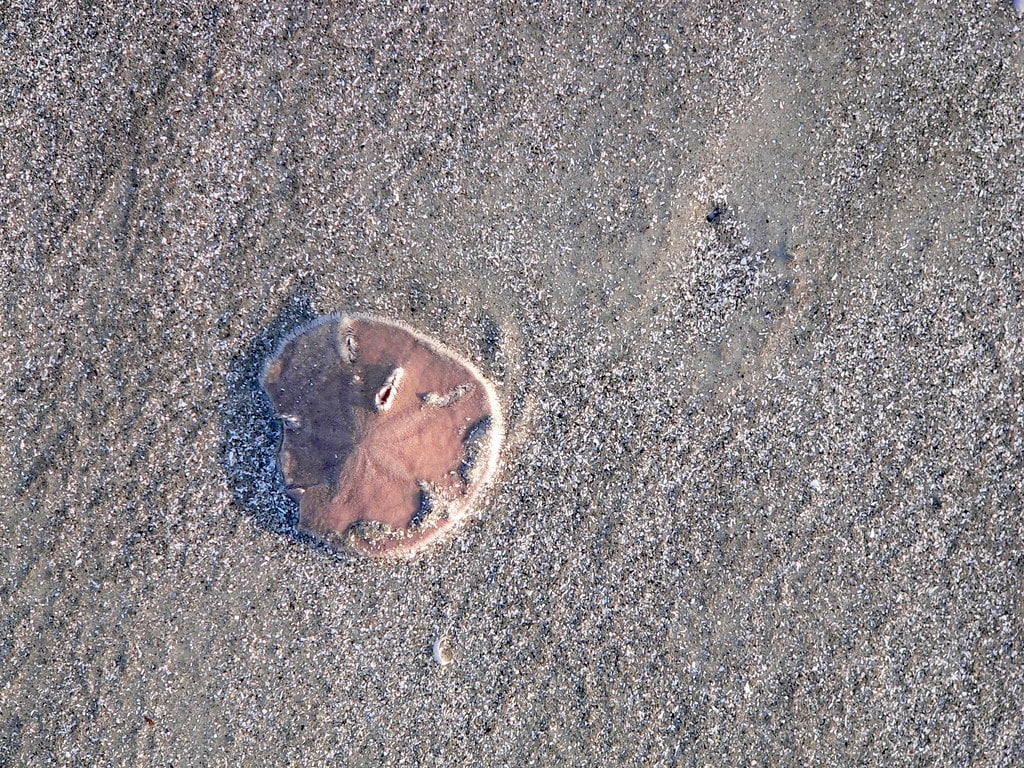
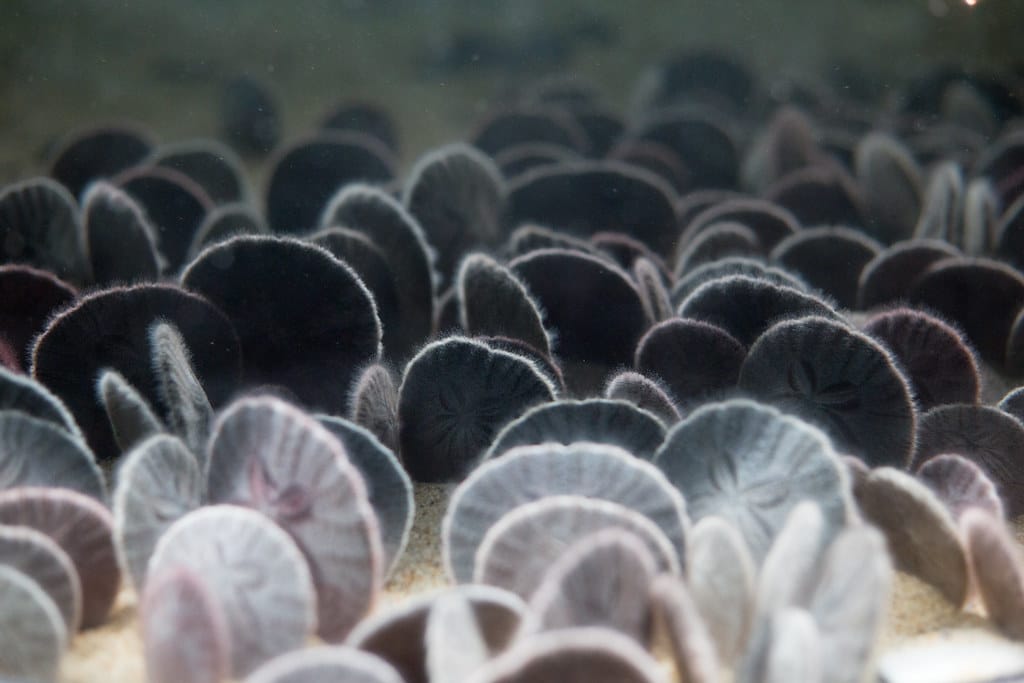
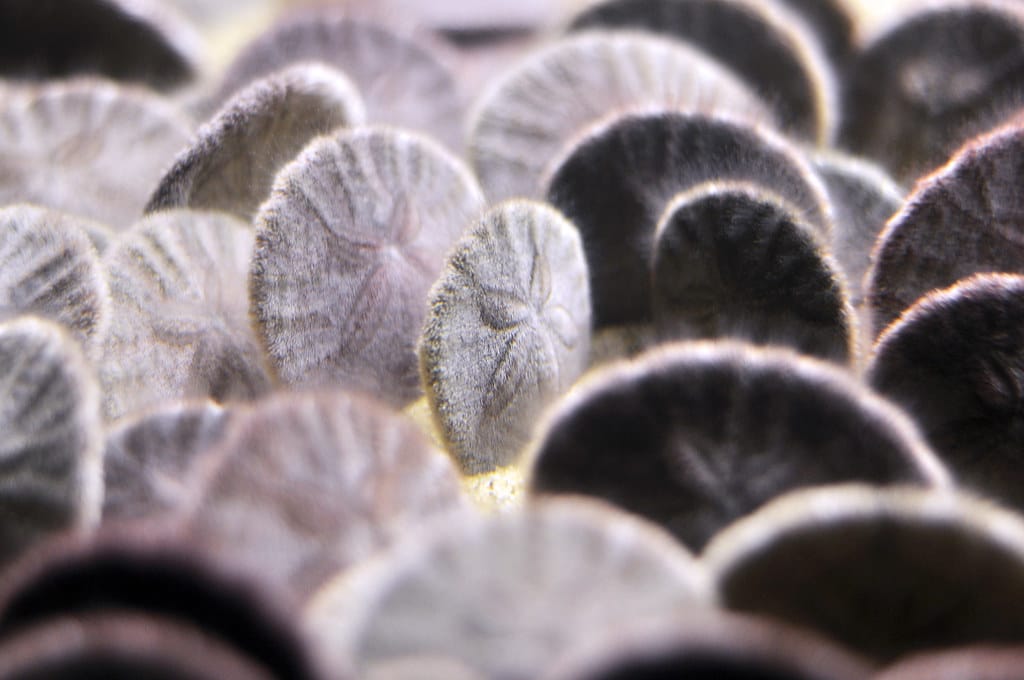
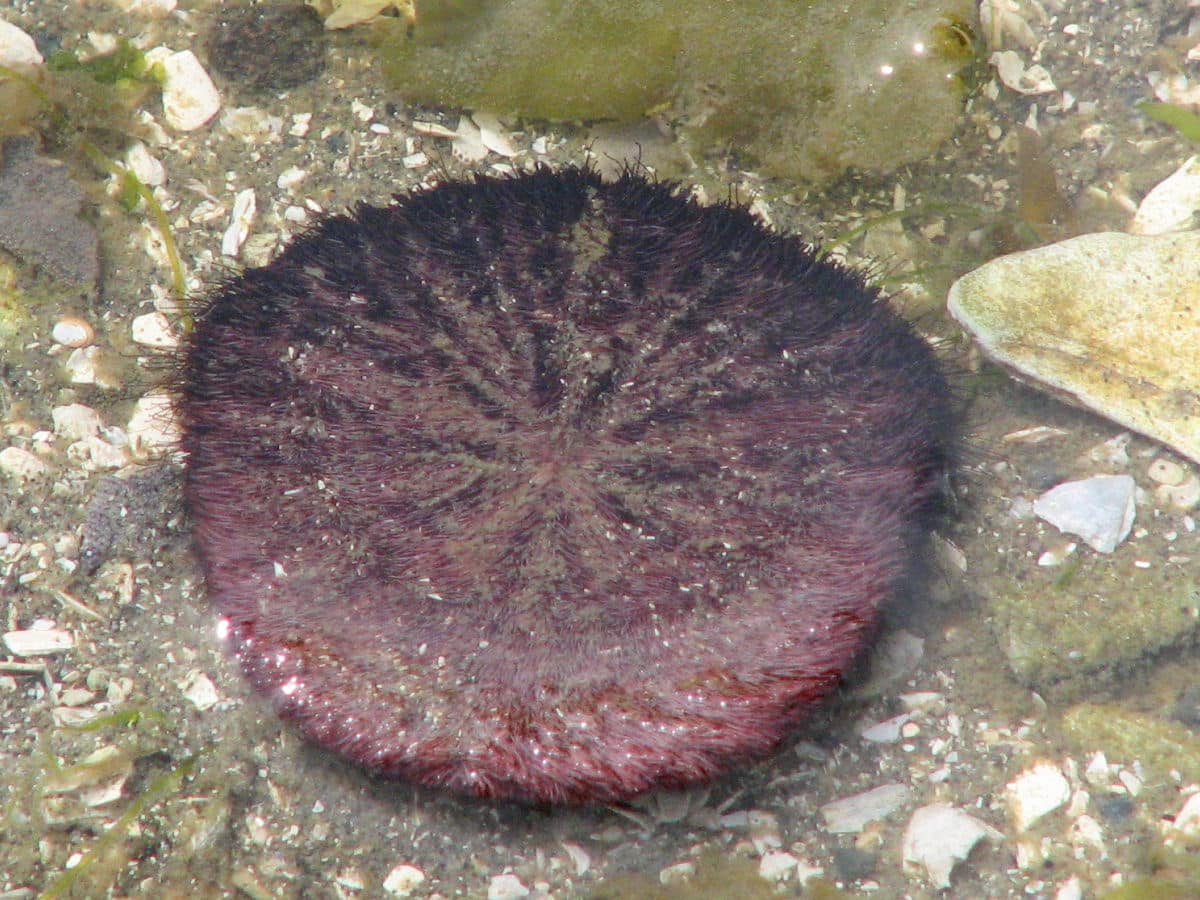
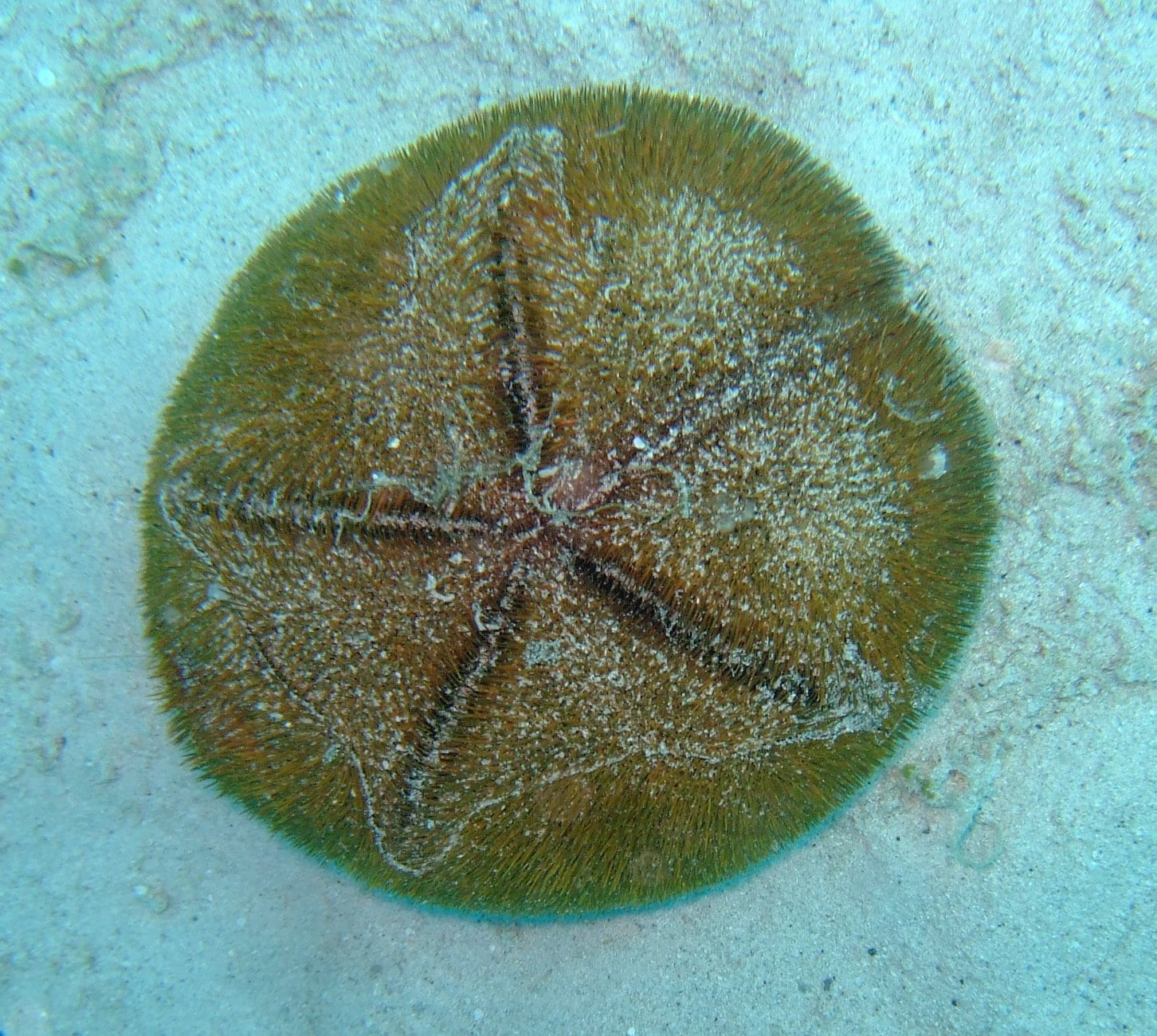
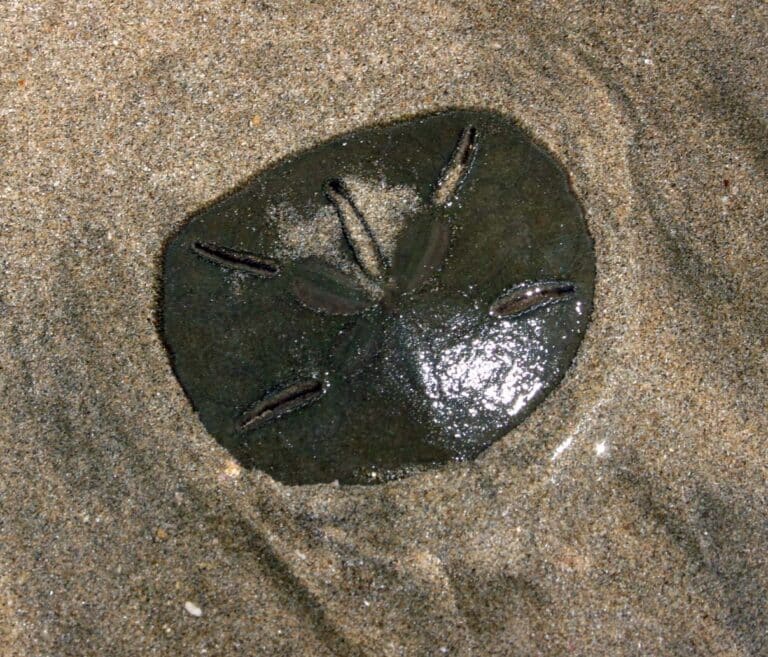
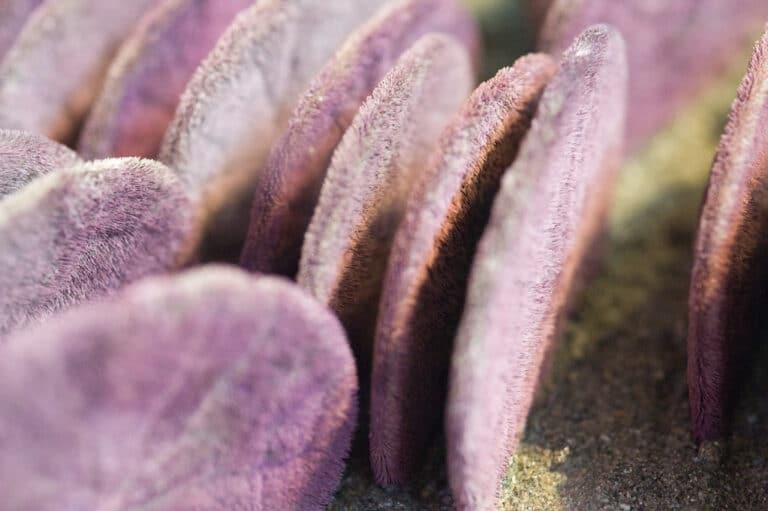
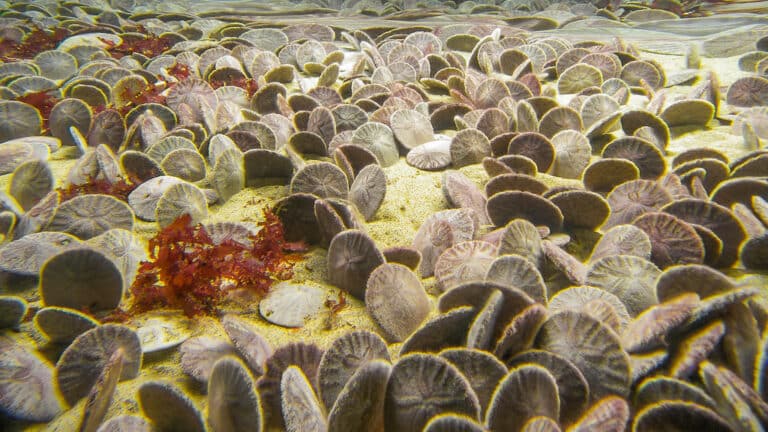
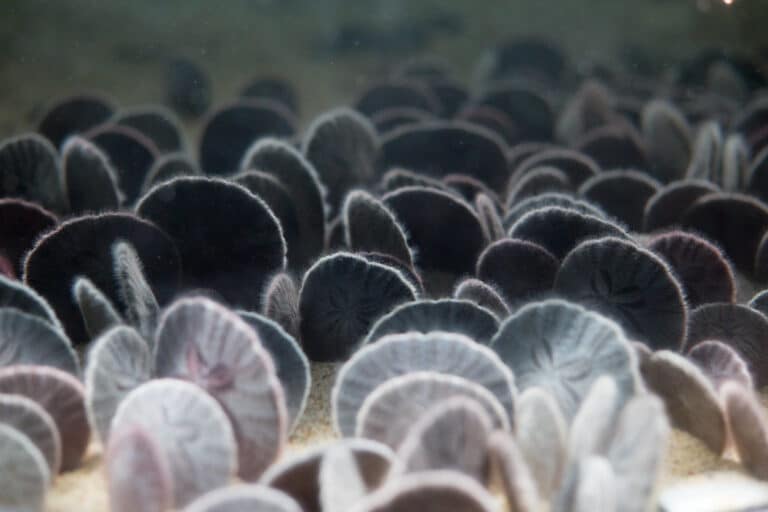
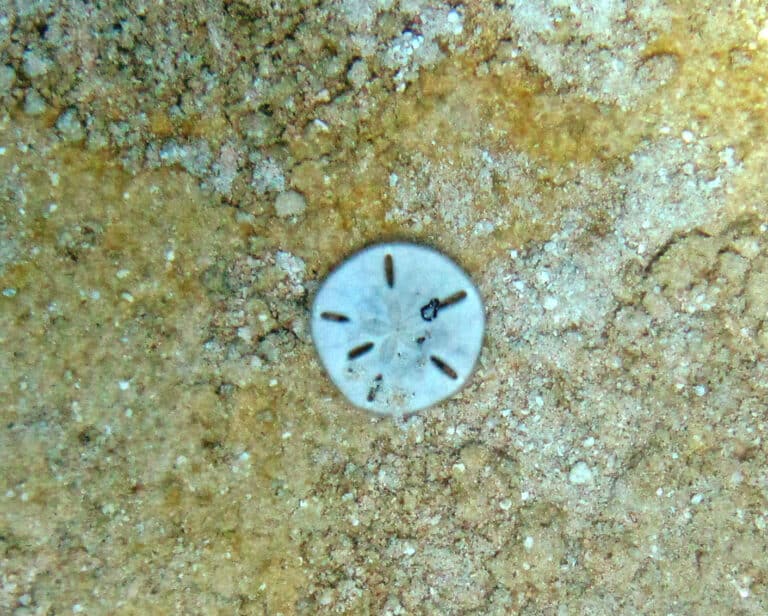
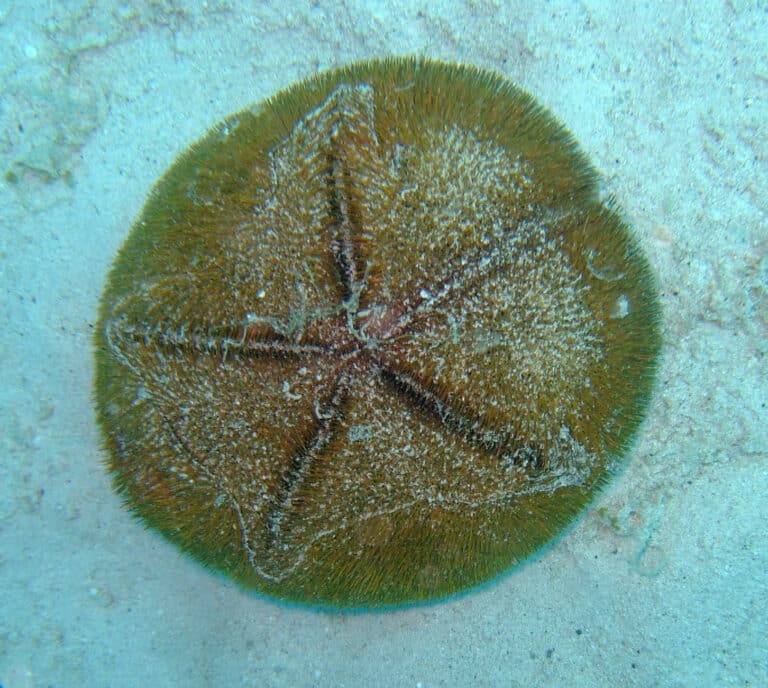
Sand dollars are adorable creatures that live on the ocean floor. They belong to a group called echinoderms, which also includes starfish and sea urchins. When you look at them, they appear like flat, round discs that measure about 7.5 to 10 centimeters (3 to 4 inches) wide.
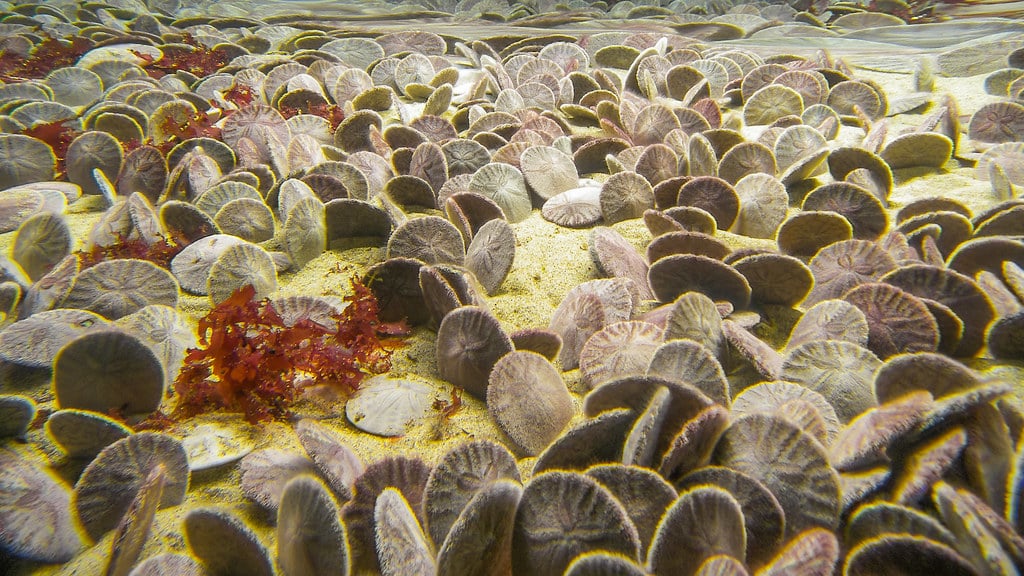
These fascinating invertebrates thrive in oceans around the world, often hiding just beneath the sand. They munch on tasty treats like plankton, algae, and detritus, which are tiny bits of organic matter that fall to the sea floor.
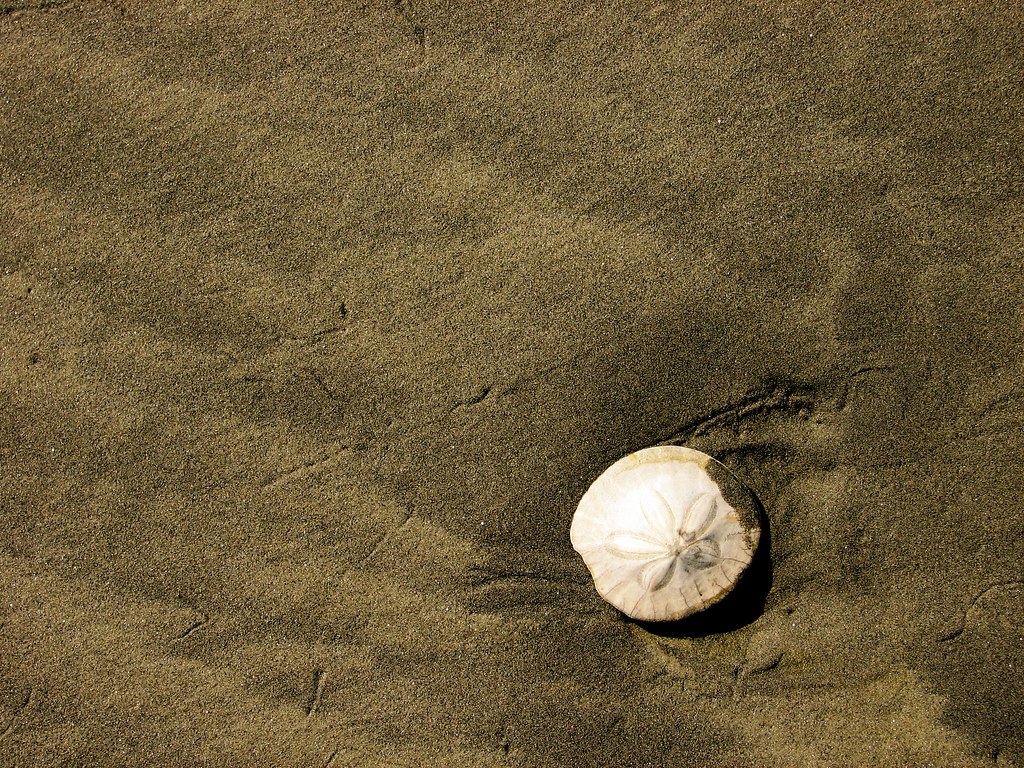
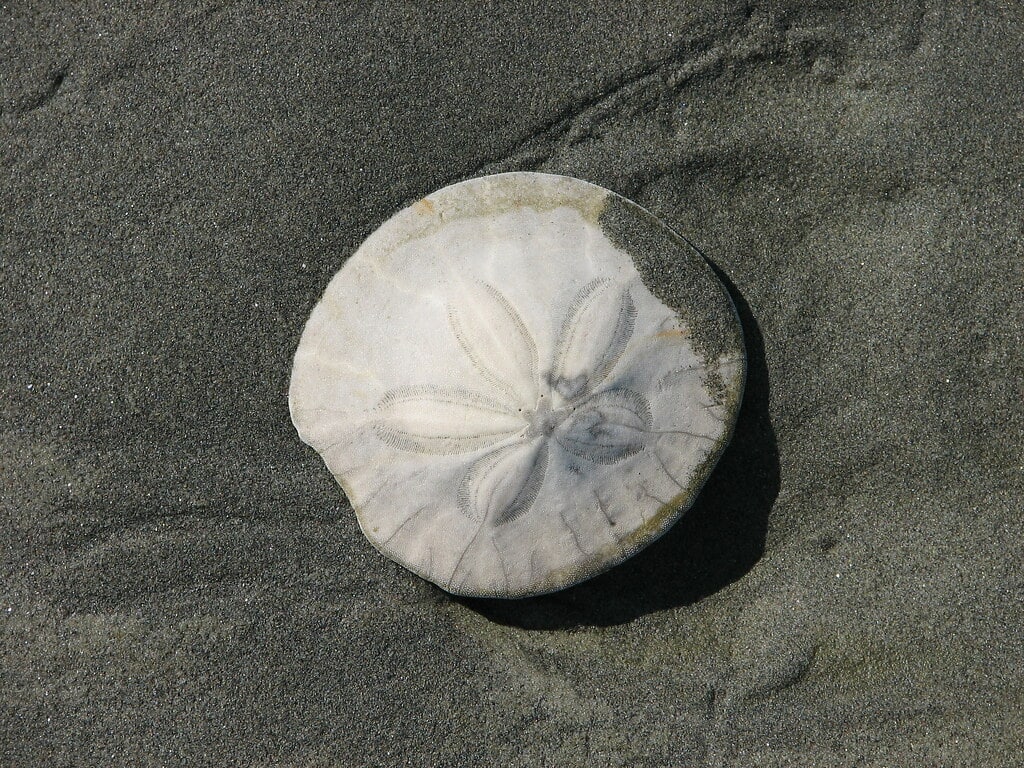
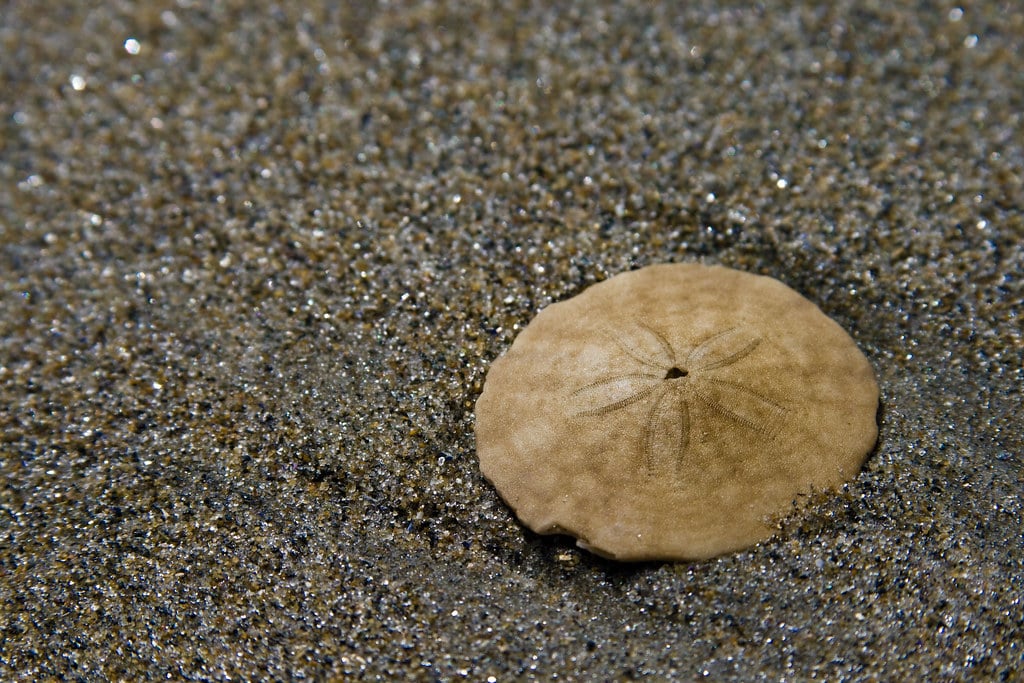
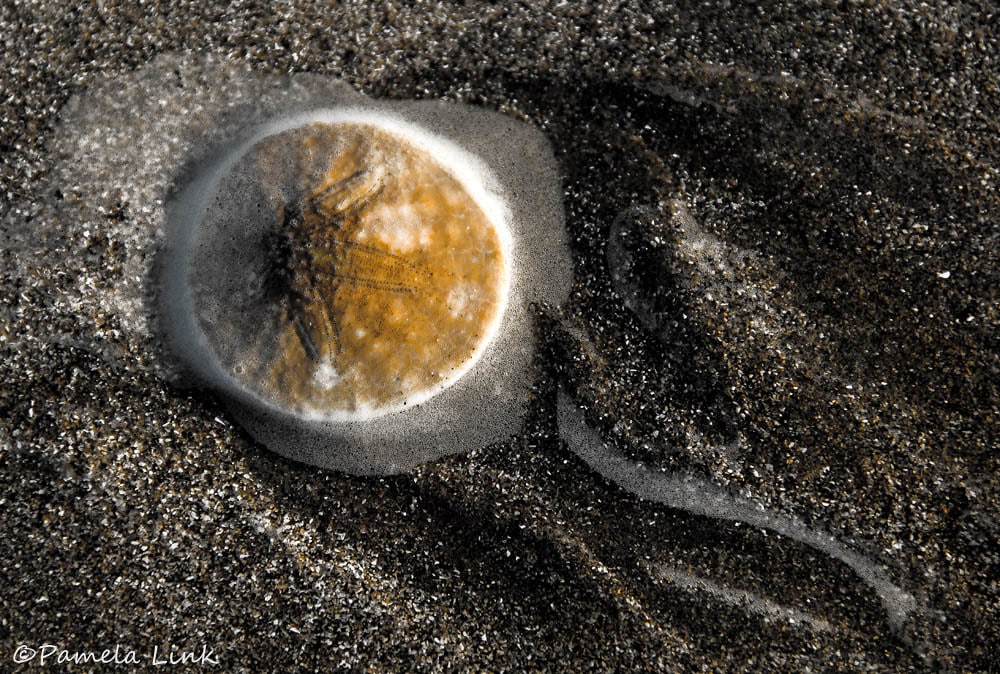
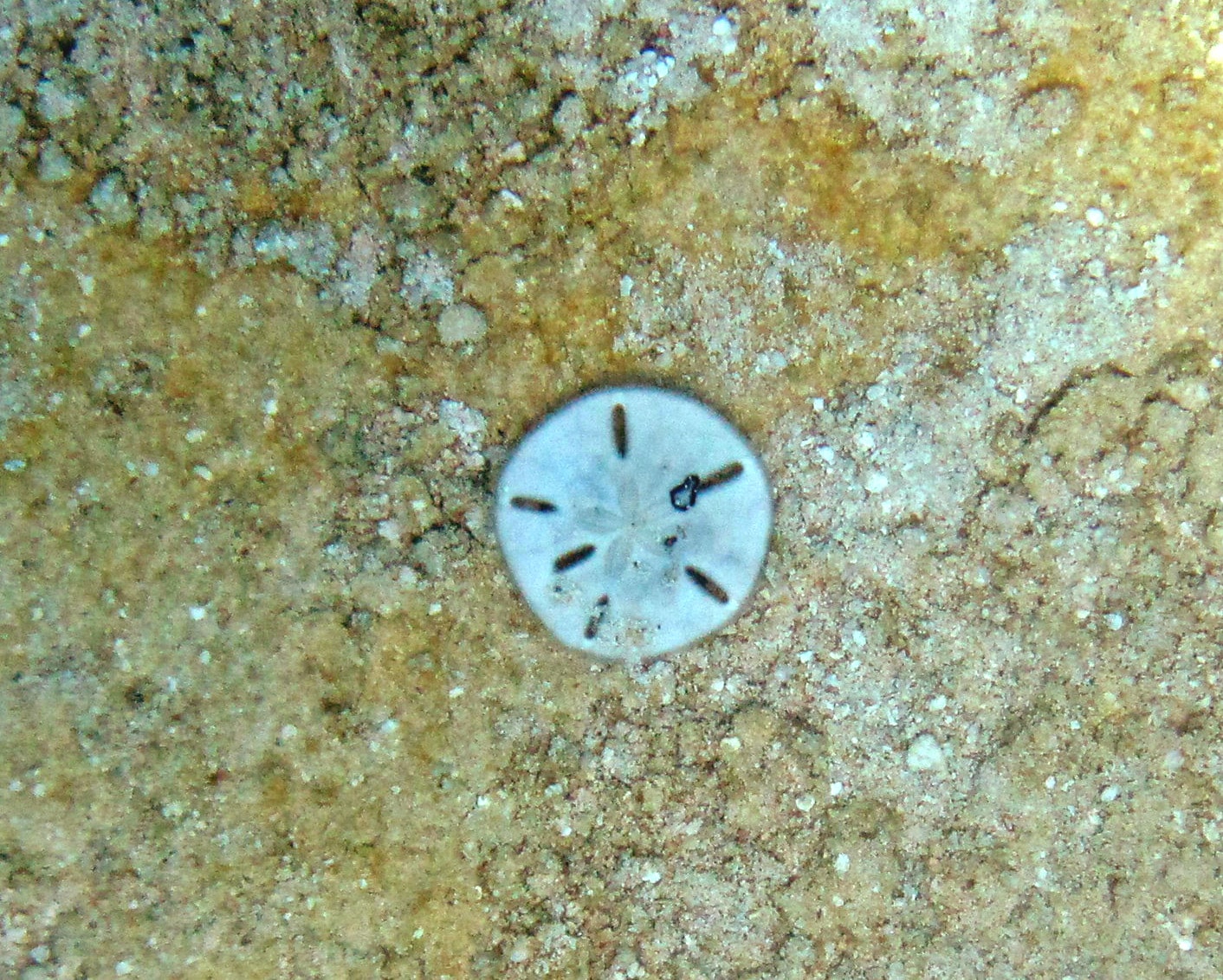
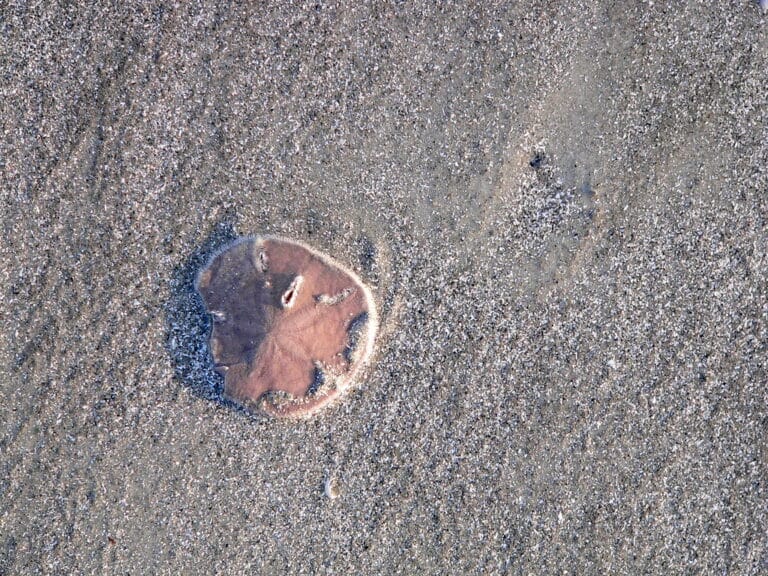
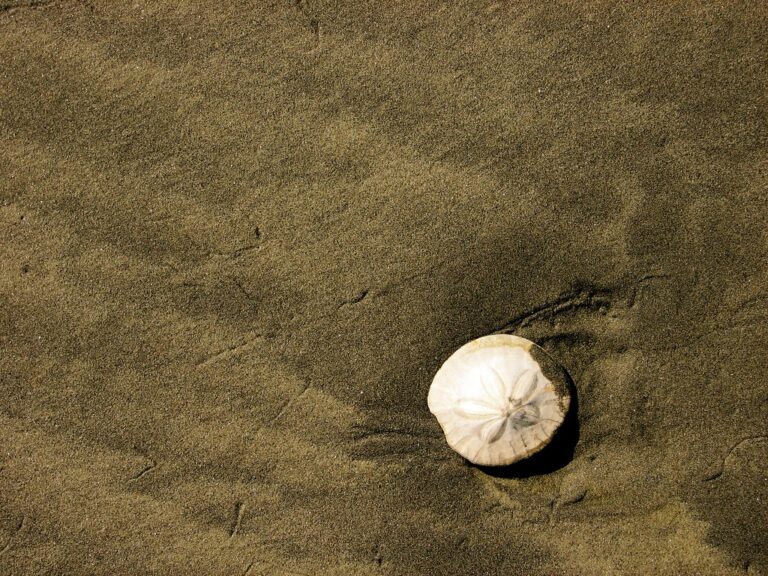
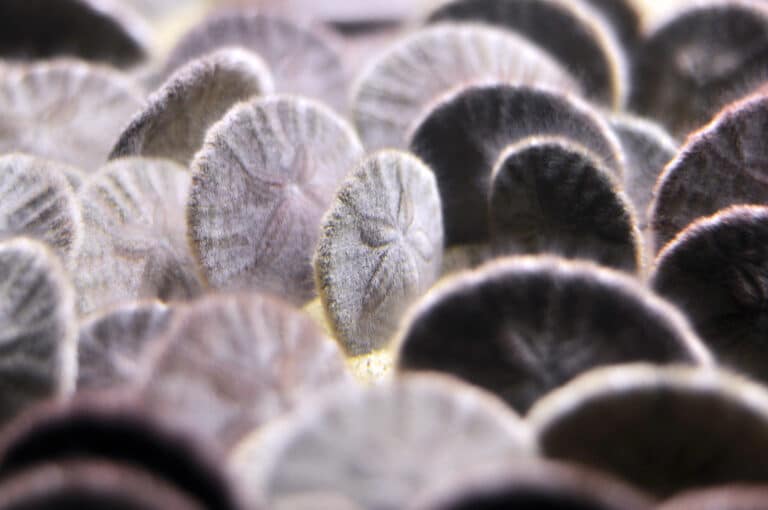
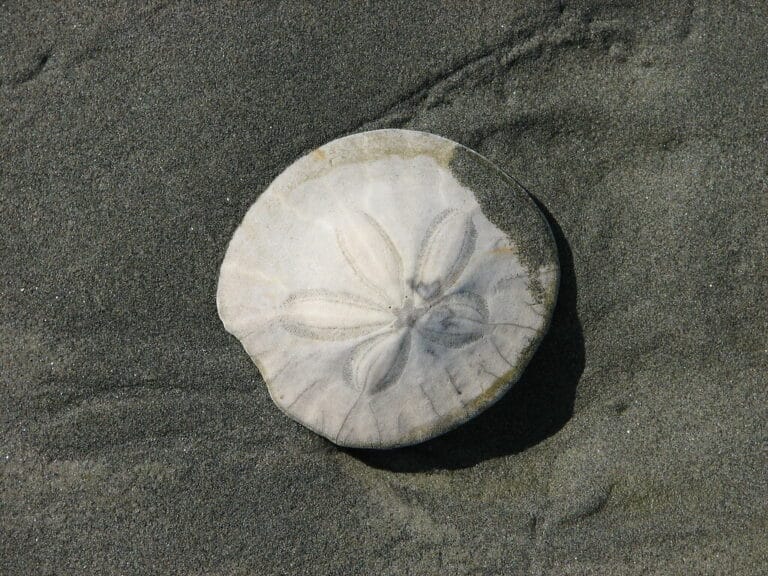
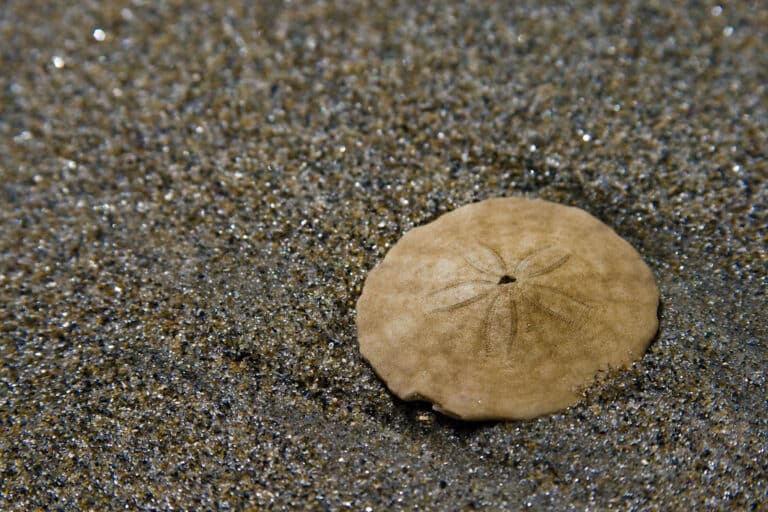
Did you know that sand dollars have a star-shaped design on their top side? This unique pattern becomes visible when the sand dollar dies and its hard skeleton washes ashore. Kids love to collect these beauties, and they make great decorations for your beach-themed art projects.
Sand dollars can live for about 6 to 10 years, depending on their environment. While they seem delicate, they are survivin’ champions that thrive in sandy habitats where they dig under the surface to protect themselves from strong currents.
When sand dollars reproduce, they go for a real splash! They release up to a million eggs into the water, where fertilization occurs. Each tiny larva dances in the open ocean before settling down, growing into the familiar shape we see on the beach later.

Where can you find a Sand Dollar in the wild?
What does a Sand Dollar eat?
How big can a Sand Dollar grow?
How long does a Sand Dollar typically live?
What is the conservation status of the Sand Dollar?
What are the main threats to the Sand Dollar?
Fun facts
Sand dollars have a cool trick! When they feel threatened, they can bury themselves quickly under sand, hiding from hungry predators like crabs and fish.


You won't believe how many eggs a sand dollar can produce! They can release up to a million eggs at once during spawning, turning the ocean into a bubbly baby sea party.
These little creatures are masters of disguise! Their hard skeleton, once dead, can often blend in wonderfully with their sandy surroundings, making them hard to spot on the beach.
Sand dollars can actually regenerate some of their body parts if they get damaged, proving they are tougher than they look—like nature's very own superheroes!
The star-shaped design on a sand dollar is not just pretty; it gives these creatures a unique identity! This pattern becomes visible only after they die and wash ashore, making them treasures of the sea.
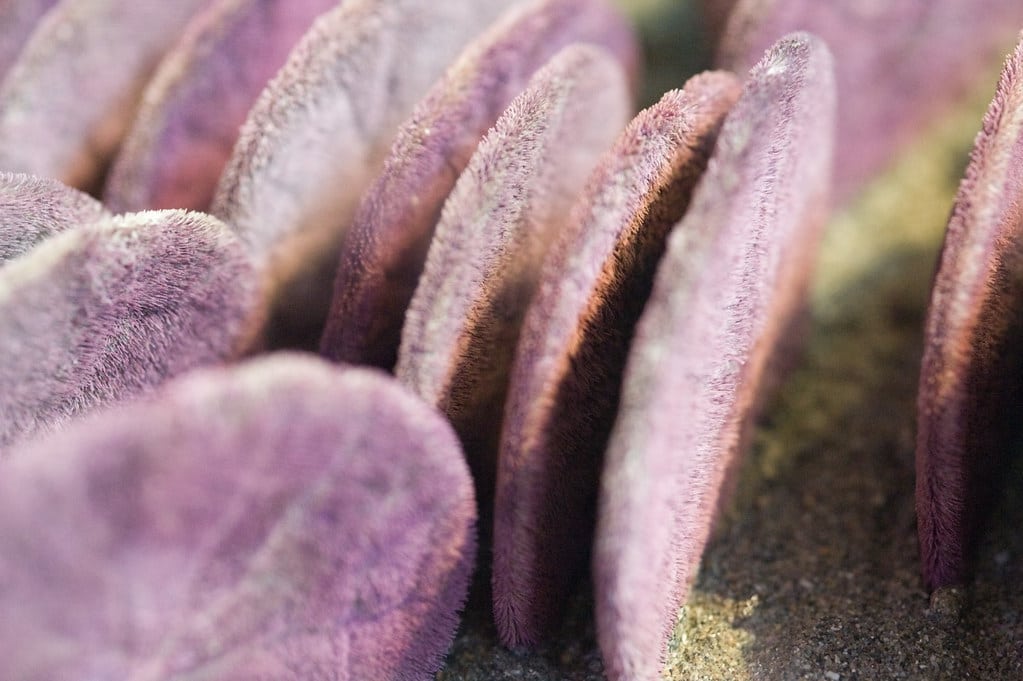
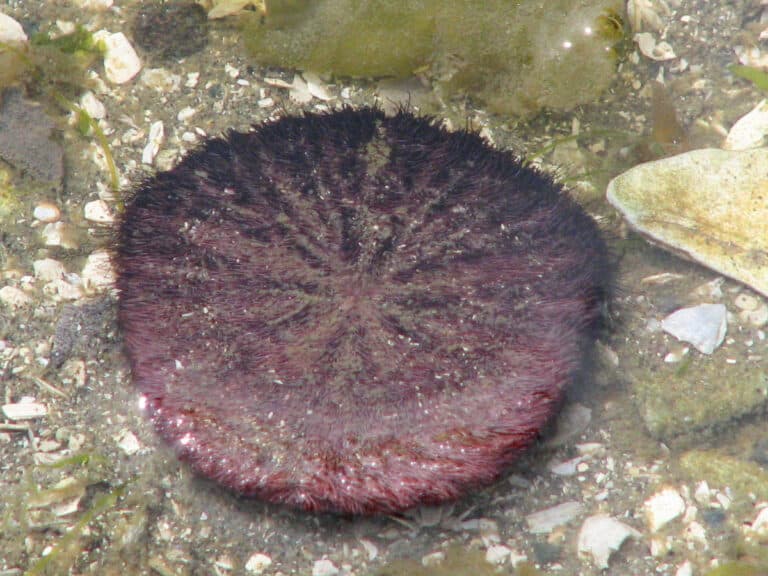
When feeding, sand dollars use their hairy tube feet to sweep food towards their mouths. It's like having tiny feelers that help them gather a festive snack from the ocean floor!
Sand dollars don’t just roam around; they actually prefer to stay in their sandy homes. They often live buried under a thin layer of sand to feel safe and snack in peace.
These charming creatures are like ocean gardeners! They help break down organic matter on the sea floor, playing a vital role in keeping their underwater world clean.
Young sand dollars look like little swimming jelly beans! They float through the ocean as tiny larvae, eventually finding a sandy spot to settle down and grow into their flat, round form.
Sand dollars have been around for millions of years, making them living fossils! Their relatives, like starfish and sea urchins, have changed less over time, making them some of Earth’s oldest sea creatures.
Photos





The Basics


explore more
Amphibians
Arachnids
Birds
Cats
Crustaceans
Fish
Fish Pet Guide
Gastropods
Insects
Invertebrates
Mammals
Pet Fish
Pet Rodents
Plants
Reptiles
Roundworms
Sea Slugs