
Successfully copied to clipboard!
Sand Lizard
Zoom with speedy reptiles that enjoy sunny adventures!
Let’s Explore
Overview
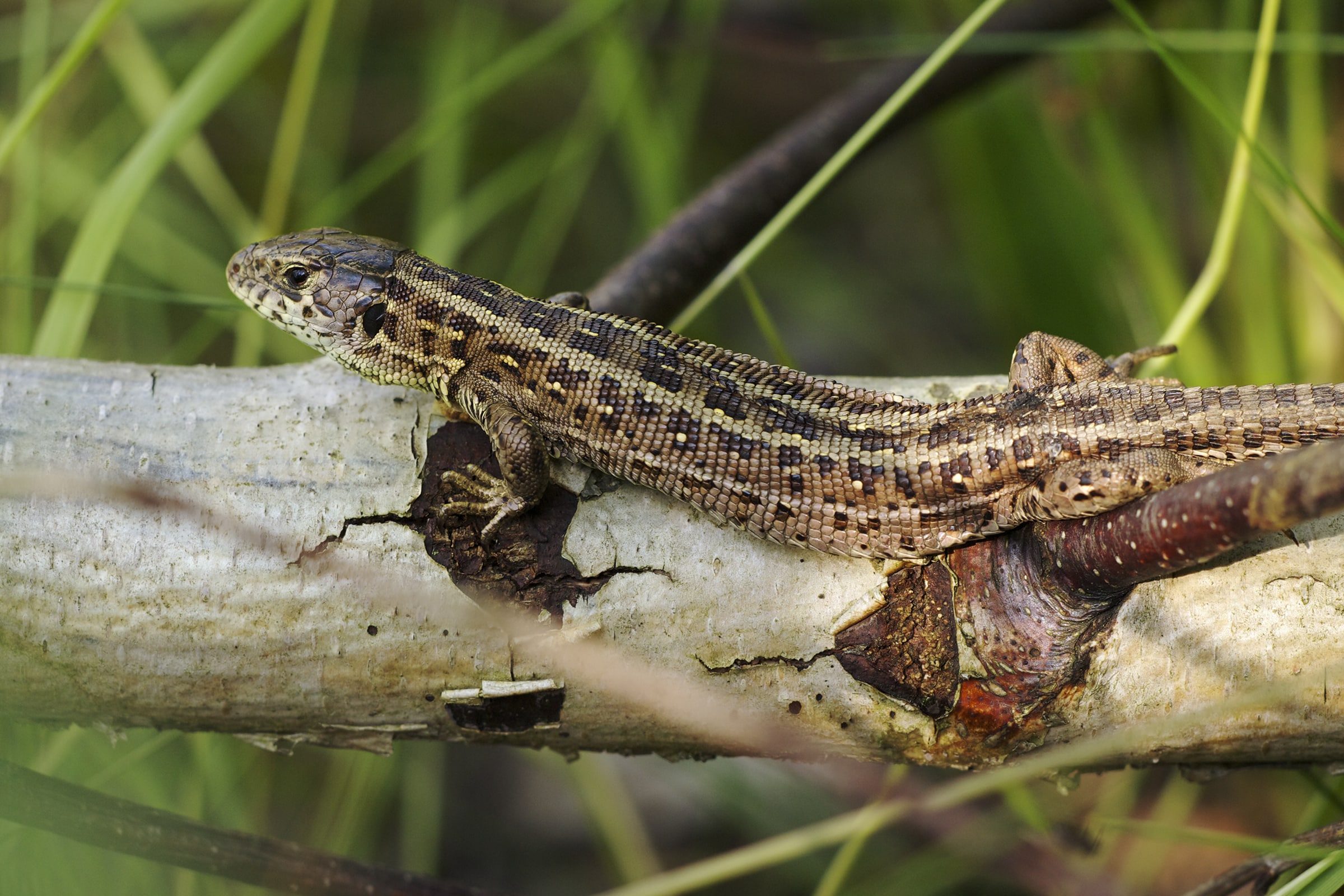
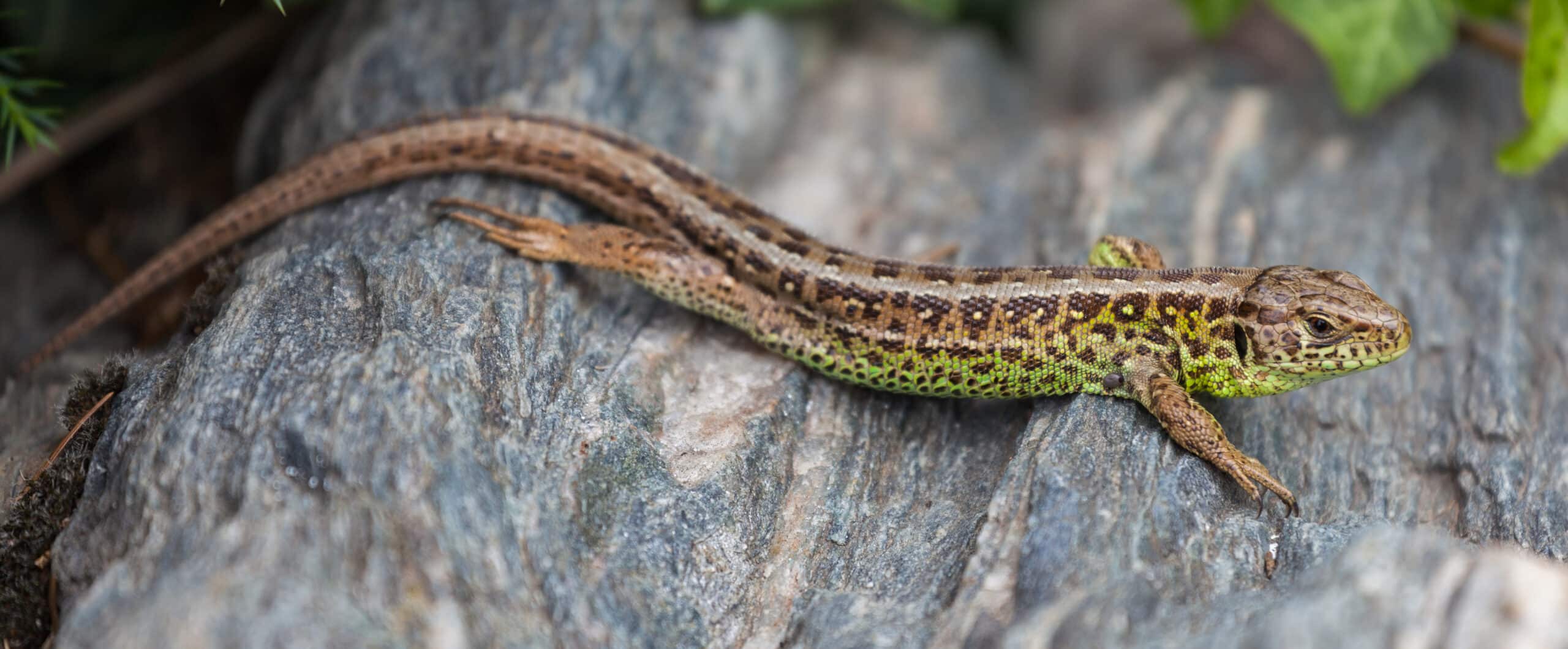
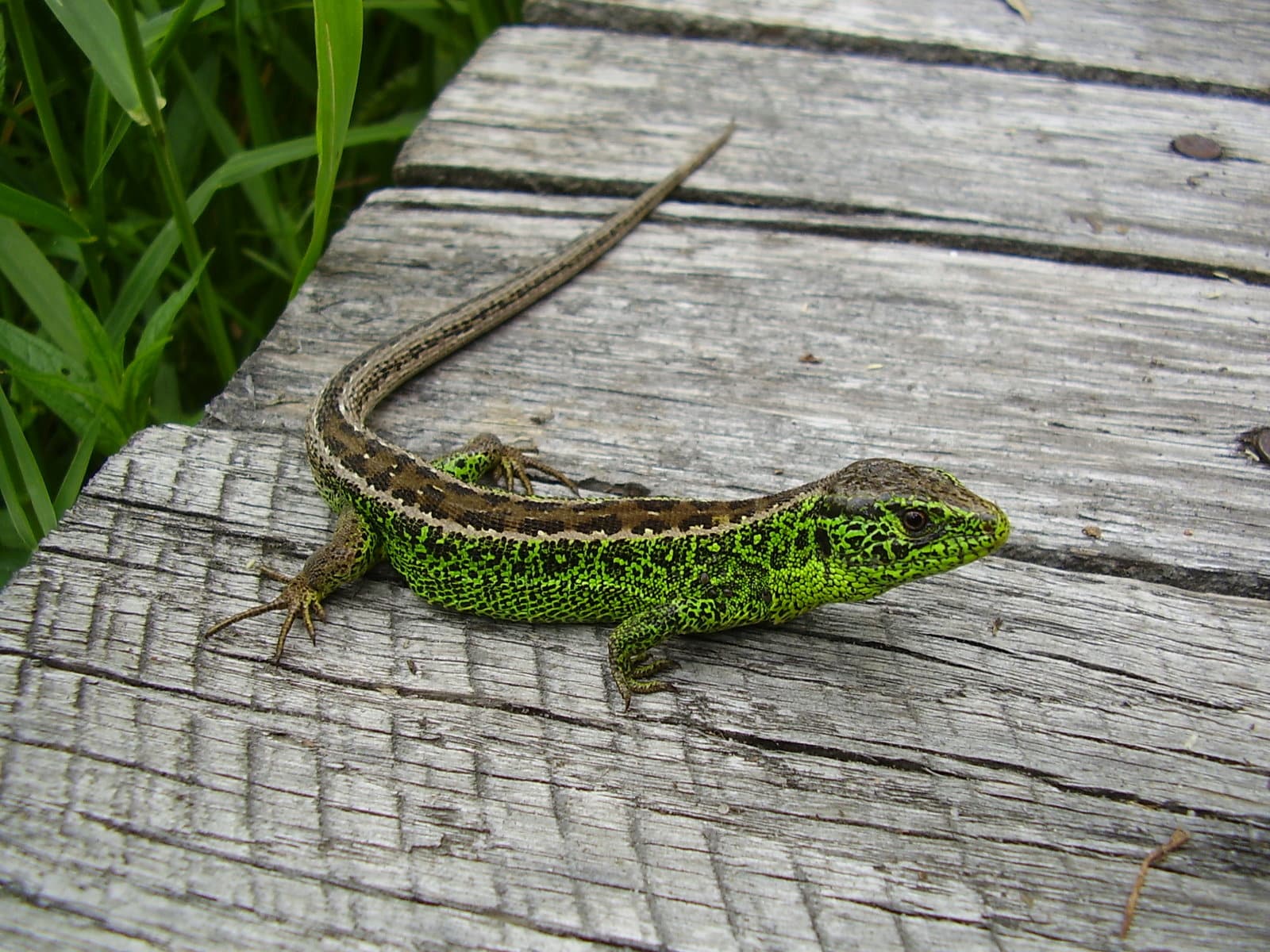
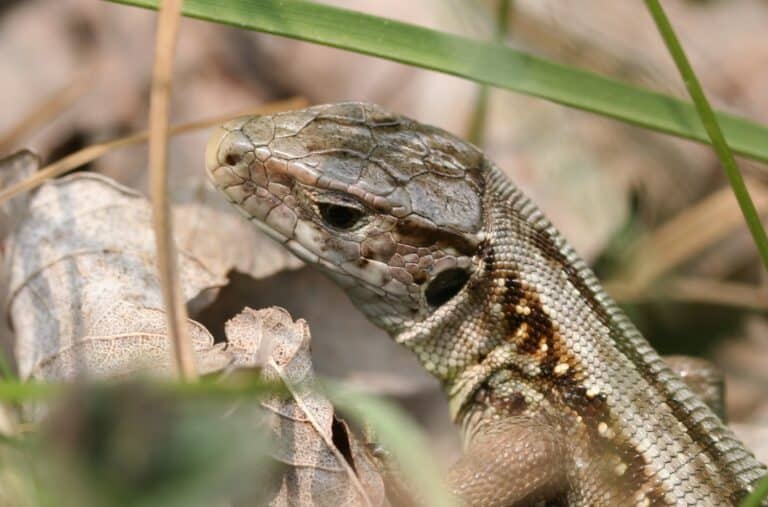
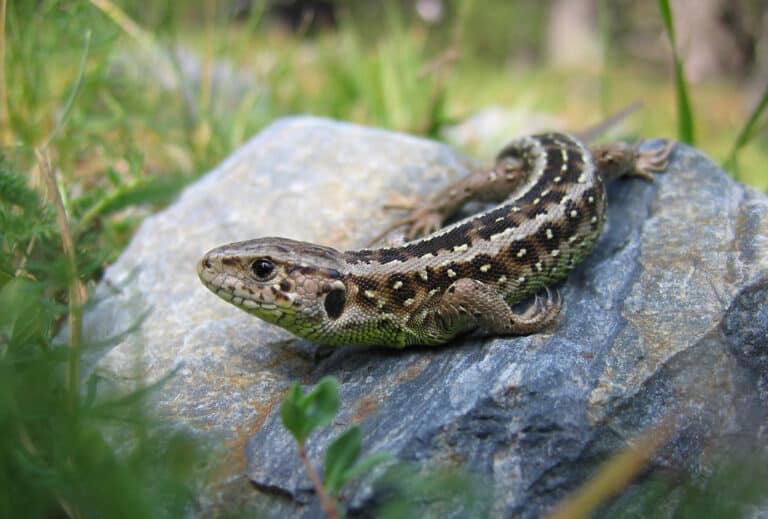
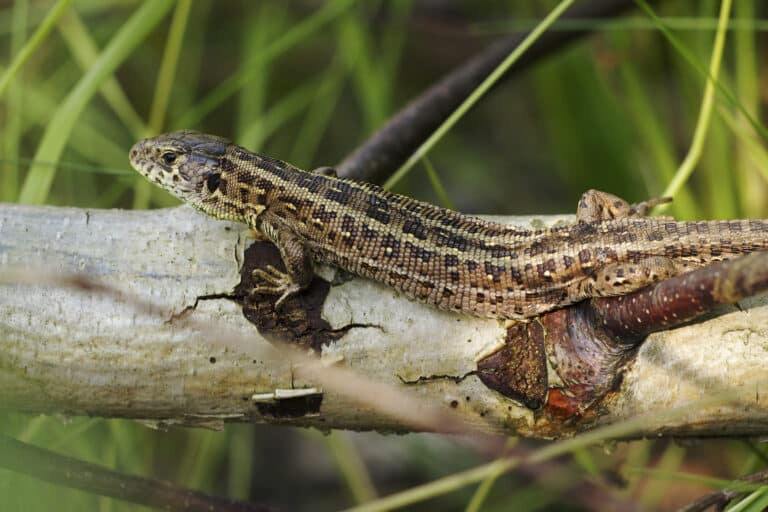
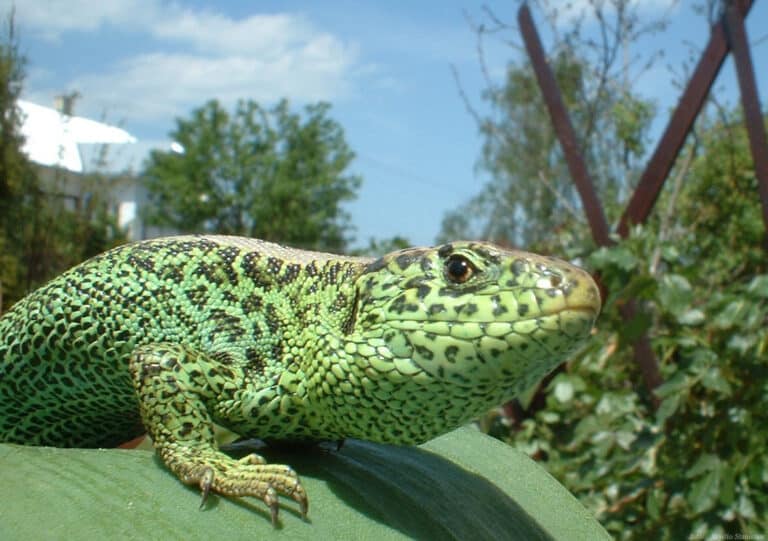
The Sand Lizard is a speedy little reptile that belongs to the Lacertidae family. These charming creatures typically reach a length of about 15 to 20 centimeters (6 to 8 inches), perfect for darting around in sandy habitats.
With a keen appetite, Sand Lizards feast on insects, spiders, and other small invertebrates. They have excellent hunting skills, using their quick reflexes to catch their tasty meals.
Sand Lizards can live for about 6 to 8 years in the wild. They are quite the survivors, making their homes in sunny, dry areas where they can soak up all the sunbeams they need.
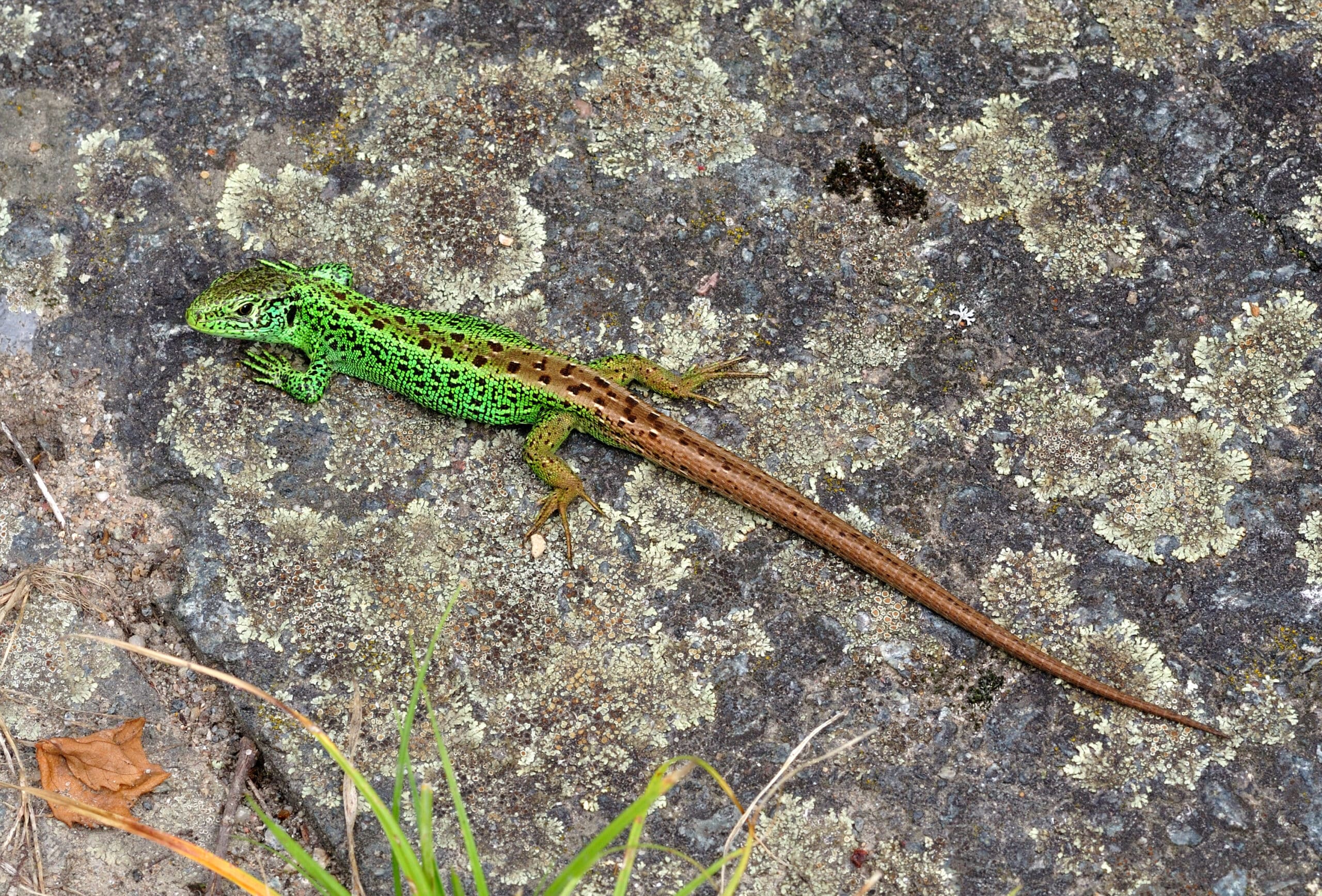
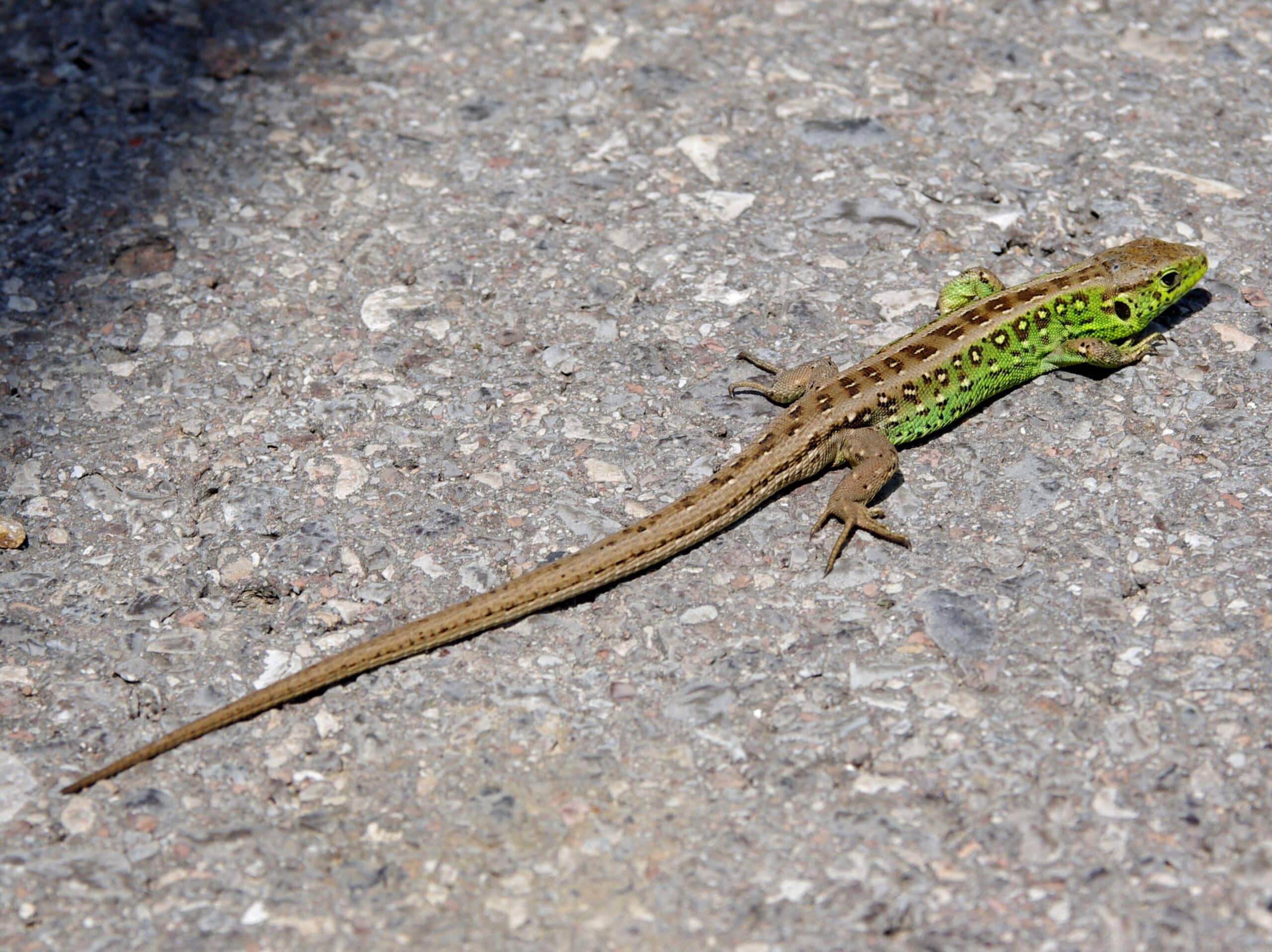
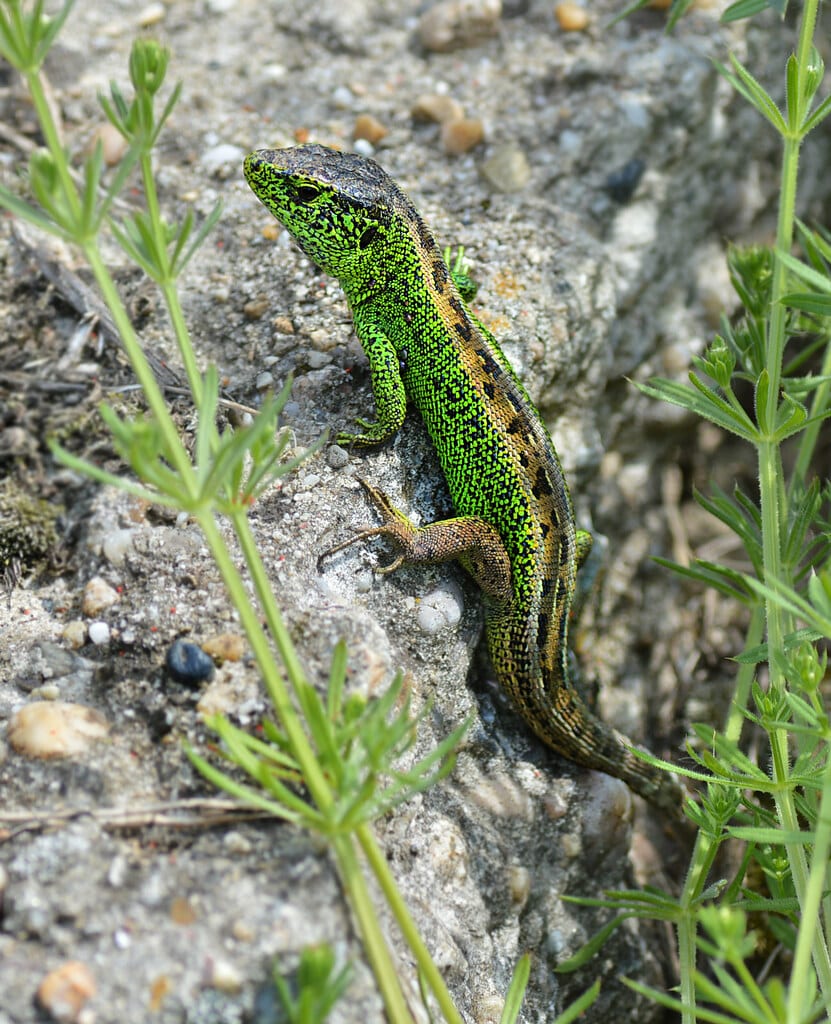
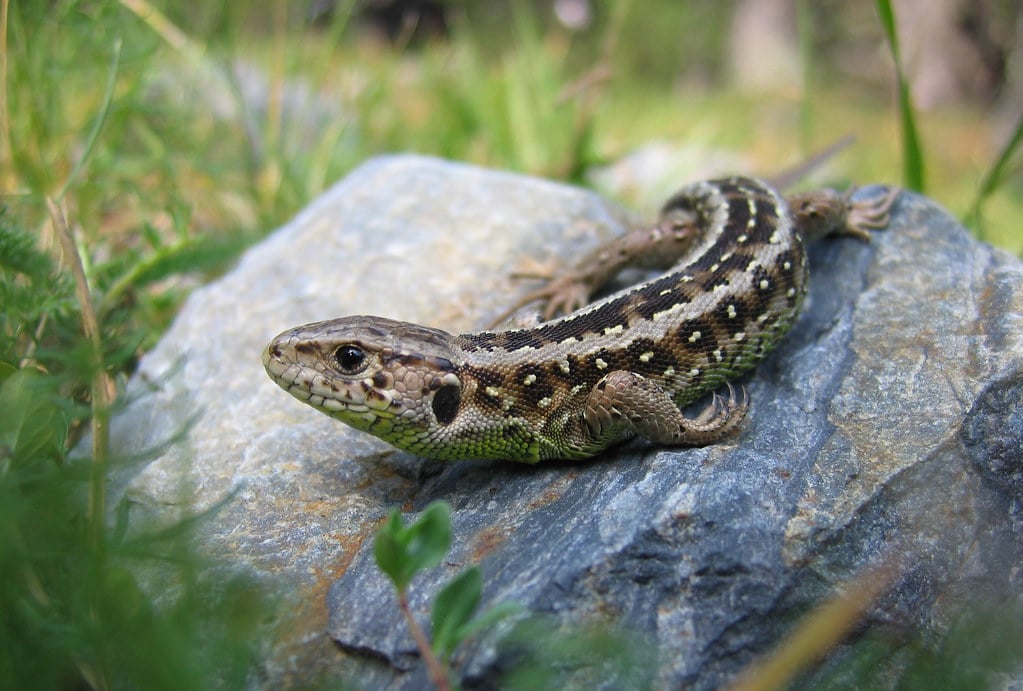
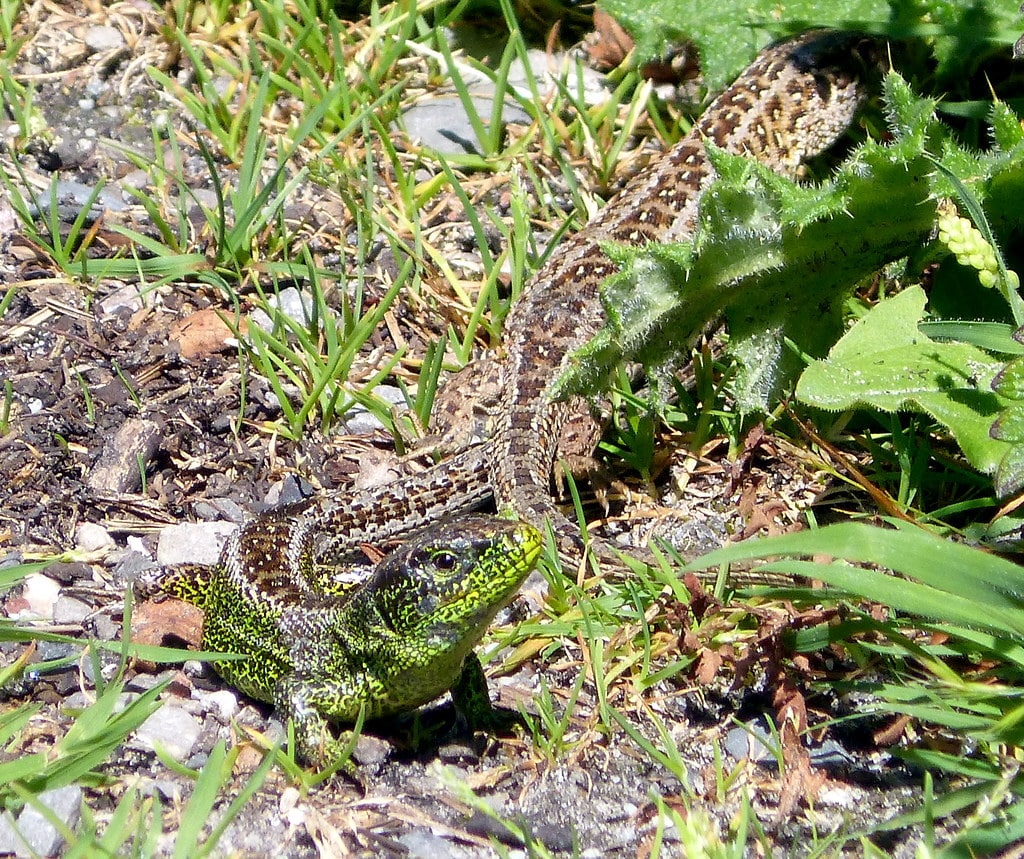
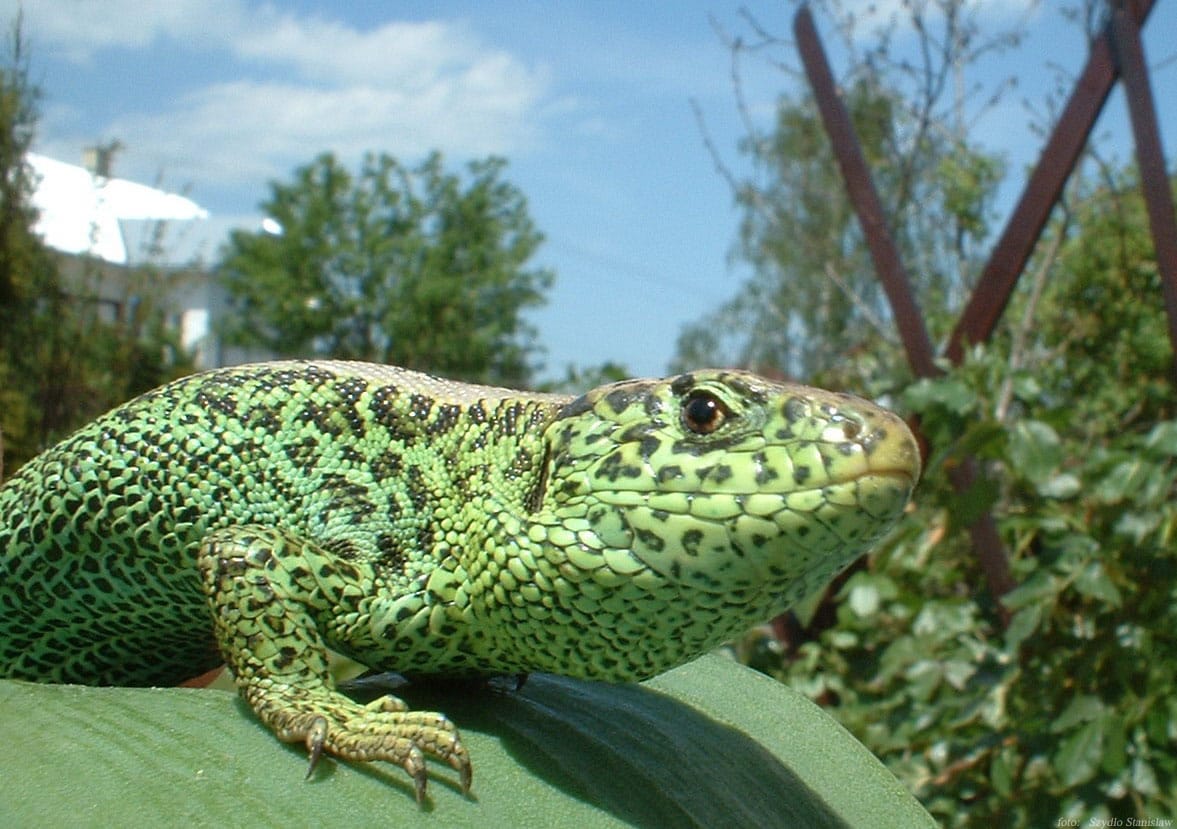
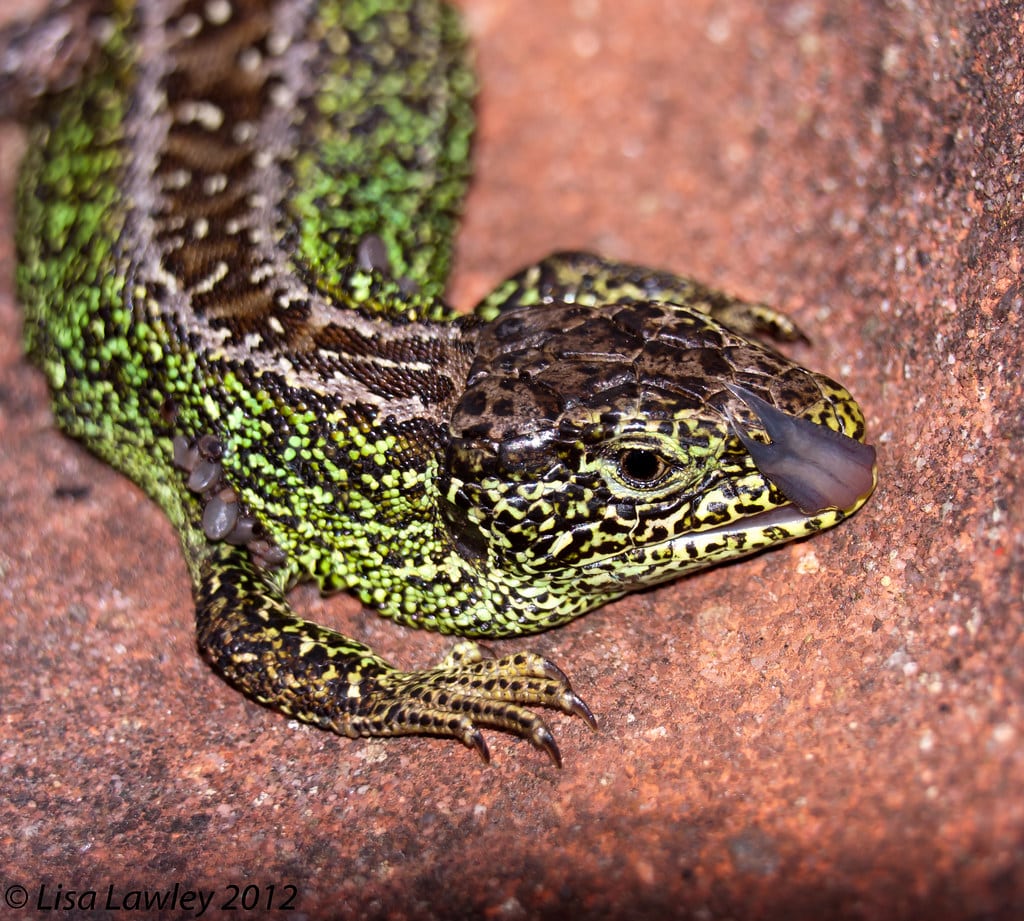
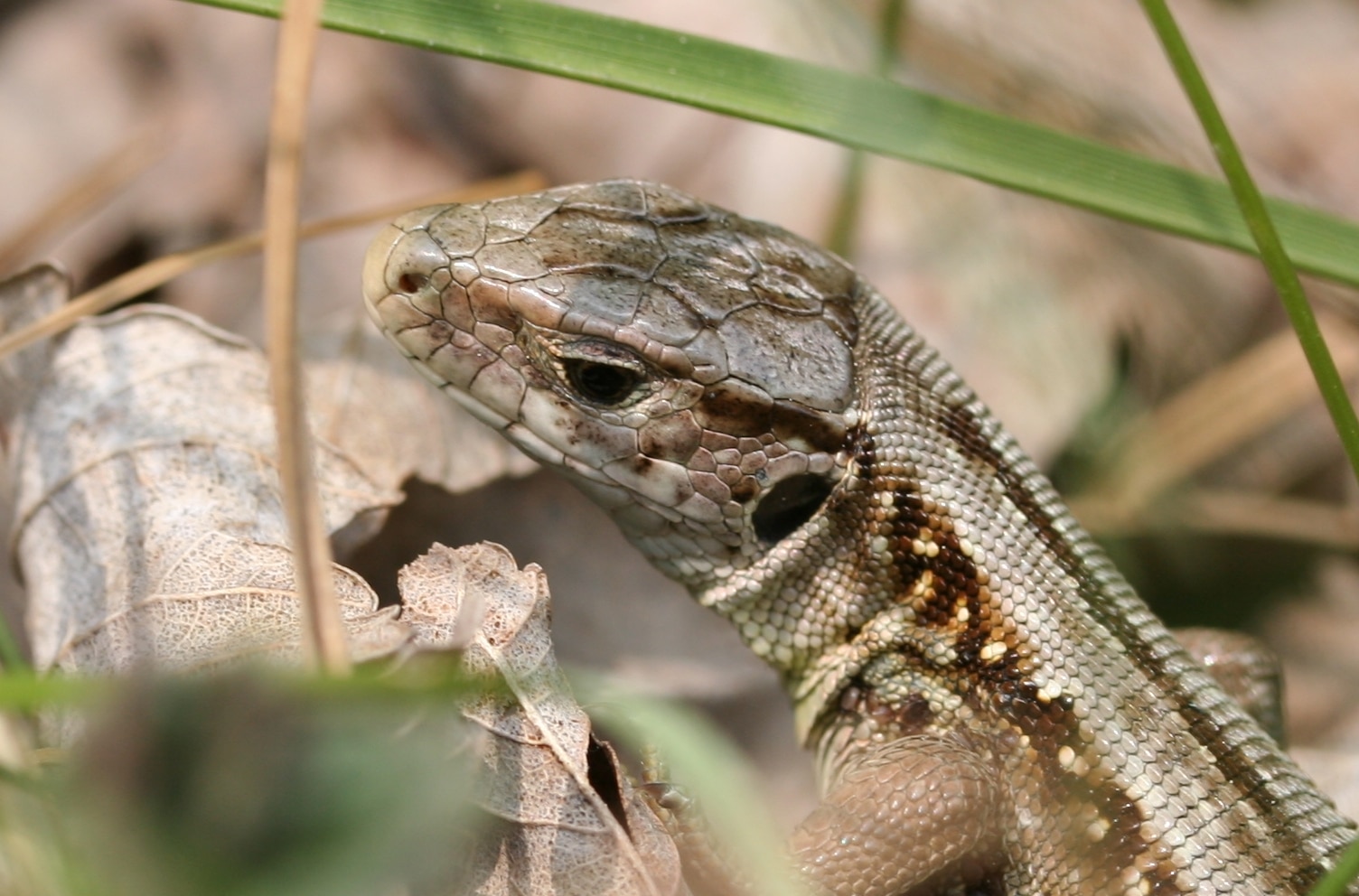
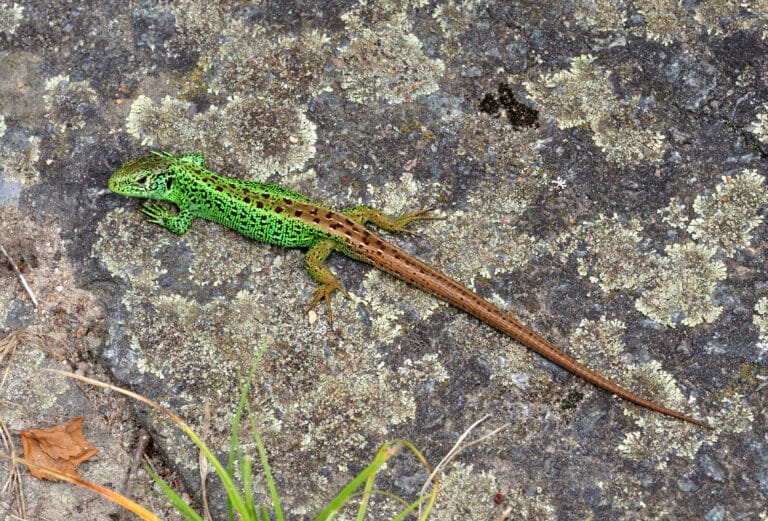
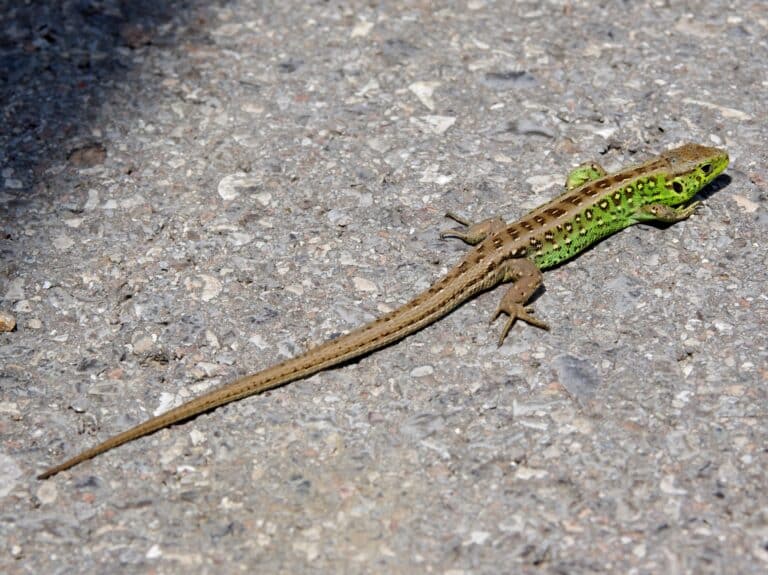
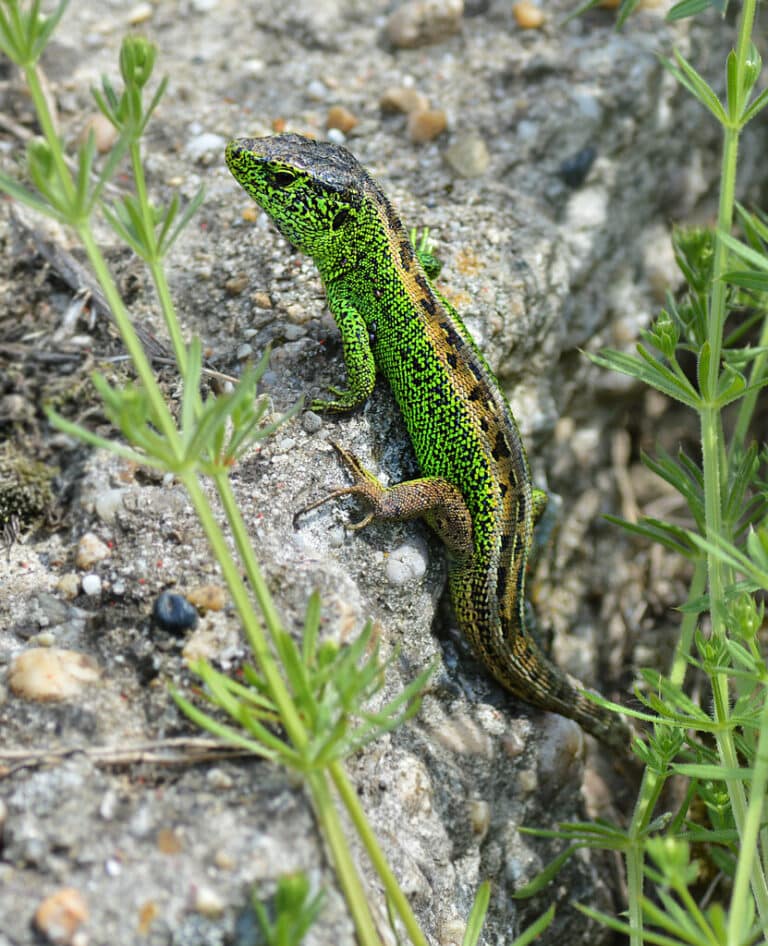
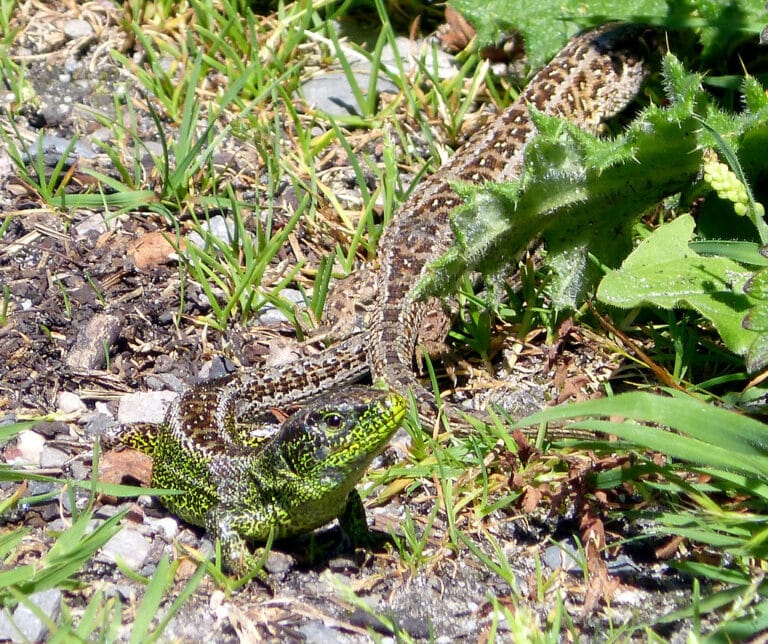
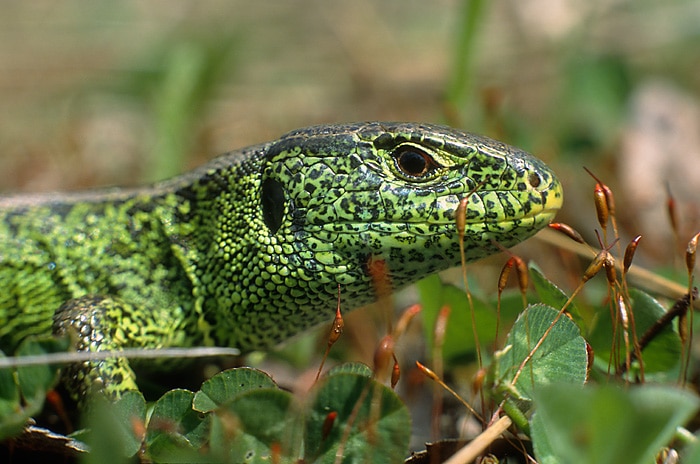
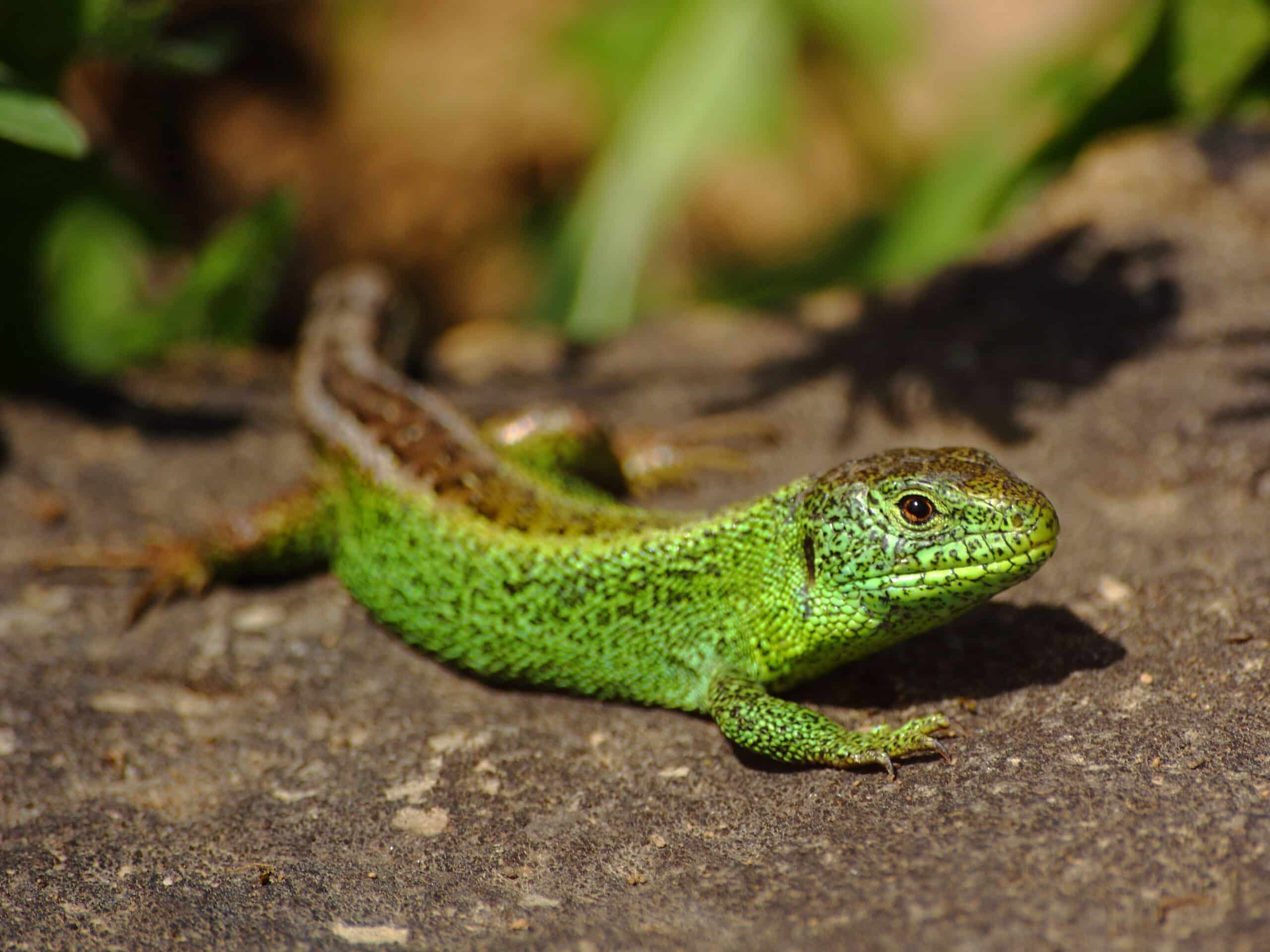
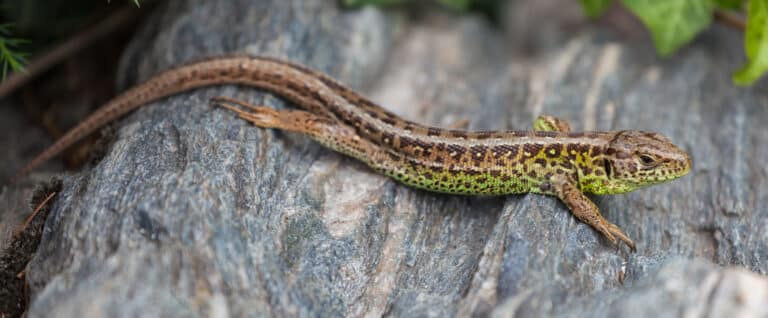
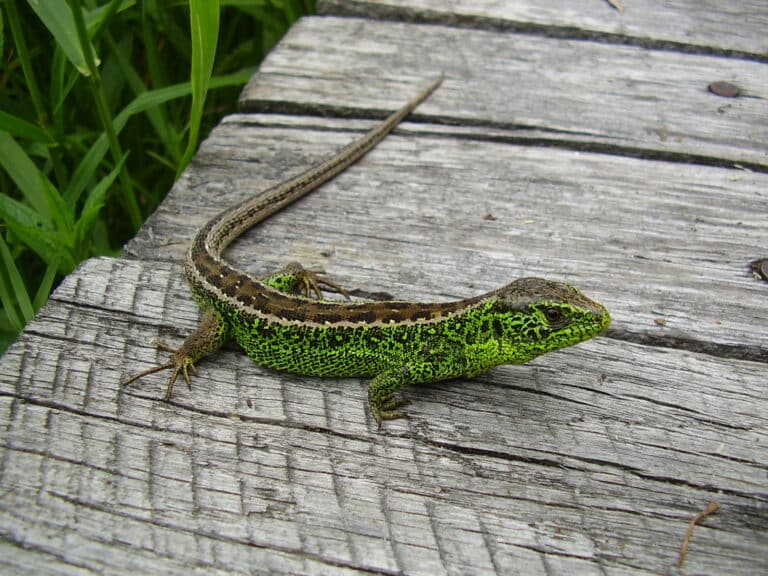
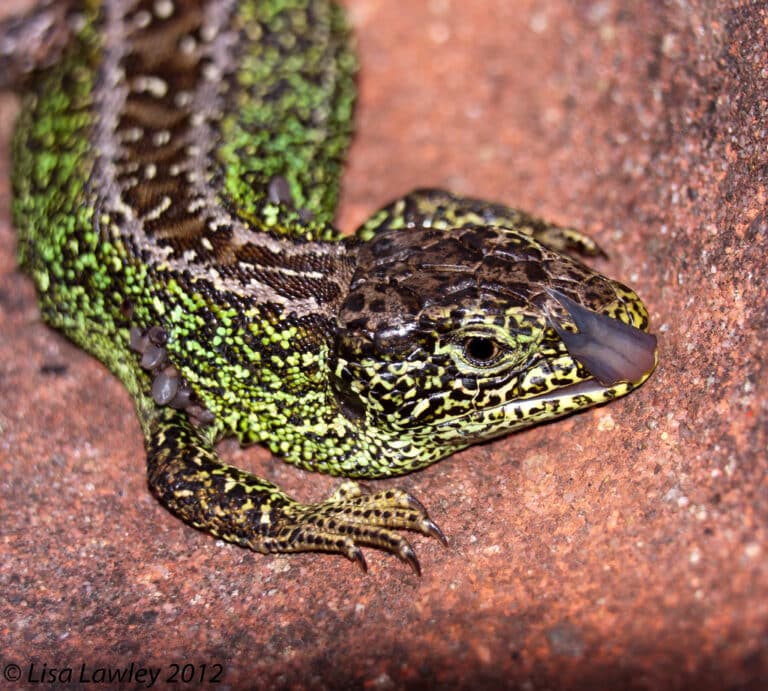
Their vibrant green, brown, or gray scales help them blend into their surroundings, making them masters of hide-and-seek. When they feel threatened, they can quickly escape and hide beneath rocks or vegetation.
Sand Lizards play a role in their ecosystem by helping control insect populations. They remind us that even the smallest creatures can make a big difference in nature.
Next time you spot a Sand Lizard basking in the sun, remember you’re looking at a member of the reptile kingdom with a knack for speed and a keen taste for tasty bugs!

Where can you find a Sand Lizard in the wild?
What does a Sand Lizard eat?
How big can a Sand Lizard grow?
How long does a Sand Lizard typically live?
What is the conservation status of the Sand Lizard?
What are the main threats to the Sand Lizard?
Fun facts
Sand Lizards can change color! When they bask in the sun, their scales become brighter, helping them absorb heat more effectively.


These frisky reptiles can launch themselves into the air! When feeling threatened, they can leap up to 1 meter (3.3 feet) away to escape predators.
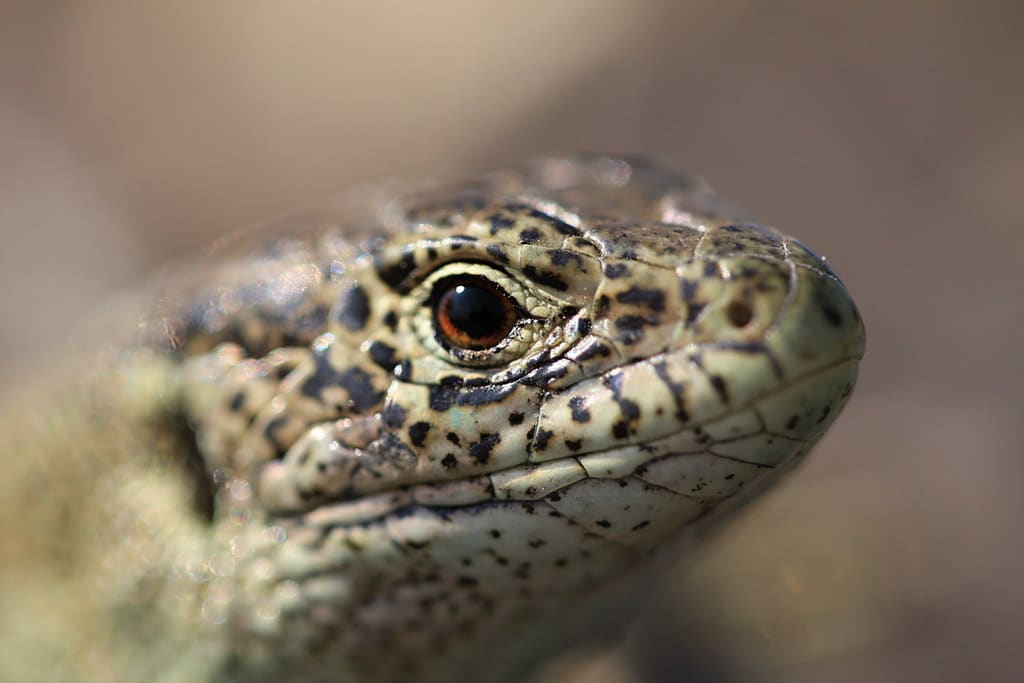
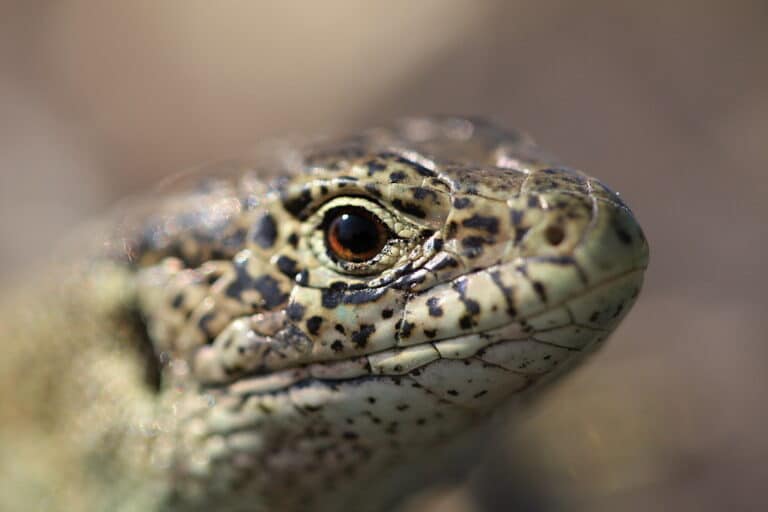
Sand Lizards have fantastic vision! They can see in color, making it easier for them to spot tasty insects and avoid dangers lurking around.
These speedy critters are excellent diggers! Sand Lizards use their strong claws to create burrows in the sand, providing a cozy hideaway from predators.
Watch out for their tail! If a Sand Lizard gets caught by a predator, it can drop its tail to escape. Luckily, the tail grows back over time, like a superpower!
Male Sand Lizards show off during mating season with bright colors! Their bodies can turn a vibrant blue-green to attract potential partners, making them quite the fashionistas.
These lizards like to sunbathe! You can find them basking in the sun for hours, especially during warm afternoons, recharging their energy like solar panels.
Sand Lizards communicate with their bodies! They use handstands and push-ups to show off for each other — a lizard fitness competition!
They are fast on land! Sand Lizards can sprint at speeds of up to 40 kilometers per hour (25 miles per hour), making them one of the fastest lizards around.
Unlike many reptiles, Sand Lizards build nests for their eggs! They carefully dig holes in the sand, ensuring their future hatchlings have a safe and cozy start.
Photos



The Basics


explore more
Amphibians
Arachnids
Birds
Cats
Crustaceans
Fish
Fish Pet Guide
Gastropods
Insects
Invertebrates
Mammals
Pet Fish
Pet Rodents
Plants
Reptiles
Roundworms
Sea Slugs