Successfully copied to clipboard!
Sand Viper
Uncover the stealthy desert ambushers of Africa!
Let’s Explore
Overview
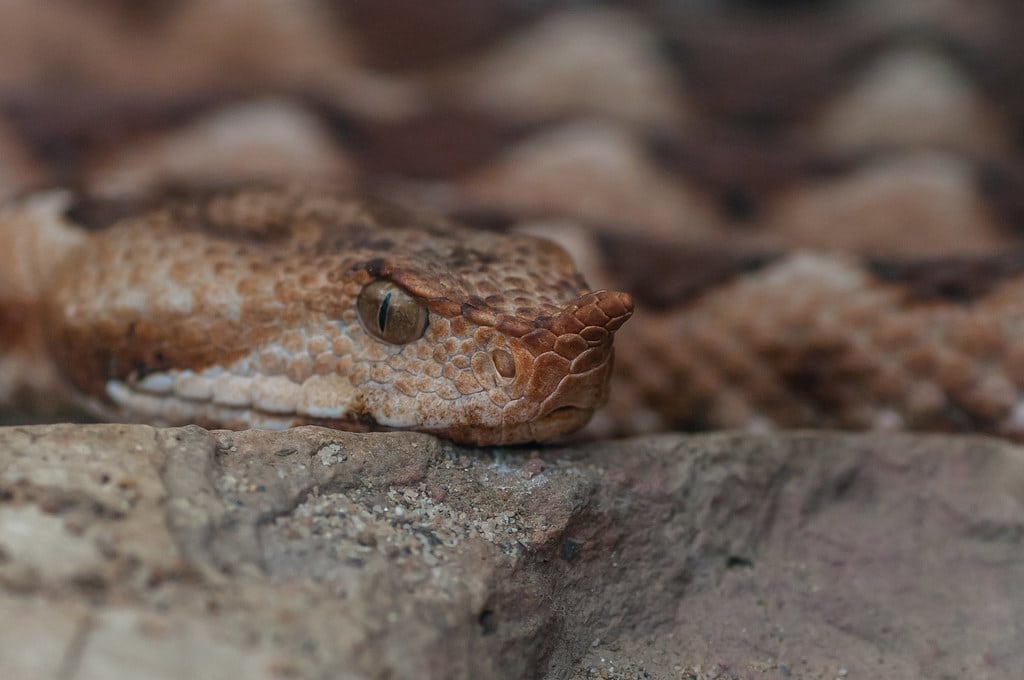
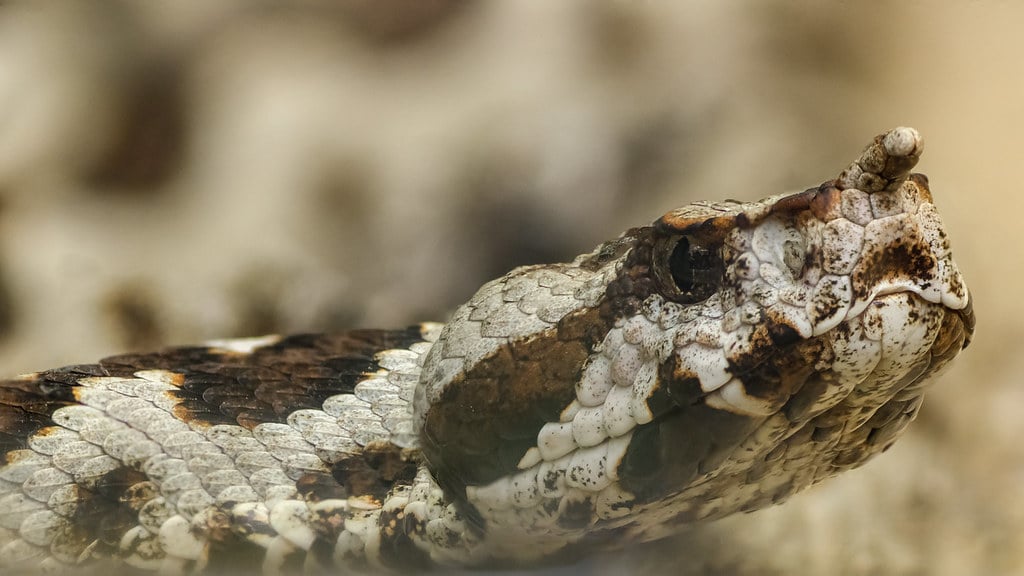
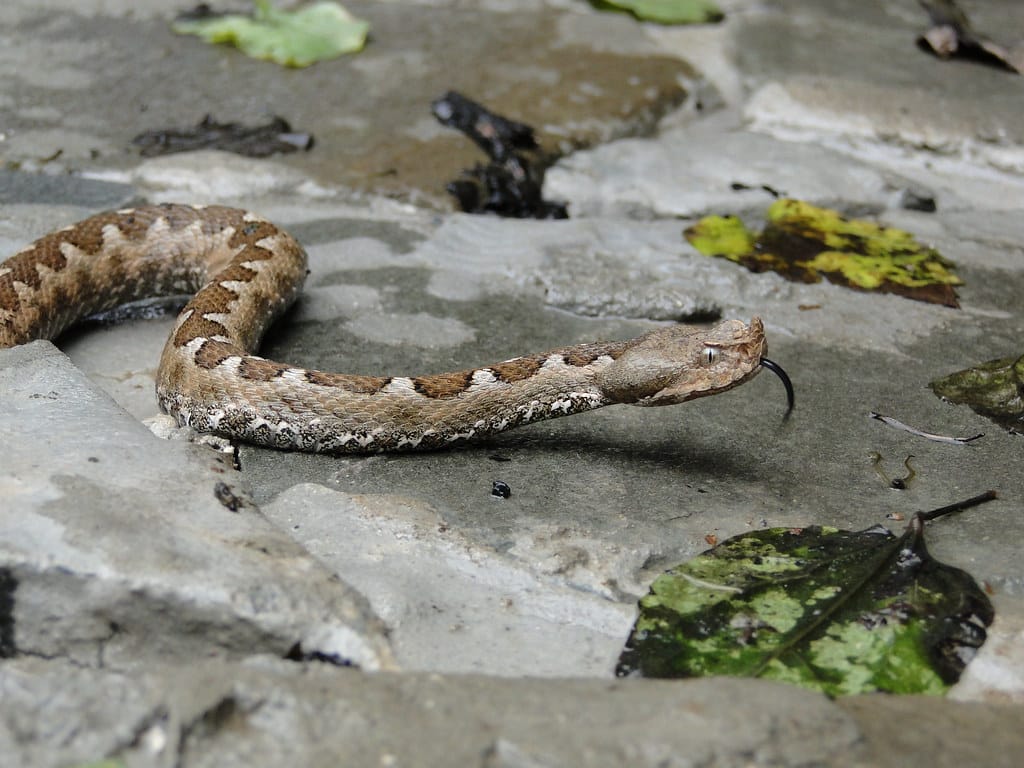
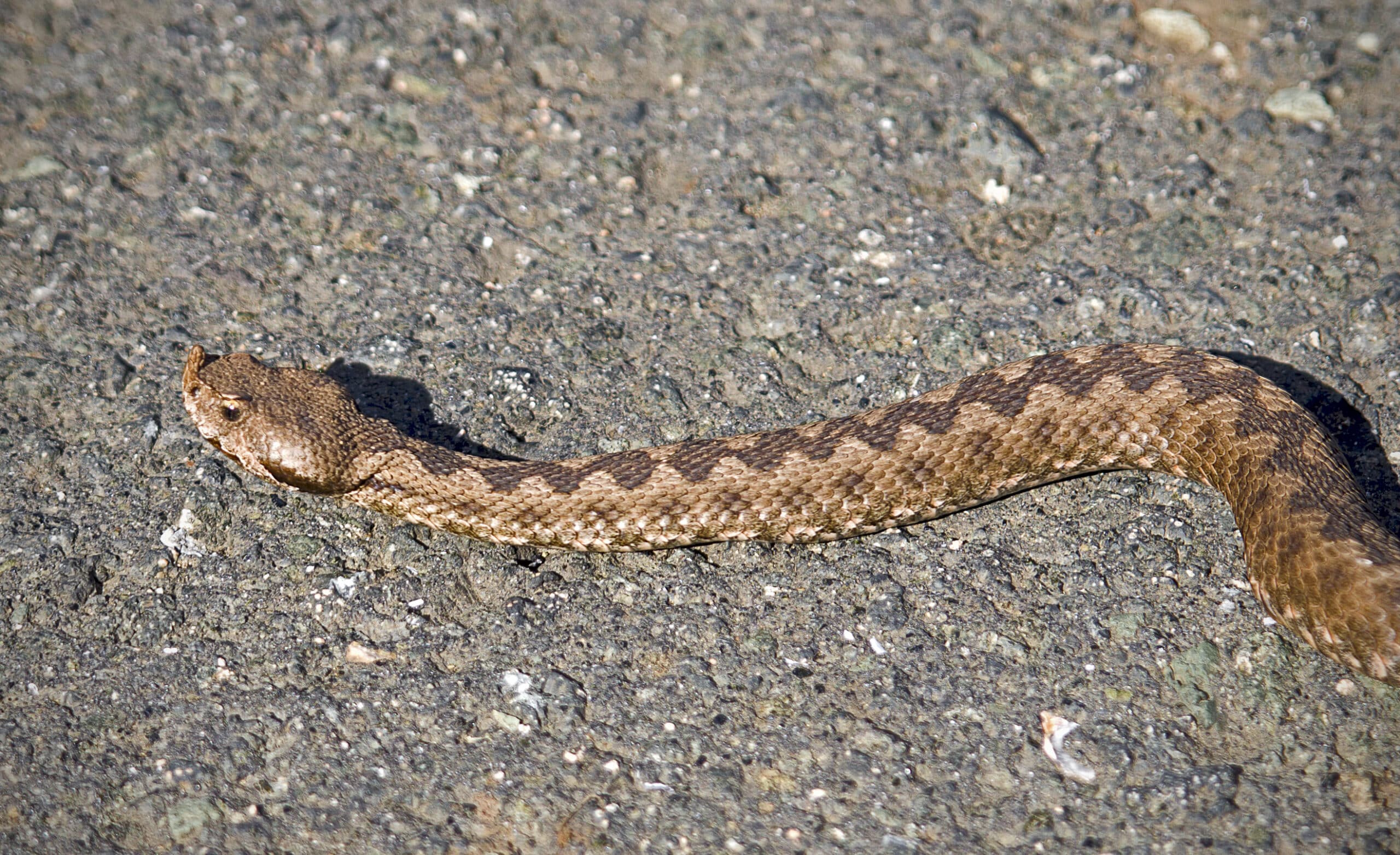
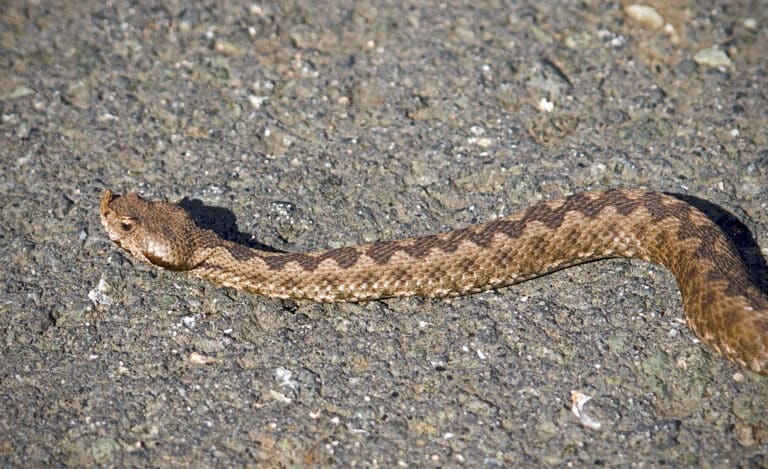
The Sand Viper, known scientifically as Cerastes viperus, slithers across the sandy landscapes of Africa. This captivating reptile belongs to the Viperidae family and can grow between 30 to 60 centimeters, which is about 12 to 24 inches long.
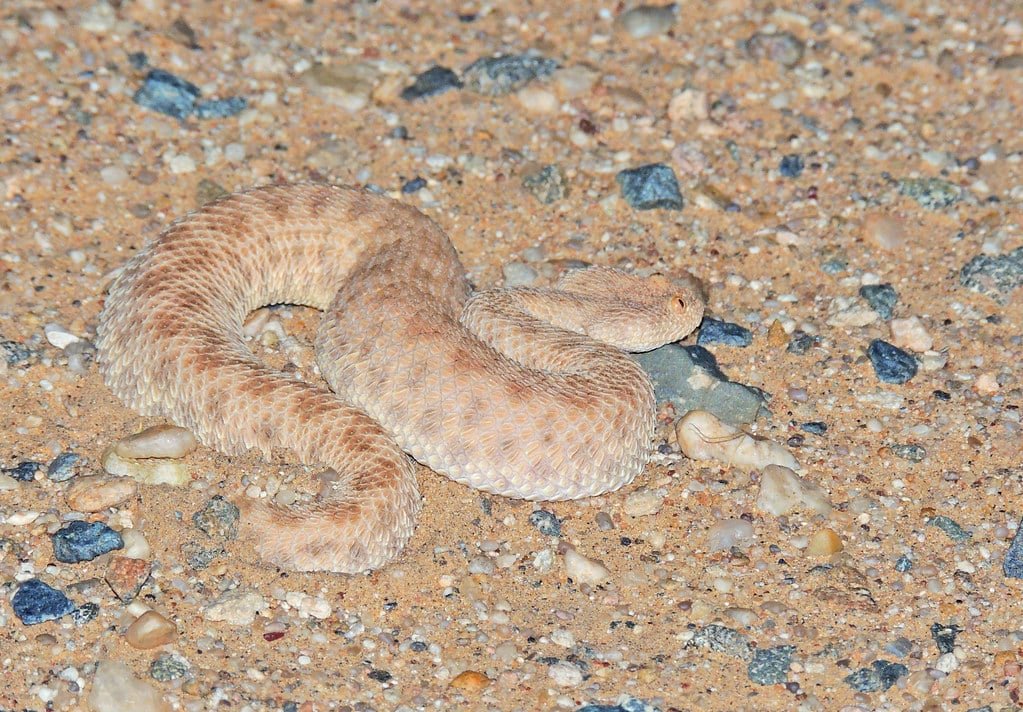
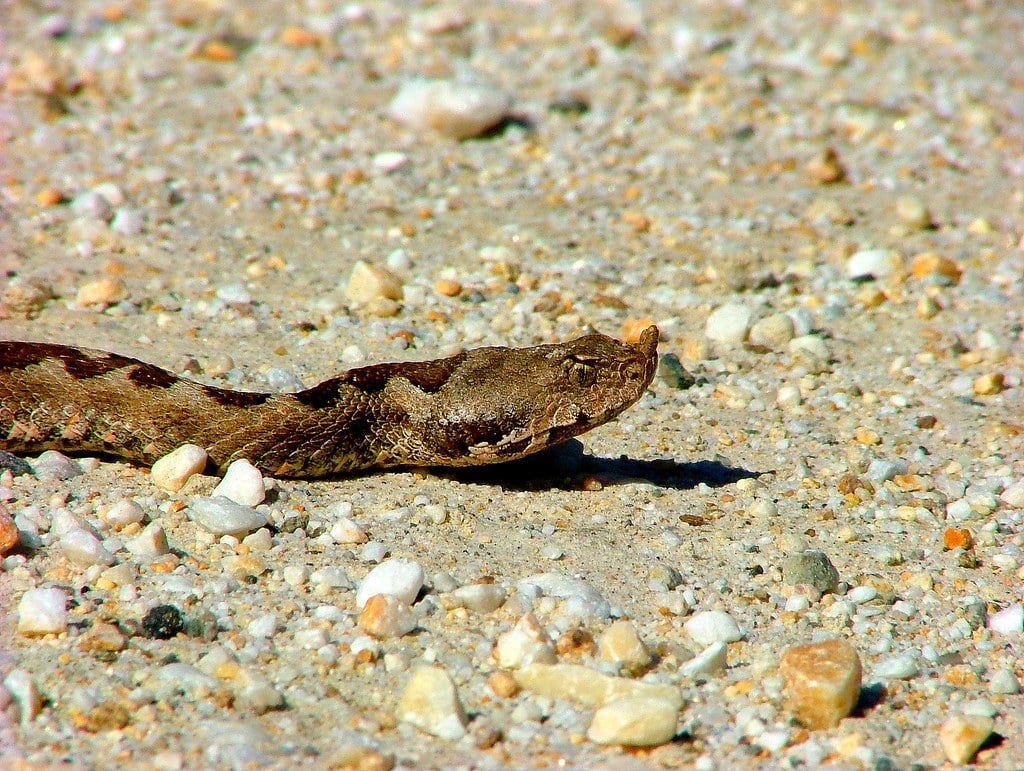
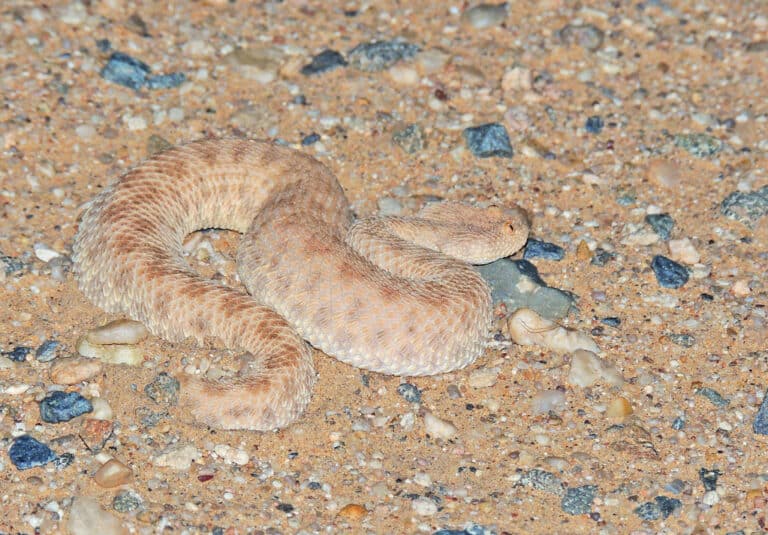
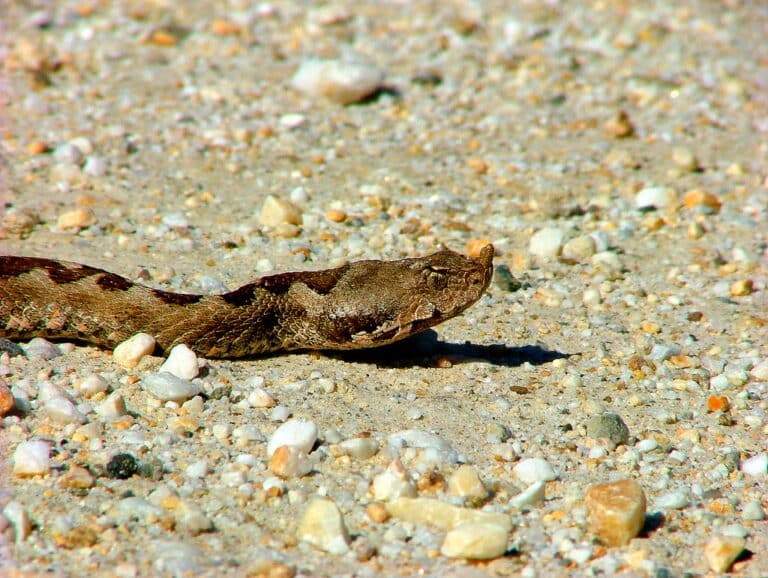
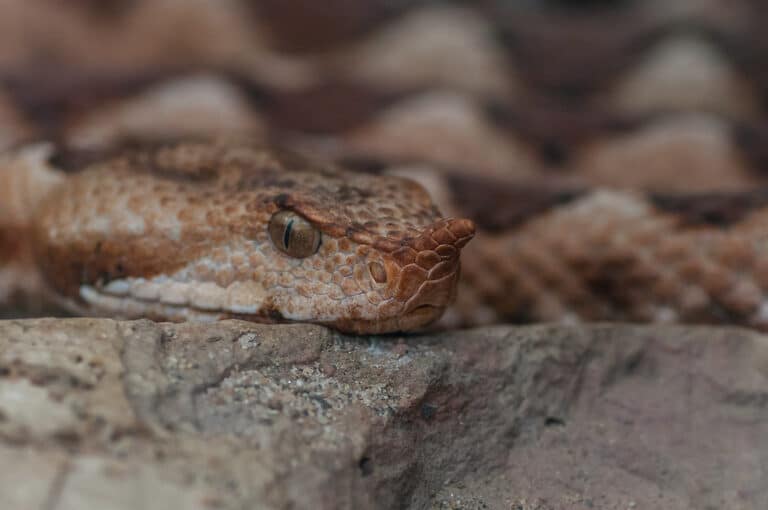
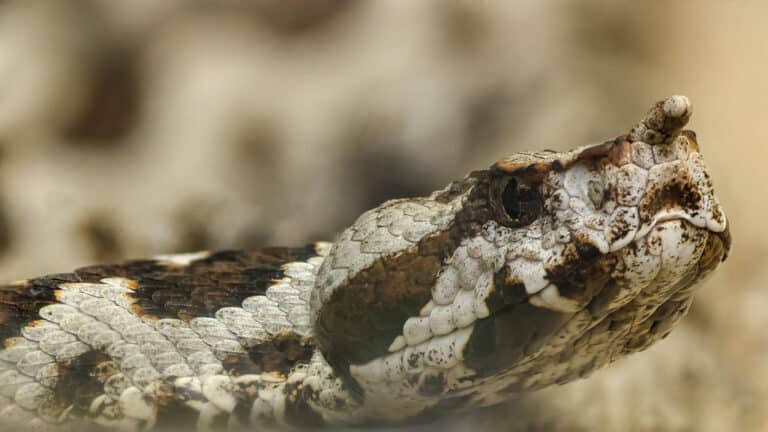
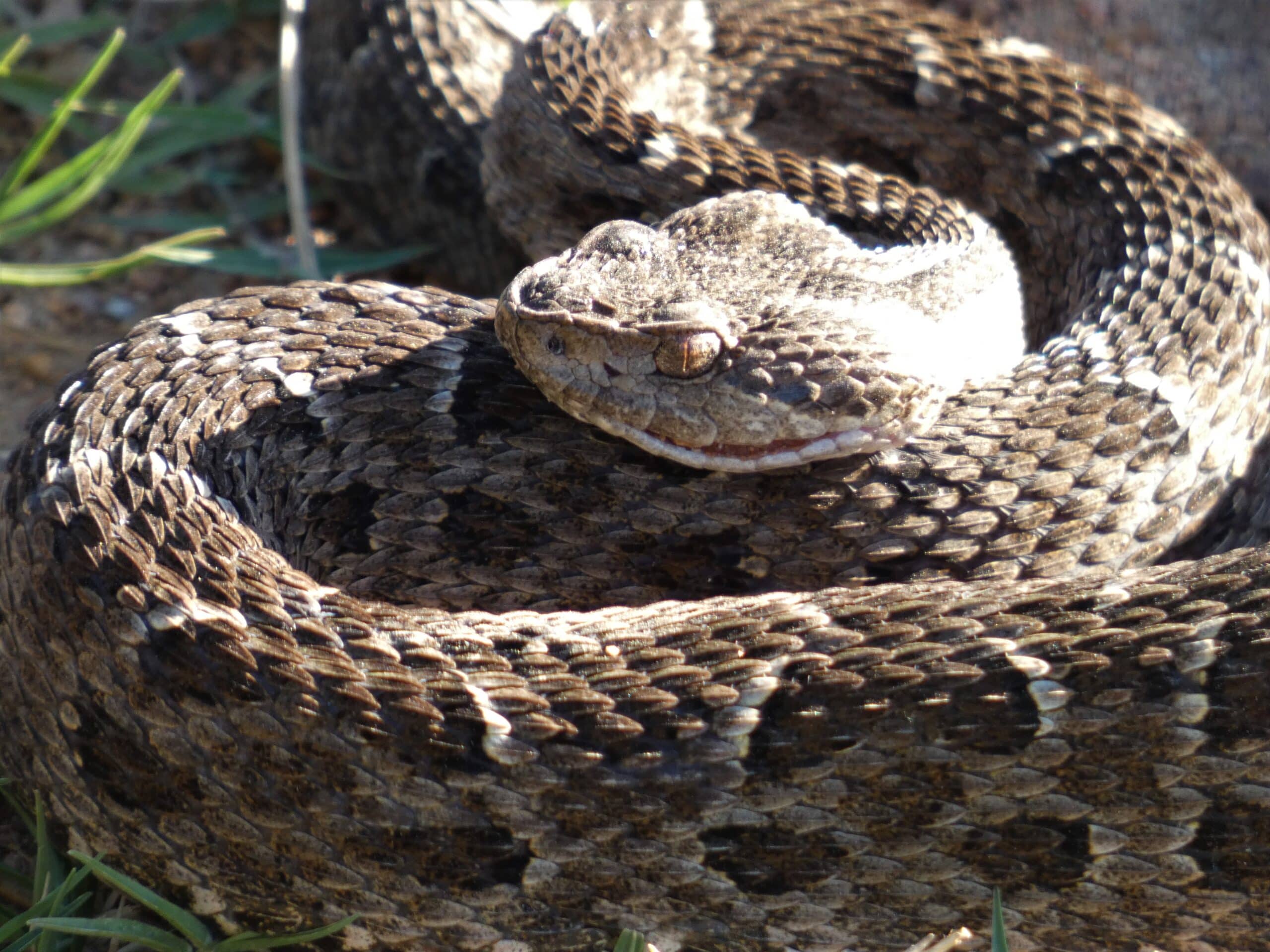
With its unique adaptations, the Sand Viper blends perfectly into its desert habitat. Its sandy coloration makes it look like a pile of rocks, allowing it to ambush small rodents and lizards with the stealth of a ninja!
This snake packs a powerful bite. It uses its venom to immobilize prey before swallowing it whole. Don't worry, Sand Vipers are not interested in humans and prefer to keep to themselves.
The Sand Viper enjoys a long life for a snake, living about 12 to 18 years in the wild. That means this creature can chill out in the desert sun for many years, enjoying a life filled with sunbathing and waiting for the perfect snack to come by.
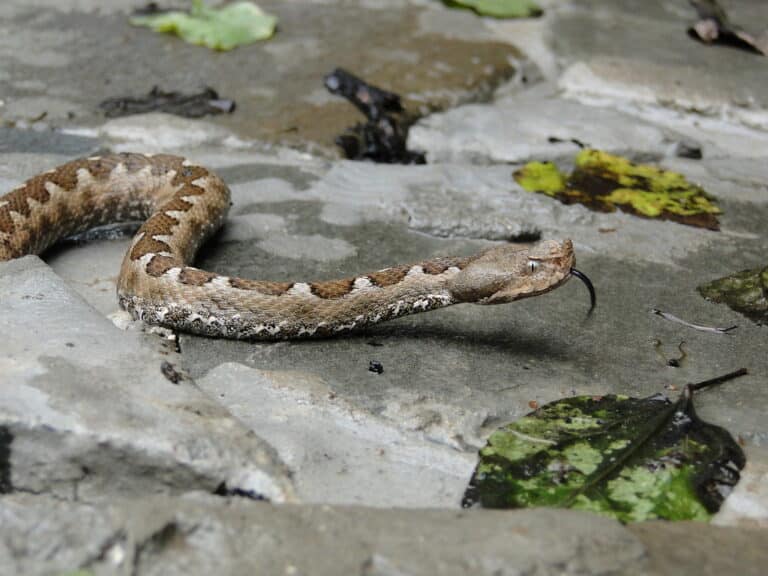
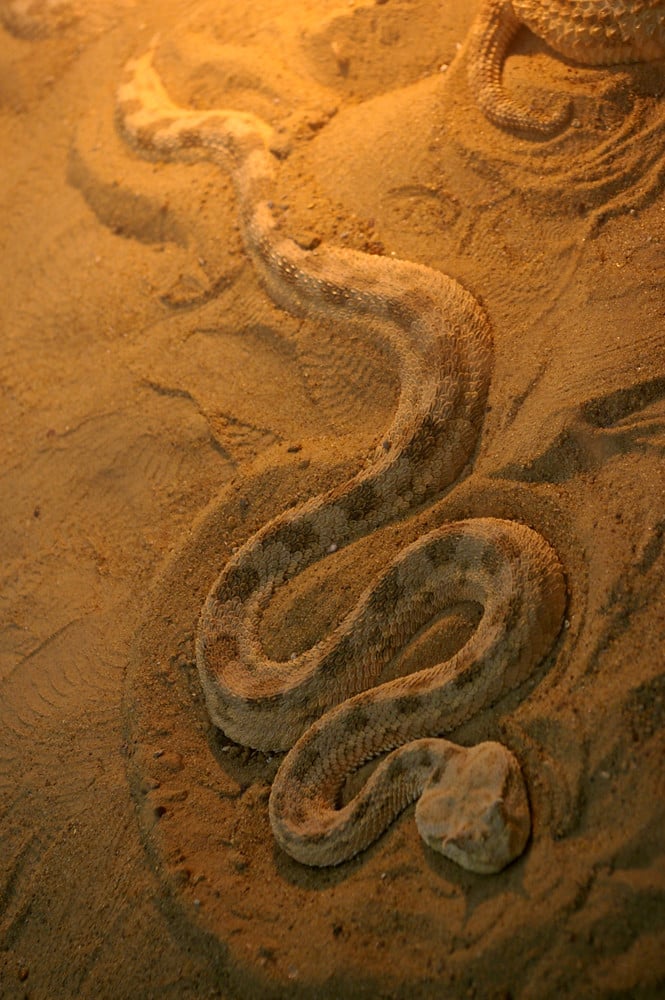
Sand Vipers have a fascinating way of moving. They use a unique sideways motion called sidewinding to glide across hot sand. It looks like they are performing a dance on the dunes!
These snakes are important members of their ecosystem. They help control the populations of small animals, making sure no one gets too out of hand. So, next time you think about snakes, remember the Sand Viper and its role in keeping nature balanced!

Where can you find a Sand Viper in the wild?
What does a Sand Viper eat?
How big can a Sand Viper grow?
How long does a Sand Viper typically live?
What is the conservation status of the Sand Viper?
What are the main threats to the Sand Viper?
Fun facts
Sand Vipers have a unique trick called sidewinding, which helps them glide across hot sand without burning their bellies. They move in a way that looks like they are dancing on the dunes!


Their camouflage is so good that they can blend seamlessly into the sandy desert. In fact, they can look like a pile of rocks, making them expert ambush predators!
Sand Vipers can eat their prey whole, thanks to their flexible jaws that can stretch wide. Imagine a giant zipper opening up to devour a whole rodent!
Sand Vipers use their venom not just to catch food but also for defense against predators. It’s like having a built-in security system that helps keep them safe!
When it comes to sunbathing, Sand Vipers aim for the warmest spot. They enjoy soaking up the sun, and this helps them stay active and ready to hunt!
These snakes usually hunt at night when temperatures cool down. They become stealthy hunters under the moonlight, quietly stalking their prey like a shadow in the dark.
Sand Vipers can stay still for a long time while waiting for food. They can be patient, resembling a statue in the desert, just waiting for the perfect opportunity to strike!
When threatened, a Sand Viper might hiss or puff its body to appear larger, much like a balloon that’s about to pop! This helps scare off predators who might think twice about attacking.
Unlike many snakes that lay eggs, Sand Vipers give birth to live young. It’s like having tiny baby snakes popping out instead of hatching from eggs!
These fascinating reptiles play a big role in their habitat by keeping the population of small rodents and lizards in check. You could say they are the guardians of the desert!
Photos



The Basics


explore more
Amphibians
Arachnids
Birds
Cats
Crustaceans
Fish
Fish Pet Guide
Gastropods
Insects
Invertebrates
Mammals
Pet Fish
Pet Rodents
Plants
Reptiles
Roundworms
Sea Slugs