Successfully copied to clipboard!
Sandworm
Uncover the hidden wigglers that live beneath sandy shores!
Let’s Explore
Overview
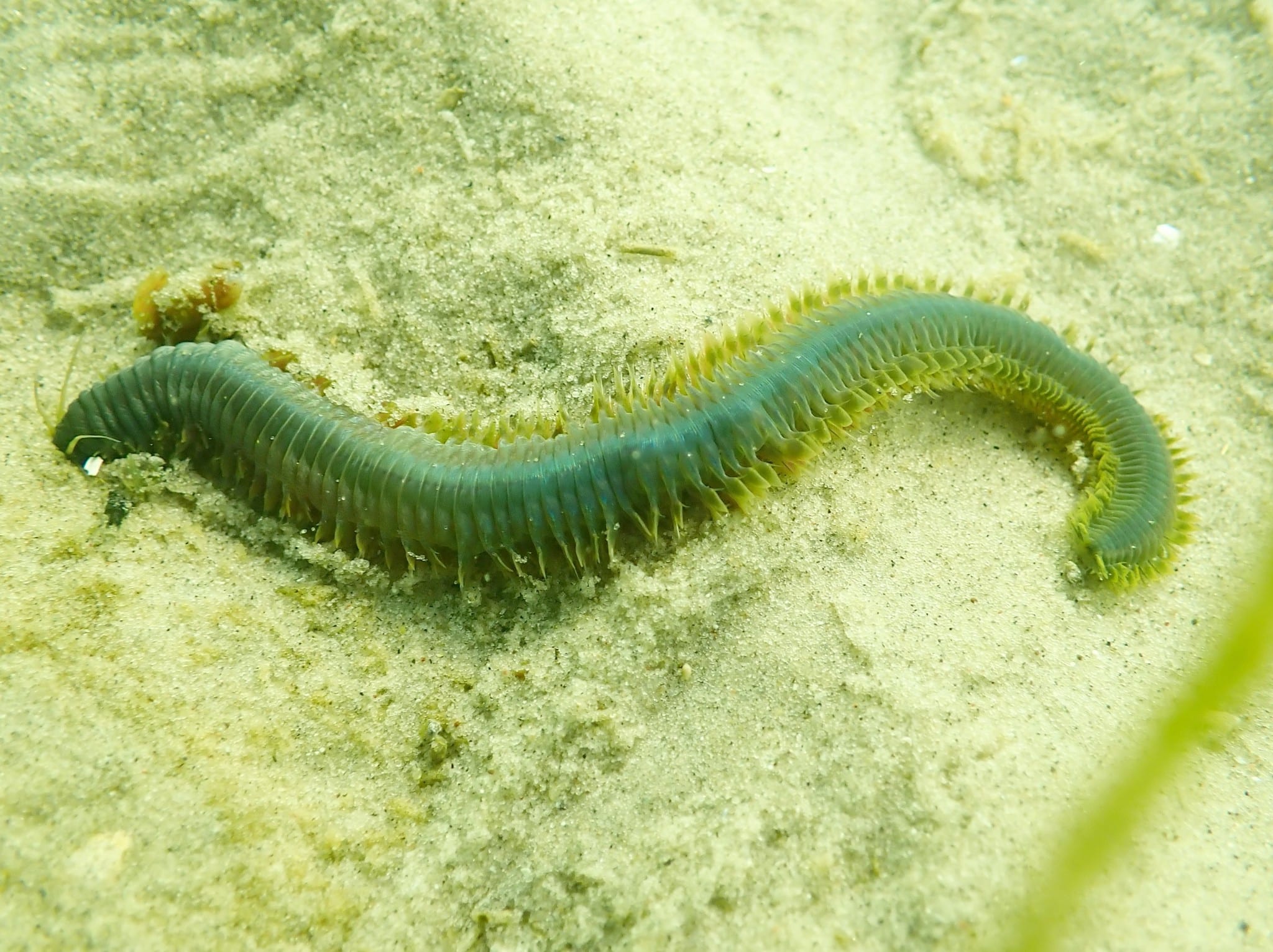
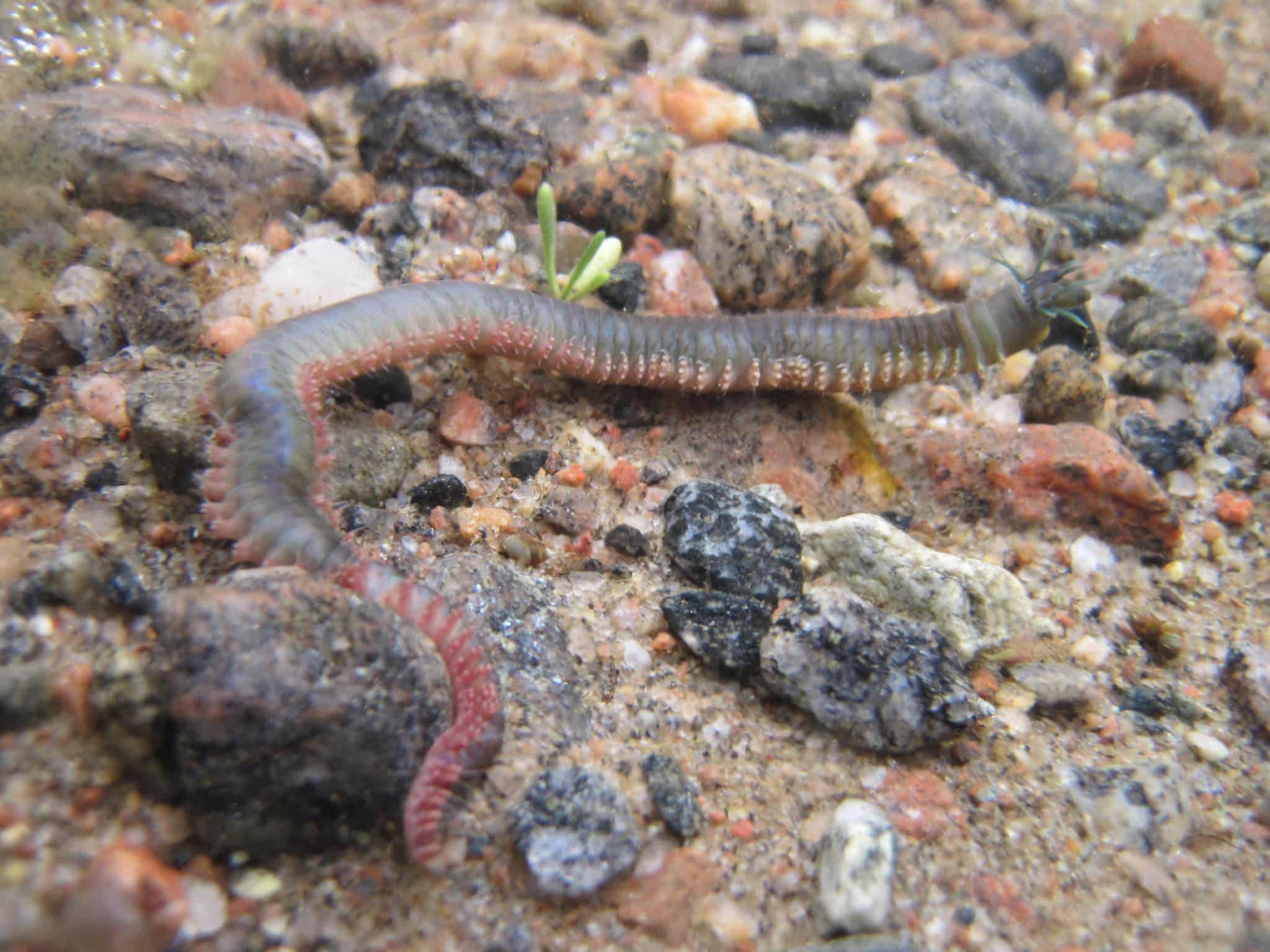
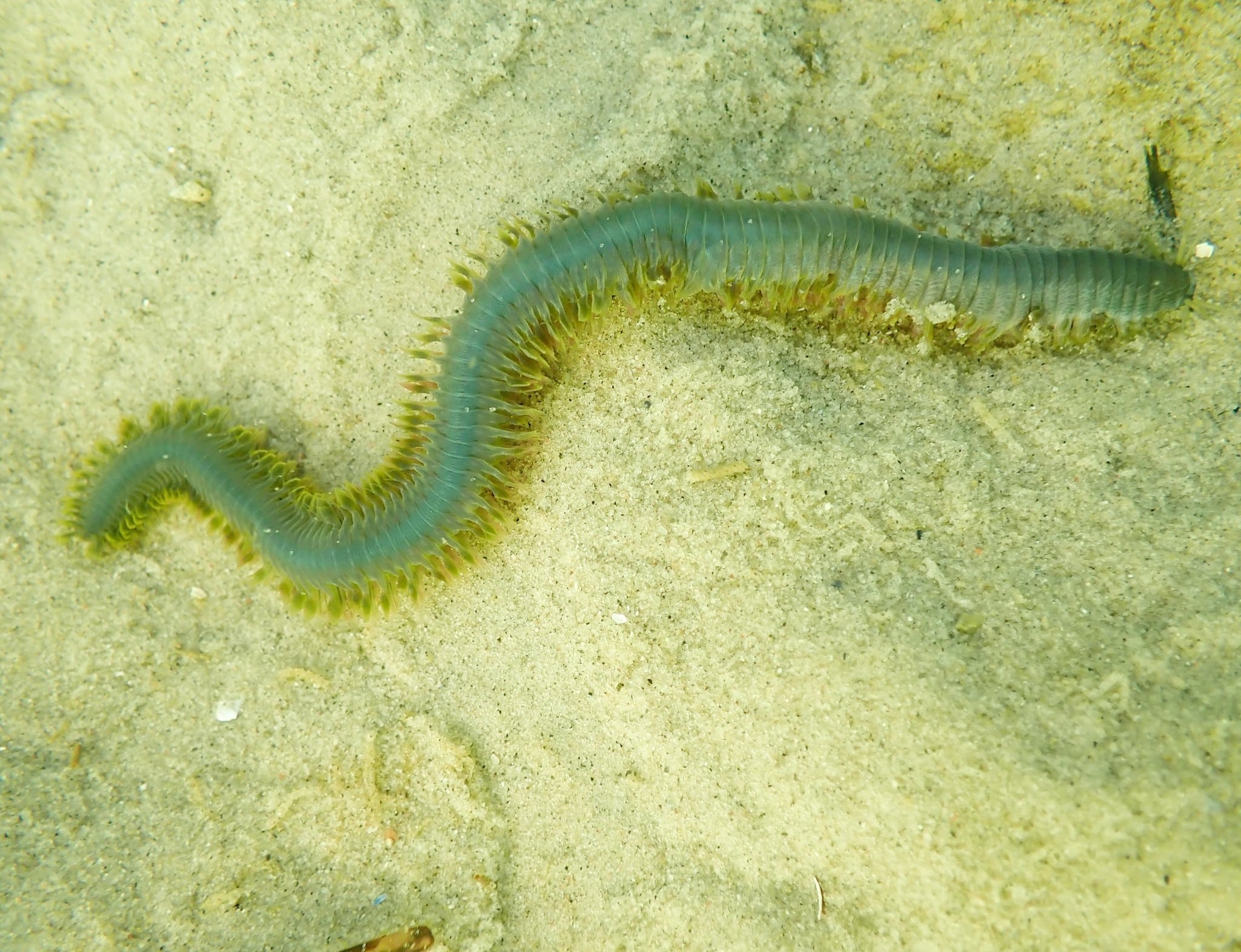
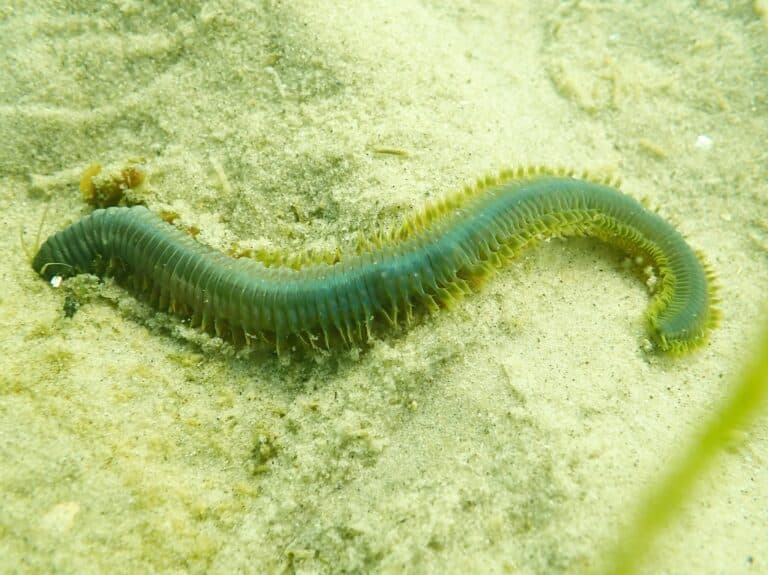
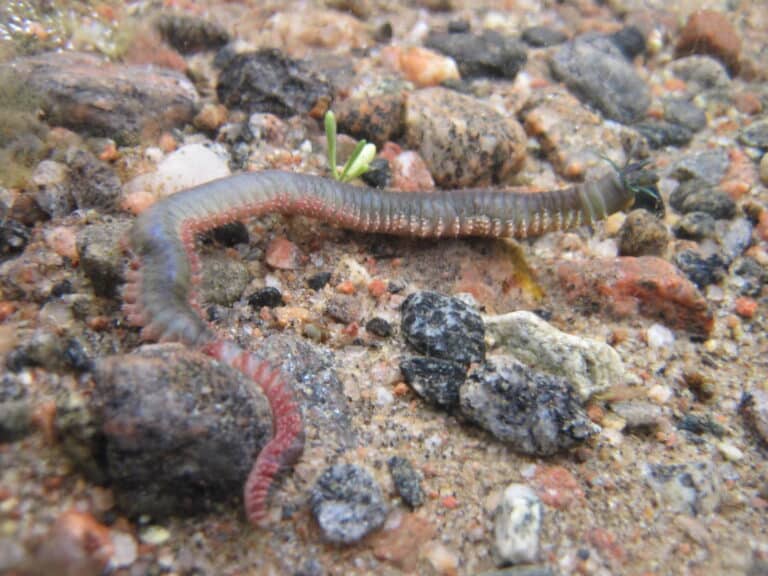
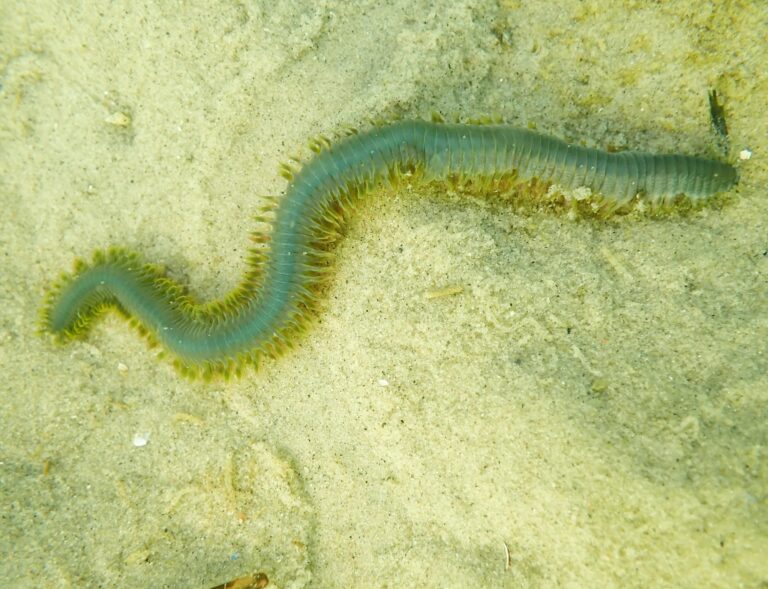
Sandworms are amazing invertebrates that can grow up to 1.2 meters (4 feet) long! They belong to the Phylum Annelida and live in the sand along coastlines, especially in Europe.
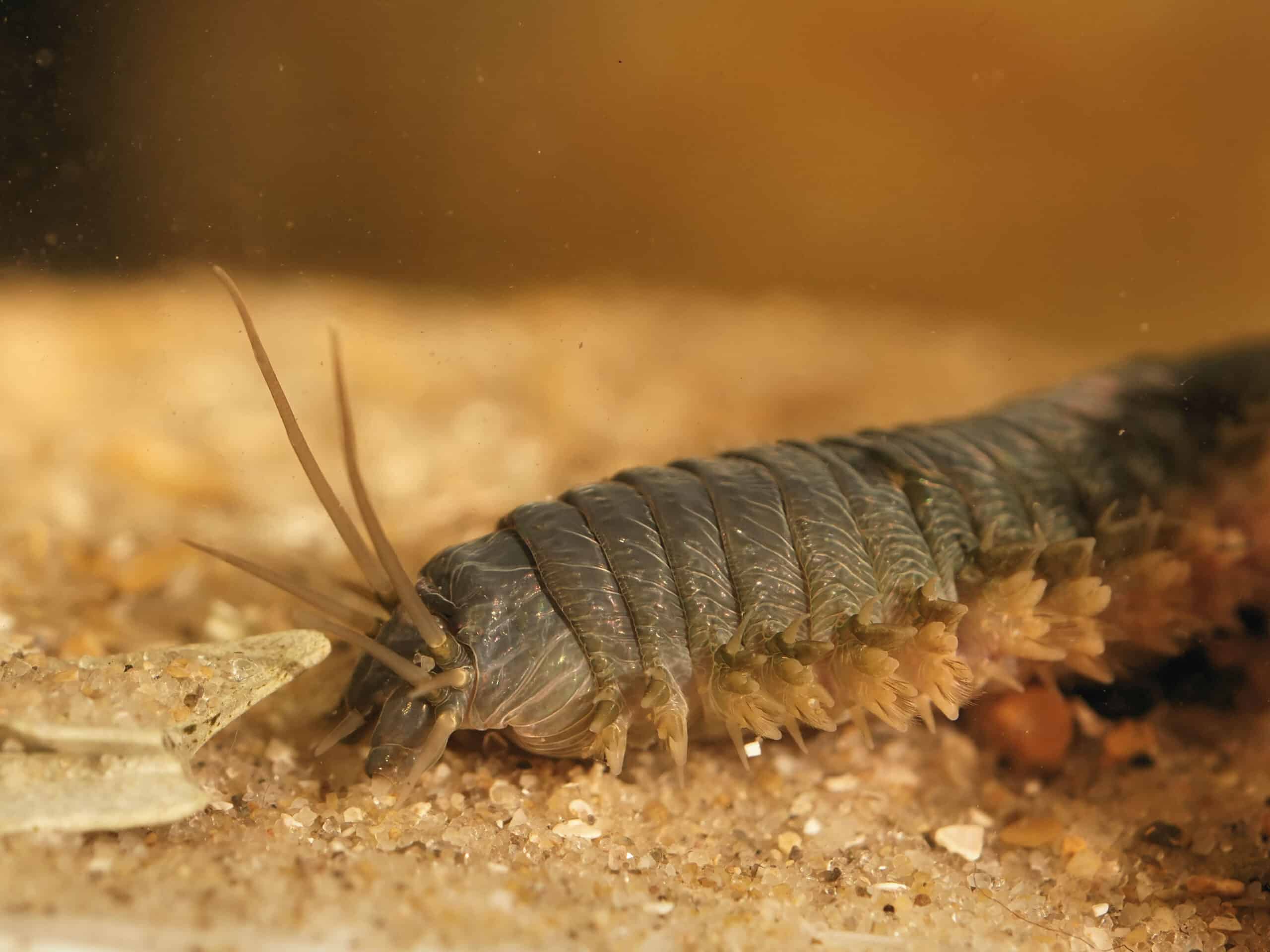
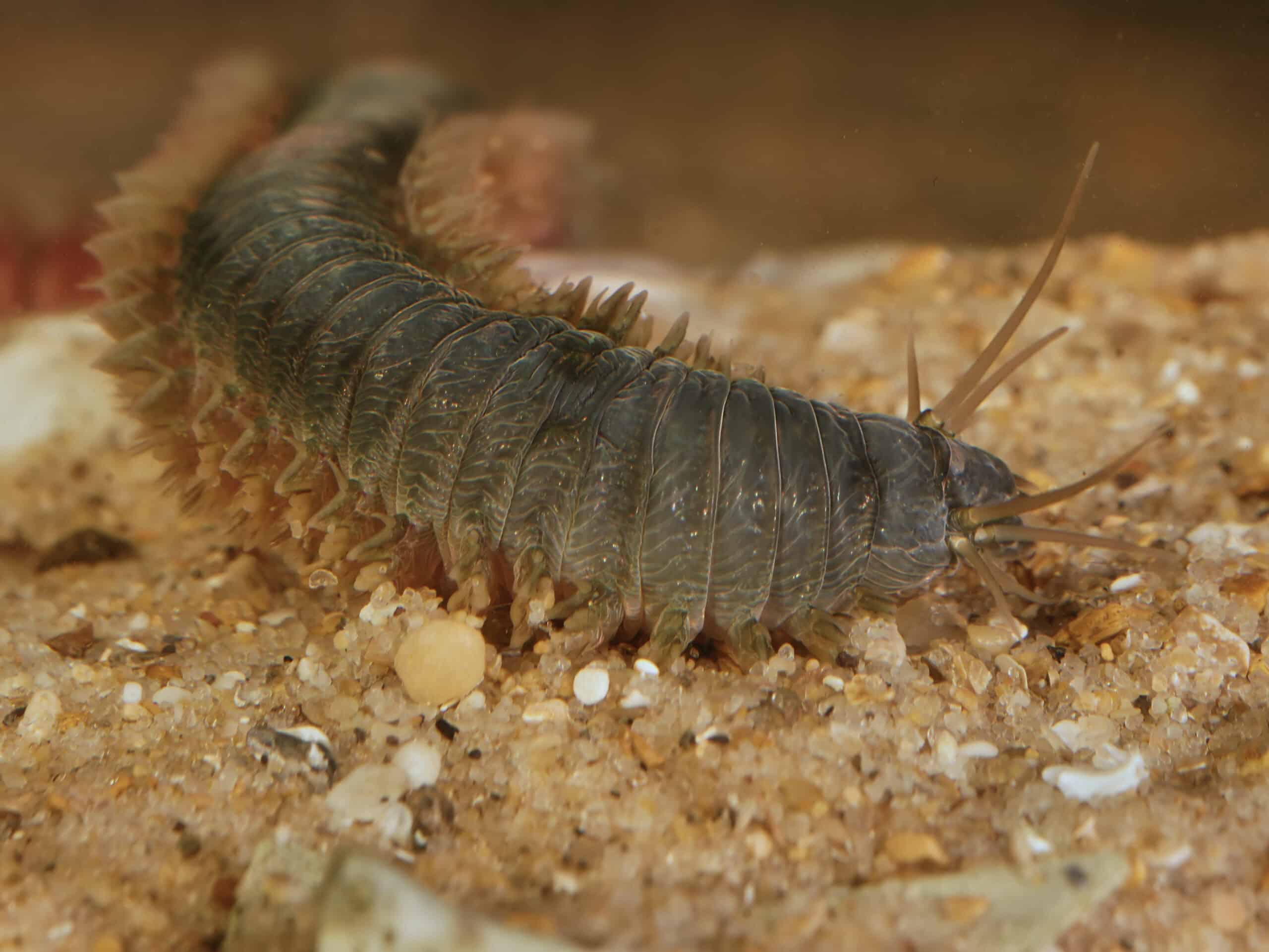
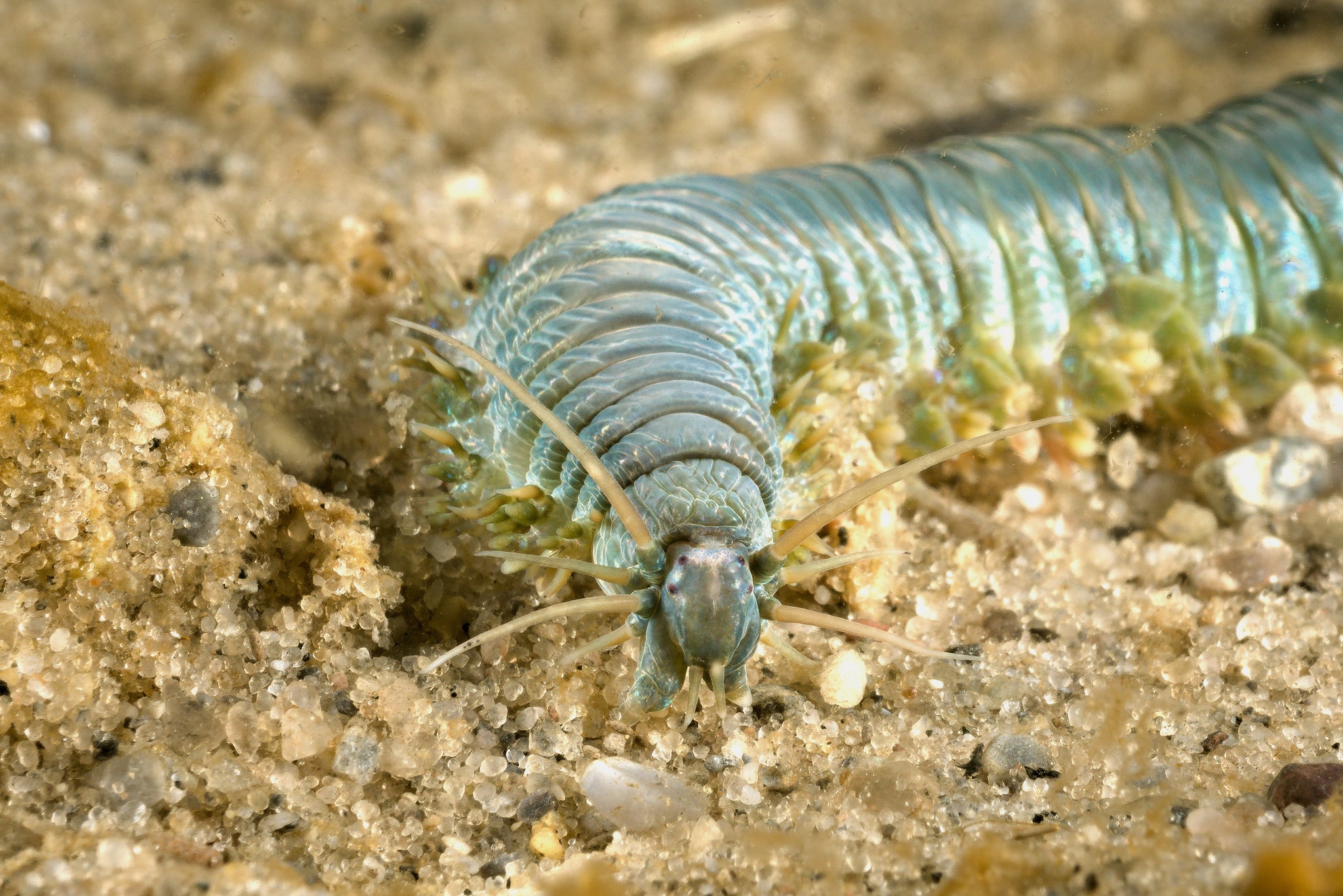
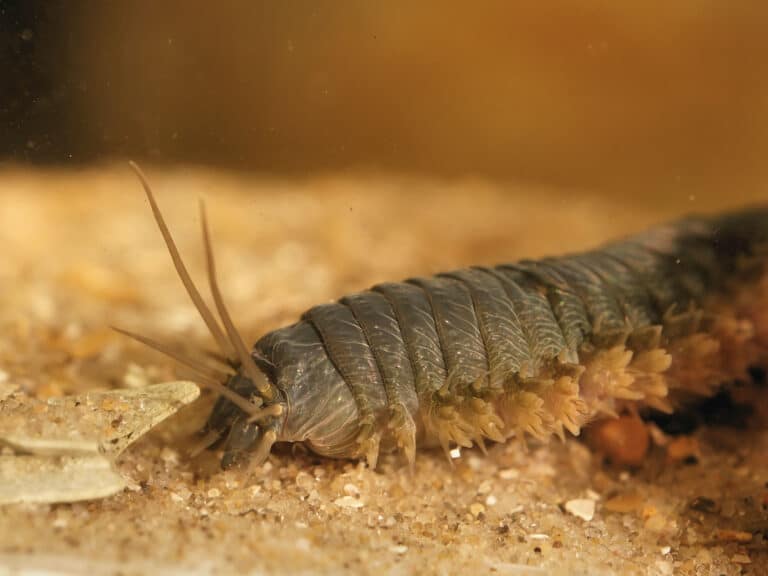
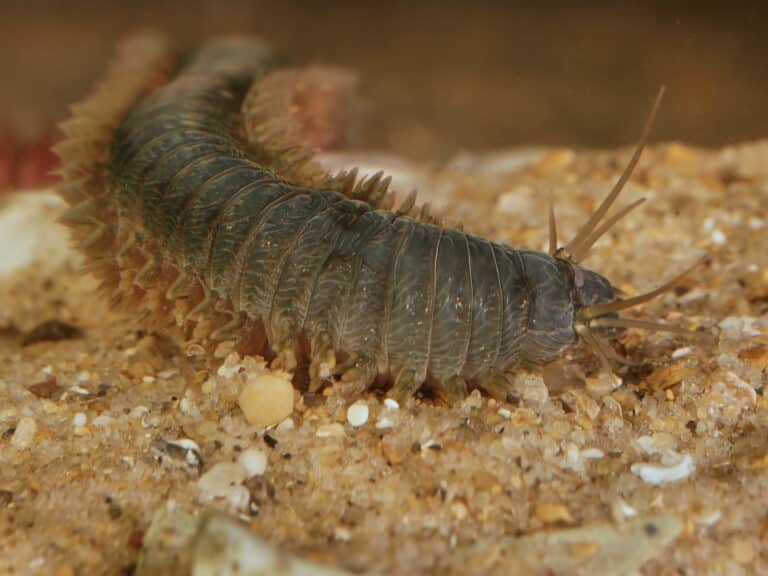
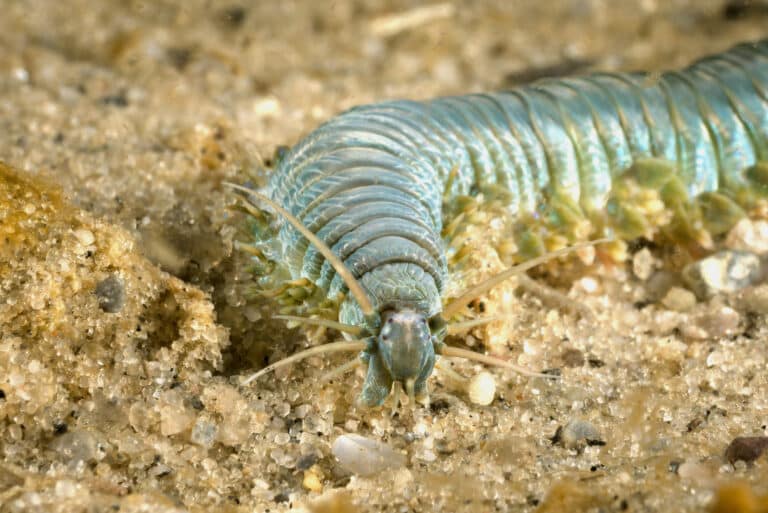
With their long, segmented bodies, sandworms look a bit like wiggly noodles. They have many bristles on their sides that help them move quickly through the sand, making them top-notch swimmers beneath the surface.
Sandworms have quite the diet! They munch on algae and plankton, helping to keep their environment clean and healthy. You could say they are the ultimate underwater recyclers!
These creatures have a lifespan of 3 to 5 years. That's enough time to wiggle through tons of sand and become the perfect dinner for hungry fish and birds!
Sandworms reproduce in a fabulous fashion! They release their eggs into the water, creating a flurry of new life that adds more wiggle to the ocean. Talk about a big family reunion!
Even though they might not be the cuddliest of creatures, sandworms play a key role in marine ecosystems. They help support the food chain by being snacks for various fish and helping to keep the ocean floor healthy!

Where can you find a Sandworm in the wild?
What does a Sandworm eat?
How big can a Sandworm grow?
How long does a Sandworm typically live?
What is the conservation status of the Sandworm?
What are the main threats to the Sandworm?
Fun facts
Sandworms can regenerate lost body segments, making them like real-life superheroes! If they lose part of their body, they can grow it back over time.


Some sandworms can live in depths of up to 100 meters (328 feet), where they enjoy an underwater adventure despite the darkness and cool temperatures.
Sandworms use their bristles, called chaetae, to swim through the sand. They can perform impressive flips and twists, making them the acrobats of the ocean floor!
These creatures play a super important role in their home because they aerate the sand. By moving through it, they help keep the sand healthy and habitable for other marine life.
During mating, male sandworms create special structures to attract females. This romantic gesture helps them celebrate love under the waves!
Sandworms can tolerate a range of temperatures, which means they can thrive in various coastal environments. From chilly waters to warm tides, they make every sandy spot their home.
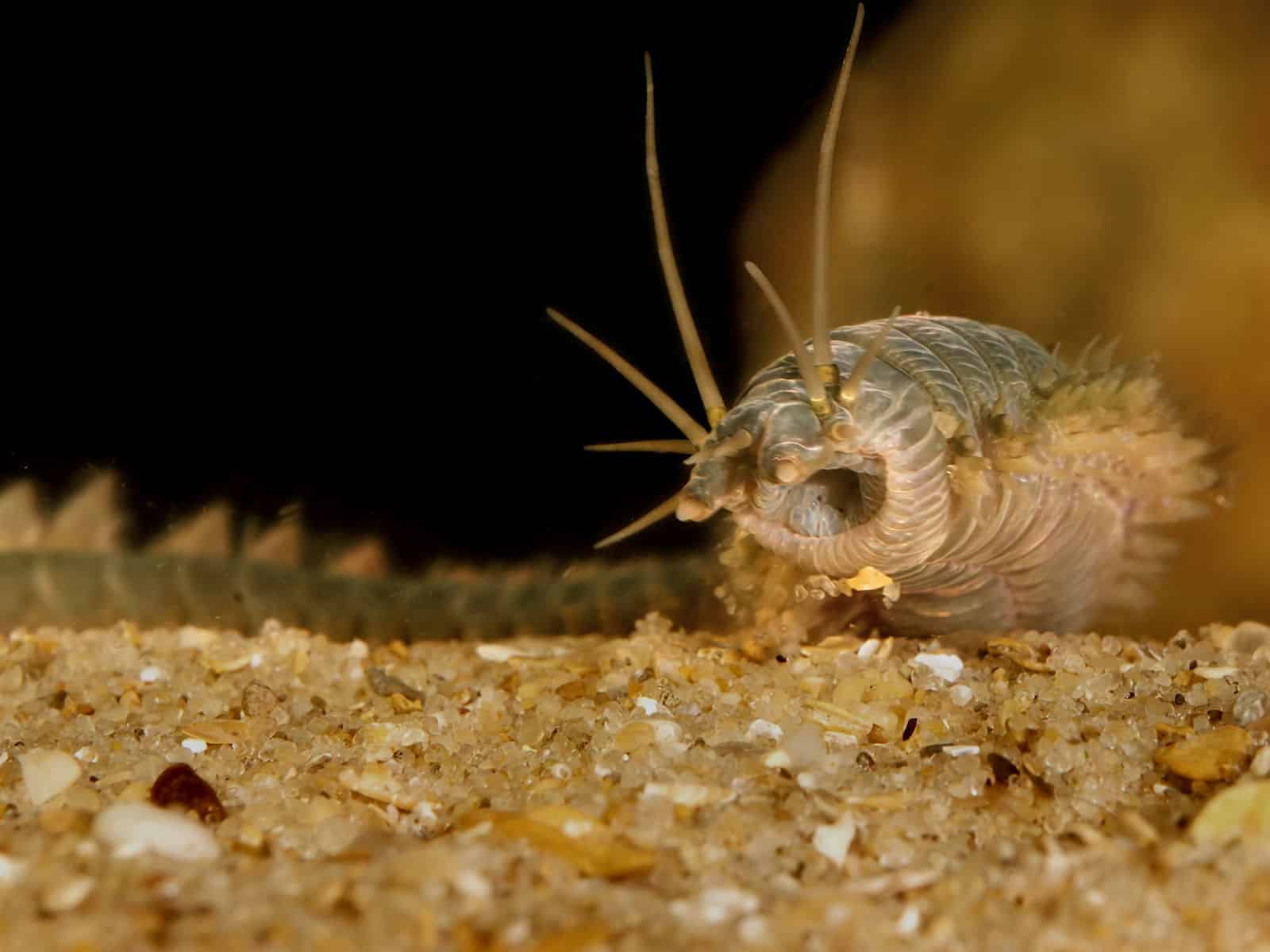
Scientists believe sandworms can sense water currents with specialized antennae. This ability helps them find food and stay safe from predators.
Some sandworms can change colors to blend in with their surroundings, helping them hide from hungry fish and crabs. It’s like wearing a clever disguise!
These fascinating creatures have been used as bait by fishermen for centuries. Their wiggly form attracts many fish, making them a popular catch!
In some cultures, sandworms are seen as a delicacy. People enjoy them in various dishes, showing that even wiggly creatures can become tasty treats!
Photos





The Basics


explore more
Amphibians
Arachnids
Birds
Cats
Crustaceans
Fish
Fish Pet Guide
Gastropods
Insects
Invertebrates
Mammals
Pet Fish
Pet Rodents
Plants
Reptiles
Roundworms
Sea Slugs