Successfully copied to clipboard!
Saturniidae Moth
Uncover nature's colorful silk-makers fluttering in African forests!
Let’s Explore
Overview
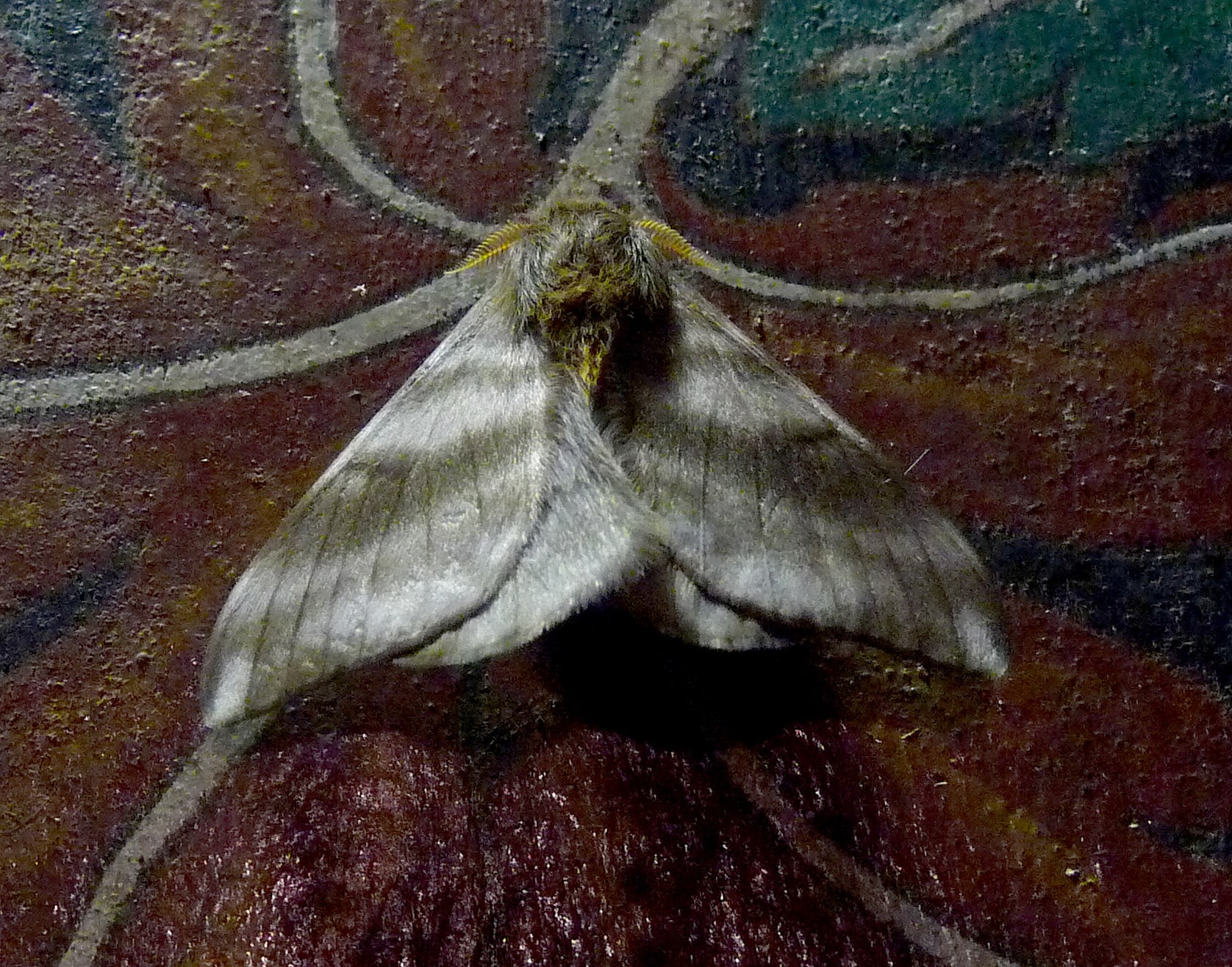
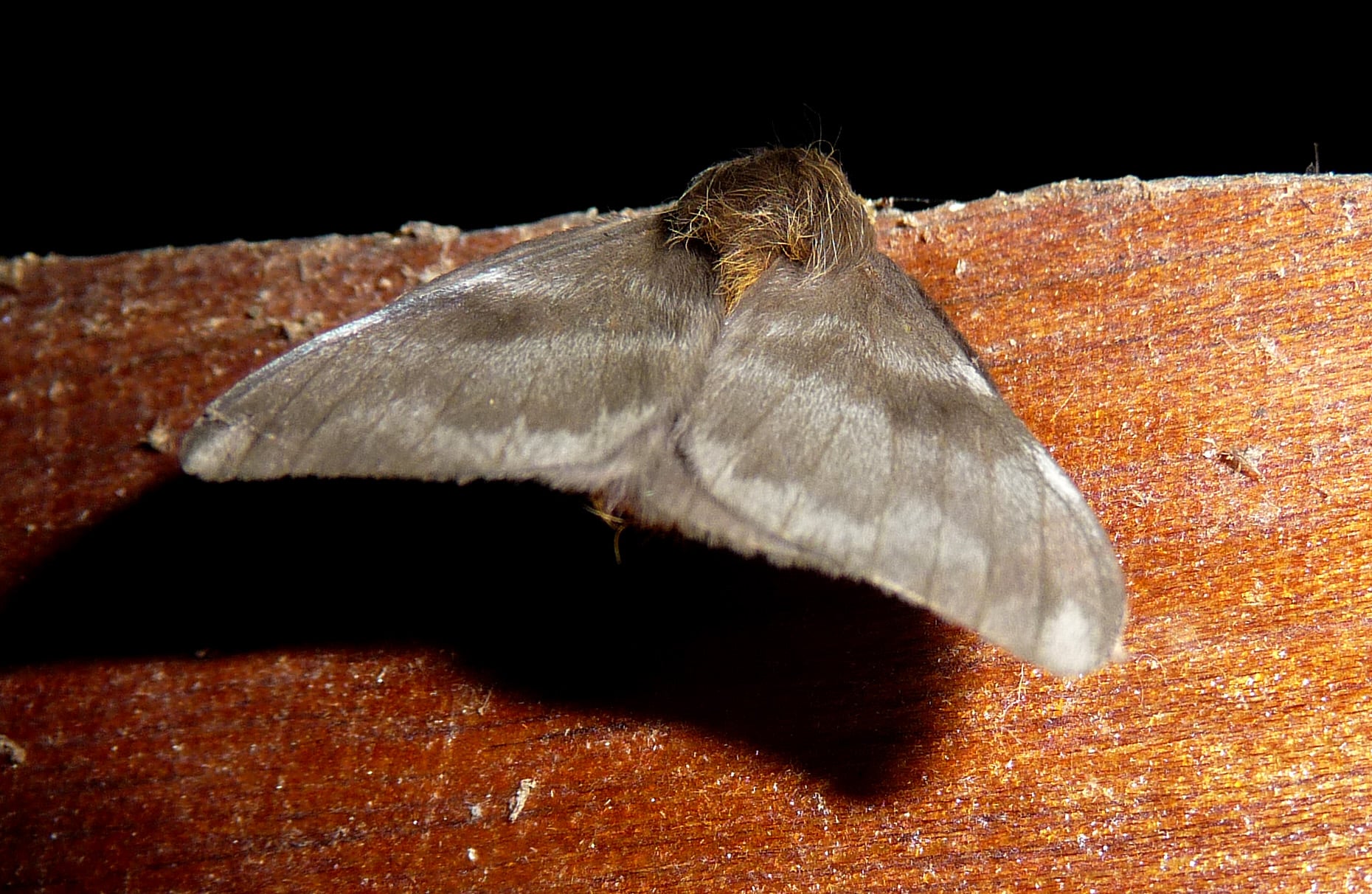
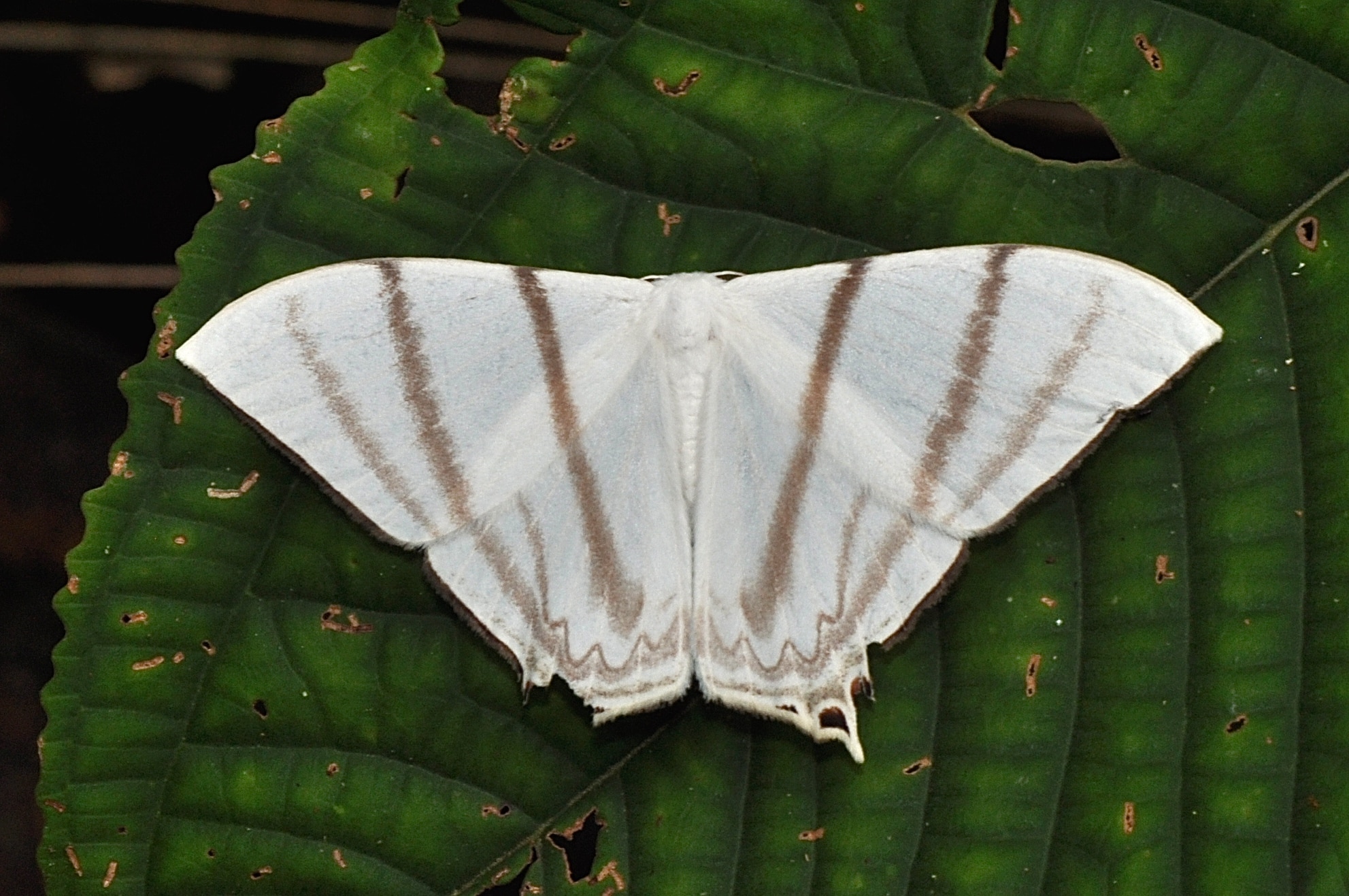
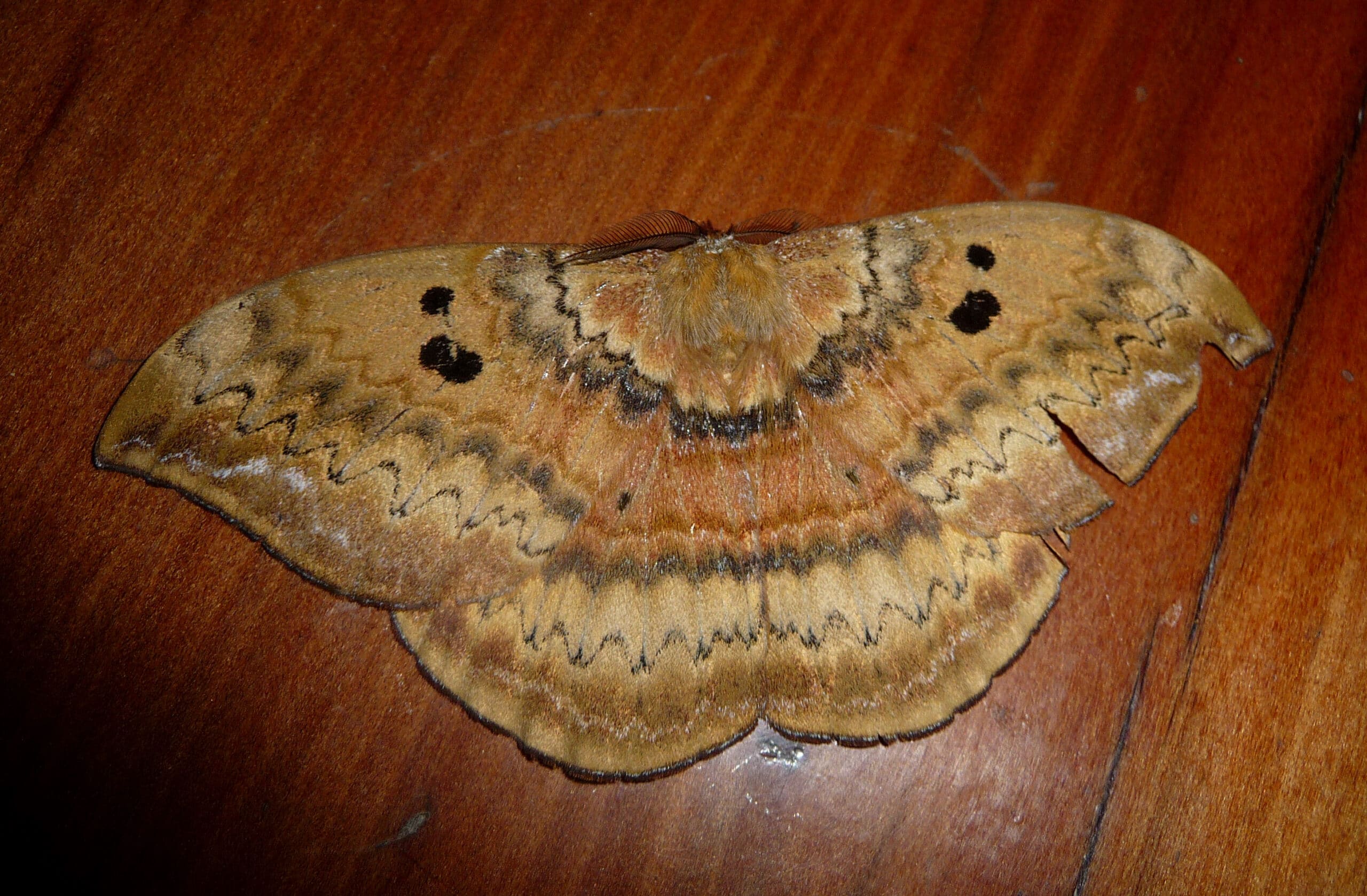
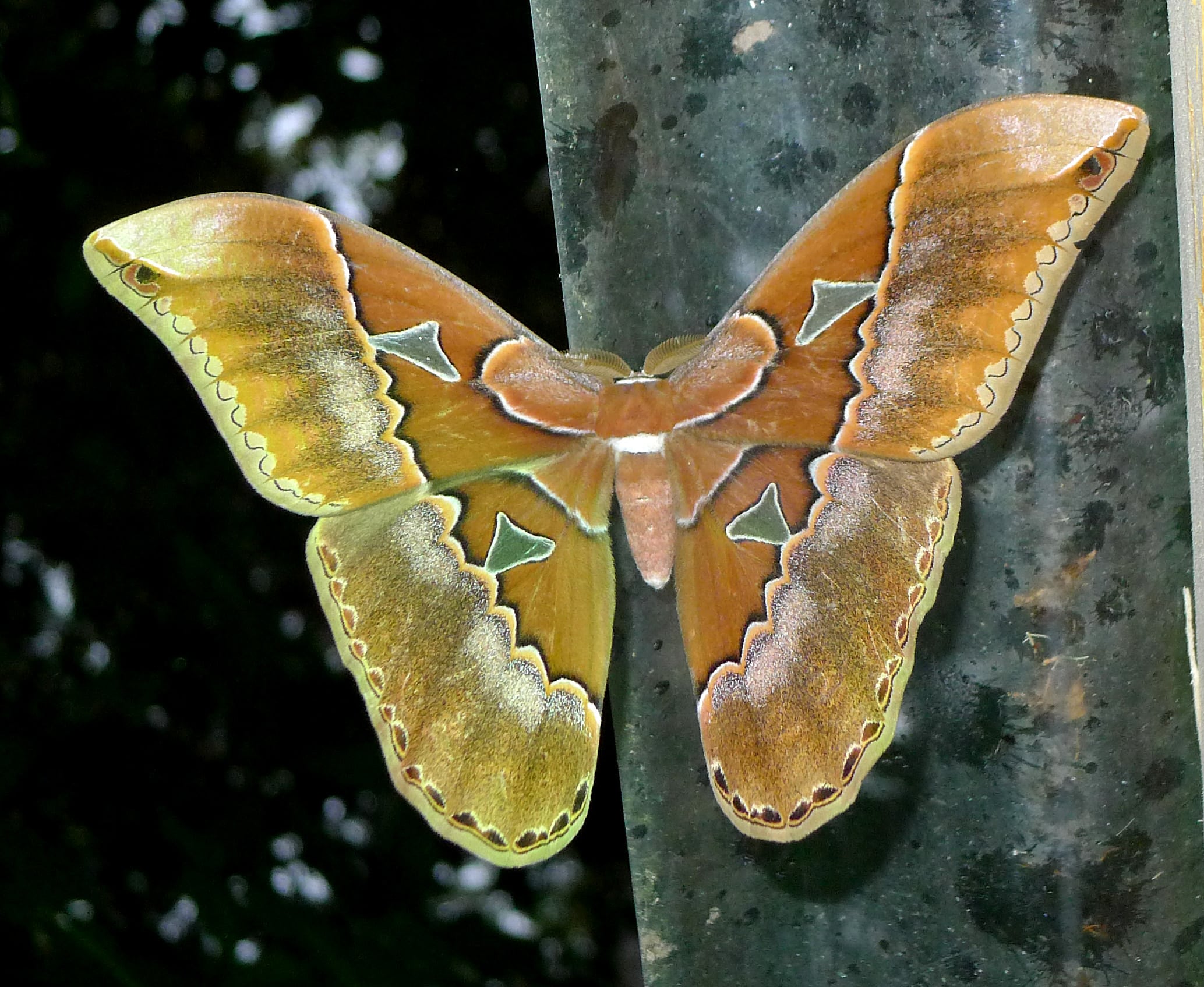
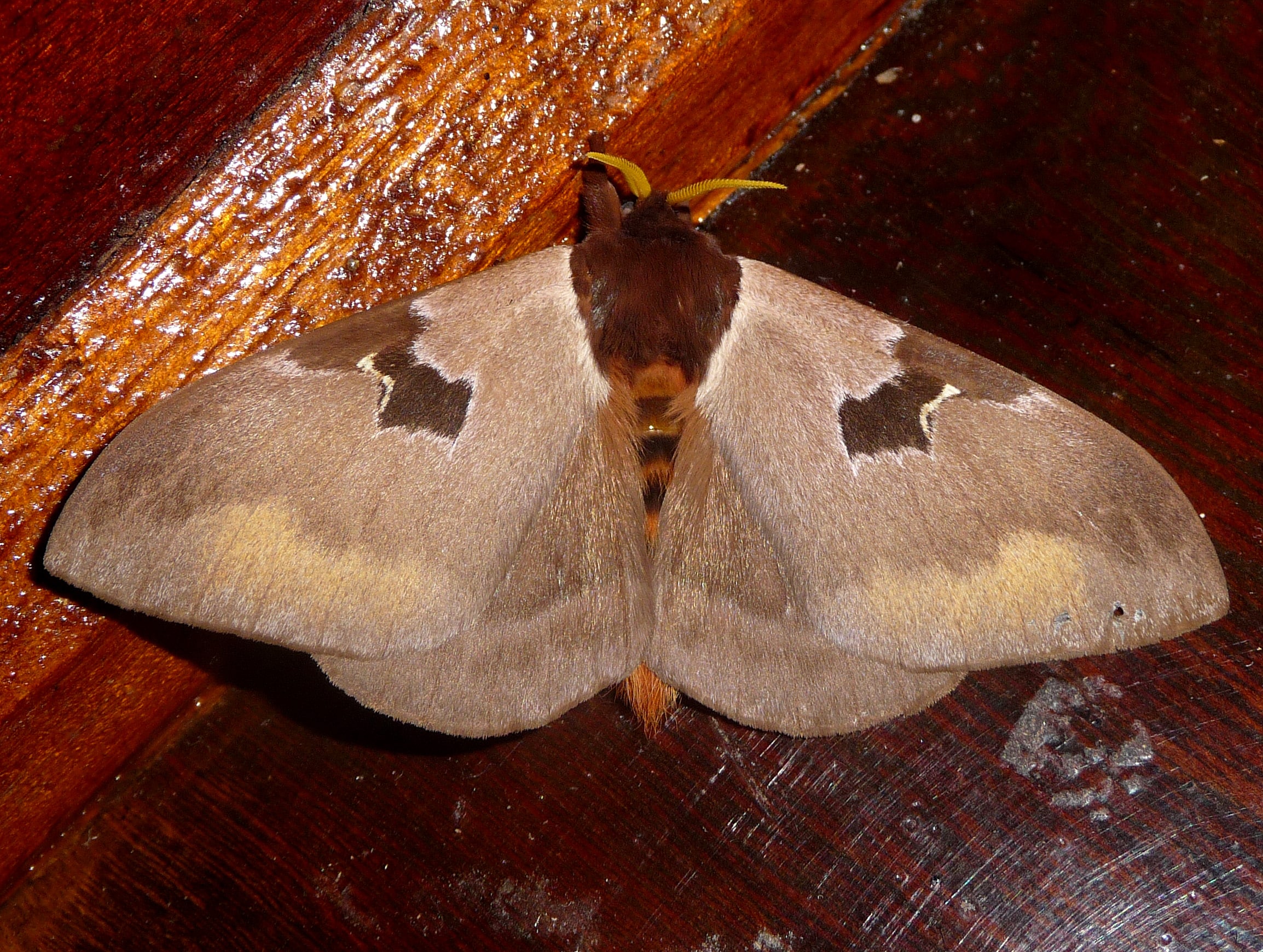
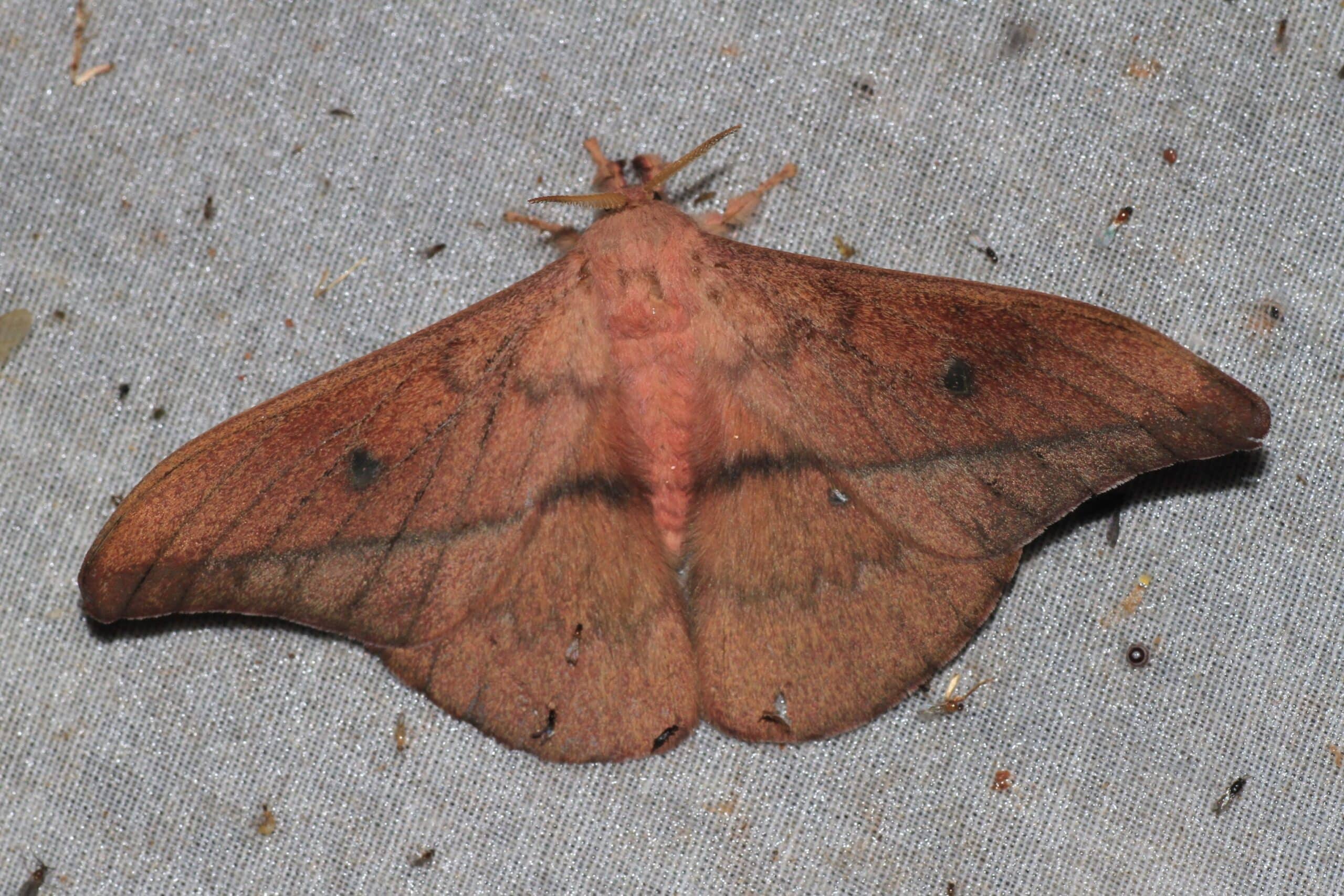
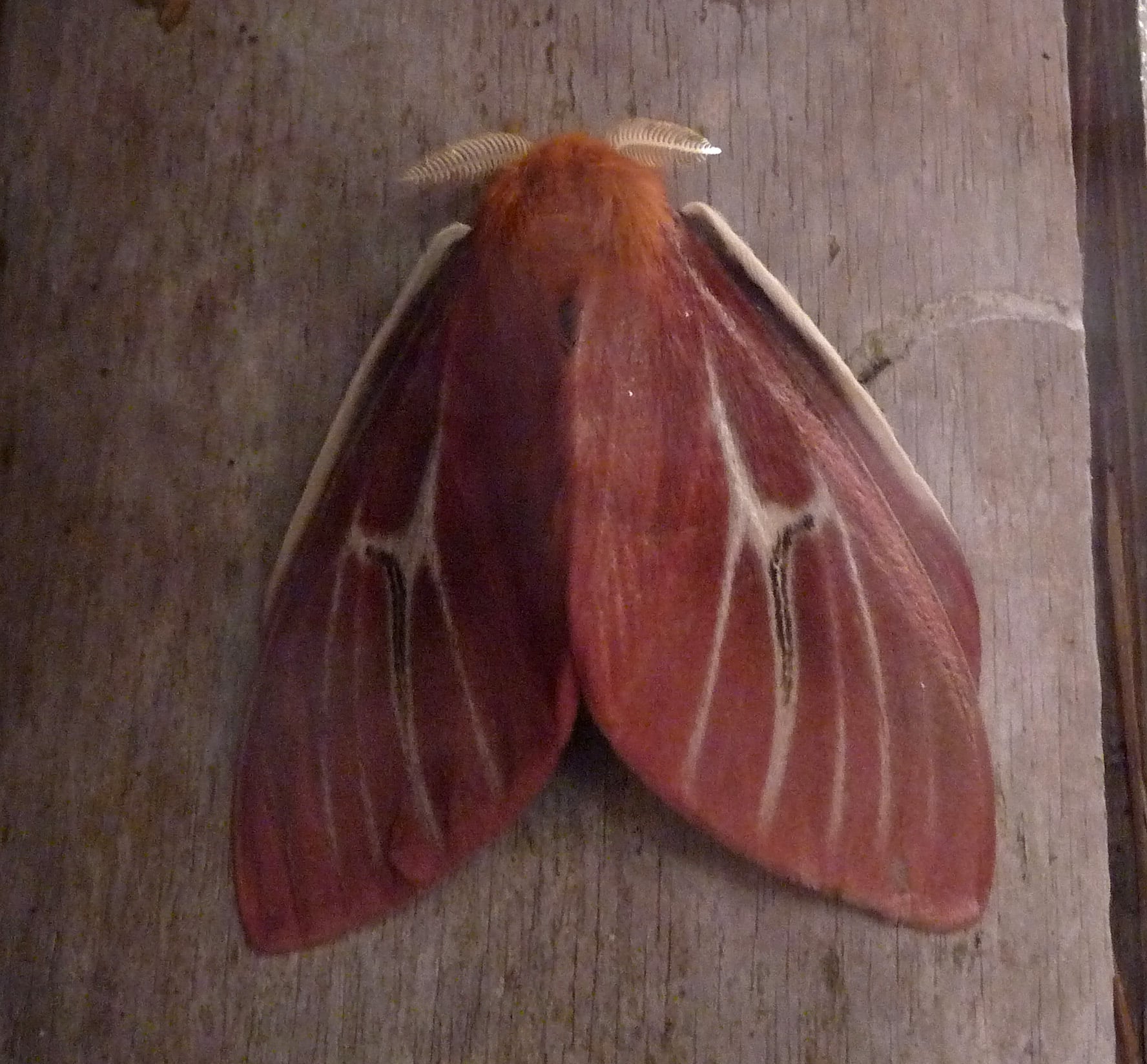
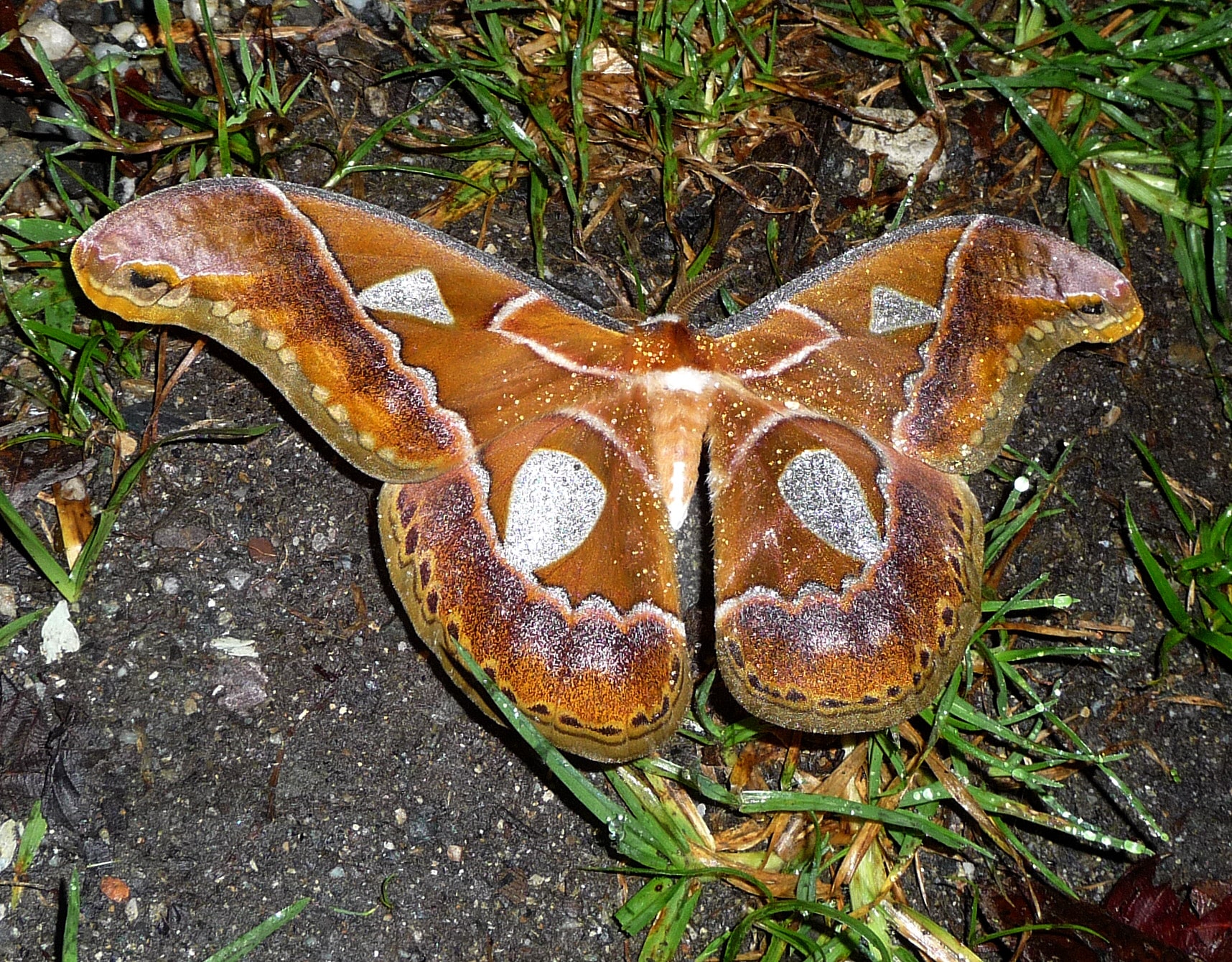
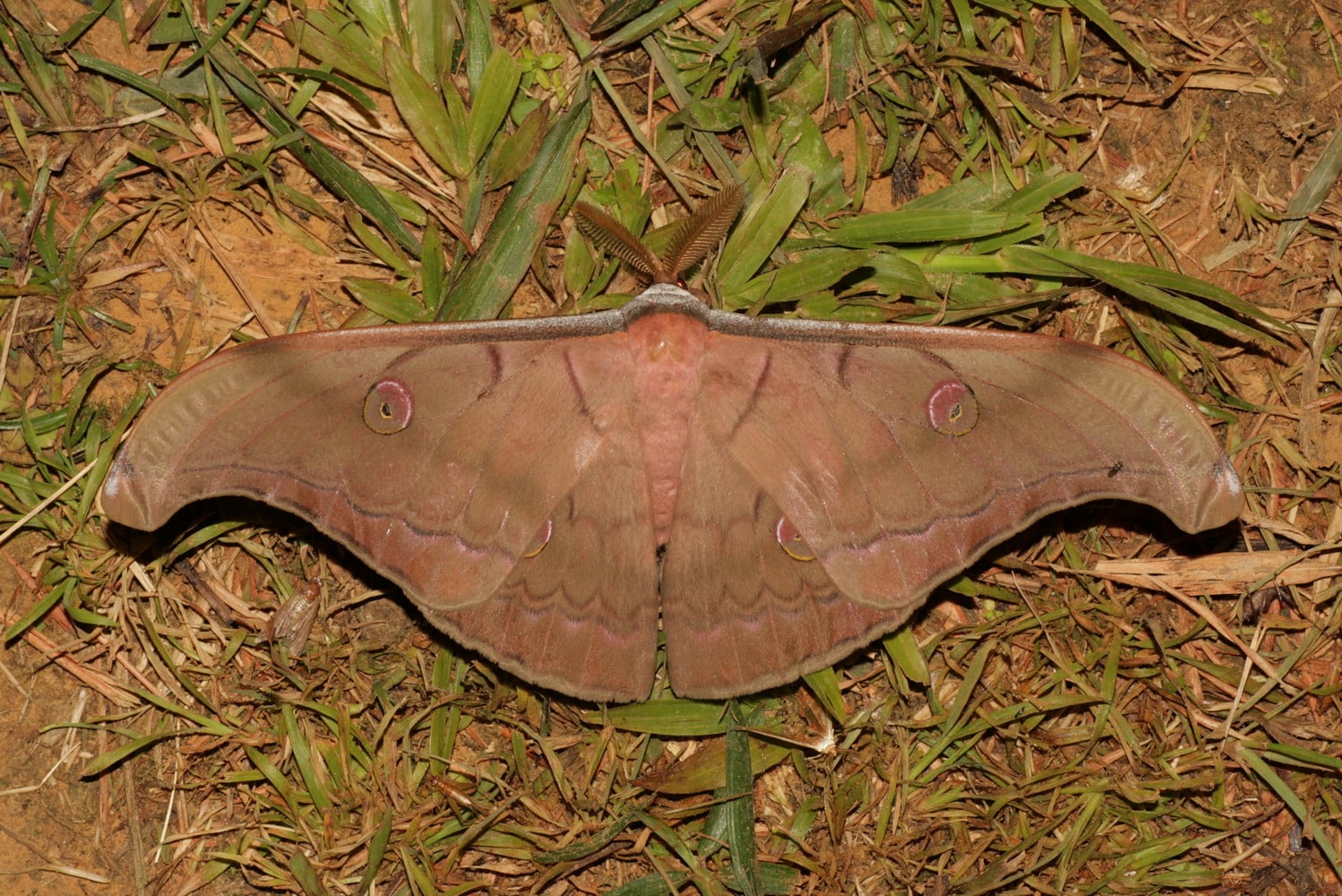
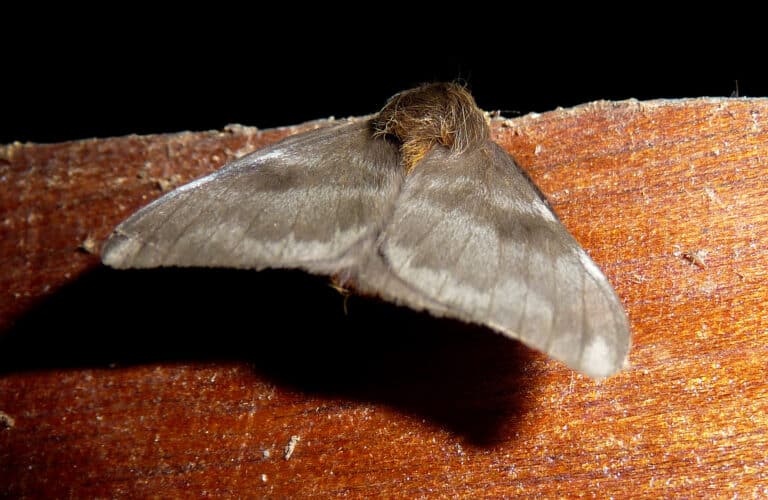
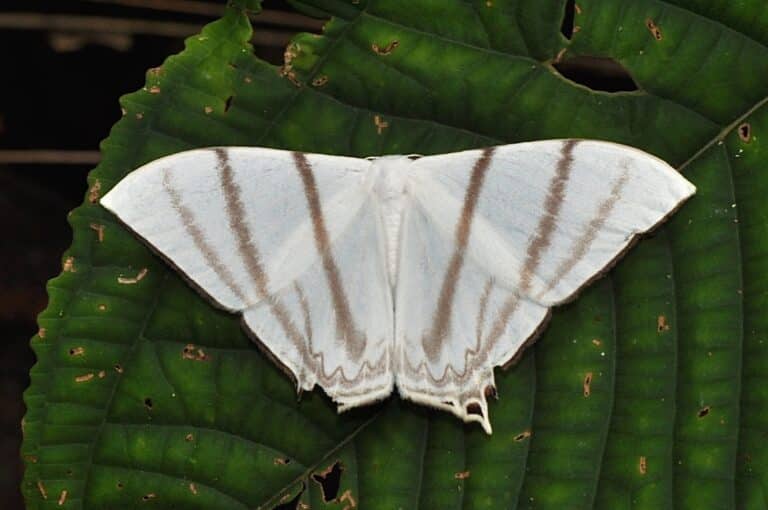
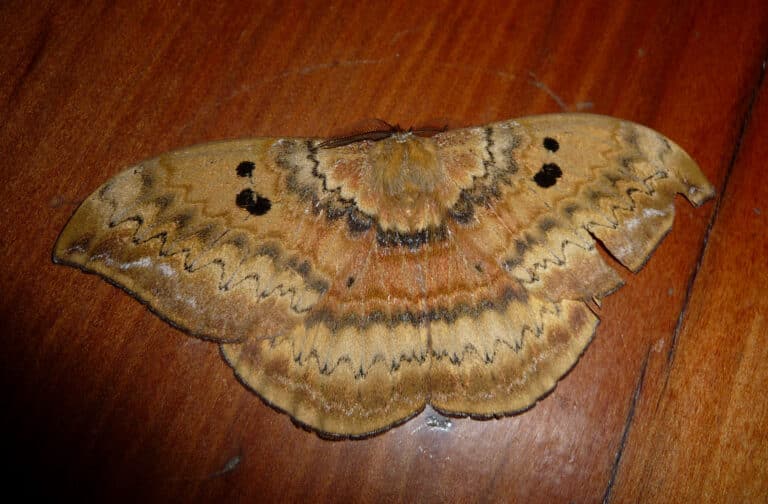
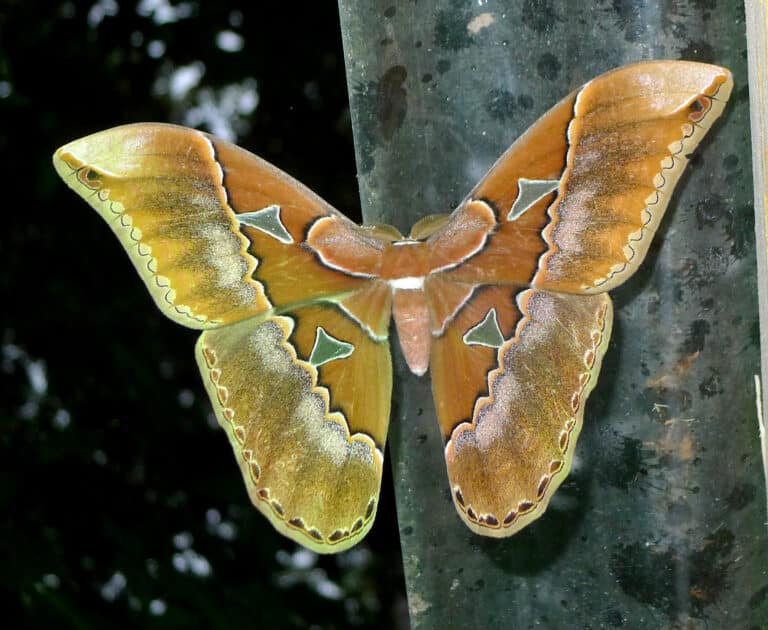
The Saturniidae moth, commonly known as the giant silk moth, captures attention with its stunning appearance and gentle nature. It belongs to a family of moths known for their impressive wingspan, ranging from 7.6 to 10.2 centimeters (3 to 4 inches).
These magnificent creatures roam the forests of Africa, where they feast on the leaves of trees and shrubs. Saturniidae moths do not have mouths to eat as adults, so they live off the energy stored from their larval stage, making their short lifespan of 7 to 10 days a little less daunting.
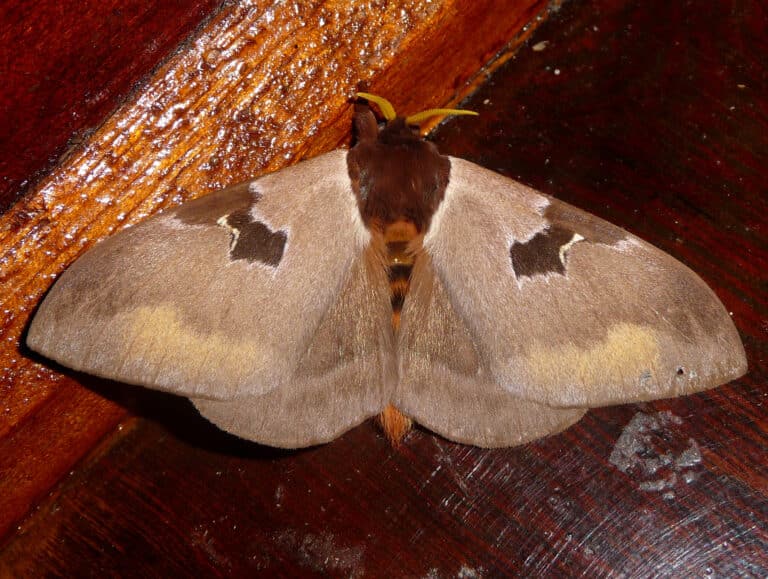
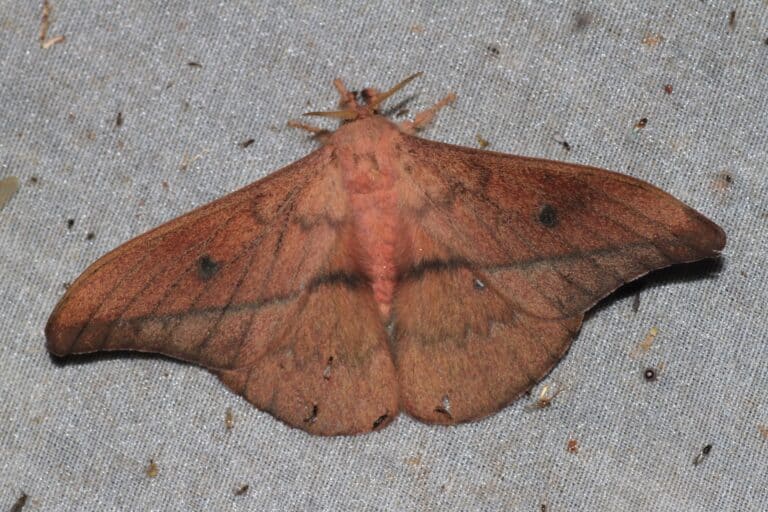
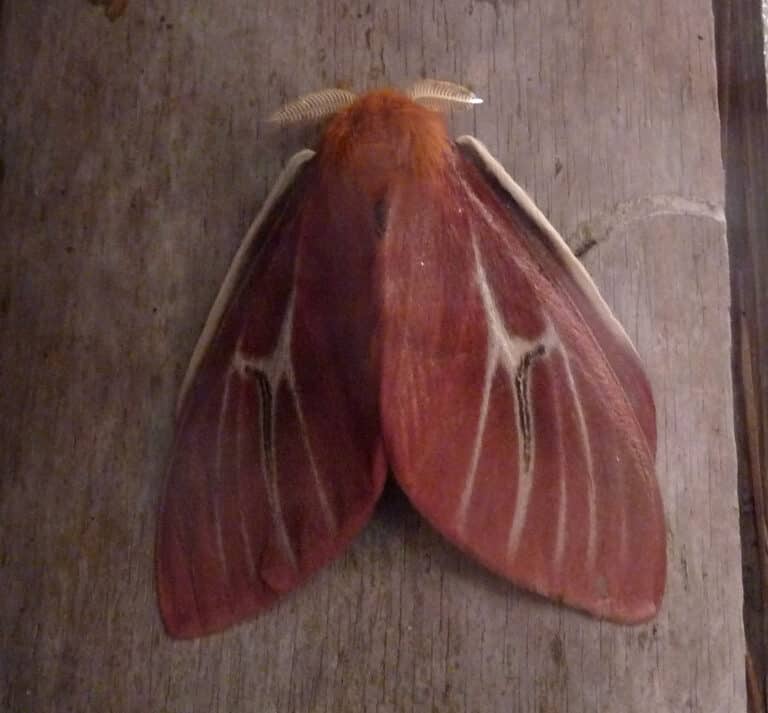
As caterpillars, they grow large and vibrant before turning into beautiful moths. With colorful patterns on their wings, they look as if nature had an art party, showcasing shades of brown, green, and even hints of blue that help them blend into their surroundings.
Saturniidae moths play an essential role in their ecosystem. They act as pollinators and contribute to the food chain by providing nutrition for birds and other creatures. Despite their brief lives, they leave a big impact in their tiny world!

Where can you find a Saturniidae Moth in the wild?
What does a Saturniidae Moth eat?
How big can a Saturniidae Moth grow?
How long does a Saturniidae Moth typically live?
What is the conservation status of the Saturniidae Moth?
What are the main threats to the Saturniidae Moth?
Fun facts
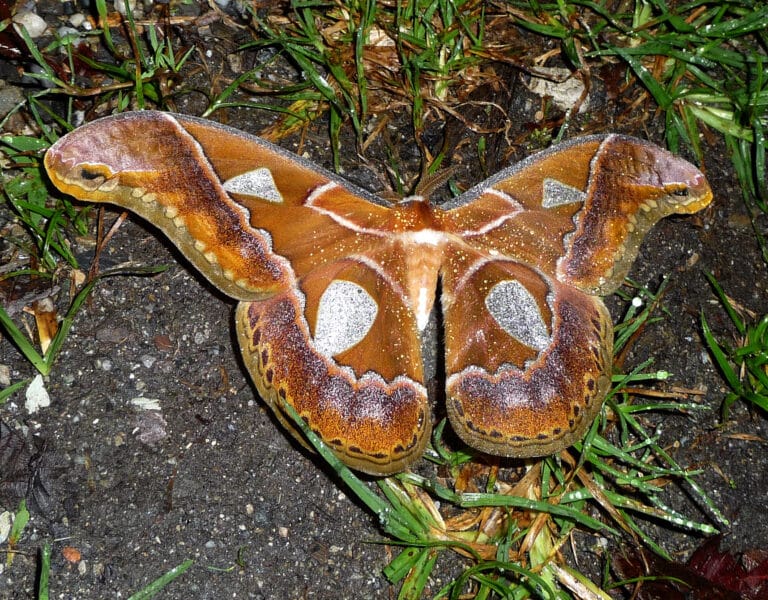
Some Saturniidae moths can have the largest wingspan of all moths, reaching up to 30 centimeters (about 1 foot), making them look like feathered friends from a fairy tale!


As caterpillars, Saturniidae have vibrant colors and patterns that warn predators they might not taste good, turning them into living traffic lights of caution!
Saturniidae moths can often help trees grow better by pollinating them, which makes them important allies for the green kingdom of nature.
These moths do not have mouths as adults, which means they can only admire the beauty of nature’s buffet through memories of their hungry caterpillar days!
Saturniidae moths can impress fellow creatures with their large, colorful wings that may mimic the eyes of bigger animals when they spread them, like a nature-made superhero cape!
These moths do not need to worry about being alone; they often gather in groups during their short lifespan, making fluttering friends in the forest!
Caterpillars of Saturniidae can eat enough leaves in their larval stage to grow up to 10 times their original size, turning them into leafy munching machines!
Some Saturniidae moths have been known to produce a faint, sweet scent to attract mates, almost like nature’s own special perfume!
Saturniidae moths can blend into their leafy habitats with clever patterns on their wings, making them harder to spot, which is a brilliant hide-and-seek tactic!
Photos





The Basics


explore more
Amphibians
Arachnids
Birds
Cats
Crustaceans
Fish
Fish Pet Guide
Gastropods
Insects
Invertebrates
Mammals
Pet Fish
Pet Rodents
Plants
Reptiles
Roundworms
Sea Slugs