Successfully copied to clipboard!
Saw-scaled Viper
Unravel the secrets of a sizzle-sounding desert dweller!
Let’s Explore
Overview
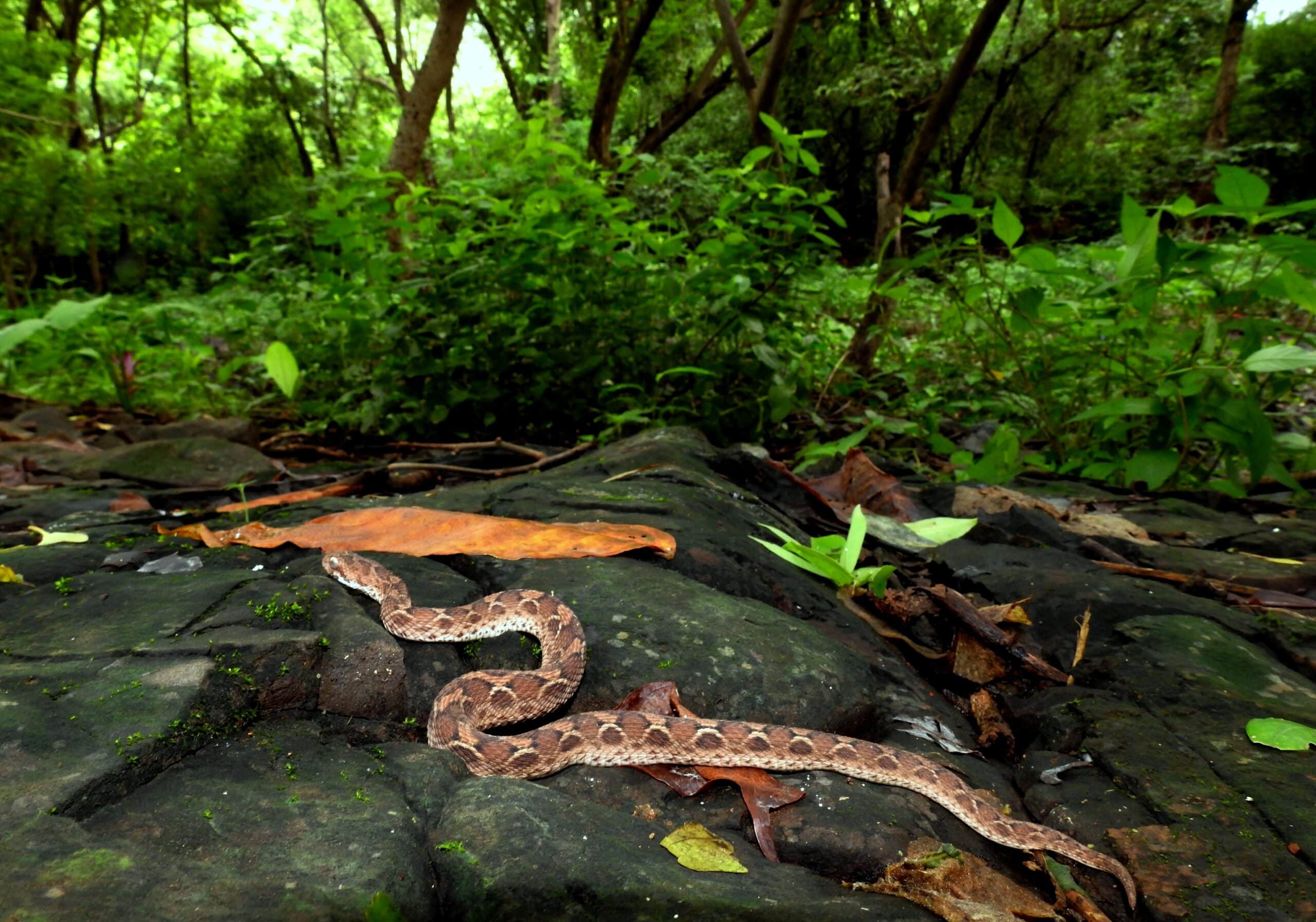
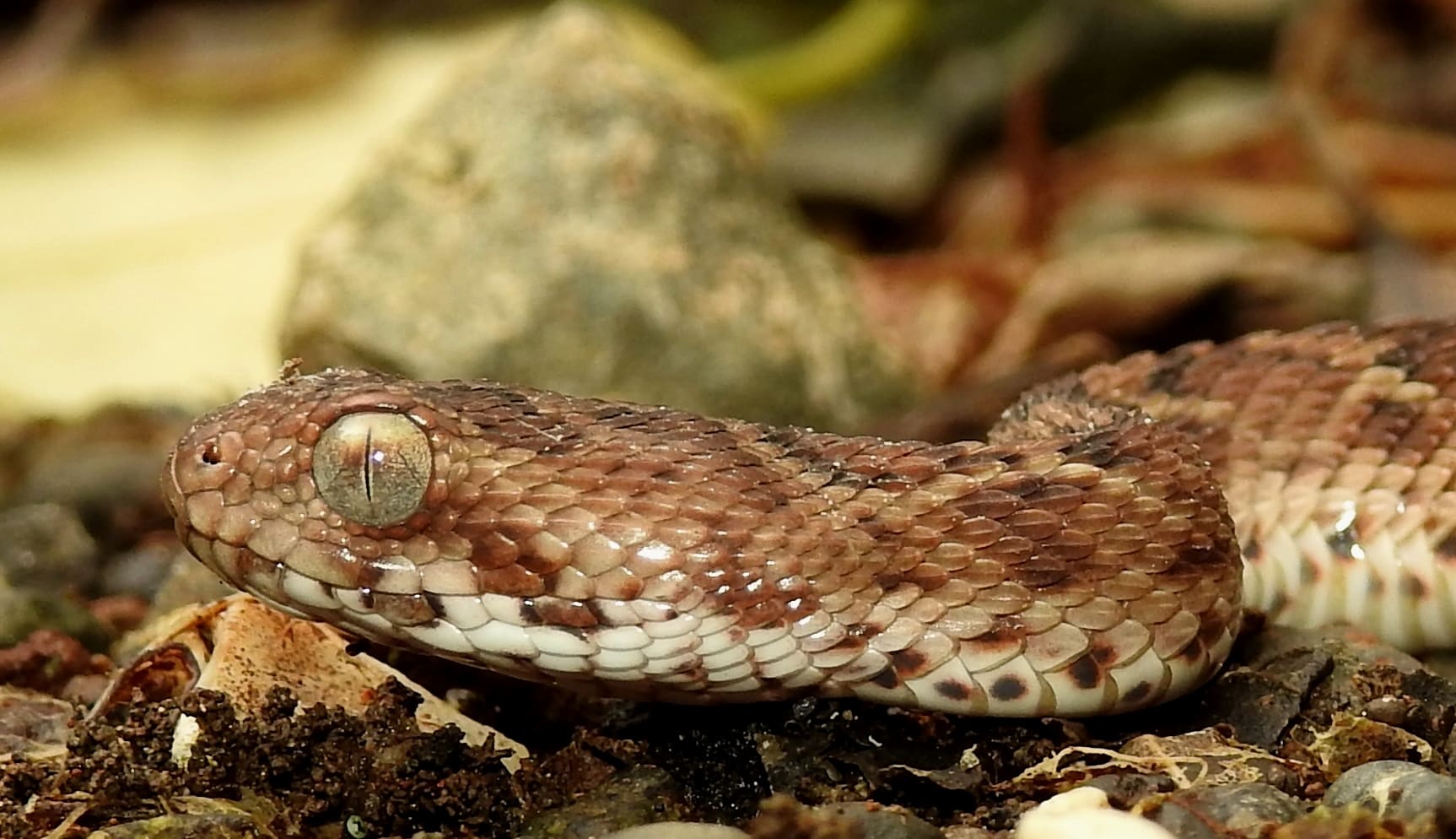
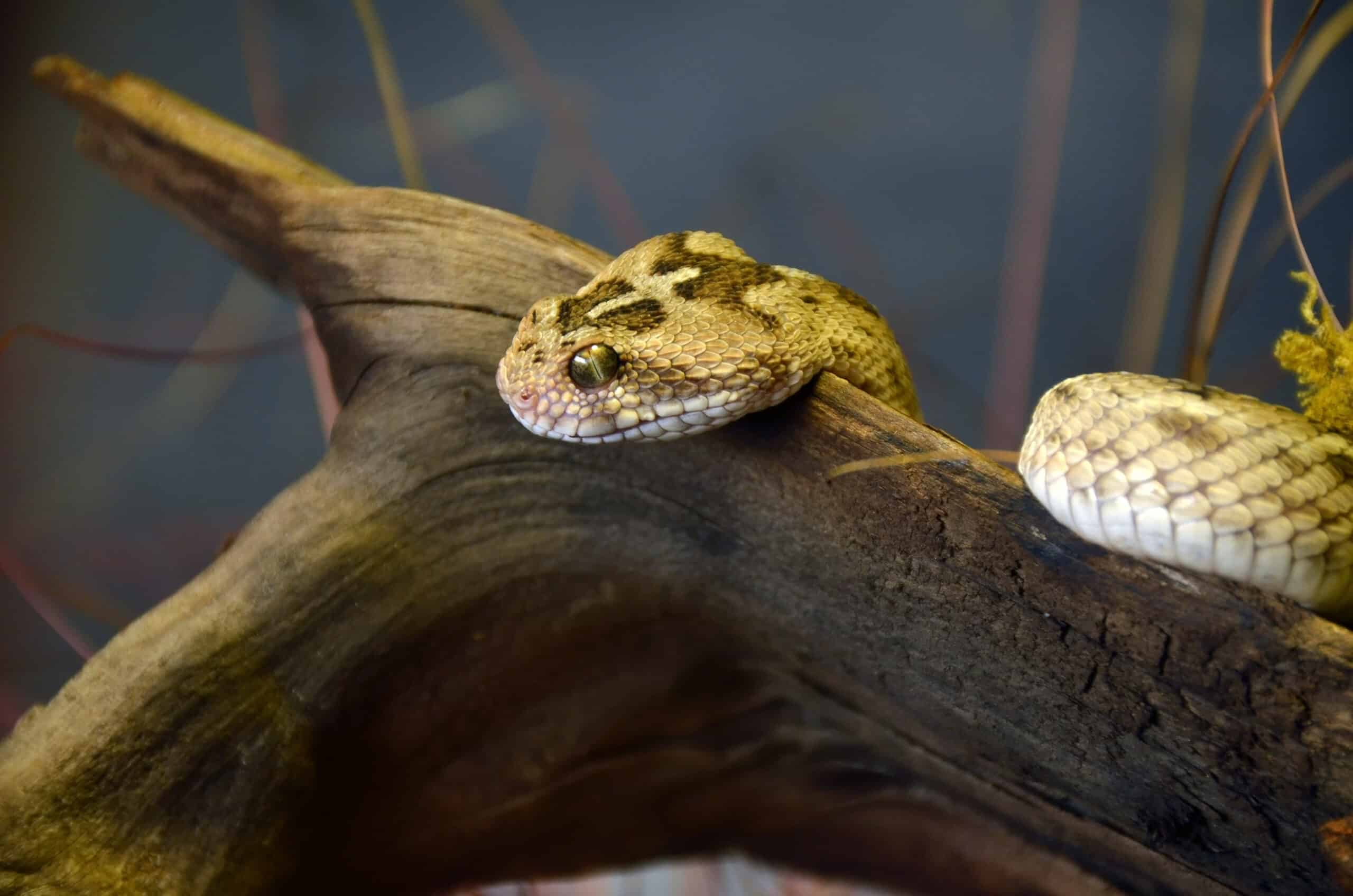
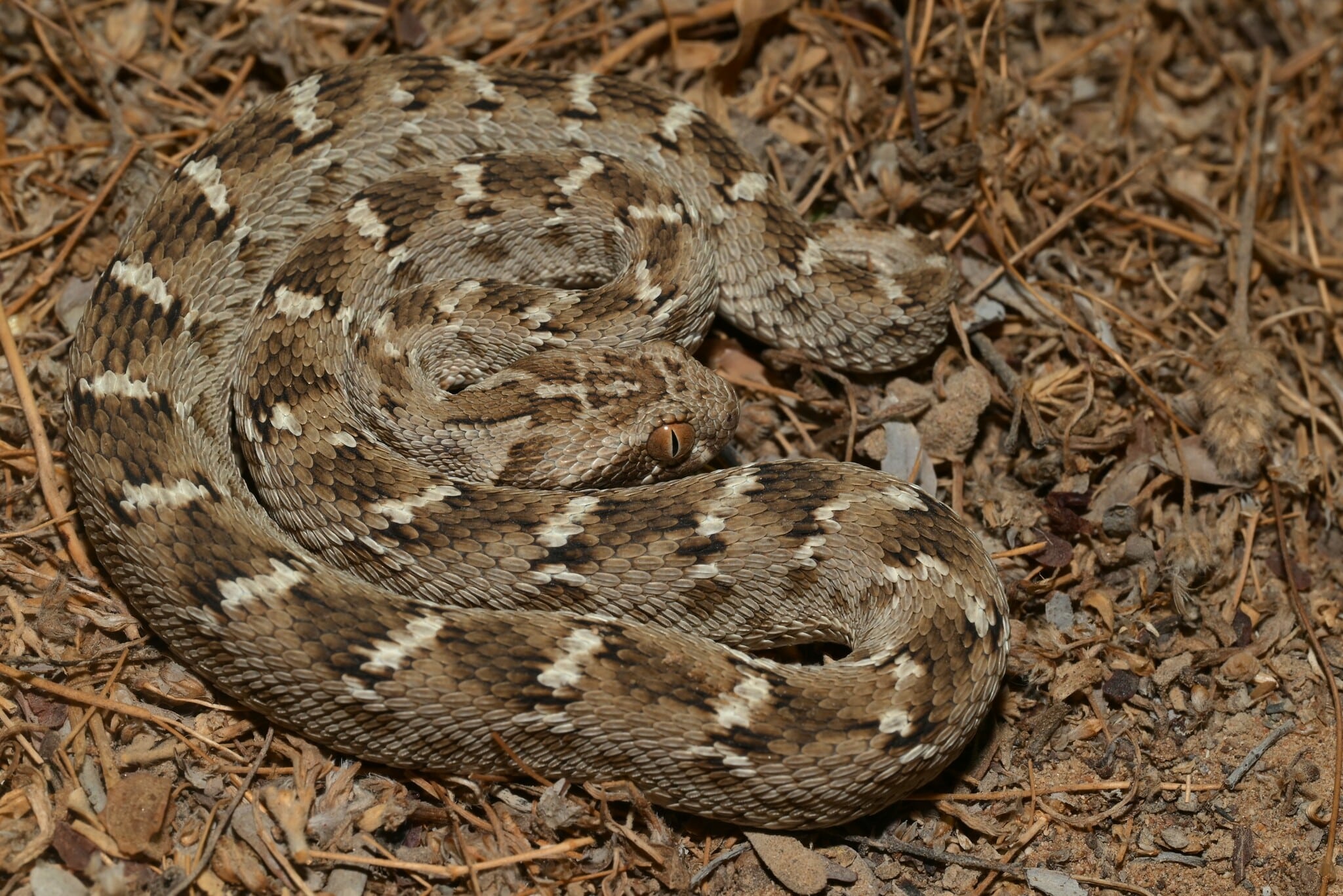
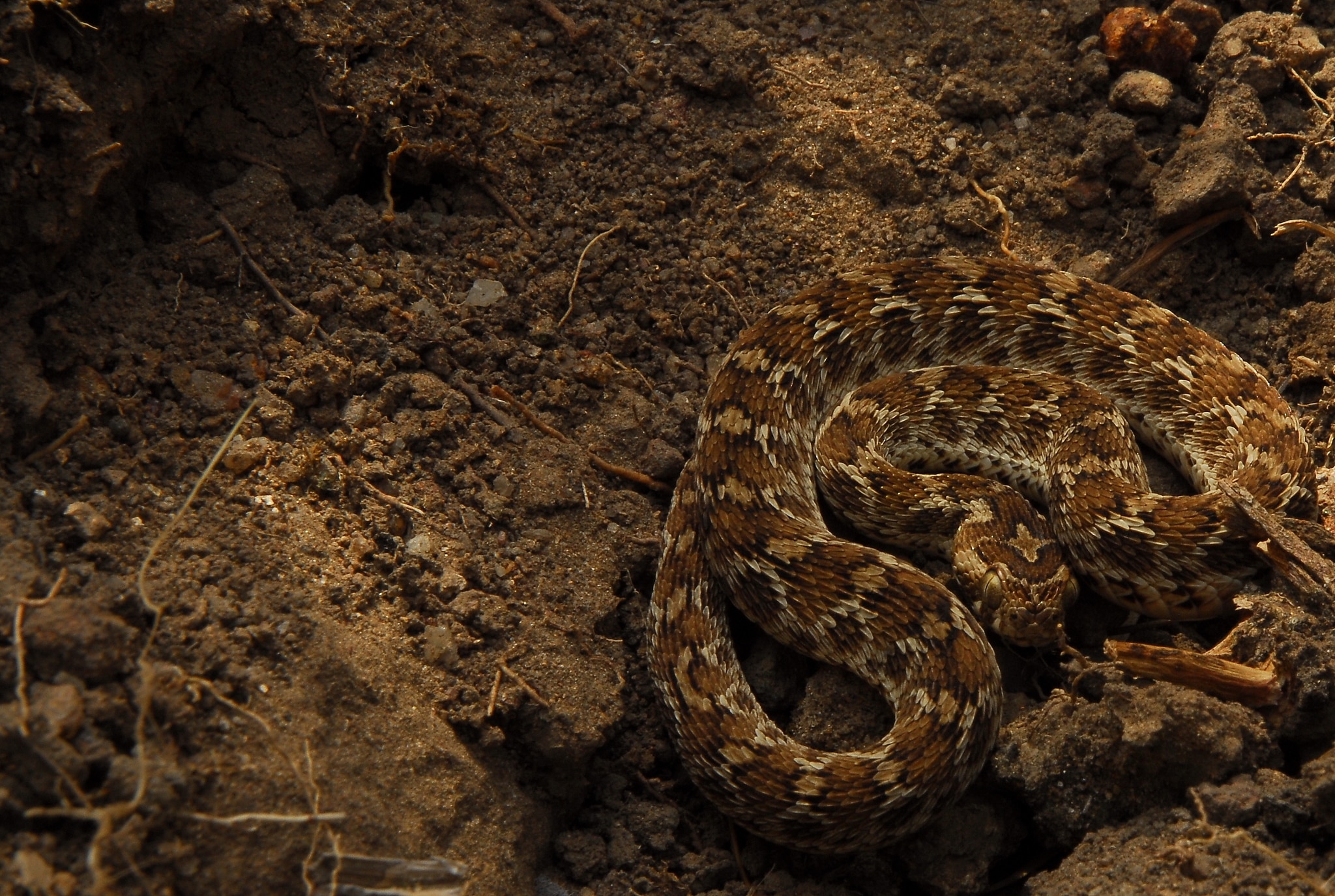
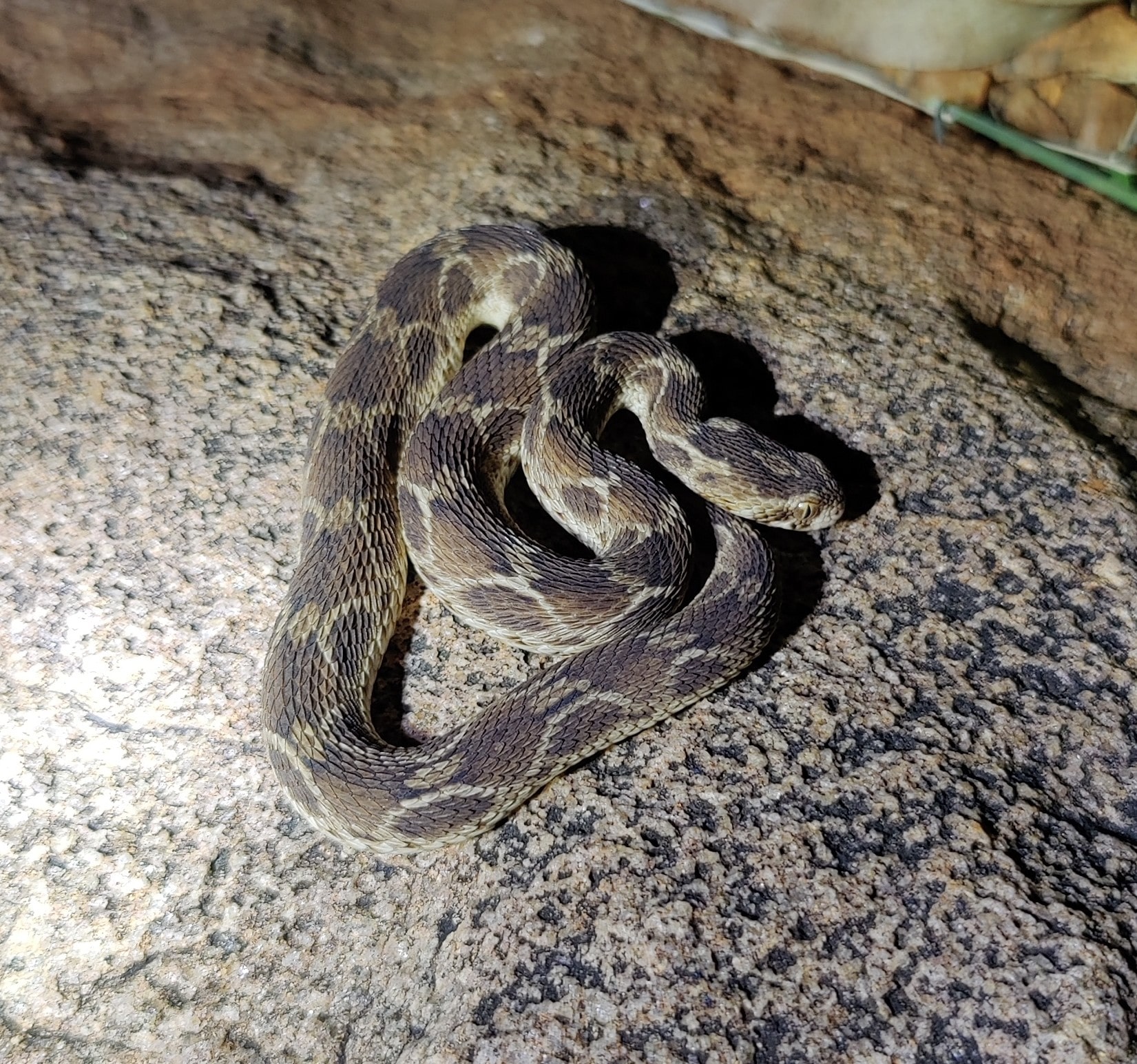
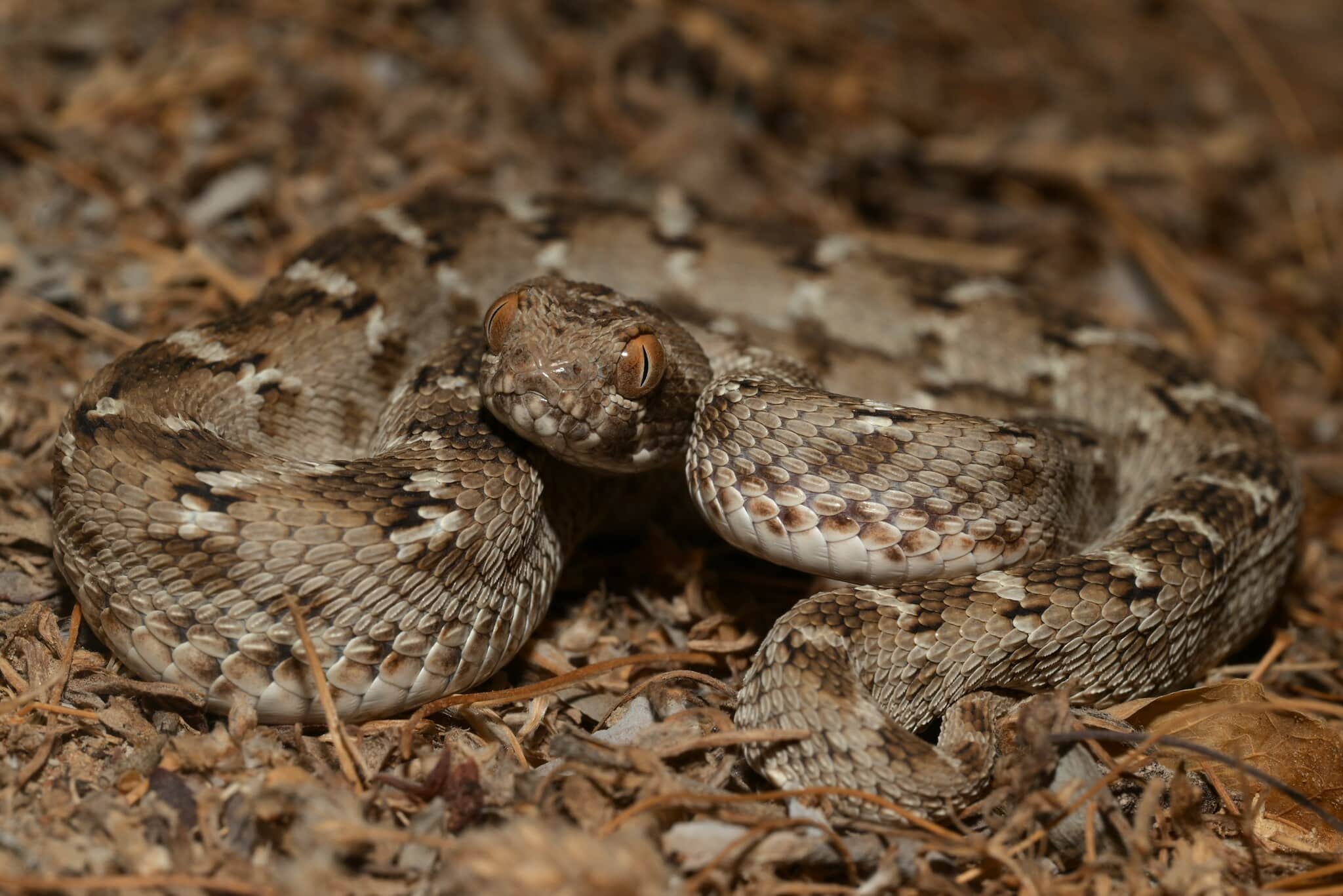
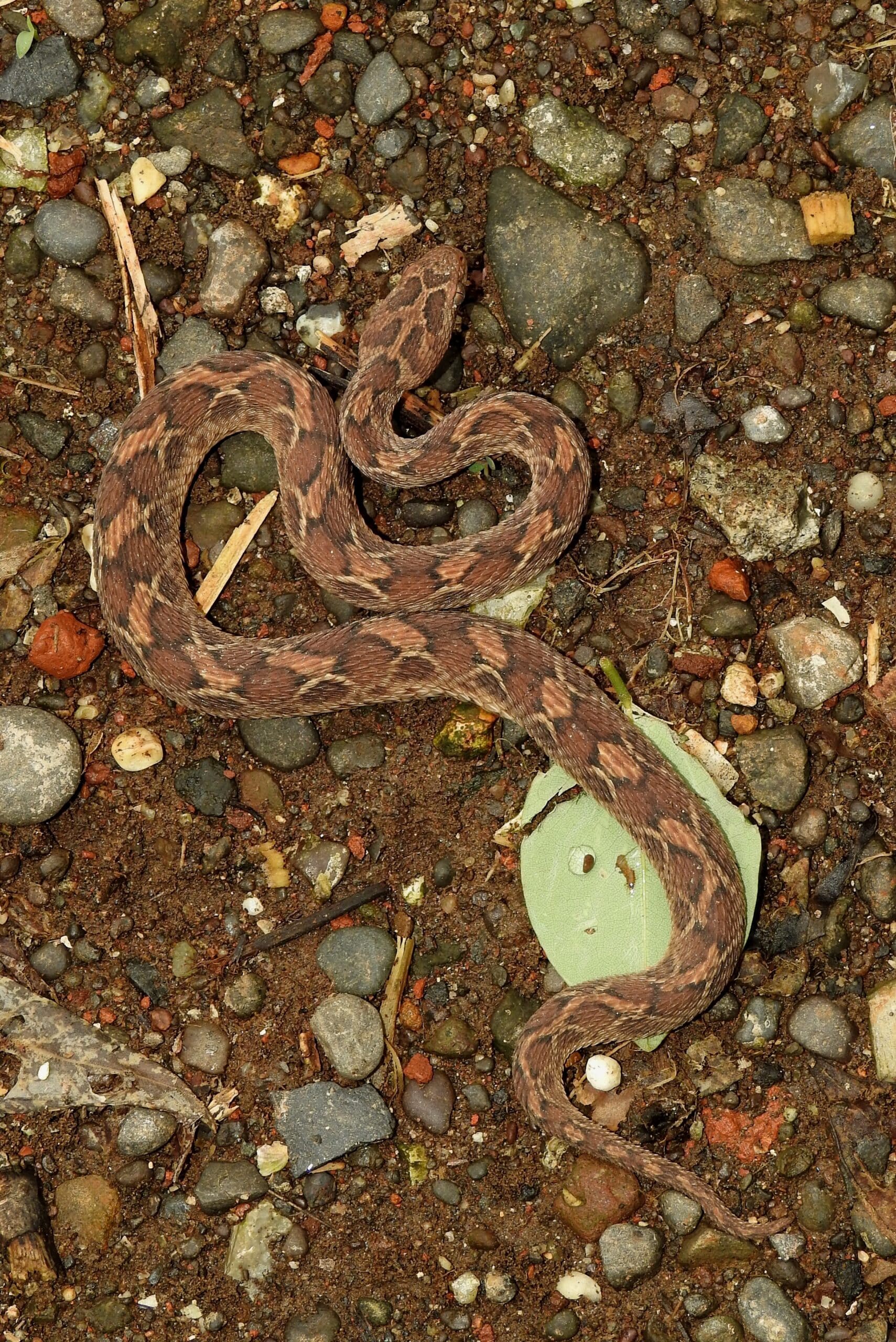
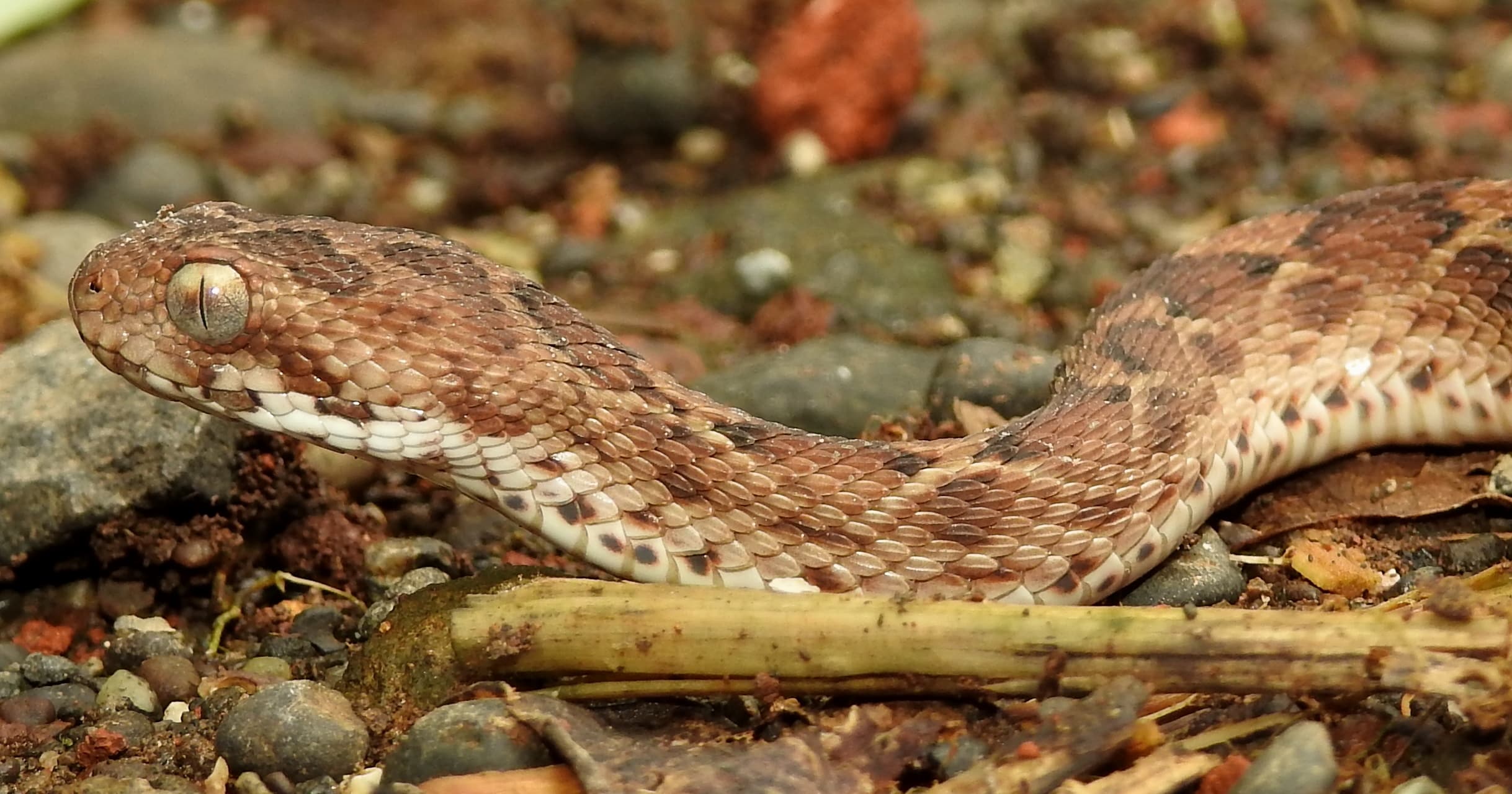
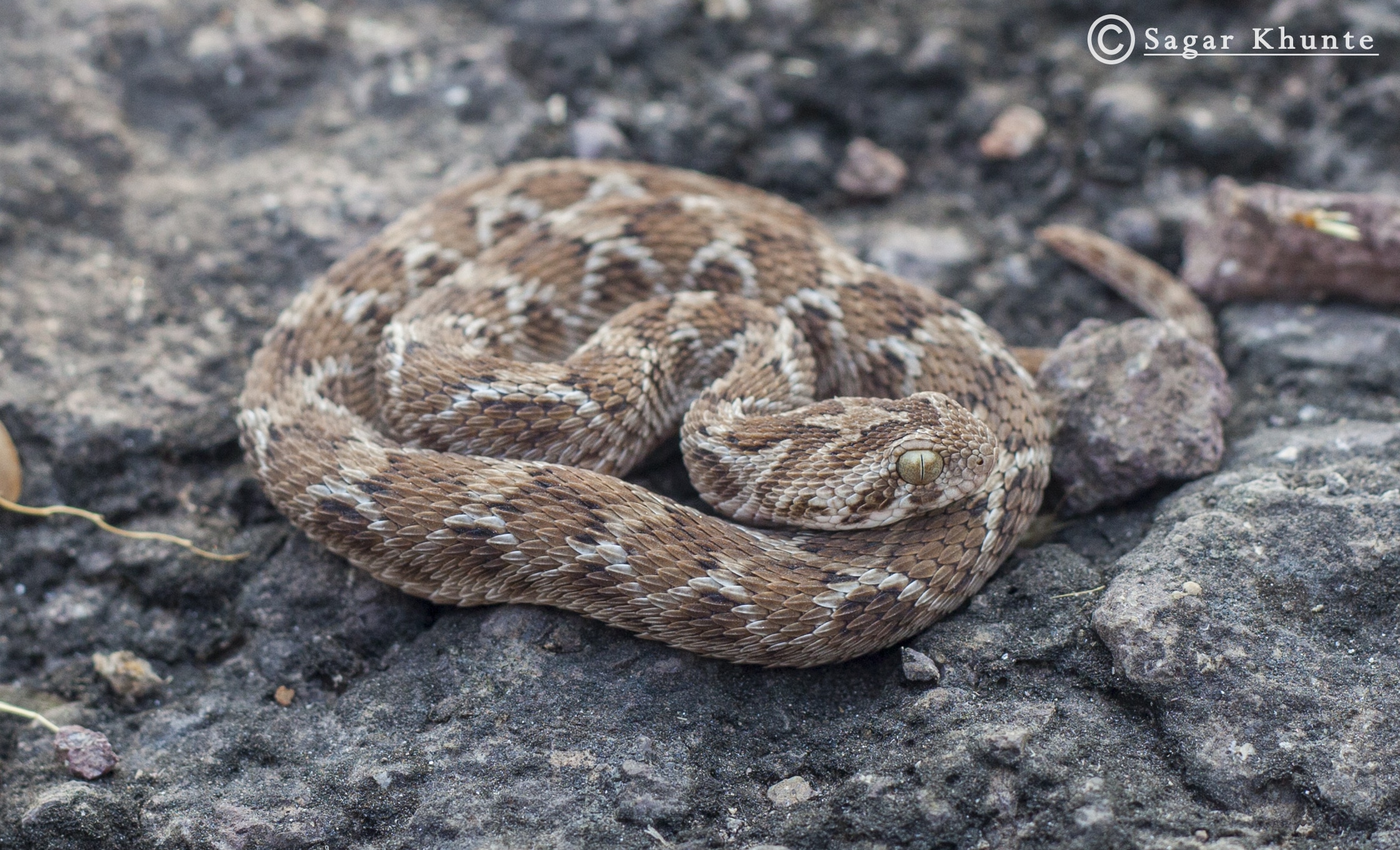
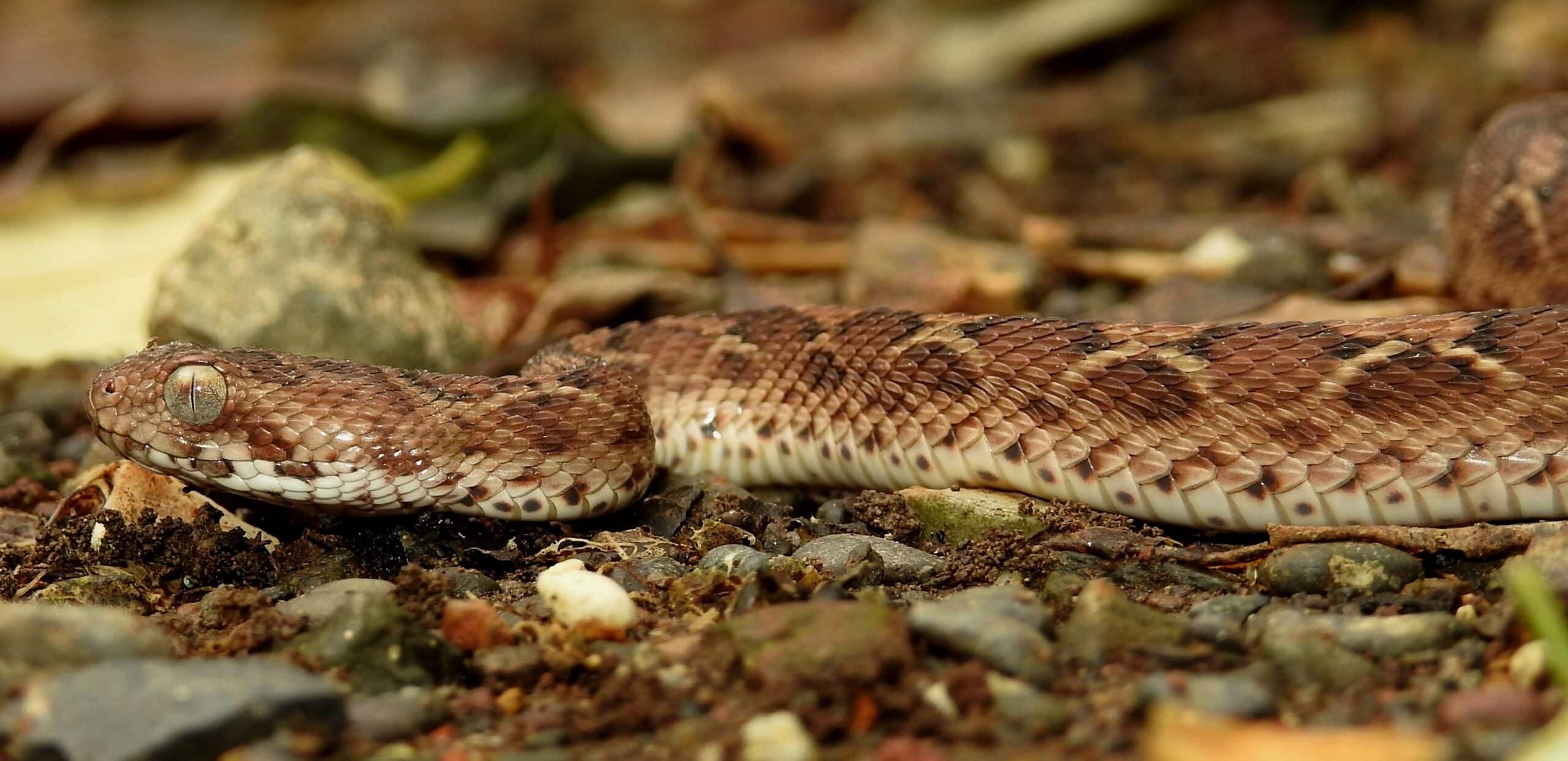
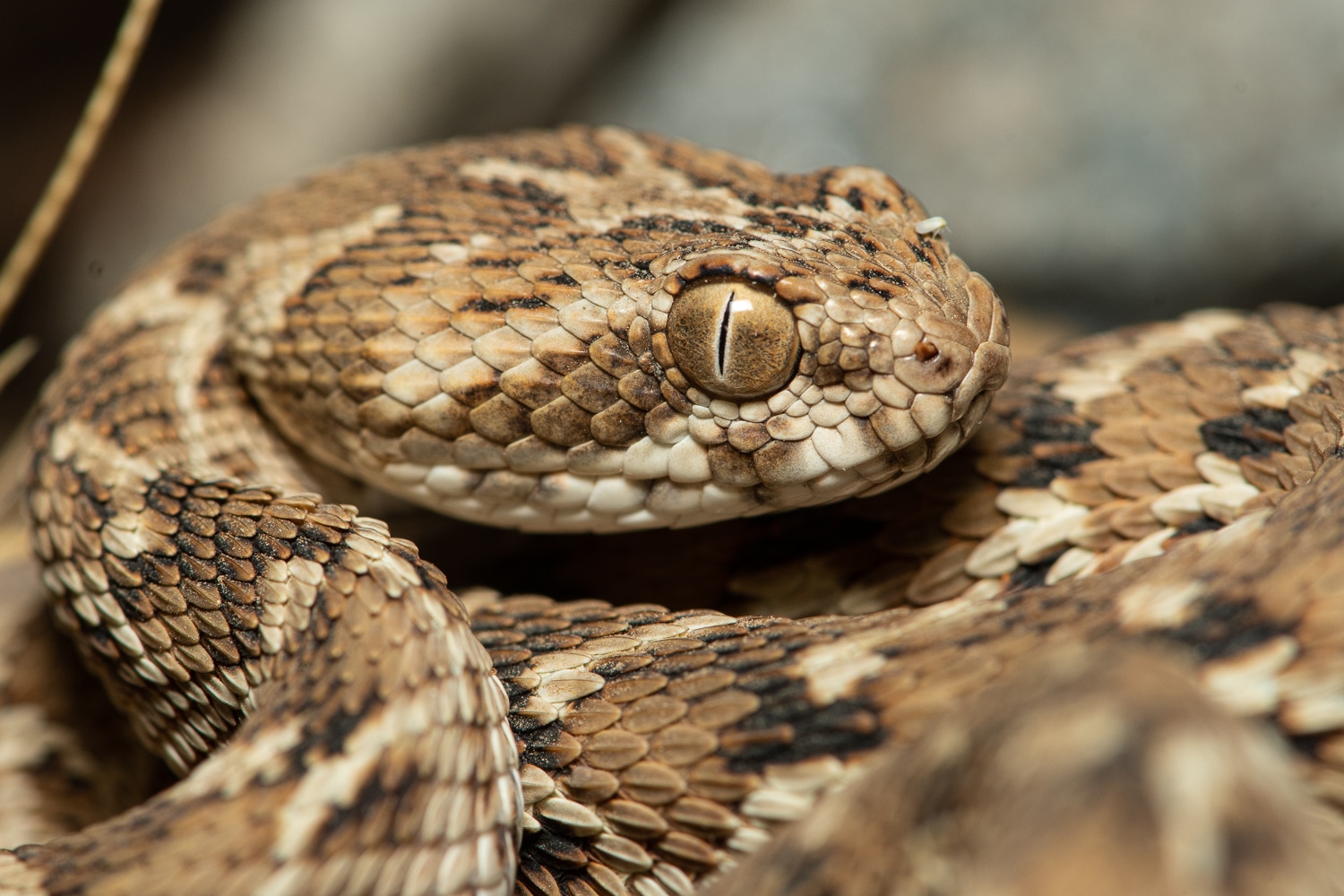
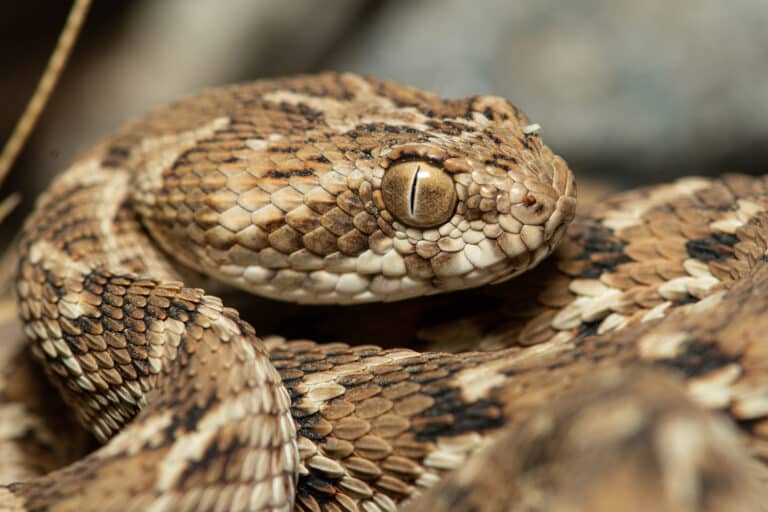
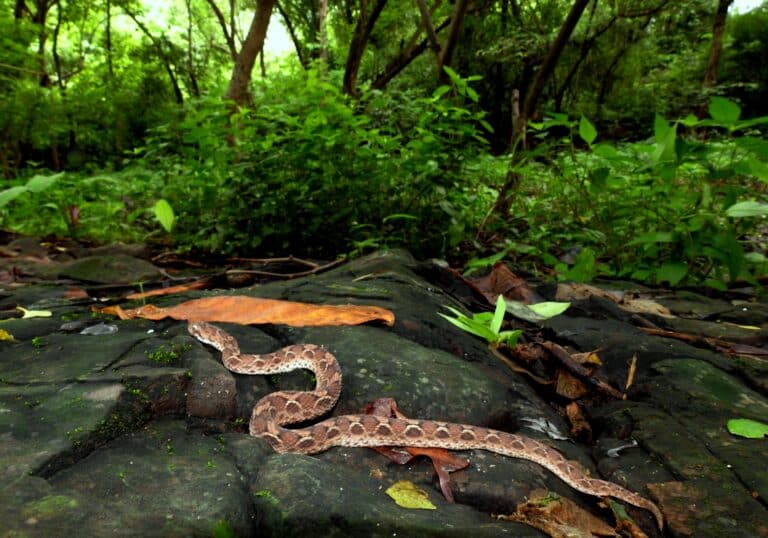
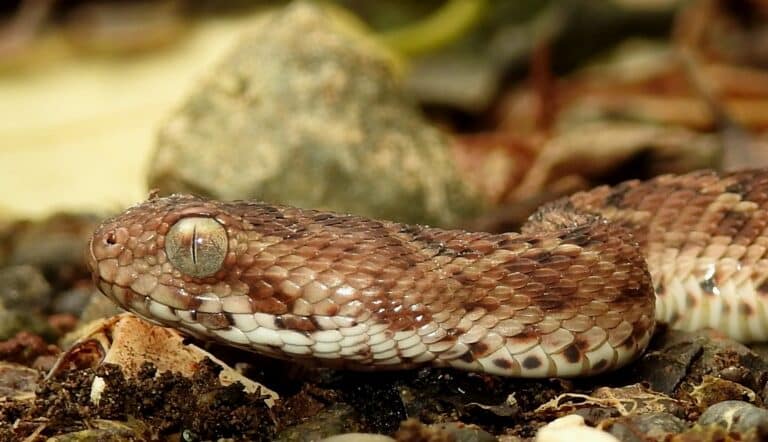
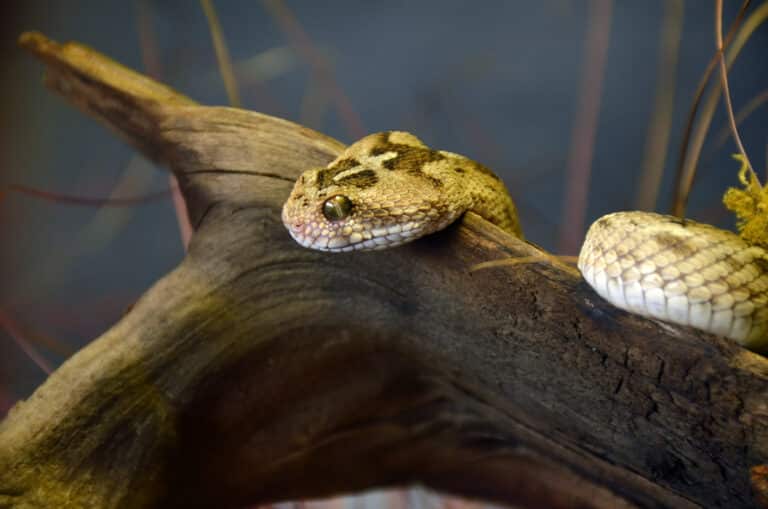
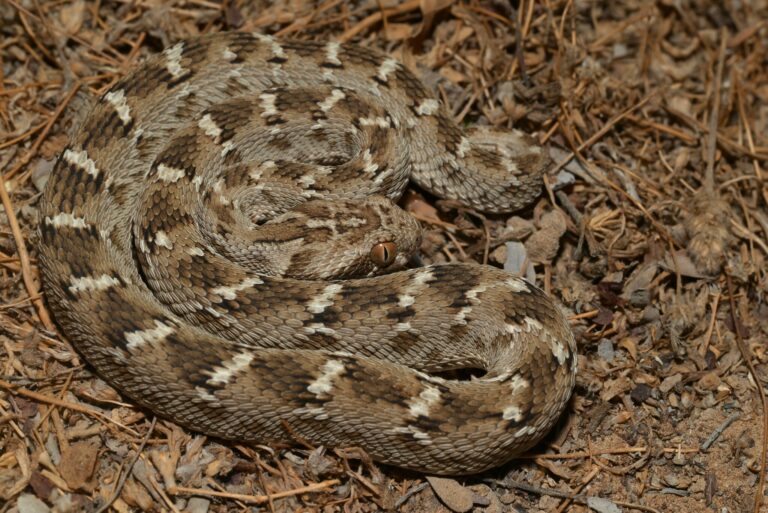
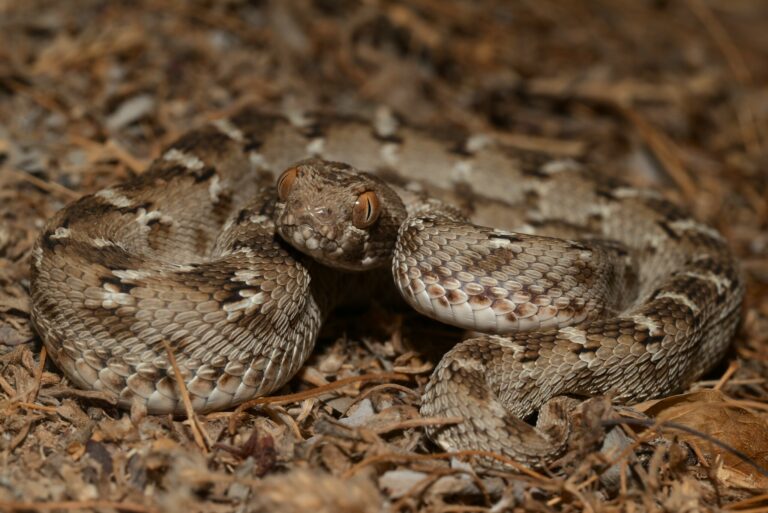
The Saw-scaled Viper, or Echis carinatus, slithers through the hot sands of Asia, impressing everyone with its unique zig-zag pattern on its scales. This incredible reptile belongs to the viper family and can grow to measure between 1 to 3 feet long, making it quite the lively little serpent.
These vipers love to hunt! Their diet mainly consists of small mammals, birds, and lizards, which they catch using a quick strike. With a lifespan of 9 to 12 years, these snakes sure know how to make their life count in the wild.
What sets the Saw-scaled Viper apart is its unusual ability to produce a warning sound by rubbing scales together. This sizzle is like nature's way of saying,

Where can you find a Saw-scaled Viper in the wild?
What does a Saw-scaled Viper eat?
How big can a Saw-scaled Viper grow?
How long does a Saw-scaled Viper typically live?
What is the conservation status of the Saw-scaled Viper?
What are the main threats to the Saw-scaled Viper?
Fun facts
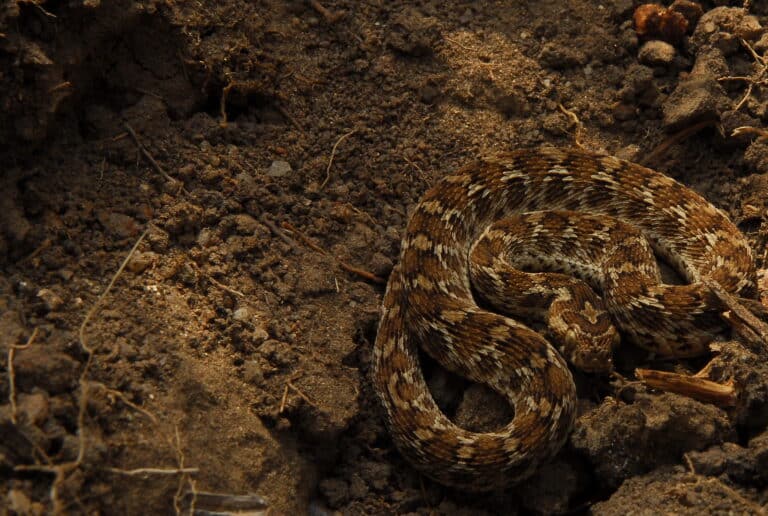
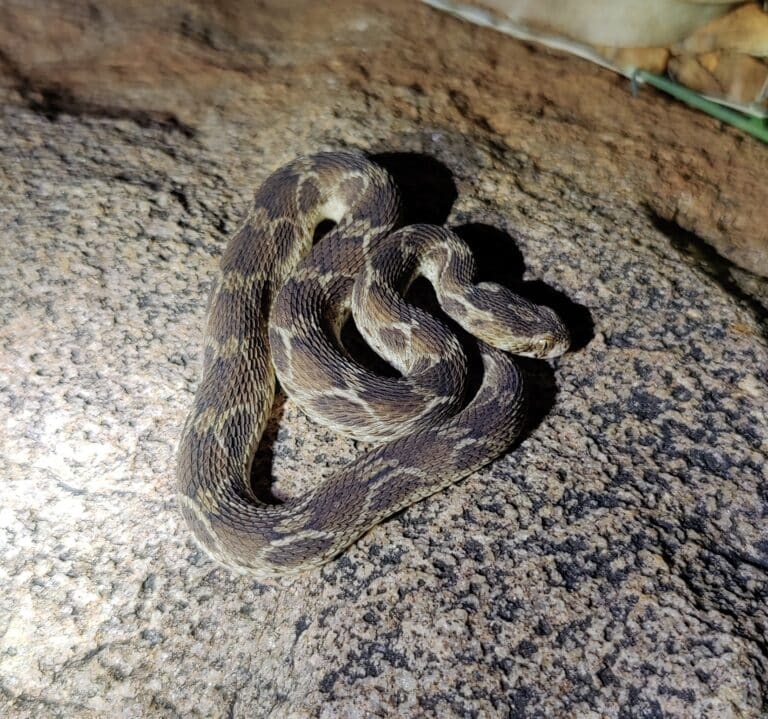
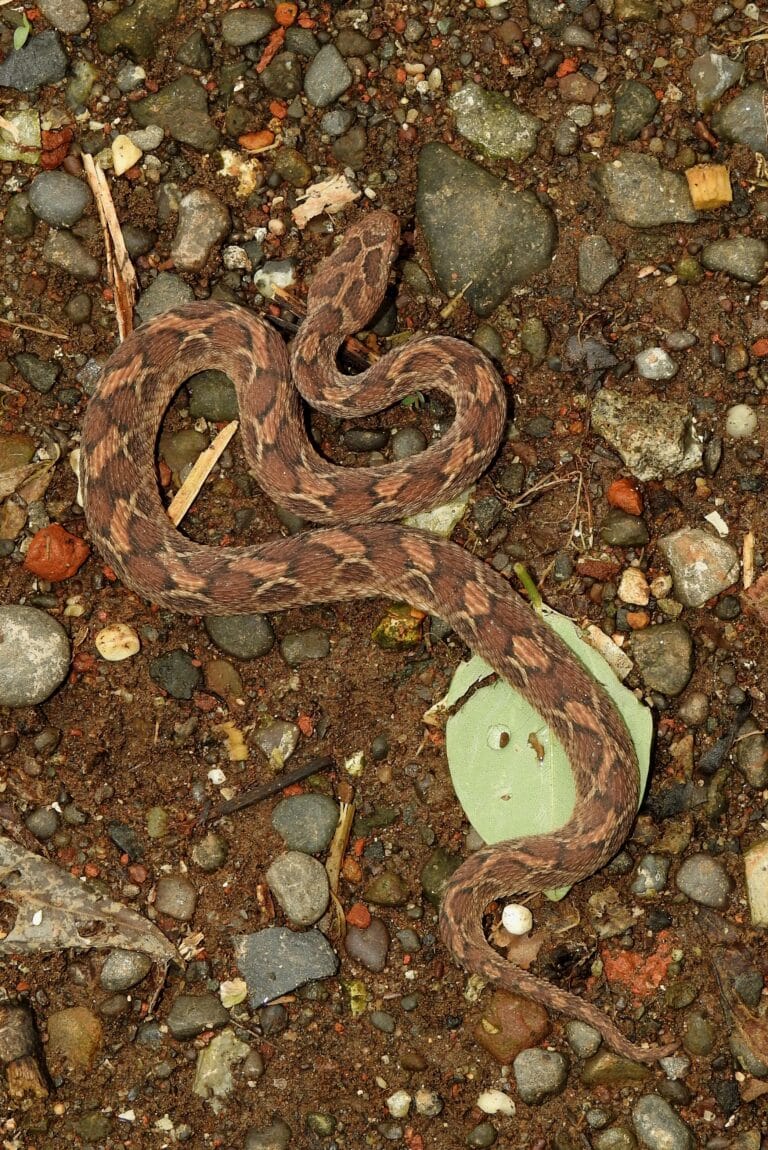
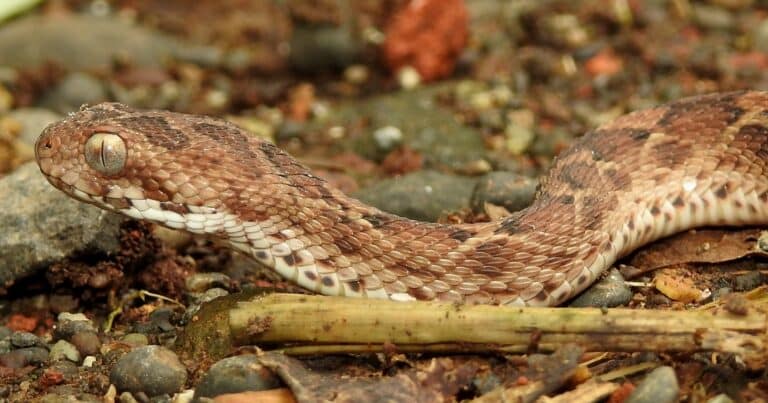
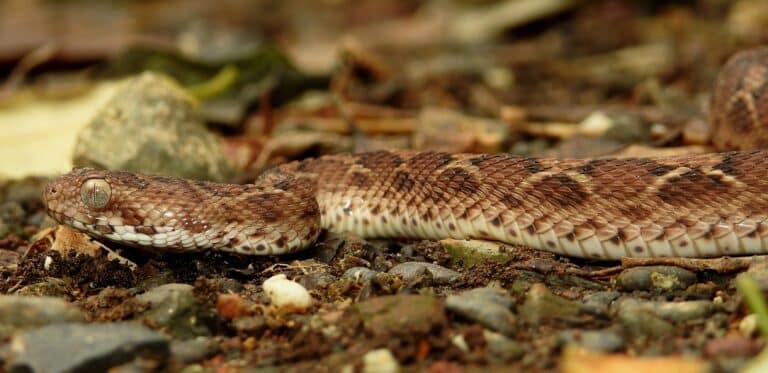
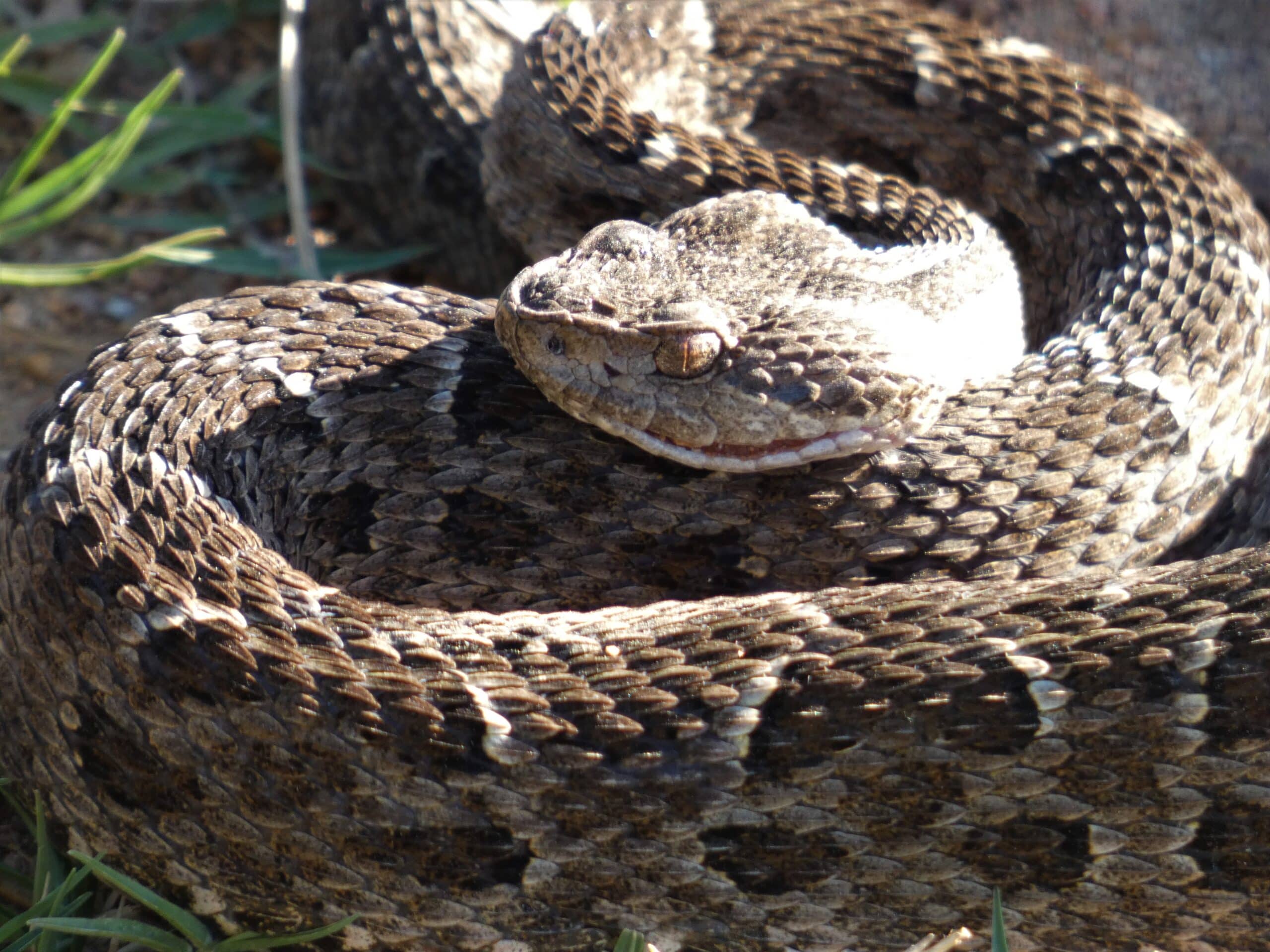
The Saw-scaled Viper is a master of disguise! Its unique zig-zag pattern helps it blend into the sandy soil and rocks of its desert home, making it hard for both predators and prey to spot.


This viper has a special talent for warning other animals. It can create a sizzling sound by rubbing its scales together, kind of like nature's own alarm system!
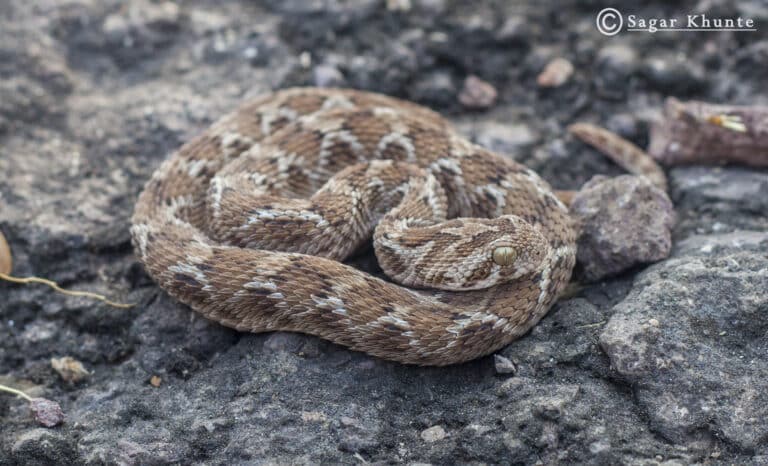
When it feels threatened, the Saw-scaled Viper doesn’t just sit still. It coils up and shows off its impressive patterns, trying to look bigger and scarier to potential threats!
These vipers know how to keep their dinner spicy! They hunt by ambush, waiting patiently for small mammals or birds to come close before launching a quick strike.
The Saw-scaled Viper loves to bask in the warm sun. It uses this sunlight to keep its body temperature high, helping it move swiftly and strike more effectively during hunts.
When the sun goes down, the viper turns up! This snake is primarily nocturnal, which means it goes on hunting adventures when the desert cools down, making it an exciting night predator.
Staying hydrated is essential, even for desert snakes. The Saw-scaled Viper gets most of its water from its food, helping it survive in places where water is scarce!
This viper has a fierce reputation for its venom. Even though it can be dangerous, its venom helps control pest populations, proving that it plays a crucial role in its ecosystem.
Did you know the Saw-scaled Viper can’t hear like humans? Instead of using ears, it feels vibrations in the ground, helping it detect movement around it!
In the animal kingdom, mother's nature is quite unique. Female Saw-scaled Vipers can produce many baby snakes at once, ensuring their lineage continues in the harsh desert!
Photos


The Basics


explore more
Amphibians
Arachnids
Birds
Cats
Crustaceans
Fish
Fish Pet Guide
Gastropods
Insects
Invertebrates
Mammals
Pet Fish
Pet Rodents
Plants
Reptiles
Roundworms
Sea Slugs