Successfully copied to clipboard!
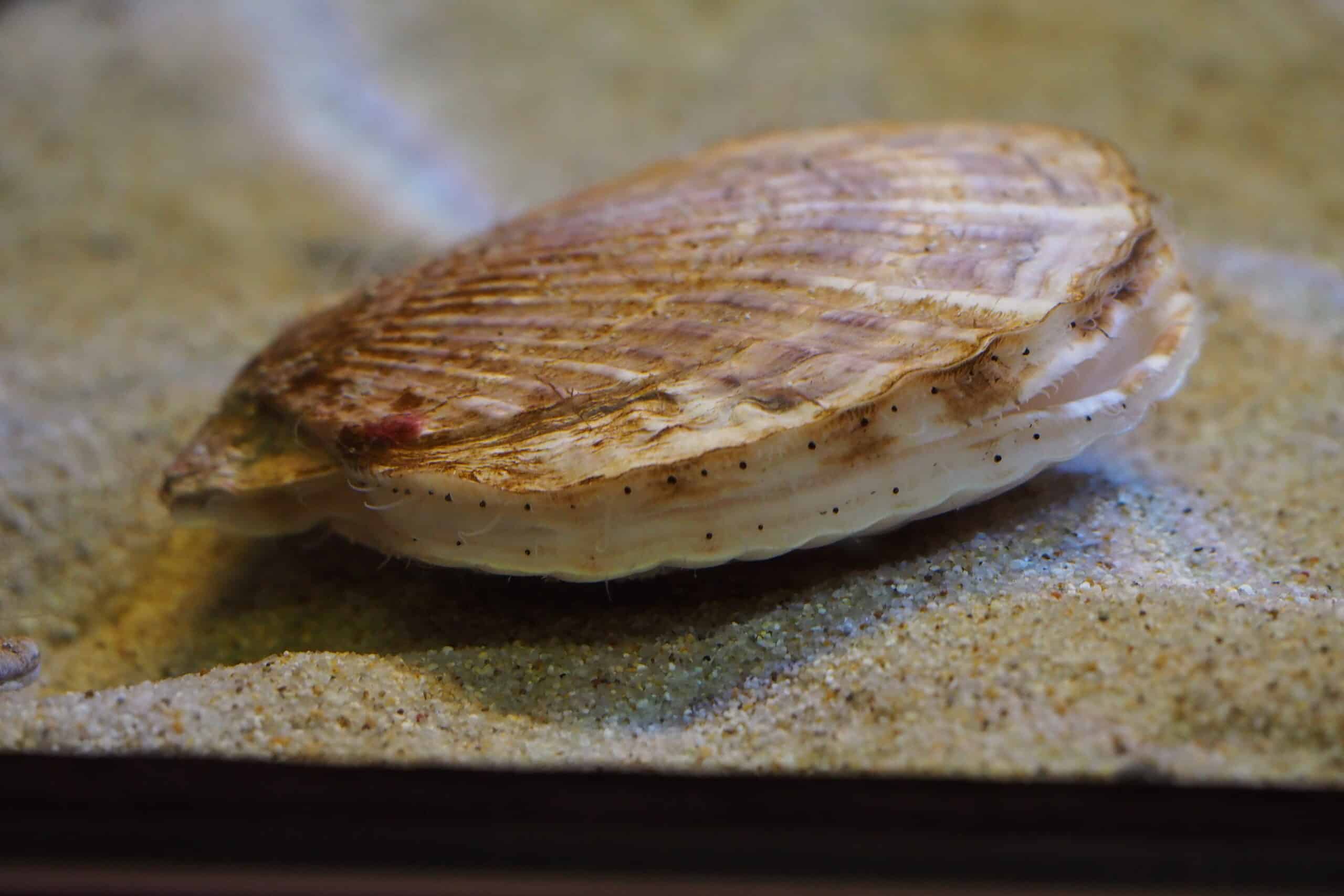
Scallops
Explore the graceful ocean dancers with tiny eyes!
Let’s Explore
Overview
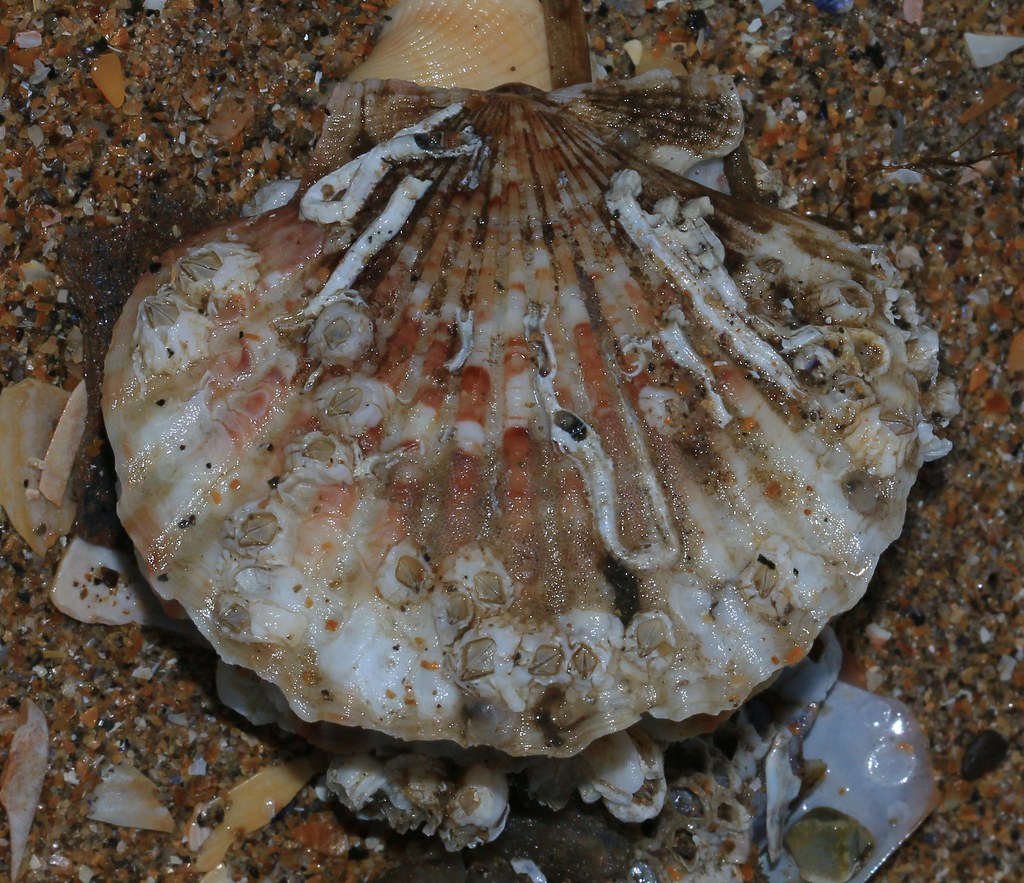
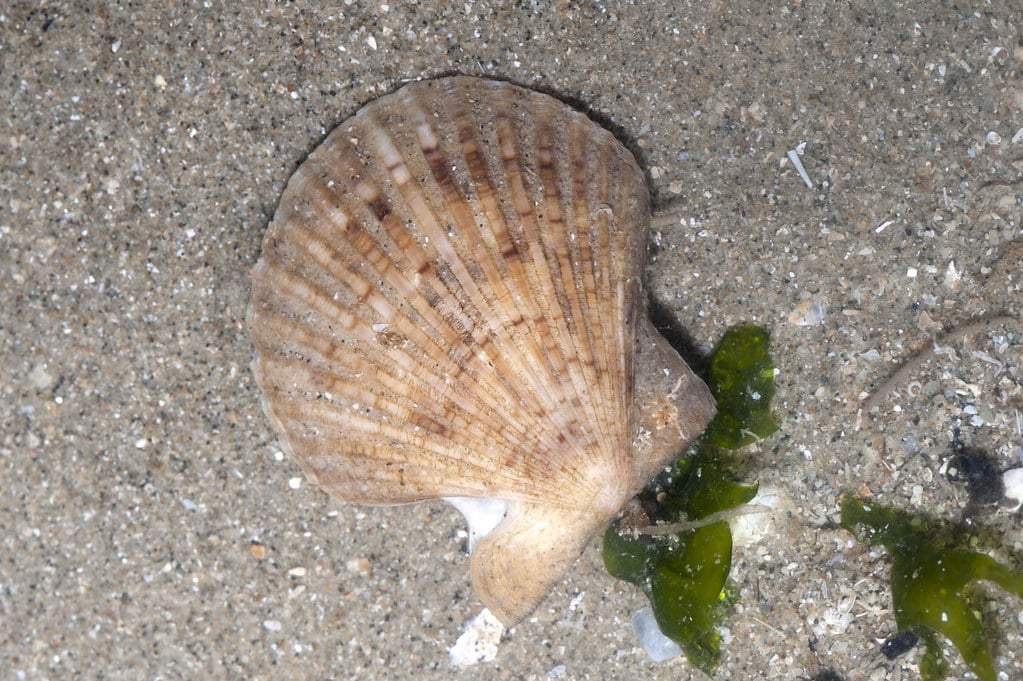
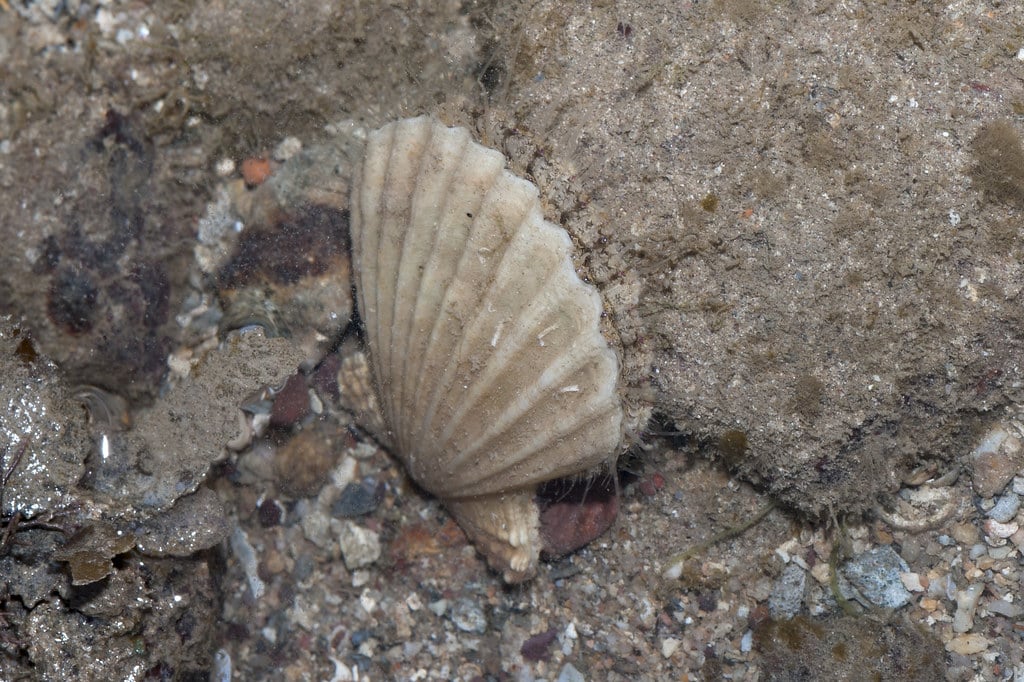
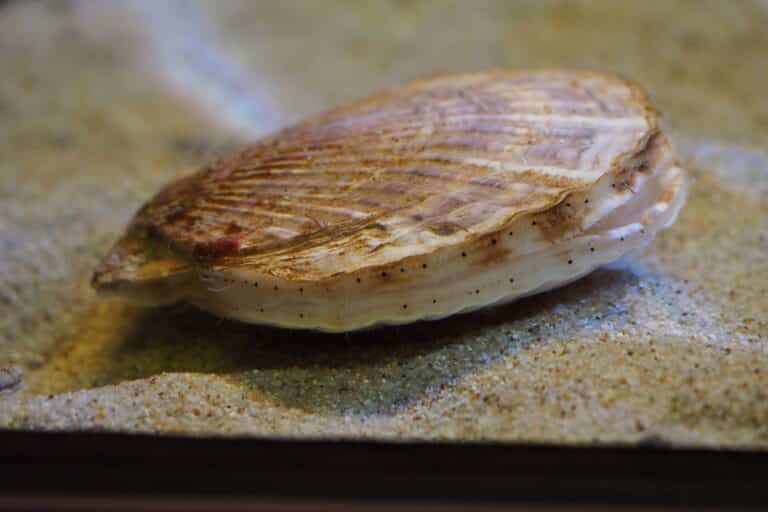
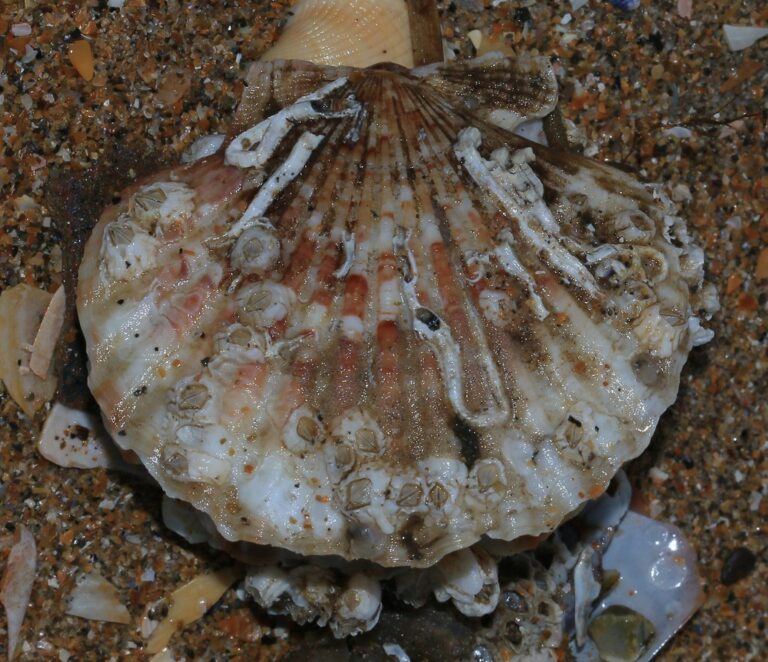
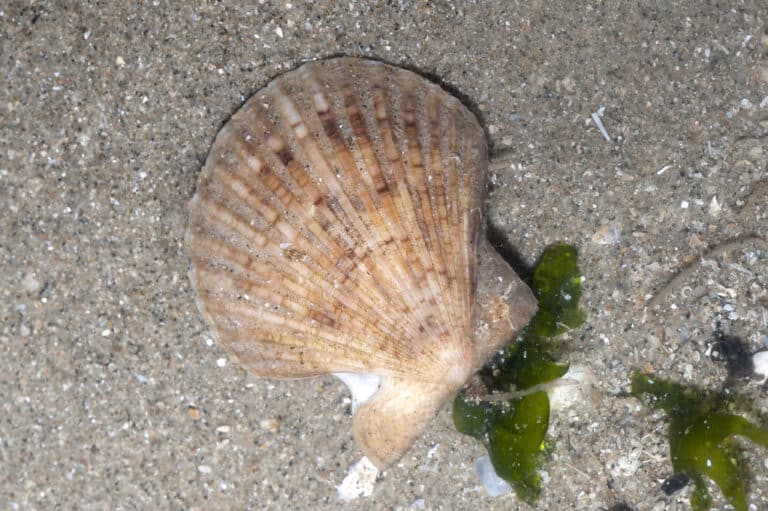
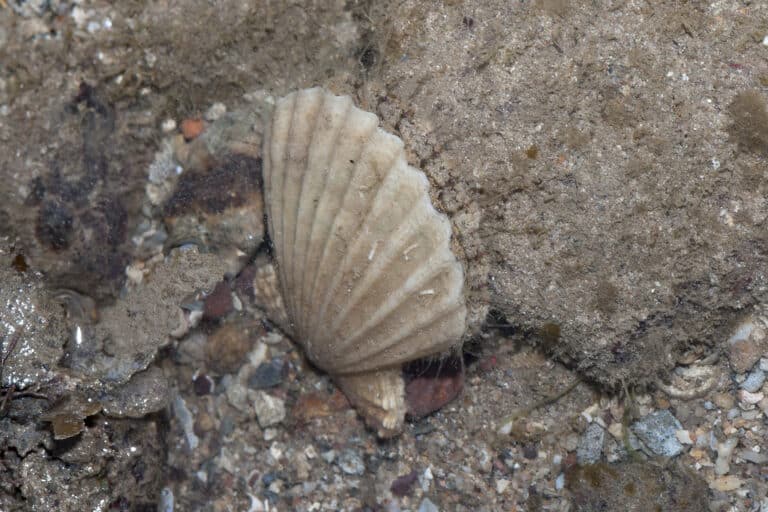
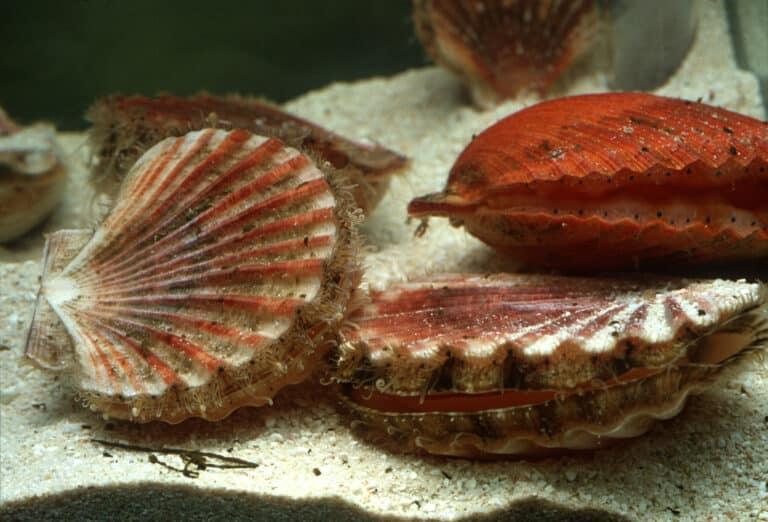
Scallops are delightful bivalve mollusks that belong to the Pectinidae family. These fascinating invertebrates live in oceans around the world and can grow to an average size of about 10 centimeters (around 4 inches) in width.
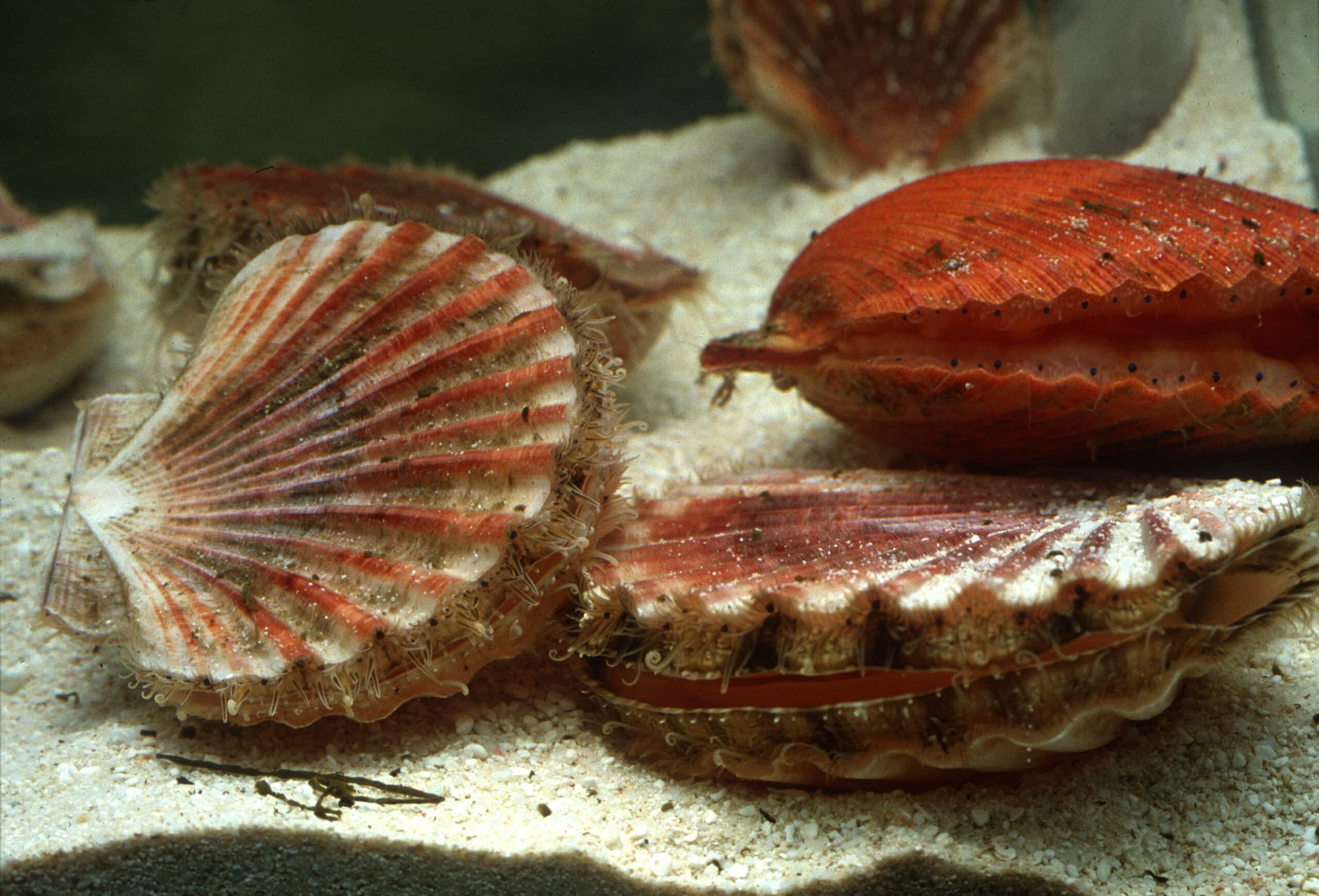
Scallops are known for their unique, fan-shaped shells that open and close like a book. They have a knack for swimming by rapidly flapping their shells, allowing them to gracefully glide through the water, making them the ballet dancers of the ocean!
What do scallops munch on, you ask? These little feasts focus on plankton, tiny organisms drifting in ocean waters. With their specialized gills, they filter-feed by drawing in water, trapping plankton and sending the clean water back out, showing great dining etiquette!
Scallops have a life span of up to 20 years, making them seasoned veterans of the sea. They have a charming ability to produce pearls, but unlike oysters, scallops are less likely to keep them as treasures.
These clever creatures can have up to 100 tiny eyes along the edge of their shells. These eyes can sense light and movement, helping scallops stay alert to any hungry predators lurking nearby.
Overall, scallops showcase the beauty of ocean life with their elegance and unique habits. Whether served as a tasty dish or admired in their underwater ballet, scallops truly make a splash in the marine world!

Where can you find a Scallops in the wild?
What does a Scallops eat?
How big can a Scallops grow?
How long does a Scallops typically live?
What is the conservation status of the Scallops?
What are the main threats to the Scallops?
Fun facts
Some scallops can actually swim! They flap their shells quickly to propel themselves through the water, making them the graceful dancers of the ocean.


These bivalve mollusks have up to 100 tiny eyes along their shells. These eyes detect light and motion, helping scallops stay alert to any predators nearby.
Scallops can reproduce by releasing eggs and sperm into the water, creating a frenzy of potential new scallops. It’s like throwing a big underwater party!
Some scallops prefer to live in groups while others choose solitude. These social or solitary habits showcase their funny personalities in the underwater world.
In some regions, scallops play a big role in the ecosystem by filtering seawater. They can clean a lot of water quickly, keeping the ocean tidy and healthy!
When scallops feel threatened, they can eject water forcefully from their shells, darting away from danger in a flash, like an underwater superhero escaping trouble!
Some species of scallops can change color depending on their surroundings, using camouflage to blend in and avoid hungry predators. It’s like playing hide and seek in the ocean!
Scallops have been around for millions of years, which means they can tell quite the story about ocean life through the ages. They are like living pieces of ocean history!
In certain cultures, people celebrate scallops with festivals, highlighting their importance as a tasty treat. These gatherings remind everyone just how delicious these mollusks can be.
Scallops can produce pearls, although they are not as likely to keep them as treasures. They create pearls as a reaction to irritants, much like oysters do, but fewer scallops have the chance to show off their shiny gems.
Photos





The Basics


explore more
Amphibians
Arachnids
Birds
Cats
Crustaceans
Fish
Fish Pet Guide
Gastropods
Insects
Invertebrates
Mammals
Pet Fish
Pet Rodents
Plants
Reptiles
Roundworms
Sea Slugs