Successfully copied to clipboard!
Sea Roach
Meet the tiny beach heroes cleaning up our shores!
Let’s Explore
Overview
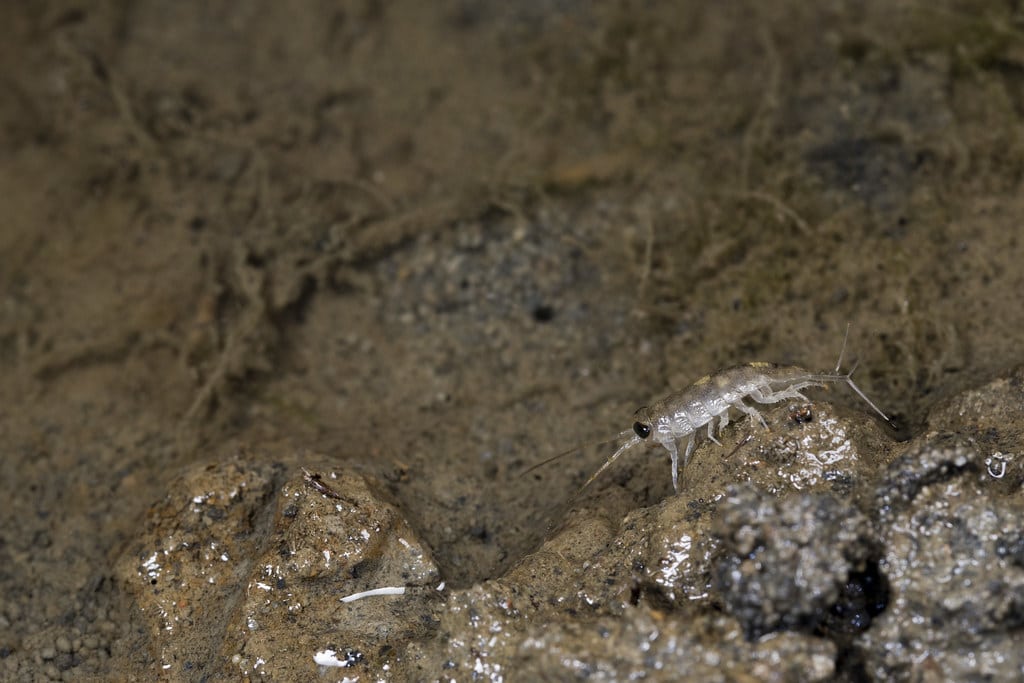
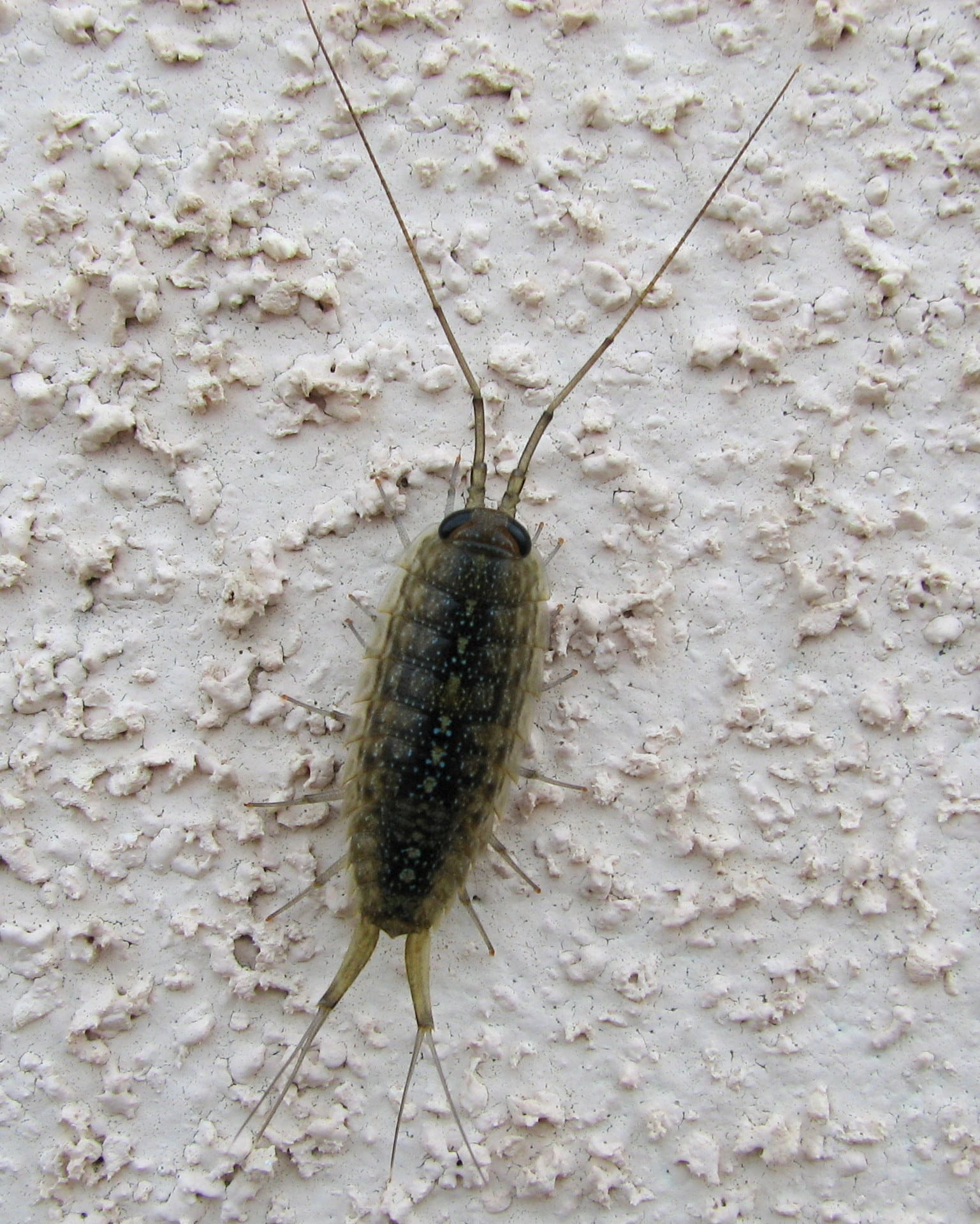
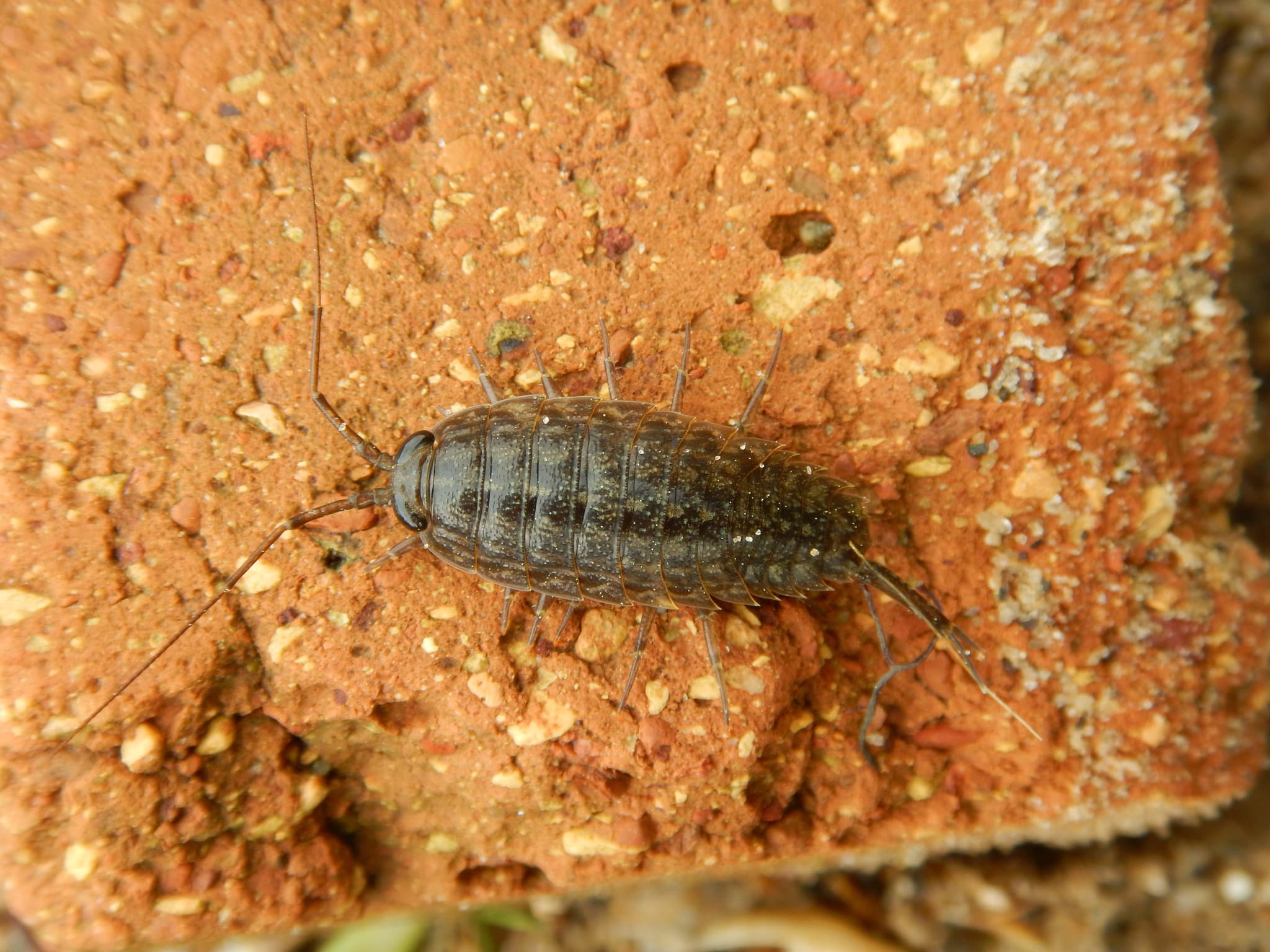
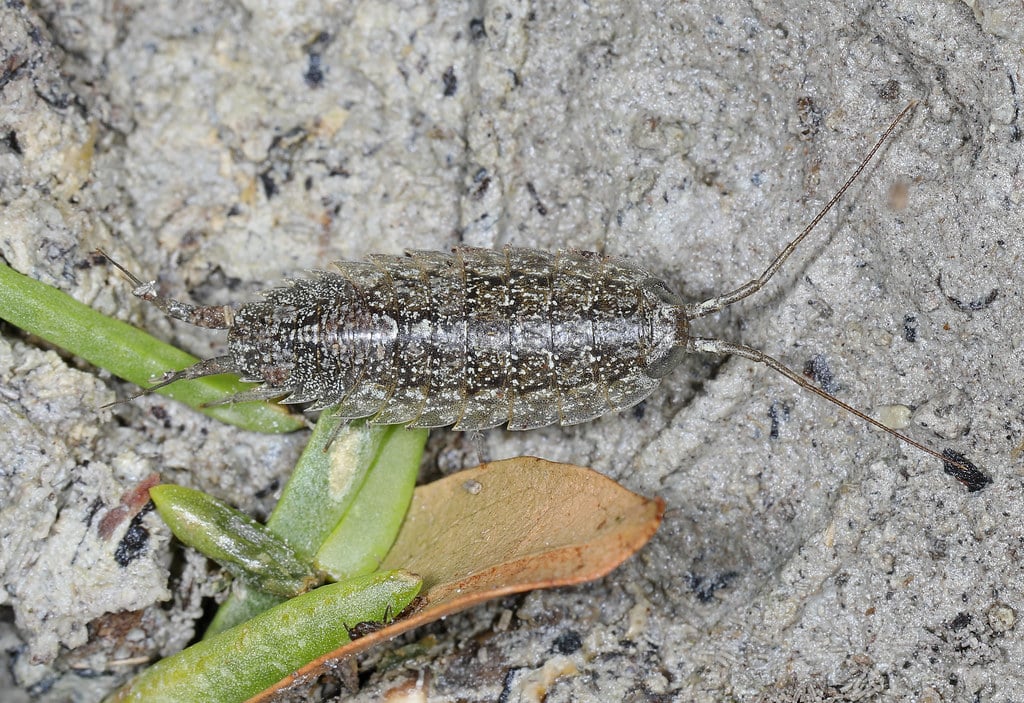
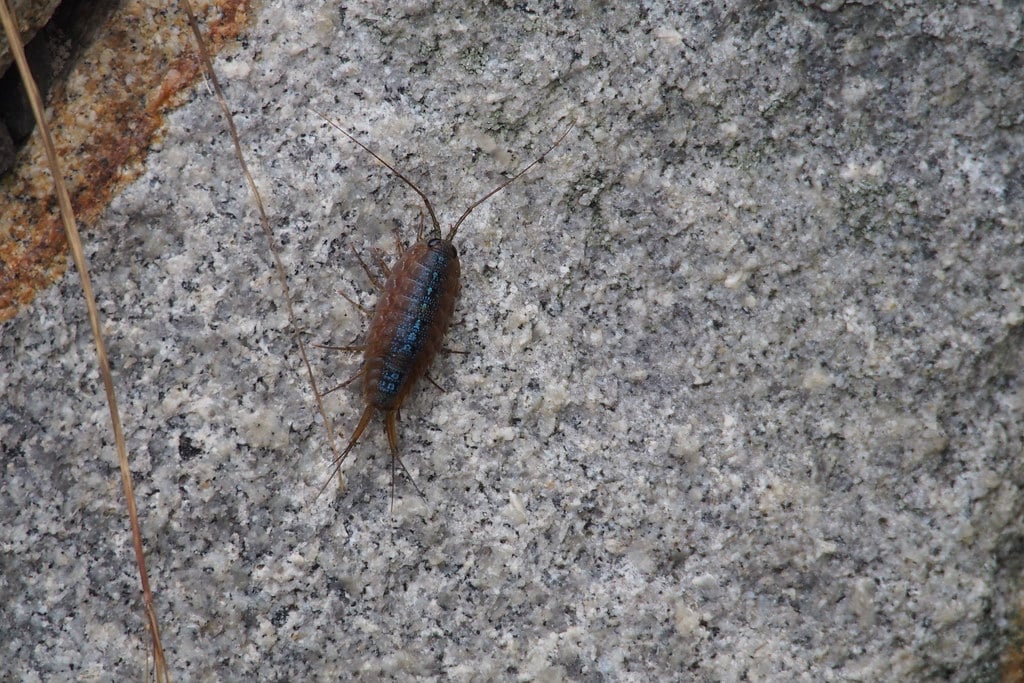
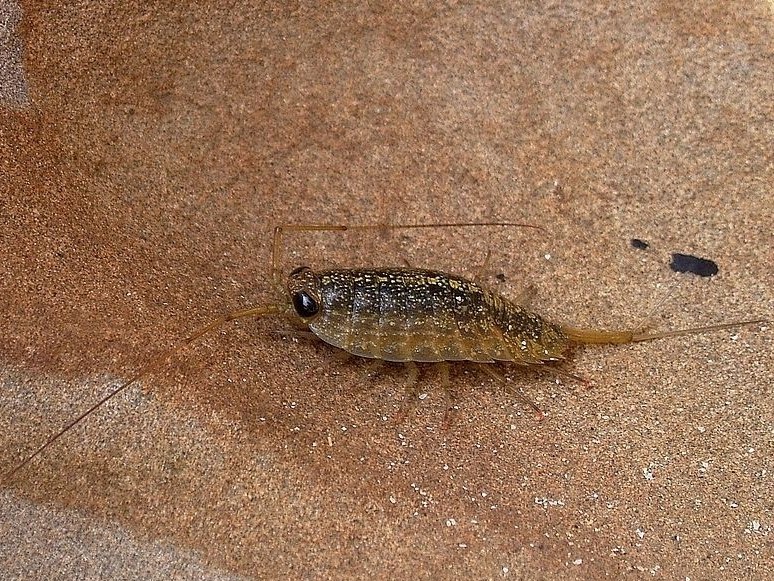
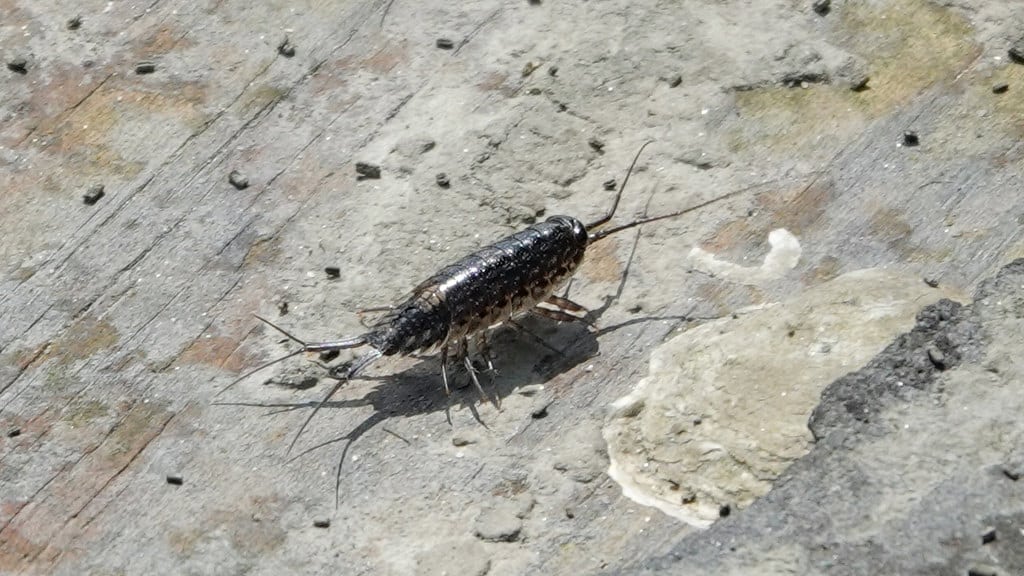
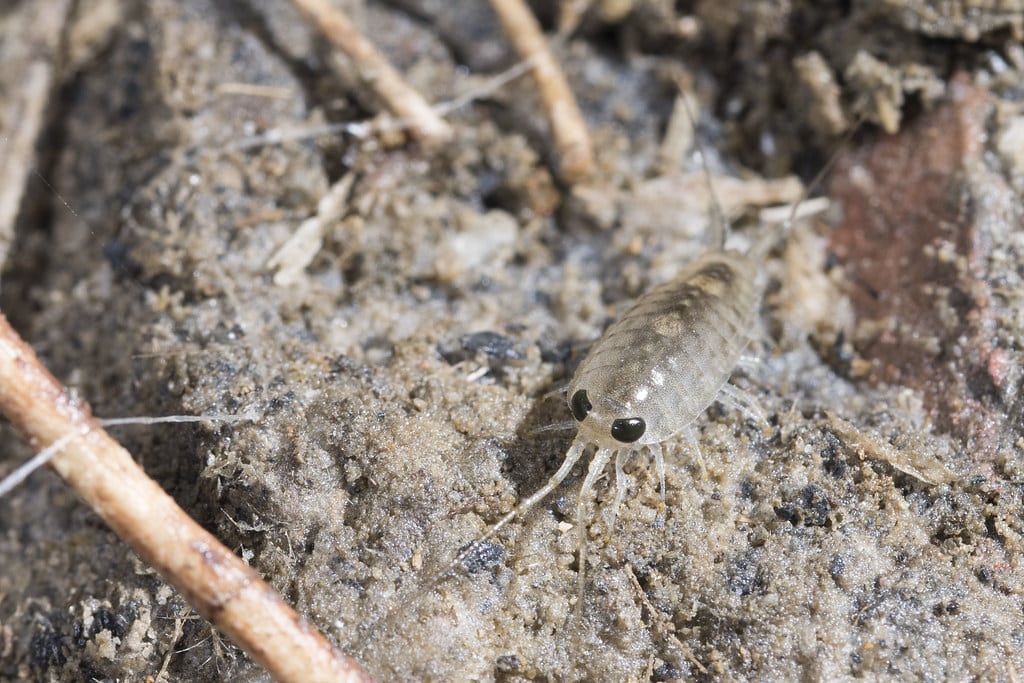
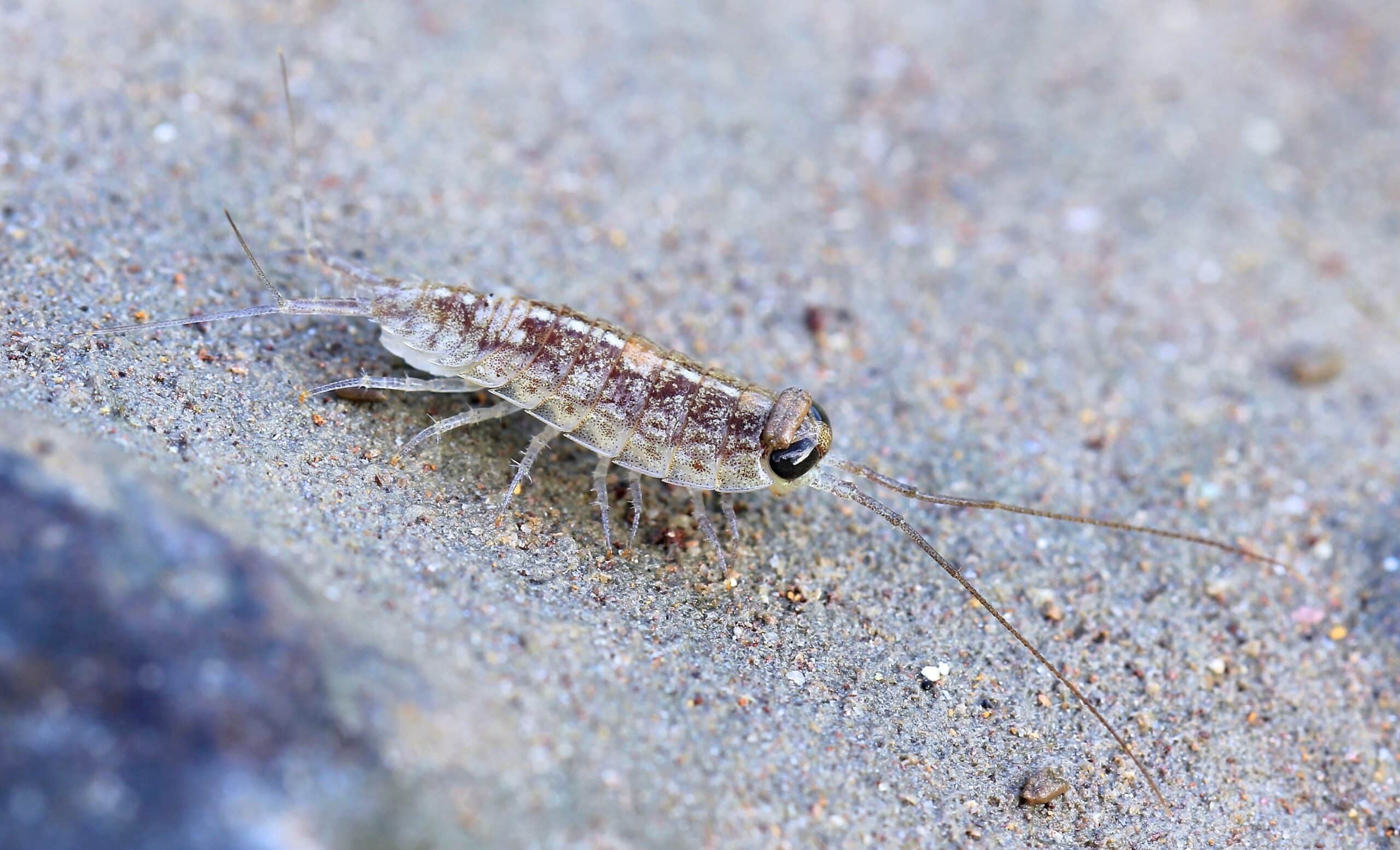
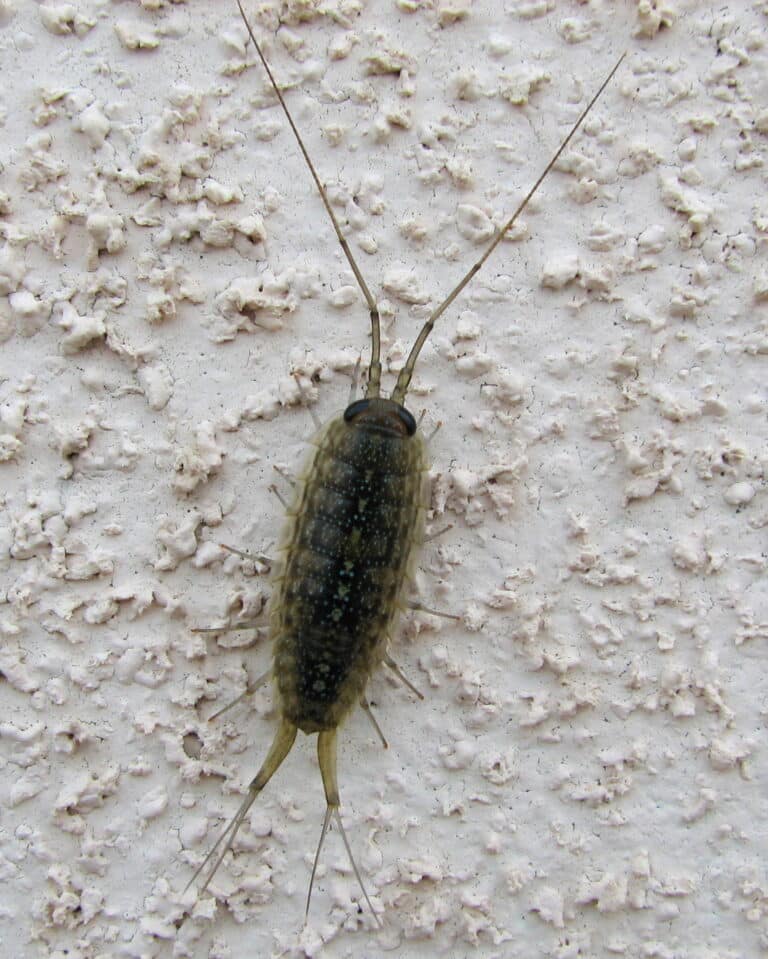
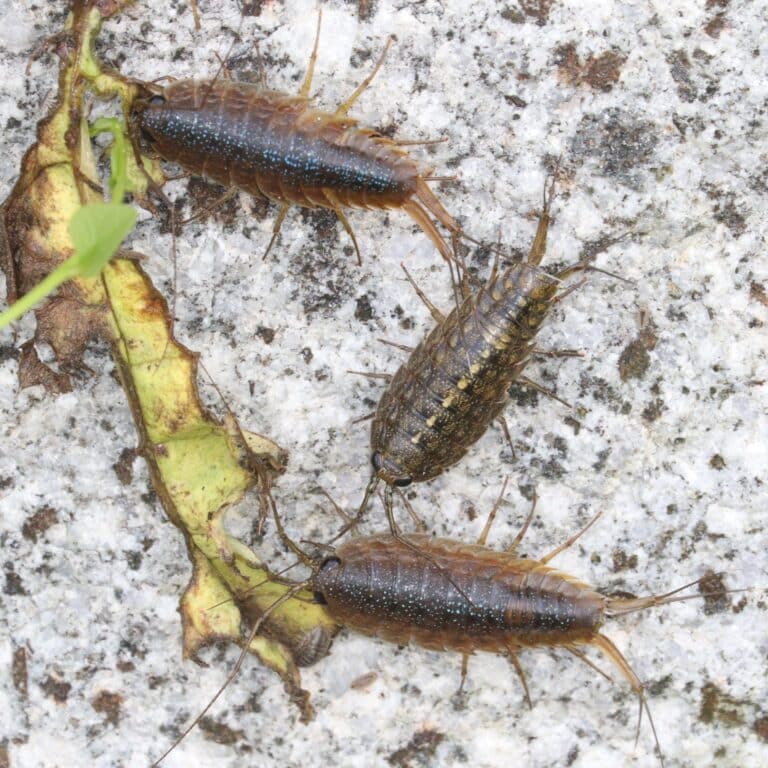
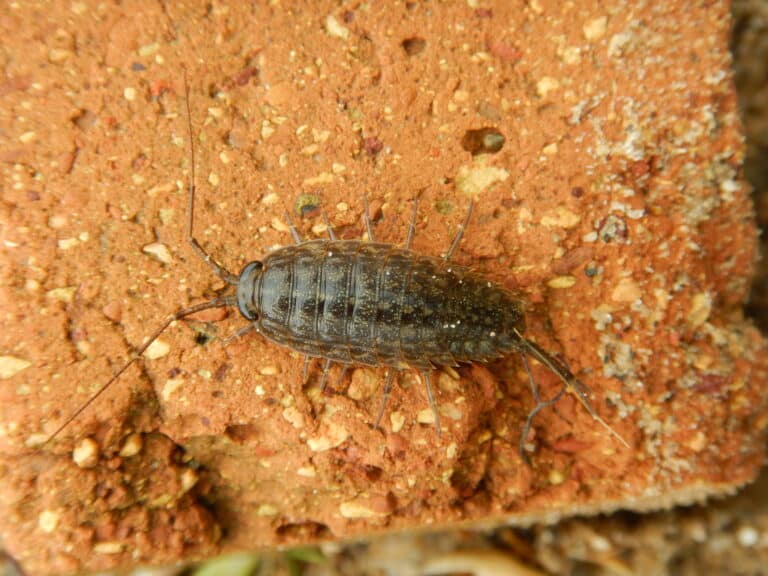
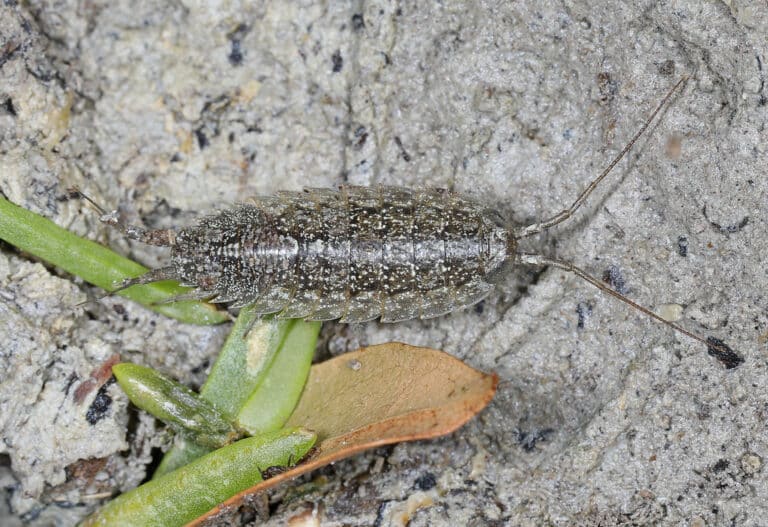
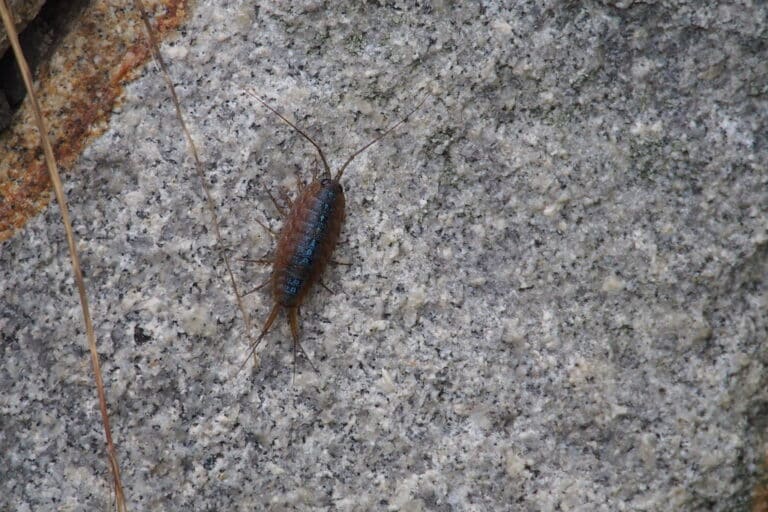
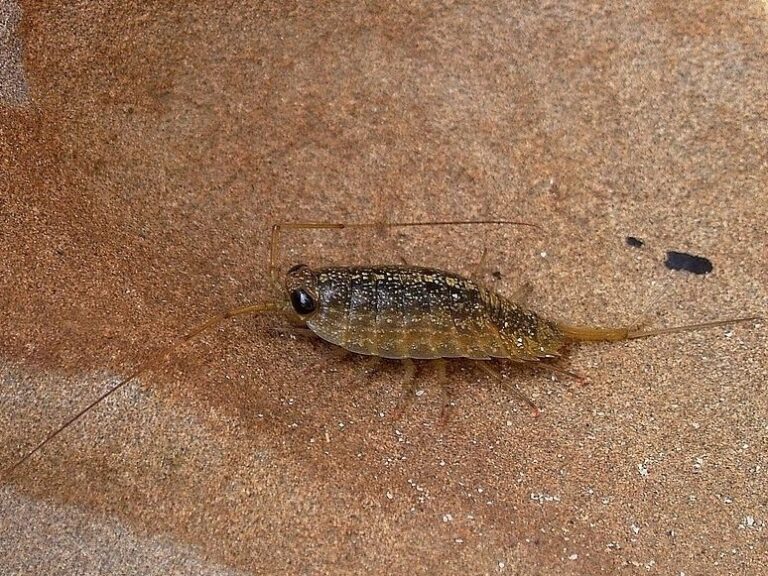
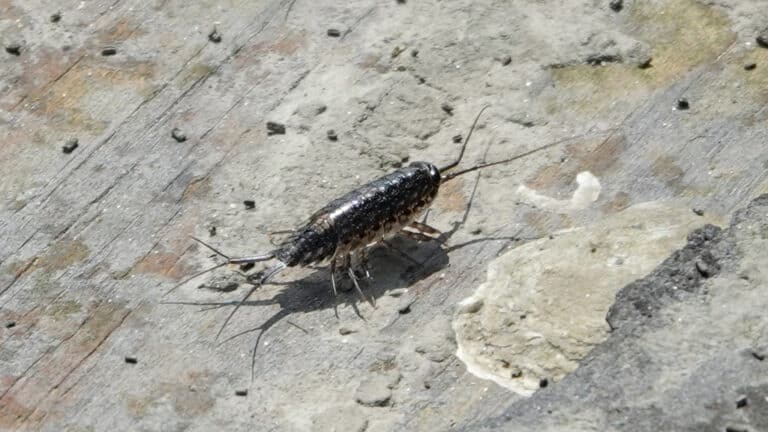
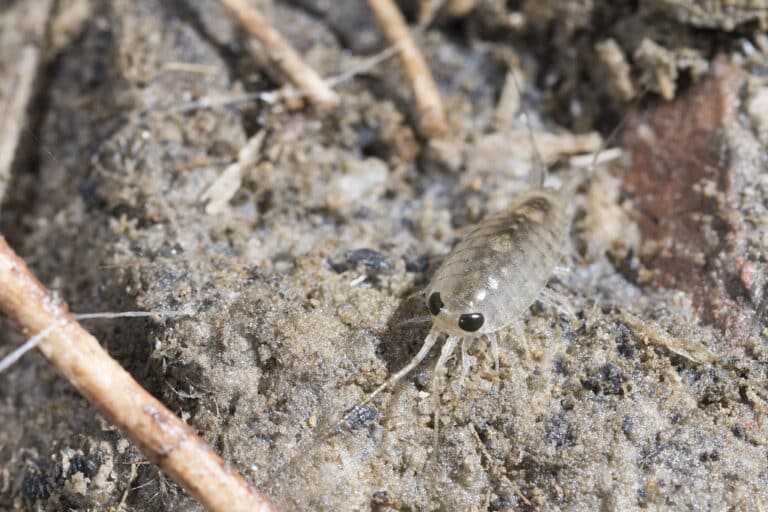
The sea roach, also known as Ligia exotica, is an interesting little creature found along the coasts of Europe. These tiny invertebrates belong to the family Ligiidae and can grow to be between 1 and 3 centimeters long, so they fit right in the palm of your hand!
Sea roaches belong to a class known as Malacostraca, which is a part of the larger phylum Arthropoda. This means they are related to crabs, lobsters, and insects, sharing a tough outer shell that helps protect their soft insides.
Sea roaches love to snack! Their diet consists mainly of decaying plant and animal matter, making them Nature’s little recyclers. By eating this decomposing material, they help keep our beaches and shorelines clean and healthy.
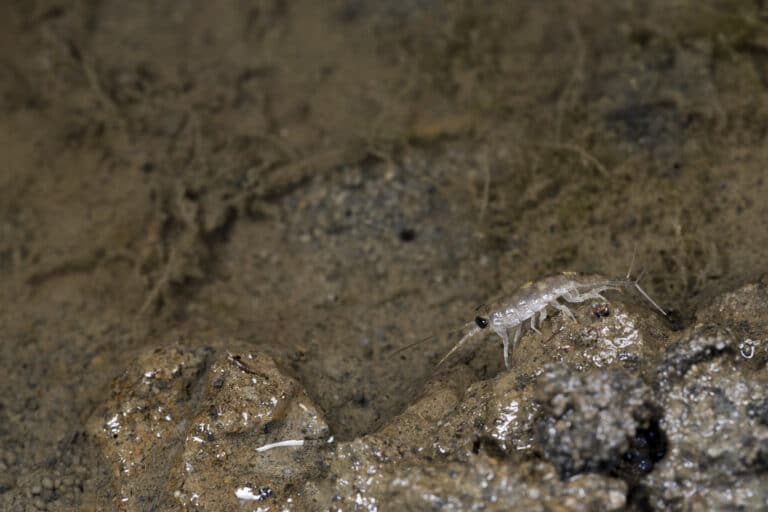
These fascinating creatures can live for up to two years in their coastal homes. Sea roaches thrive in damp areas, often found hiding under rocks and seaweed, where they feel safe from predators.
With their many legs and swift movements, sea roaches can scuttle about like tiny crustacean superheroes of the beach. Next time you’re at the shore, keep an eye out for these quirky critters doing their cleaning job in the sand!

Where can you find a Sea Roach in the wild?
What does a Sea Roach eat?
How big can a Sea Roach grow?
How long does a Sea Roach typically live?
What is the conservation status of the Sea Roach?
What are the main threats to the Sea Roach?
Fun facts
Sea roaches can hold their breath for up to 30 minutes! This helps them stick around in the damp places they call home, even when the tide goes out.


These little guys are experts in finding hiding spots. They squeeze into tiny spaces under rocks and seaweed to avoid becoming meals for hungry fish.
Sea roaches can regrow lost limbs! If they lose a part of their body, they can regenerate it over time, almost like a superhero with a special power.
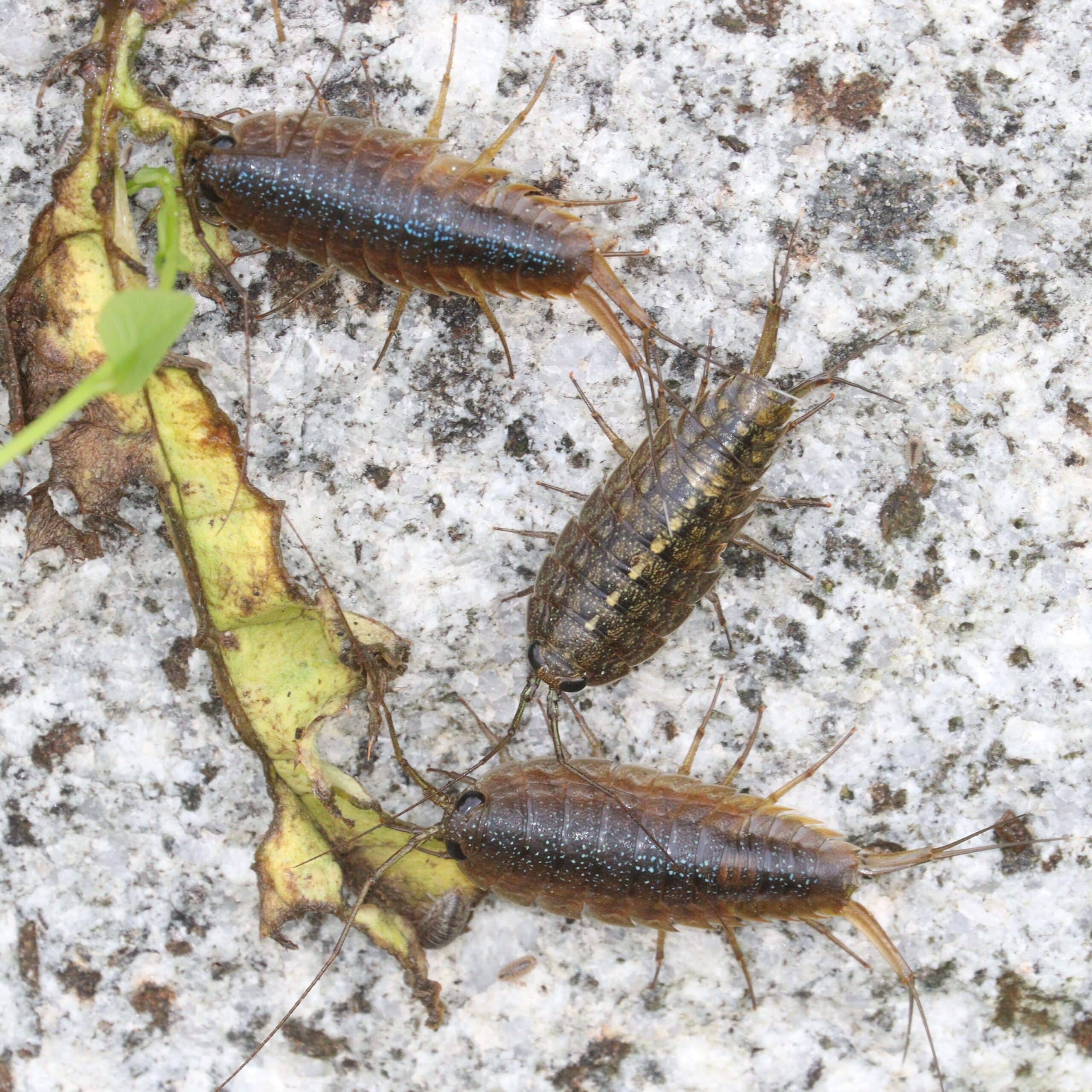
These crustaceans like to hang out in groups. You might spot a whole party of sea roaches scuttling together, working as a team to keep their beach home clean!
Sea roaches can sense slight changes in their environment. They use their antennae to detect food and dodge dangers, acting like nature's little alarm system.
Instead of using a mouth, sea roaches have special jaw-like parts called mandibles that help them munch on their favorite decaying snacks!
When threatened, sea roaches can flip over and scurry away quickly, showing off their tiny legs in a hilarious race against danger!
Some people call sea roaches 'beach pill bugs' because they are closely related to pill bugs, which roll into balls when scared. These little scavengers just like to scuttle away instead!
Sea roaches are very slow cooks! They can take hours to finish a meal, making it look like they are practicing the art of savoring their food.
These creatures are great at recycling! By eating dead plants and animals, sea roaches play an important role in beach cleanup, ensuring clear and healthy shores for many seaside critters.
Photos





The Basics


explore more
Amphibians
Arachnids
Birds
Cats
Crustaceans
Fish
Fish Pet Guide
Gastropods
Insects
Invertebrates
Mammals
Pet Fish
Pet Rodents
Plants
Reptiles
Roundworms
Sea Slugs