Successfully copied to clipboard!
Sea Slug
Explore a world of colorful ocean treasures under the waves!
Let’s Explore
Overview
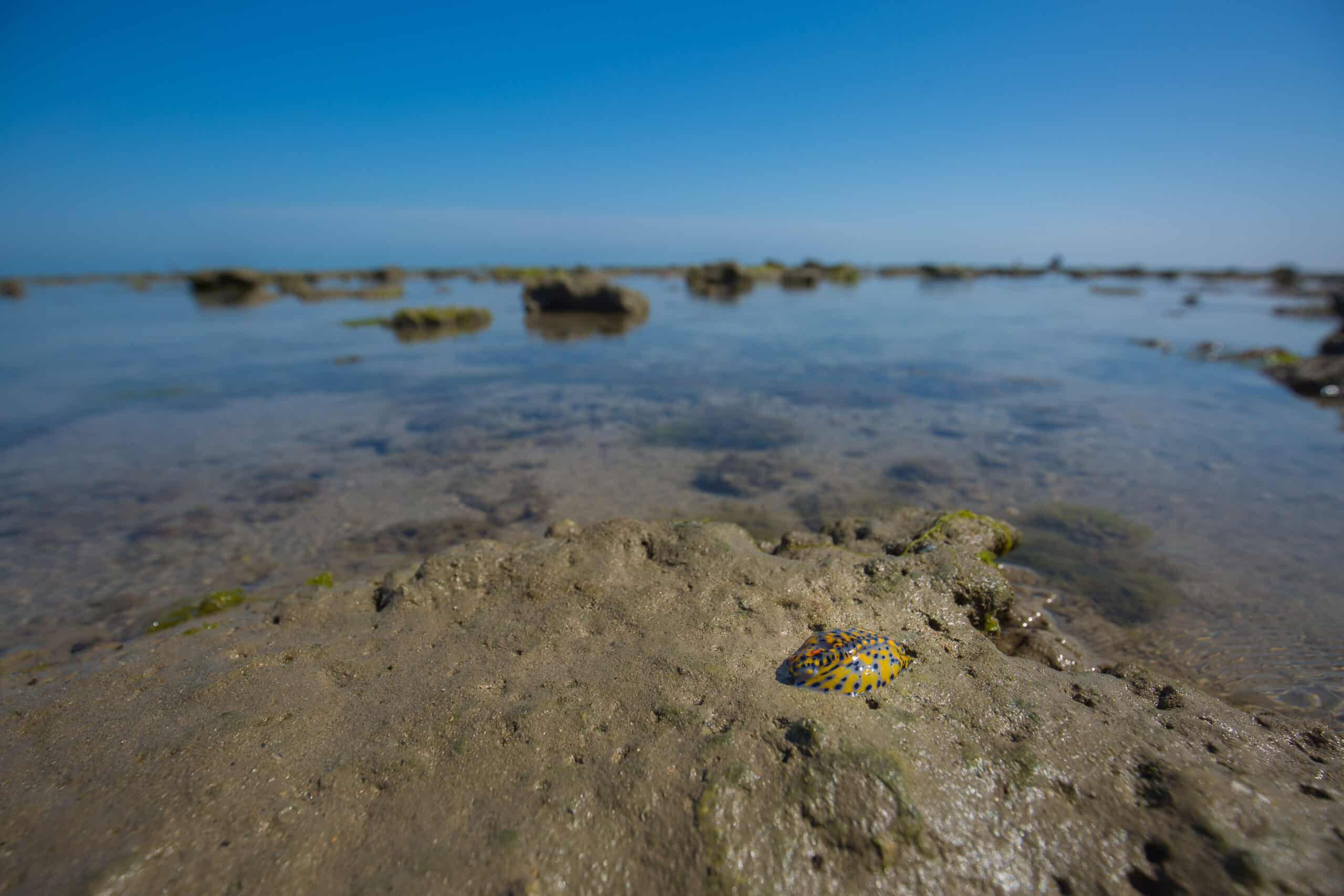
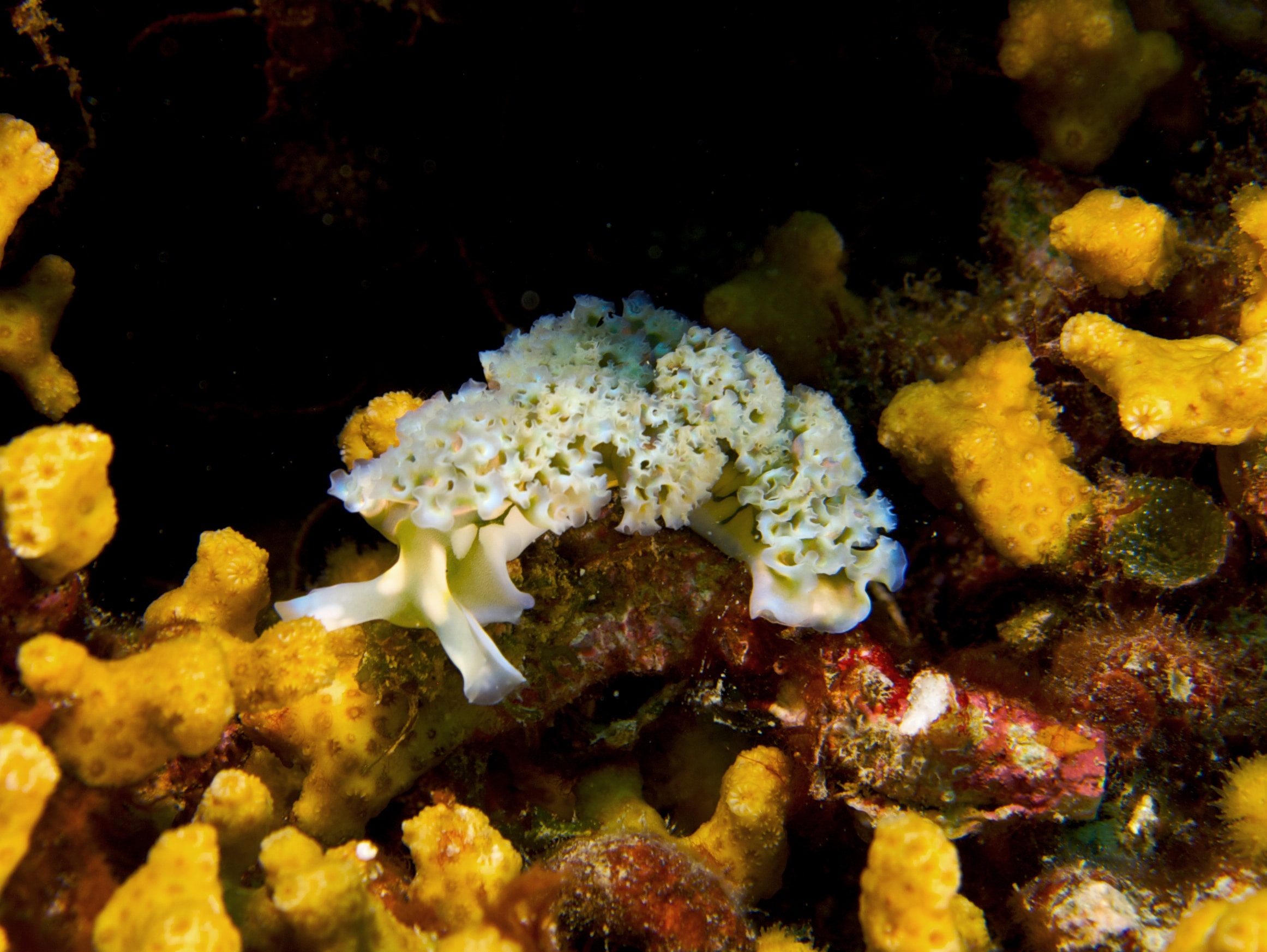
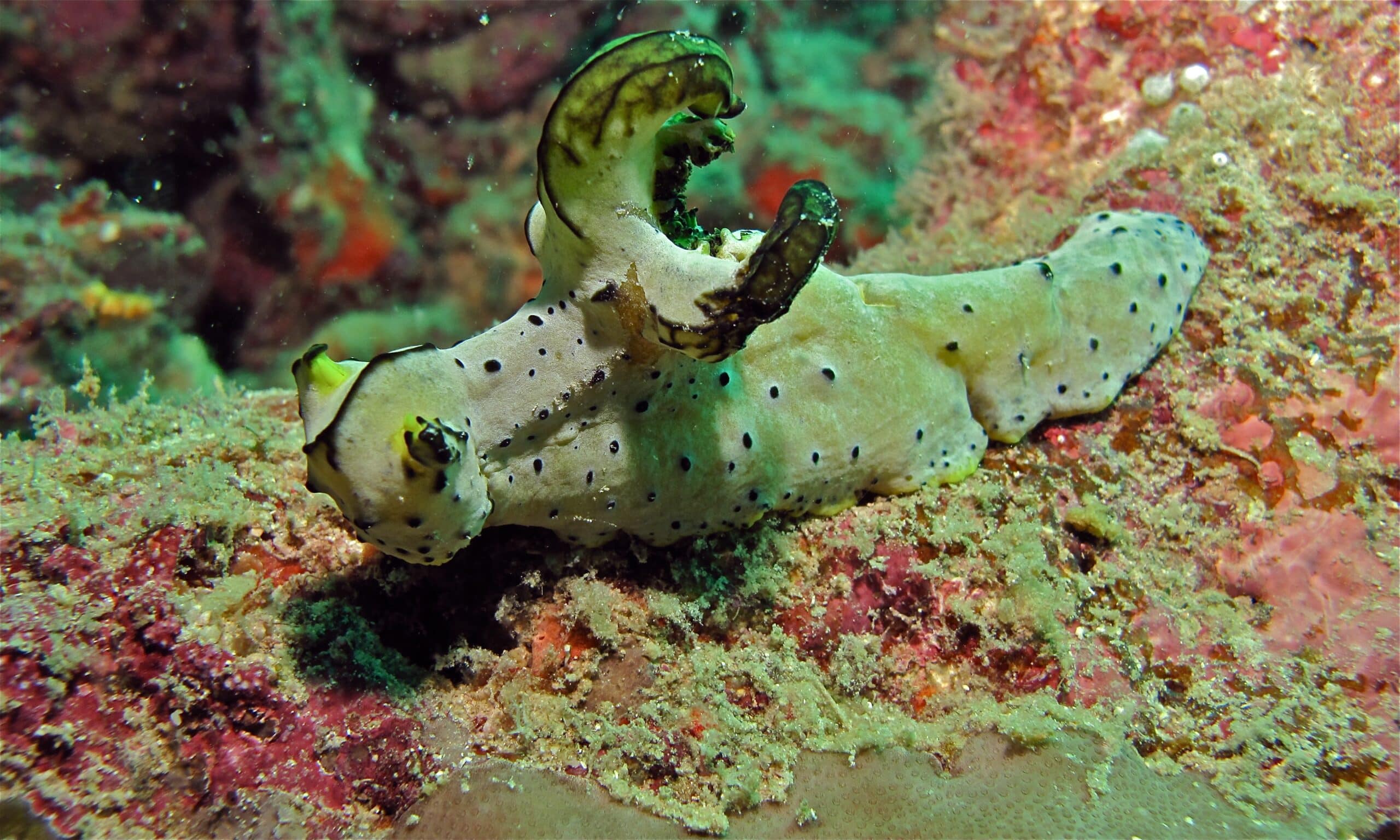
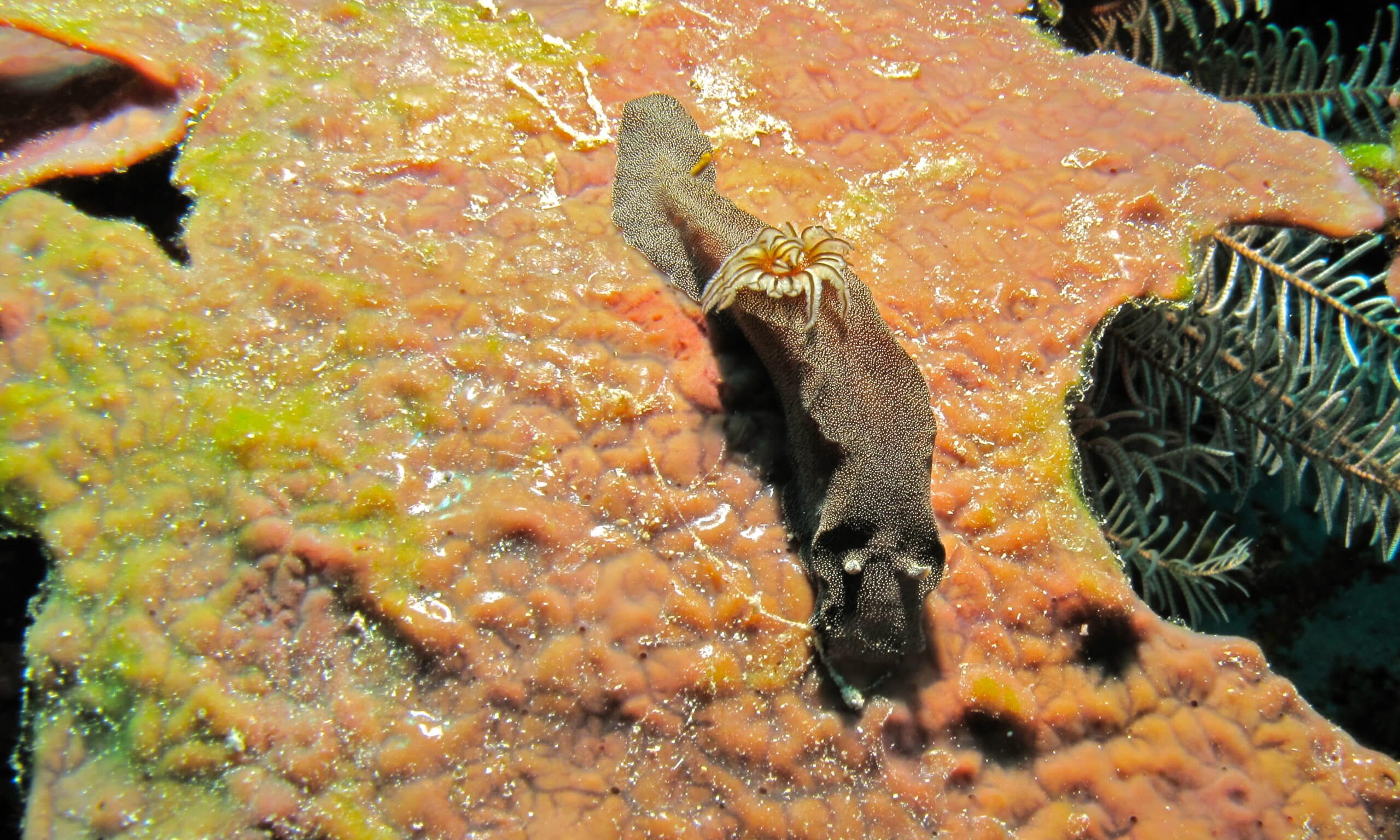
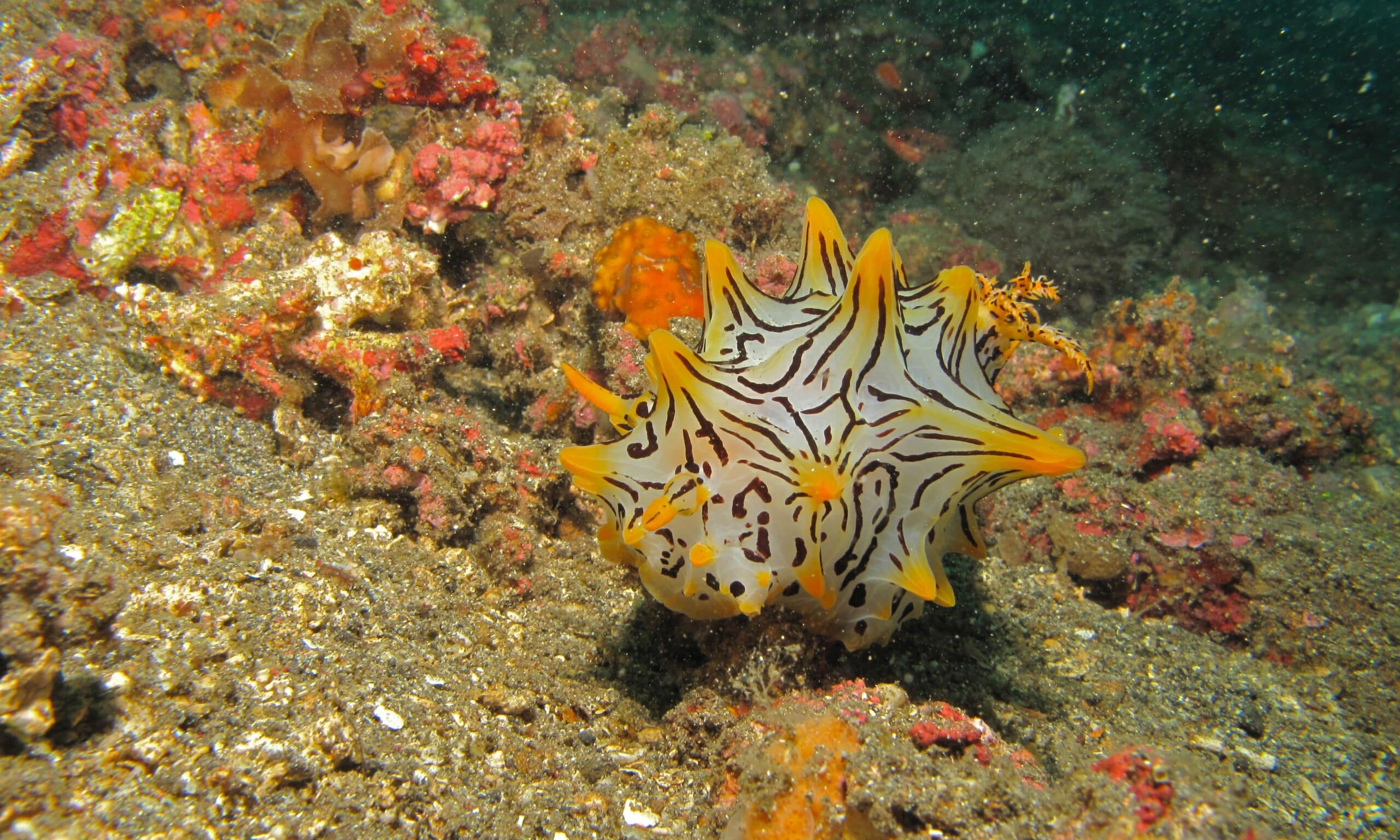
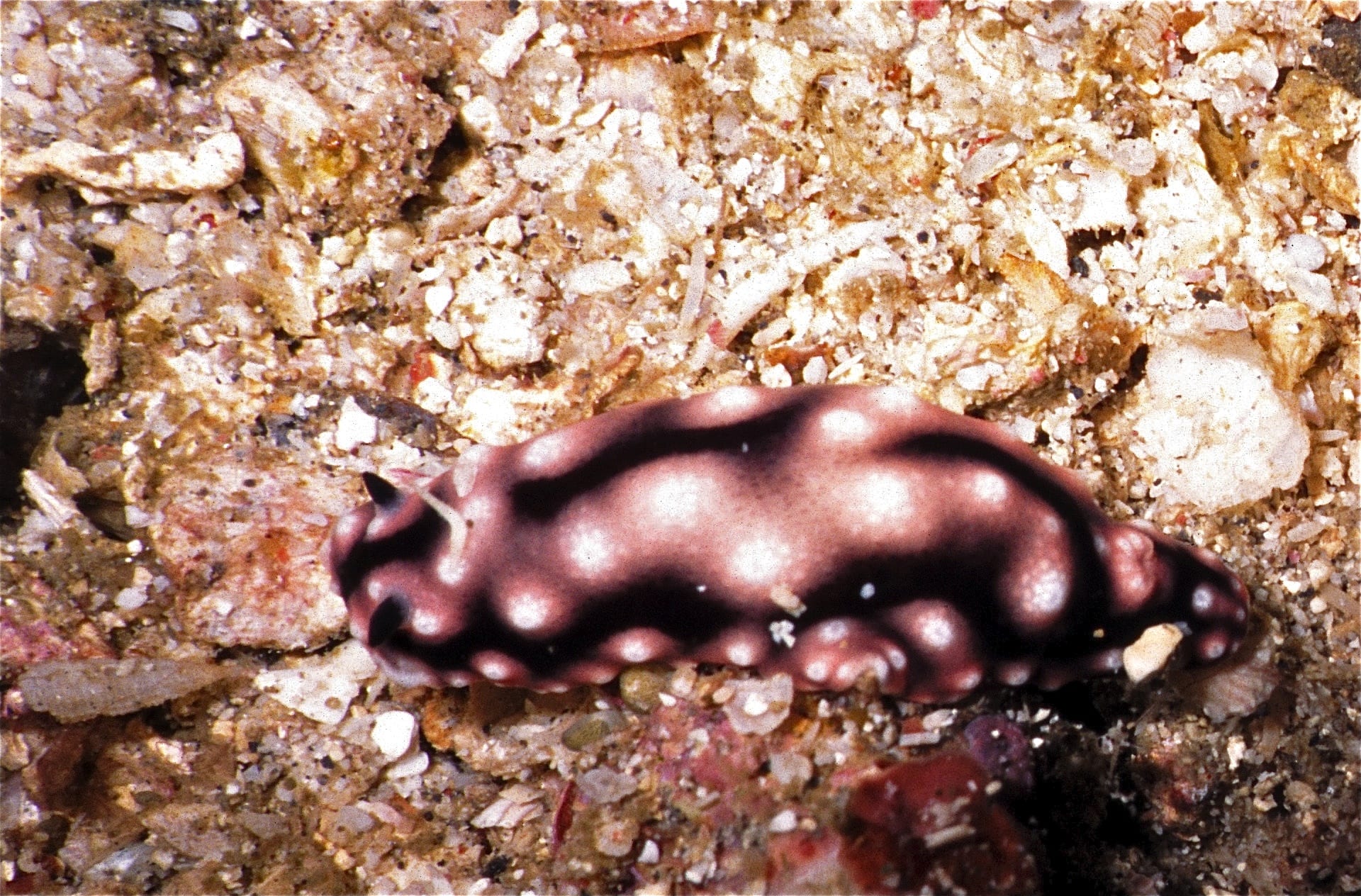
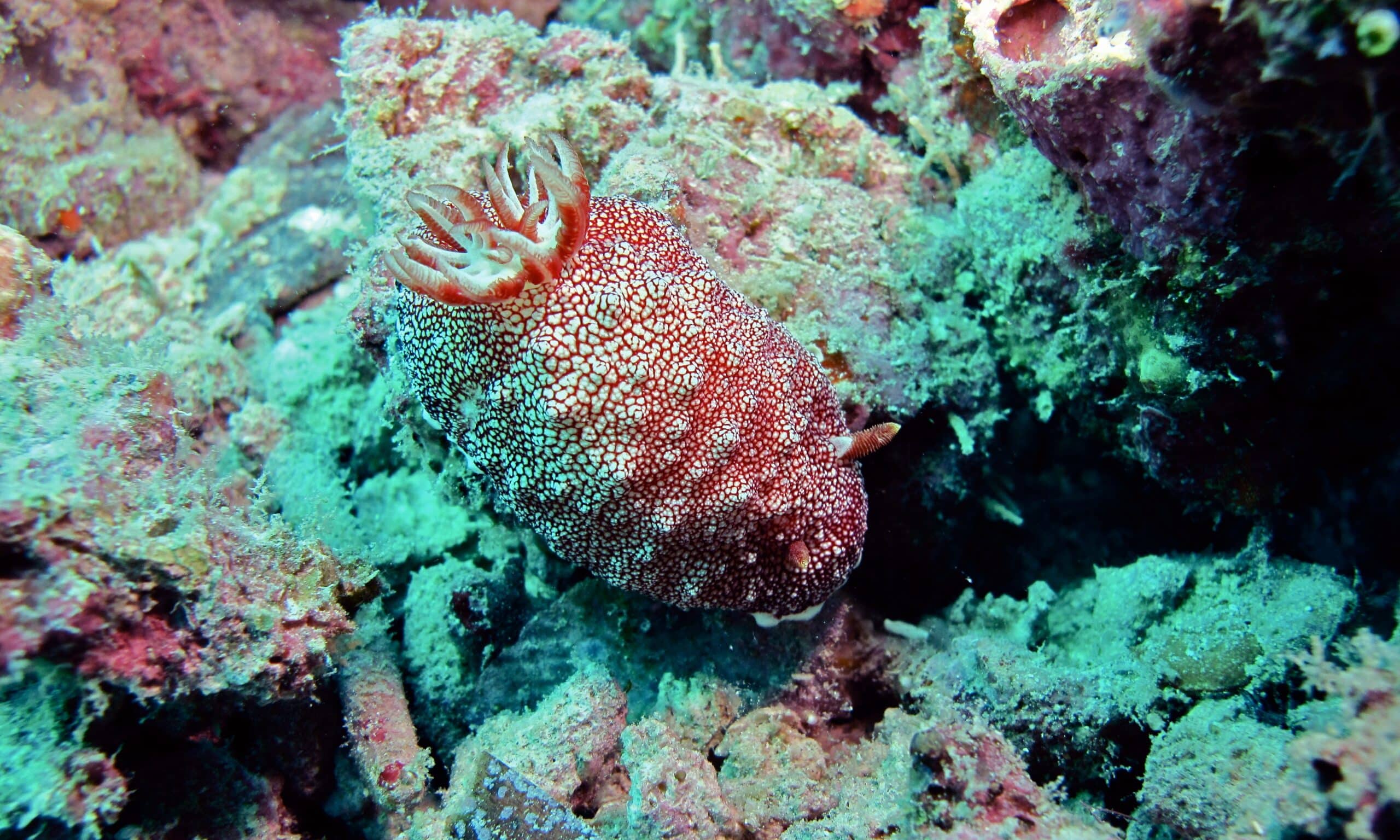
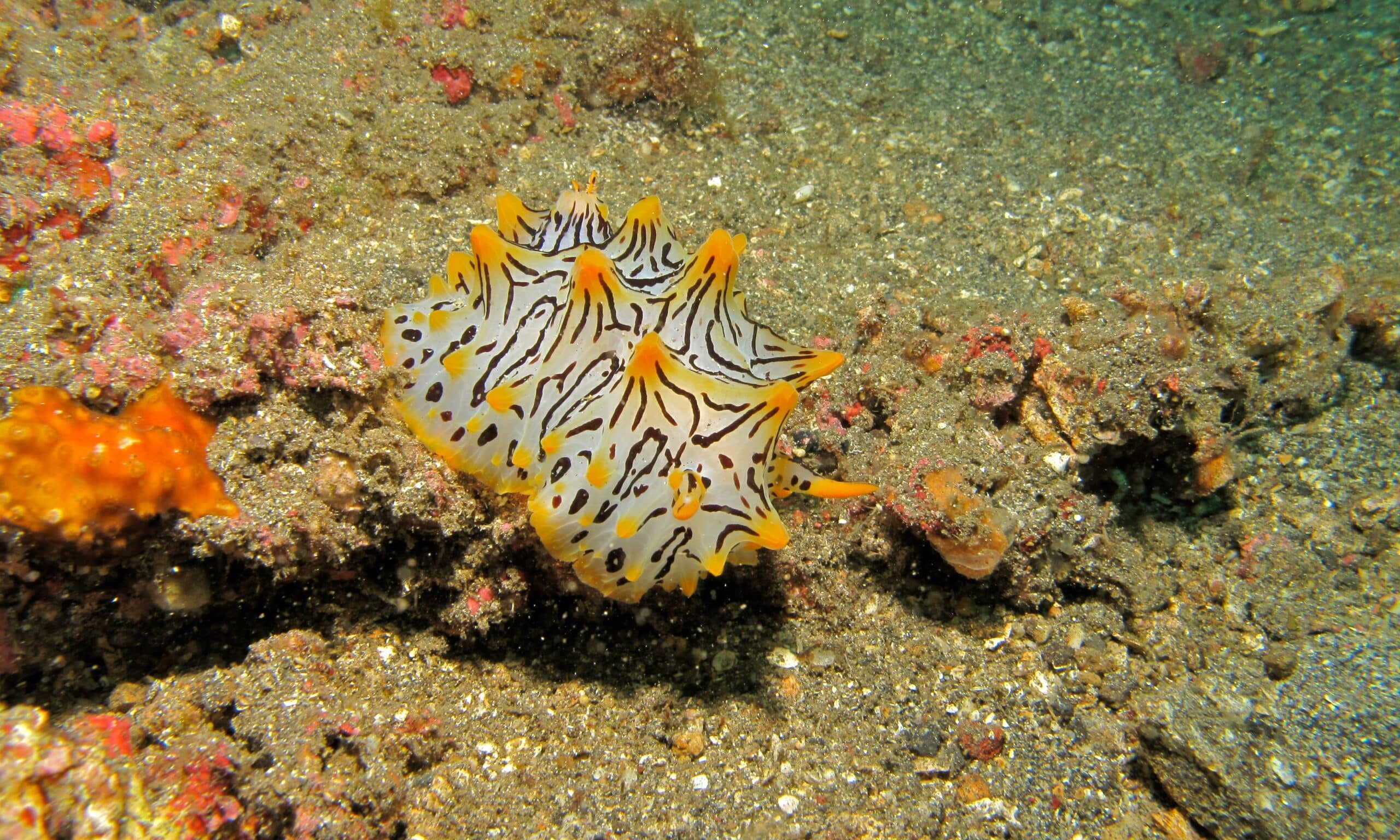
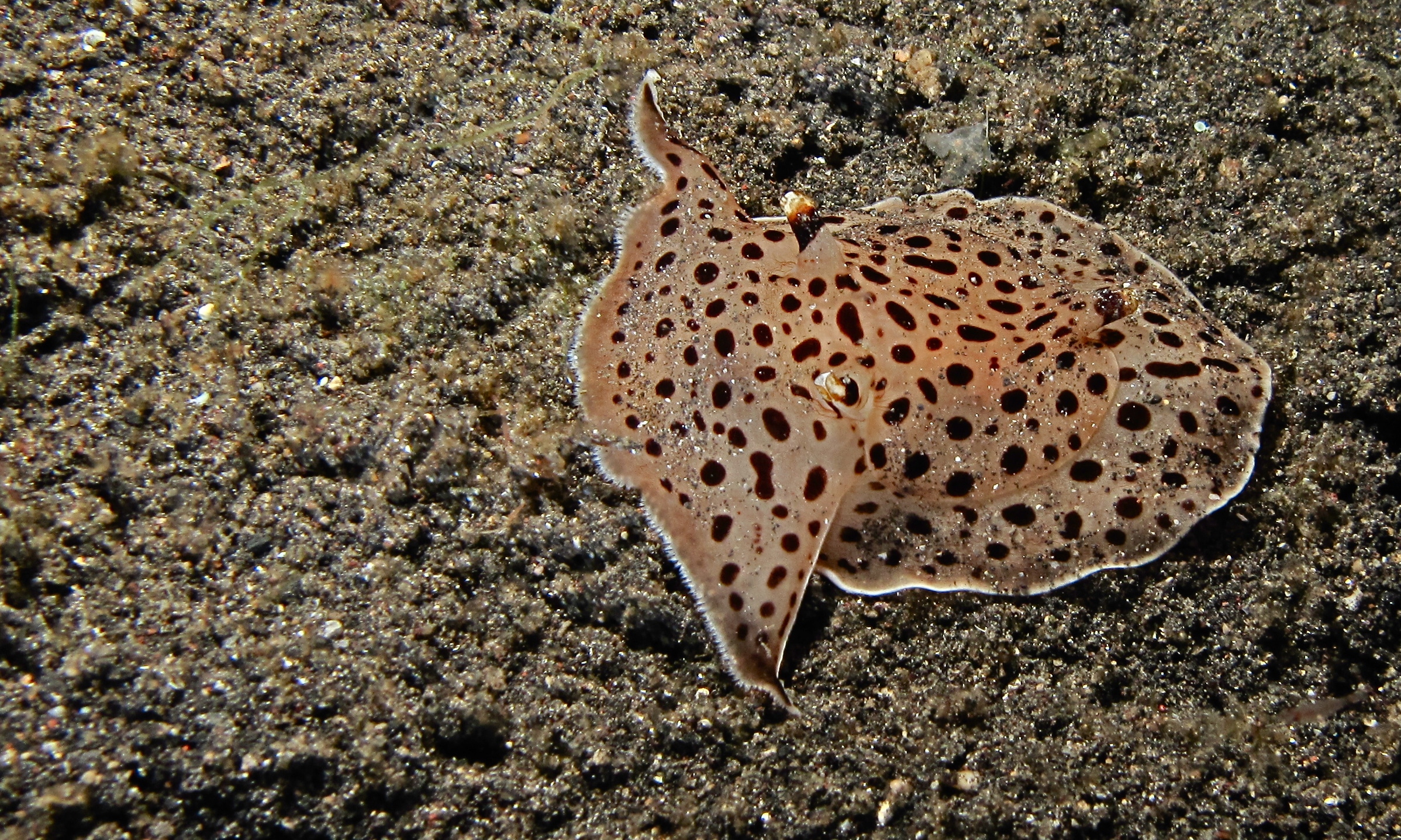
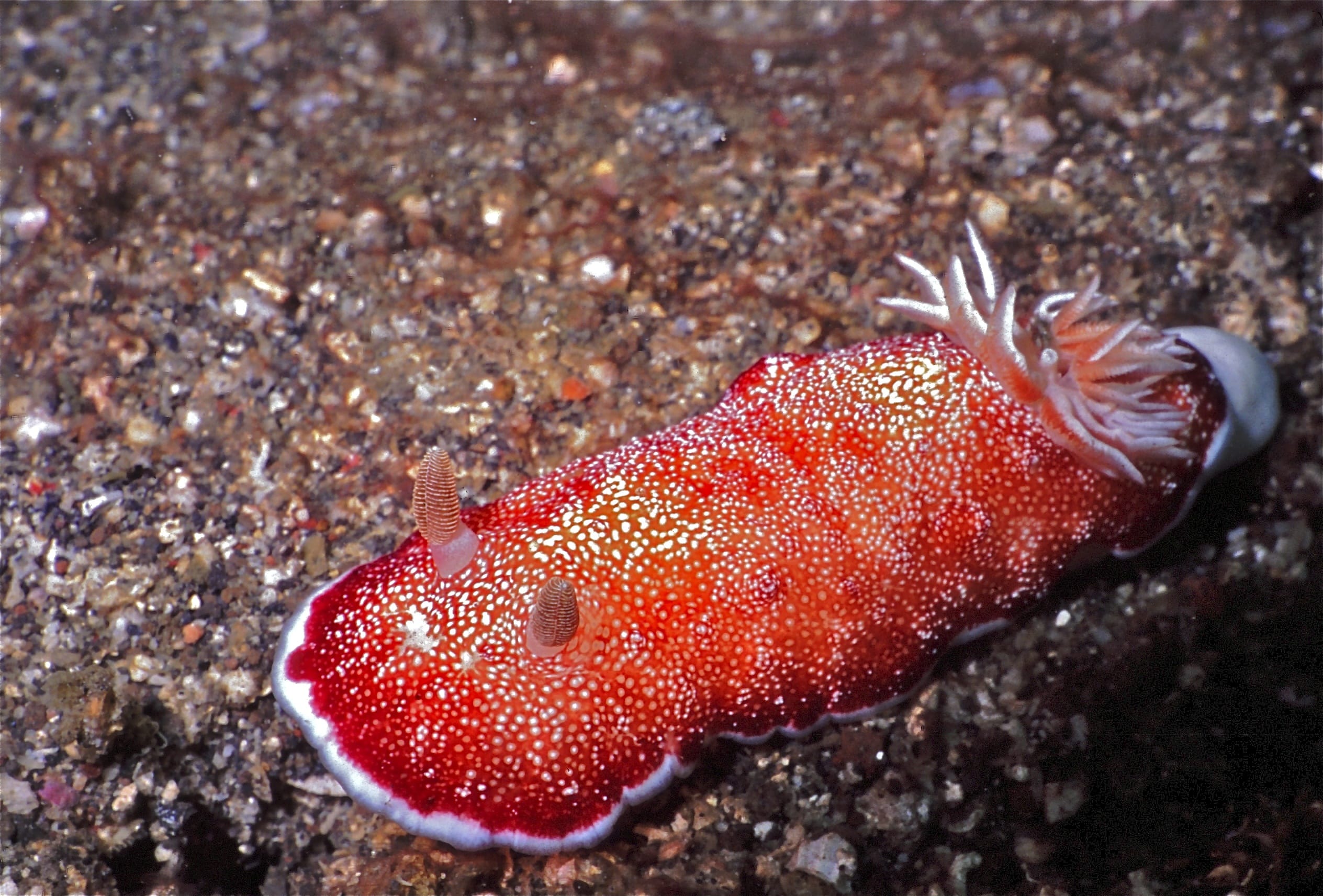
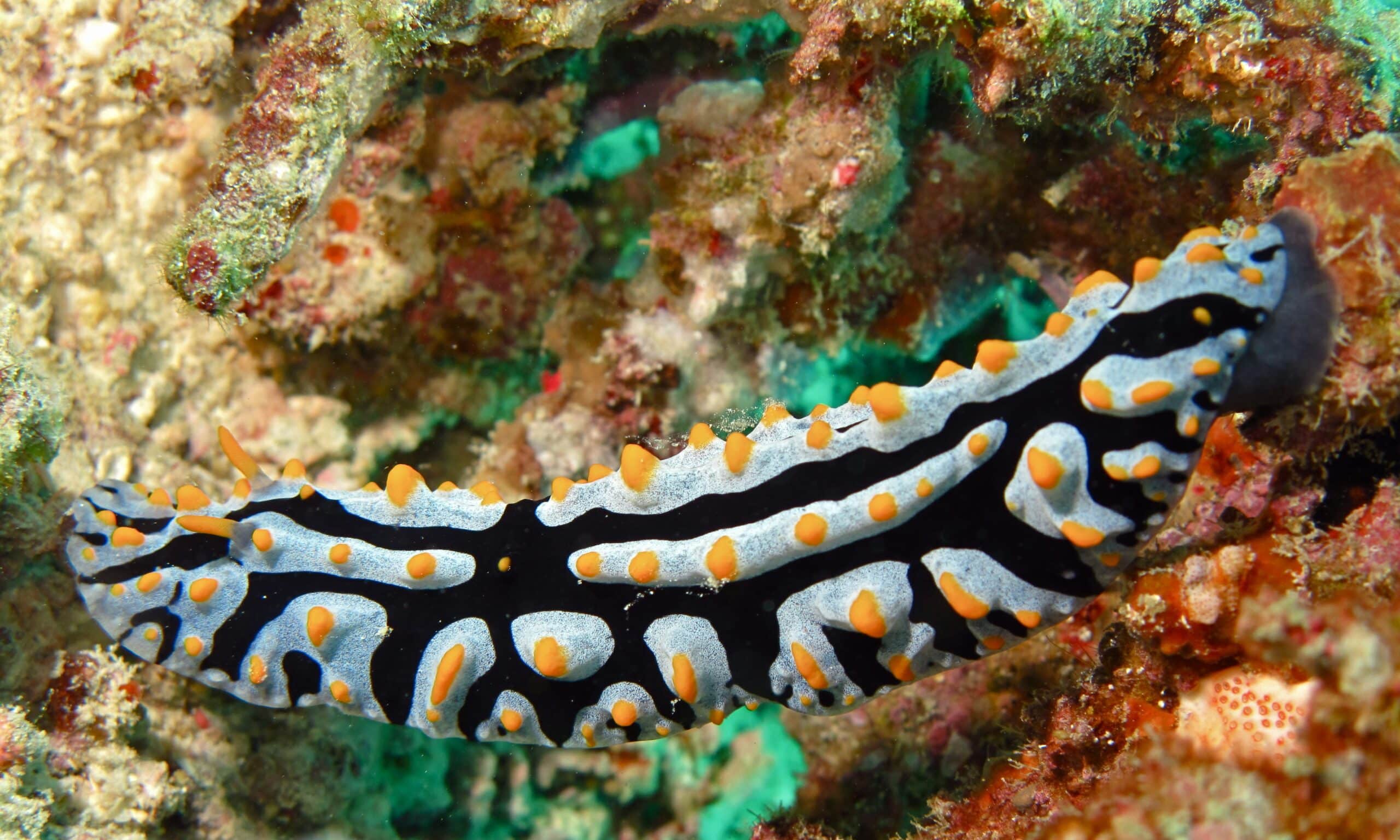
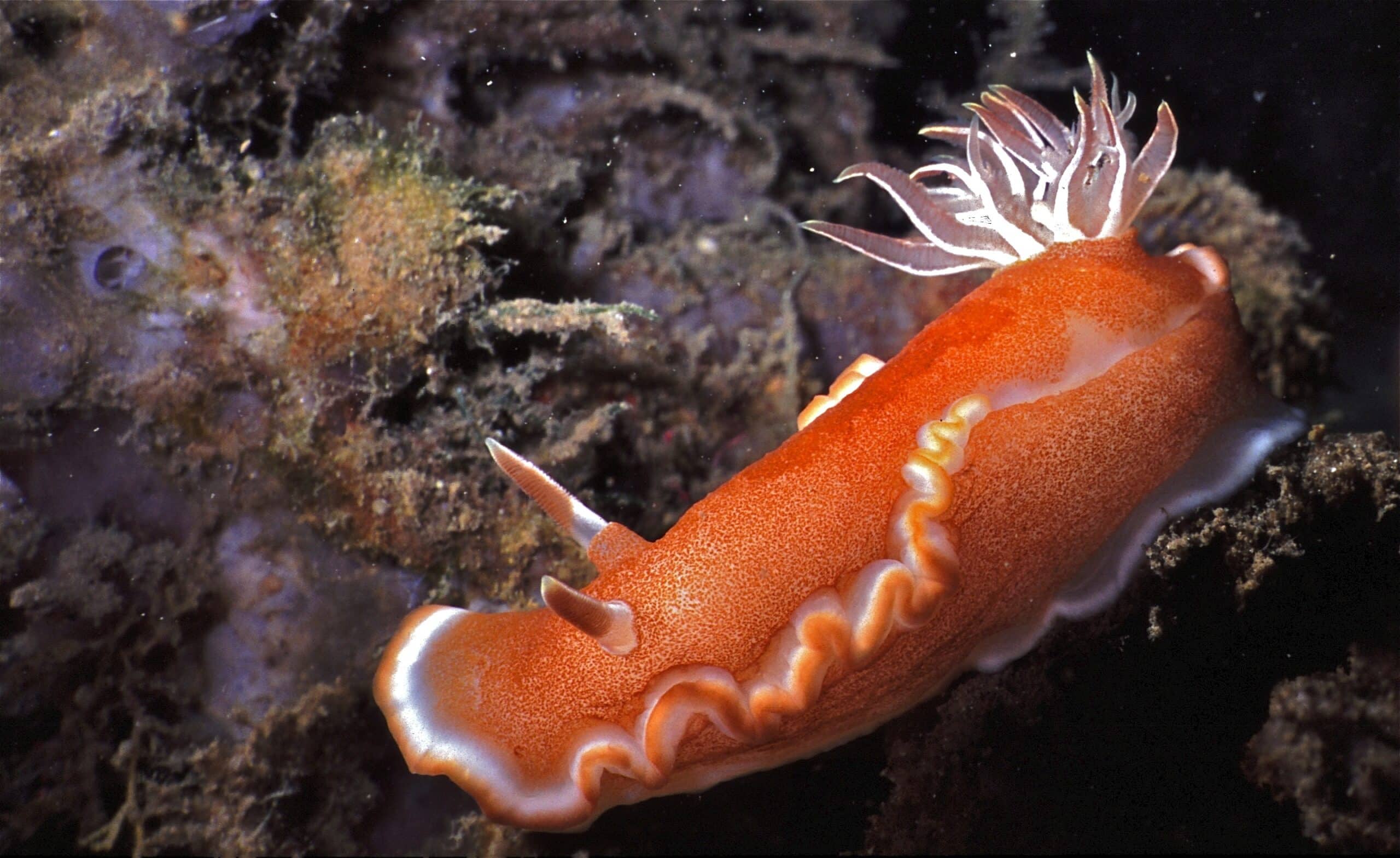
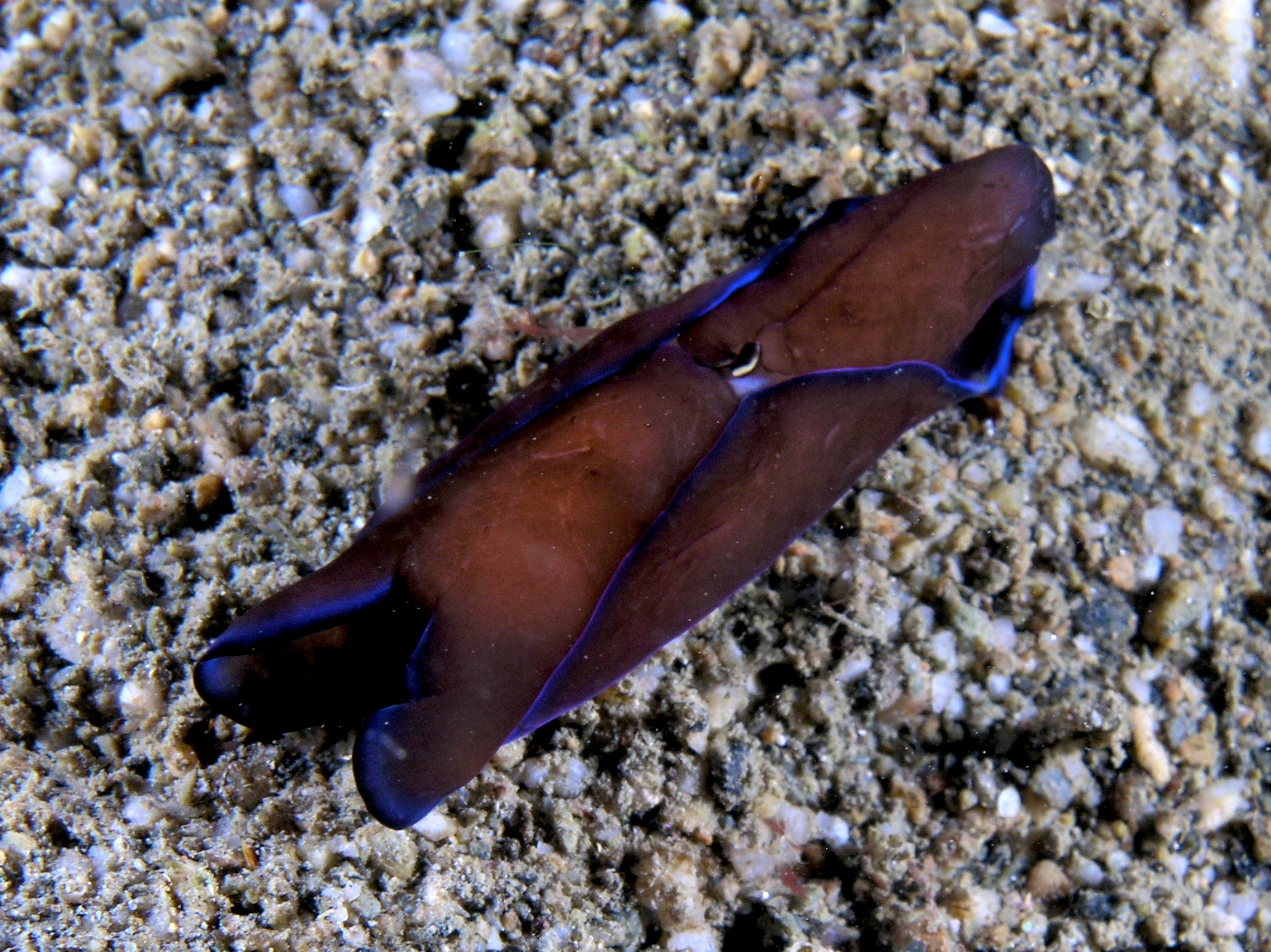
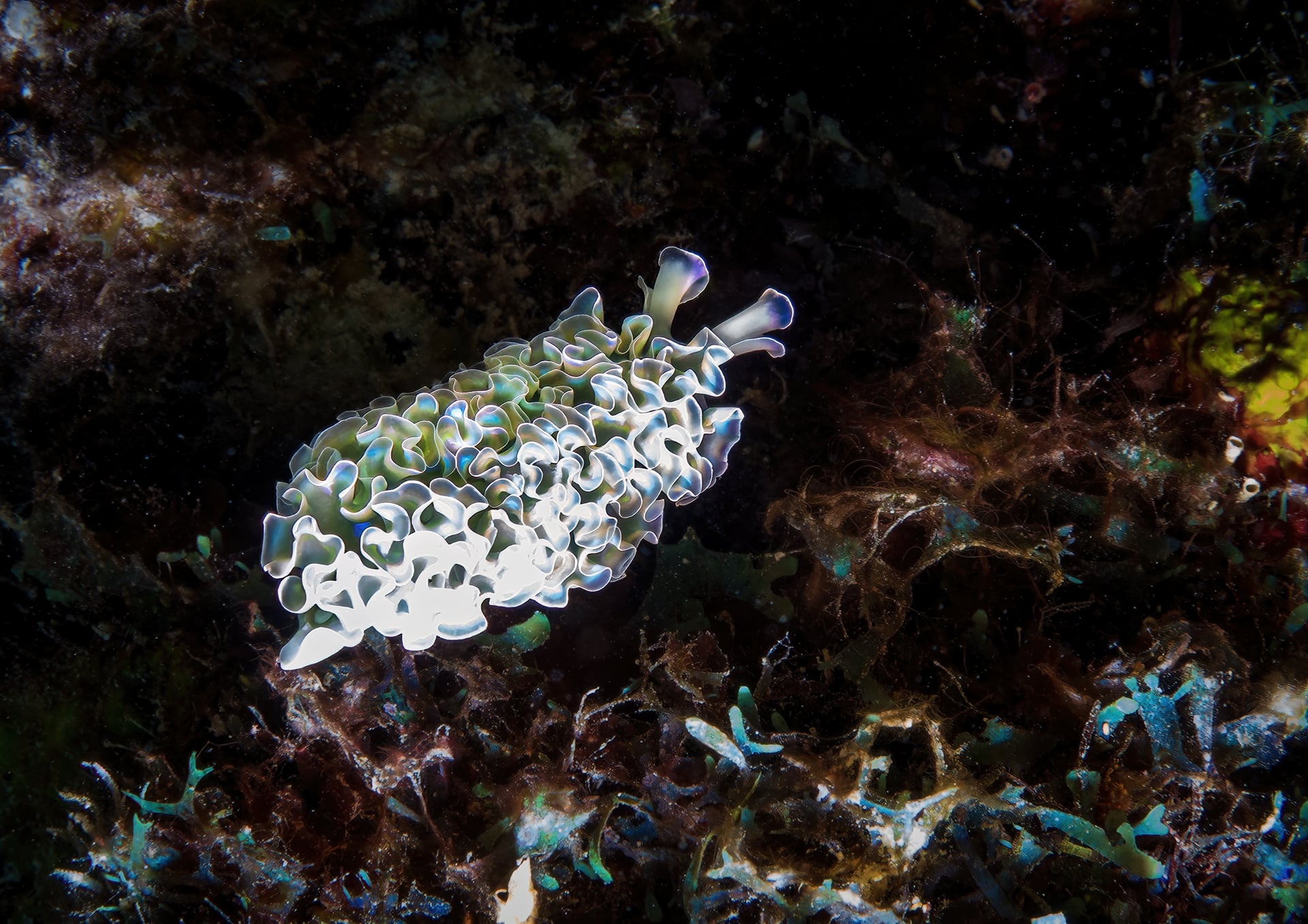
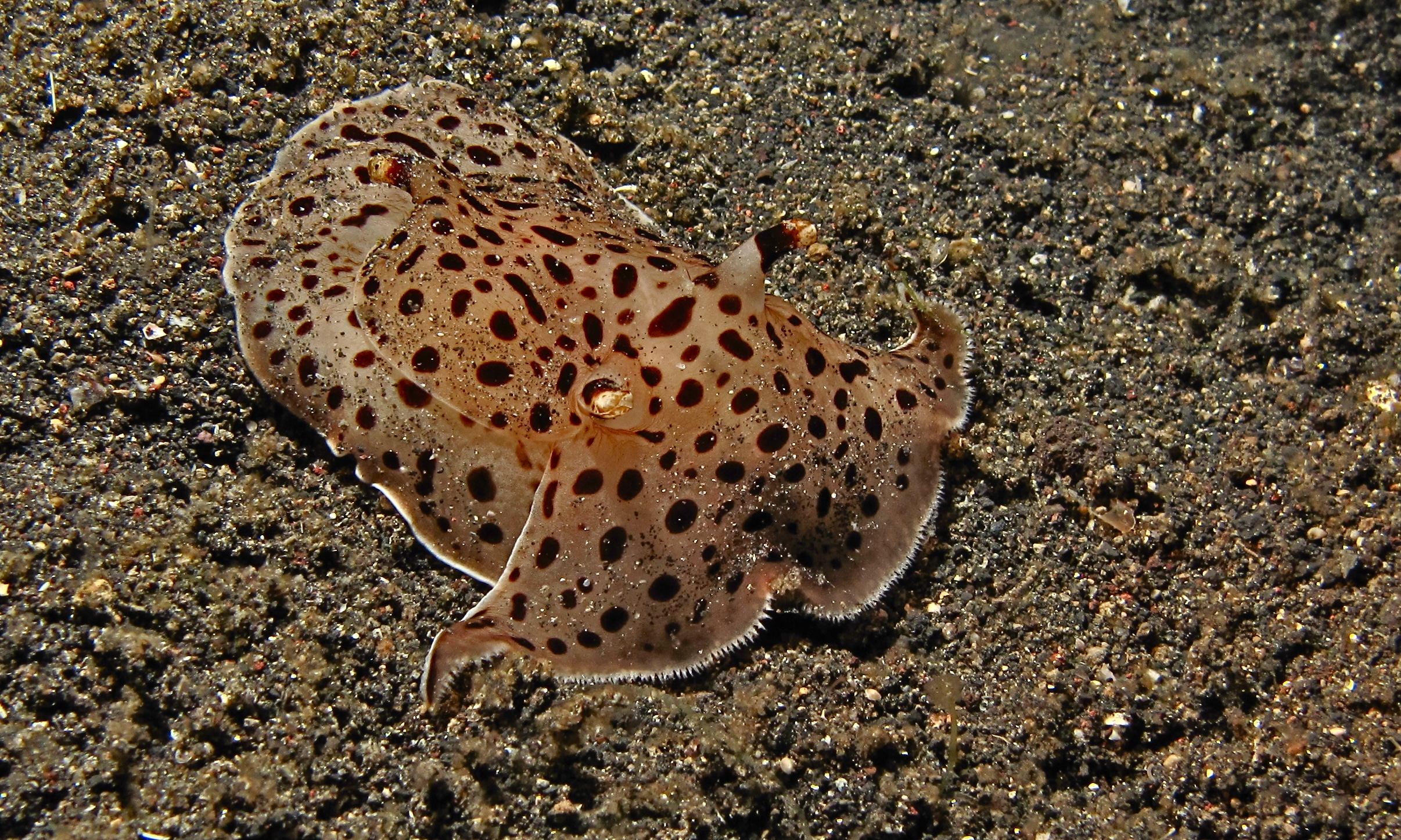
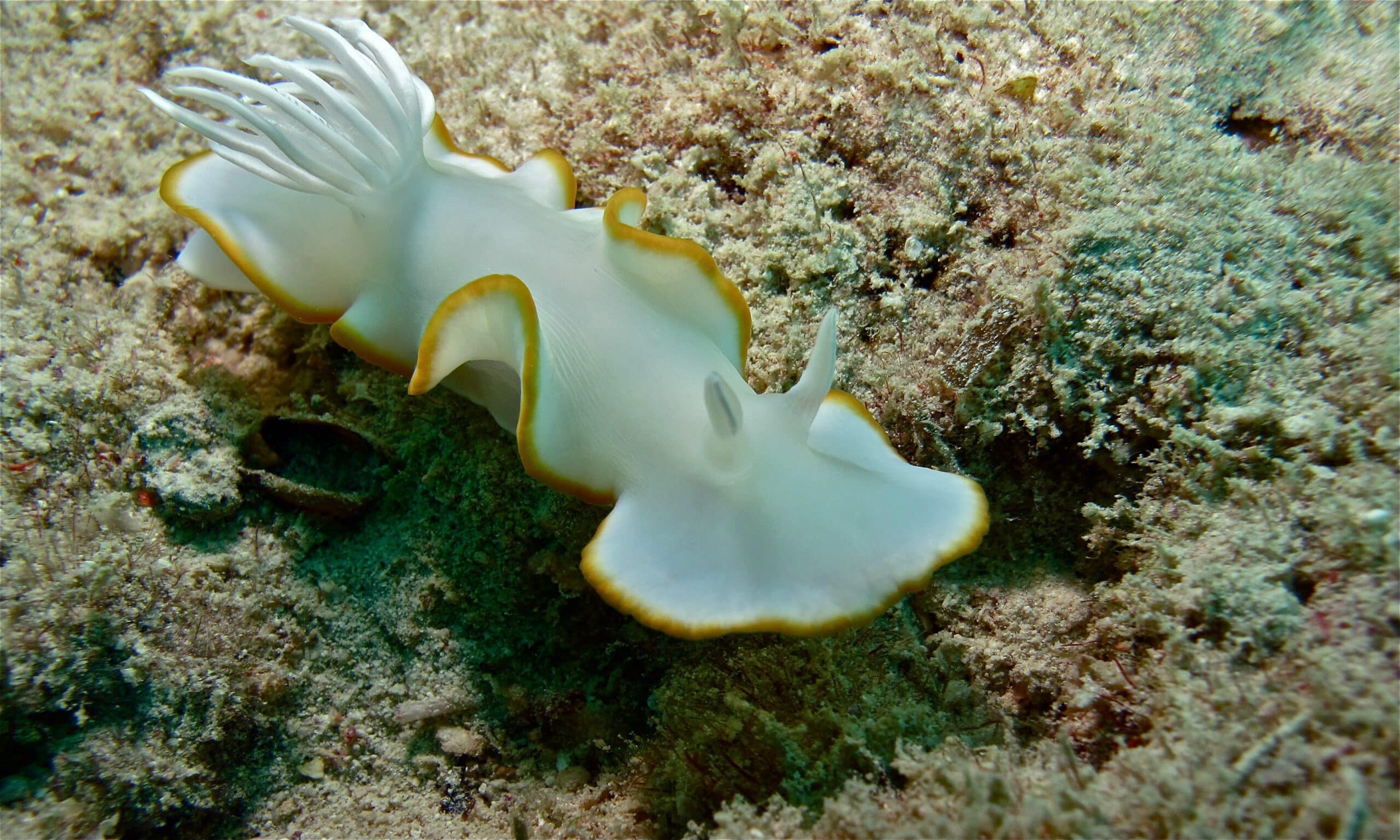
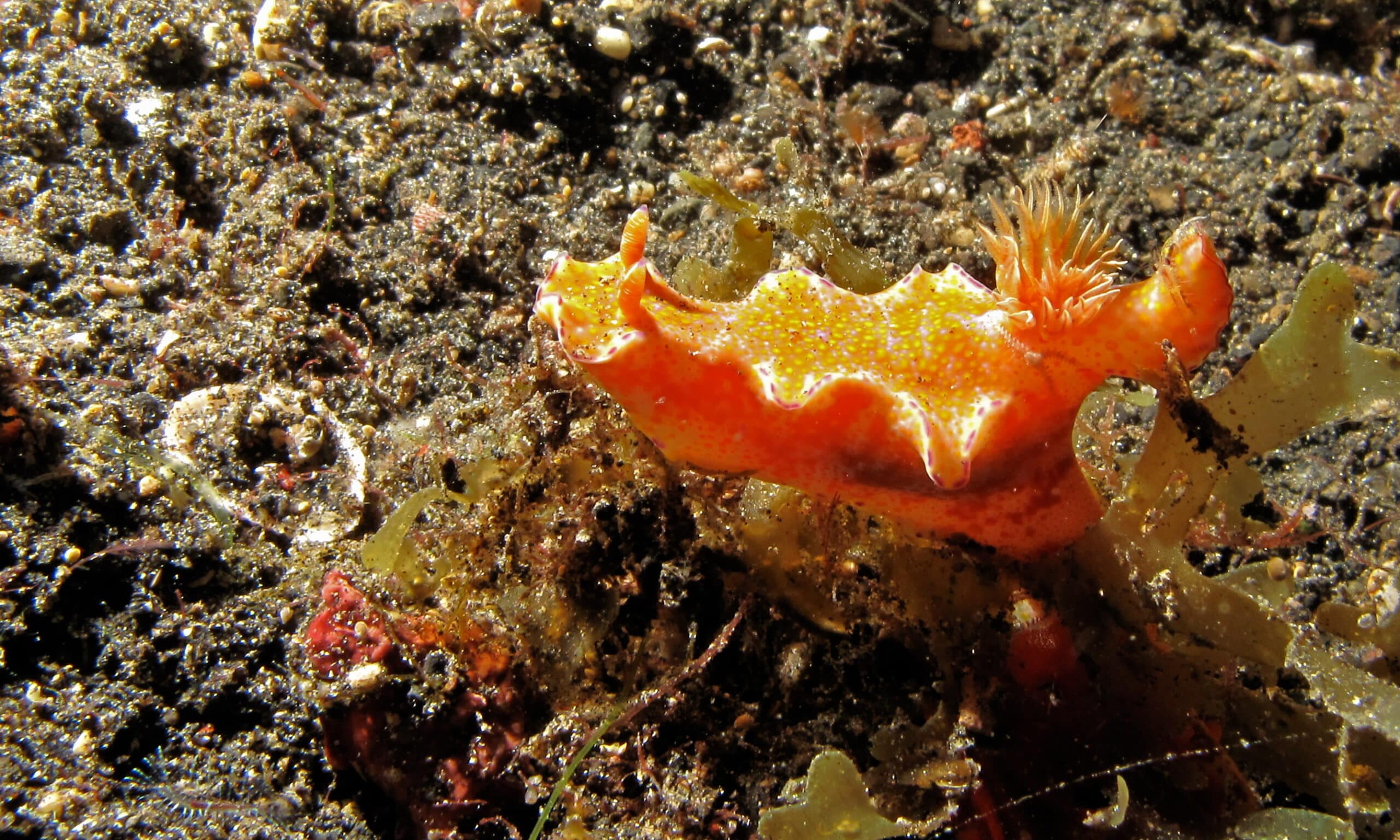
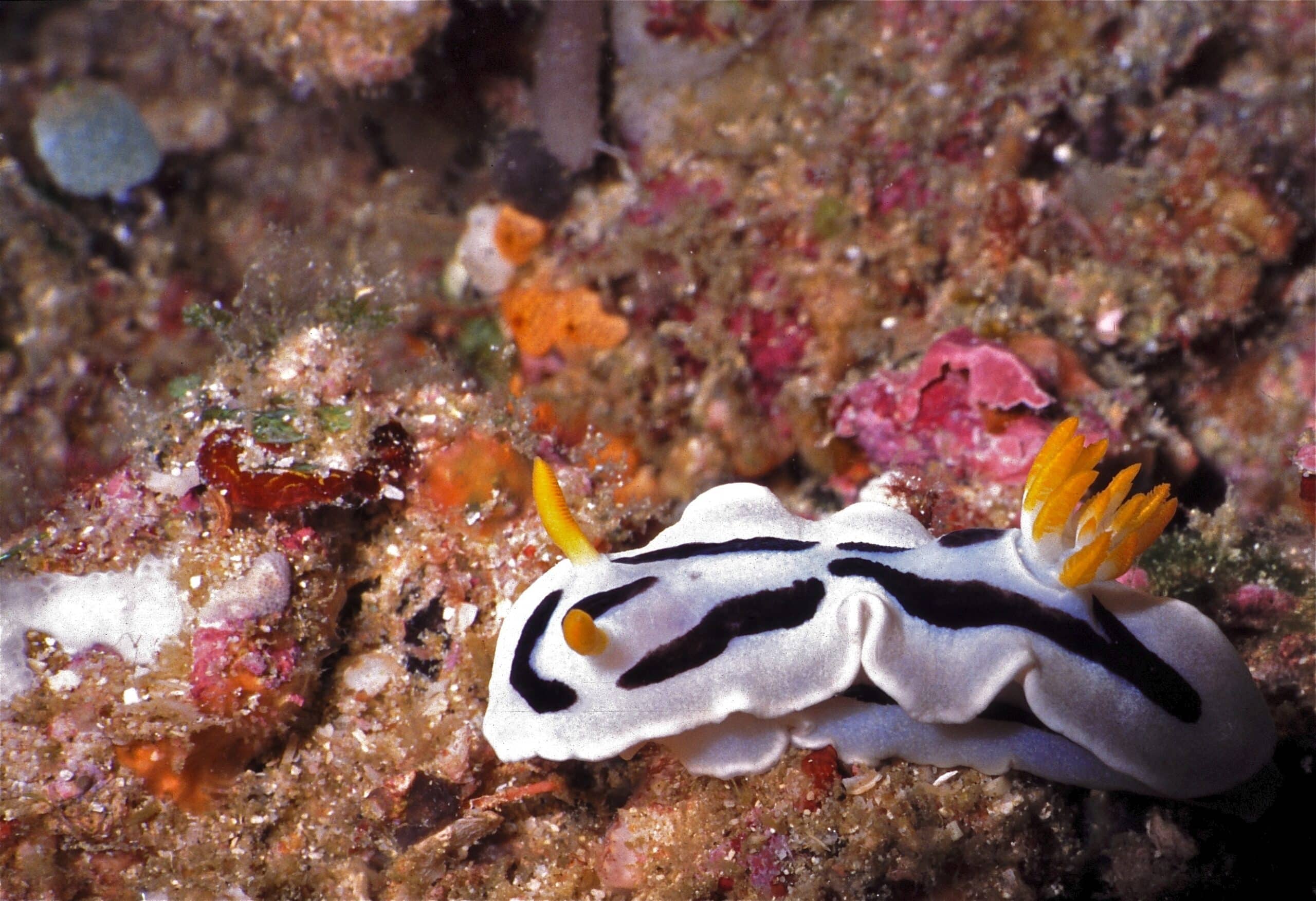
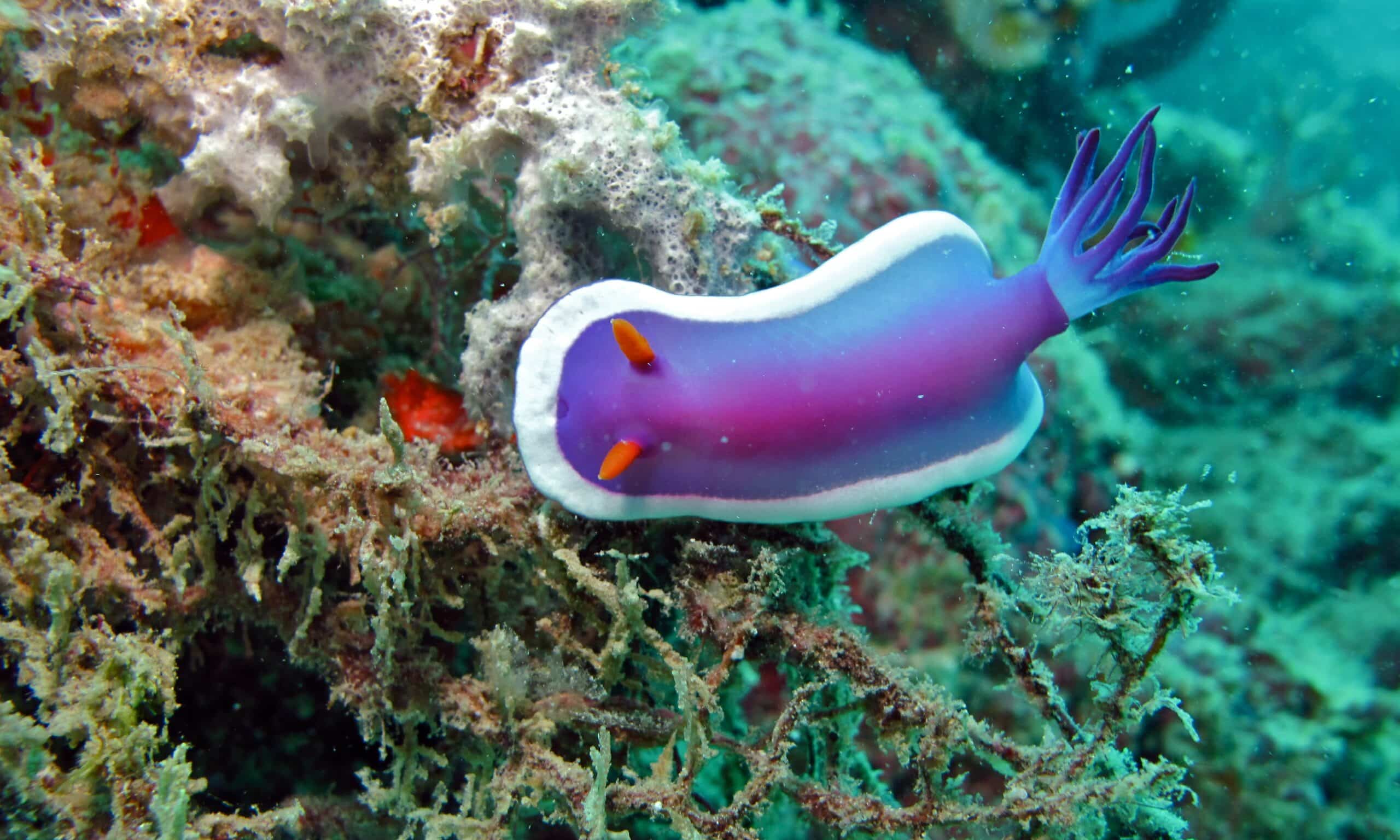
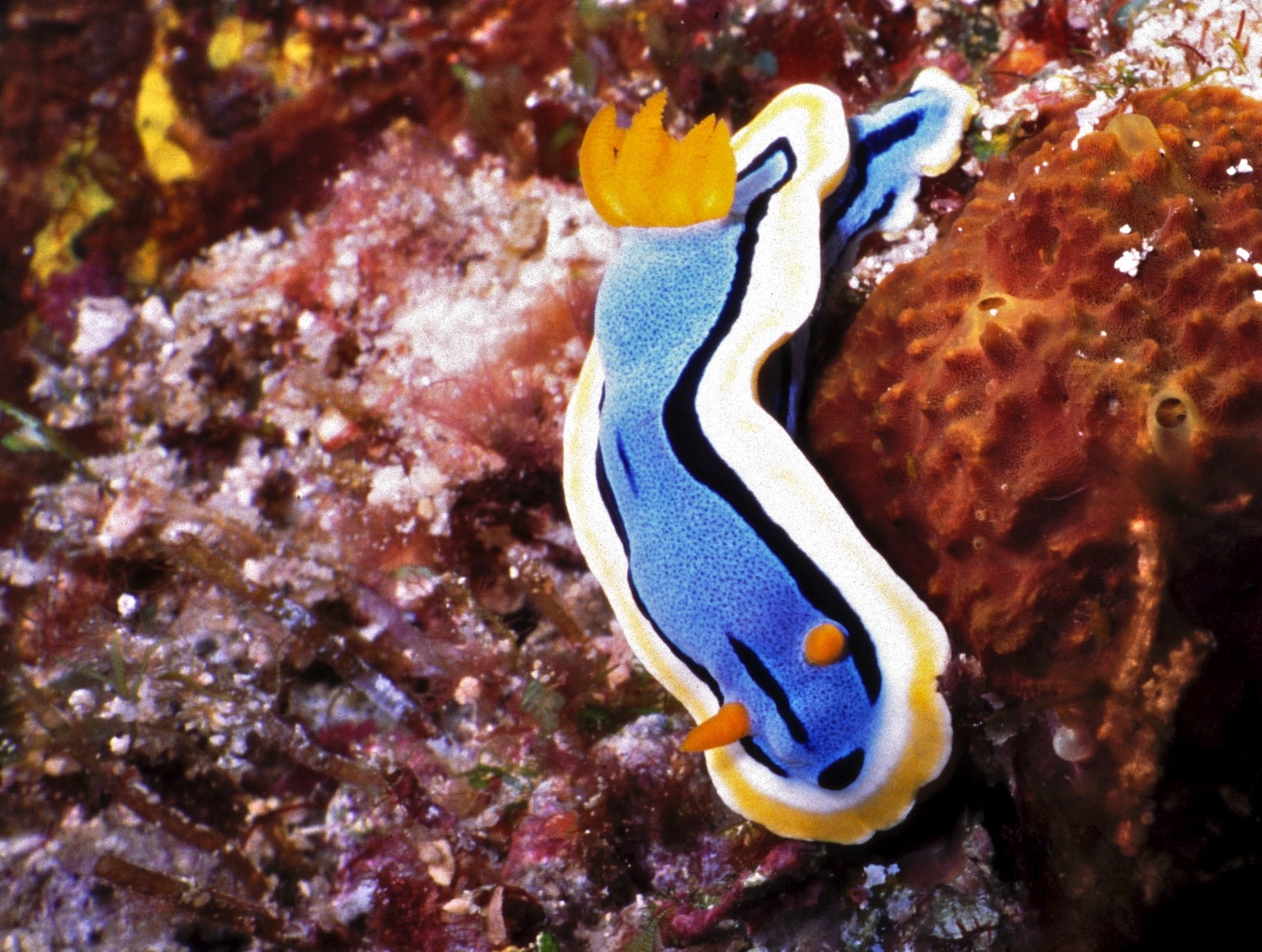
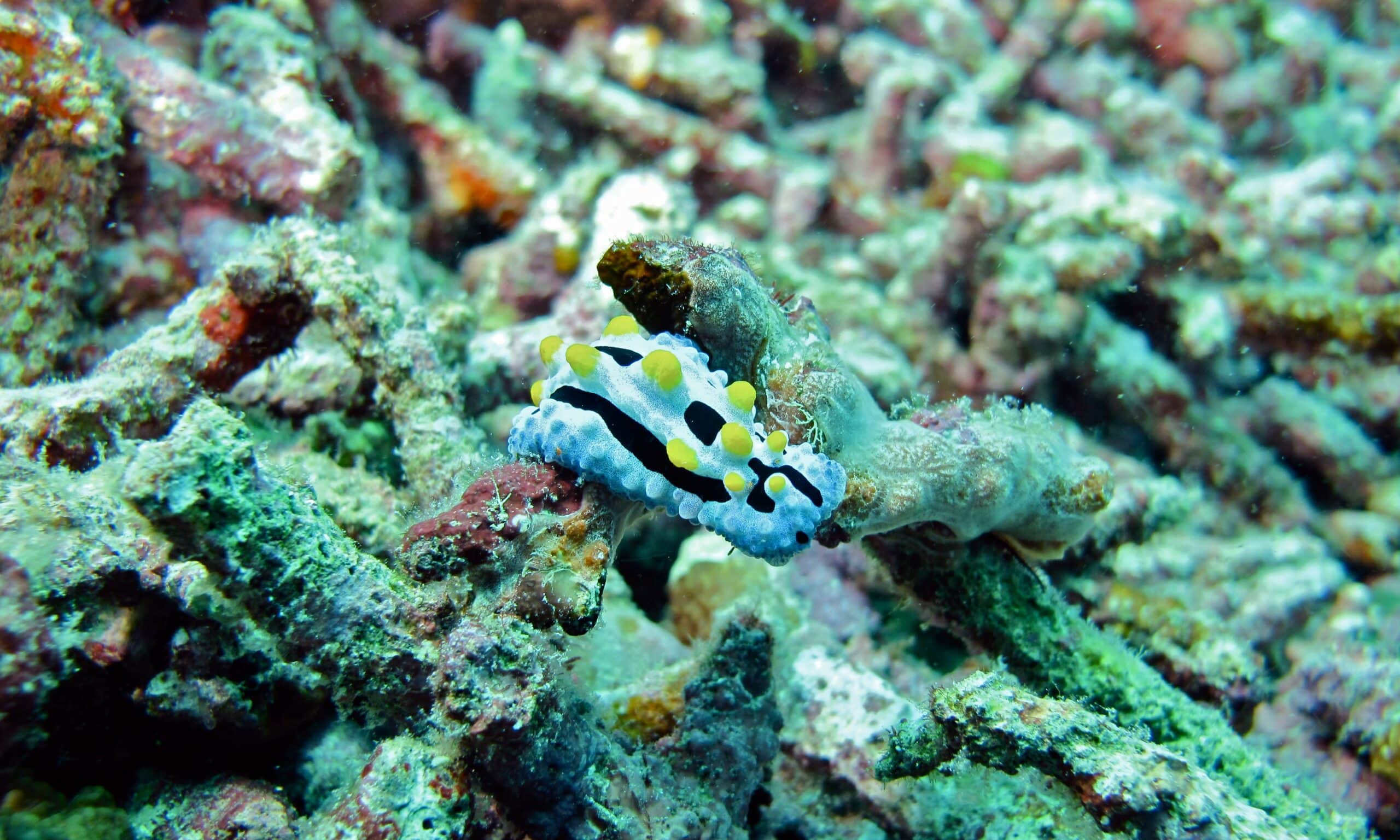
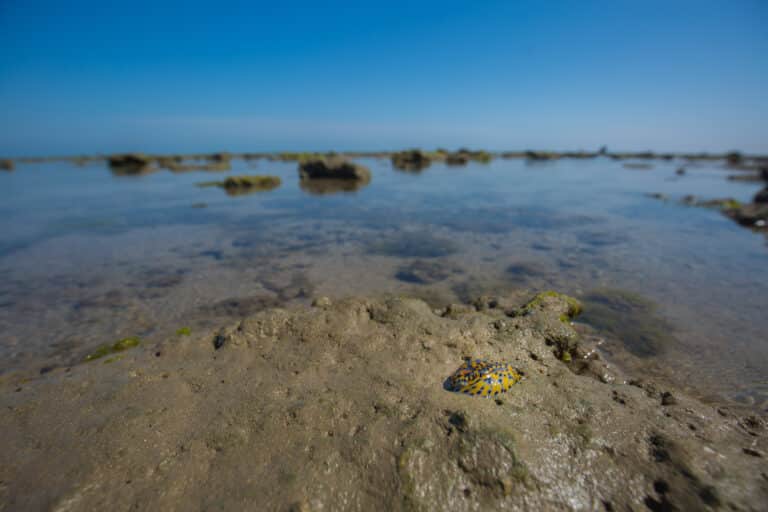
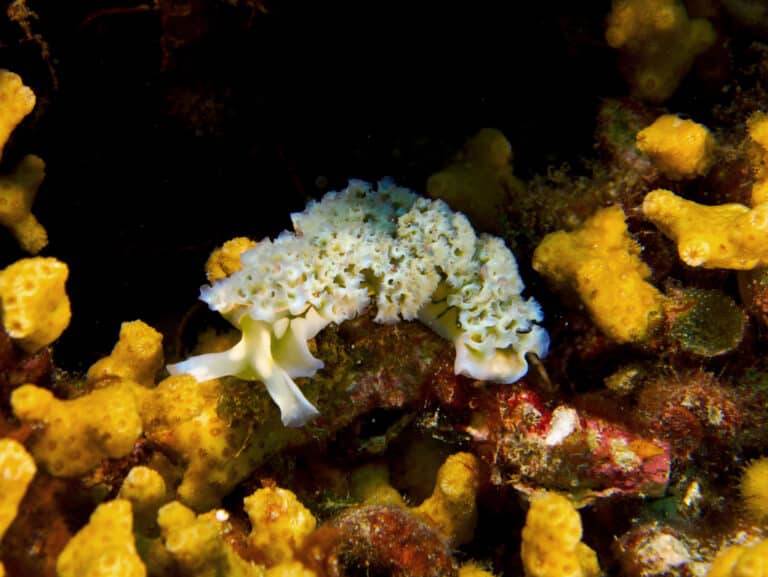
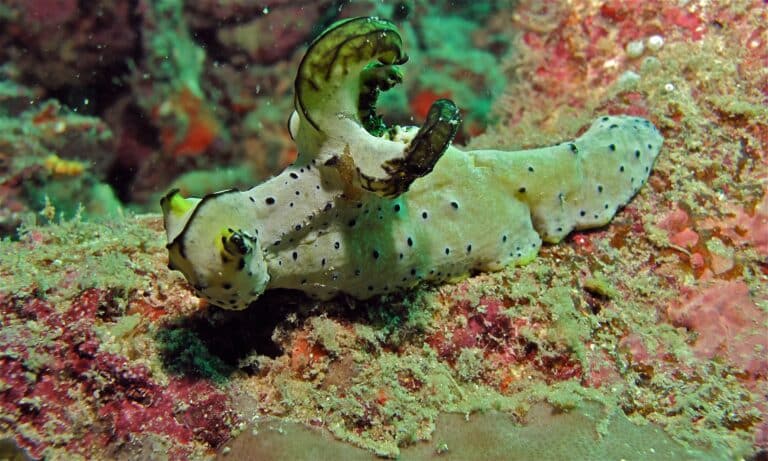
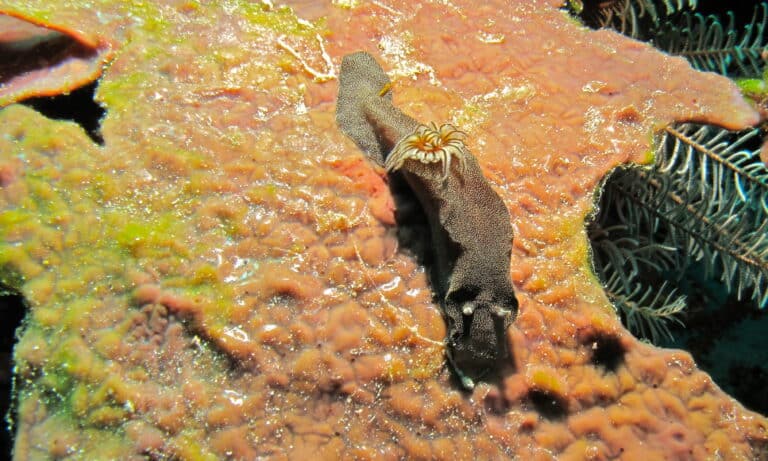
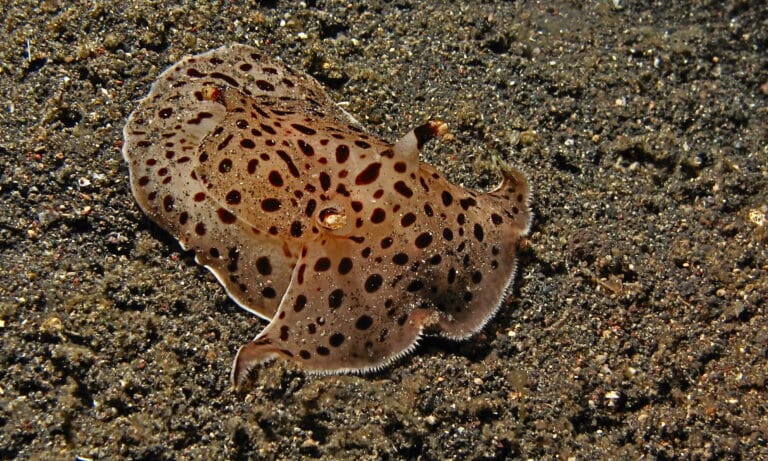
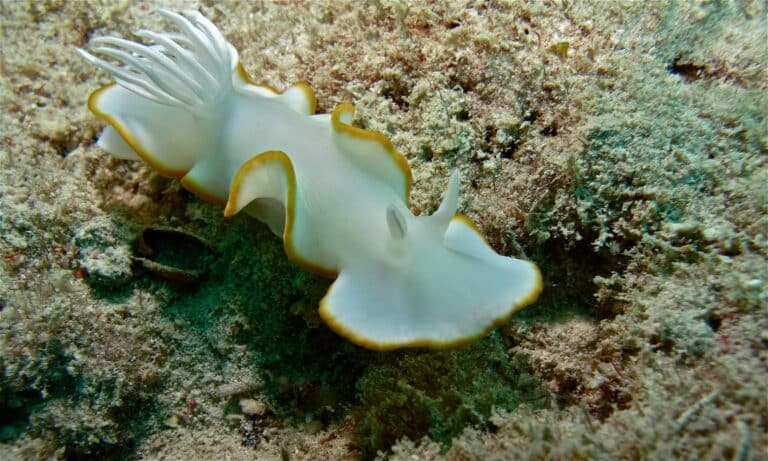
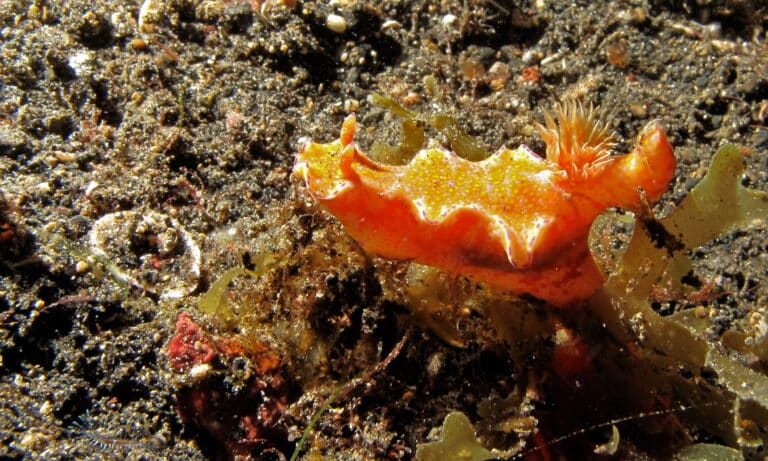
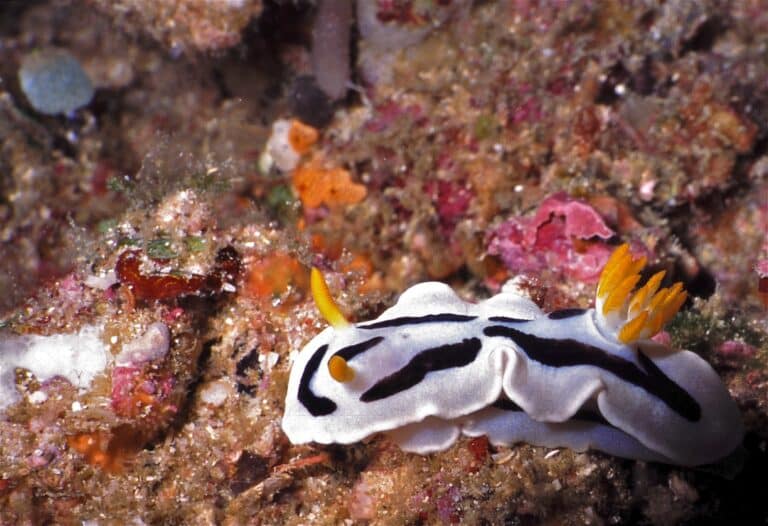
Sea slugs, scientifically known as Nudibranchia, are colorful and fascinating creatures that swim through our oceans. These invertebrates belong to the class Gastropoda, making them relatives of snails and slugs you might see on land.
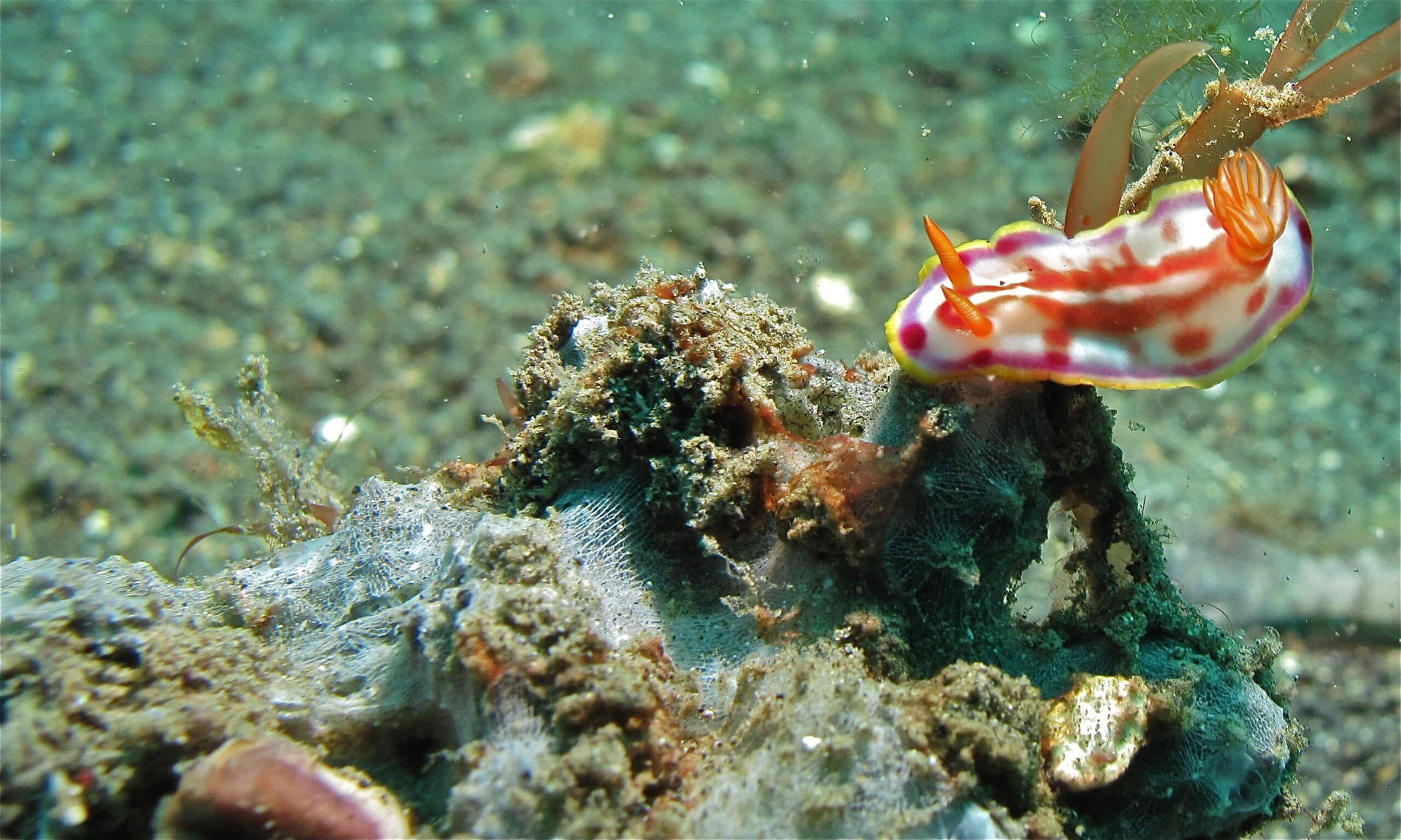
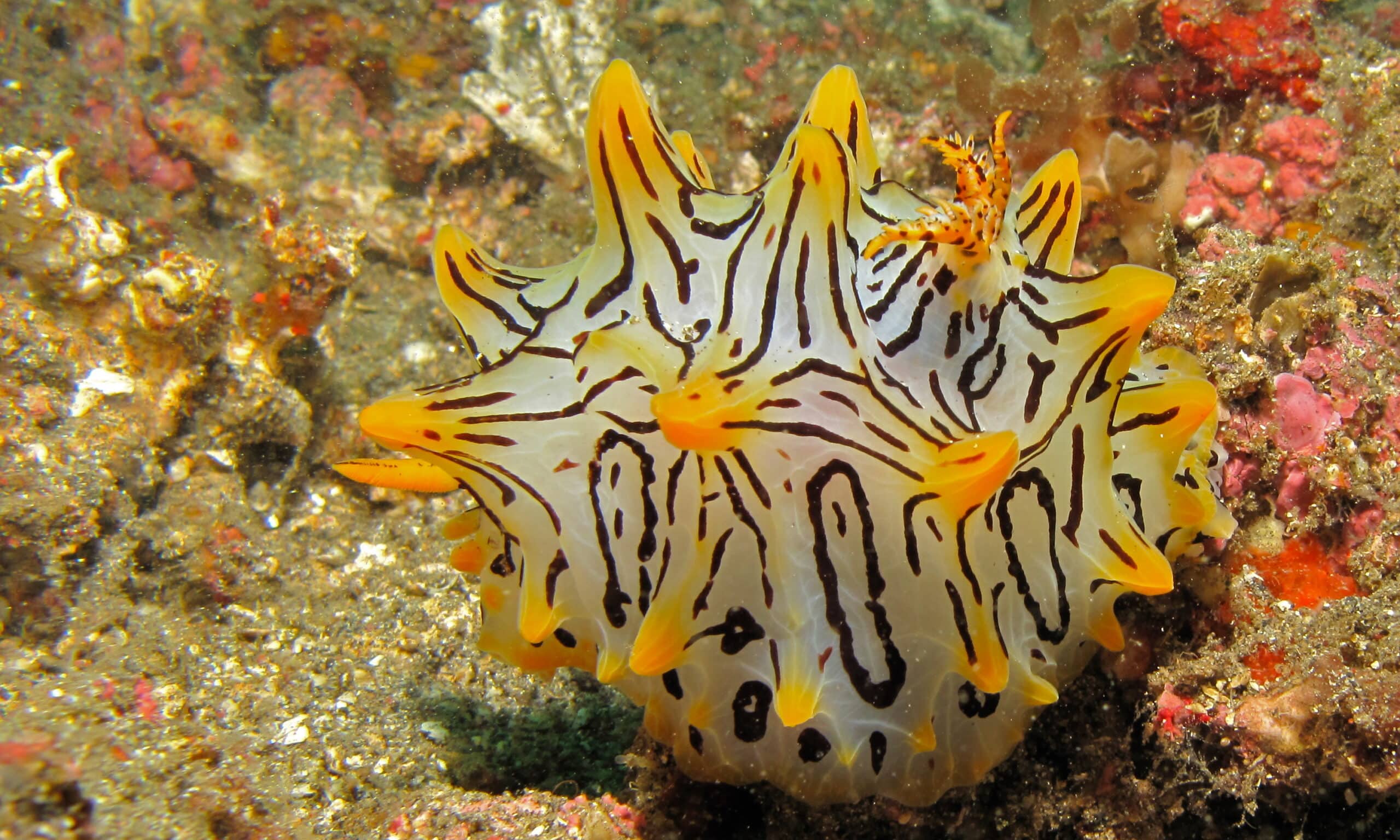
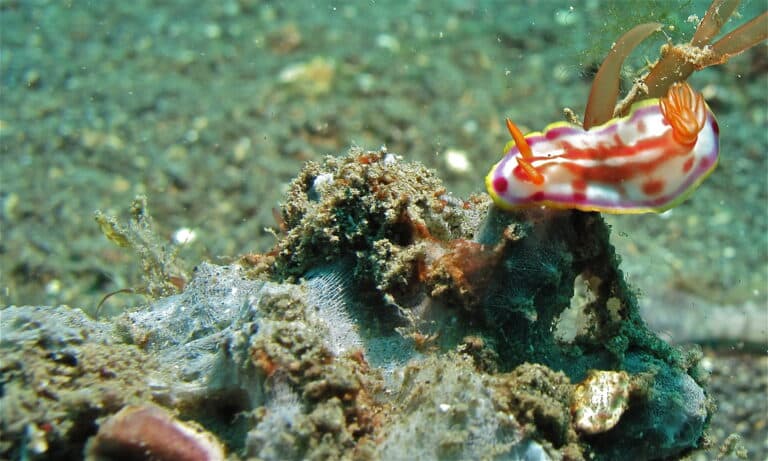
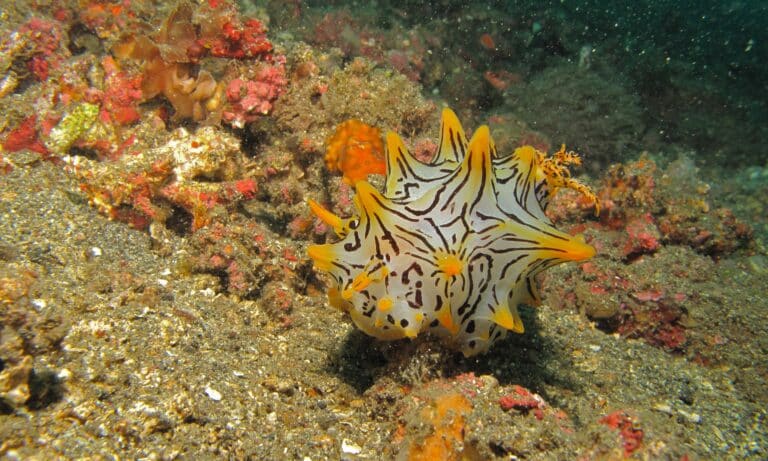
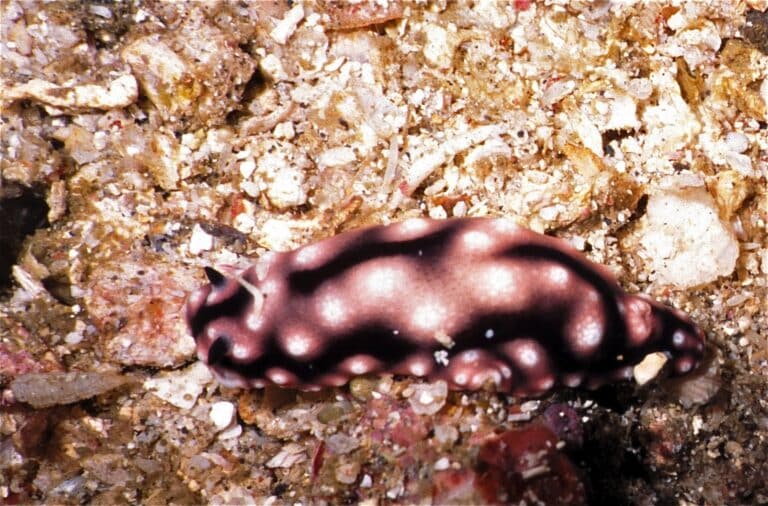
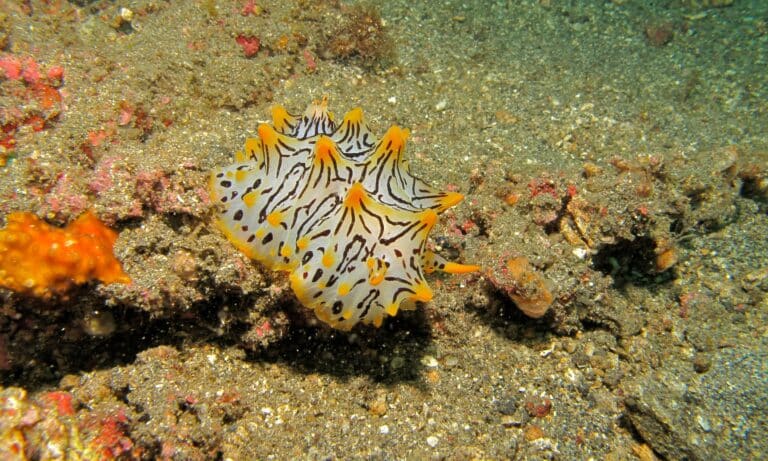
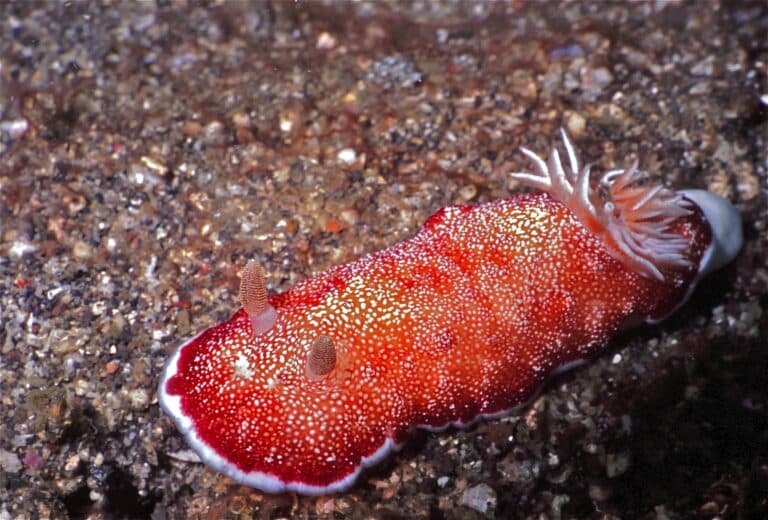
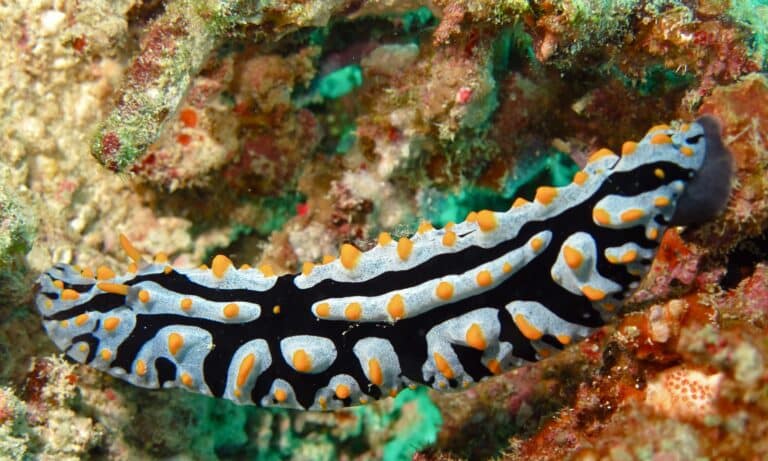
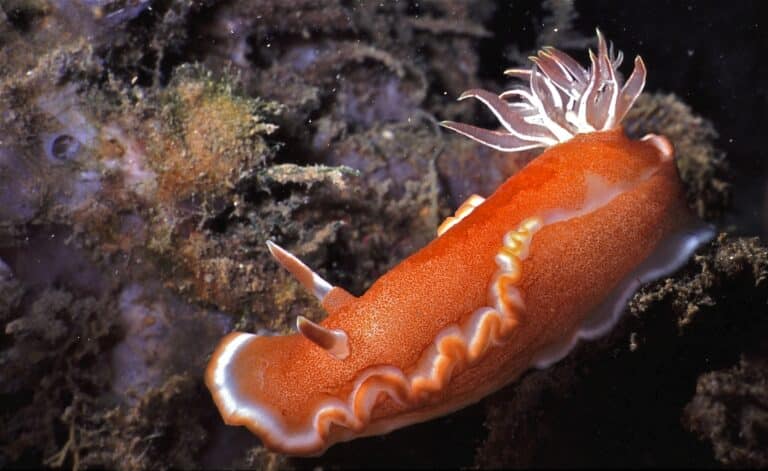
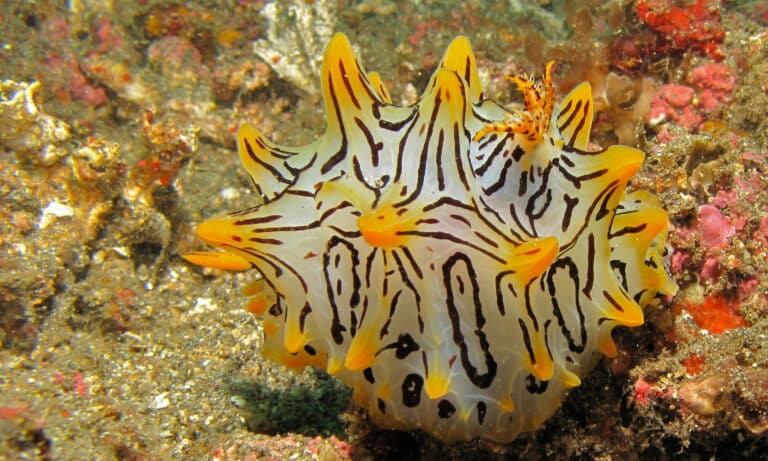
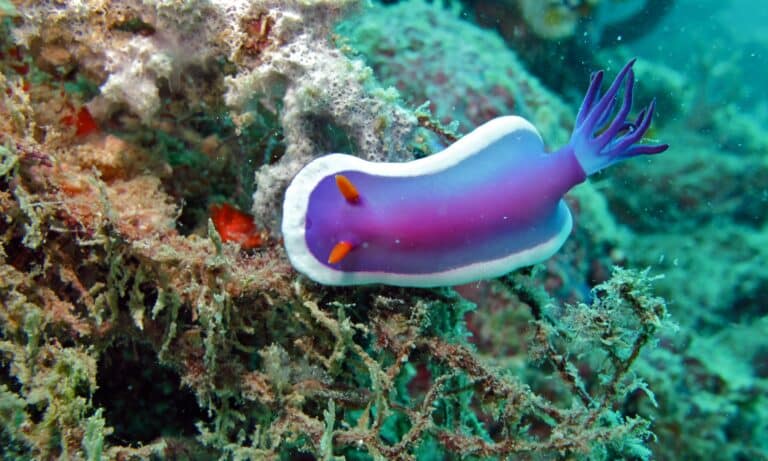
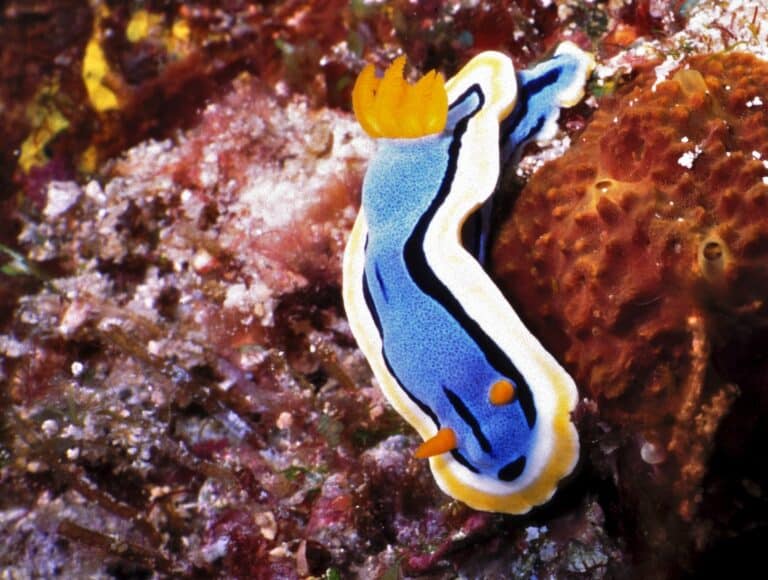
Sea slugs come in a rainbow of colors and can measure anywhere from 0.2 inches to 12 inches long. Their vibrant colors not only look amazing, but they also serve as a warning to predators that they might taste bad or be toxic!
These sea dwellers mostly snack on algae, coral, and sponges. With their specialized feeding habits, they play an important role in the ocean ecosystem by helping to keep things tidy!
Sea slugs can live from several weeks to about a year, depending on the species. They add a splash of color to their underwater home and help make the ocean a dazzling place to explore.
Many species of sea slugs have unique adaptations, like the ability to absorb the stinging cells from jellyfish they eat. Some even flaunt these stinging cells for their own defense, making them a true artist of survival!
So next time you think about the ocean, remember these quirky, colorful creatures. Sea slugs might be small, but they pack a punch of wonder in their vibrant world!

Where can you find a Sea Slug in the wild?
What does a Sea Slug eat?
How big can a Sea Slug grow?
How long does a Sea Slug typically live?
What is the conservation status of the Sea Slug?
What are the main threats to the Sea Slug?
Fun facts
Some sea slugs can actually produce their own color! They create bright pigments in their skin using sunlight, turning them into underwater rainbows.


Sea slugs have a unique talent for recycling! They can absorb the stinging cells from jellyfish they eat and use these cells to protect themselves from predators, making them a bit like underwater superheroes.
These colorful creatures do not have a hard shell like snails. Instead, they have soft bodies and often show off flashy colors to scare off predators, saying, 'Eat me if you dare!'
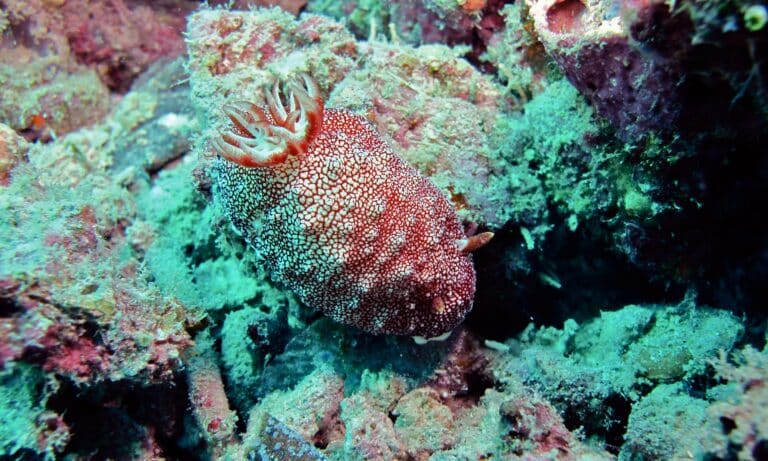
Some sea slugs can breathe through their skin. They have little feathery structures on their backs called gills that help them get oxygen right from the water, like wearing a gill coat!
Certain nudibranchs can even glow in the dark! They use bioluminescence to attract mates or confuse predators, lighting up the ocean like Christmas lights!
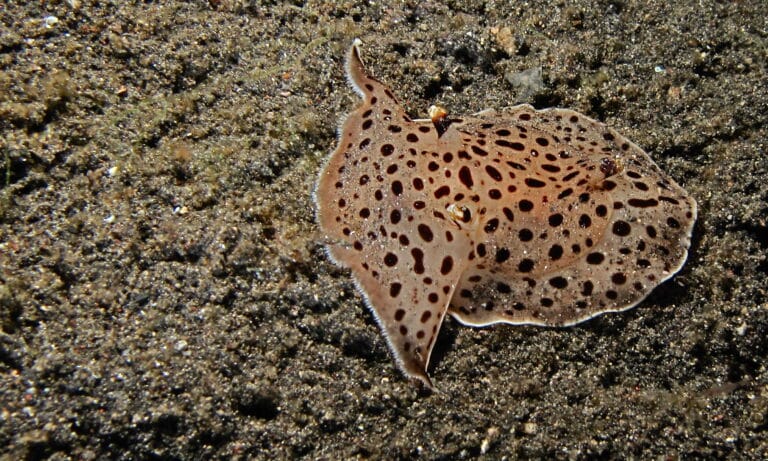
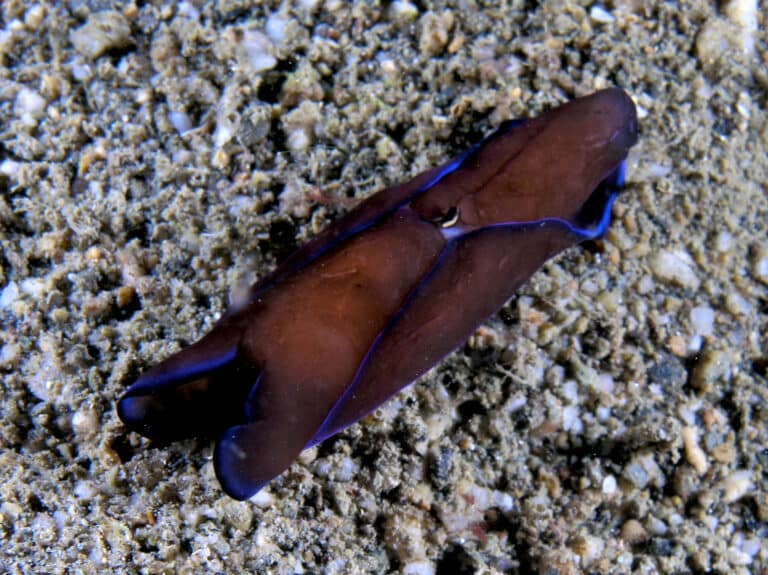
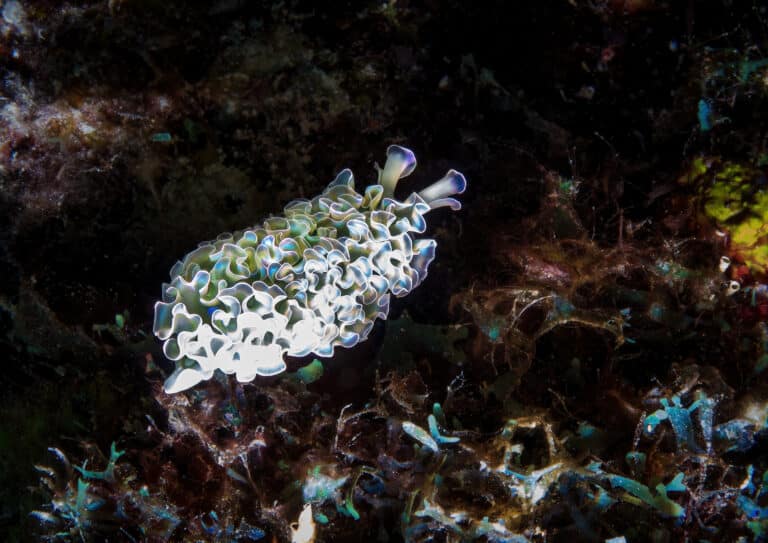
Sea slugs can have very unusual shapes. Some look like little aliens from outer space, with curly appendages and colorful patterns that make them stand out in the ocean.
These aquatic animals can taste food using sensors on their bodies. They can sample their meals from a distance, almost like having a built-in taste tester!
Some nudibranchs take on the colors of the coral they live in, camouflaging themselves like tiny ocean chameleons. This clever trick helps them hide from hungry fish!
Not all sea slugs crawl slowly! Some can swim by waving their bodies, gliding gracefully through the water while looking like they are dancing!
Sea slugs can regenerate lost body parts, much like superheroes! If they lose a piece of their body, they can grow it back over time, showing the marvels of ocean life.
Photos





The Basics


explore more
Amphibians
Arachnids
Birds
Cats
Crustaceans
Fish
Fish Pet Guide
Gastropods
Insects
Invertebrates
Mammals
Pet Fish
Pet Rodents
Plants
Reptiles
Roundworms
Sea Slugs