Successfully copied to clipboard!
Taipan
Uncover the secrets of a speedster in the grass!
Let’s Explore
Overview
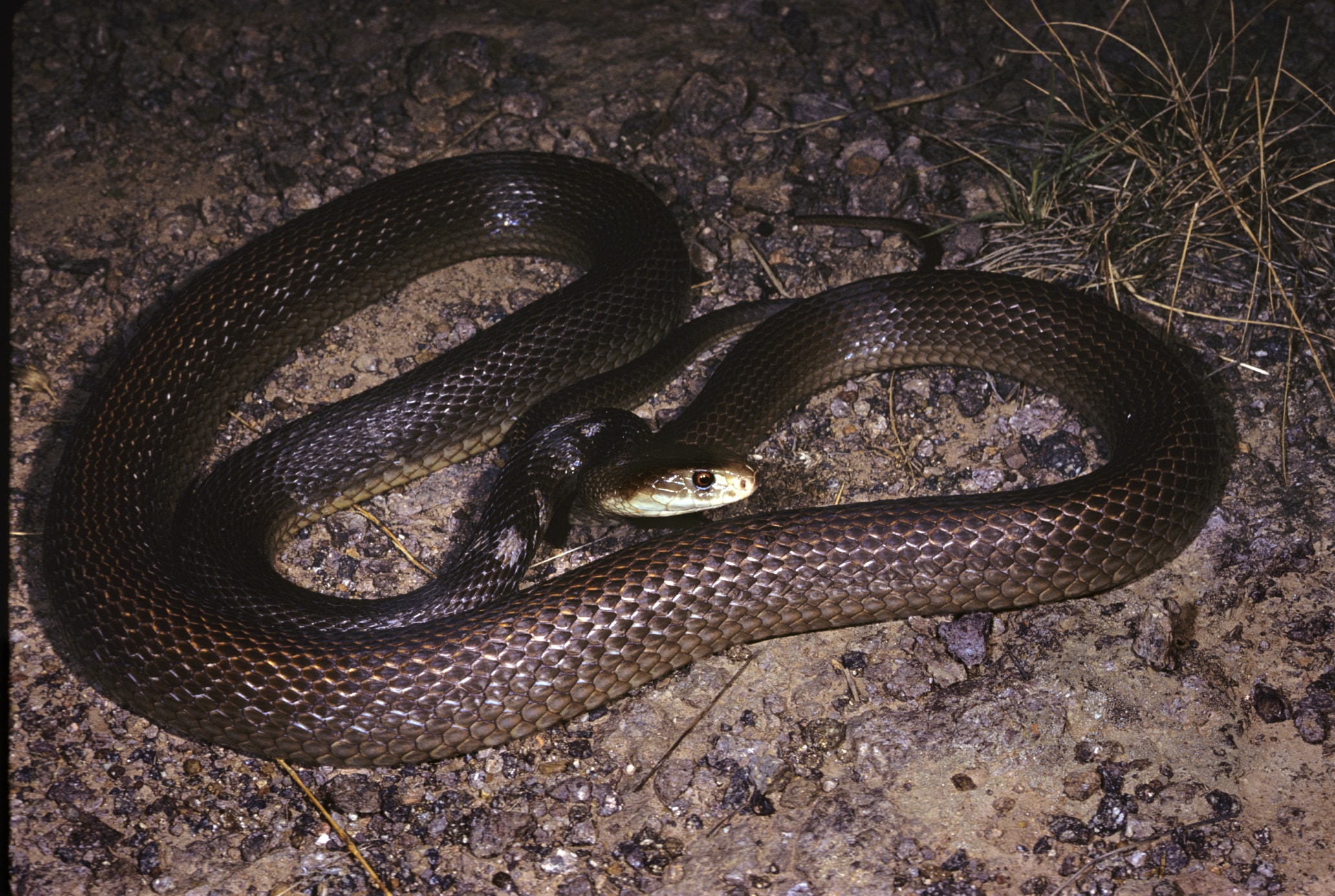
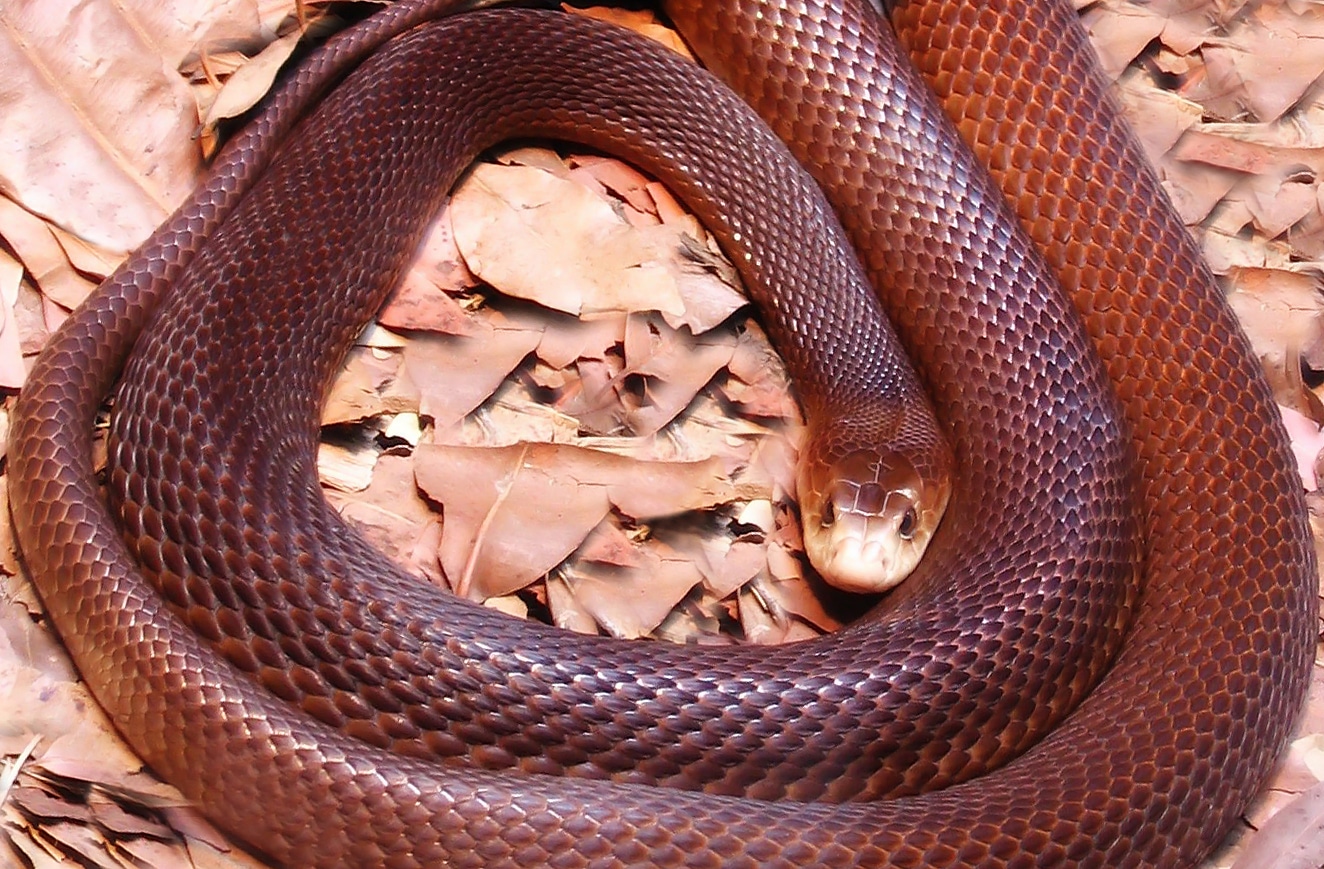
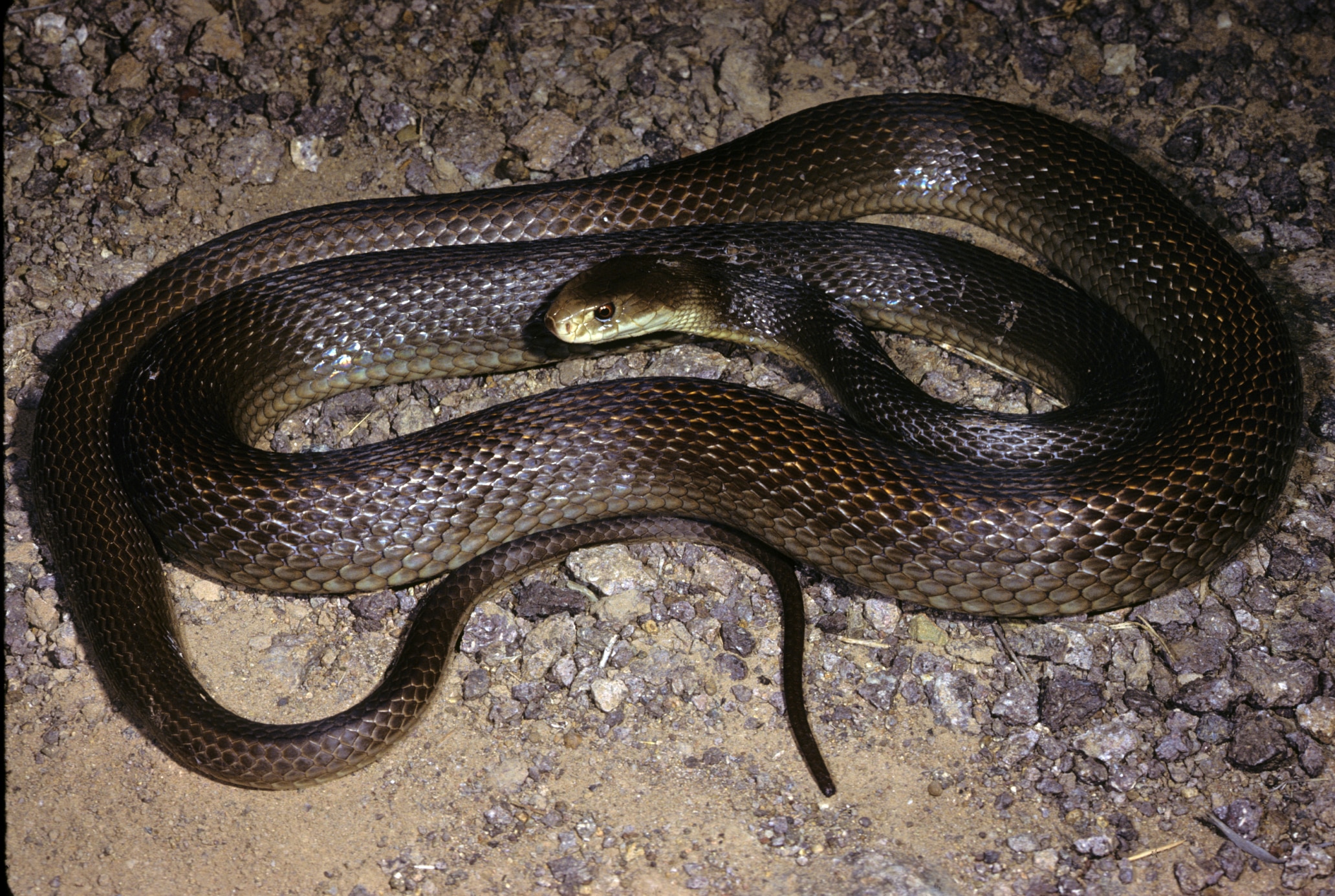
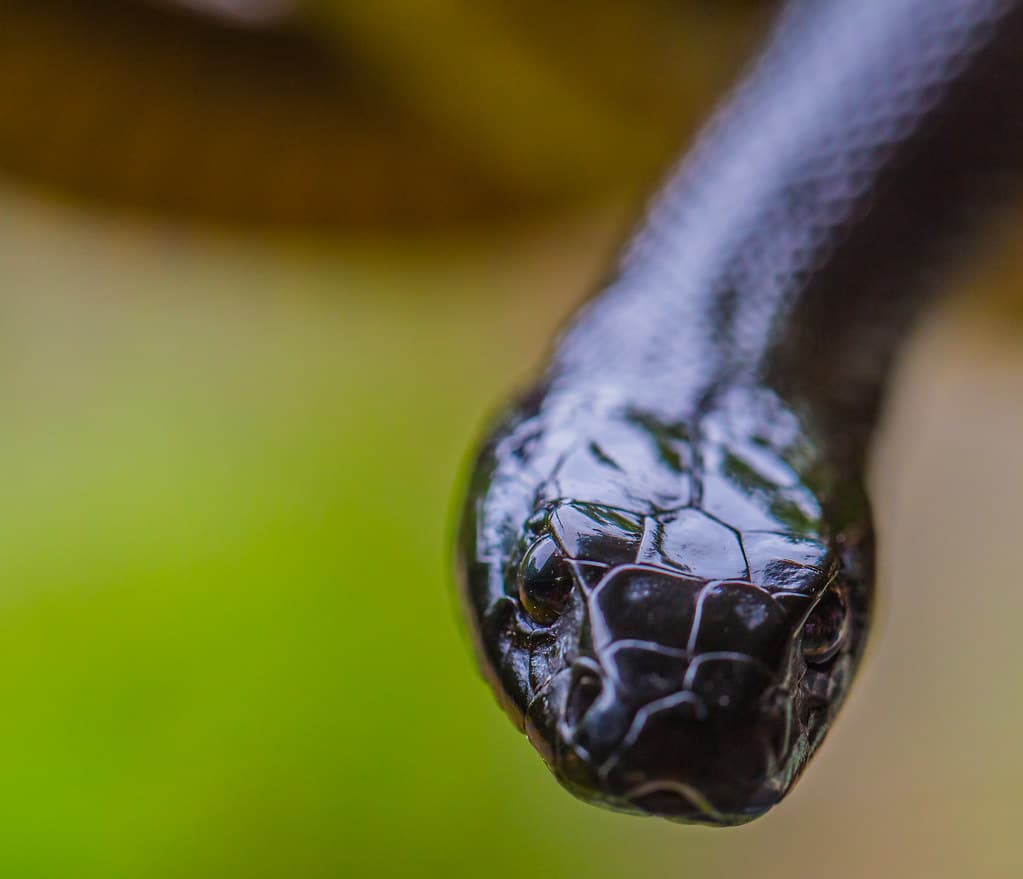
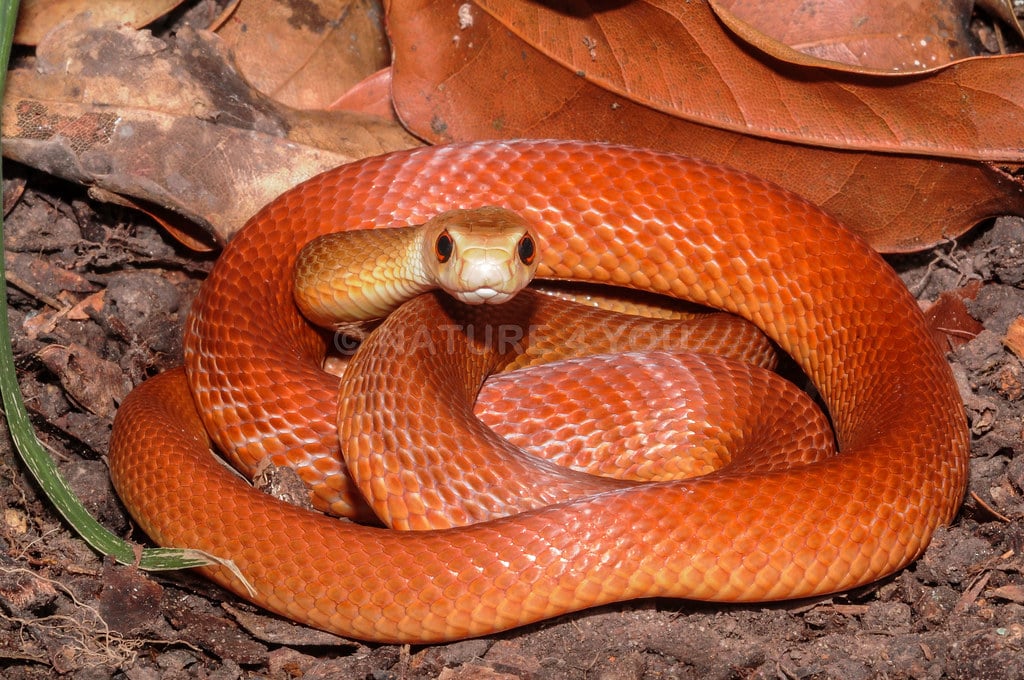
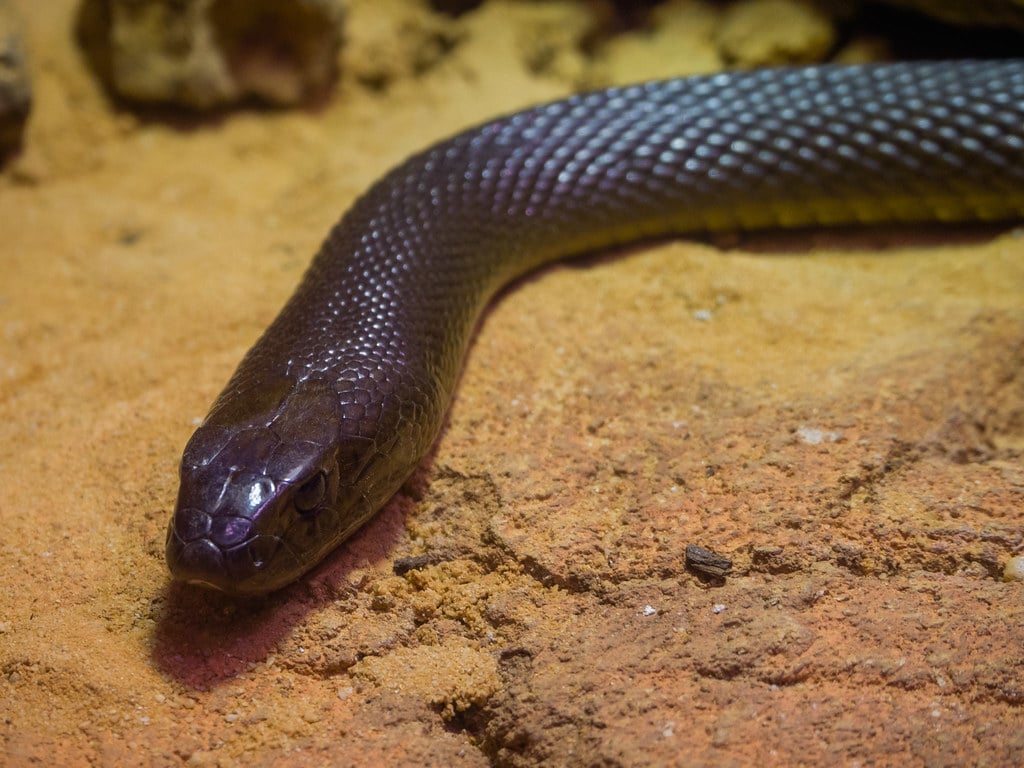
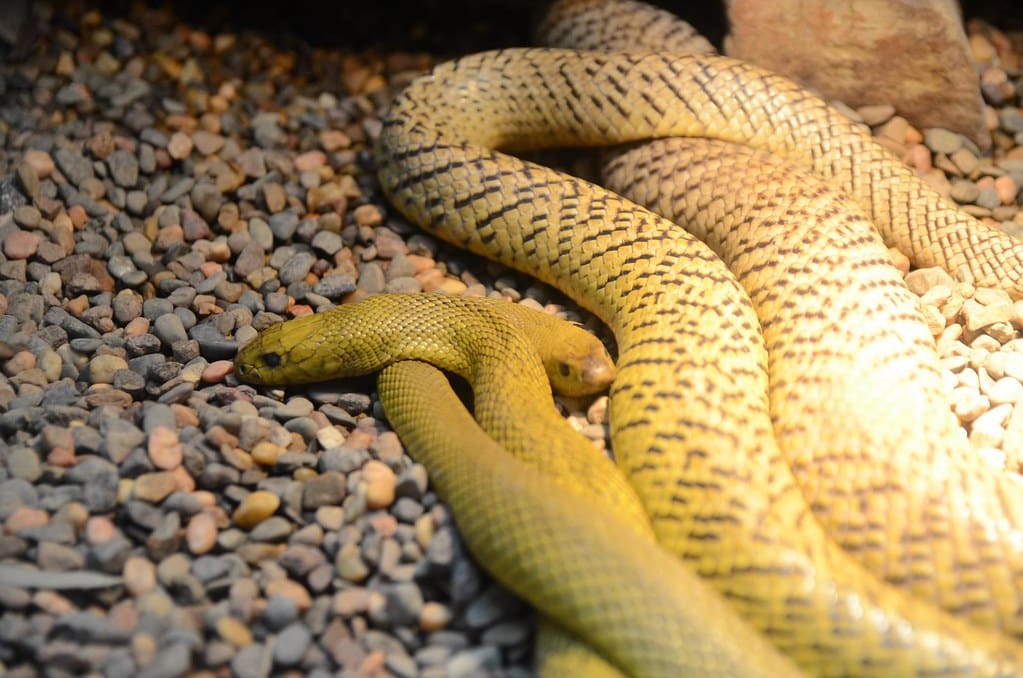
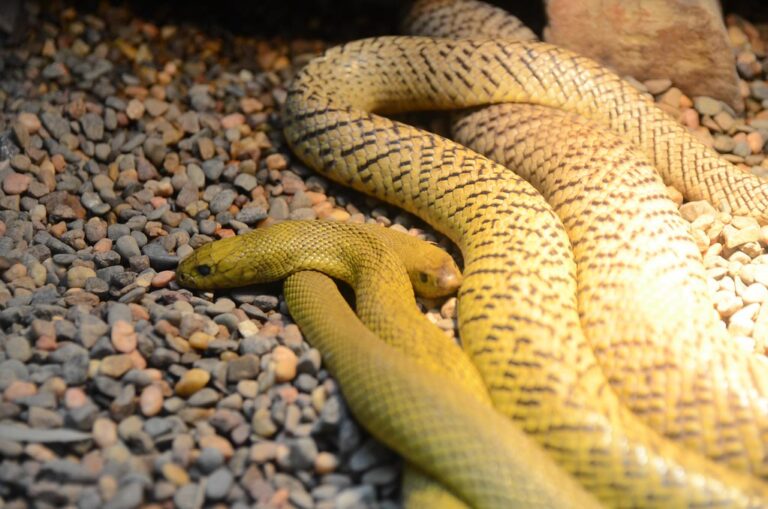
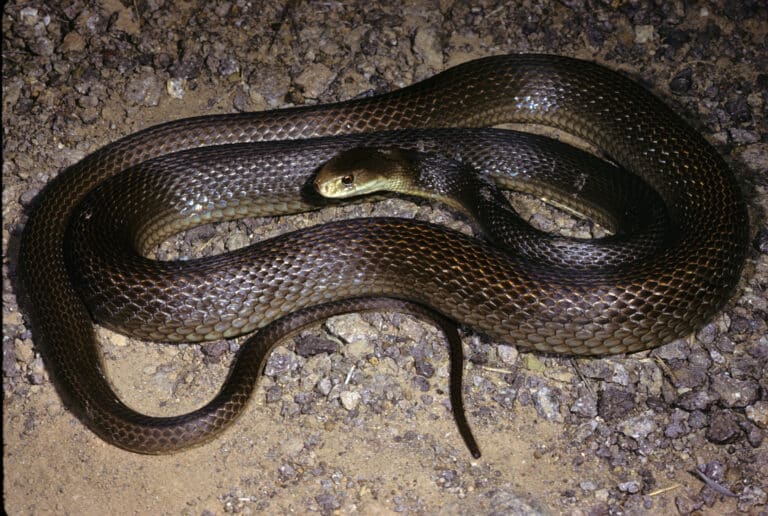
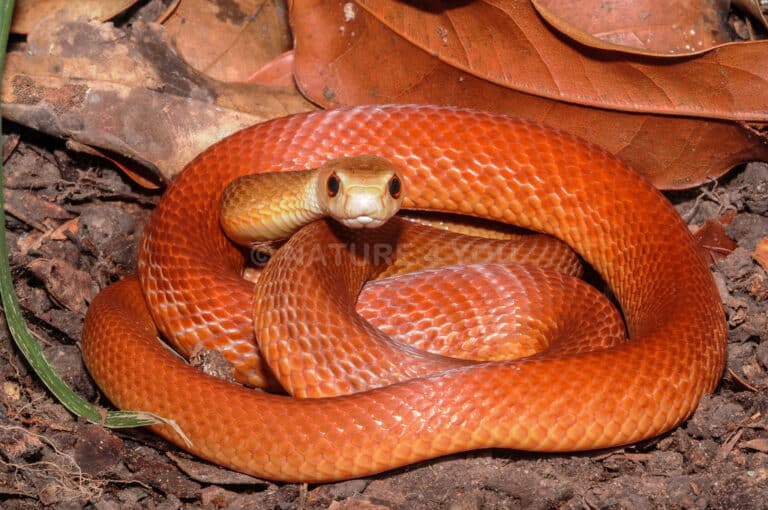
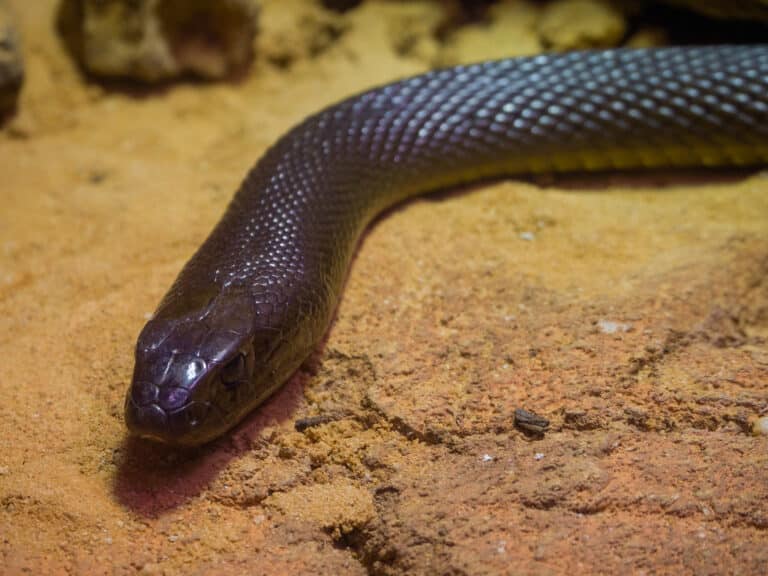
The Taipan is a captivating reptile found in Oceania. Known scientifically as Oxyuranus, these snakes are among the longest in the world, measuring between 2 and 2.7 meters (6.5 to 9 feet) long.
Taipans belong to the family Elapidae, which includes many venomous snakes. Despite their fearsome reputation, these creatures play an important role in their ecosystem by helping to control populations of small mammals and birds.
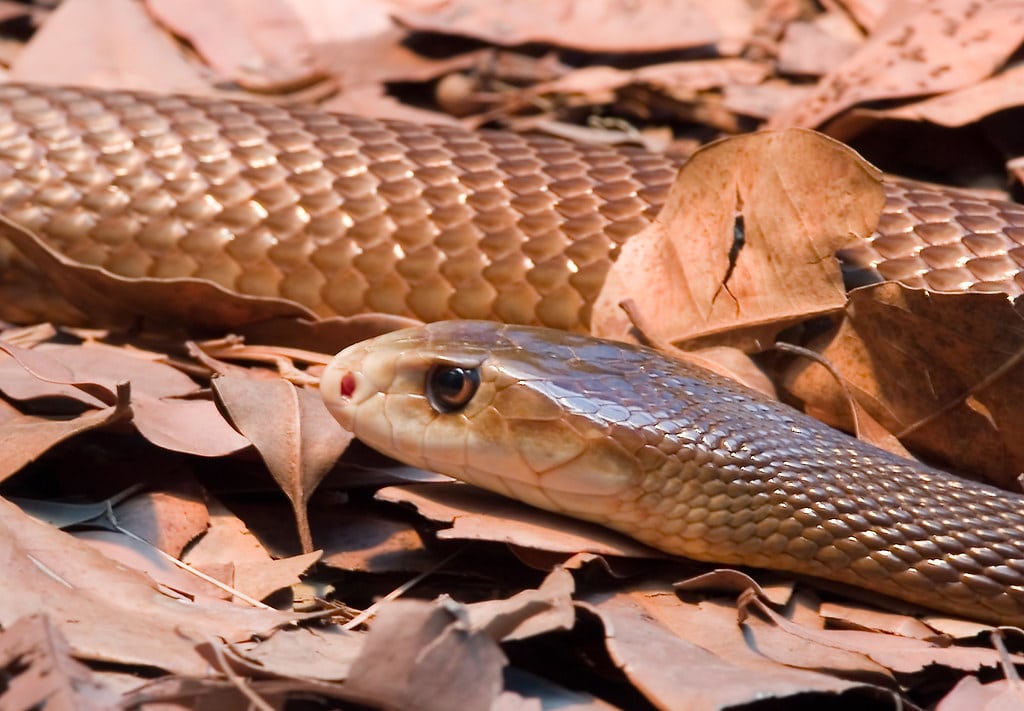
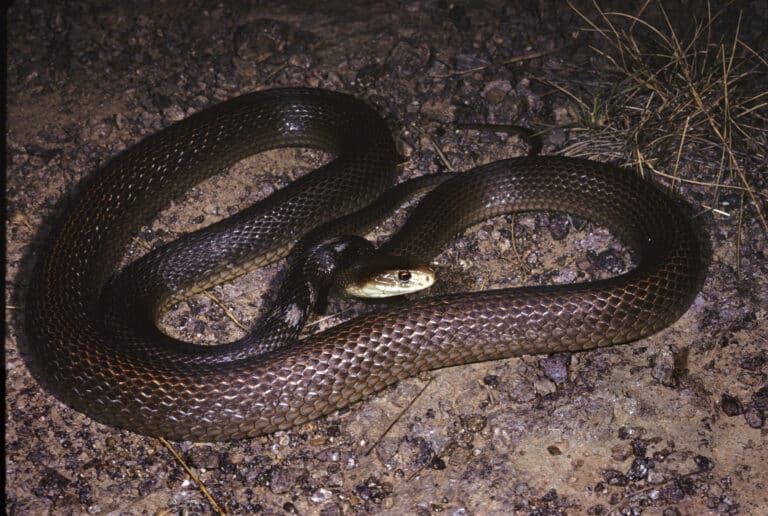
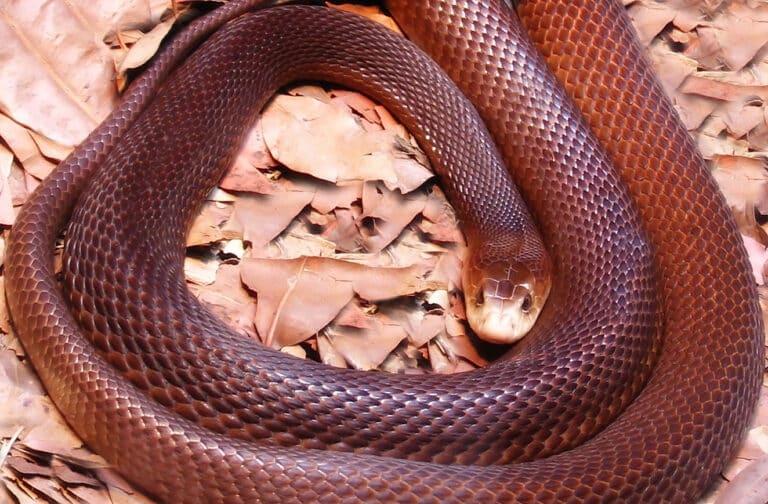
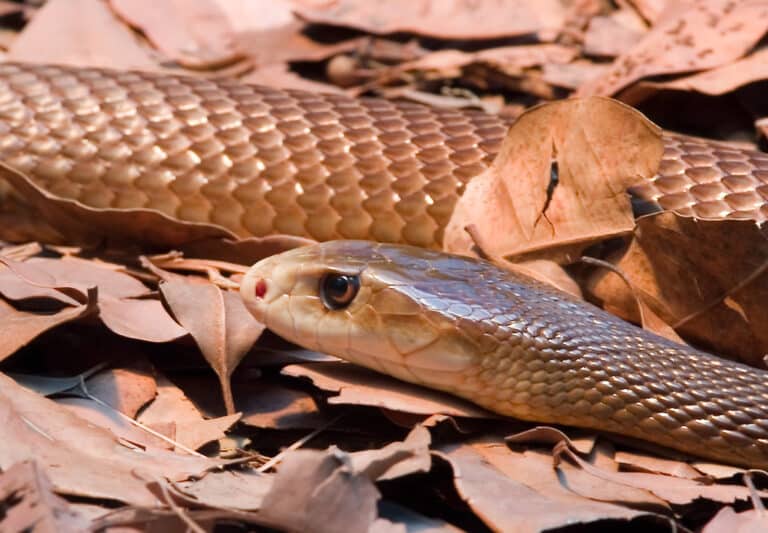
These snakes prefer warm, dry habitats such as grasslands and woodlands. They can slither at remarkable speeds and showcase vibrant colors that range from olive to brown, helping them stay hidden in their natural surroundings.
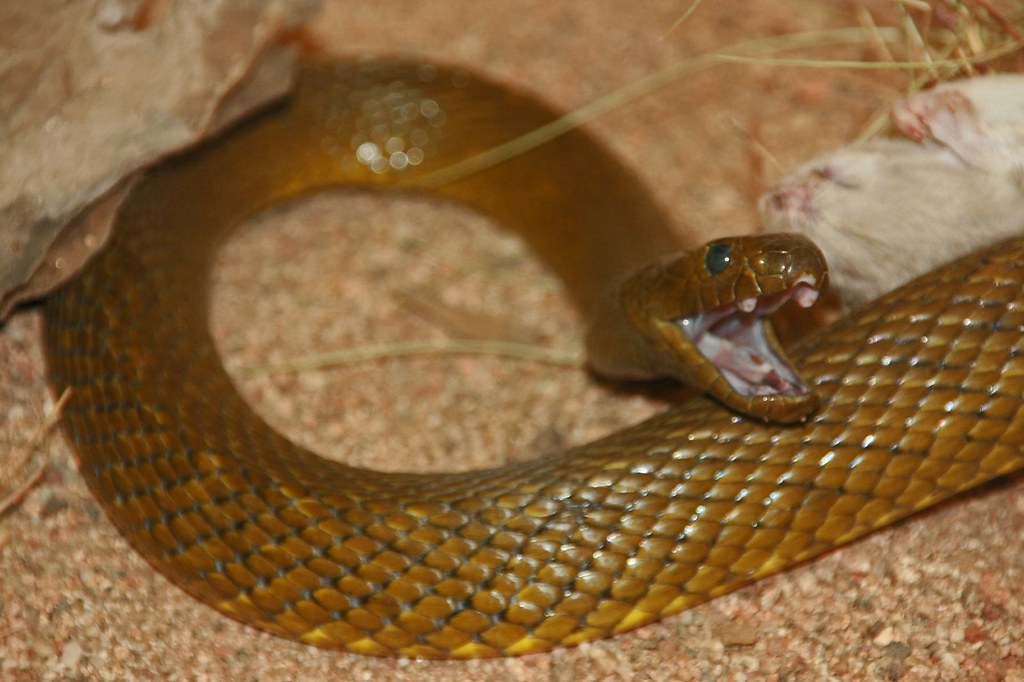
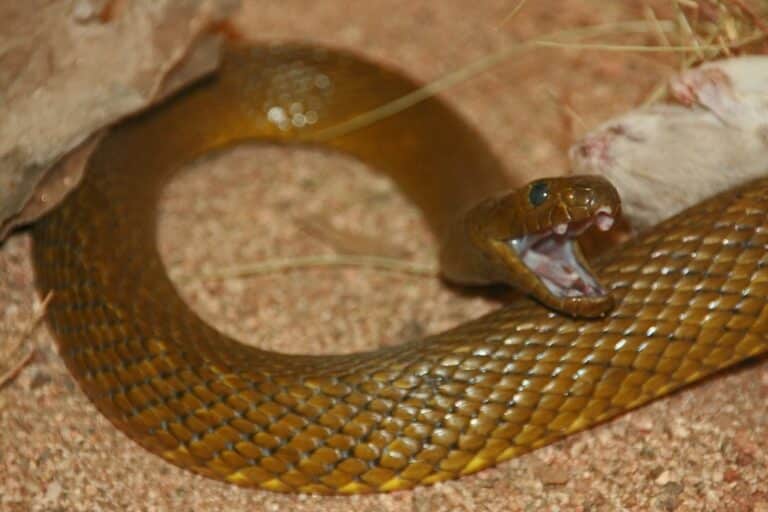
Taipans have a specialized diet consisting mainly of small mammals and birds. They possess potent venom that helps them catch their prey quickly and efficiently.
With lifespans ranging from 10 to 15 years, Taipans can live quite a while. Young Taipans start their lives at about 60 centimeters (2 feet) long and mature quickly, ready to take on the role of predator in their environment!

Where can you find a Taipan in the wild?
What does a Taipan eat?
How big can a Taipan grow?
How long does a Taipan typically live?
What is the conservation status of the Taipan?
What are the main threats to the Taipan?
Fun facts
Taipans can strike at incredible speeds, making their bite one of the fastest in the animal kingdom.


The venom of a Taipan is so powerful that it can kill a human in under an hour, but they are usually shy and prefer to avoid people.
During mating season, male Taipans perform a dance that involves intertwining their bodies, like a unique snake ballet.
These snakes can sense their prey using heat receptors in their jaws, allowing them to hunt even in low light conditions.
Taipans can camouflage themselves remarkably well in their grassy and woodland habitats, making them masters of disguise.
At birth, young Taipans can measure around 60 centimeters (2 feet) long and are already miniature hunting machines!
Taipans do not use their fangs solely for biting; they can also infuse venom through their saliva to make sure their prey is paralyzed.
Despite their fearsome reputation, Taipans contribute to healthy ecosystems by controlling populations of small animals and birds.
Taipans are generally solitary creatures and do not form social groups, giving them the life of a lone ranger in the wild.
The scientific name 'Oxyuranus' means 'sharp tail,' a nod to their swift, agile bodies designed for quick movements.
Photos




The Basics


explore more
Amphibians
Arachnids
Birds
Cats
Crustaceans
Fish
Fish Pet Guide
Gastropods
Insects
Invertebrates
Mammals
Pet Fish
Pet Rodents
Plants
Reptiles
Roundworms
Sea Slugs