Successfully copied to clipboard!
Tarantula Hawk
Meet the colorful wasp with a superhero hunting style!
Let’s Explore
Overview
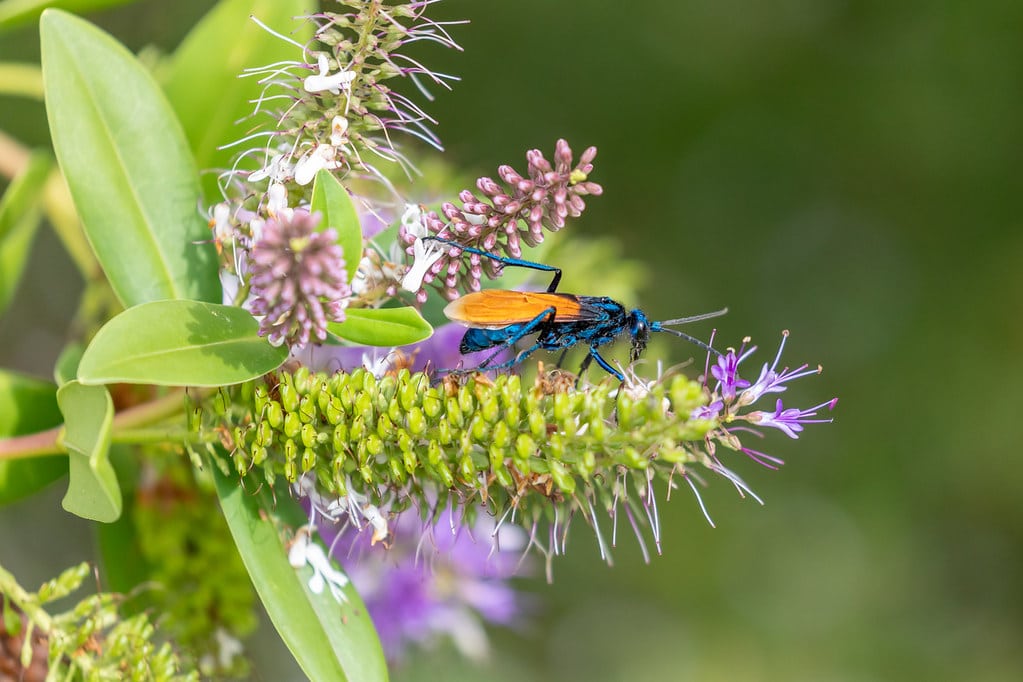
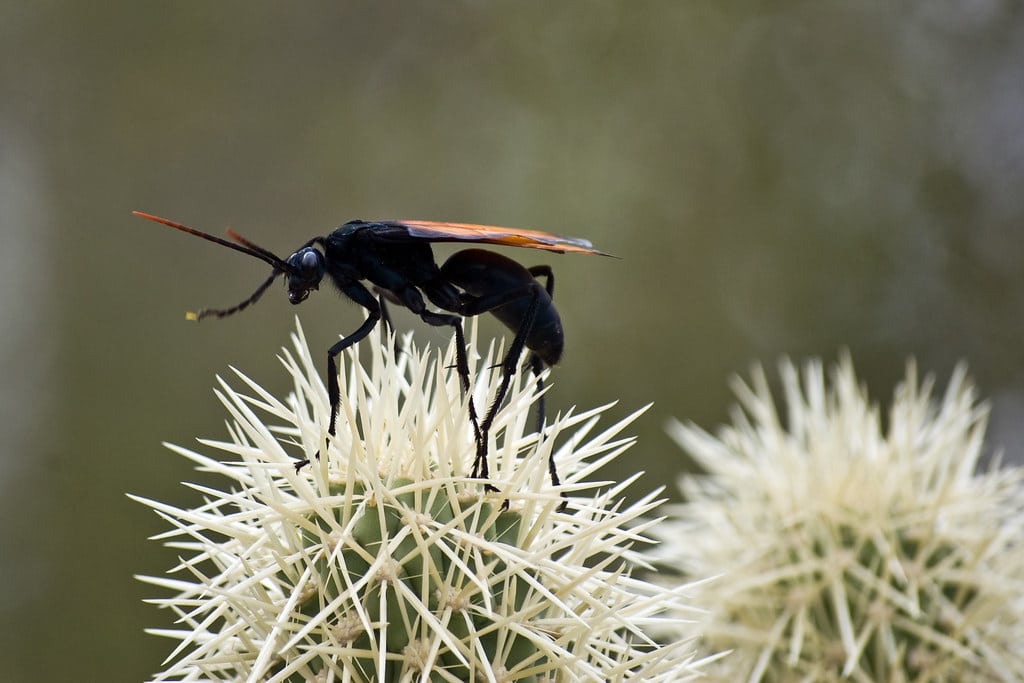
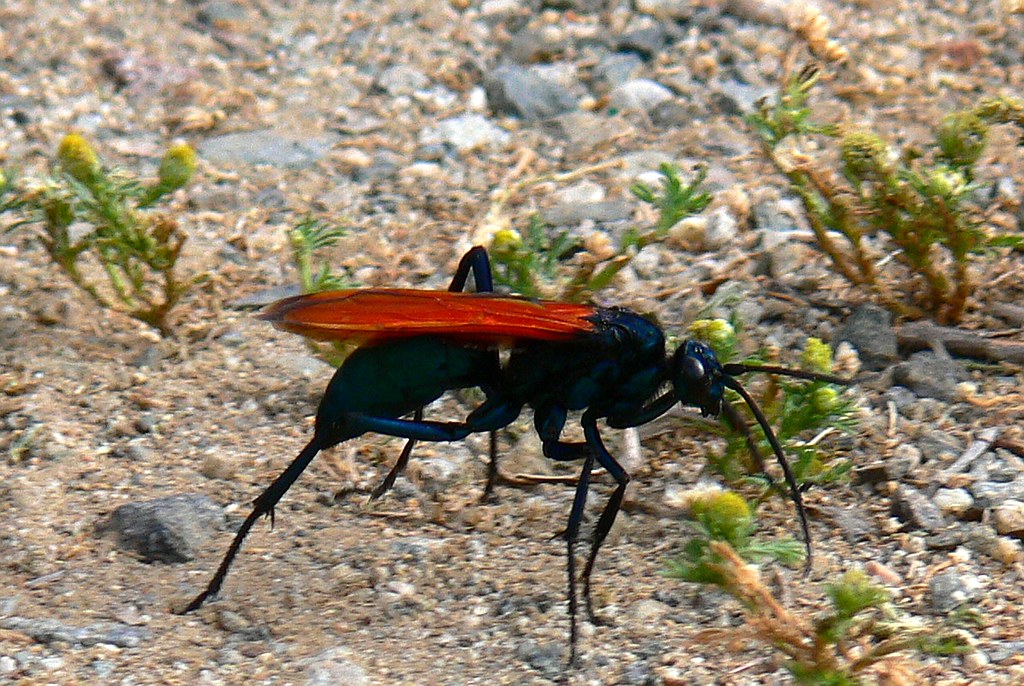
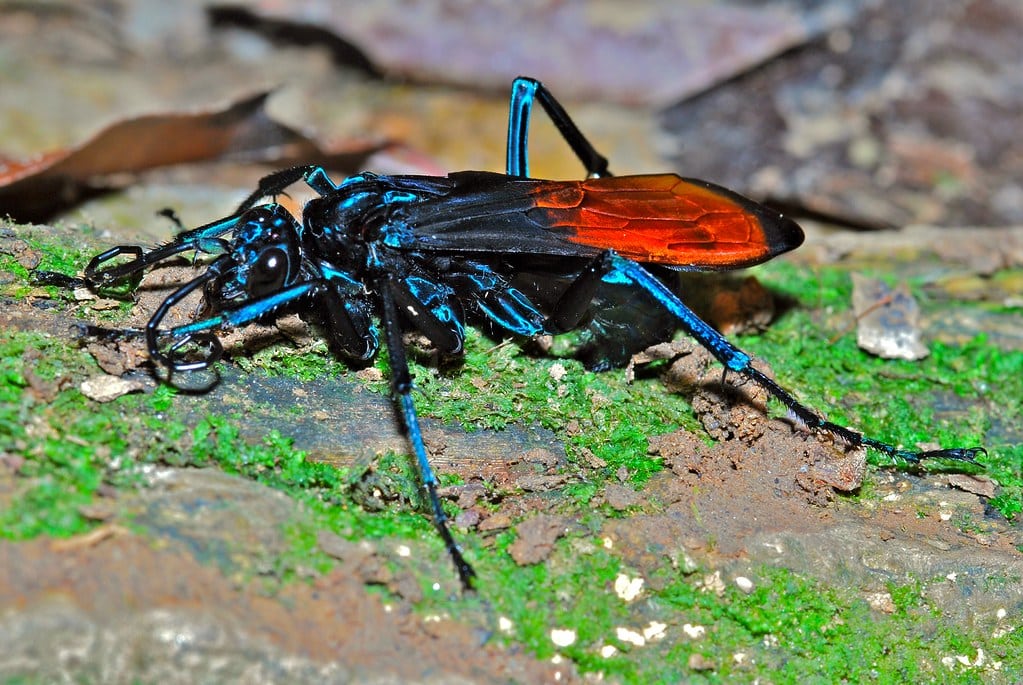
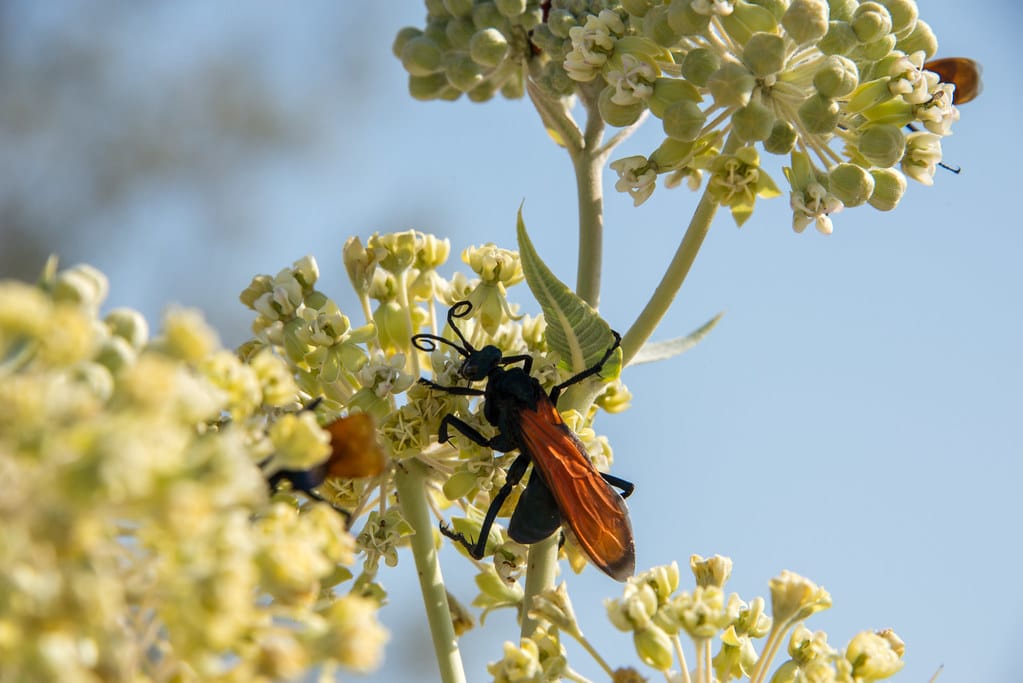
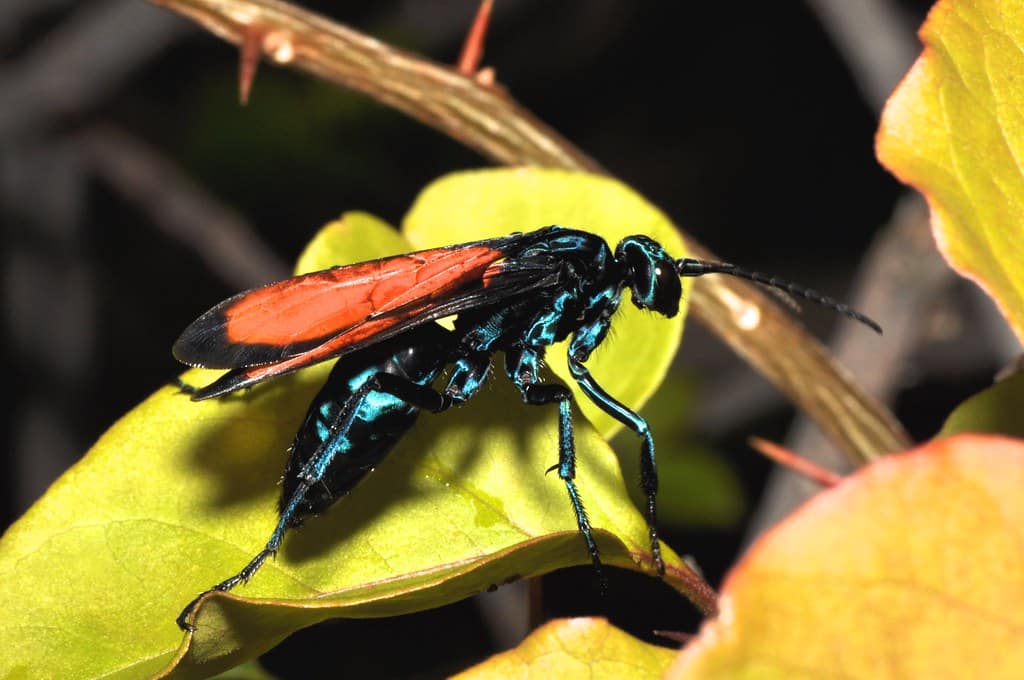
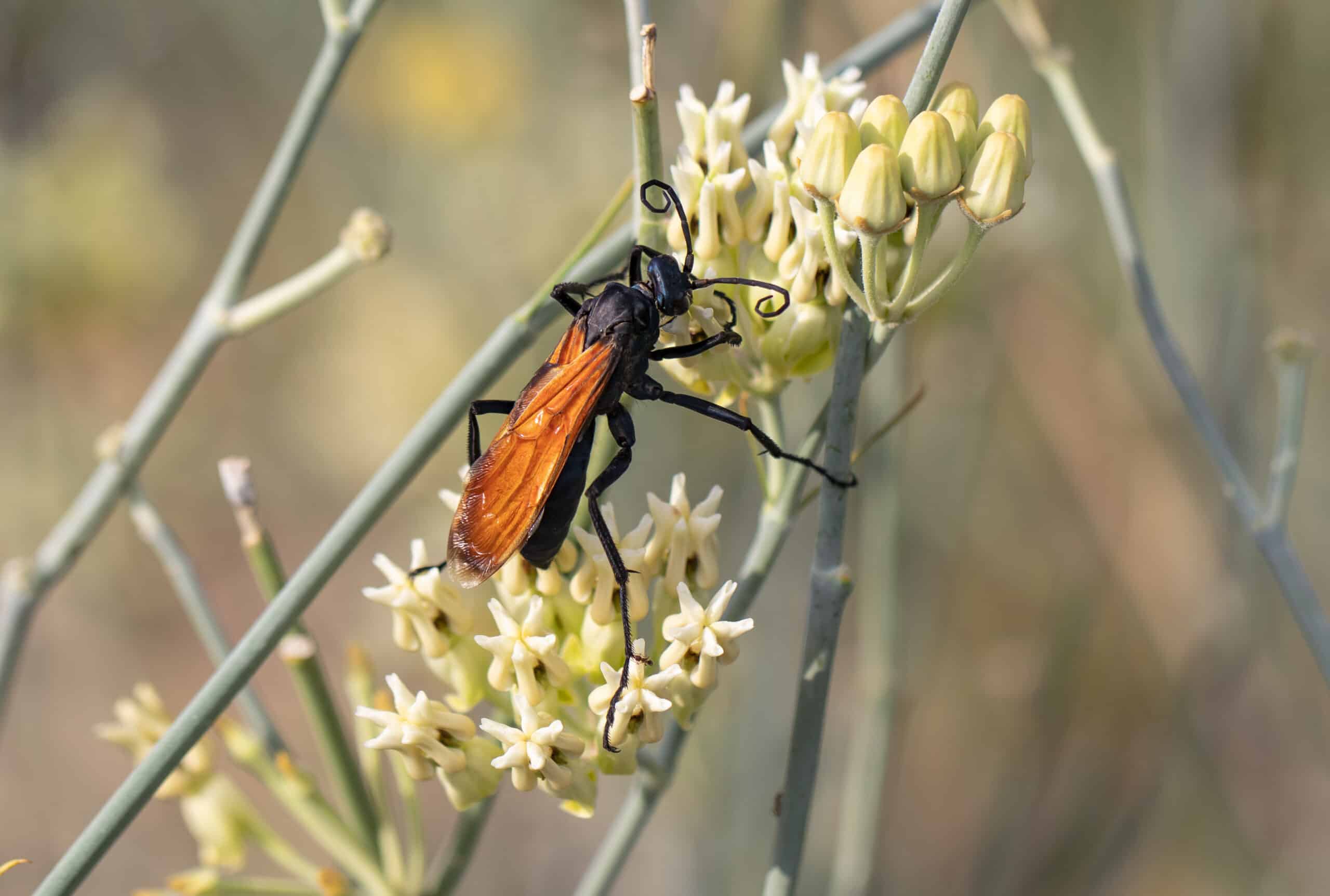
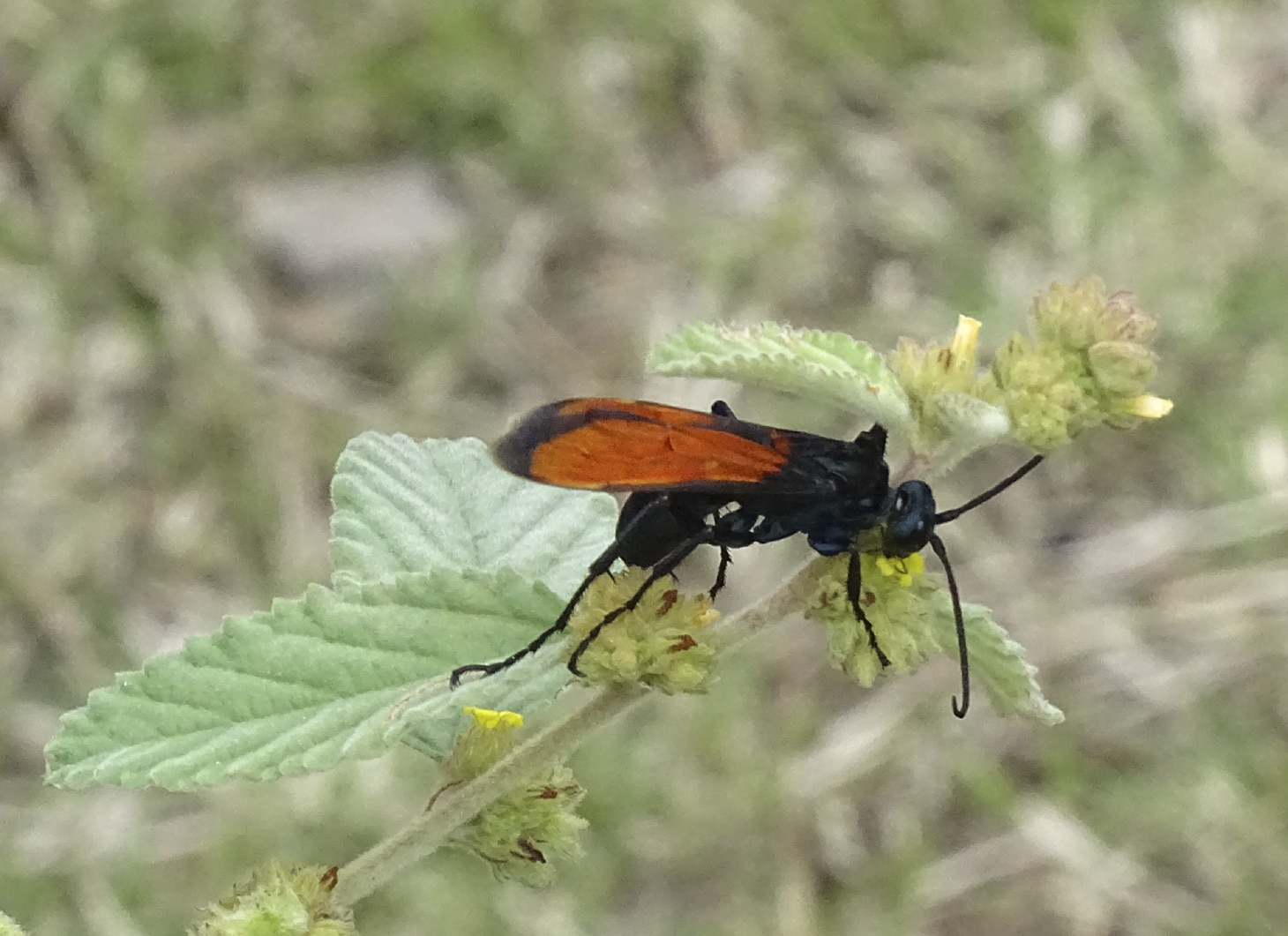
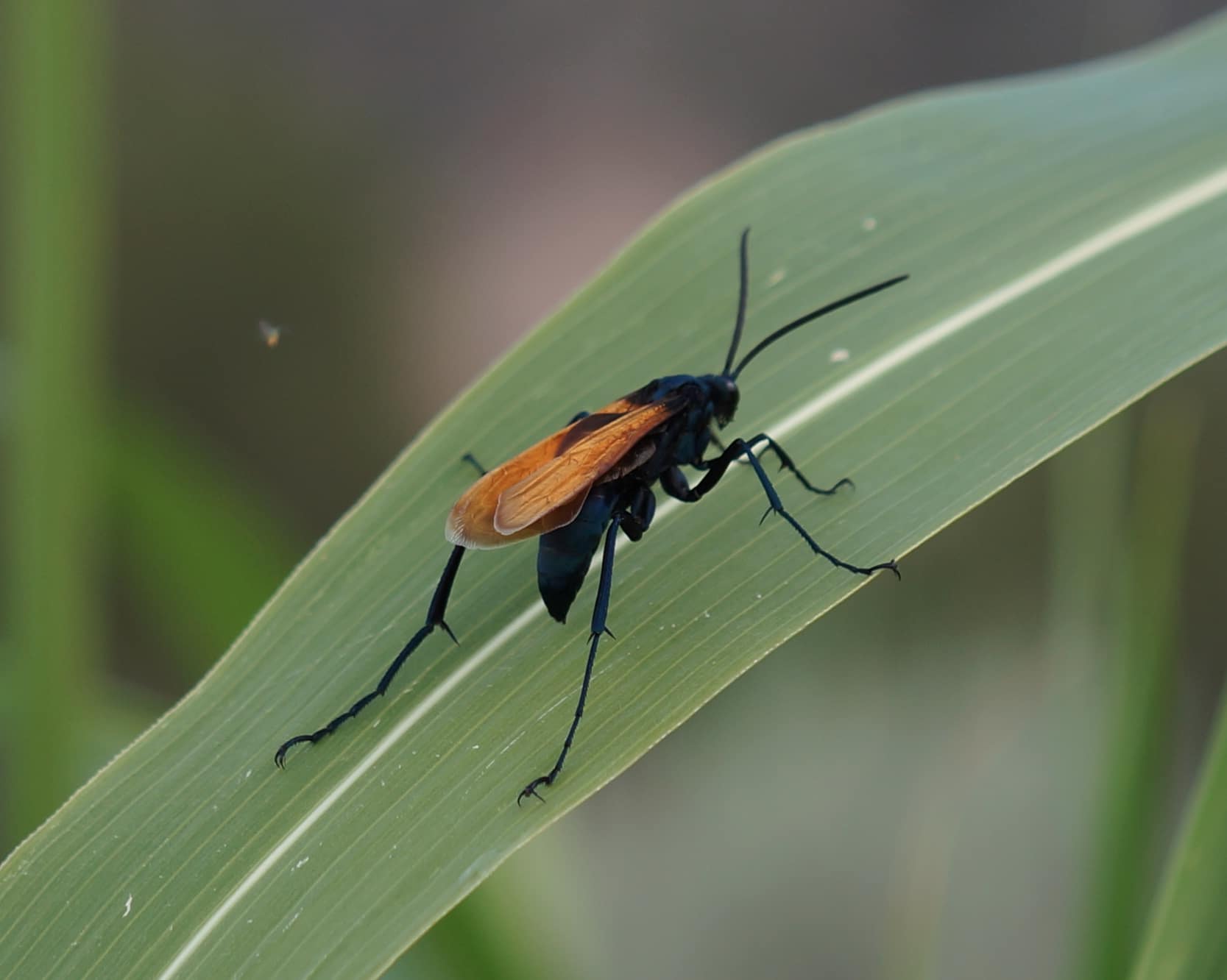
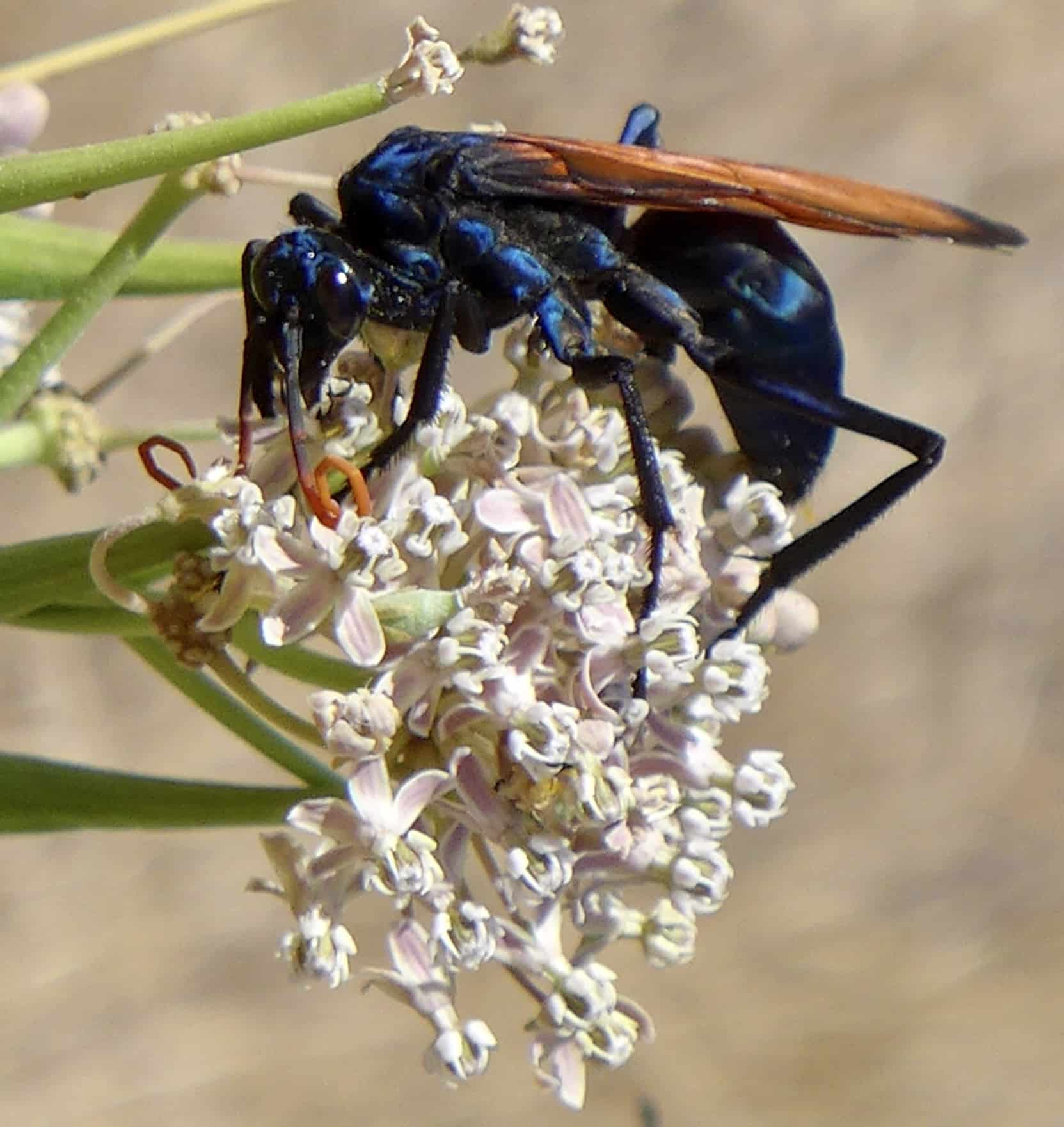
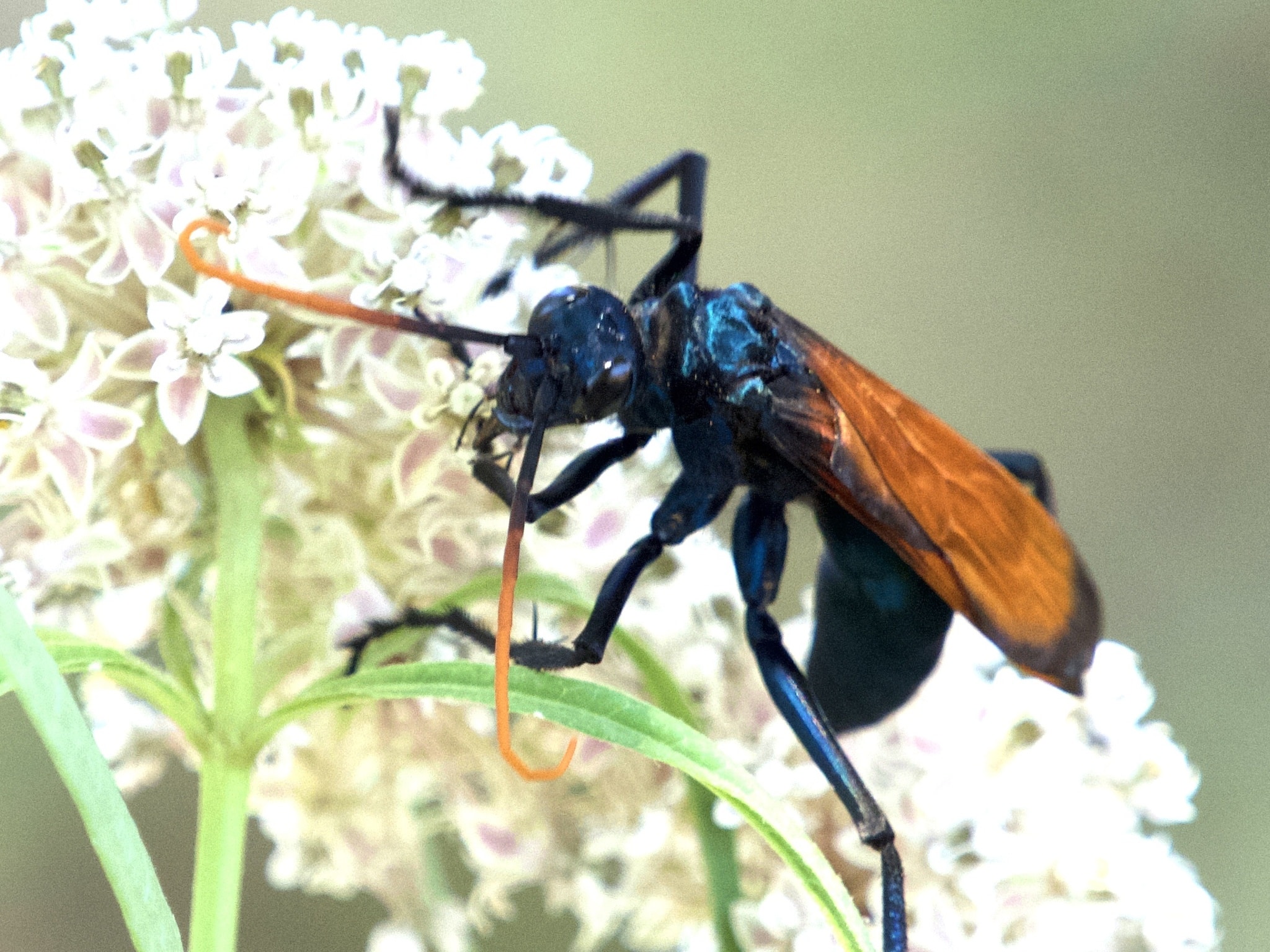
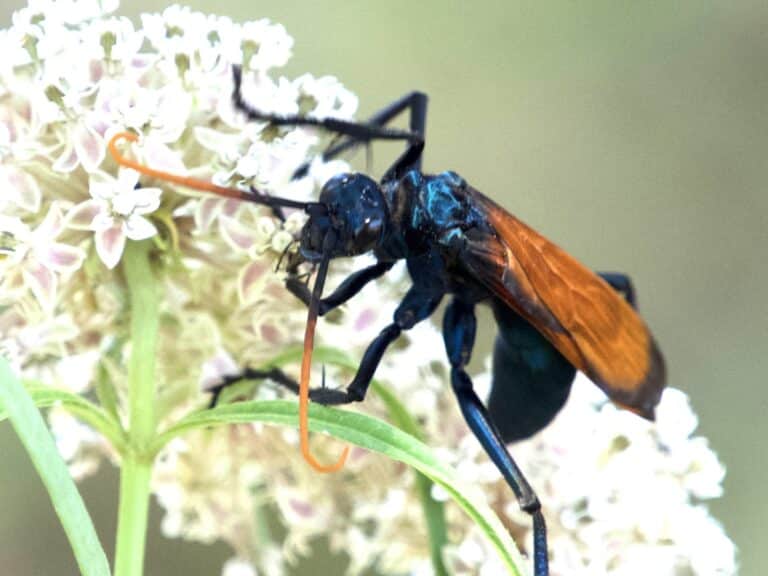
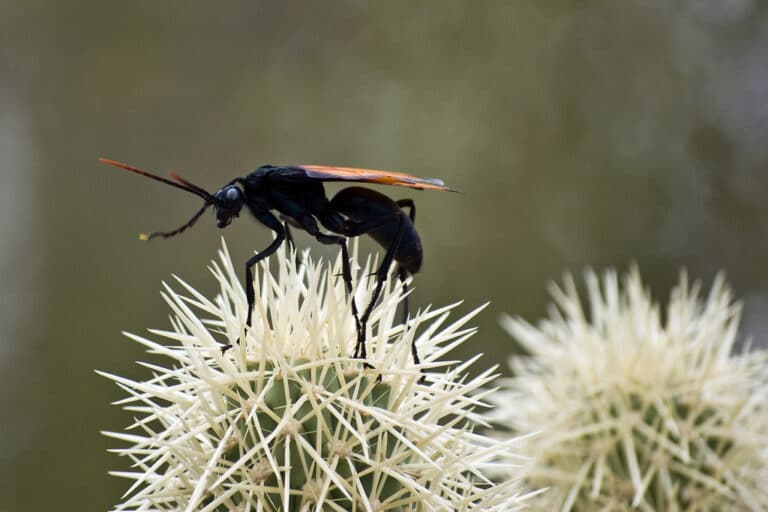
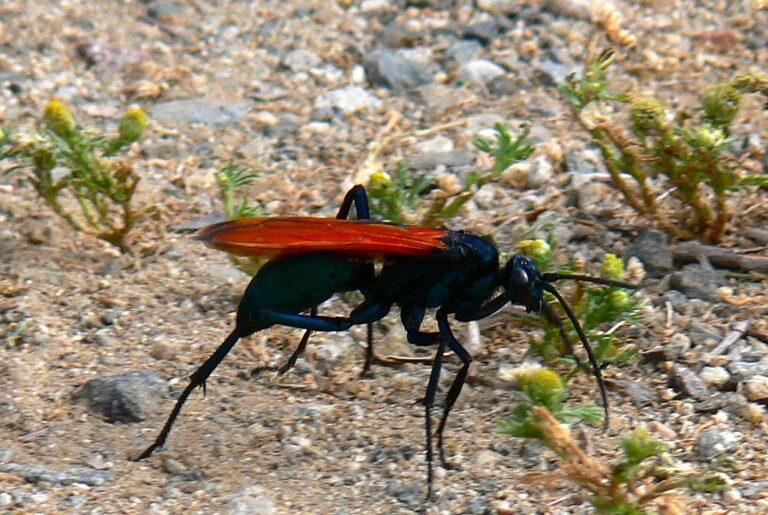
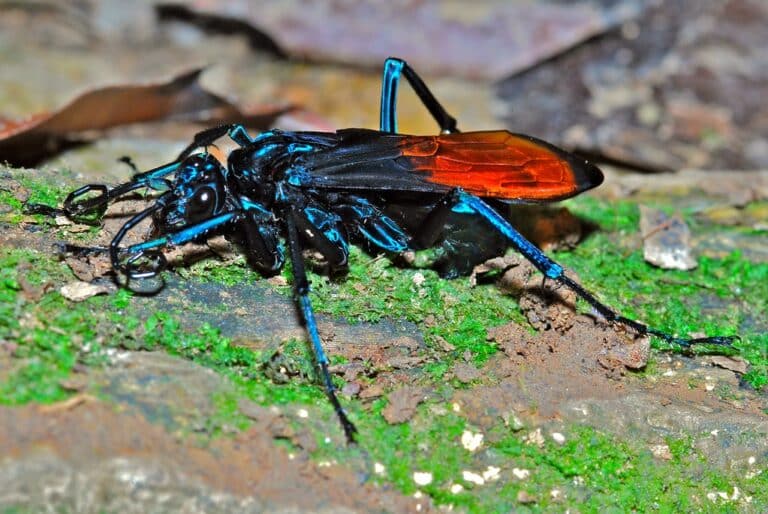
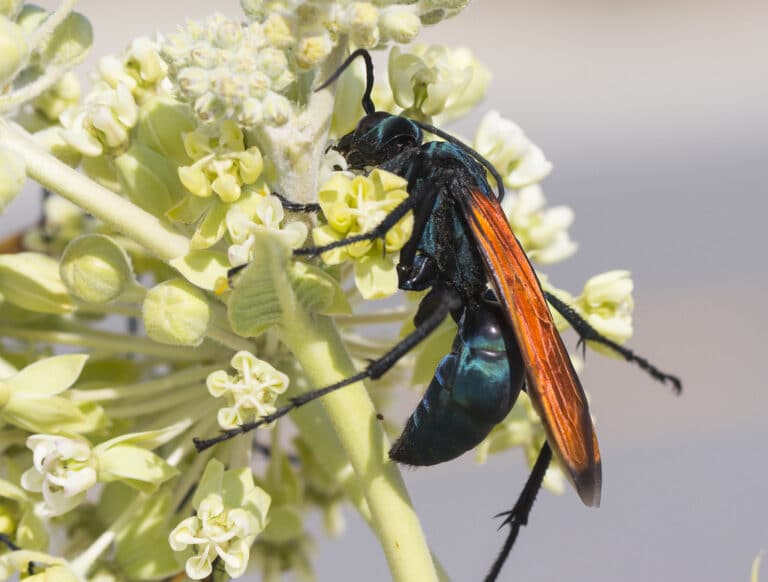
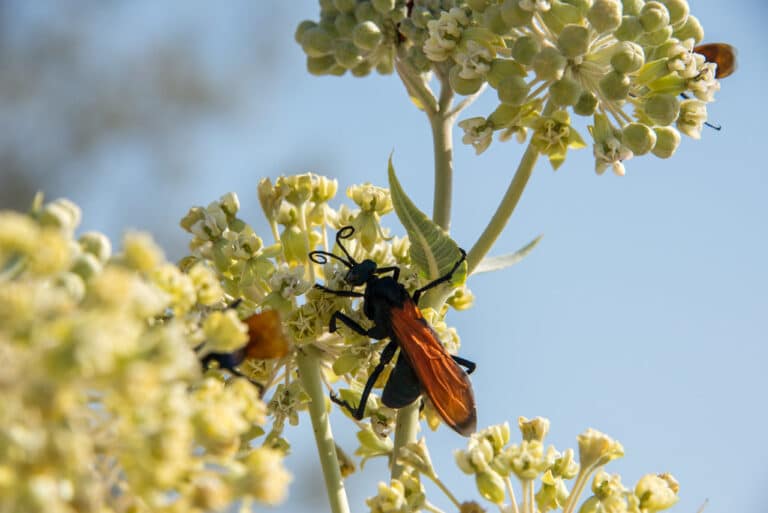
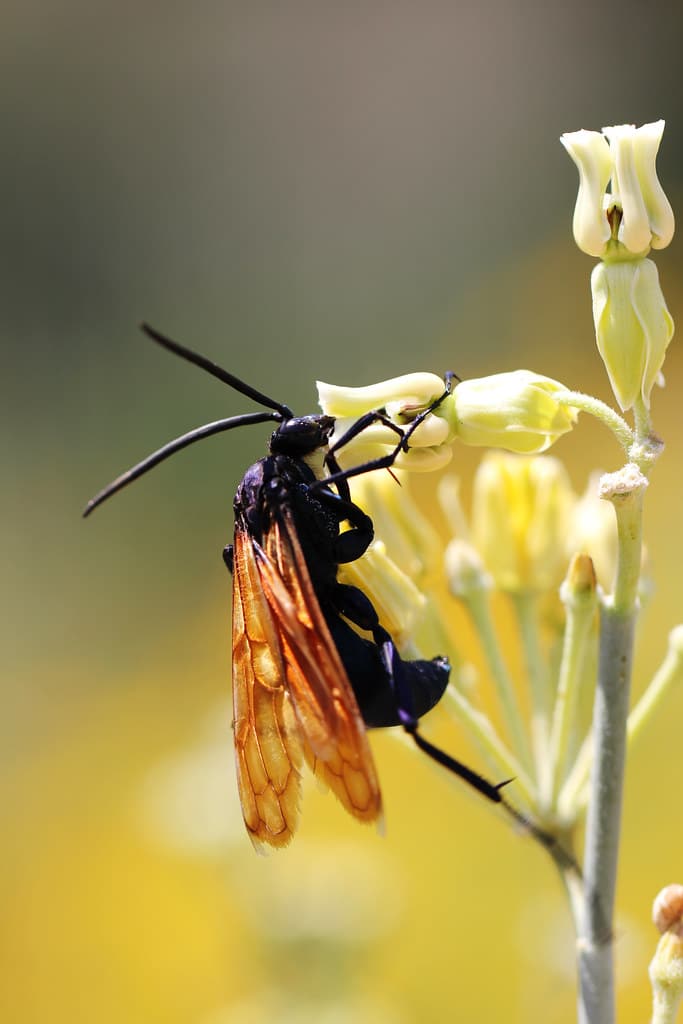
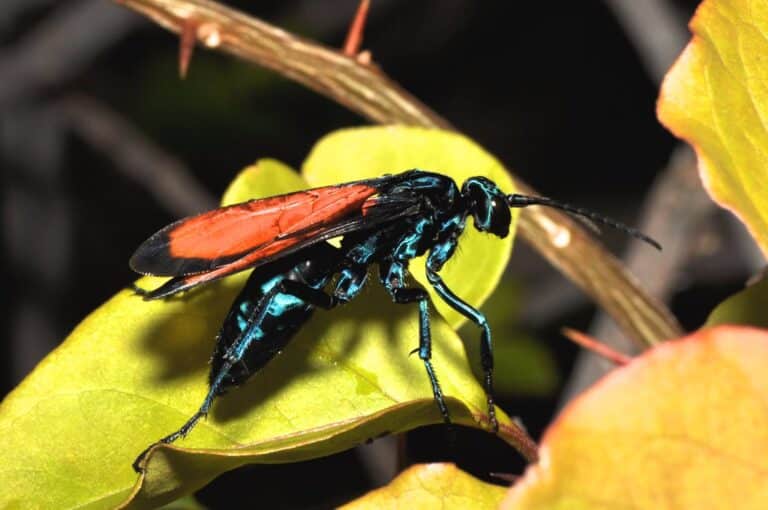
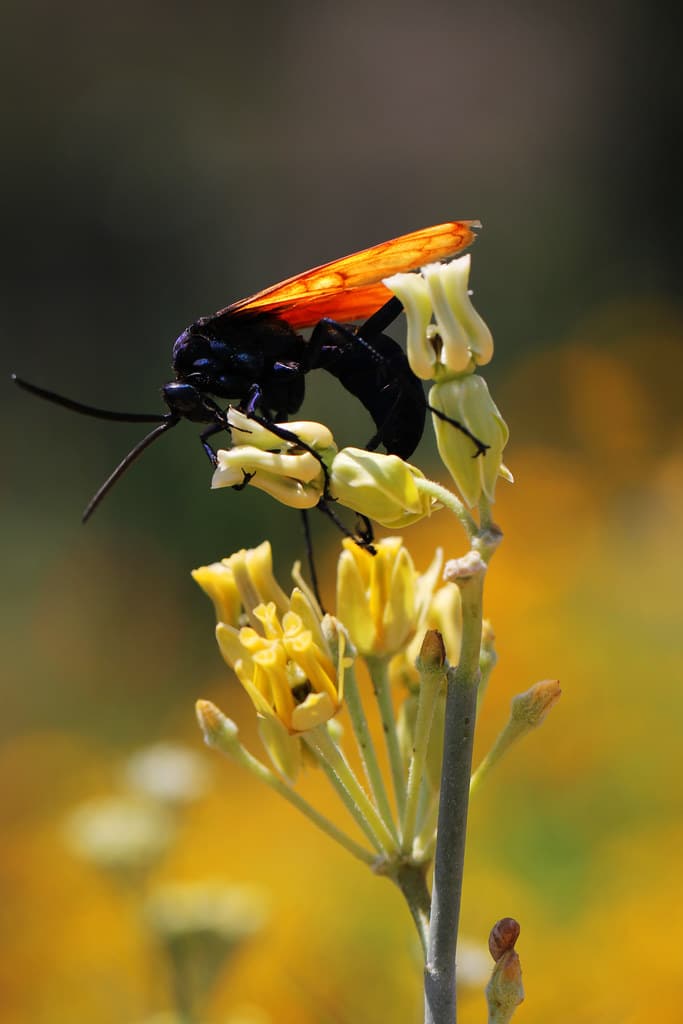
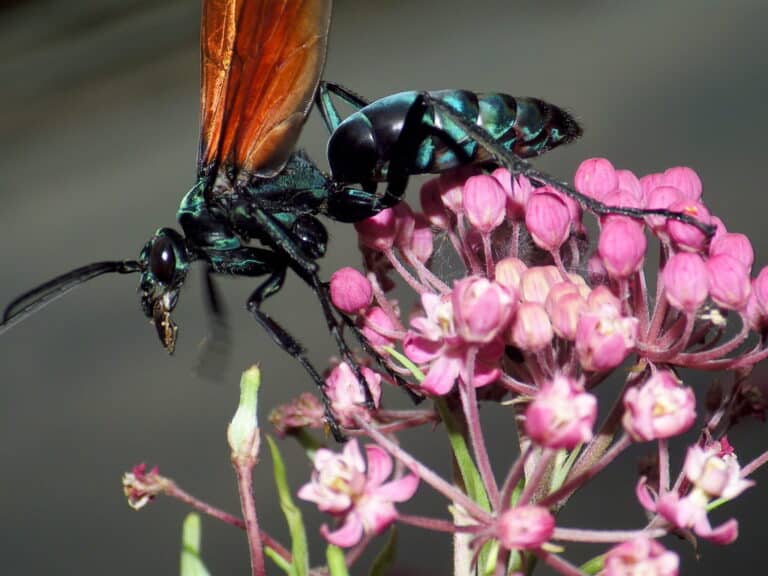
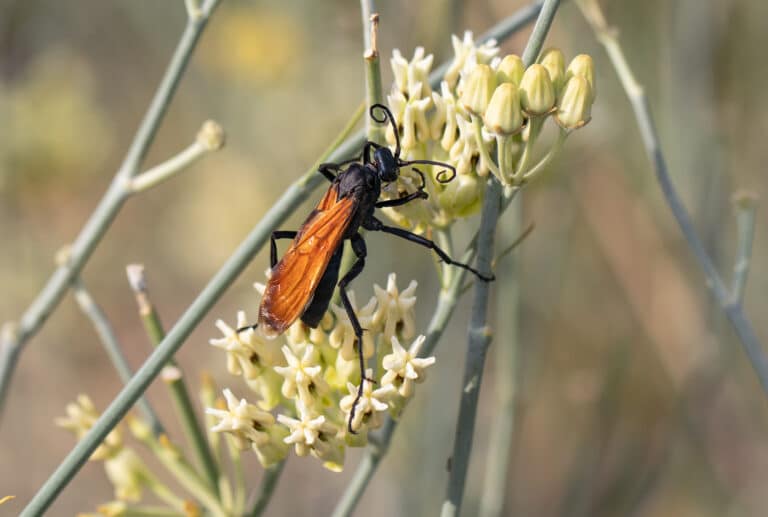
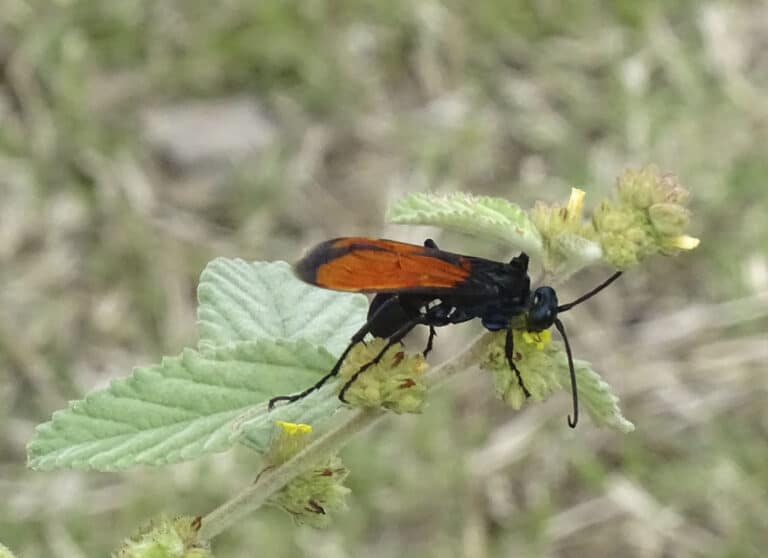
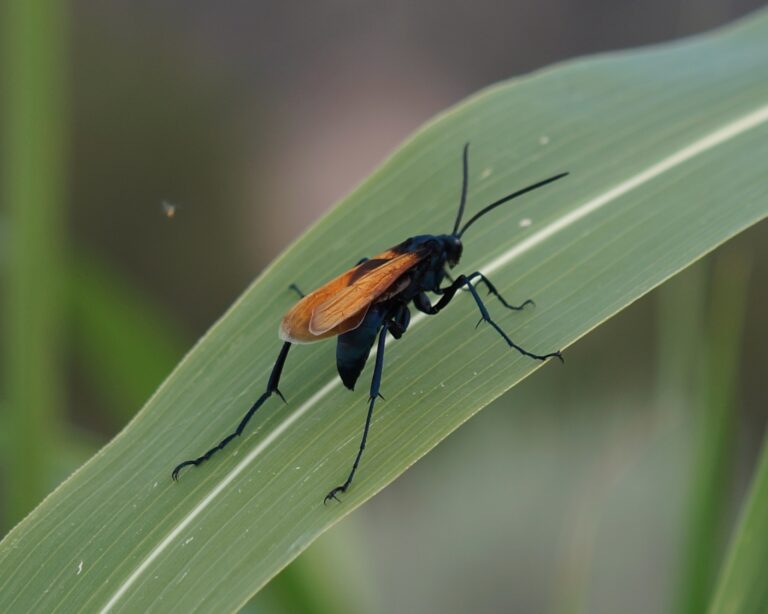
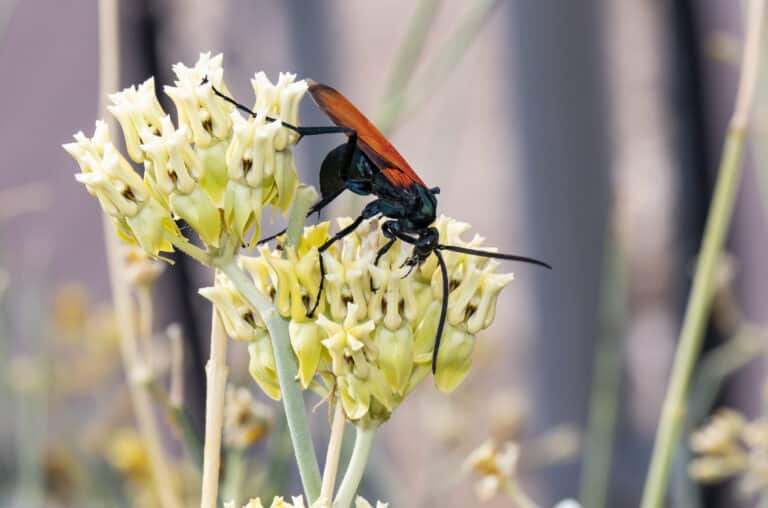
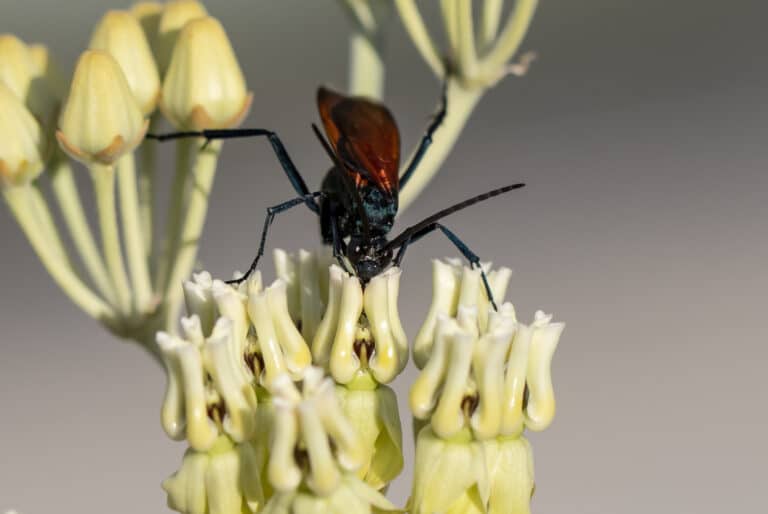
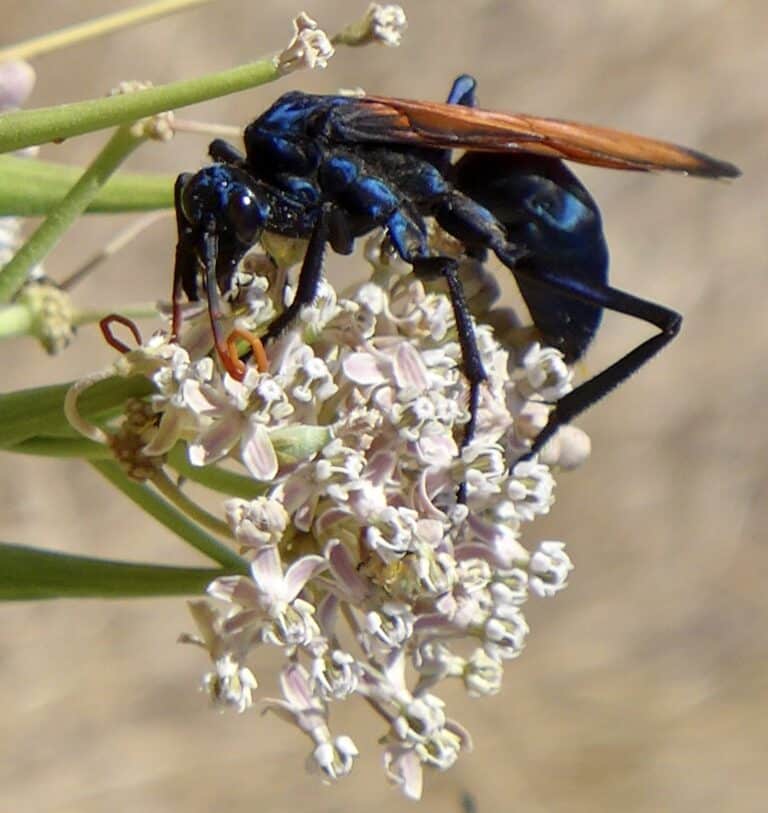
The Tarantula Hawk is a dazzling wasp known for its striking appearance. With a body length of about 5 centimeters (2 inches), these vibrant insects boast bright colors that catch anyone’s eye!
Tarantula Hawks belong to the insect family called Pompilidae. They are part of the Kingdom Animalia and the Phylum Arthropoda, the same group that includes spiders and crabs!
These fascinating wasps primarily live in Africa. They thrive in warm environments, making them a common sight in sunny habitats.
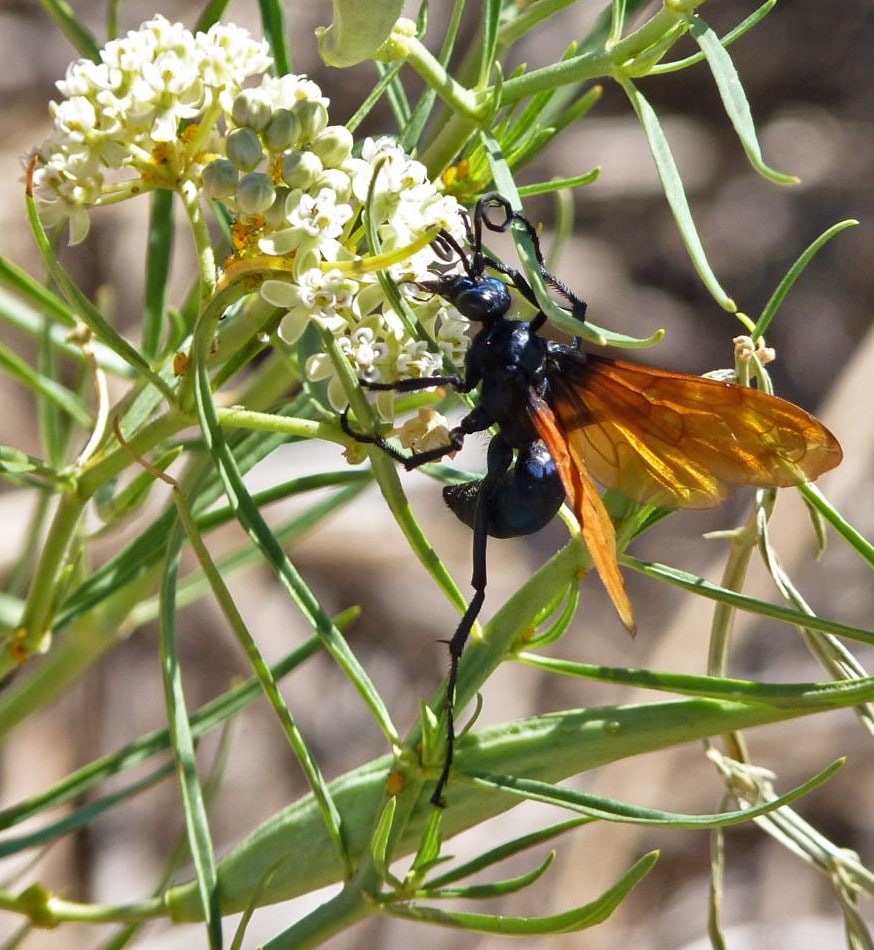
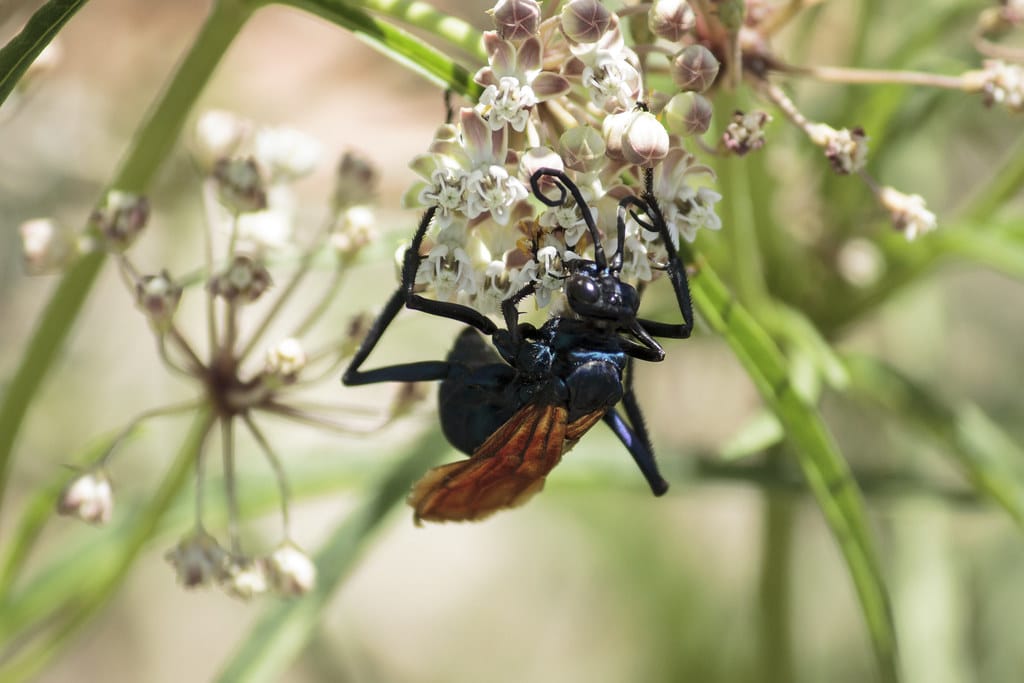
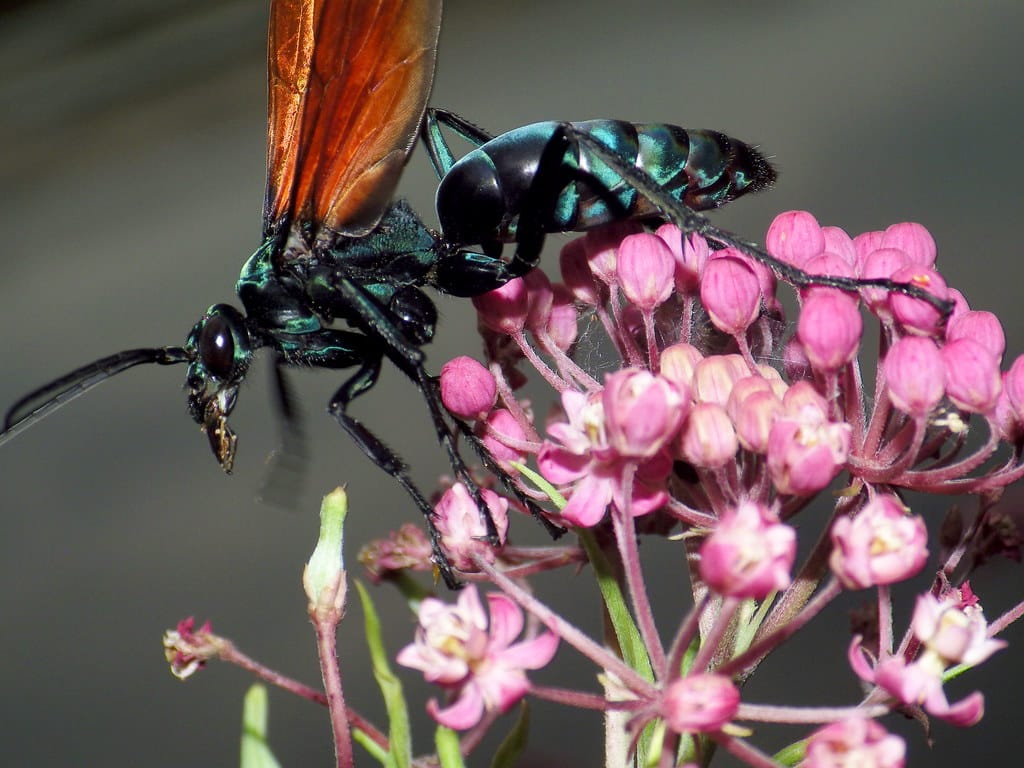
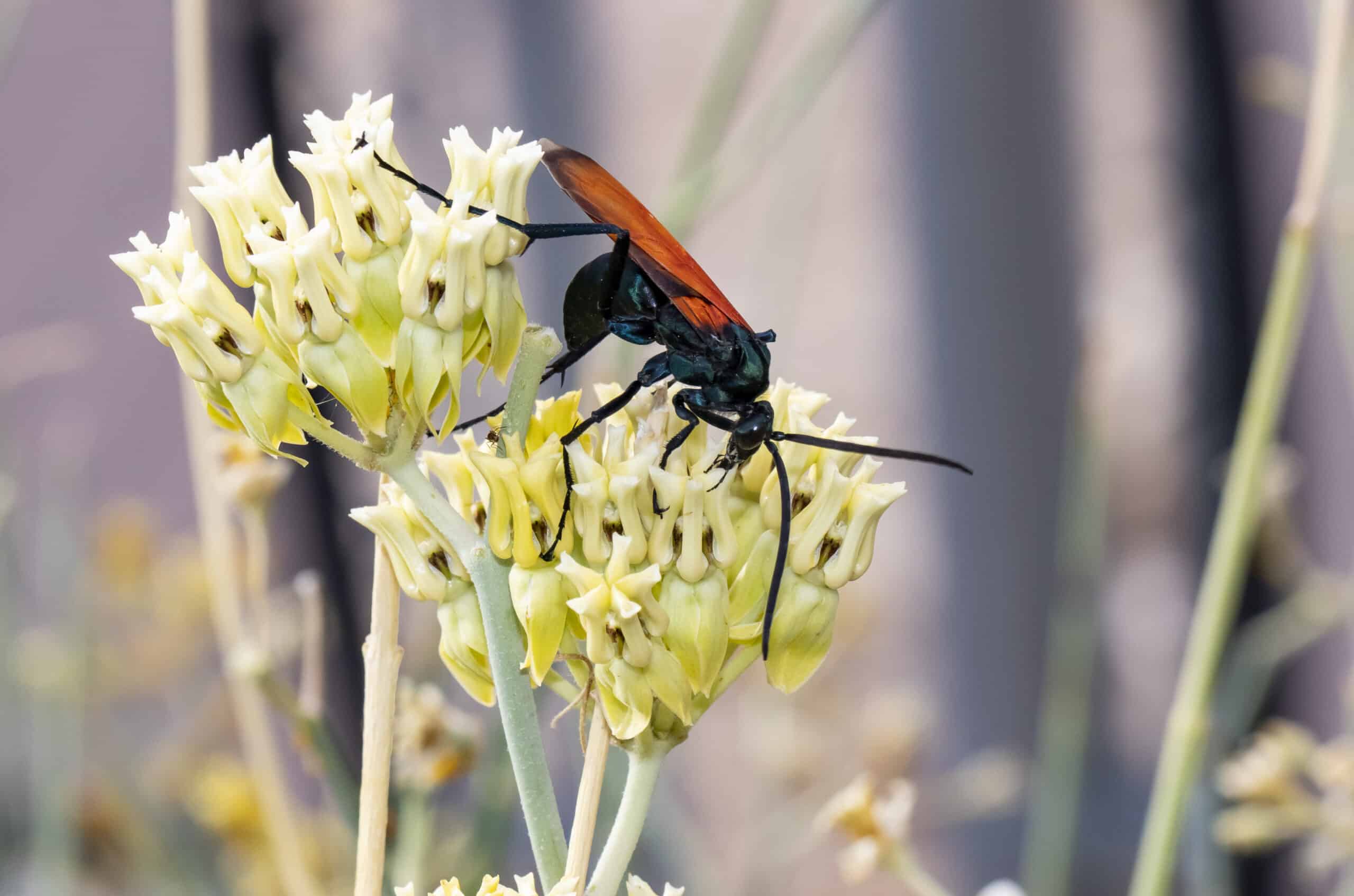
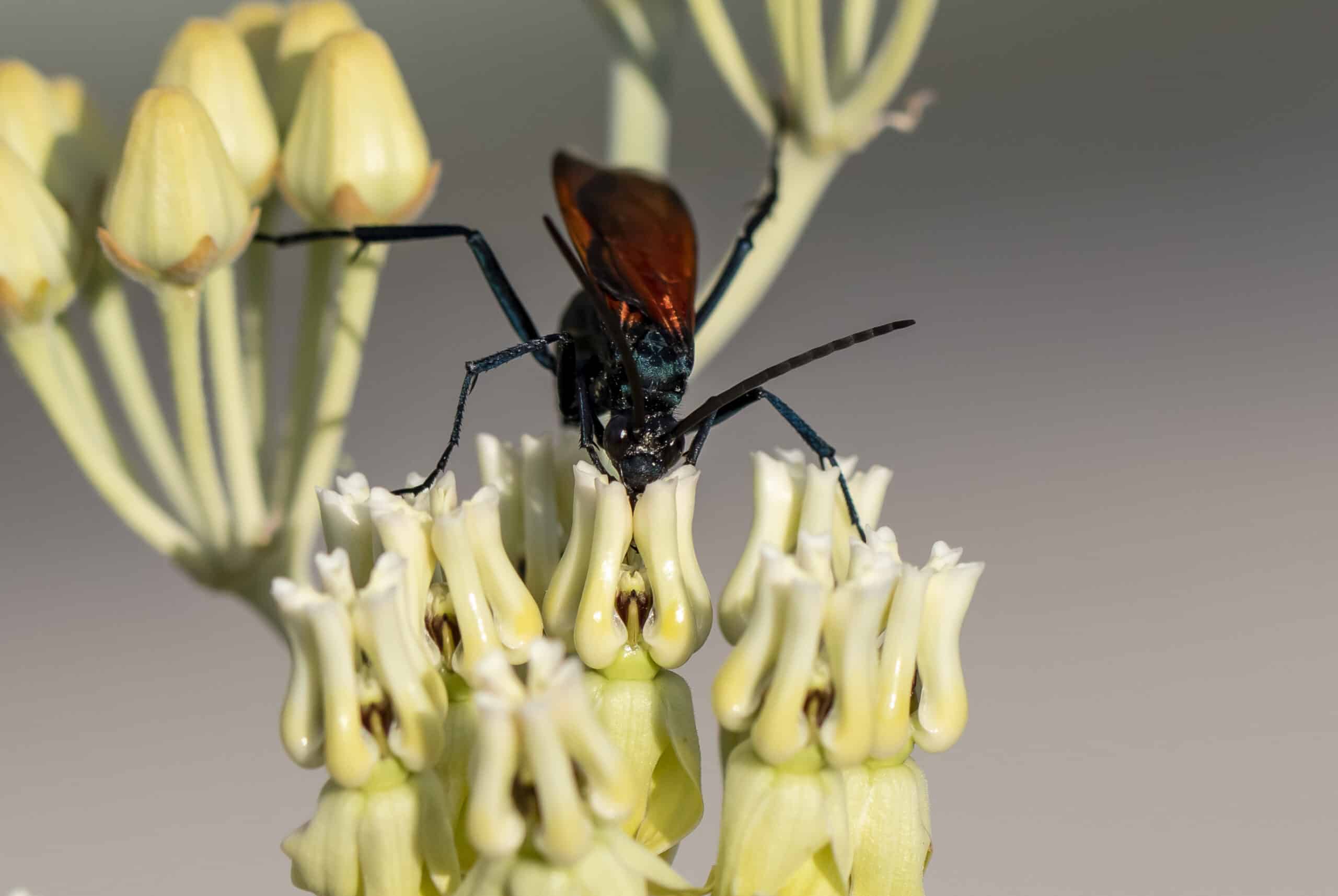
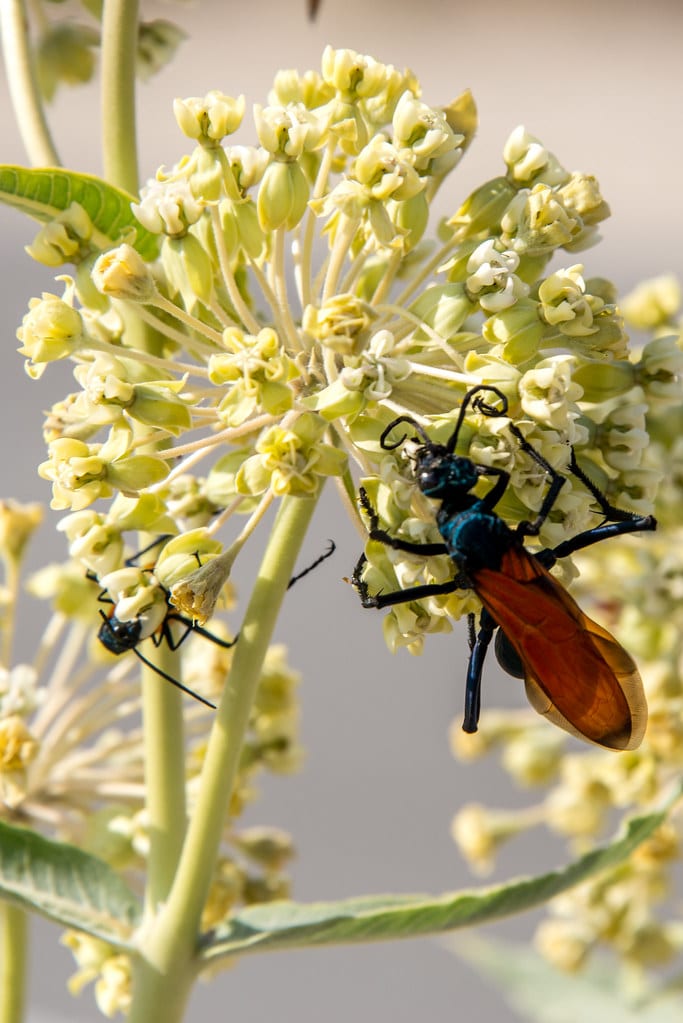
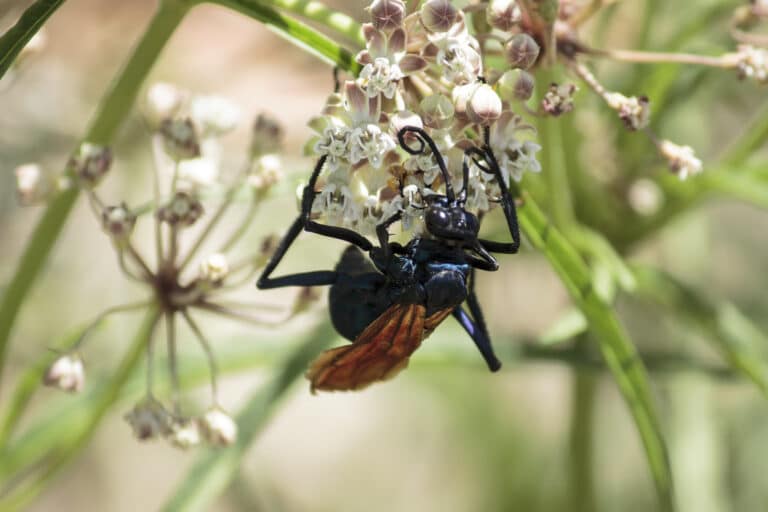
Their diet consists mainly of nectar and honey. This sweet tooth helps them gain the energy they need to fly and hunt!
What sets Tarantula Hawks apart is their unique hunting style. They capture and paralyze tarantulas, using them as a living food source for their young!
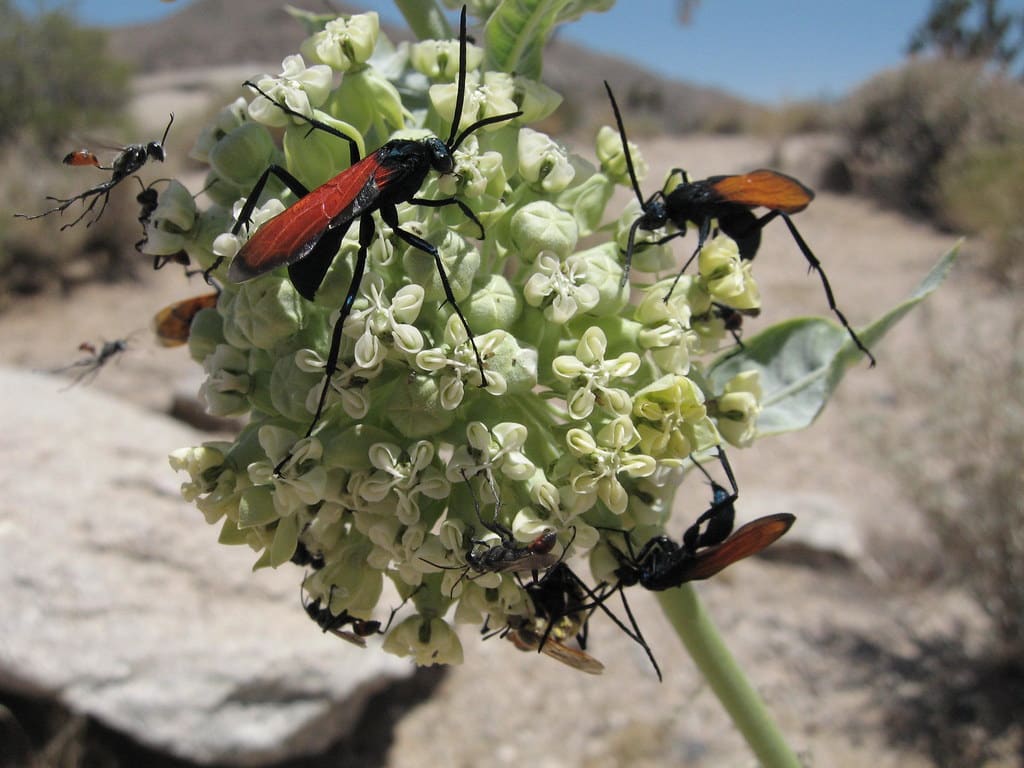
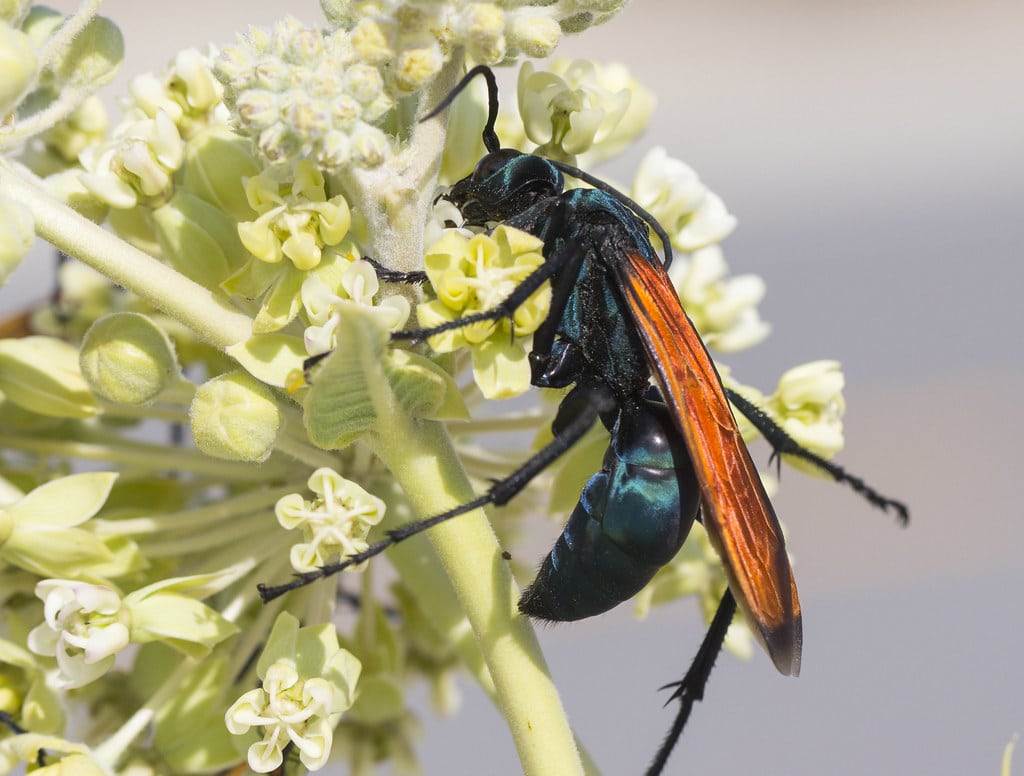
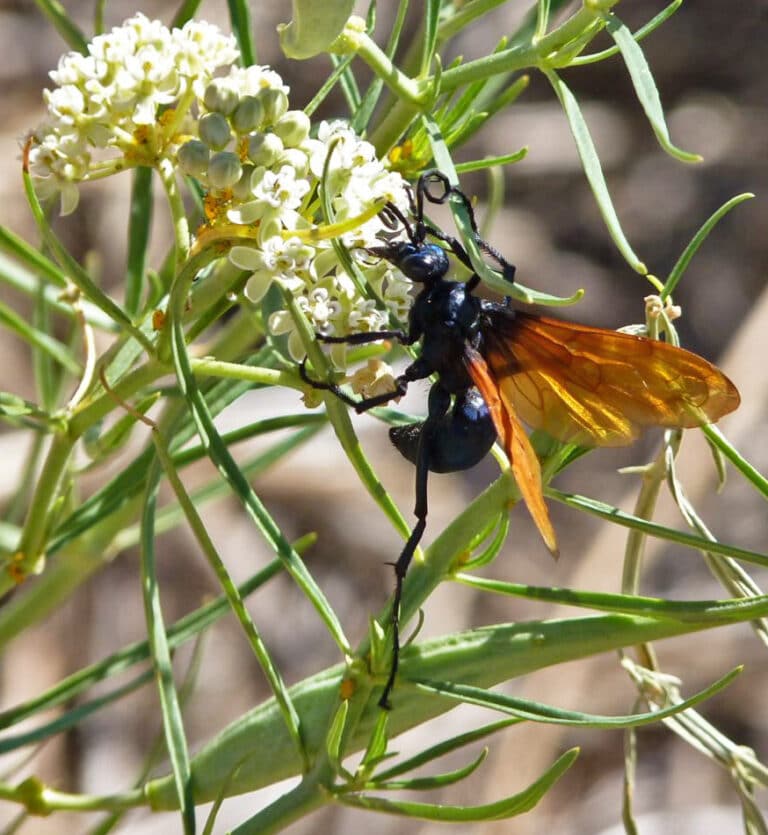
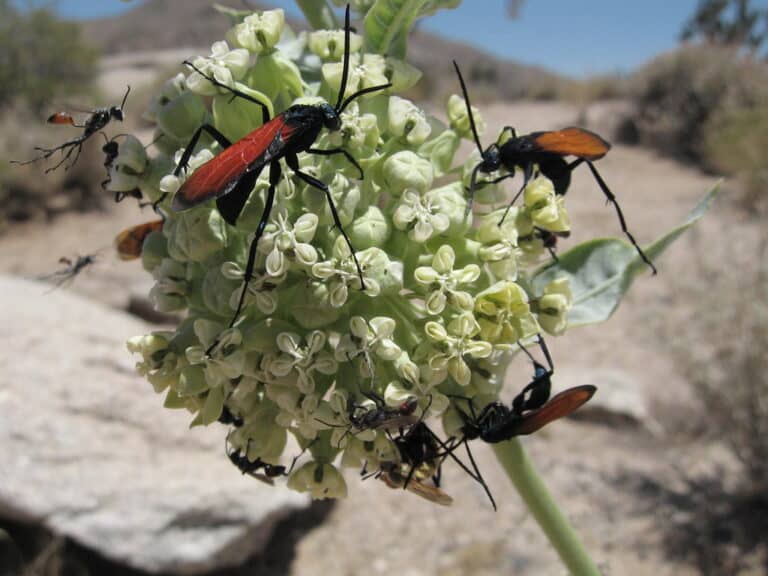
The adult Tarantula Hawk has a lifespan of several months. During this time, they make sure to enjoy the nectar of flowers while keeping their eye out for a perfect tarantula!
With such amazing traits, the Tarantula Hawk truly packs a punch in the world of insects! Remember, these wasps may look fierce but they rarely sting unless threatened, making them more likely to impress than to scare.

Where can you find a Tarantula Hawk in the wild?
What does a Tarantula Hawk eat?
How big can a Tarantula Hawk grow?
How long does a Tarantula Hawk typically live?
What is the conservation status of the Tarantula Hawk?
What are the main threats to the Tarantula Hawk?
Fun facts
The Tarantula Hawk is so colorful that it catches the eye like a moving rainbow, making it one of the most beautiful wasps on the planet!


This wasp can carry prey that weighs more than itself. Imagine tiny superhero strength packed into a 5-centimeter body!
The Tarantula Hawk can be picky when it comes to hunting. It prefers to hunt only tarantulas, requiring skill and courage as it approaches these giant spiders!
When a female Tarantula Hawk finds a tarantula, she delivers a sting that paralyzes the spider without killing it. This allows her to lay eggs inside the still-living prey, creating a unique brunch for her babies!
You can tell a female Tarantula Hawk from a male by their size. Females are bigger, which is handy when they are out hunting their enormous tarantula meals!
Their venom doesn't just paralyze tarantulas; it has been the topic of research for developing new medicines, proving that even the most fearsome creatures can have a soft side!
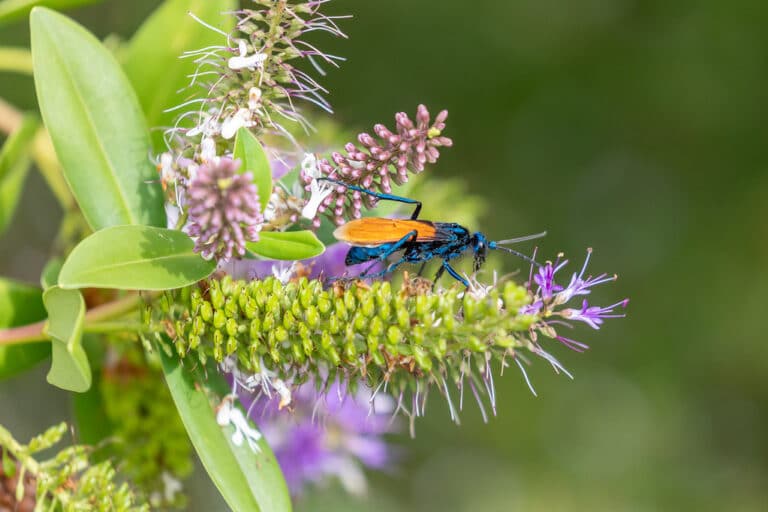
Tarantula Hawks are experts at finding flowers. They have a special talent for spotting brightly colored blooms from the sky, guiding them to their favorite sweets!
Some say that the Tarantula Hawk's sting is the most painful of any insect! But remember, they only sting when really threatened, making them more fascinating than fearsome.
The striking colors of Tarantula Hawks serve a purpose. These bright patterns warn predators that they are not worth the trouble, kind of like wearing a colorful shirt that says "I am tough!"
During their short lives, Tarantula Hawks can pollinate flowers while they sip nectar, making them important for growing new plants, just like nature’s little gardeners!
Photos





The Basics


explore more
Amphibians
Arachnids
Birds
Cats
Crustaceans
Fish
Fish Pet Guide
Gastropods
Insects
Invertebrates
Mammals
Pet Fish
Pet Rodents
Plants
Reptiles
Roundworms
Sea Slugs