Successfully copied to clipboard!
Termite
Explore the tiny builders that bring nutrients back to nature!
Let’s Explore
Overview
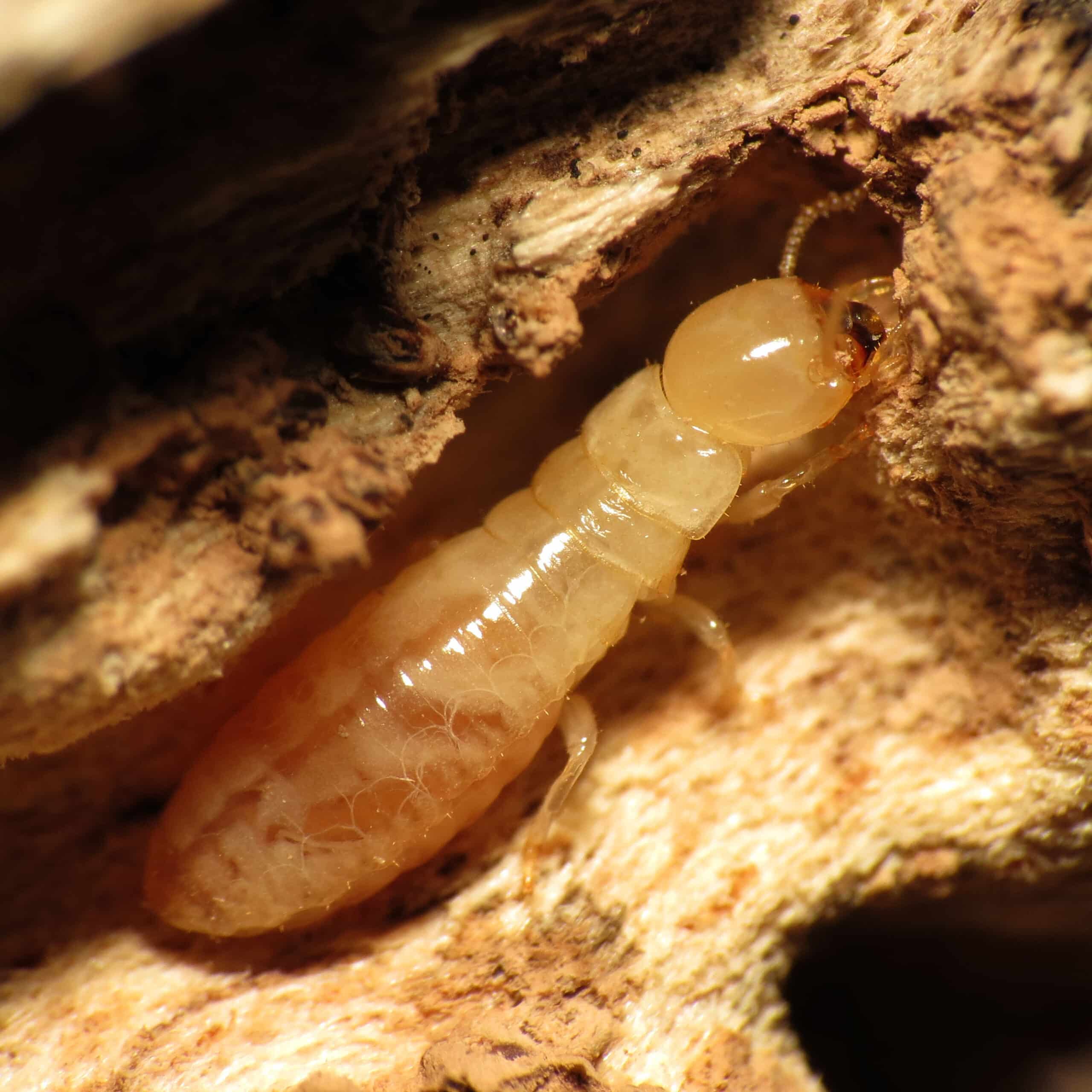
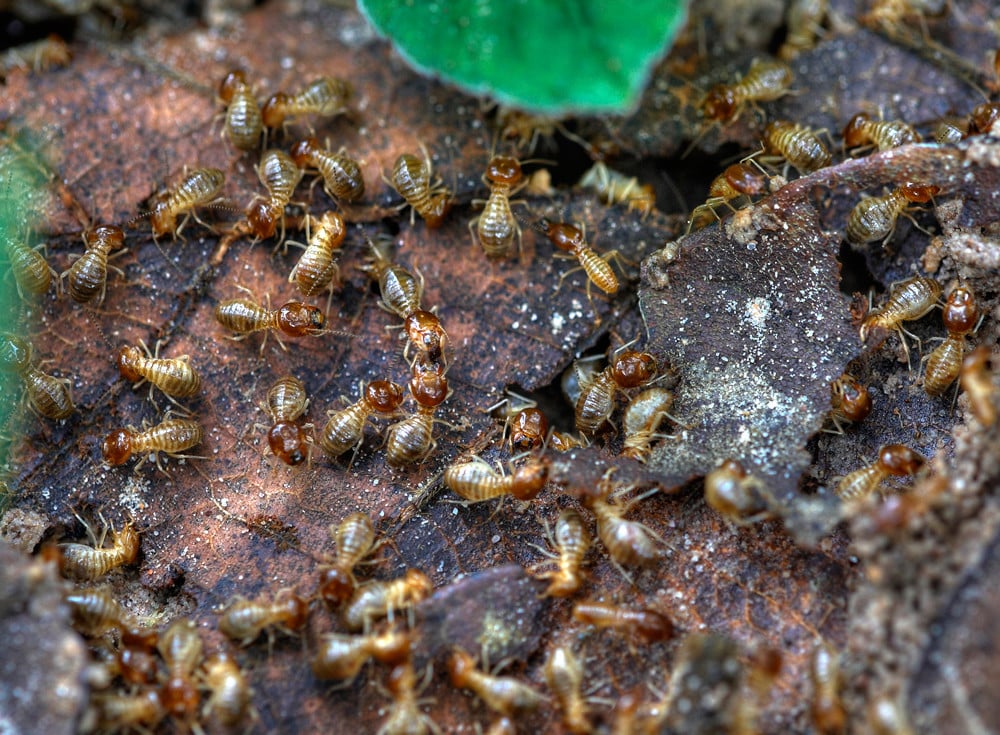
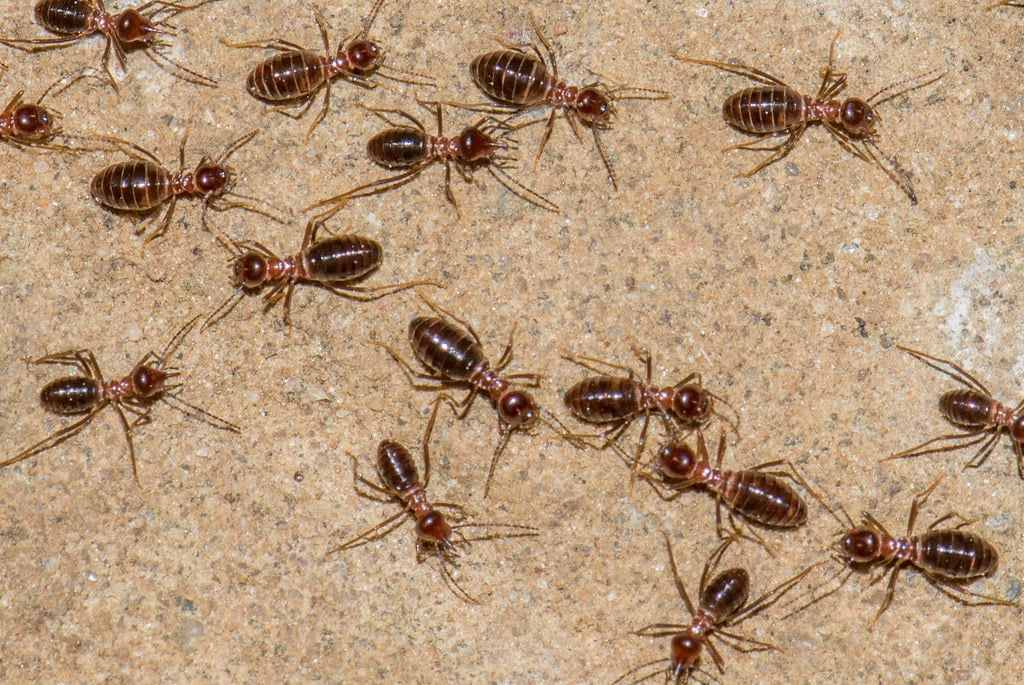
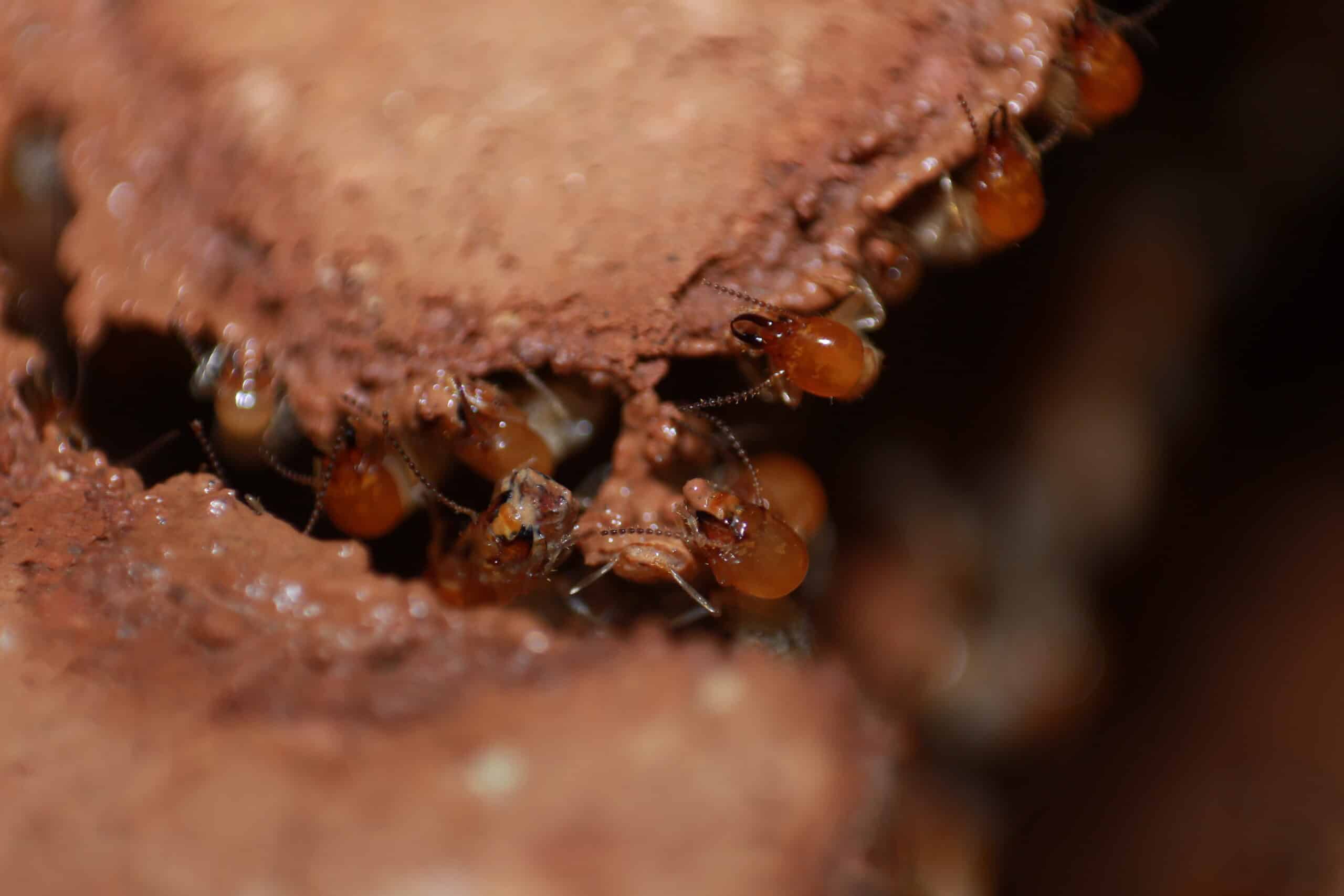
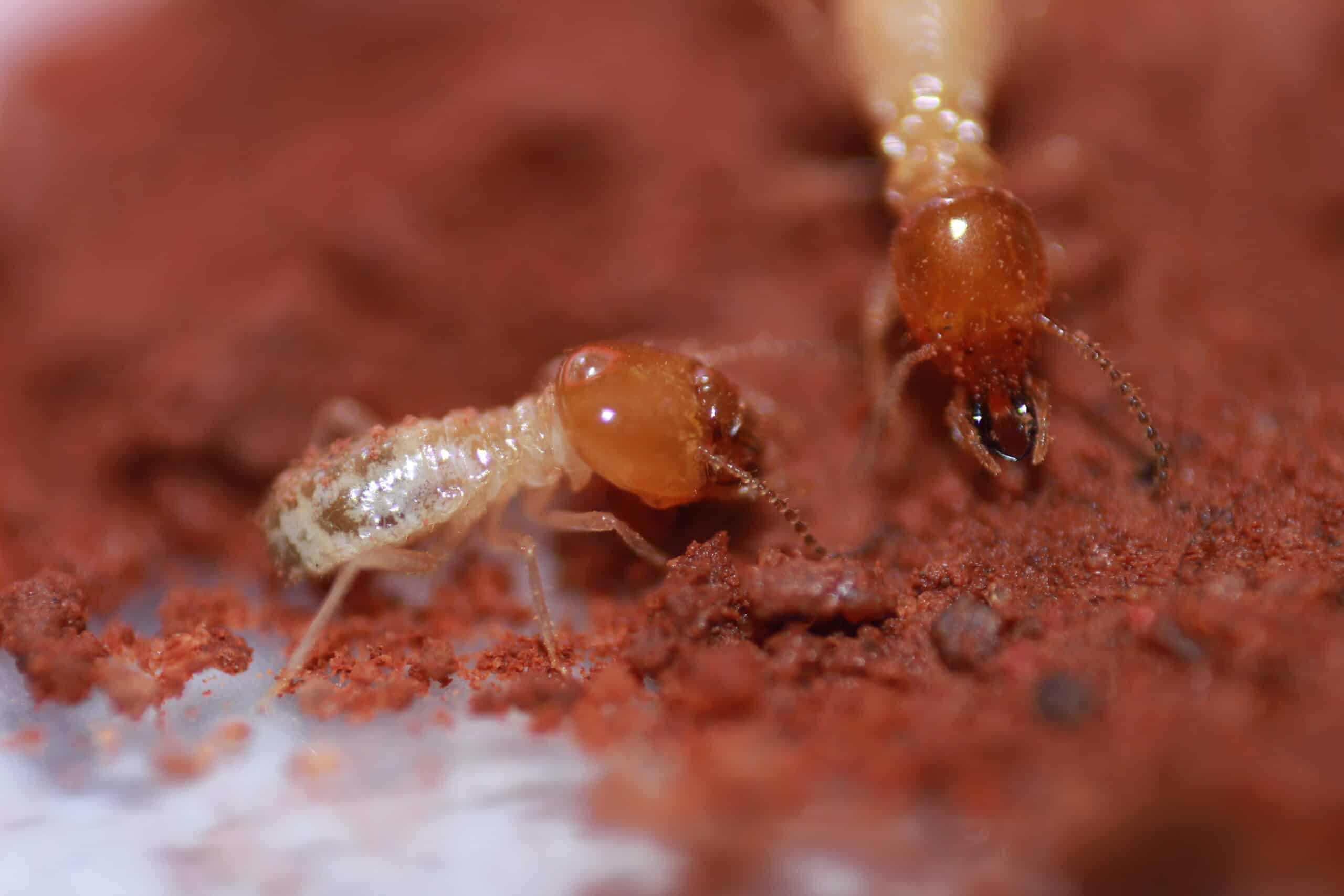
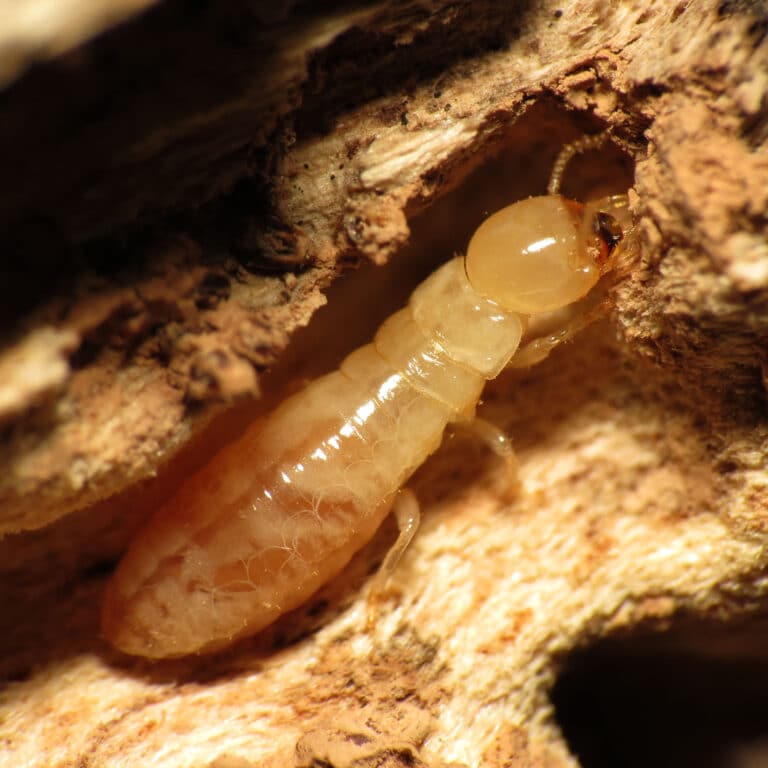
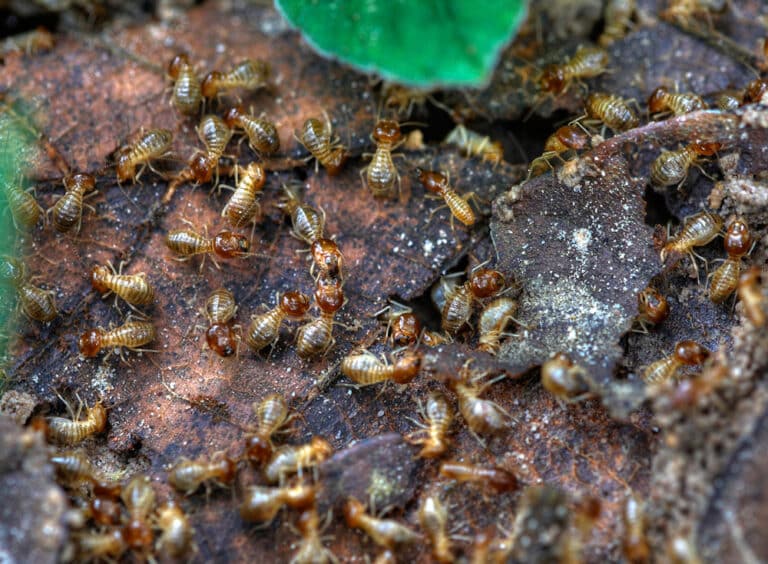
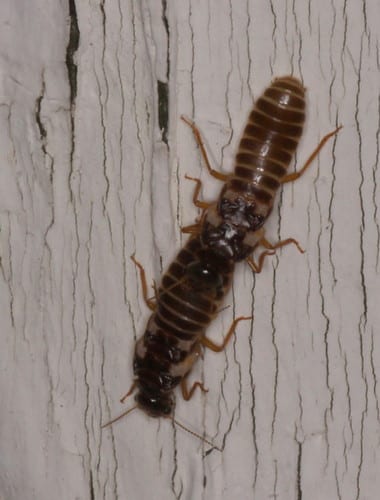
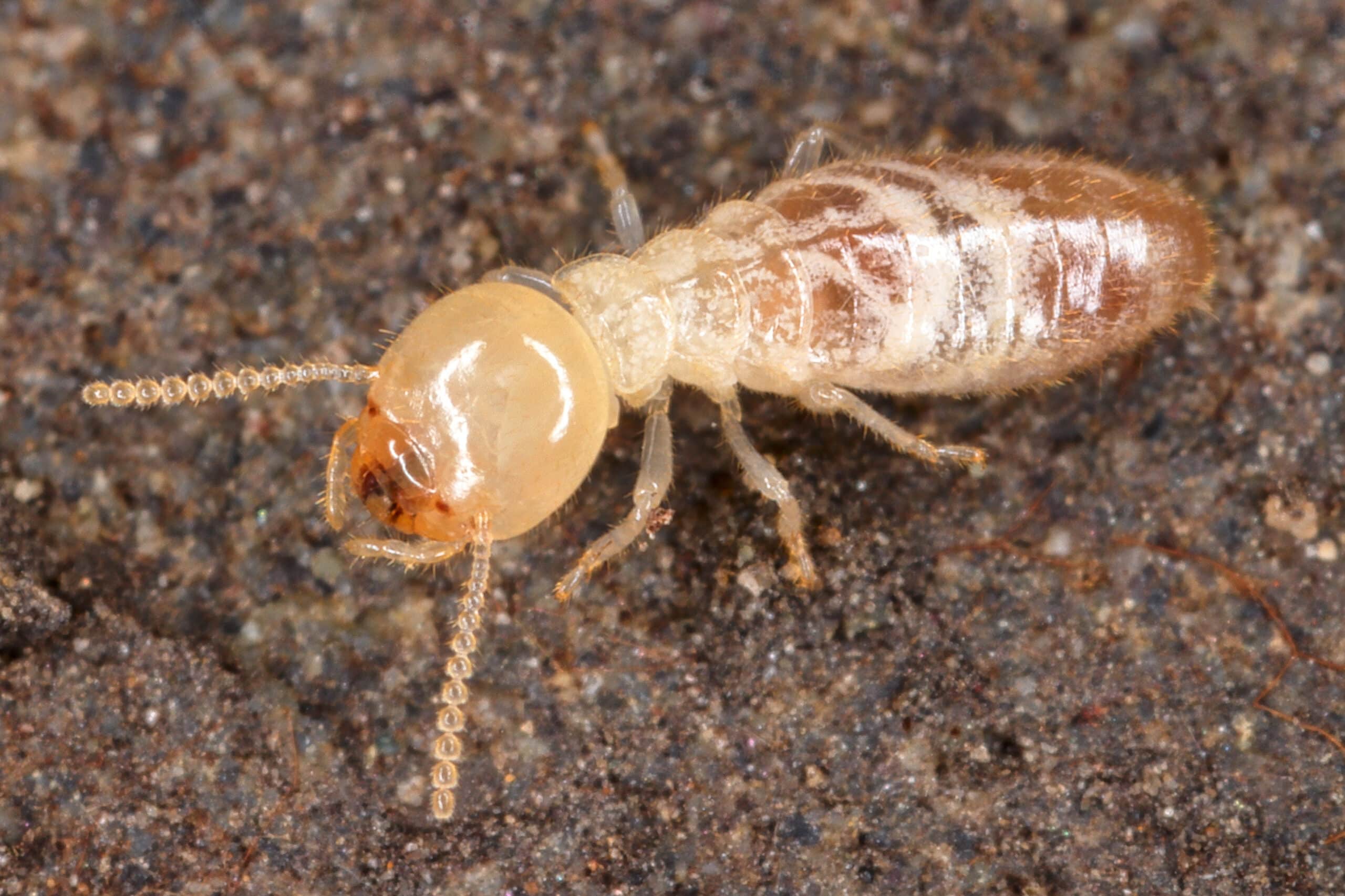
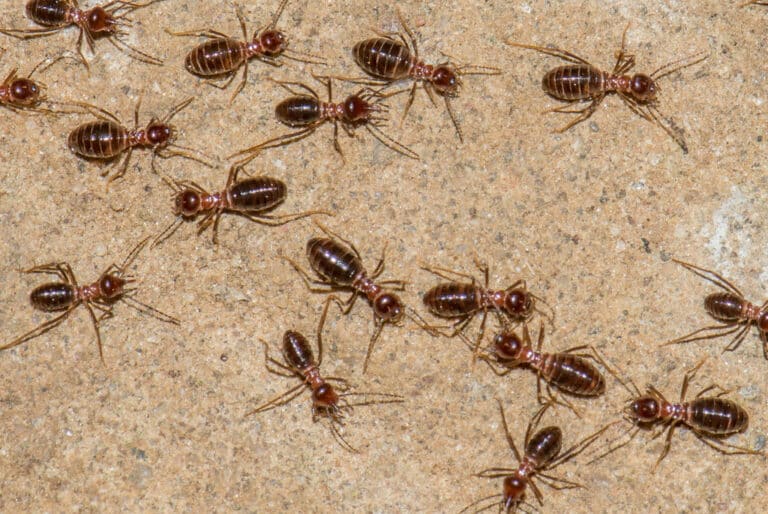
Termites are tiny architects that build homes in forests and savannas of Africa. They belong to the insect family and are closely related to cockroaches, with bodies measuring between 0.16 and 0.4 inches long.
These fascinating creatures love to munch on wood, leaf litter, and soil, playing a vital role in the ecosystem by breaking down dead plants and recycling nutrients back into the earth. They work tirelessly, and a colony can contain millions of termites working together like an amazing well-oiled machine.
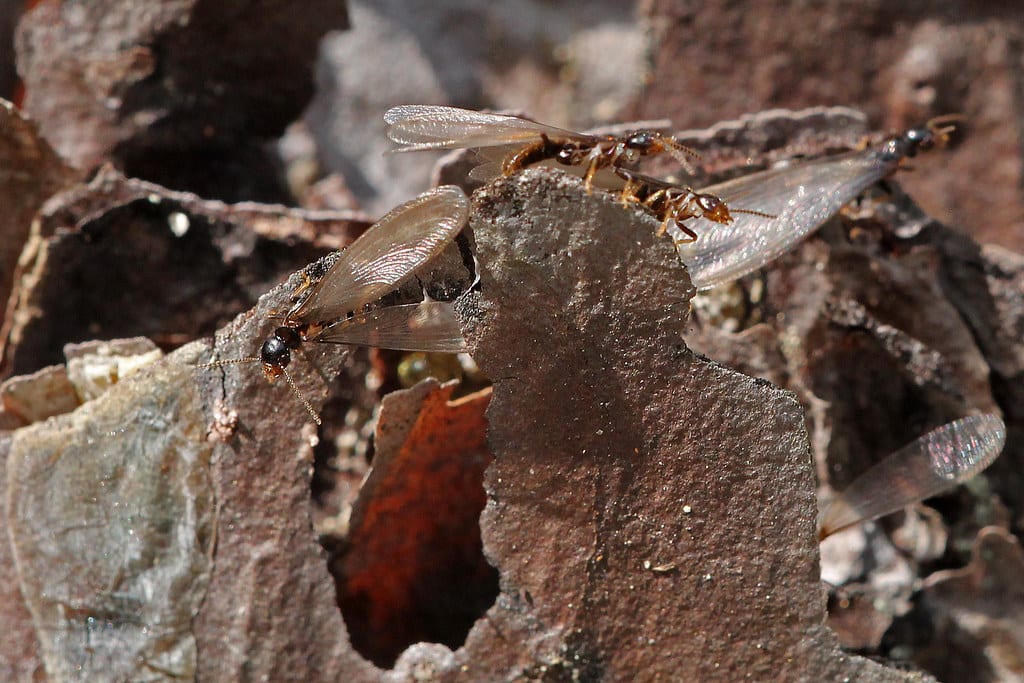
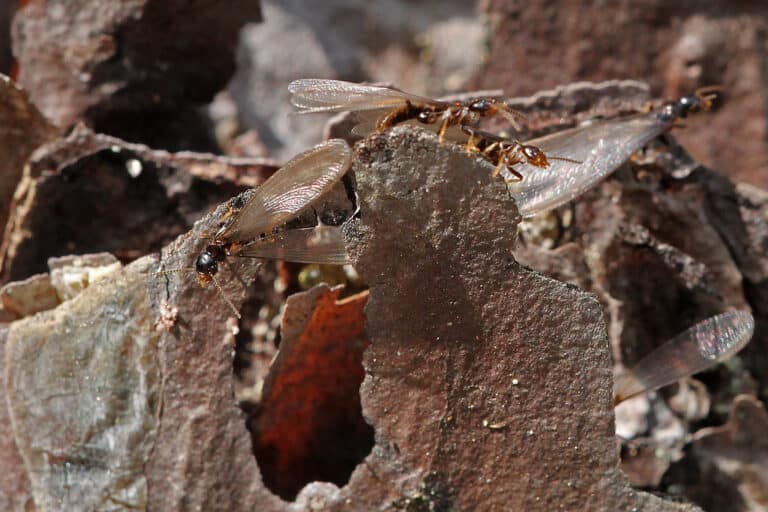
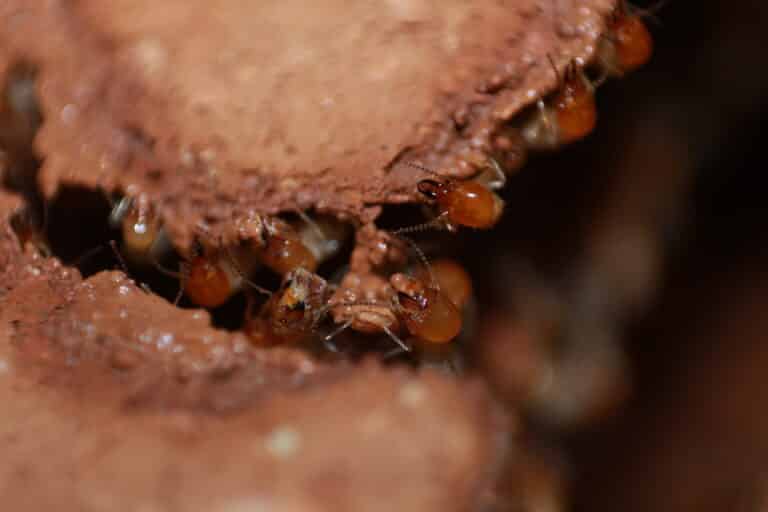
Termite colonies have a special structure. Within the colony, you'll find different types of termites: workers, soldiers, and reproductive termites. The workers build and repair the nest, while soldiers protect the colony from predators. The kings and queens focus on making new termite friends.
Termites can live for two to five years, munching and maintaining their homes throughout their lives. They communicate using chemical signals called pheromones, which help them find food and warn about dangers, making their teamwork truly remarkable!
These little bugs are expert recyclers and help keep forests healthy while creating tunnels in the soil that improve aeration and water absorption. With their big appetite for wood, sometimes they can annoy homeowners, but their overall impact on ecosystems is truly a positive one!
Next time you think of termites, remember these industrious insects and their crucial role in nature! They may be small, but they sure pack a punch in the wonderful world of insects.

Where can you find a Termite in the wild?
What does a Termite eat?
How big can a Termite grow?
How long does a Termite typically live?
What is the conservation status of the Termite?
What are the main threats to the Termite?
Fun facts
Termites communicate with their friends using chemicals called pheromones, which can signal food locations or warn about dangers. Imagine having a secret language no one else can hear!


Some termite species, like the African termite, build towering mounds that can reach up to 4 meters (13 feet) high. These giant structures help regulate temperature and humidity for their cozy community!
Termites eat wood, but they cannot digest it alone. They team up with tiny microorganisms in their stomachs that help break down the tough fibers, making them a true partnership of nature!
Termite soldiers have a special defense mechanism. Some can produce a sticky substance that traps predators like ants, turning their bodies into living booby traps!
The queen termite is the colony's superstar, capable of laying up to 30,000 eggs in a single day! That's like having a tiny factory producing new friends non-stop!
When termites sense danger, they can release a pheromone that signals the colony to take cover. It's like a fire drill in the insect world!
Some termites exhibit a behavior called 'trembling,' where they shake their bodies to warn others of an approaching threat. It's their way of sending out an urgent 'get ready to run' signal!
Termites are expert recyclers, helping to speed up the breakdown of dead plants and trees. They're like nature's cleanup crew, making sure nothing goes to waste!
A colony's environment can be super sophisticated, featuring ventilation shafts that cool down the nest. It's like having air conditioning but made from dirt and wood!
Some termite mounds even have their own gardens! Certain termites cultivate fungi inside their nests, growing it on the wood they eat, making them farmers of the insect world!
Photos





The Basics


explore more
Amphibians
Arachnids
Birds
Cats
Crustaceans
Fish
Fish Pet Guide
Gastropods
Insects
Invertebrates
Mammals
Pet Fish
Pet Rodents
Plants
Reptiles
Roundworms
Sea Slugs