
Successfully copied to clipboard!
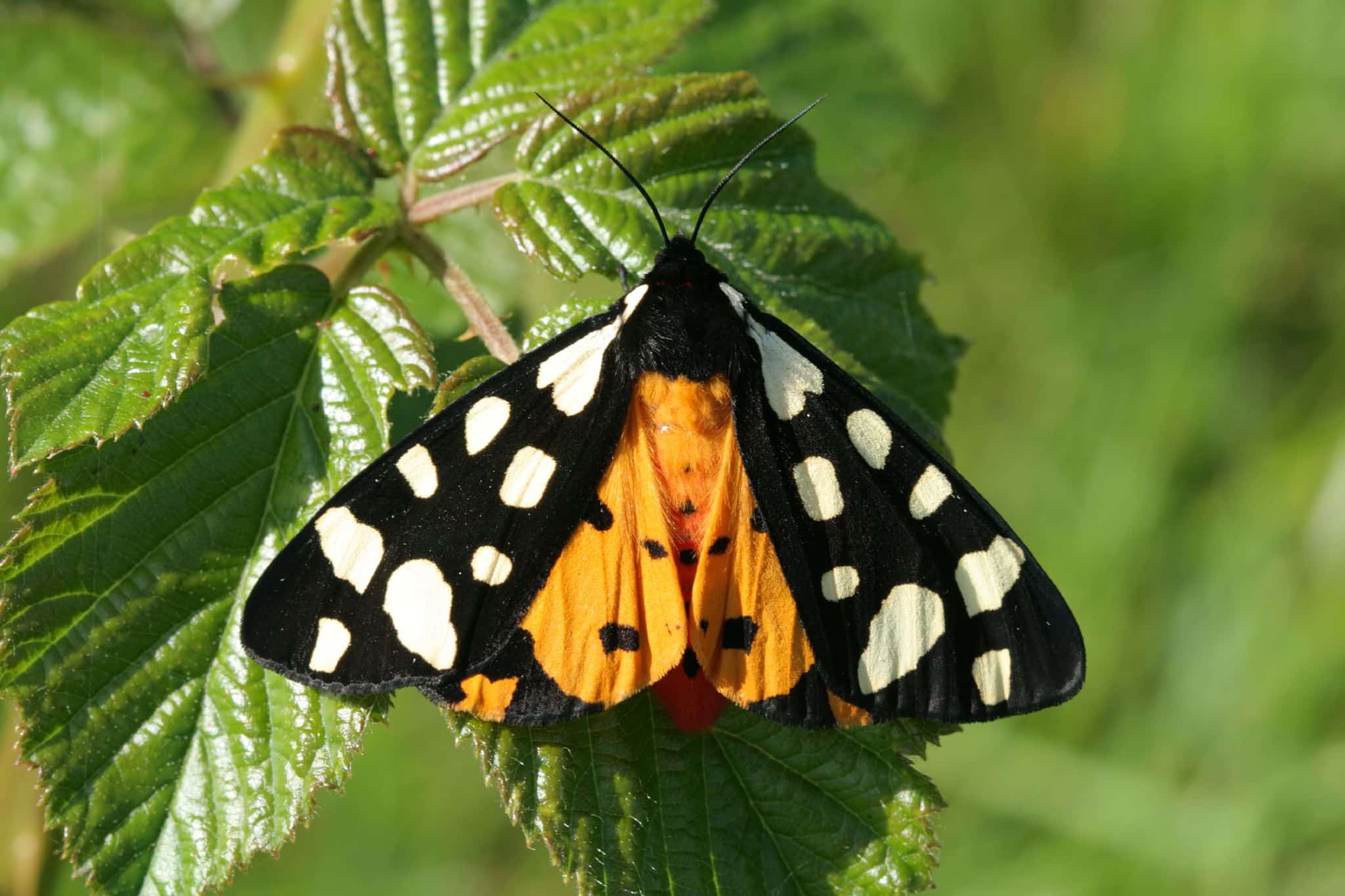
Tiger Moth
Uncover the dazzling night flyers that brighten our gardens!
Let’s Explore
Overview
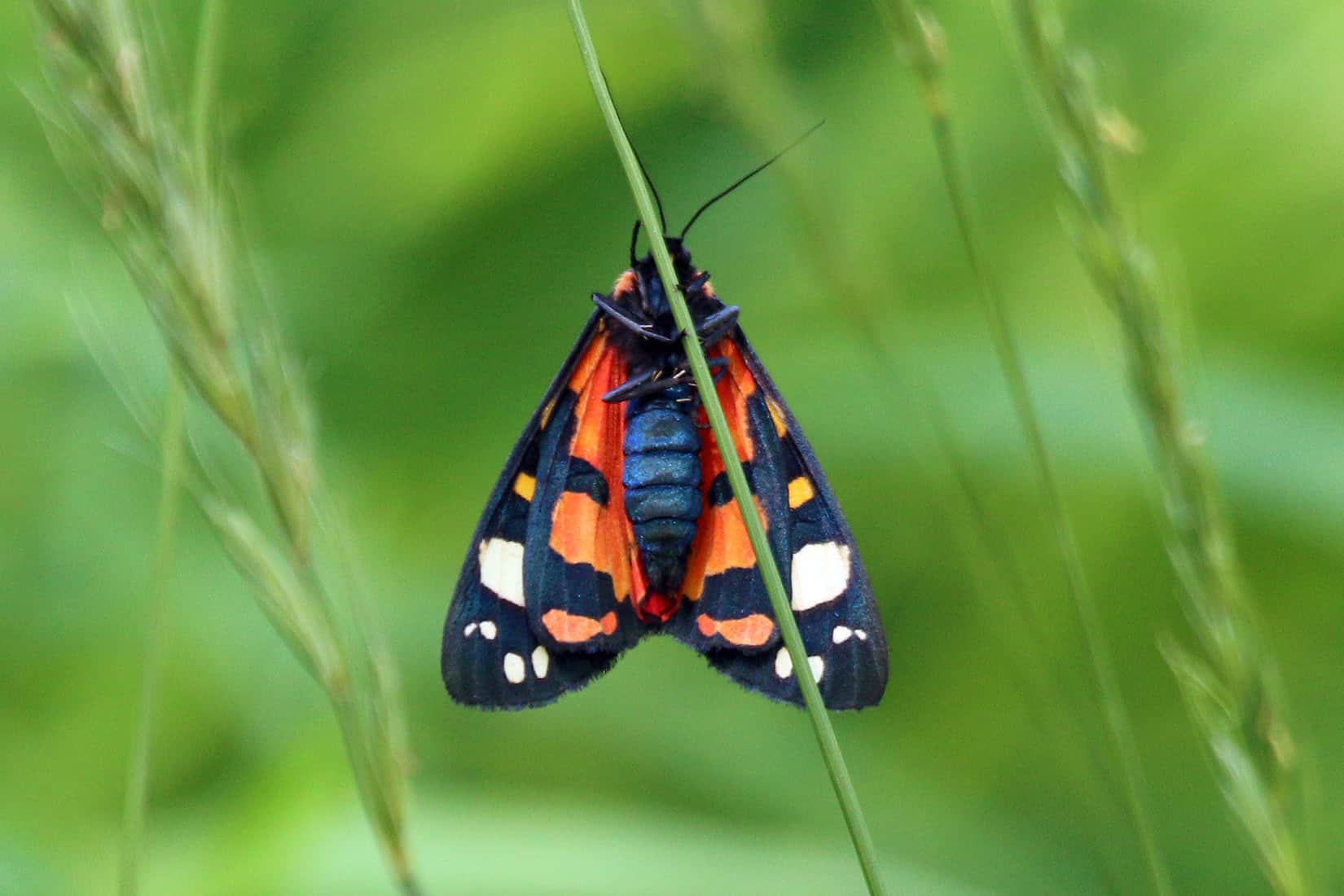
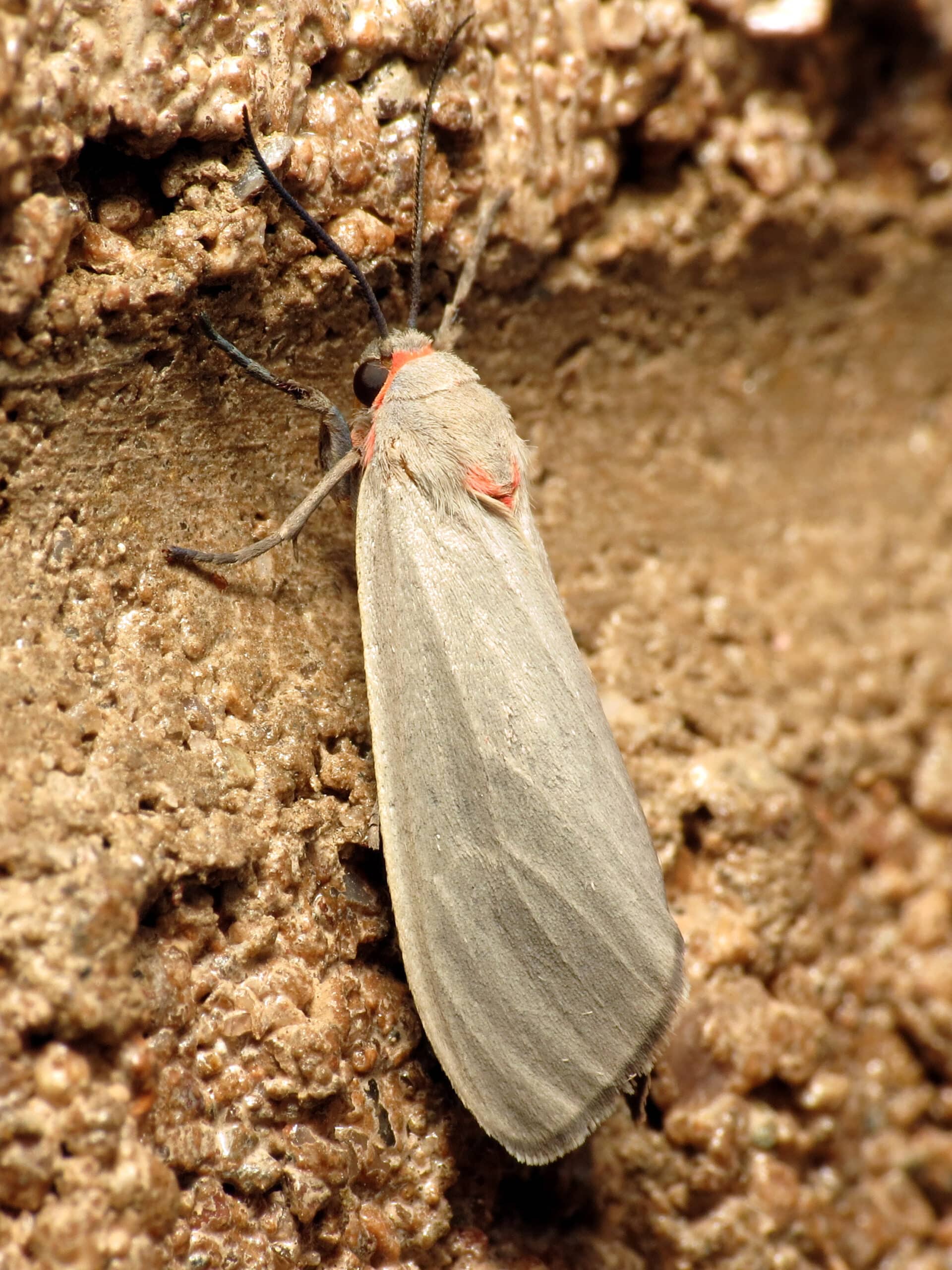
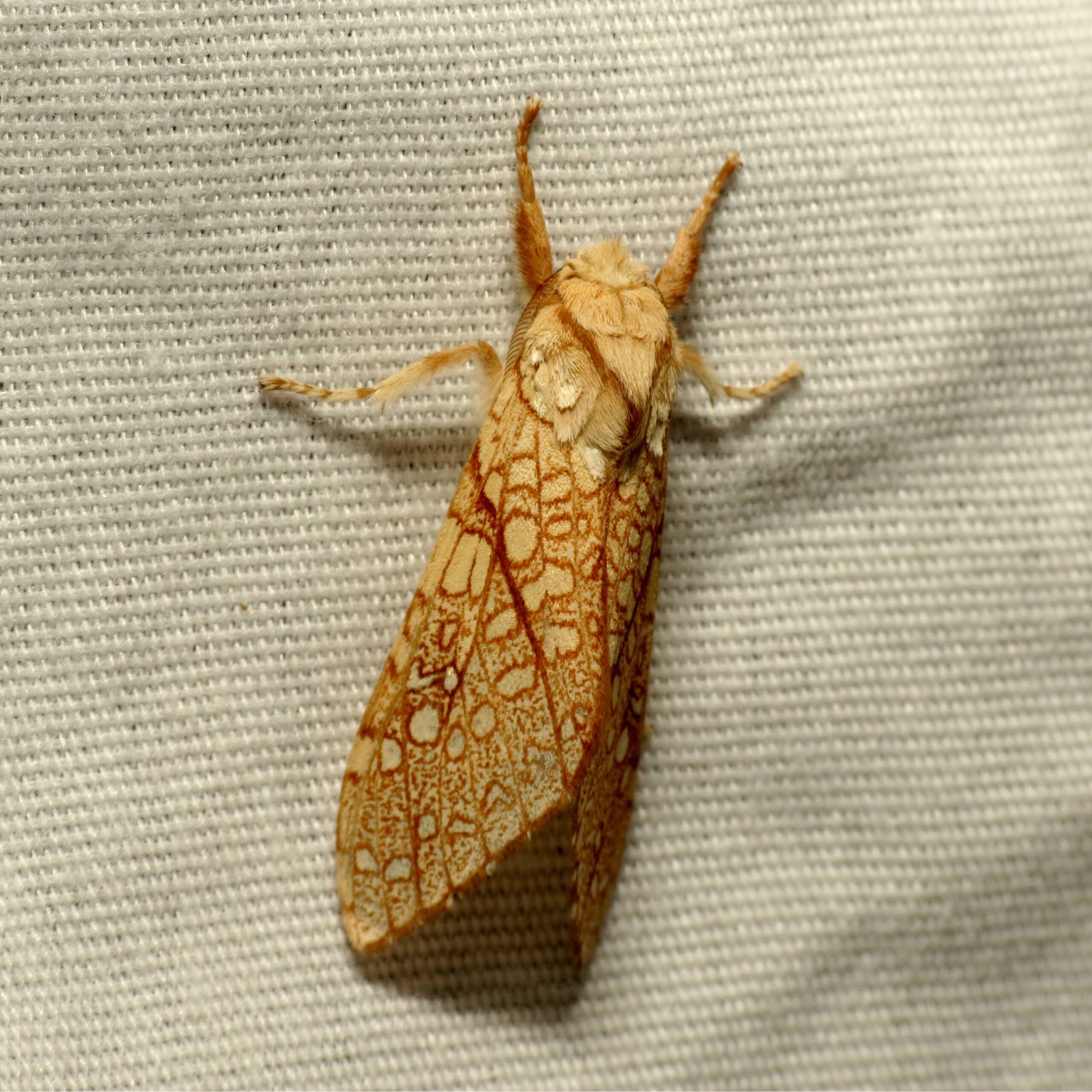
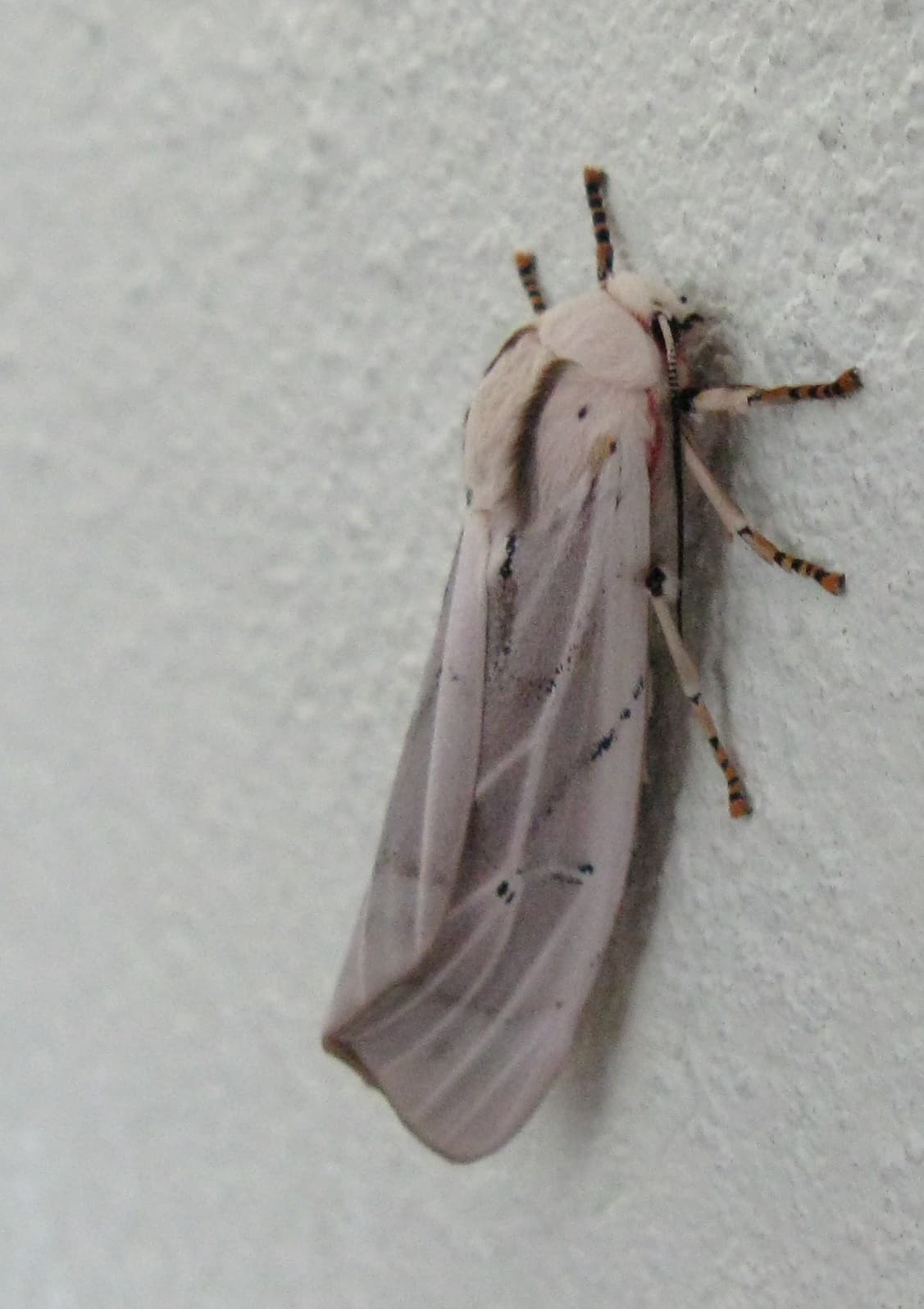
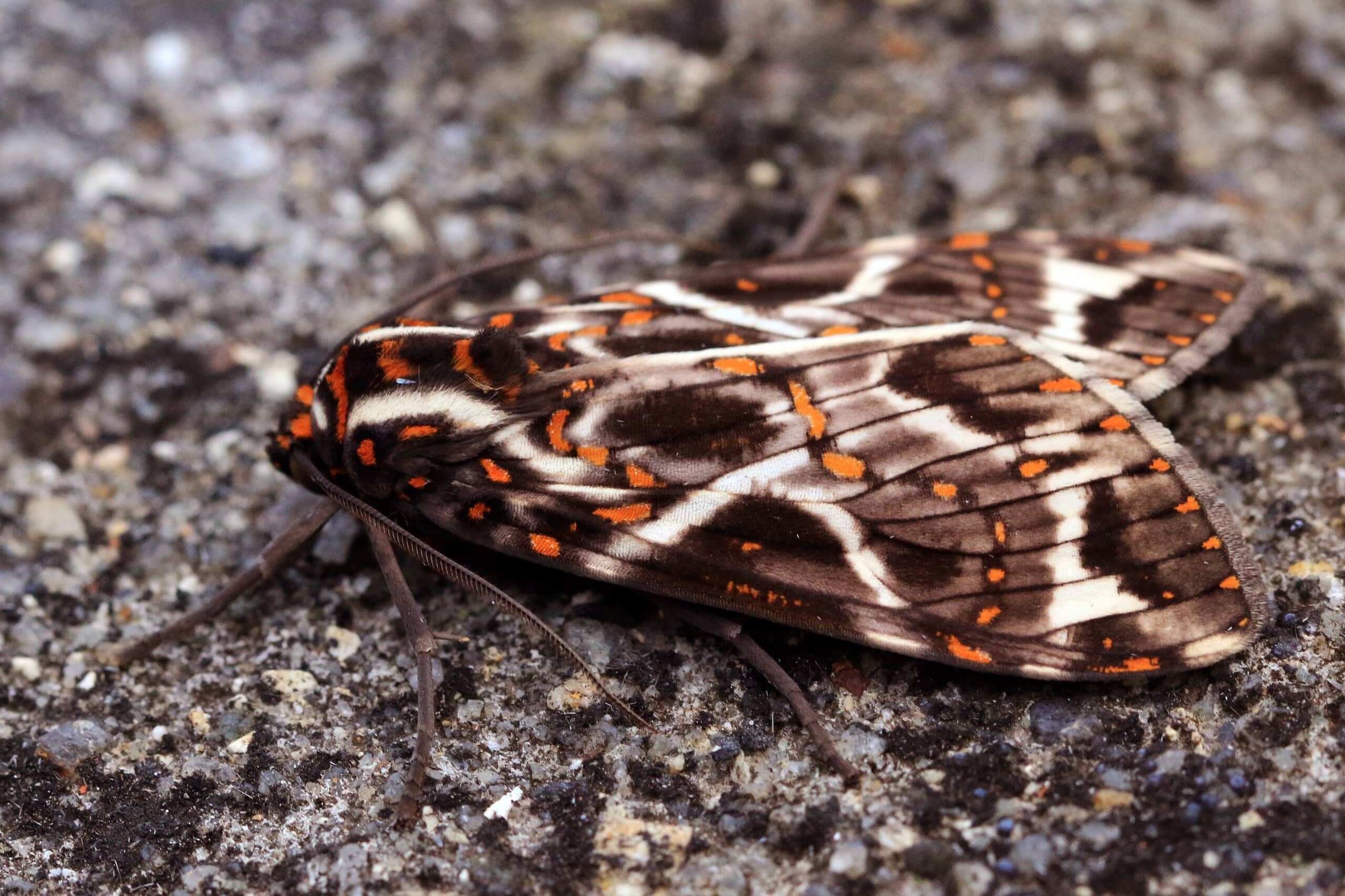
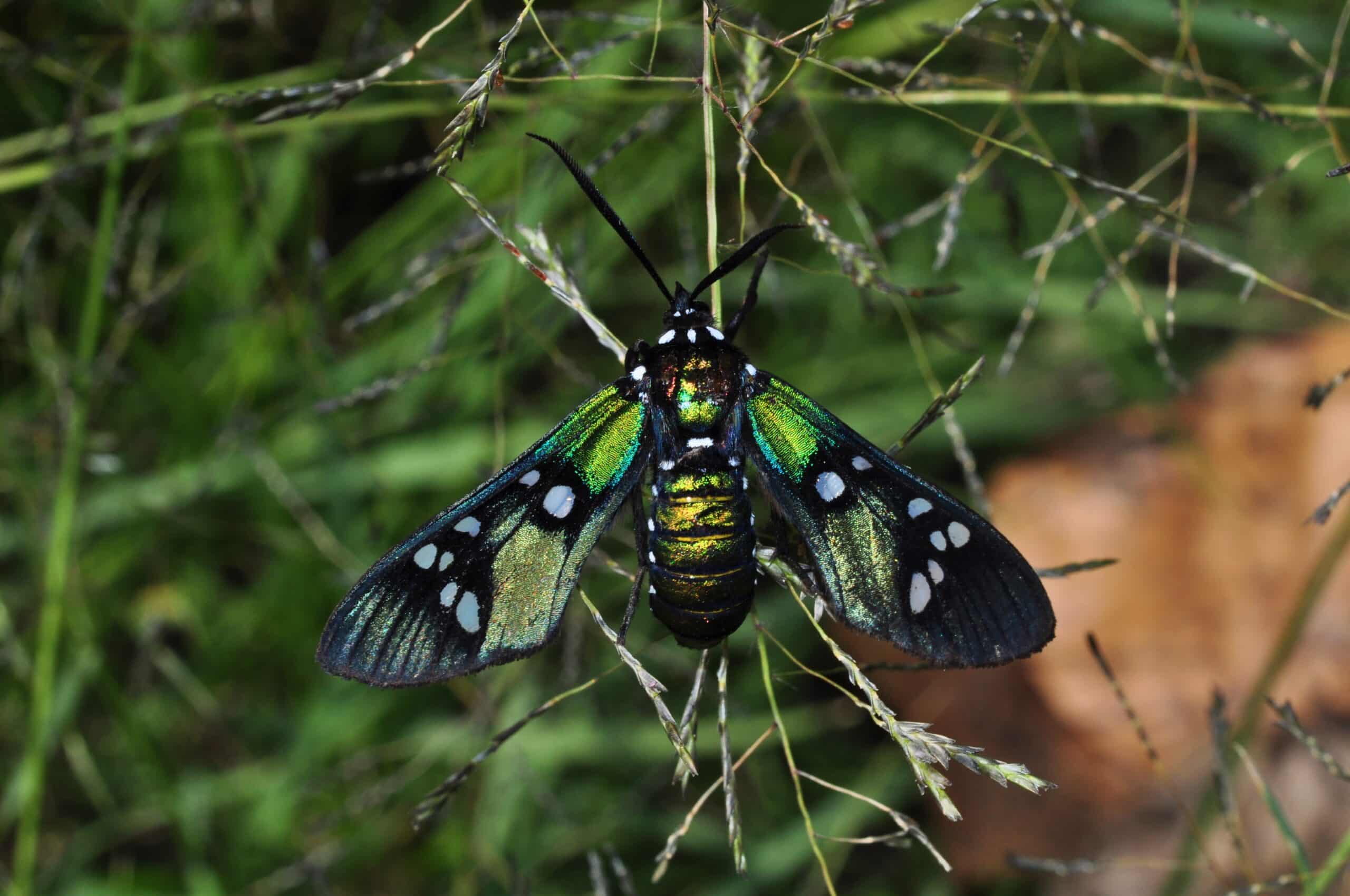
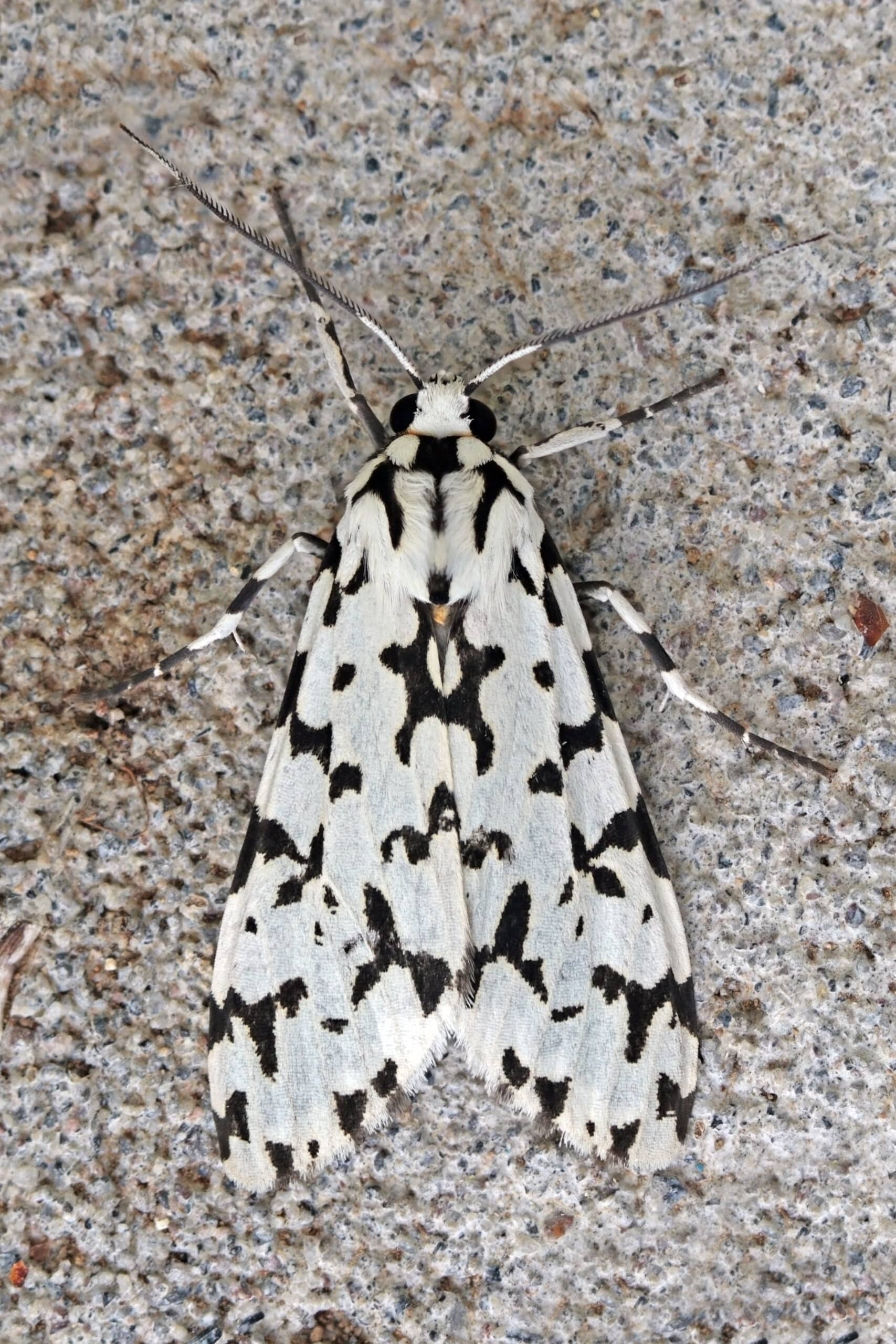
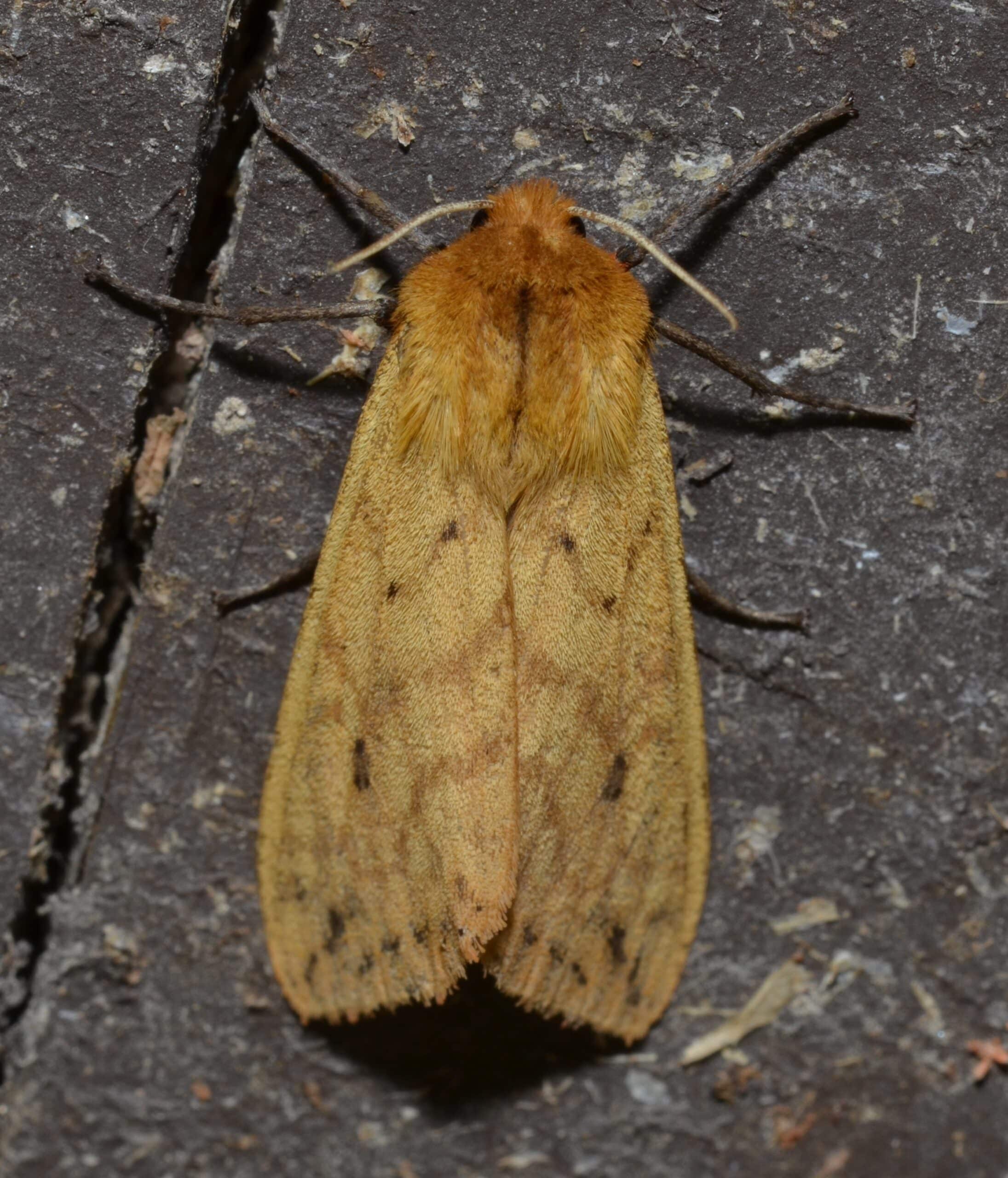
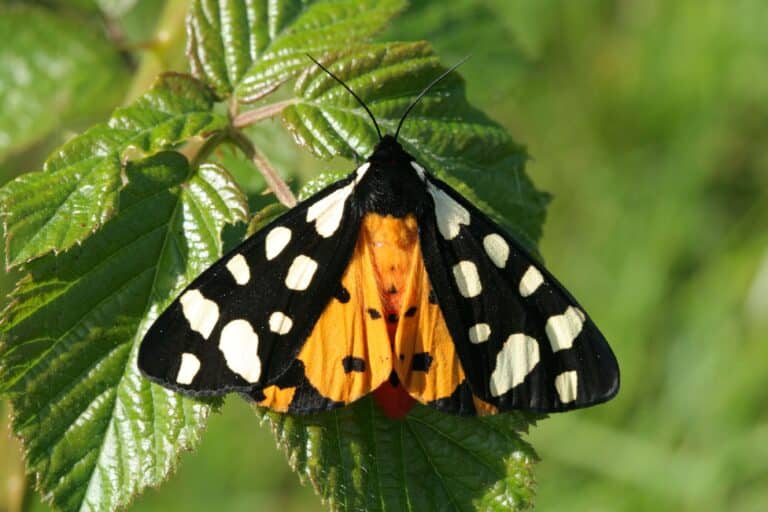
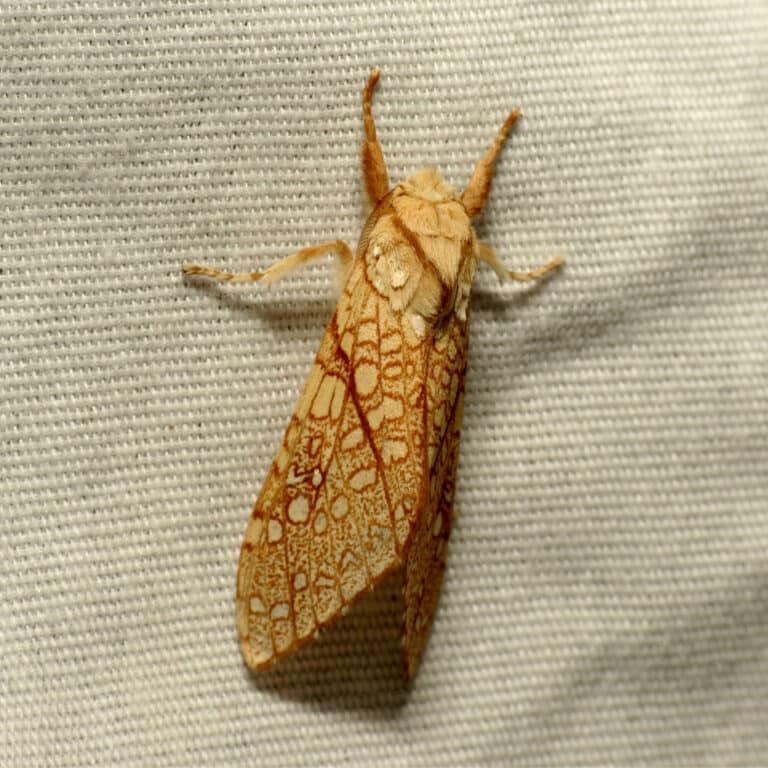
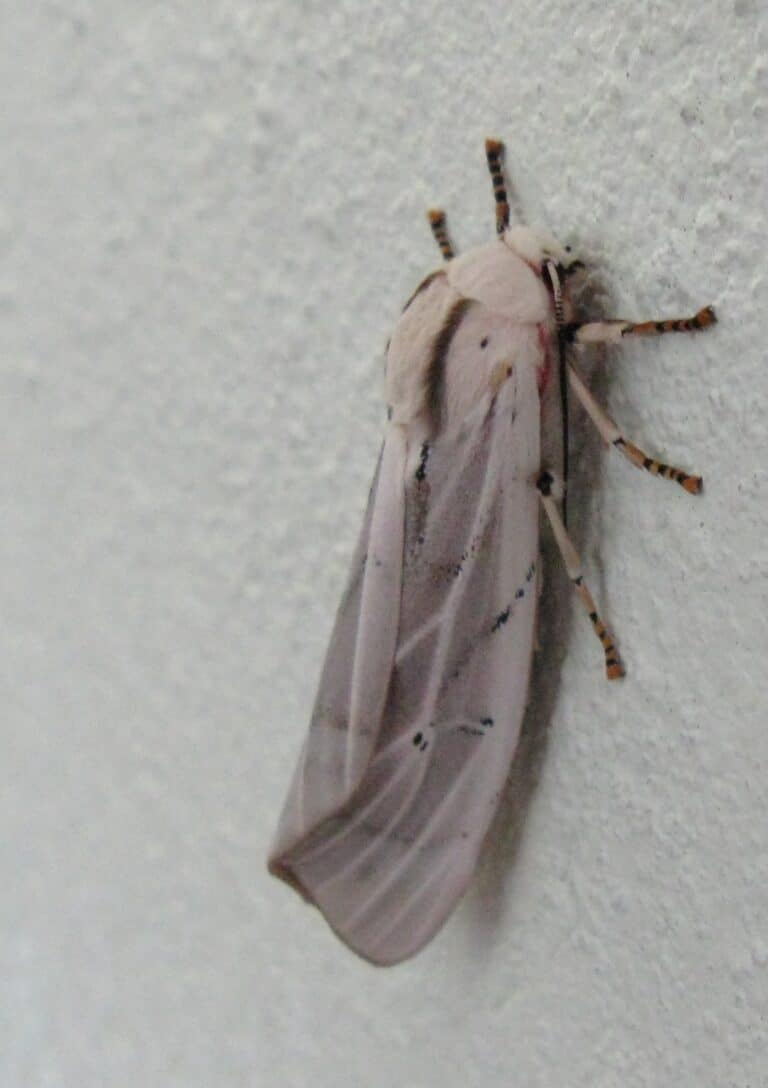
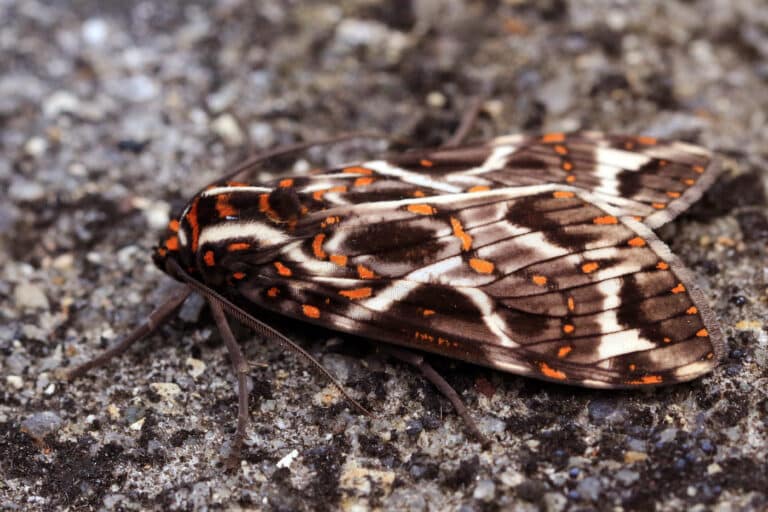
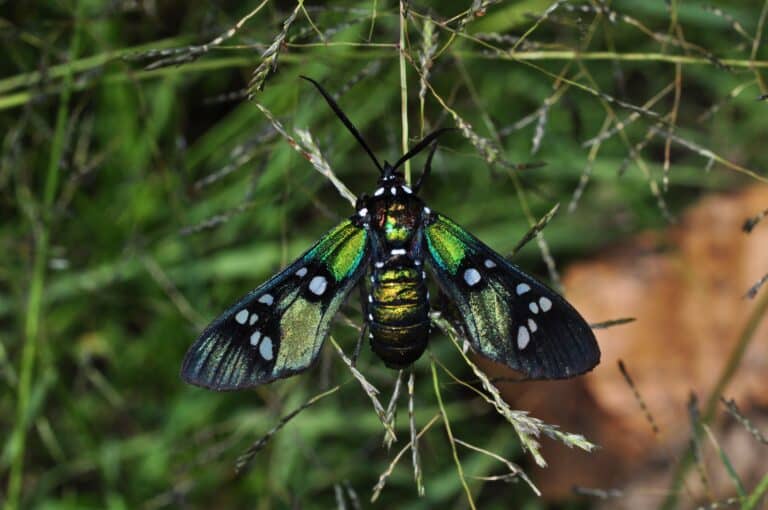
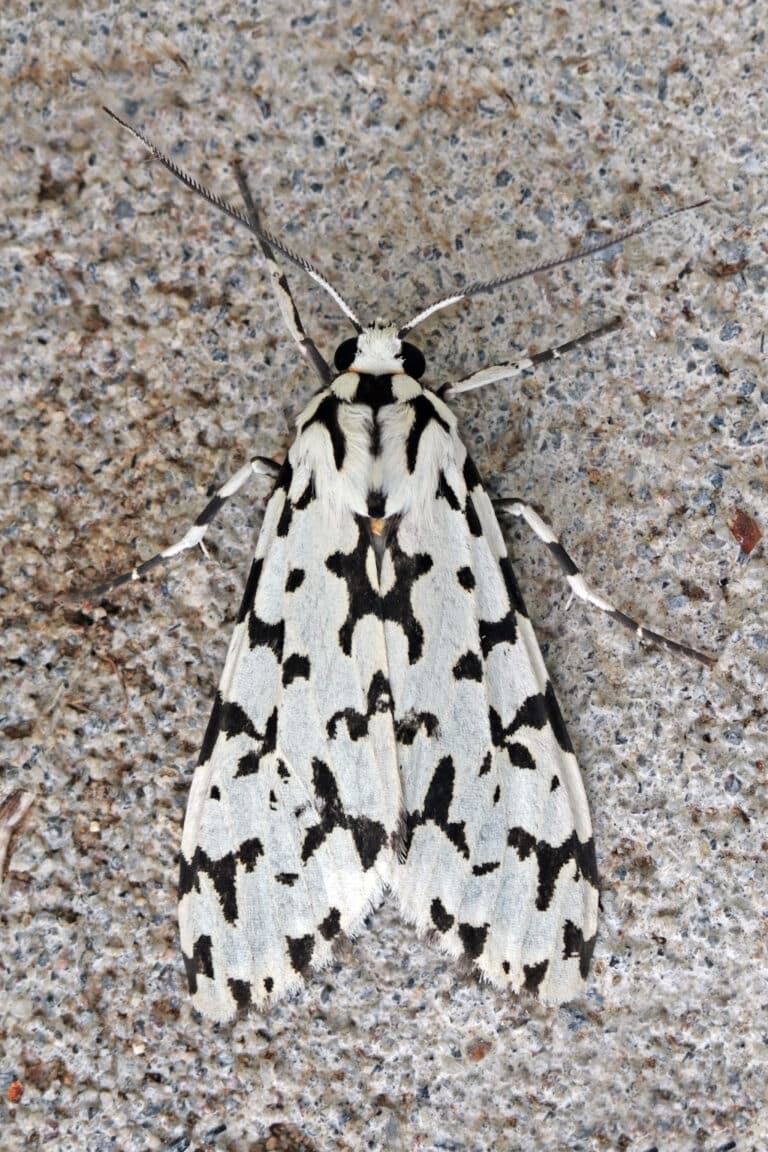
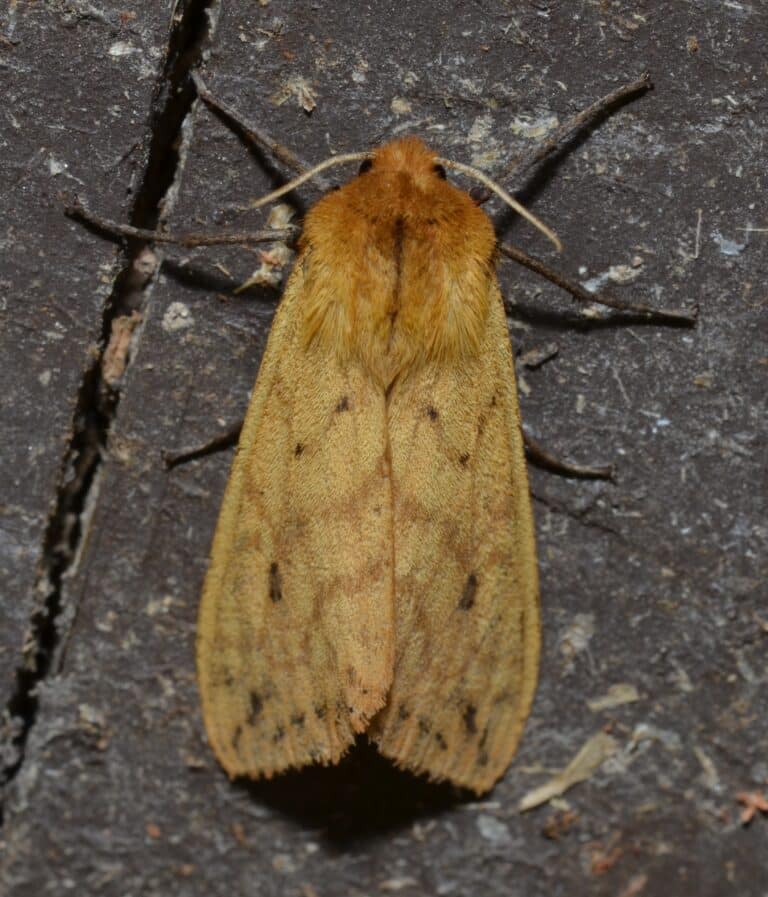
The Tiger Moth is a striking insect known for its vibrant colors and patterns. Growing to an average size of 1 to 2 inches wide, these moths bring a splash of beauty to the night skies of Asia.
Tiger Moths belong to the family Erebidae and have a remarkable relationship with flowers. They feed on nectar and leaves, using their long mouthparts to sip tasty juices and help pollinate plants in the process.
Adults live for around one week, which sounds short but makes every moment count in their busy lives. Even though their lifespan may be brief, Tiger Moths add excitement and color to their surroundings as they flit around under the moonlight.

Where can you find a Tiger Moth in the wild?
What does a Tiger Moth eat?
How big can a Tiger Moth grow?
How long does a Tiger Moth typically live?
What is the conservation status of the Tiger Moth?
What are the main threats to the Tiger Moth?
Fun facts
Tiger Moths have a special trick to ward off predators - they can produce ultrasonic sounds that confuse bats, making it hard for these nighttime hunters to find them.


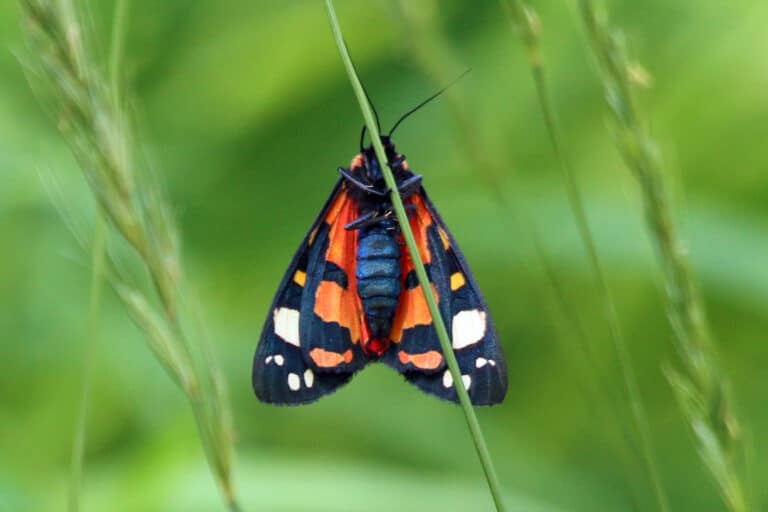
Some Tiger Moths are like natural painters, with their vibrant colors serving as warnings! Bright colors signal that they may taste bad, helping them avoid getting eaten.
As caterpillars, Tiger Moths sport a hairy appearance that might look intimidating, but those hairs actually help protect them from hungry birds!
Tiger Moths are great at spreading the love! While sipping nectar, they unwittingly pollinate flowers, helping plants grow and thrive, which is a win-win for everyone!
These moths are known for their unique courtship dance. Males perform elaborate fluttering displays to impress females, making dating a colorful affair!
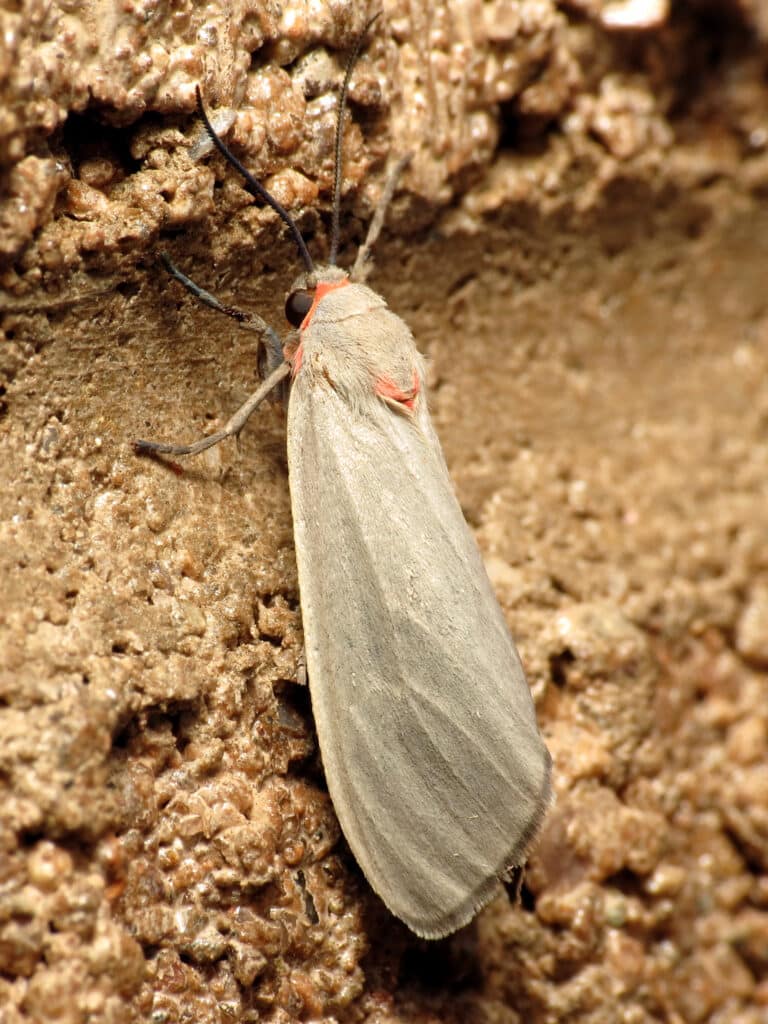
Some Tiger Moths can camouflage themselves as tree bark or leaves, making them masters of disguise while they rest quietly in their habitats.
Despite their short adult lifespan, Tiger Moths make a big impact by contributing to the ecosystem as pollinators, proving that every moment counts!
Tiger Moths can vary in color and patterns, which can change based on their environment, making each one look like a little work of art buzzing around!
Some Tiger Moth species have even longer lifespans in their caterpillar forms, lasting up to several months as they prepare for their colorful transformation.
Scientists study Tiger Moths to learn about their unique adaptations, which helps us understand how creatures evolve and survive in different environments.
Photos


The Basics


explore more
Amphibians
Arachnids
Birds
Cats
Crustaceans
Fish
Fish Pet Guide
Gastropods
Insects
Invertebrates
Mammals
Pet Fish
Pet Rodents
Plants
Reptiles
Roundworms
Sea Slugs