Successfully copied to clipboard!
Tiger Rattlesnake
Uncover the majestic desert dweller with stripes and surprise!
Let’s Explore
Overview
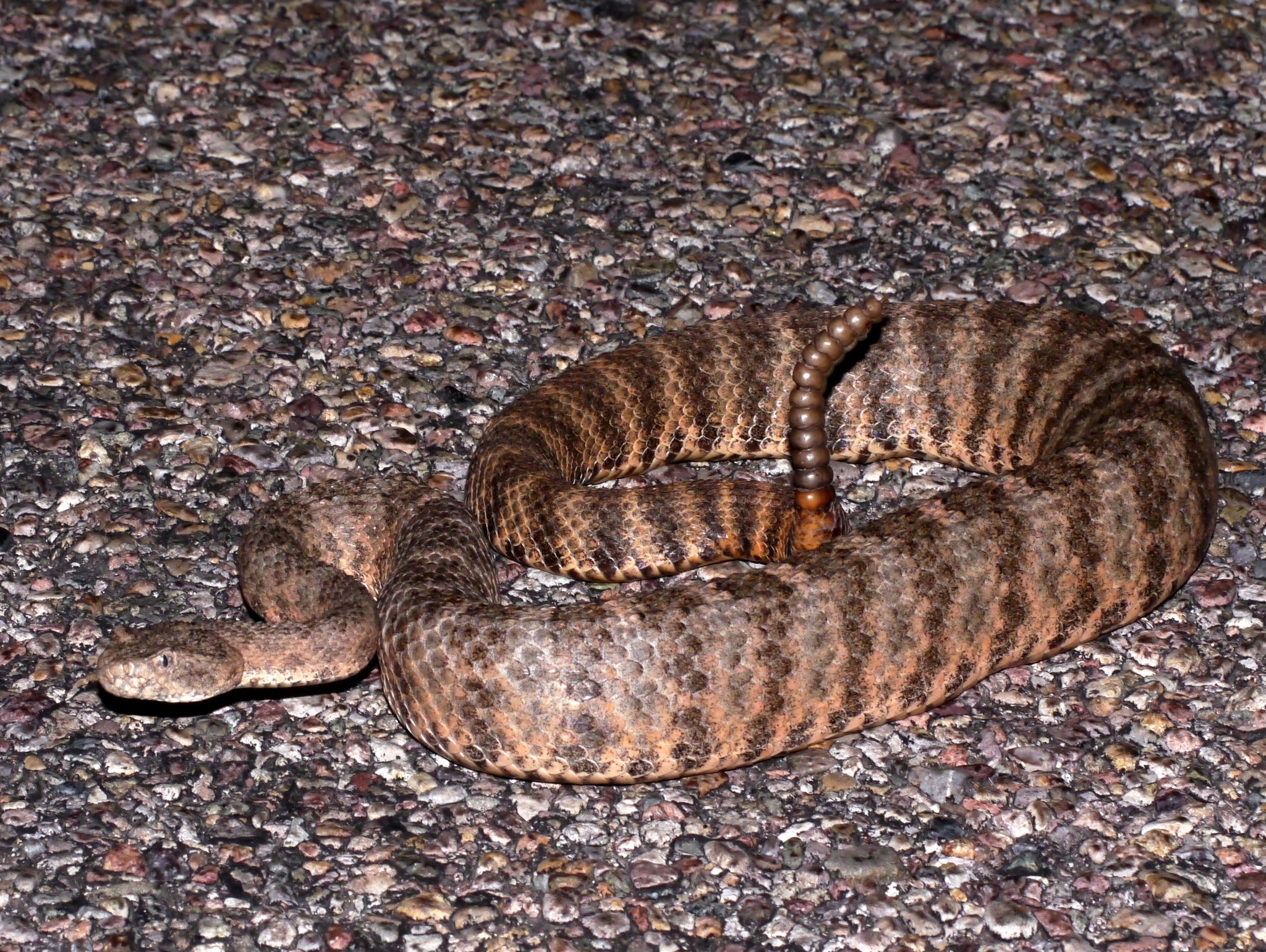
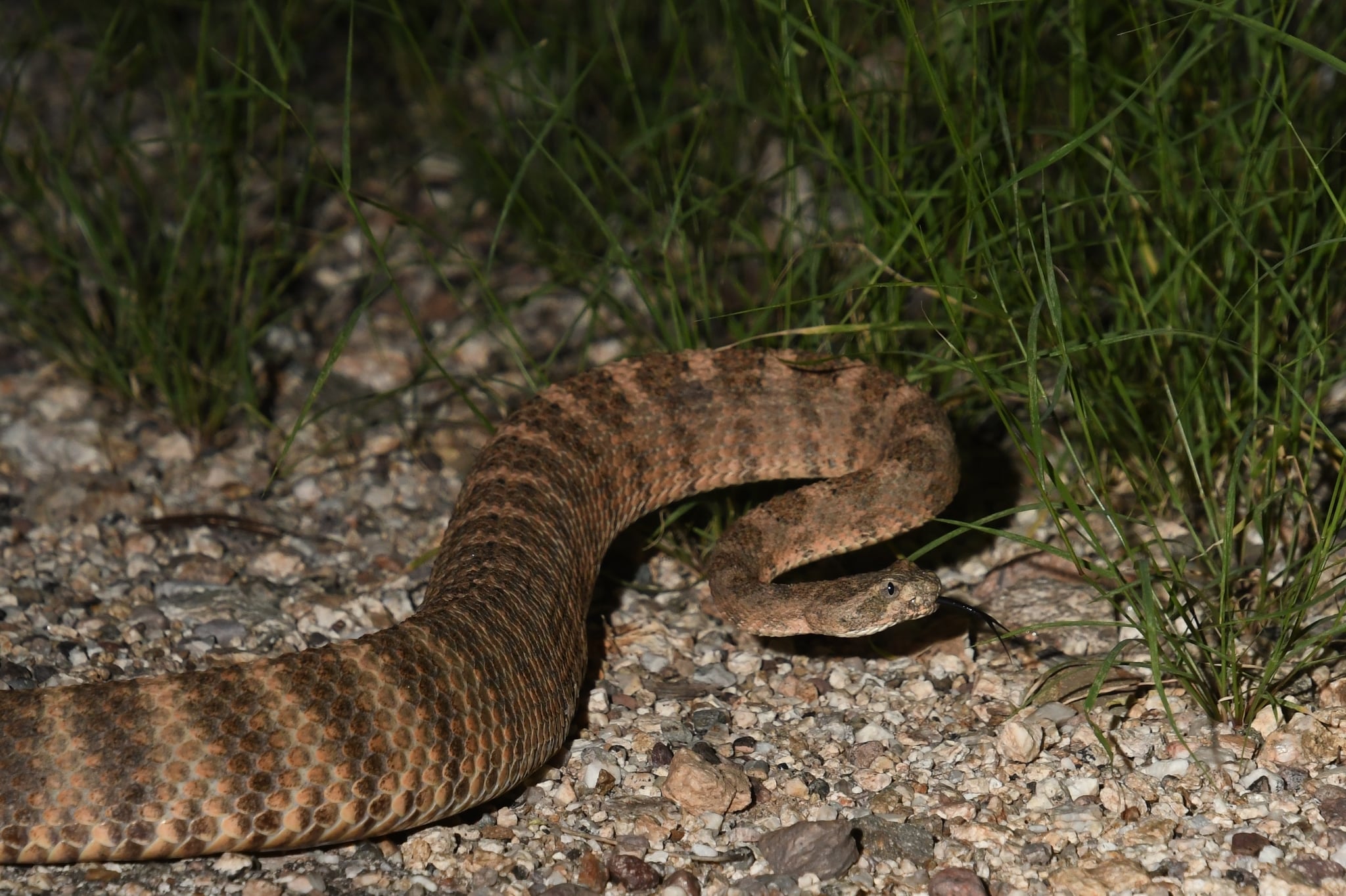
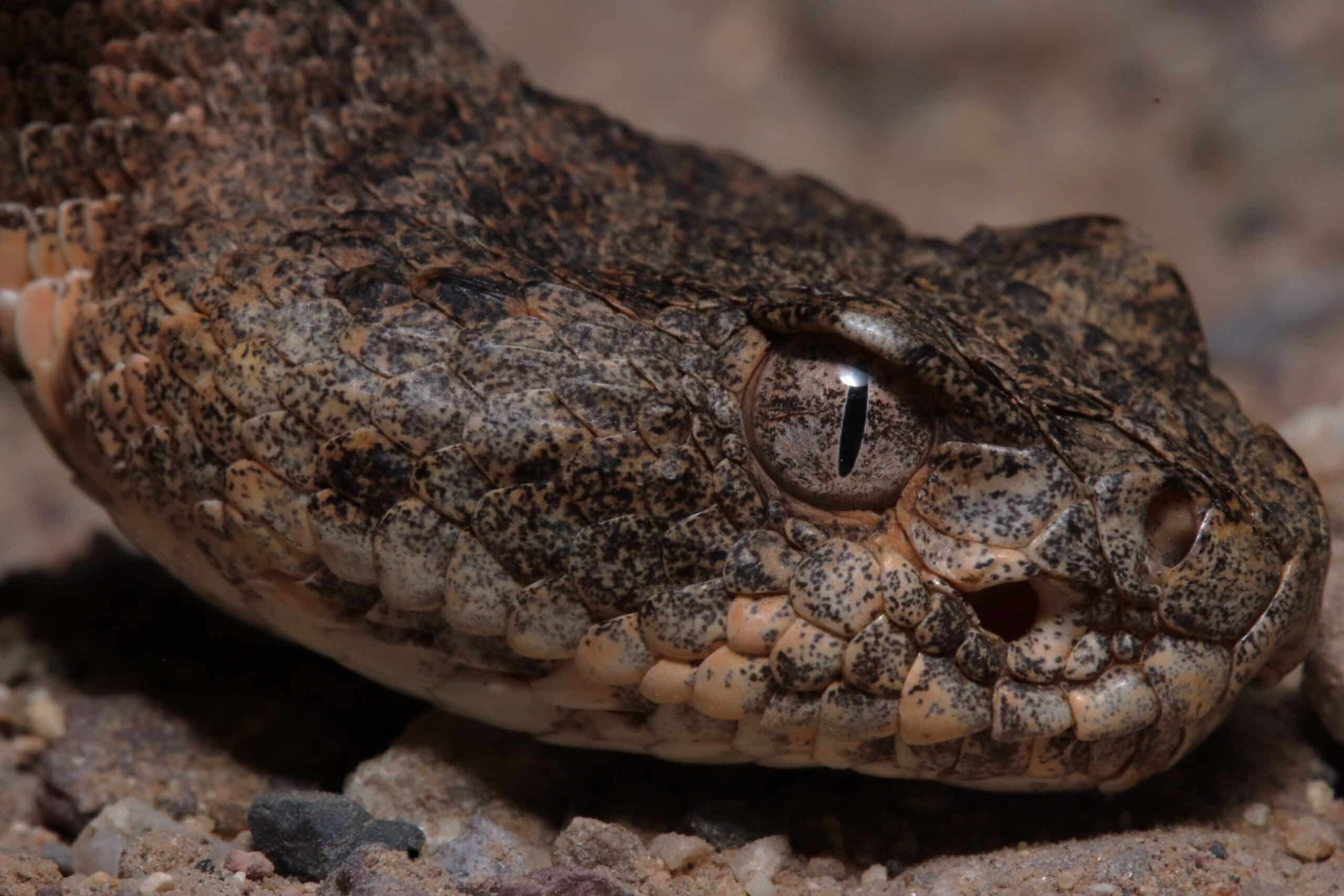
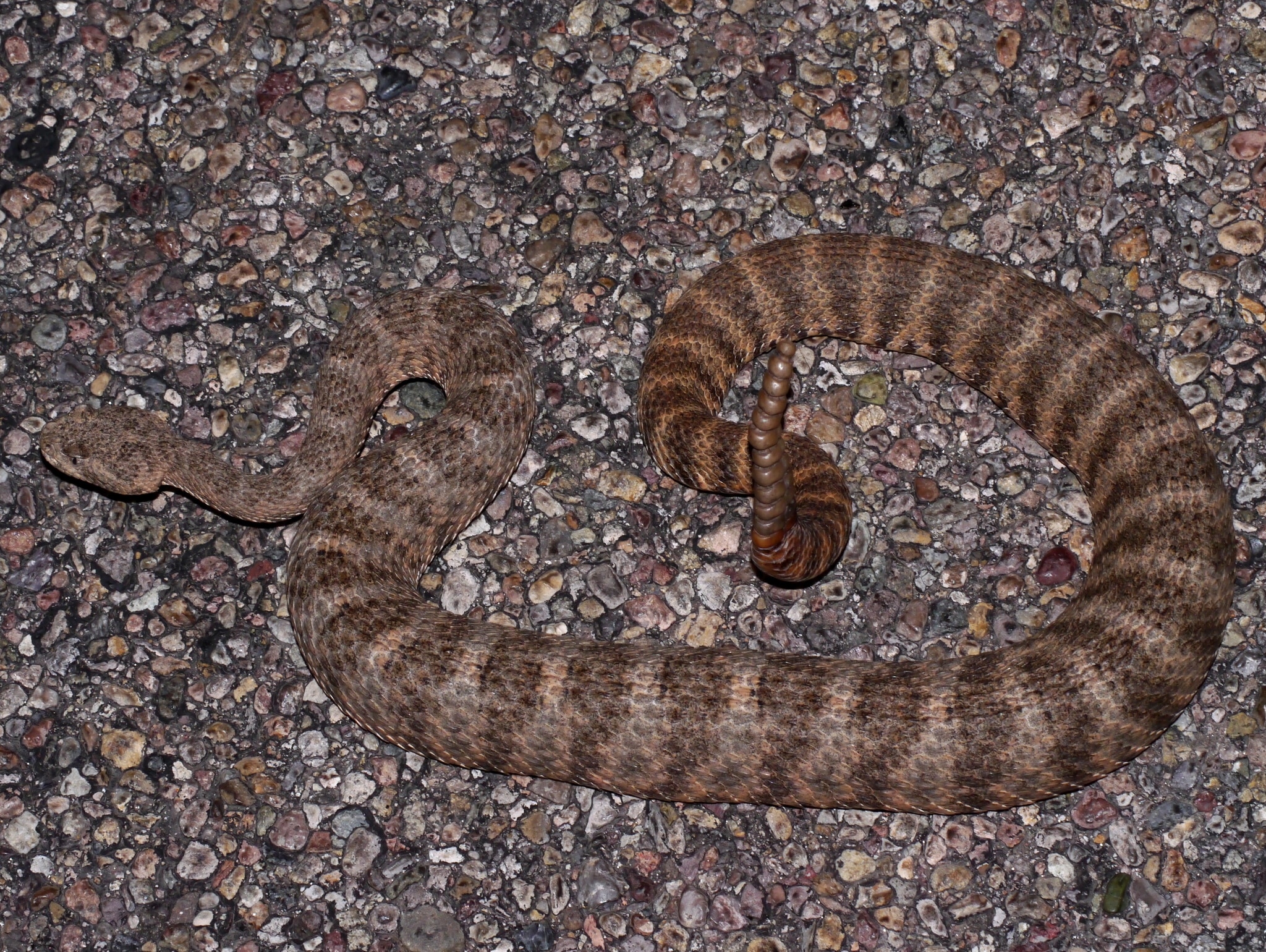
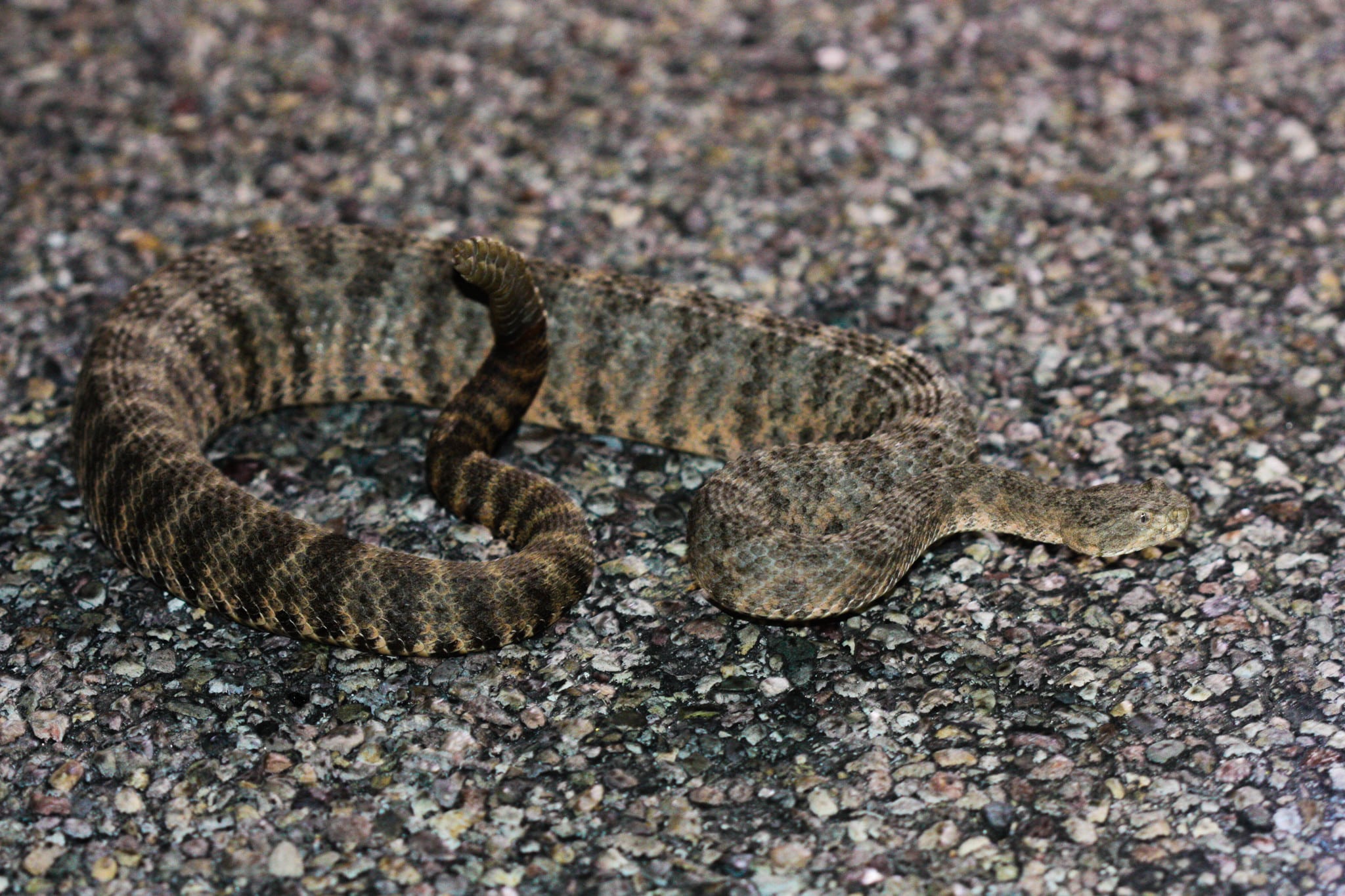
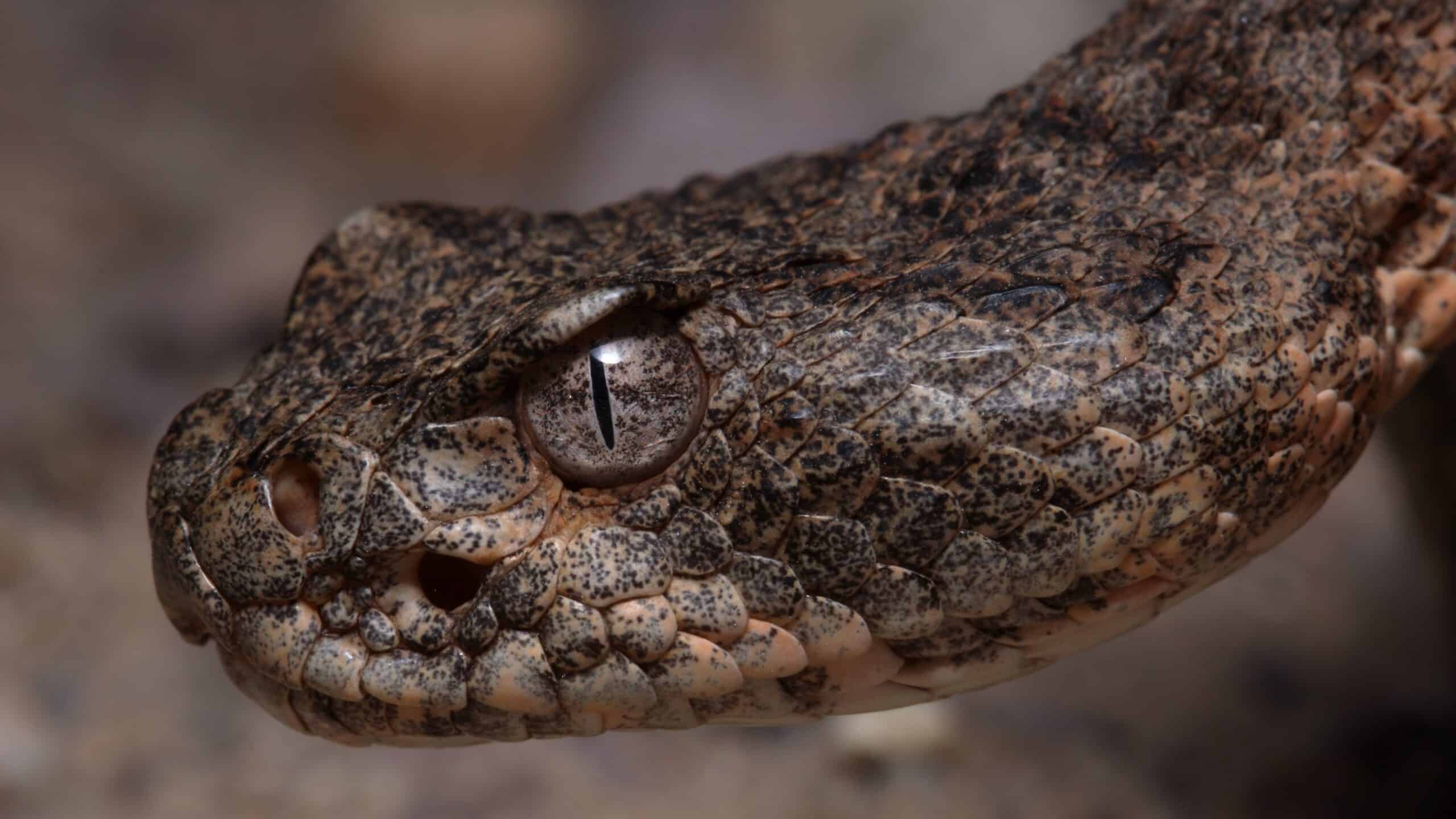
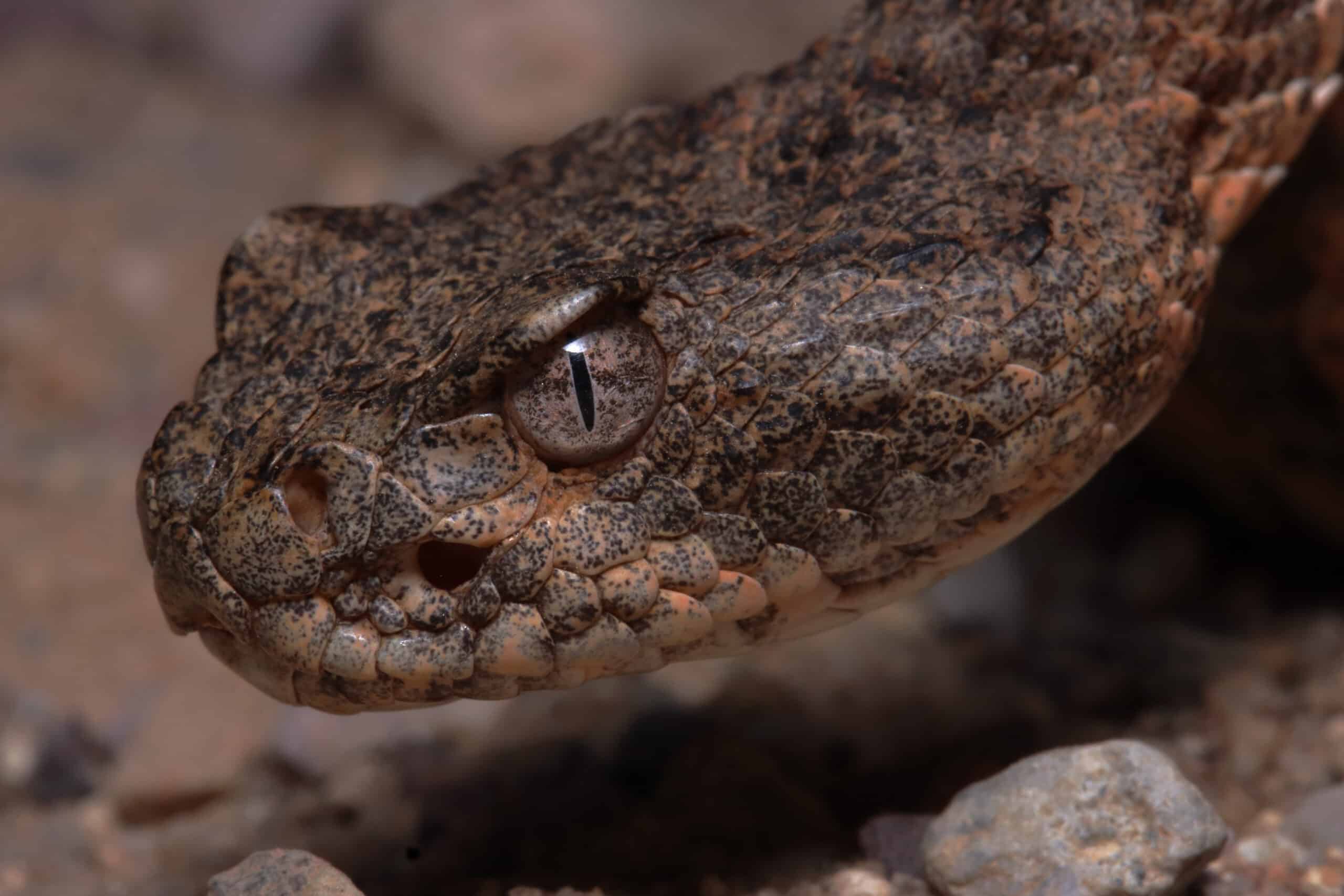
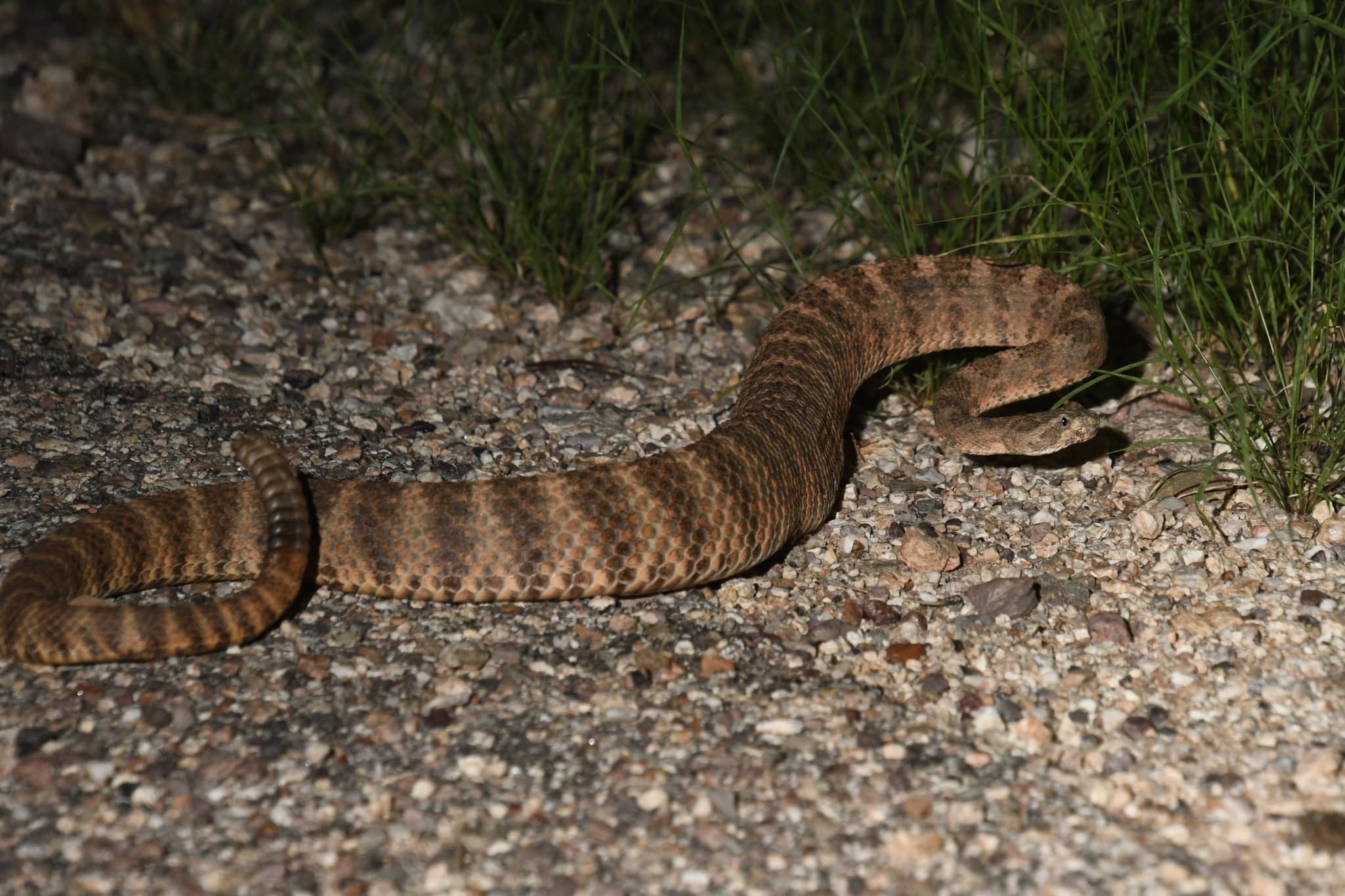
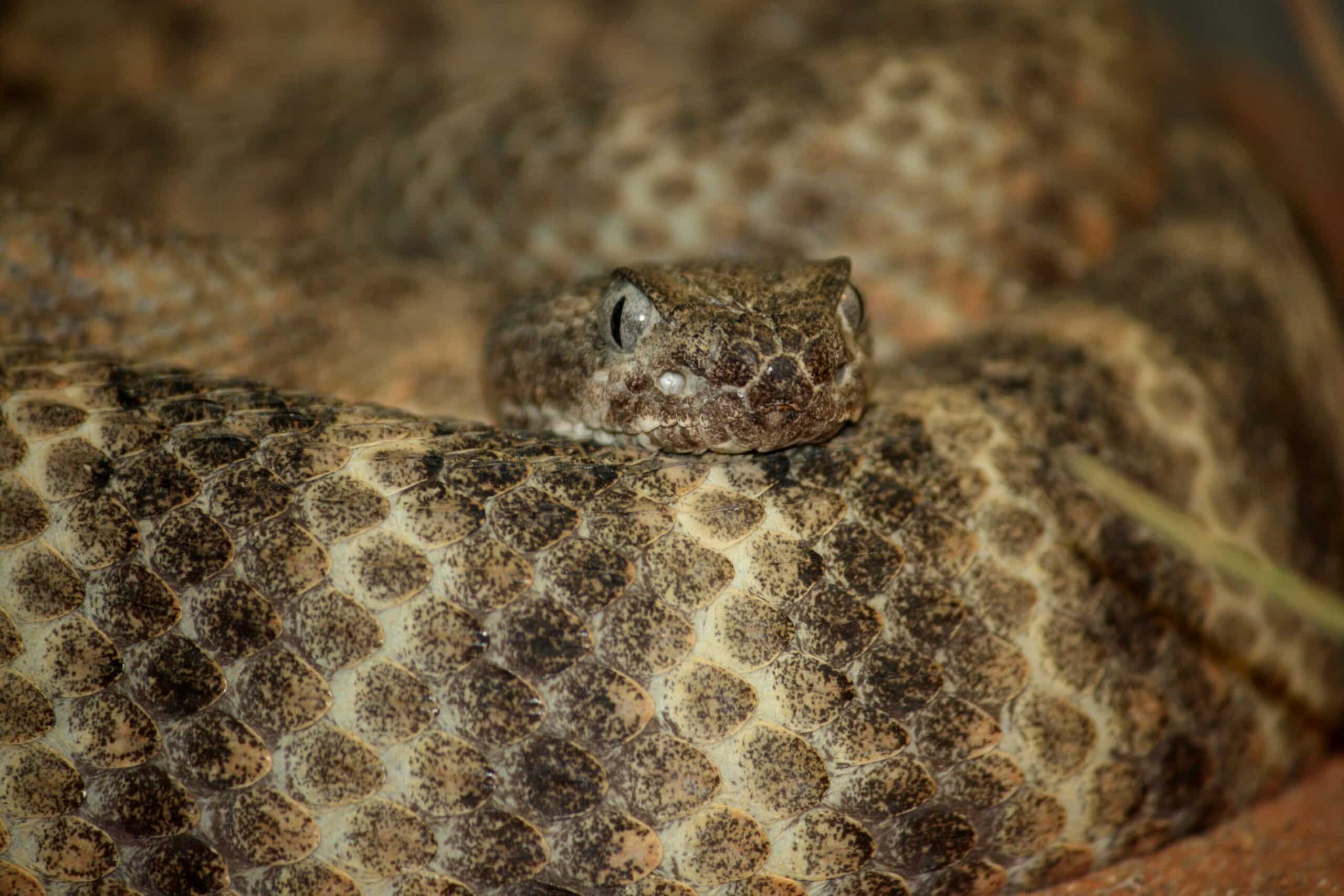
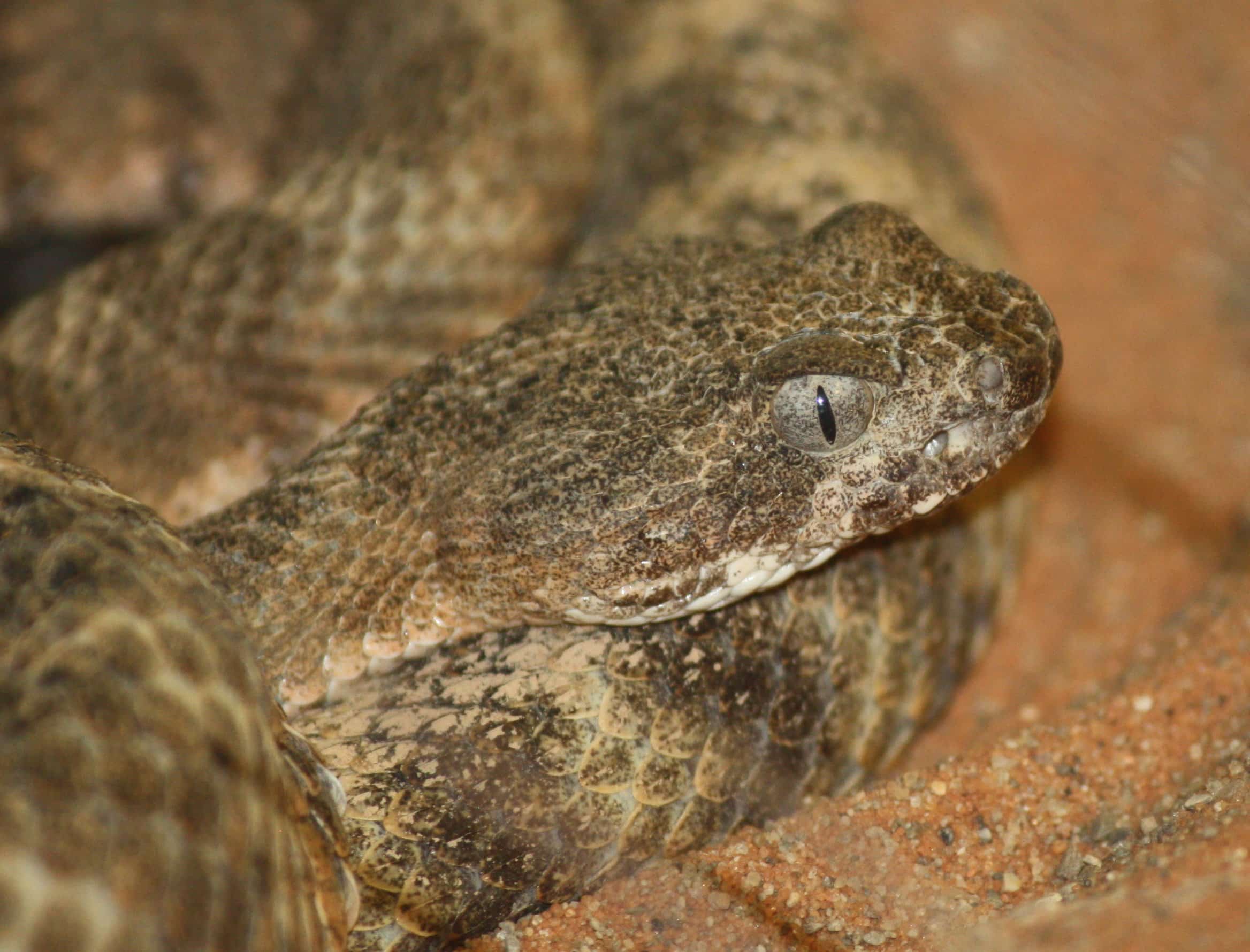
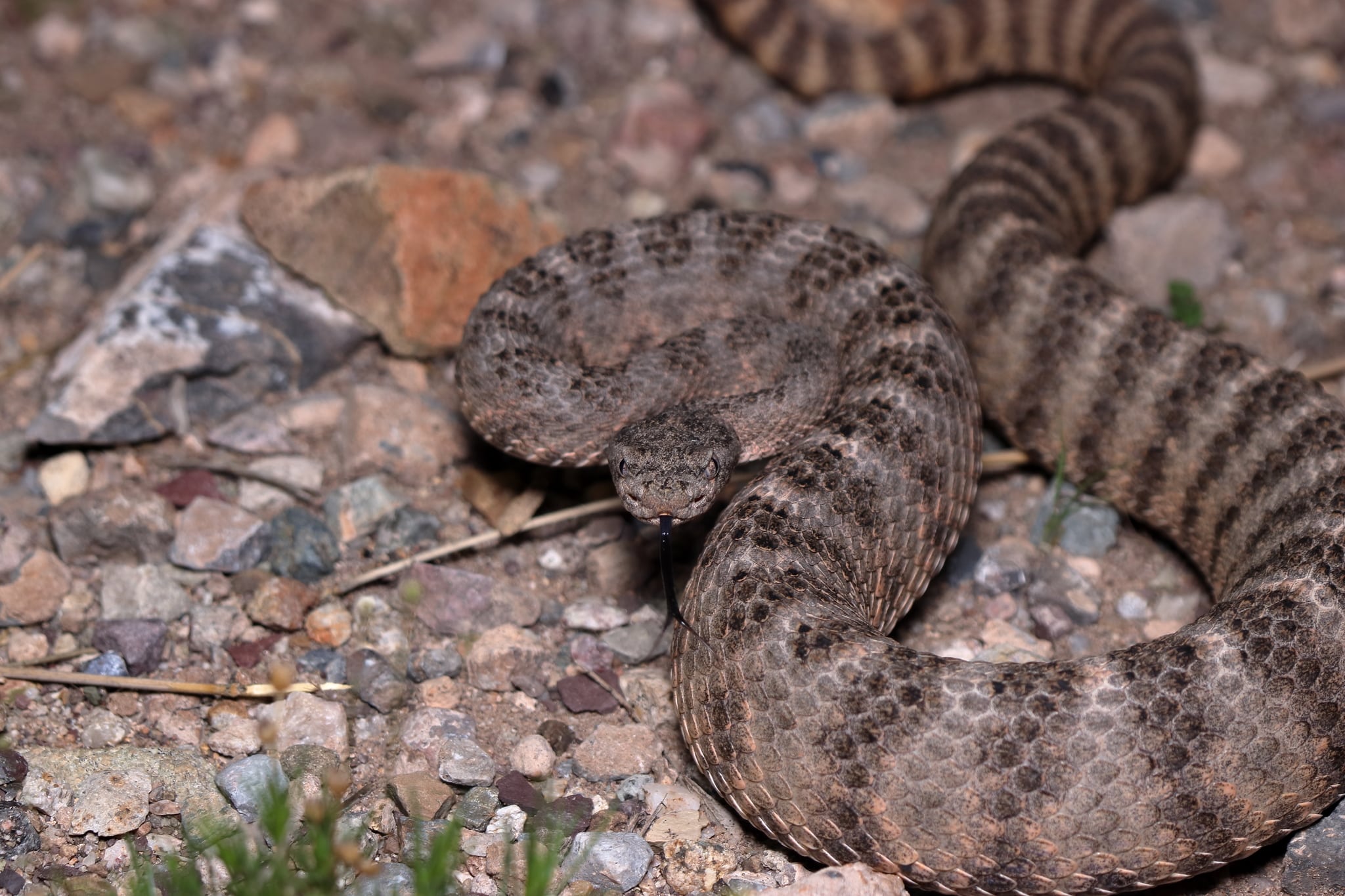
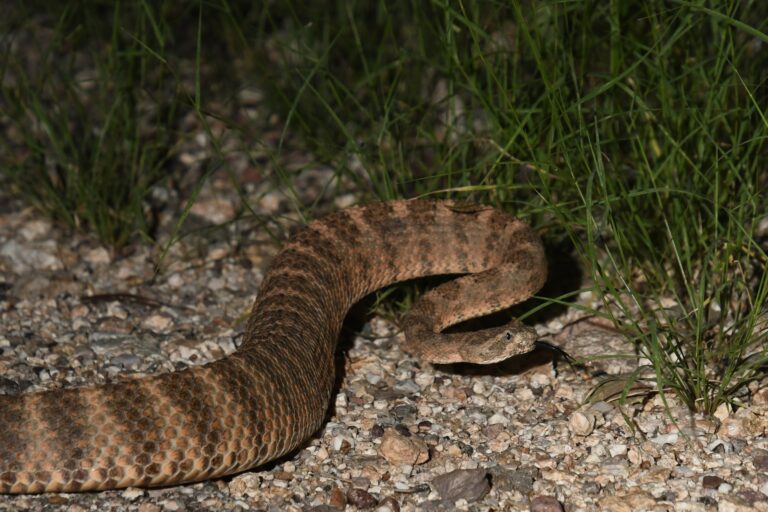
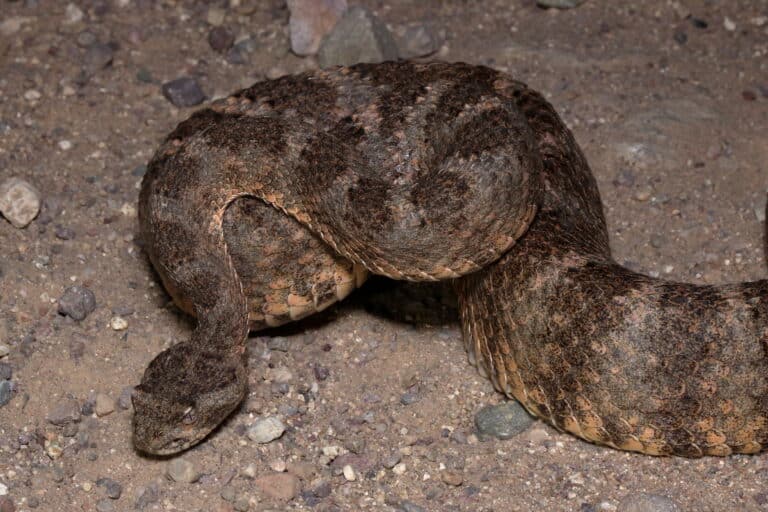
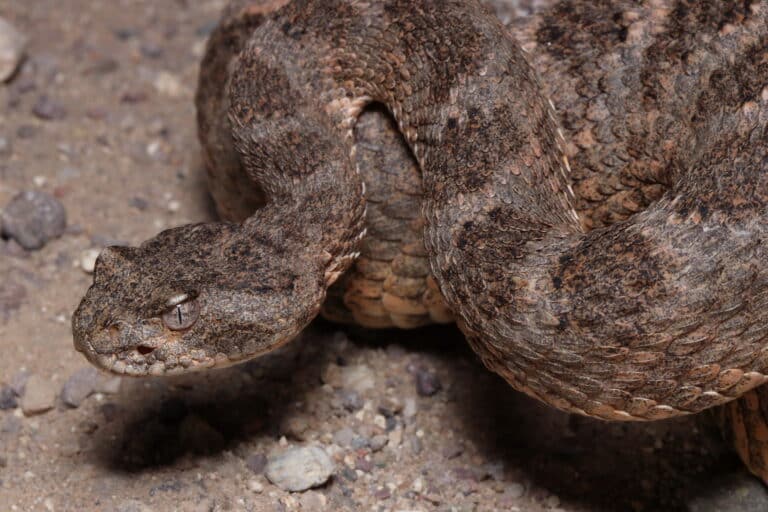
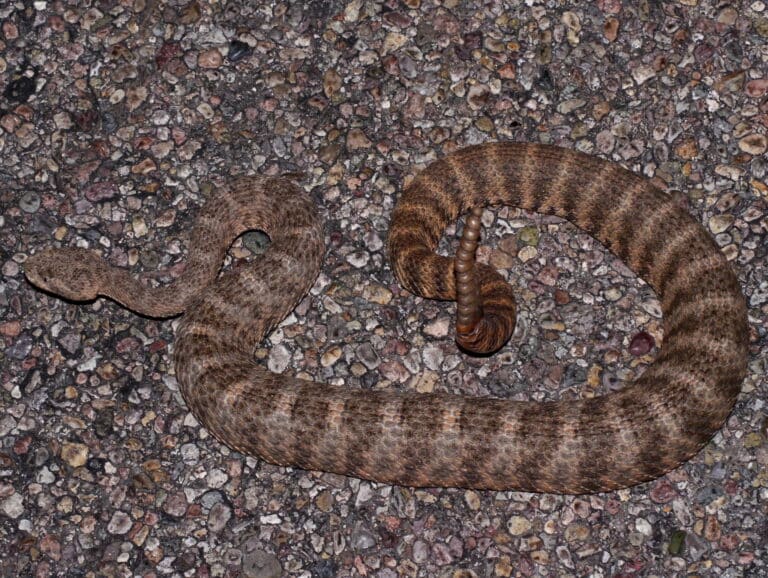
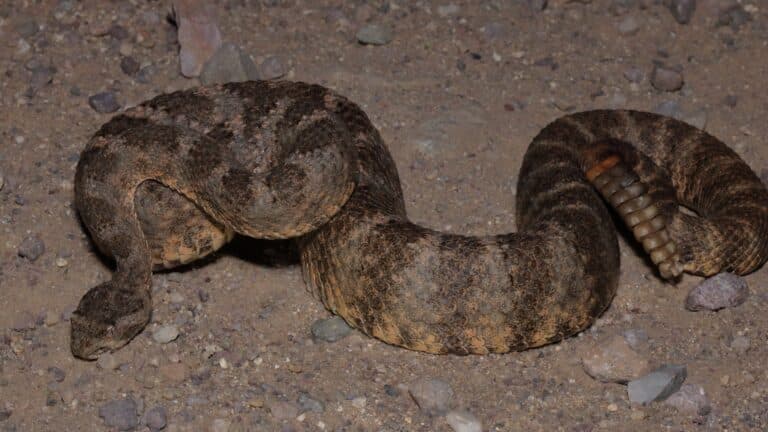
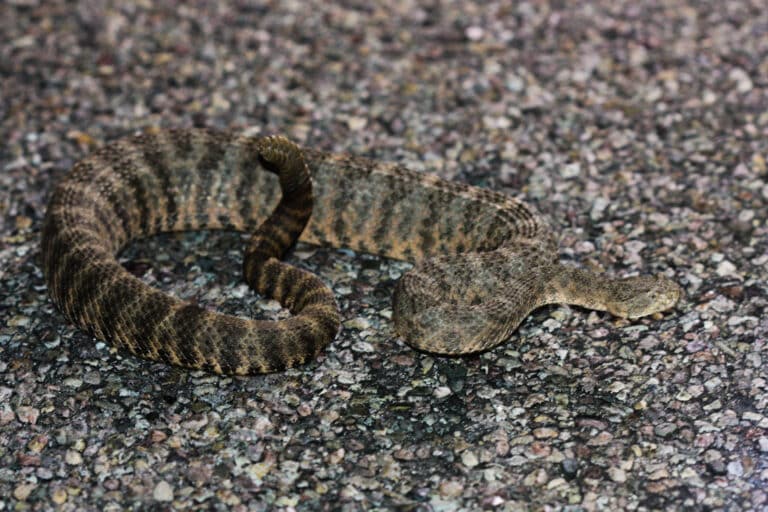
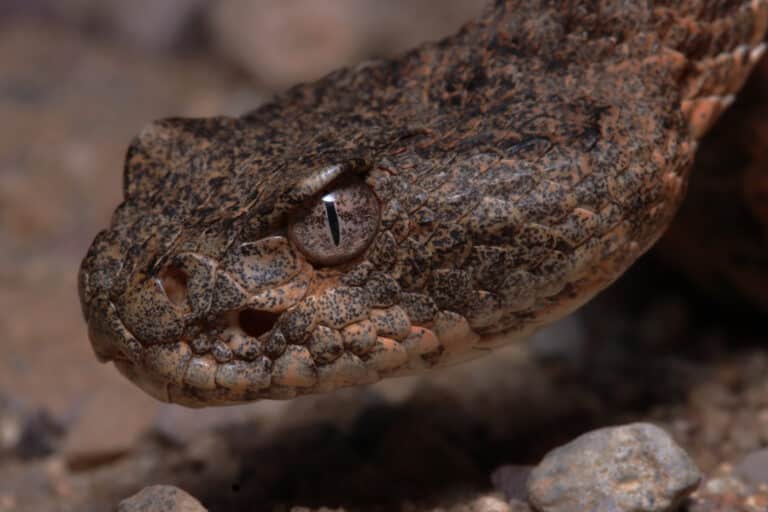
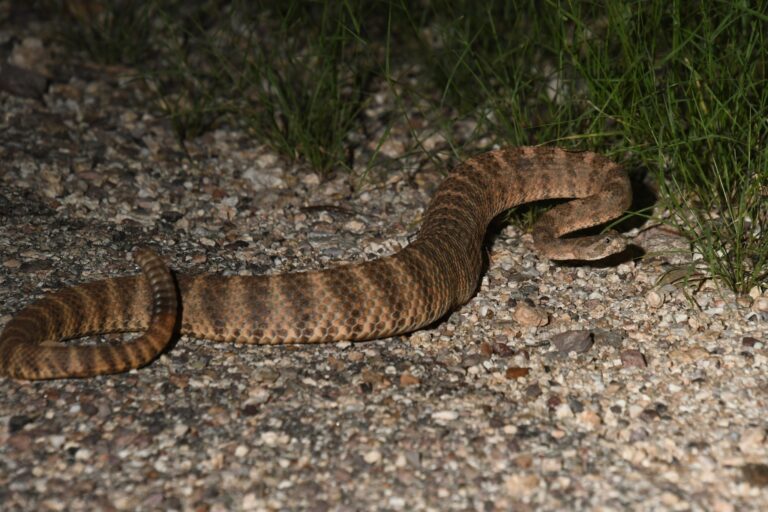
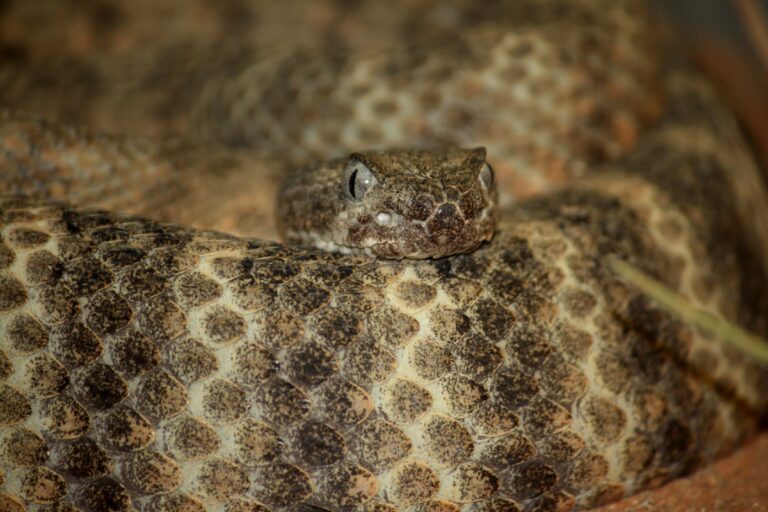
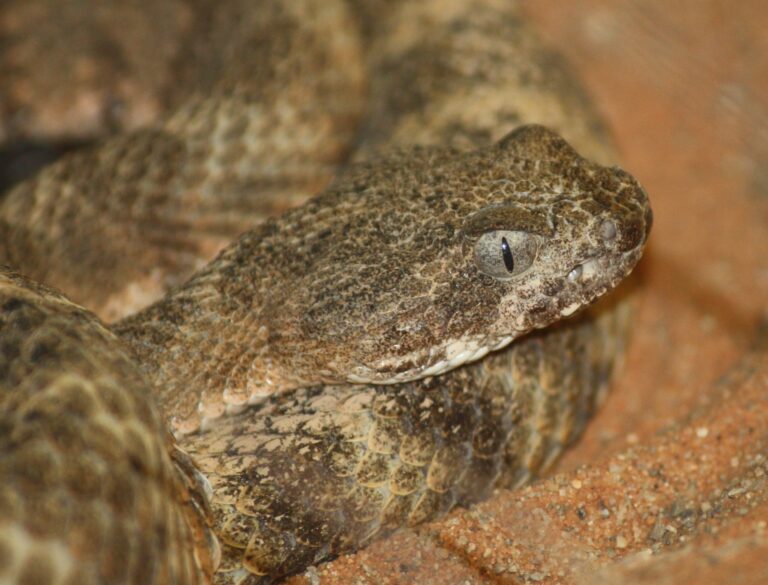
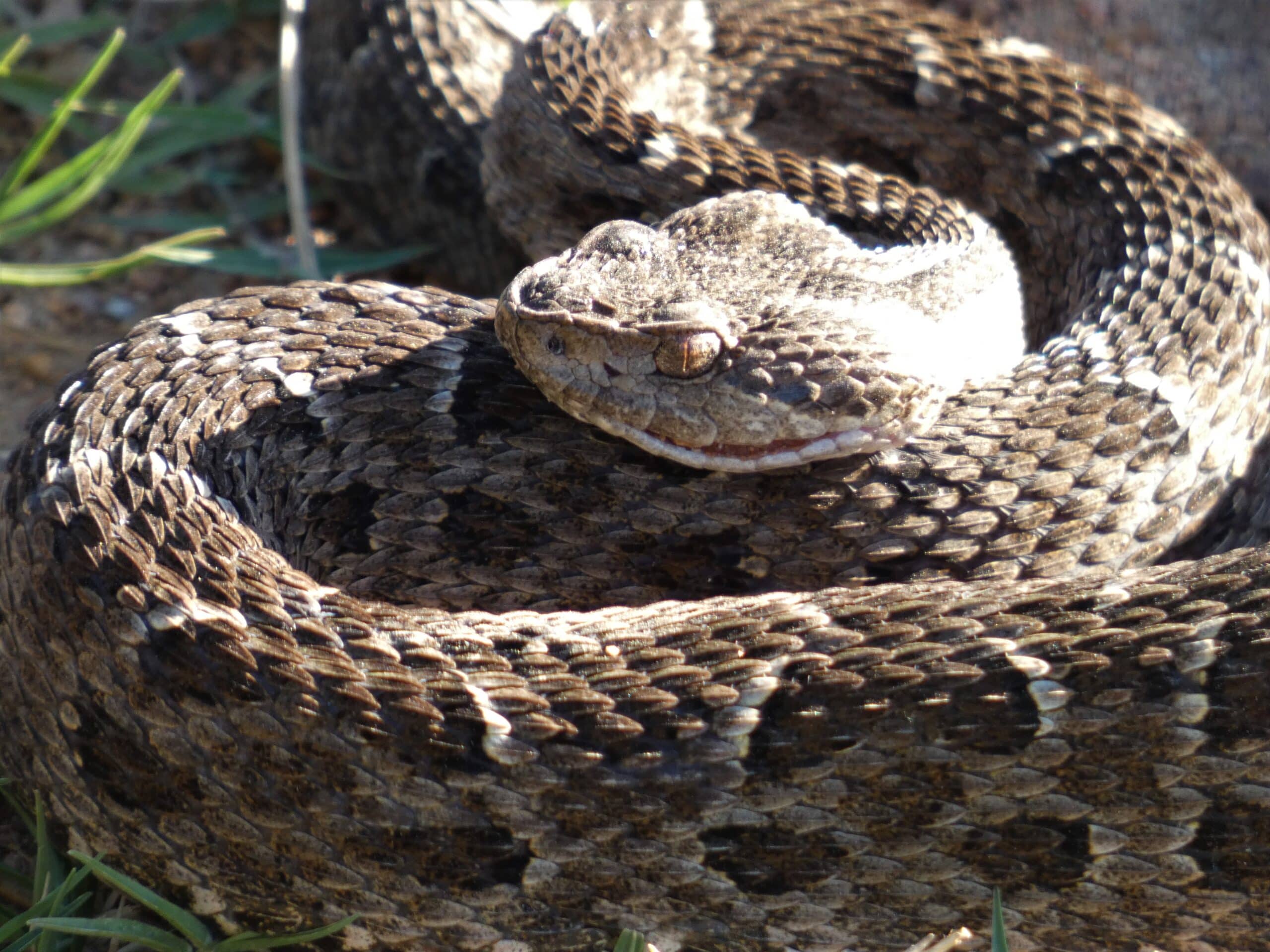
The Tiger Rattlesnake is a captivating reptile that slithers through the landscapes of Central America. With a scientific name, Crotalus tigris, this snake boasts a striking pattern that resembles the stripes of a tiger, making it both beautiful and formidable.
Tiger Rattlesnakes can grow to an average size of 24 to 35 inches long. That's about as long as a toddler’s arm! Their size allows them to be effective hunters and helps them blend into their surroundings.
This snake dines on small mammals, birds, and lizards. It uses its venomous bite to catch its food; the venom helps immobilize its prey, making dinner a little easier to catch.
With a lifespan of 15 to 20 years, Tiger Rattlesnakes can be great long-term companions for the ecosystems they inhabit. They play an important role in nature by keeping populations of their prey in check.
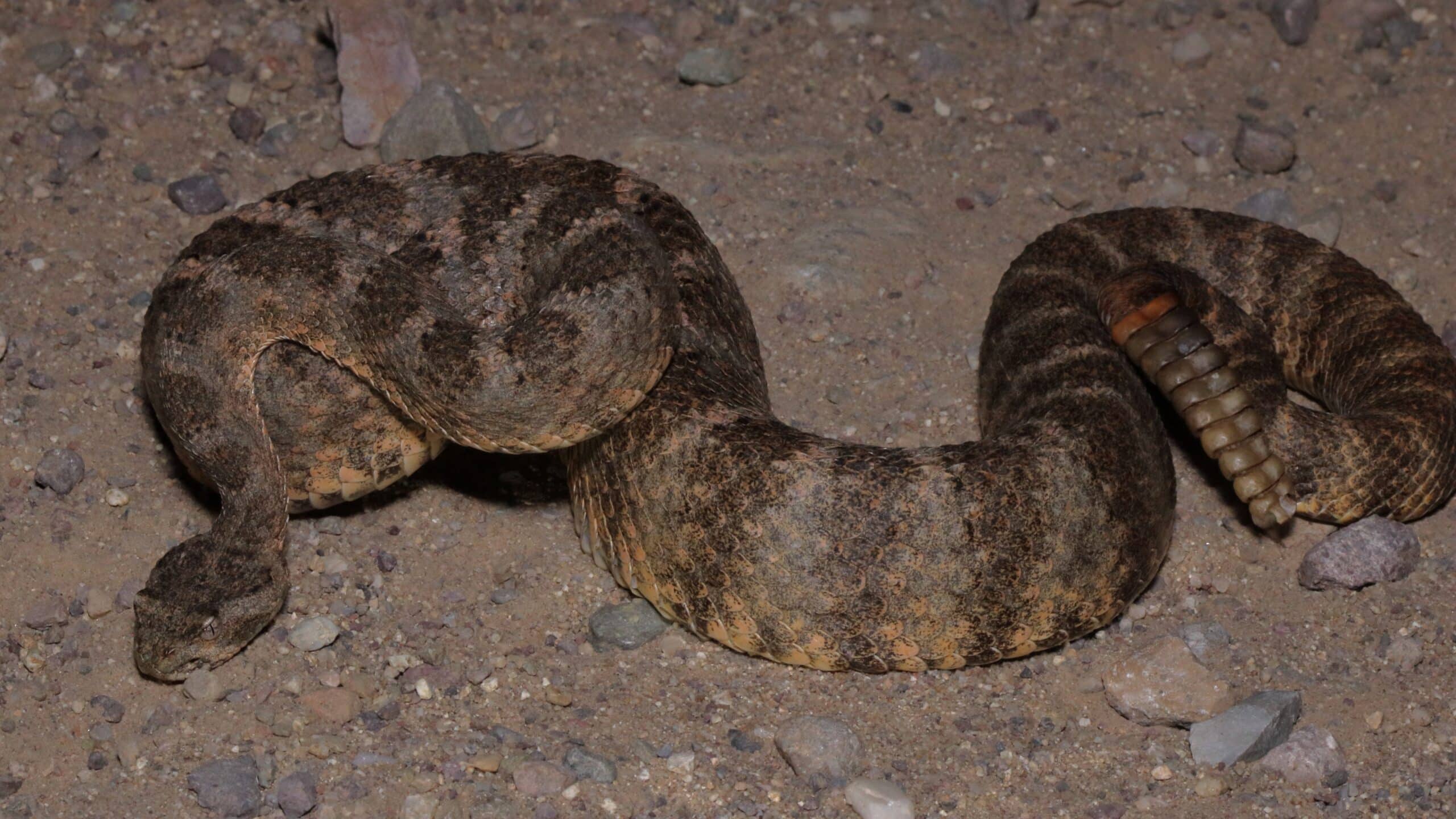
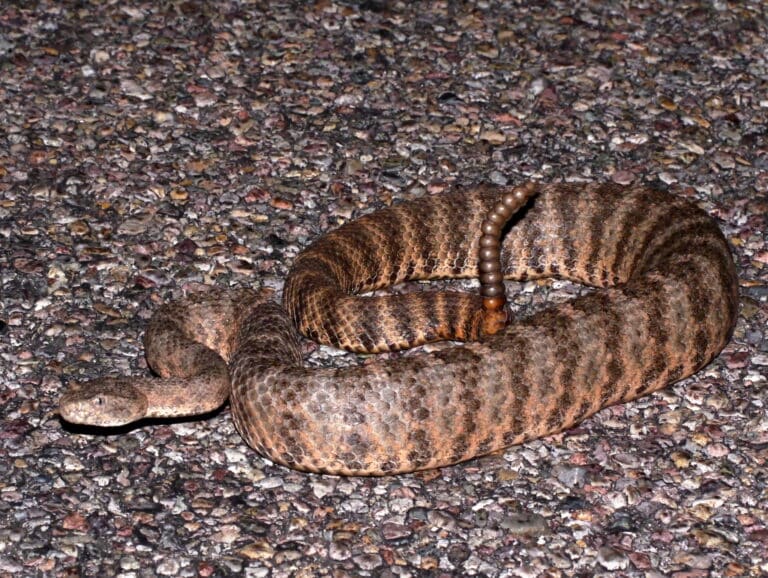
These snakes have a distinctive rattle at the end of their tails, which they use to warn potential threats. When frightened, they create a buzzing sound that works like a built-in alarm system, saying, 'Stay back, I’m not a fan of uninvited guests!'
Though they might seem scary, Tiger Rattlesnakes prefer to avoid humans. They enjoy basking in the sun and exploring their habitats, showcasing their unique beauty instead of causing trouble.

Where can you find a Tiger Rattlesnake in the wild?
What does a Tiger Rattlesnake eat?
How big can a Tiger Rattlesnake grow?
How long does a Tiger Rattlesnake typically live?
What is the conservation status of the Tiger Rattlesnake?
What are the main threats to the Tiger Rattlesnake?
Fun facts
A Tiger Rattlesnake's rattle contains a series of hollow segments that vibrate together to create its famous buzzing sound. It can serve as an effective warning to keep potential threats at bay, like a built-in alarm system!


This snake has an amazing ability to change its body temperature based on its environment. It can bask in the sun to warm up and find shade to cool down, like the best sunbather on the block!
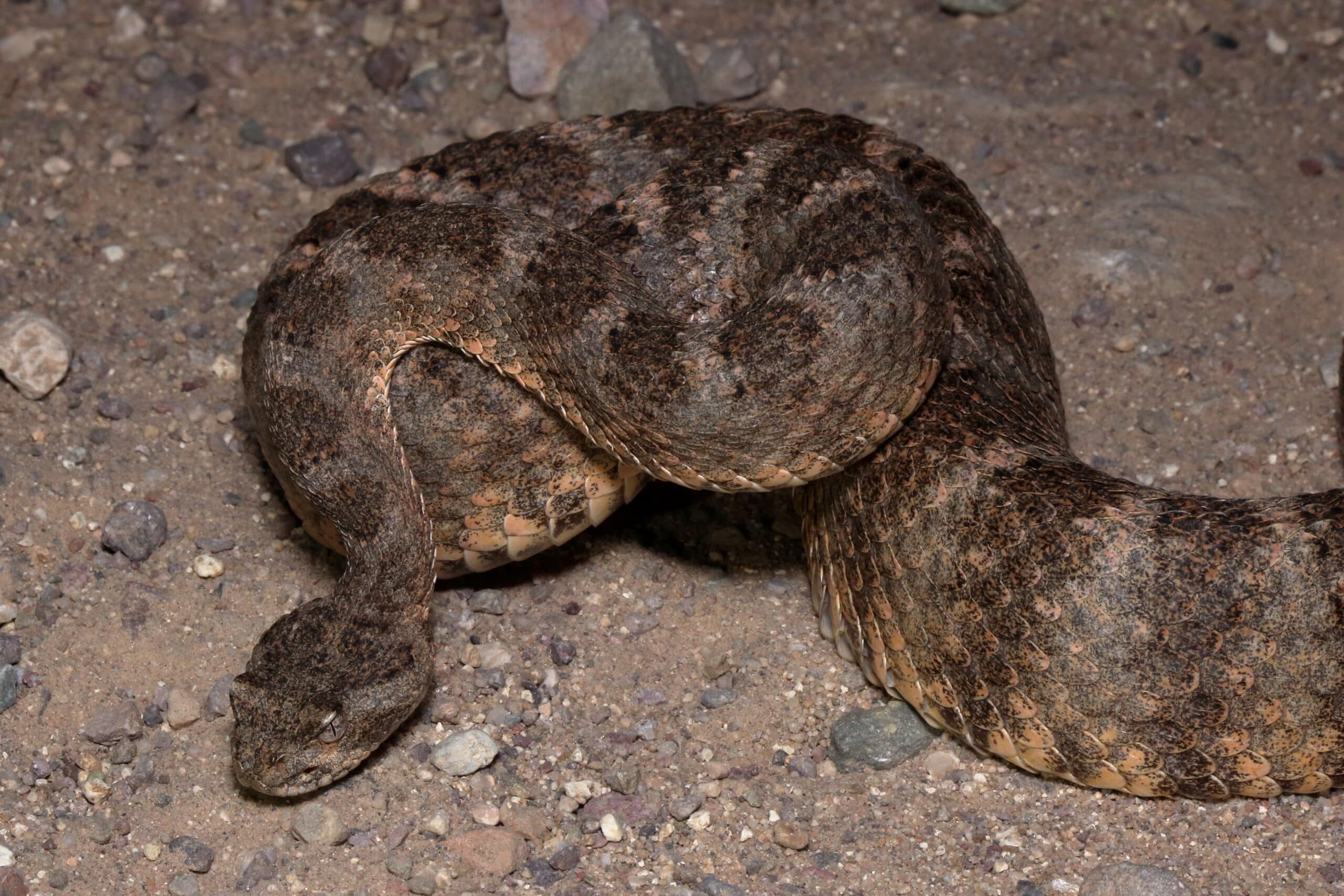
Tiger Rattlesnakes have excellent camouflage that helps them blend into their rocky surroundings. Their stripe patterns mimic the shadows and shapes of their desert homes, making this reptile a master of disguise.
The Tiger Rattlesnake can survive on just a few meals per month! When it catches a meal, it can store energy to last for a long time, making it one efficient hunter.
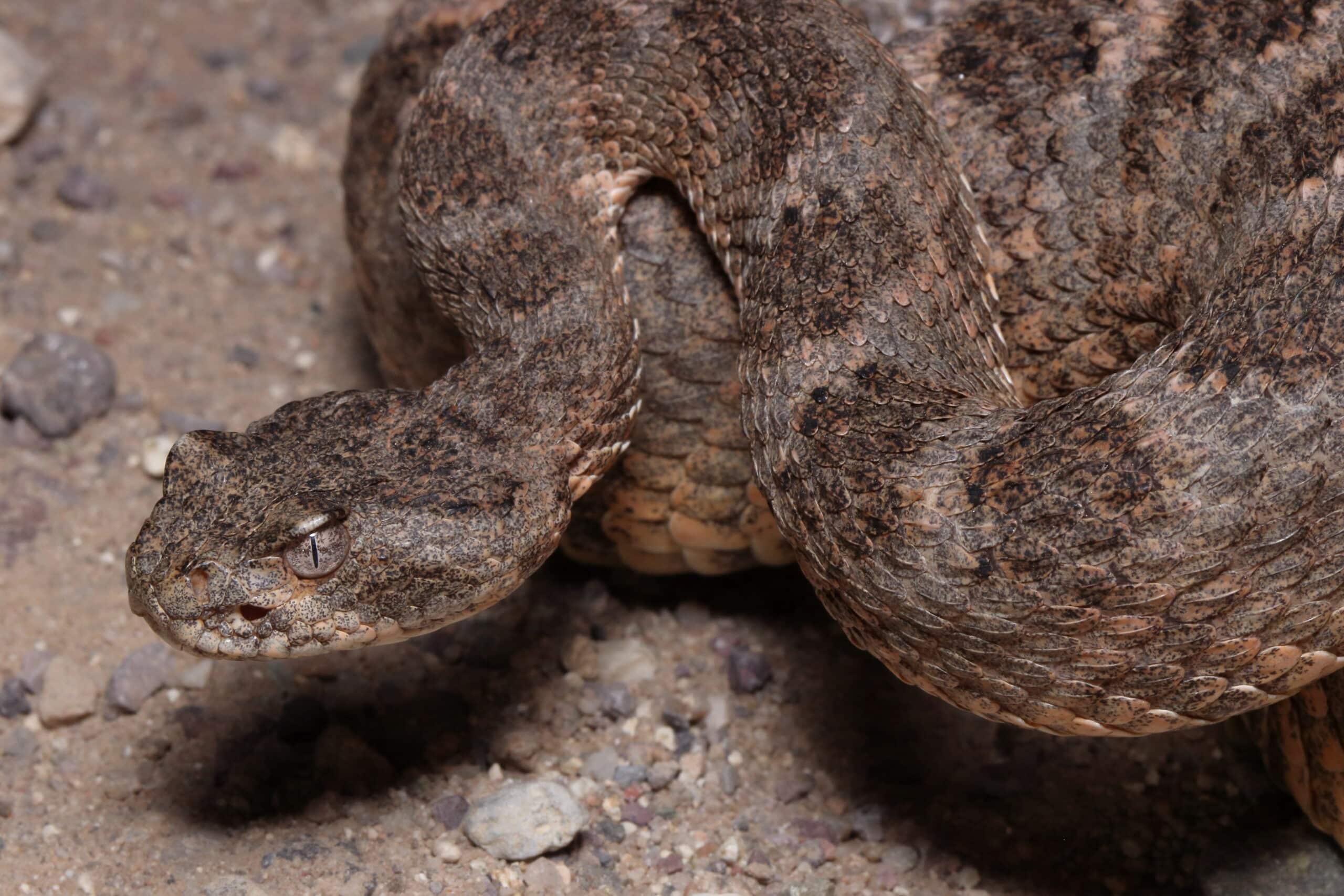
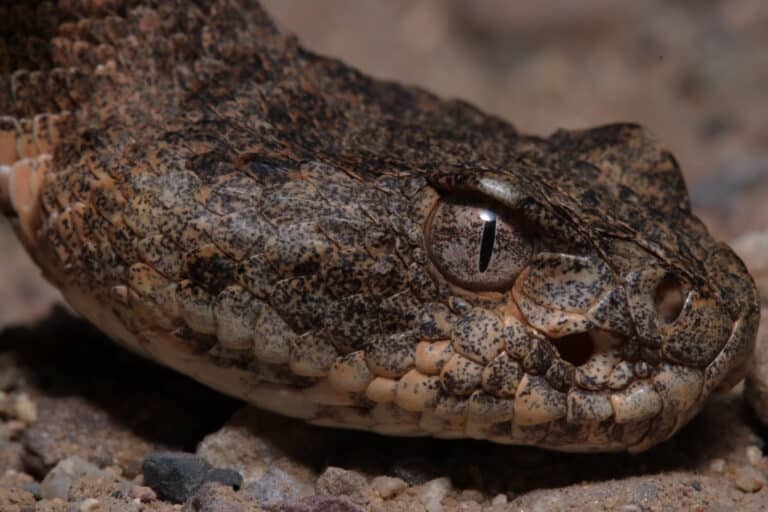
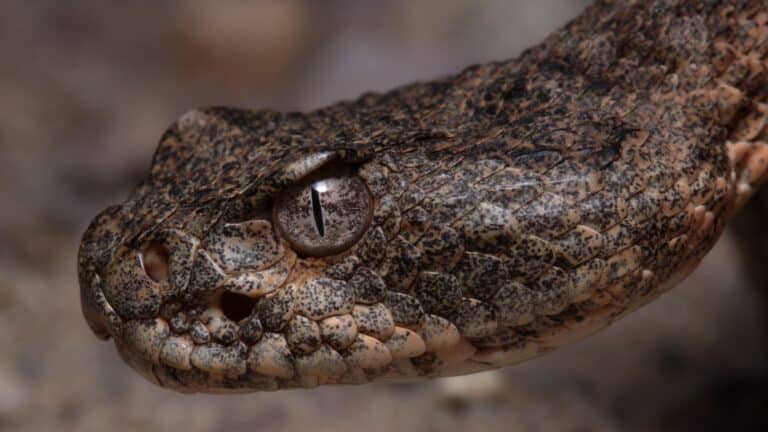
These snakes can sense heat with special organs located in their mouths. They can detect warm-blooded prey even in complete darkness, like tiny thermal detectors searching for dinner!
Tiger Rattlesnakes are not aggressive but prefer to flee when they feel threatened. They often warn intruders with their rattle first, proving that they are all about peace before panic!
A Tiger Rattlesnake's venom has medical potential and has even been studied to help develop drugs for treating various conditions. Who knew this snake could help scientists create medicine?
These snakes can shed their skin up to three times a year, leaving behind a beautiful new layer. Each shed skin is a reminder of their growth, like a snake's version of a birthday suit!
Tiger Rattlesnakes have a unique social habit; they can often be seen coiling together during the mating season. It's like a snake party where they come together to find their perfect match!
These reptiles have a keen sense of smell, allowing them to follow scents in the air. They use their flicking tongues to pick up air particles, turning them into a tasty information snack!
Photos




The Basics


explore more
Amphibians
Arachnids
Birds
Cats
Crustaceans
Fish
Fish Pet Guide
Gastropods
Insects
Invertebrates
Mammals
Pet Fish
Pet Rodents
Plants
Reptiles
Roundworms
Sea Slugs