Successfully copied to clipboard!
Timber Rattlesnake (Canebrake Rattlesnake)
Meet the fascinating slithering guardian of the woods!
Let’s Explore
Overview
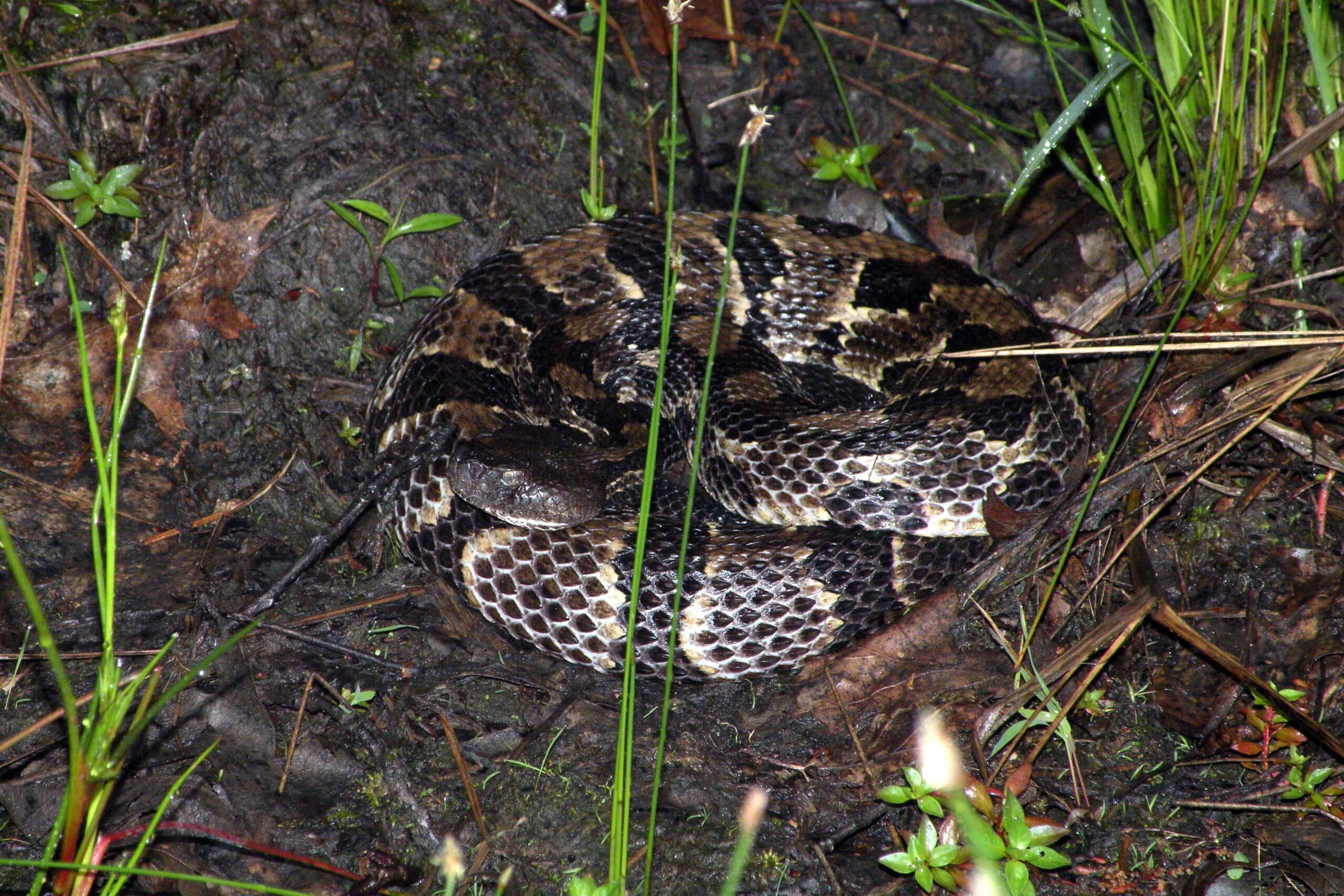
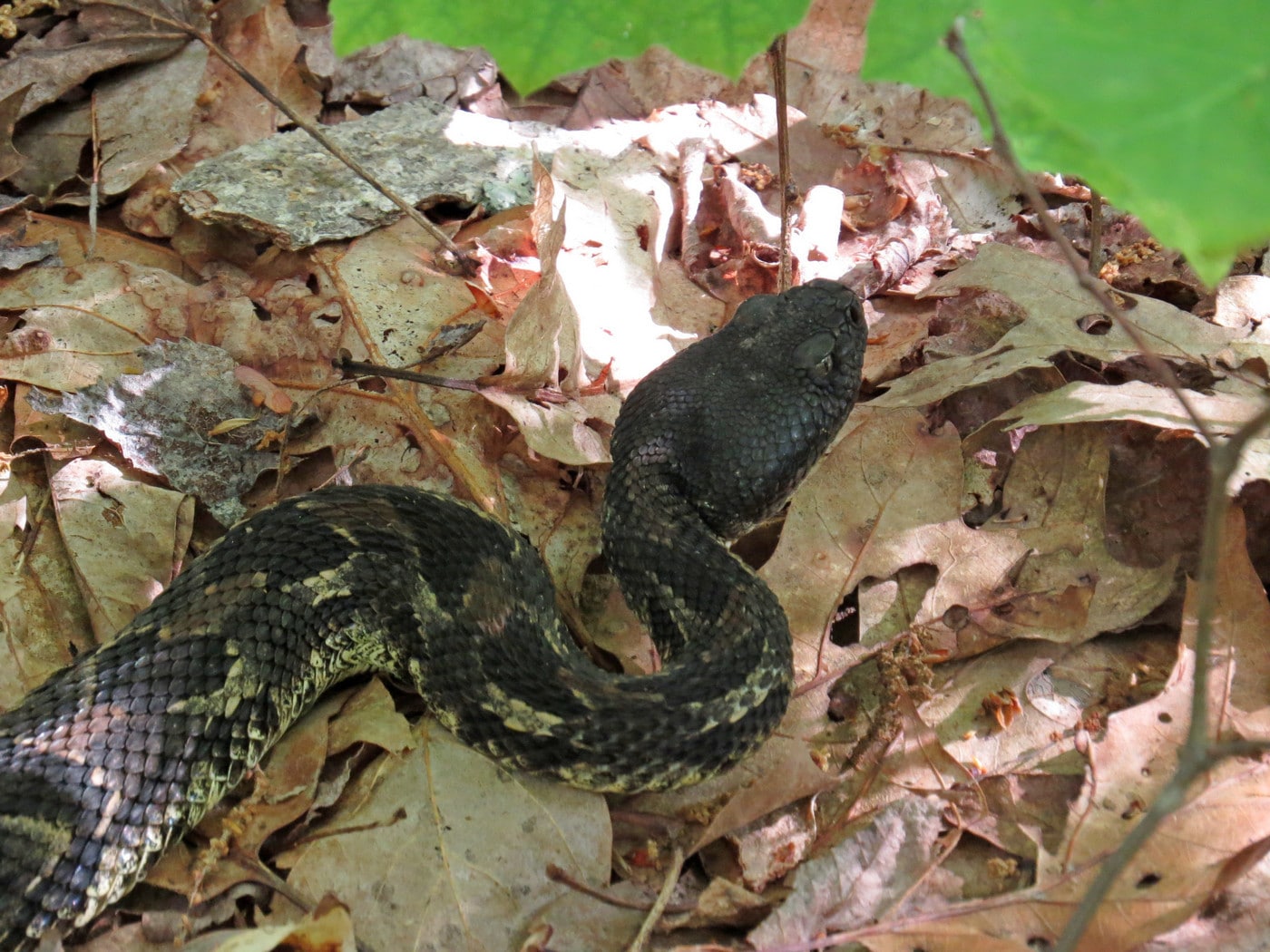
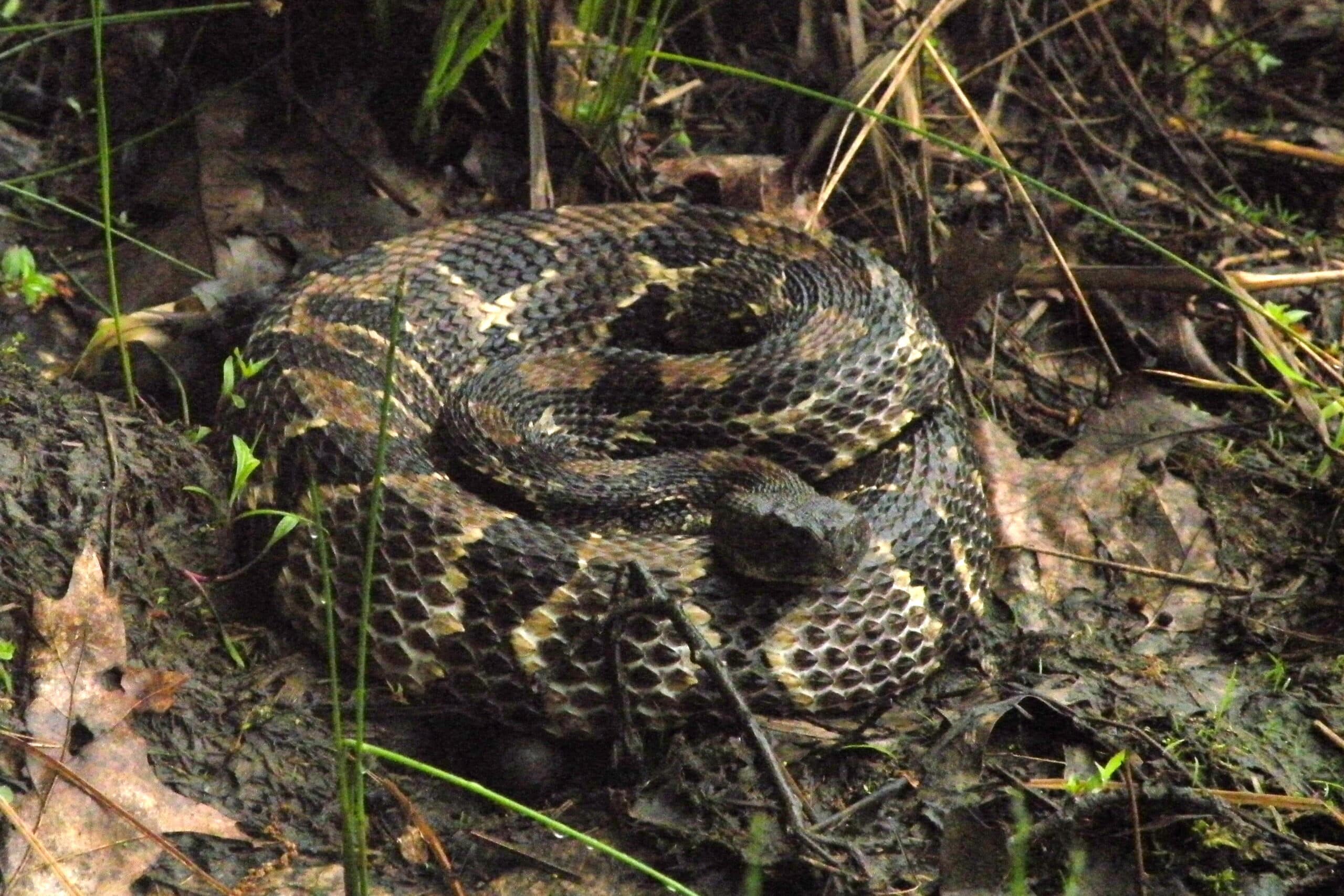
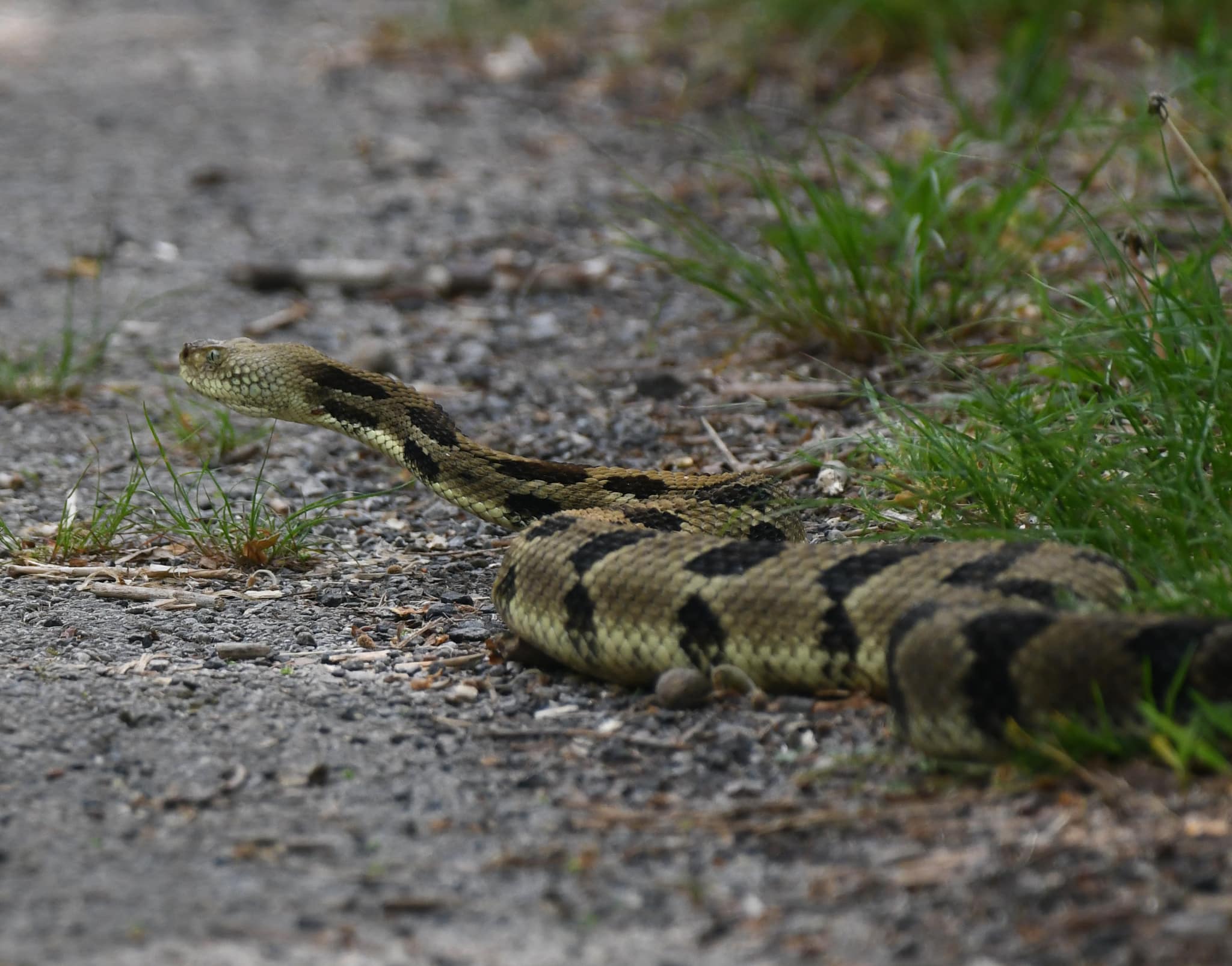
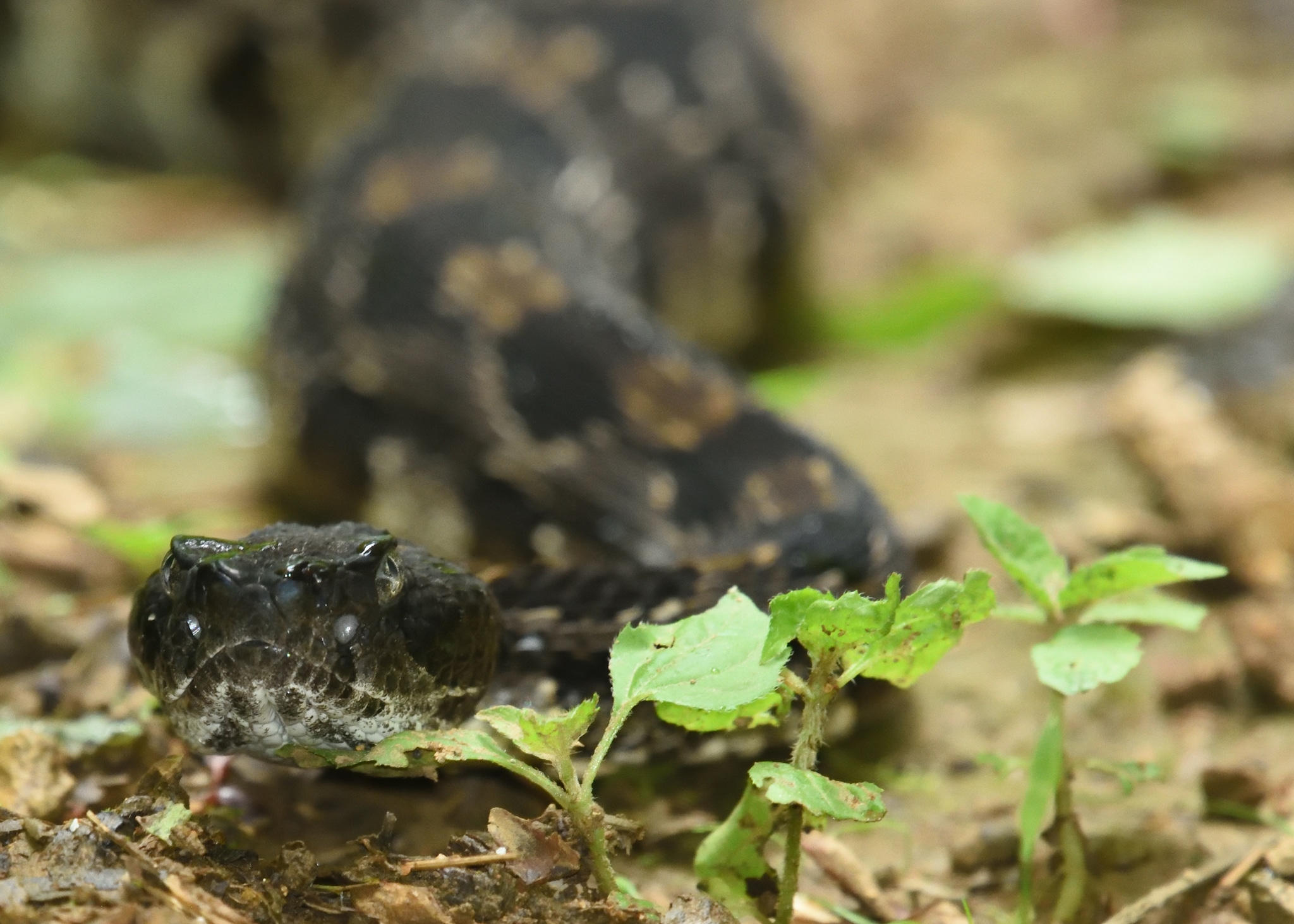
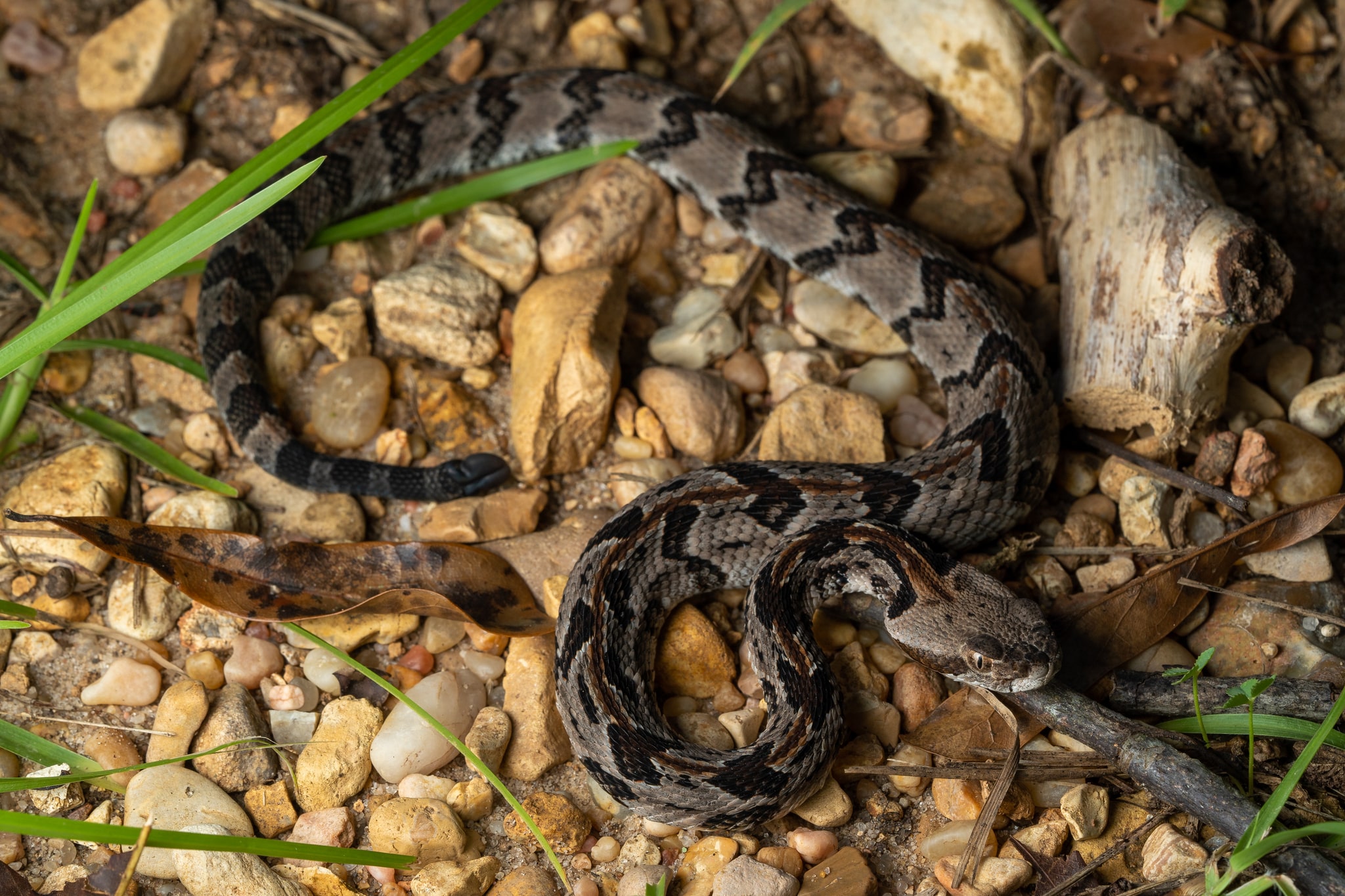
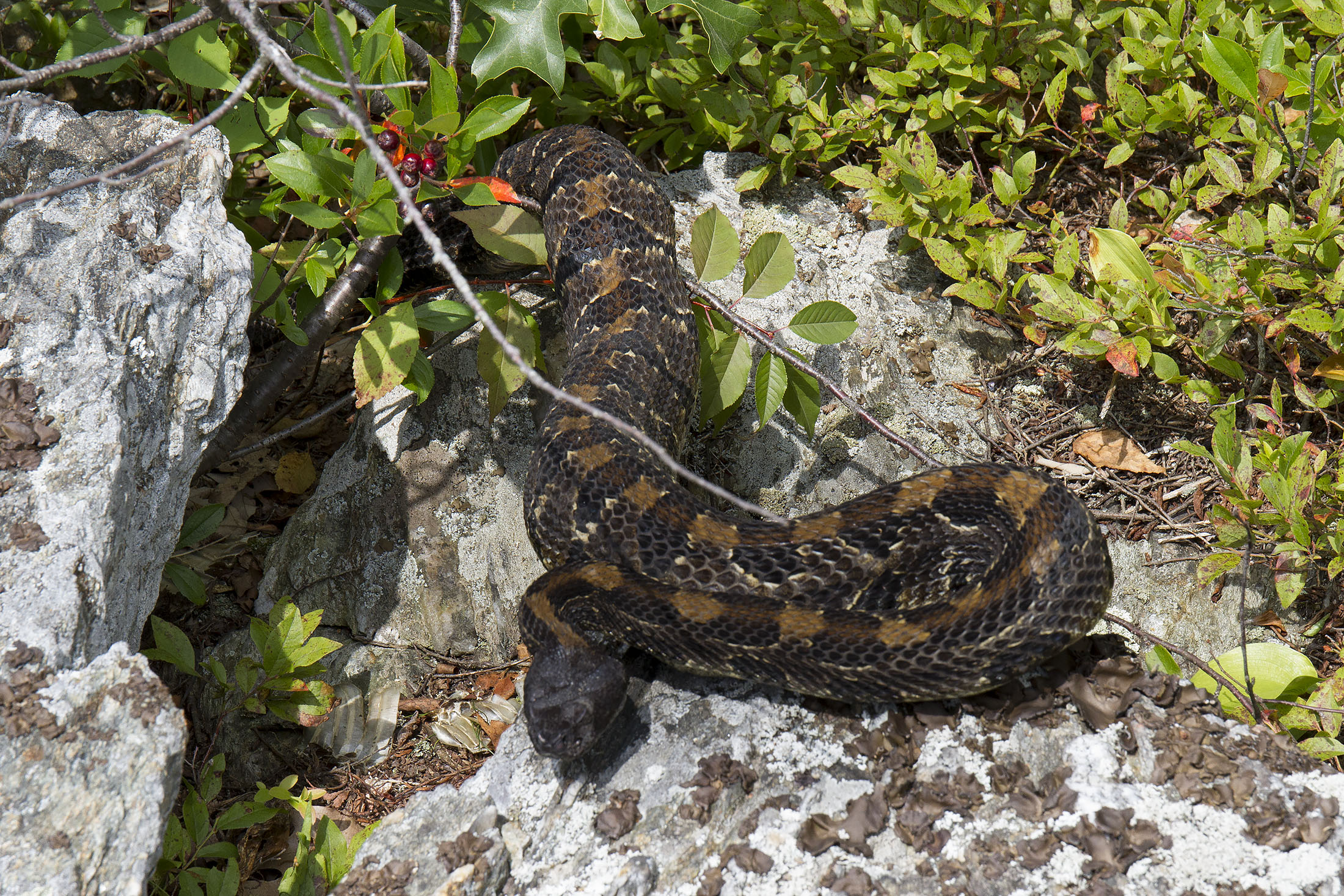
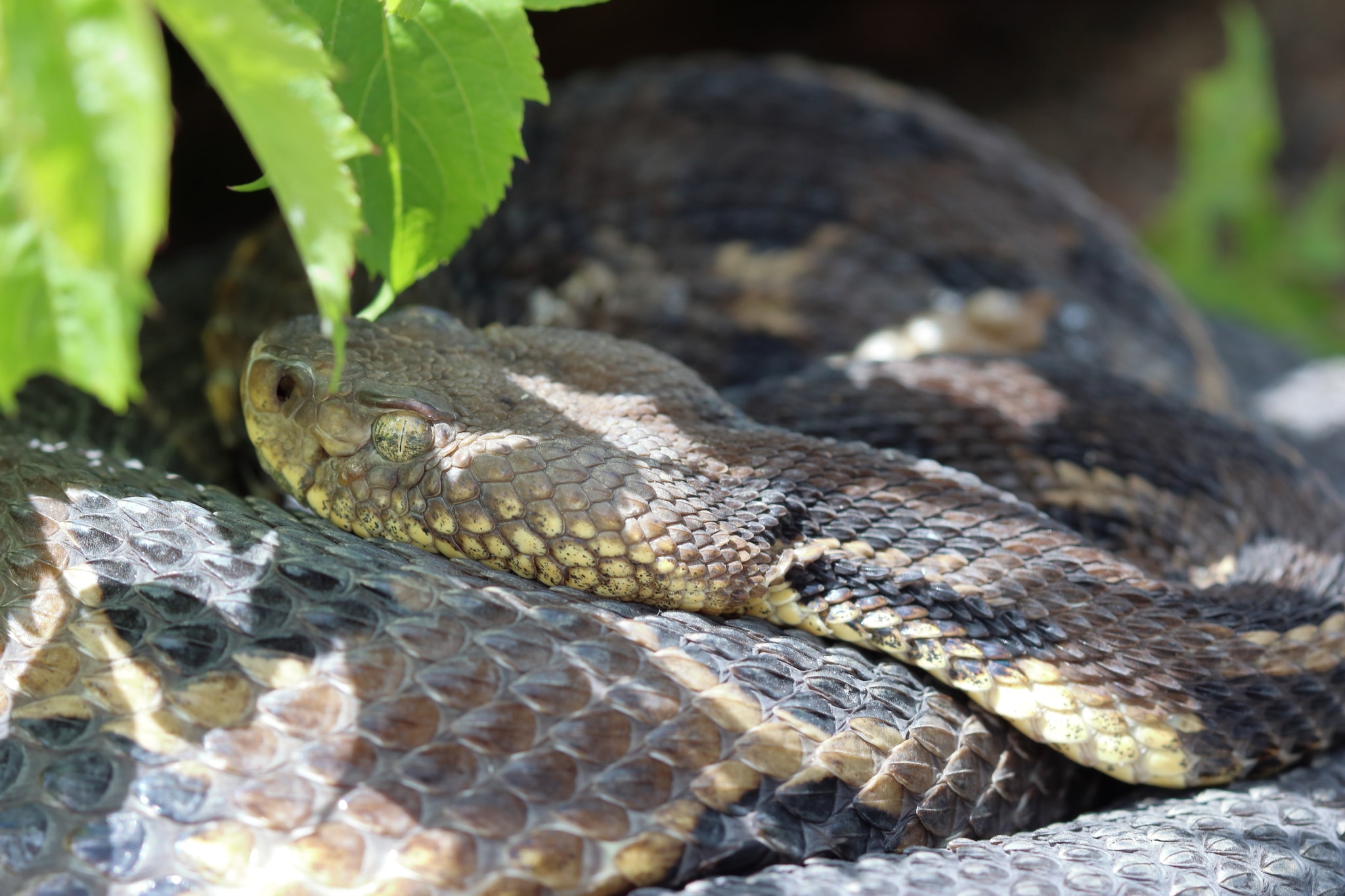
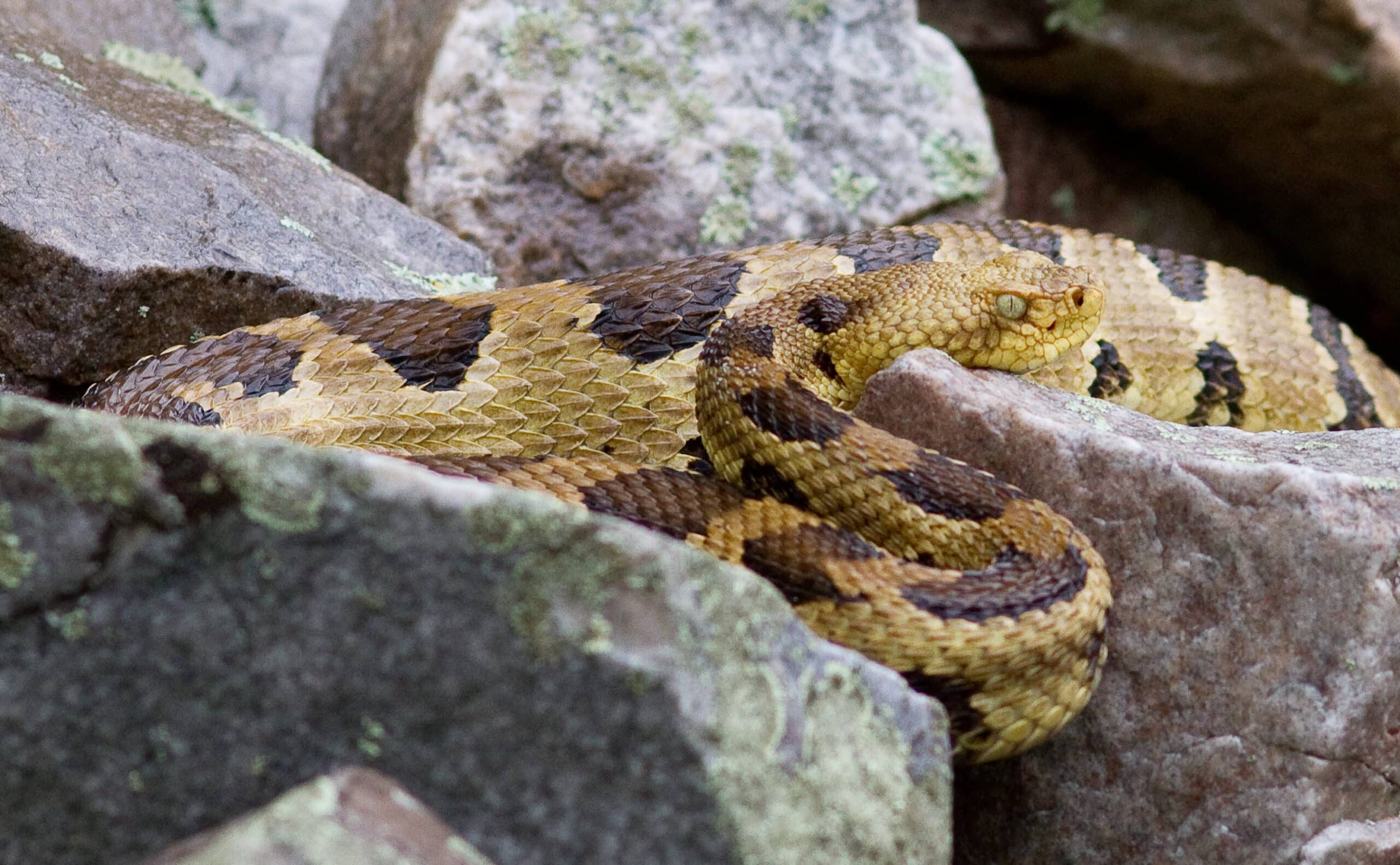
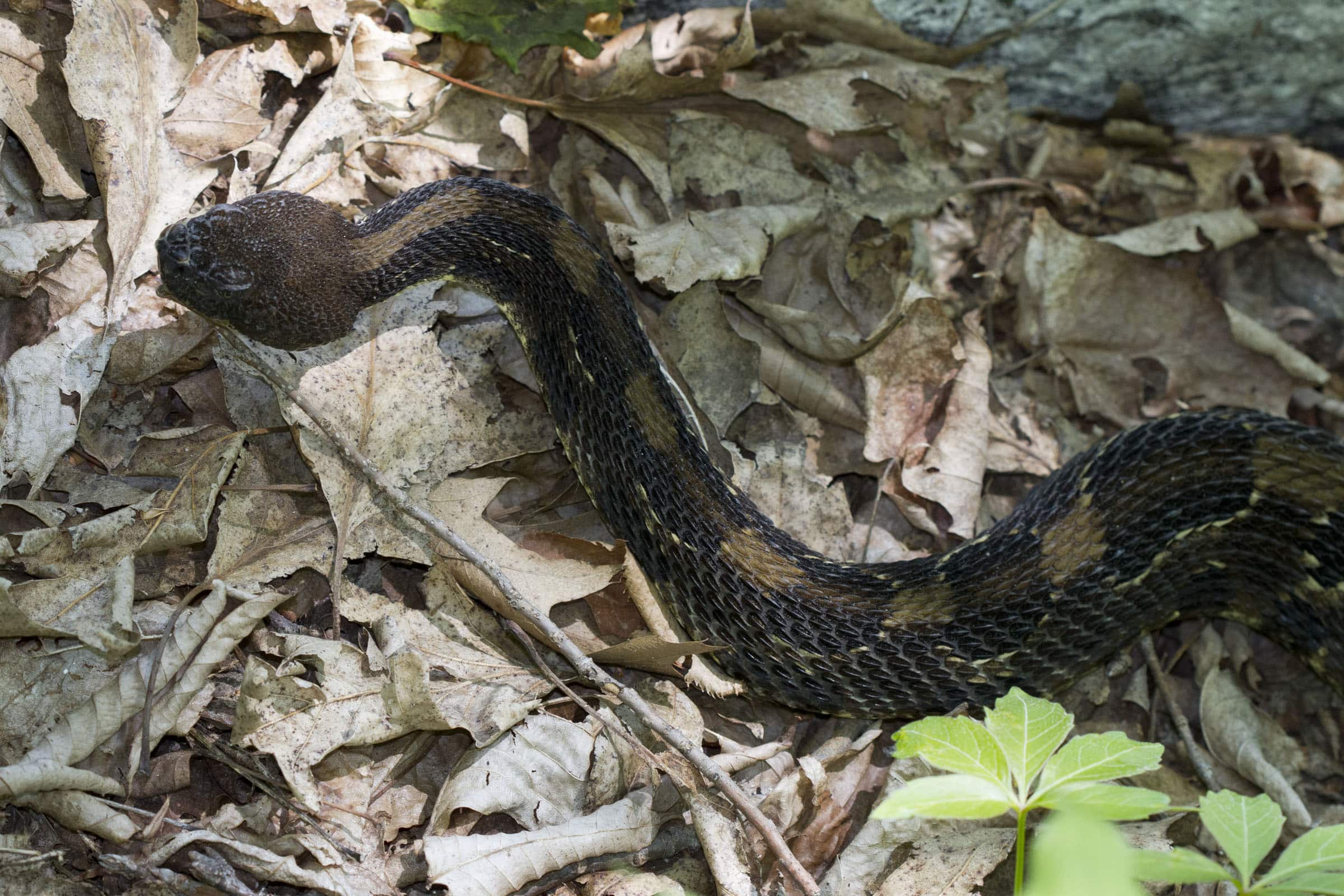
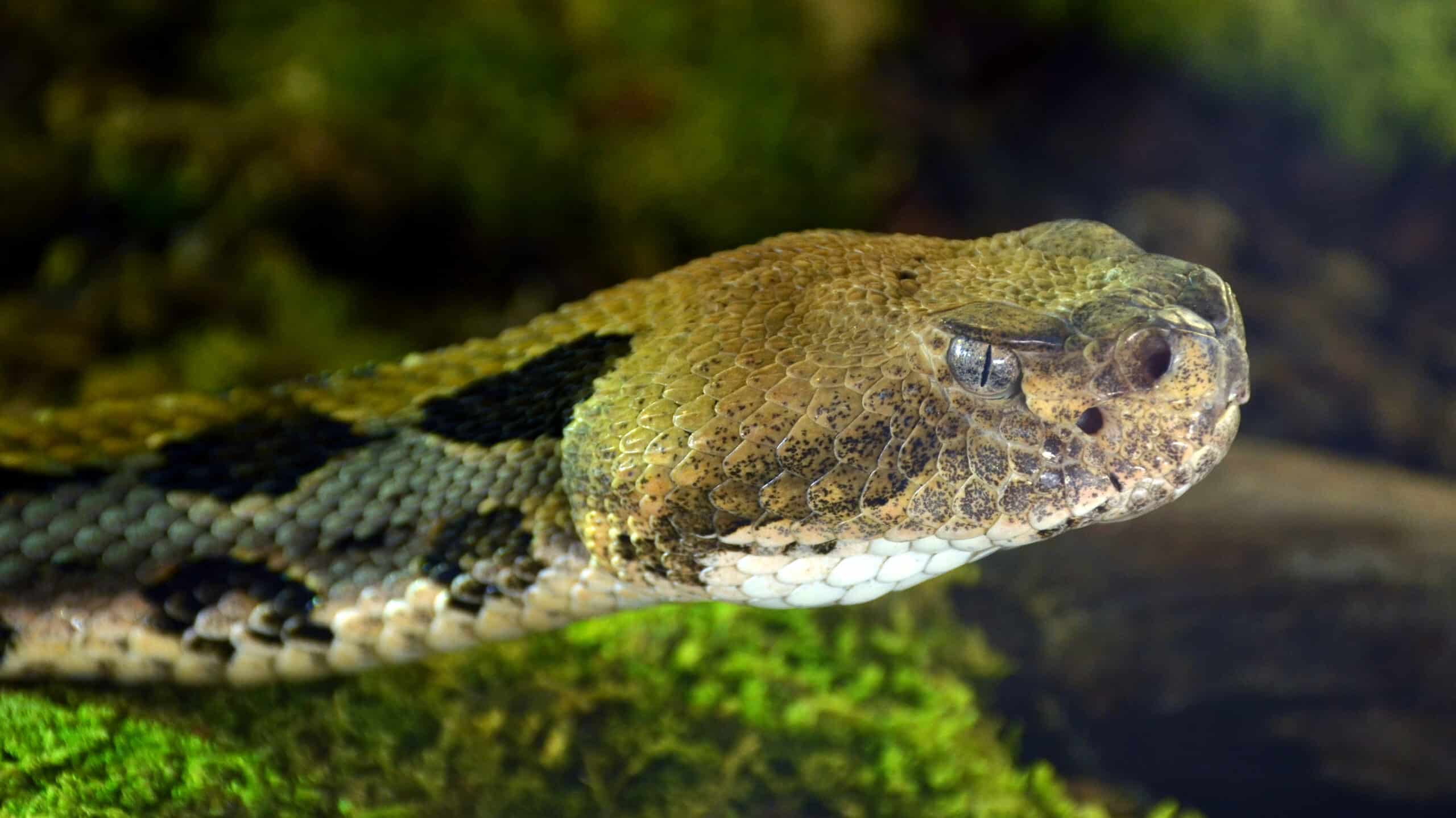
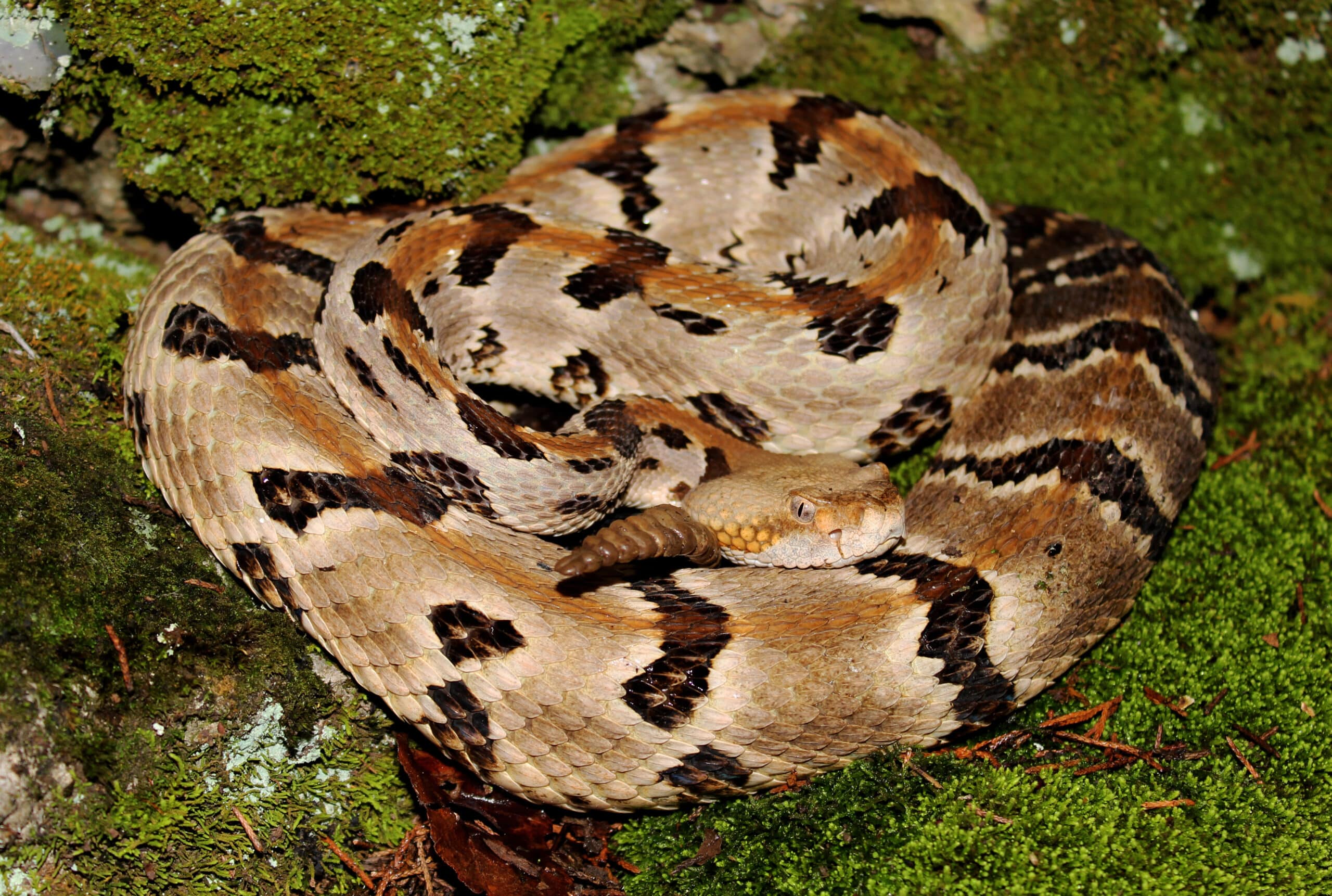
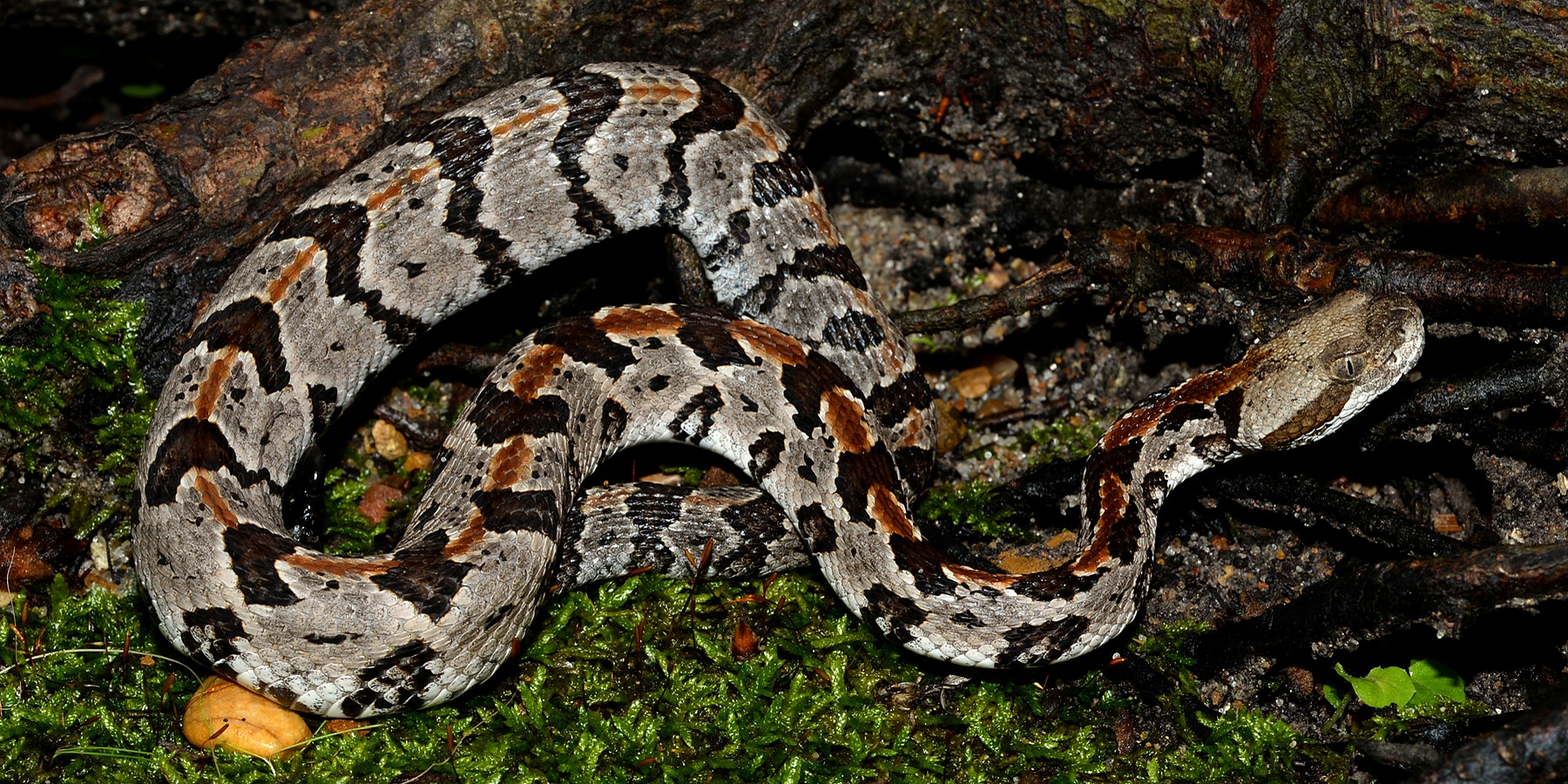
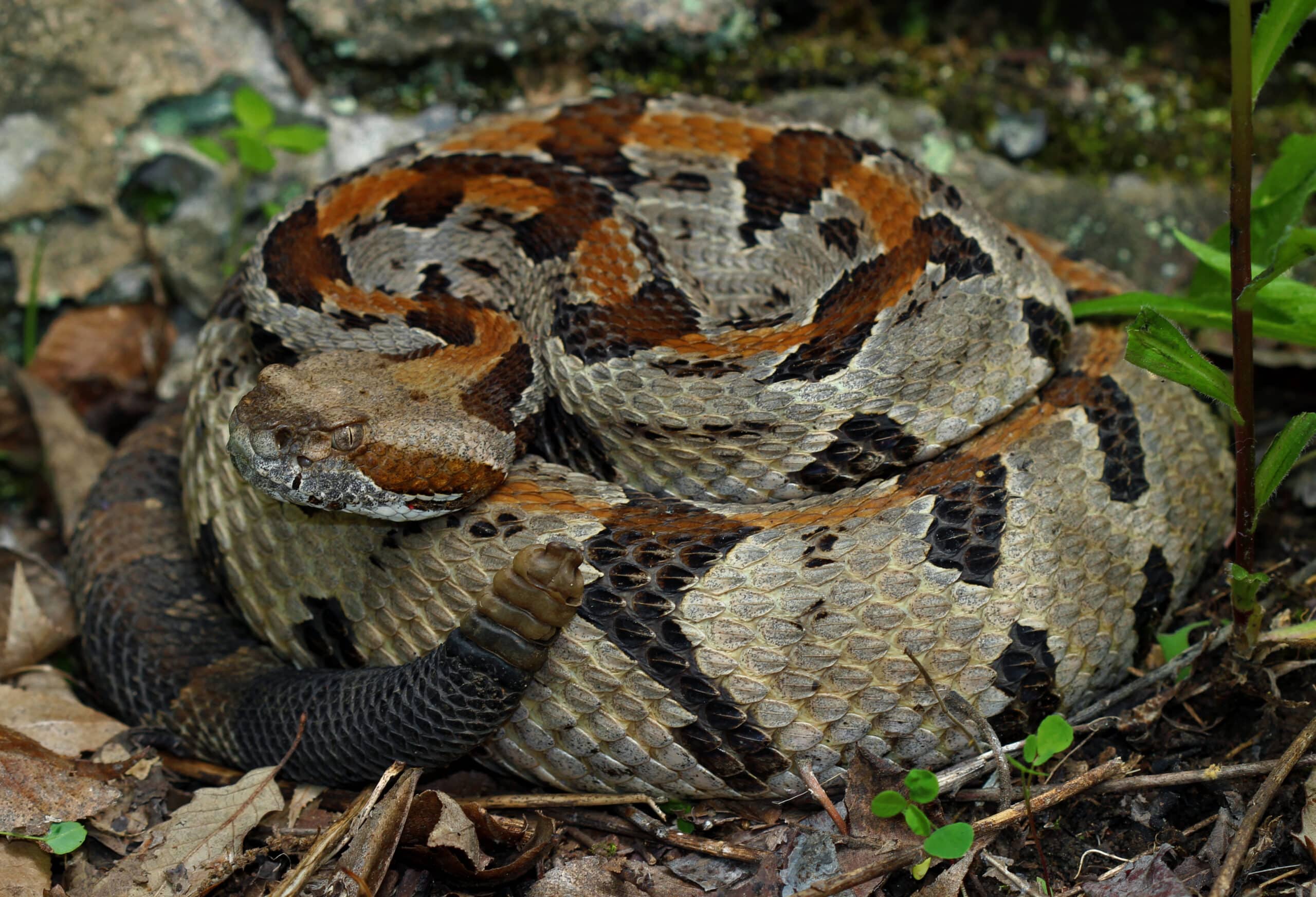
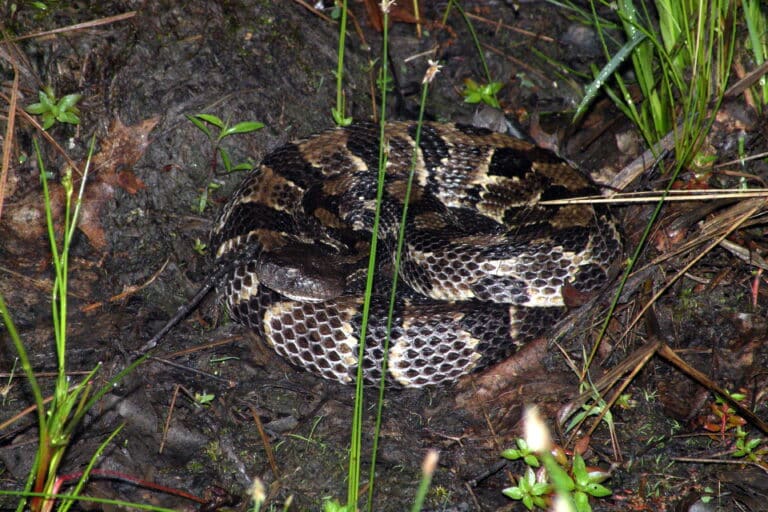
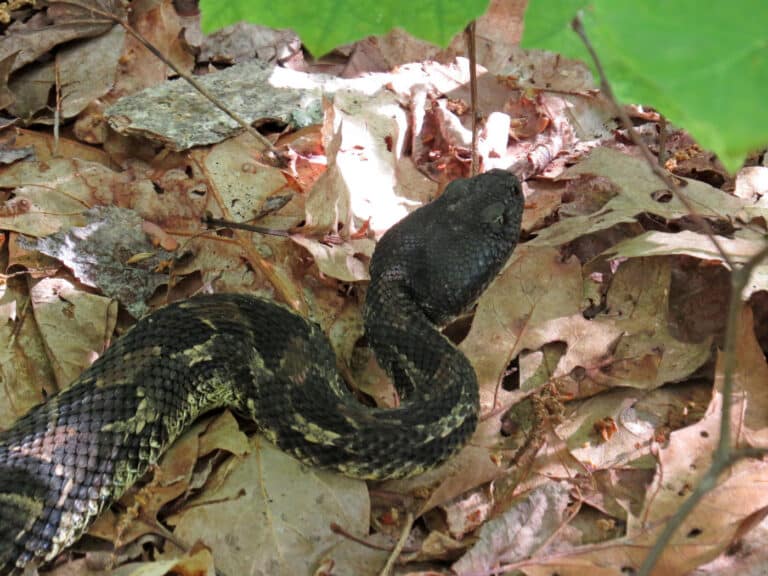
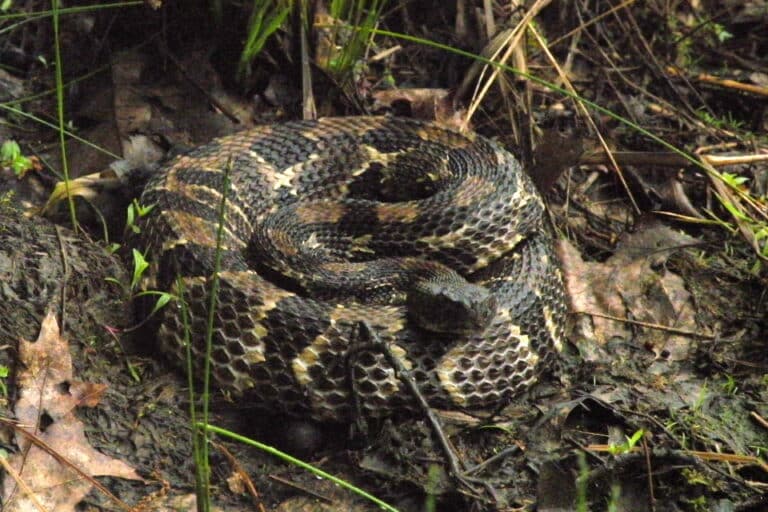
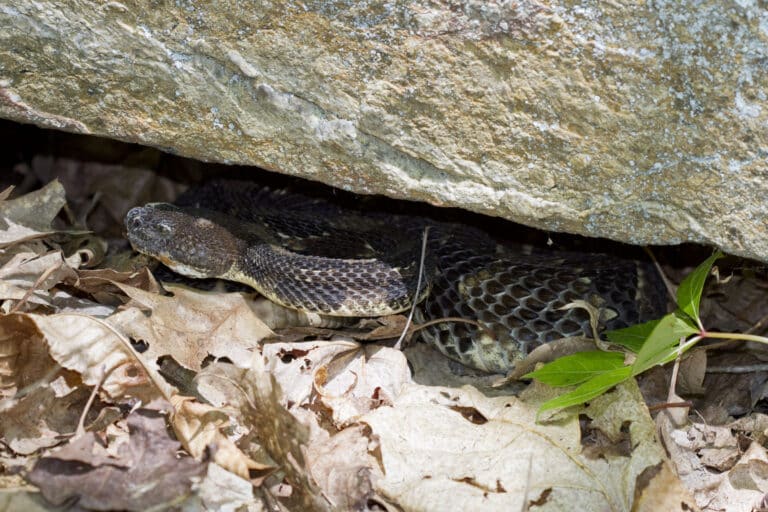
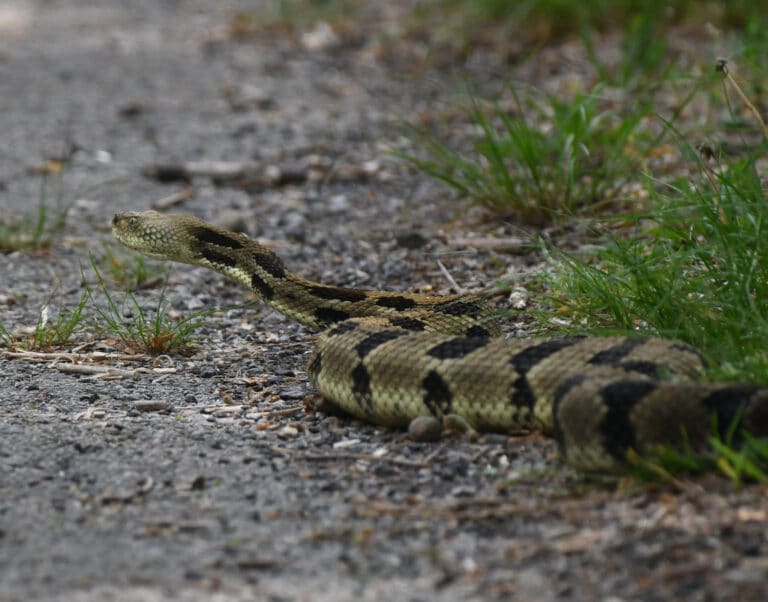
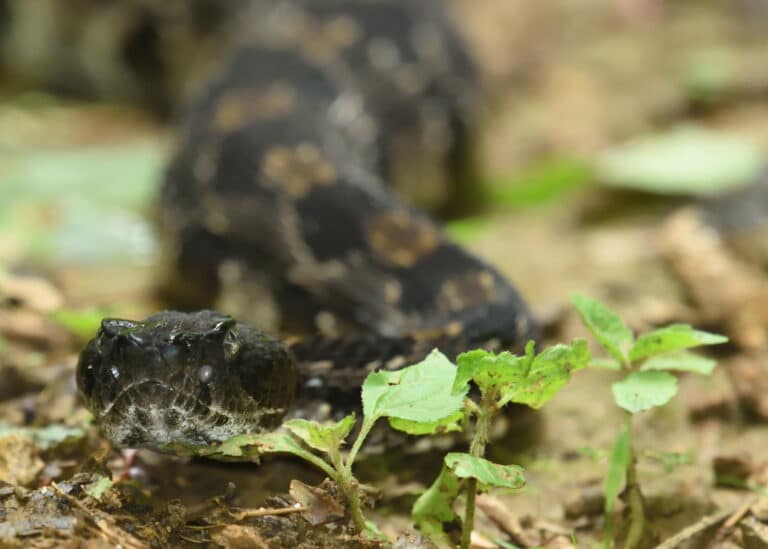
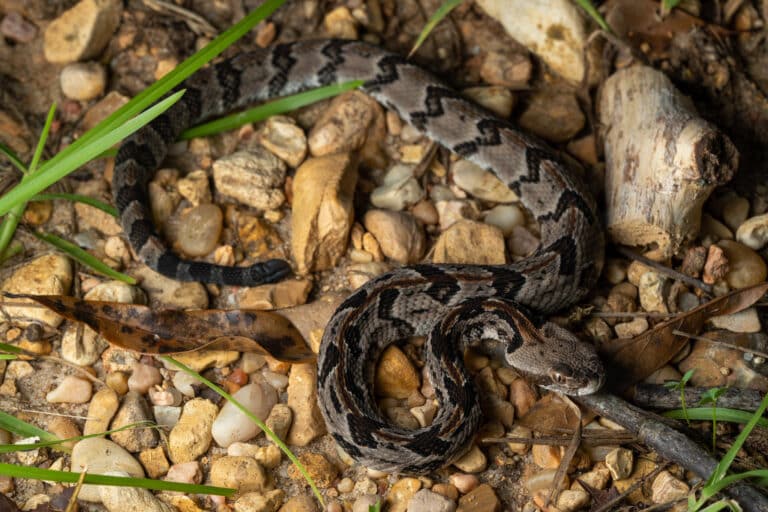
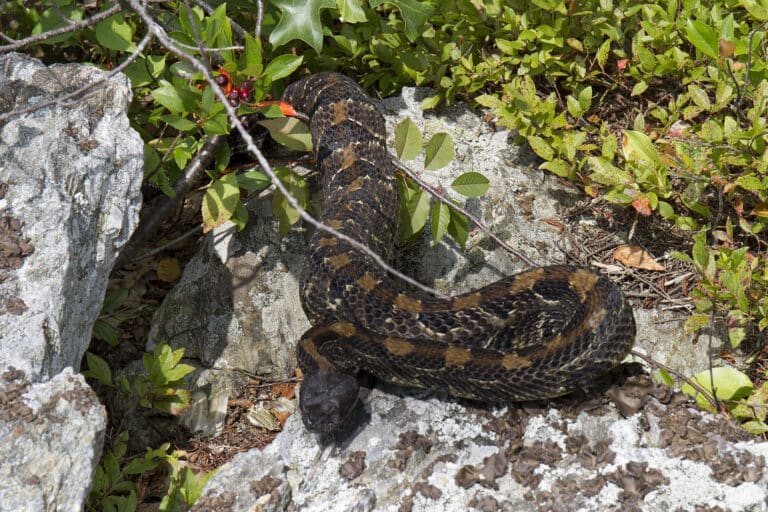
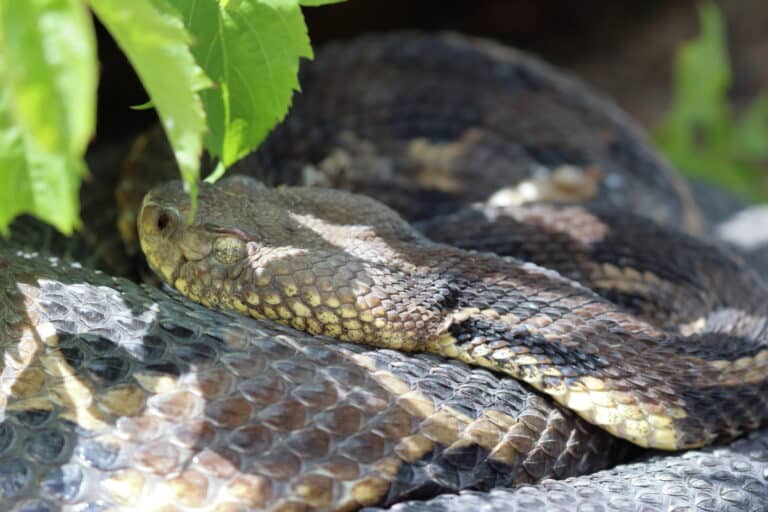
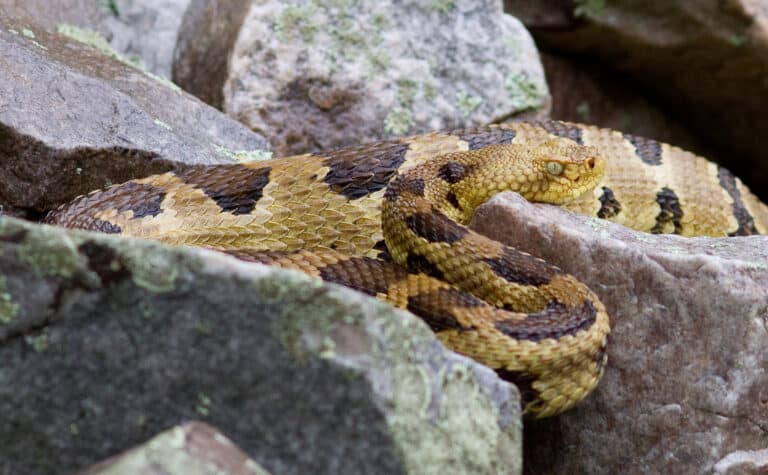
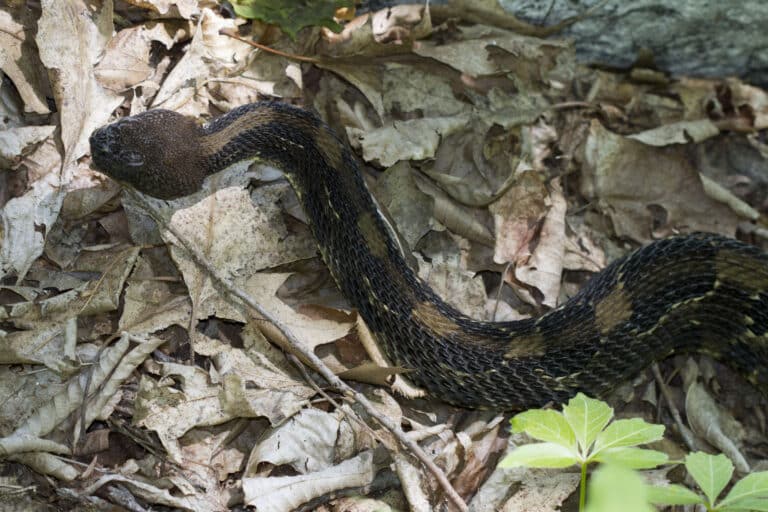
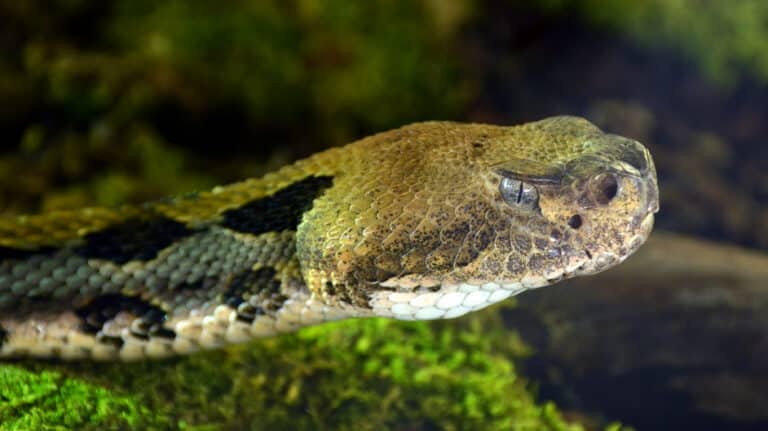
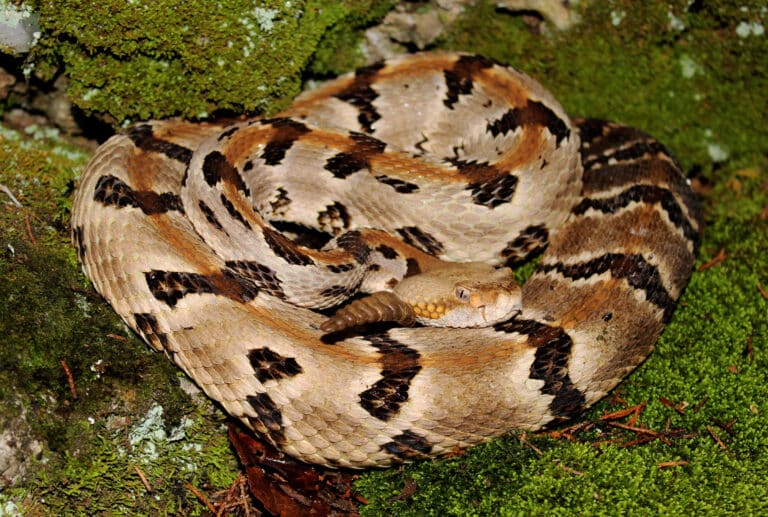
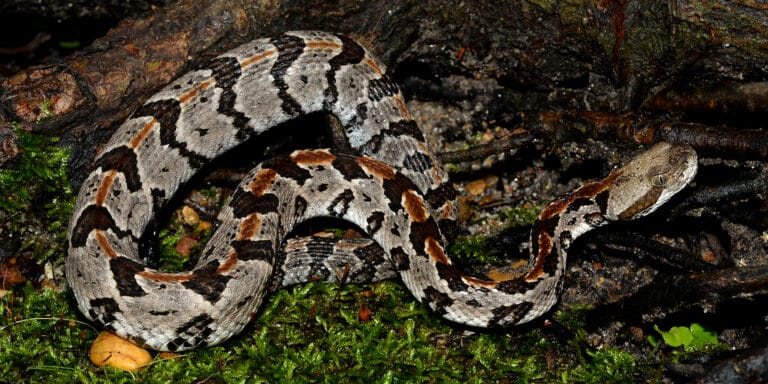
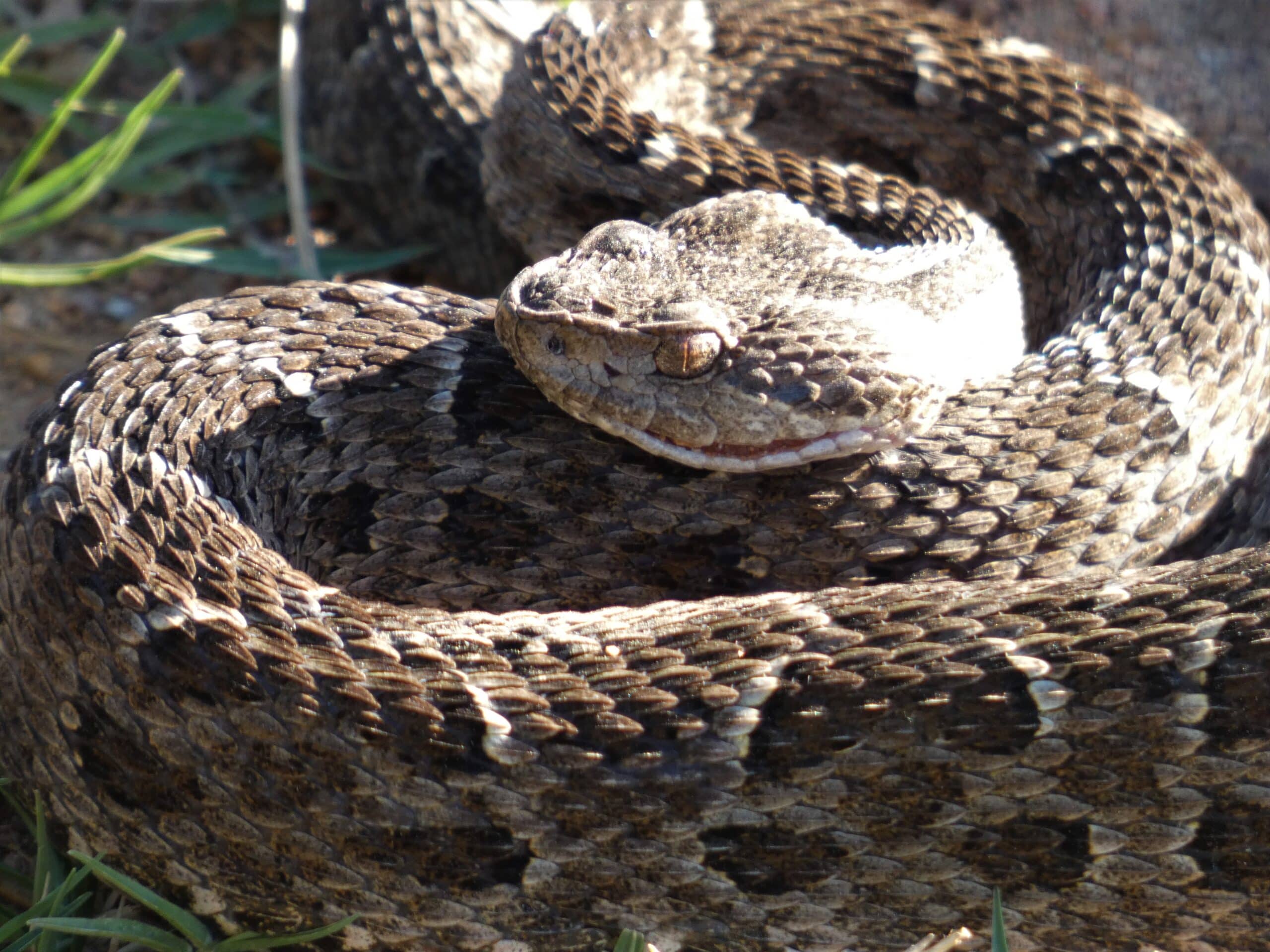
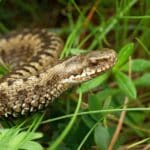
The Timber Rattlesnake, also known as the Canebrake Rattlesnake, is a slithery superstar of the reptile world. This fascinating creature belongs to the viper family and has a scientific name of Crotalus horridus, which sounds pretty cool, right?
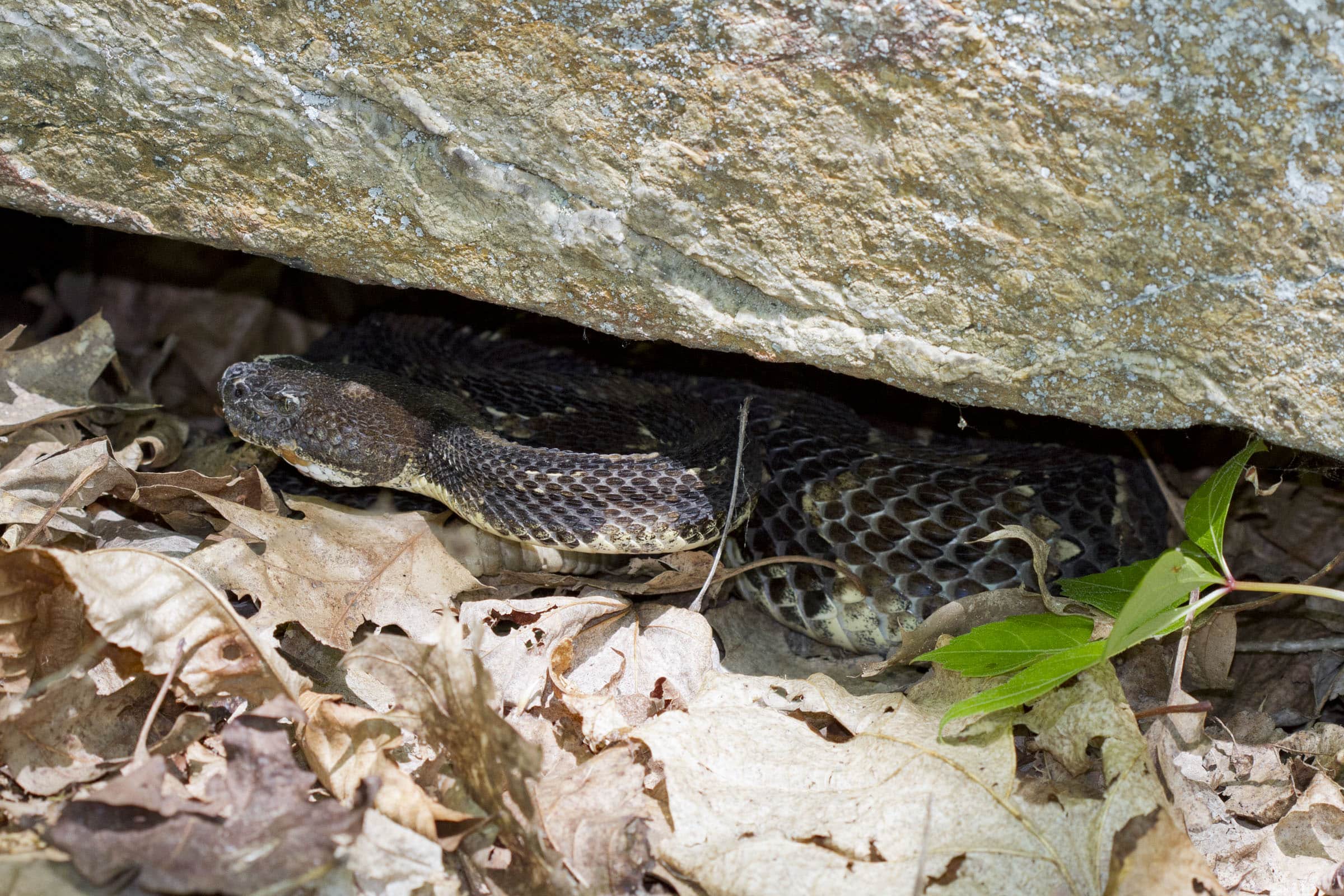
Timber Rattlesnakes can grow between 3 to 5 feet long, making them quite the sight when they coil up and rattle their tails. These snakes live in North America and love to hang out in a mix of woodlands, hills, and even wetlands.
What do Timber Rattlesnakes eat? They feast on small mammals, birds, and even insects that buzz around. They cleverly catch their meals by using their keen sense of smell and their deadly venom, which helps them subdue their dinner.
These snakes boast an impressive lifespan, living up to 20 years under the right conditions. That gives them plenty of time to hiss and weave their way through the stories of many woods!
Their best-known feature is the rattle on their tail. When they feel threatened, they shake it to warn others to back off. It's like their special alarm system, letting everything nearby know they mean business!
Timber Rattlesnakes might be a little intimidating, but they usually prefer to avoid humans. They are important members of their ecosystem, helping to control rodent populations and contribute to the balance of nature. So next time you hear a rattle, remember it's just a Timber Rattlesnake saying hello!

Where can you find a Timber Rattlesnake (Canebrake Rattlesnake) in the wild?
What does a Timber Rattlesnake (Canebrake Rattlesnake) eat?
How big can a Timber Rattlesnake (Canebrake Rattlesnake) grow?
How long does a Timber Rattlesnake (Canebrake Rattlesnake) typically live?
What is the conservation status of the Timber Rattlesnake (Canebrake Rattlesnake)?
What are the main threats to the Timber Rattlesnake (Canebrake Rattlesnake)?
Fun facts
The rattle on a Timber Rattlesnake's tail contains many layers of keratin, which is the same material found in human nails. This unique rattle grows in segments, so each year adds a new segment, making it a growing alarm system!


Timber Rattlesnakes have special heat-sensing pits located between their eyes and nostrils. These pits help them detect warm-blooded animals, allowing them to strike their prey with amazing accuracy, like super-sensors!
When Timber Rattlesnakes feel threatened, they often freeze in place. This behavior can mimic the surrounding leaves and branches, making it hard for predators to spot them, like sneaky little ninjas!
Some Timber Rattlesnakes can have different shapes and colors based on where they live. This coloration helps them blend into their surroundings, making them excellent at hiding from hungry predators.
These snakes have a unique way of telling other snakes to back off. When they shake their tails, the sound of the rattle travels through the air, warning danger to others, like nature's own warning siren!
Timber Rattlesnakes are social with their friends, especially during mating season. They can gather in groups and engage in a behavior called mating balls, where several males may compete to win the affection of a single female!
A Timber Rattlesnake can go a long time without eating, sometimes up to several months! This is because they eat large meals and can survive on the energy for a while, like furry little superheroes of conservation!
When a Timber Rattlesnake bites, it can control how much venom it injects. This means they can deliver a dry bite, which is like a fake-out move when they feel threatened but don’t want to hurt you.
Timber Rattlesnakes have a unique language all their own! When they hiss, they communicate not just warnings but also their mood. This makes them great at expressing themselves in the wild, just like us!
These fascinating snakes can recognize their own territory. They come back to the same areas year after year, much like marking their favorite spots in the neighborhood!
Photos


The Basics


explore more
Amphibians
Arachnids
Birds
Cats
Crustaceans
Fish
Fish Pet Guide
Gastropods
Insects
Invertebrates
Mammals
Pet Fish
Pet Rodents
Plants
Reptiles
Roundworms
Sea Slugs