Successfully copied to clipboard!
Tree Frog
Leap into adventure with these colorful forest acrobats!
Let’s Explore
Overview
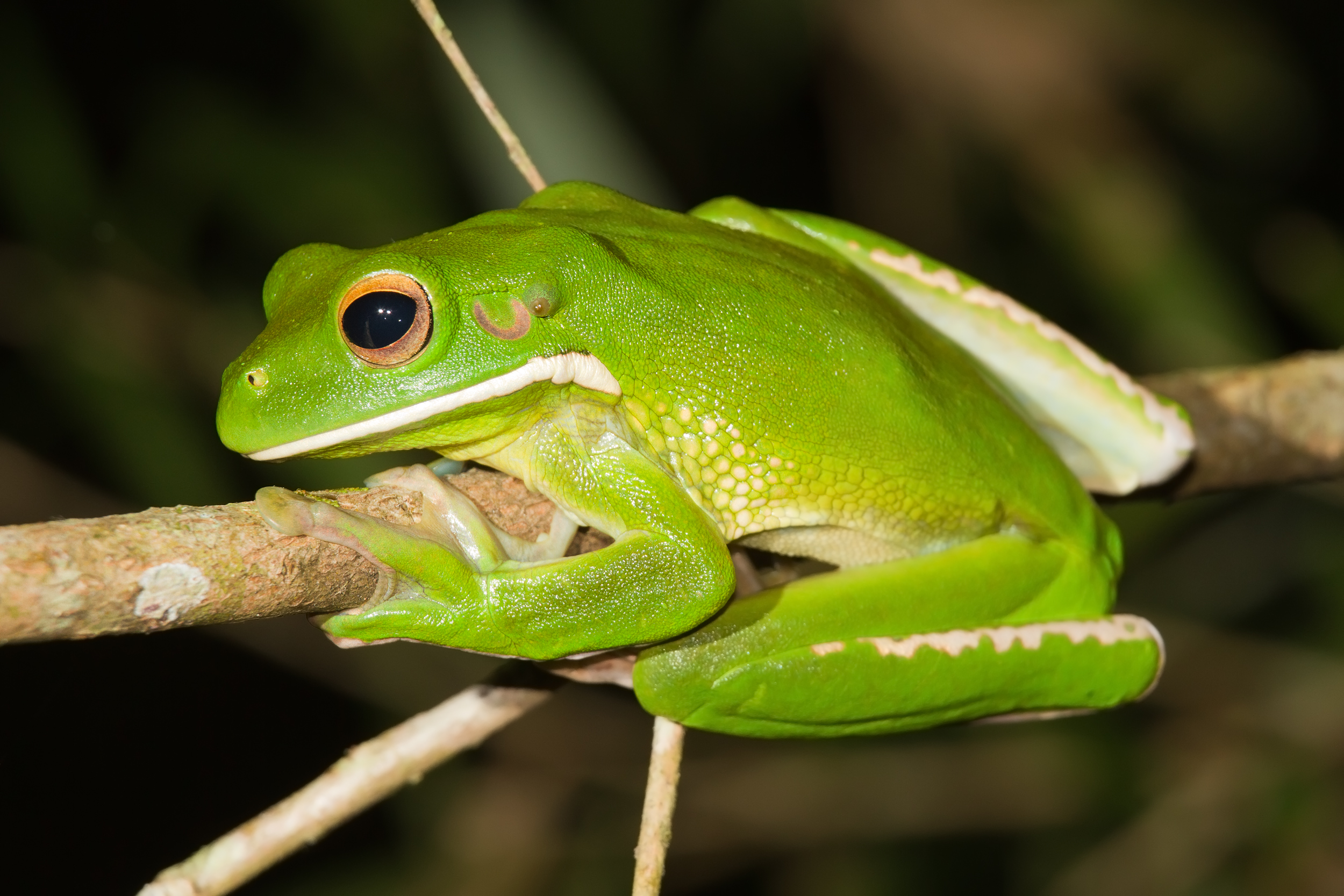
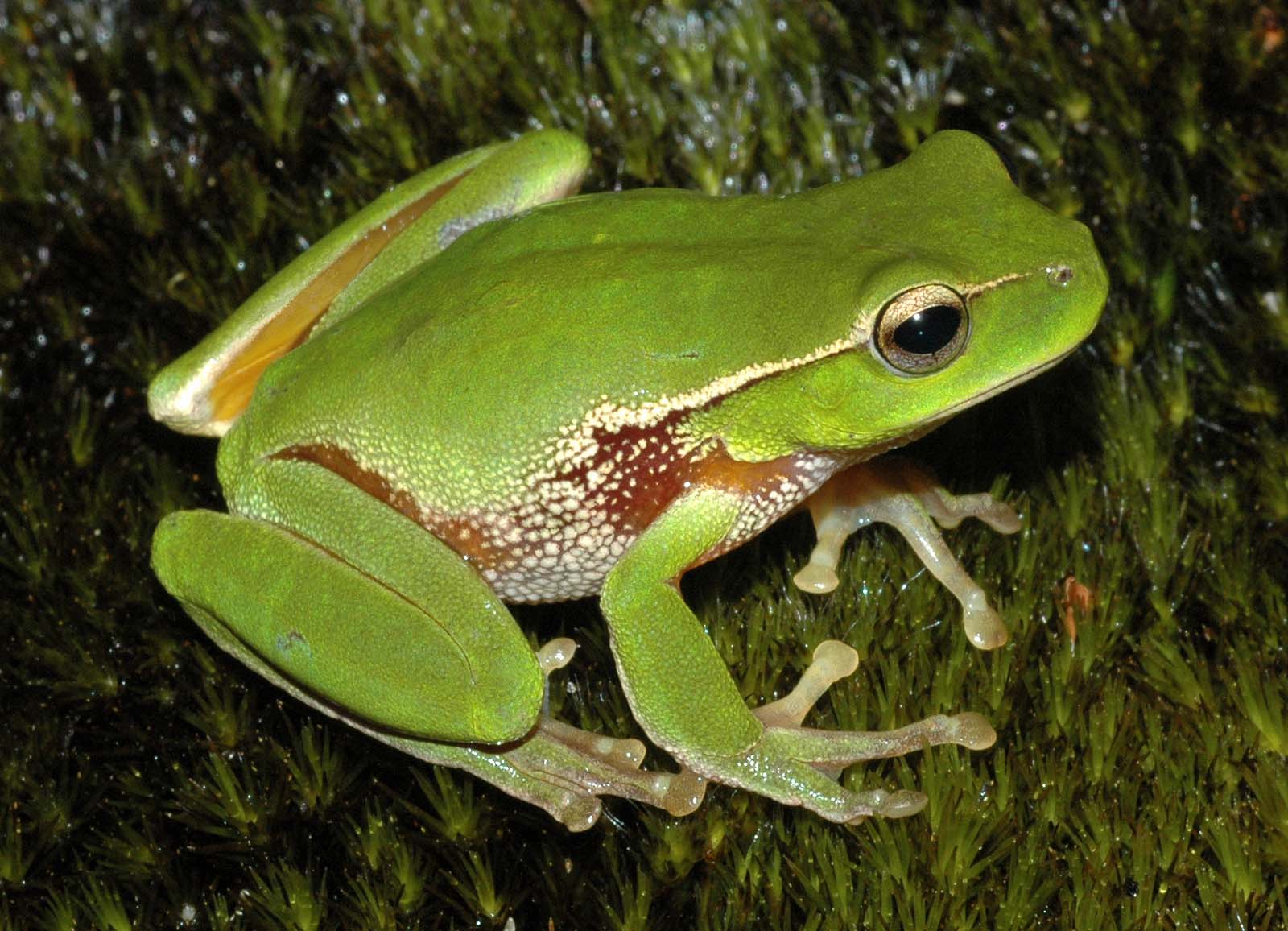
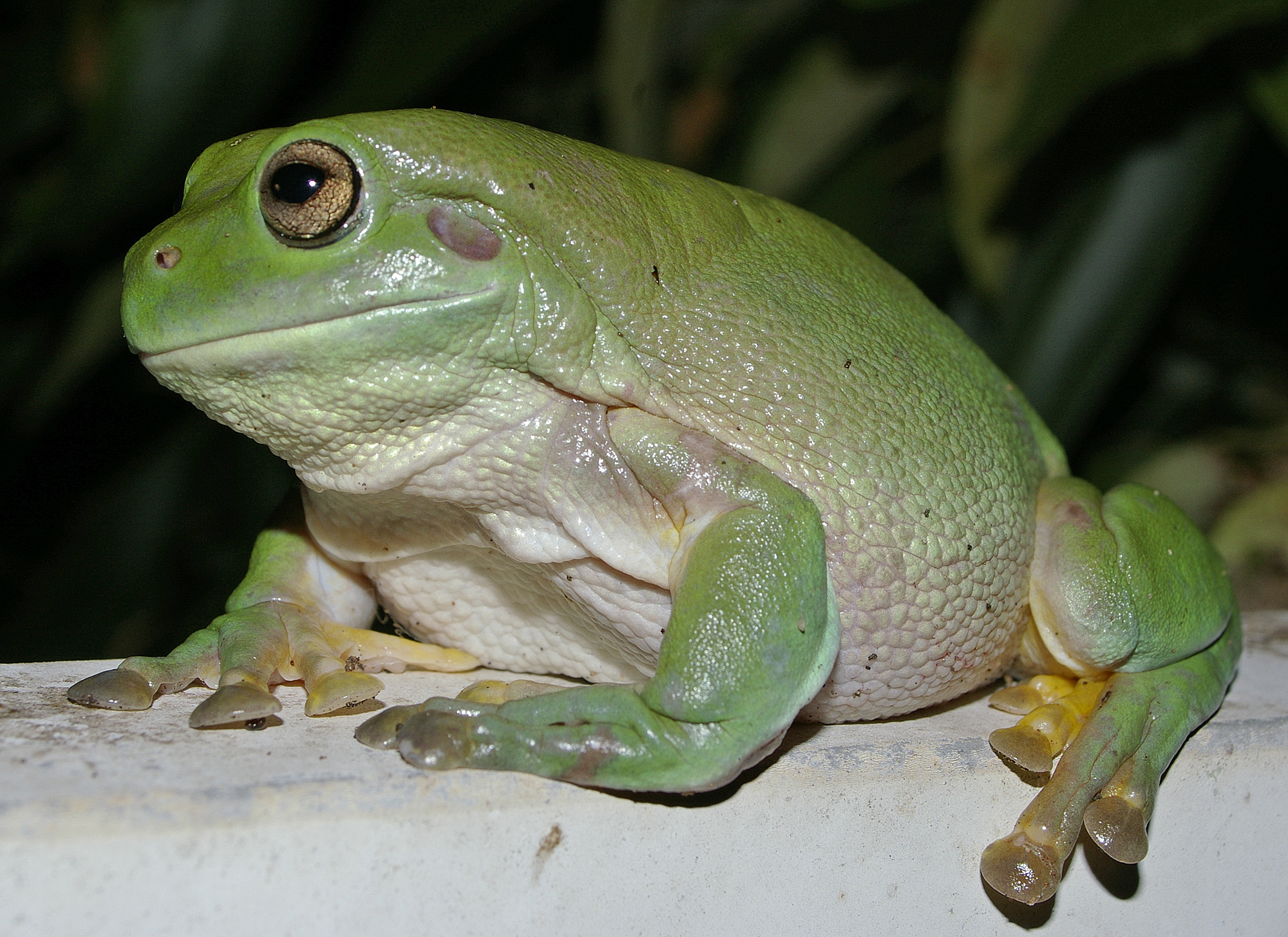
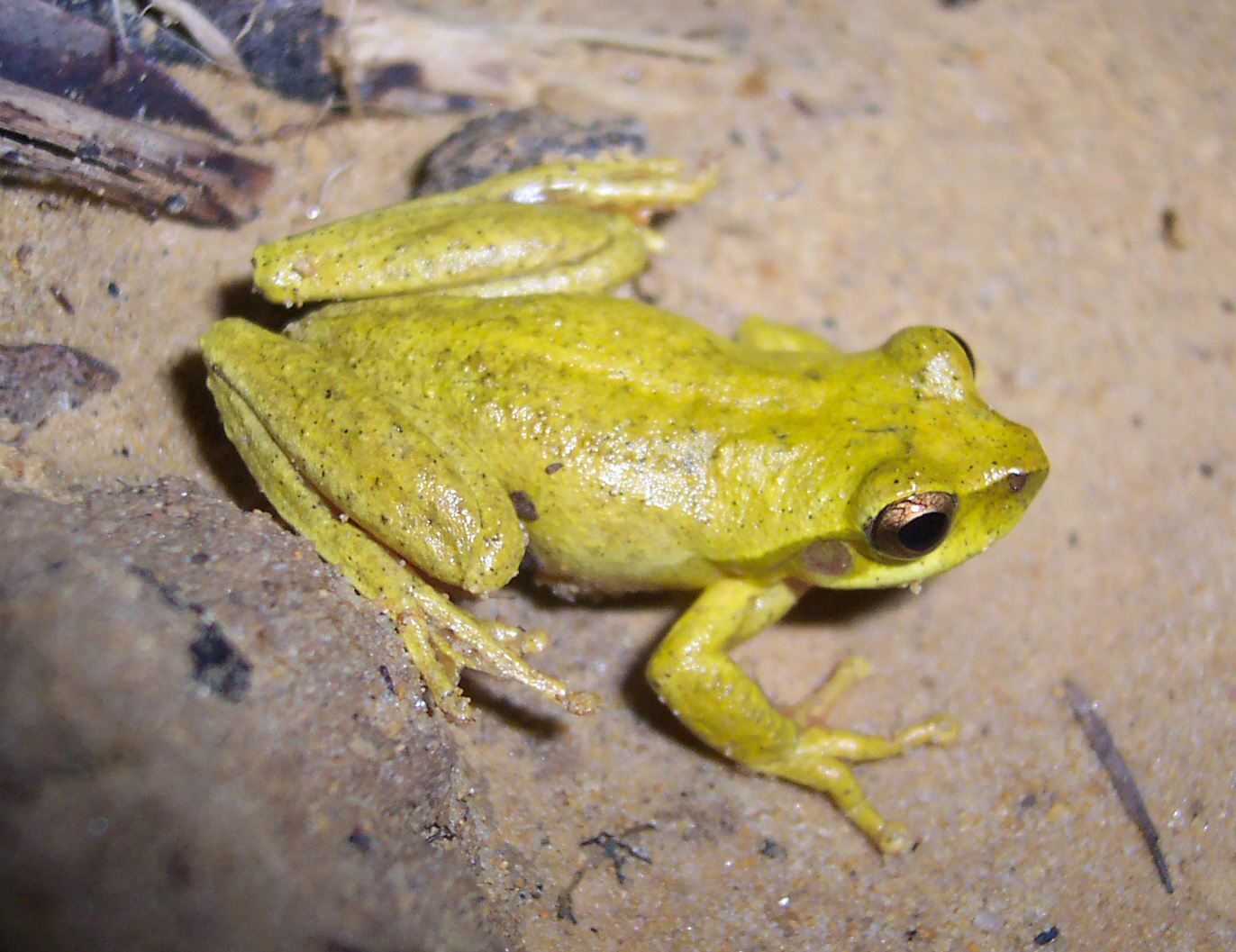
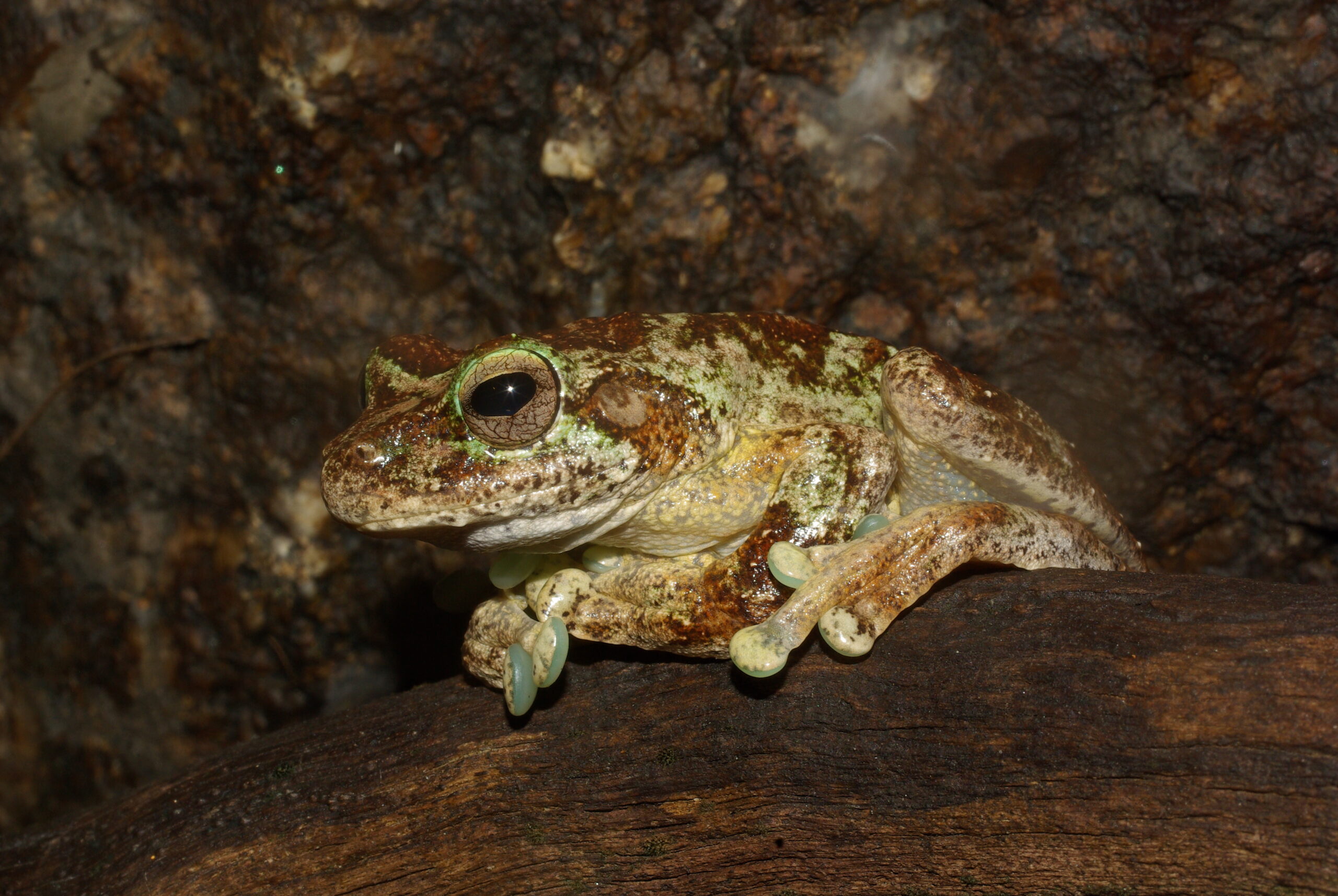
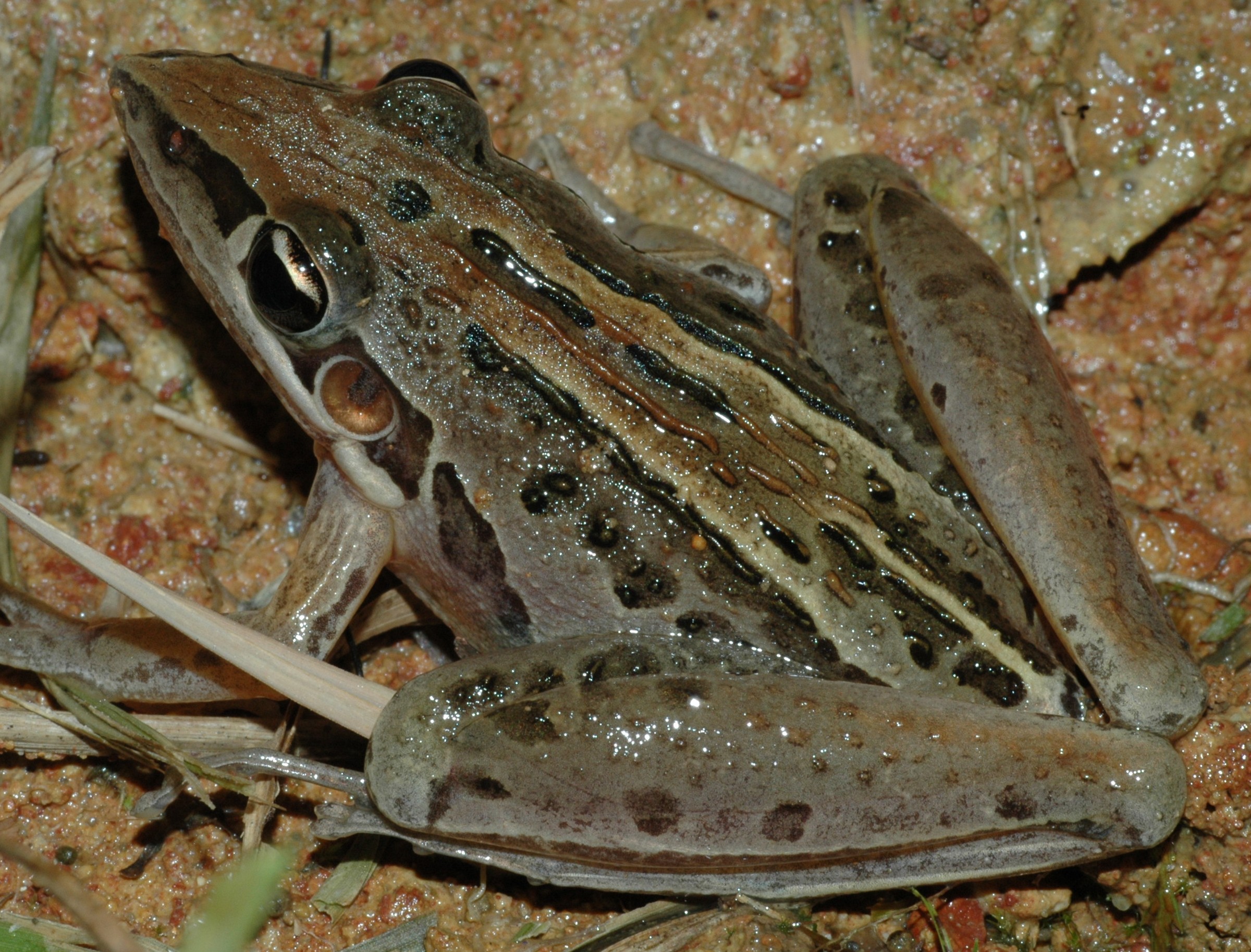
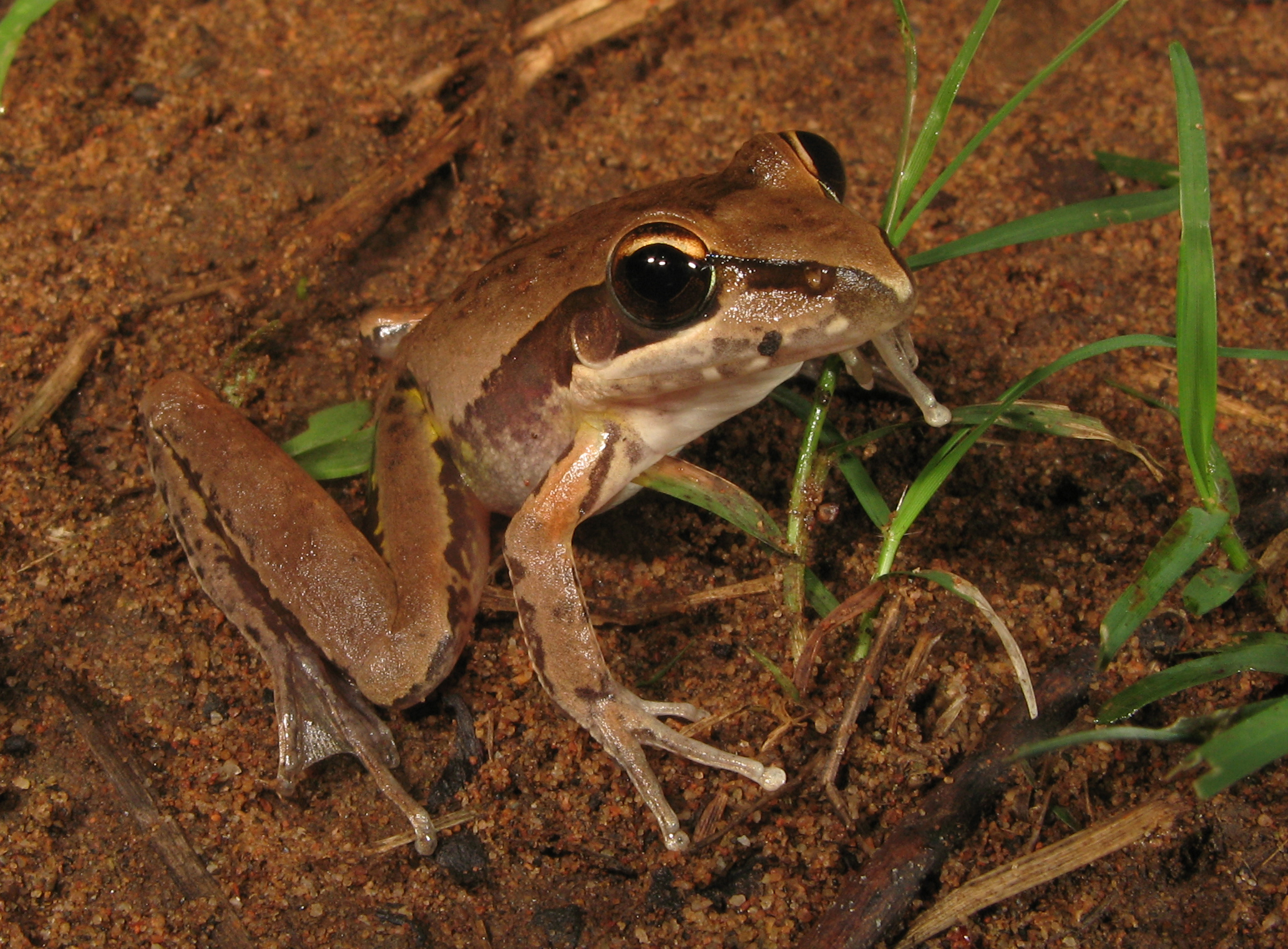
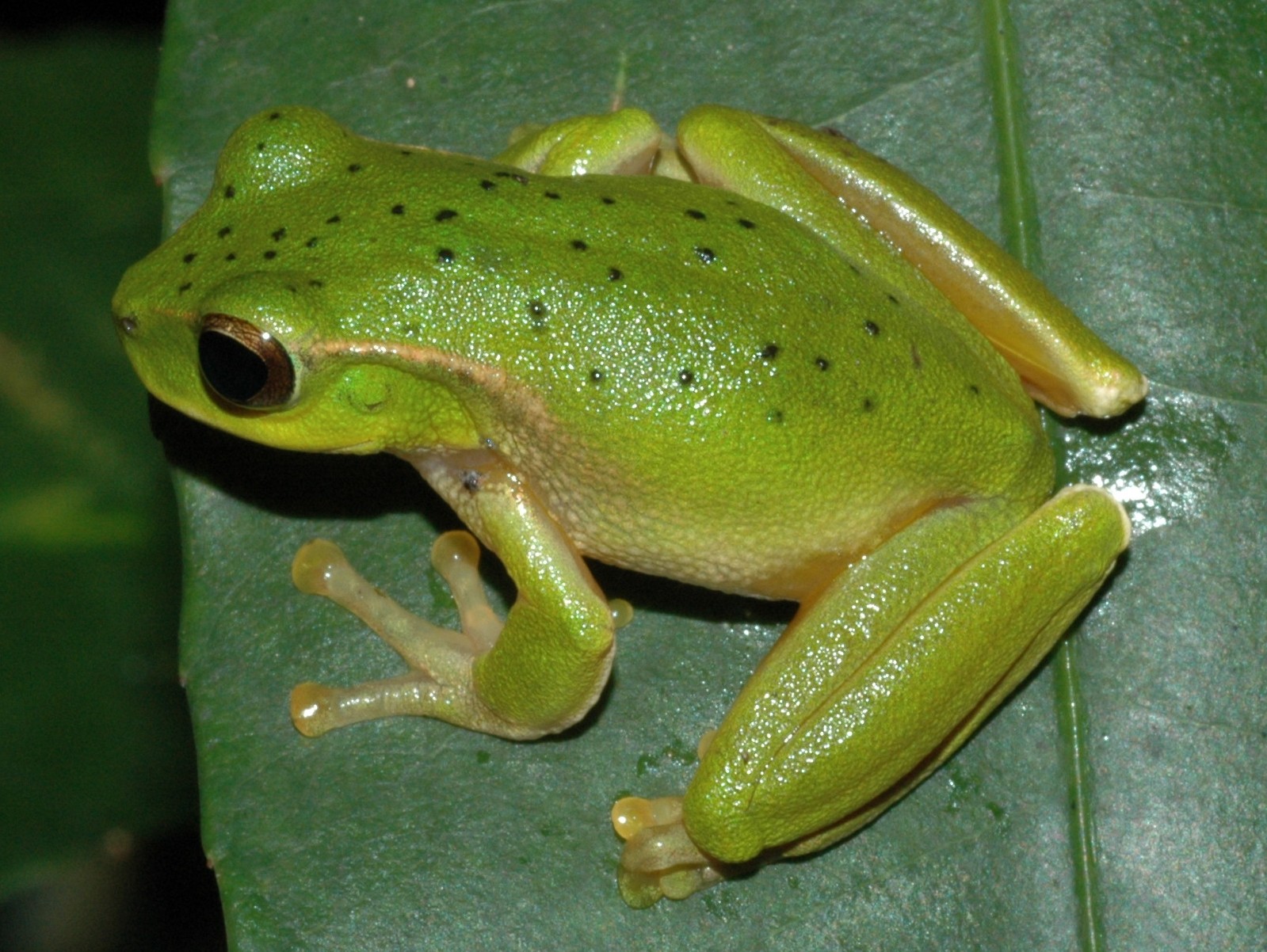
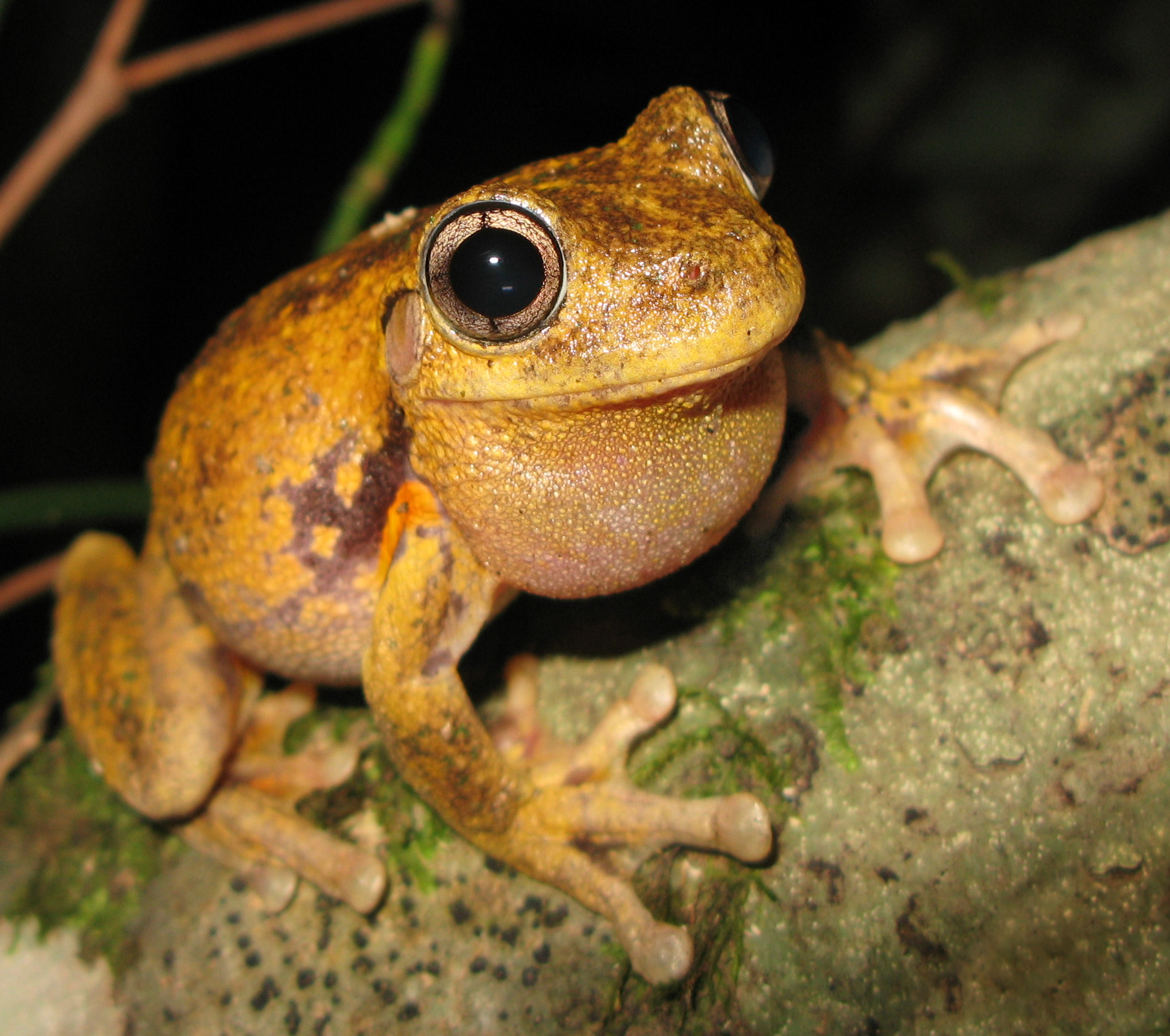
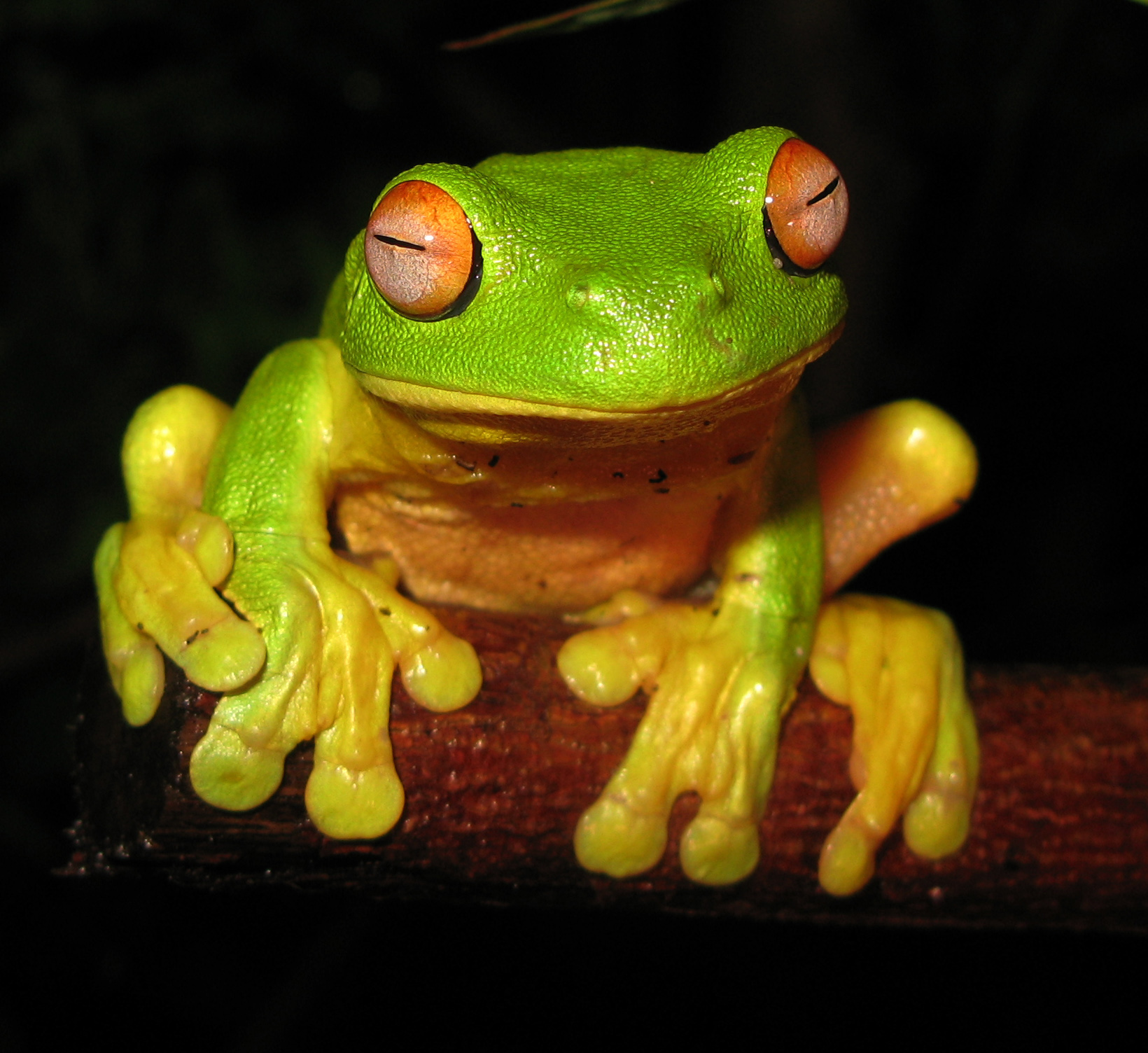
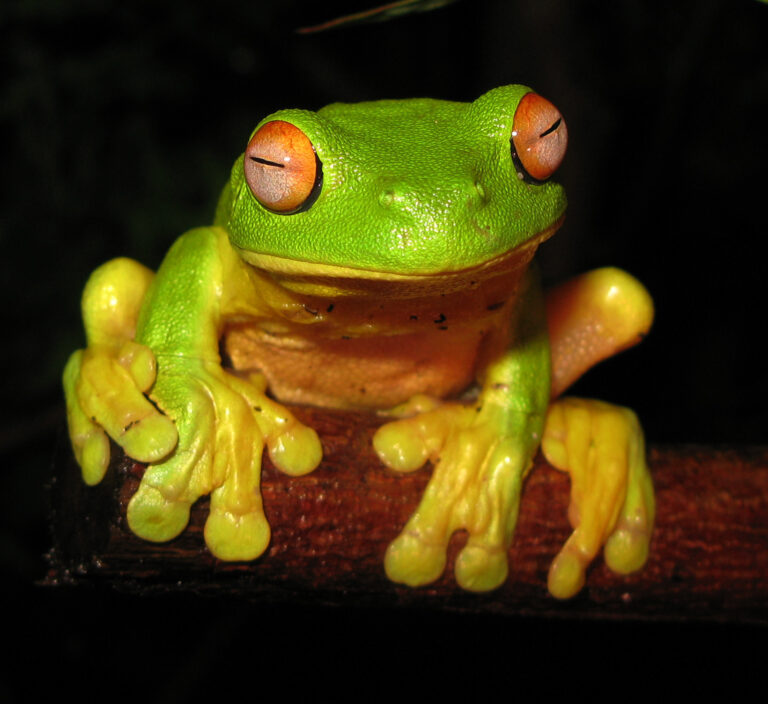
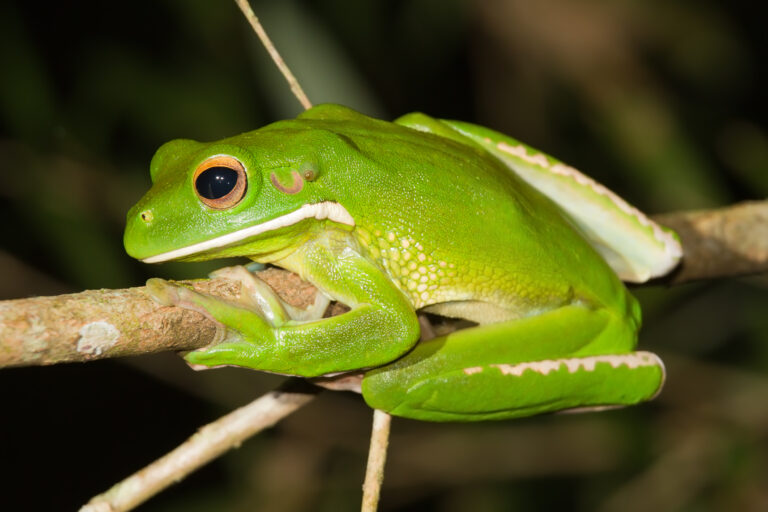
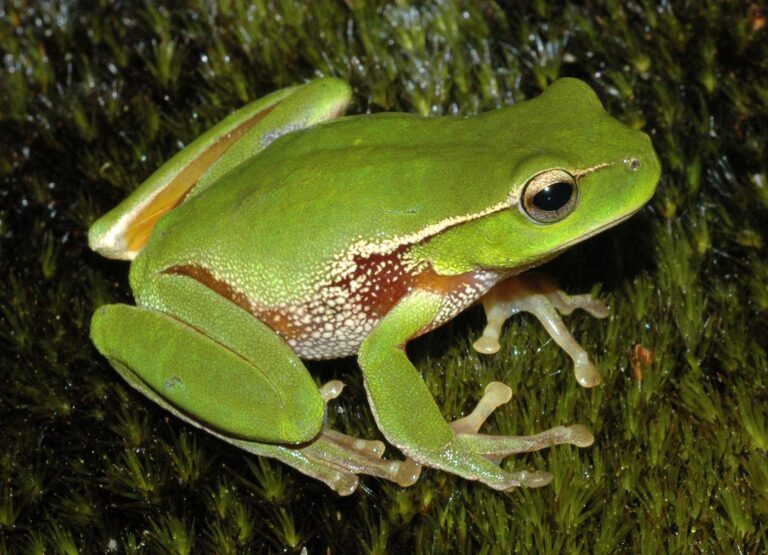
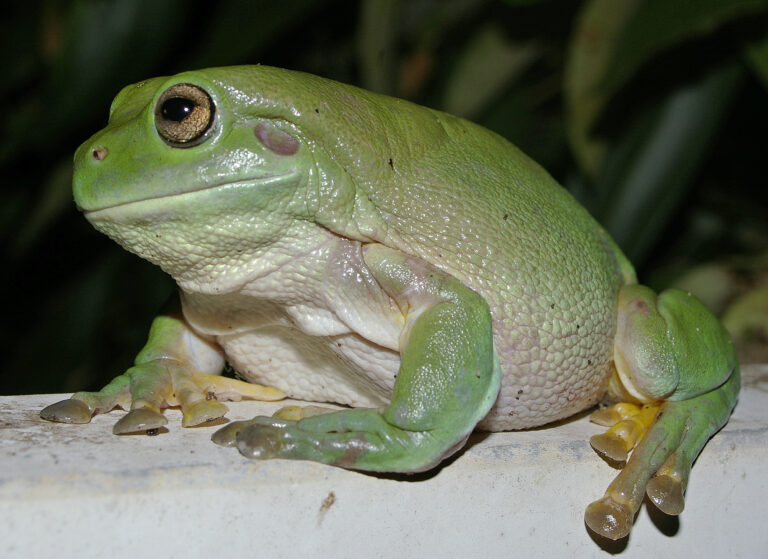
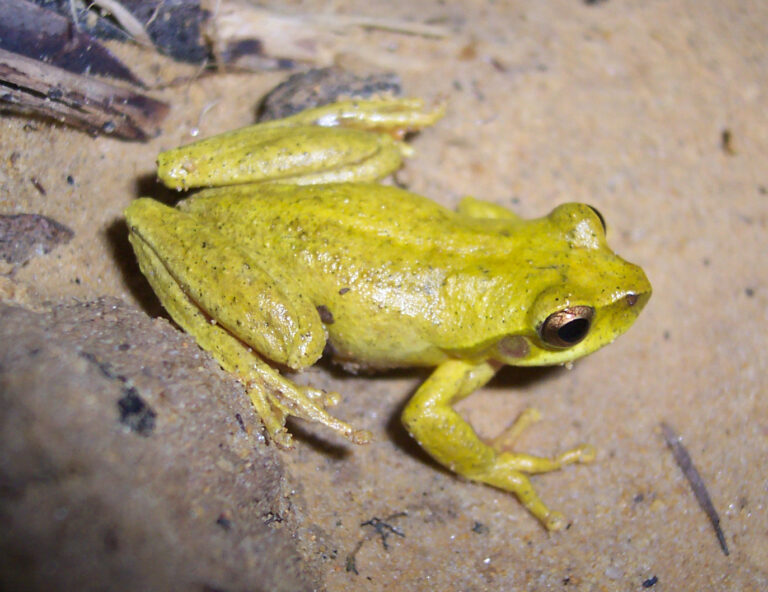
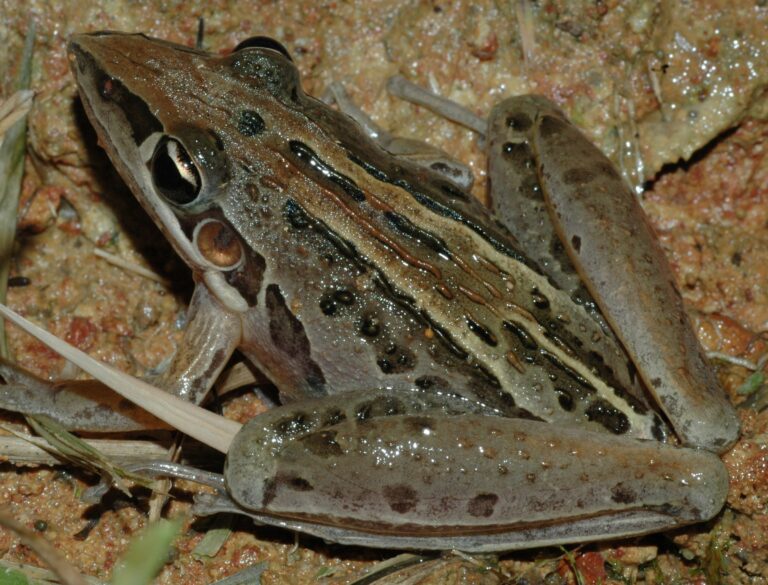
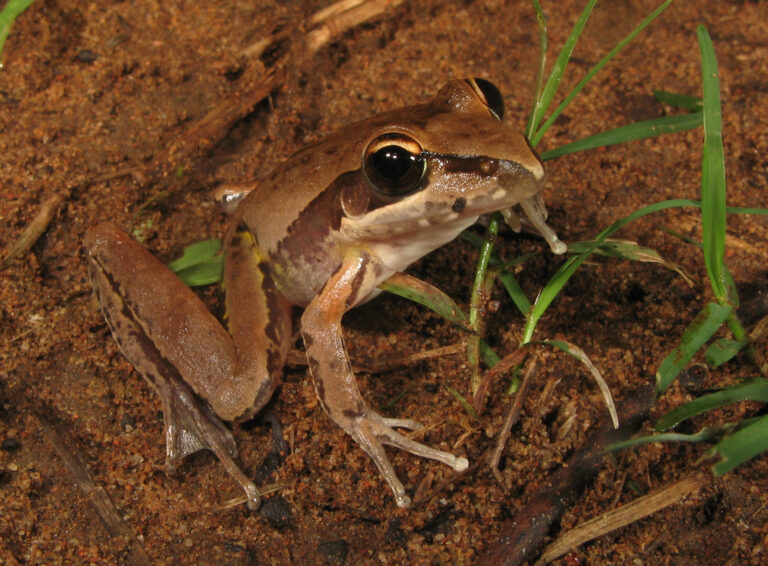
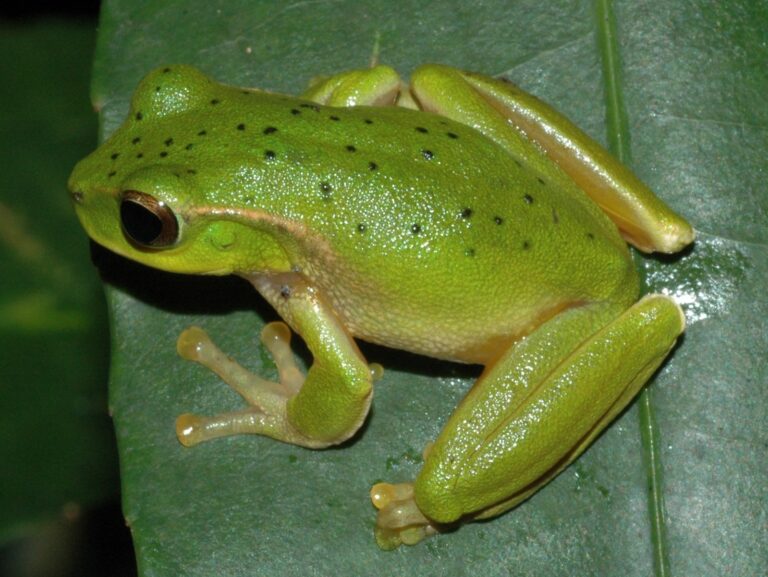
Tree frogs are amazing amphibians that belong to the scientific family Hylidae. These little jumpers typically measure between 2.5 to 10 centimeters (1 to 4 inches) long and can be found hopping around in Africa.
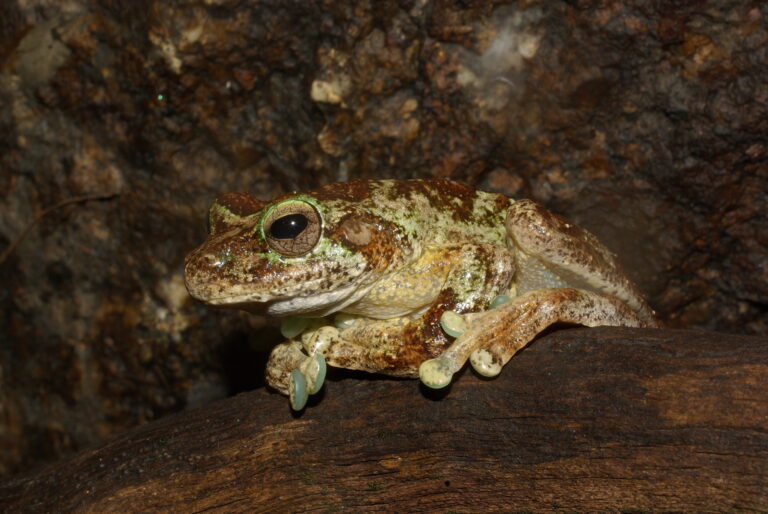
With their bright colors and sticky toes, tree frogs excel at climbing. Their special toe pads help them stick to leaves and branches, making them the acrobats of the amphibian world.
Tree frogs enjoy a tasty diet of insects, spiders, and worms. Their quick tongues snap up meals like a magician’s trick, helping them stay fueled for their lively leaps.
These frogs can live a long time compared to their size, enjoying lifespans of 10 to 16 years. That gives them plenty of time to perfect their jumping and singing skills!
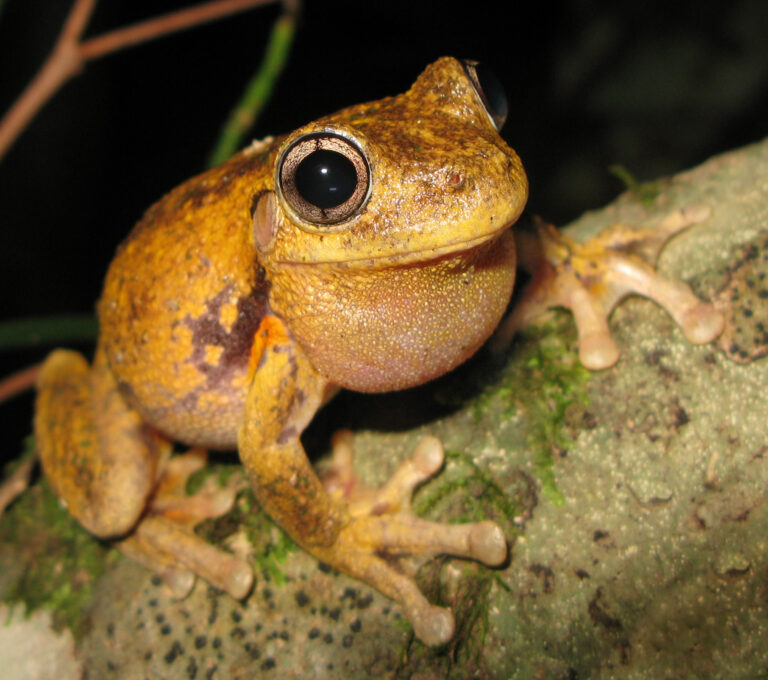
When tree frogs sing, it sounds like a cheerful chorus in the night air. They create this symphony to attract mates or warn others to stay away from their territory, turning the forest into a musical playground.
So next time you hear a frog croaking, remember: it might just be a tree frog inviting you to join the fun in its leafy domain!

Where can you find a Tree Frog in the wild?
What does a Tree Frog eat?
How big can a Tree Frog grow?
How long does a Tree Frog typically live?
What is the conservation status of the Tree Frog?
What are the main threats to the Tree Frog?
Fun facts
Tree frogs can change color! They have special cells in their skin that can expand and contract to reflect different colors based on their mood or surroundings.


Some tree frogs enjoy a spa day! They can absorb moisture through their skin directly from the water, which helps them stay hydrated and feel fresh.
Tree frogs have the coolest sticky toes! Their toe pads are covered in tiny hexagonal cells that help them grip surfaces, making them expert climbers of branches and leaves.
Many tree frogs sing different tunes! Each species has its own unique call, which they use to attract mates or warn others away, turning a quiet night into a concert.
These frogs are super helpful critters! They control insect populations by eating pests like mosquitoes, giving them a big role in keeping our environment balanced.
Some tree frogs can even freeze! The wood frog can survive freezing temperatures by entering a hibernation-like state, which makes it a true winter warrior!
Tree frogs can leap over 20 times their body length! This amazing ability helps them escape predators and move quickly through the trees.
In the daytime, tree frogs often take naps on leaves, blending in with their surroundings to avoid being spotted by hungry birds and other animals.
They enjoy socializing! When tree frogs gather during mating season, they often form large groups, creating a lively atmosphere full of croaks and chirps.
Some tree frogs can produce poison! Skin secretions from certain species can deter predators and keep them safe, making them both fascinating and unique.
Photos

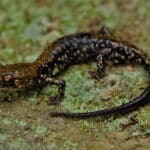
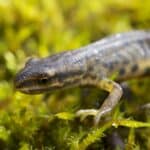
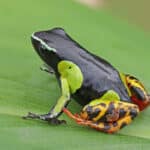
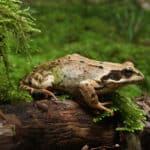
The Basics


explore more
Amphibians
Arachnids
Birds
Cats
Crustaceans
Fish
Fish Pet Guide
Gastropods
Insects
Invertebrates
Mammals
Pet Fish
Pet Rodents
Plants
Reptiles
Roundworms
Sea Slugs