Successfully copied to clipboard!
Treehopper
Hop into the vibrant world of nature's clever camouflagers!
Let’s Explore
Overview
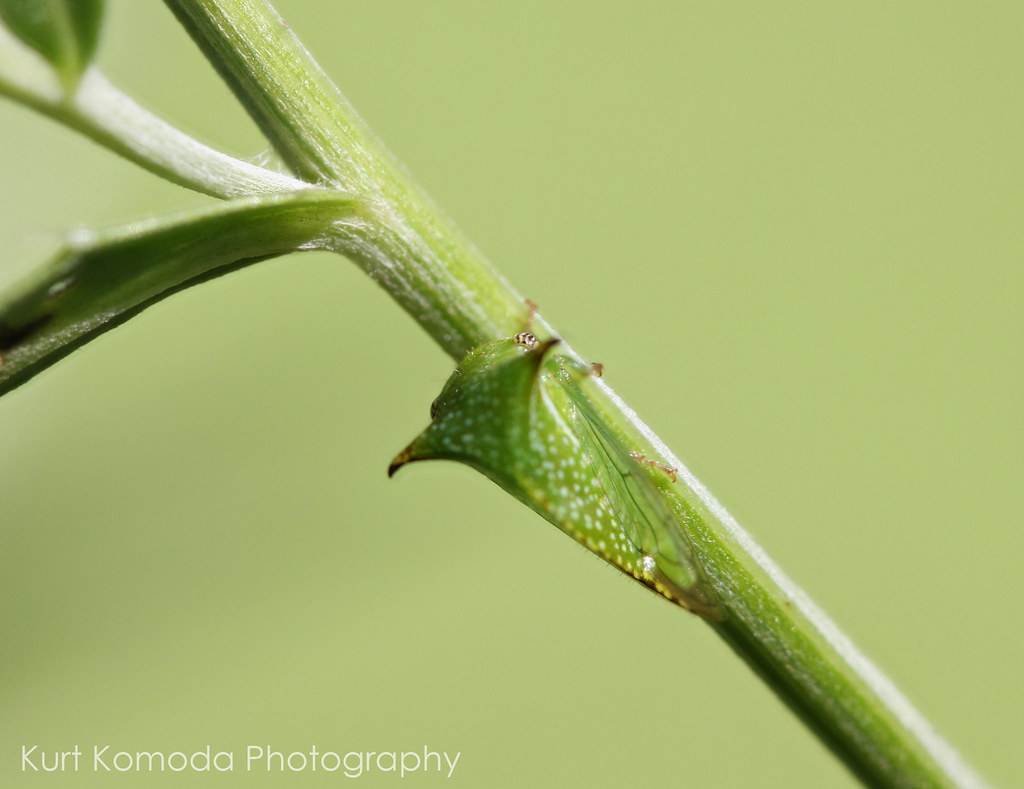
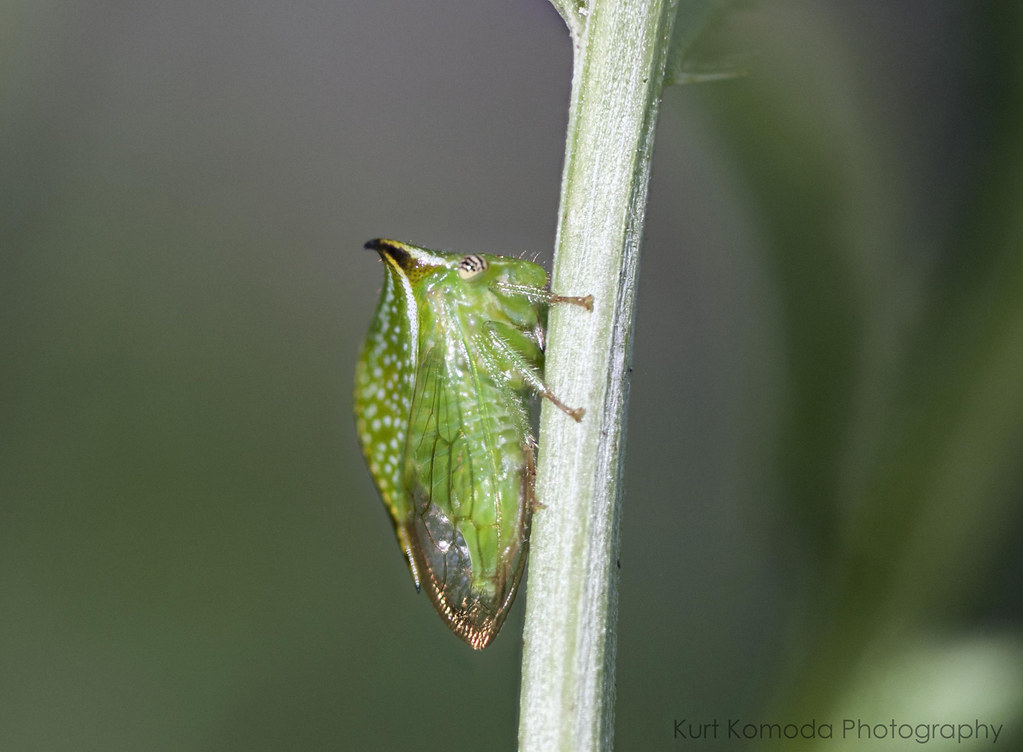
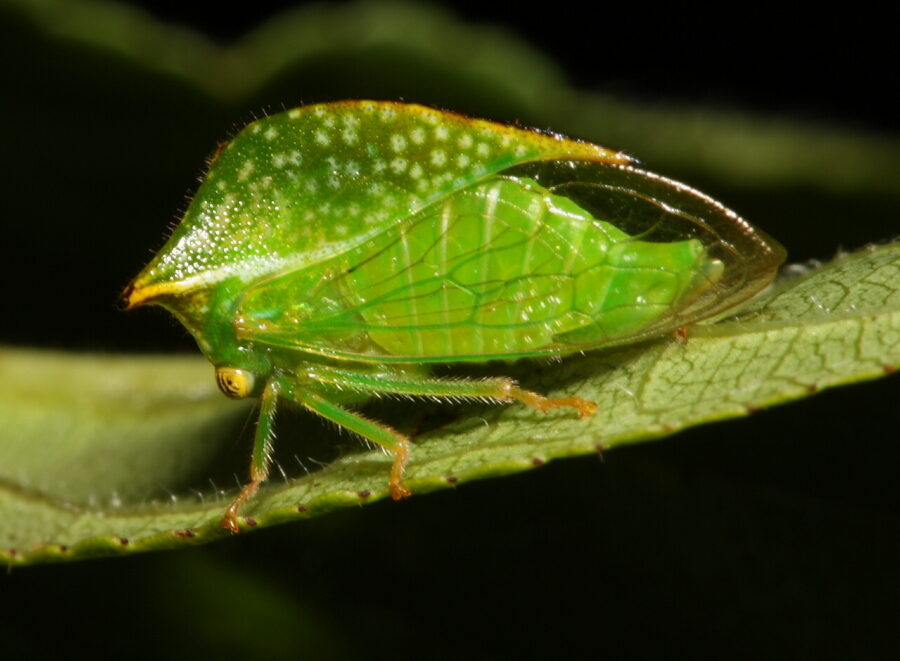
Treehoppers are tiny and amazing insects that belong to the family Membracidae. These little critters can vary in size from 3 to 12 millimeters, which makes them perfect for hiding among the leaves and branches of their favorite plants.
Treehoppers get their name from their incredible hopping abilities. They leap away from danger like tiny grasshoppers, using their powerful legs to hop impressively, despite their small size.
These insects mostly munch on plant sap. They use their specialized mouthparts to tap into the plant's vessels, sipping the sweet juice much like kids sipping juice through a straw. Treehoppers even excrete a sugary substance called honeydew while they eat, which can attract ants and other insects looking for a sweet snack.
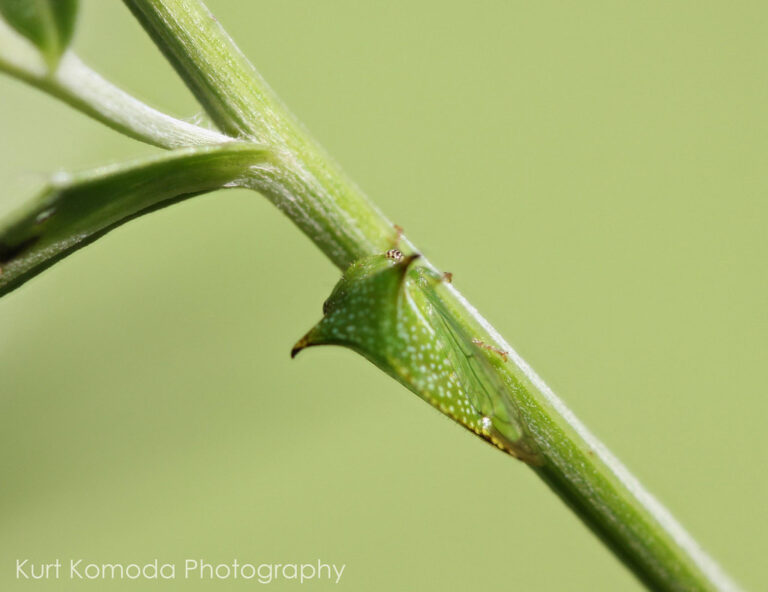
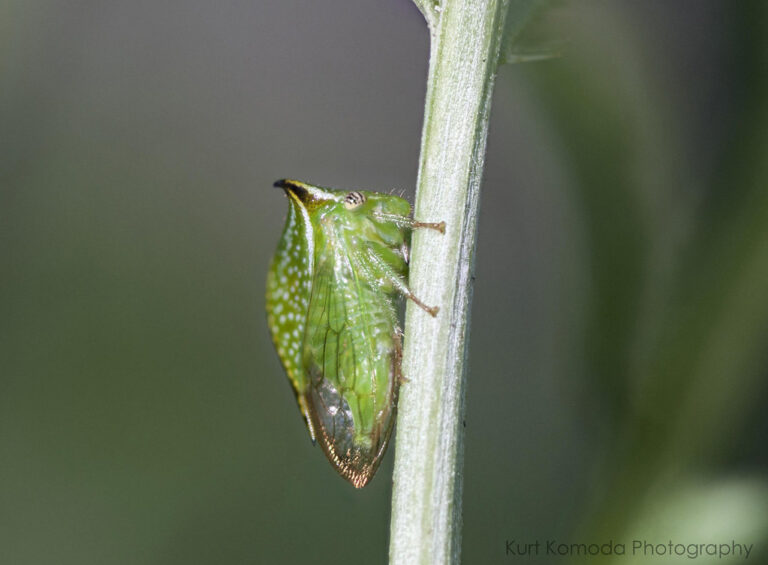
Treehoppers sport some of the coolest camouflage around! Many species have unique shapes, colors, and decorations on their bodies. Some look like little thorns, while others resemble flowers or leaves, making them hard to spot in their natural habitat.
Treehoppers typically live for several months. During this time, they can hop around, snack on sap, and avoid becoming a meal for hungry predators. They show how small creatures can lead busy lives and thrive in the world of plants!

Where can you find a Treehopper in the wild?
What does a Treehopper eat?
How big can a Treehopper grow?
How long does a Treehopper typically live?
What is the conservation status of the Treehopper?
What are the main threats to the Treehopper?
Fun facts
Treehoppers have the coolest costumes in the insect world! Some species look like little thorns, while others resemble flowers, allowing them to hide in plain sight.


These little jumpers can leap up to 100 times their body length! That would be like a human hopping over the length of two basketball courts in one bound.
Treehoppers can form fascinating friendships with ants. They produce honeydew, a sweet substance that attracts ants who, in return, protect them from predators.
Many species of treehoppers have special shapes on their heads that look like tiny helmets or horns. These features not only help with camouflage but also make them look like little knights of the plant world!
These crafty insects communicate using vibrations. They dance and tap on the plants they live on, sending messages to each other while staying hidden from predators.
Treehoppers can change color slightly based on their surroundings, much like a chameleon! This helps them blend in even better to avoid hungry predators.
Some treehoppers can produce sound by rubbing their wings together, like a tiny band performing for other insects. This helps them attract mates and ward off competitors.
Researchers believe that treehoppers may play an important role in plant health. By feeding on sap, they can help plants grow stronger by removing excess sap.
Treehoppers do not have a single, defined home. Instead, they move from plant to plant, making them the ultimate explorers of the insect world!
In some cultures, people view treehoppers as symbols of good luck, believing their unique shapes bring good fortune and prosperity.
Photos





The Basics


explore more
Amphibians
Arachnids
Birds
Cats
Crustaceans
Fish
Fish Pet Guide
Gastropods
Insects
Invertebrates
Mammals
Pet Fish
Pet Rodents
Plants
Reptiles
Roundworms
Sea Slugs