Successfully copied to clipboard!
Tussock Moth
Explore the fuzzy flutterers that brighten up our world!
Let’s Explore
Overview
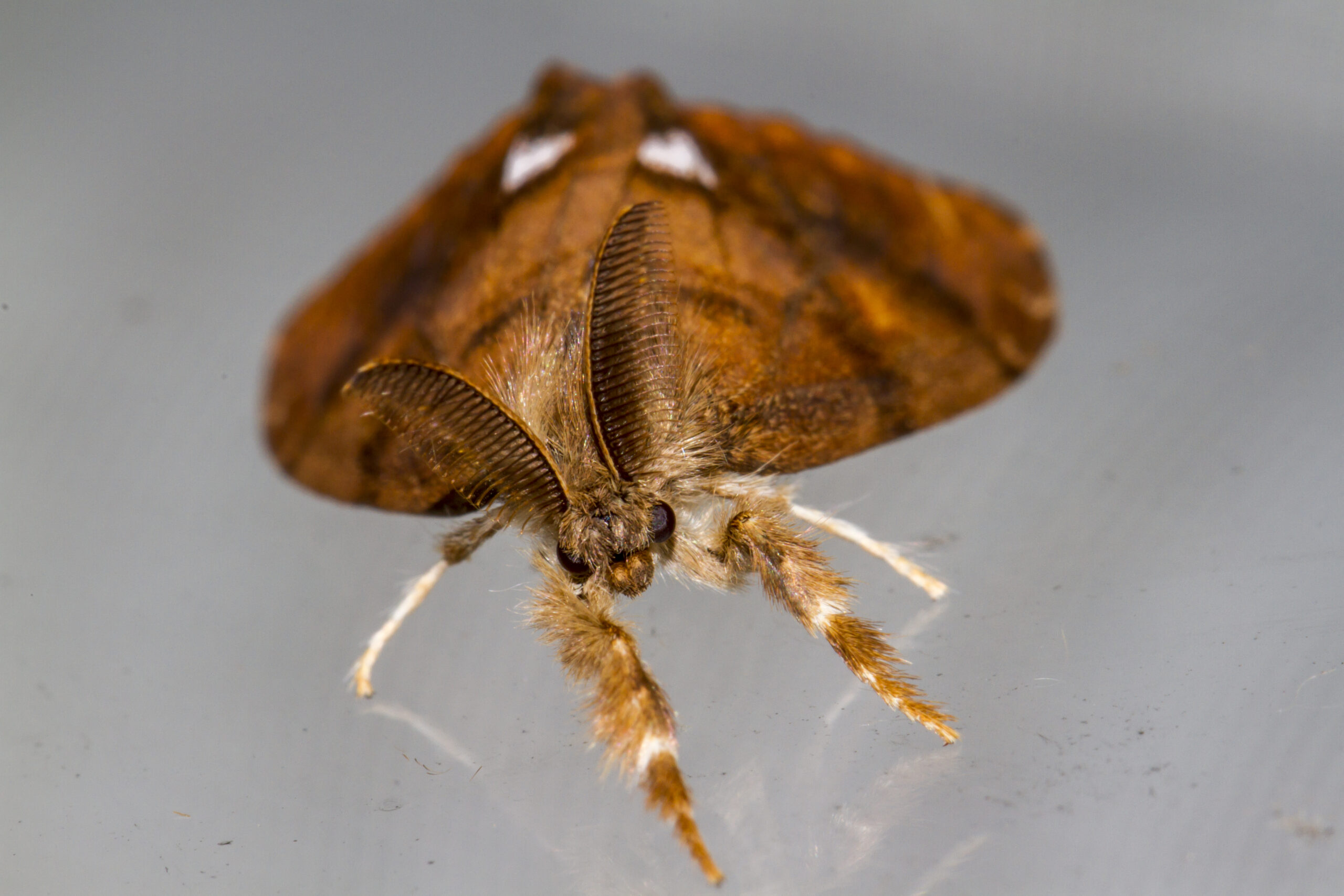
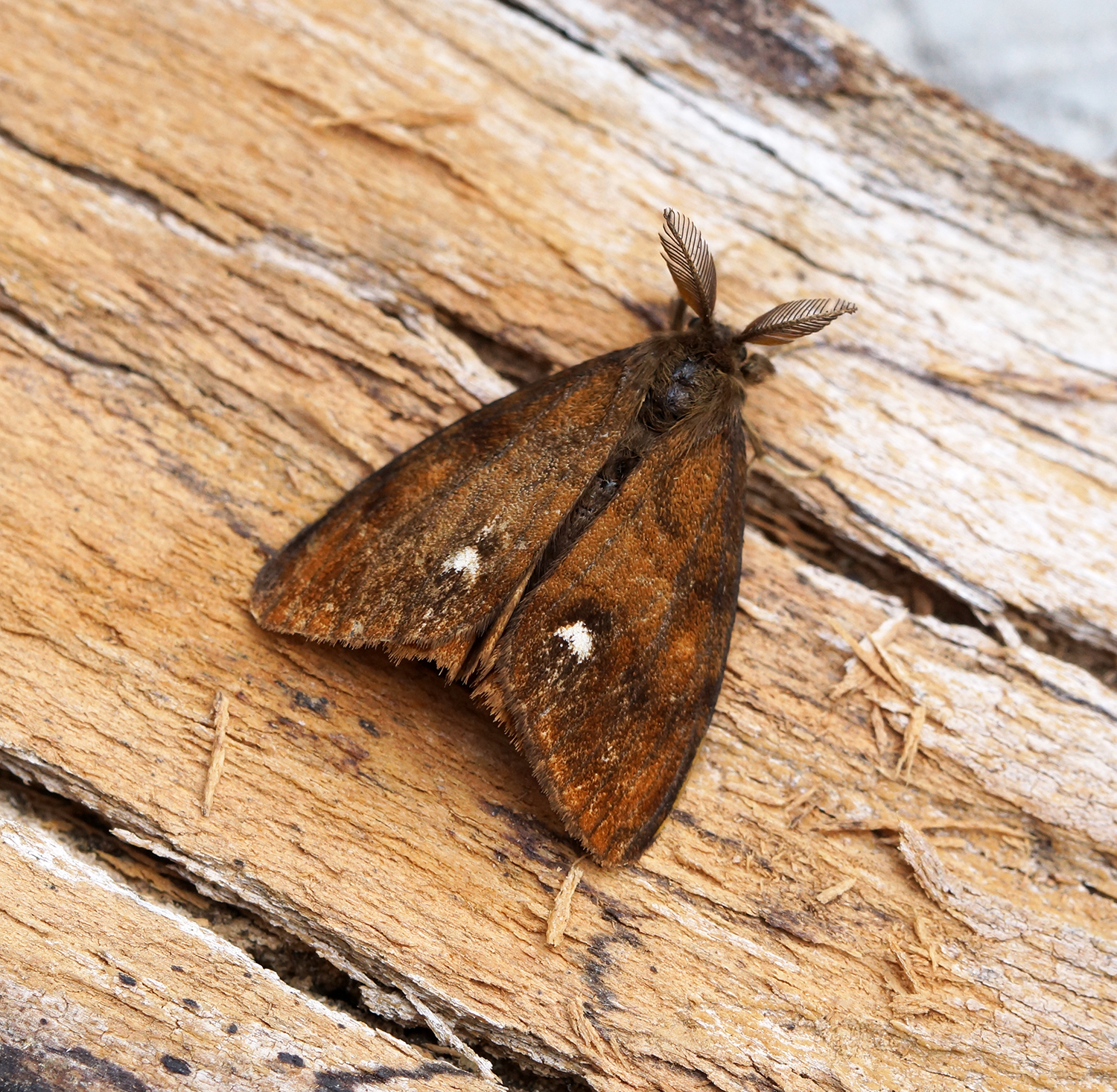
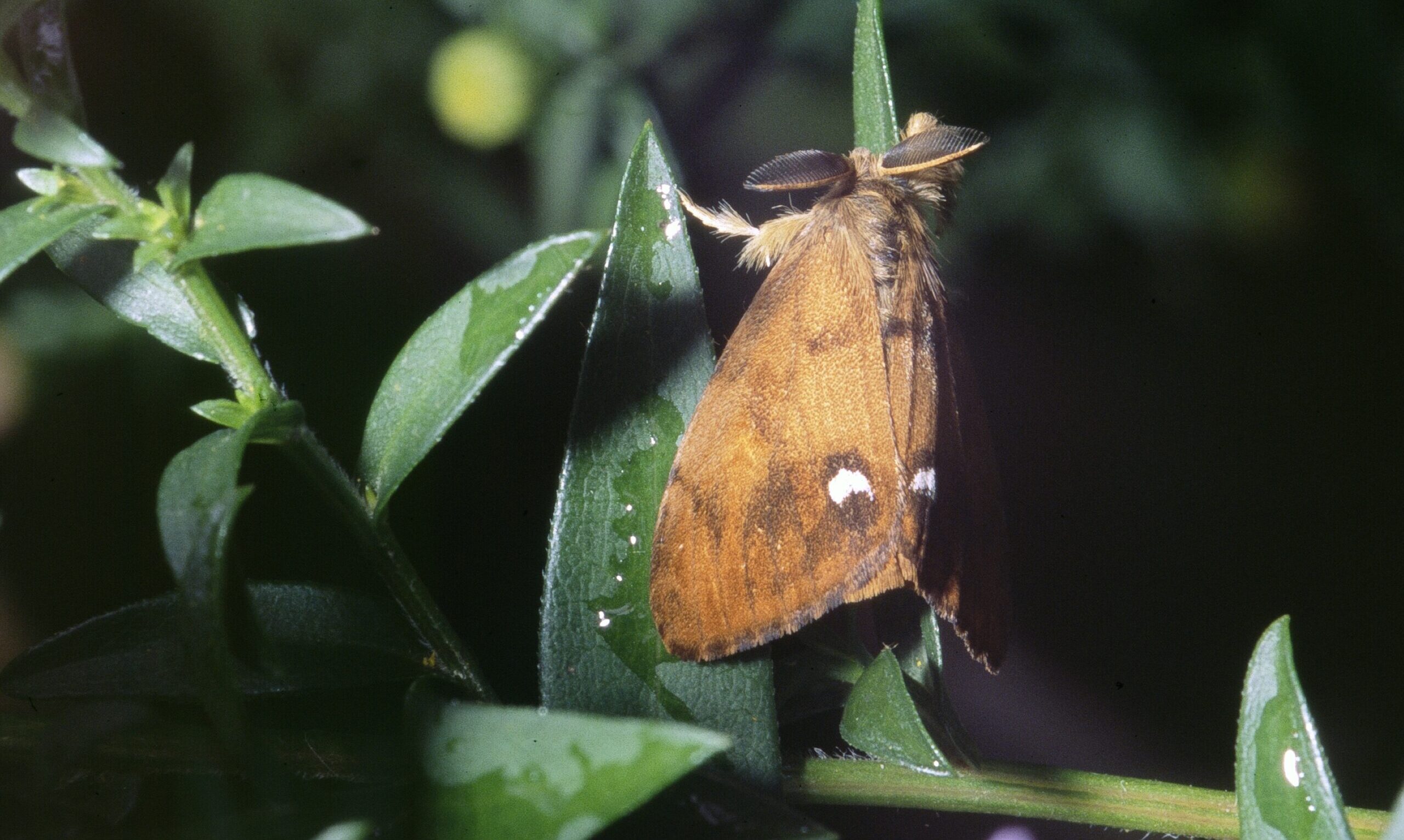
The tussock moth is a captivating insect that belongs to the family Erebidae and has a scientific name of Orgyia antiqua. These furry little critters often showcase a wingspan that measures between 1 to 1.5 inches, making them a petite yet colorful part of the ecosystem in Africa.
Tussock moth caterpillars boast a unique look with tufts of hair that can make them seem like fuzzy little creatures from another planet. They munch on the leaves of trees and shrubs, indulging in a leafy feast that fuels their rapid growth into stunning adult moths.
The lifecycle of a tussock moth is quite short, as these insects typically live for just 1 to 2 weeks as adults. During this brief time, they flutter around, but their main goal is to reproduce and ensure the next generation of tussock moths can take wing.

Where can you find a Tussock Moth in the wild?
What does a Tussock Moth eat?
How big can a Tussock Moth grow?
How long does a Tussock Moth typically live?
What is the conservation status of the Tussock Moth?
What are the main threats to the Tussock Moth?
Fun facts
The tussock moth caterpillars wear their hair like a fashion statement, featuring colorful tufts that not only make them look unique but also help them scare off predators. Those fuzzy hairs can irritate the skin of curious creatures, making them think twice before taking a bite!


A female tussock moth can lay up to 200 eggs at a time, turning her favorite tree into a tiny nursery for the next generation. This way, new caterpillars can munch and grow right where they hatched!
Adult tussock moths do not eat at all; they live off their stored energy from the caterpillar stage. Imagine flying around on just your snack leftovers!
When tussock moths sense danger, they can slow down their fluttery flight or even play dead to evade predators. It’s like their own version of hide-and-seek, but with serious survival skills!
The striking coloration of tussock moths helps them blend into their leafy surroundings, making them masters of disguise in the insect world. They can be hard to spot, even for sharp-eyed birds!
Recognized for their beauty, tussock moths participate in a mating dance that can last several hours, showcasing their moves to attract a partner. Talk about a romantic flutter party!
Tussock moths get their name from the characteristic tufts on their caterpillars, resembling tiny tussocks of grass. Those fuzzy patches help them look less appetizing to hungry predators!
These colorful insects can consume large amounts of leaves during the caterpillar stage, sometimes defoliating trees. They are like nature's munchers, taking advantage of a buffet whenever they can!
Tussock moths go through four stages of life: egg, caterpillar, pupa, and adult. These stages involve transforming from a tiny egg into a fluffy caterpillar, and then turning into a pupa before becoming a full-grown moth.
Despite their fluffy appearance, tussock moths are agile flyers that can travel considerable distances. They flap their wings quickly and can sometimes cover more than 15 kilometers in search of mates or food.
Photos
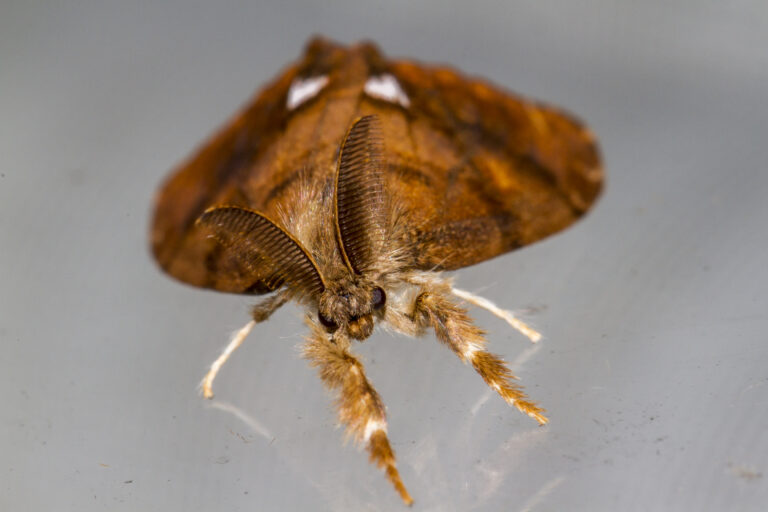

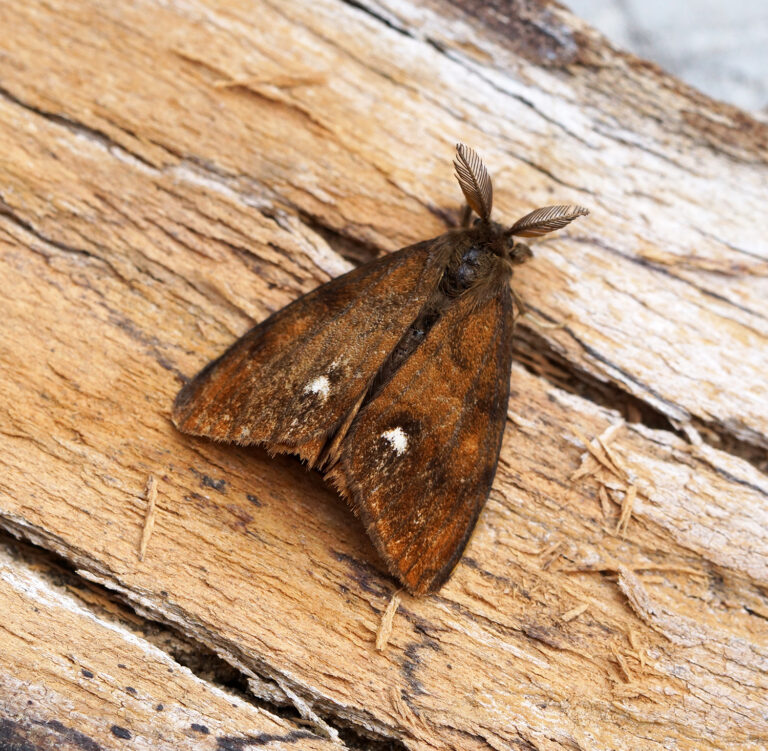




The Basics


explore more
Amphibians
Arachnids
Birds
Cats
Crustaceans
Fish
Fish Pet Guide
Gastropods
Insects
Invertebrates
Mammals
Pet Fish
Pet Rodents
Plants
Reptiles
Roundworms
Sea Slugs