Successfully copied to clipboard!
Vampire Crab
Uncover the colorful adventures of a tiny forest dweller!
Let’s Explore
Overview
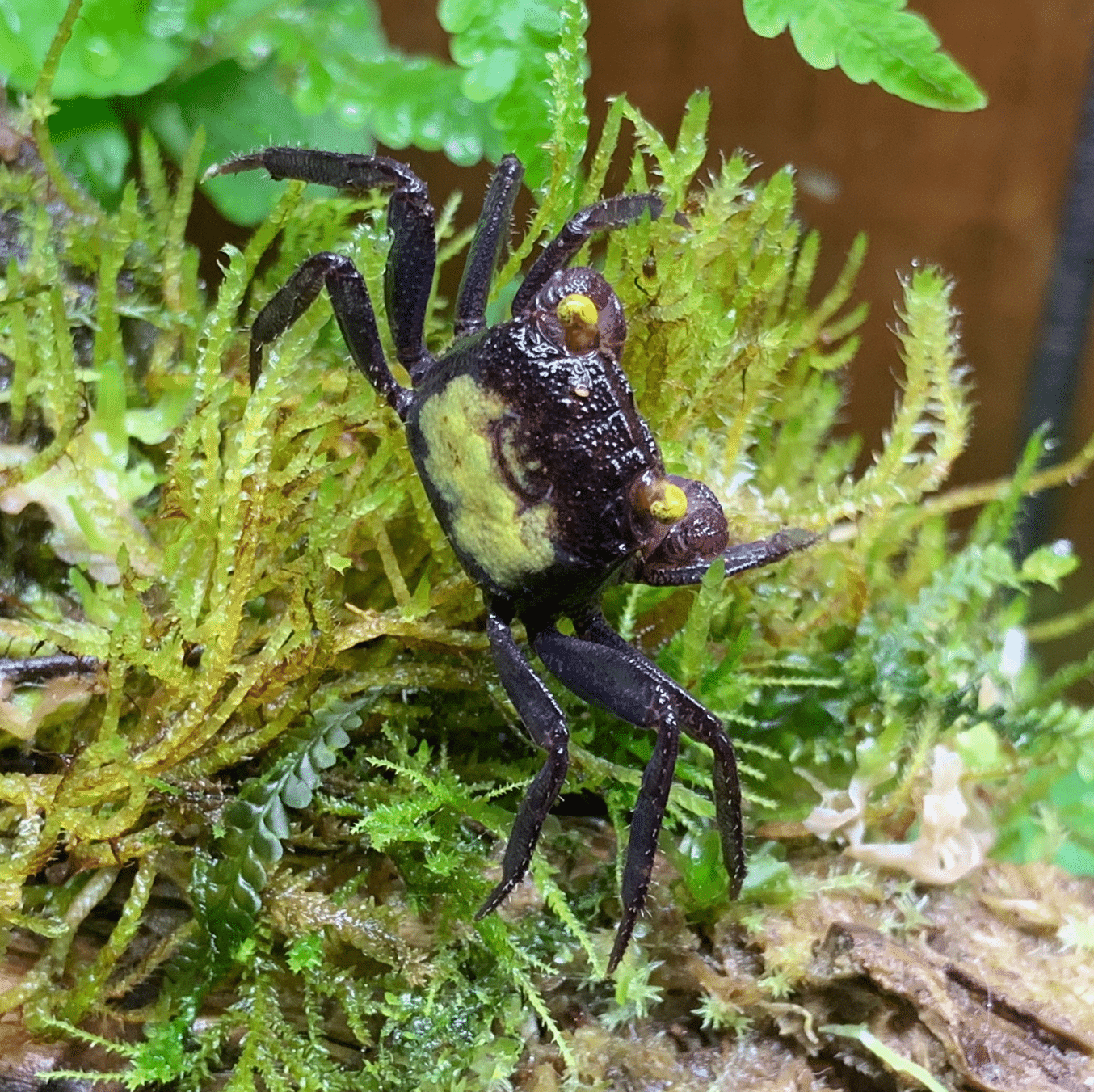
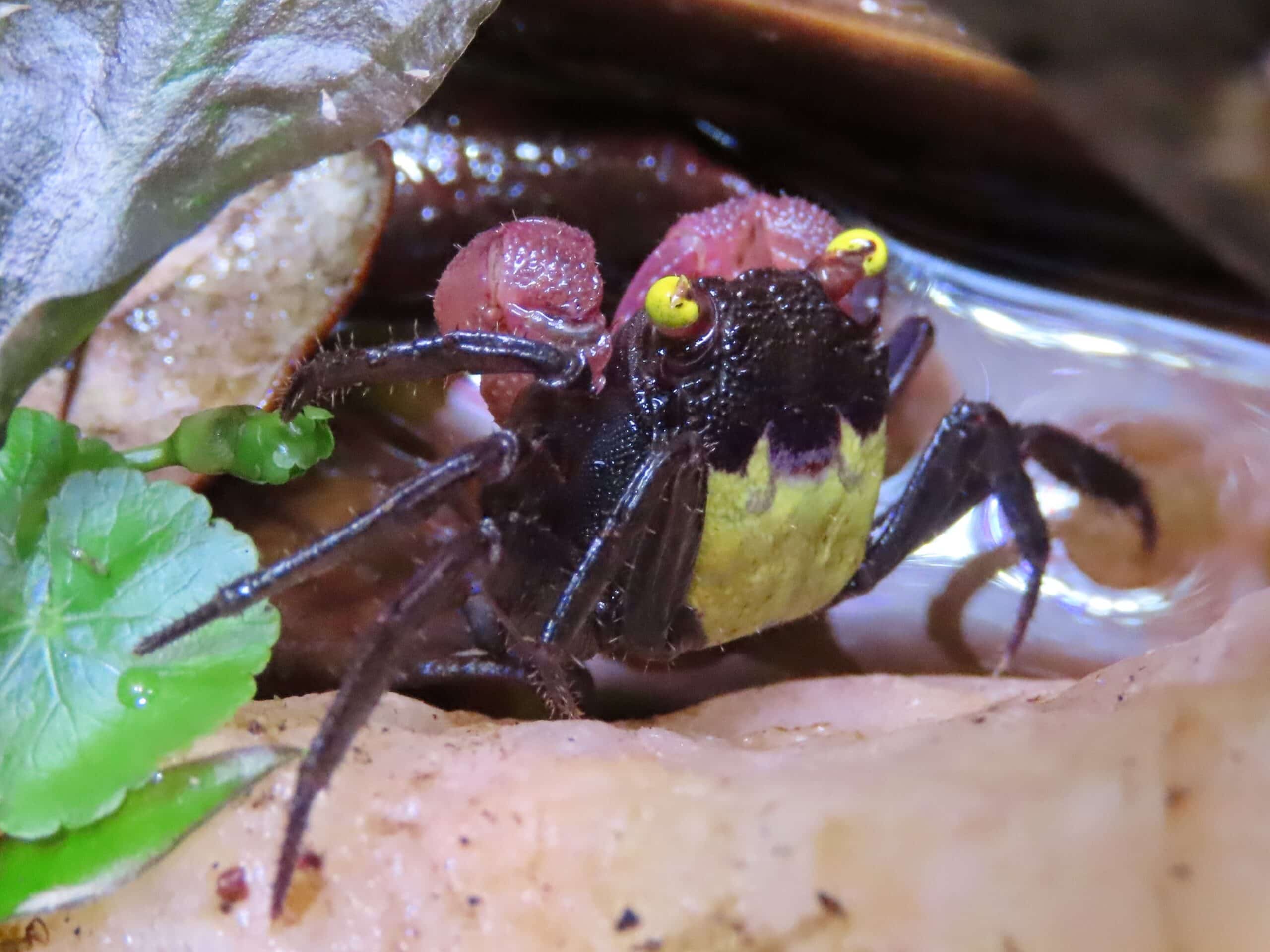
The Vampire Crab is a small and colorful creature that lives in the tropical forests of Asia. Despite its spooky name, this crab won't suck your blood, but it sure does have a quirky personality!
The scientific name of the Vampire Crab is Geosesarma dennerle. It belongs to the class Malacostraca, which includes other fascinating invertebrates like shrimp and lobsters.
This crab usually measures around 2.5 centimeters (1 inch) wide. With its vibrant colors, it looks like it belongs in a coral reef, making it a stunning addition to any home aquarium!
The Vampire Crab loves to munch on a diet of algae, small insects, and plant matter. It's always on the hunt for tasty snacks to keep its energy up as it scuttles through its forest home.
These crabs can live for about 2 to 3 years, giving them plenty of time to show off their unique behaviors. They often climb around rocks and trees, making them true little adventurers!
With their playful nature and bright colors, Vampire Crabs can be both captivating pets and interesting study subjects. Just remember, they prefer their forest habitats over city sidewalks!

Where can you find a Vampire Crab in the wild?
What does a Vampire Crab eat?
How big can a Vampire Crab grow?
How long does a Vampire Crab typically live?
What is the conservation status of the Vampire Crab?
What are the main threats to the Vampire Crab?
Fun facts
The Vampire Crab has a unique way of communicating with other crabs using body language and color changes. When it's excited or feeling bold, it brightens its colors to show off, like a tiny party animal!


These crabs love to climb! Vampire Crabs often explore trees and rocks, using their strong claws to grip surfaces. They have been spotted over 1 meter (3 feet) off the ground, making them excellent jungle adventurers!
The Vampire Crab has a taste for sweets! It enjoys nibbling on fresh fruit that falls from trees, making it one of the few crabs that enjoys a fruity diet.
These crabs can change color based on their mood and surroundings, similar to how chameleons do. When they feel stressed, they can turn darker to blend in better, showing their cool survival skills!
The Vampire Crab's pincers play two important roles: they help catch food and communicate with other crabs. Their claws can perform a delicate dance to show dominance or attract a mate.
Vampire Crabs keep their shells colorful by grooming them with their claws. This hygiene routine helps them maintain their bright appearance while also keeping away harmful algae.
These little crabs have been spotted making tiny burrows in the ground. They create cozy homes to keep safe and can quickly hide if trouble approaches, making them clever little architects!
Vampire Crabs possess excellent night vision. They can see well in low light and often become more active after sunset, indulging in night-time adventures and foraging.
These crabs enjoy socializing! Vampire Crabs can often be found in small groups, exploring and playing together in their colorful habitats.
It's believed that Vampire Crabs have special cells in their eyes that help them see ultraviolet light. This unique ability allows them to see patterns in flowers and fruits that might escape our human eyes!
Photos





The Basics


explore more
Amphibians
Arachnids
Birds
Cats
Crustaceans
Fish
Fish Pet Guide
Gastropods
Insects
Invertebrates
Mammals
Pet Fish
Pet Rodents
Plants
Reptiles
Roundworms
Sea Slugs