

Successfully copied to clipboard!
Wasp
Embrace the tiny heroes that keep nature buzzing happily!
Let’s Explore
Overview
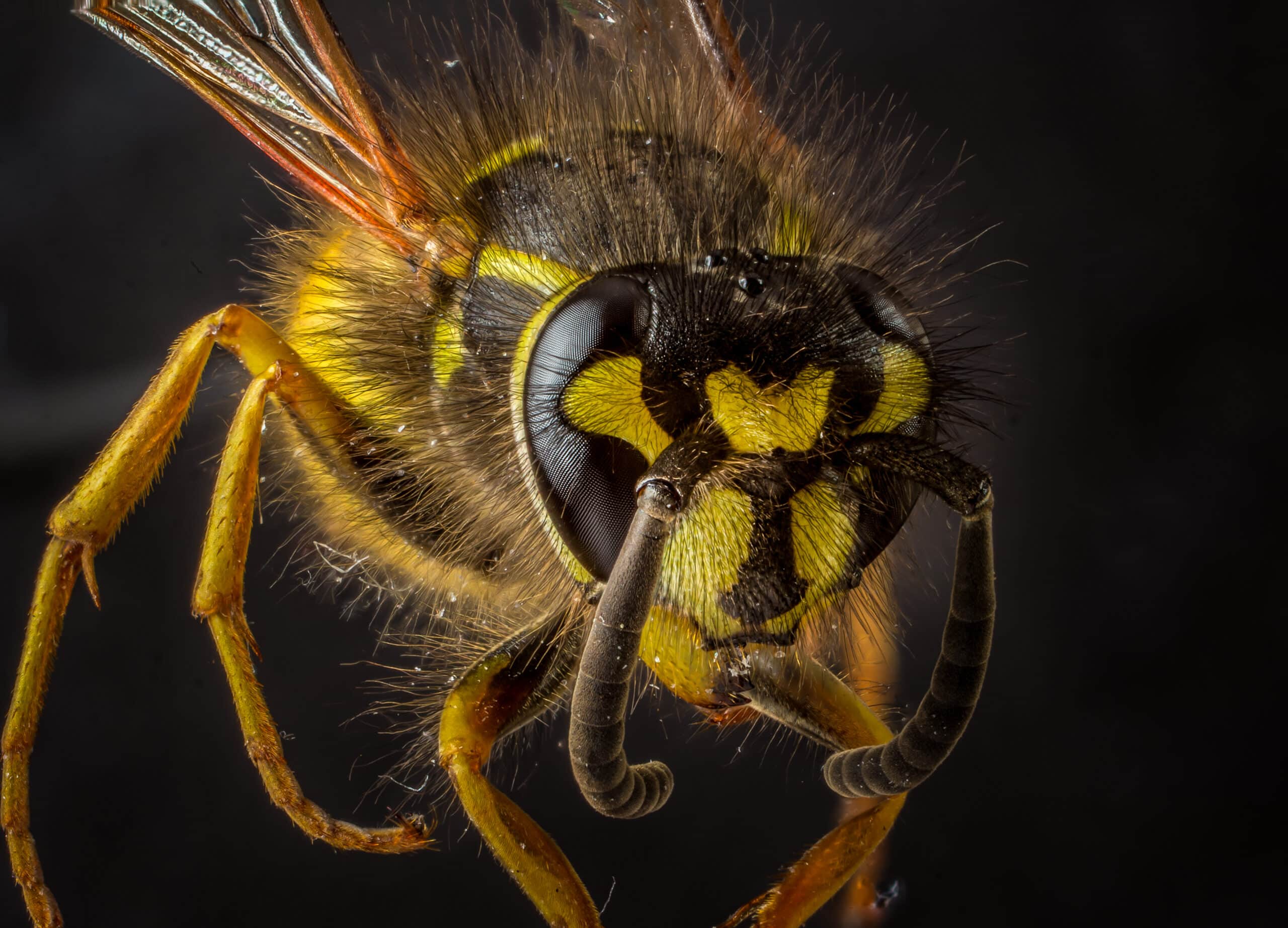
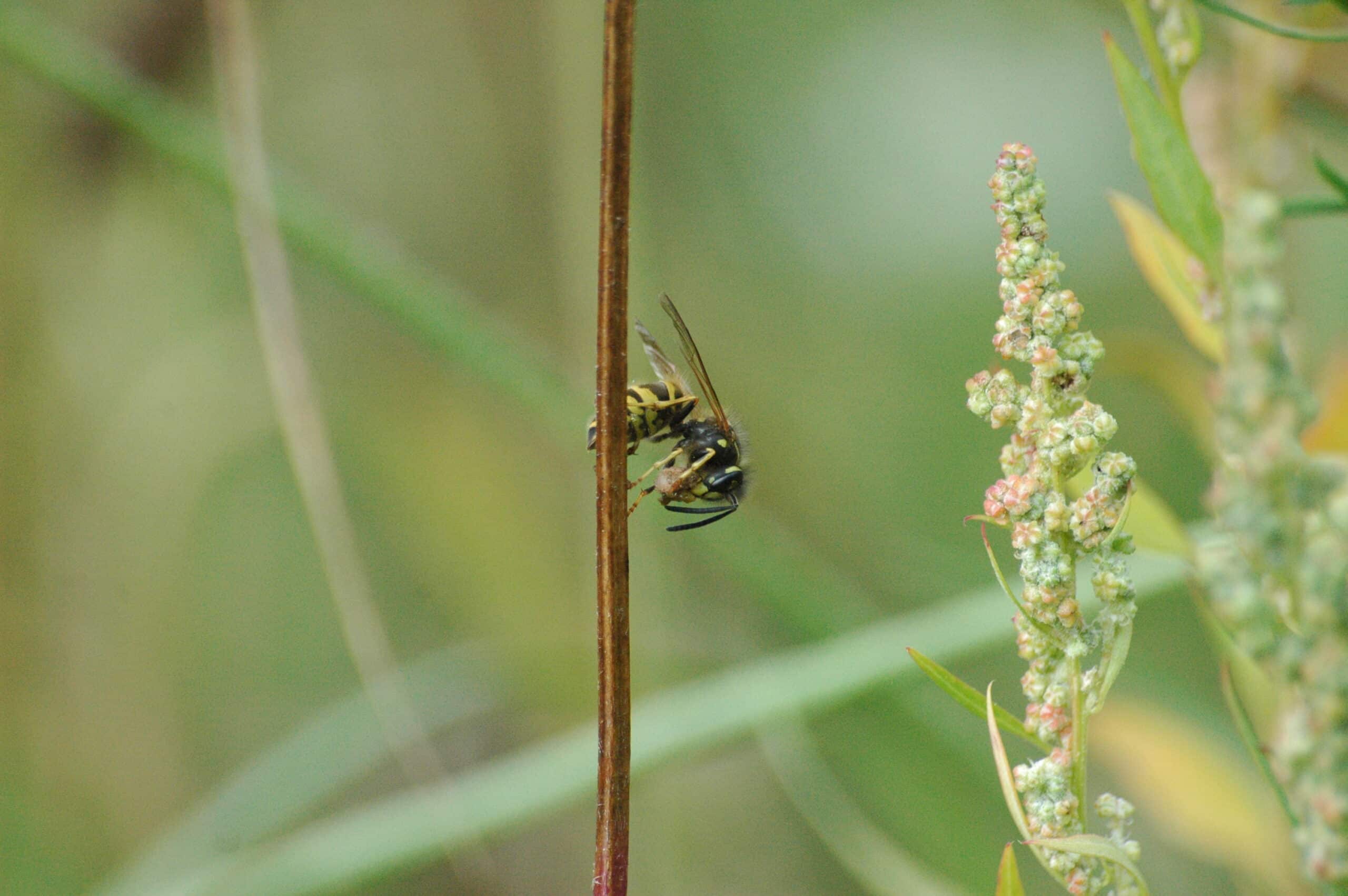
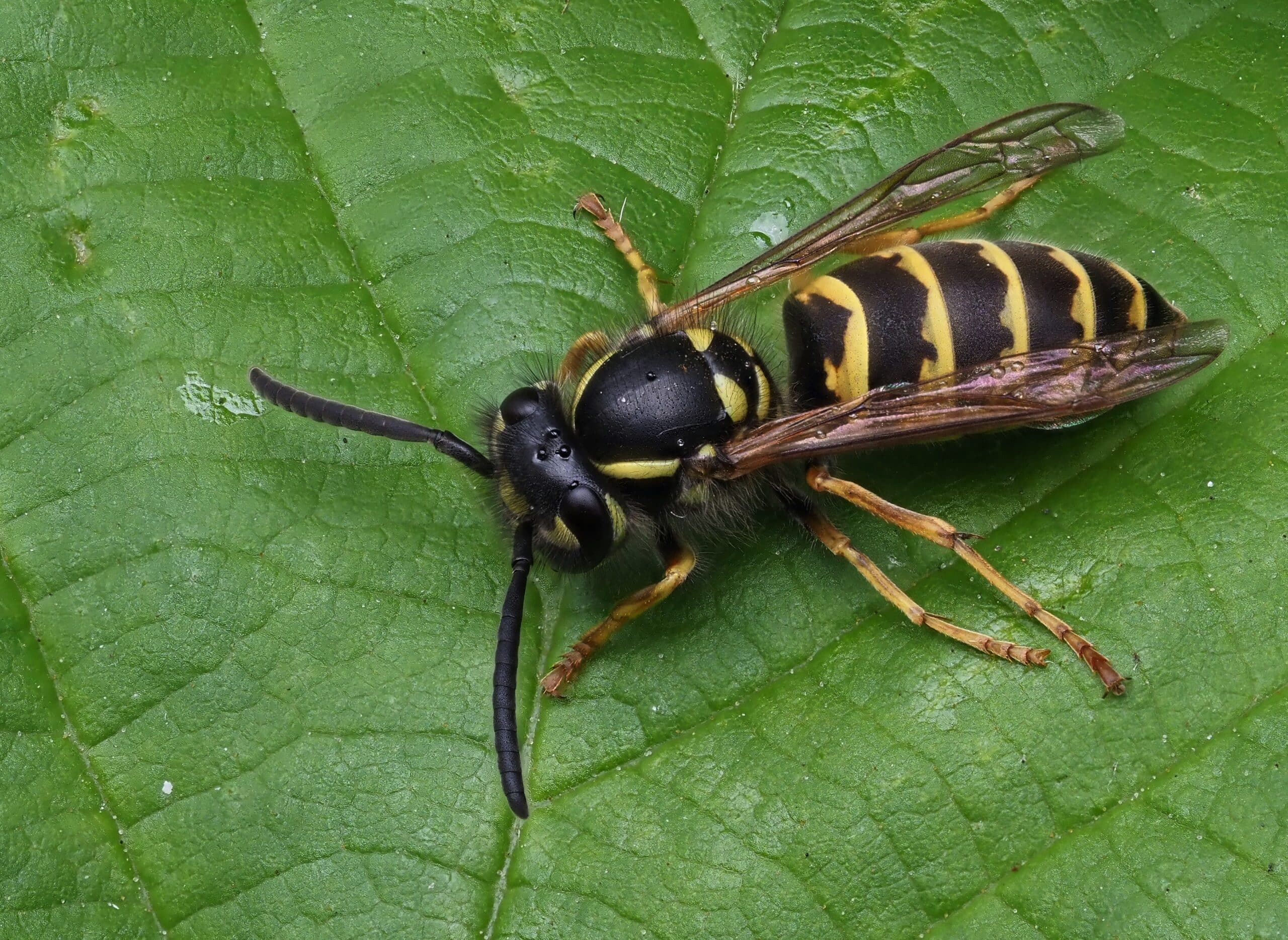
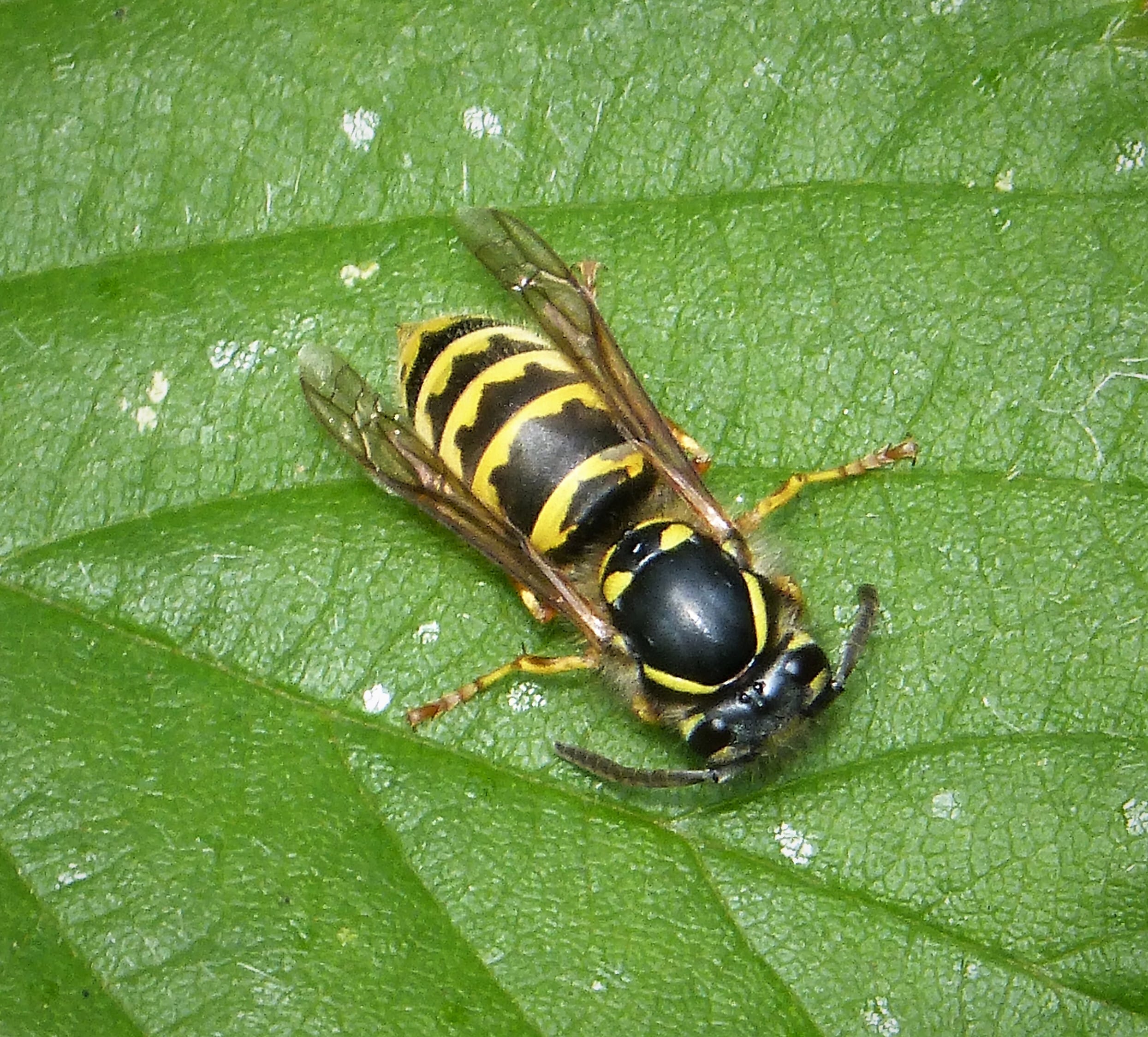
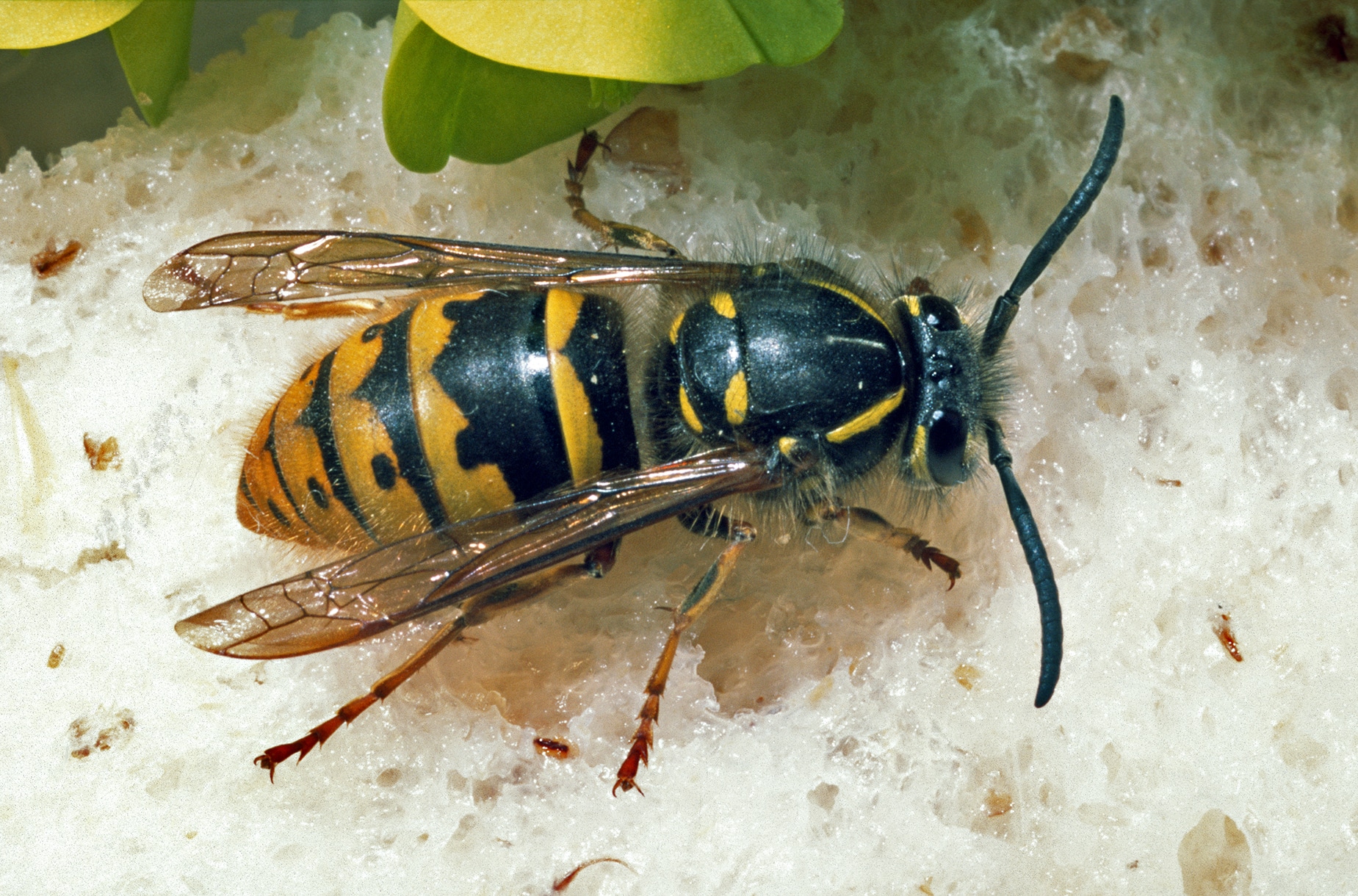
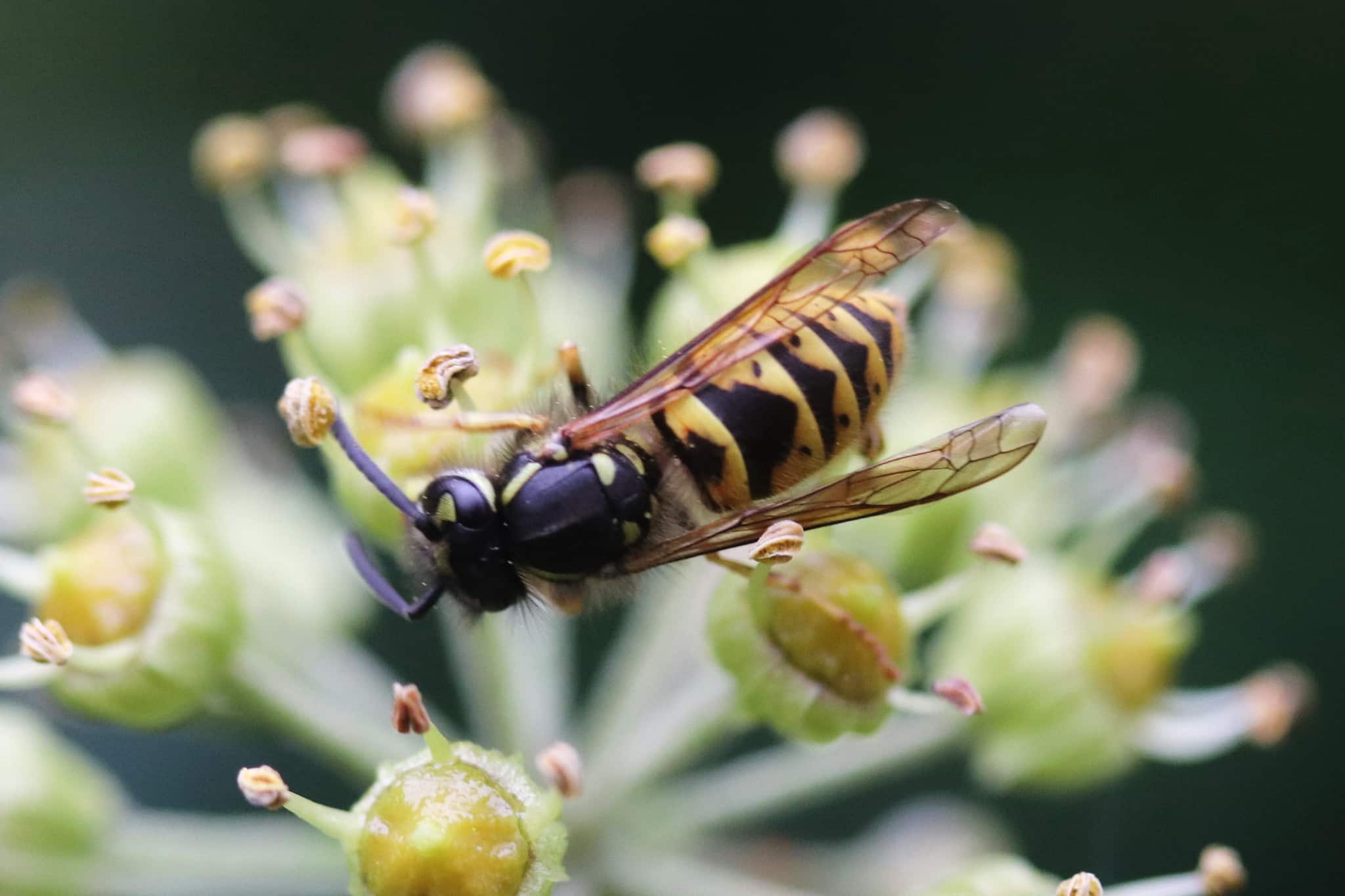
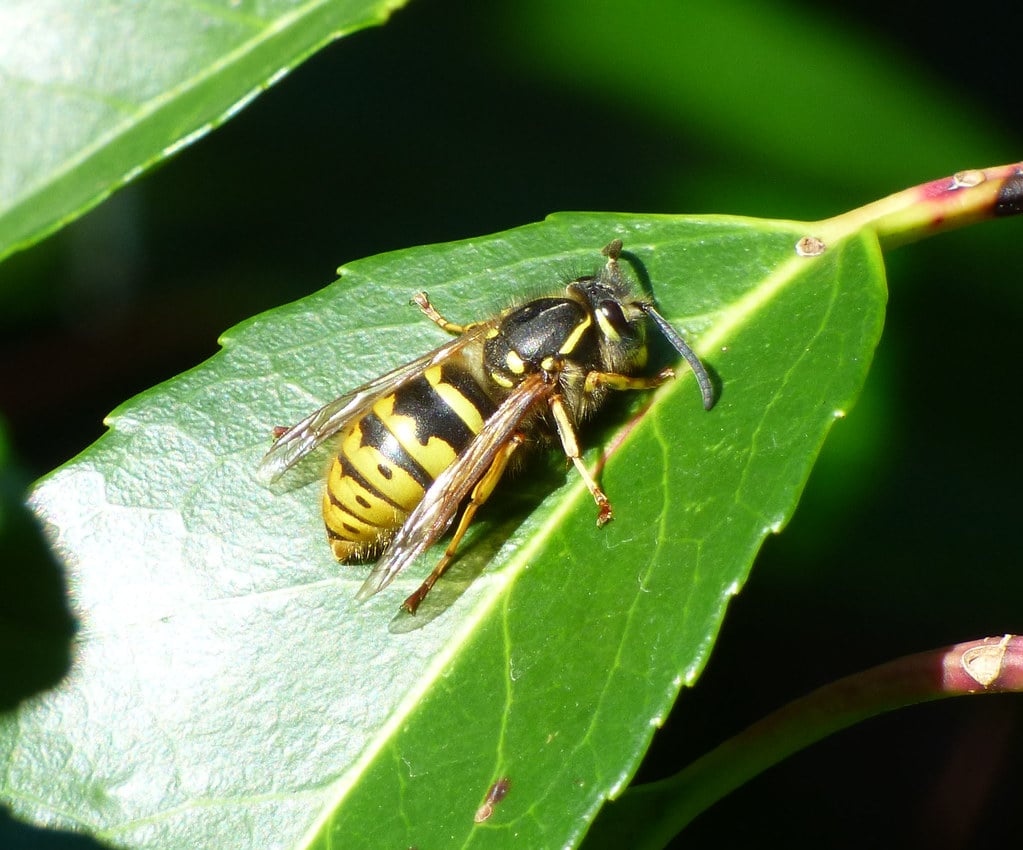
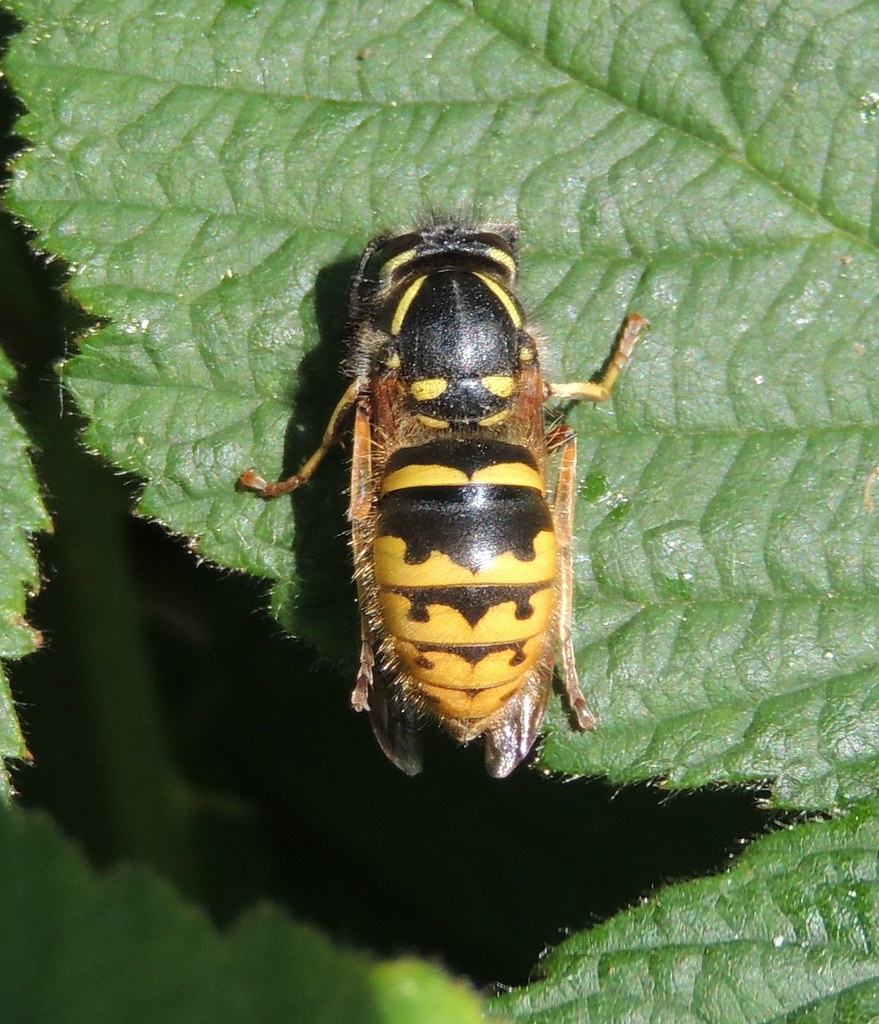
Wasps are amazing insects that belong to the group called Hymenoptera, along with bees and ants. They usually measure between 15 to 20 millimeters long, making them easy to spot buzzing around in gardens and parks worldwide.
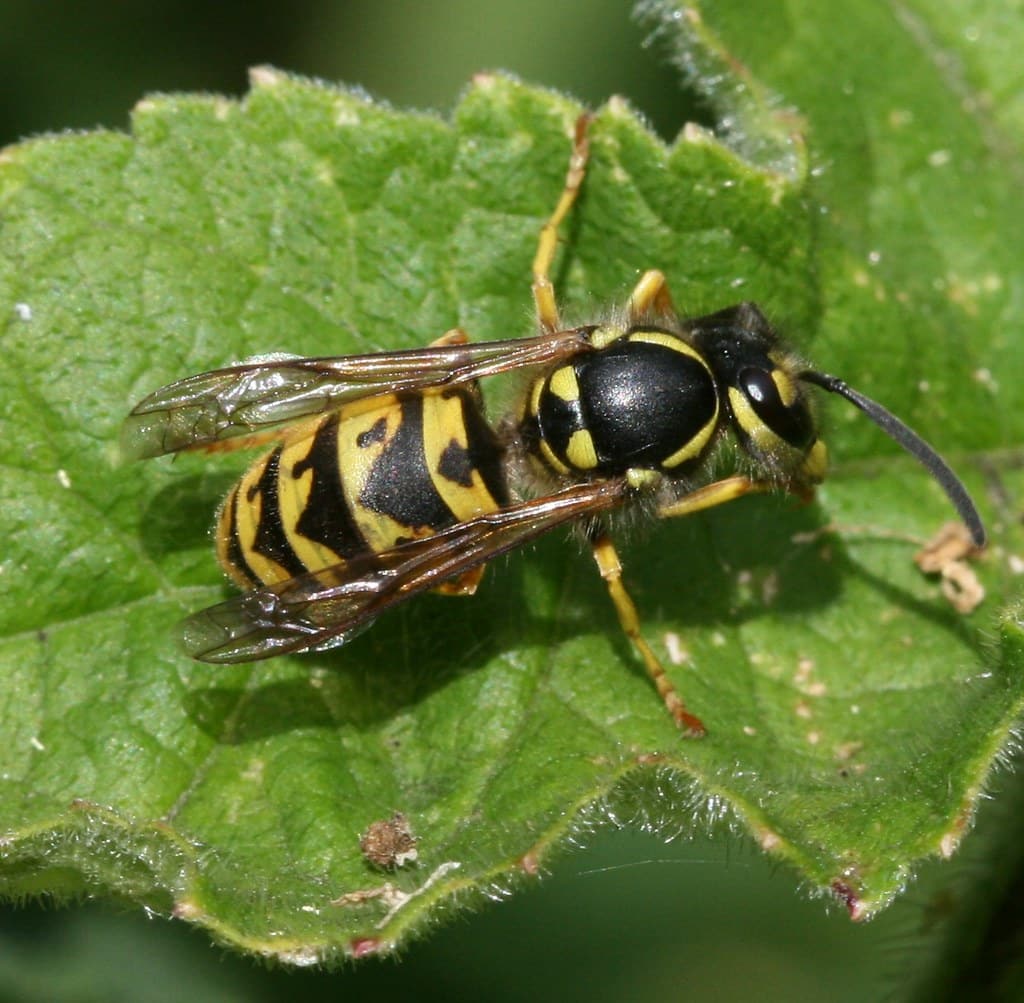
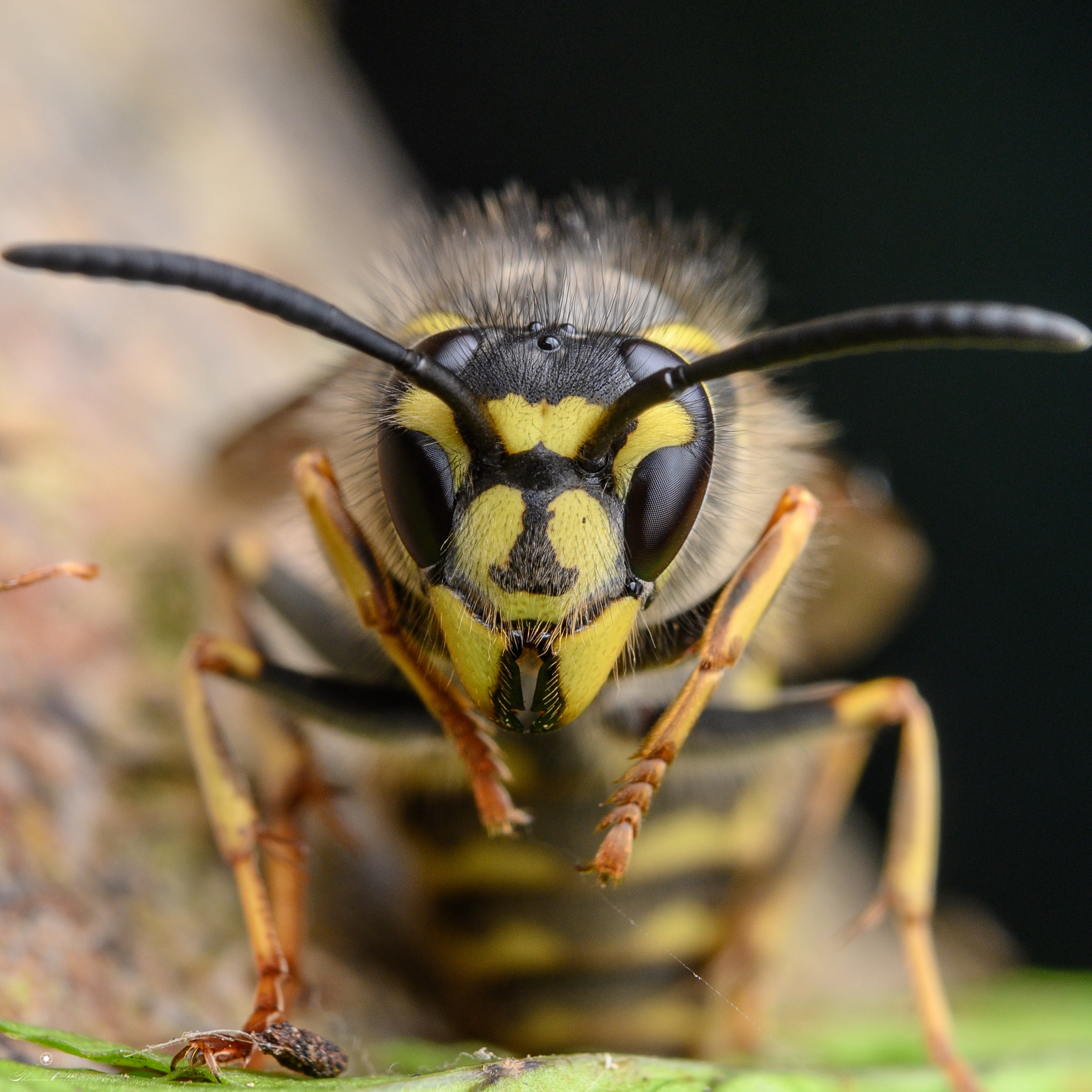
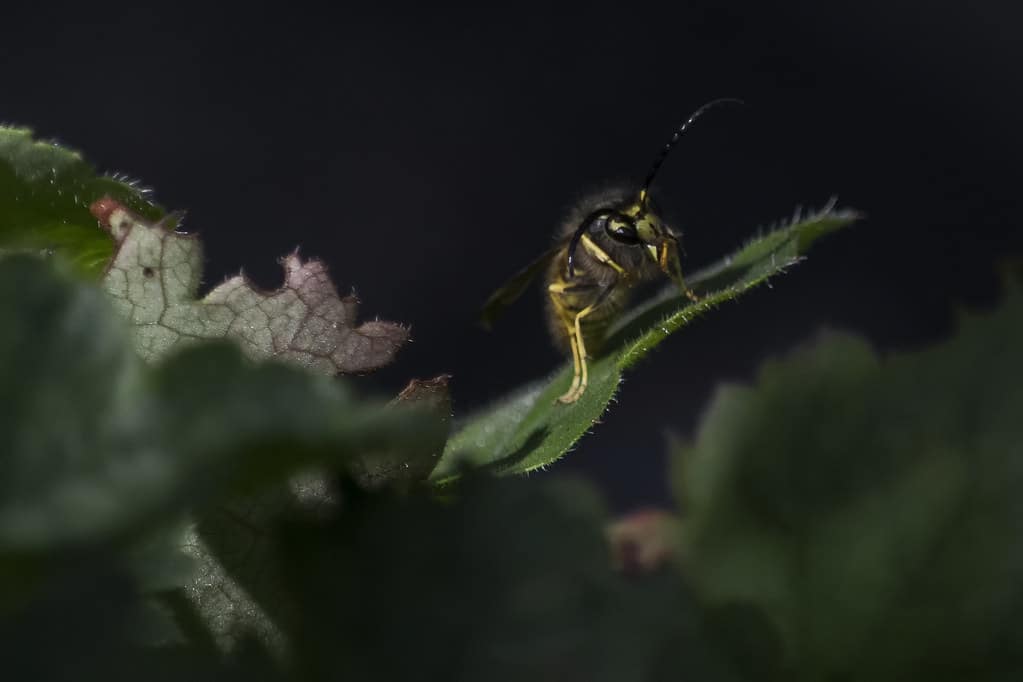
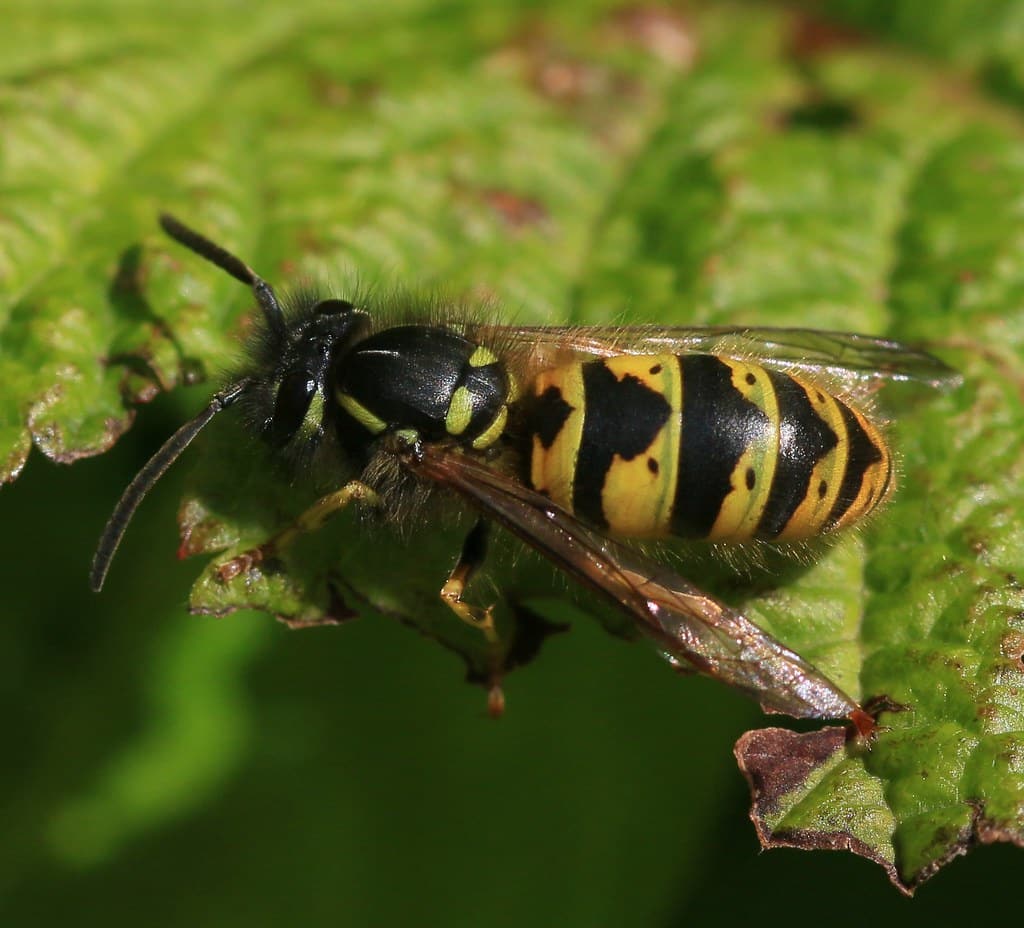
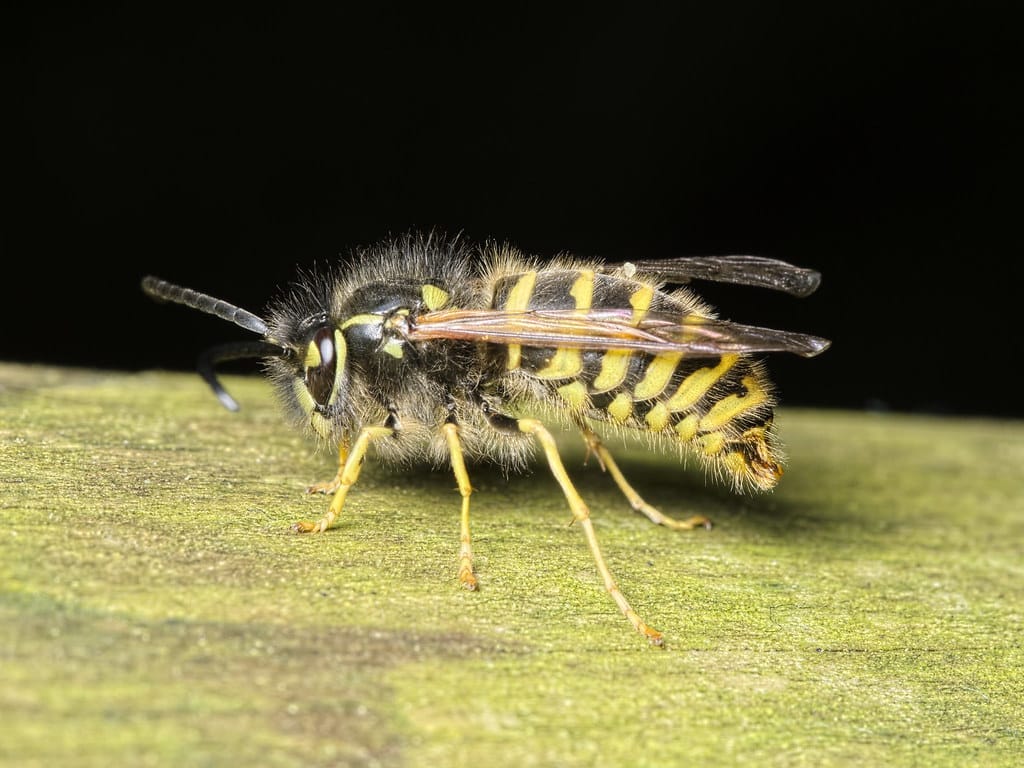
Wasps have a slender body and smooth, shiny wings that can make them look like tiny superheroes in the insect world. They come in various colors, often sporting bright yellow and black patterns that alert other critters to their presence.
Wasps play a vital role in our ecosystem. They help control pest populations by feeding on insects, which can be great news for farmers and gardeners trying to protect their crops.
Did you know that wasps also love nectar and fruits? They enjoy snacking on sweet treats, which makes them important pollinators, contributing to the growth of flowering plants and trees.
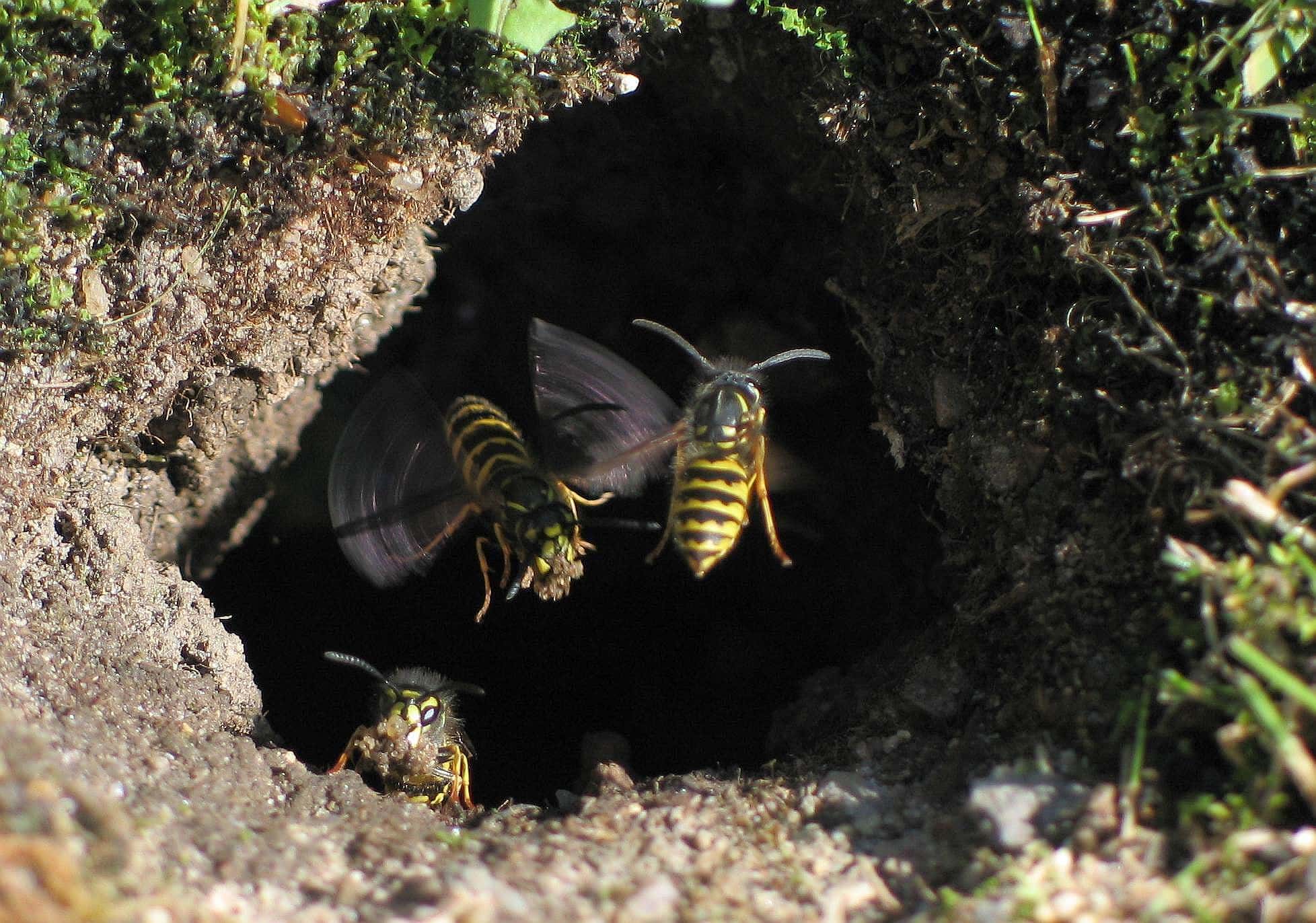
Worker wasps typically live for about 12 to 22 days, while queens can live for up to one year! Queens hibernate during the winter, emerging in spring to start new colonies, making them the true leaders of their hive.
So the next time you see a wasp buzzing nearby, remember that they might be more helpful than you think! These little heroes of the insect kingdom work hard to keep our environment in balance.

Where can you find a Wasp in the wild?
What does a Wasp eat?
How big can a Wasp grow?
How long does a Wasp typically live?
What is the conservation status of the Wasp?
What are the main threats to the Wasp?
Fun facts
Some wasps can make their own paper! They chew wood fibers mixed with saliva to create a pulp, which they use to build their nests.


Wasps can recognize human faces! They remember faces like we do and can even learn to associate them with positive or negative experiences.
Queens can lay thousands of eggs in their lifetime, making them the ultimate insect mothers! They dedicate their lives to the growth of their colonies.
Wasps have a special way of tasting food. They taste through their legs instead of their mouths, which helps them decide what to eat before they dig in!
Some wasps sip their food instead of chewing. They use their long, straw-like mouthparts to slurp up delicious nectar, like a tiny superhero with a smoothie!
Wasps sometimes engage in 'play fighting' with each other! They fly around, bumping into each other without stingers, almost like they're having fun in the air.
Some wasps help other animals. Certain species can actually protect aphids from predators, allowing the tiny plant-eating bugs to thrive until the wasps feast on them later.
Italy’s famous sauce, pesto, needs wasps! Some wasps help pollinate basil plants, which are key ingredients in the tasty dish.
Wasps can even control their body temperature! By shivering their flight muscles when it gets cold, they warm themselves up so they can fly and hunt.
Wasps communicate using pheromones. They release chemical signals to tell each other where food is located or to warn of danger, like a secret insect language!
Photos

The Basics


explore more
Amphibians
Arachnids
Birds
Cats
Crustaceans
Fish
Fish Pet Guide
Gastropods
Insects
Invertebrates
Mammals
Pet Fish
Pet Rodents
Plants
Reptiles
Roundworms
Sea Slugs
