Successfully copied to clipboard!
Western Blacklegged Tick
Uncover the tiny bloodsuckers quietly living in our forests!
Let’s Explore
Overview
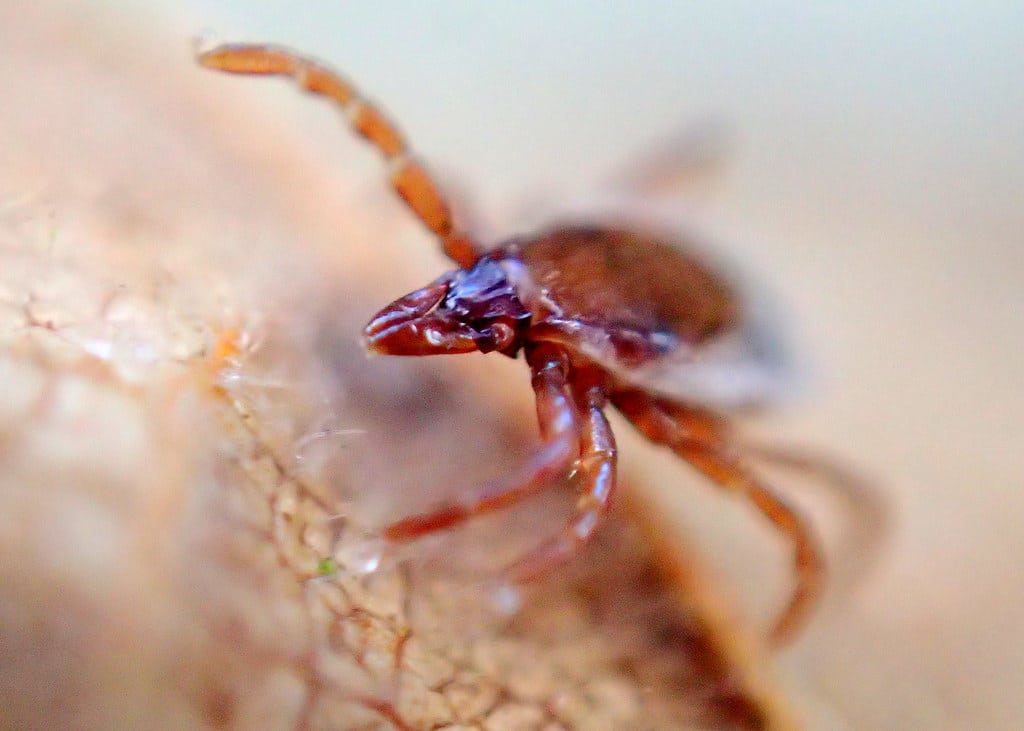
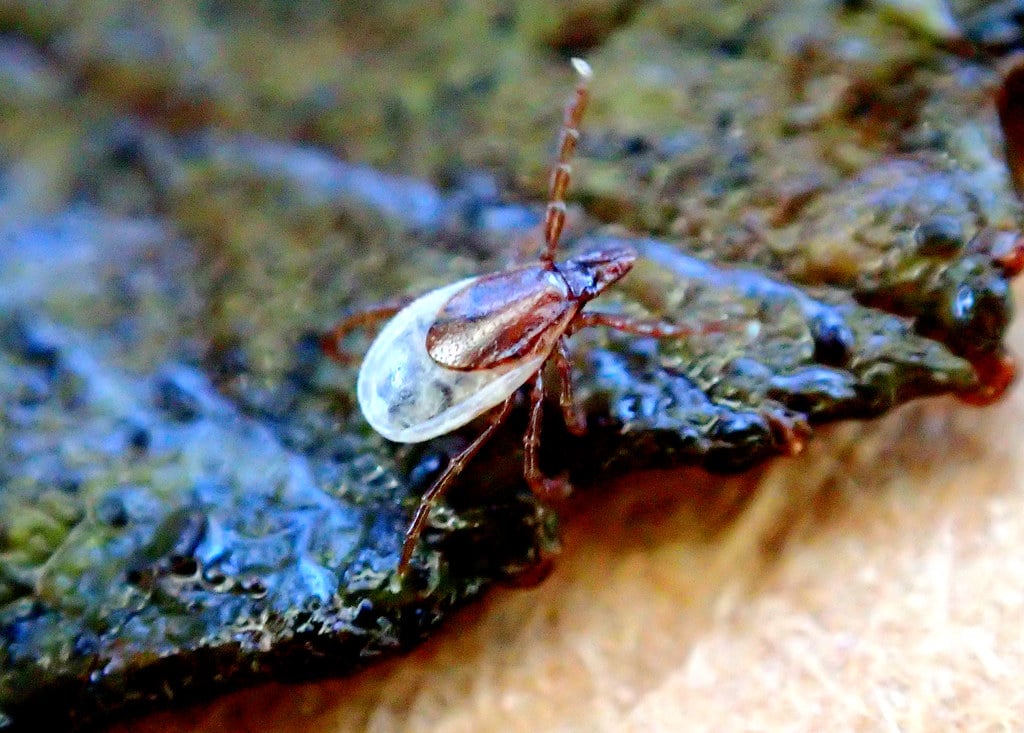
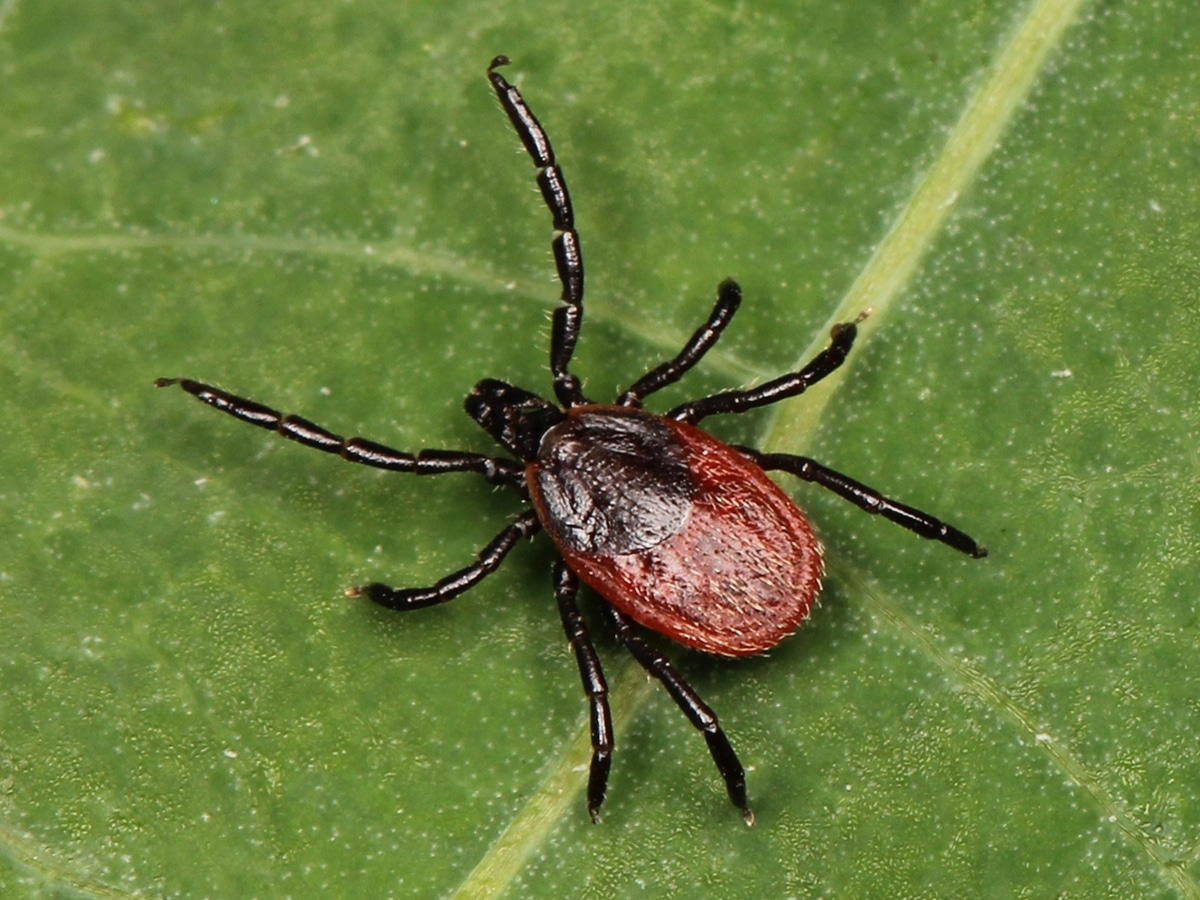
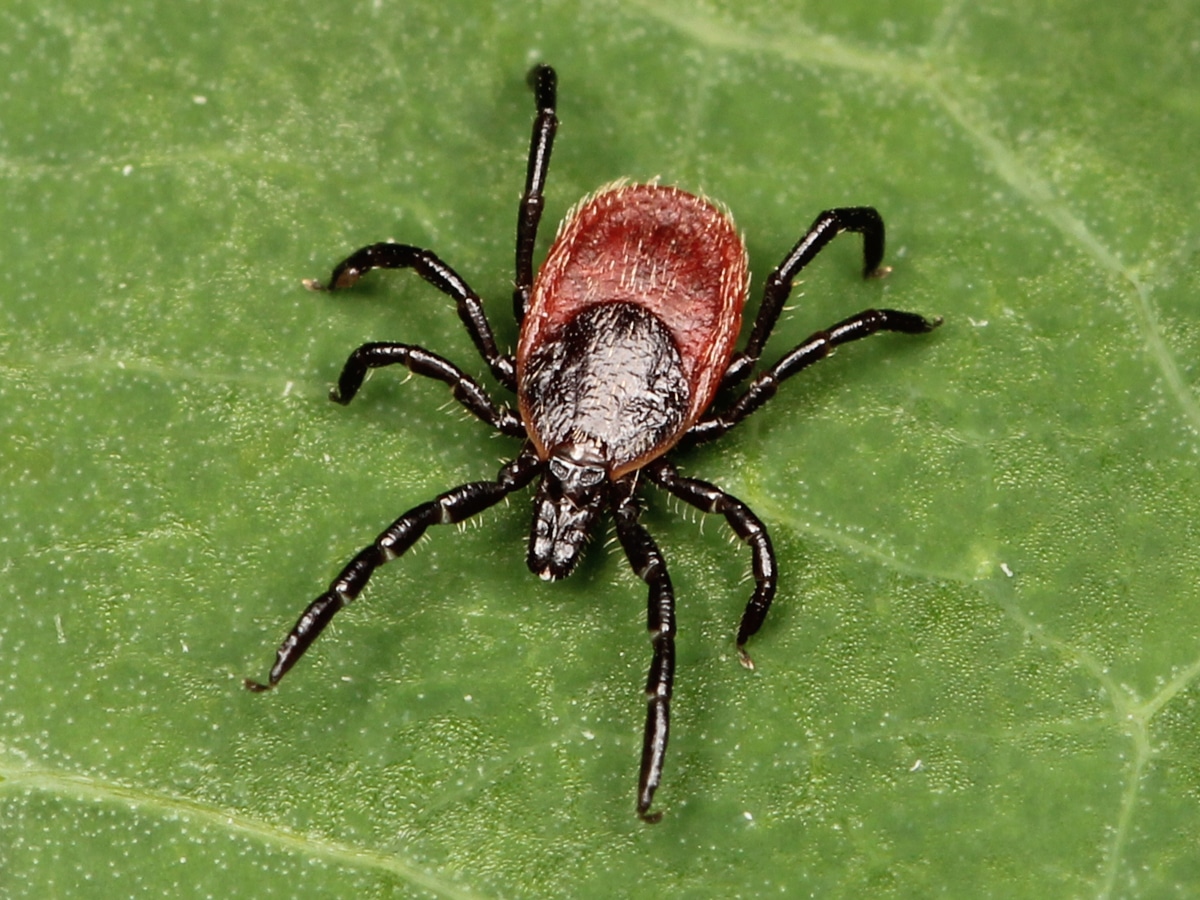
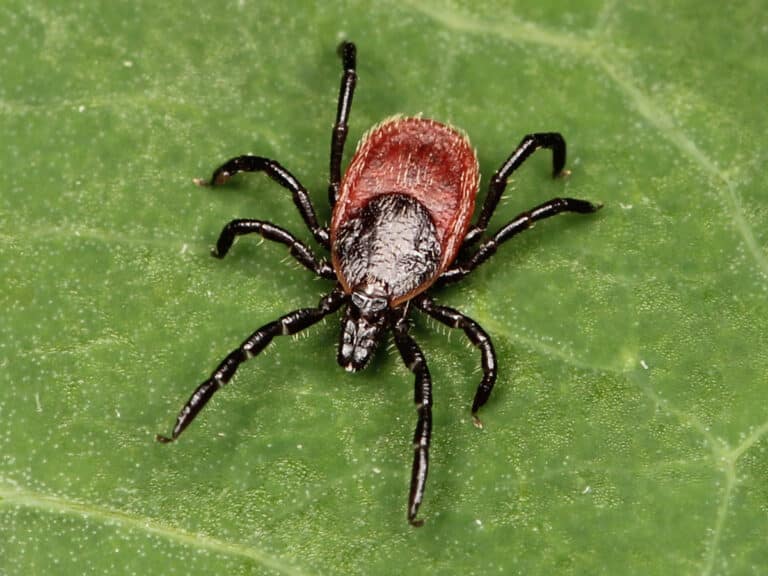
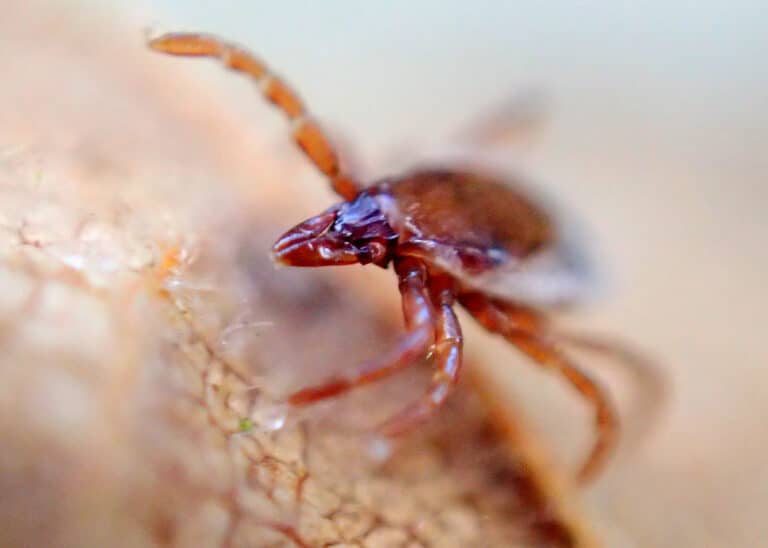
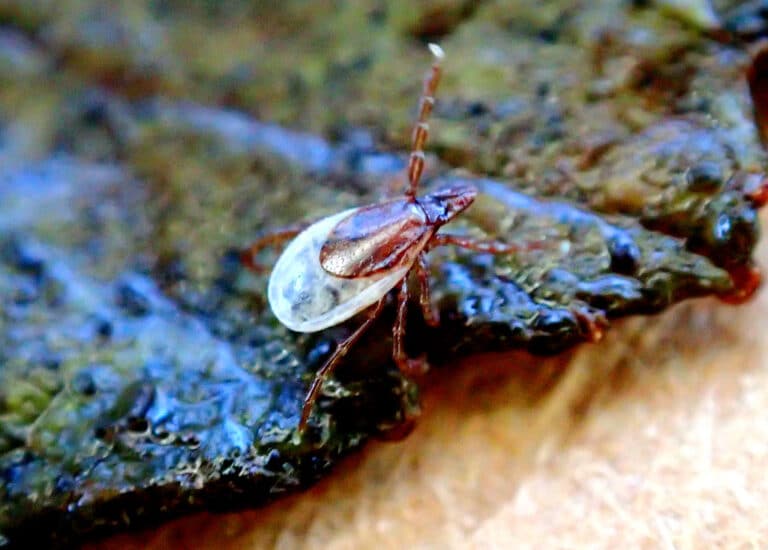
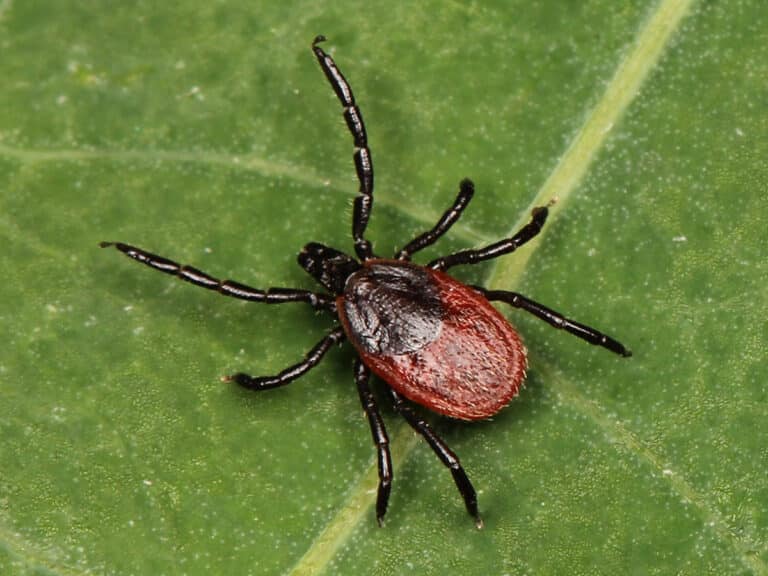
The Western Blacklegged Tick, also known as Ixodes pacificus, is a tiny but intriguing creature found in North America. These little arachnids belong to the spider family, even though they love to latch onto mammals rather than spinning webs like their eight-legged cousins.
The average size of a Western Blacklegged Tick is just 2 to 3 millimeters, which is about the size of a poppy seed! They may be small, but their appetite is mighty, as they feed on the blood of animals and sometimes humans, making them true bloodsuckers of the woods.
These ticks have a lifespan ranging from 2 to 3 years. During this time, they can go through several life stages, including larva, nymph, and adult, feeding at each stage to grow bigger and stronger. Just like a superhero in training, they need to eat before they can grow into their full potential!

Where can you find a Western Blacklegged Tick in the wild?
What does a Western Blacklegged Tick eat?
How big can a Western Blacklegged Tick grow?
How long does a Western Blacklegged Tick typically live?
What is the conservation status of the Western Blacklegged Tick?
What are the main threats to the Western Blacklegged Tick?
Fun facts
Western Blacklegged Ticks can detect their hosts from over 18 meters (about 60 feet) away! They use special sensors to sense the carbon dioxide that animals exhale, making them expert hunters of blood.


These ticks can survive without food for up to two years! They are like little superheroes with super patience, just waiting for the perfect moment to find a meal.
When ticks first hatch as larvae, they are so tiny that they can fit on the head of a pin! Despite their small size, they manage to find their way to larger hosts to grow and thrive.
Western Blacklegged Ticks have a unique way of staying hydrated. They can absorb moisture from the environment, like sponges soaking up water, which helps them survive dry spells.
These little arachnids have been around for over 400 million years, making them older than many dinosaurs! They are true survivors that have seen the world change dramatically.
When female ticks mate, they can store sperm for years, allowing them to lay eggs long after that special encounter! Talk about keeping the romance alive for a long time.
Ticks have eight legs in their adult stage, but they only have six legs when they are in their larval stage. It's like going from a tricycle to a bike once they grow up!
Western Blacklegged Ticks often hang out in groups, waiting on plants for a passing host. They are social little critters, making the most of their opportunities together!
These ticks can sense warmth and movement from their hosts using sensitive hairs on their bodies. It’s like having built-in radar, making them super sneaky!
Ticks can expand their bodies to hold up to several times their original size when they feed! They remind us of balloons – the bigger they get, the more fun they seem!
Photos





The Basics


explore more
Amphibians
Arachnids
Birds
Cats
Crustaceans
Fish
Fish Pet Guide
Gastropods
Insects
Invertebrates
Mammals
Pet Fish
Pet Rodents
Plants
Reptiles
Roundworms
Sea Slugs