Successfully copied to clipboard!
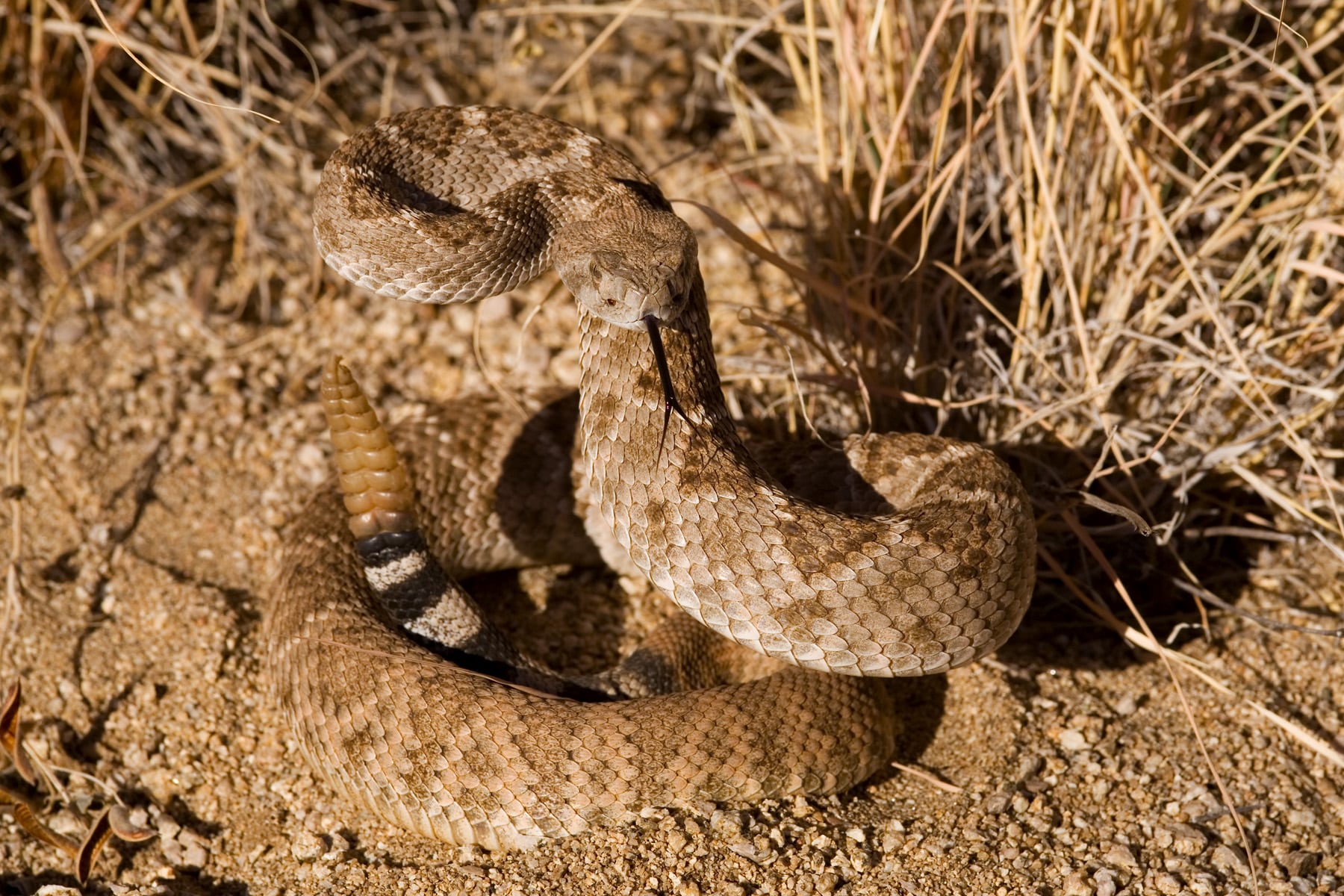
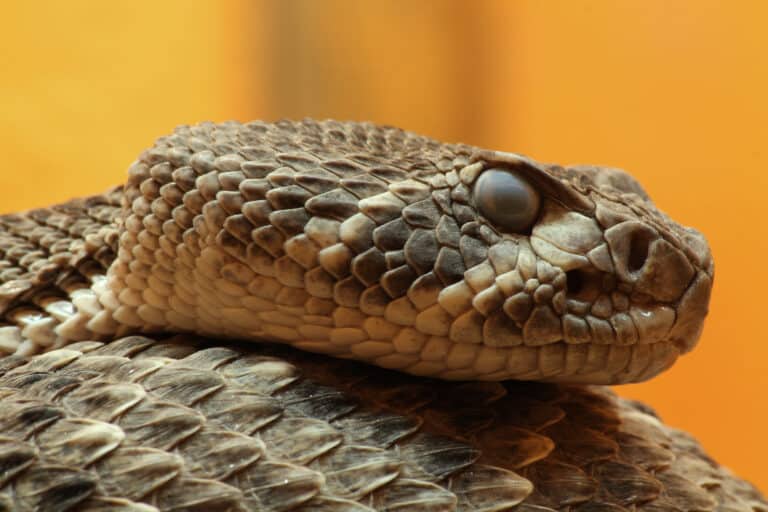
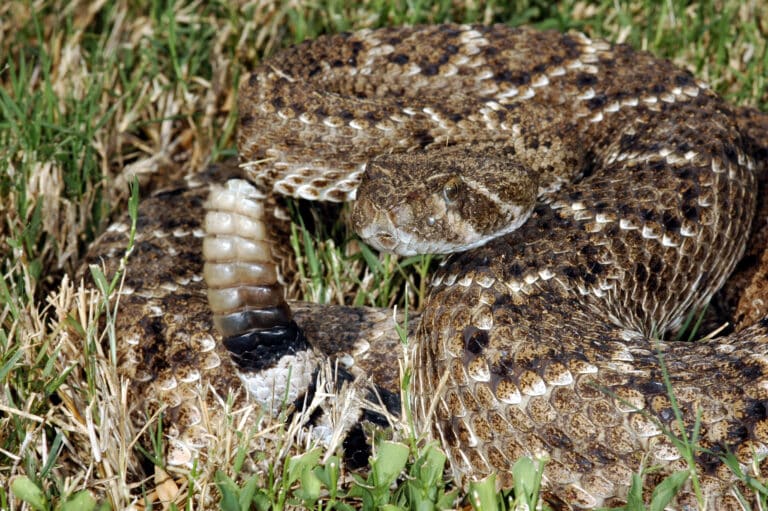
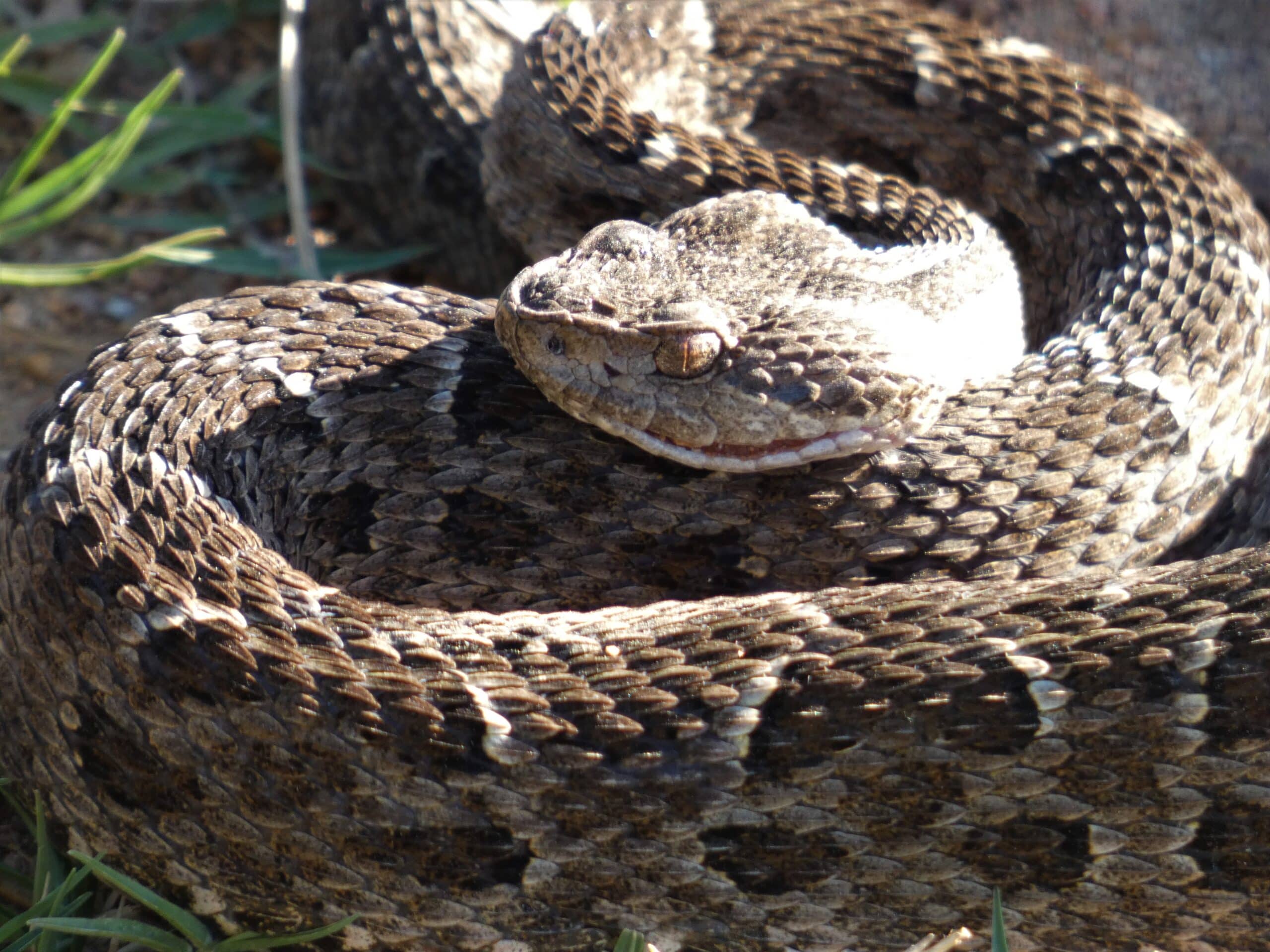
Western Diamondback Rattlesnake
Uncover the secrets of a desert hunter with a rattle!
Let’s Explore
Overview
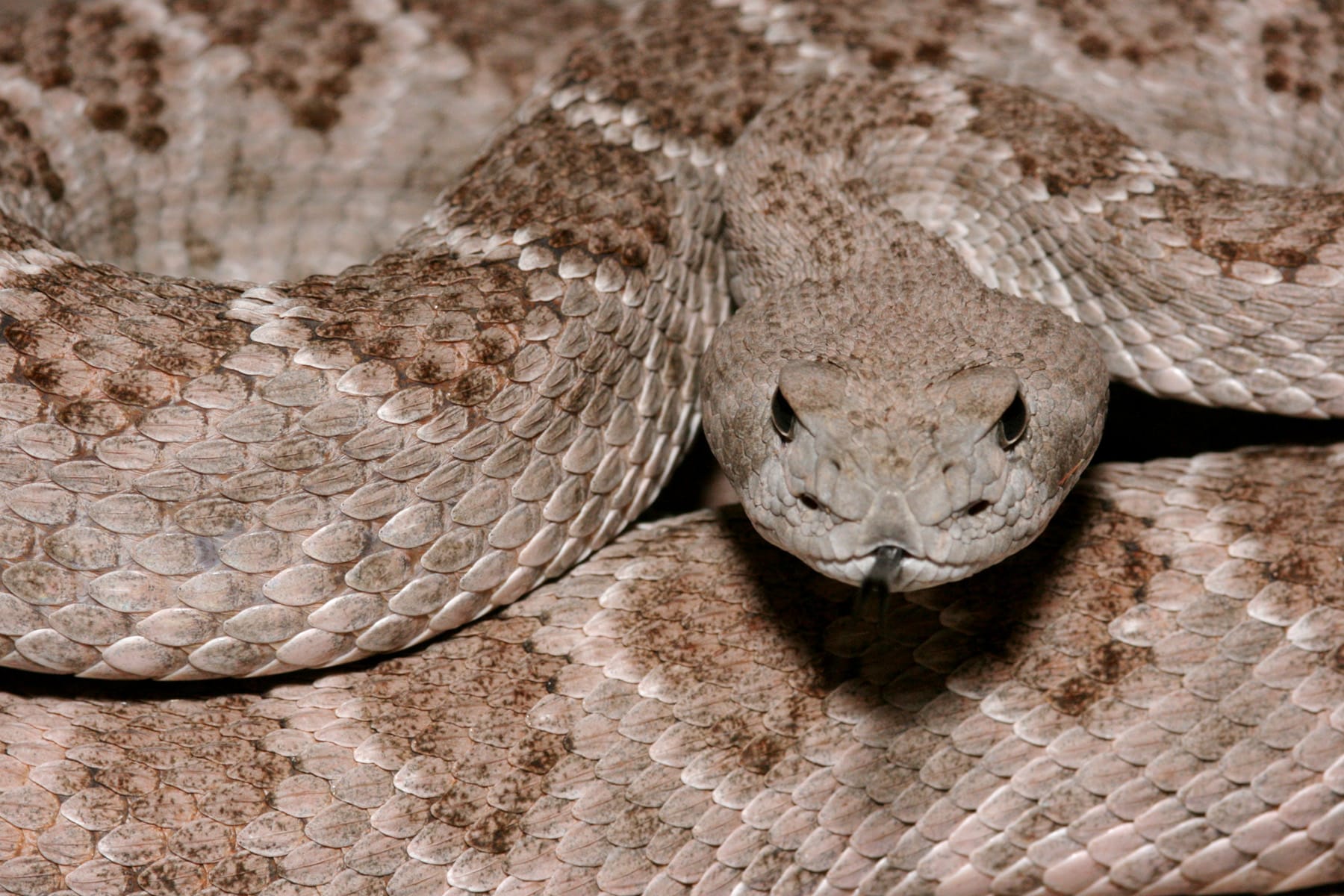
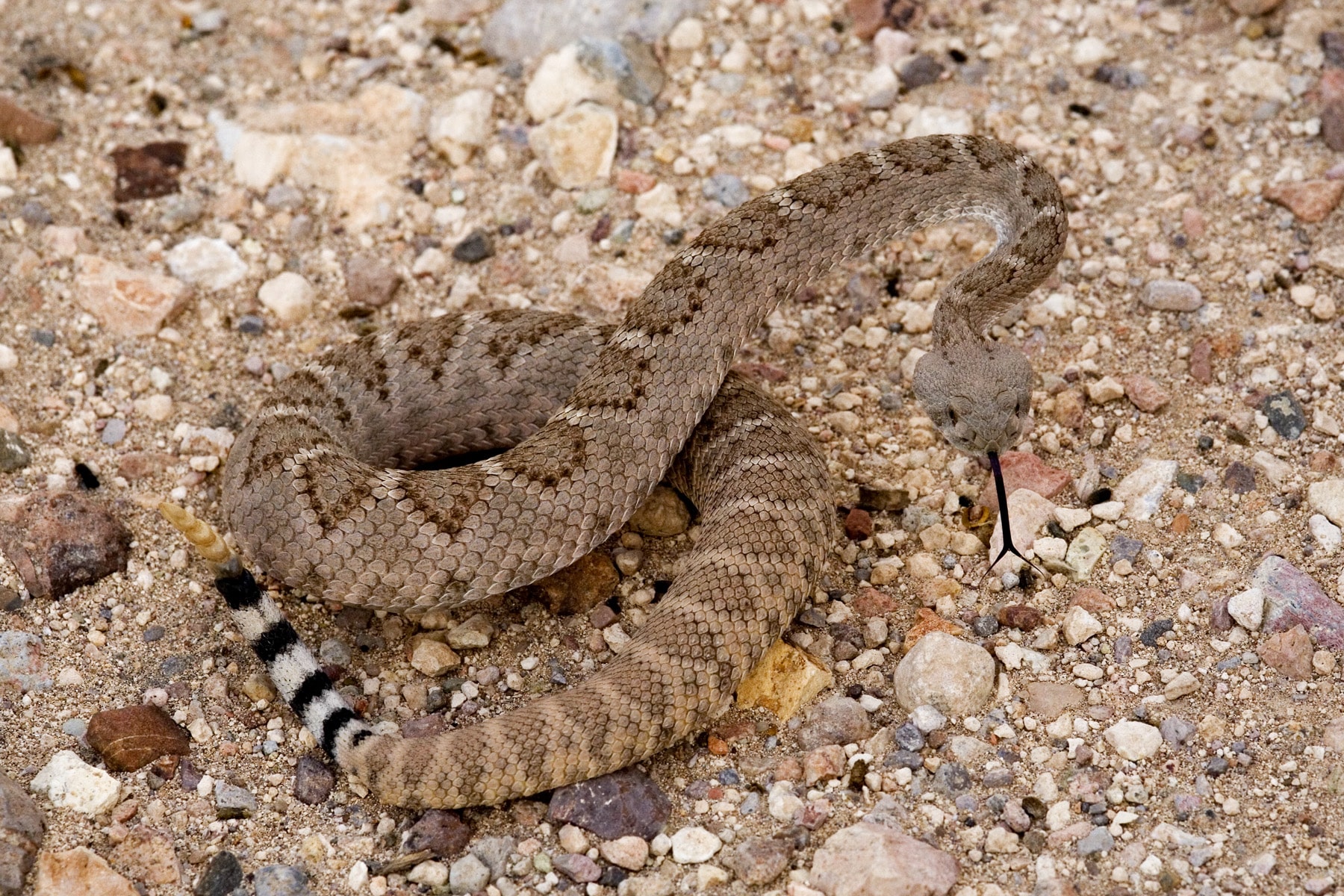
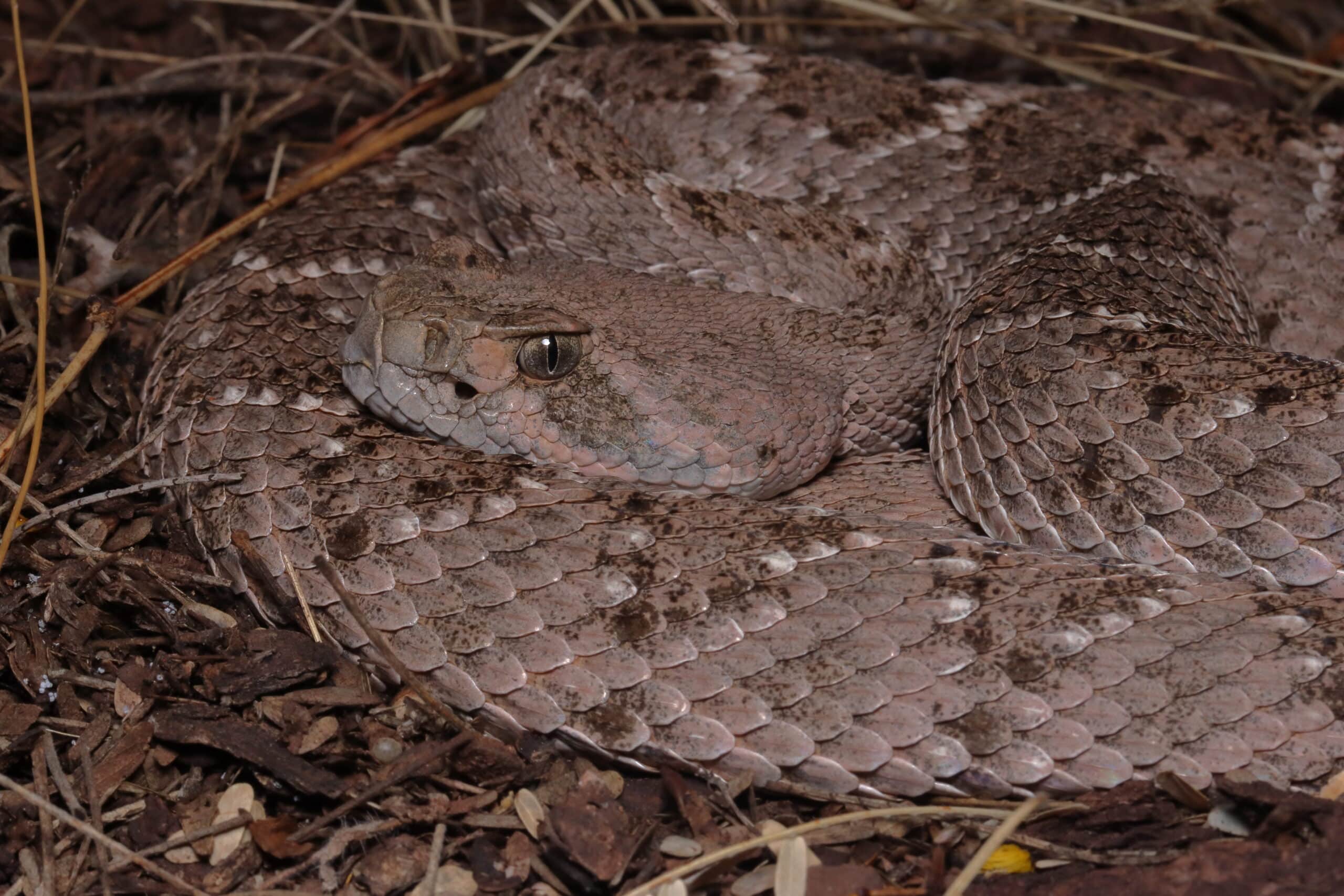
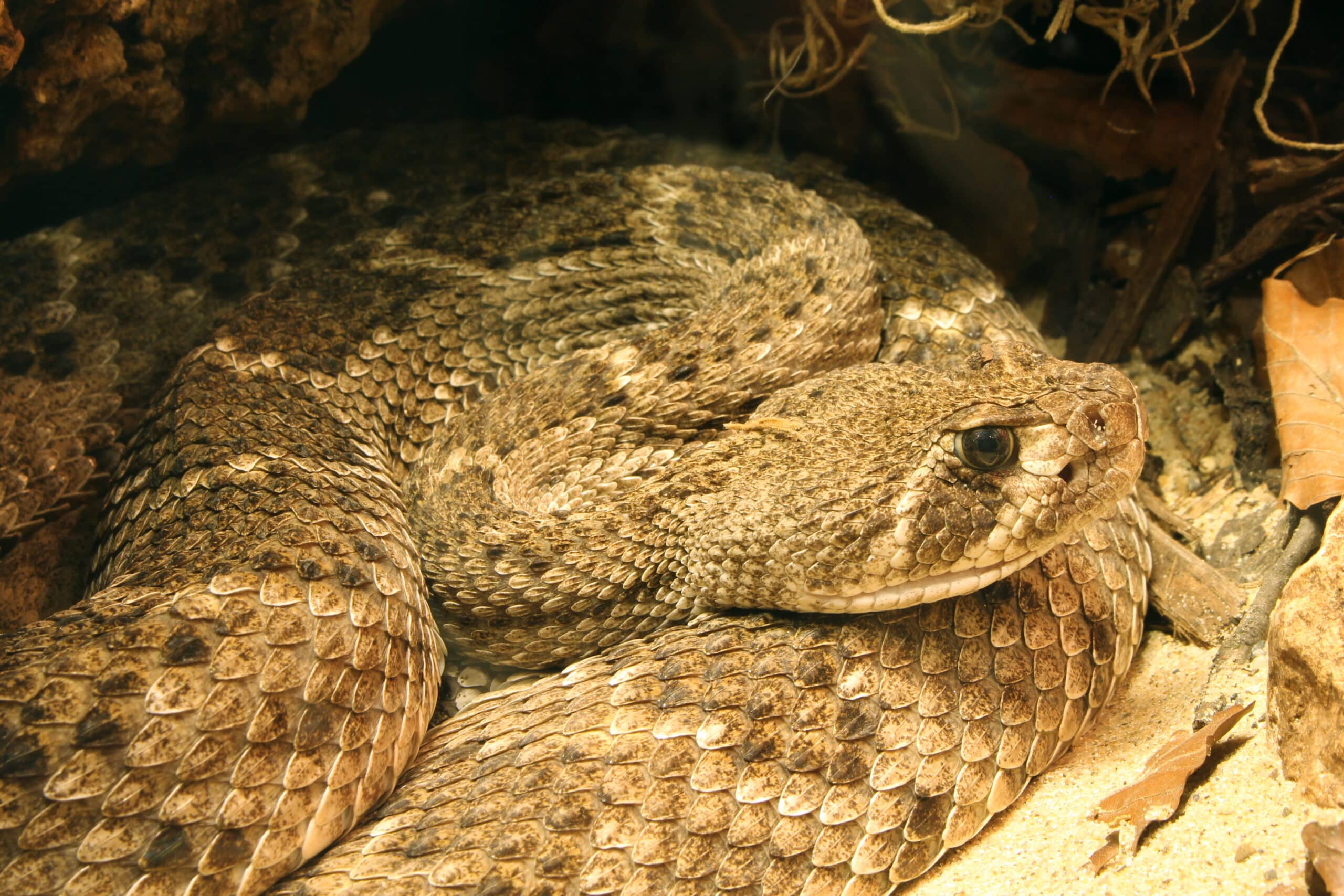
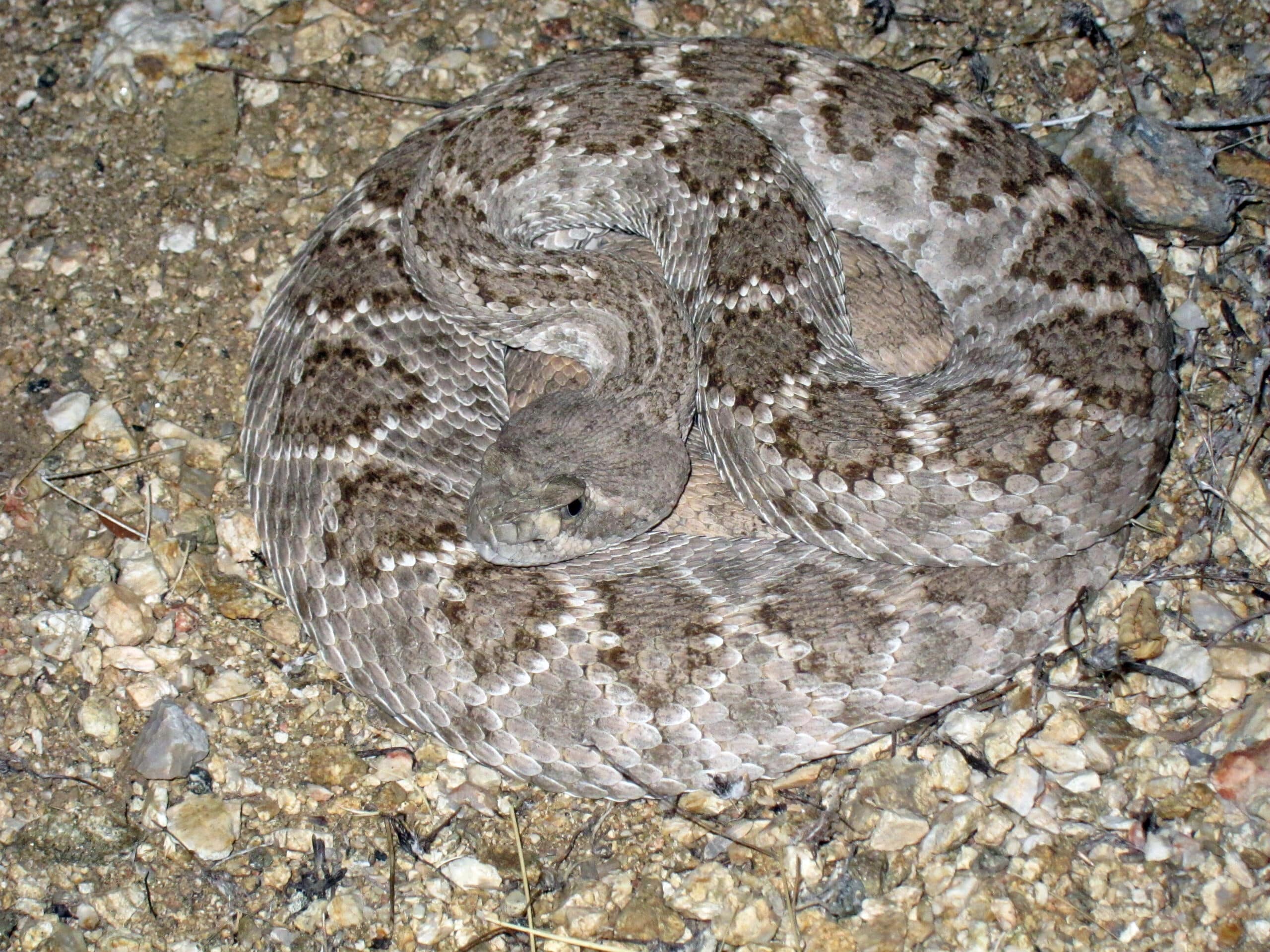
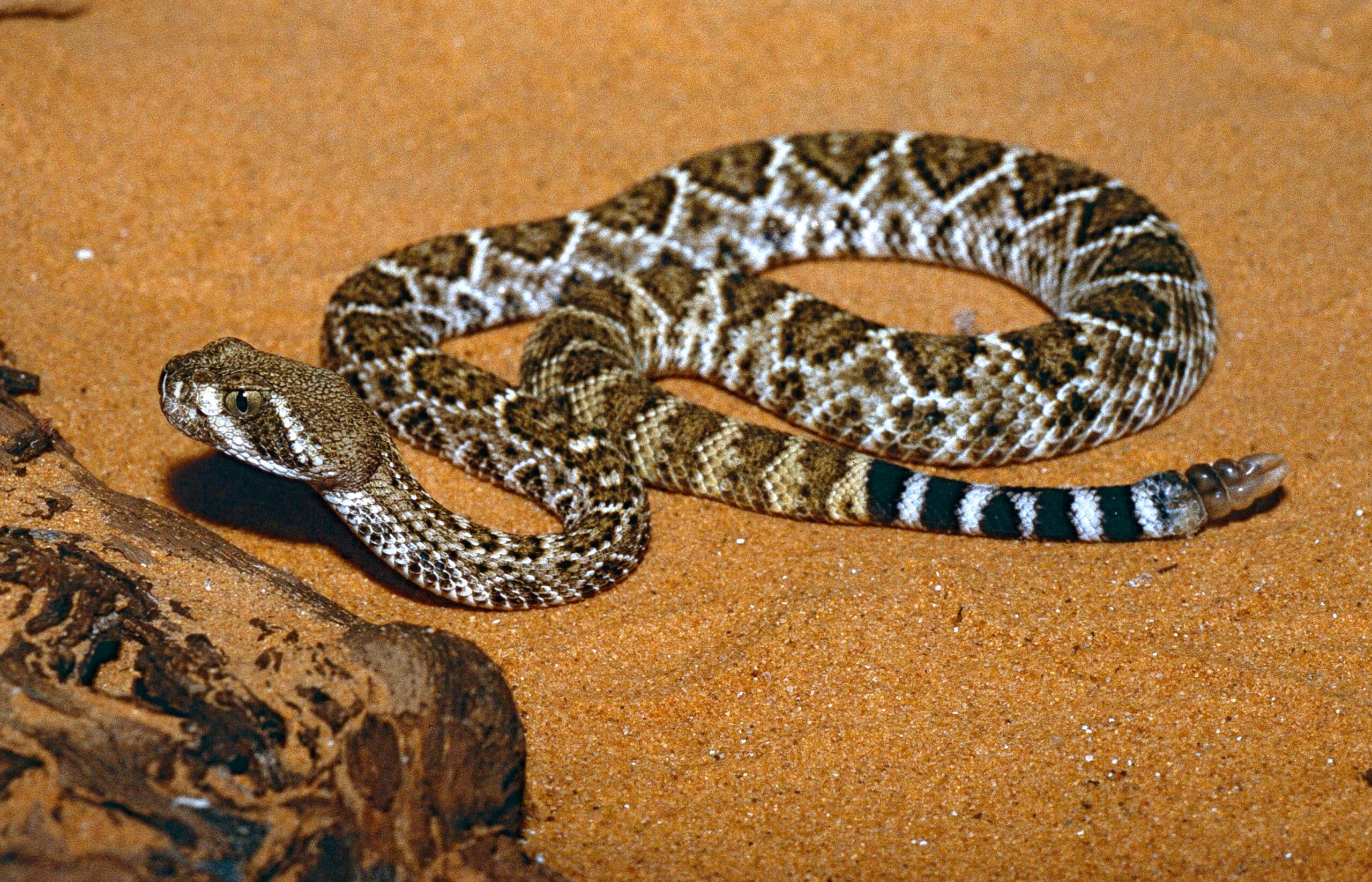
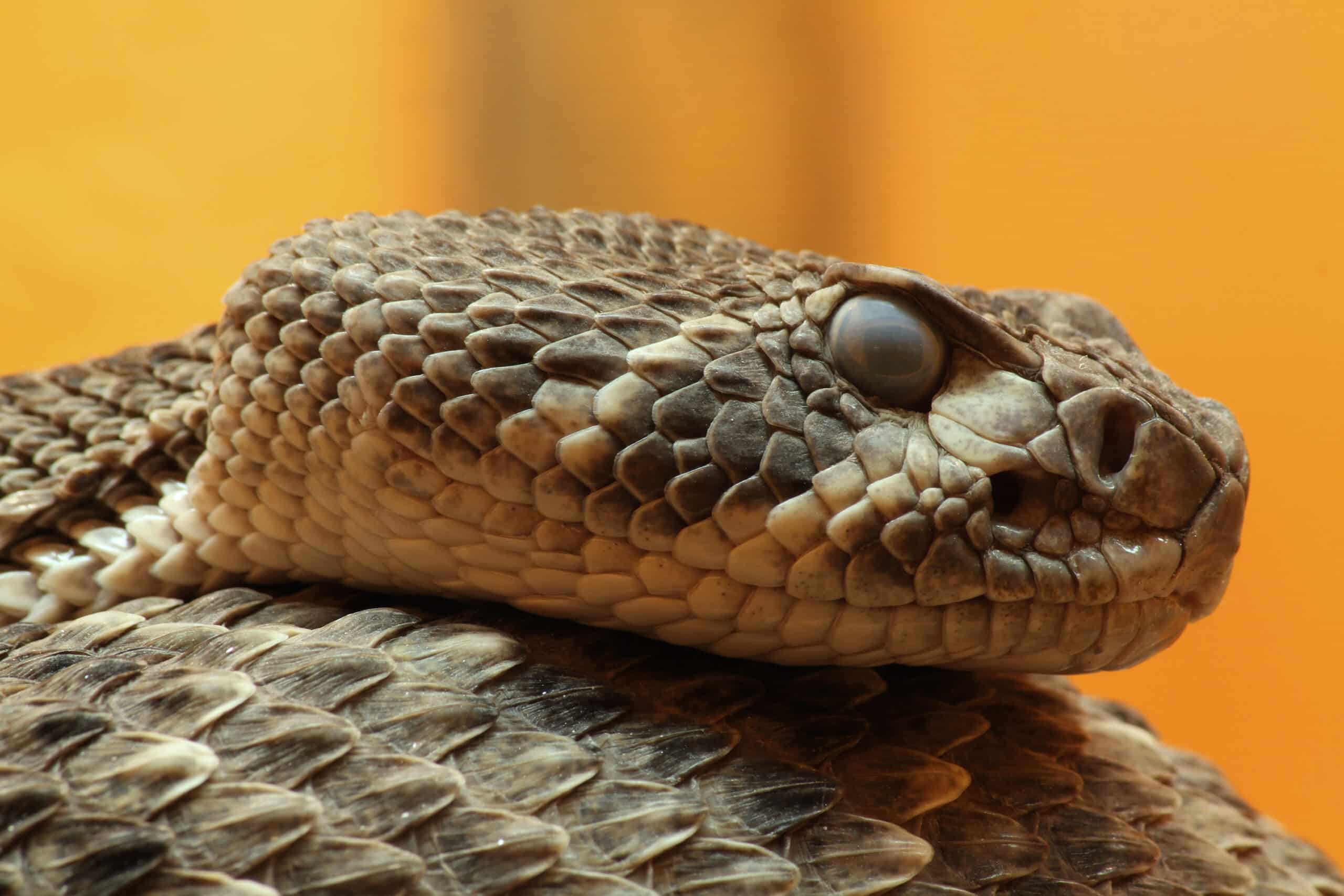
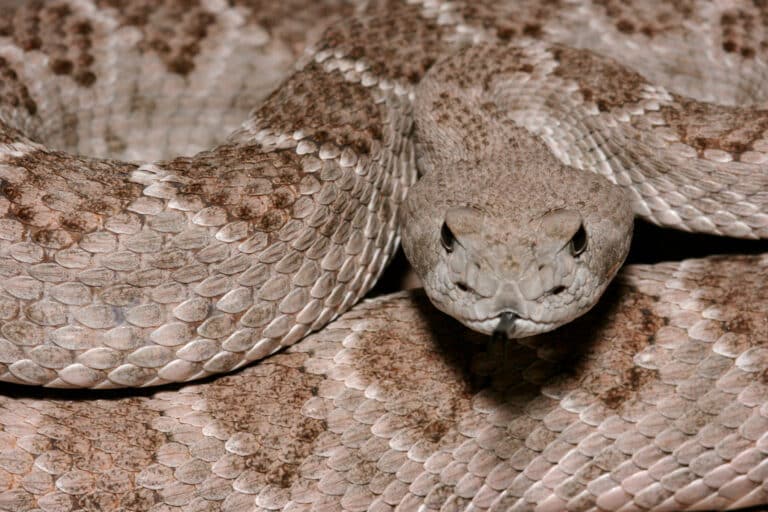
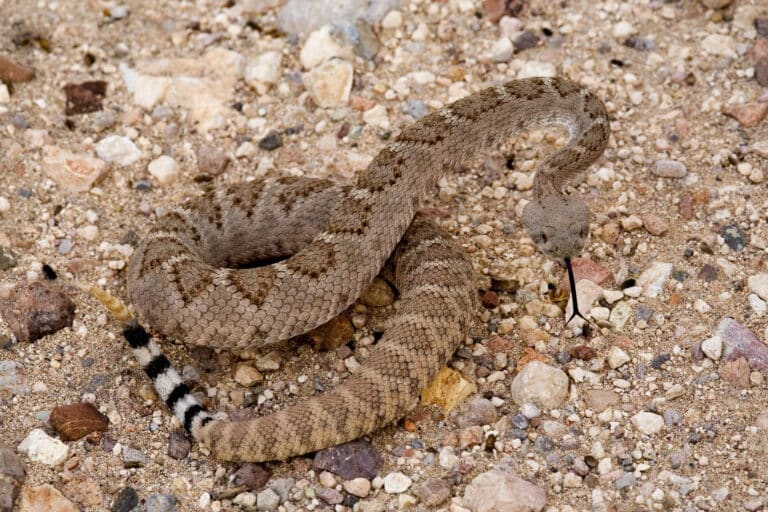
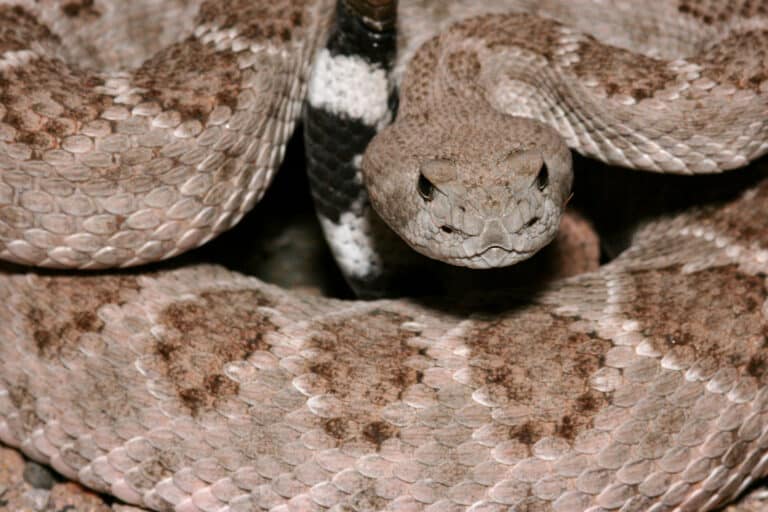
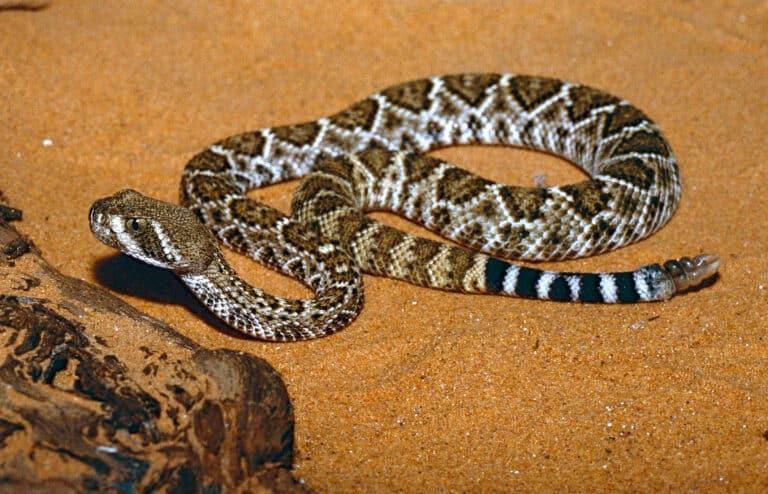
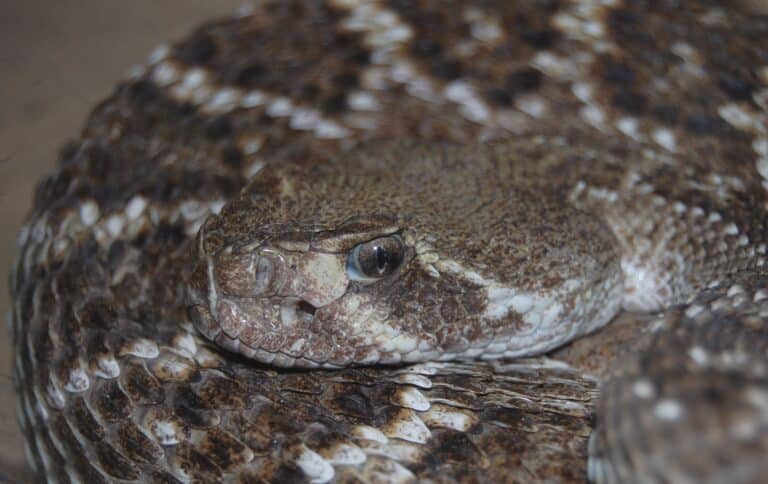
The Western Diamondback Rattlesnake is a striking reptile known for its patterned scales and famous rattle. It usually measures between 0.9 to 1.5 meters (3 to 5 feet) long and can be found in Central America.
These snakes belong to the Viper family and are remarkable hunters. Their diet includes small mammals, birds, and even other reptiles, showcasing their skill as both hunters and gatherers in their habitats.
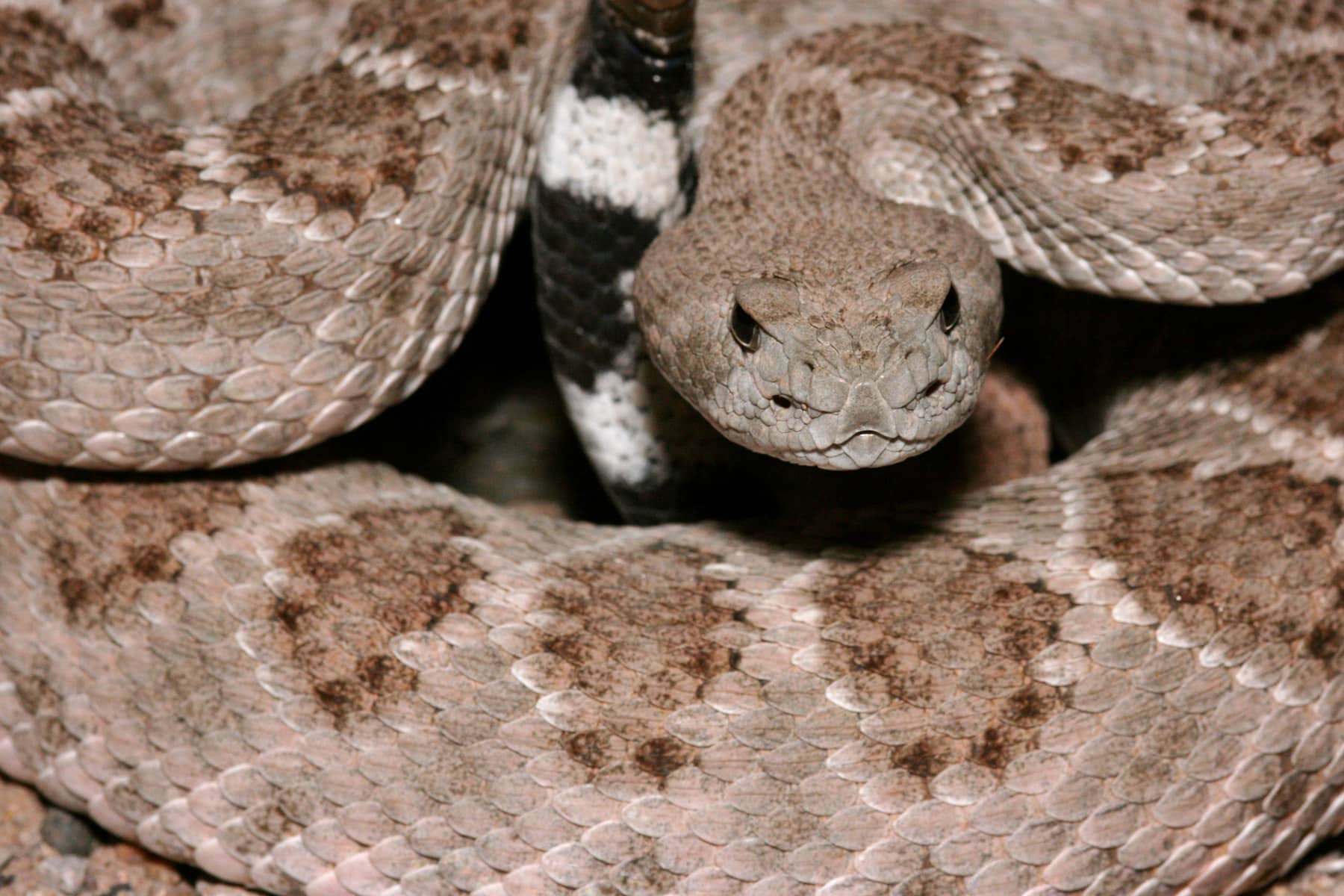
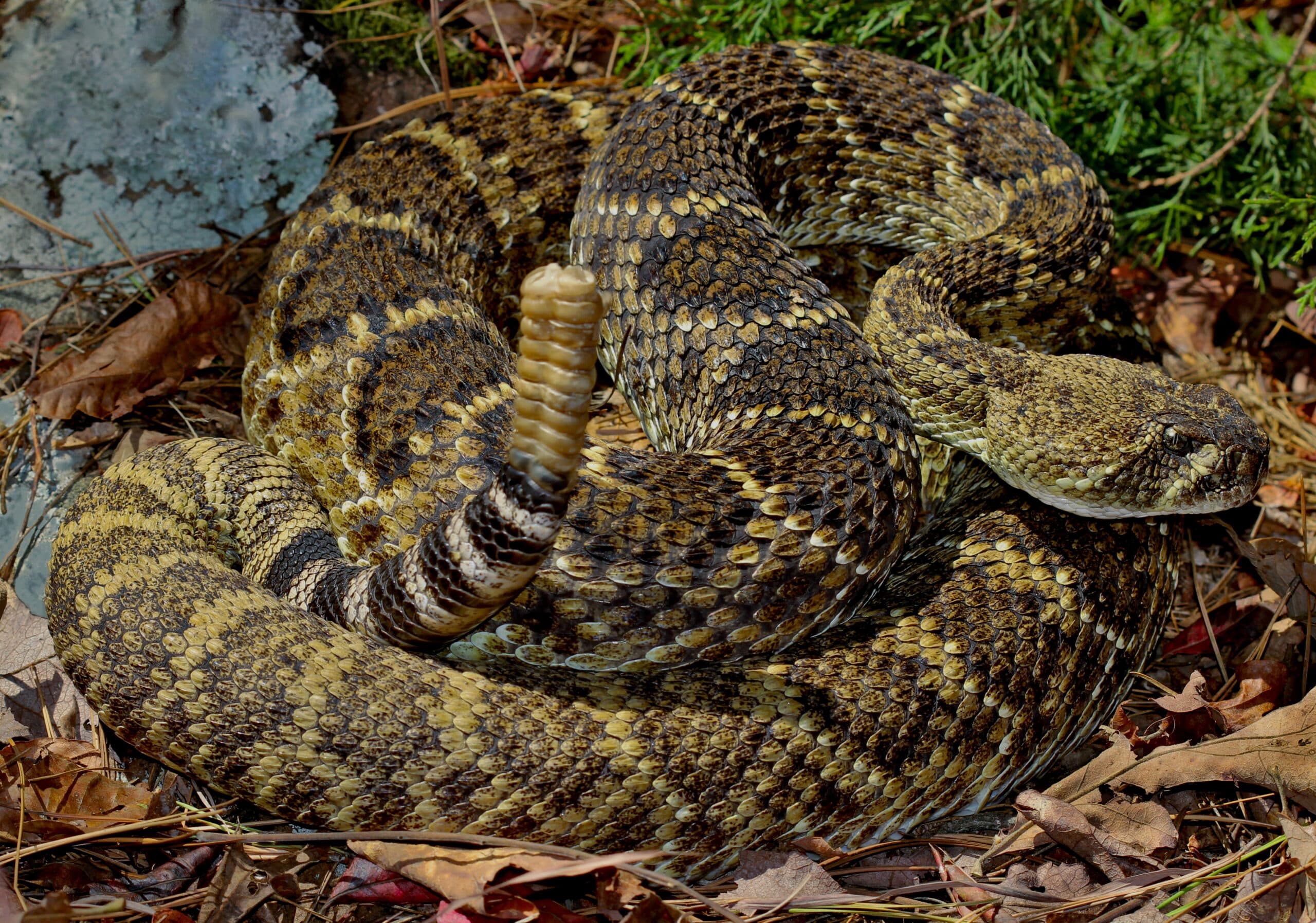
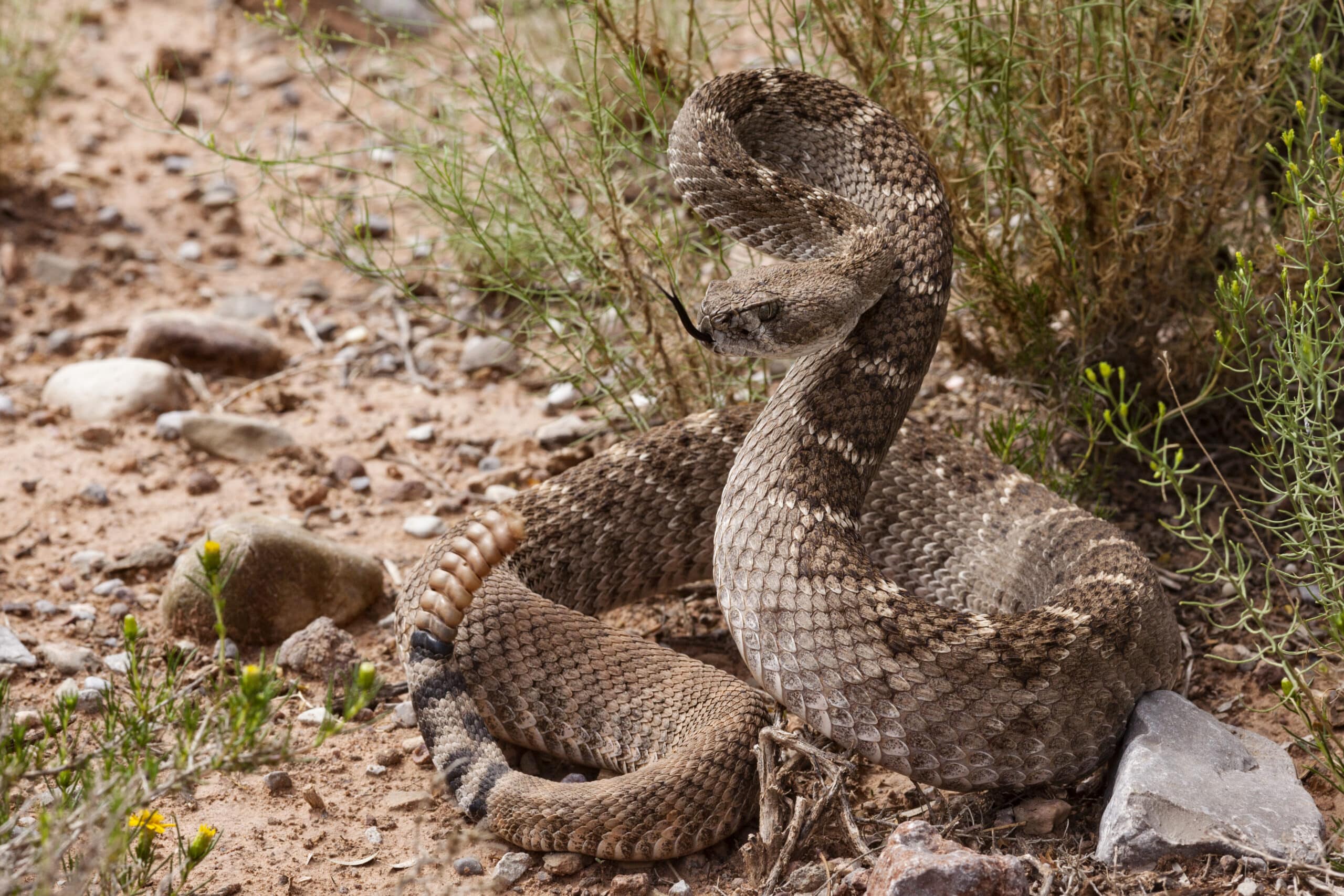
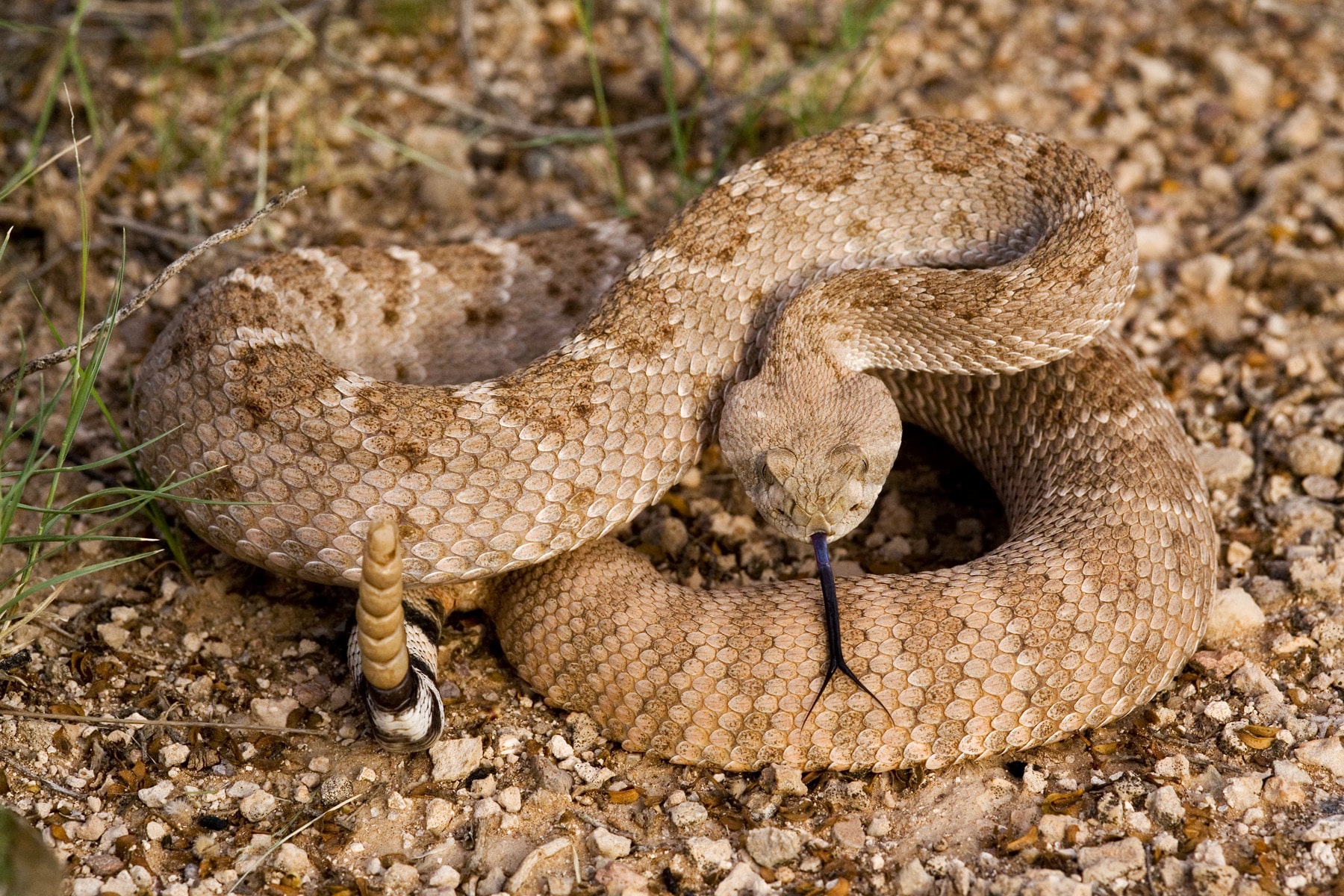
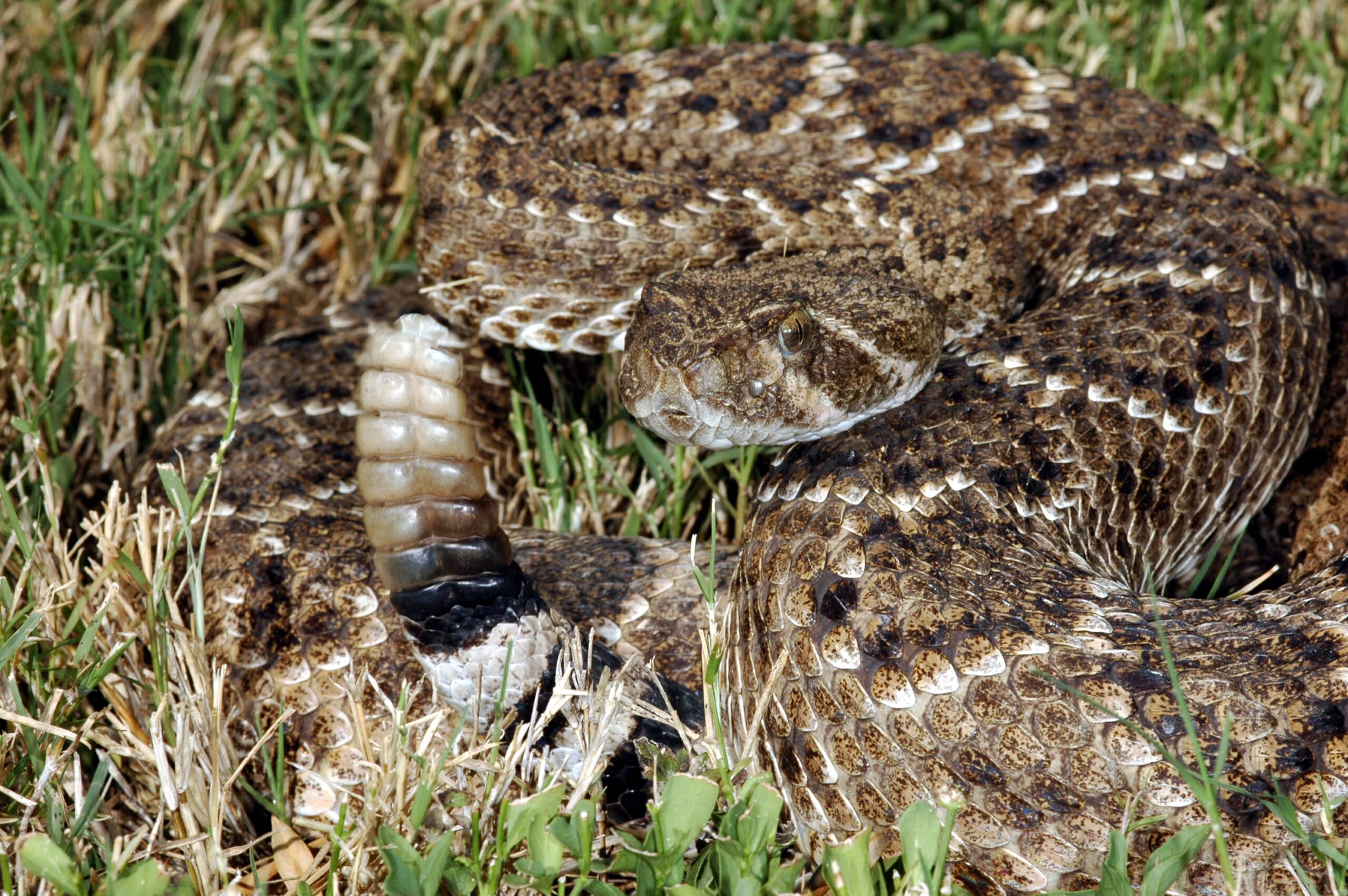
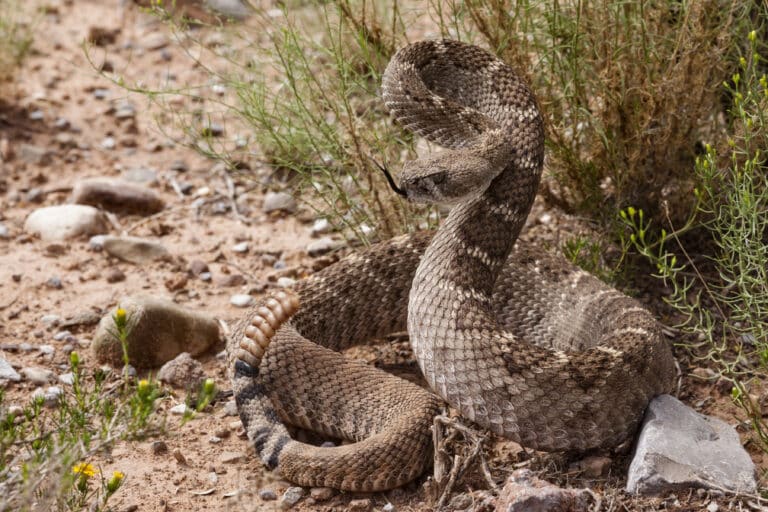
Their rattles are more than just a cool party trick—they serve a vital purpose! When threatened, the Western Diamondback shakes its tail, producing a loud rattling sound as a warning to potential predators or intruders.
These fascinating creatures can live anywhere from 10 to 20 years in the wild. They play an important role in their ecosystems by keeping populations of their prey animals in check.
With their impressive survival skills and keen hunting abilities, the Western Diamondback Rattlesnake certainly earns its spot as one of nature's coolest reptiles. So next time you’re exploring the wild, keep an eye out—these snakes could be the ultimate secret agents of the desert!

Where can you find a Western Diamondback Rattlesnake in the wild?
What does a Western Diamondback Rattlesnake eat?
How big can a Western Diamondback Rattlesnake grow?
How long does a Western Diamondback Rattlesnake typically live?
What is the conservation status of the Western Diamondback Rattlesnake?
What are the main threats to the Western Diamondback Rattlesnake?
Fun facts
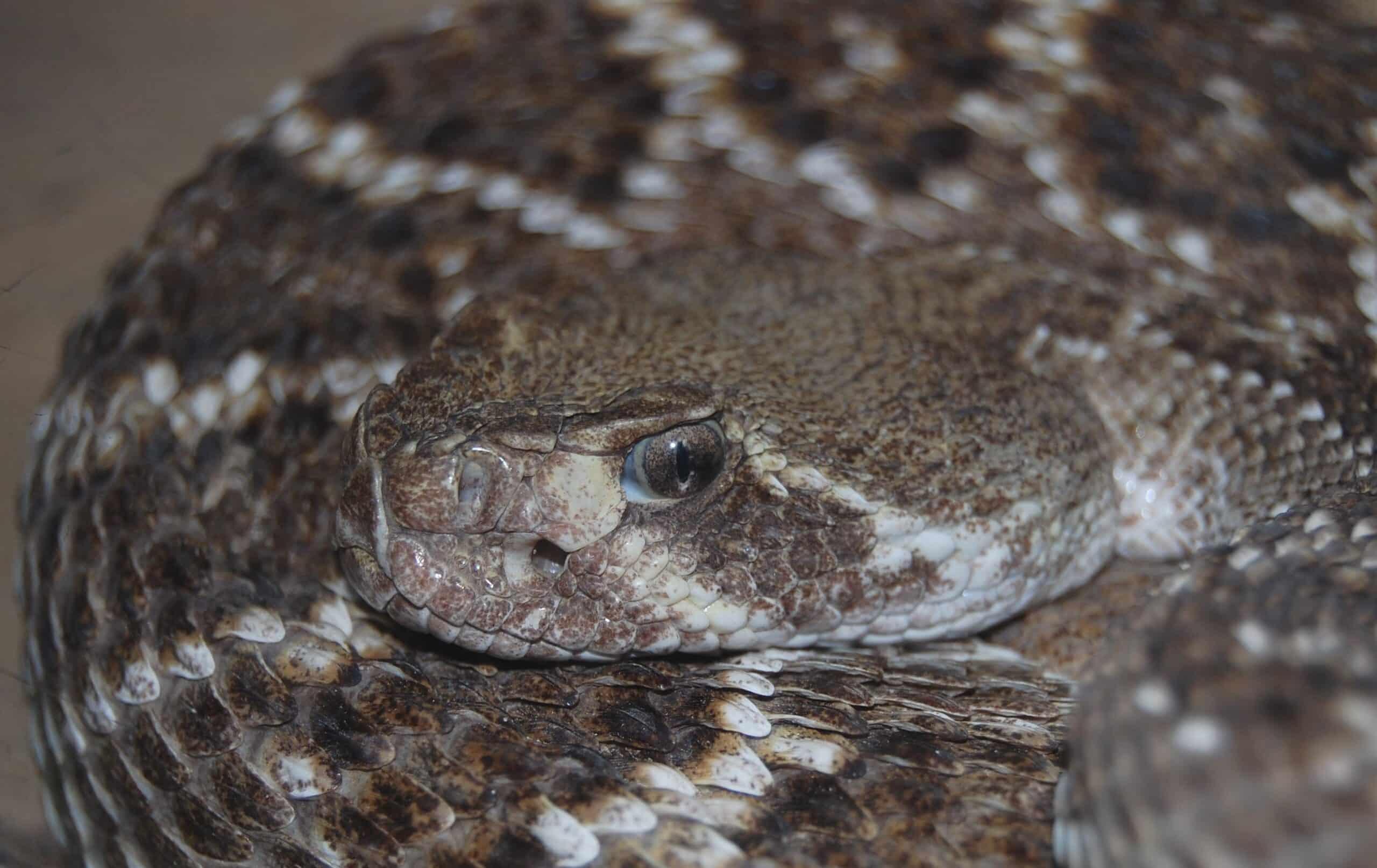
The Western Diamondback Rattlesnake has a special sense that helps it find its dinner. It can detect heat from the bodies of warm-blooded animals, allowing it to hunt in the dark.


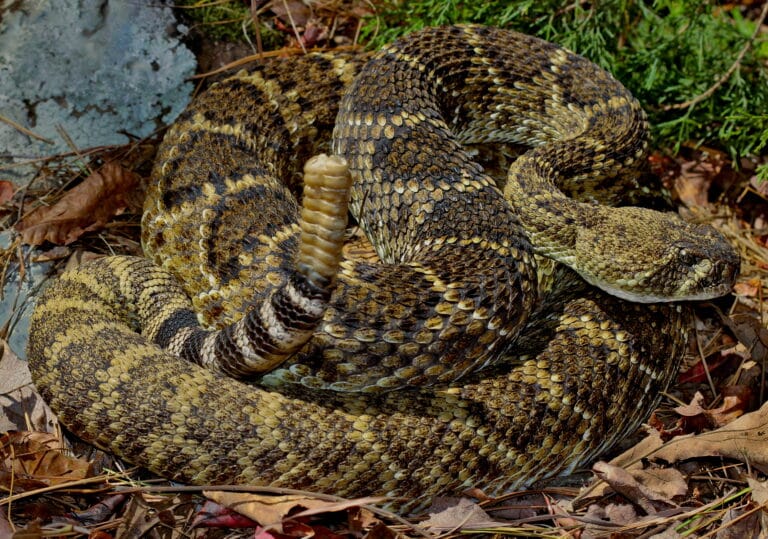
This rattlesnake loves to shake its tail like a maraca when it gets scared. It does this to warn other animals to stay away, making its rattling sound a superhero call!
When it comes time to shed its skin, the Western Diamondback gets a fresh start. It can do this several times a year, leaving behind an old layer that sometimes still looks like it has the original pattern.
These snakes have flexible jaws that can swallow prey bigger than their own head. Imagine stretching your mouth wide enough to eat a watermelon whole!
Western Diamondbacks communicate through body language. They use their tails, hissing, and posturing to show how they feel without saying a word.
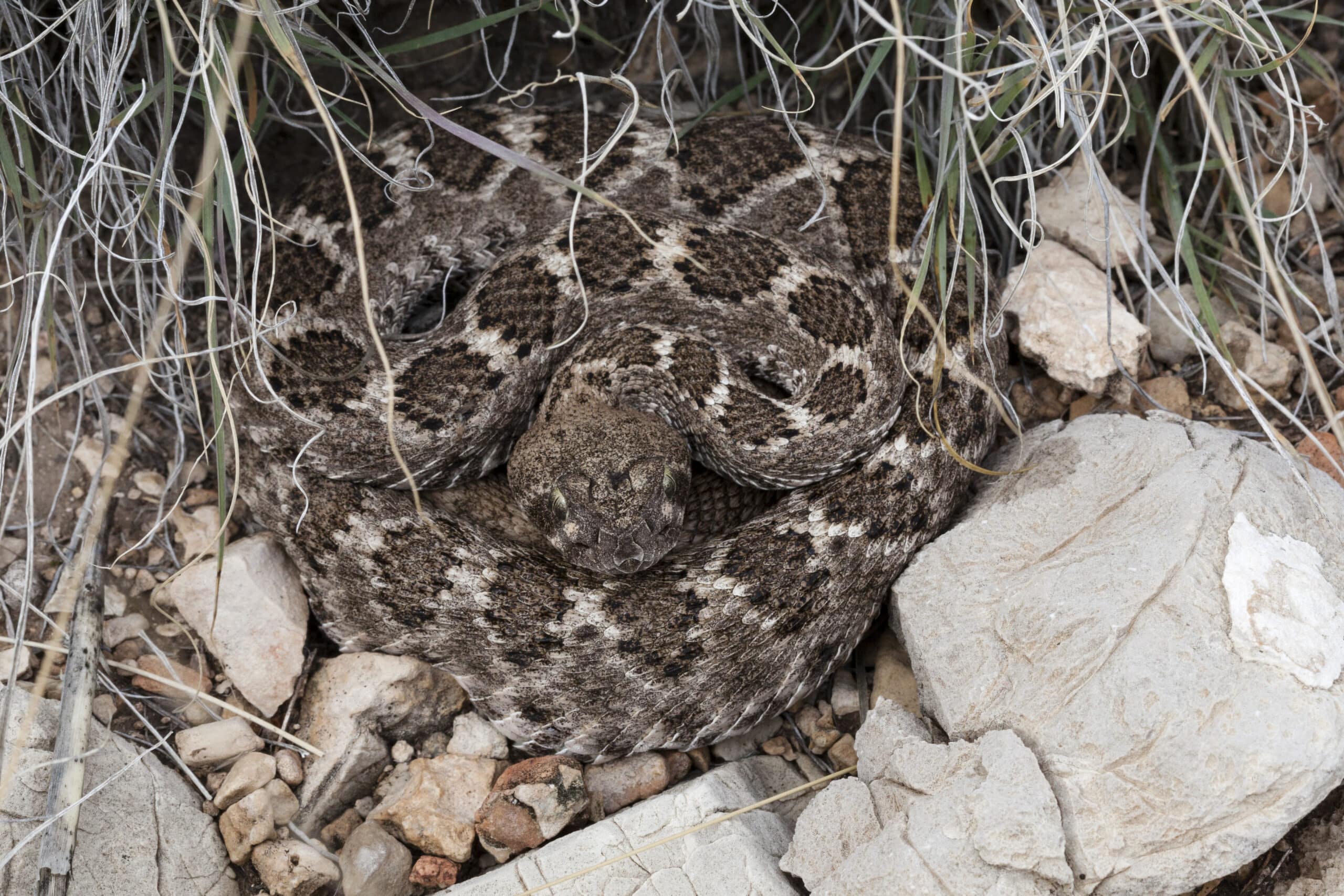
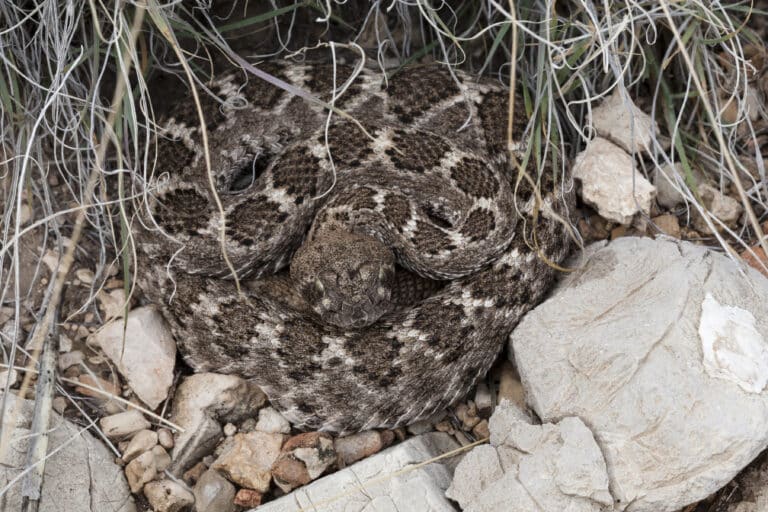
This snake can live in a variety of homes, from hot deserts to rocky hillsides. They often hide under rocks or in burrows during the hot day, coming out to play when the sun goes down.
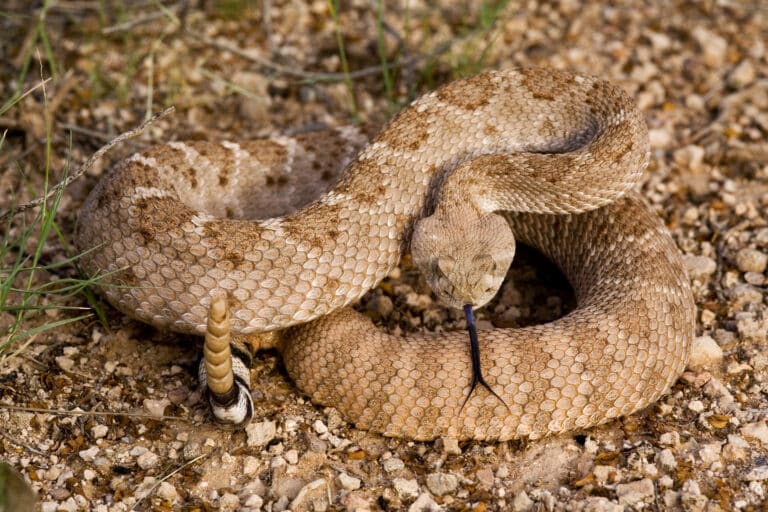
Their rattles are made of keratin, the same stuff as human nails! Each time they shed skin, they add a new segment to their rattle, which means older snakes have longer rattles.
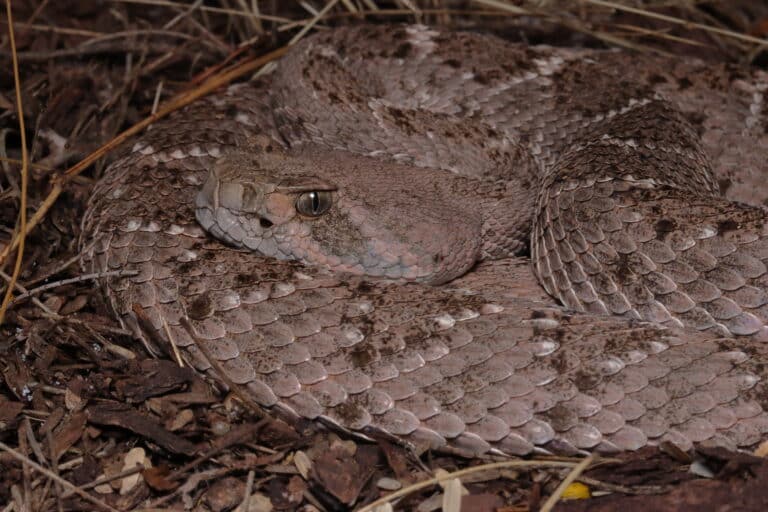
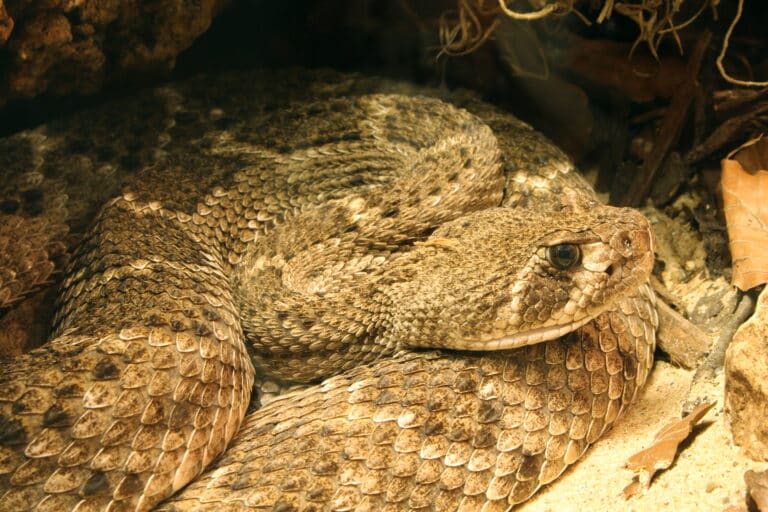
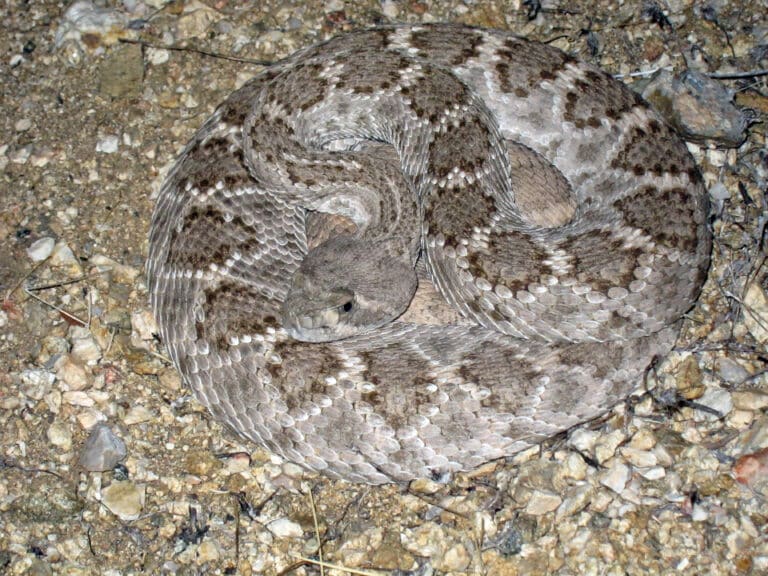
Some Western Diamondback Rattlesnakes have unique color patterns that help them blend in with their surroundings. This natural camouflage keeps them safe from predators and helps them sneak up on prey!
These talented reptiles can control their venom. They can choose how much to inject when biting, which is handy when they want to catch dinner without wasting their resources.
Western Diamondbacks can move surprisingly fast for a snake! They can strike at speeds up to 2.5 meters (8 feet) in less than a second when they need to catch someone off guard.
Photos



The Basics


explore more
Amphibians
Arachnids
Birds
Cats
Crustaceans
Fish
Fish Pet Guide
Gastropods
Insects
Invertebrates
Mammals
Pet Fish
Pet Rodents
Plants
Reptiles
Roundworms
Sea Slugs