Successfully copied to clipboard!
Western Rattlesnake (Northern Pacific Rattlesnake)
Explore nature's skilled hunters with a thrilling rattle!
Let’s Explore
Overview
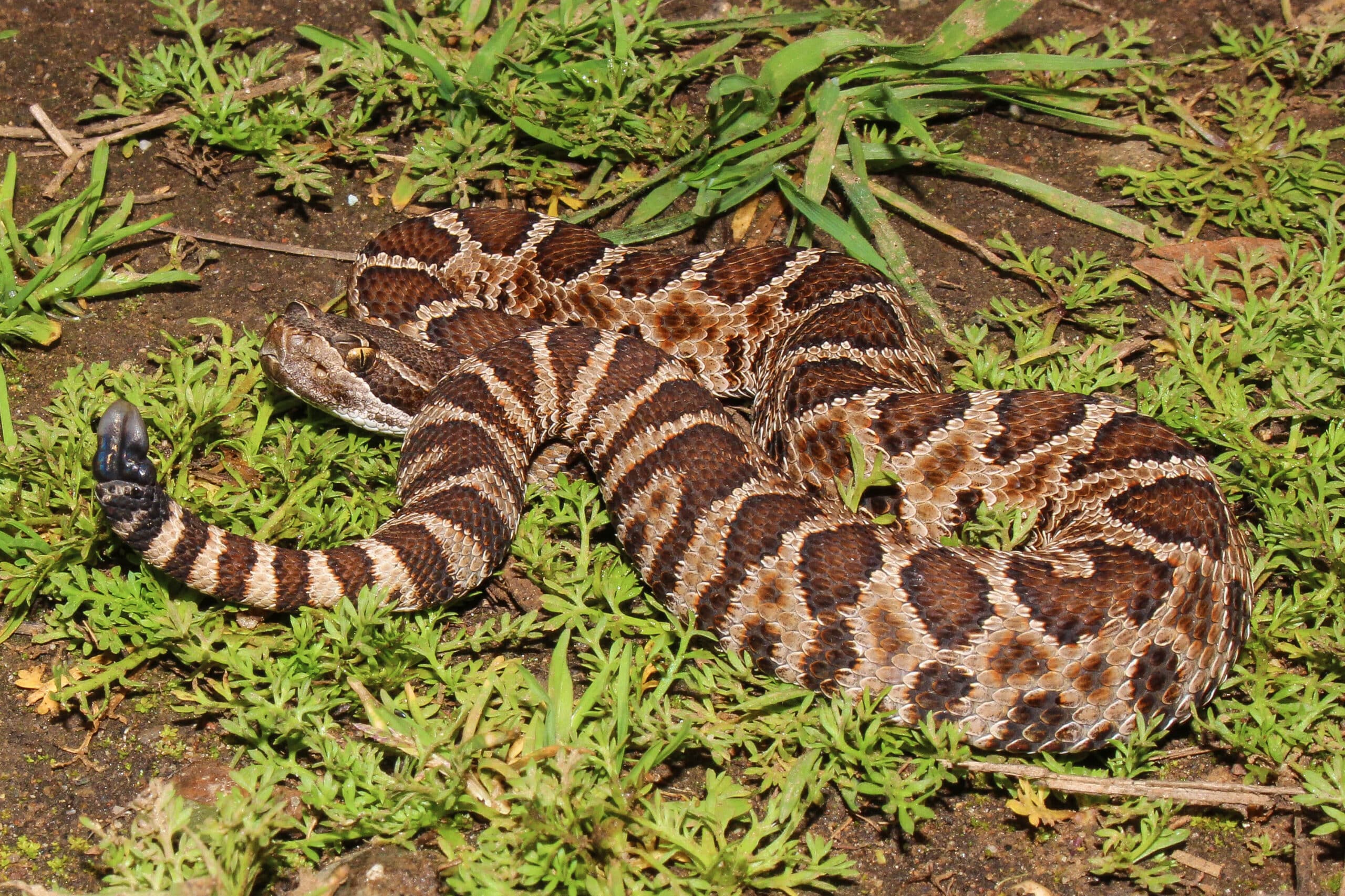
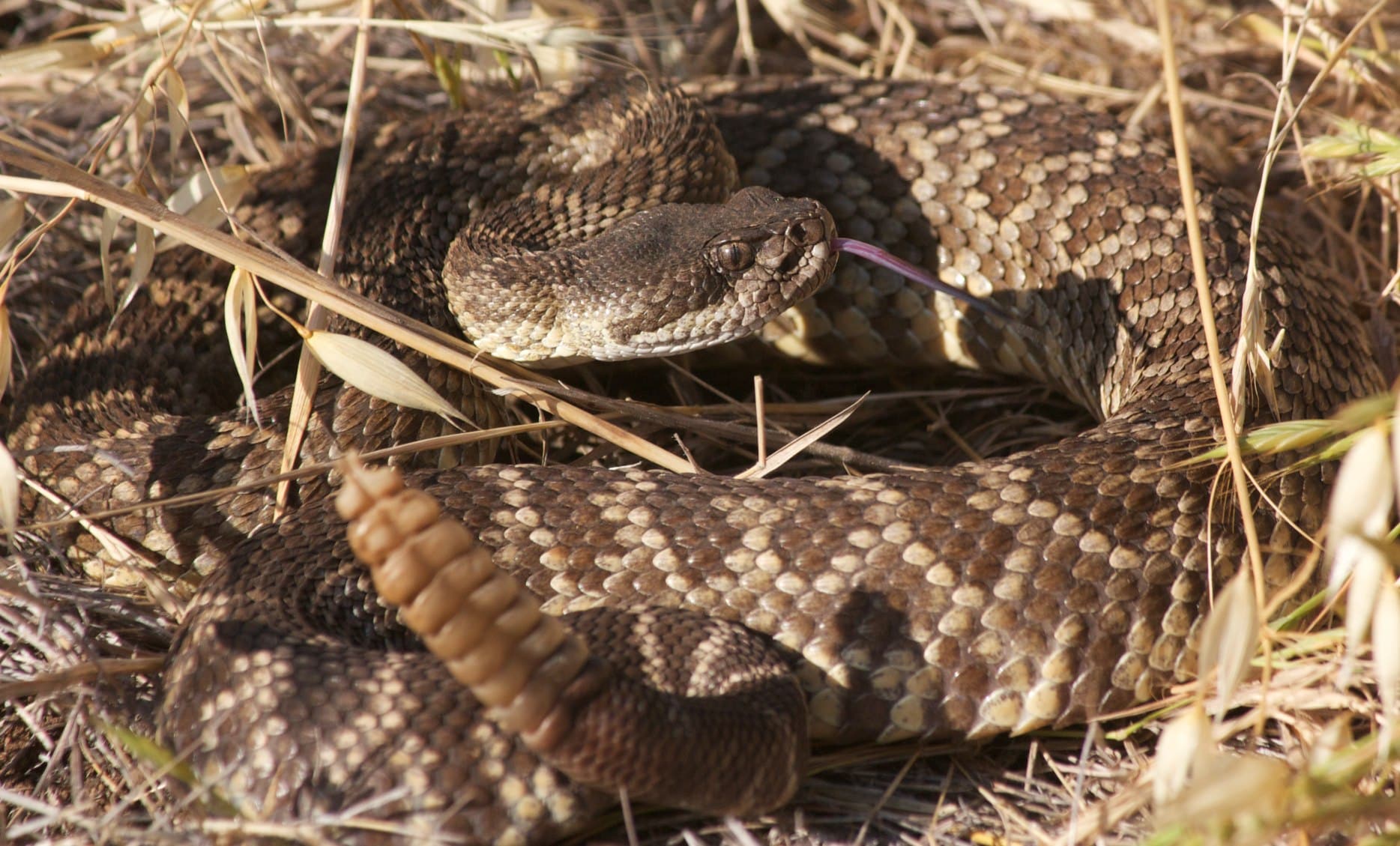
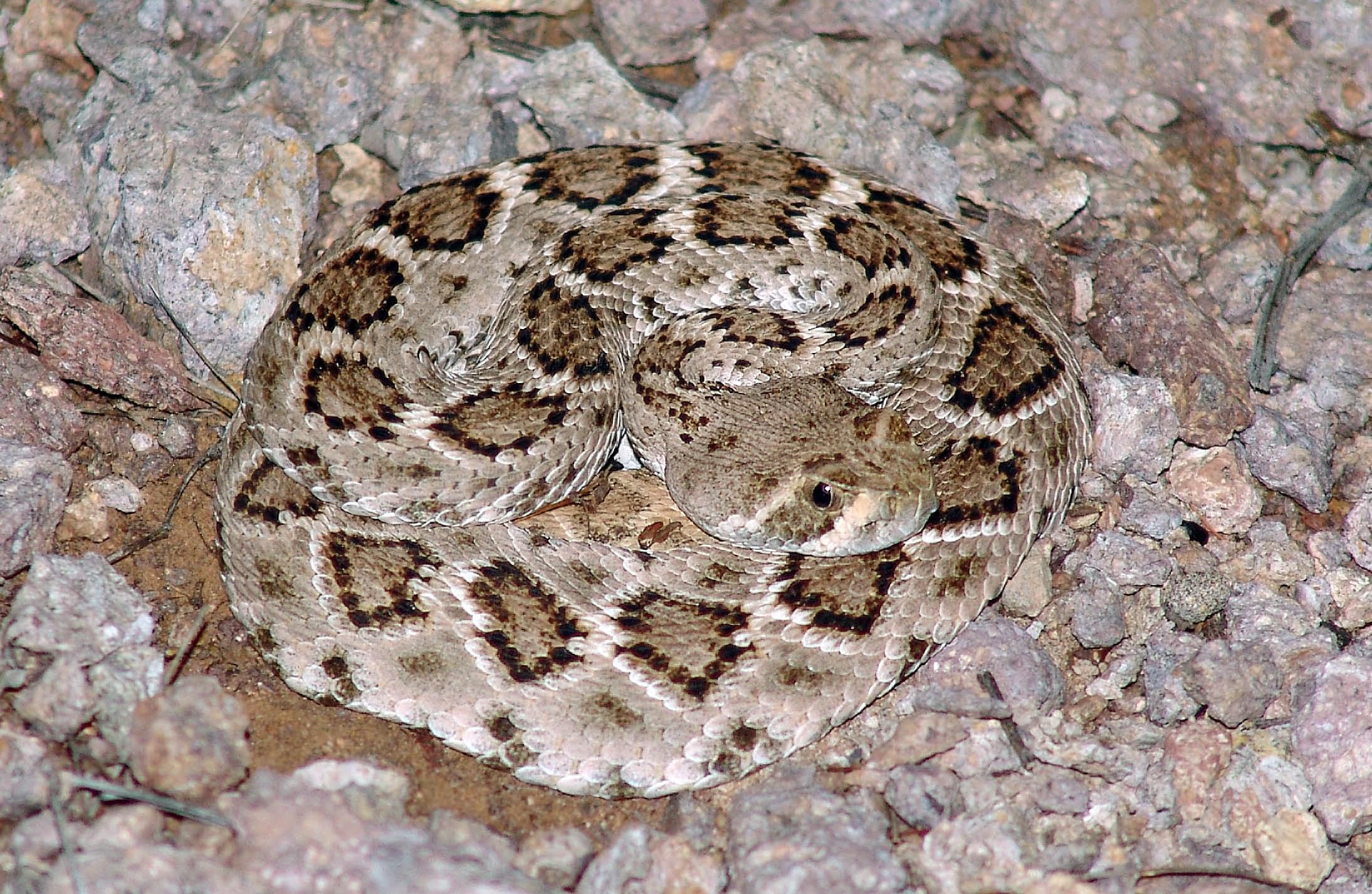
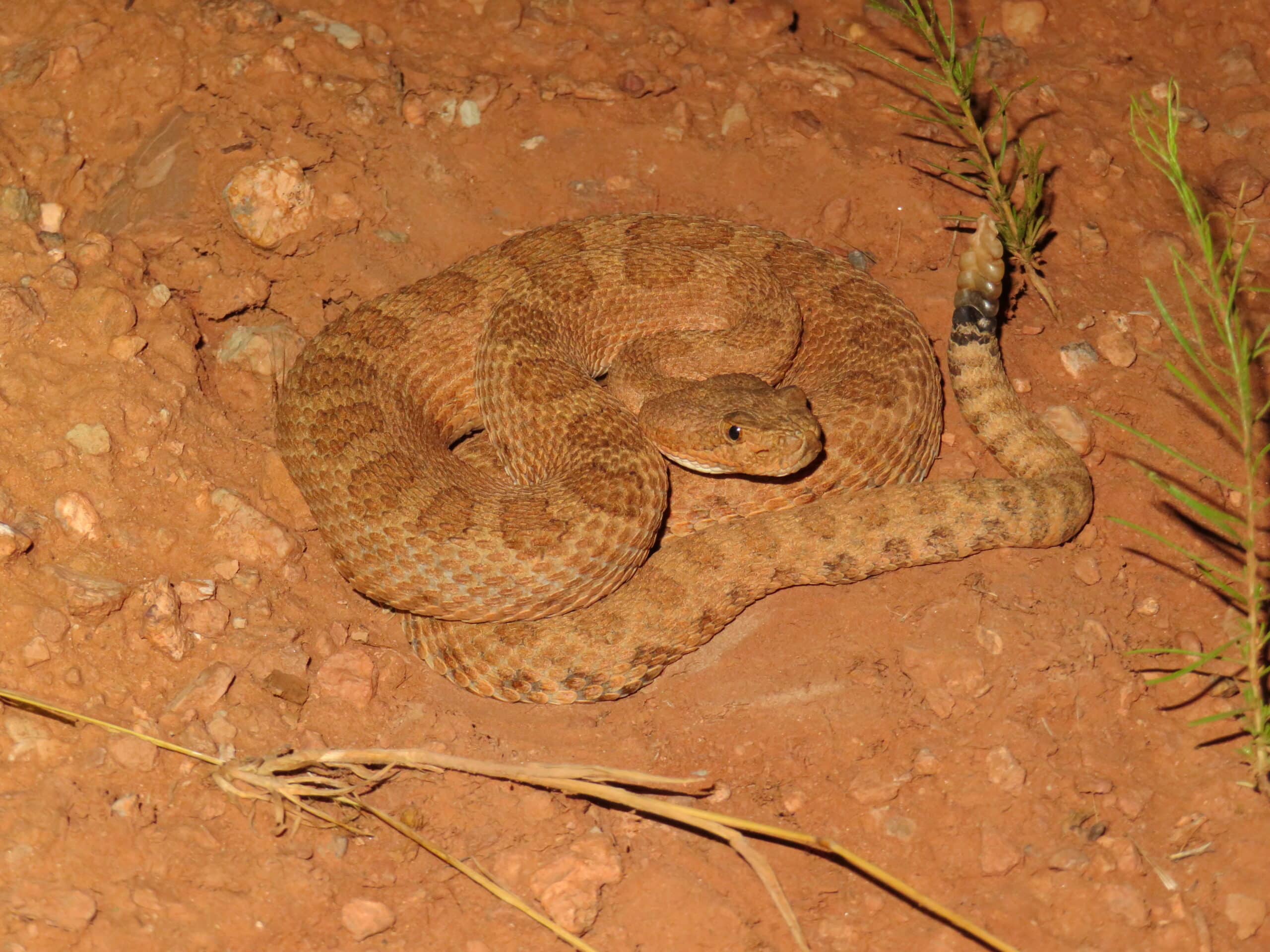
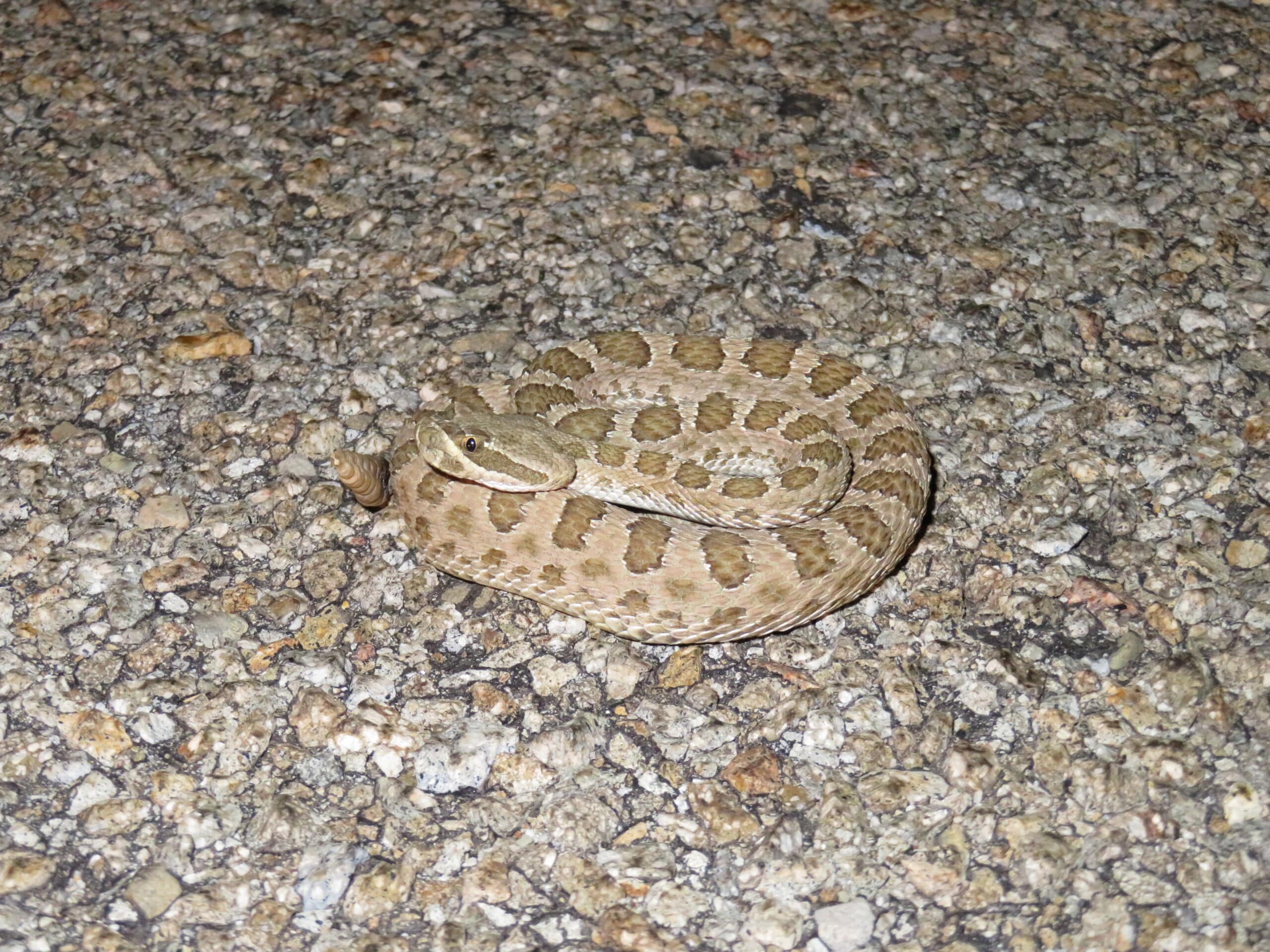
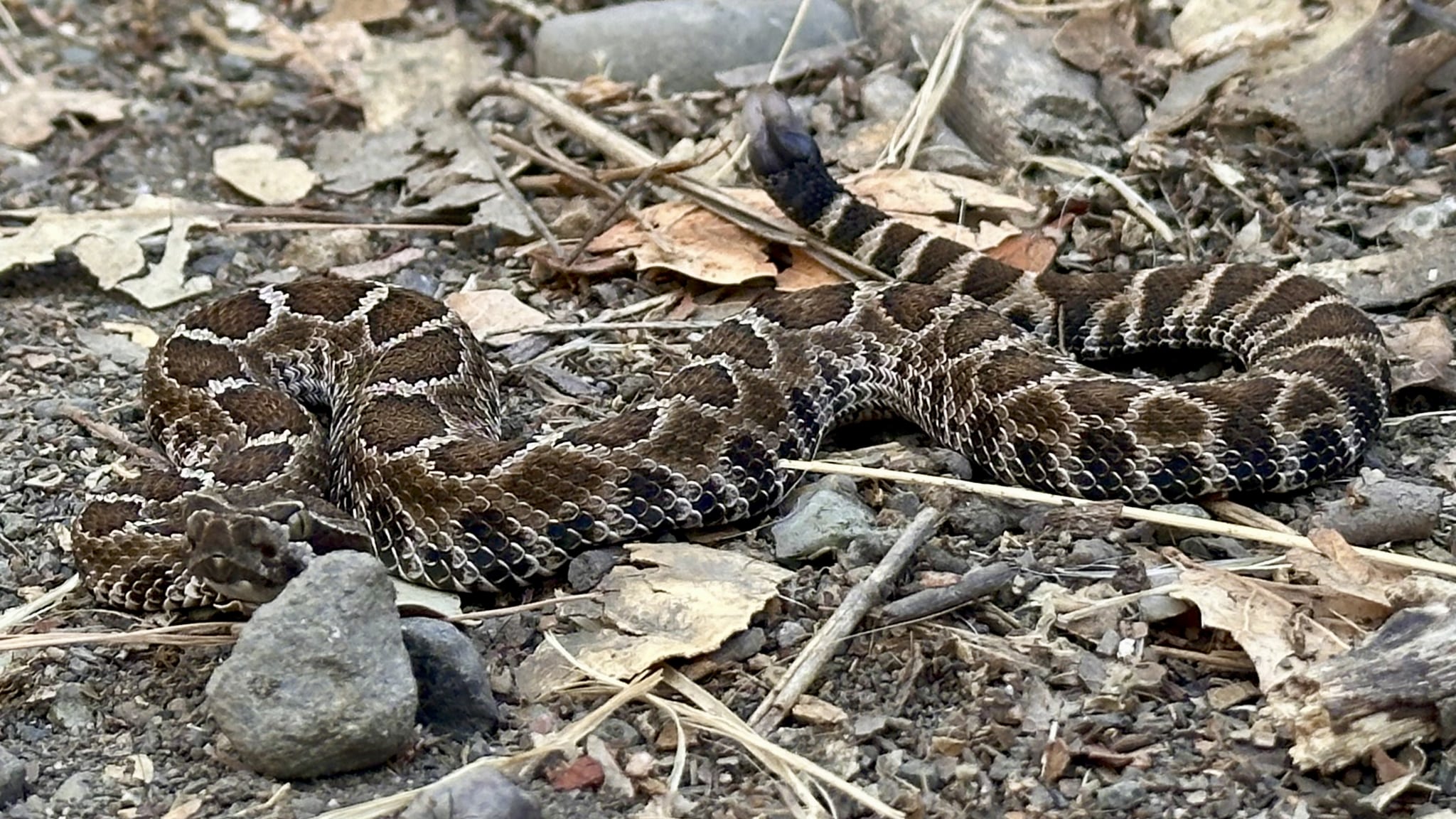
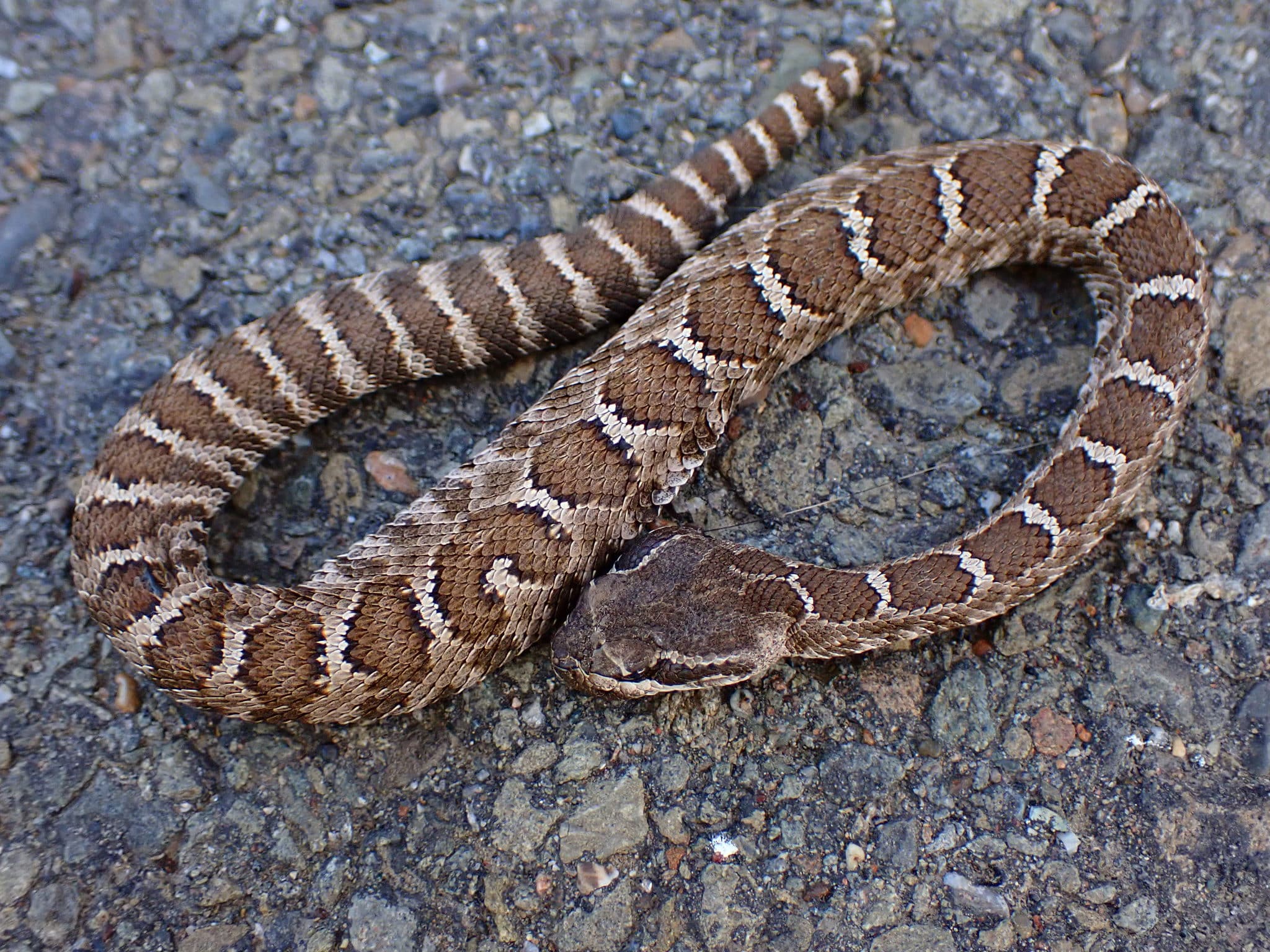
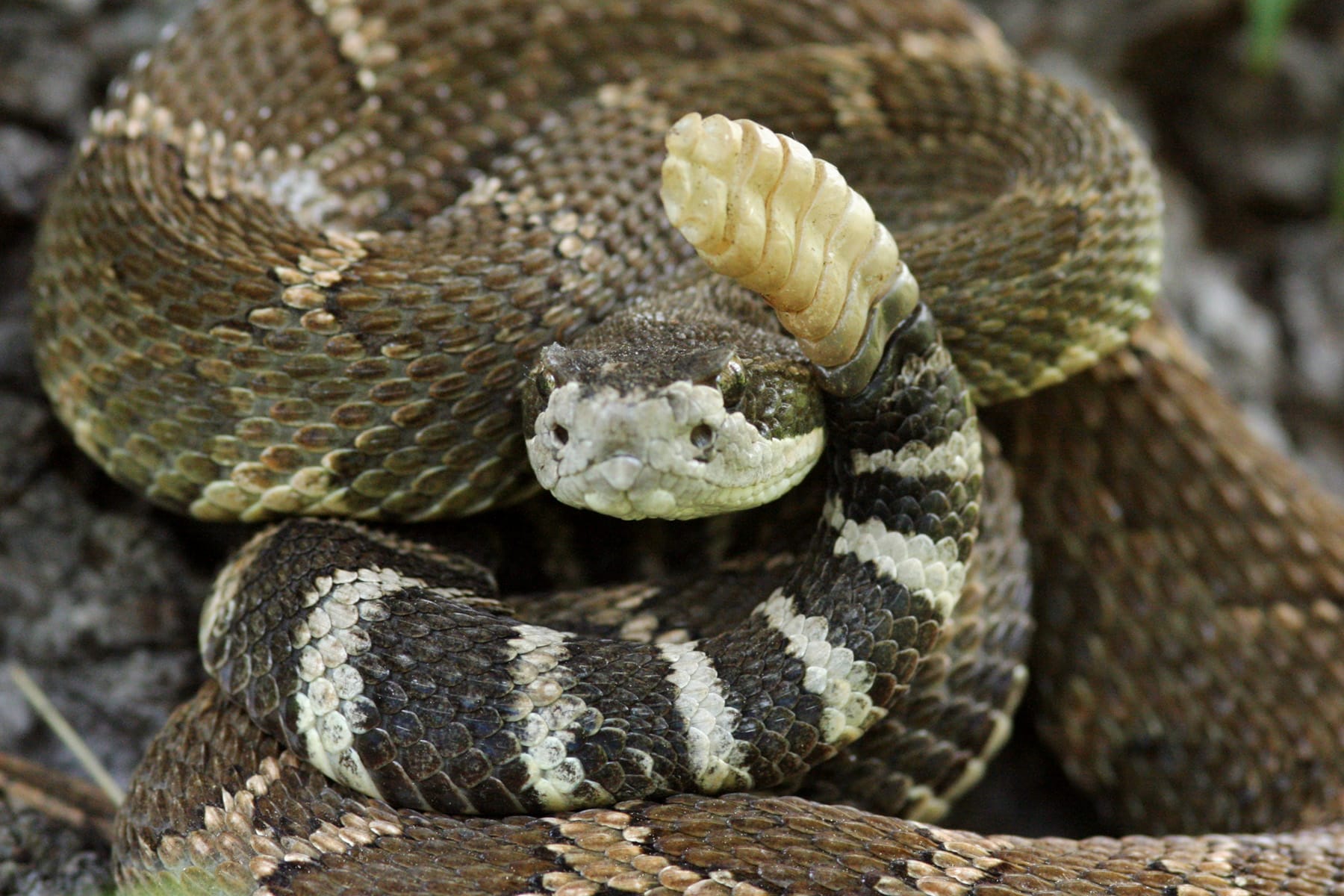
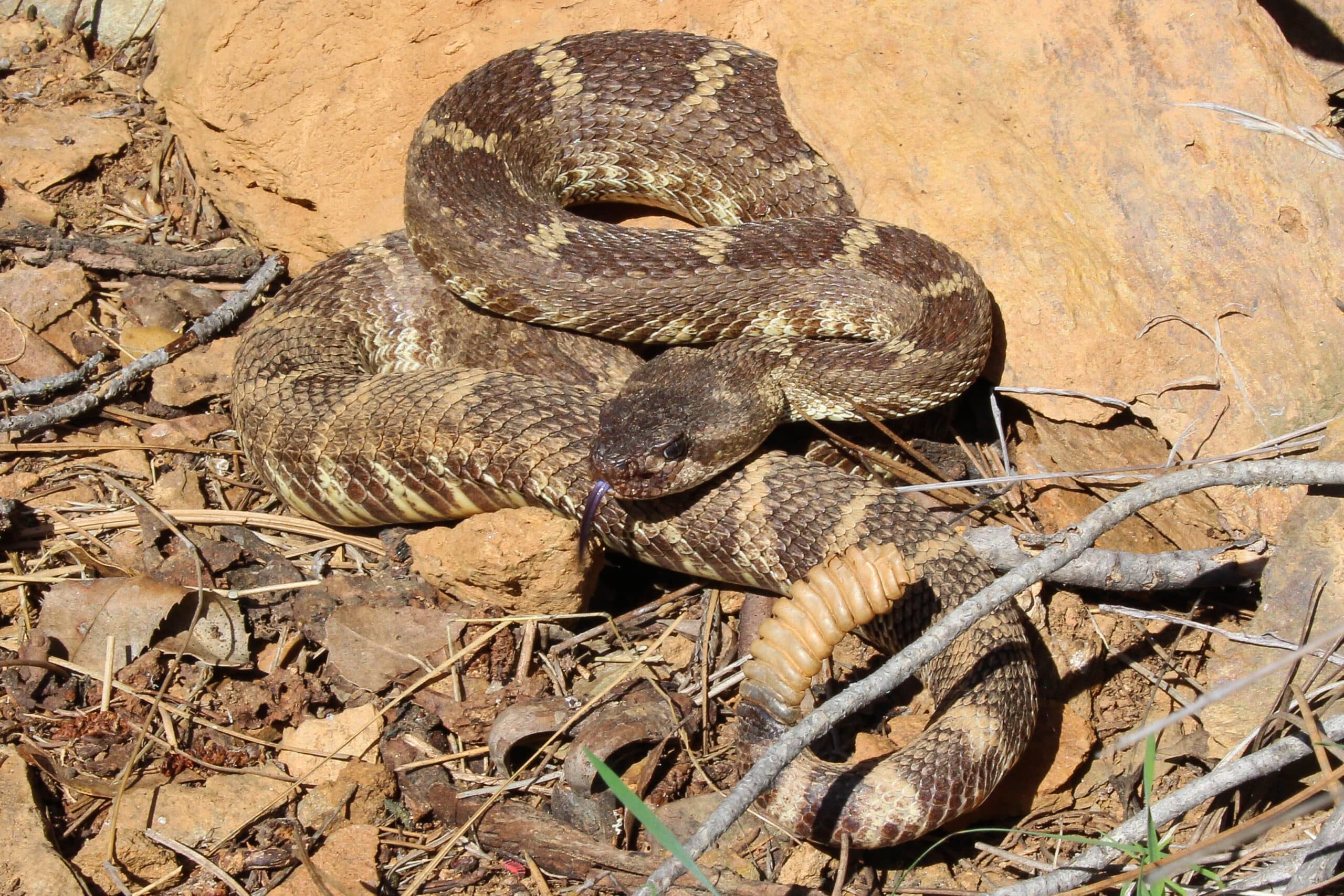
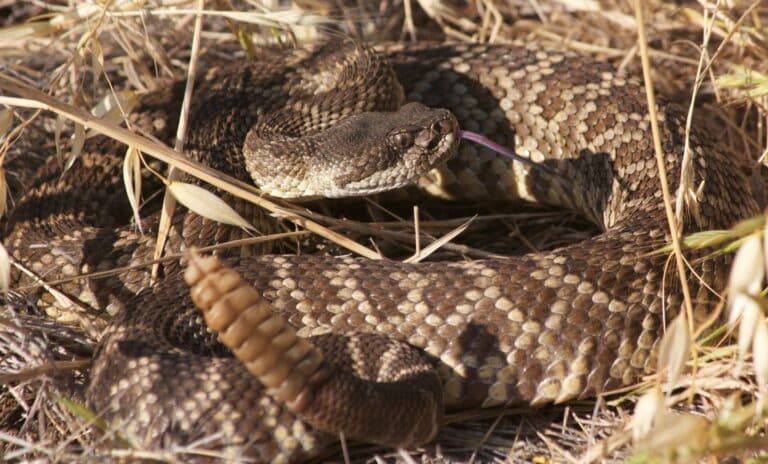
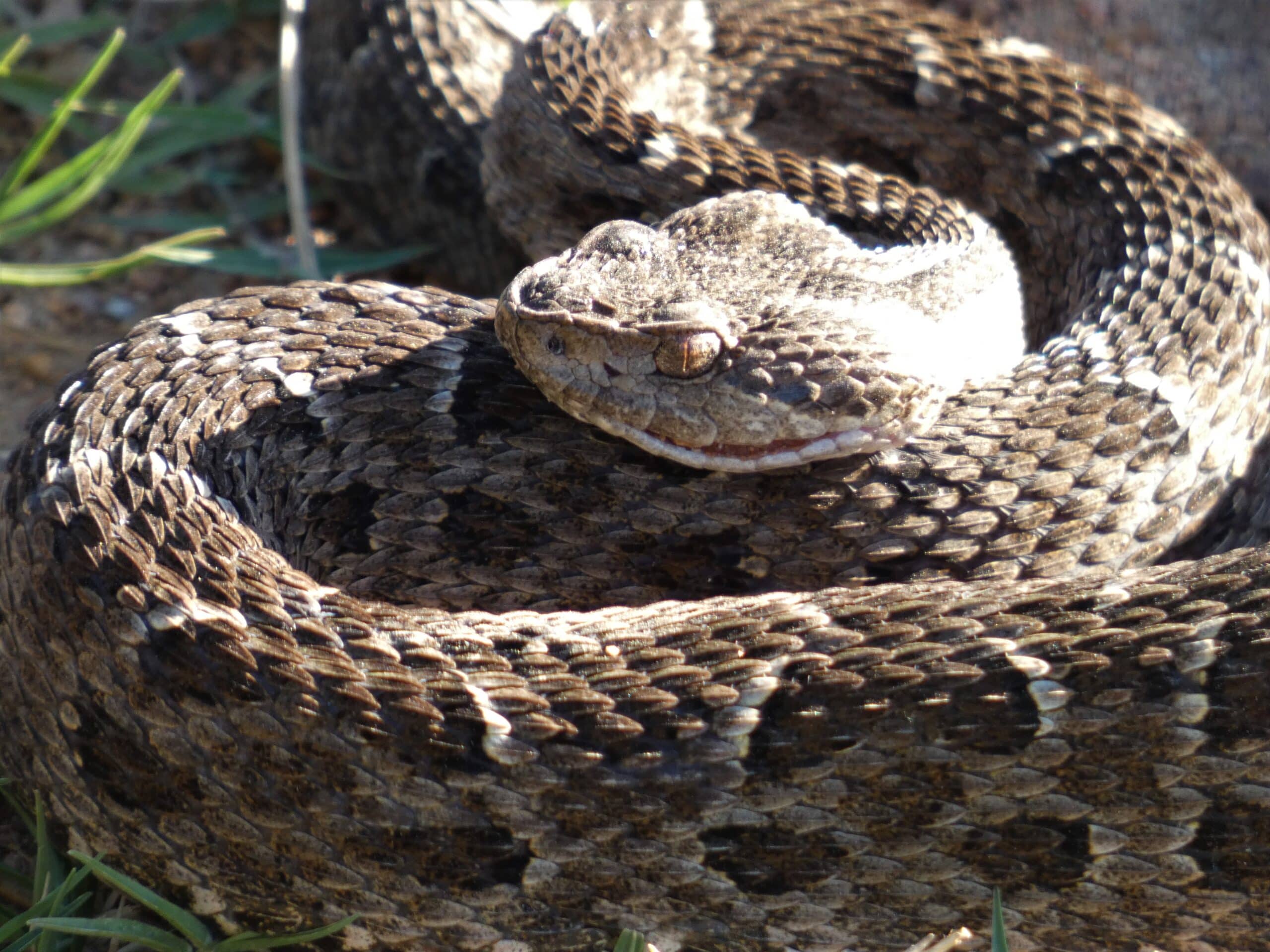
The Western Rattlesnake, scientifically known as Crotalus oreganus, is a remarkable reptile found in North America. These snakes can grow from 0.6 to 1.2 meters (2 to 4 feet) long, making them a sight to see in the wild!
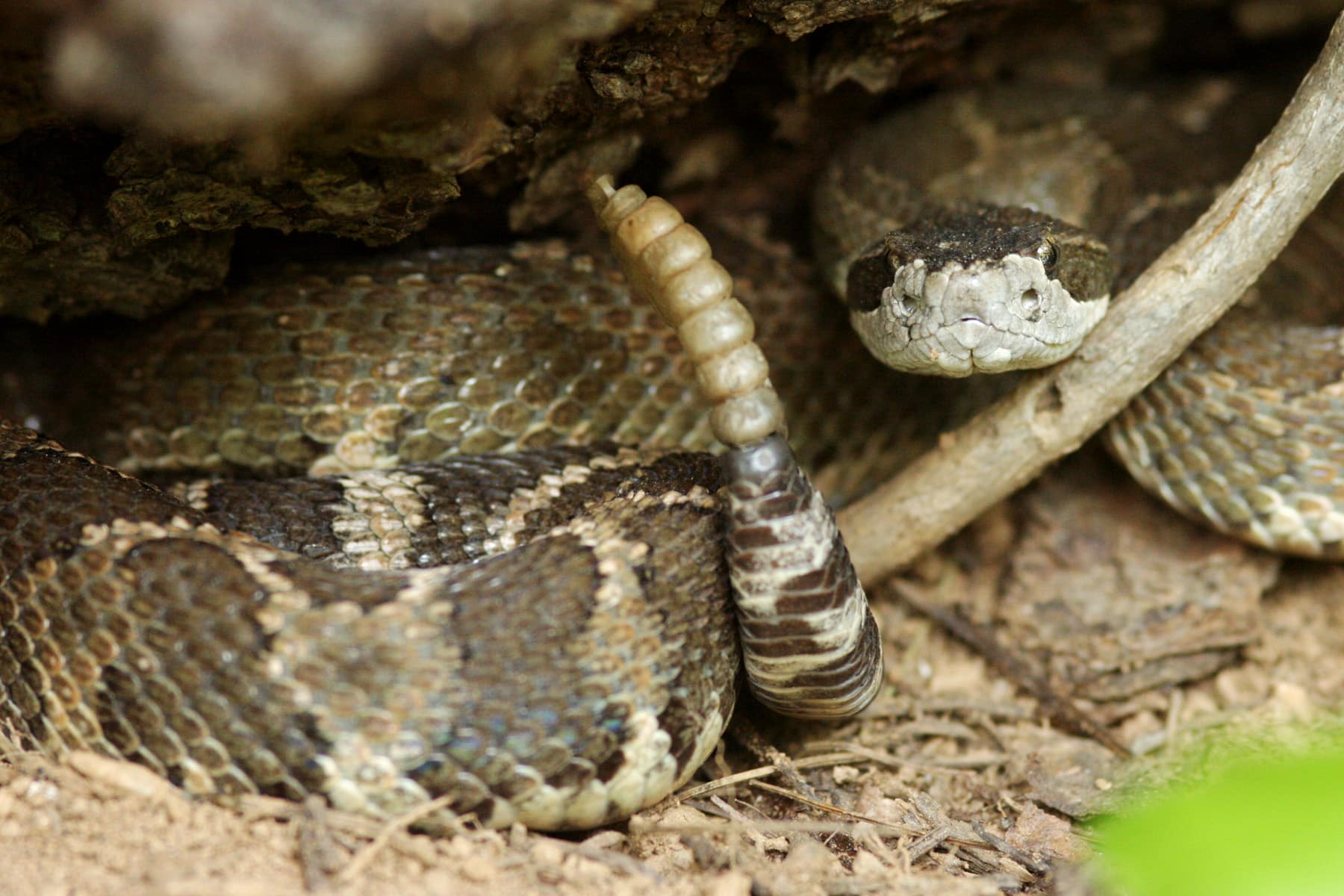
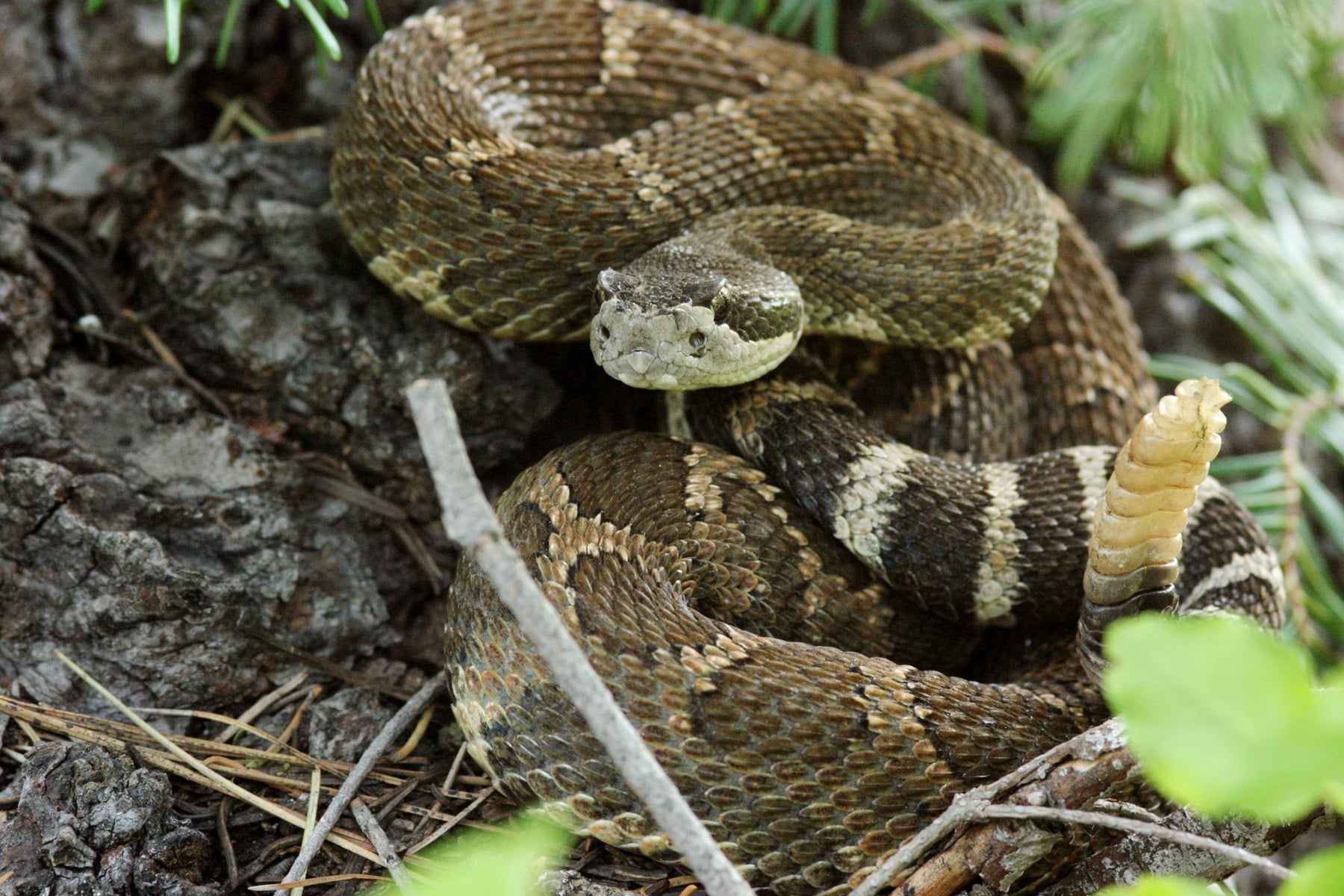
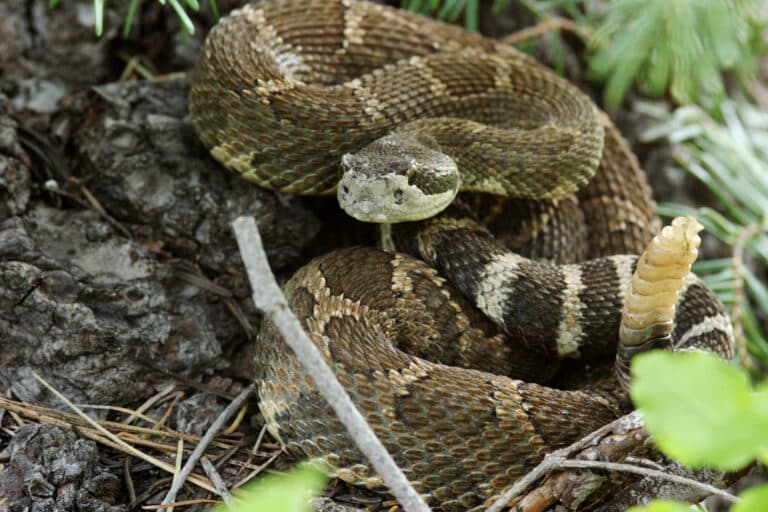
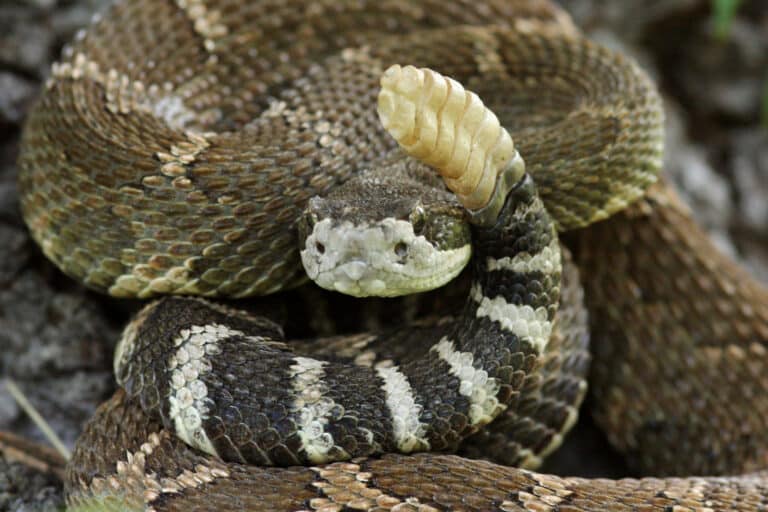
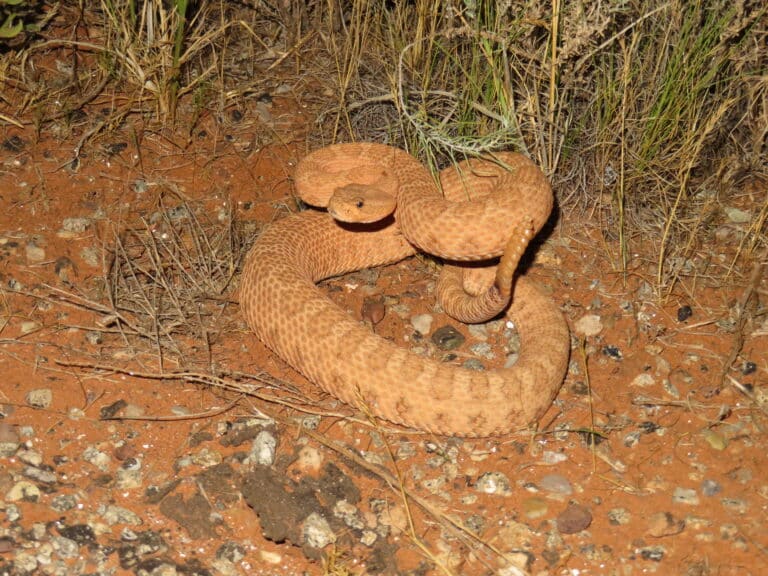
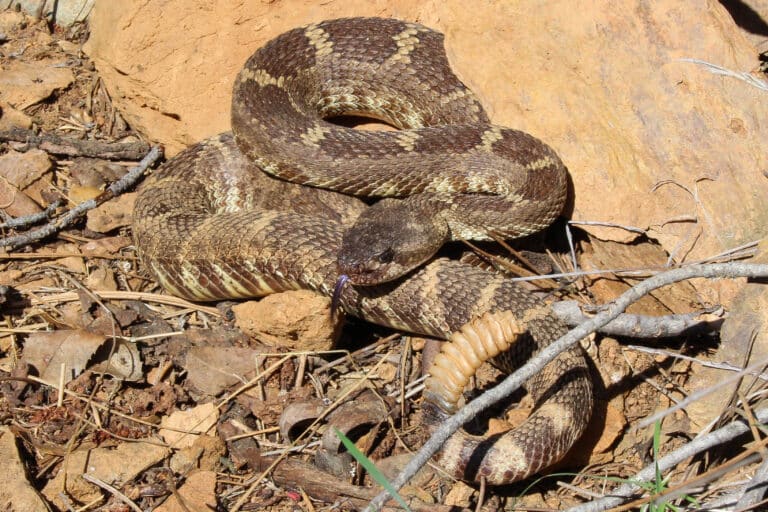
Western Rattlesnakes belong to the Viperidae family and are well-known for their distinctive rattle at the end of their tails. This unique feature makes a buzzing sound, warning potential threats to keep their distance—it's like their very own alarm system!
These snakes sport a diet of small mammals, birds, and lizards, which they hunt with precision. They use their sharp fangs to inject venom into their prey, which helps them to digest their food much faster—it's like having a magic potion for dinner!
Western Rattlesnakes live long lives, typically ranging from 10 to 20 years in the wild. Their ability to adapt means they can thrive in various environments—from deserts to mountains—making them true survivors of the snake world.
These fascinating creatures are more than just their fangs and rattles. They play an important role in their ecosystems by helping to control the populations of small animals, making them nature's pest control experts!

Where can you find a Western Rattlesnake (Northern Pacific Rattlesnake) in the wild?
What does a Western Rattlesnake (Northern Pacific Rattlesnake) eat?
How big can a Western Rattlesnake (Northern Pacific Rattlesnake) grow?
How long does a Western Rattlesnake (Northern Pacific Rattlesnake) typically live?
What is the conservation status of the Western Rattlesnake (Northern Pacific Rattlesnake)?
What are the main threats to the Western Rattlesnake (Northern Pacific Rattlesnake)?
Fun facts
Western Rattlesnakes can sense heat through special pits located between their eyes and nostrils. This ability helps them locate warm-blooded prey, making hunting a breeze in the dark!


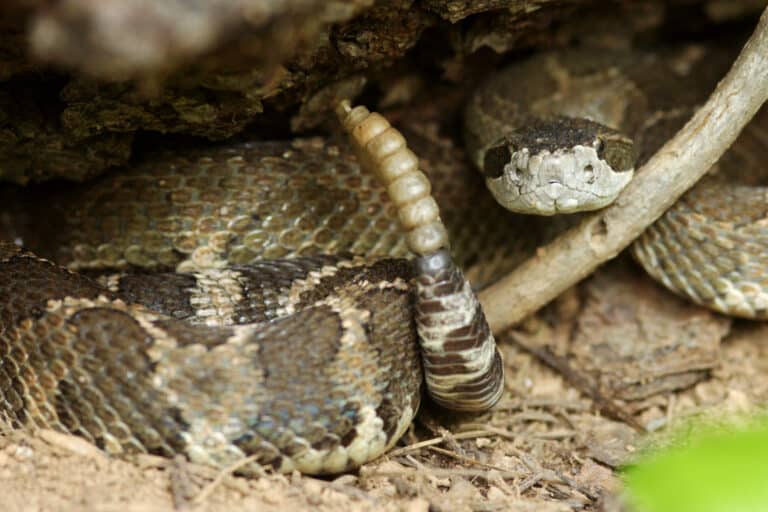
The rattle on a Western Rattlesnake's tail grows longer with each shedding of its skin. It’s like earning a new badge each year for being a snake!
When threatened, Western Rattlesnakes often prefer to shake their rattles to warn intruders rather than strike. Think of it as a loud 'Stay away!' conversation starter!
These snakes can eat prey up to twice their body size, thanks to their ability to unhinge their jaws. Talk about a big appetite!
Western Rattlesnakes do not typically venture out during the cold winter months. They hibernate underground or in rocky crevices until it warms up again.
A baby rattlesnake's bite can be just as dangerous as an adult’s. They have venom ready from the moment they are born—talk about being born ready!
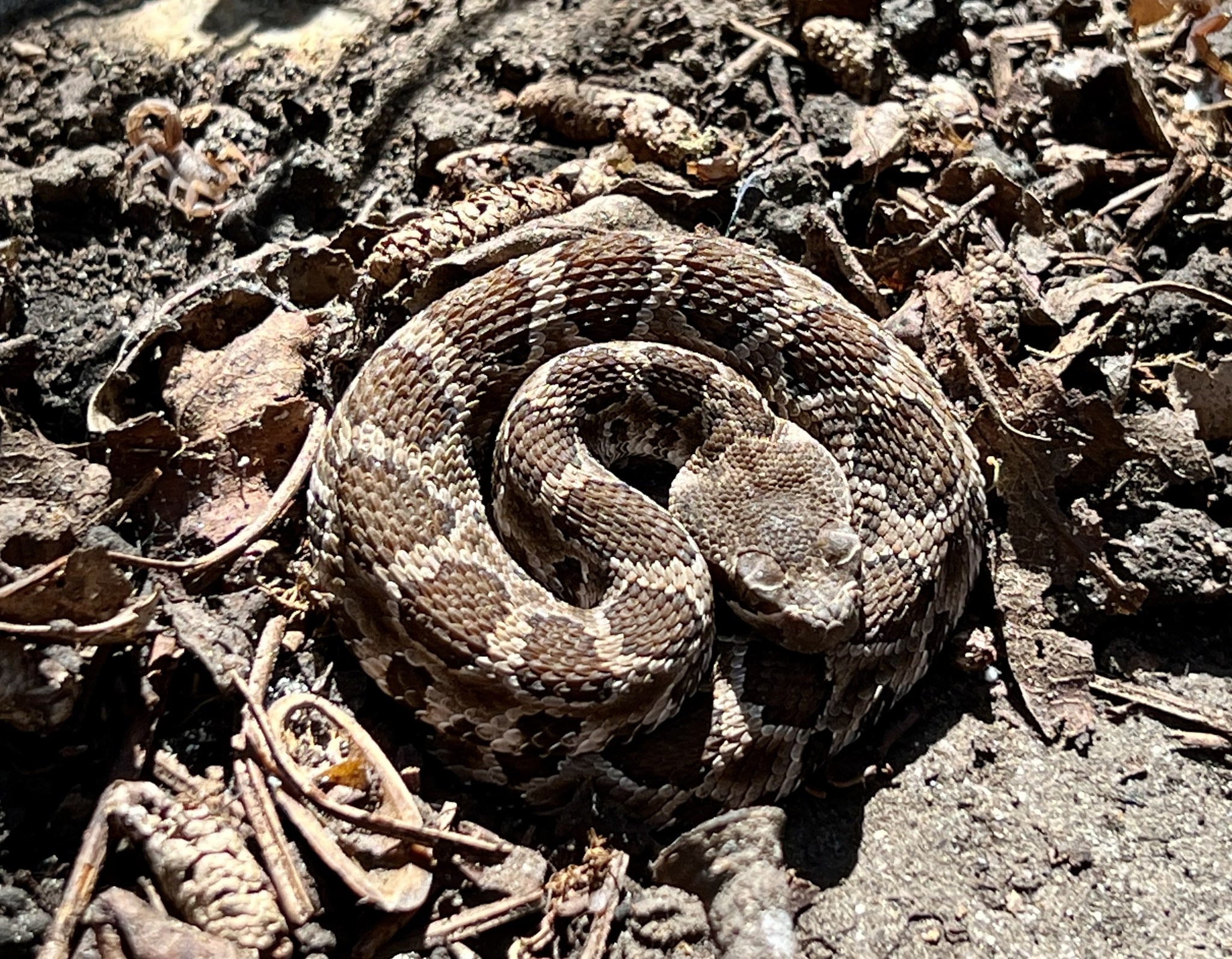
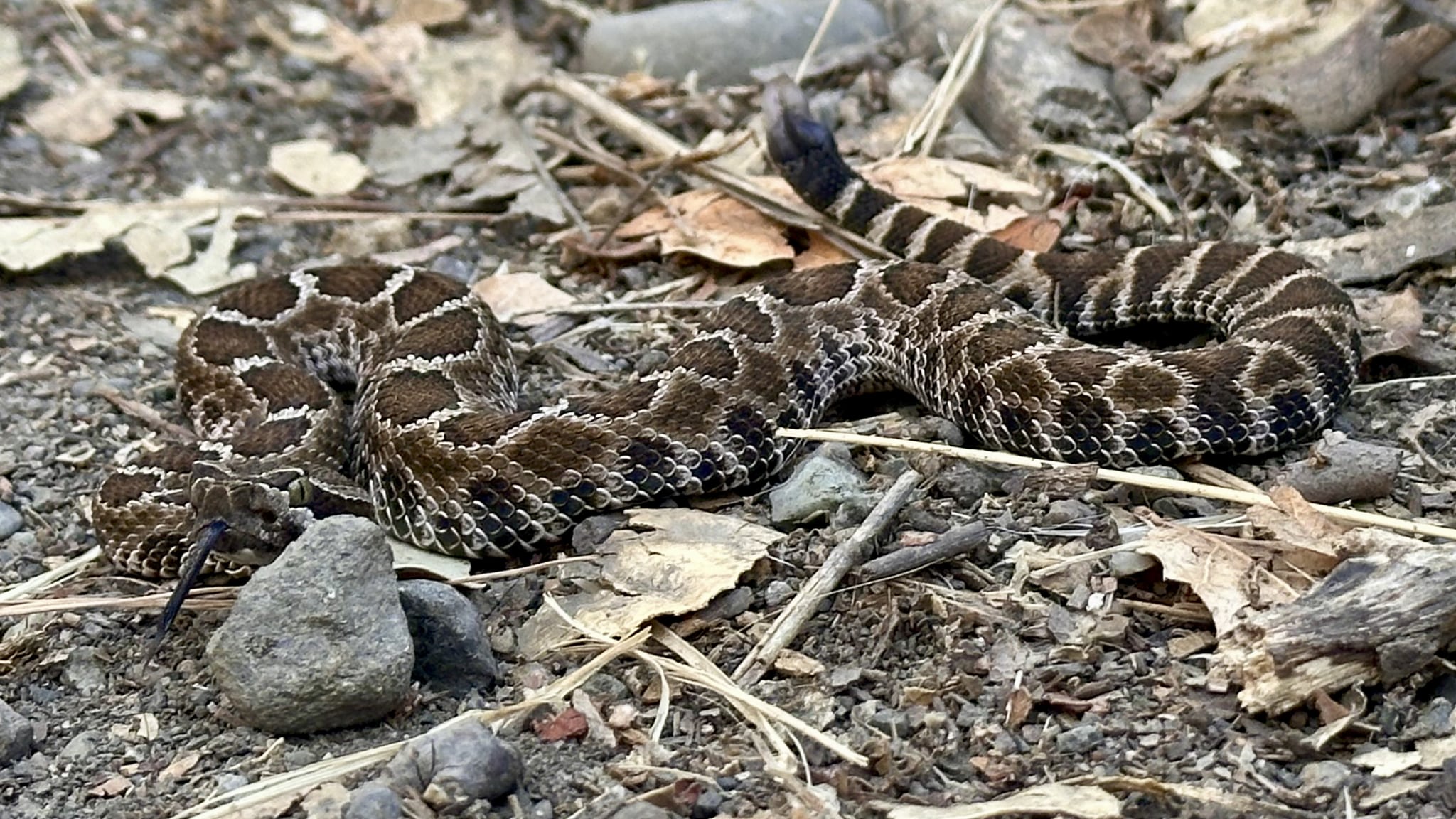
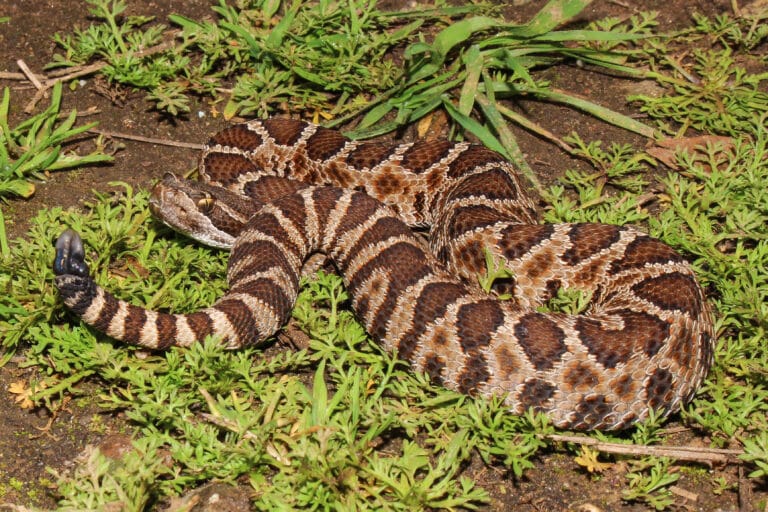
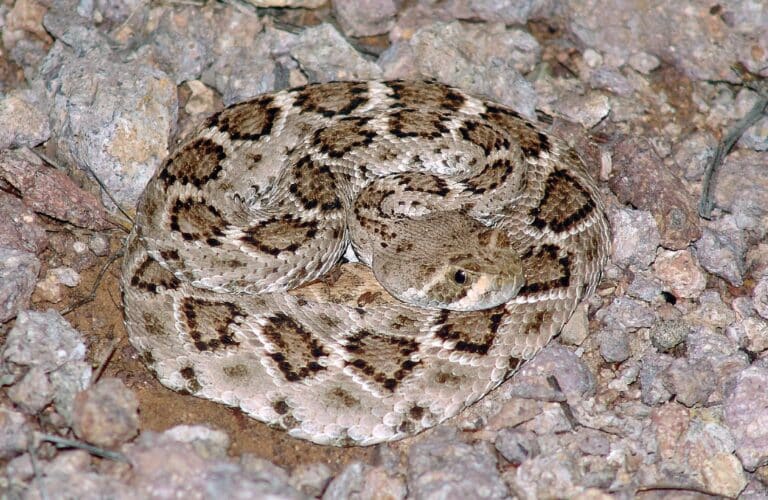
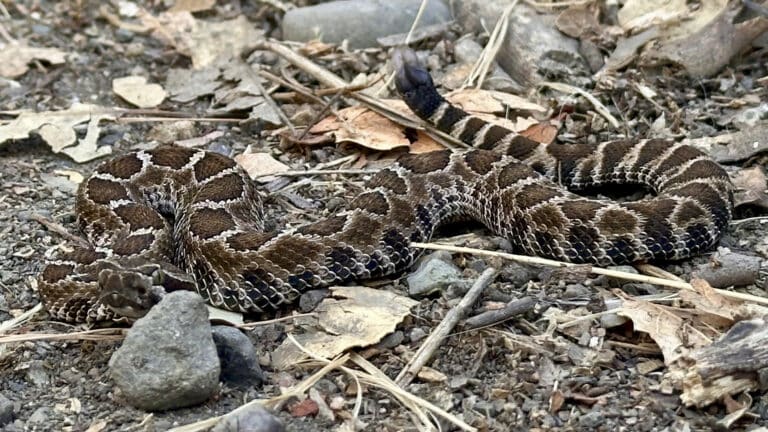
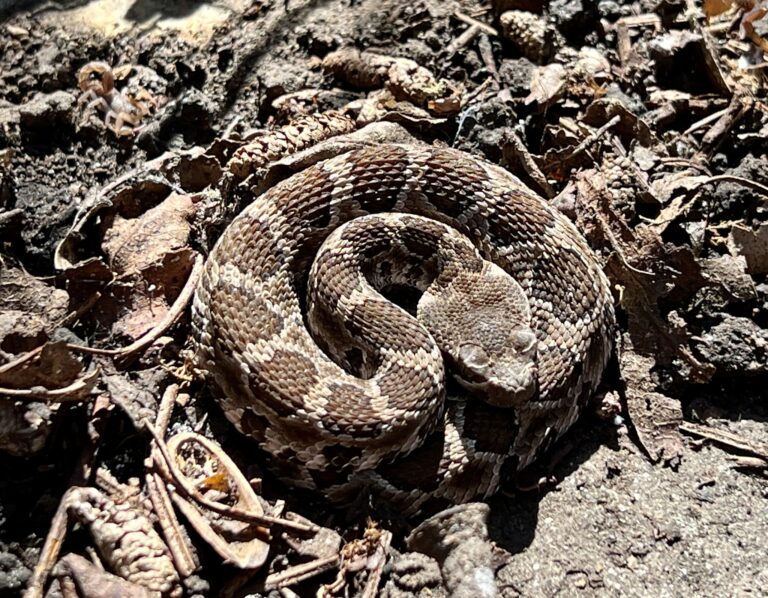
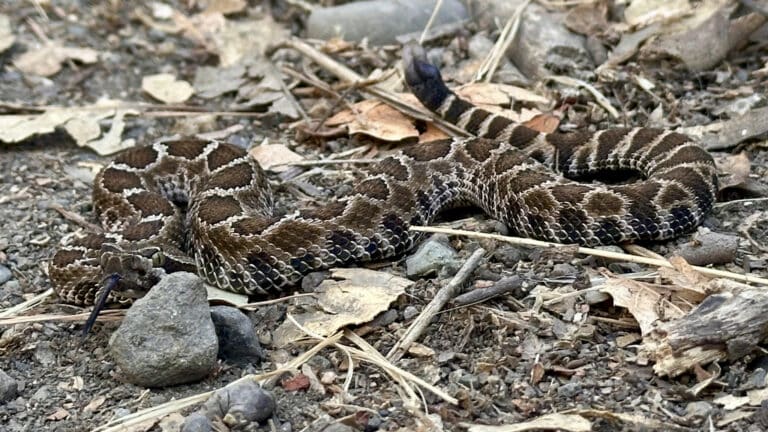
Western Rattlesnakes can camouflage themselves so well that they blend into their surroundings easily. This survival skill makes them stealthy predators in their habitats.
These snakes communicate with each other through body language. They often shake their rattles to signal other snakes to stay away or to show they're ready to mate.
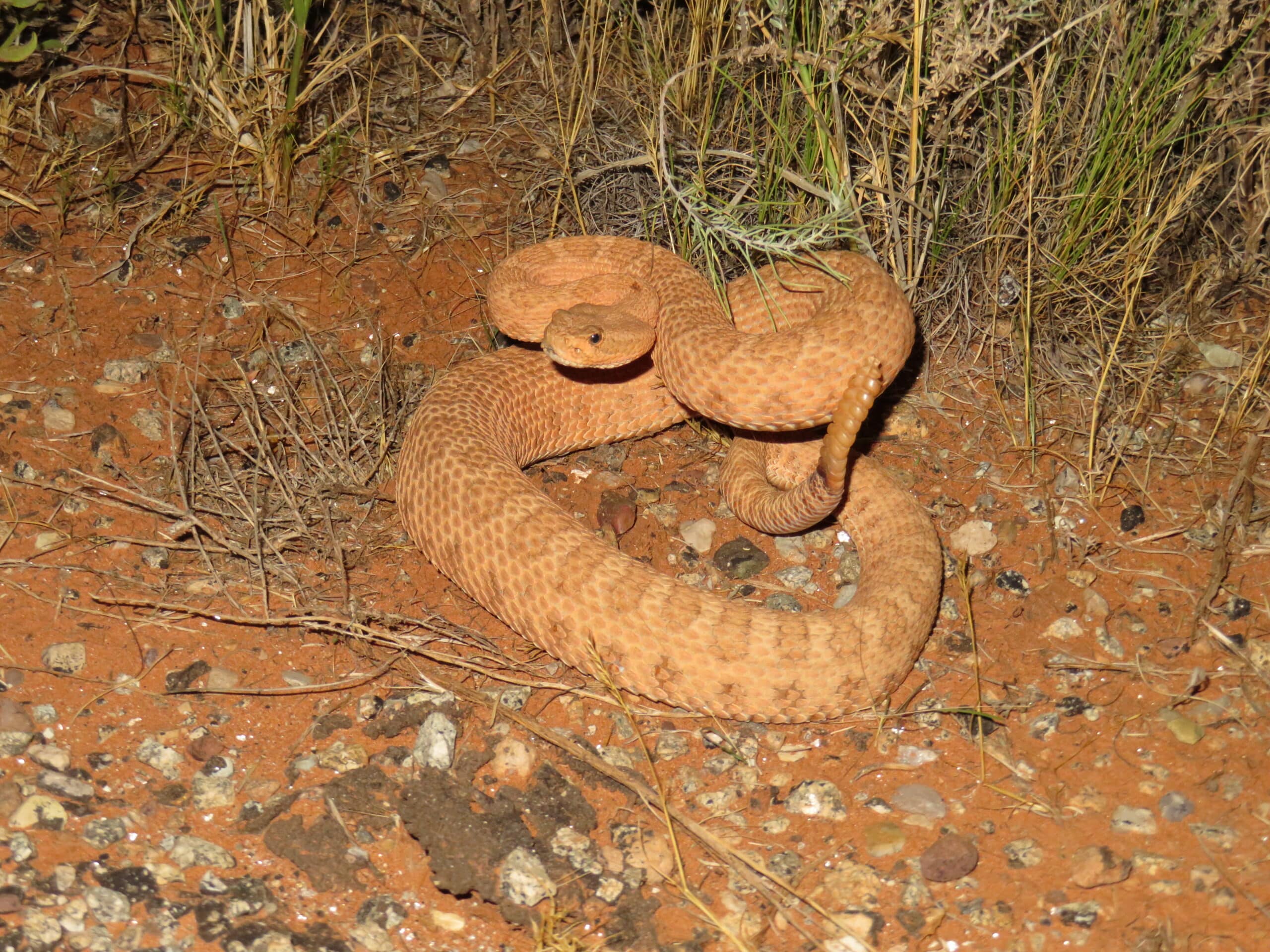
Western Rattlesnakes can live in diverse environments, including rocky hills and desert areas. They adapt cleverly to various temperatures and landscapes.
In some cultures, Western Rattlesnakes symbolize strength and resiliency. People admire their ability to survive and thrive in challenging environments!
Photos




The Basics


explore more
Amphibians
Arachnids
Birds
Cats
Crustaceans
Fish
Fish Pet Guide
Gastropods
Insects
Invertebrates
Mammals
Pet Fish
Pet Rodents
Plants
Reptiles
Roundworms
Sea Slugs