Successfully copied to clipboard!
White Butterfly
Flutter into the colorful world of friendly pollinators!
Let’s Explore
Overview
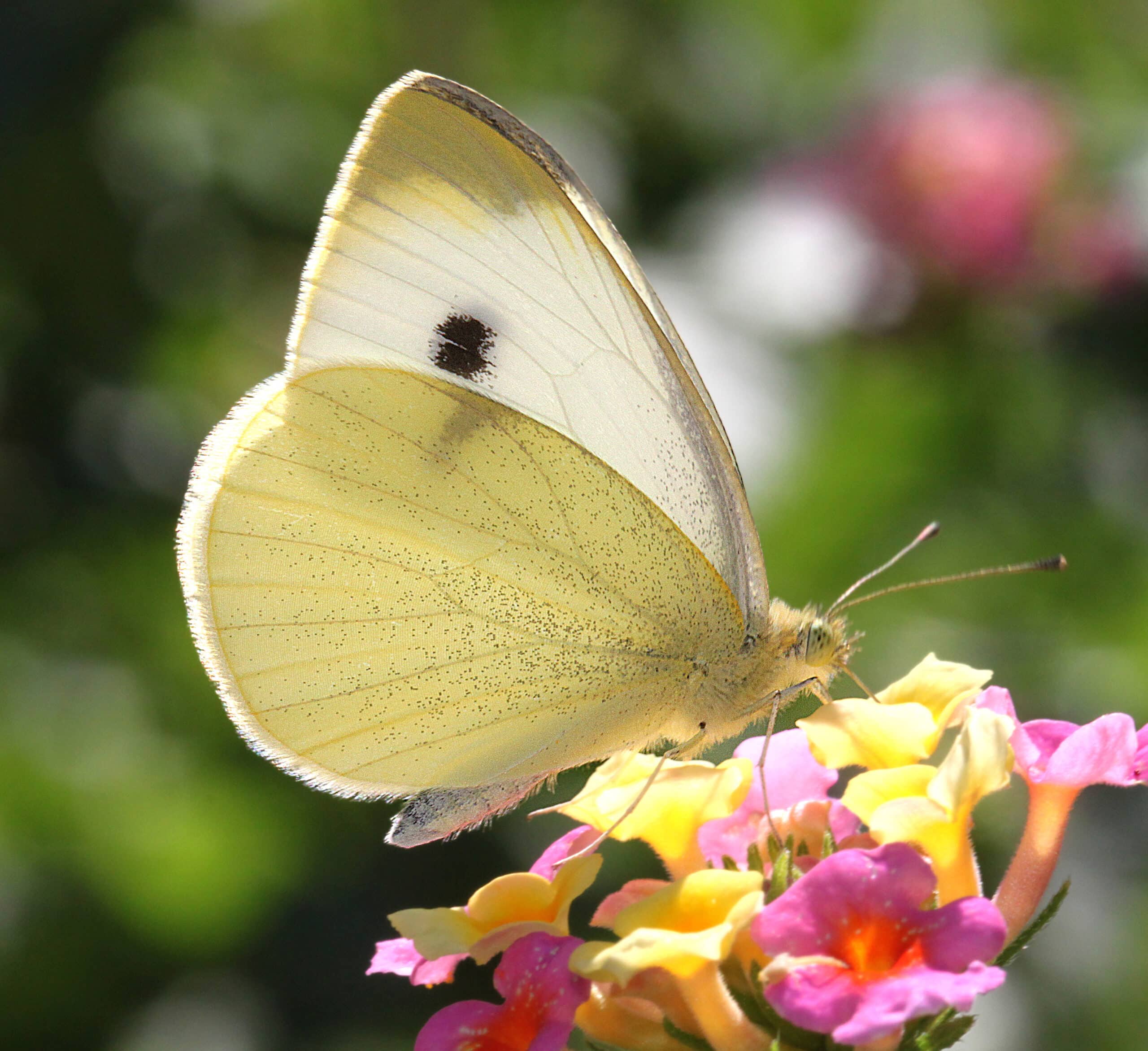
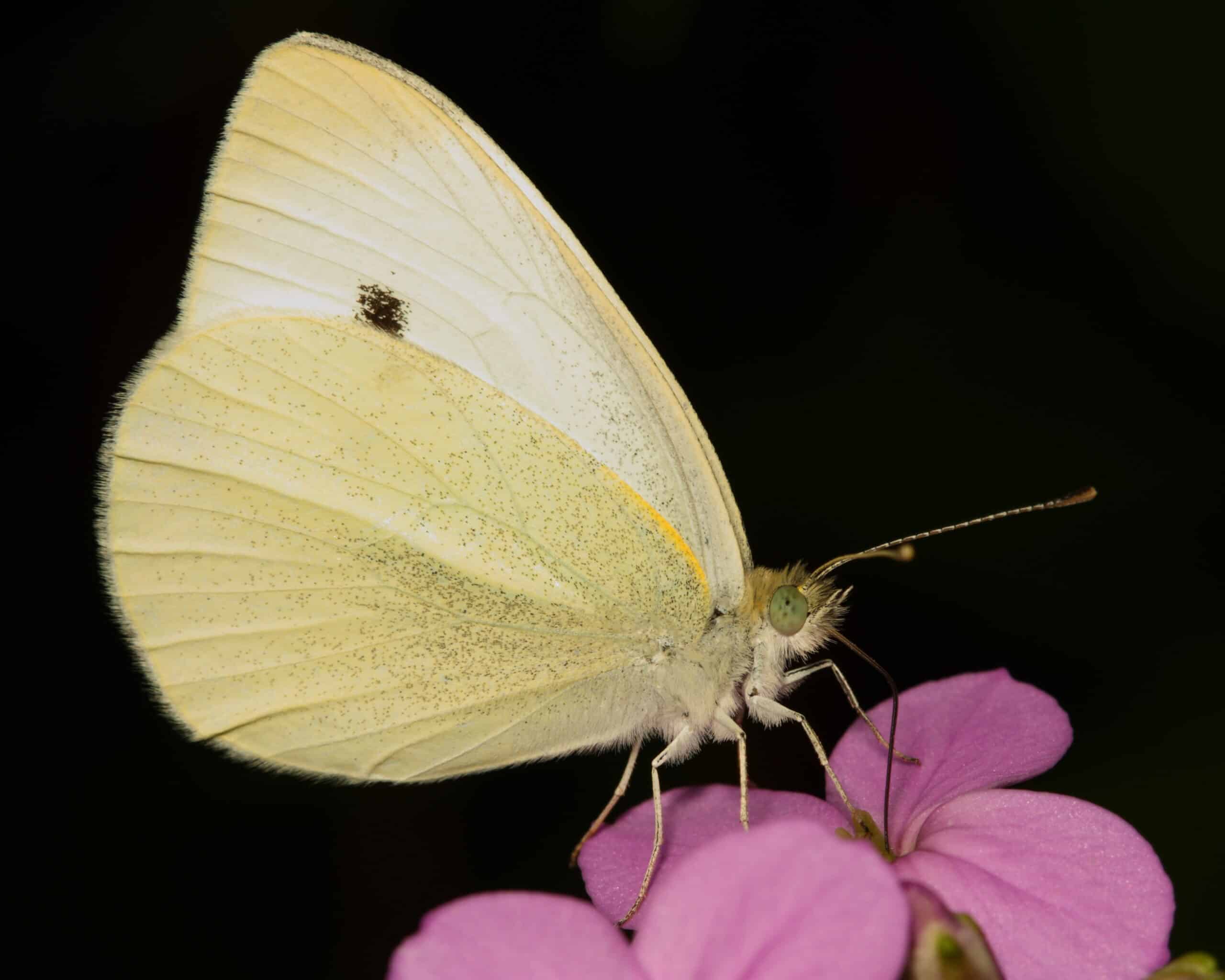
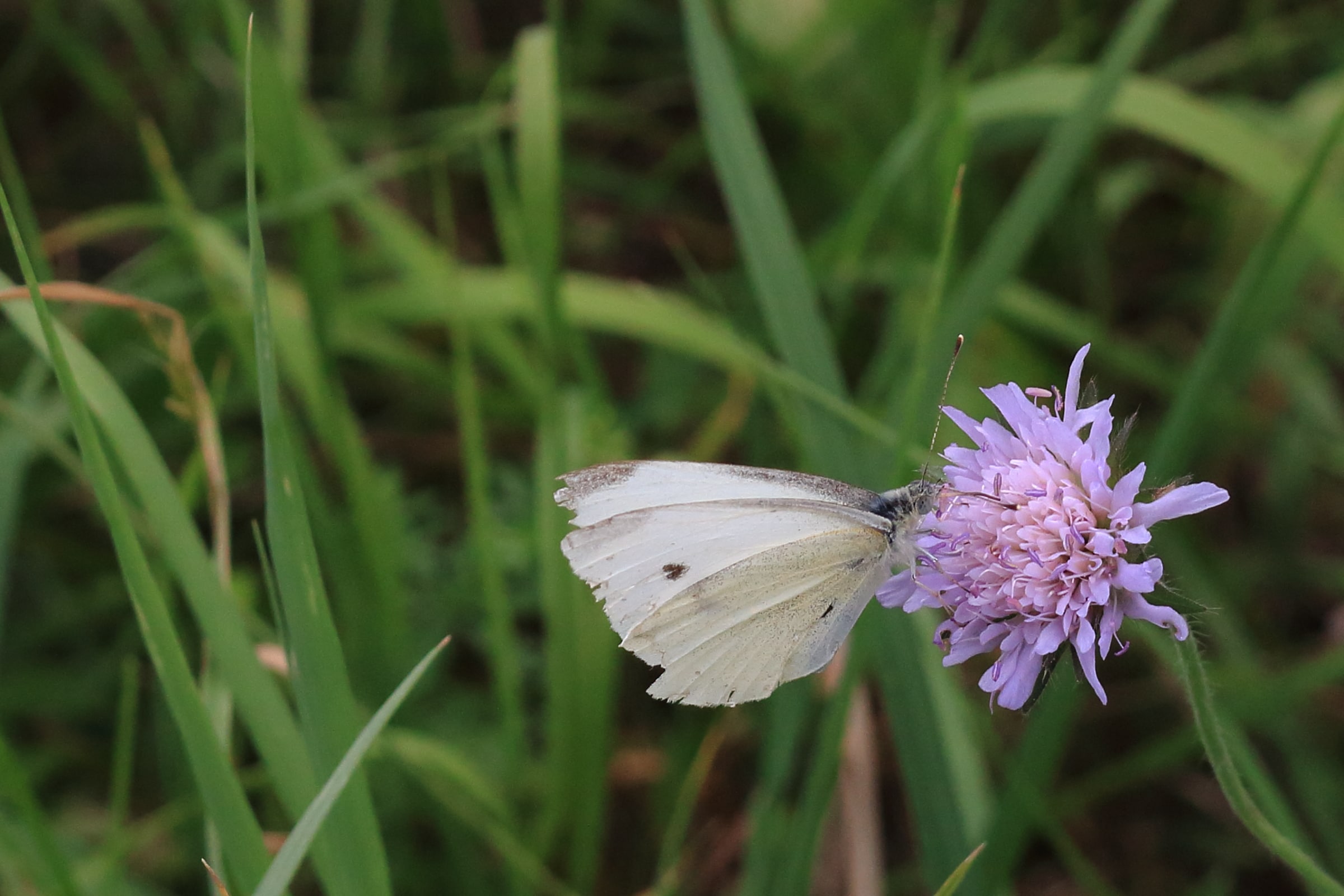
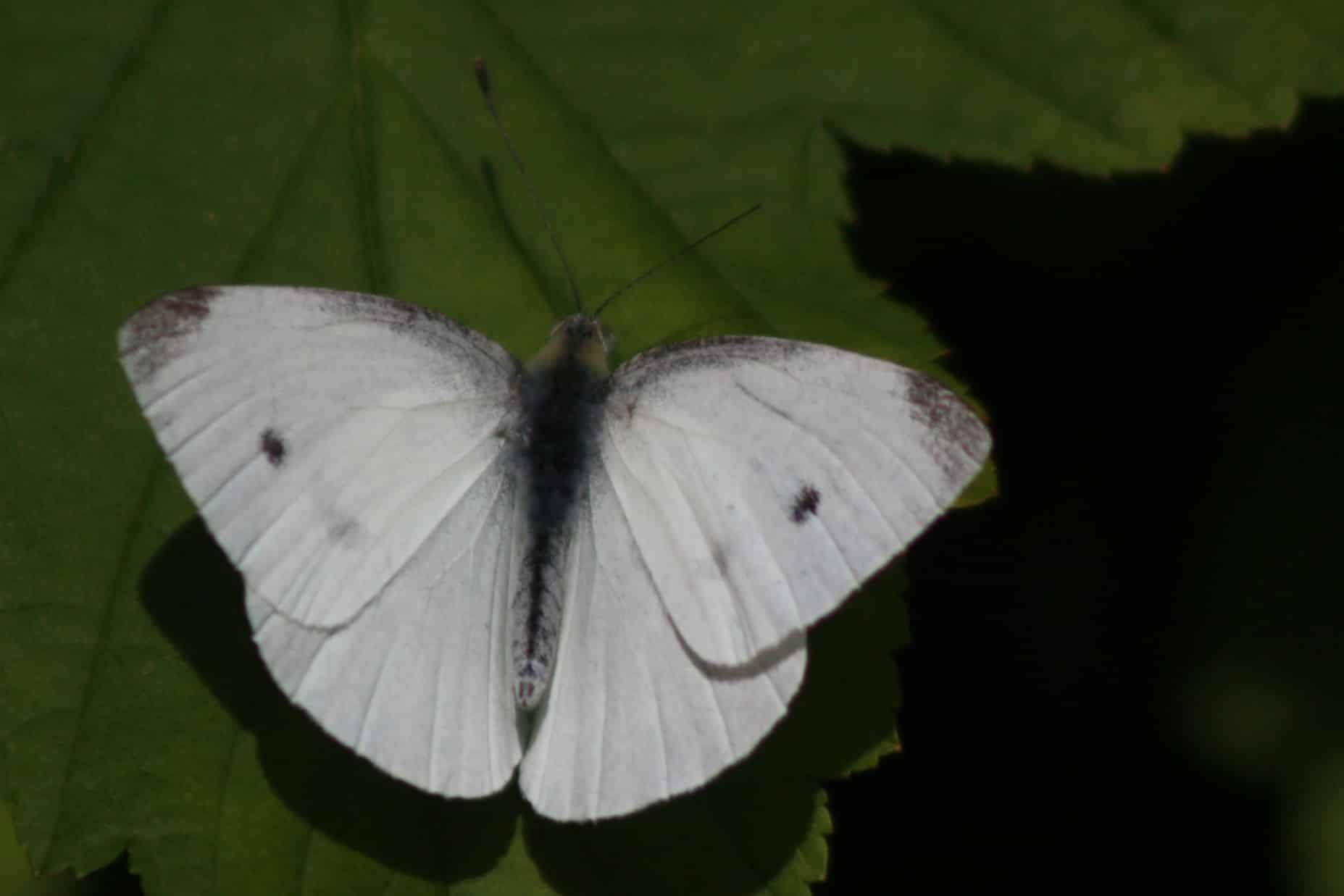
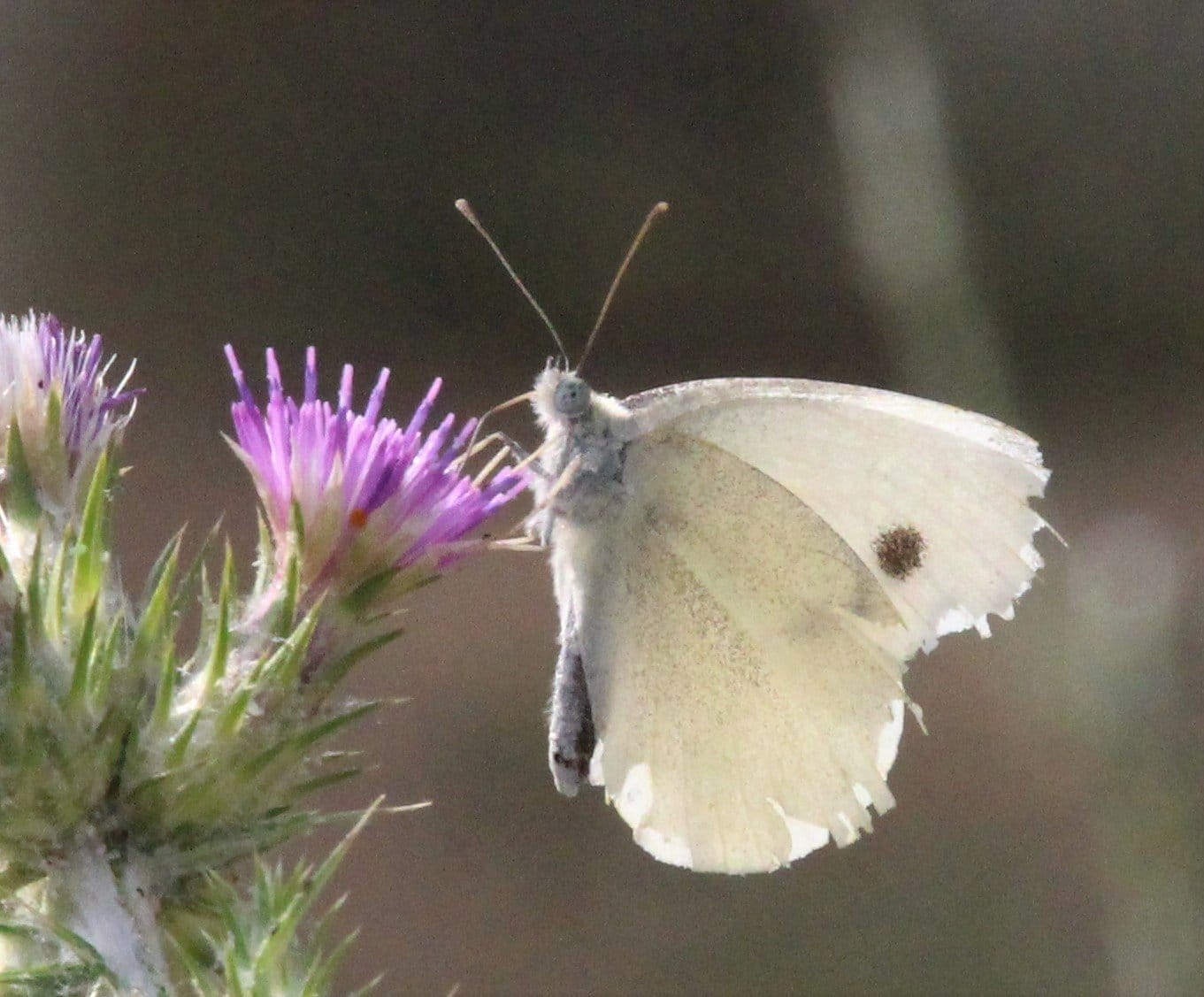
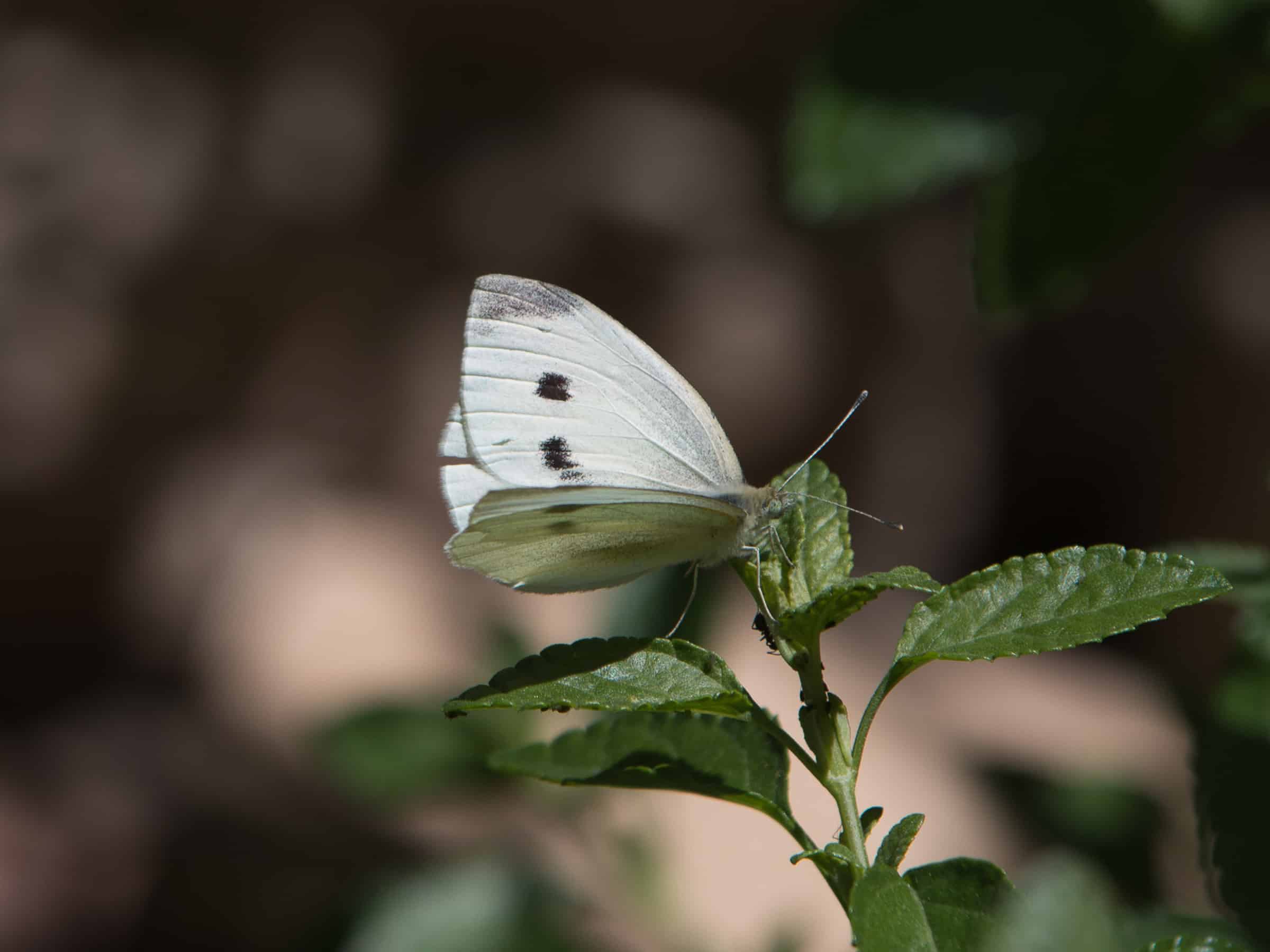
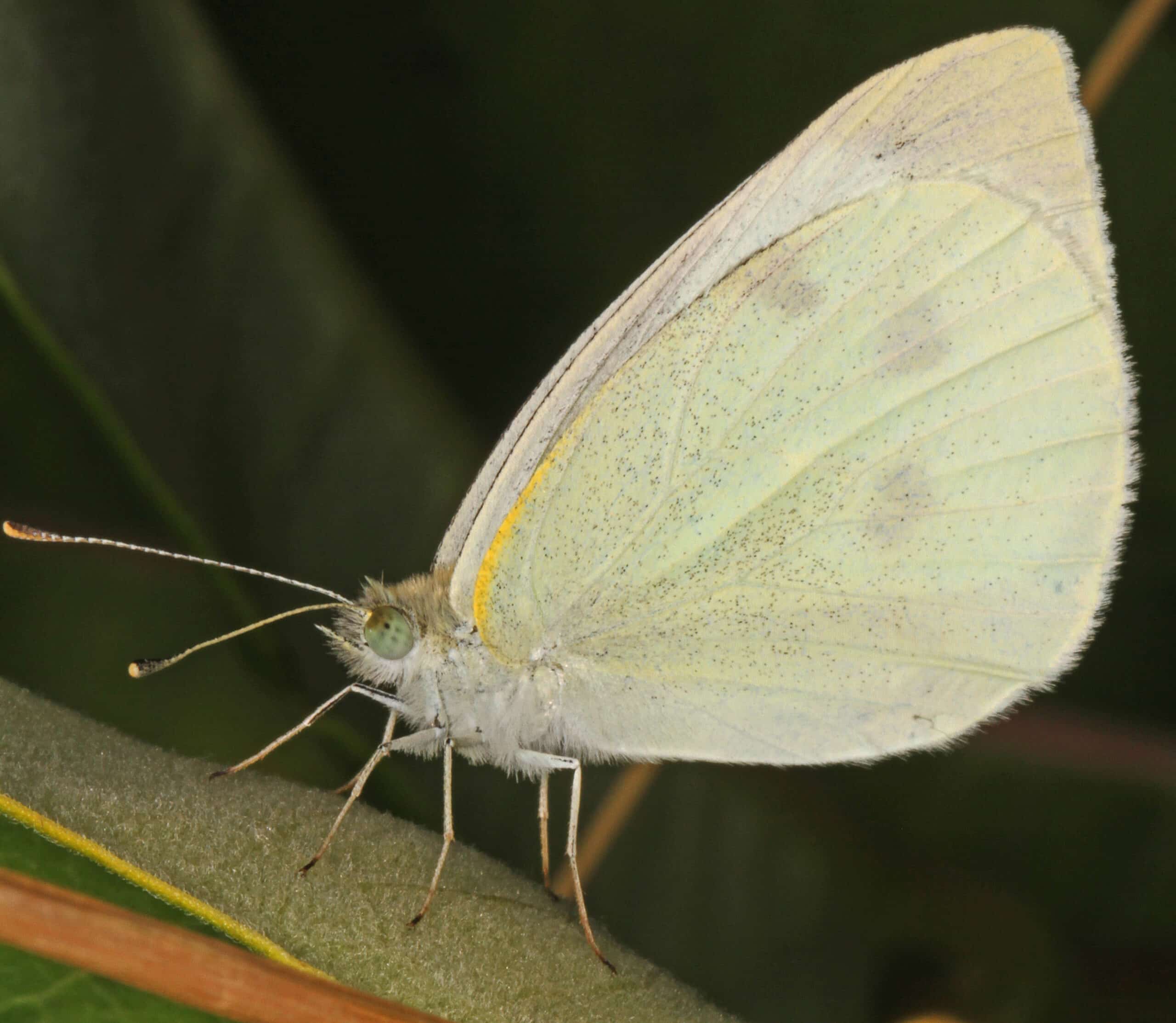
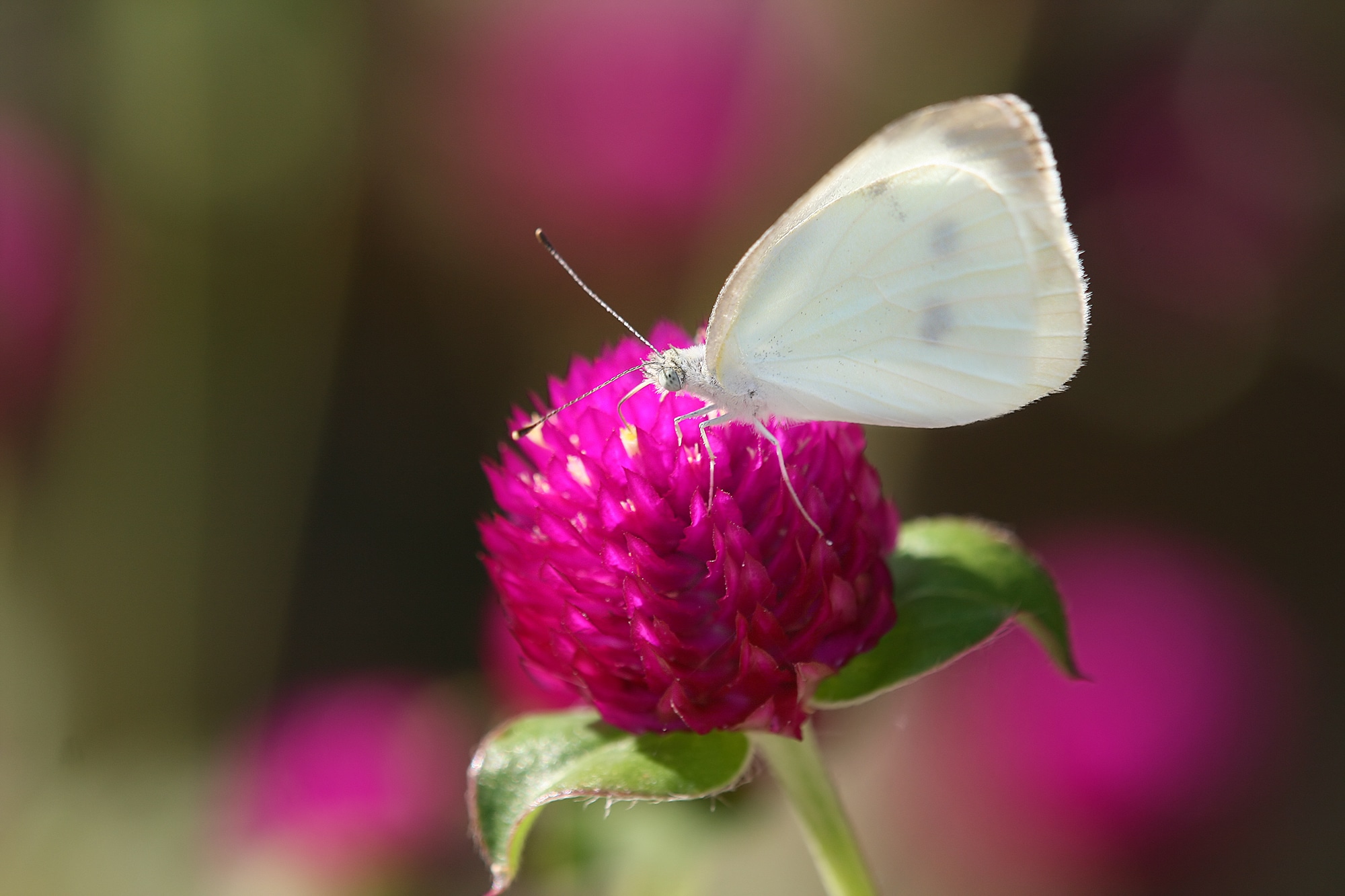
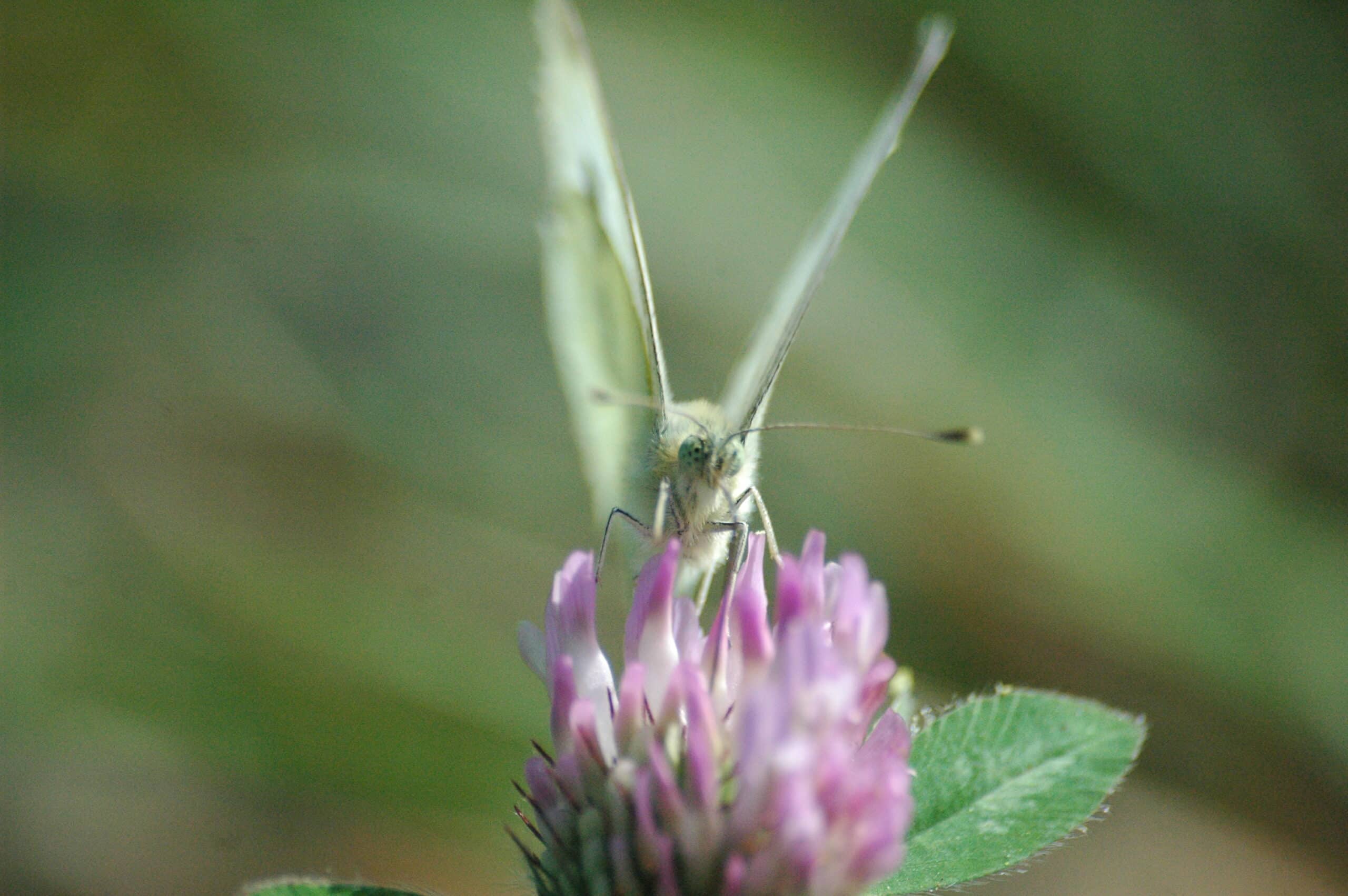
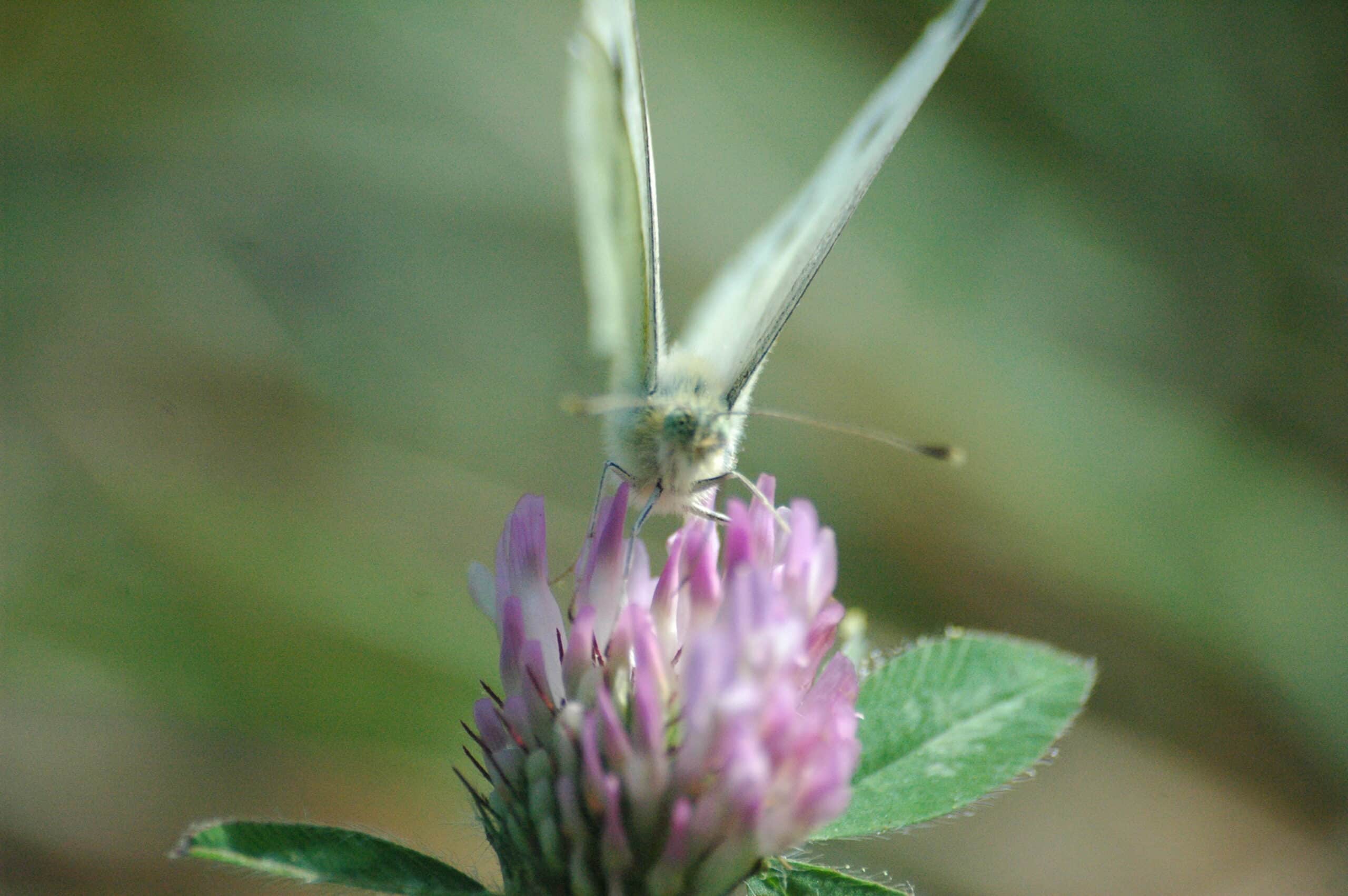
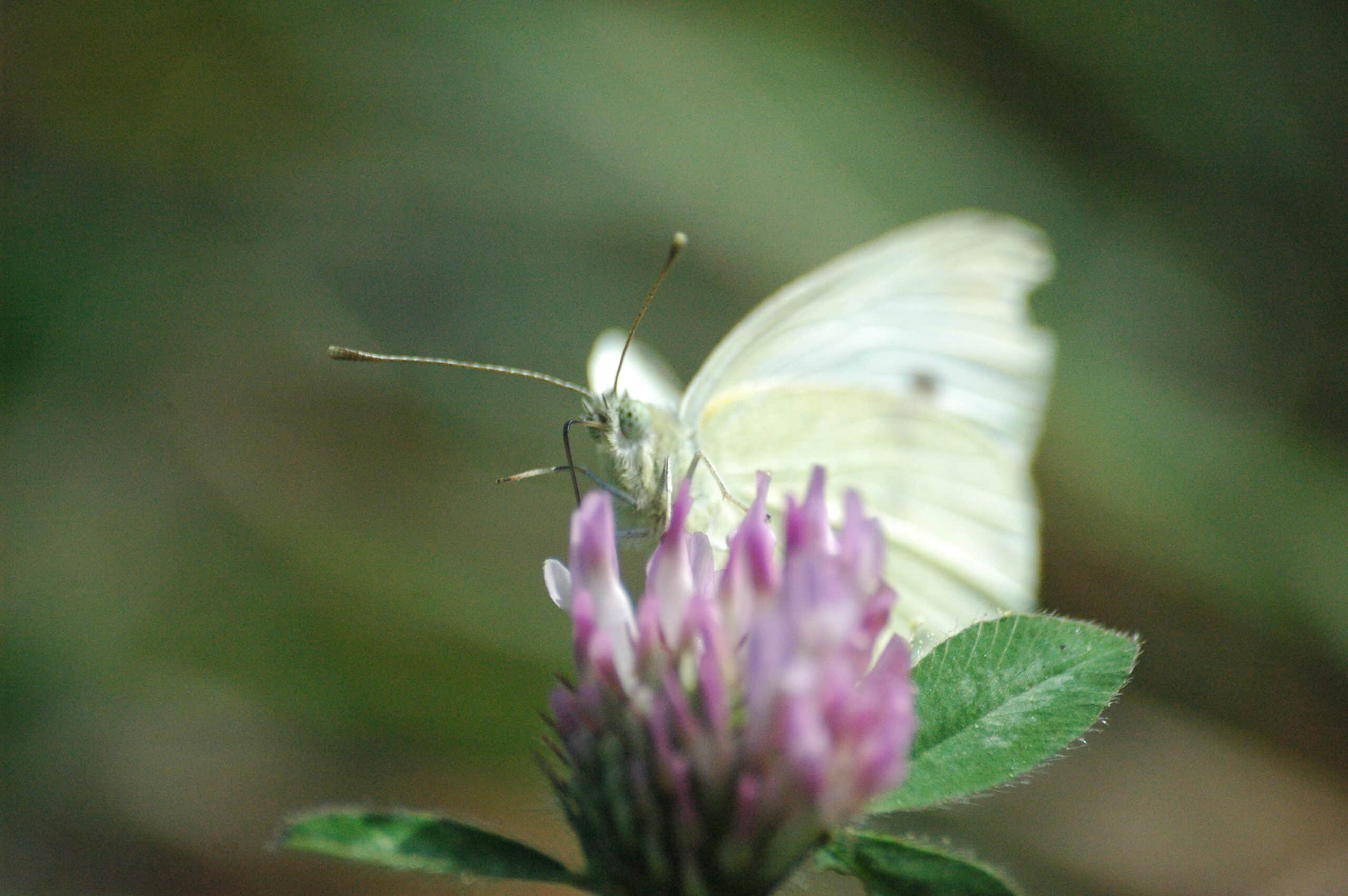
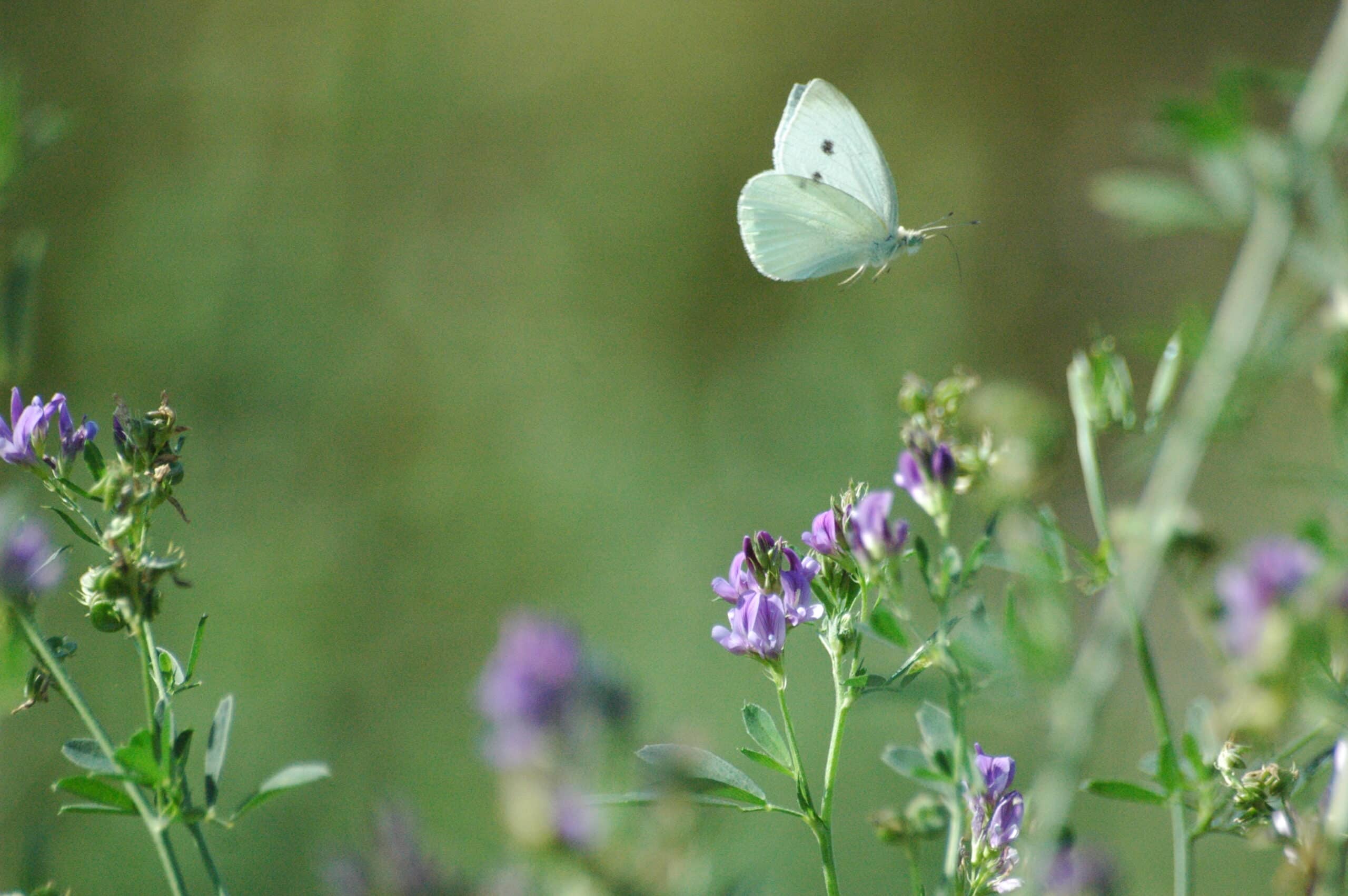
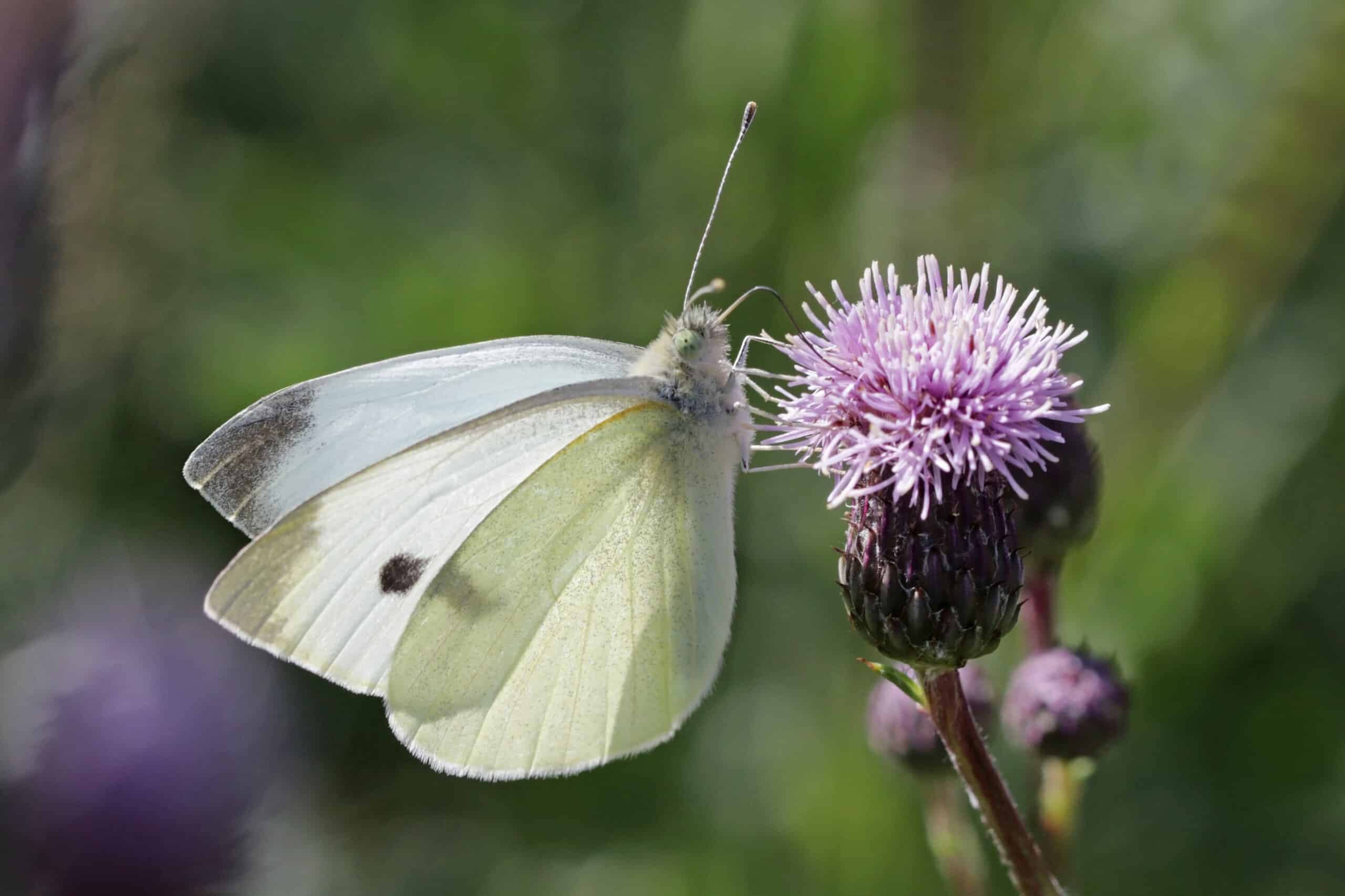
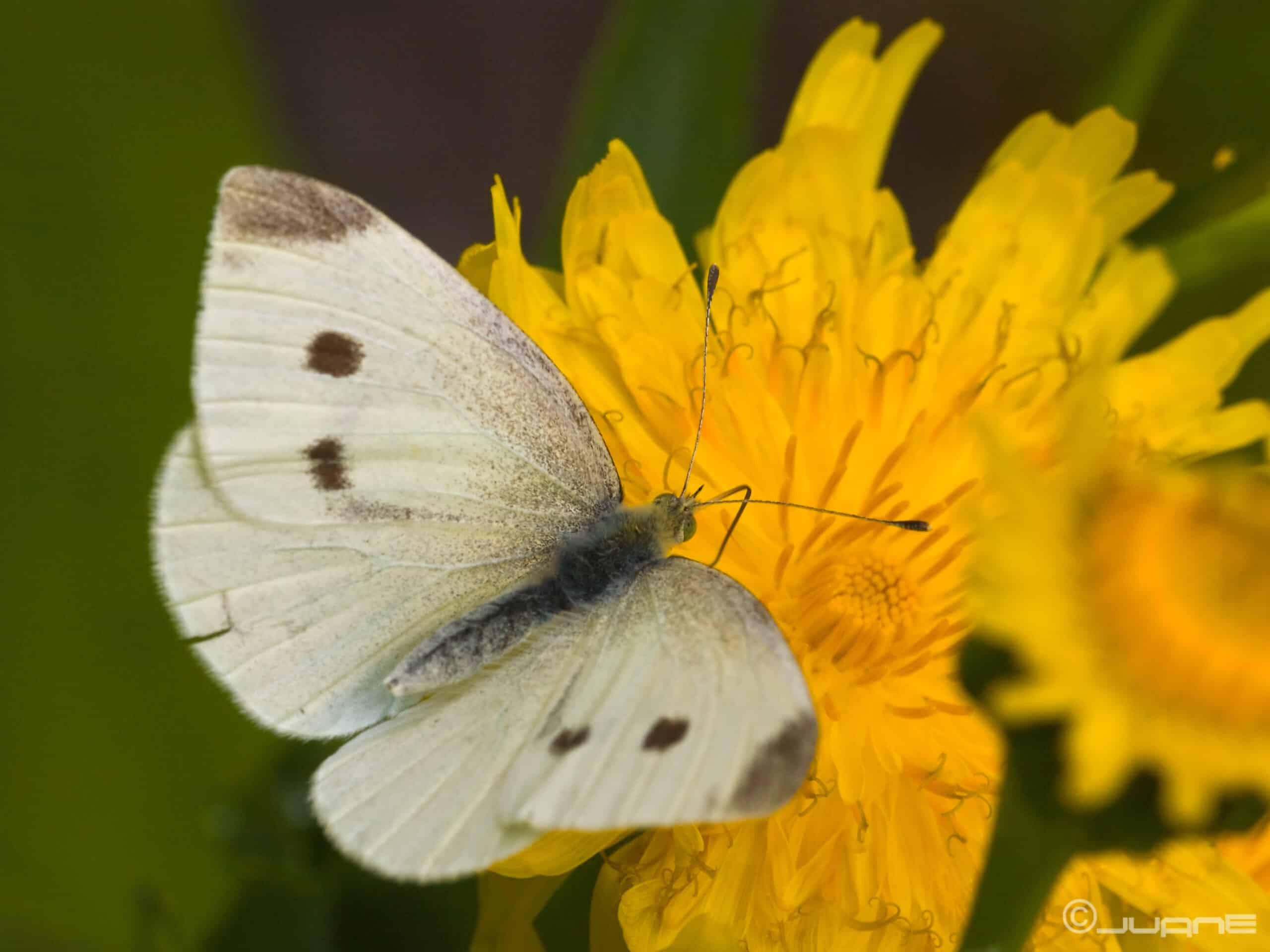
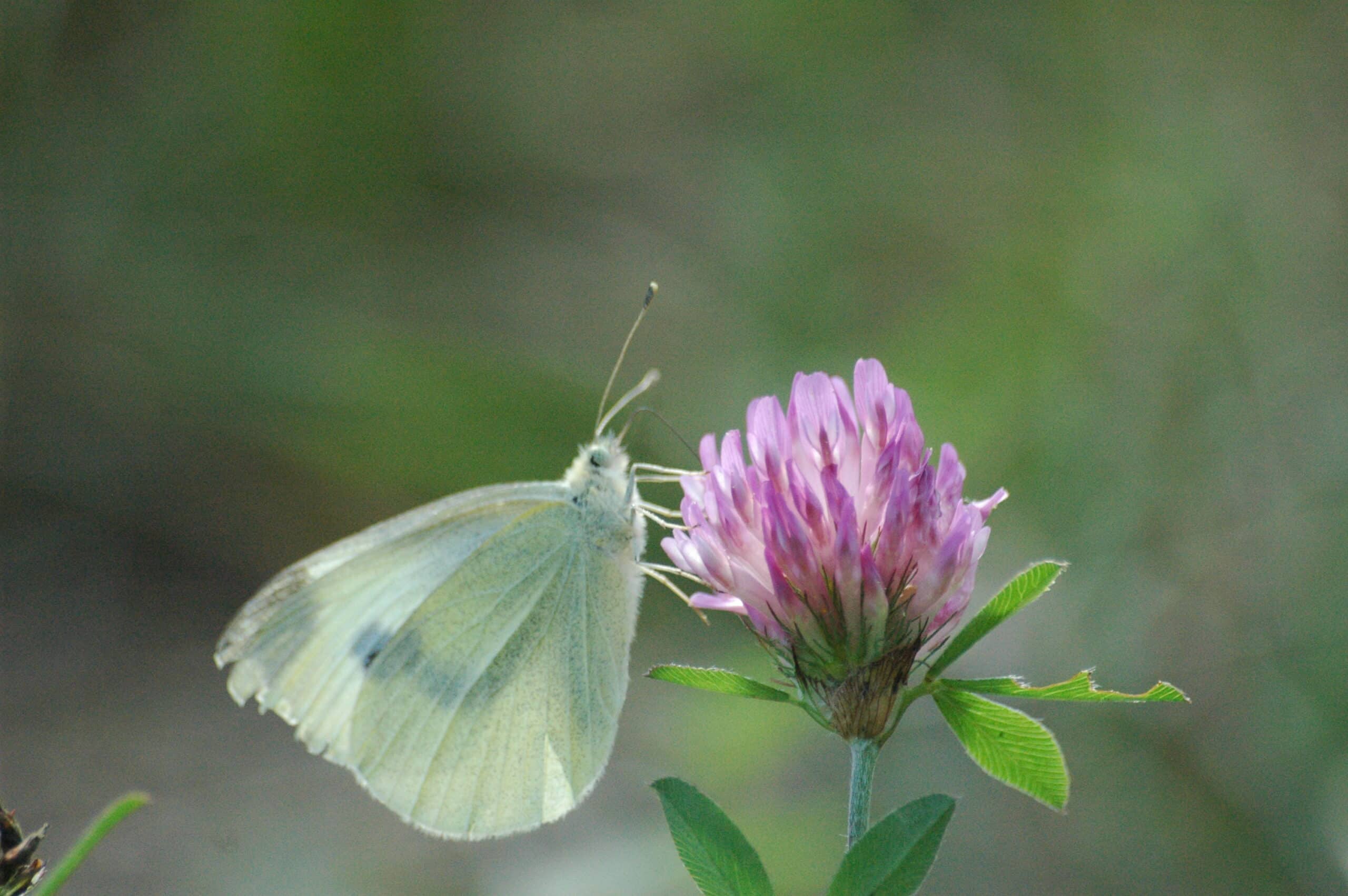
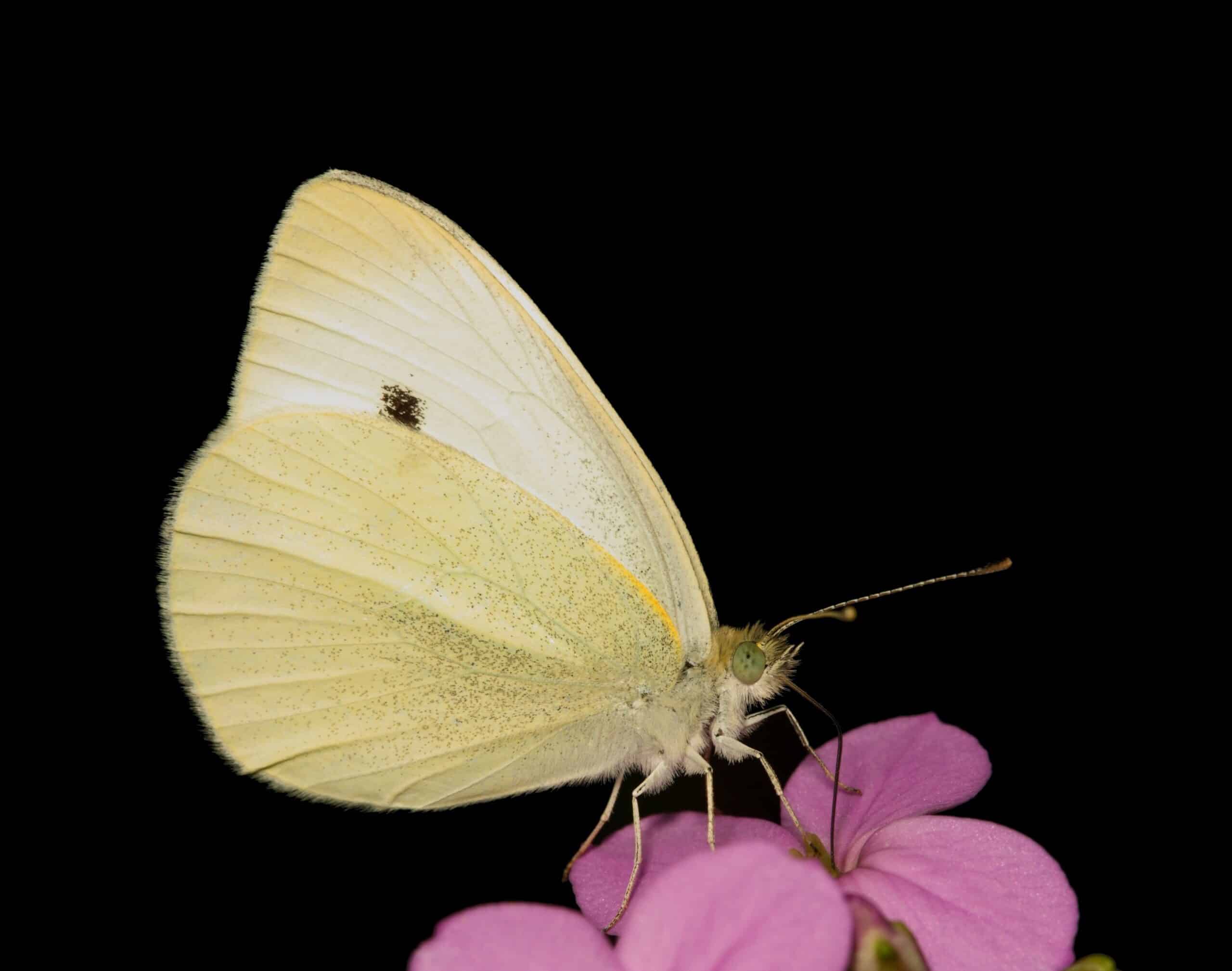
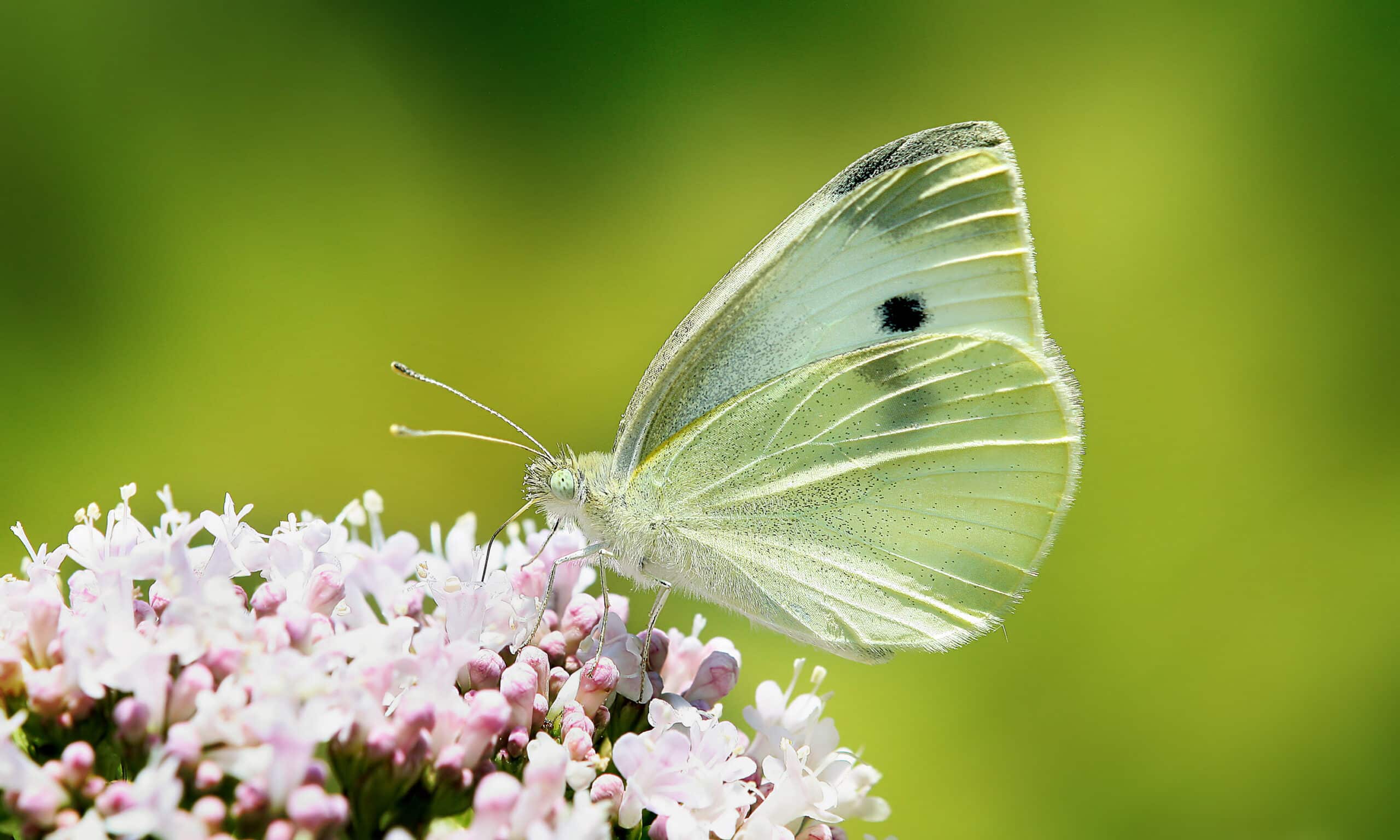
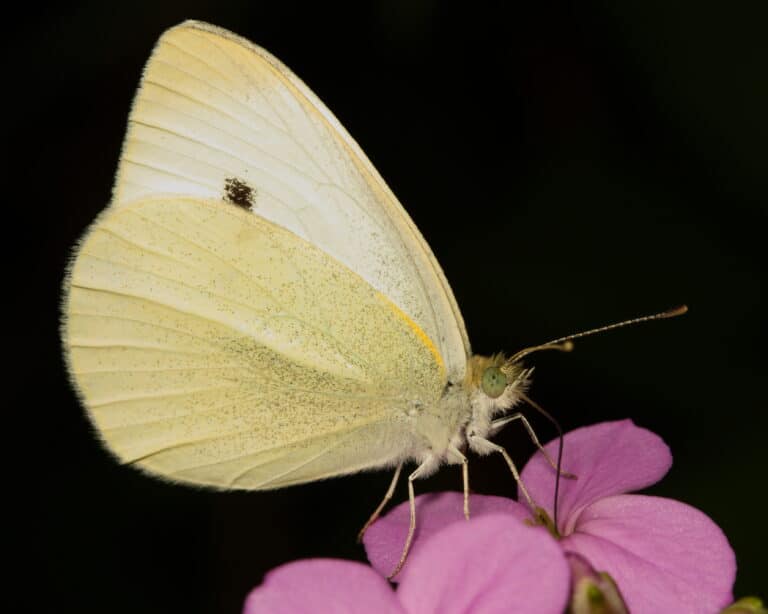
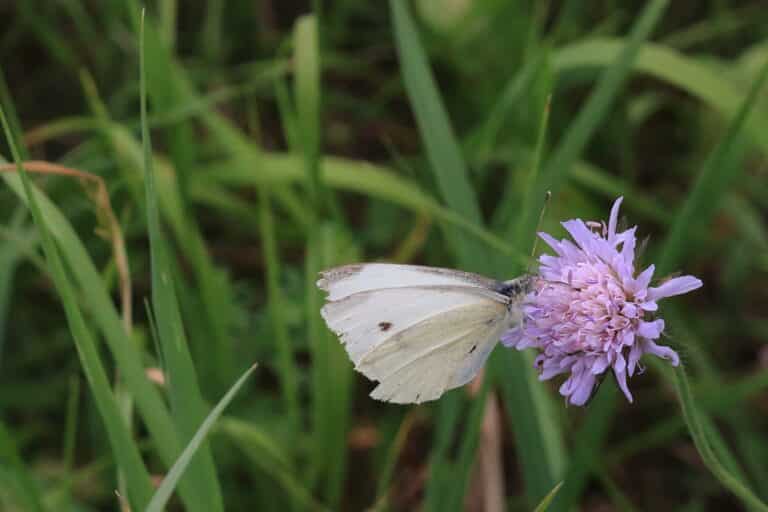
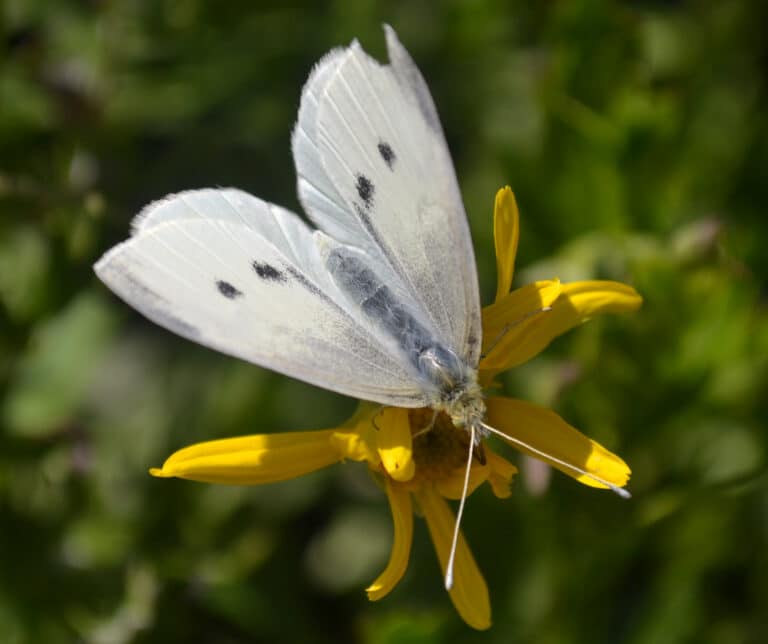
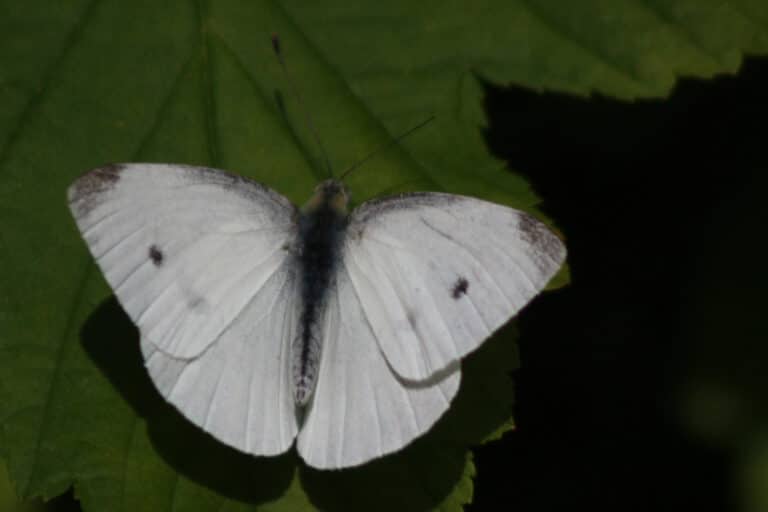
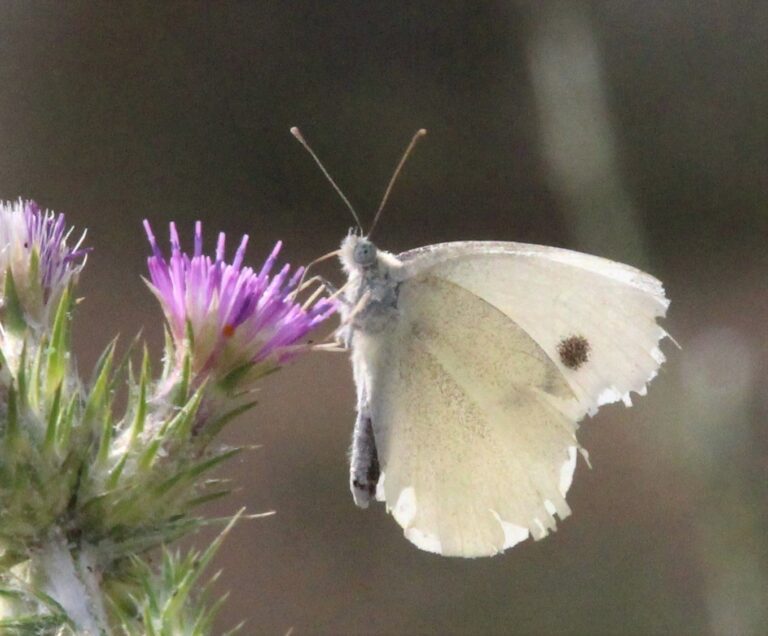
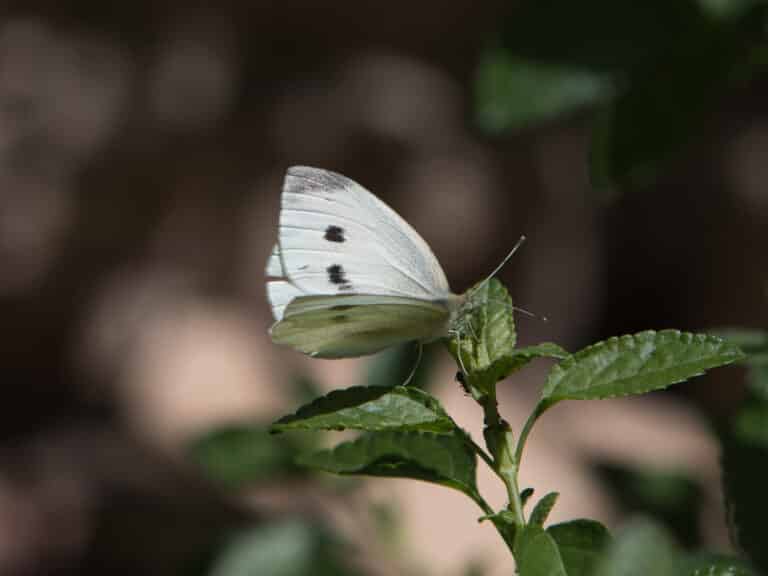
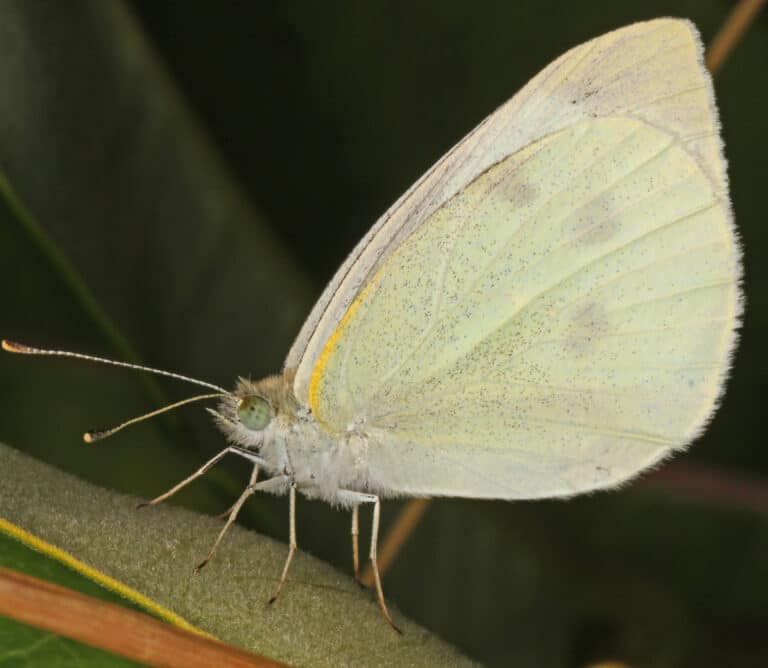
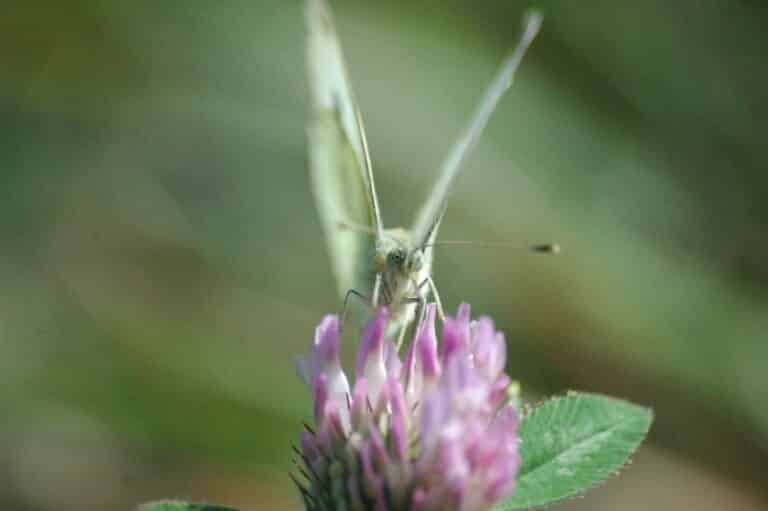
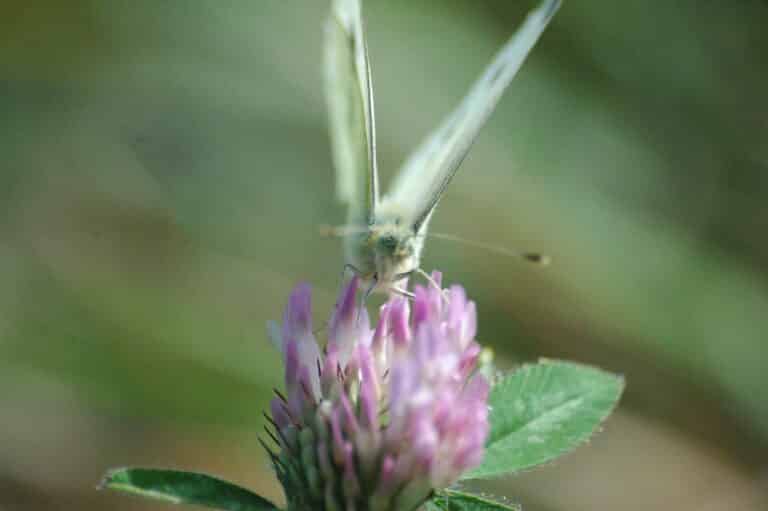
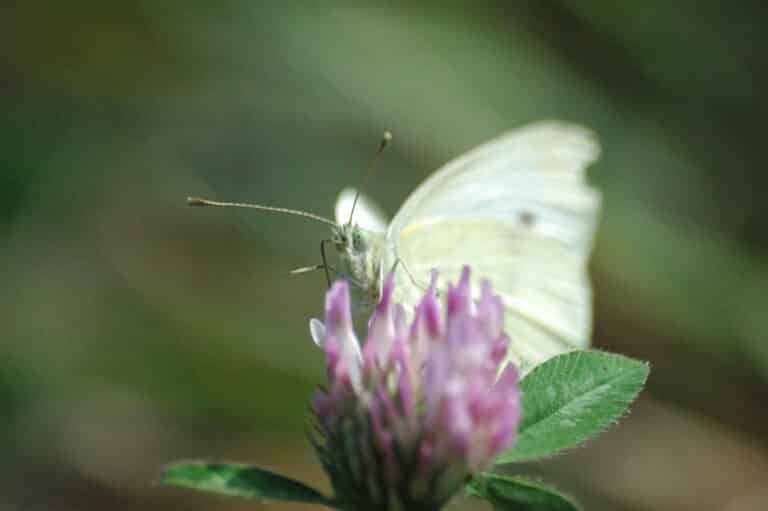
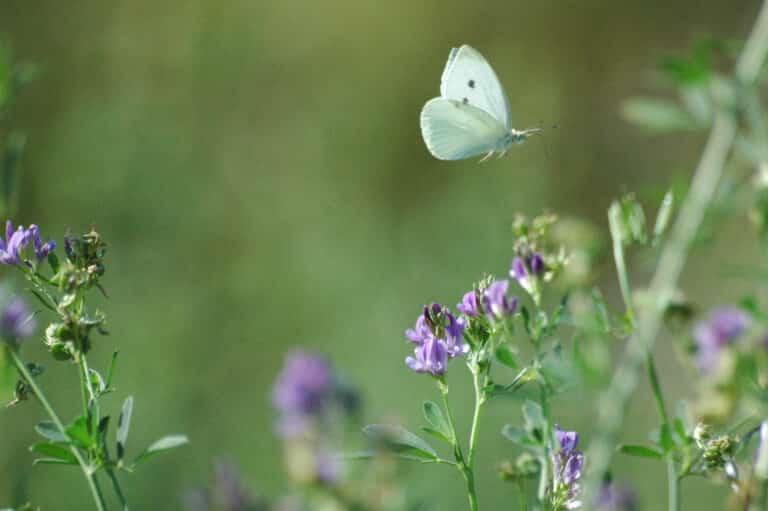
The White Butterfly, also known as Pieris rapae, flutters around gardens and fields with its charming white wings. These delicate insects belong to the order Lepidoptera, which includes all butterflies and moths, and they have been delightful visitors to our world for ages.
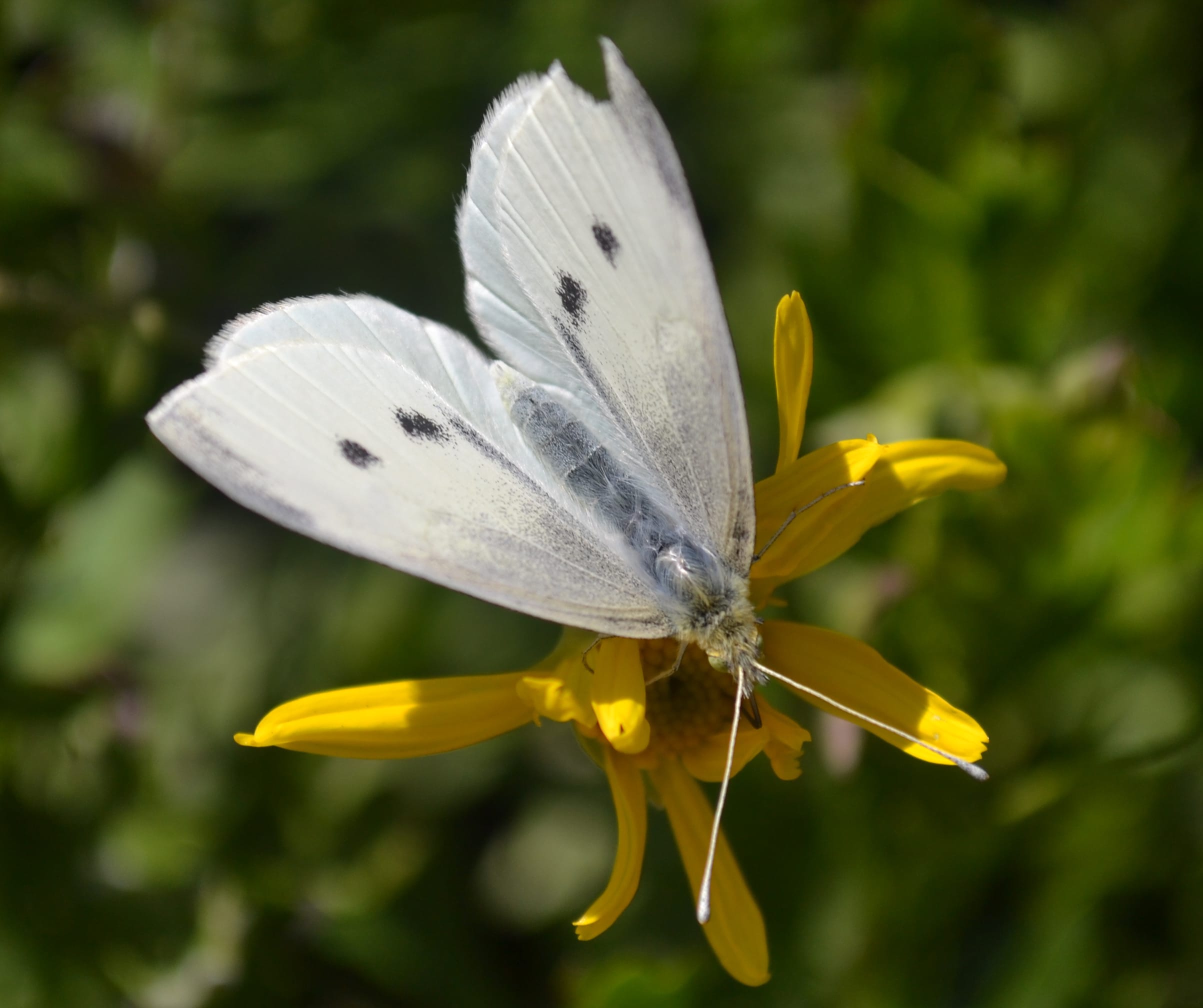
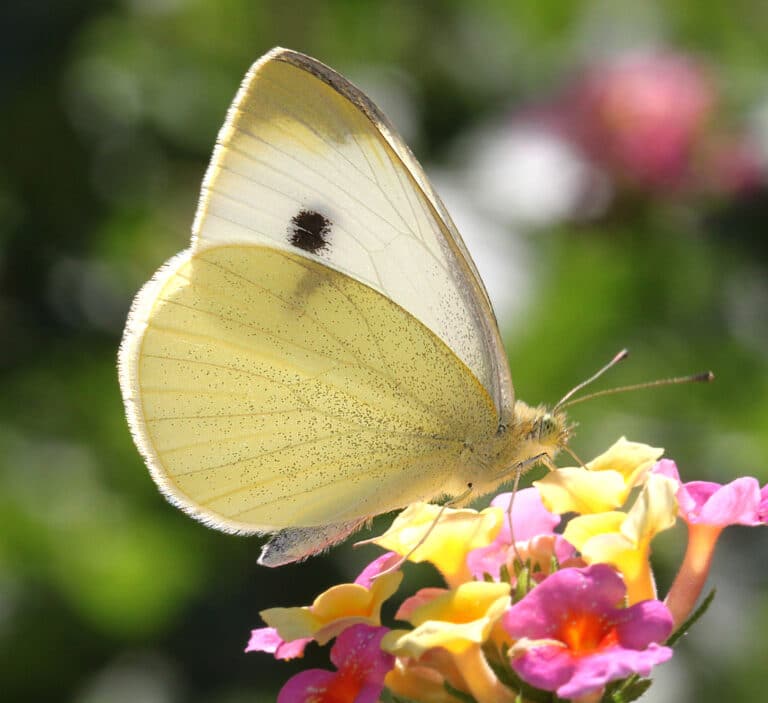
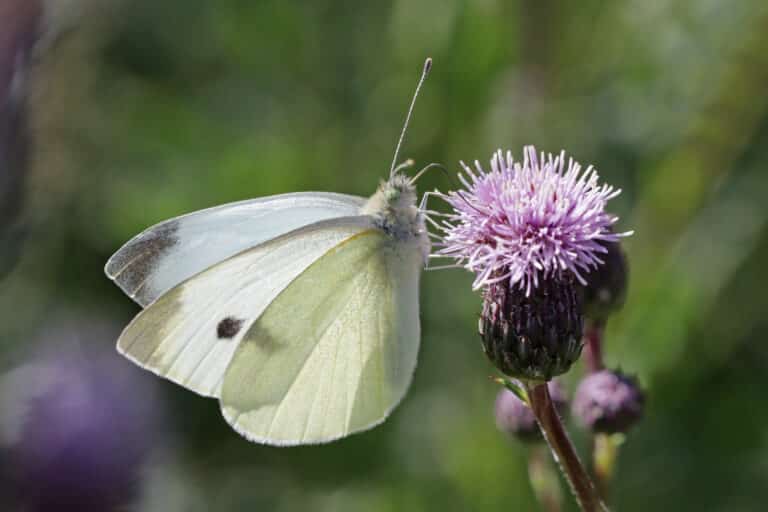
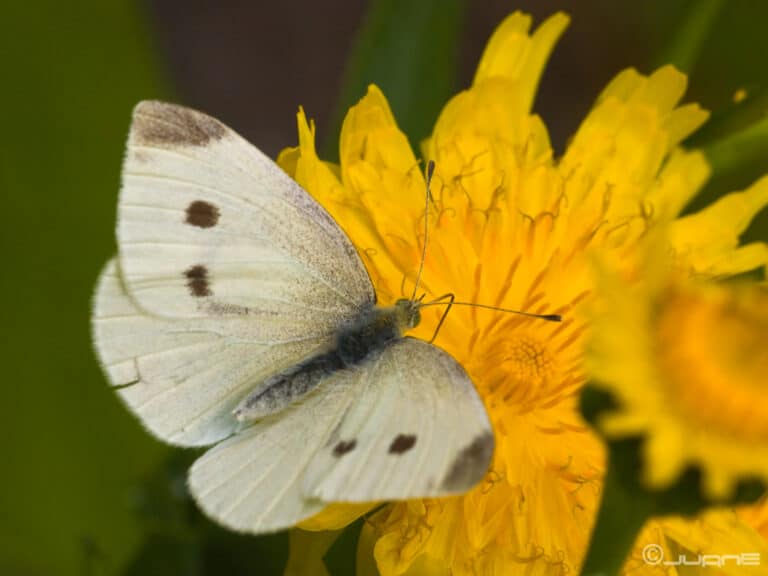
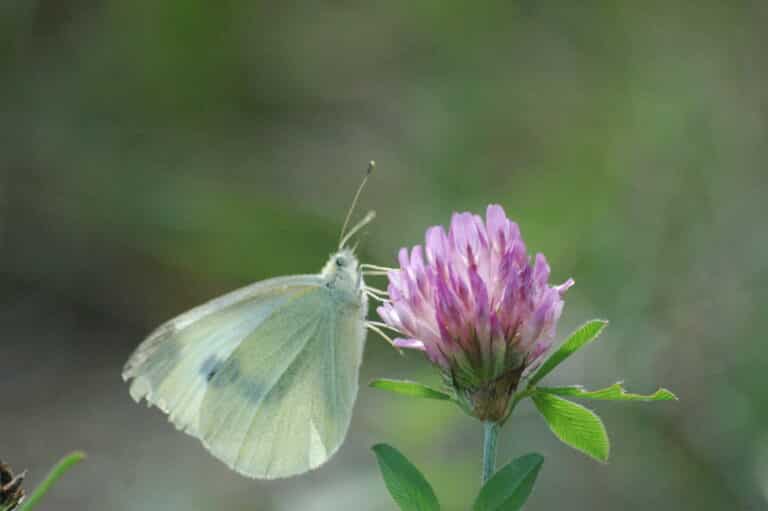
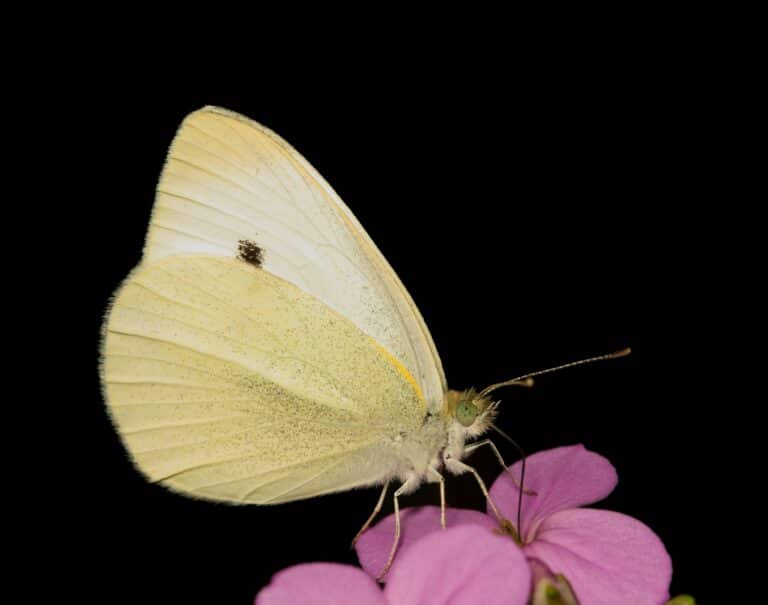
White Butterflies usually measure about 1.5 to 2 inches across their wings, making them easy to spot as they dance from flower to flower. Their beautiful white wings can have black spots that make them look stylish, like they are dressed for a grand butterfly ball!
These cheerful creatures enjoy munching on plants, especially cabbage and mustard leaves. They play a vital role in the ecosystem by helping plants grow and thriving on the nutrients they provide while also attracting other pollinators.
White Butterflies have a short but busy life, living about 3 to 4 weeks. In that time, they lay eggs and begin a new generation of butterflies, ensuring that their fluttering fun continues.
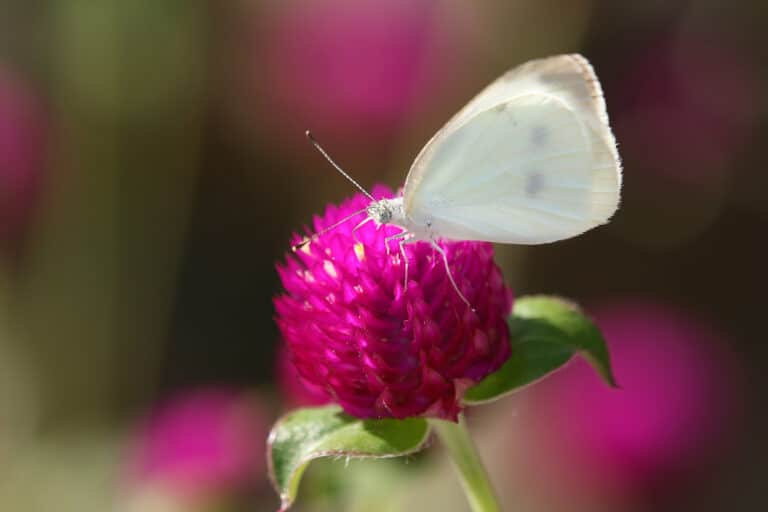
Fun fact: White Butterflies do not have a favorite flower. They happily sip nectar from many different plants, giving them an all-access pass to the sweet wonders of the garden! This makes them excellent pollinators, helping different plants produce seeds and keep our gardens blooming.
So, next time you spot a White Butterfly, remember that these little wonders carry both beauty and purpose in our environment. They remind us to appreciate the small things buzzing and flapping around us every day!

Where can you find a White Butterfly in the wild?
What does a White Butterfly eat?
How big can a White Butterfly grow?
How long does a White Butterfly typically live?
What is the conservation status of the White Butterfly?
What are the main threats to the White Butterfly?
Fun facts
White Butterflies can fly up to 25 kilometers per hour, so they zoom around the garden like tiny, fluttering race cars!


These butterflies depend on temperature for their activities. When it gets too chilly, they will bask in the sun to warm up their bodies before taking flight.
White Butterflies lay eggs on specific plants, especially cabbage and mustard. This makes their caterpillars have a buffet of fresh food when they hatch!
These butterflies can taste with their feet! Their taste sensors help them decide if a plant is good to lay eggs on, ensuring their young have the best chances to survive.
Male White Butterflies are often seen perching on flowers or leaves, looking for females. They can be quite the show-offs, performing little dances to catch their attention.
When threatened, White Butterflies sometimes pretend to be dead. This clever trick might confuse predators and give them a chance to escape!
These butterflies help gardeners by pollinating many types of flowers. Their tiny visits can make a big difference in how many seeds plants produce!
During the lifespan of White Butterflies, they go through four stages: egg, caterpillar, pupa, and adult. Each stage is like a little adventure that helps them become beautiful butterflies.
Though they have a short life, White Butterflies can lay up to 400 eggs in one go. This makes them amazing little teeny-tiny life-givers!
White Butterflies can blend in with their surroundings by perching quietly on flowers. This is like playing hide-and-seek, helping them avoid hungry birds!
Photos





The Basics


explore more
Amphibians
Arachnids
Birds
Cats
Crustaceans
Fish
Fish Pet Guide
Gastropods
Insects
Invertebrates
Mammals
Pet Fish
Pet Rodents
Plants
Reptiles
Roundworms
Sea Slugs