Successfully copied to clipboard!
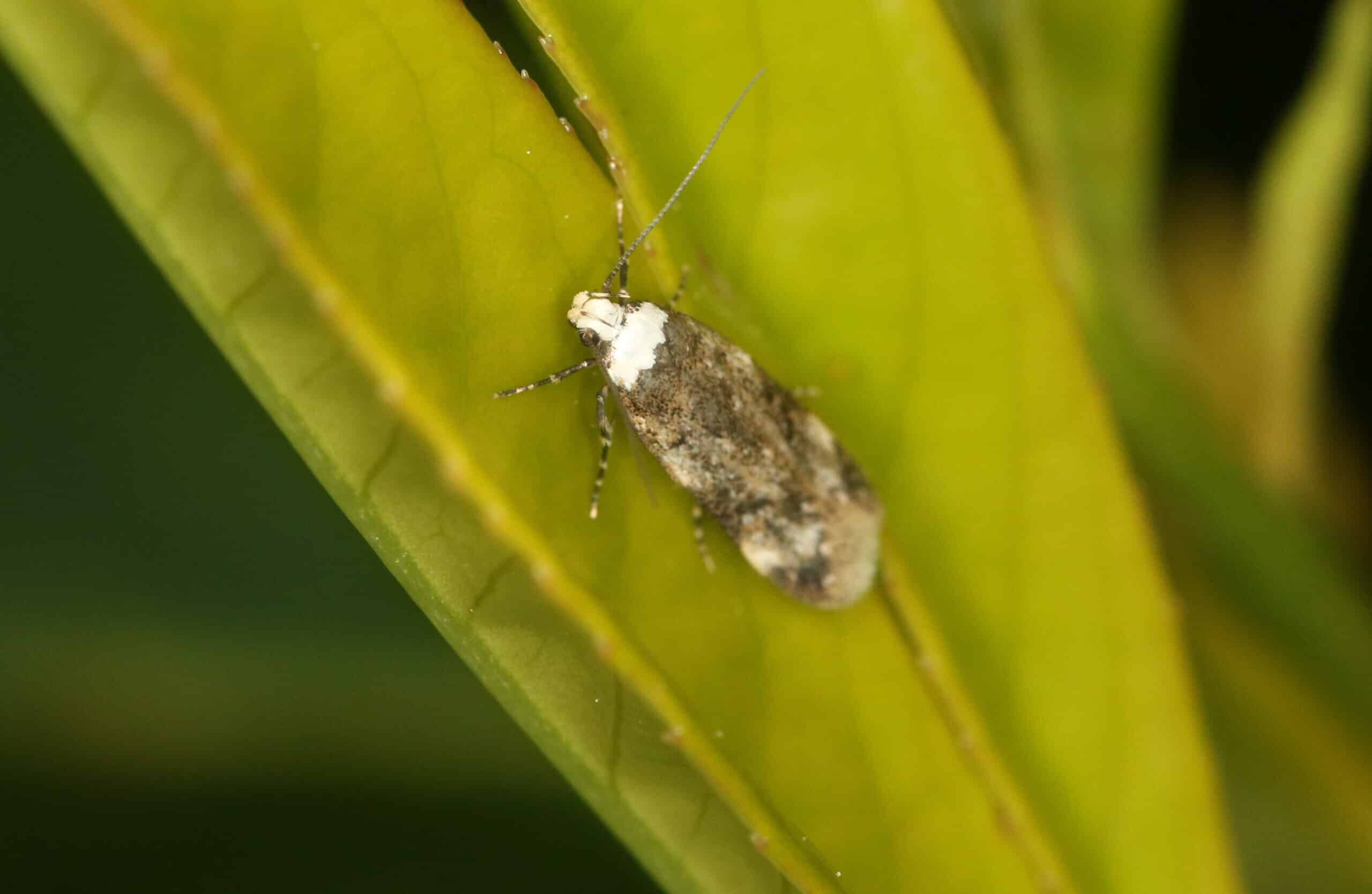
White-shouldered House Moth
Unlock the secret life of a tiny, fluttering houseguest!
Let’s Explore
Overview
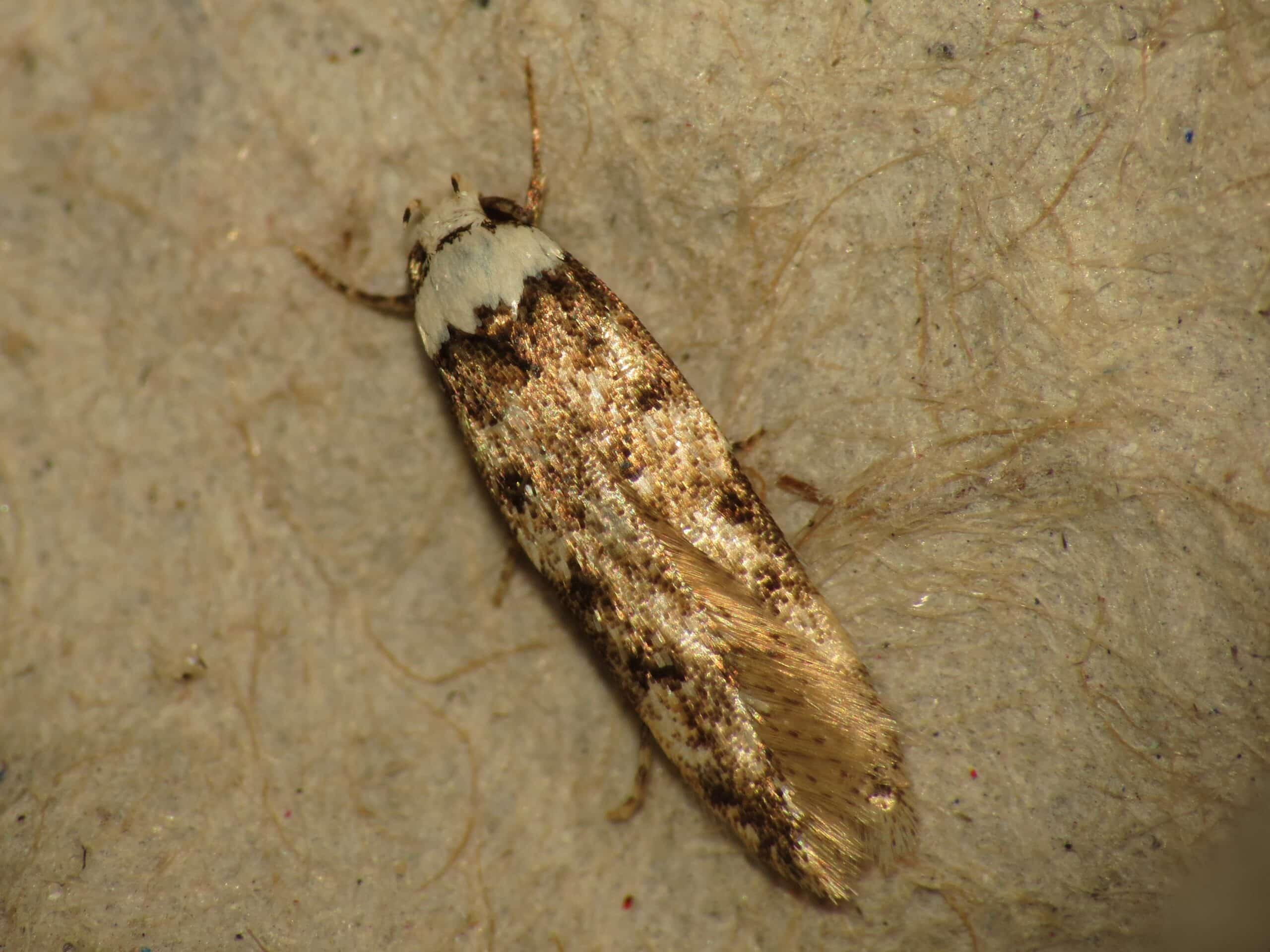
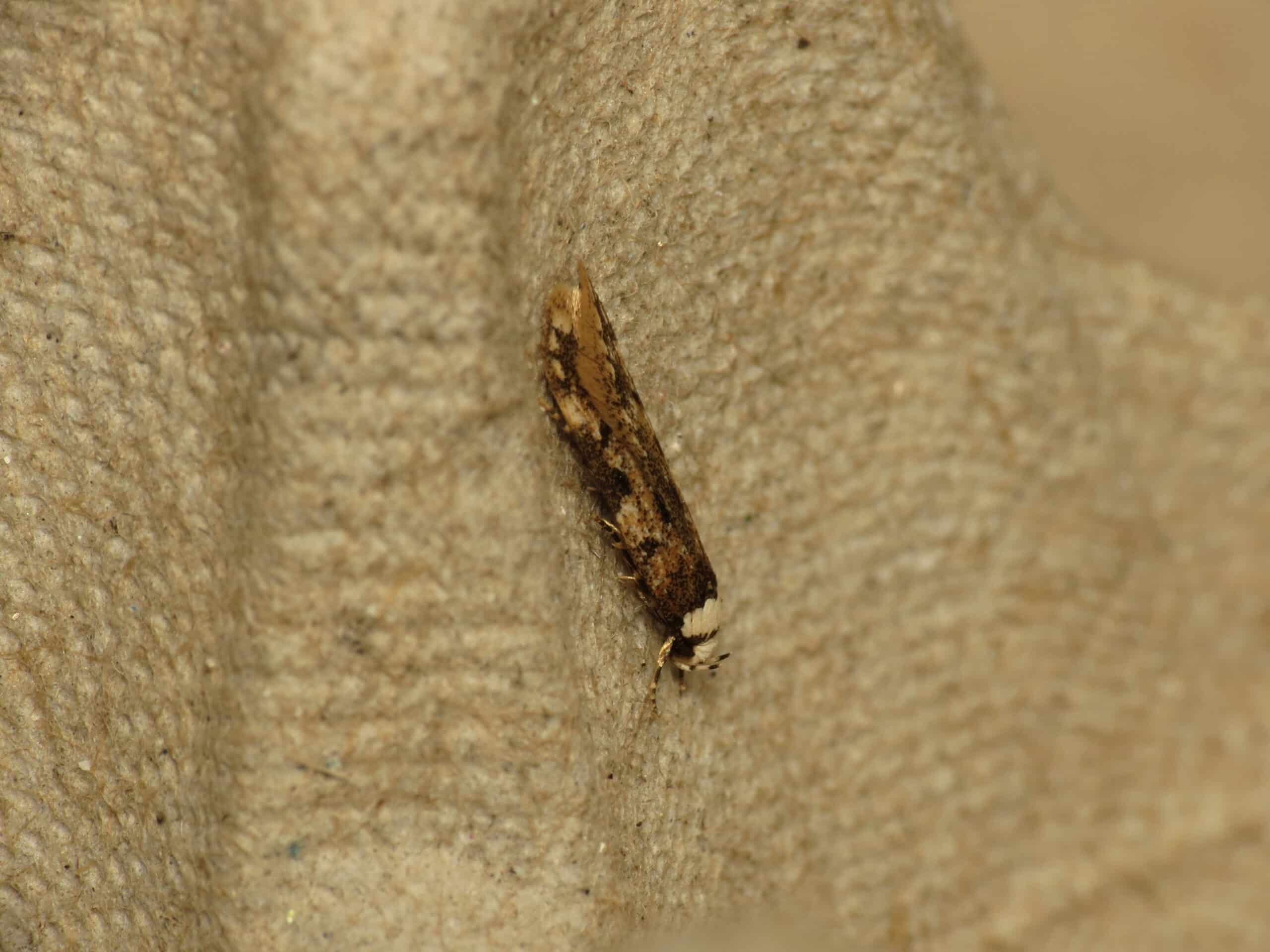
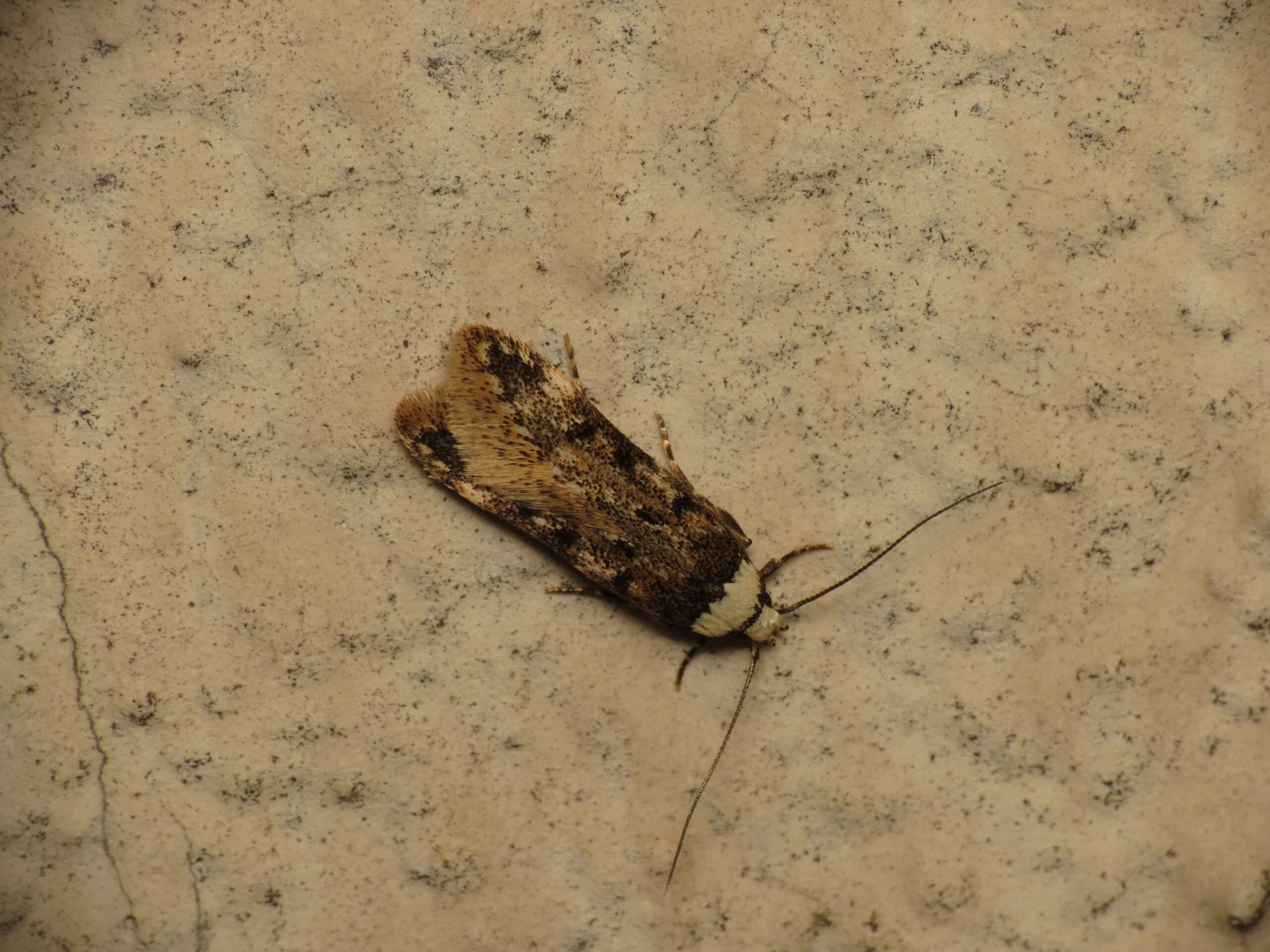
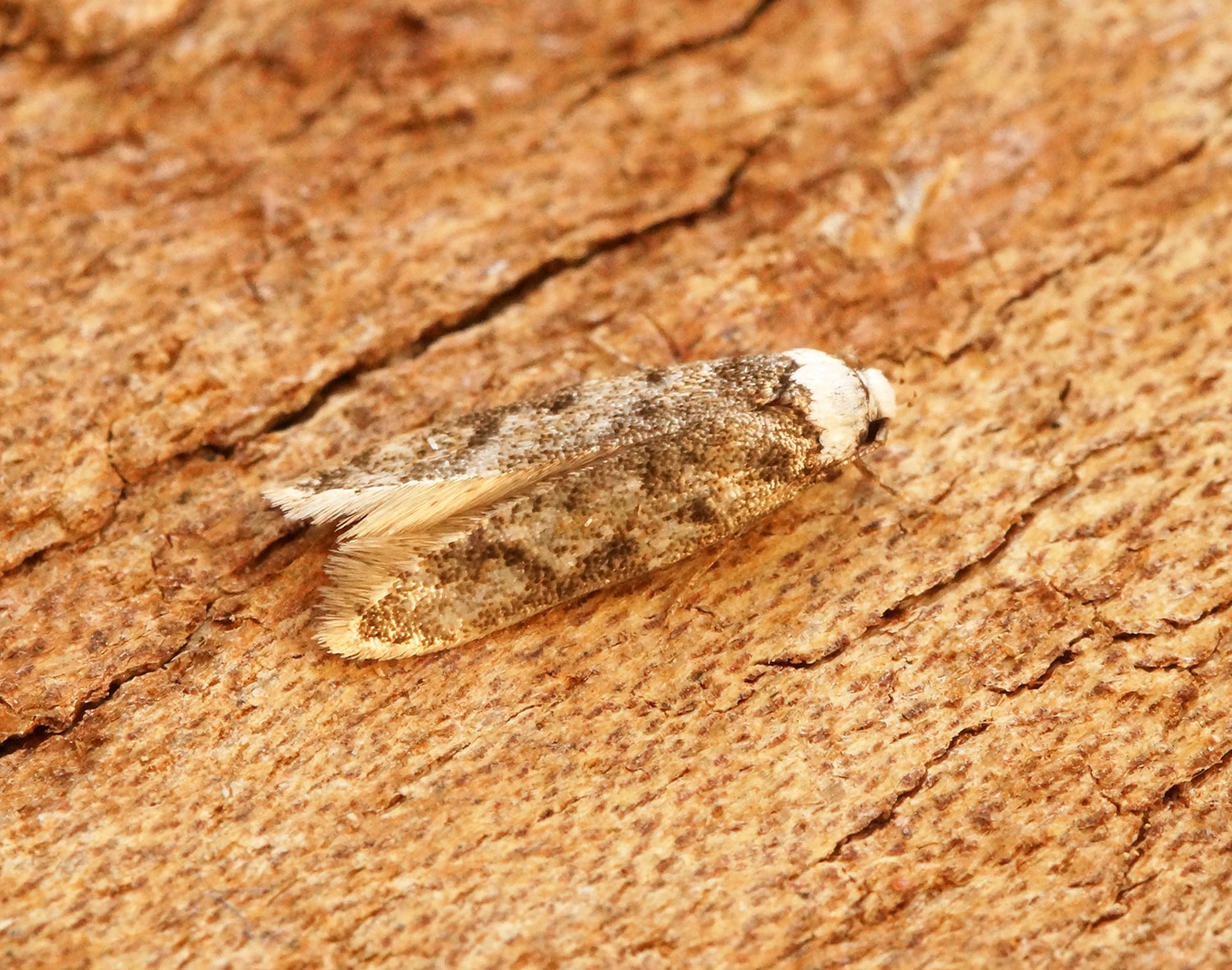
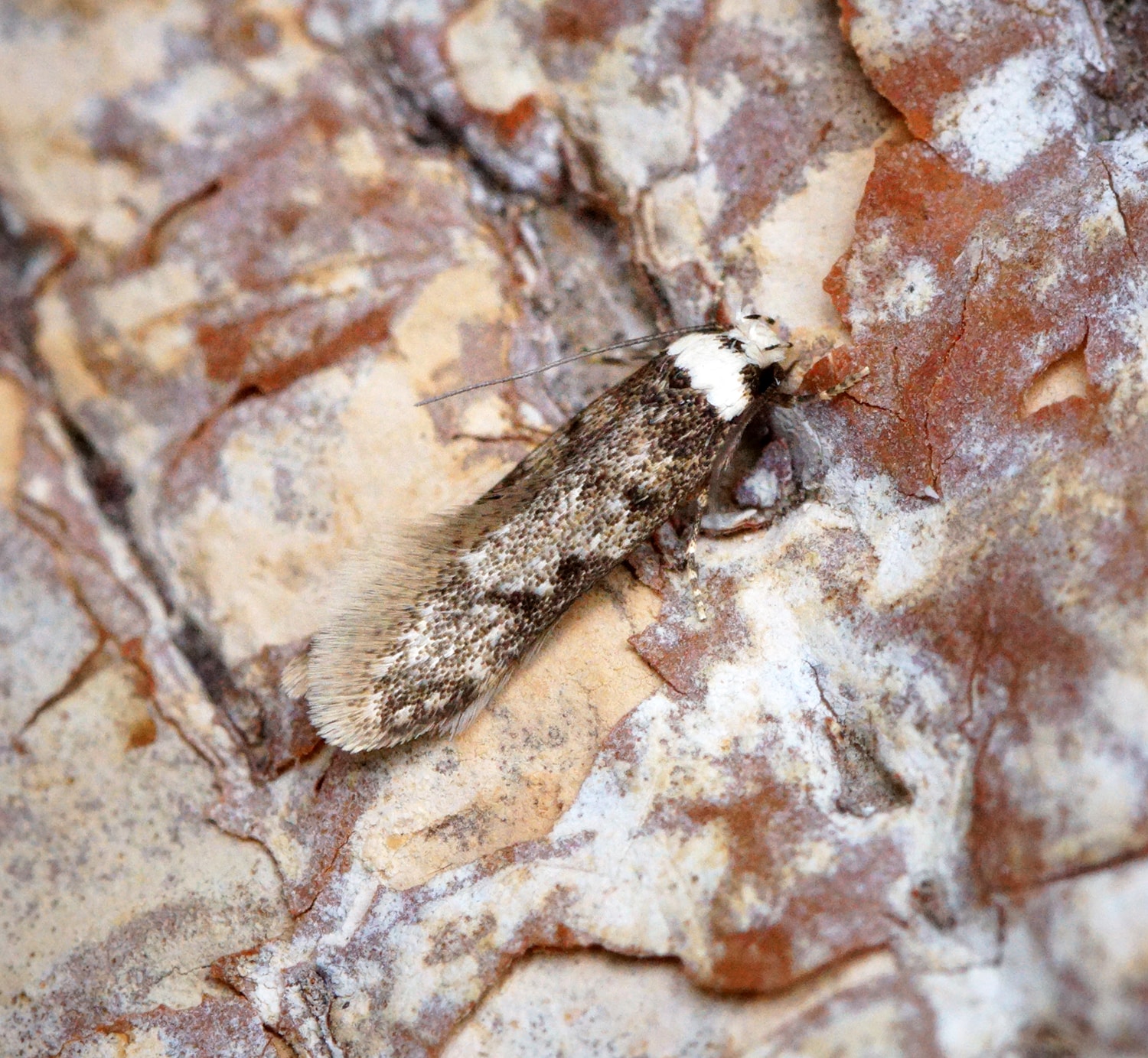
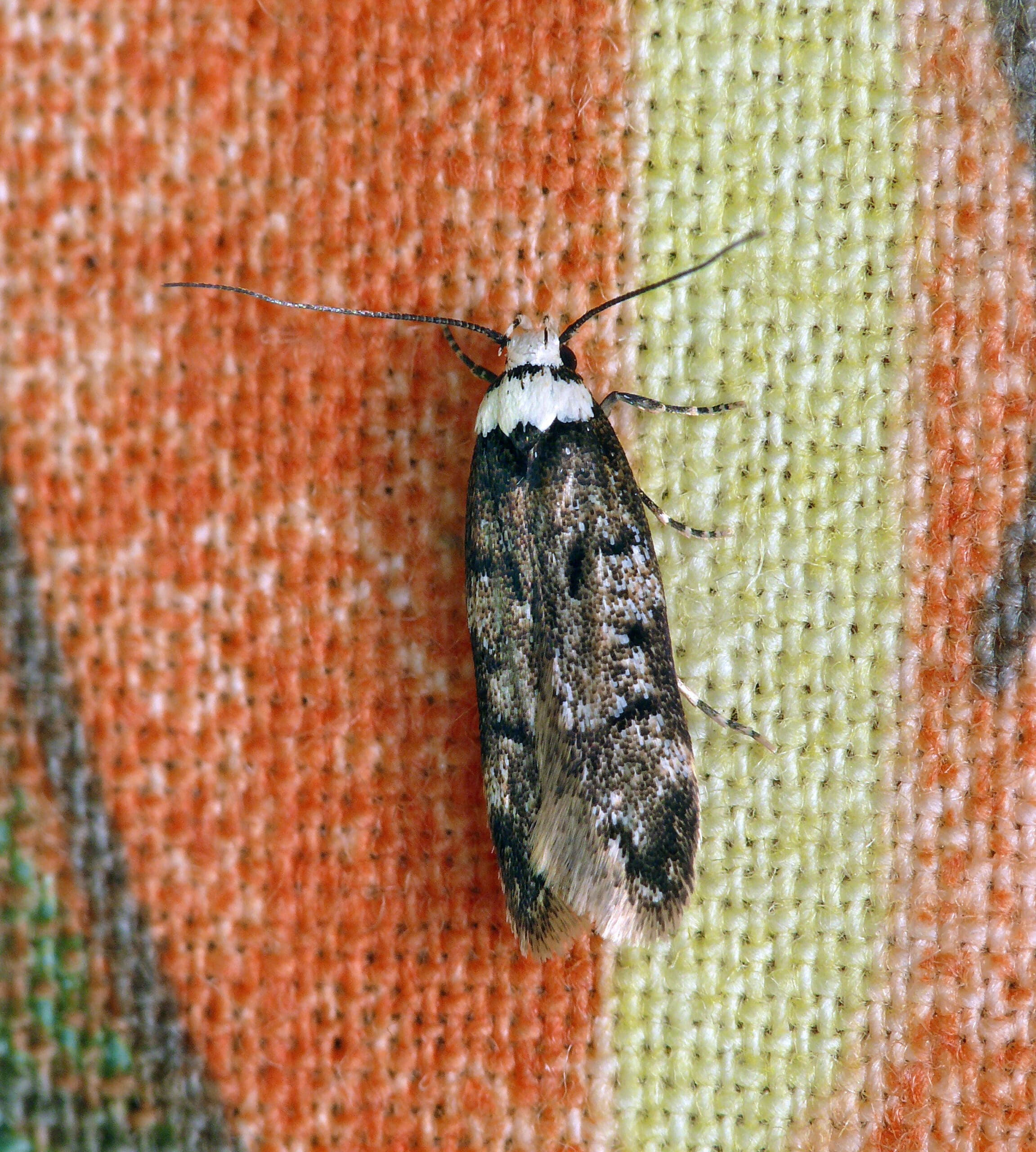
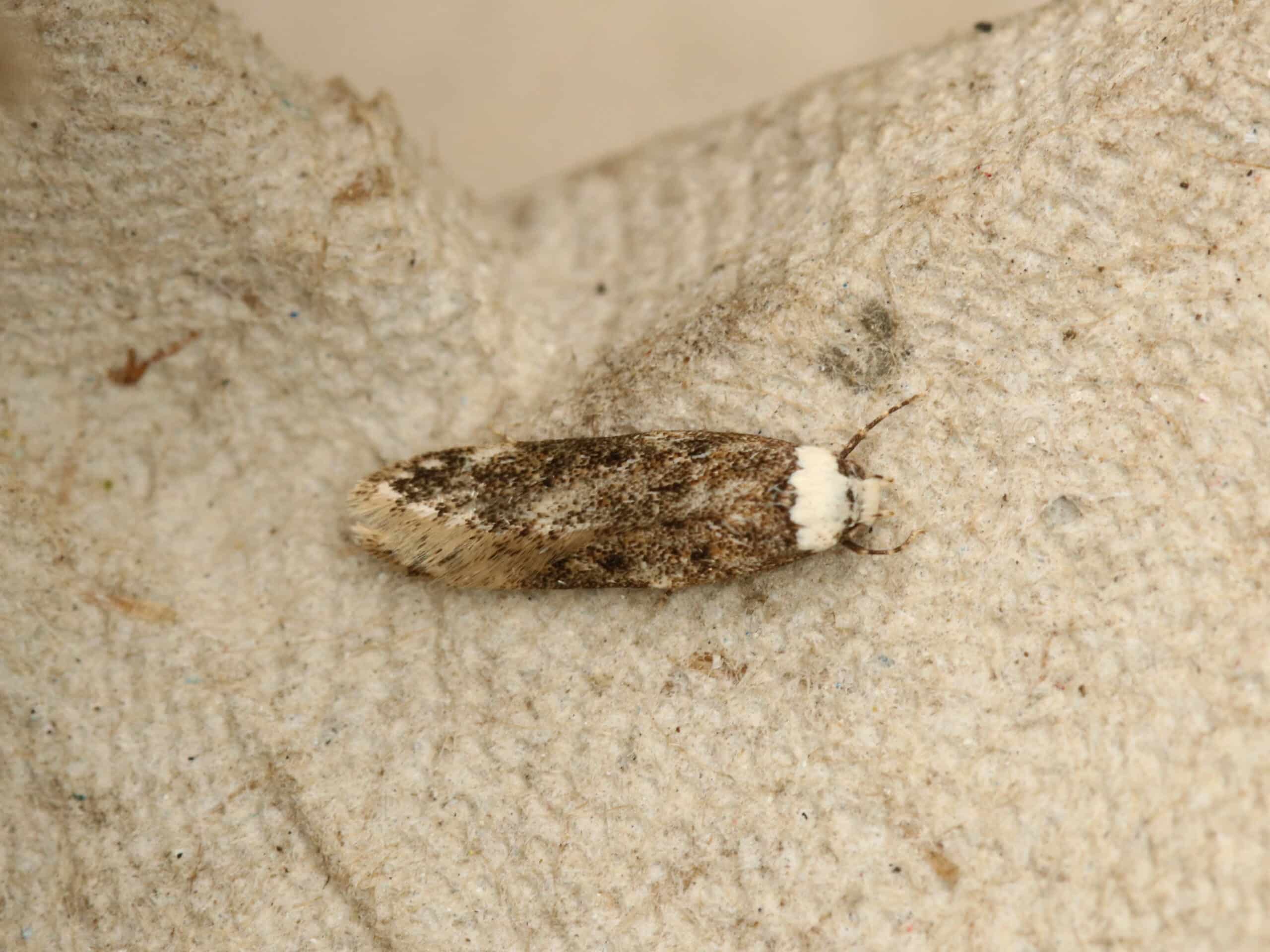
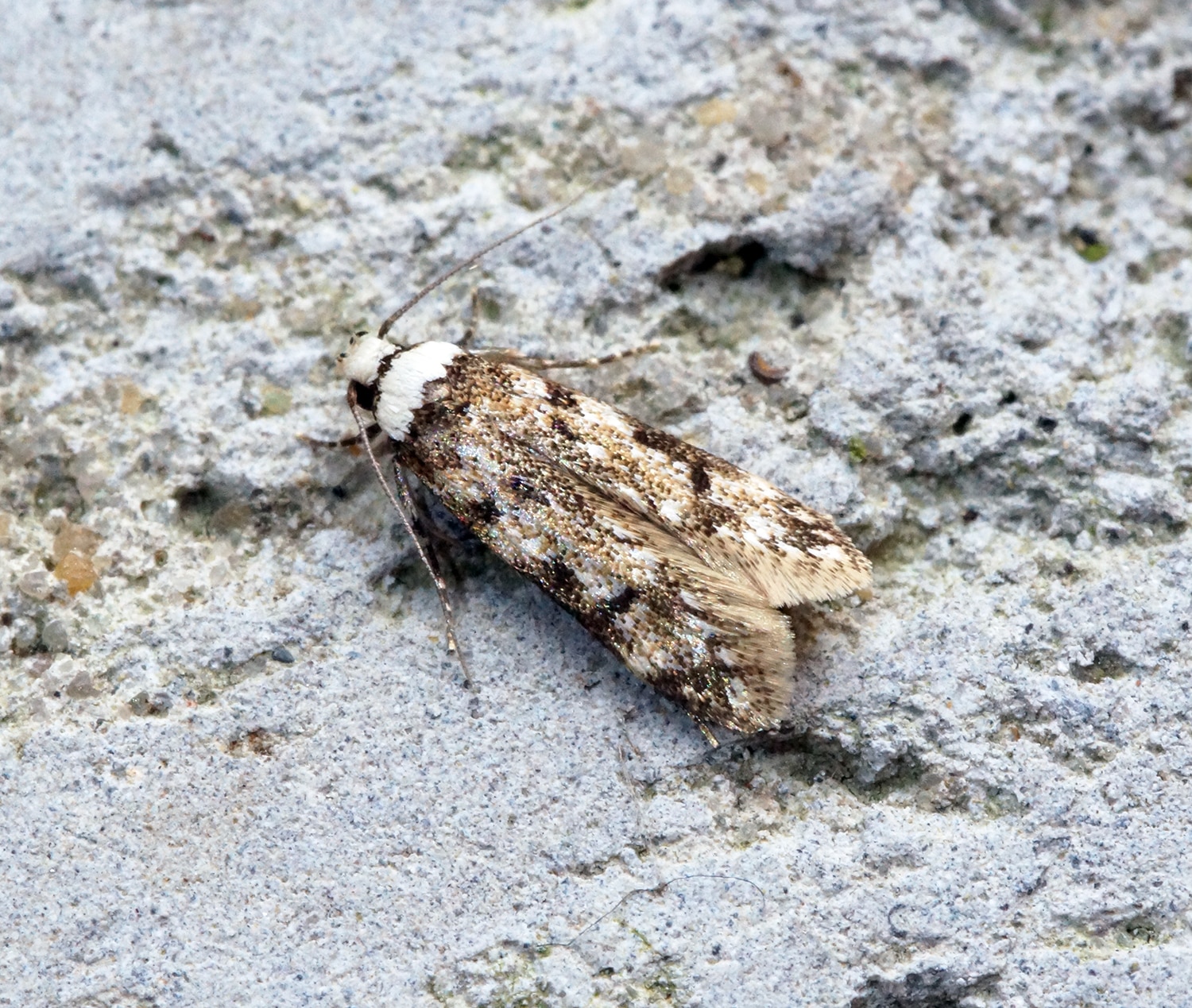
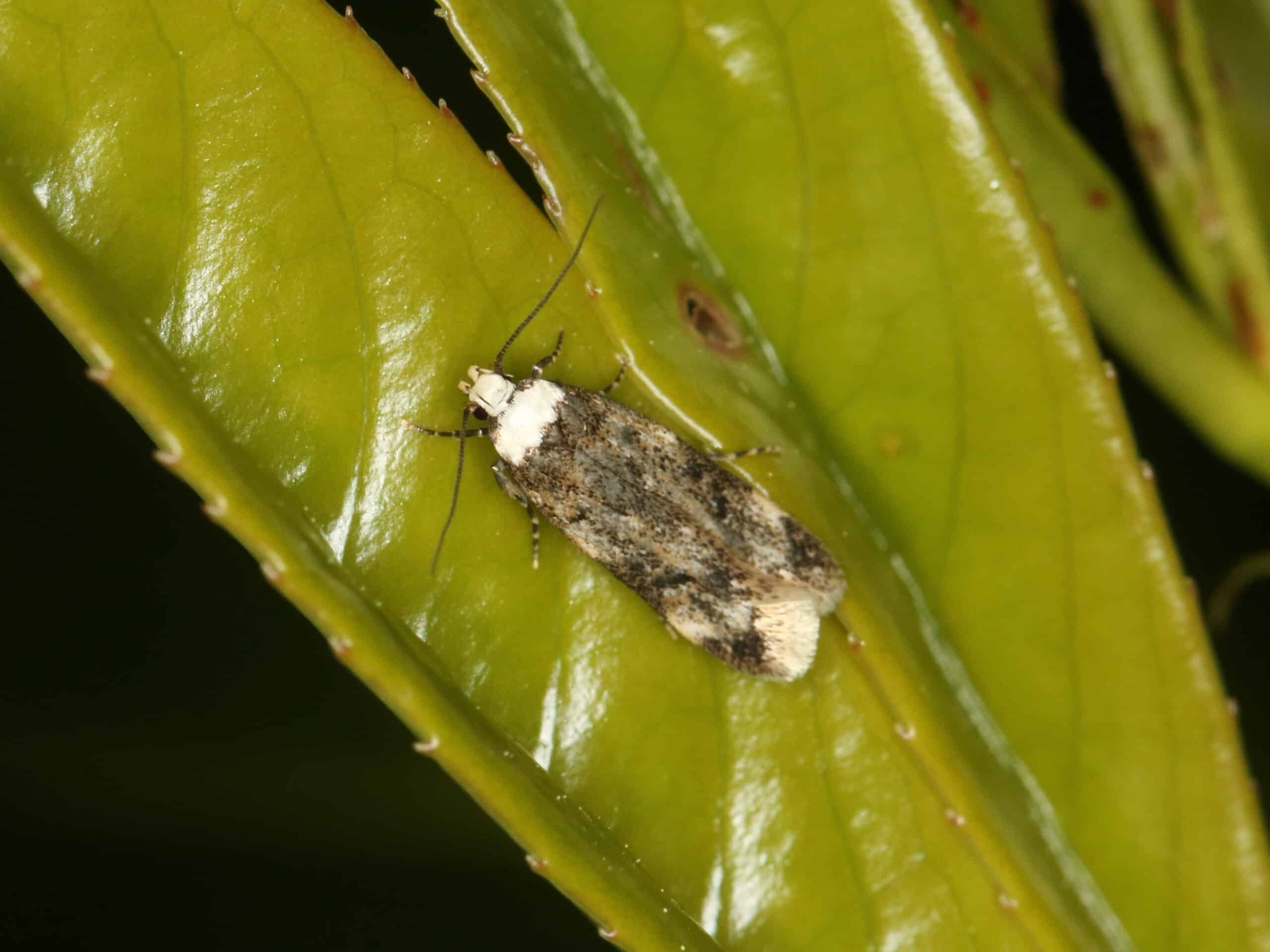
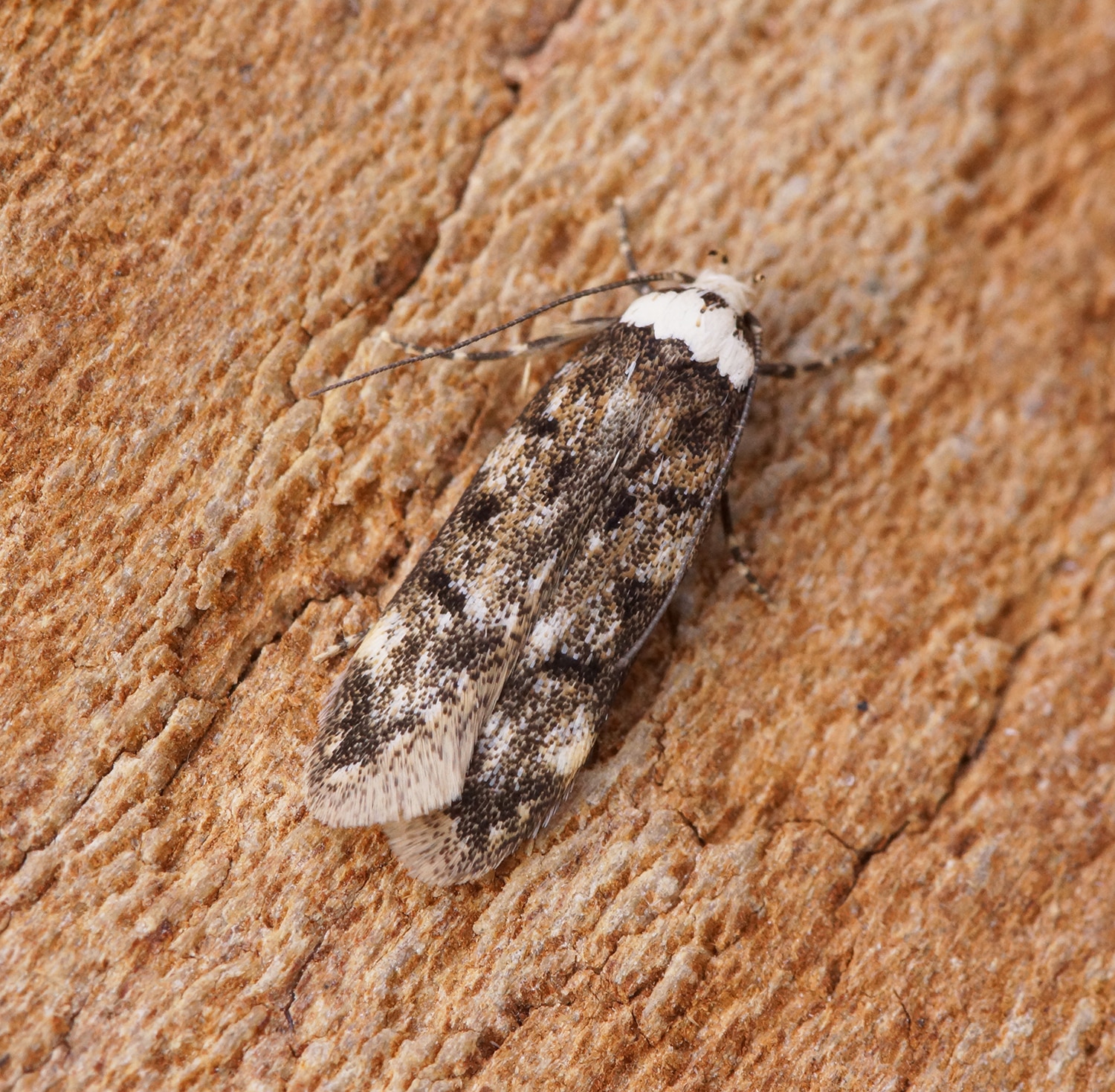
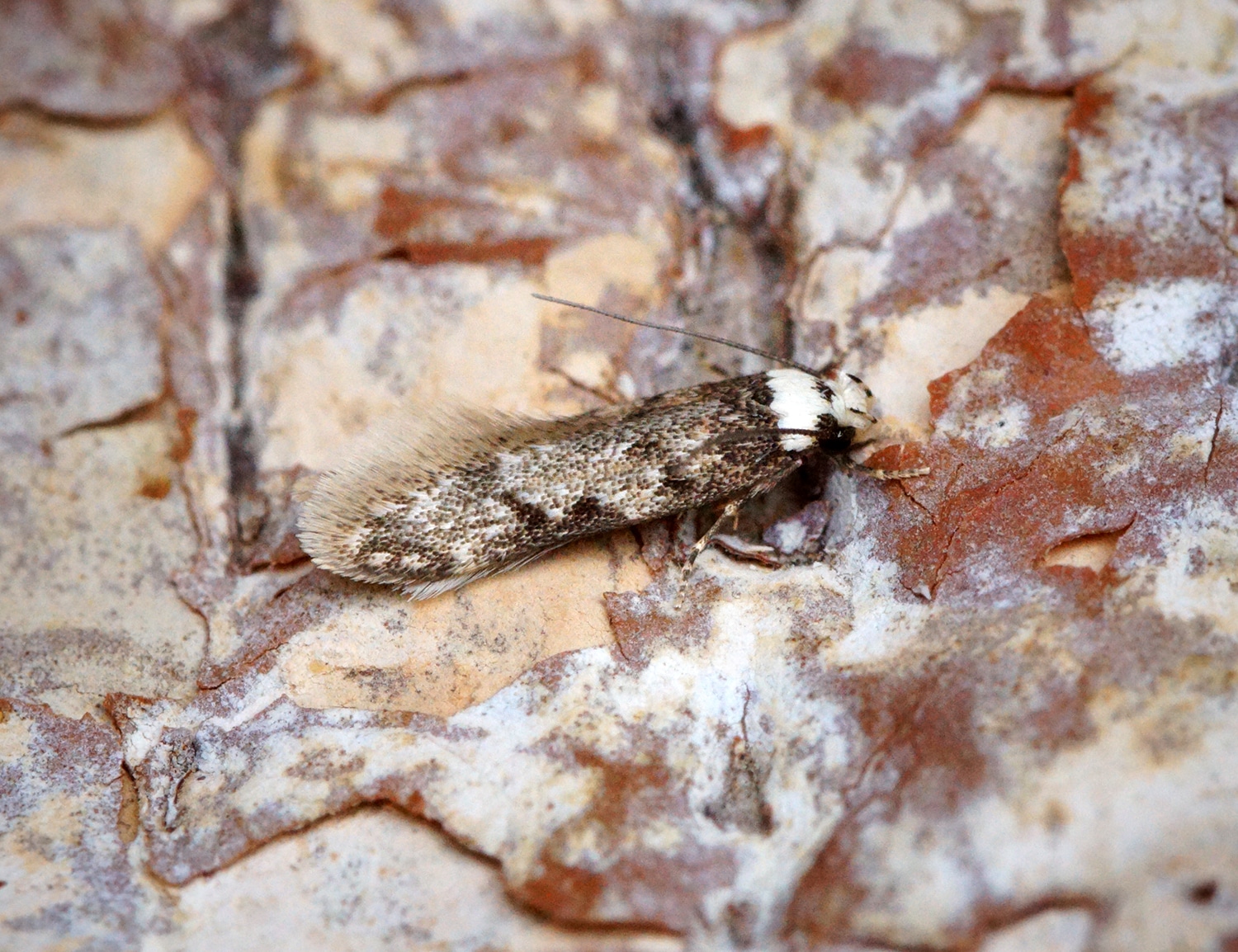
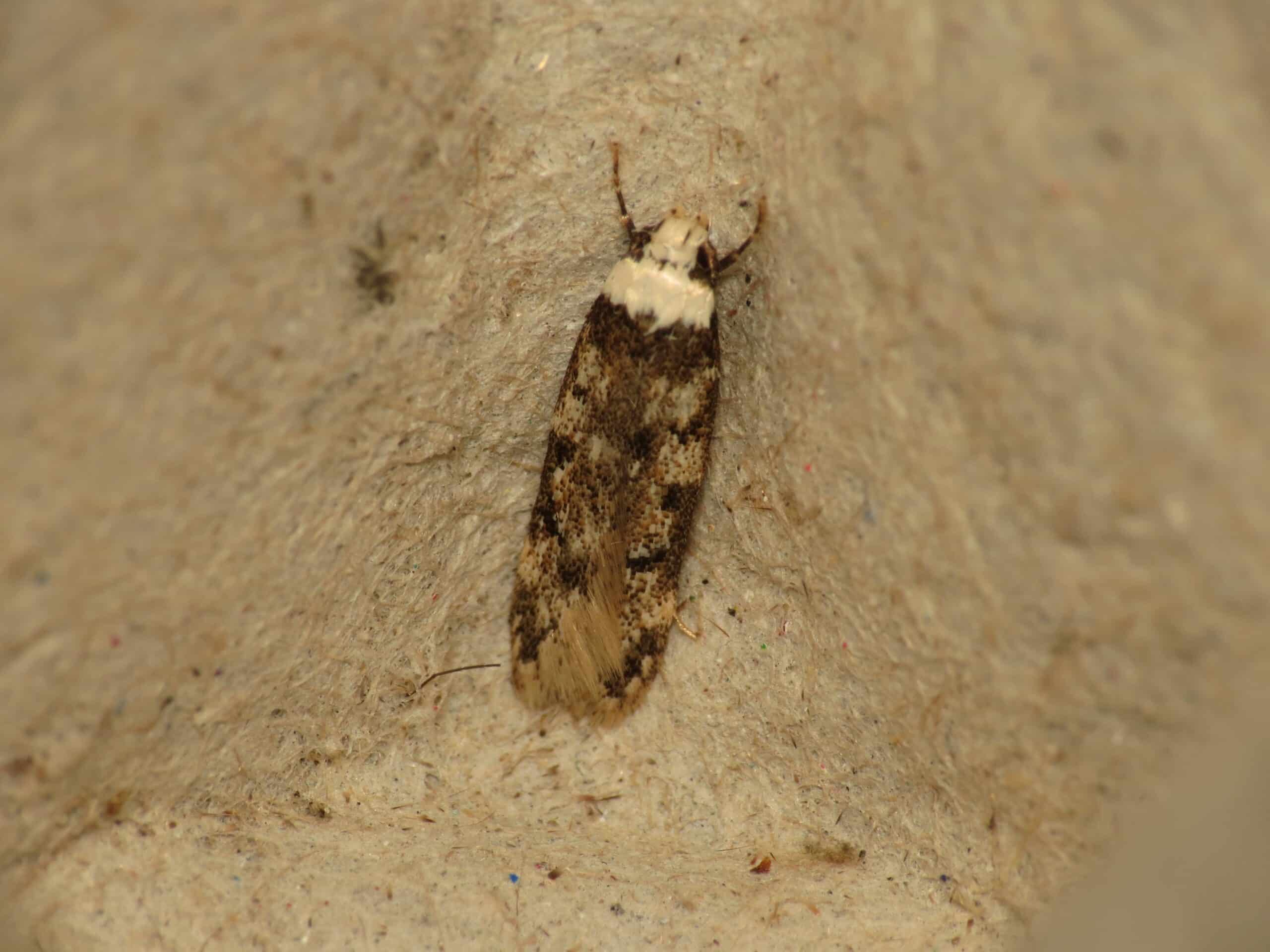
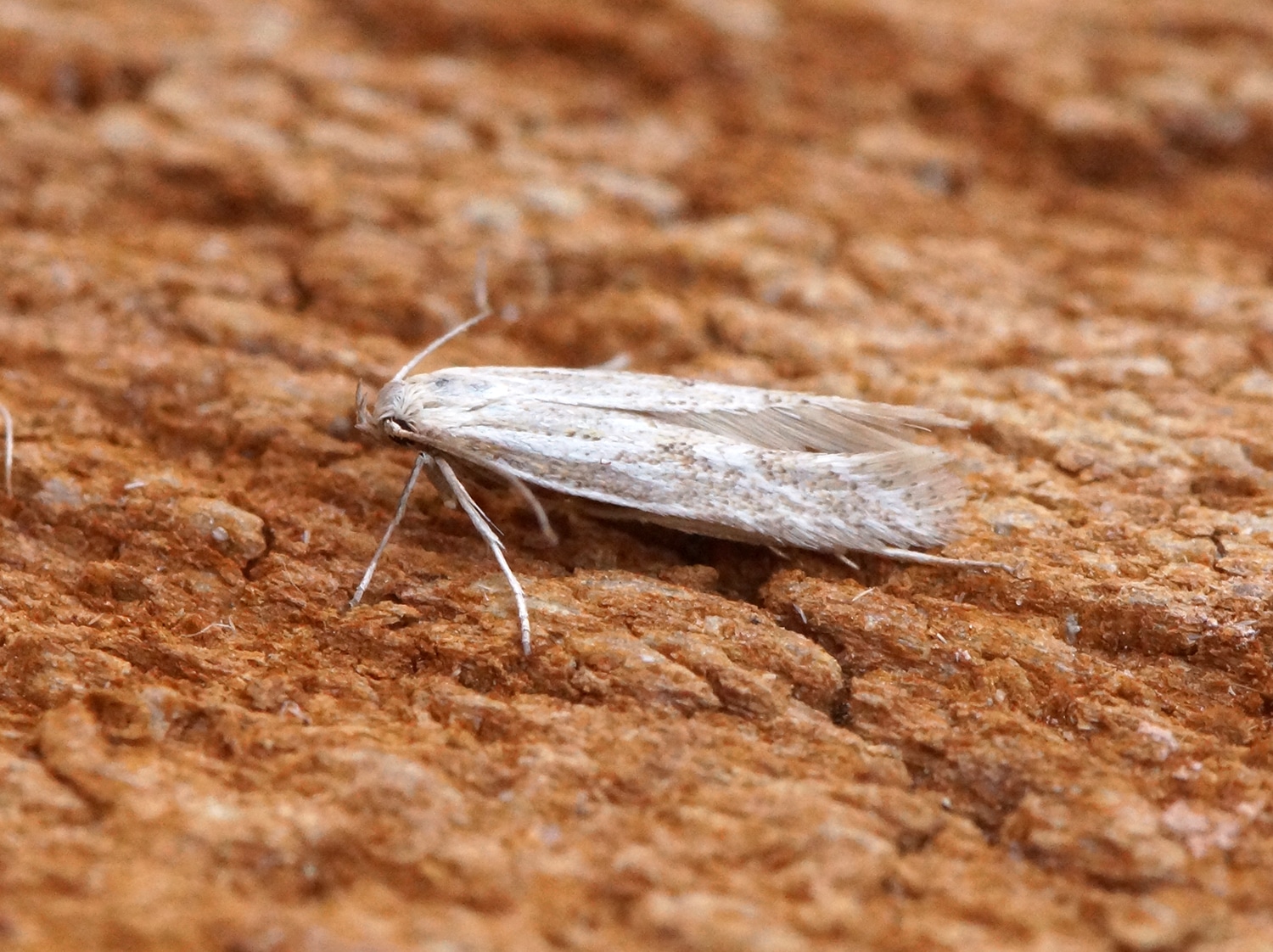
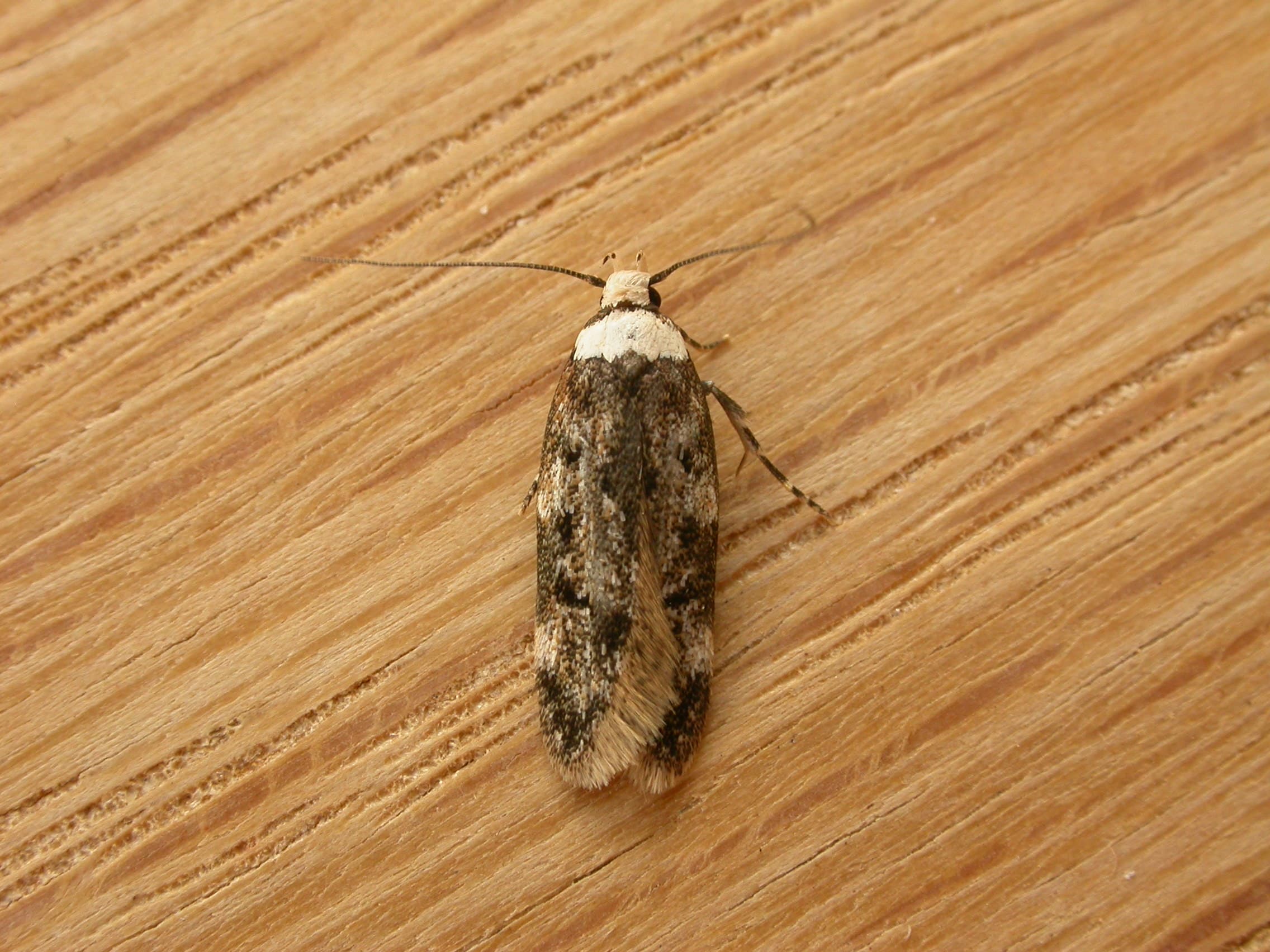
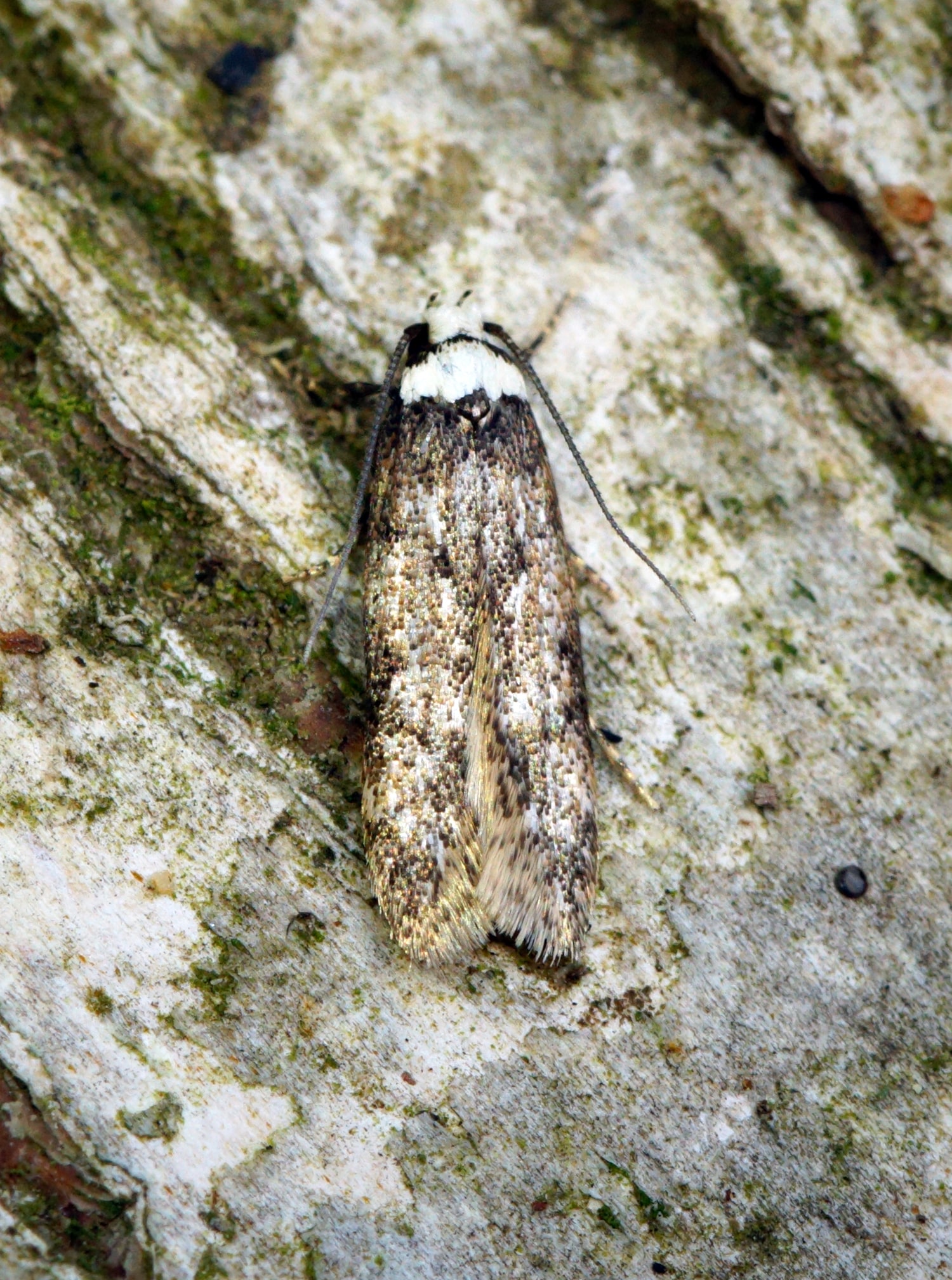
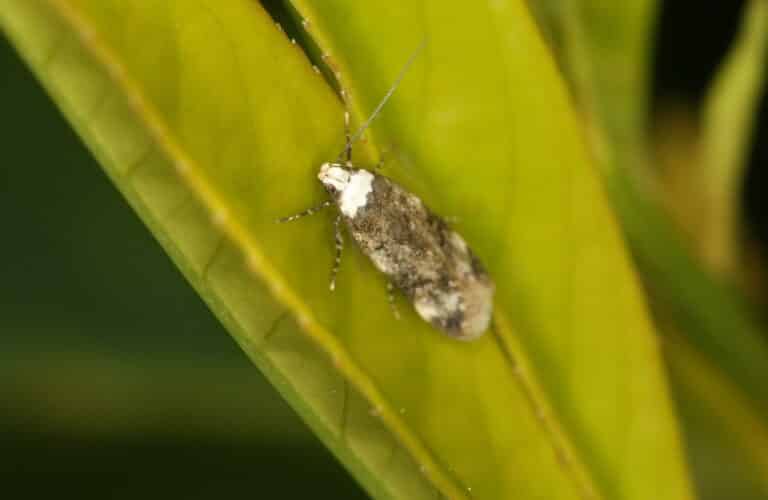
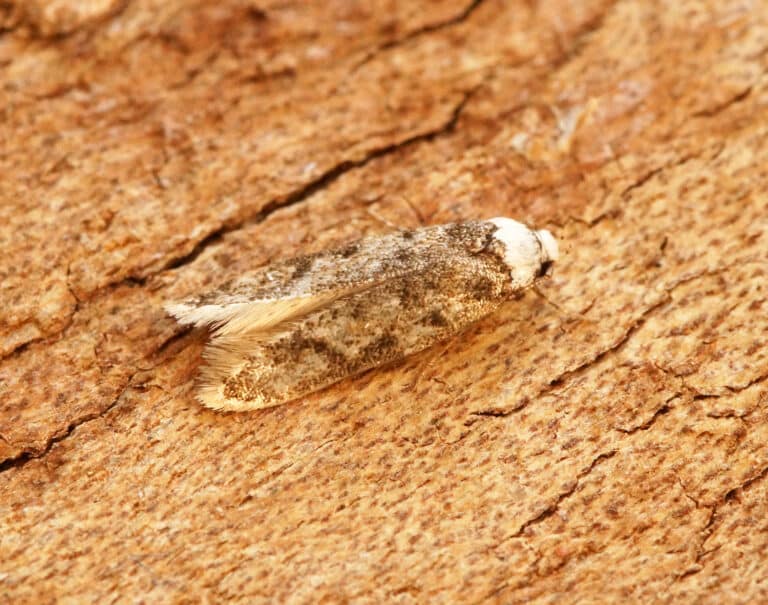
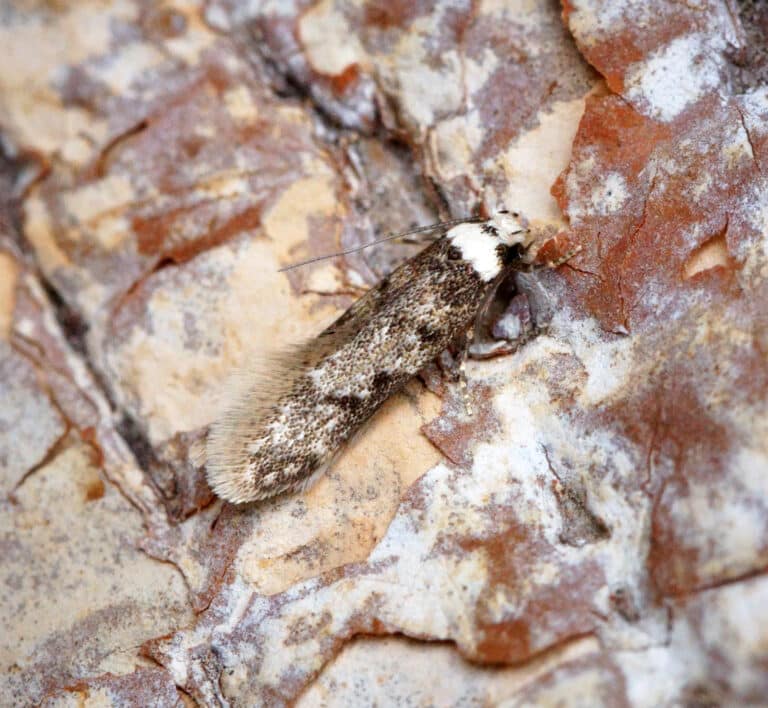
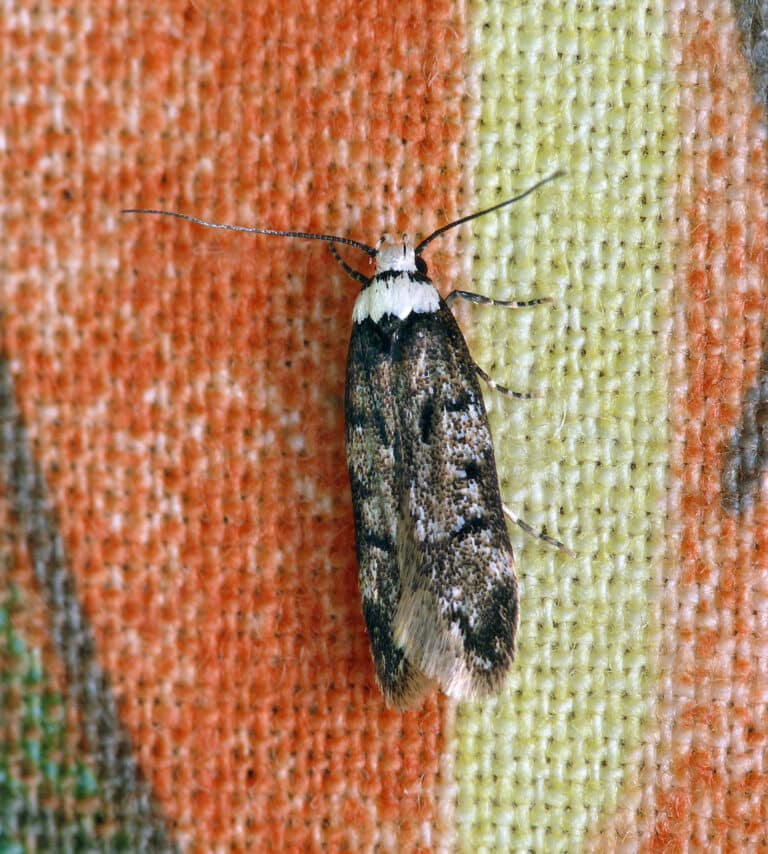
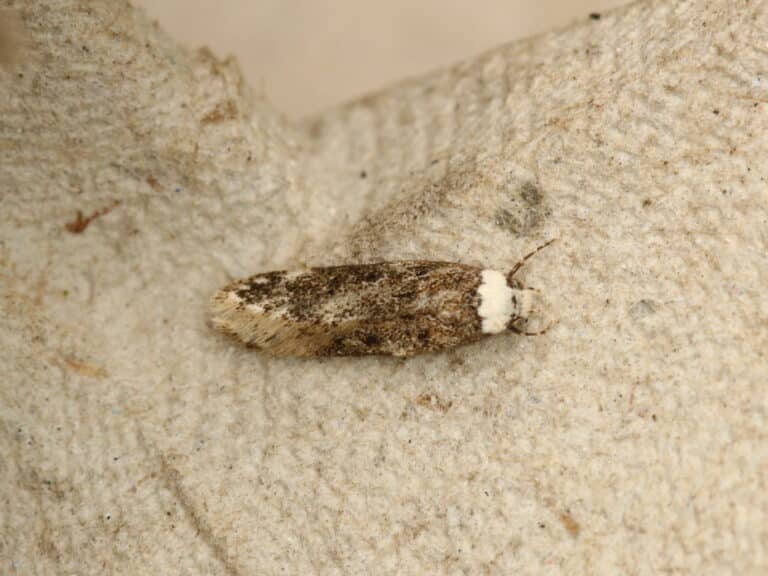
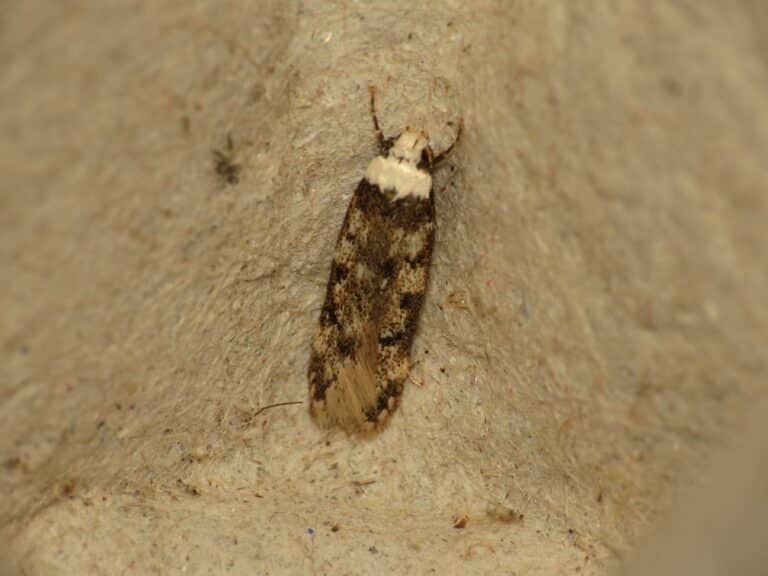
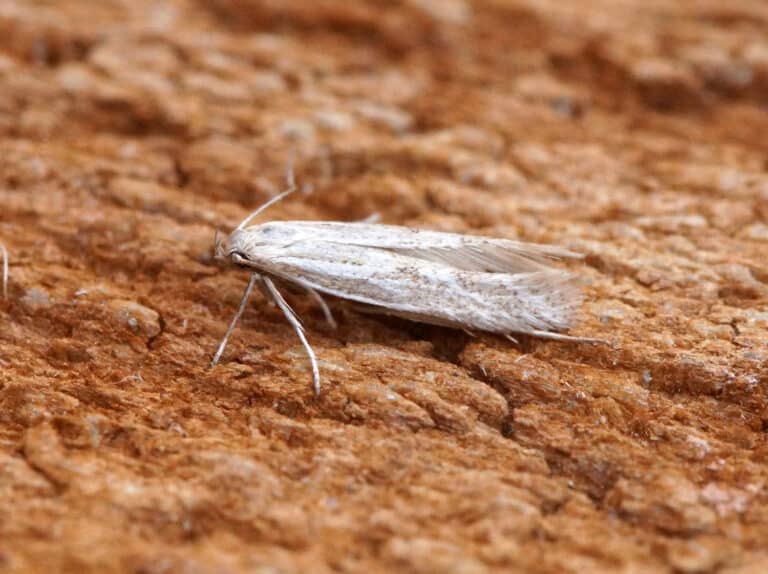
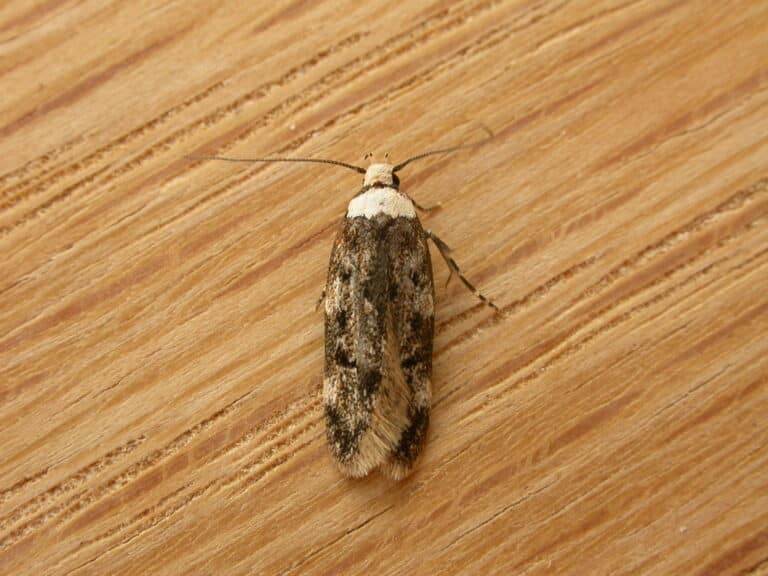
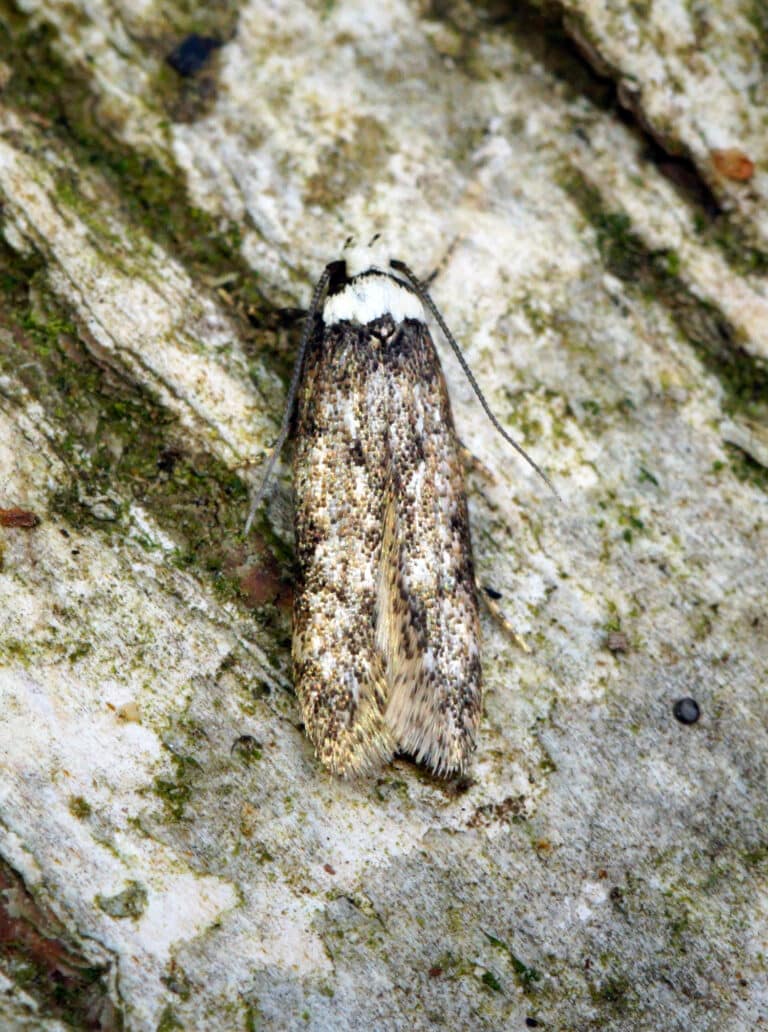
The White-shouldered House Moth, known scientifically as Endrosis sarcitrella, is a small yet curious insect belonging to the world of invertebrates. This little flutterer usually has a wingspan ranging from 1.2 to 1.8 centimeters (0.5 to 0.7 inches), which is perfect for zipping around our homes.
This moth spends its life munching on dried fruits, grains, and even your favorite fabrics! It may sound shocking, but these moths love to snack on materials that humans use, turning them into some unwelcome lunch dates at times.
The White-shouldered House Moth has a short lifespan of just 1 to 2 months. During this time, it zips around, lays eggs, and finds food, making every moment count in its tiny, fluttering life!
These little creatures belong to the order Lepidoptera, which means they are distant cousins of butterflies and other moths. Being part of the class Insecta, they showcase the amazing diversity and adaptability of insects living all around us.
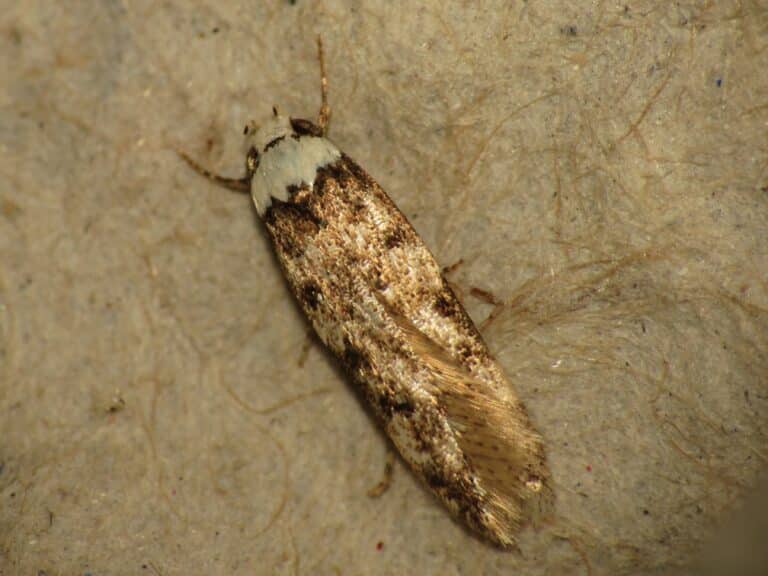
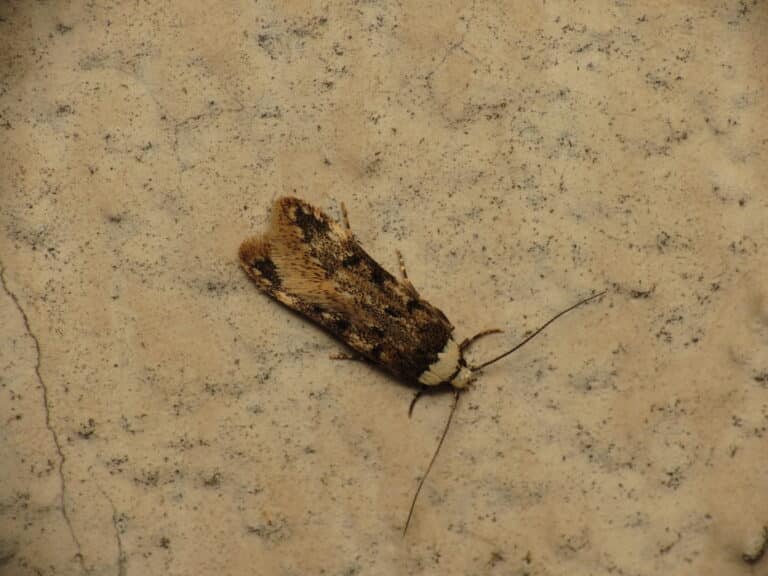
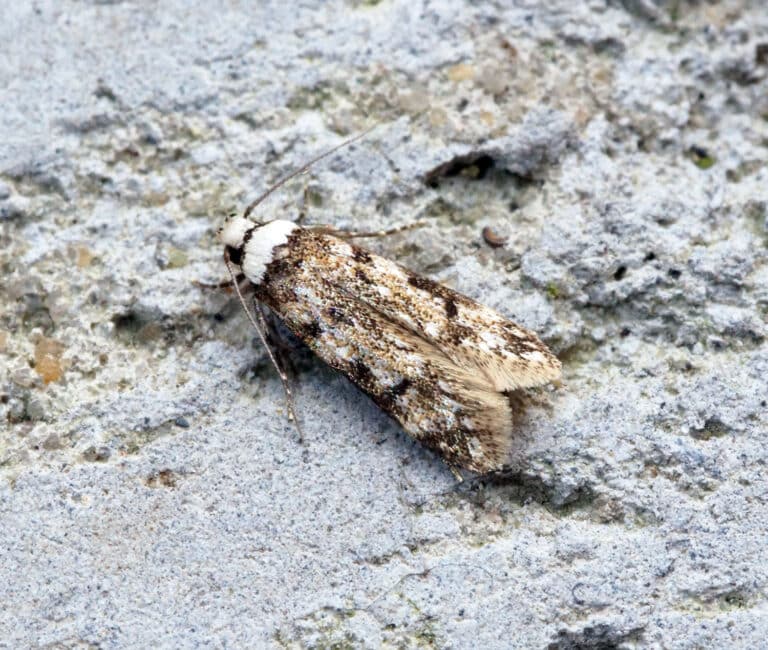
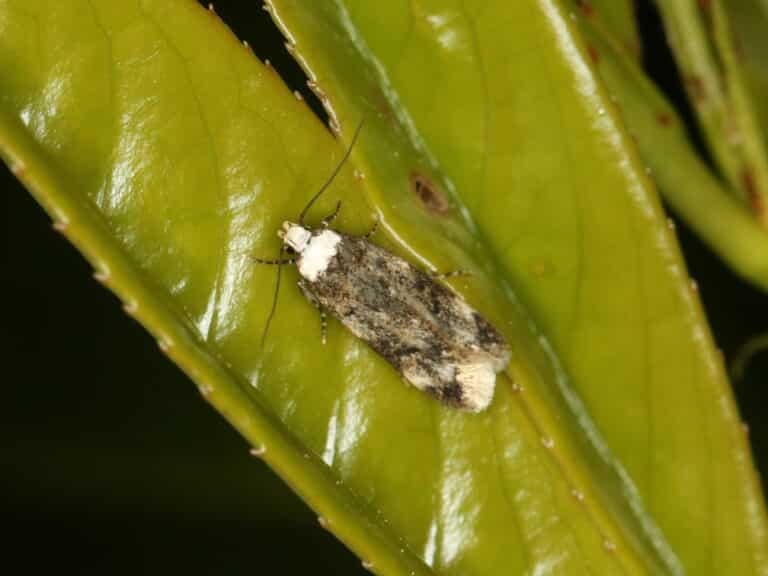
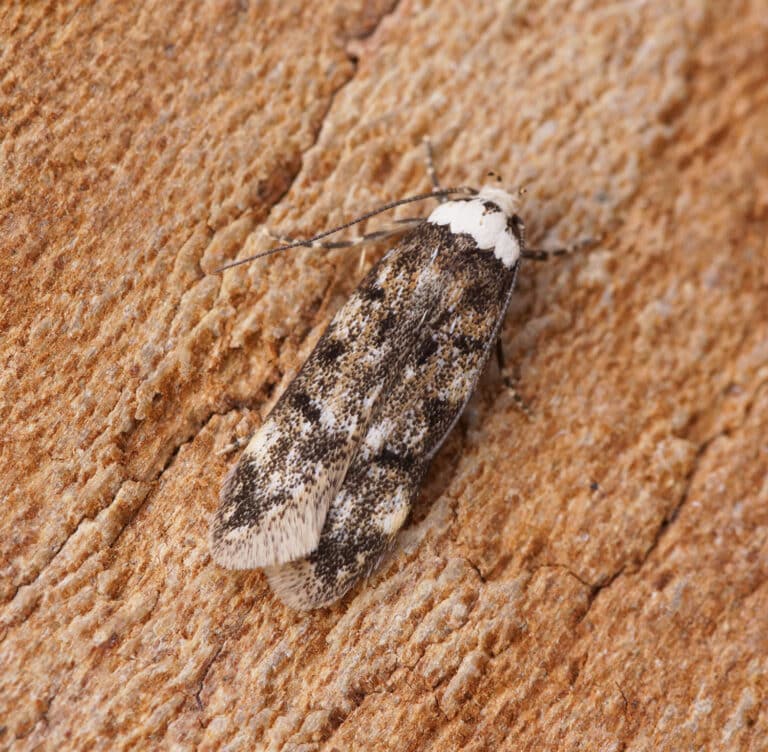
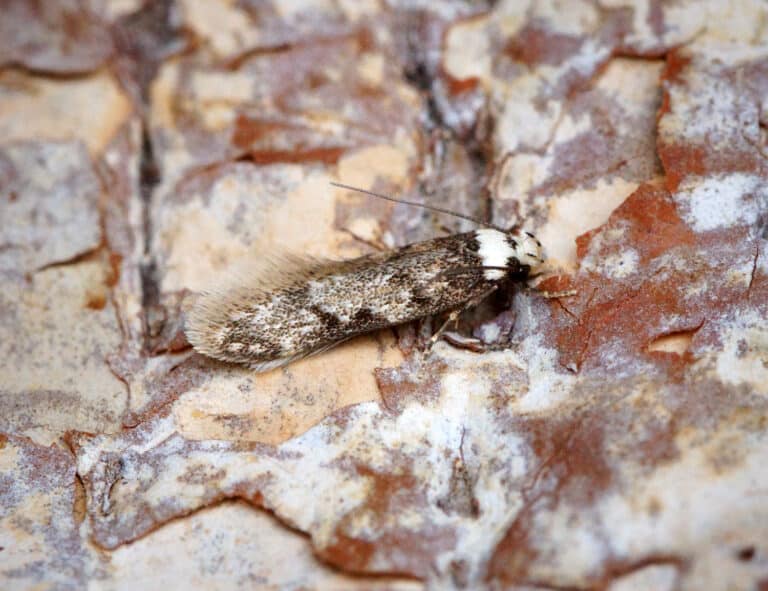
You might find the White-shouldered House Moth buzzing around in your home or garden, especially in Africa. They are great at blending in, with their beautiful colors and patterns, making them mysterious guests in the world of insects!
Remember, while these moths may seem pesky, they are simply doing what nature designed them to do. So, next time you see one flutter past, take a moment to appreciate this little moth's exciting adventure in your space!

Where can you find a White-shouldered House Moth in the wild?
What does a White-shouldered House Moth eat?
How big can a White-shouldered House Moth grow?
How long does a White-shouldered House Moth typically live?
What is the conservation status of the White-shouldered House Moth?
What are the main threats to the White-shouldered House Moth?
Fun facts
A White-shouldered House Moth can lay up to 100 eggs at a time! This means a tiny home can quickly become a bustling base of moth activity in no time!


This moth’s wings have delicate scales that shimmer in the light, making its fluttering look like a magical dance, especially as it moves through the darkness!
A White-shouldered House Moth can wiggle its way through very tiny spaces, thanks to its soft body, which can help it escape from predators like a tiny ninja!
This little moth has a superpower: it can survive without food for long periods. When snacks run low, it can still keep fluttering around like a true champion!
These moths communicate with one another through pheromones, which are special smells that attract mates, making dating a little more fragrant!
The White-shouldered House Moth has tiny, fuzzy antennae that help it smell and navigate in dark places, like having built-in radar to find food!
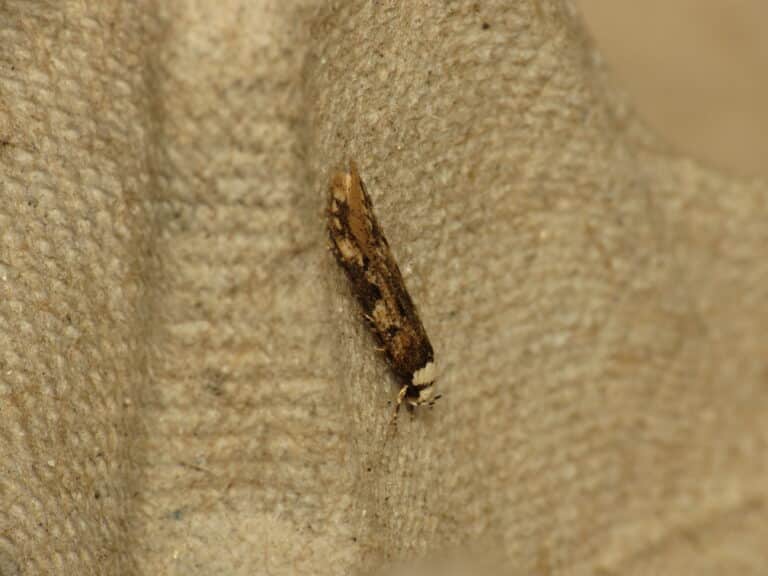
While on the lookout for food, this cunning moth often mimics its surroundings. It can blend into fabrics and dusty corners, turning itself into a hiding pro!
This moth loves the warmth! You will often spot it during the summer months, as it enjoys hanging out in cozy spots with a stable temperature.
When scared, this moth can freeze in place, staying completely still to avoid being noticed, like playing an expert game of hide-and-seek!
Its love for snacks can sometimes cause a little trouble; if you leave out dried fruits or grains, you might find a surprising number of these fluttering guests joining the party!
Photos





The Basics


explore more
Amphibians
Arachnids
Birds
Cats
Crustaceans
Fish
Fish Pet Guide
Gastropods
Insects
Invertebrates
Mammals
Pet Fish
Pet Rodents
Plants
Reptiles
Roundworms
Sea Slugs