
Successfully copied to clipboard!
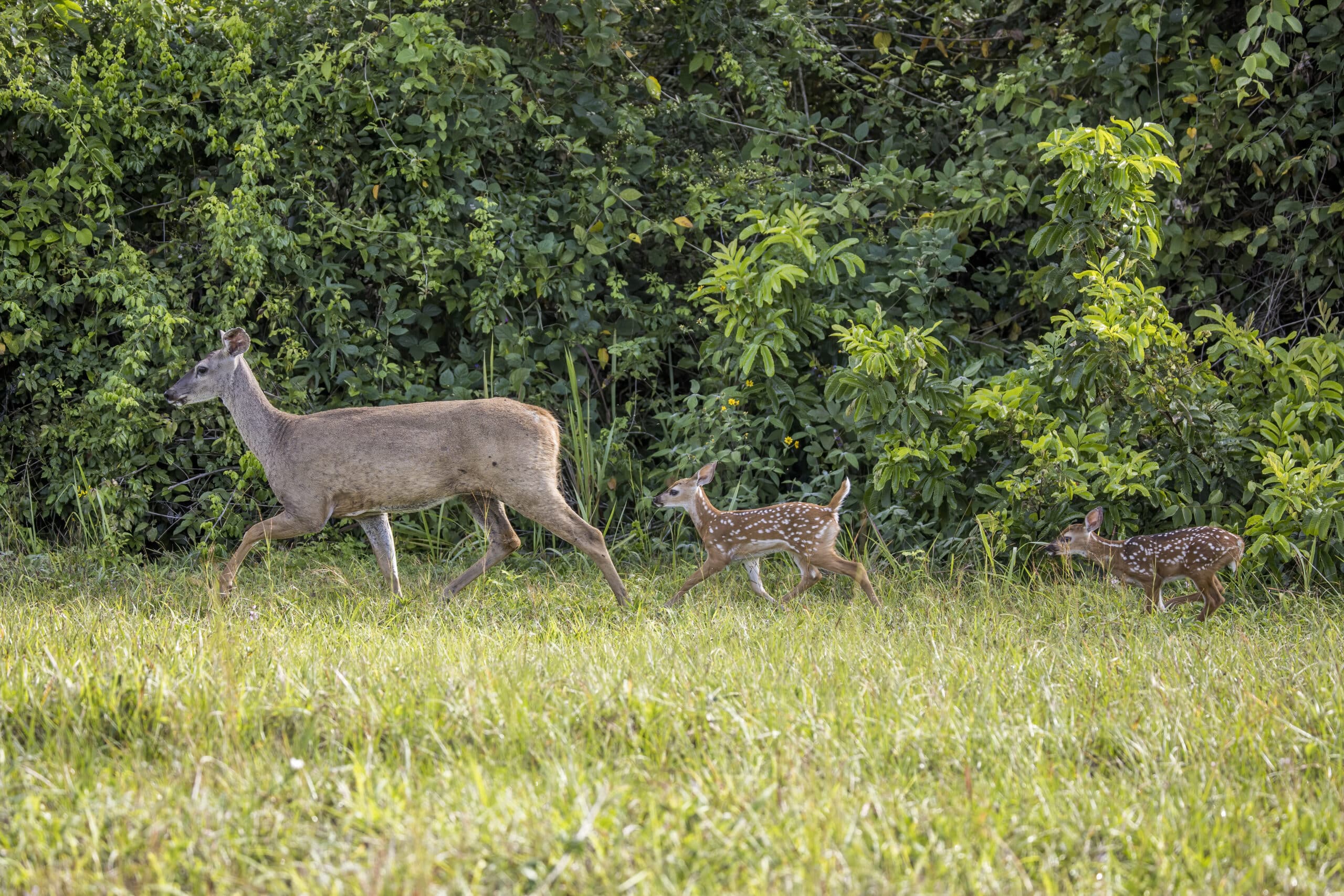
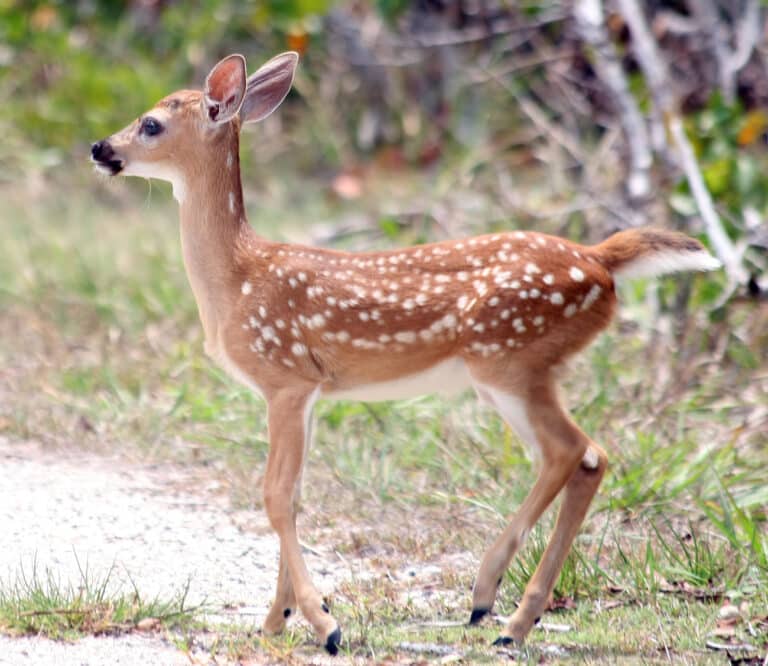
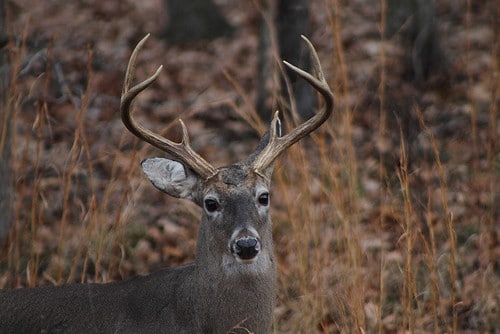
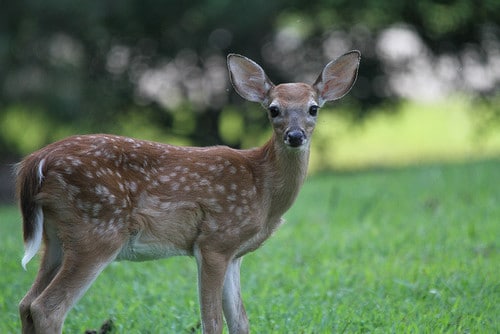
White-tail deer
Experience the magic of nature with graceful woodland athletes!
Let’s Explore
Overview
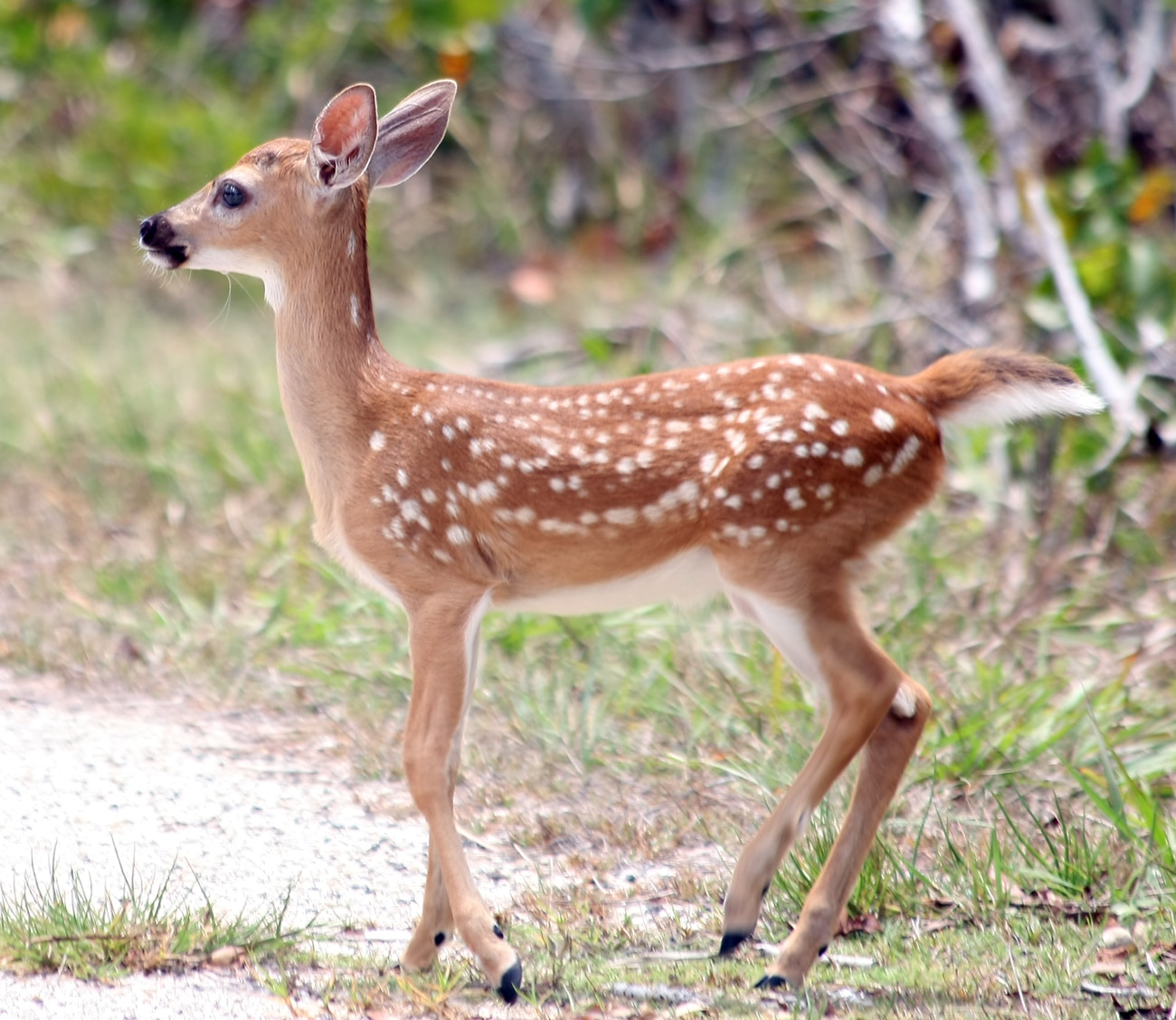
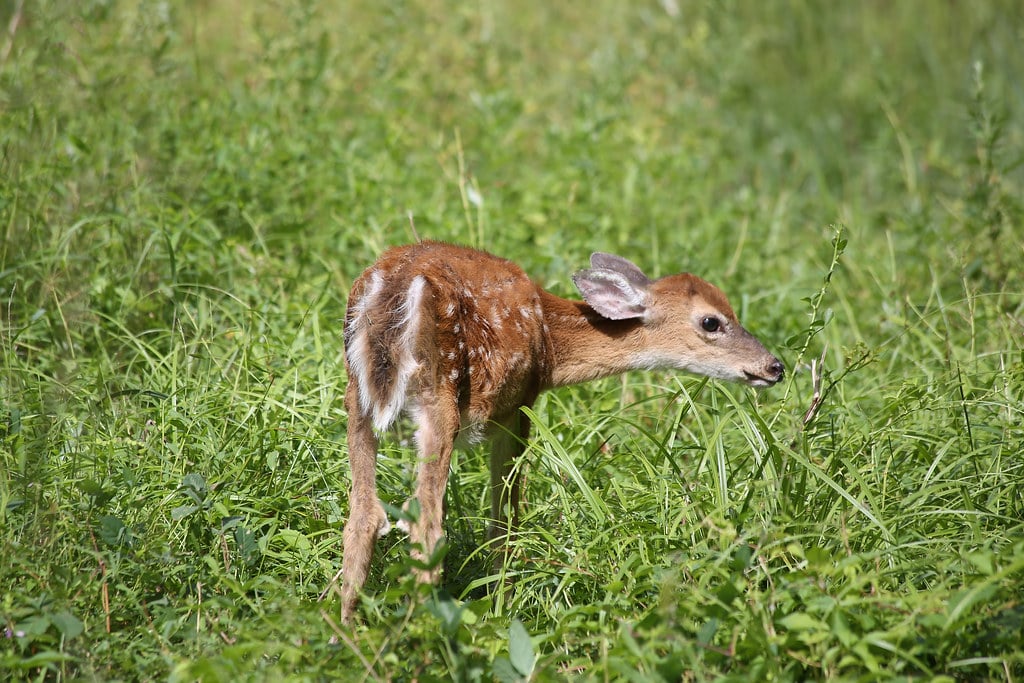
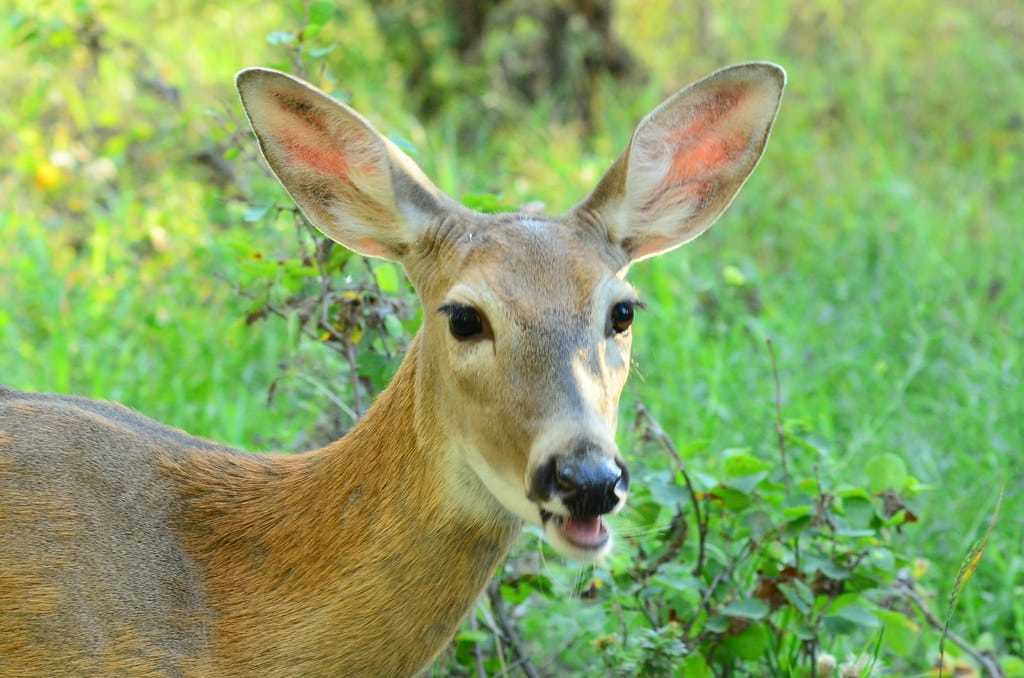
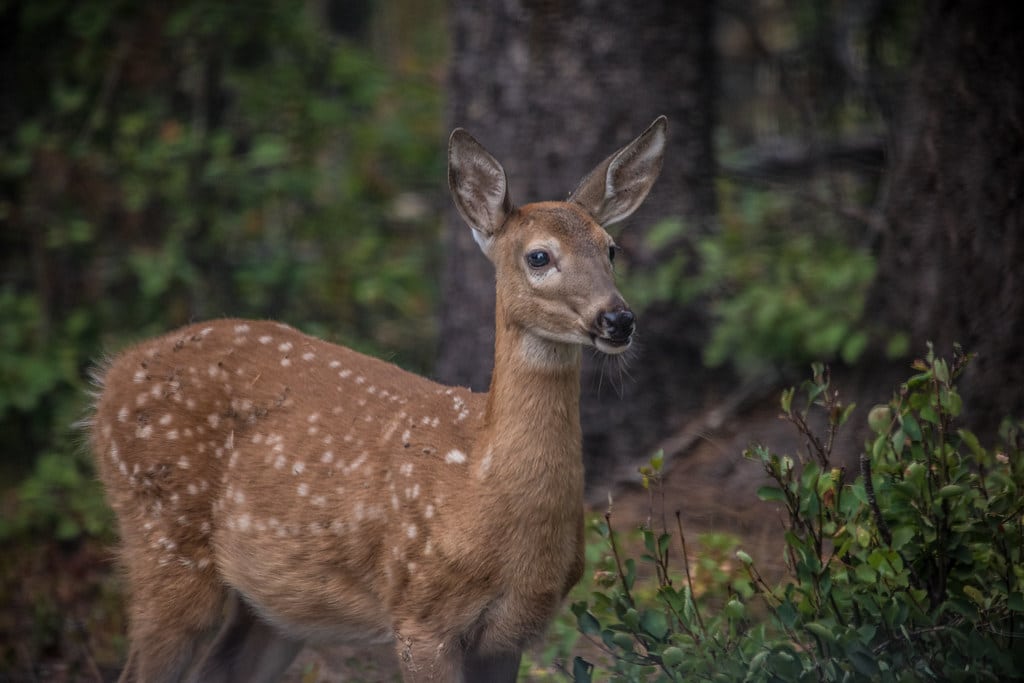
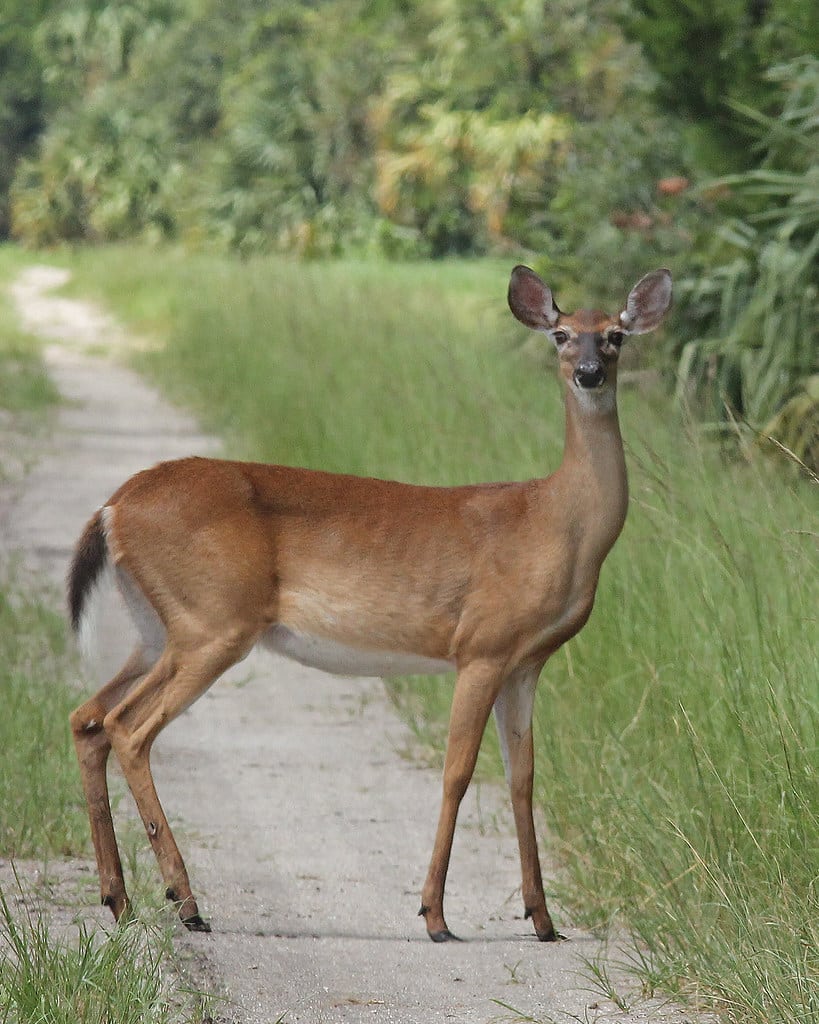
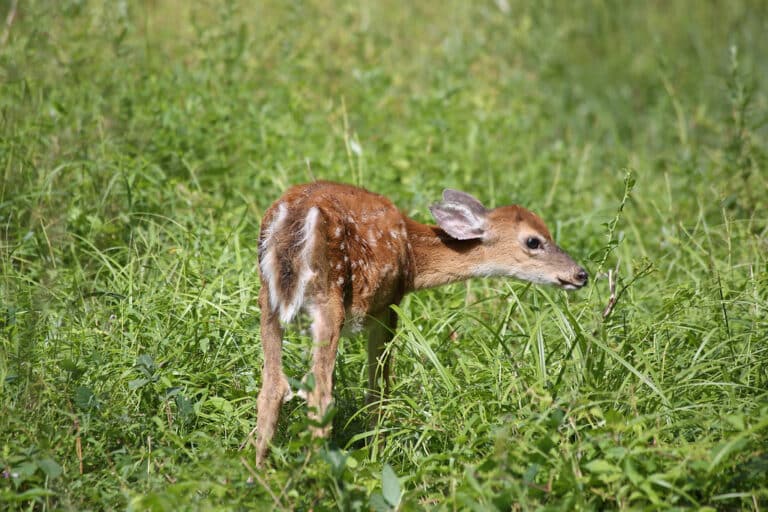
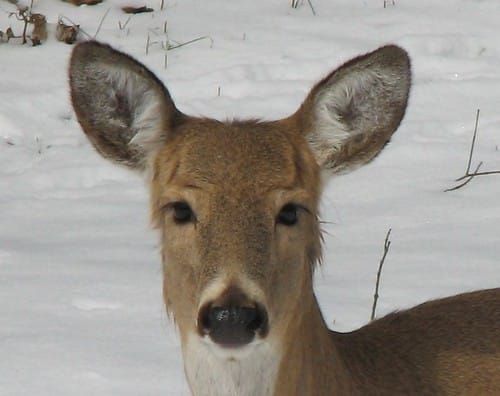
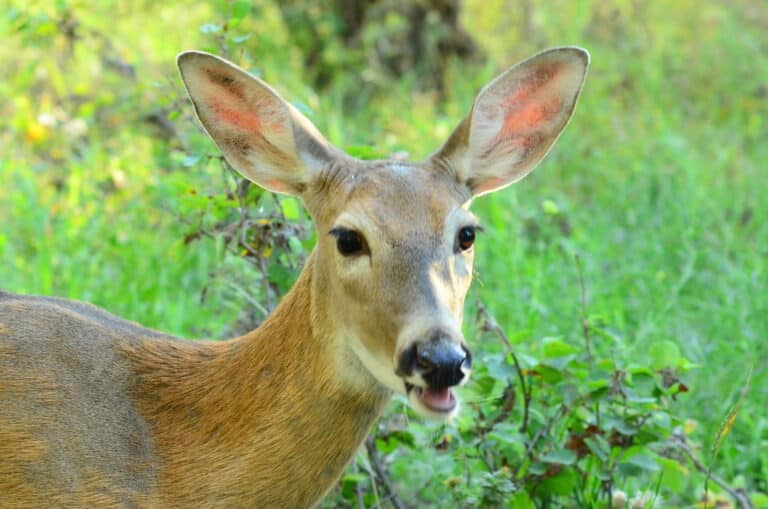
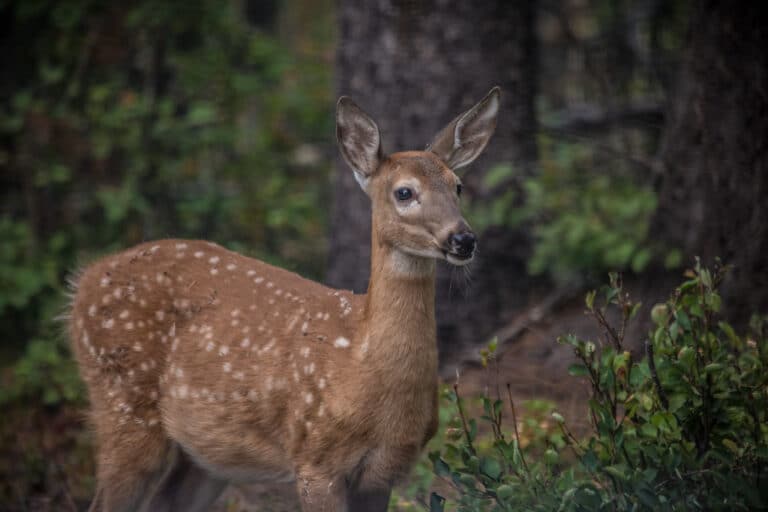
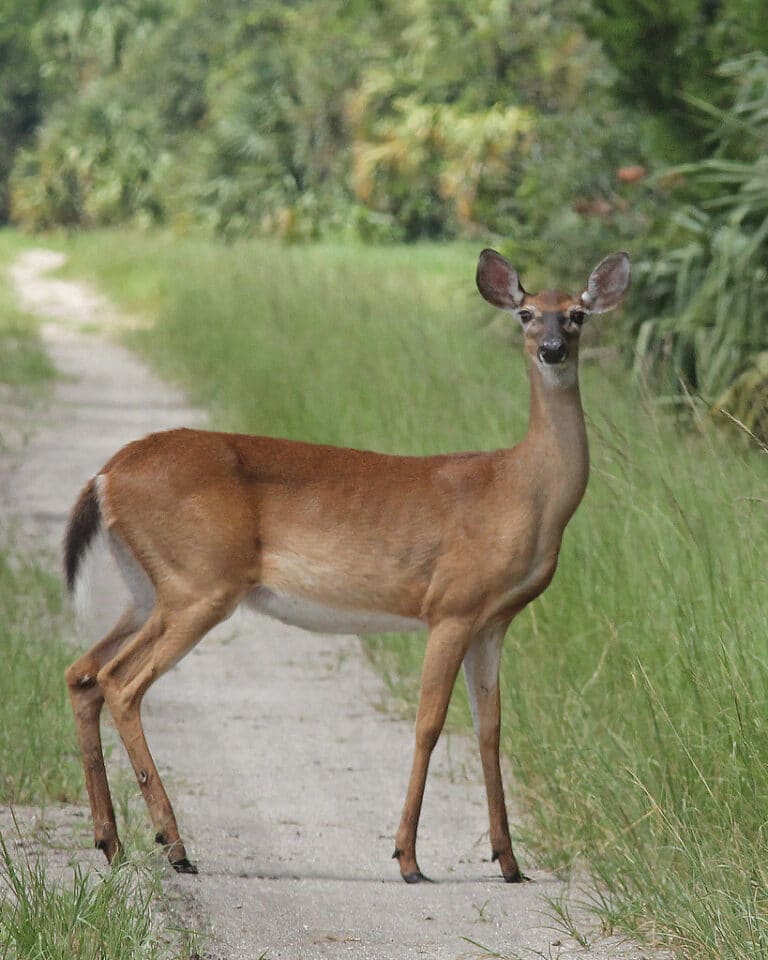
The white-tailed deer is a stunning mammal found in Central America. These graceful creatures stand about 0.9 to 1.2 meters (3 to 4 feet) tall at the shoulder, making them easy to spot in the wild.
White-tailed deer are named for their fluffy, white tails that they raise as a warning signal. When they feel threatened, they dance away, showcasing their tails like a 'flag' to alert friends of danger.
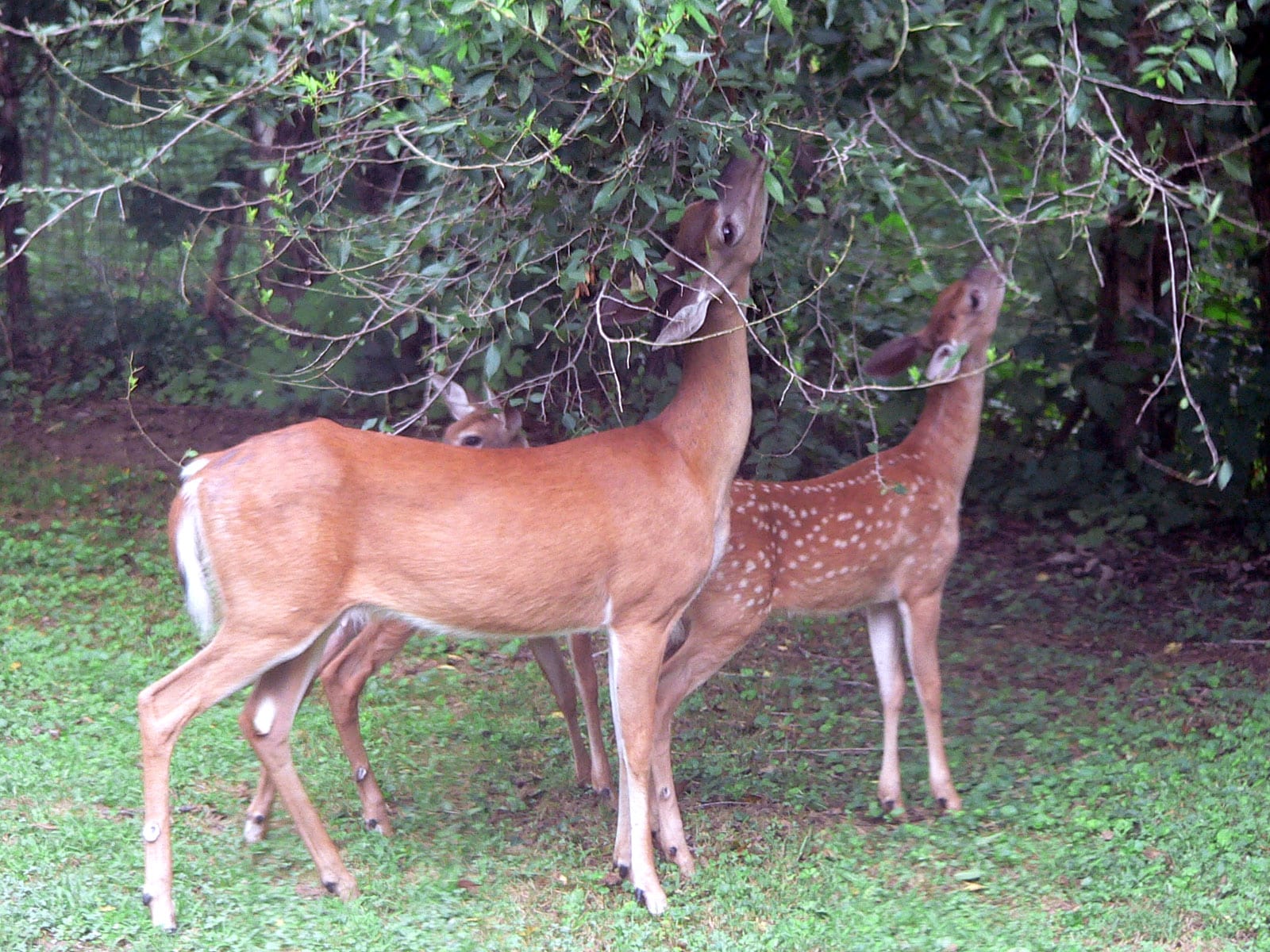
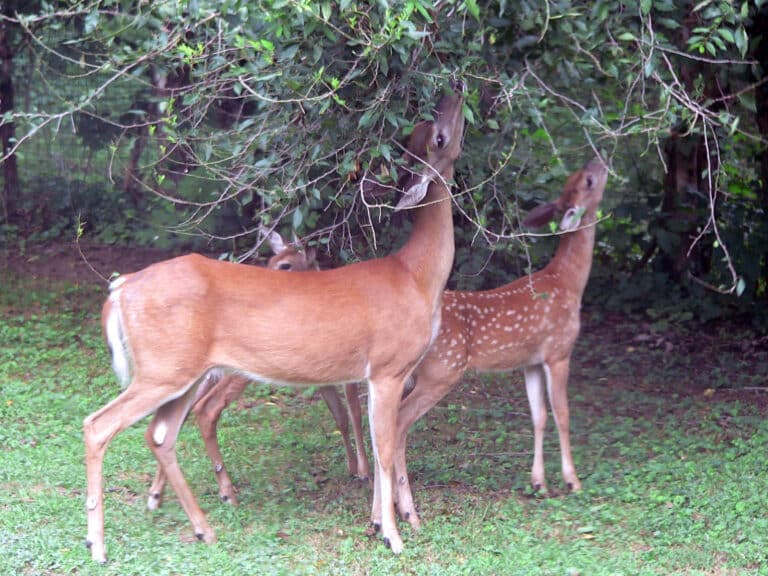
This species munches on a variety of tasty plants, twigs, and nuts, making them herbivores. They love to snack in the coolness of dawn and dusk.
White-tailed deer live around 6 to 14 years in the wild, which is quite a run for a creature that is both nimble and quick! They can sprint at speeds up to 48 kilometers per hour (30 miles per hour) when they need to escape.
This deer’s adaptable nature lets it thrive in different environments, from forests to grasslands. Each time you see a white-tailed deer, remember that you're in the presence of a true woodland athlete!
In addition to their athleticism, white-tailed deer have a fascinating social life. They often gather in small groups, called herds, where they can share the latest gossip about the best grazing spots!
These amazing creatures show how life can flourish all around us. Next time you venture outdoors, keep an eye out for a white-tailed deer and let your imagination run wild!

Where can you find a White-tail deer in the wild?
What does a White-tail deer eat?
How big can a White-tail deer grow?
How long does a White-tail deer typically live?
What is the conservation status of the White-tail deer?
What are the main threats to the White-tail deer?
Fun facts
White-tailed deer can jump over obstacles that are as high as 3 meters (10 feet), thanks to their powerful legs that act like springs!


These animals have a unique way of communicating with each other. They make a series of grunts, bleats, and even snorts to send messages about food, danger, or mating.
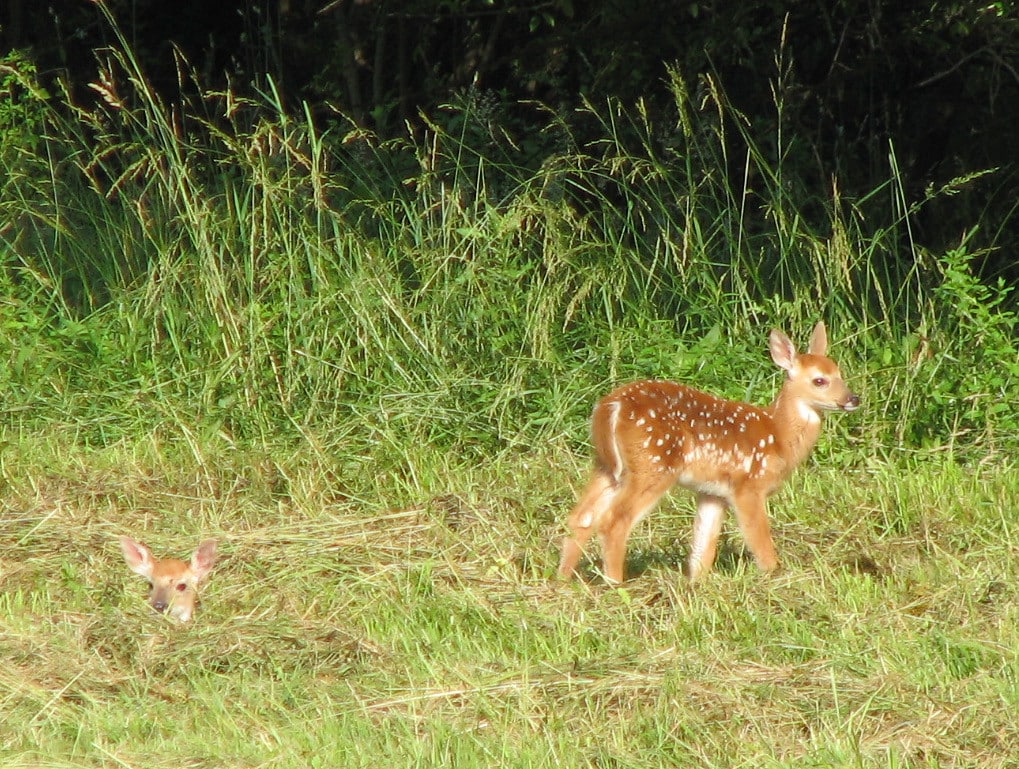
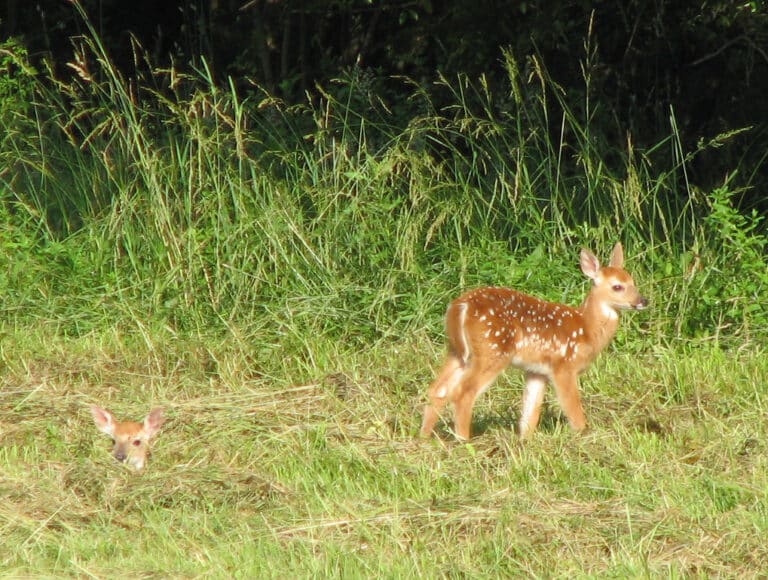
A mother deer can recognize her fawn's voice among a crowd, helping her find her baby even in a busy forest!
White-tailed deer have amazing eyesight and can see in color, but they don't see the colors red and orange as humans do. This helps them spot predators while blending in with their surroundings.
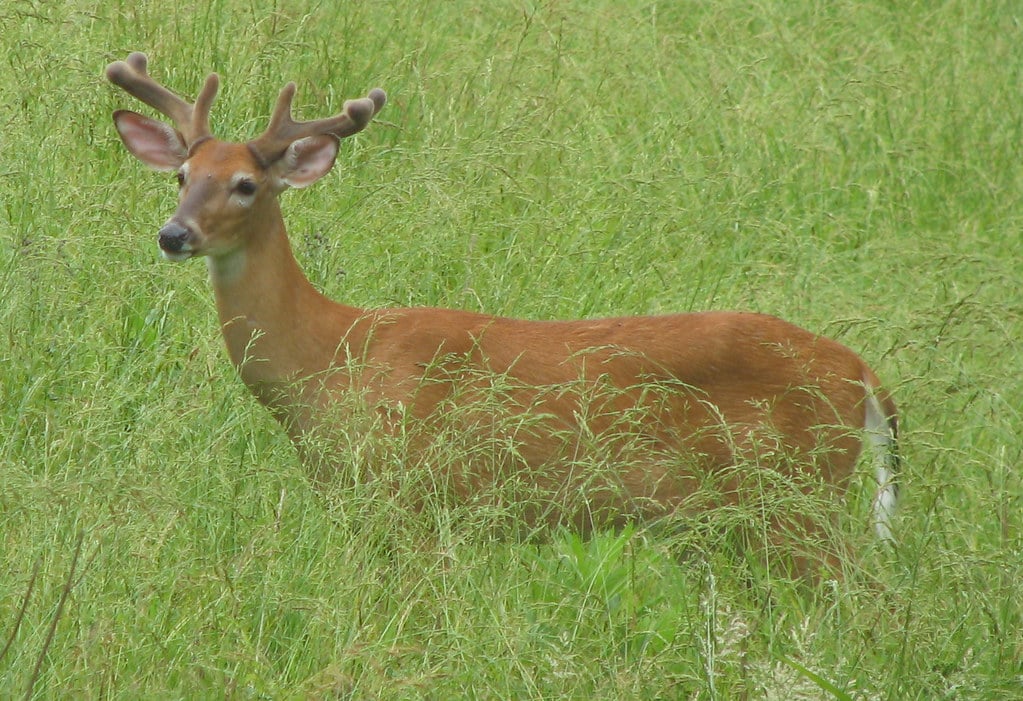
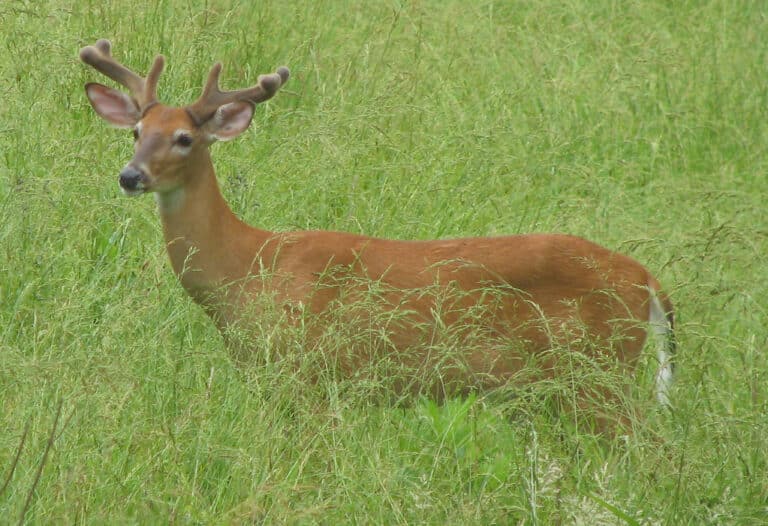
During winter, these deer's coats grow thicker, allowing them to stay warm in cold weather. They can even lose their antlers in the winter and grow new, bigger ones each spring!
Some deer can run up to 48 kilometers per hour (30 miles per hour) over short distances, making them one of the fastest land mammals!
White-tailed deer love to eat acorns, but they have a special talent: they can remember where they bury acorns, which helps them find snacks later!
The white tail of a deer serves as a warning flag. When they sense danger, they raise it high so that other deer in the area know to be alert!
When frightened, white-tailed deer can quickly leap sideways and dart through the forest, displaying a dance-like movement that helps them escape from threats.
In some areas, deer can overpopulate, leading to hungry deer and problems for farmers, but wildlife experts help manage their numbers socially and safely.
Photos



The Basics


explore more
Amphibians
Arachnids
Birds
Cats
Crustaceans
Fish
Fish Pet Guide
Gastropods
Insects
Invertebrates
Mammals
Pet Fish
Pet Rodents
Plants
Reptiles
Roundworms
Sea Slugs