
Successfully copied to clipboard!
Wildebeest
Experience the thrilling journeys of the great grassland grazers!
Let’s Explore
Overview
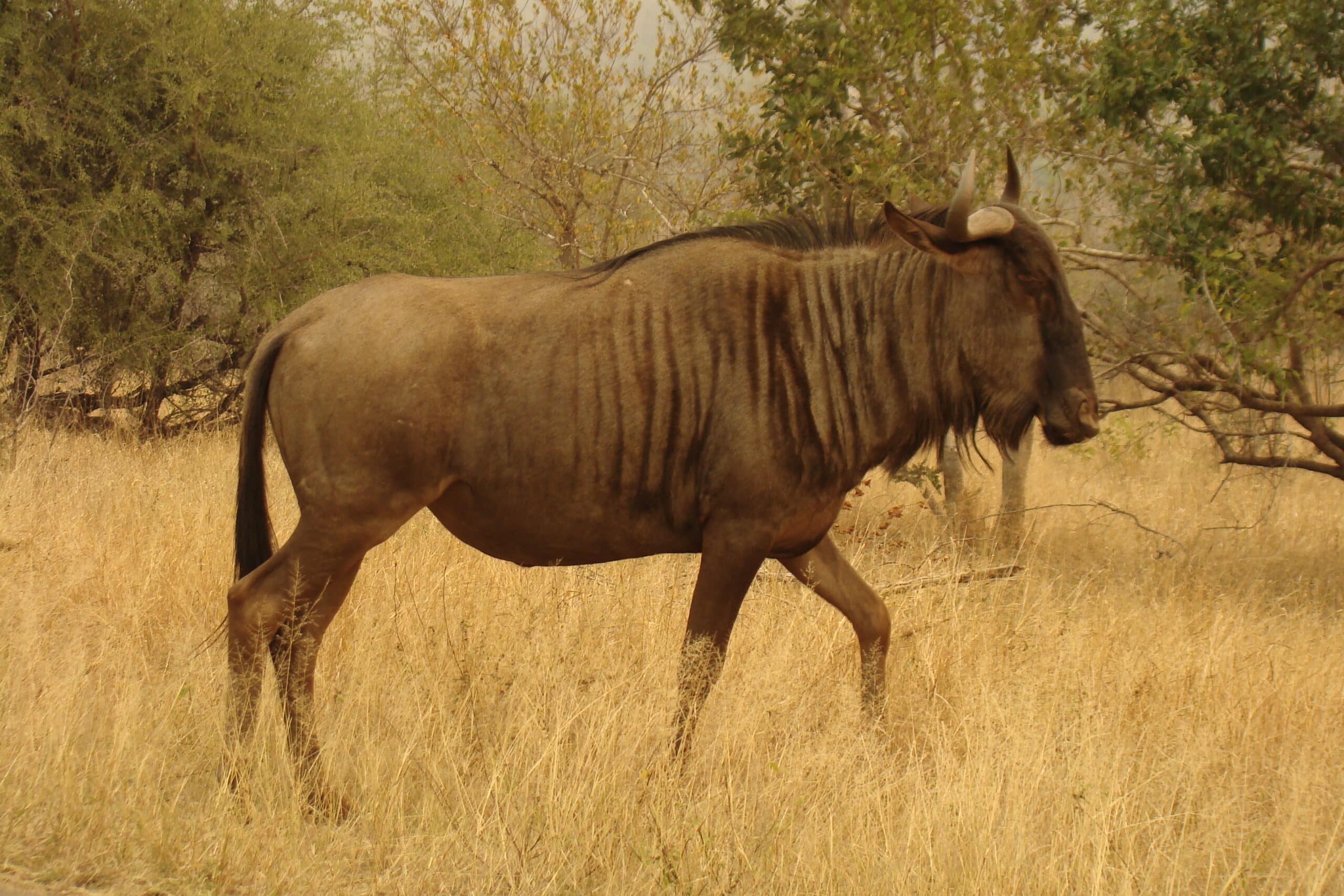
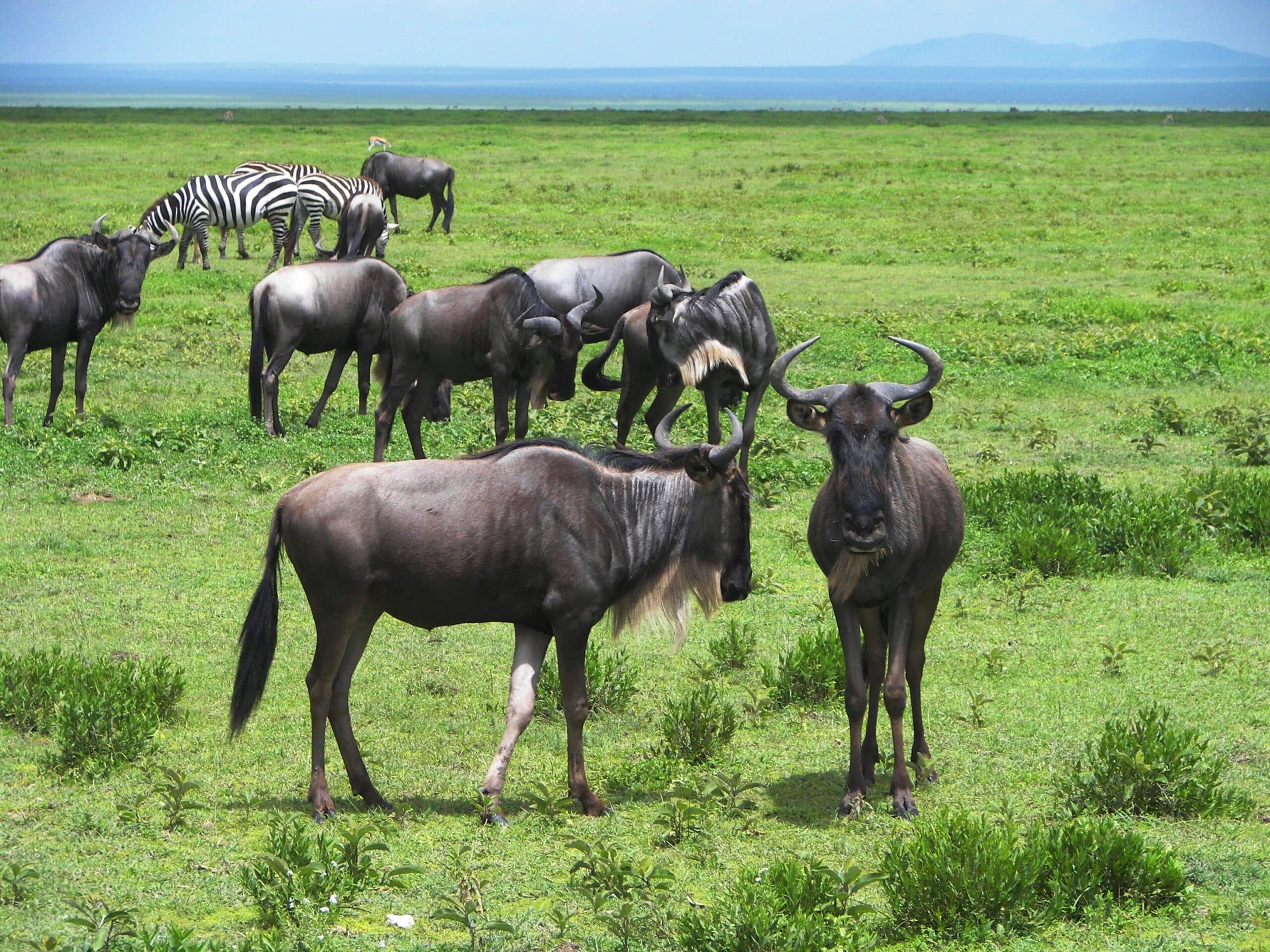
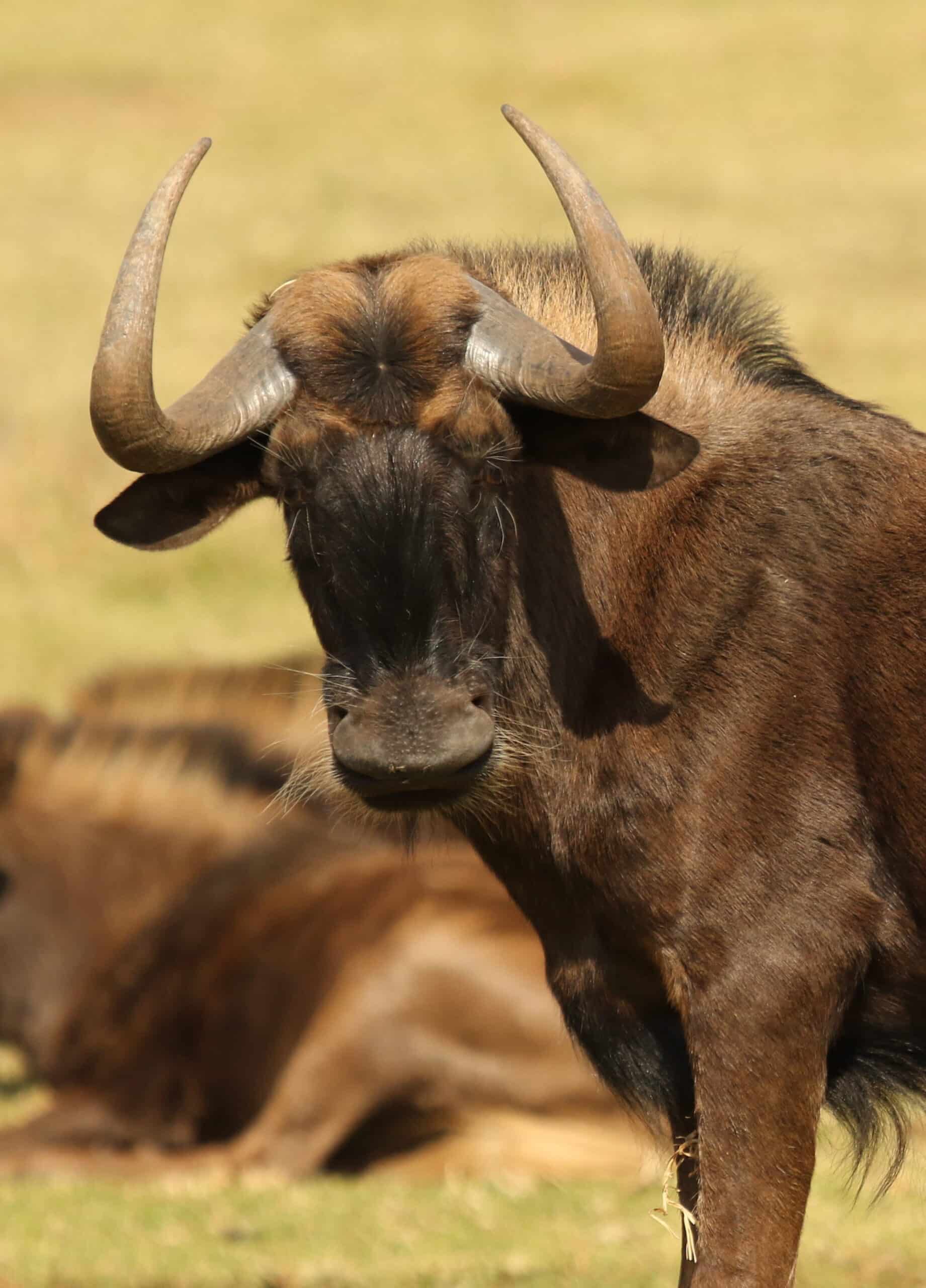
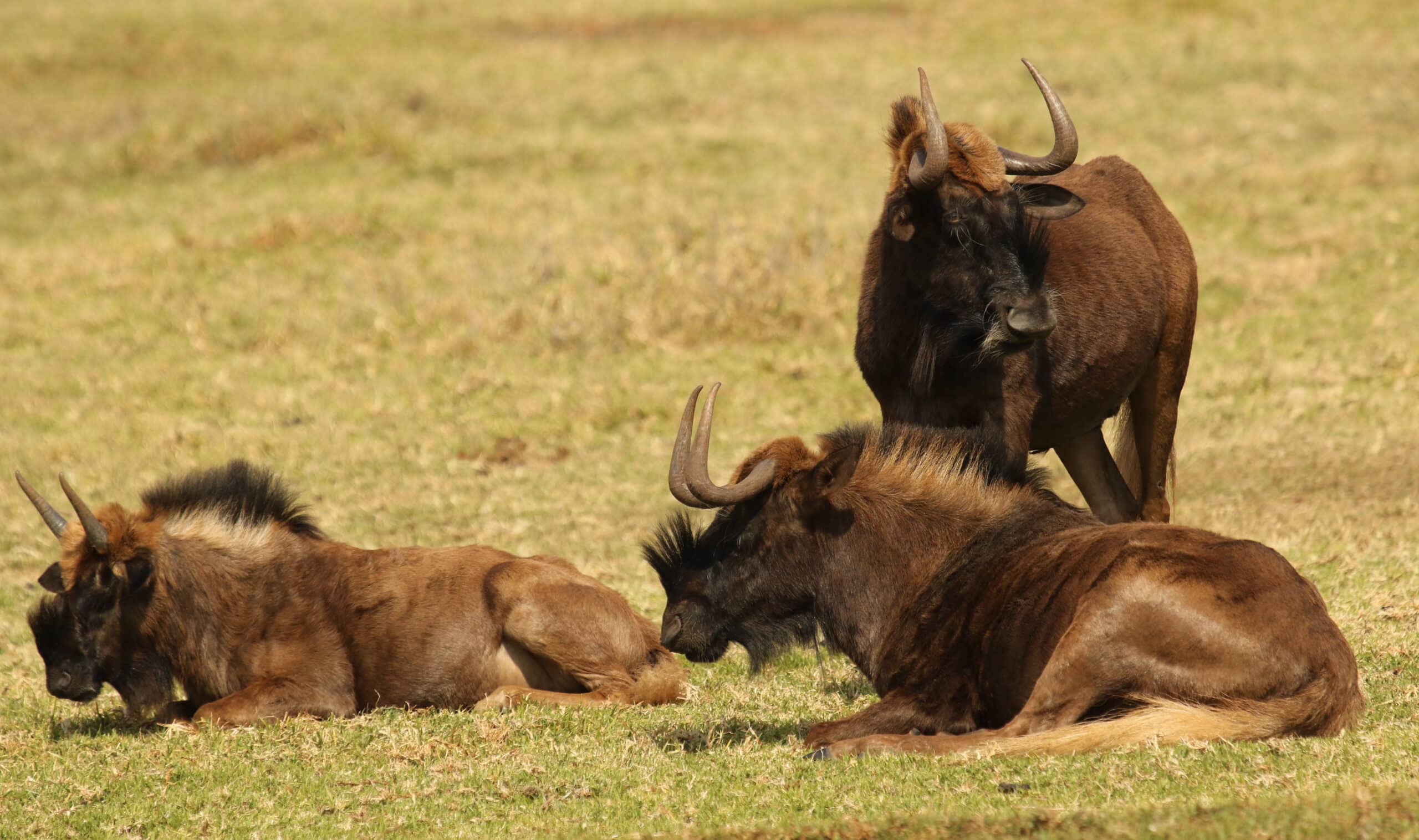
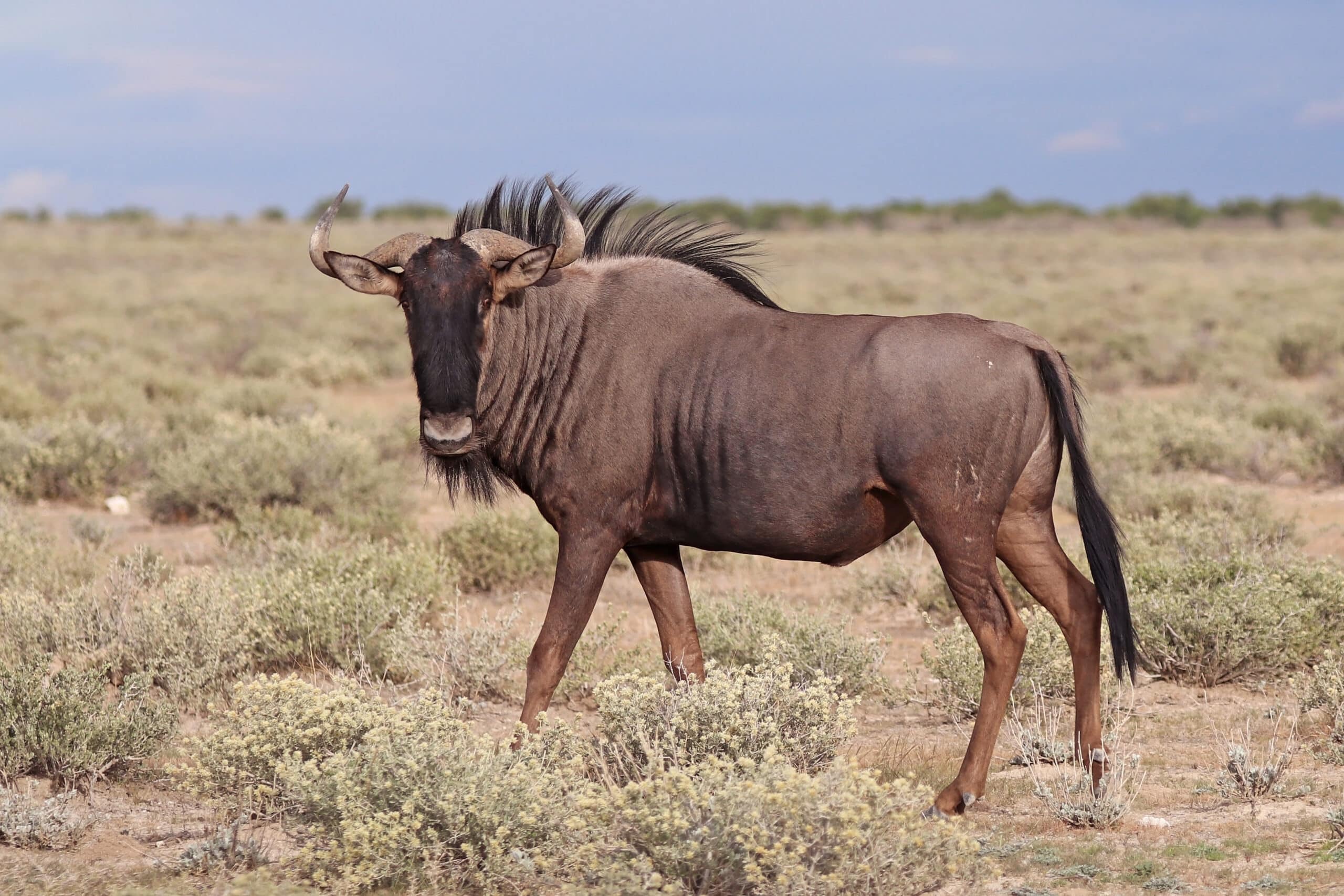
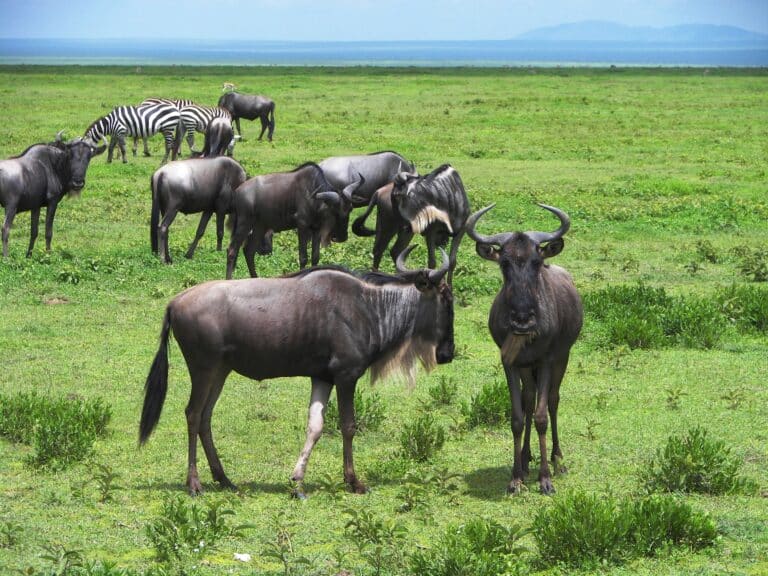
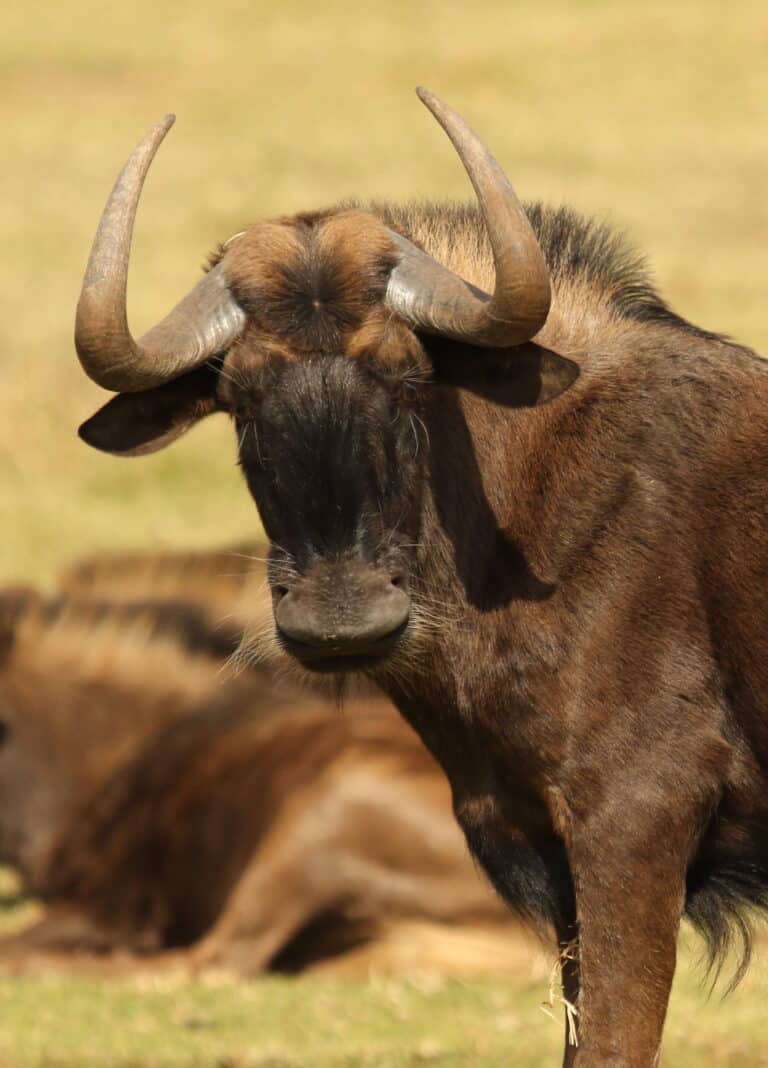
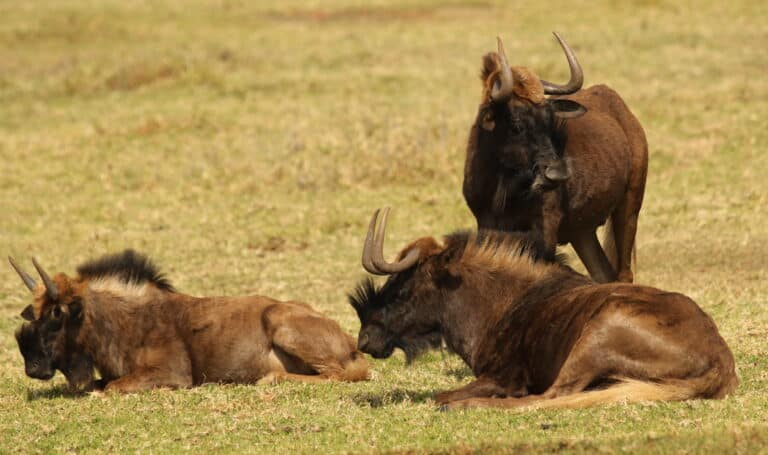
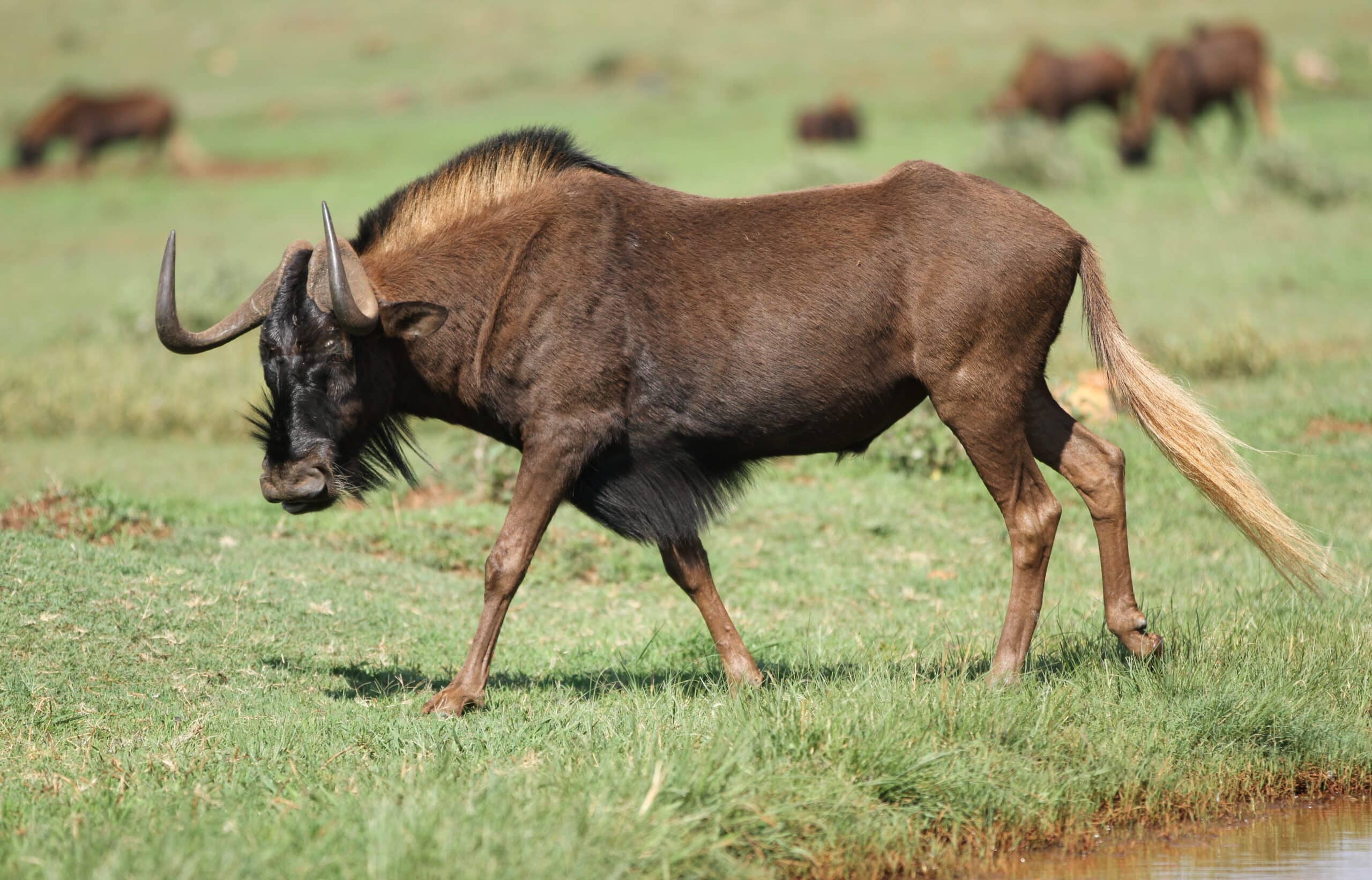
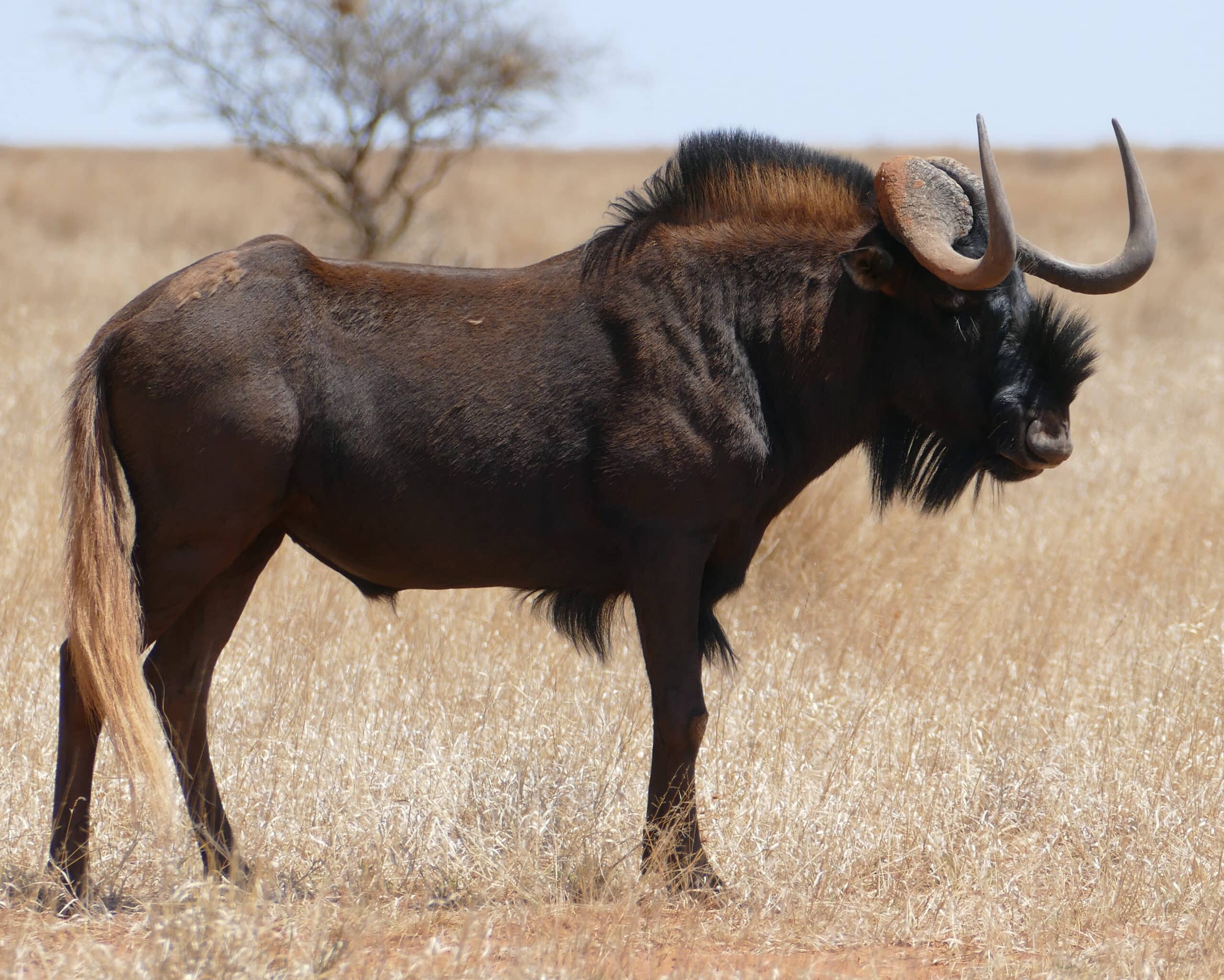
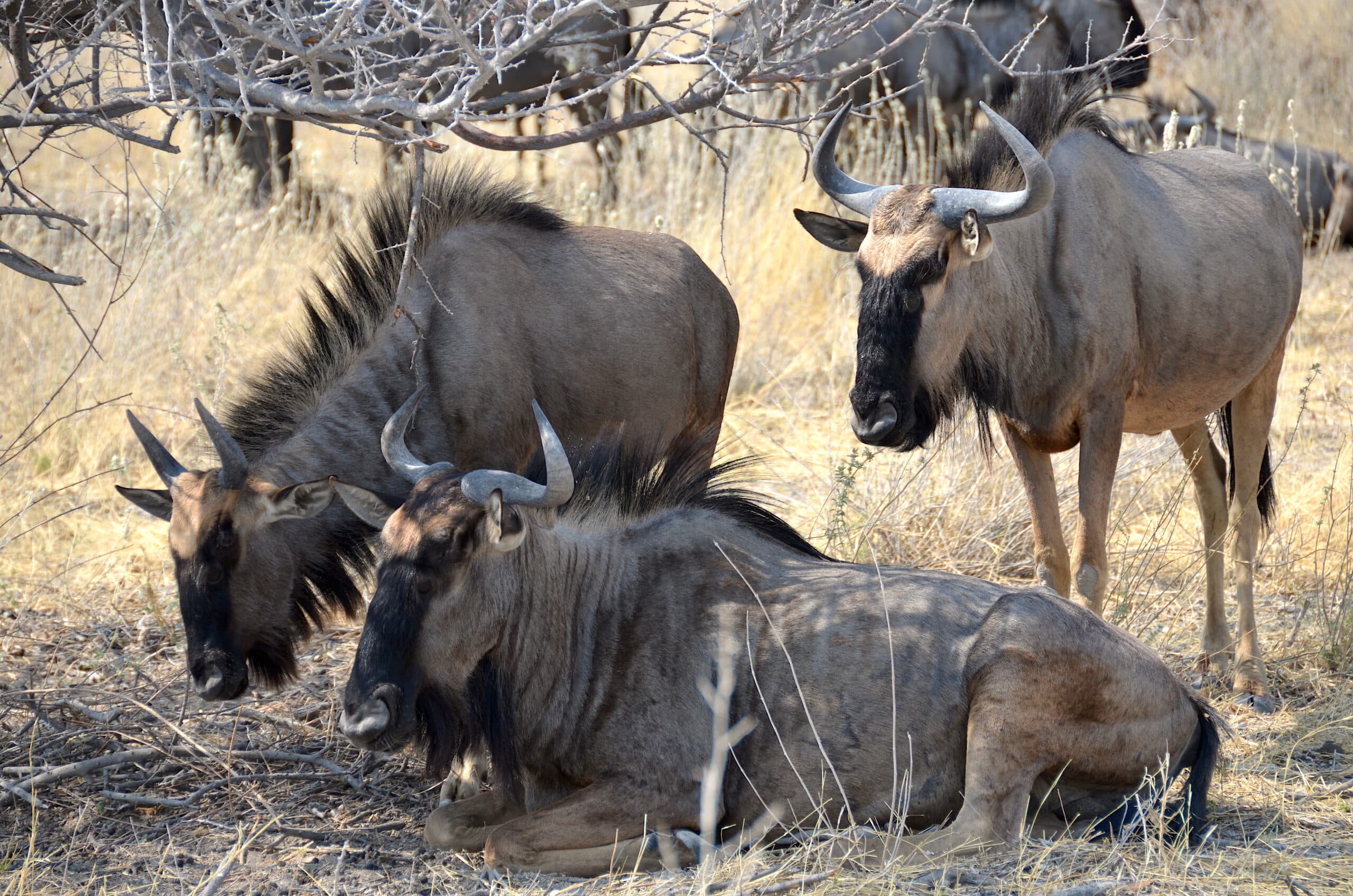
Wildebeests, also called gnus, roam the African savannas with their impressive herd behavior. These hoofed mammals belong to the Bovidae family and are known for their long, shaggy hair and unique curved horns.
Wildebeests stand about 1.2 to 1.5 meters (4 to 5 feet) tall at the shoulder. With their strong legs and large bodies, they can run fast, reaching speeds up to 50 kilometers per hour (31 miles per hour) to escape from predators.
These grazers primarily feast on grasses, making them an important part of the ecosystem. Wildebeests have a keen sense of smell that helps them locate fresh grazing areas across the African plains.
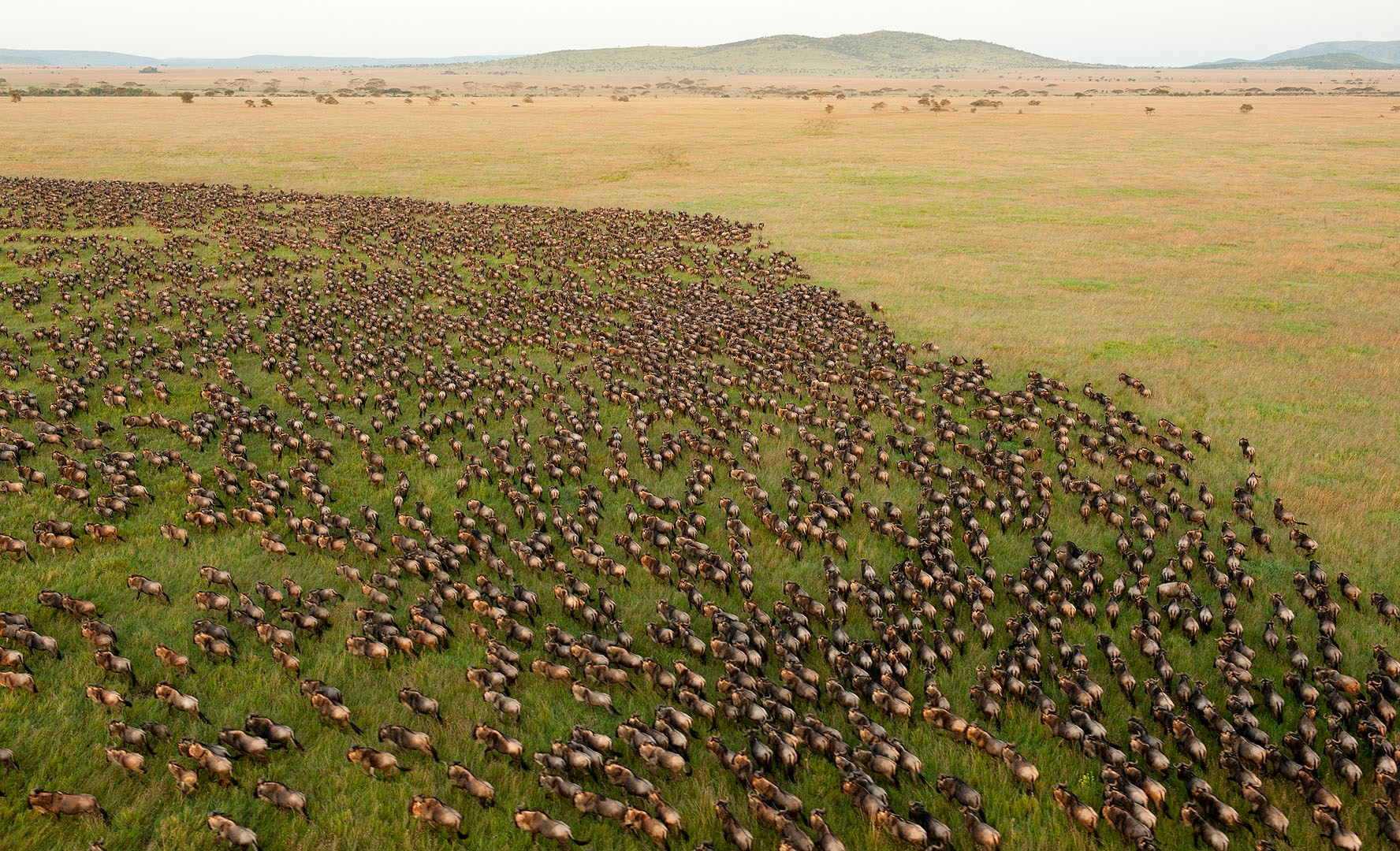
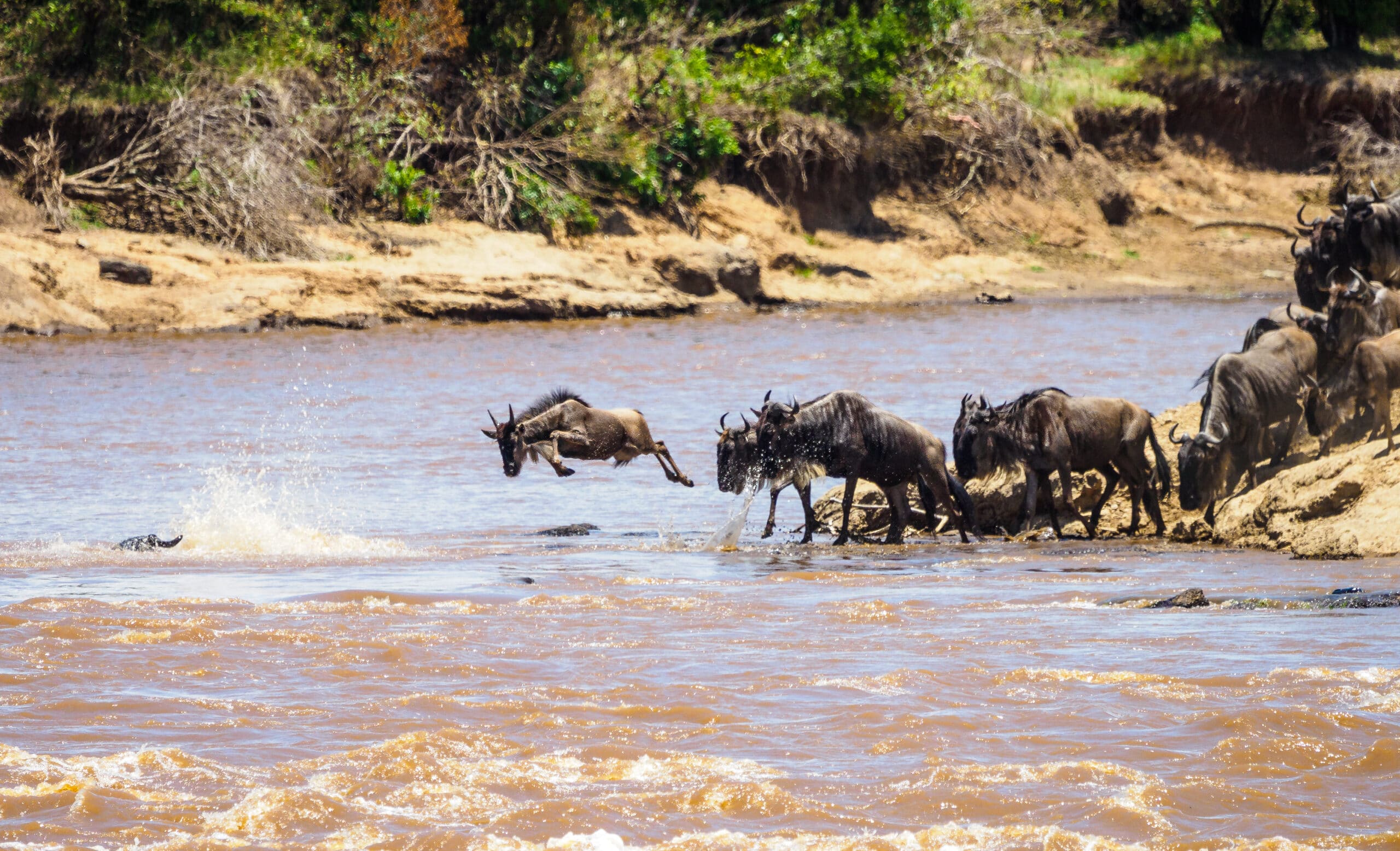
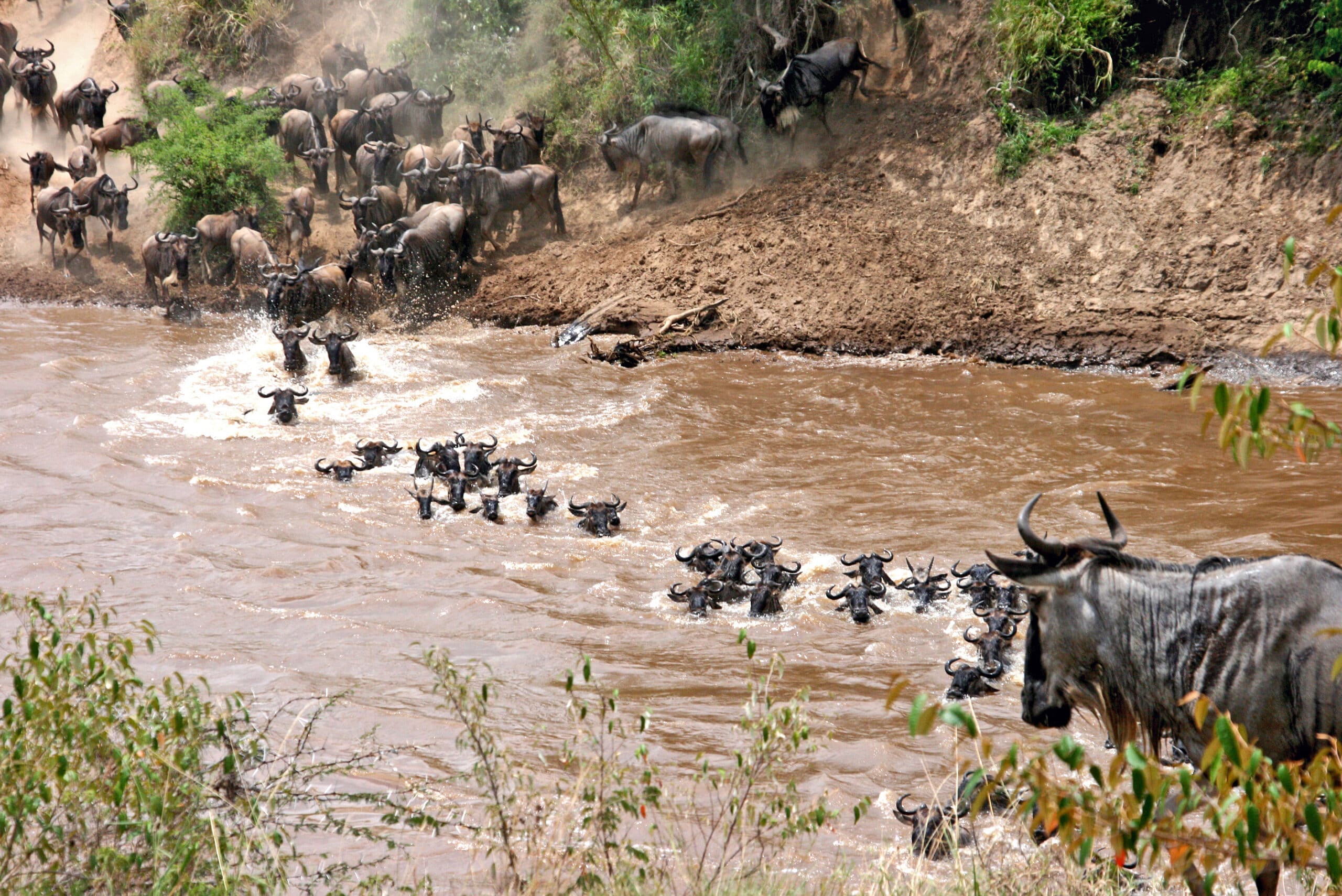
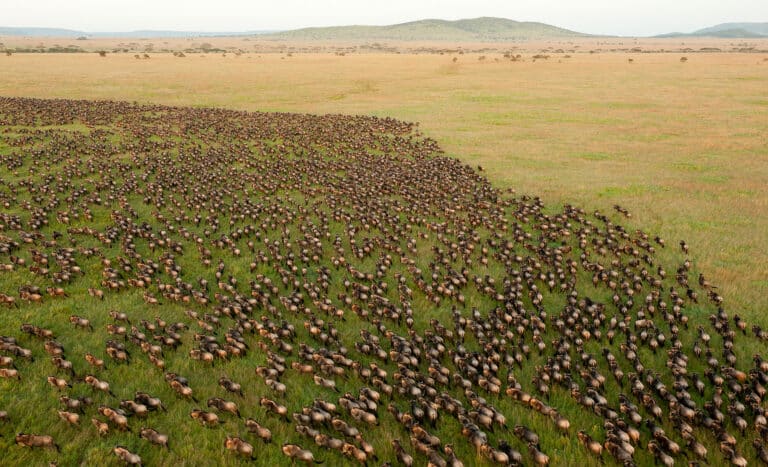
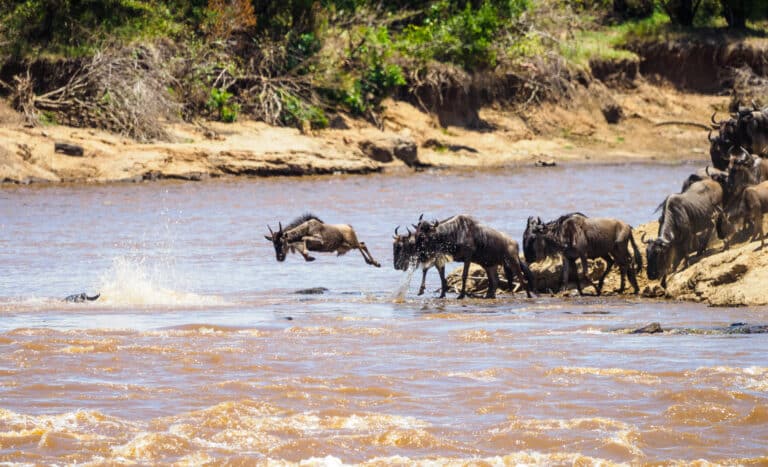
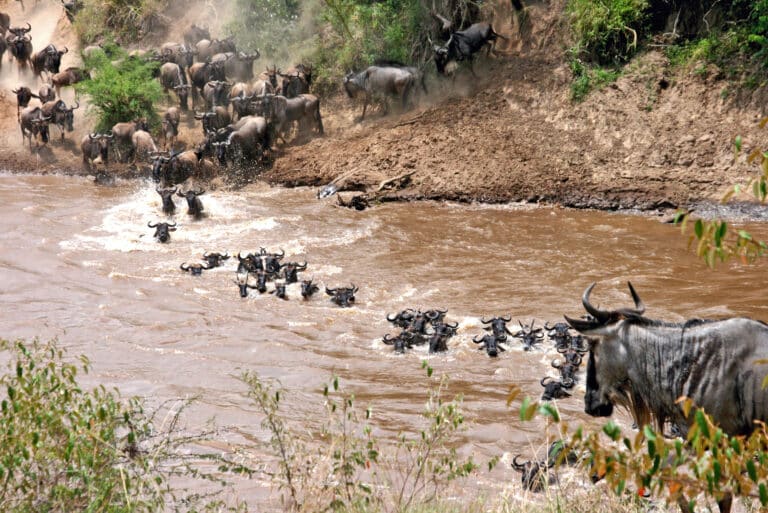
Wildebeests also have a unique migration pattern. Every year, millions of them travel long distances in search of food and water, creating a spectacular sight known as the Great Migration.
Wild herds typically consist of thousands of individuals, and they work together to alert each other to dangers. They communicate through a variety of grunts and snorts, making their gatherings quite the talking point!
Wildebeests can live up to 20 years in the wild. Their strong social bonds and teamwork help them survive the challenges of their environment, proving that there’s strength in numbers!

Where can you find a Wildebeest in the wild?
What does a Wildebeest eat?
How big can a Wildebeest grow?
How long does a Wildebeest typically live?
What is the conservation status of the Wildebeest?
What are the main threats to the Wildebeest?
Fun facts
A wildebeest’s migration is one of the largest animal migrations on Earth, with over 1.5 million wildebeests traveling together in search of food and water each year!


Wildebeests have an unusual way to communicate; they grunt and snort to warn their friends about predators, making their gatherings sound like a lively party!
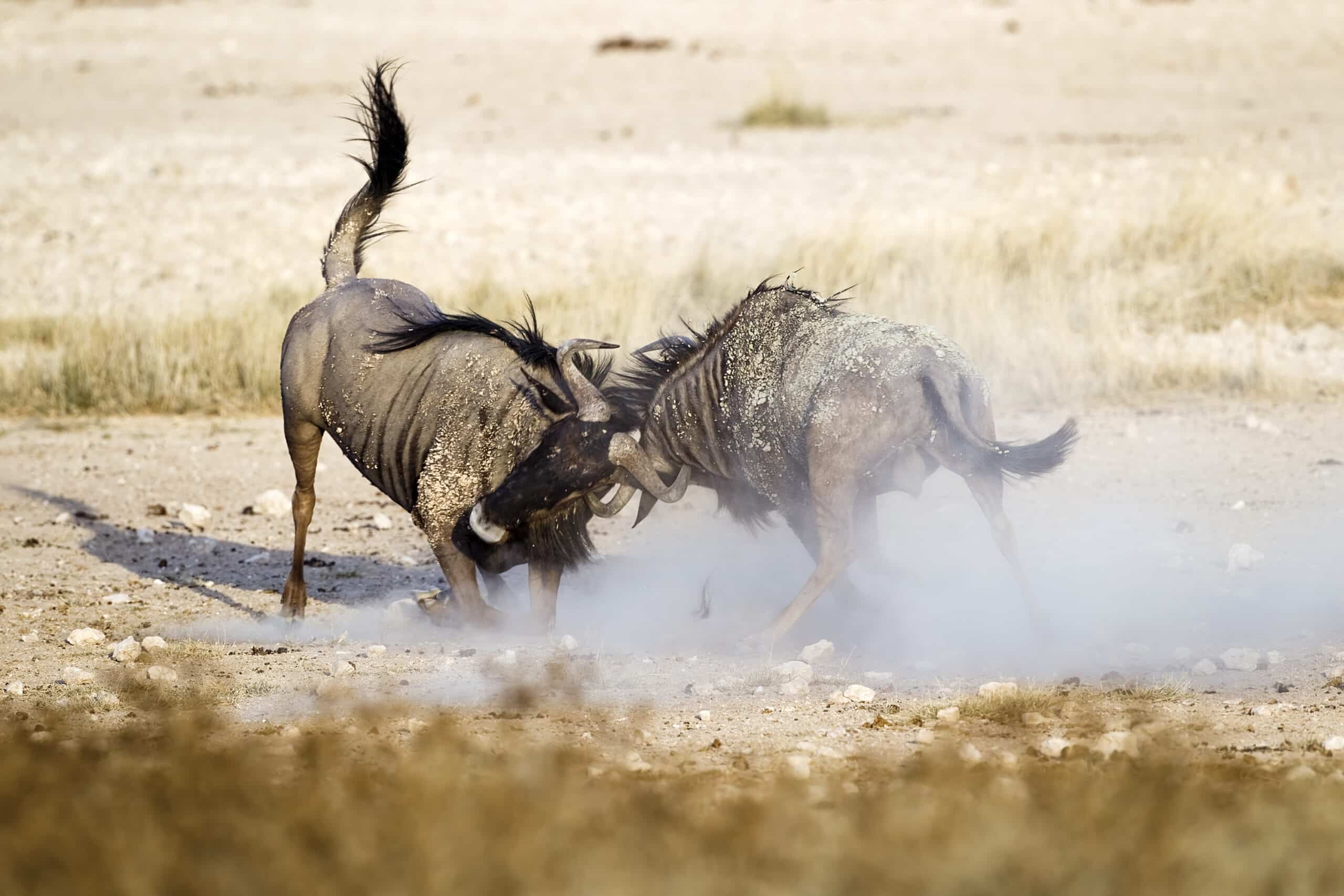
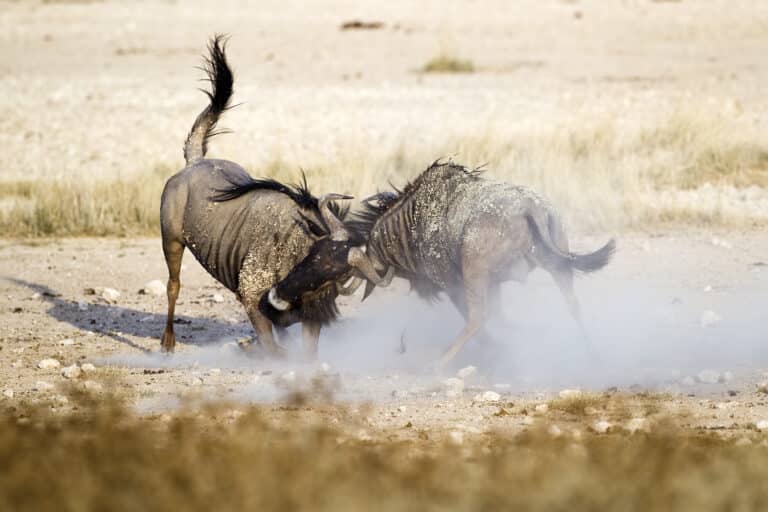
These amazing animals have a unique feature – their large, curved horns can grow up to 80 centimeters (31 inches) long, perfect for fending off attackers during a stampede!
During the Great Migration, wildebeests can cover up to 3,000 kilometers (about 1,900 miles) in search of greener pastures and fresh water, which is the equivalent of walking from one city to another far away!
Wildebeests can recognize each other’s voices, developing friendships within their herds. Imagine their social gatherings filled with familiar faces and voices!
These creatures spend about 16 hours a day eating, munching on grasses like it's a never-ending buffet. They are the ultimate grazers!
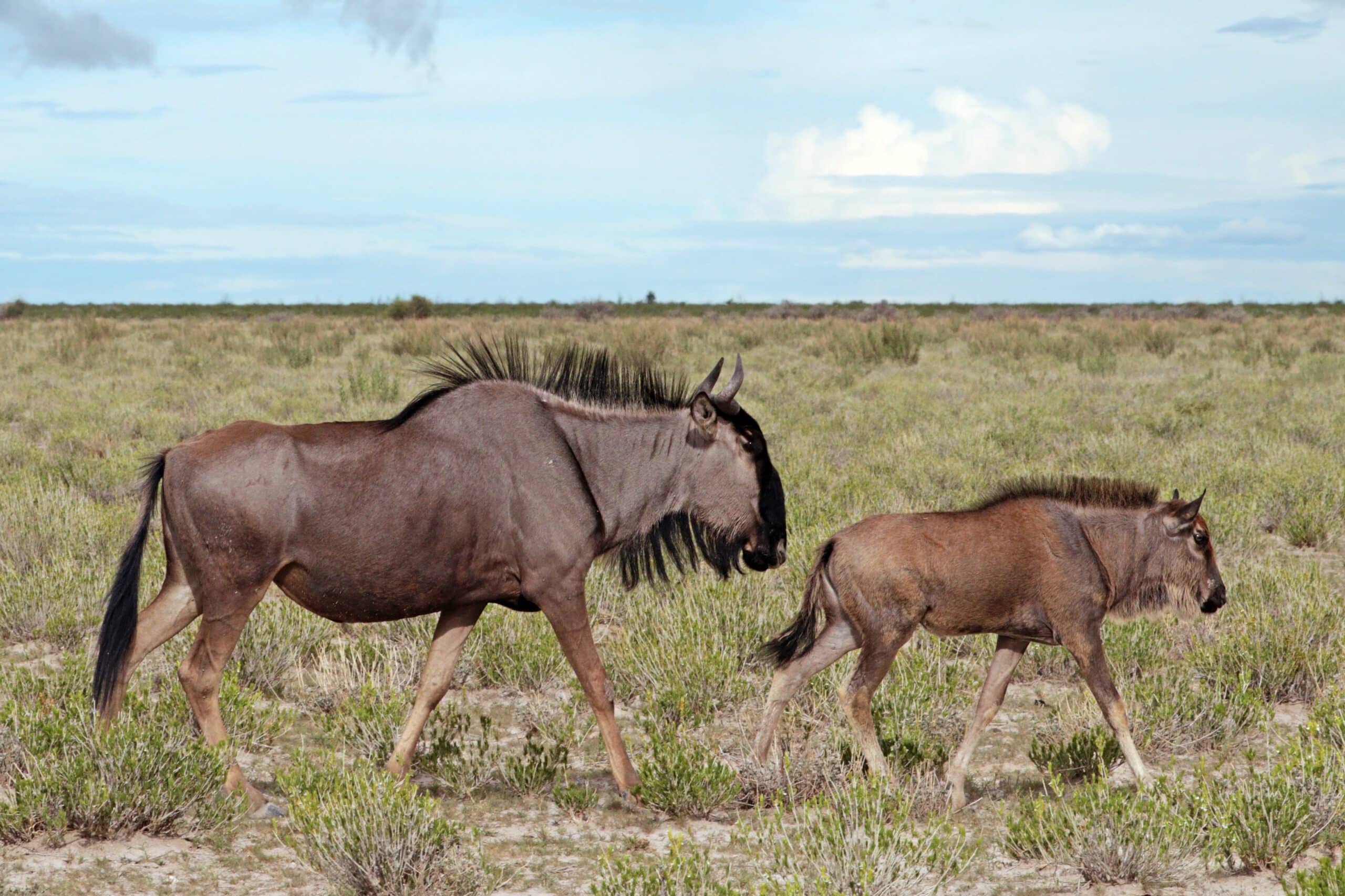
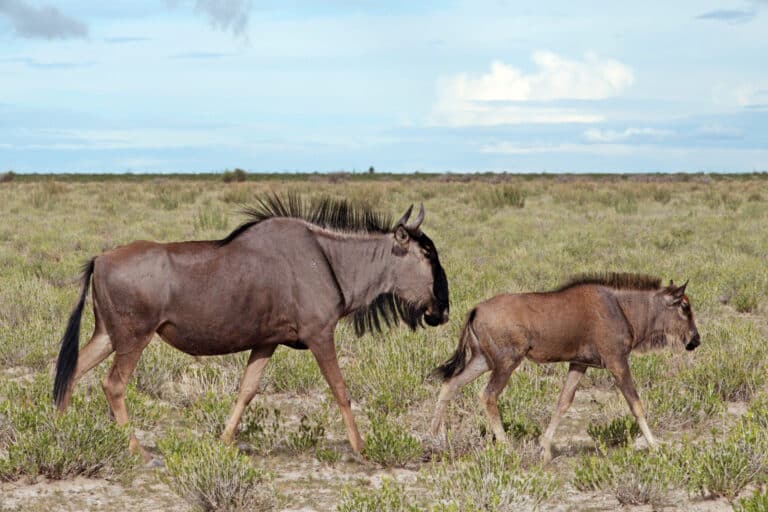
Wildebeest calves are up and running within just a few minutes after birth, ready to keep up with the herd and avoid becoming a snack for predators!
Wildebeests have a specialized digestive system that allows them to thrive on grasses that other animals might find unappetizing, making them fantastic grass recyclers!
Wildebeests get together for a fun event called the ‘calving season,’ where thousands of newborns arrive in a short time, creating a super adorable spectacle!
When threatened, wildebeests often form a defensive circle with the young and weak in the center, showing teamwork at its best!
Photos


The Basics


explore more
Amphibians
Arachnids
Birds
Cats
Crustaceans
Fish
Fish Pet Guide
Gastropods
Insects
Invertebrates
Mammals
Pet Fish
Pet Rodents
Plants
Reptiles
Roundworms
Sea Slugs