

Successfully copied to clipboard!
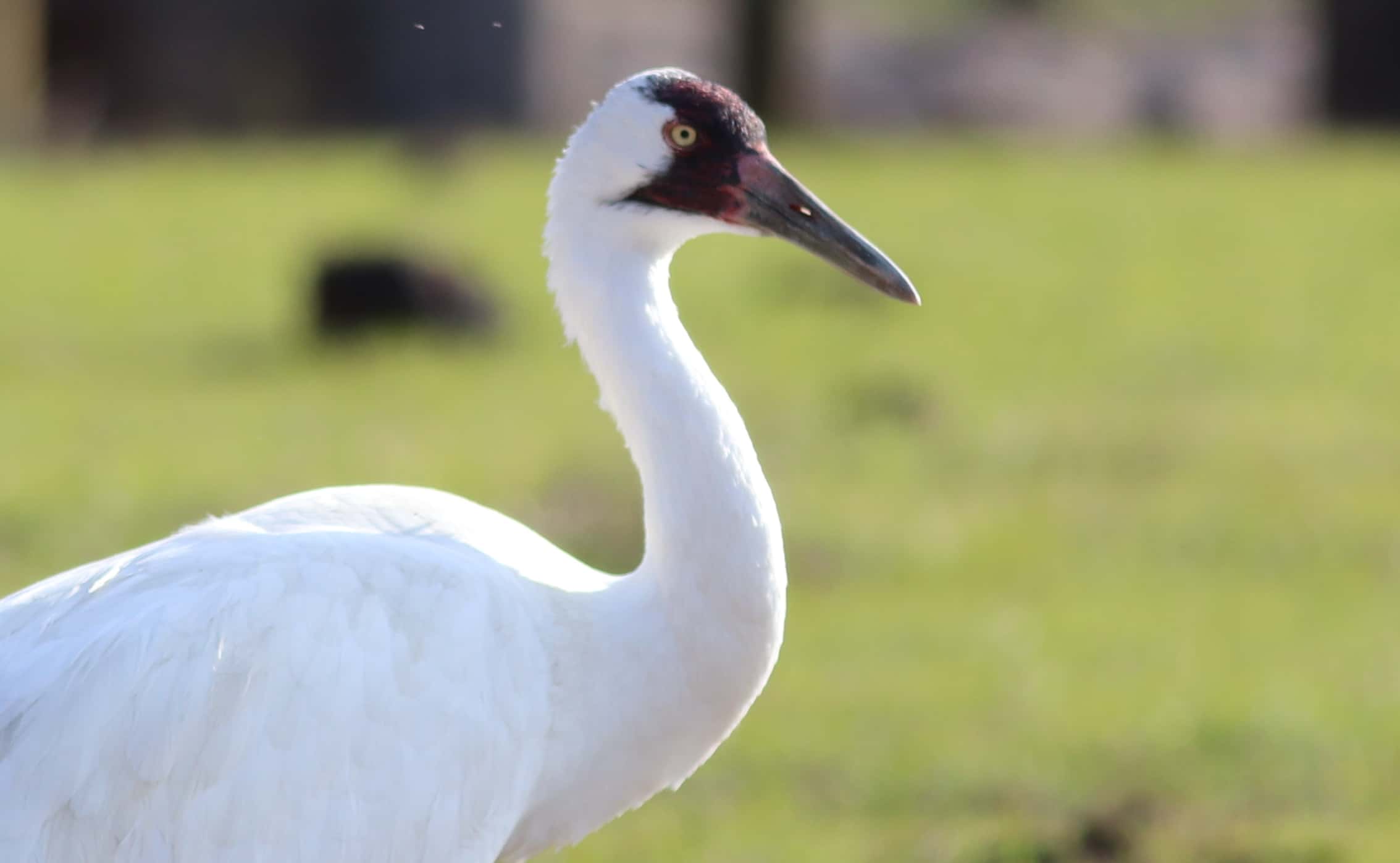
Whooping Crane
Join the adventure of the tallest, elegant birds of North America!
Let’s Explore
Overview
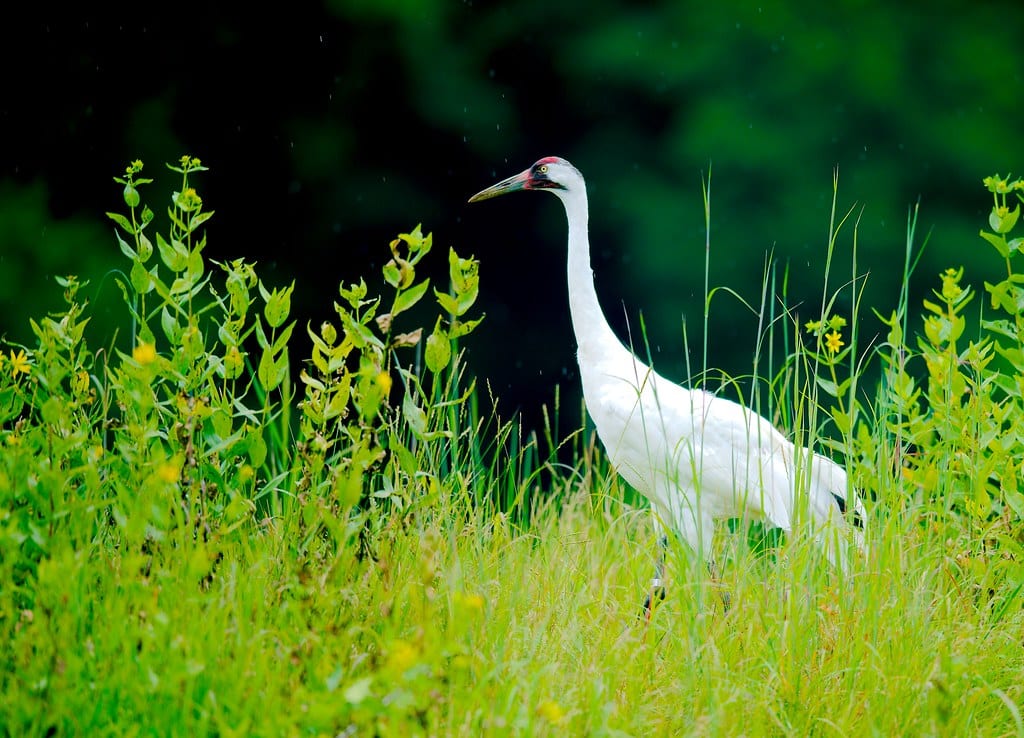
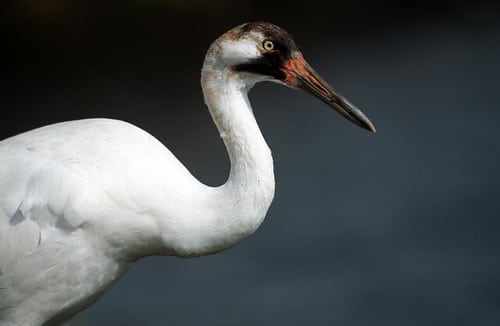
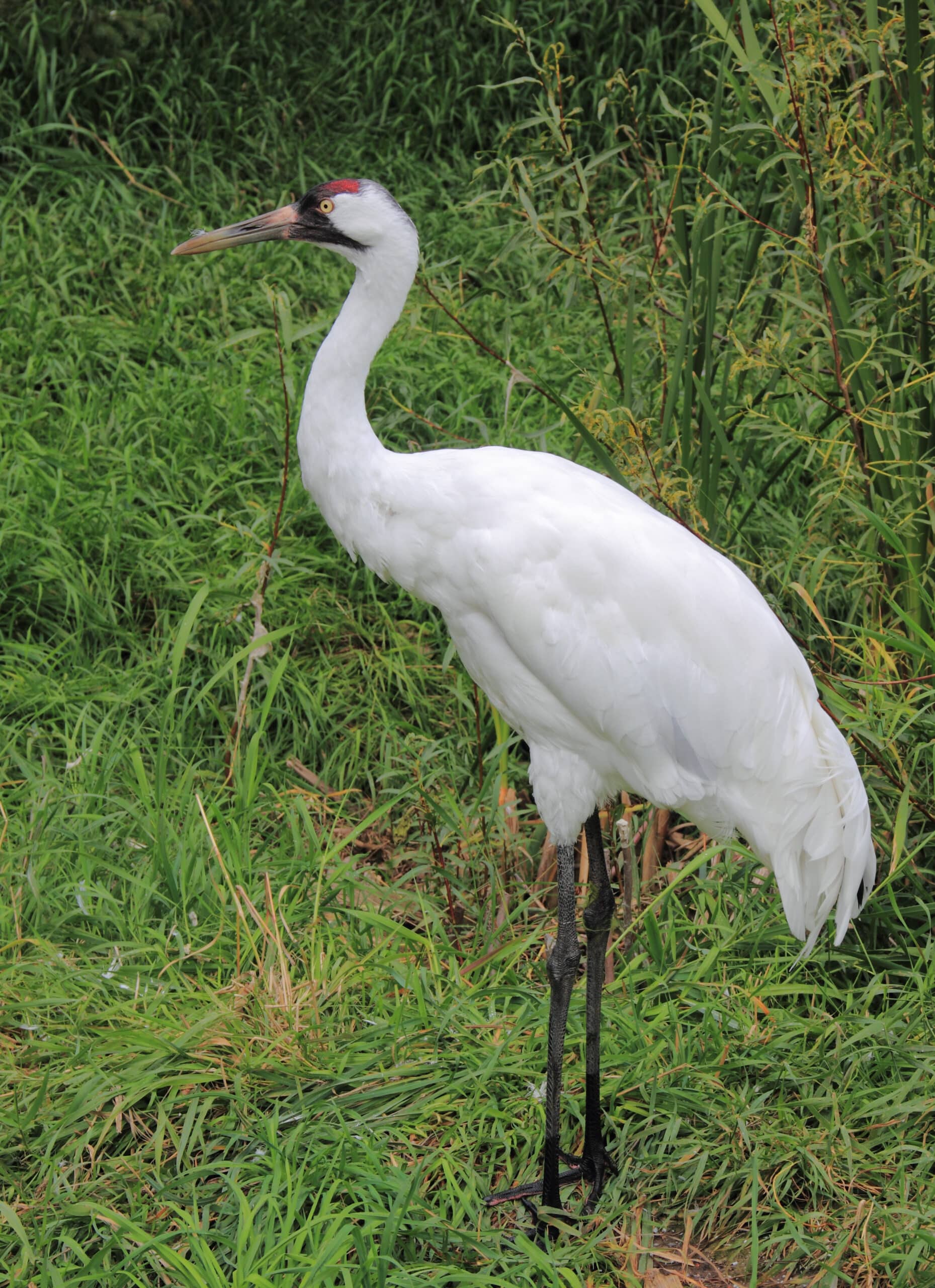
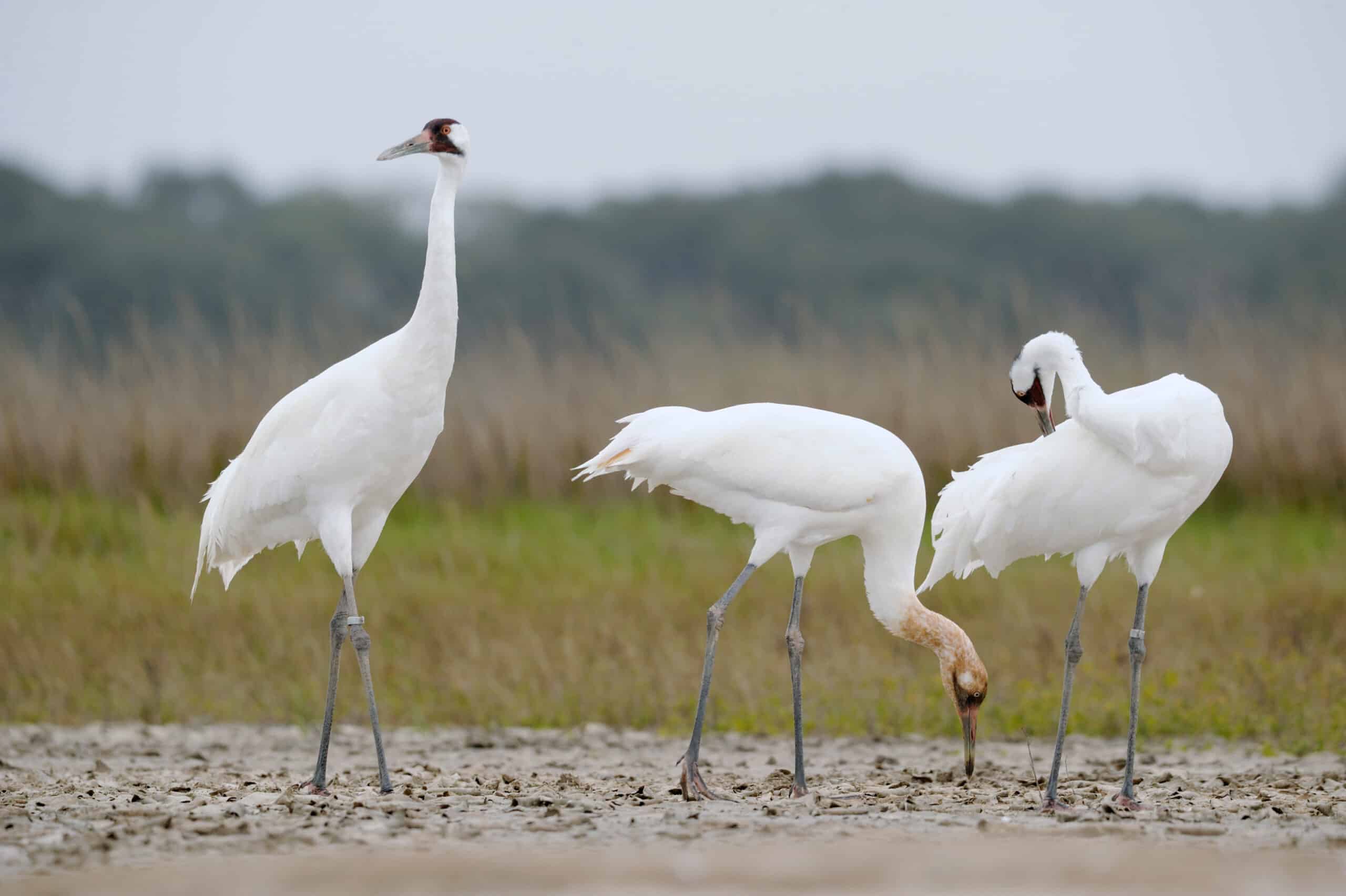
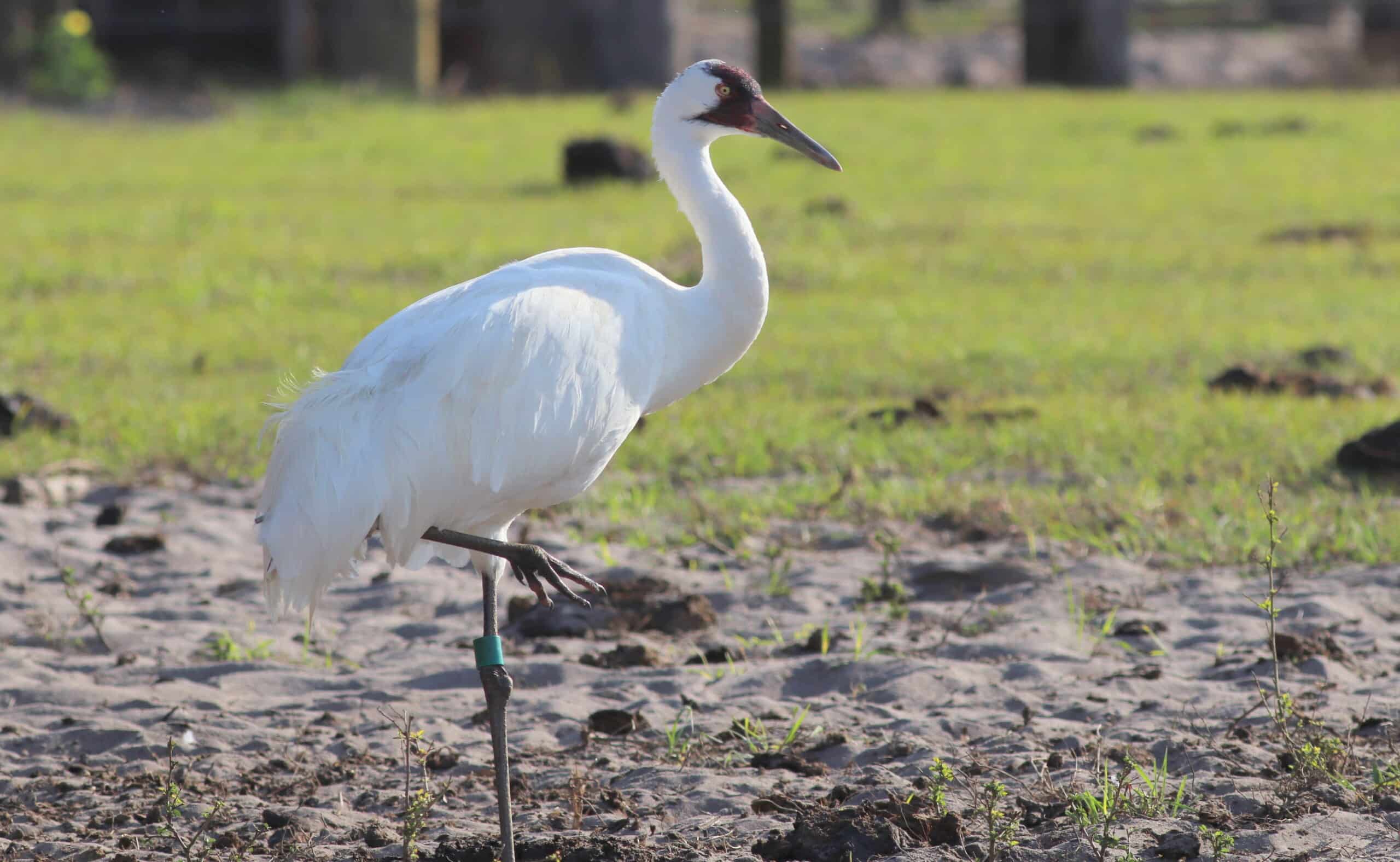
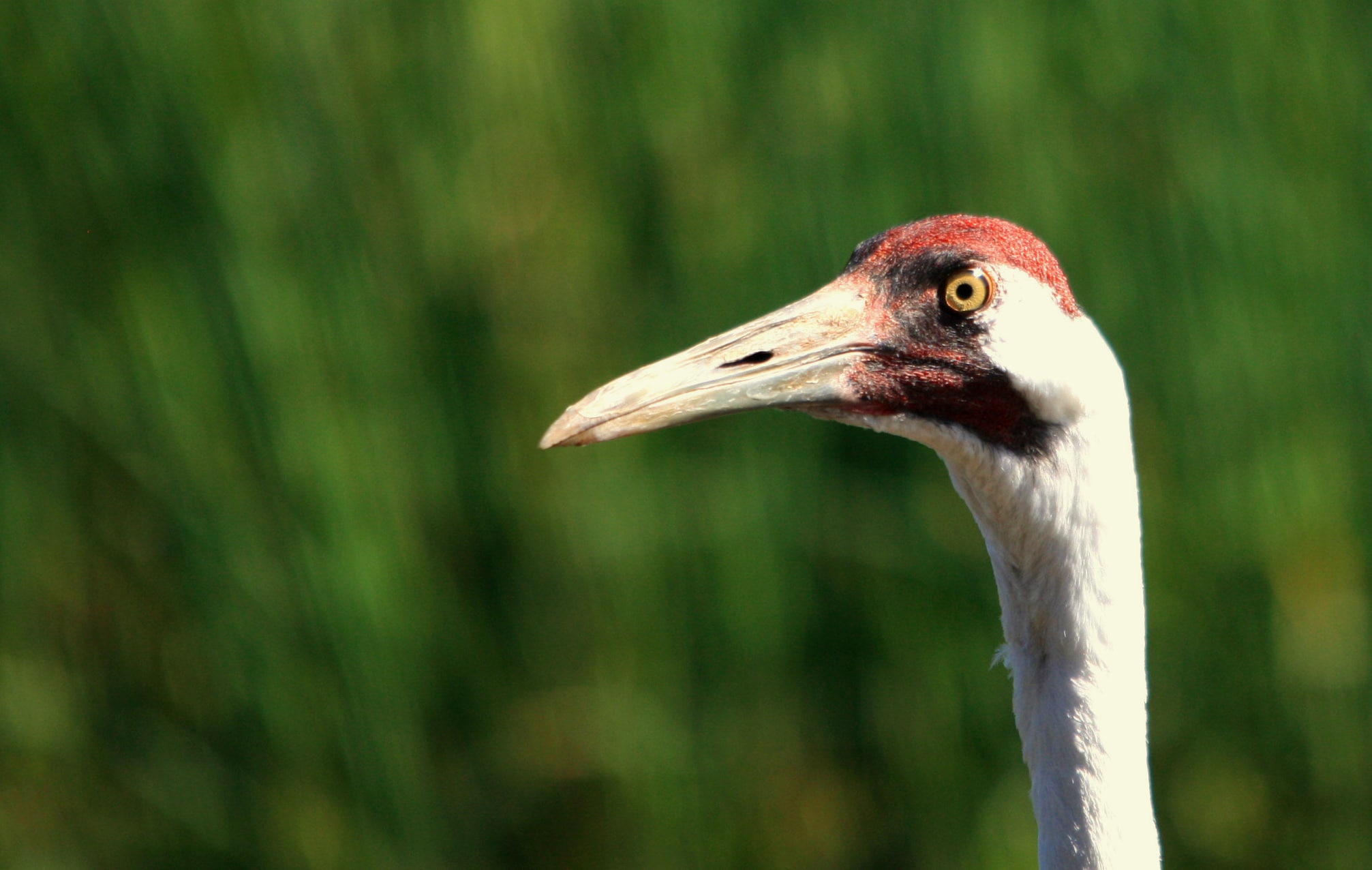
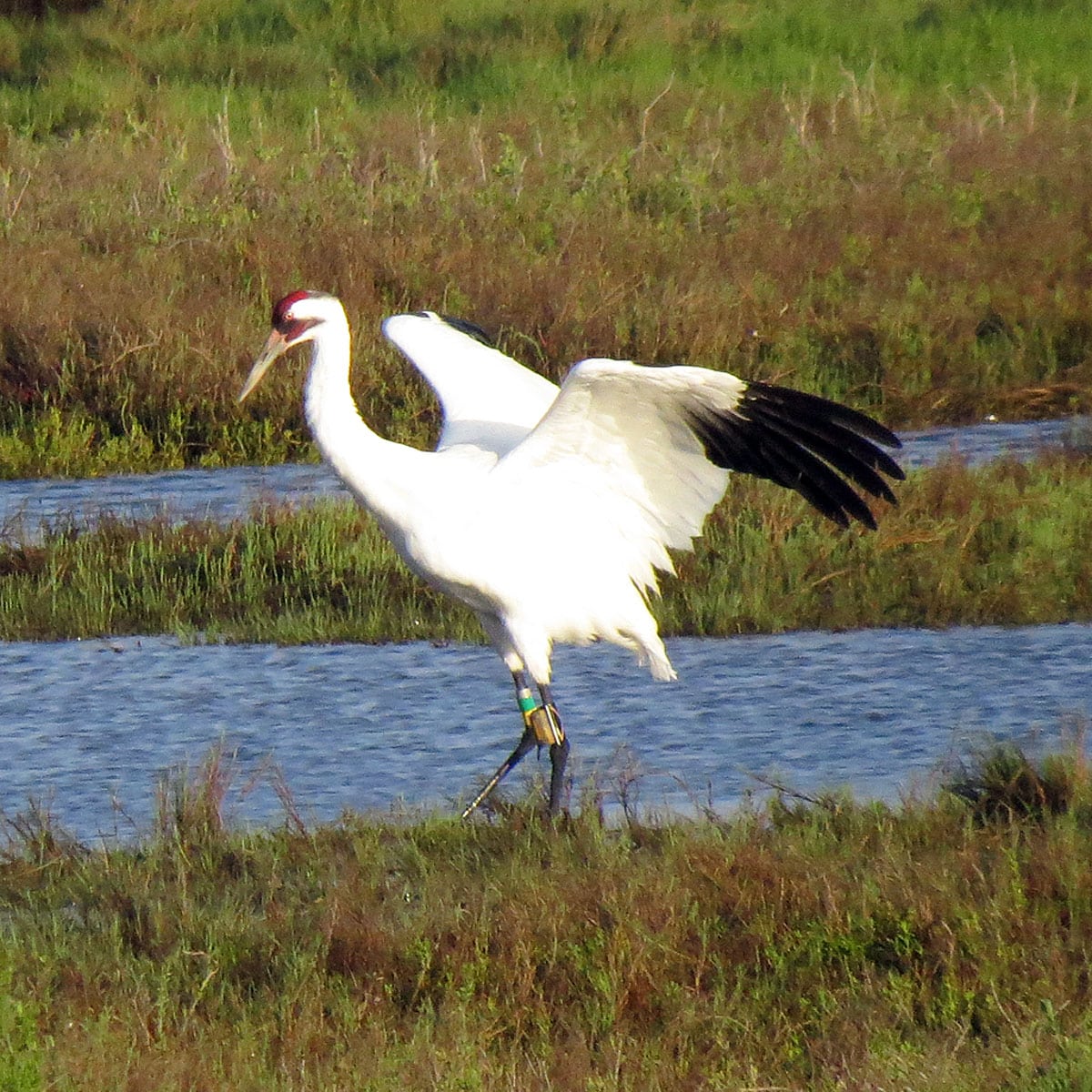
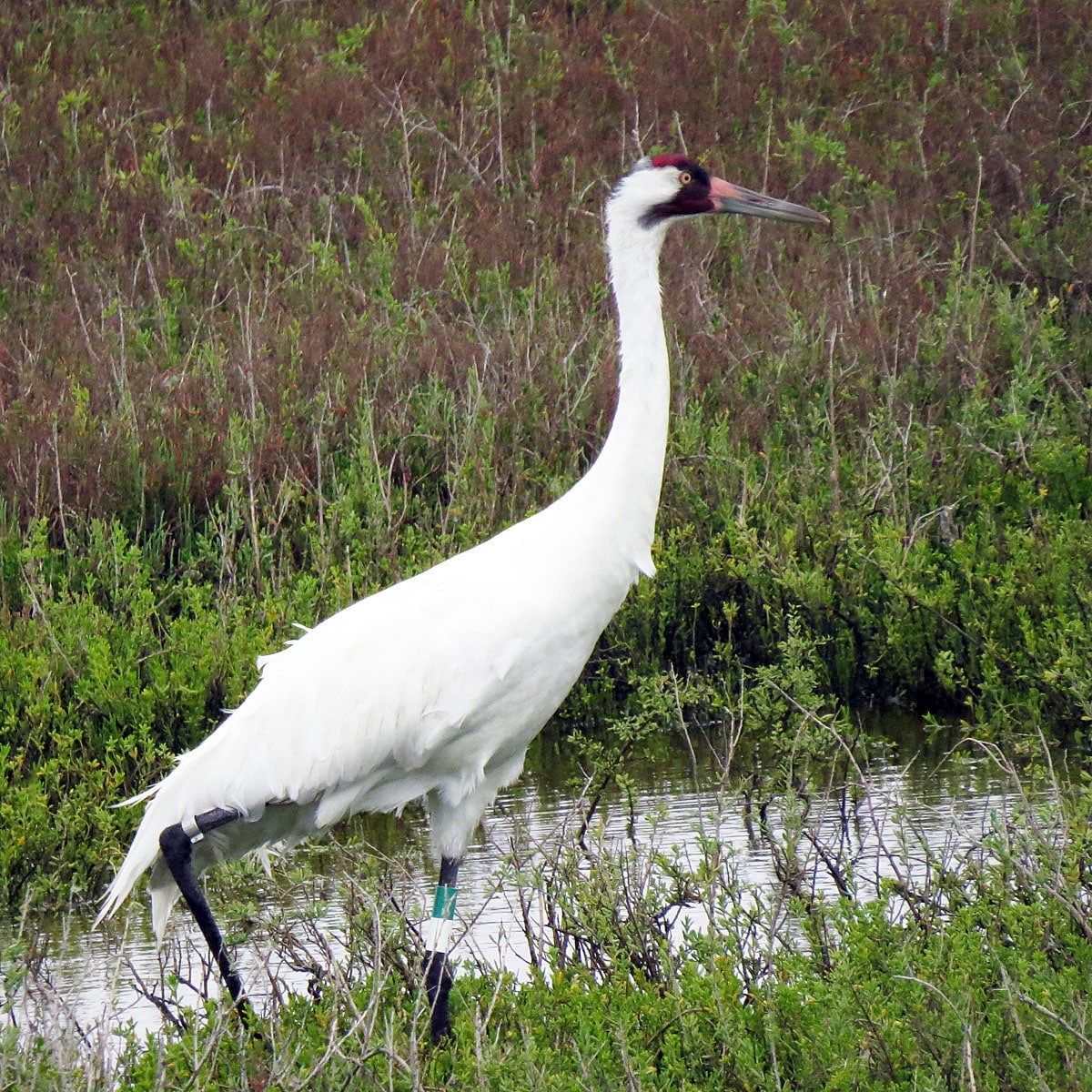
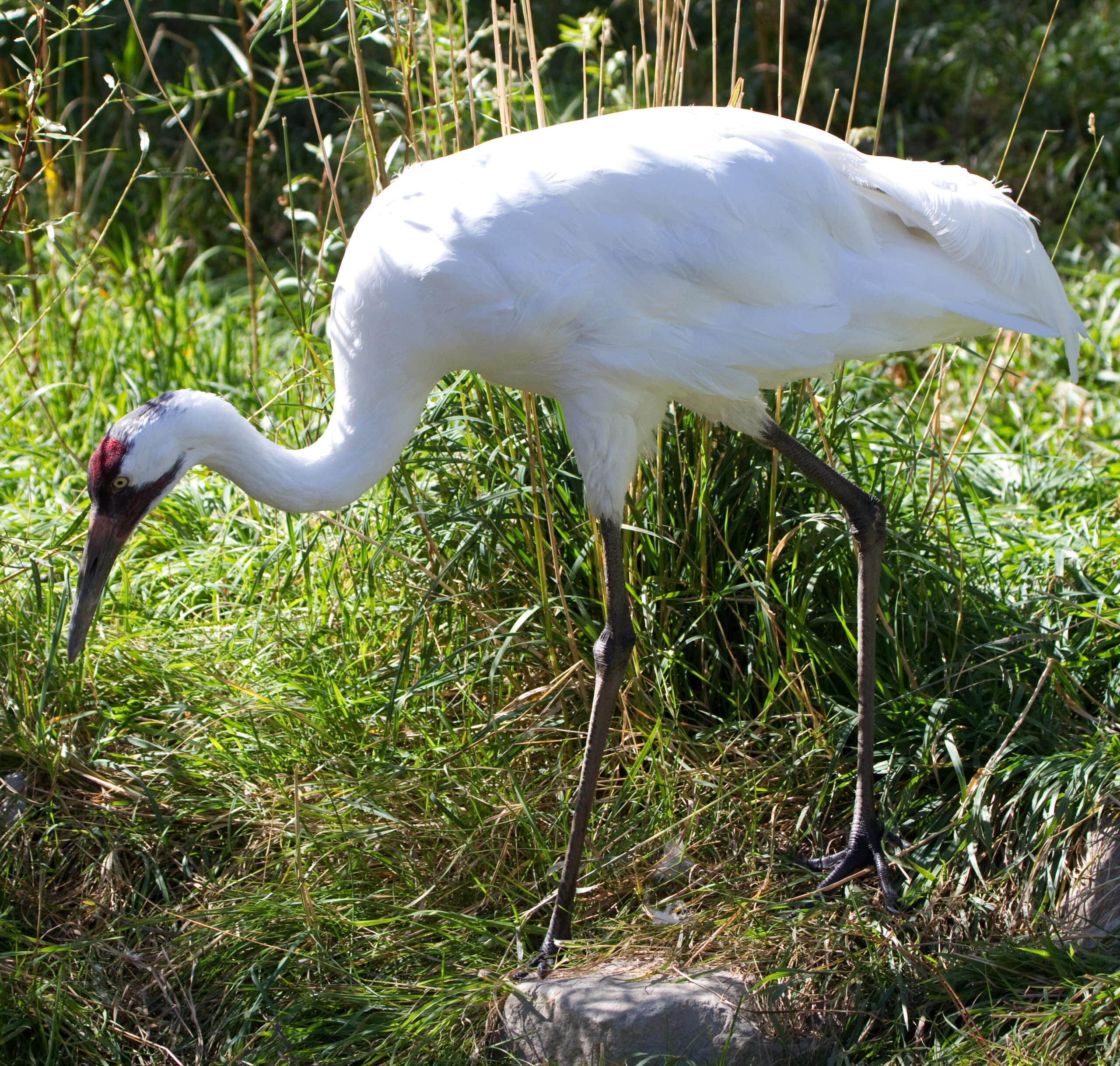
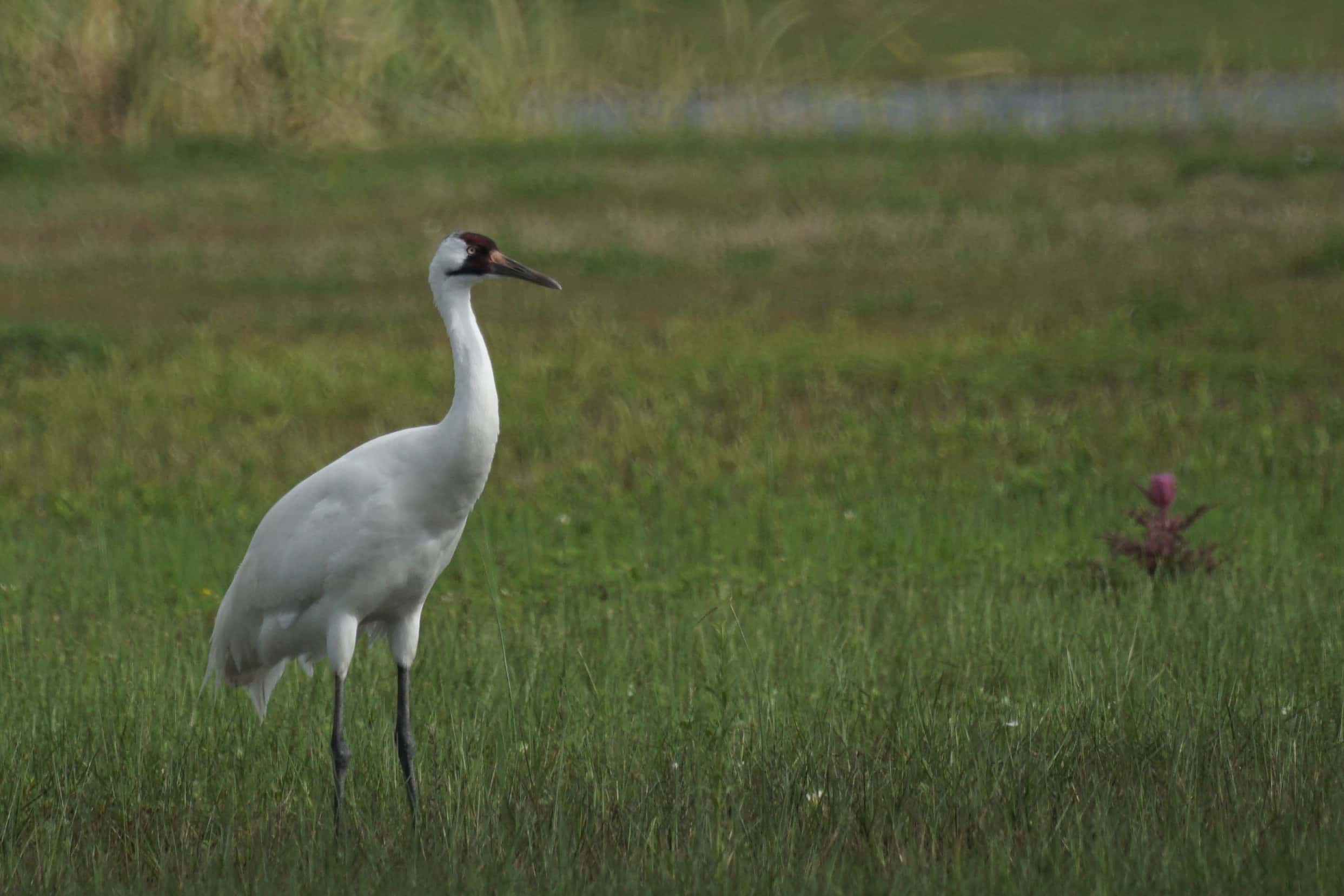
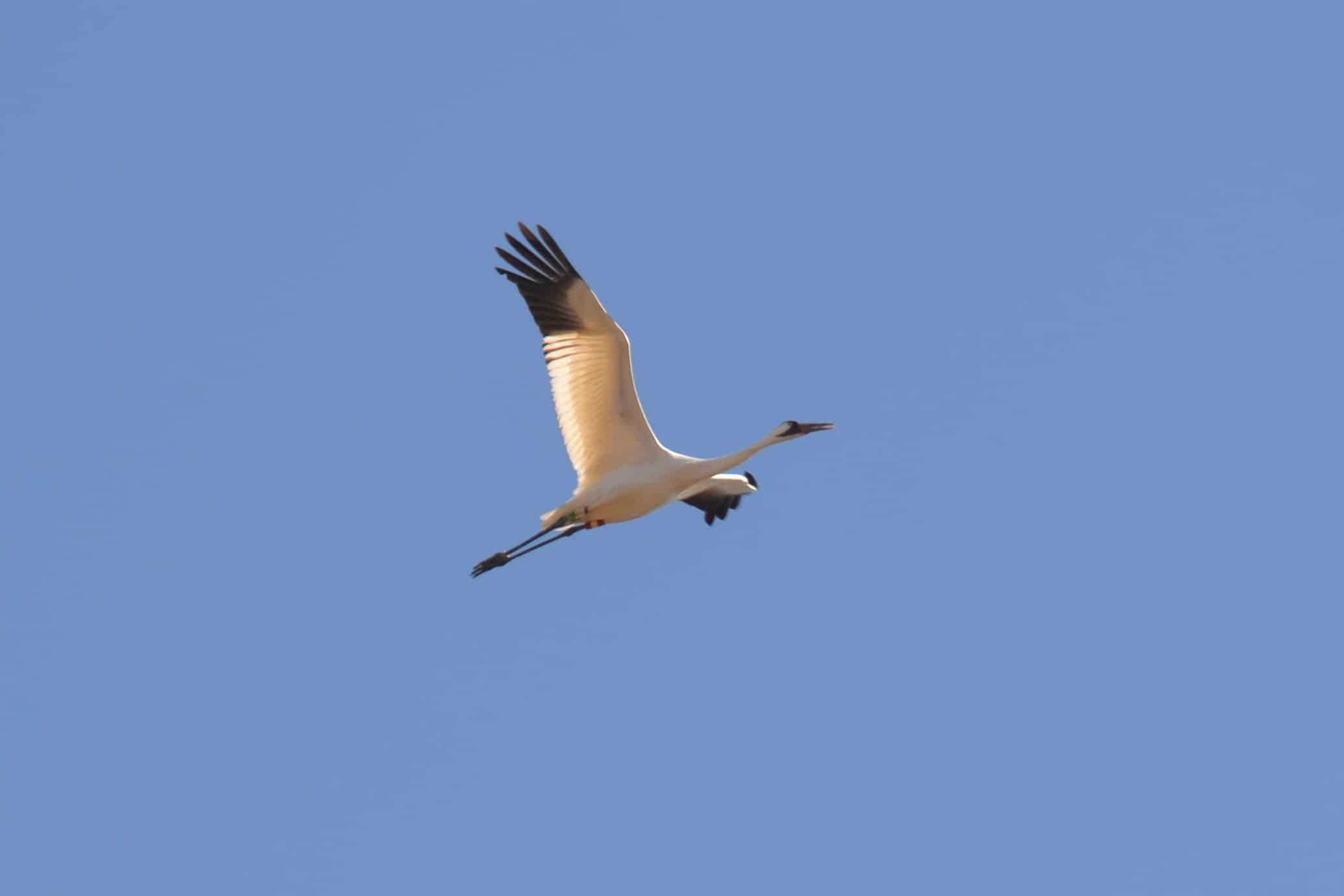
The Whooping Crane is one of the tallest birds in North America, standing about 1.5 meters (5 feet) tall. These majestic birds are famous for their striking white feathers and impressive wingspan, which can reach up to 2.3 meters (7.5 feet).
Whooping Cranes belong to the Gruidae family, making them part of a group known for their beautiful mating dances and loud, trumpet-like calls. They use these calls to communicate with each other, which adds a musical quality to their interactions.
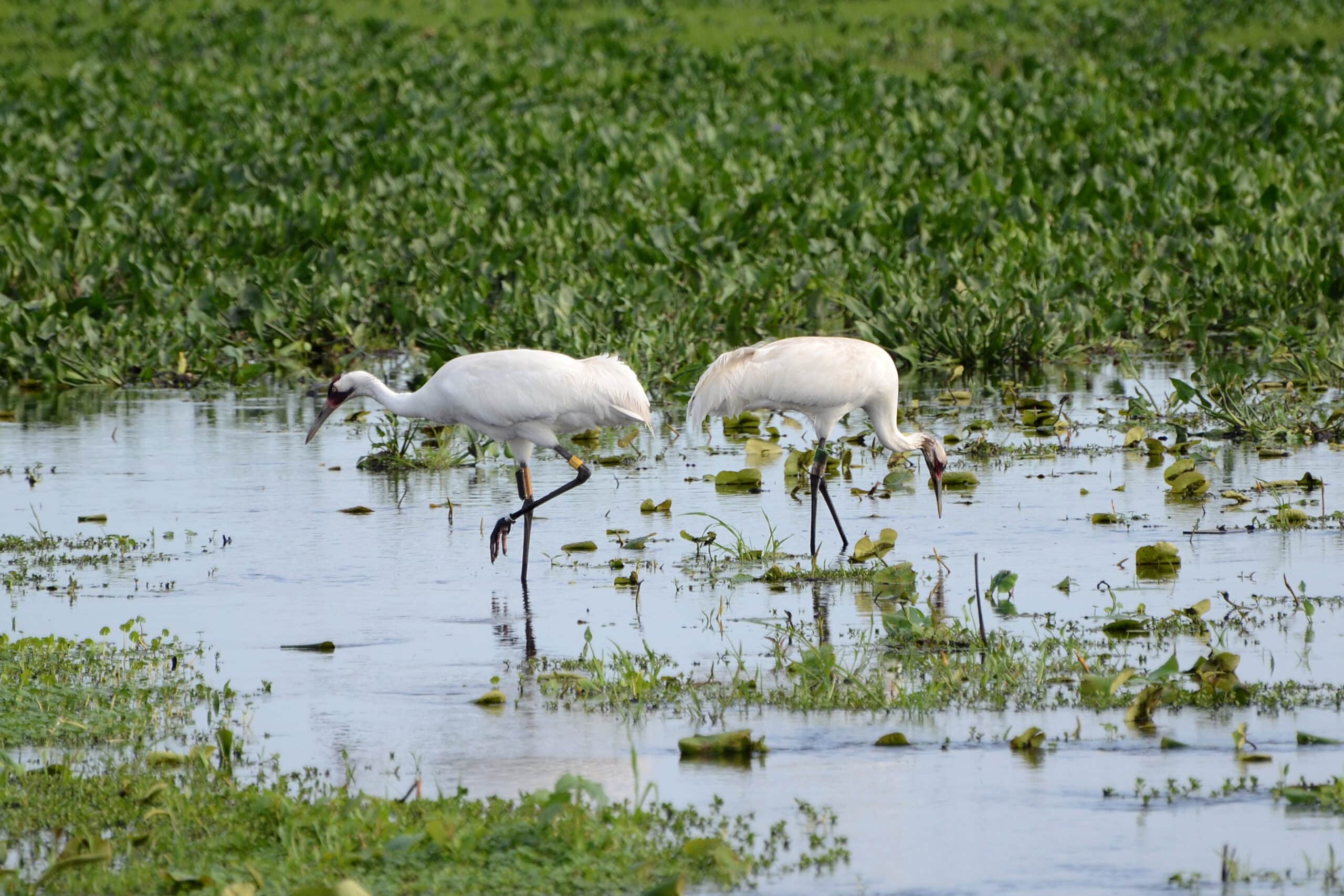
These cranes are omnivores, enjoying a diet that includes insects, crustaceans, and berries. Their wide range of food helps them stay energized for their long migrations.
The Whooping Crane has a remarkable lifespan, living up to 22 to 24 years in the wild. Each year, these birds engage in fascinating migrations, traveling thousands of kilometers to find the best nesting and feeding places.
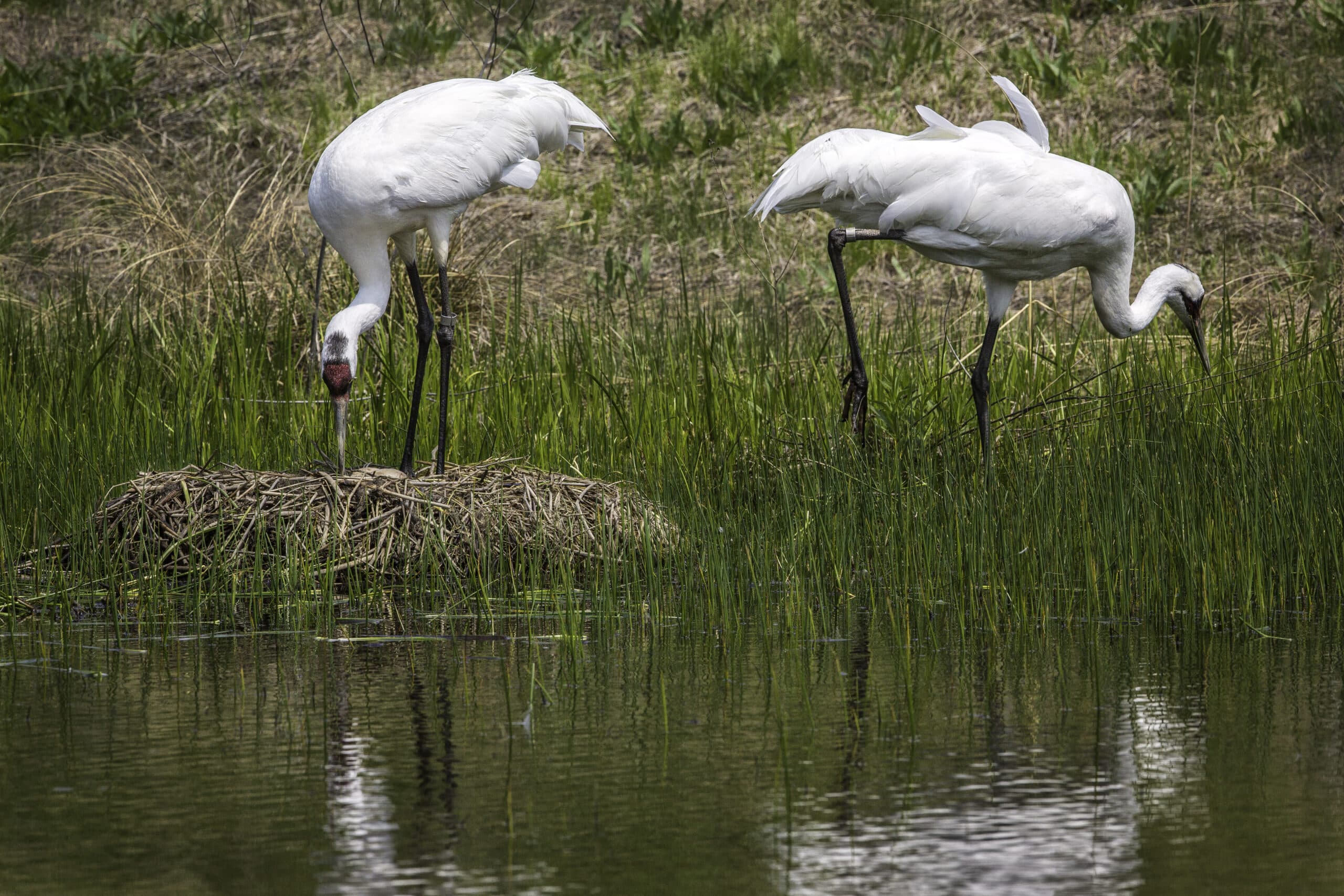
Whooping Cranes build their nests in wetlands, where they lay two eggs per breeding season. The chicks are quick learners and can start walking shortly after hatching, showing off their adorable, fluffy feathers.
With their impressive stature and friendly nature, Whooping Cranes are true icons of the bird world. They remind us of the beauty of wildlife and the magic of nature.

Where can you find a Whooping Crane in the wild?
What does a Whooping Crane eat?
How big can a Whooping Crane grow?
How long does a Whooping Crane typically live?
What is the conservation status of the Whooping Crane?
What are the main threats to the Whooping Crane?
Fun facts
Whooping Cranes perform incredible dance moves during courtship, including jumping, bowing, and even spinning around. These vibrant displays help them find partners and strengthen their bonds.


These cranes can live in families that include parents and their young for several years. They often travel together, sharing their adventures and teaching the young cranes essential survival skills.
The Whooping Crane’s loud call can be heard from over 3 kilometers (1.9 miles) away. Their distinctive trumpeting sound is not only beautiful but also crucial for communication among flock members.
During migration, Whooping Cranes can fly for over 600 kilometers (370 miles) in a single day. Their strong wings and stamina allow them to cover vast distances while searching for the best habitats.
Unlike other birds, Whooping Cranes often return to the same nesting sites year after year. This loyalty to their homes helps them familiarize themselves with the location and increase their chances of raising healthy chicks.
Whooping Cranes have a unique vocal range, which includes deep, resonant calls and higher-pitched ones. This ability to vary their sounds helps them communicate effectively with their flock.
These cranes engage in playful behavior, like running across the ground and flapping their wings. This fun activity helps them build strength and coordination, preparing them for flight.
The chicks hatch covered in fluffy down feathers, which provide warmth and camouflage. Their adorable appearance instantly melts hearts and showcases their cuteness!
Whooping Cranes are natural migrators, flying to the Gulf Coast of Texas for the winter. This seasonal journey helps them find warmer temperatures and abundant food to survive.
These cranes sometimes use a technique called 'trophic cascades,' where their feeding habits can impact the ecosystem. By controlling insect populations, they help maintain the health of their wetlands.
Photos


The Basics


explore more
Amphibians
Arachnids
Birds
Cats
Crustaceans
Fish
Fish Pet Guide
Gastropods
Insects
Invertebrates
Mammals
Pet Fish
Pet Rodents
Plants
Reptiles
Roundworms
Sea Slugs
