

Successfully copied to clipboard!
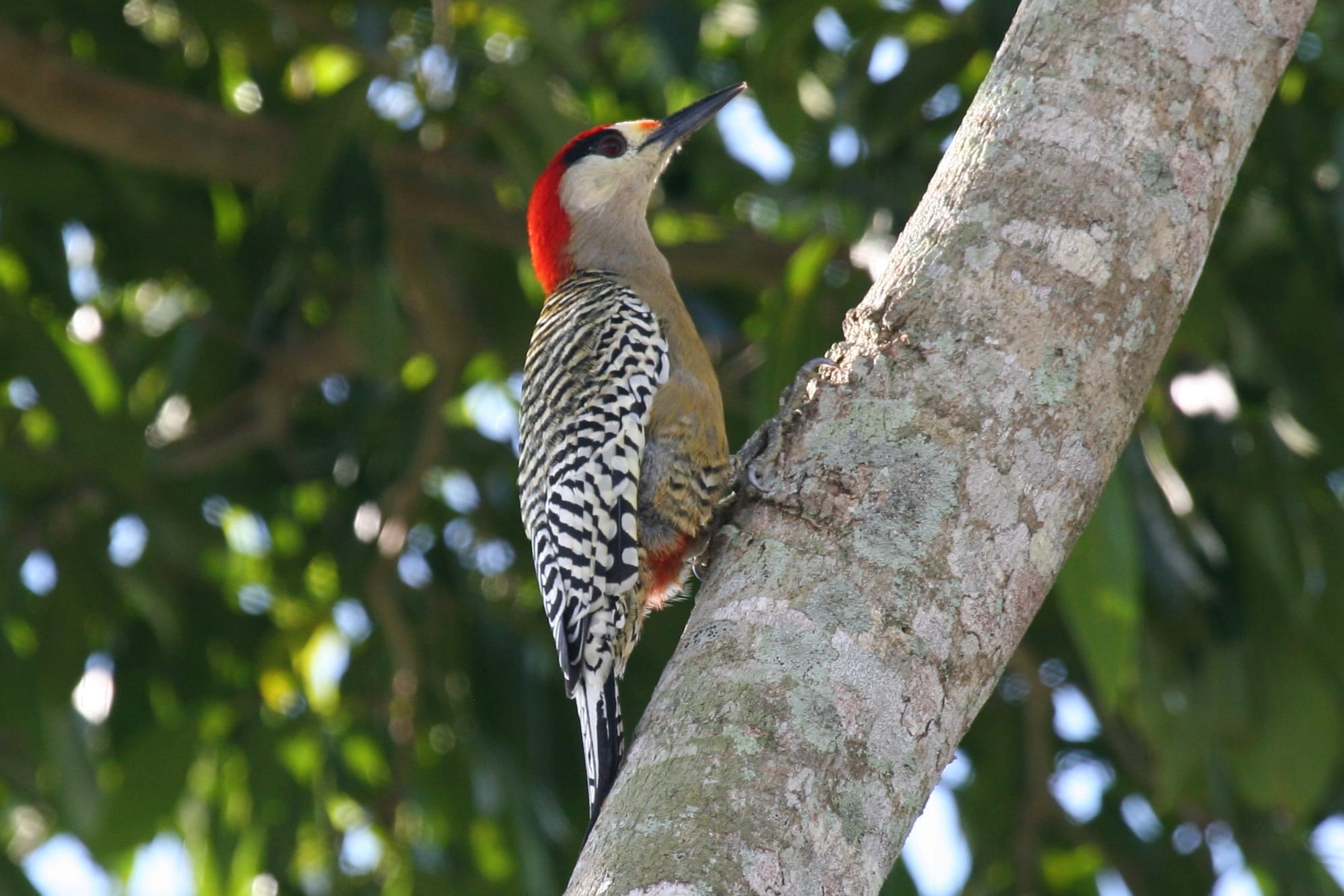
Woodpecker
Tap into nature's rhythm with these remarkable tree-climbers!
Let’s Explore
Overview
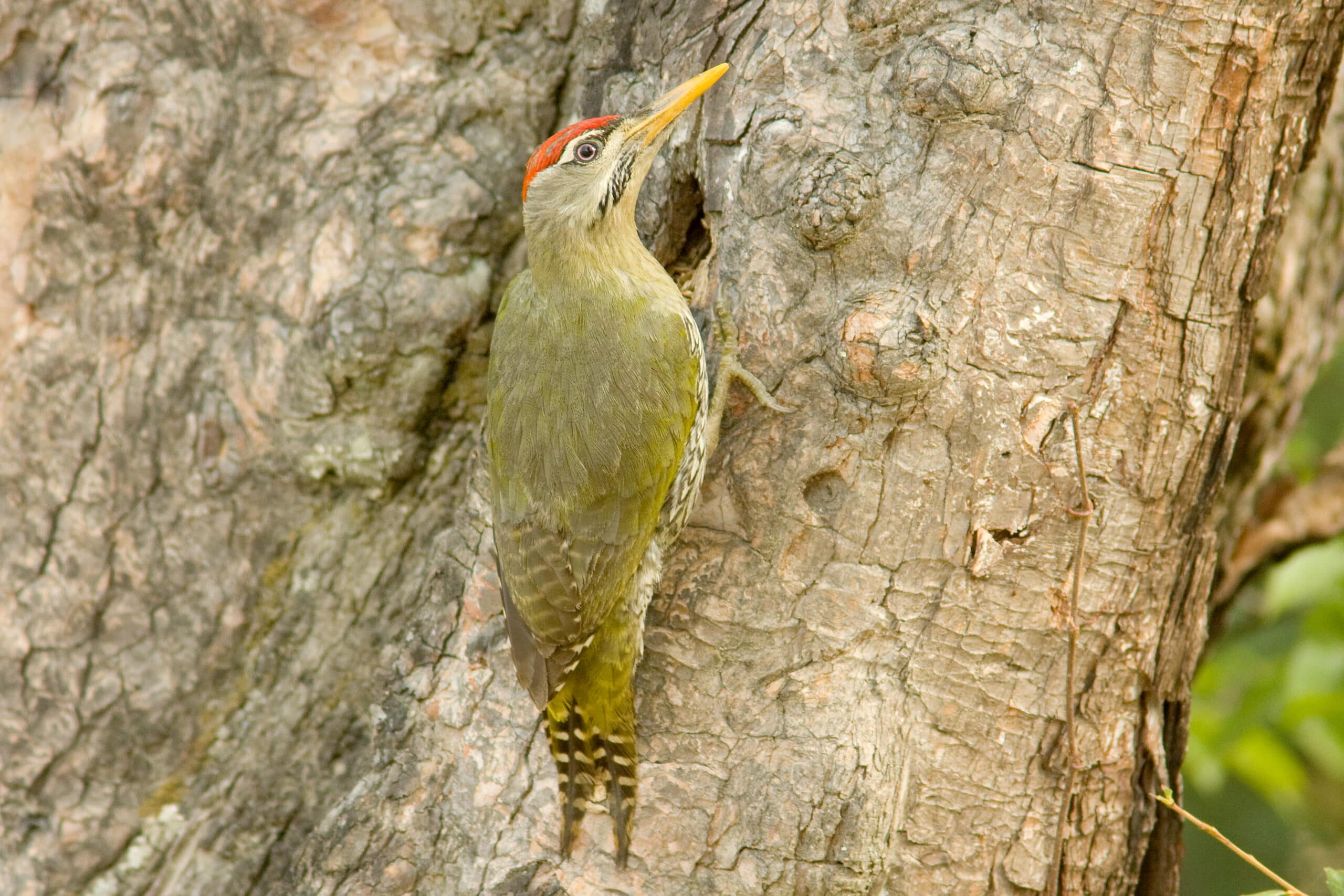
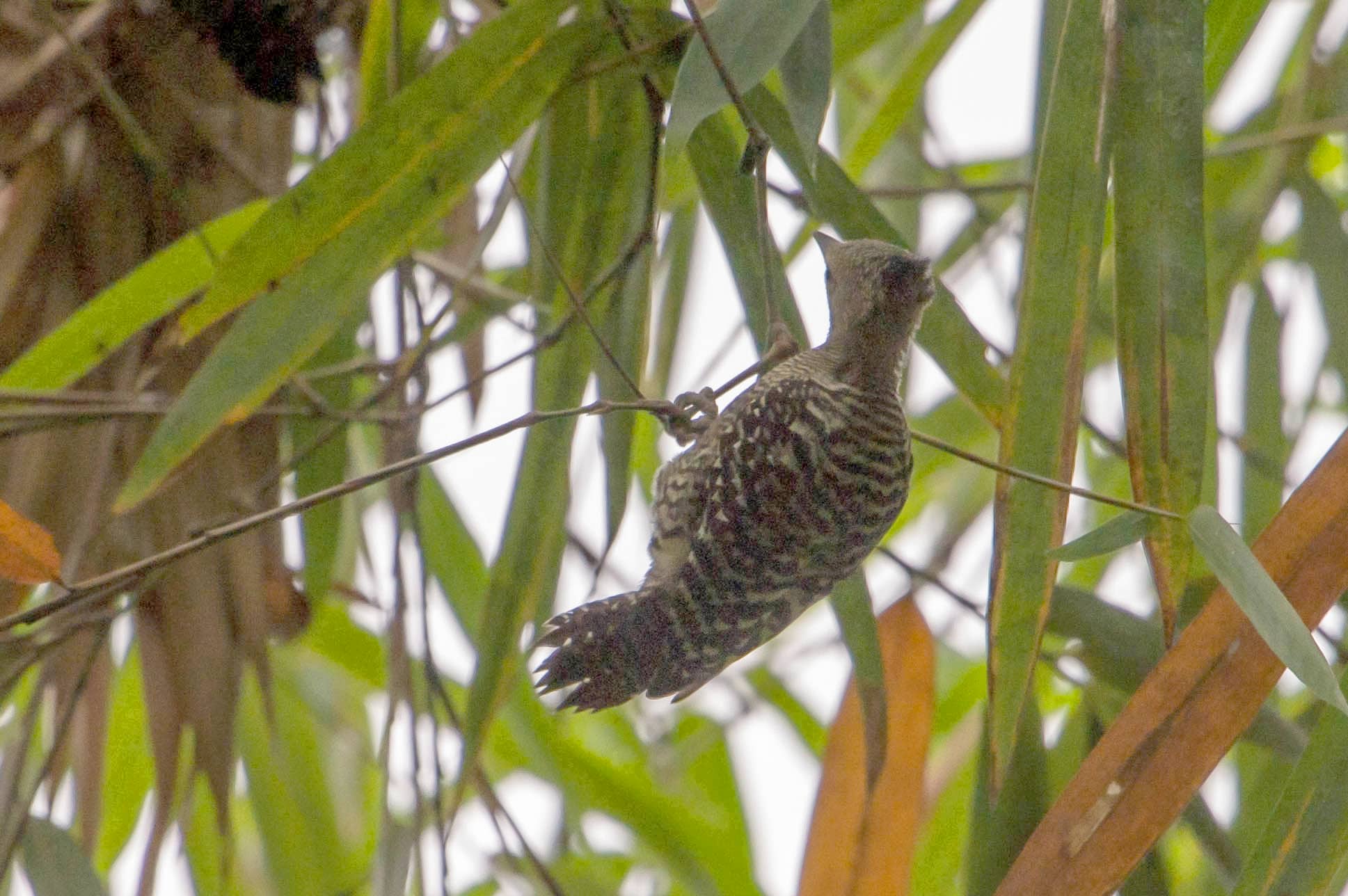
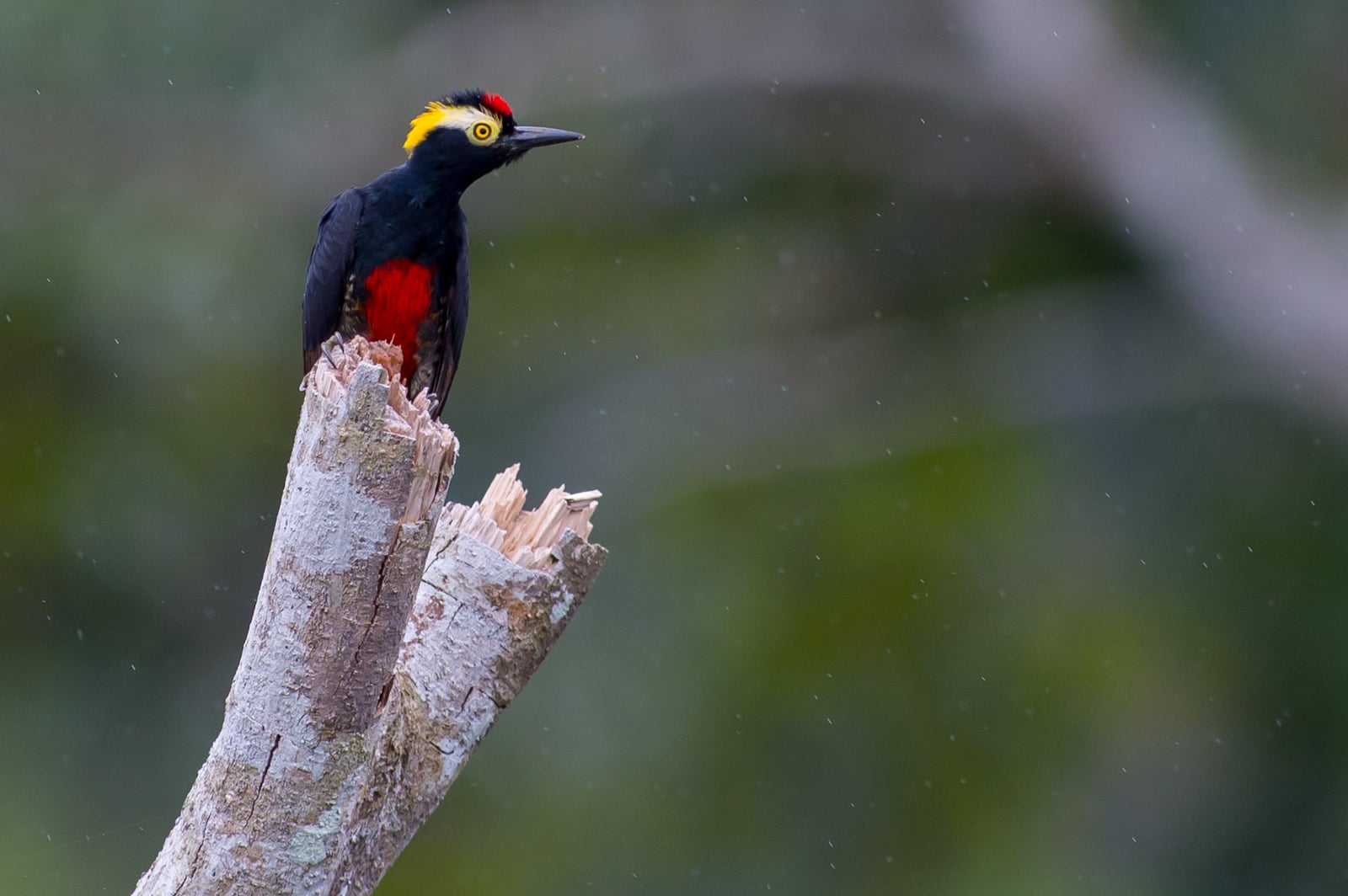
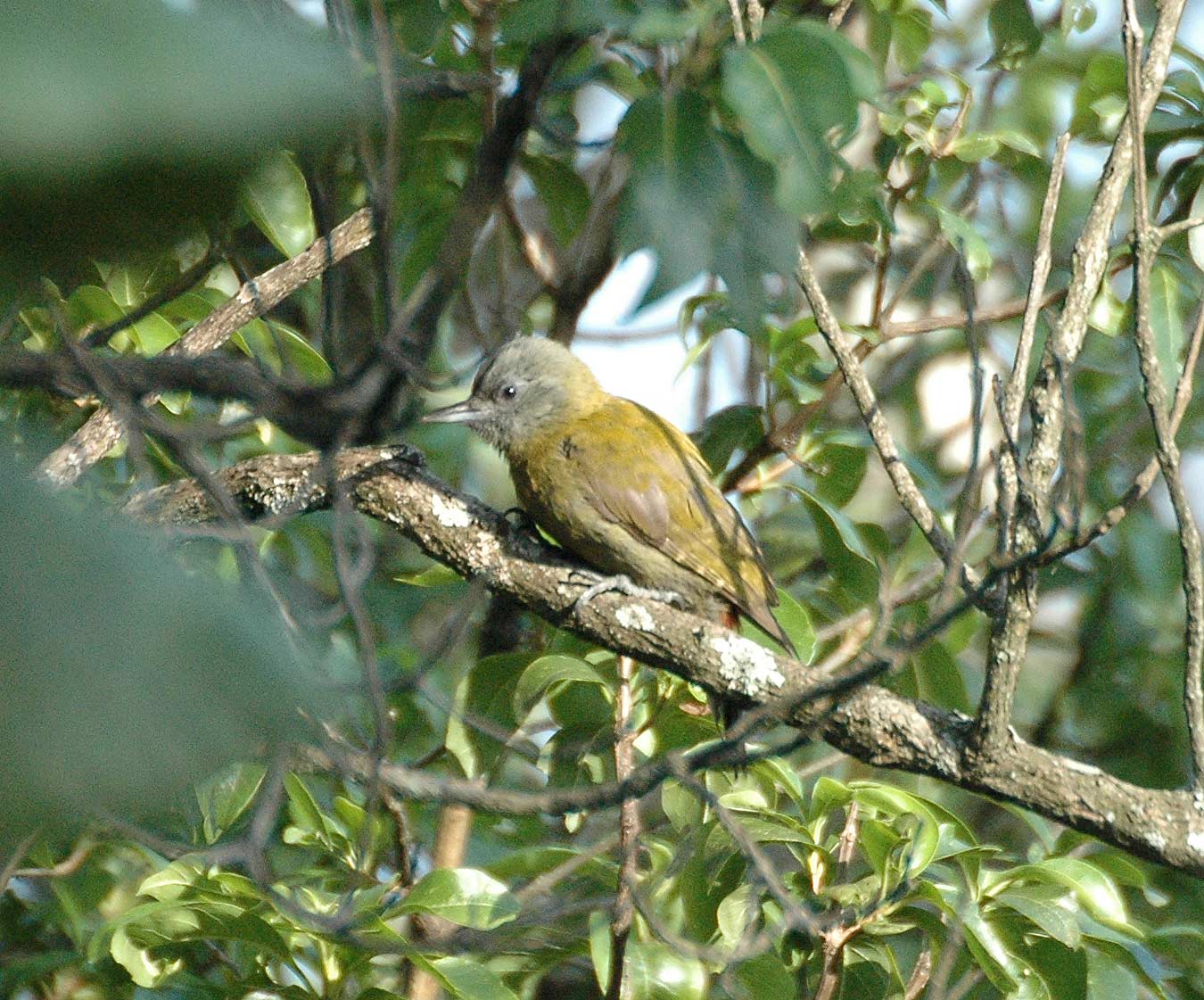
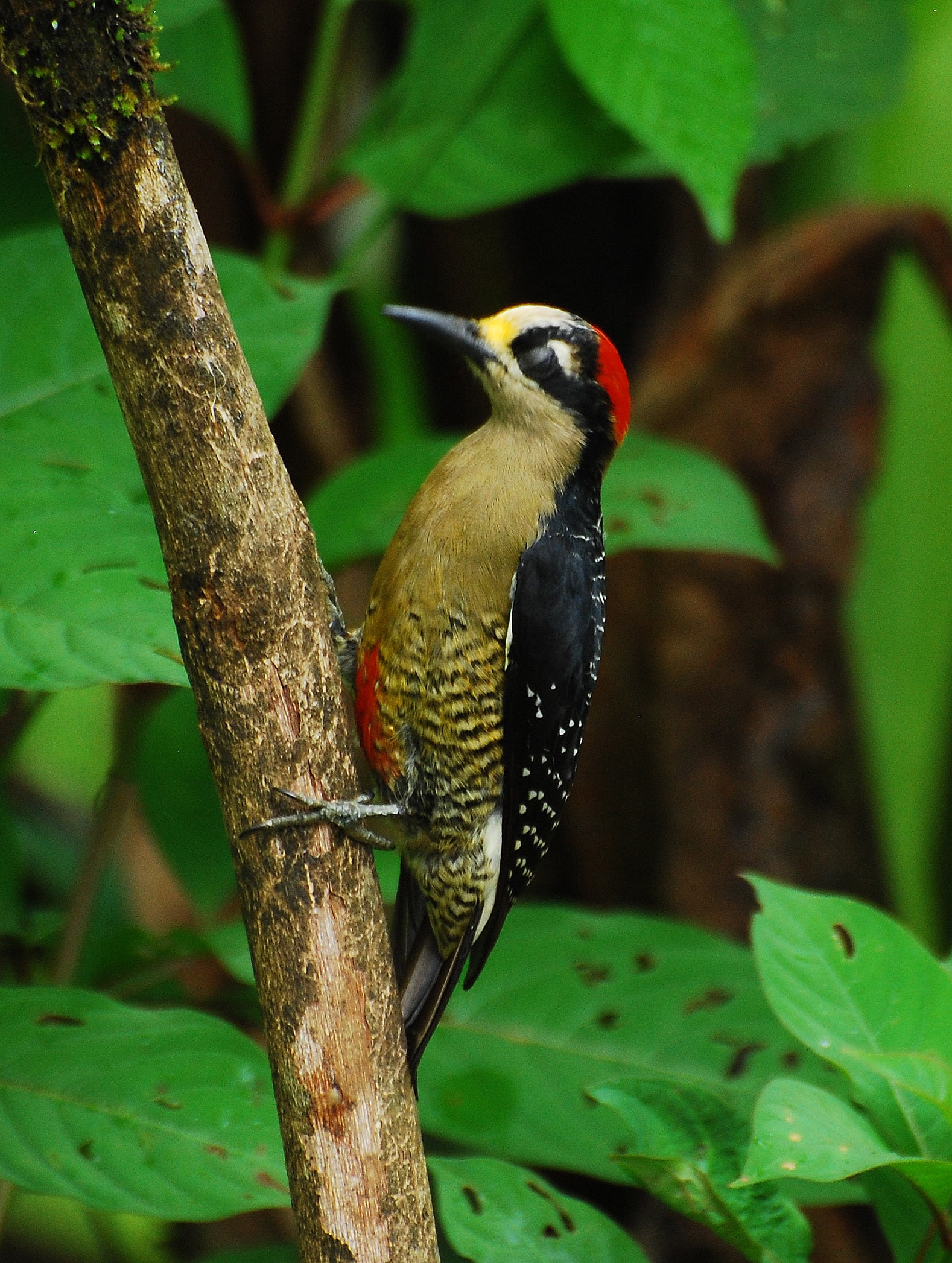
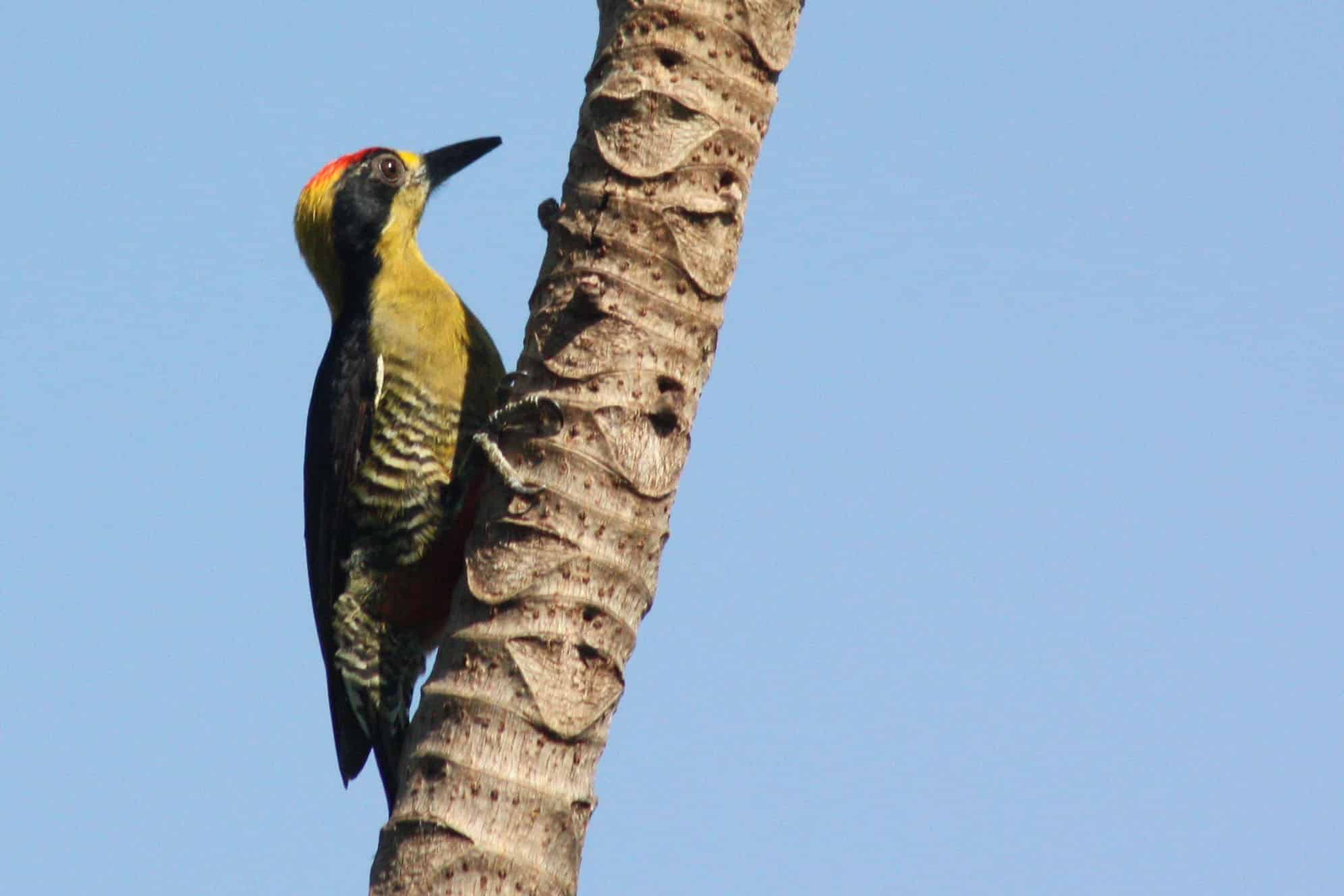
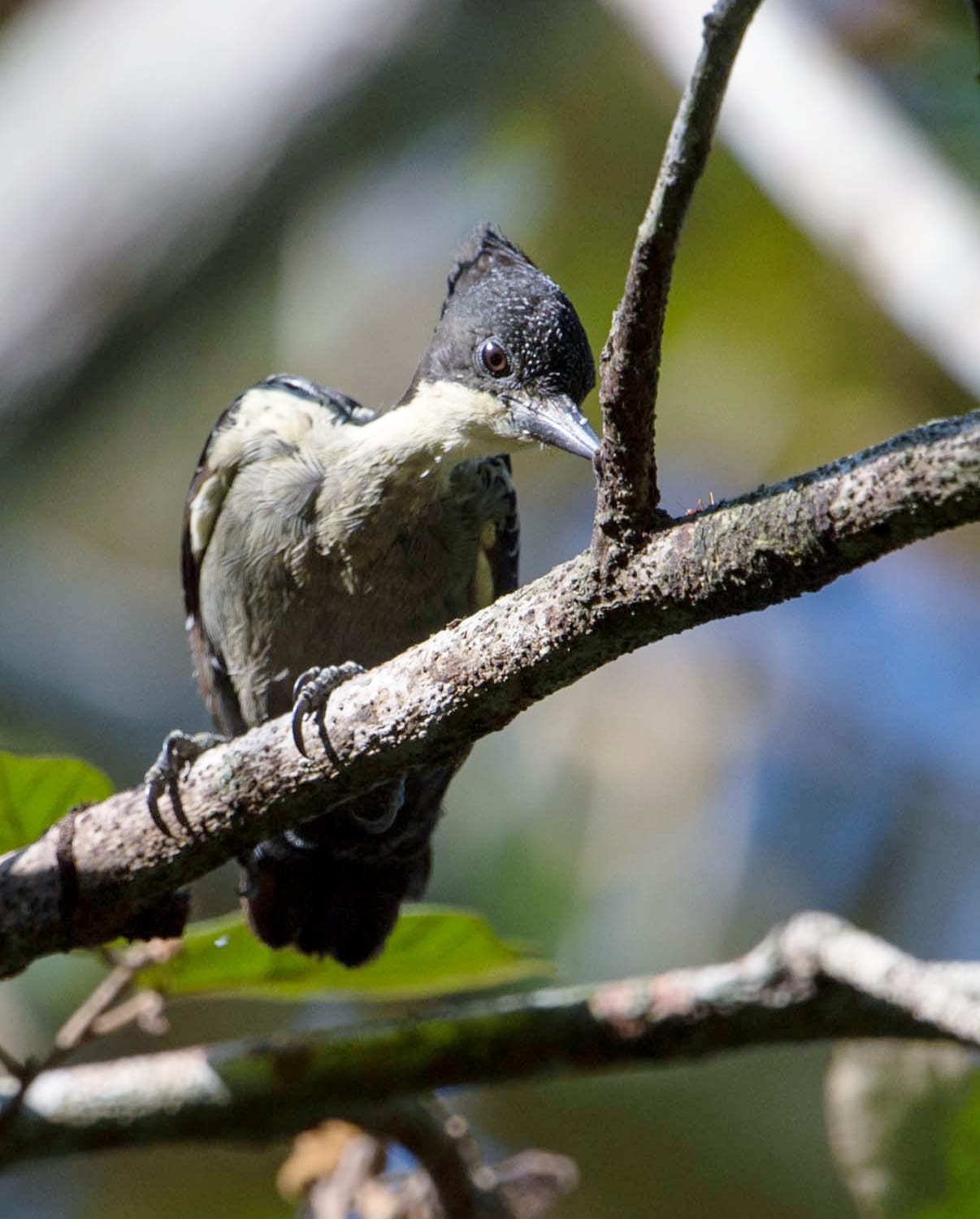
Woodpeckers are amazing birds that belong to the family Picidae. These fascinating creatures can be found all over the world, except in Australia and Antarctica, tapping into trees in their quest for food and shelter.
Woodpeckers come in a variety of sizes, ranging from 15 to 40 centimeters (6 to 16 inches). Their strong beaks help them peck into trees to find tasty insects, tree sap, and seeds like little avian lumberjacks.
These birds have a clever way of getting what they need. Their tough head and shock-absorbing skull protect them from injury as they drum against the bark. This unique pecking not only helps them find food but also creates homes in dead or decaying trees.
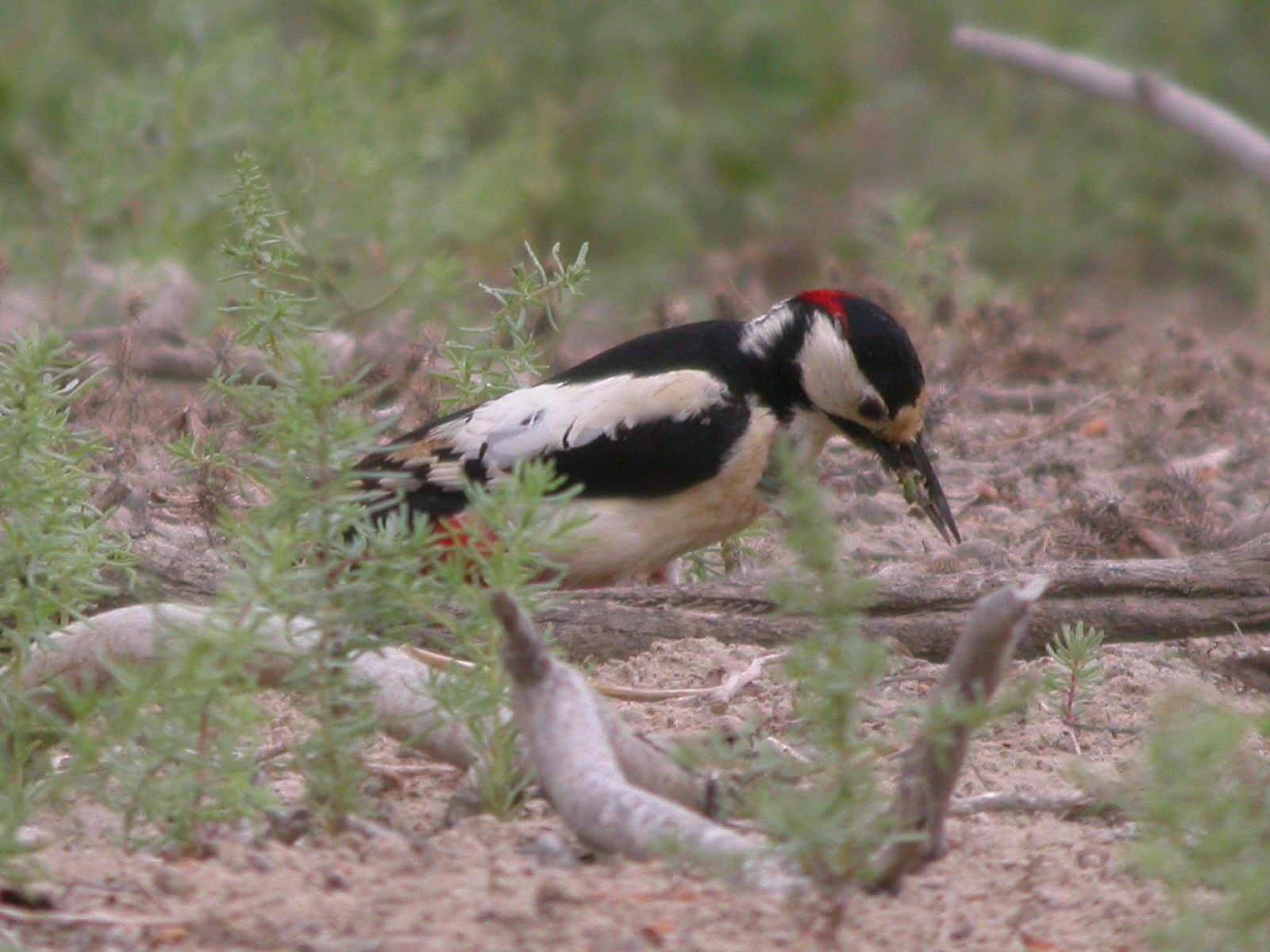
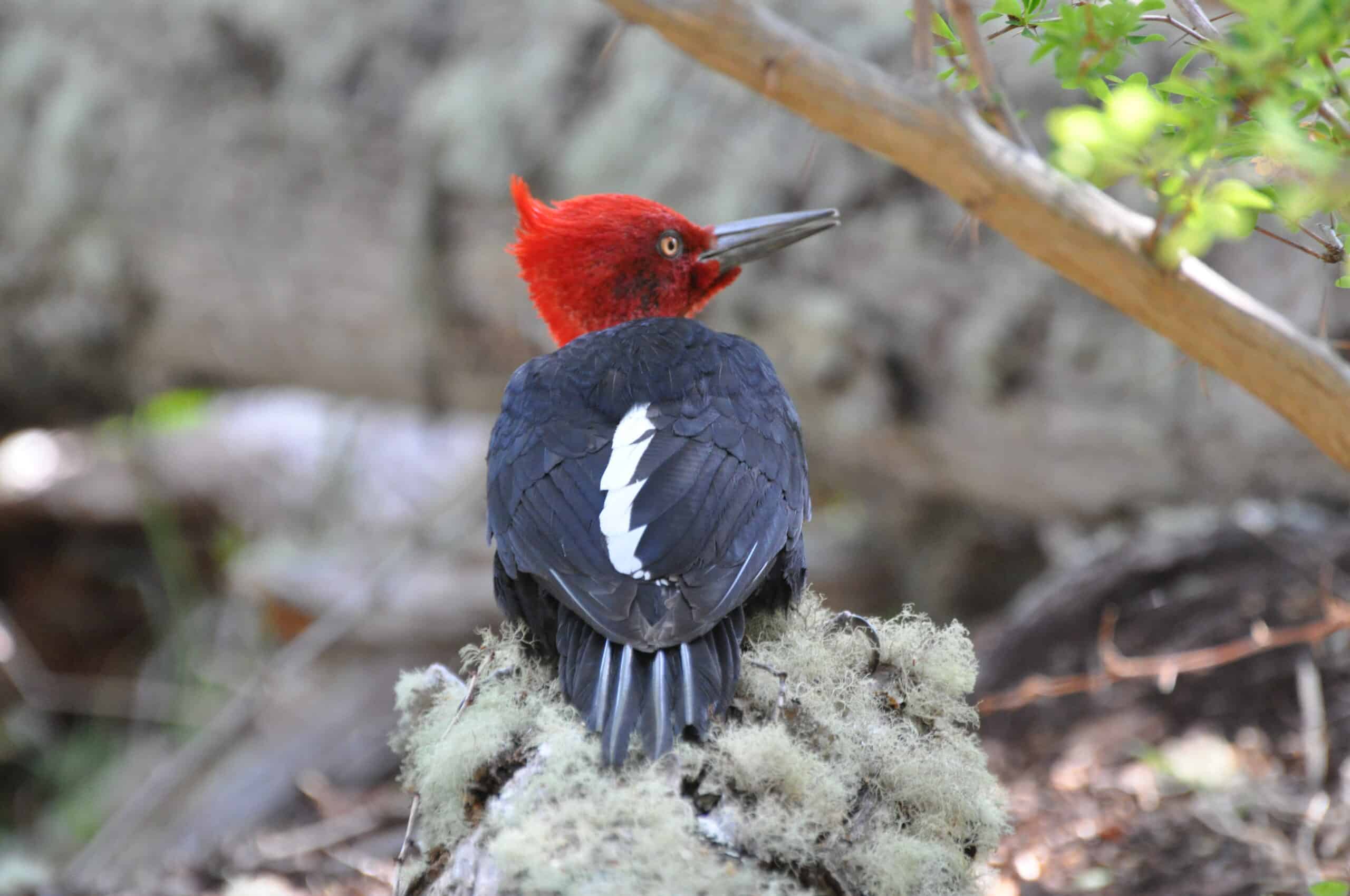
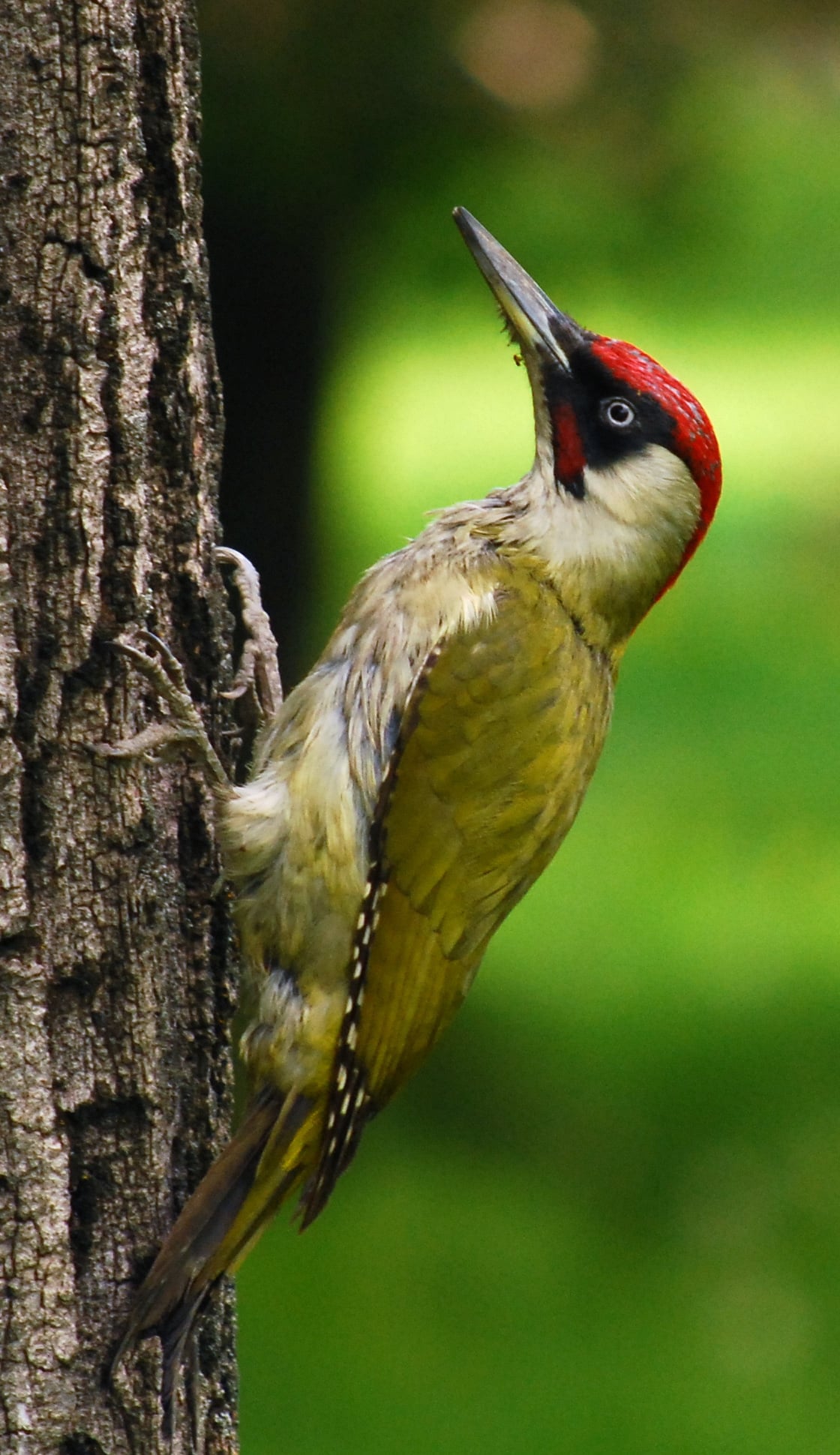
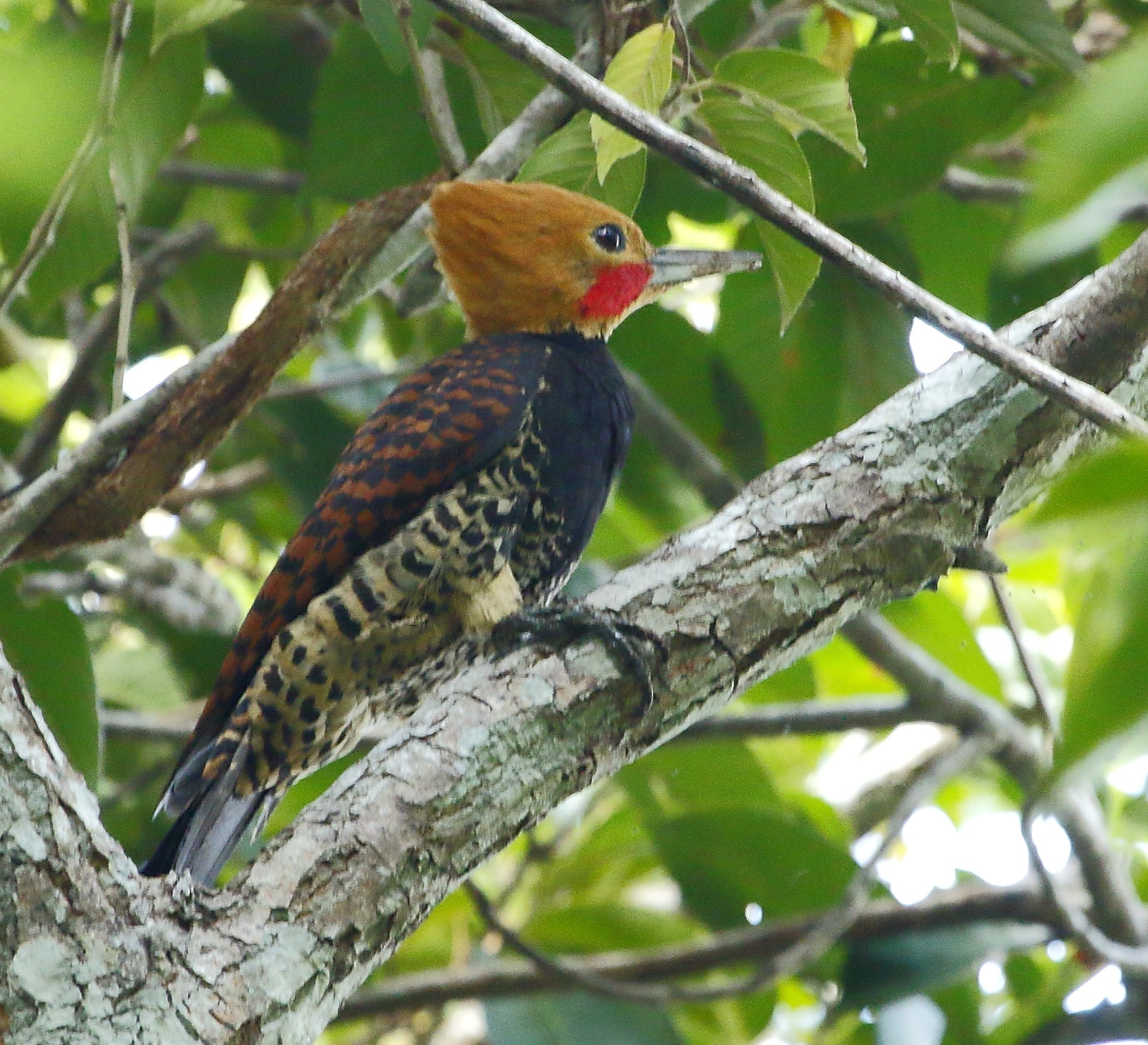
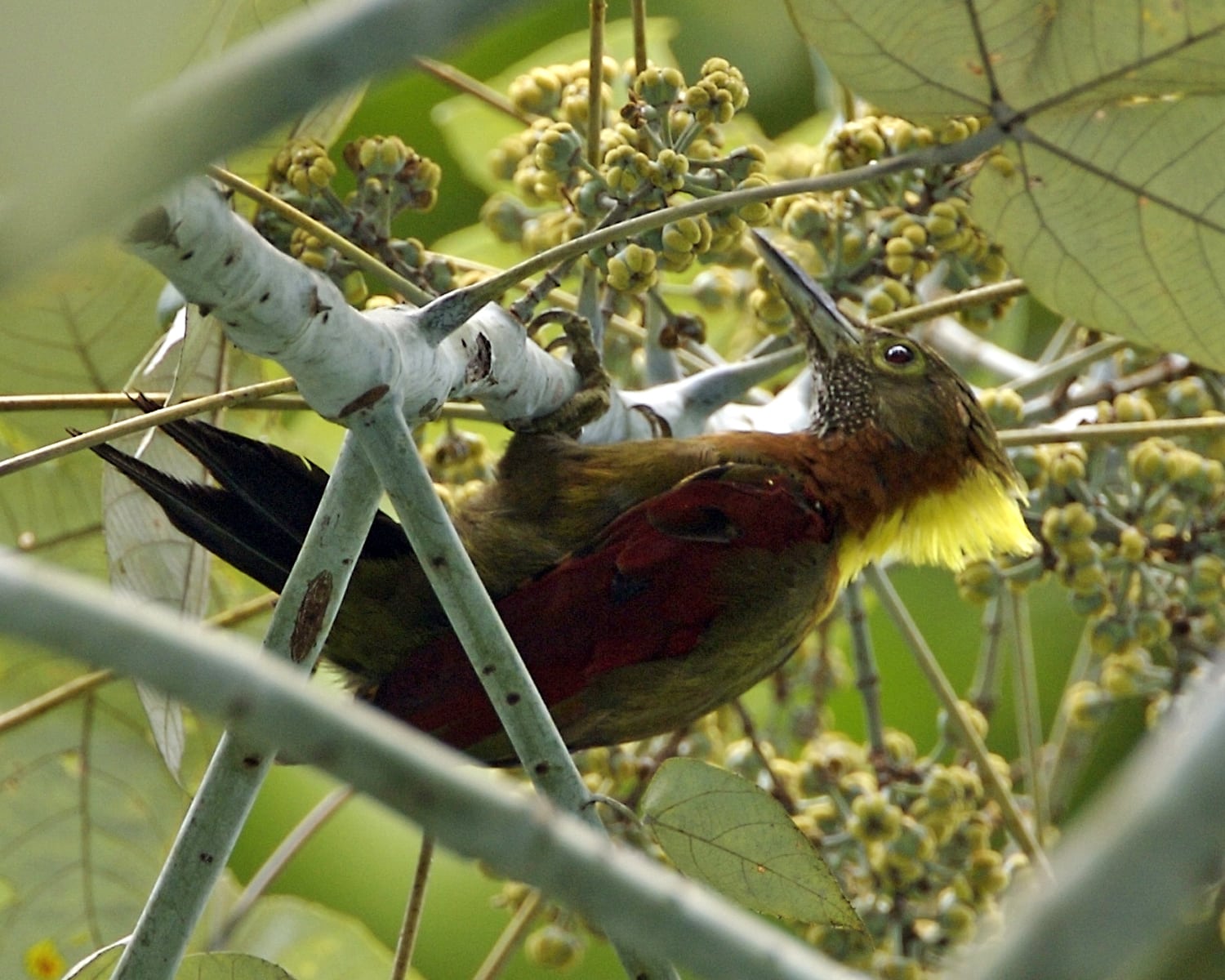
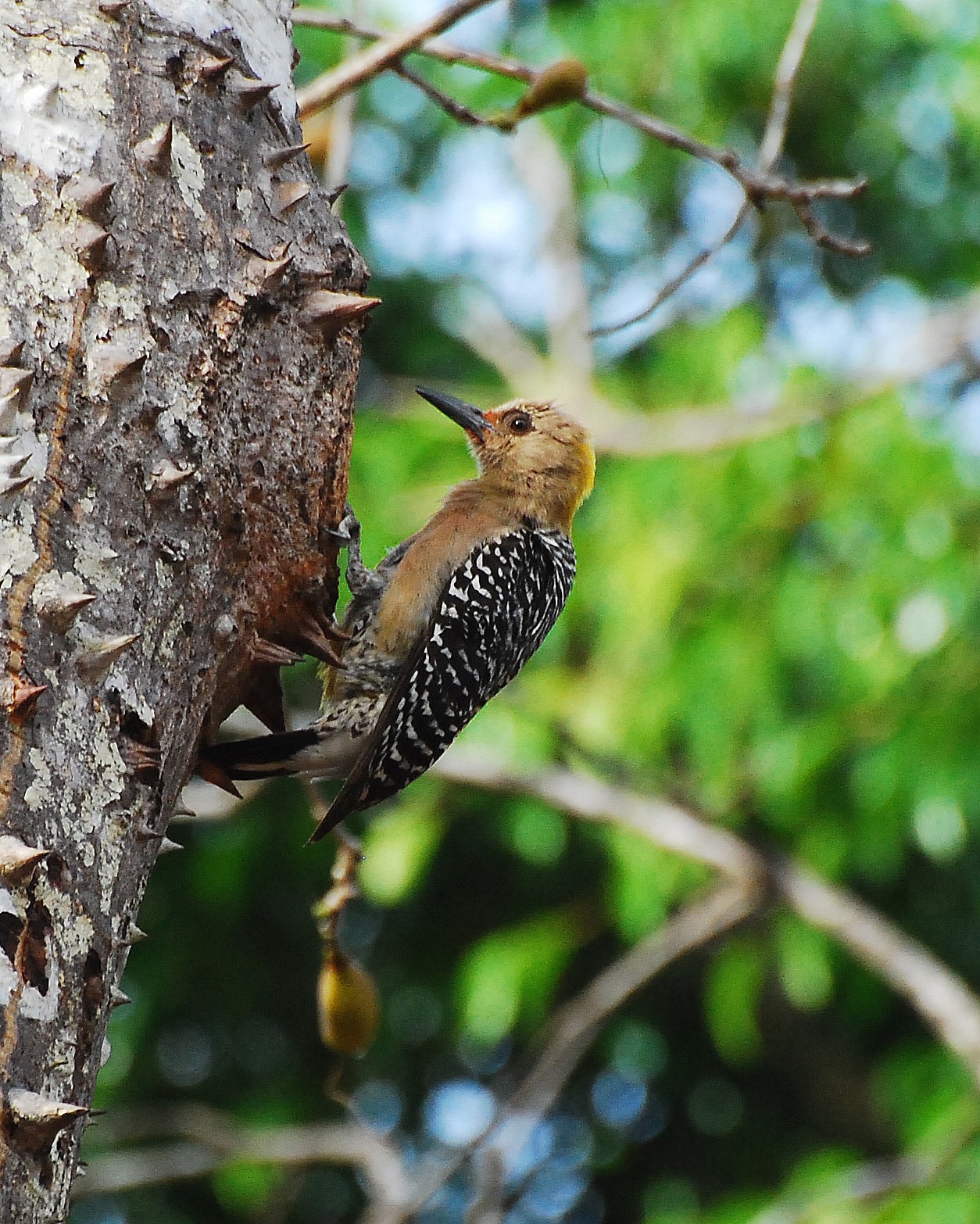
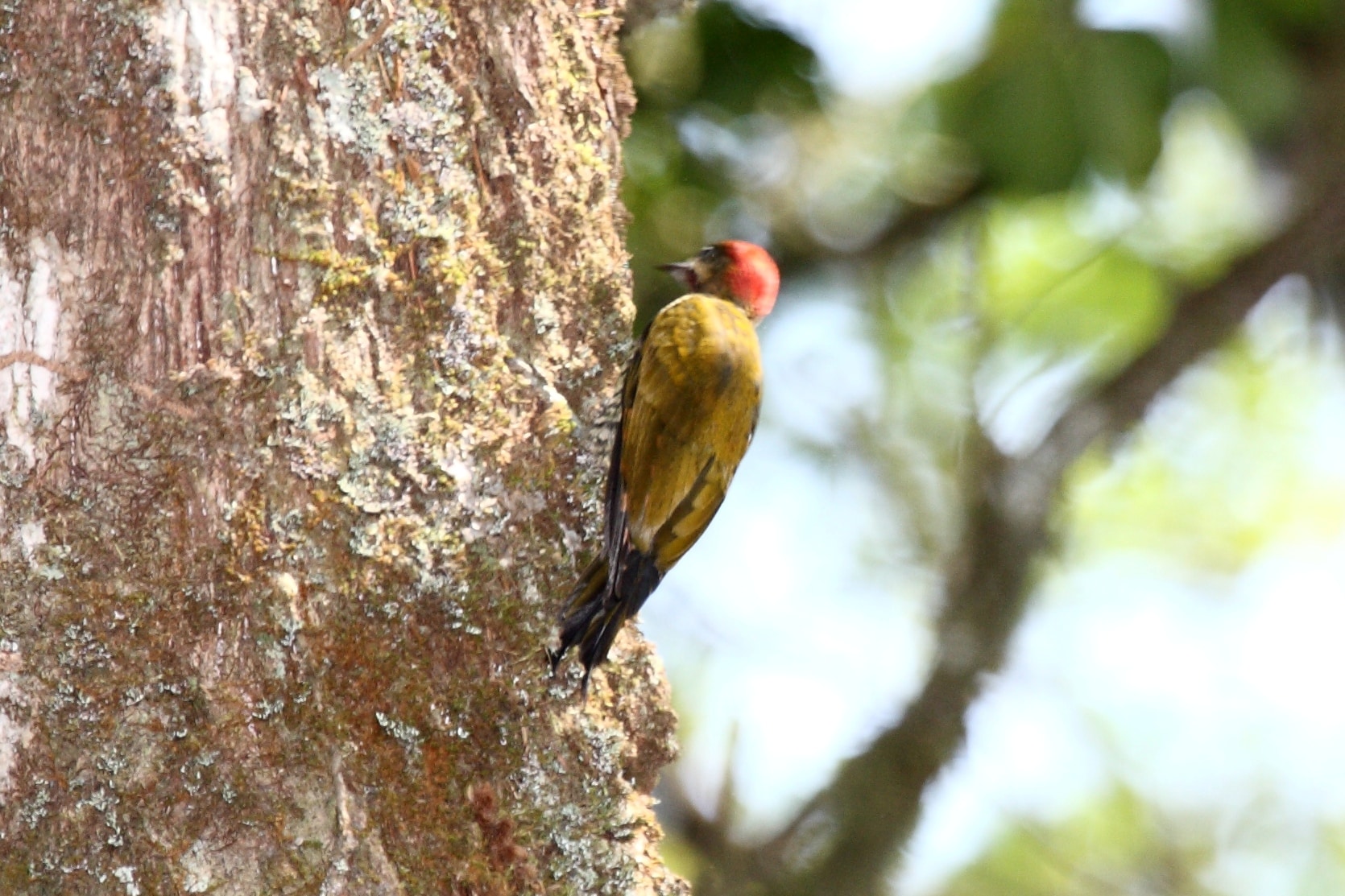
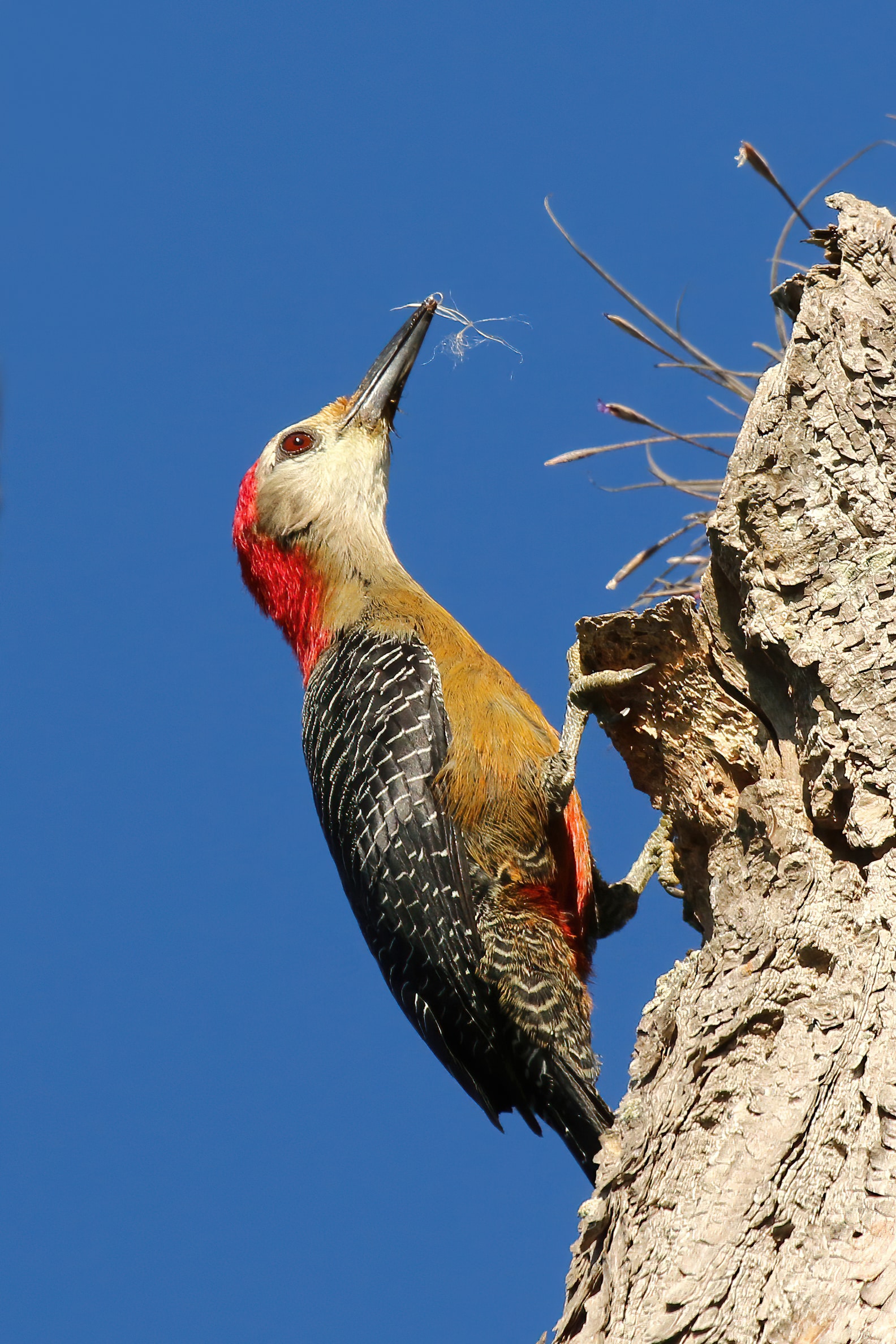
Woodpeckers sport bright colors and unique patterns, making them a delight to spot. From the striking red of the Red-headed Woodpecker to the classic black and white of the Great Spotted Woodpecker, these birds surely know how to make an entrance in their forest homes.
Woodpeckers also play a crucial role in their habitat. Their pecking leaves holes in trees that other animals can use as nests or hiding spots, like a little community center for forest critters. Plus, by eating insects, they help keep those pest populations in check.
With lifespans ranging from 4 to 12 years, woodpeckers have plenty of time to entertain us with their drumming skills. Next time you hear a tap-tap-tap in the woods, you might just be in the presence of a spectacular woodpecker!

Where can you find a Woodpecker in the wild?
What does a Woodpecker eat?
How big can a Woodpecker grow?
How long does a Woodpecker typically live?
What is the conservation status of the Woodpecker?
What are the main threats to the Woodpecker?
Fun facts
Woodpeckers have tongues that can extend up to 10 centimeters (4 inches) beyond their beaks. This incredible tongue helps them reach insects hiding deep inside tree bark!


These birds communicate through a variety of sounds like drumming and tapping, which can be heard from far away. Their favorite percussion instrument is their own beak against trees, making their forest a lively concert.
Some woodpecker species, like the Acorn Woodpecker, have fascinating social habits. They store acorns in holes they drill into trees, creating a stash that looks like a tiny grocery store for winter!
Woodpeckers have specialized toe arrangements with two toes facing forward and two facing backward. This unique feature helps them grip tree trunks securely, making them excellent climbers!
These birds can peck at a speed of up to 20 times per second. That’s like a tiny drum show, and it helps them drill through tough bark with ease!
Woodpeckers have a special cushioning between their skull and brain that protects them from impact. This adaptation makes sure they stay safe even after hours of tapping!
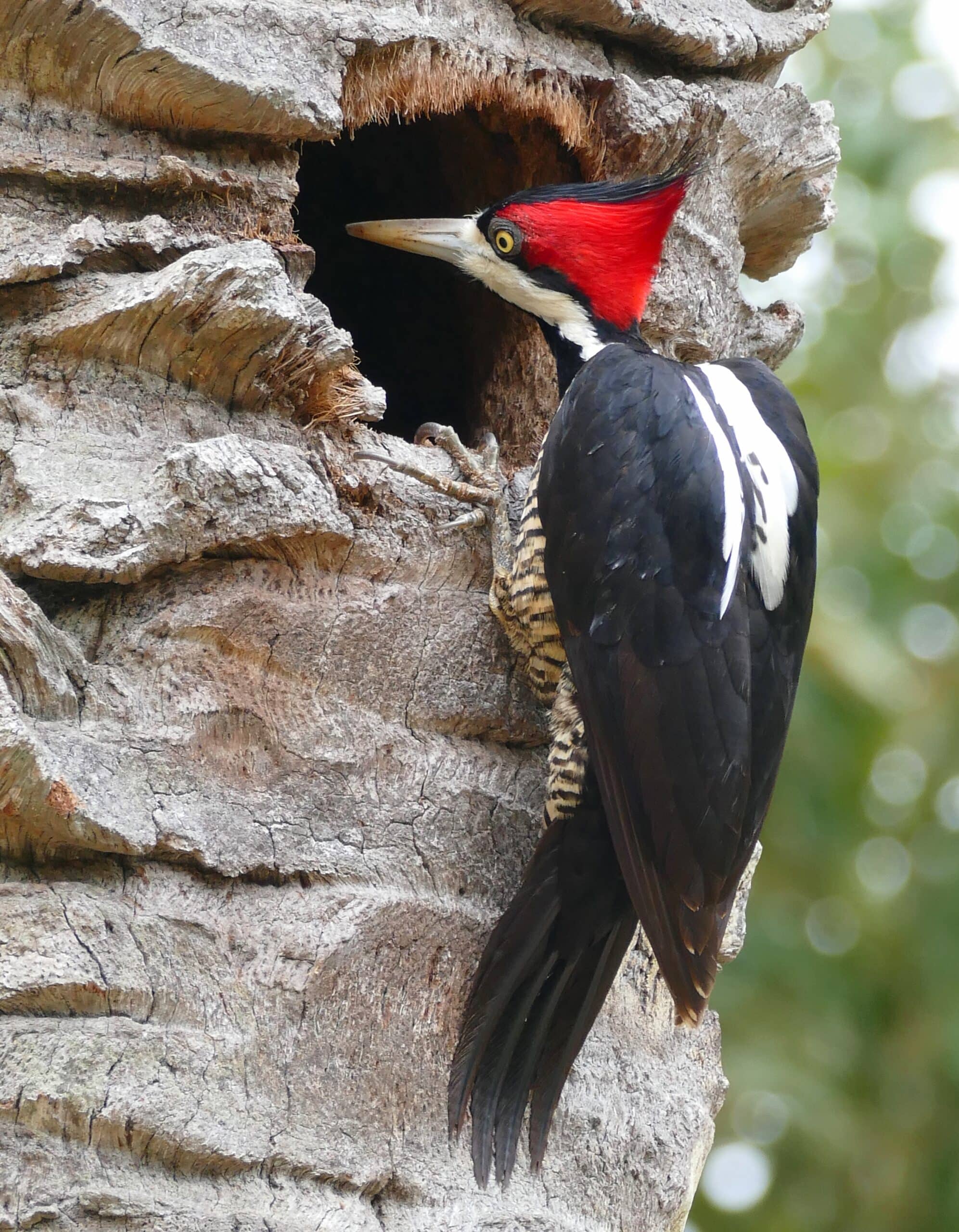
Some woodpecker species, like the Pileated Woodpecker, can create massive holes in trees. Their pecking sometimes makes it look like a giant has taken a bite out of the wood!
Woodpeckers can see ultraviolet light, which is invisible to humans. This helps them locate insects and tree sap more easily and makes them super hunters in the forest!
These birds have famous relatives that we often see at backyard bird feeders. Woodpeckers are closely related to the flickers and sapsuckers that also enjoy tapping and drumming!
Woodpeckers can have colorful feathers, like the bright red of the Red-bellied Woodpecker. They use their colors to attract mates and stand out in their leafy homes!
Photos

The Basics


explore more
Amphibians
Arachnids
Birds
Cats
Crustaceans
Fish
Fish Pet Guide
Gastropods
Insects
Invertebrates
Mammals
Pet Fish
Pet Rodents
Plants
Reptiles
Roundworms
Sea Slugs
