
Successfully copied to clipboard!
Winter Moth
Embrace the magic of winter with these tiny fluttering friends!
Let’s Explore
Overview
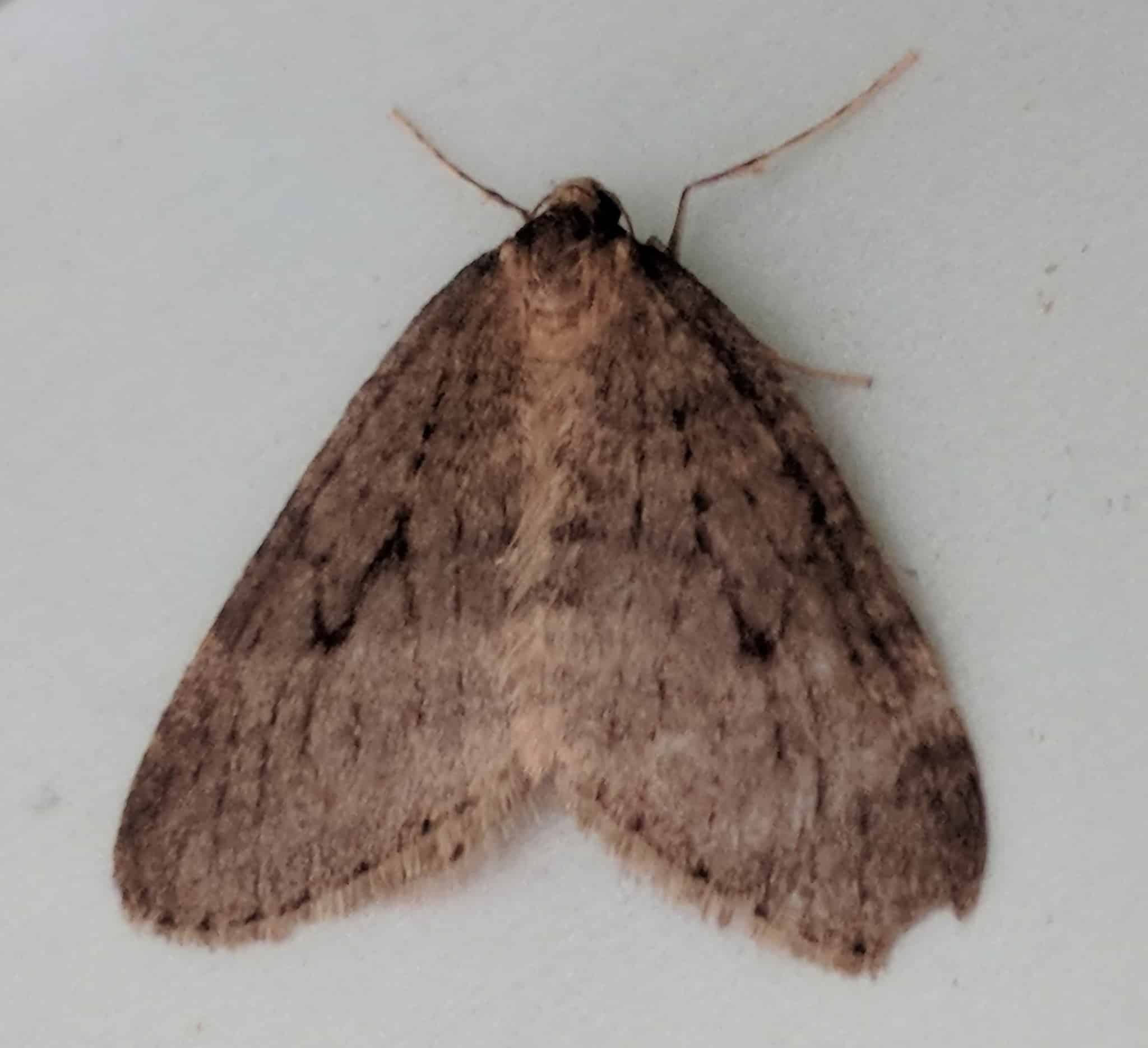
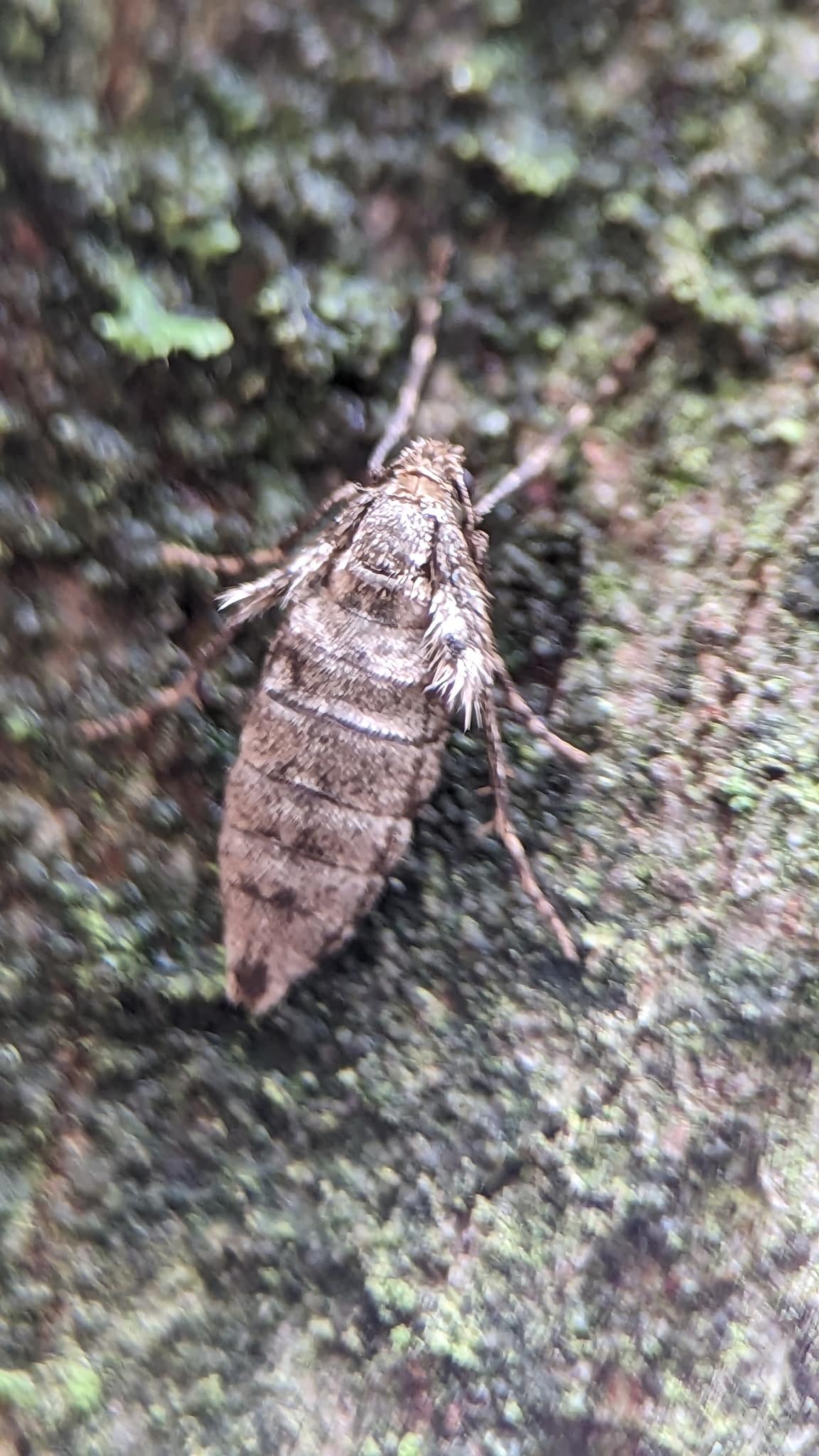
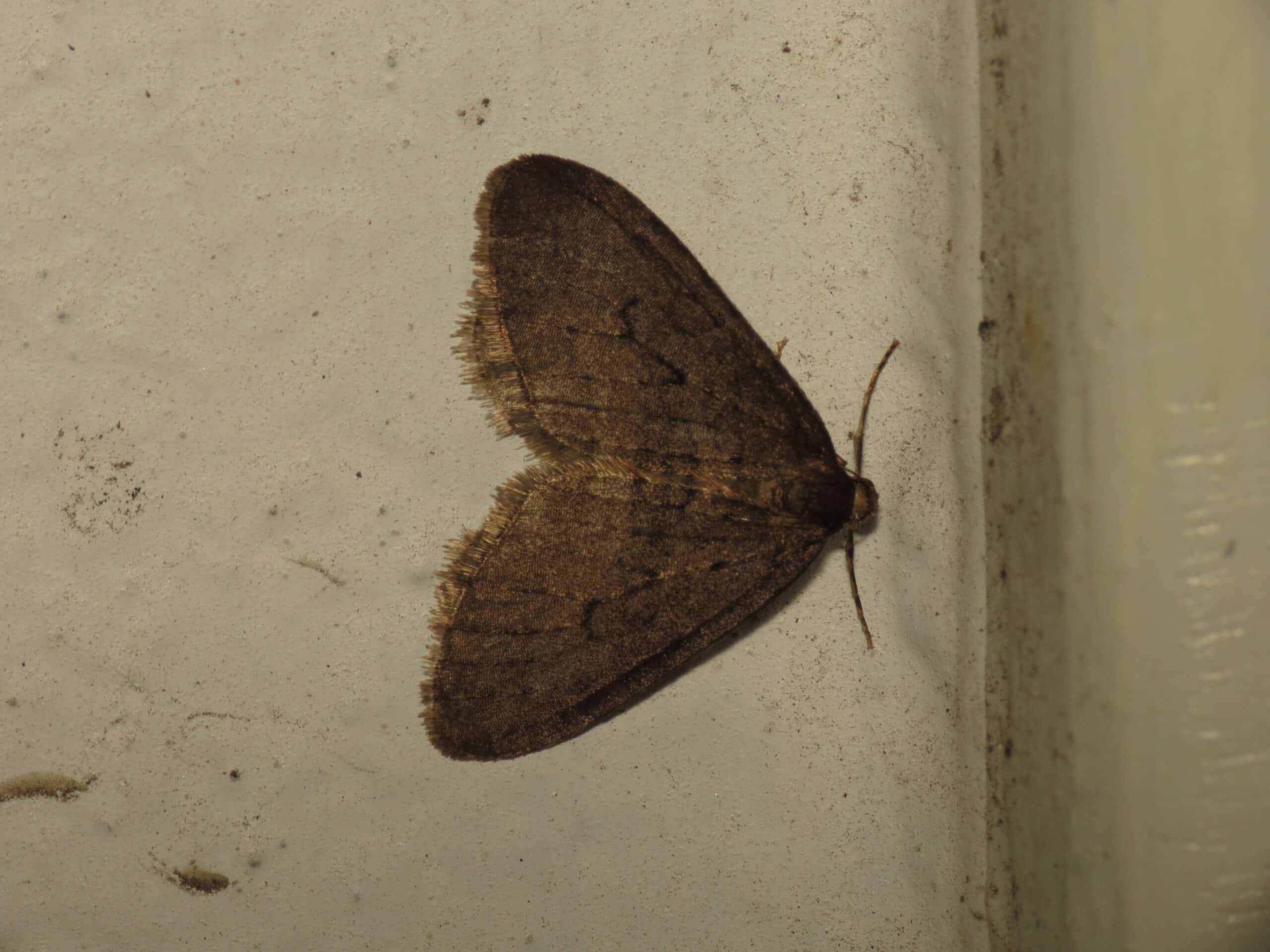
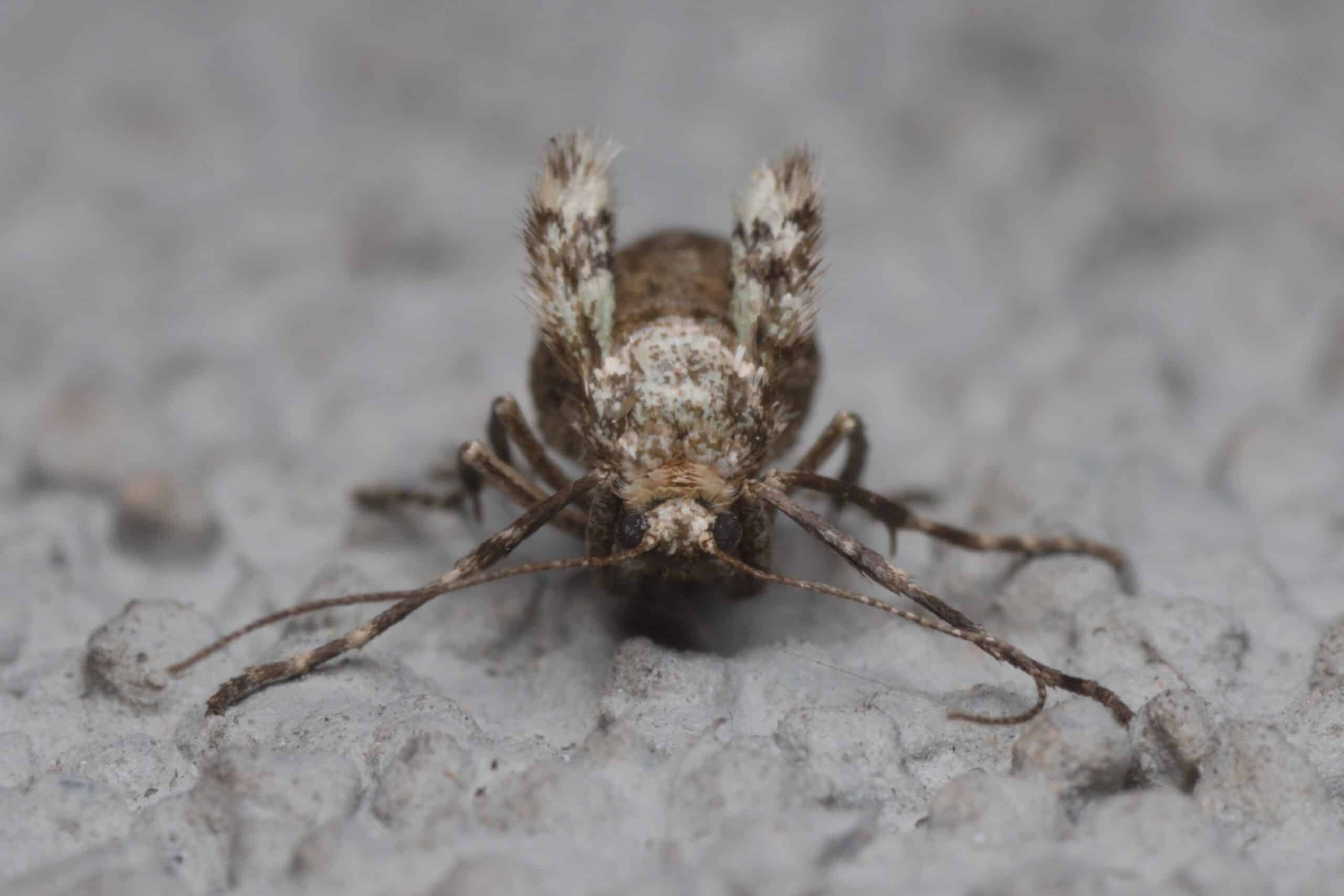
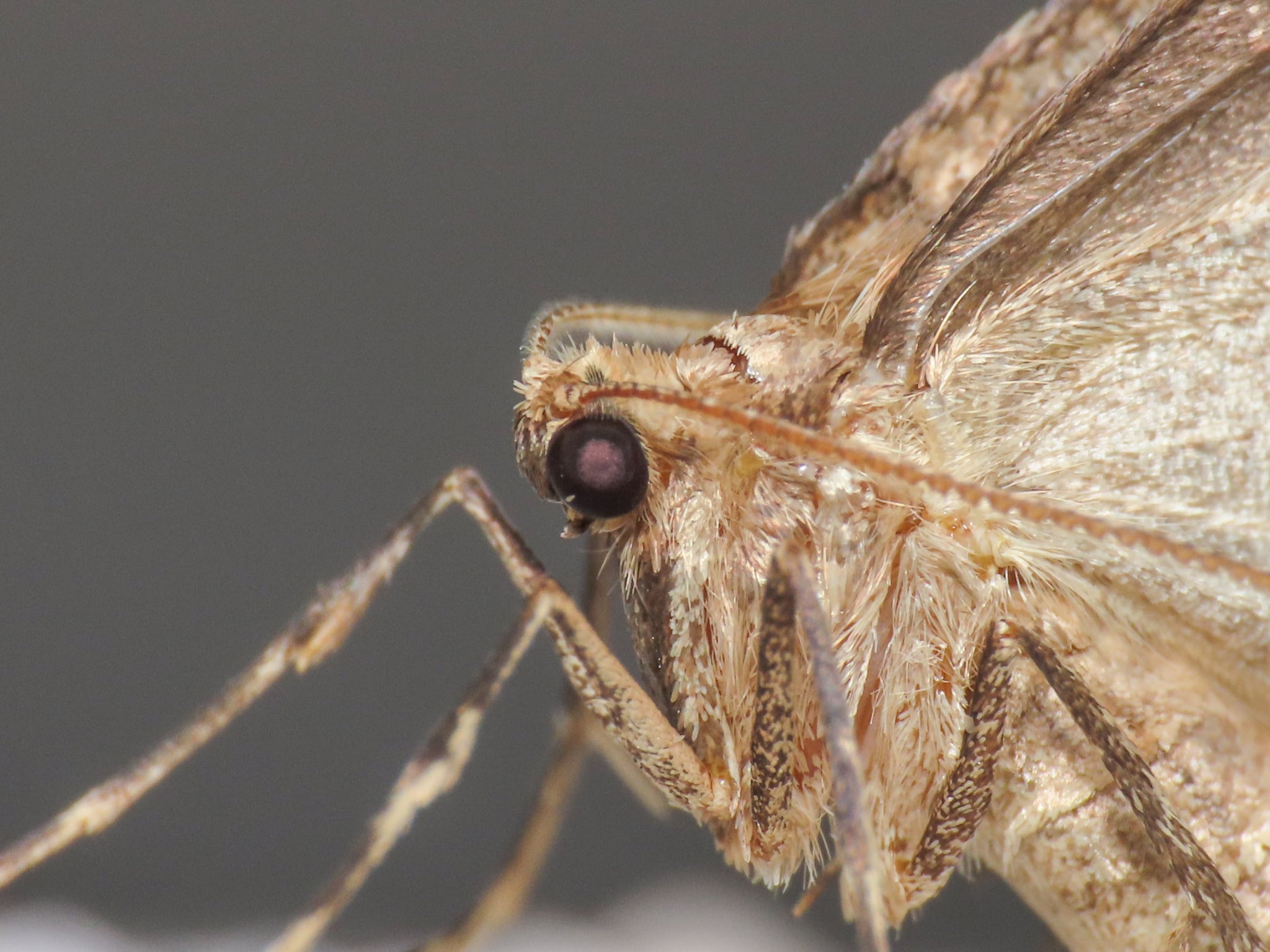
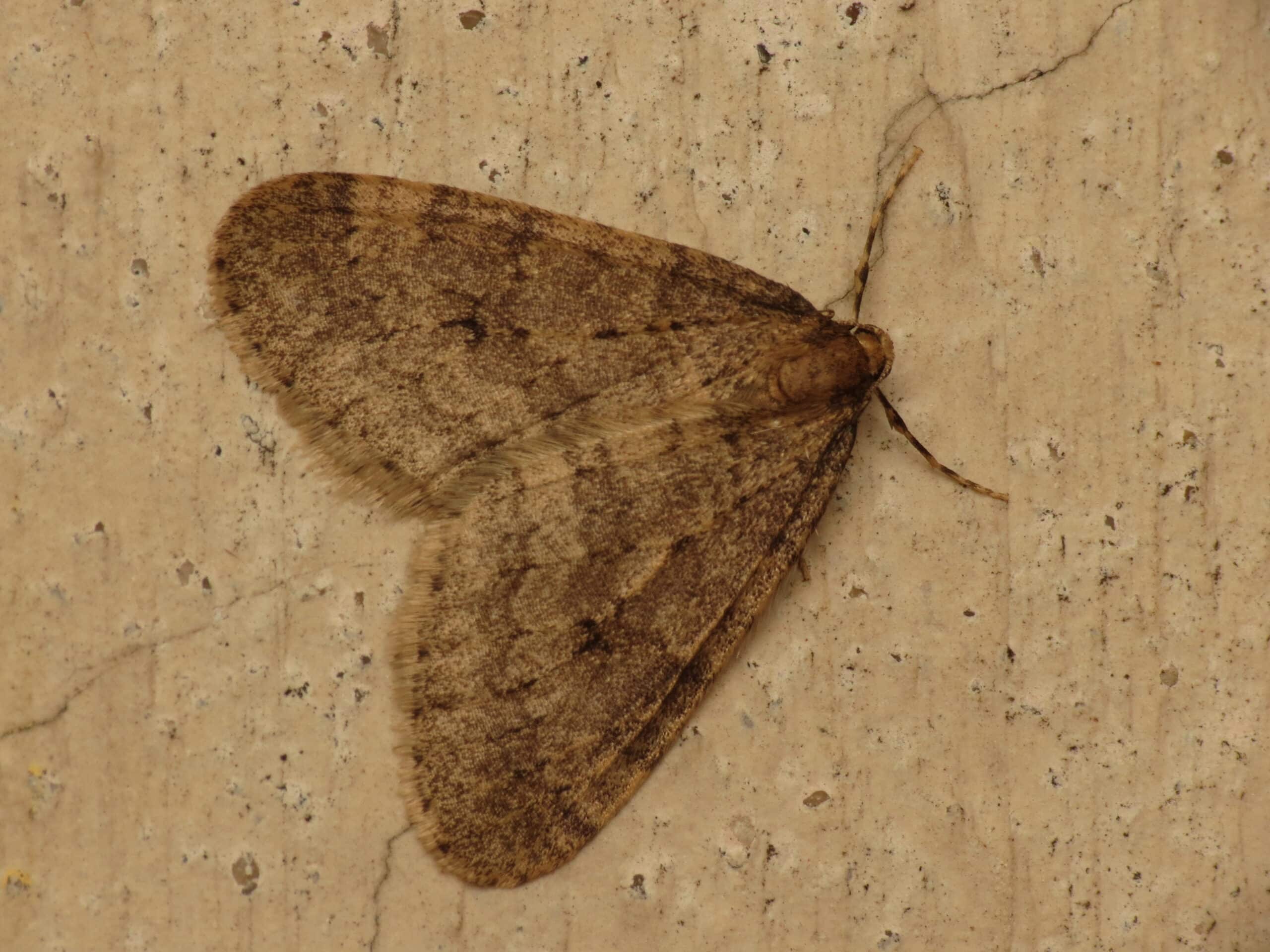
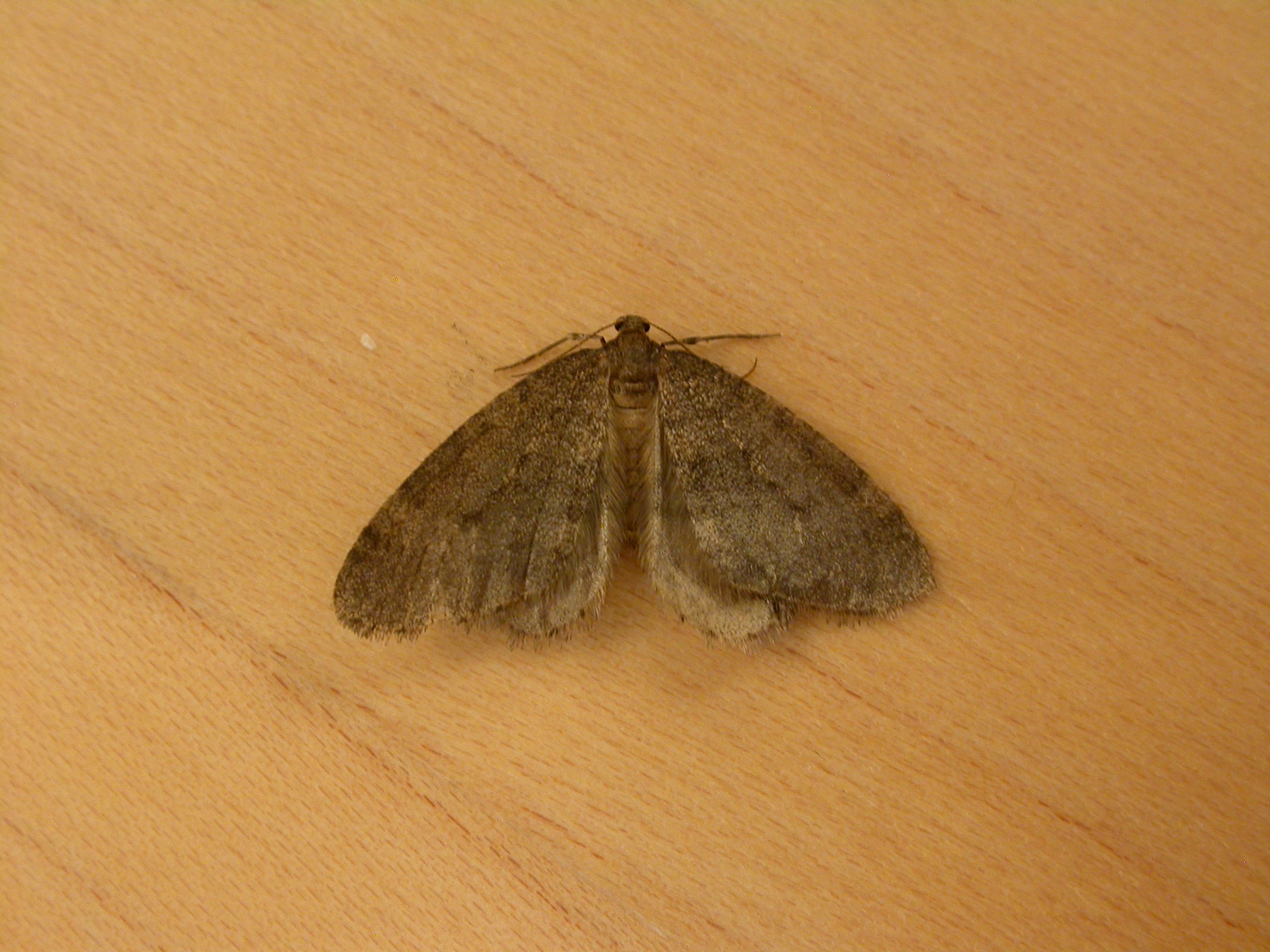
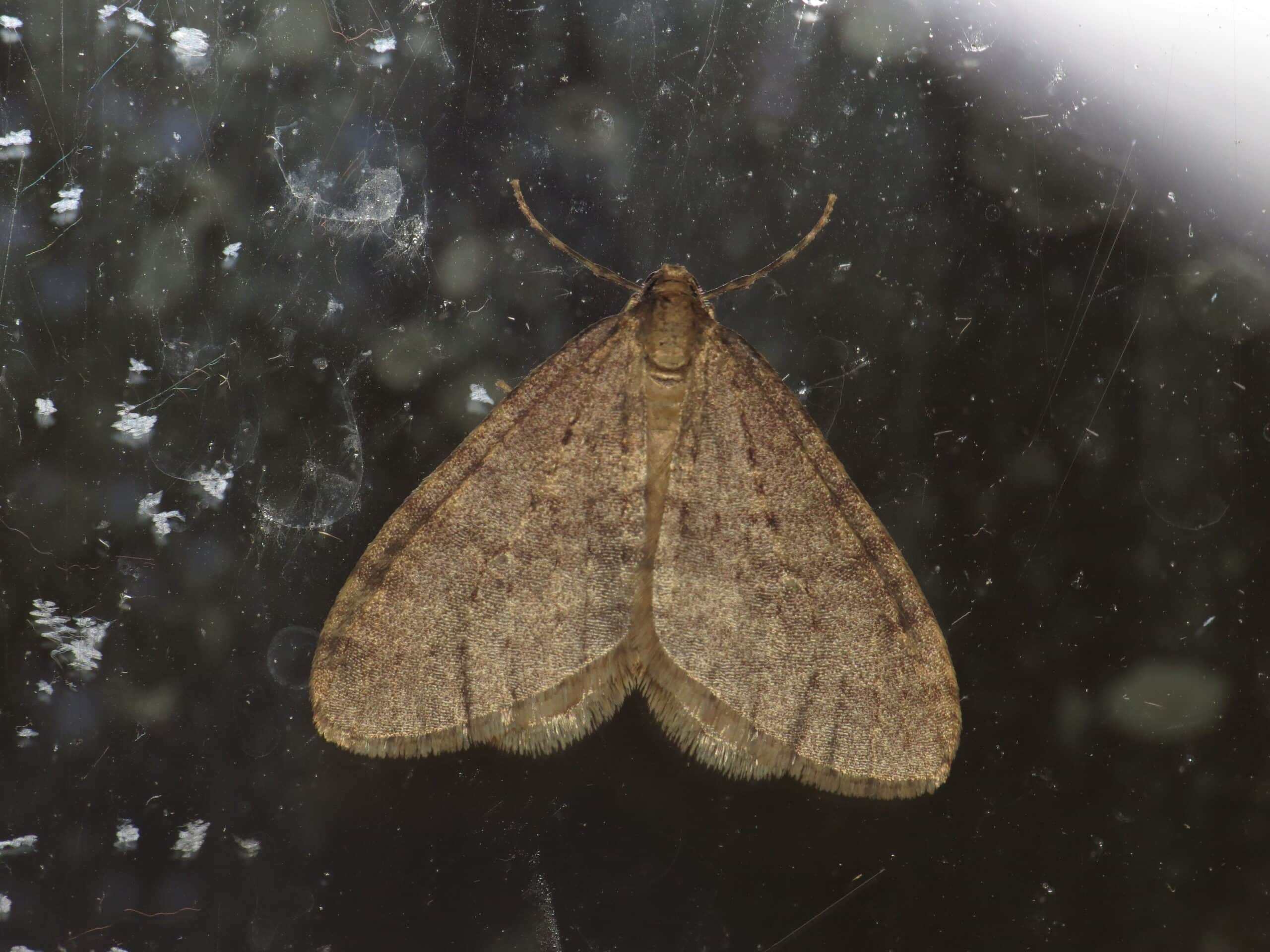
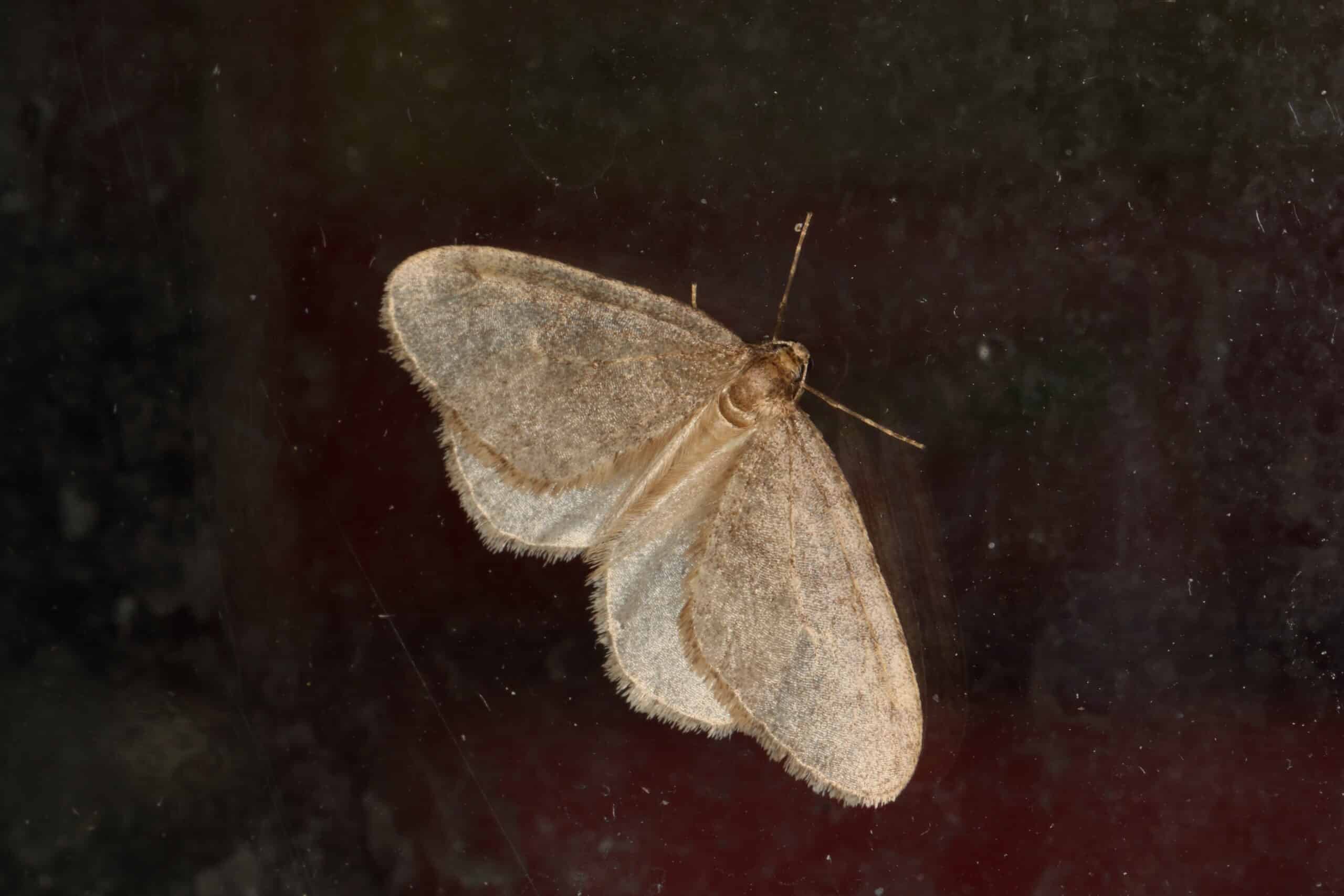
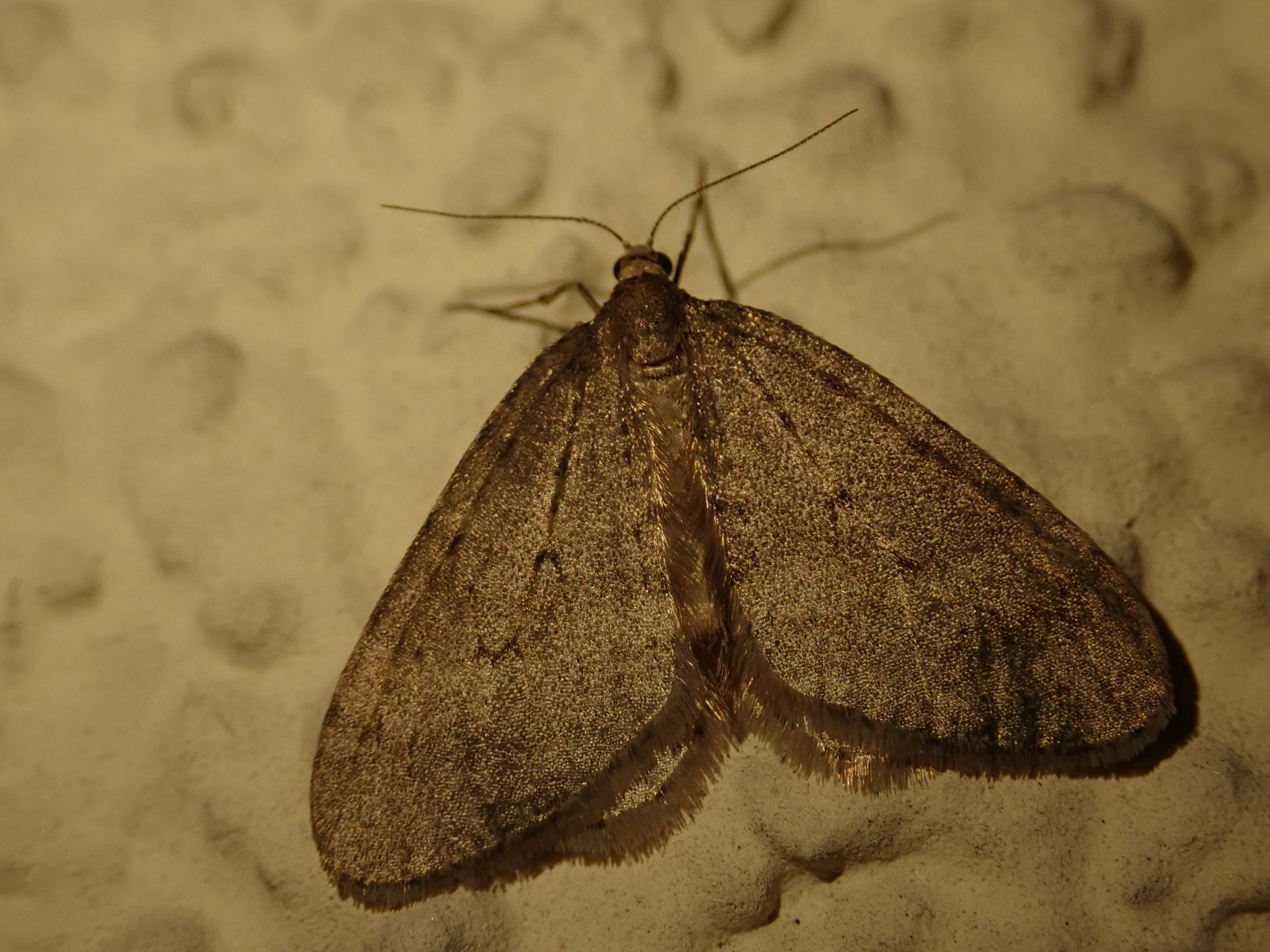
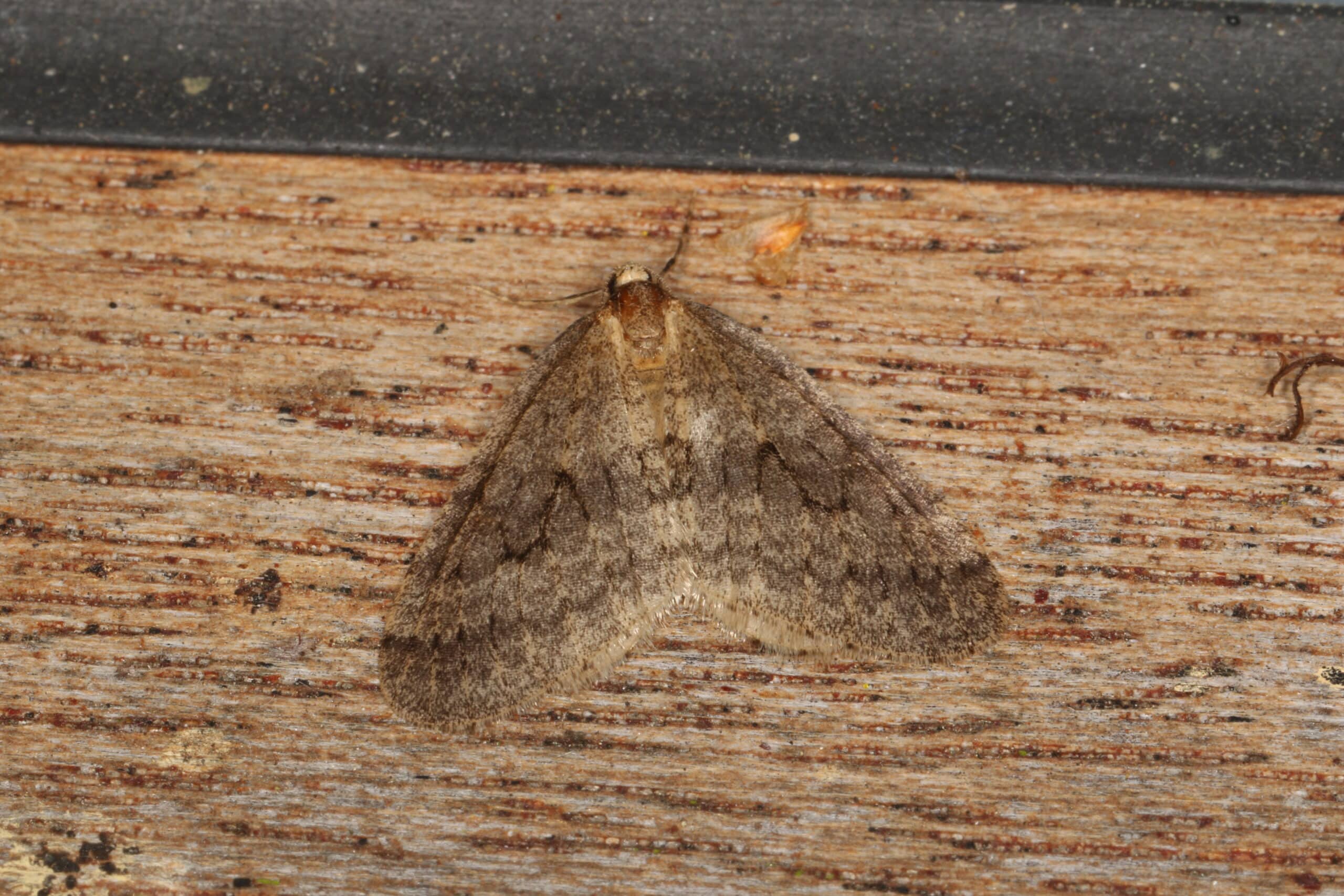
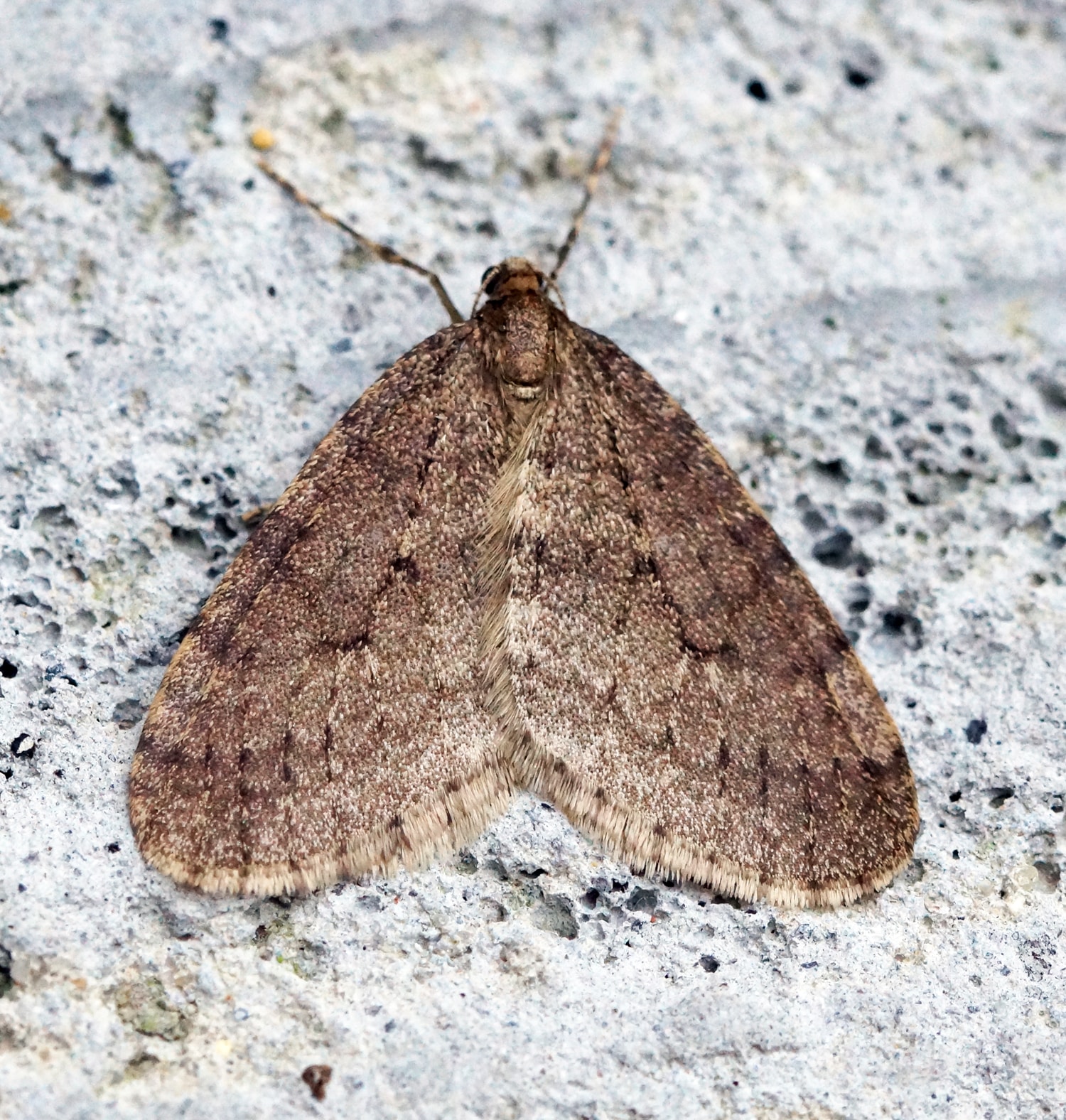
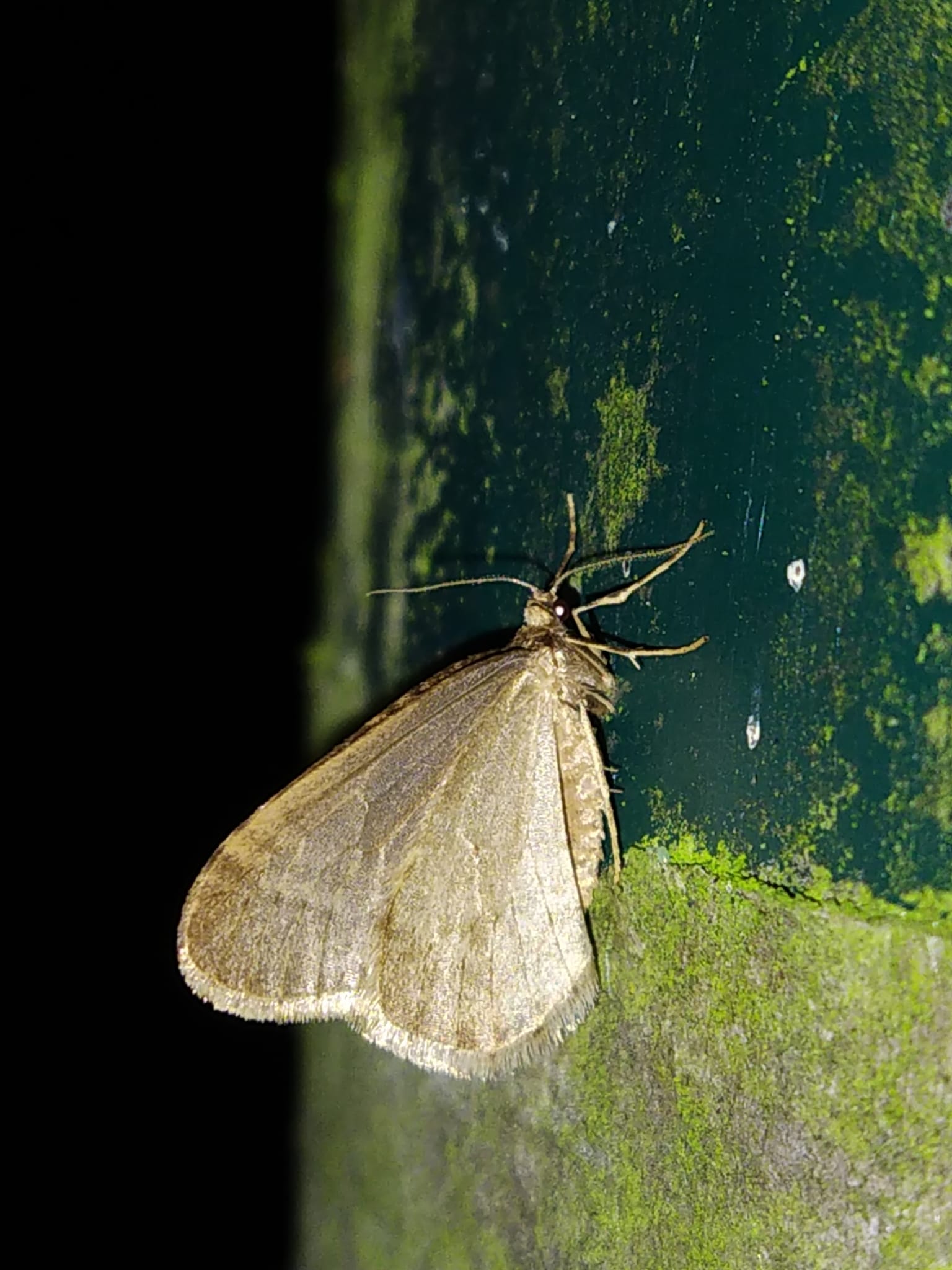
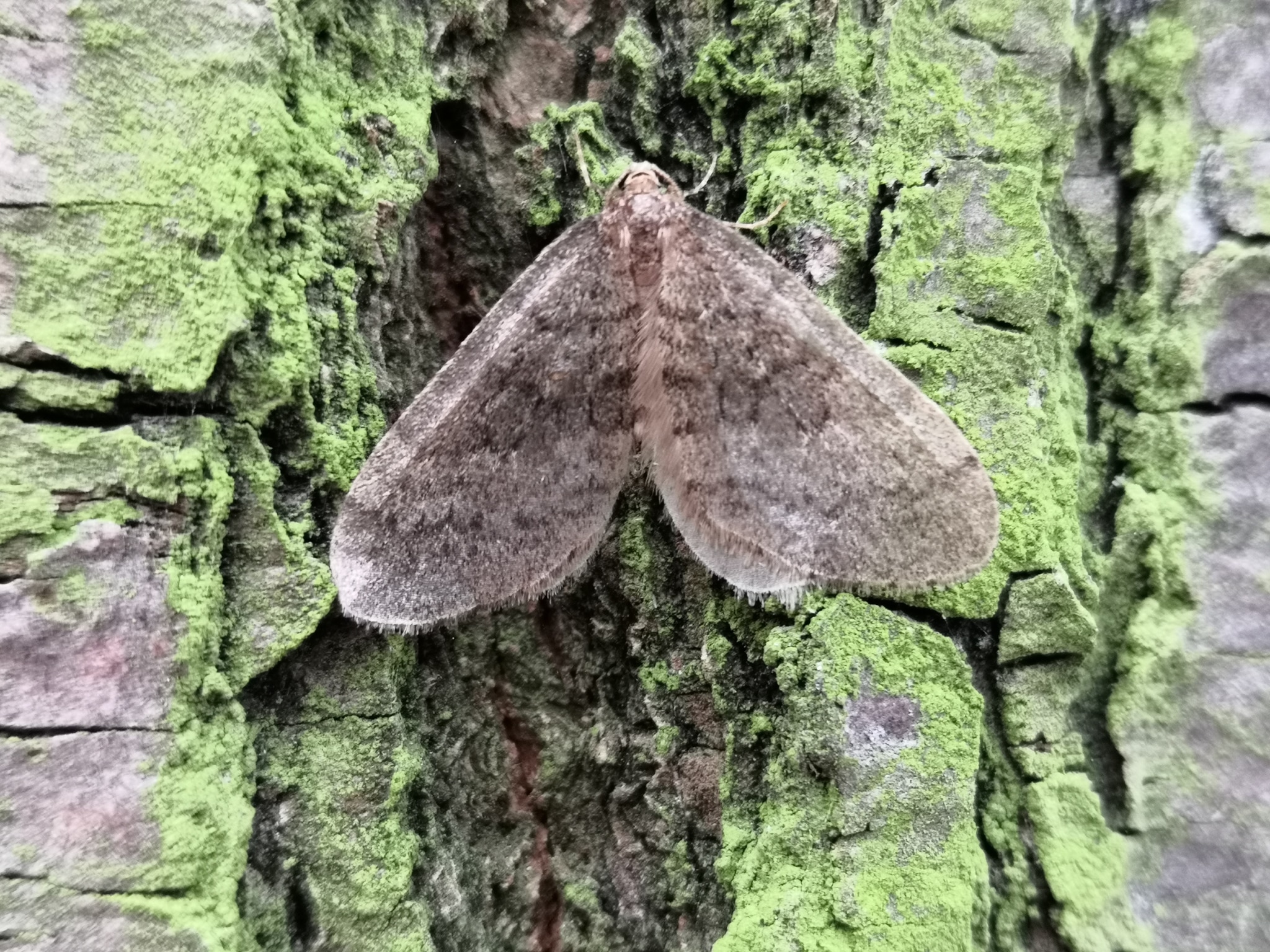
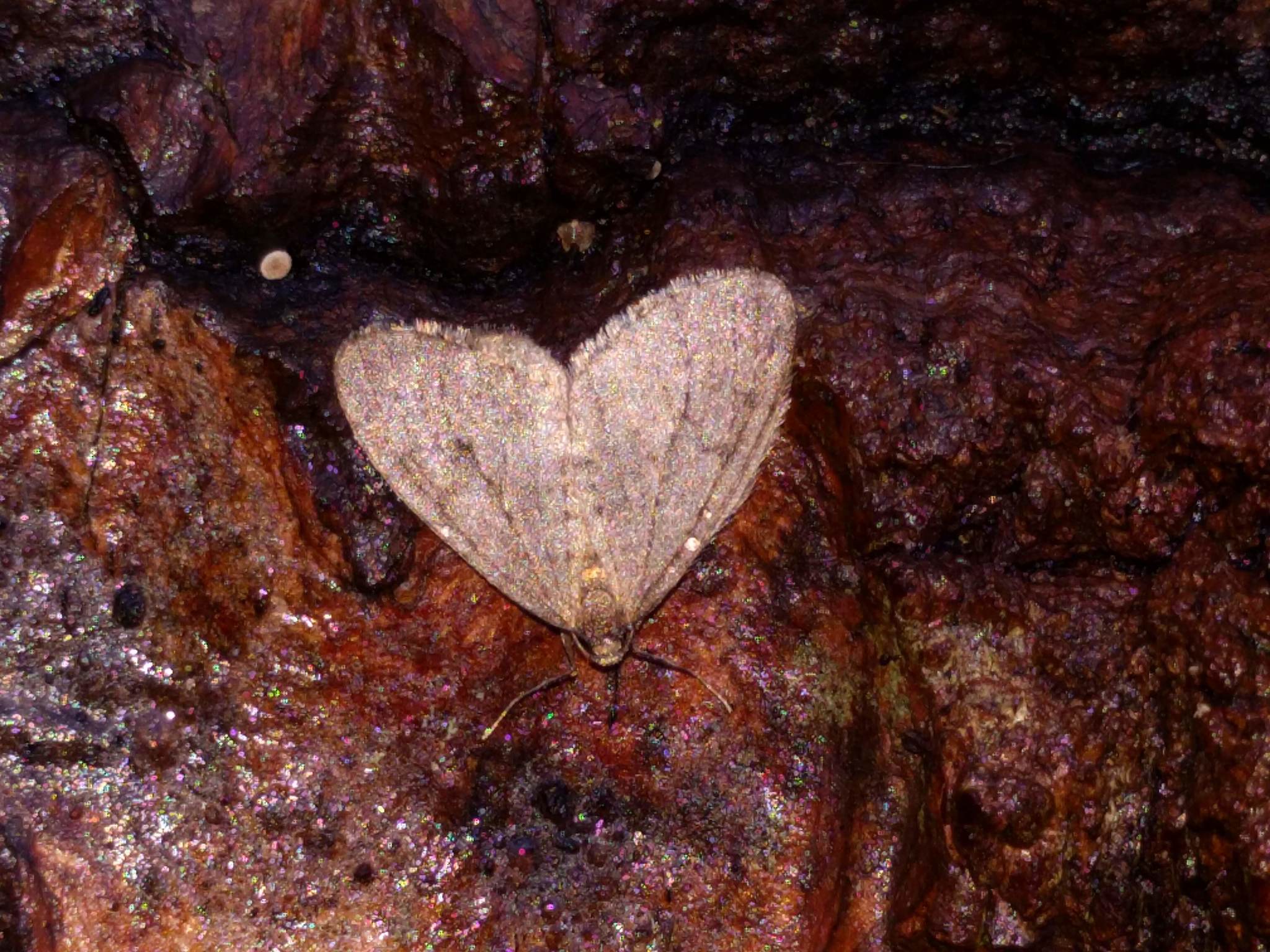
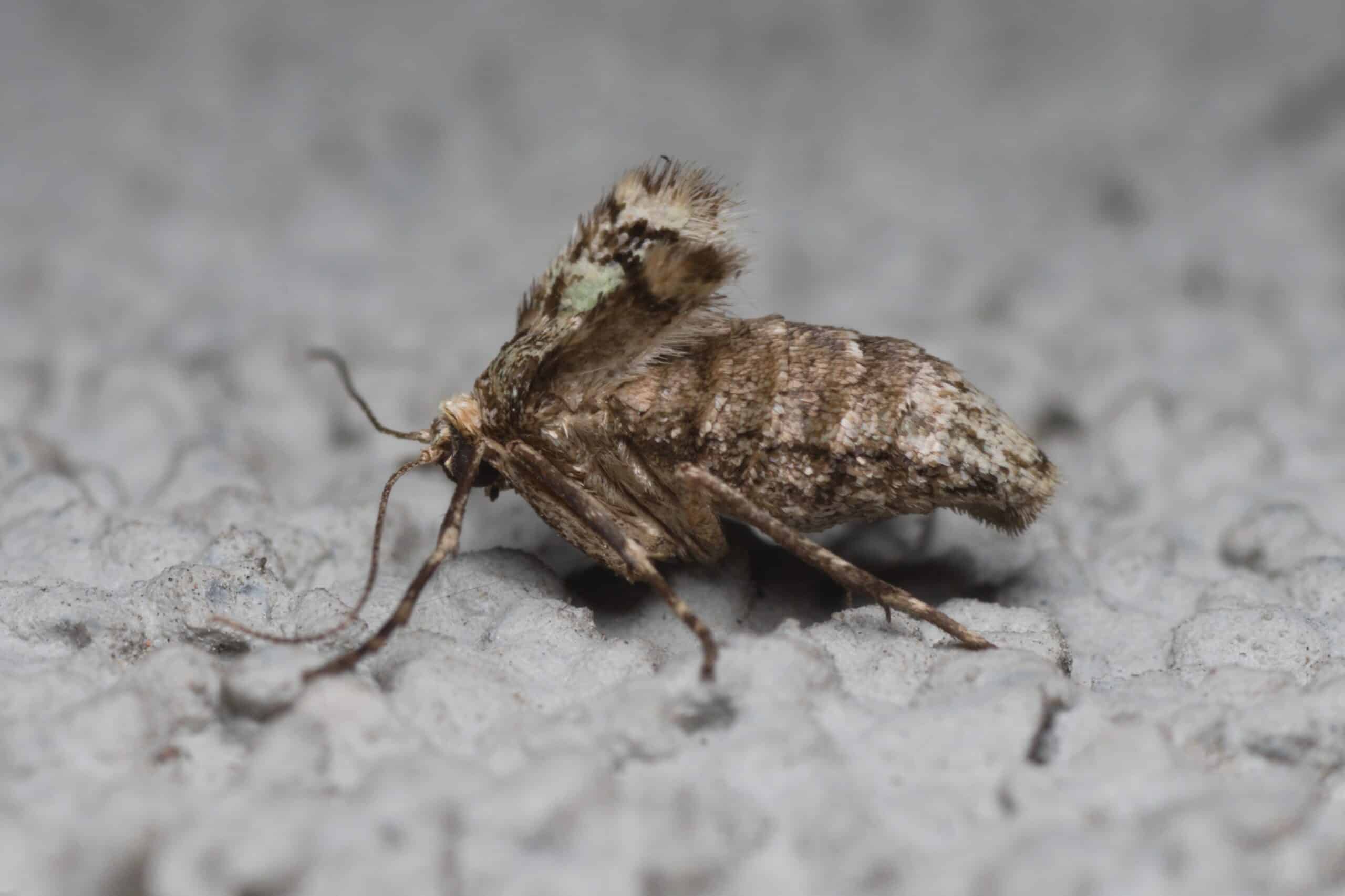
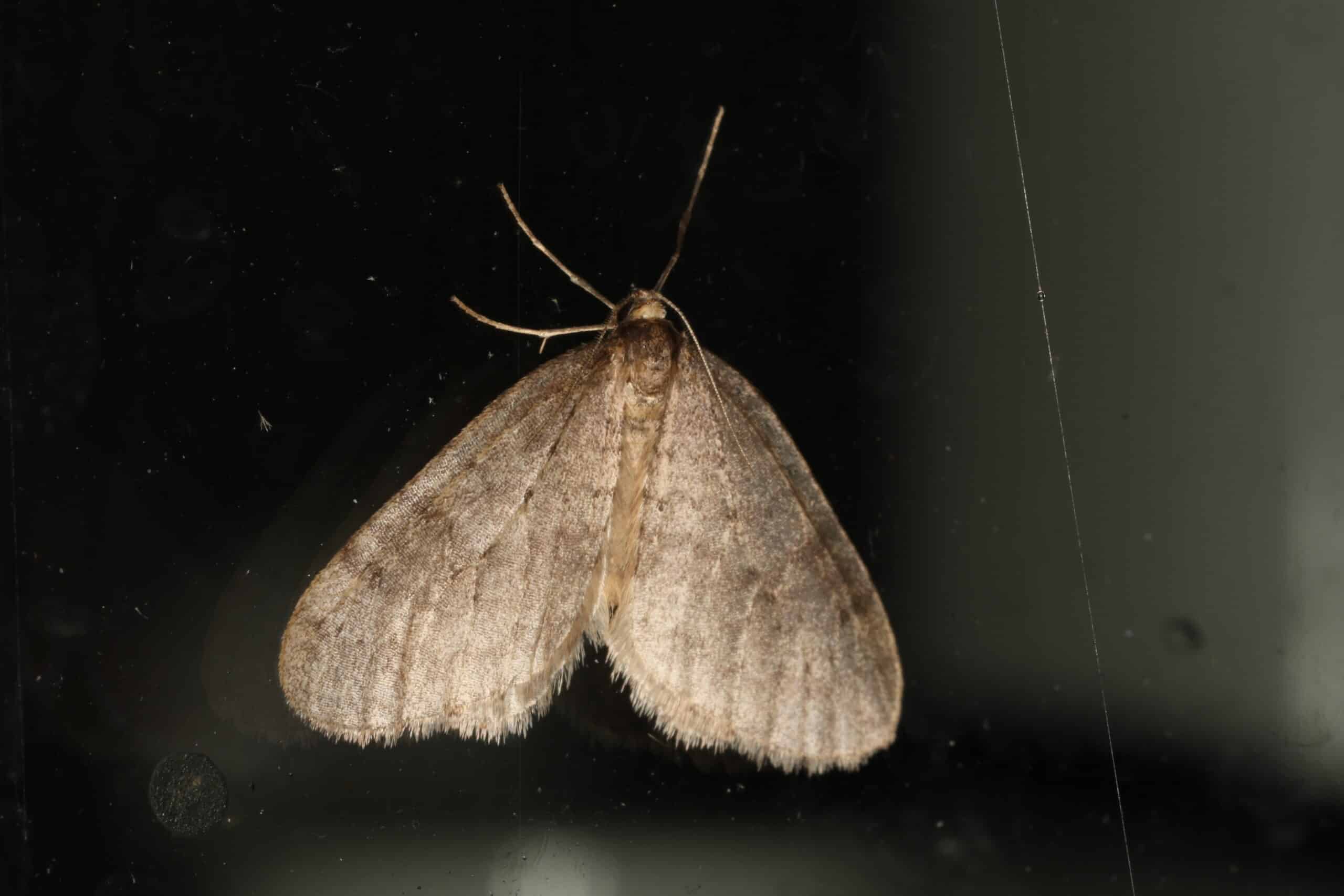
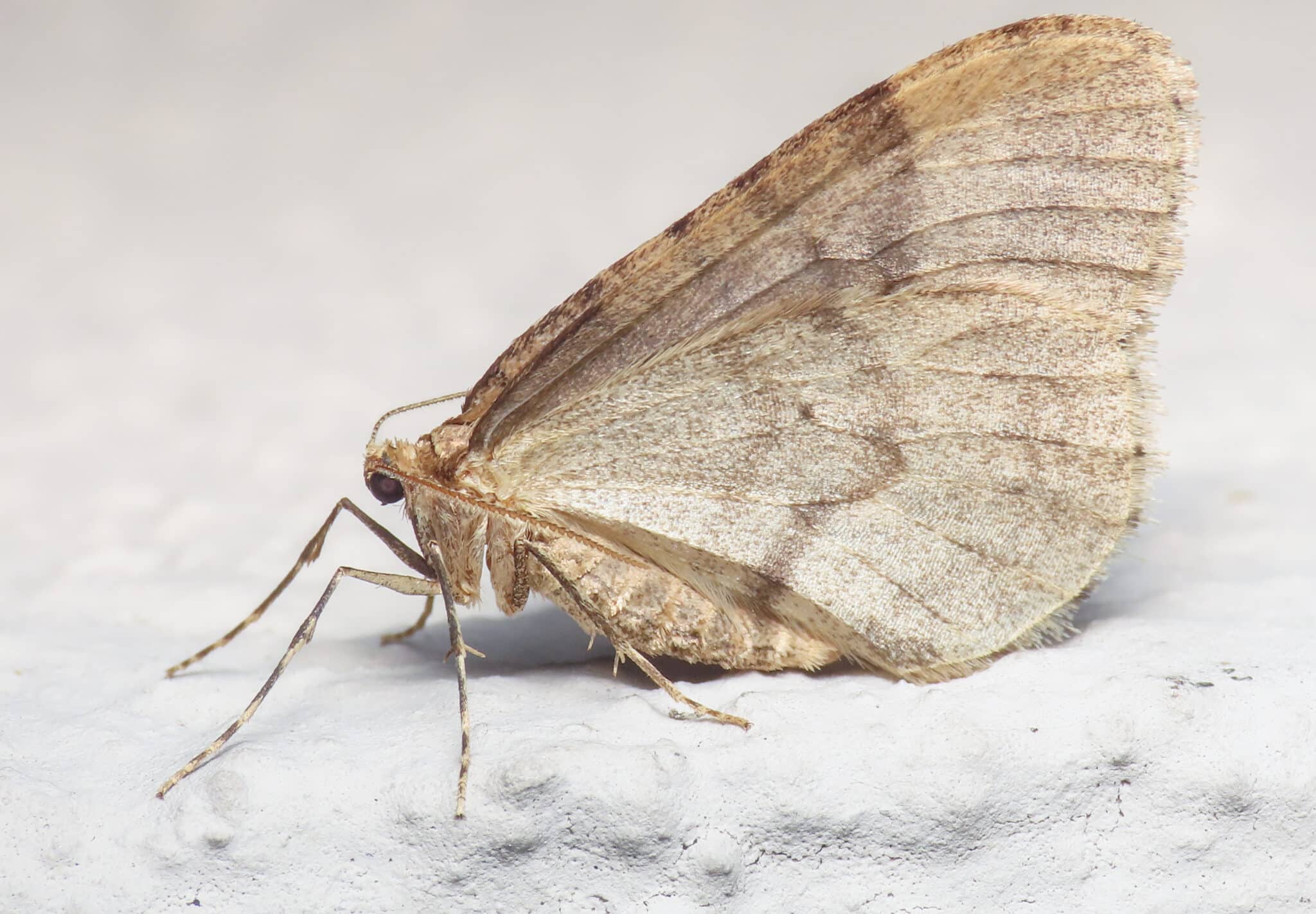
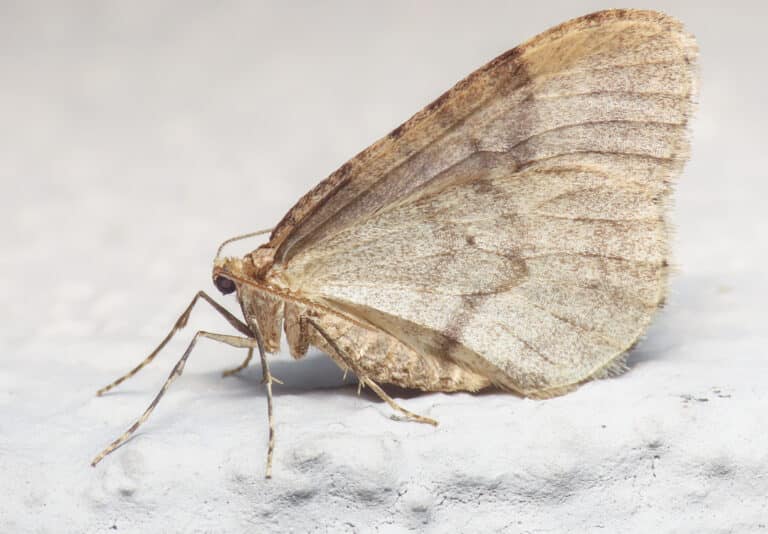
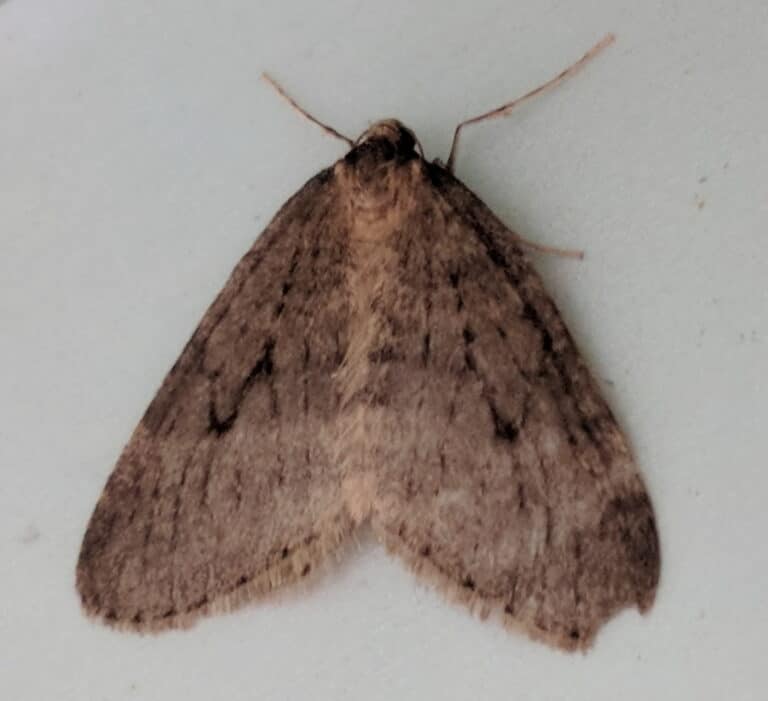
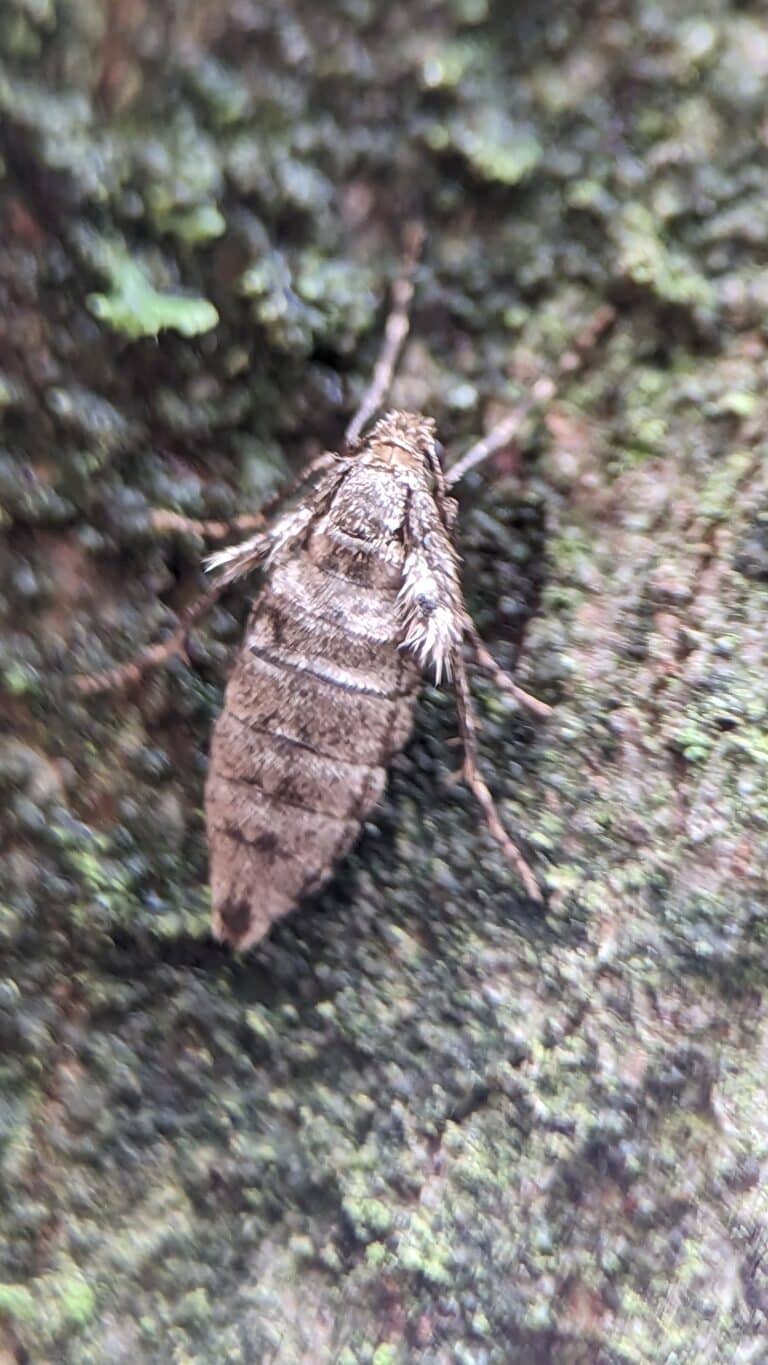
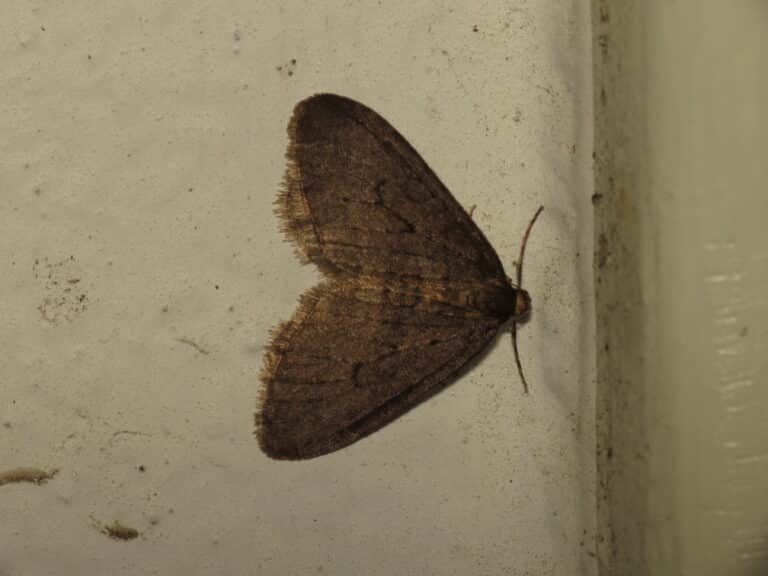
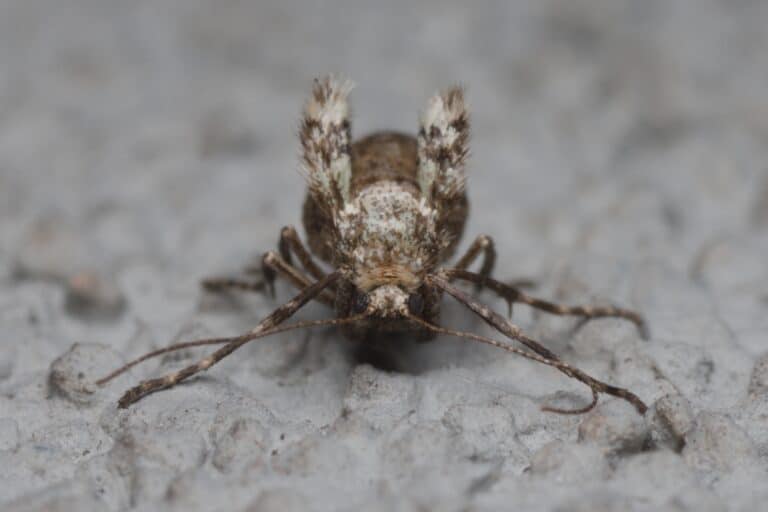
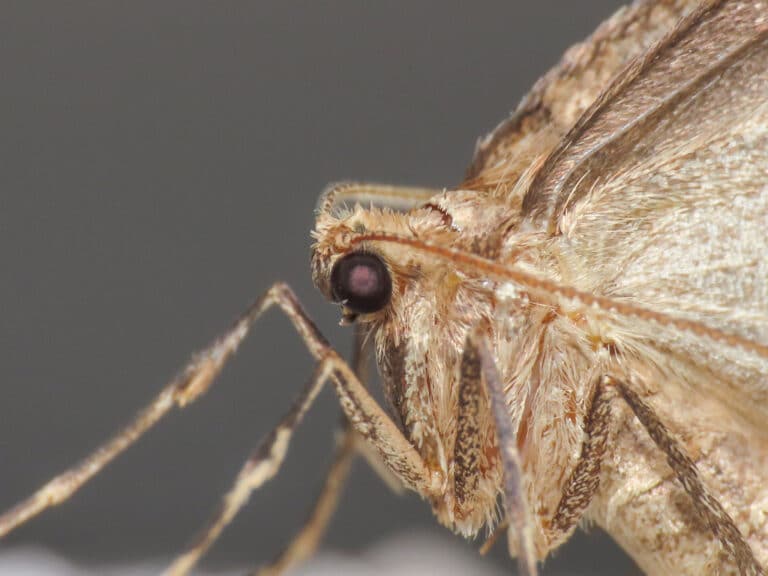
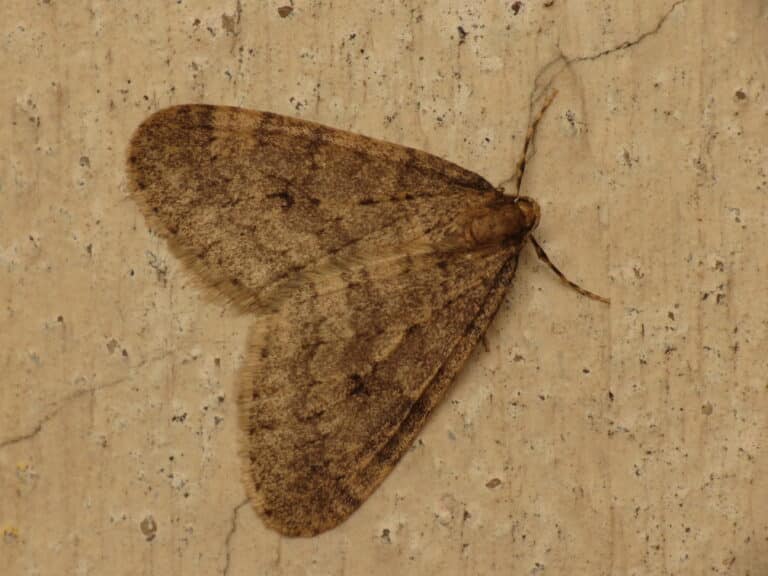
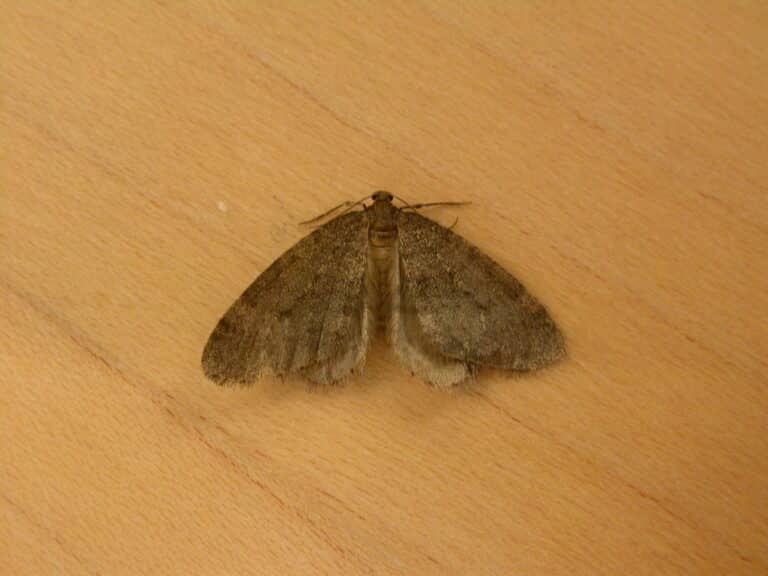
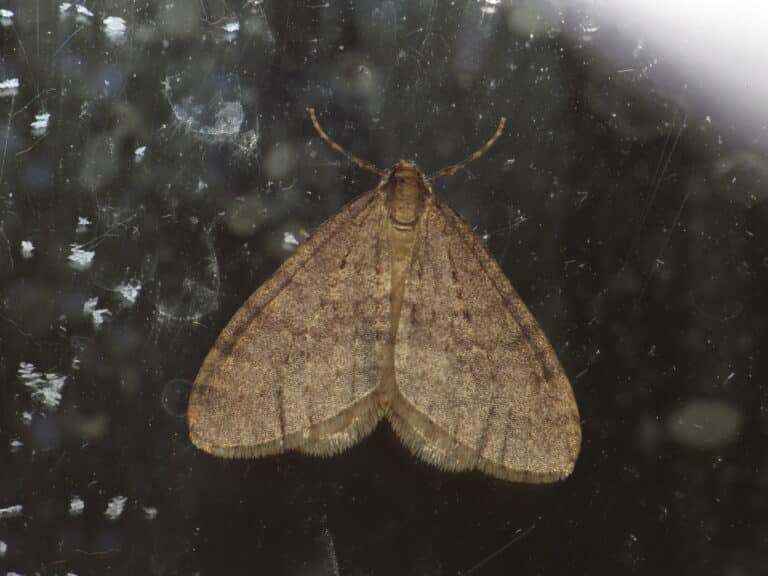
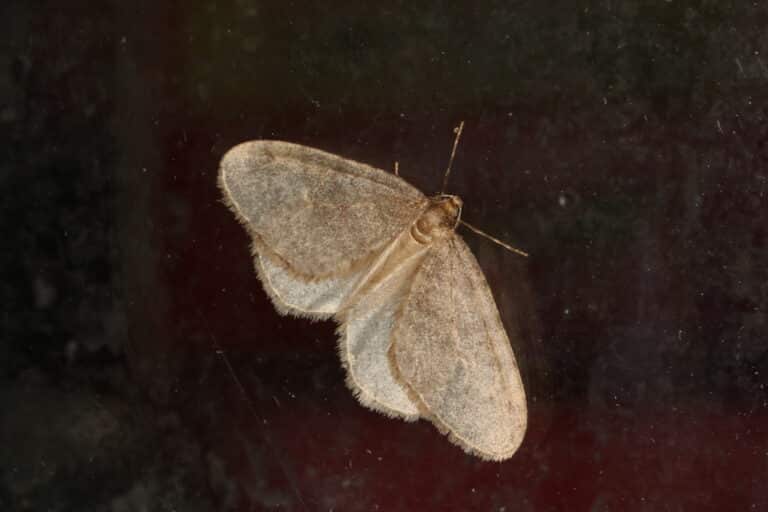
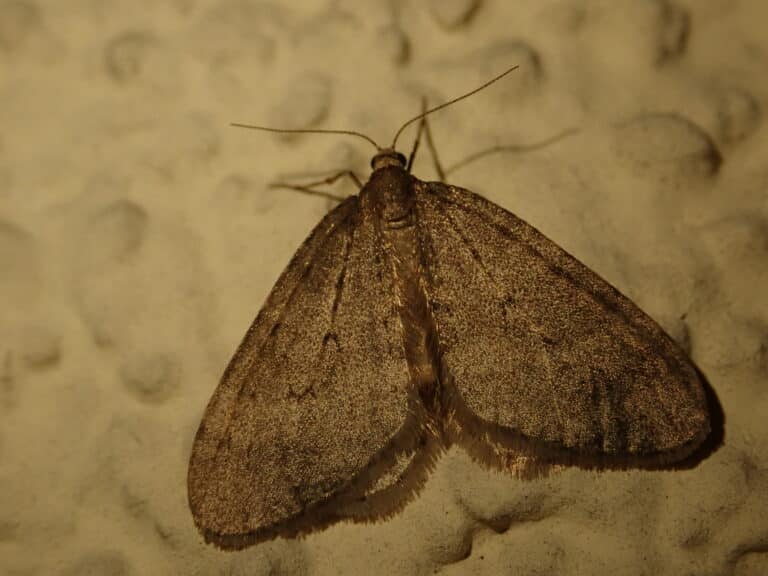
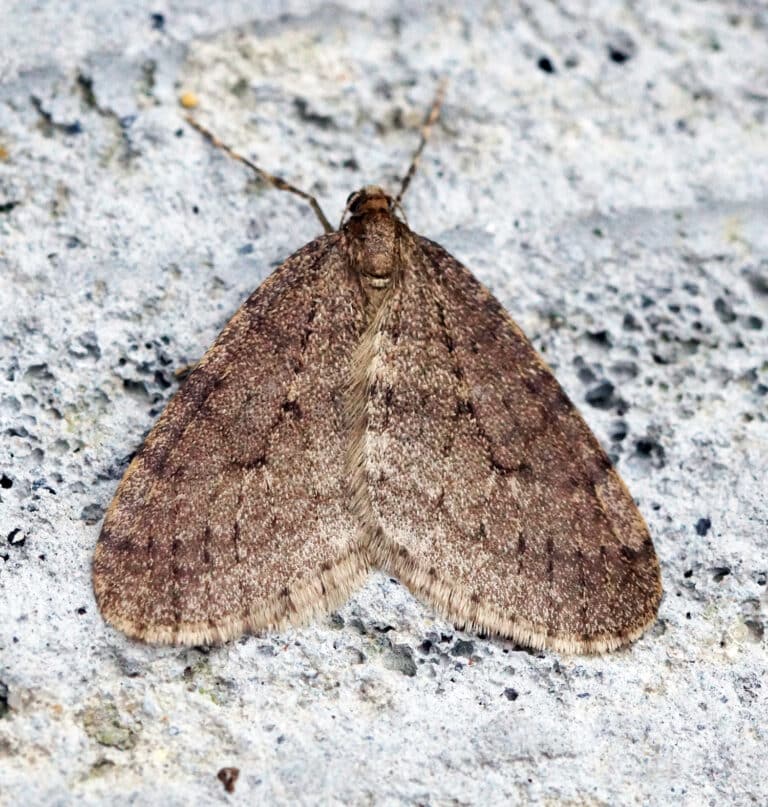
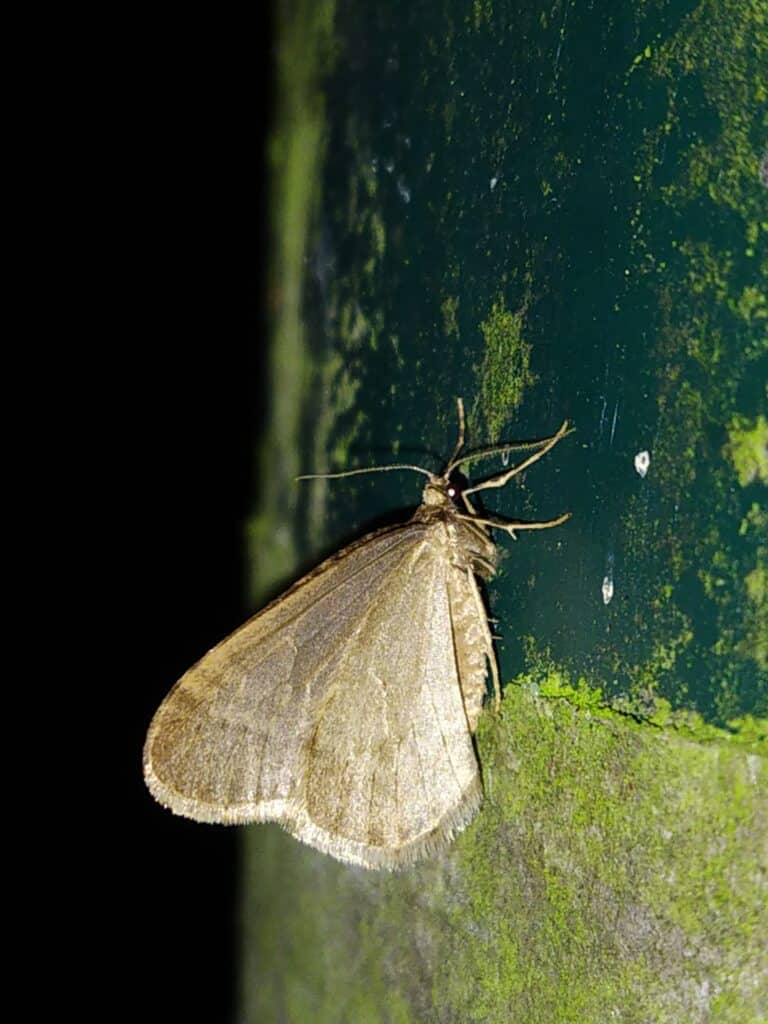
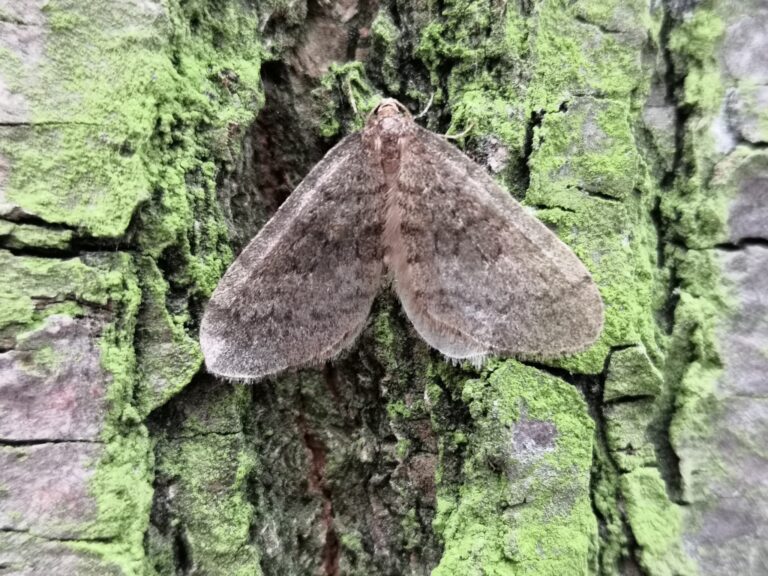
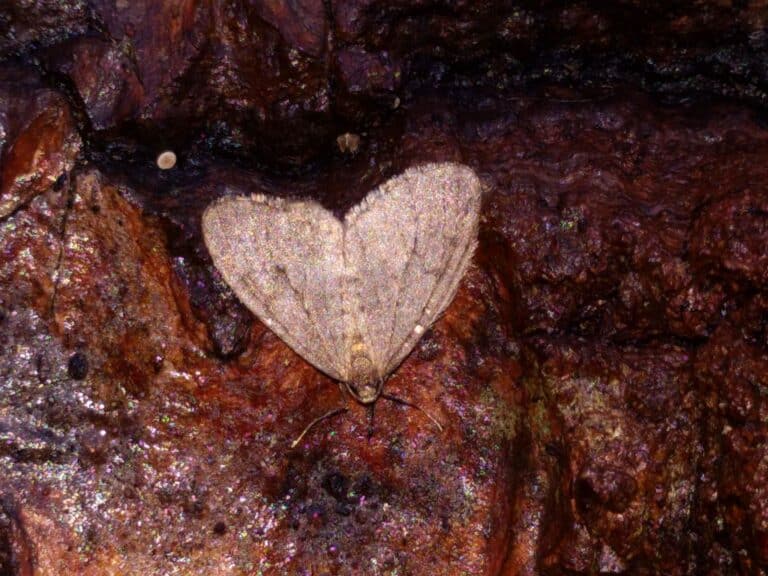
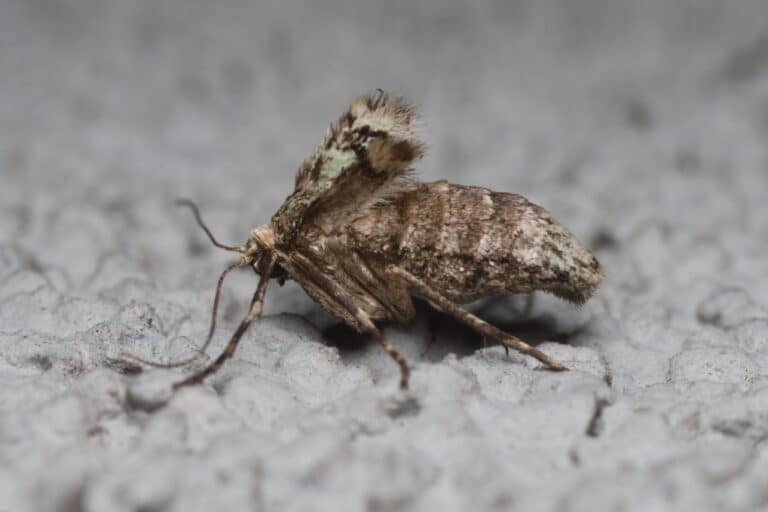
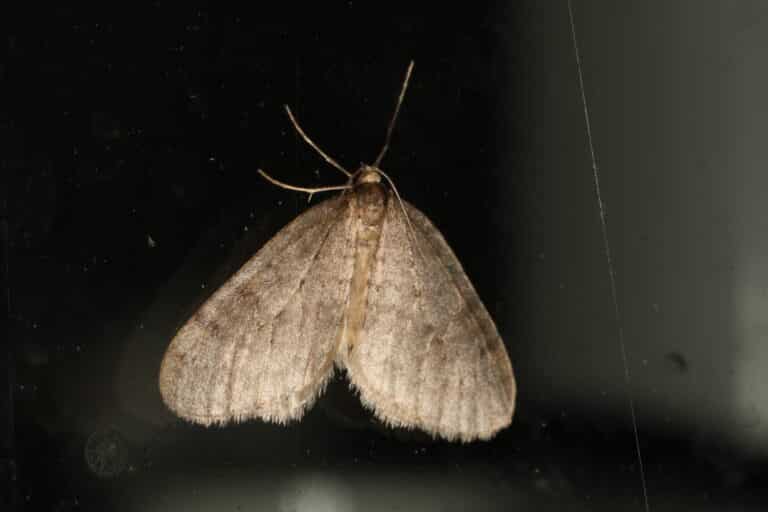
The Winter Moth is a small but mighty insect native to Europe, and it belongs to the amazing group of creatures called Lepidoptera. These little fellows have a wingspan that typically ranges from 1.5 to 2 centimeters, making them a tiny but fascinating sight in the cold months!
Winter Moths are known for their unique life cycle. They can be spotted fluttering around during the winter and early spring, which is quite the chilly adventure for a moth! After mating, the females lay their eggs on tree branches, ready to welcome adorable caterpillars when the weather warms up.
Speaking of munching, Winter Moth caterpillars have a favorite snack: the leaves of trees and shrubs! They feast on these greenery delights, helping Nature clean up forests while they grow. Who knew they could be nature's little leaf connoisseurs?
These insects can live for about one year, which is quite an impressive lifespan for such tiny creatures. Imagine living a whole year full of adventures and tasty leaves!
Winter Moths are a part of a larger family called Geometridae, known as the

Where can you find a Winter Moth in the wild?
What does a Winter Moth eat?
How big can a Winter Moth grow?
How long does a Winter Moth typically live?
What is the conservation status of the Winter Moth?
What are the main threats to the Winter Moth?
Fun facts
Winter Moths can lay hundreds of eggs at once on tree branches, turning them into festive mini holiday decorations in nature!


The caterpillars of Winter Moths disguise themselves using a clever trick - they can mimic the colors and textures of twigs and leaves, making it hard for hungry birds to spot them.
Some Winter Moths can sense the moonlight, helping them find their way in the dark. They know how to dance through the cold night sky like little stars!
During the chilly months, adult Winter Moths primarily search for warmth and mates, bringing a touch of romance to the winter air!
They may be small, but Winter Moths play a big role in the food chain! They serve as tasty snacks for birds and other insects, helping to feed the wildlife around them.
Winter Moths can survive cold temperatures and even frosts! This impressive adaptation allows them to be active while other insects are tucked away for warmth.
The male Winter Moth has feathery antennae that help him detect the female's pheromones from far away. It's like having a supernose for finding love!
Winter Moths use their soft, wide wings to glide silently through winter nights, making them masters of stealth in the chilly air.
The transformation from caterpillar to moth is like a superhero's makeover! They go through a pupal stage, emerging as beautiful adults ready to take on the world!
Winter Moths remind us that even in the colder seasons, life finds a way to be vibrant and active, showcasing nature's incredible resilience!
Photos


The Basics


explore more
Amphibians
Arachnids
Birds
Cats
Crustaceans
Fish
Fish Pet Guide
Gastropods
Insects
Invertebrates
Mammals
Pet Fish
Pet Rodents
Plants
Reptiles
Roundworms
Sea Slugs