

Successfully copied to clipboard!
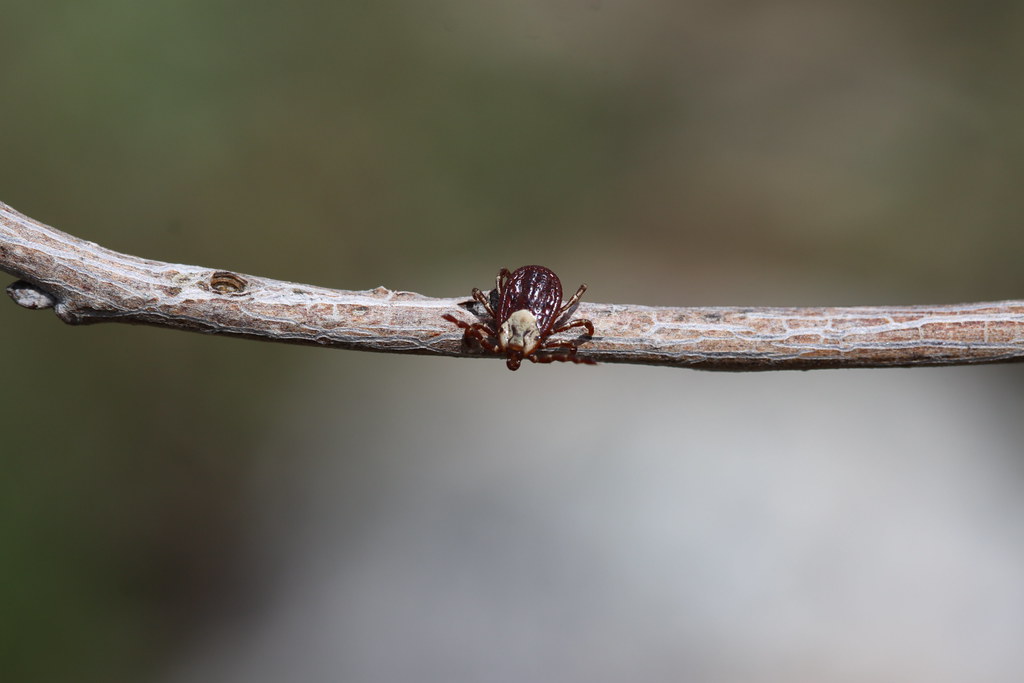
Wood Tick
Uncover the tiny bloodsuckers with a big role in nature!
Let’s Explore
Overview
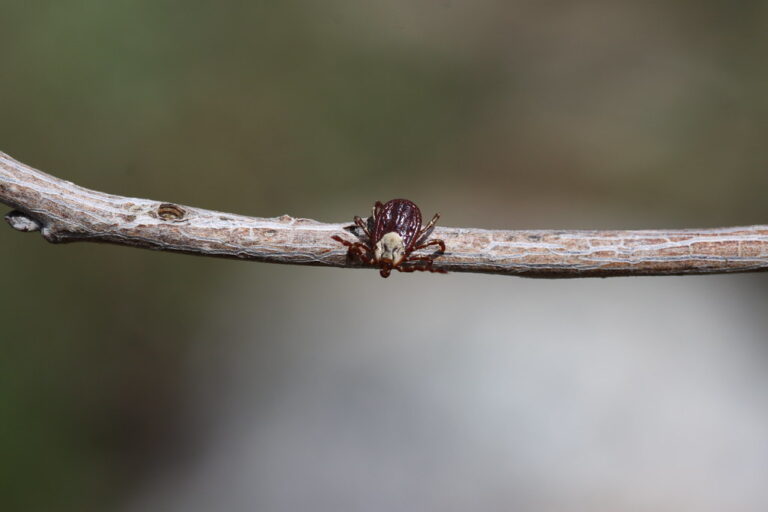
Wood ticks, also known as Dermacentor andersoni, belong to the arachnid class, which makes them relatives of spiders and scorpions. These tiny creatures measure around 3 to 5 millimeters long, so even the most curious bug hunters might overlook them at first glance!
Wood ticks love to hang out in North America, especially in grassy and wooded areas. They are always looking for their next meal, which usually comes from the blood of mammals. Talk about a fang-tastic feast!
These little suckers have a pretty interesting life. They can live for several months up to 2 years, depending on their environment and when they find food. A wood tick can survive a long time without a meal, making them tough critters in the wild!
Wood ticks have an impressive ability to detect their hosts. They sense heat and carbon dioxide, helping them find warm-blooded animals to latch onto. Once they find a snack, they attach themselves and begin feeding. It's like having a tiny, uninvited guest at a picnic!
Even though wood ticks may sound a bit scary, they play a role in the ecosystem by helping control animal populations. Just remember to check for them after a day of adventuring outdoors. You don’t want these hitchhikers tagging along on your next trip!

Where can you find a Wood Tick in the wild?
What does a Wood Tick eat?
How big can a Wood Tick grow?
How long does a Wood Tick typically live?
What is the conservation status of the Wood Tick?
What are the main threats to the Wood Tick?
Fun facts
Wood ticks can detect their hosts from about 30 meters (98 feet) away using their remarkable sense of smell, helping them find a tasty meal with ease!


A female wood tick can lay up to 3,000 eggs at once, turning a small area into a tick party ready for the next generation to join the fun!
Wood ticks can survive being frozen for weeks! When temperatures rise, they wake up and look for warm-blooded animals to snack on.
These little arachnids can crawl as fast as 1 centimeter per minute, but they often remain very still, waiting patiently for a host to pass by.
Wood ticks can feed for several days, and after their meal, they can swell to almost twice their original size, making them look more like tiny balloons!
Wood ticks use special sensors on their bodies to detect carbon dioxide, which helps them track down warm-blooded animals, like you!
They may look like tiny vampires, but wood ticks play a vital role in nature by helping to keep certain animal populations in check.
Some birds, like the American Robin, eat wood ticks! This makes them helpful allies in controlling tick populations.
Wood ticks can endure extreme conditions, from hot summers to cold winters! Their survival skills are truly impressive!
If a wood tick does not find a host to feed on, it can survive for about two years without a meal, showing just how tough they are!
Photos






The Basics


explore more
Amphibians
Arachnids
Birds
Cats
Crustaceans
Fish
Fish Pet Guide
Gastropods
Insects
Invertebrates
Mammals
Pet Fish
Pet Rodents
Plants
Reptiles
Roundworms
Sea Slugs


