

Successfully copied to clipboard!
Woodlouse
Meet the tiny superheroes helping our gardens thrive!
Let’s Explore
Overview
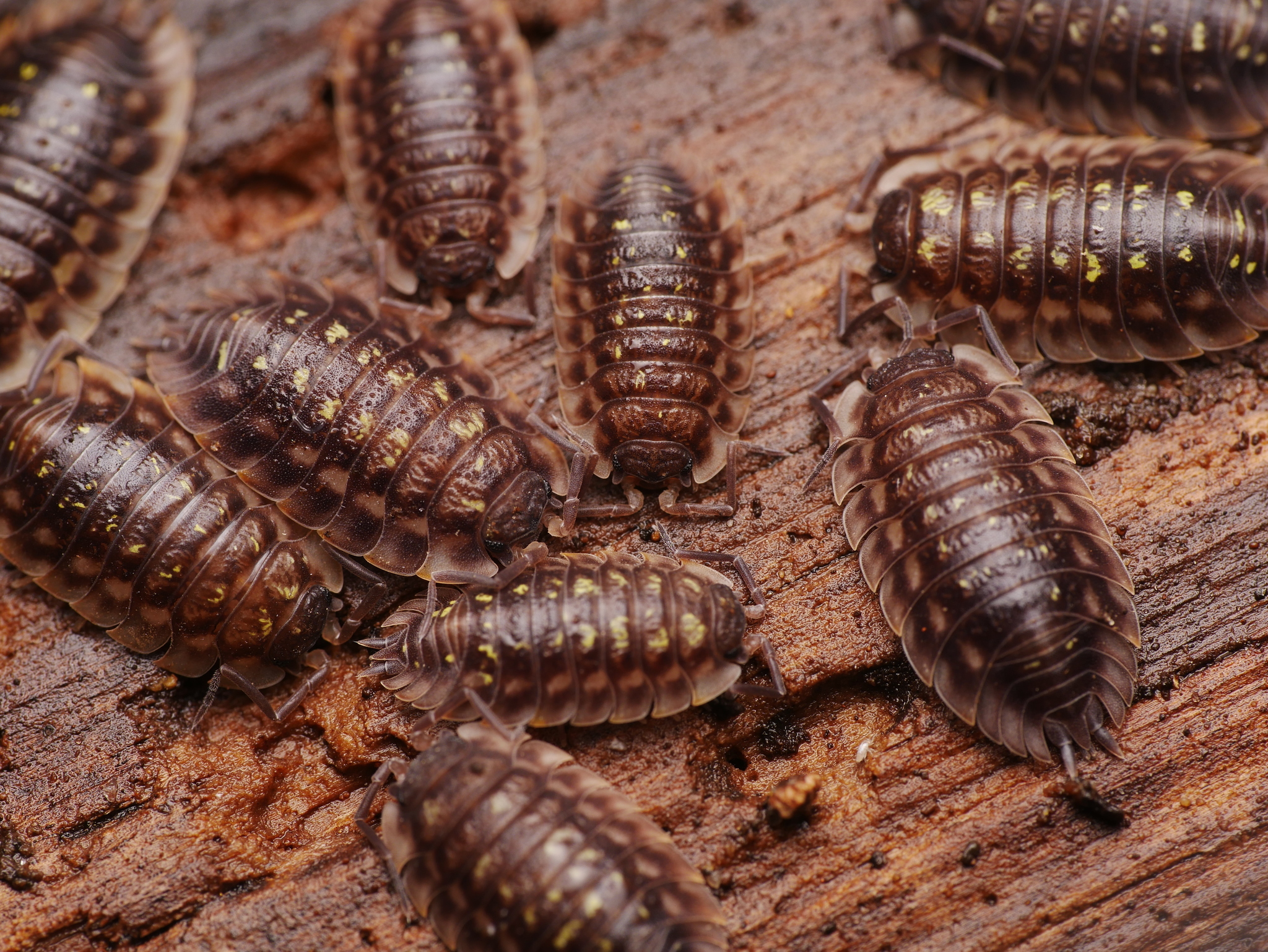
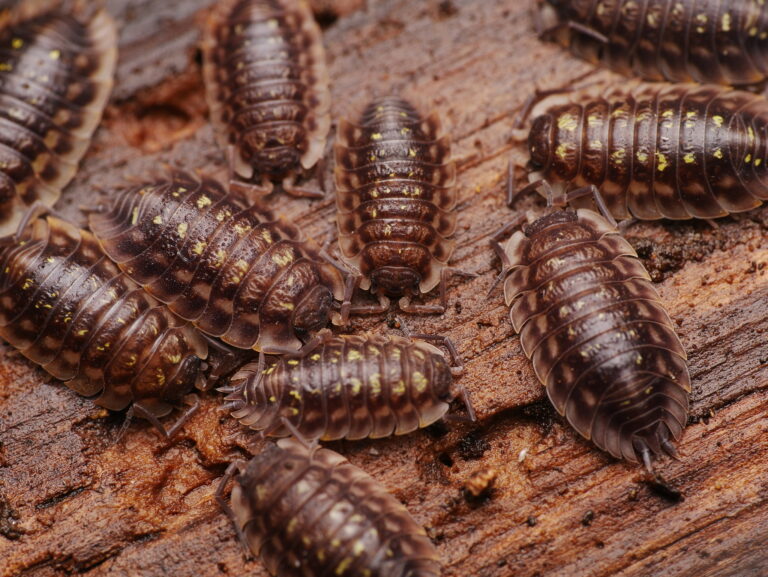
Woodlice, also called pill bugs, are small, fascinating creatures that belong to the invertebrate class Malacostraca. These little critters are not true bugs; they are actually related to shrimp and crabs, even though they usually hang out in damp corners of your garden.
Woodlice have a segmented body covered with a hard shell. They measure about 1.3 centimeters (0.5 inches) long and sport a range of colors, from gray to brown. These lively little critters may roll into a ball when threatened, earning them the nickname 'roly-poly!'
Woodlice enjoy a diet of decaying plants and animals. They are nature's recyclers, helping to break down organic matter and enrich the soil. Without them, our environment would be quite different, as they play a vital role in composting and nutrient cycling.
These creatures are primarily found in humid areas all over Africa. You might discover them hiding under rocks, logs, or leaf litter, where they stay moist and cozy. They breathe through gills, which is a bit unusual since most insects have lungs.
Woodlice can live for two to five years, making them long-lived for such tiny animals. They reproduce quickly, and a female can have many baby woodlice at once, ensuring their population stays strong. So the next time you see a woodlice scuttling around, you know you are looking at an amazing mini-recycler!

Where can you find a Woodlouse in the wild?
What does a Woodlouse eat?
How big can a Woodlouse grow?
How long does a Woodlouse typically live?
What is the conservation status of the Woodlouse?
What are the main threats to the Woodlouse?
Fun facts
Woodlice can be quite the performers! When threatened, they roll up into a ball, much like a hedgehog, using their hard shell for protection.


These creatures breathe through gills, which is unusual because most land creatures have lungs. They keep their gills moist by living in damp environments, making them unique little survivors.
Not all woodlice want to roll into a ball. Some species prefer to stay flat and scuttle away, showing off their own special style of escaping danger.
Woodlice hang out in groups and communicate with each other using chemicals. They send signals to tell their friends when it's safe to come out or when danger is nearby!
These mini-recyclers love to have snack time! Woodlice munch away on leaf litter and decayed plants, helping to recycle nutrients back into the soil.
Woah! Female woodlice can give birth to up to 200 babies at once. They carry their eggs in a special pouch until the tiny woodlice are ready to explore the world!
Woodlice are distant relatives of crabs and shrimp, so they belong to a cool family of crustaceans. They may be small, but they are part of a very important group of creatures!
In some cultures, people consider woodlice a sign of good luck, as their work helps keep gardens healthy and flourishing. Who knew these little critters were harbingers of luck?
Woodlice can survive in a variety of environments, ranging from wet forests to dry gardens. They adapt well, showing off just how versatile they can be.
Scientists study woodlice to learn more about ecology and nature's recycling processes. Their abilities to break down waste help scientists understand how to make our environments healthier!
Photos






The Basics


explore more
Amphibians
Arachnids
Birds
Cats
Crustaceans
Fish
Fish Pet Guide
Gastropods
Insects
Invertebrates
Mammals
Pet Fish
Pet Rodents
Plants
Reptiles
Roundworms
Sea Slugs


