
Successfully copied to clipboard!
Worm
Uncover the hidden heroes of soil’s rich life!
Let’s Explore
Overview
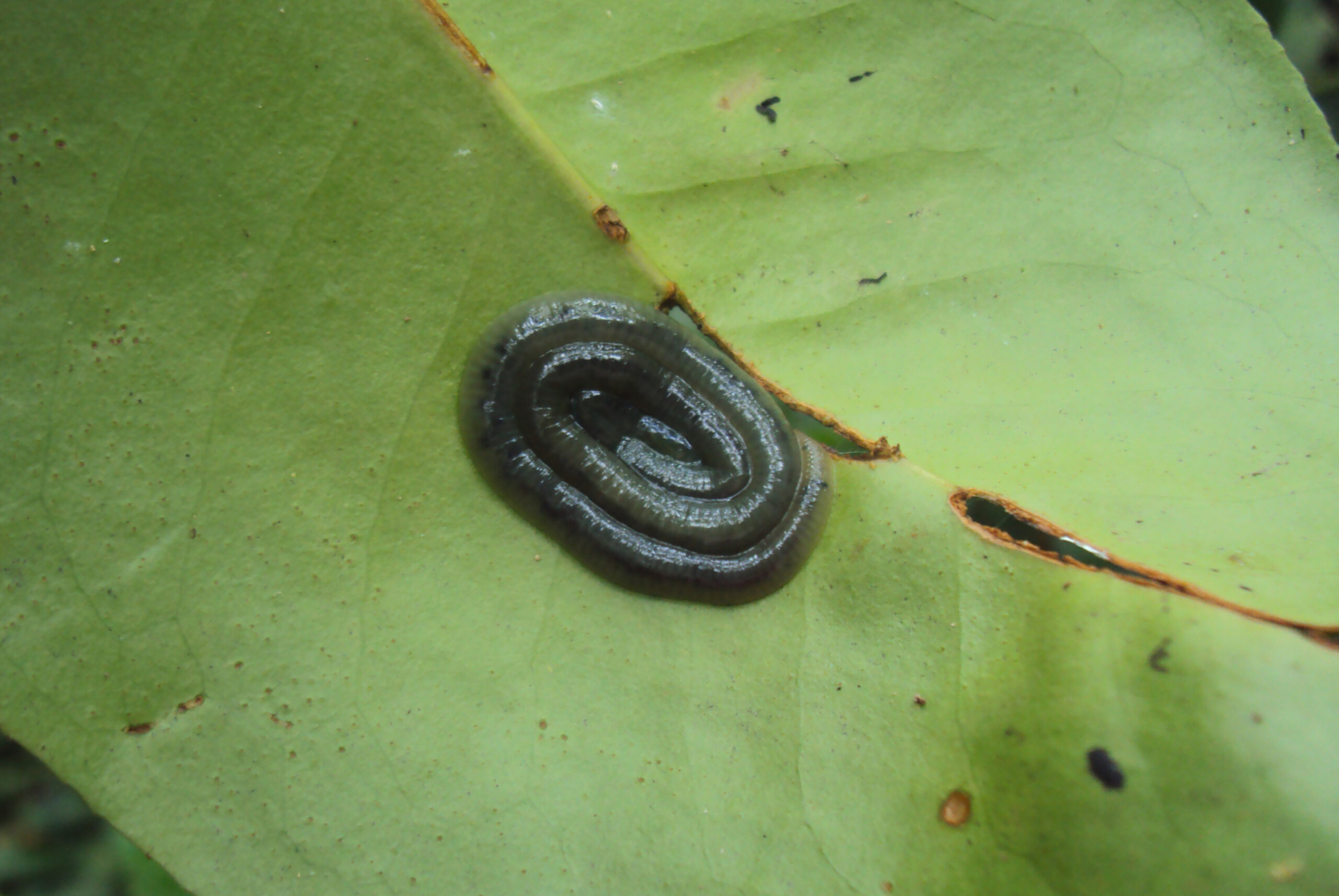
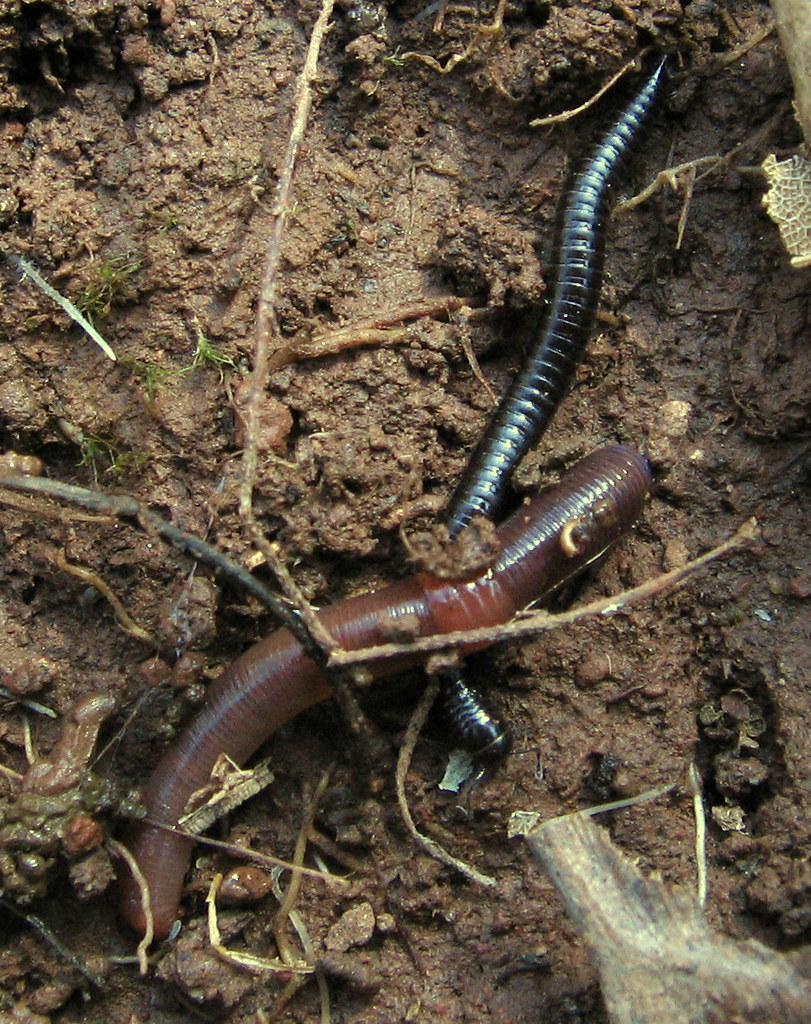
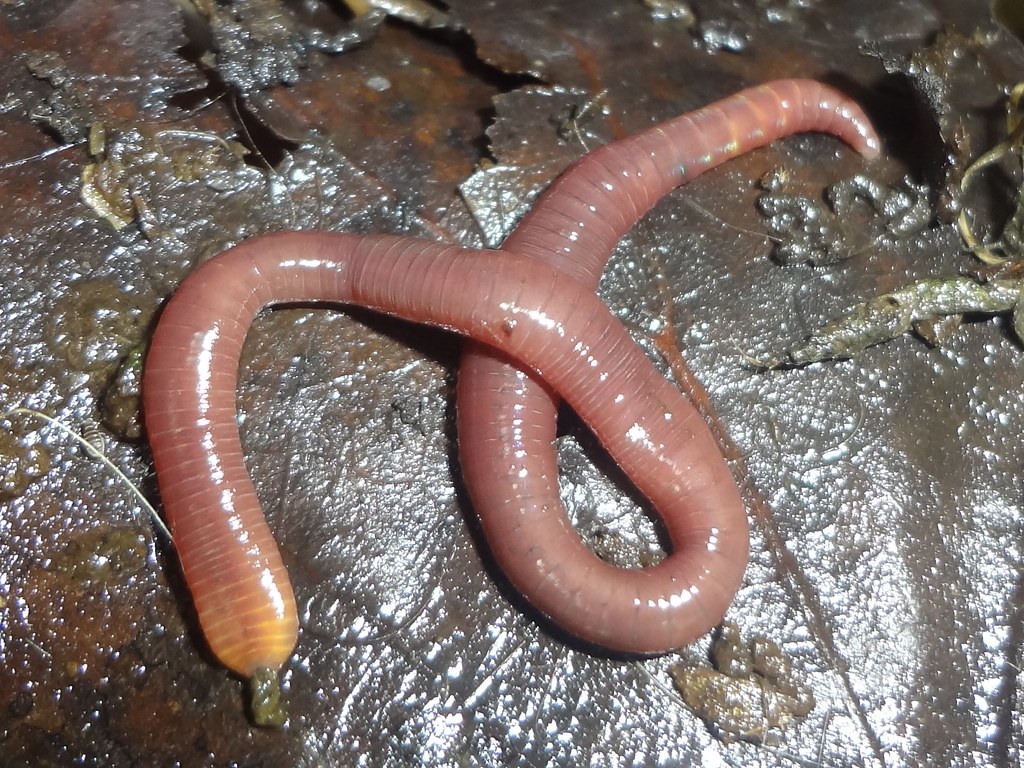
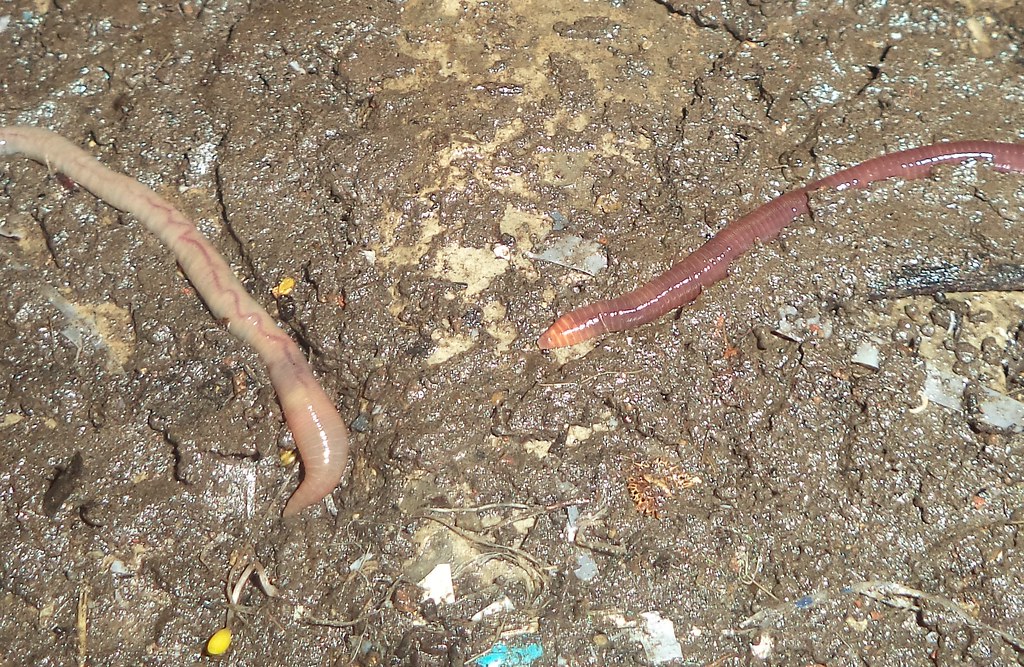
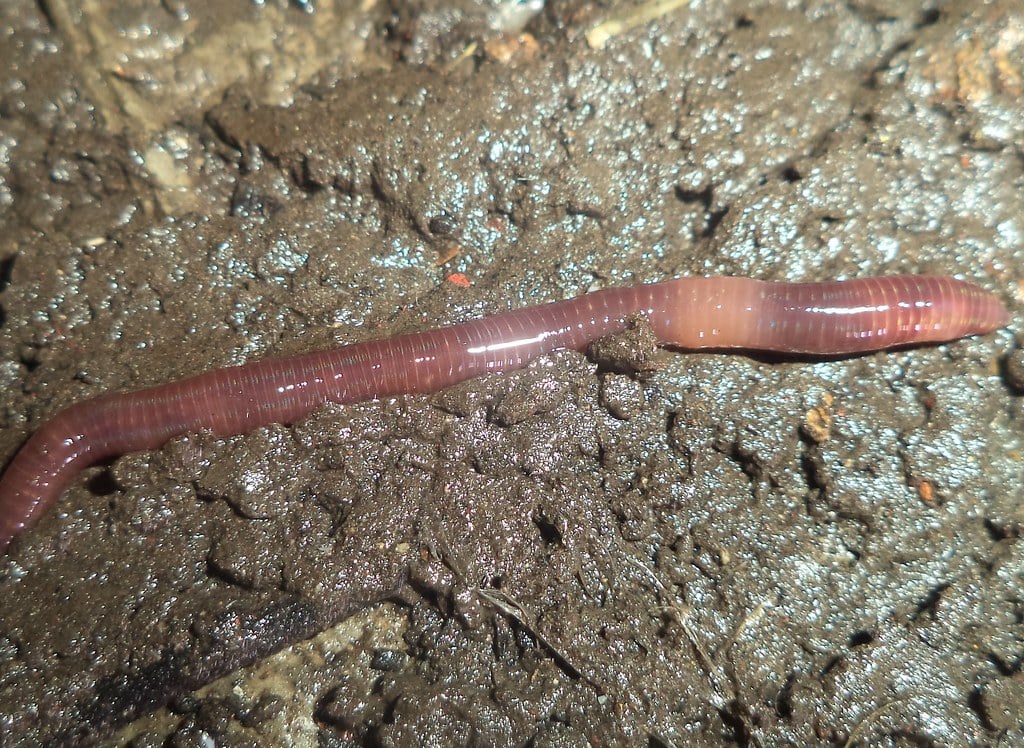
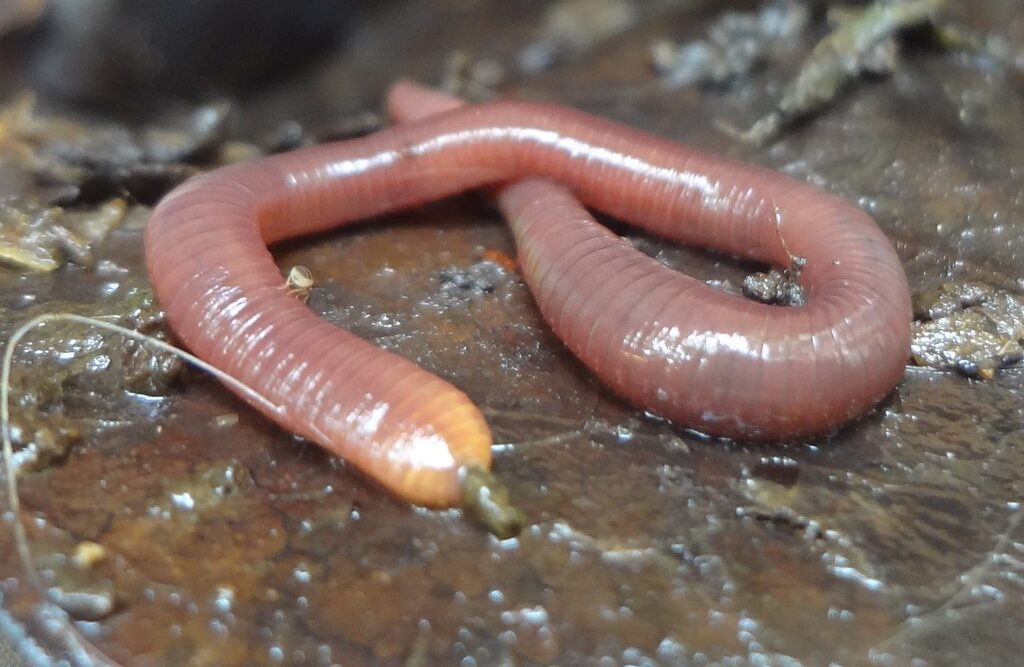
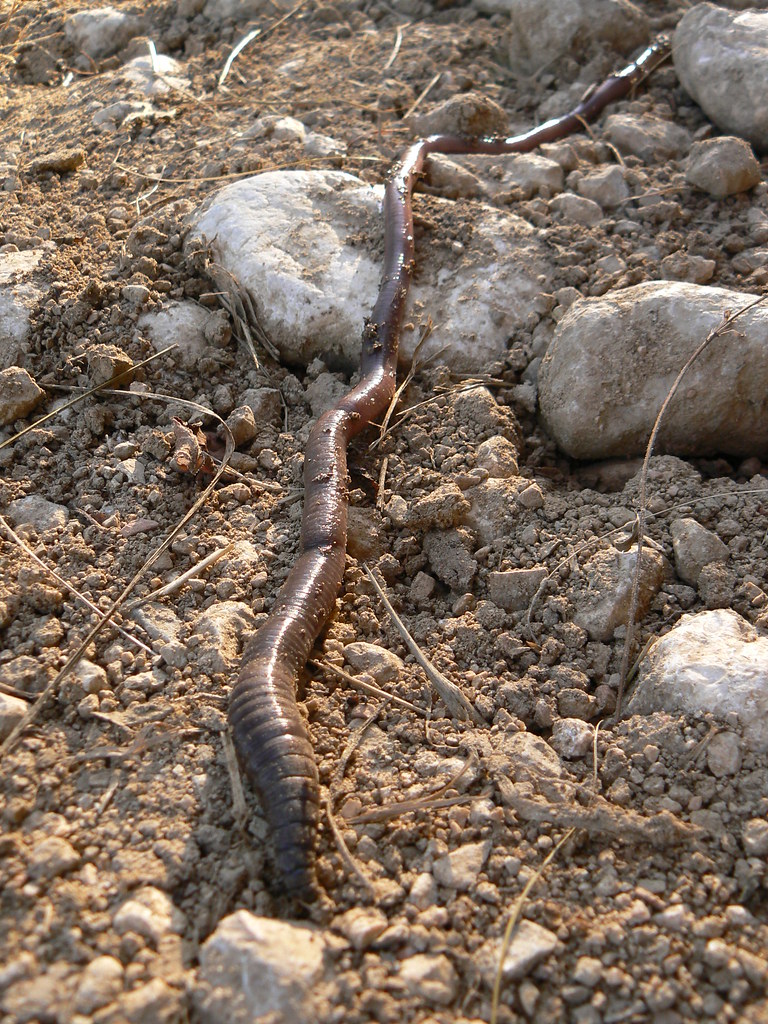
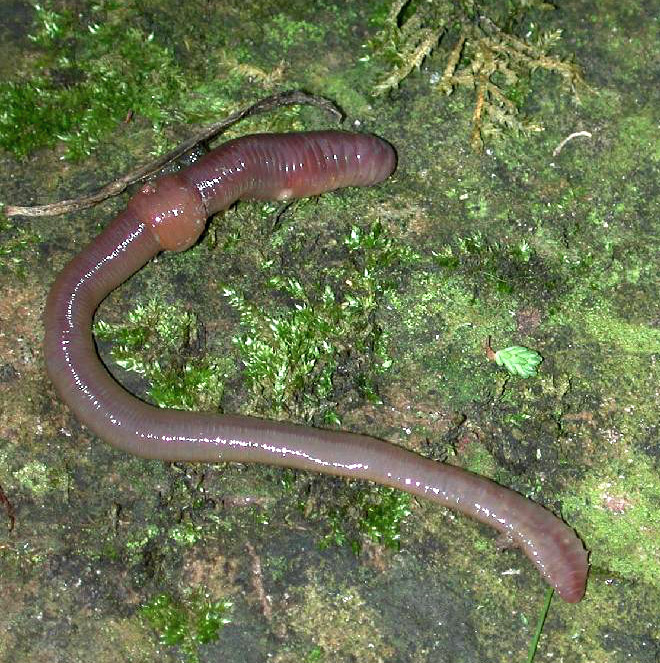
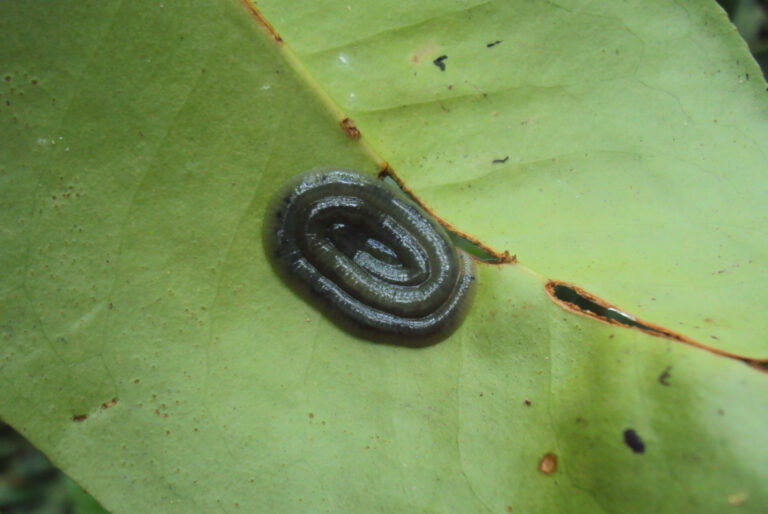
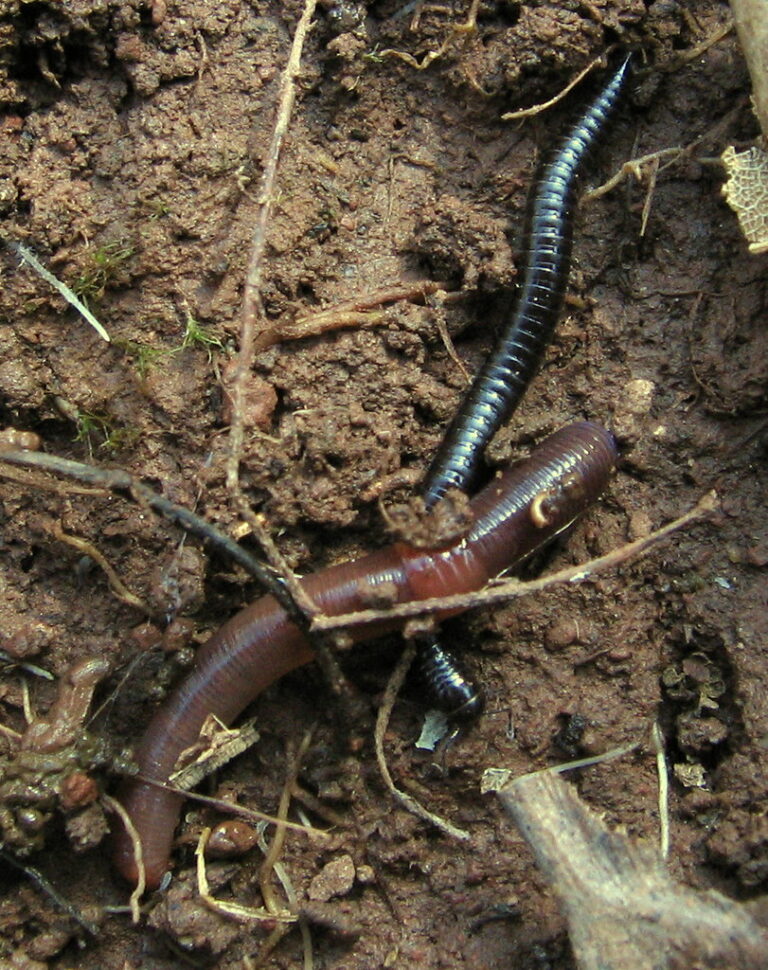
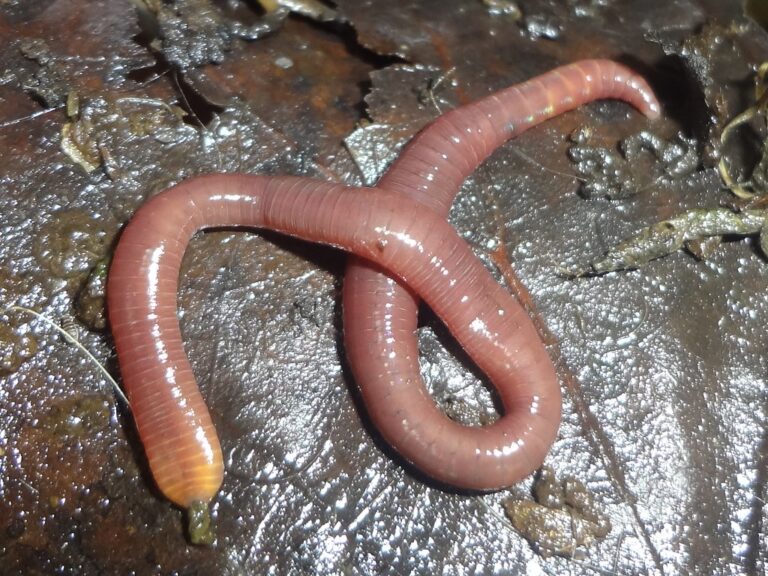
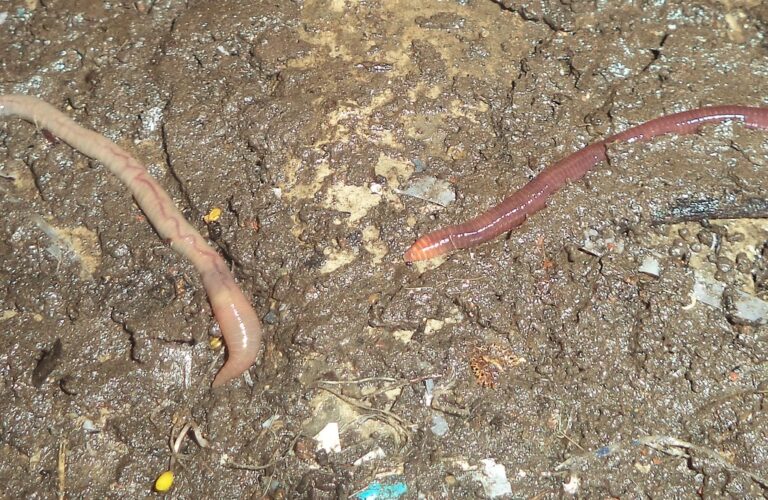
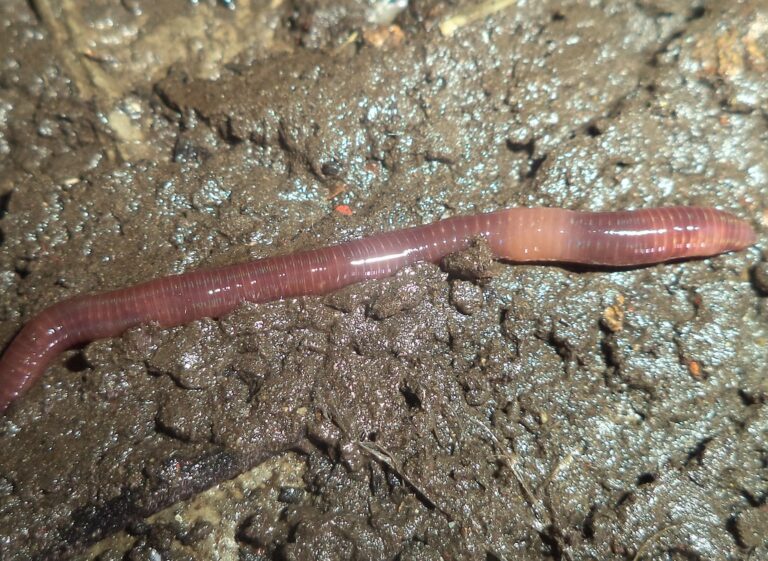
Worms are amazing creatures that live in soil and freshwater around the world. They belong to the scientific family called Lumbricidae and belong to the class Clitellata, which makes them invertebrates without bones.
These fascinating animals can range in size from a tiny 0.5 inches to a gigantic 14 inches long. Worms have long, tube-shaped bodies that help them wiggle through the soil like champions on a mission.
Worms munch on organic matter like decaying leaves and soil, turning them into nutrients that help plants grow. They work tirelessly, breaking down materials that enrich our earth, making them nature’s very own compost heroes!
Did you know that worms can live for 4 to 8 years? That’s a wonderfully long time for such small squiggly creatures! These little wonders can even regenerate body segments, allowing them to wiggle on despite a little mishap.
Next time you see a worm slithering through the dirt, remember that they are busy making our world a greener place. They may look like simple soil-dwellers, but worms play a big role in maintaining healthy ecosystems, and that is something to celebrate!

Where can you find a Worm in the wild?
What does a Worm eat?
How big can a Worm grow?
How long does a Worm typically live?
What is the conservation status of the Worm?
What are the main threats to the Worm?
Fun facts
Worms can consume up to half their body weight in organic matter every day, making them the ultimate recycling champions, turning waste into new life!


Some worm species can produce up to 1,000 eggs at a time, resulting in a tiny worm army ready to help enrich the soil and decompose plant matter!
A worm's skin can absorb oxygen, which allows them to breathe while they wiggle through the soil, similar to how fish breathe underwater!
Many worms can regenerate body segments, meaning if they lose a piece, they can grow it back, much like a superhero with special powers!
Some worms can live in extreme conditions, like hot springs or icy waters, proving that squiggly creatures can thrive in places you wouldn't expect!
Worms communicate with each other using chemicals in their skin, allowing them to send sweet squiggly messages through the soil!
Earthworms can travel up to 30 meters (about 100 feet) in a night when the conditions are right, making them speedy little explorers of the underground world!
Many worms can sense vibrations in the soil, helping them detect predators nearby and escape danger by burrowing deeper!
Some types of worms are bioluminescent, which means they can glow in the dark, lighting up the underground in a magical display!
Scientists believe that worms can live in the upper layers of Mars' soil, making them out-of-this-world explorers that may one day help humans colonize other planets!
Photos

The Basics


explore more
Amphibians
Arachnids
Birds
Cats
Crustaceans
Fish
Fish Pet Guide
Gastropods
Insects
Invertebrates
Mammals
Pet Fish
Pet Rodents
Plants
Reptiles
Roundworms
Sea Slugs