

Successfully copied to clipboard!
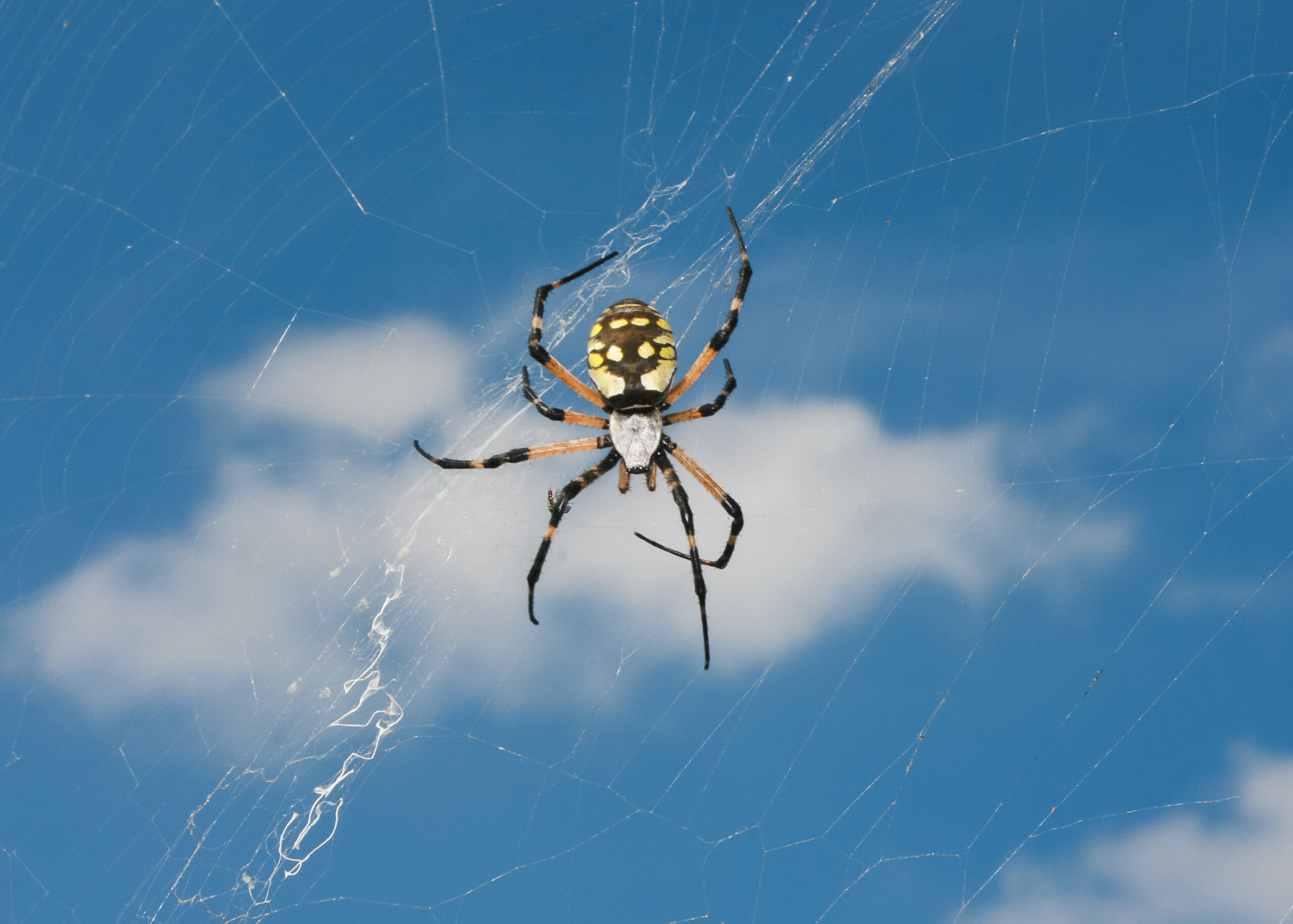
Writing Spider
Uncover the magical artistry of nature's little web-weavers!
Let’s Explore
Overview
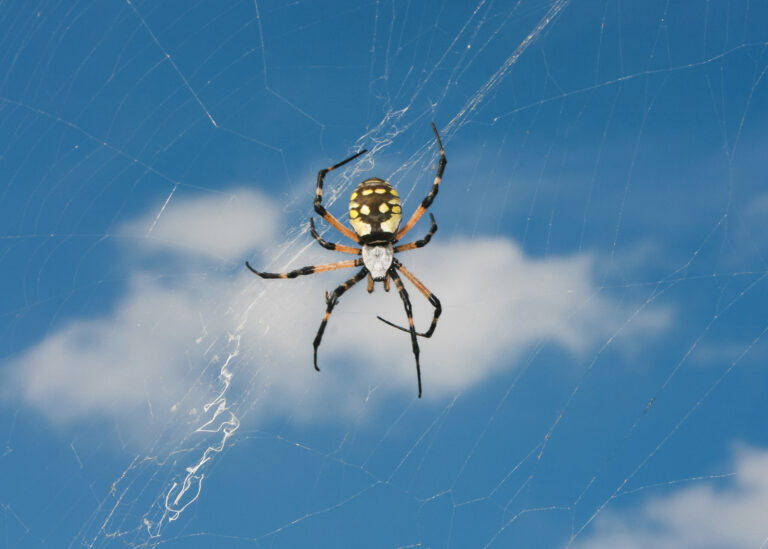
The Writing Spider, known scientifically as Argiope aurantia, spins webs that are truly works of art. These remarkable arachnids belong to the class Arachnida and can be found buzzing around in Central America.
These spiders typically boast a body length of about 1 inch, making them small but mighty. Their stunning webs are not just for show; they help capture delicious prey like insects for their meals.
The Writing Spider has an amazing lifespan of about 1 year. During this time, it crafts intricate spiral-shaped webs that can look like they belong in a gallery!
One of the coolest facts about these spiders is their unique way of decorating their webs. They weave bright, zigzag patterns called stabilimenta, which can ward off larger animals, attract prey, or simply showcase their creativity.
Writing Spiders have a fantastic way of making a living. They catch insects like flies, beetles, and grasshoppers in their sticky webs, providing a buffet of food options during their short yet busy lives.
So next time you see a web glimmering in the sun, remember the Writing Spider behind that masterpiece. These wonderful little creatures remind us that even the smallest artists can create the largest wonders!

Where can you find a Writing Spider in the wild?
What does a Writing Spider eat?
How big can a Writing Spider grow?
How long does a Writing Spider typically live?
What is the conservation status of the Writing Spider?
What are the main threats to the Writing Spider?
Fun facts
Writing Spiders use their webs not just for catching food, but also for making art! They weave bright zigzag patterns called stabilimenta that can help attract prey, deter predators, or just look cool.


These spiders can change the color of their silk while they spin webs. This helps them blend in with their surroundings, making them and their webs harder to spot.
When threatened, Writing Spiders might play dead. They freeze in place, taking advantage of their camouflage to avoid being eaten!
Writing Spiders can eat flying insects that are three times their body weight! This means they can snag bigger bugs for dinner if they can catch them in their sticky traps.
Each Writing Spider can weave a new web every day! That's a lot of art, which means there is no time for procrastination when you're a web designer!
You can tell a Writing Spider is nearby if you see a beautifully arranged web in your garden. Their designs can look so intricate that some people wonder if they were crafted by tiny artists!
After mating, female Writing Spiders often eat the male! It may sound scary, but it helps the female get extra nutrients to produce strong eggs.
Writing Spiders can spin their webs up to three feet wide, which means they can create a dazzling display of silk that can fill your garden with art!
These spiders are known for their patience. They can wait quietly in their webs for hours, ready to pounce on even the tiniest moving bug.
Writing Spiders have excellent vision, especially when it comes to spotting movement. Their eight eyes work together to keep an eye on their busy surroundings!
Photos






The Basics


explore more
Amphibians
Arachnids
Birds
Cats
Crustaceans
Fish
Fish Pet Guide
Gastropods
Insects
Invertebrates
Mammals
Pet Fish
Pet Rodents
Plants
Reptiles
Roundworms
Sea Slugs


