Successfully copied to clipboard!
Yellow Aphids
Meet the tiny, cheerful sap-sippers of the garden!
Let’s Explore
Overview
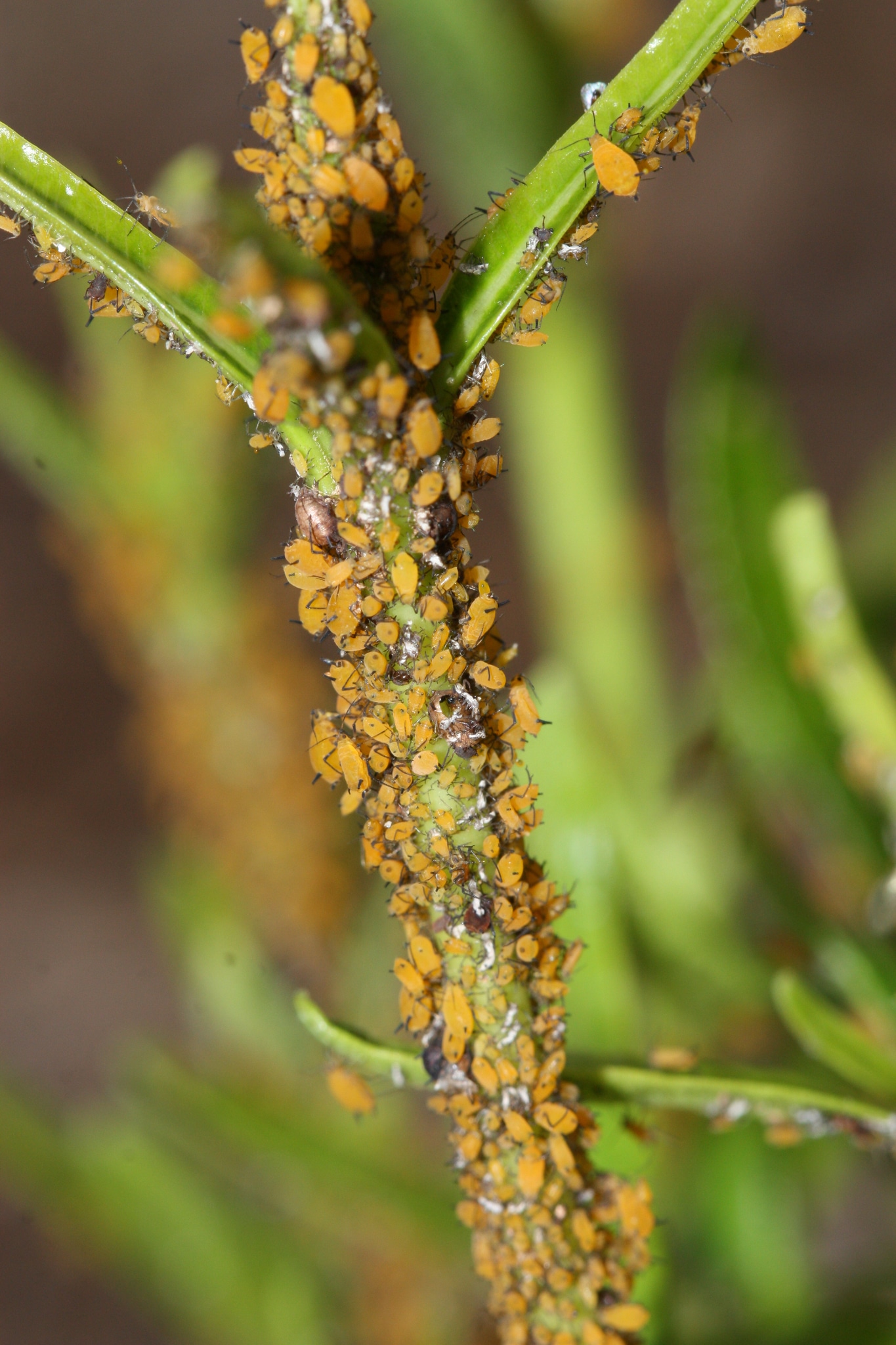
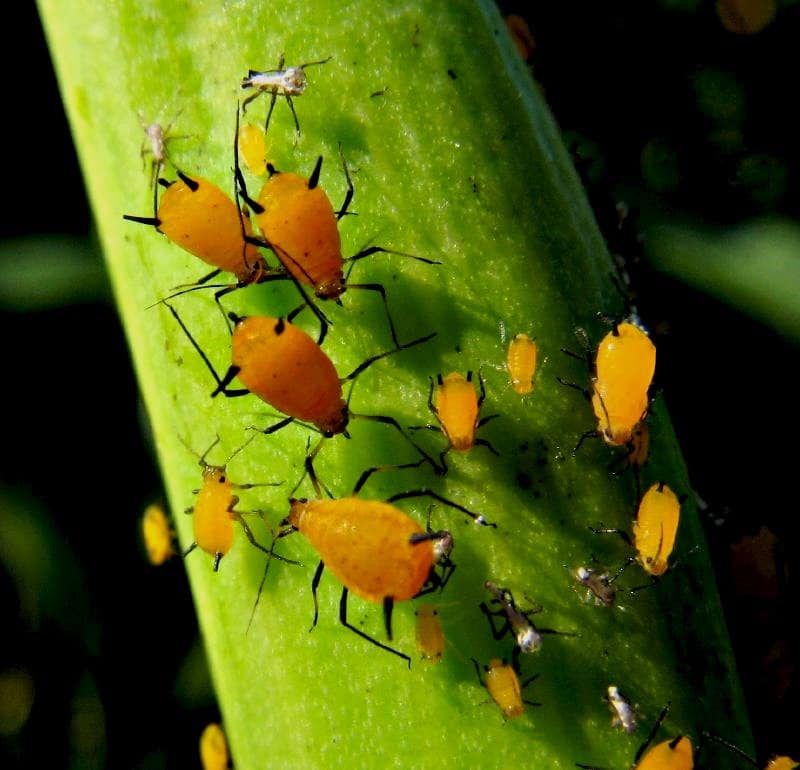
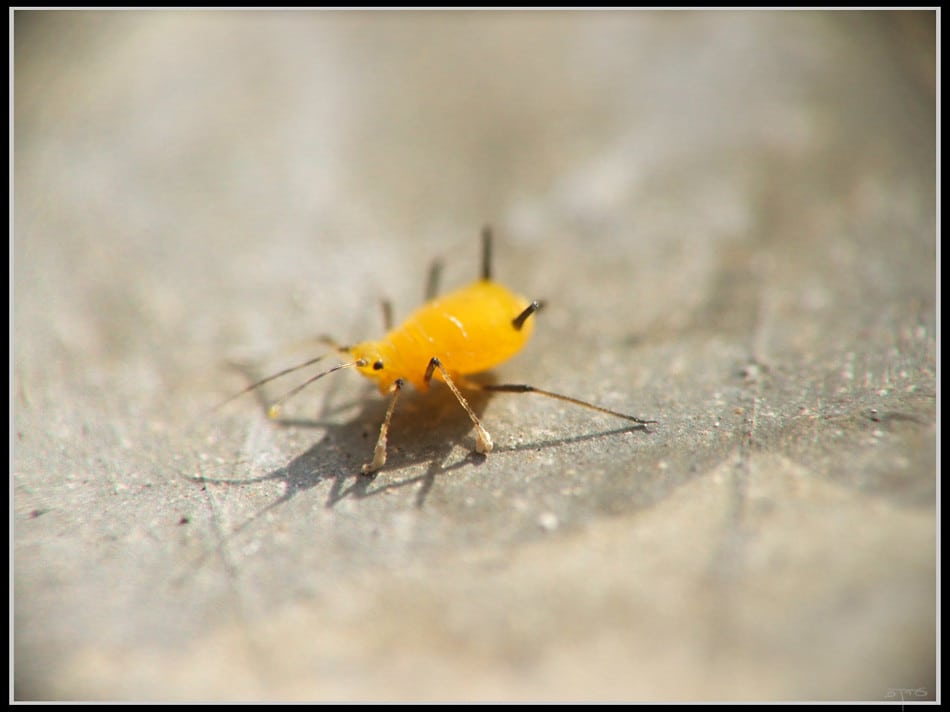
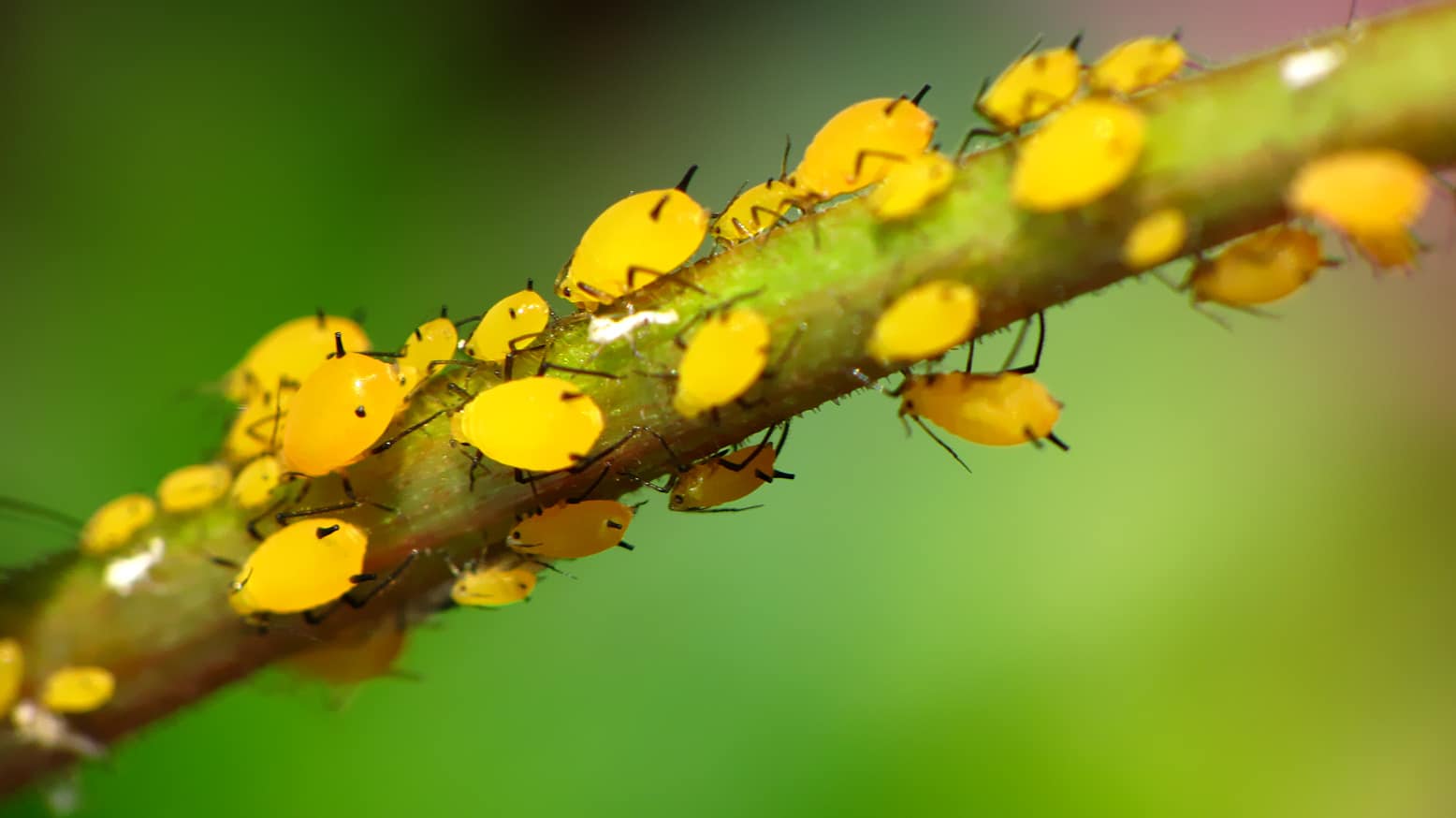
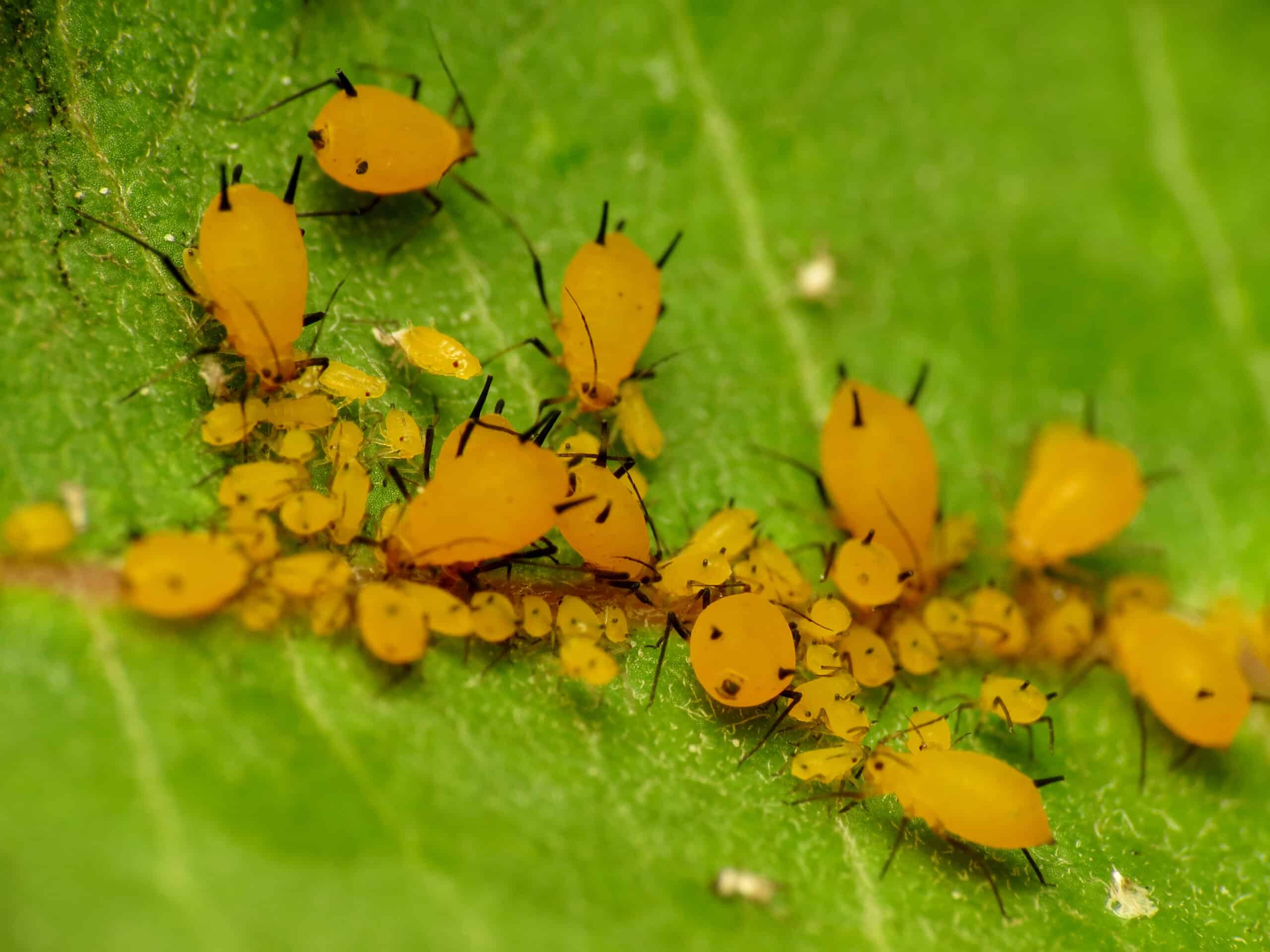
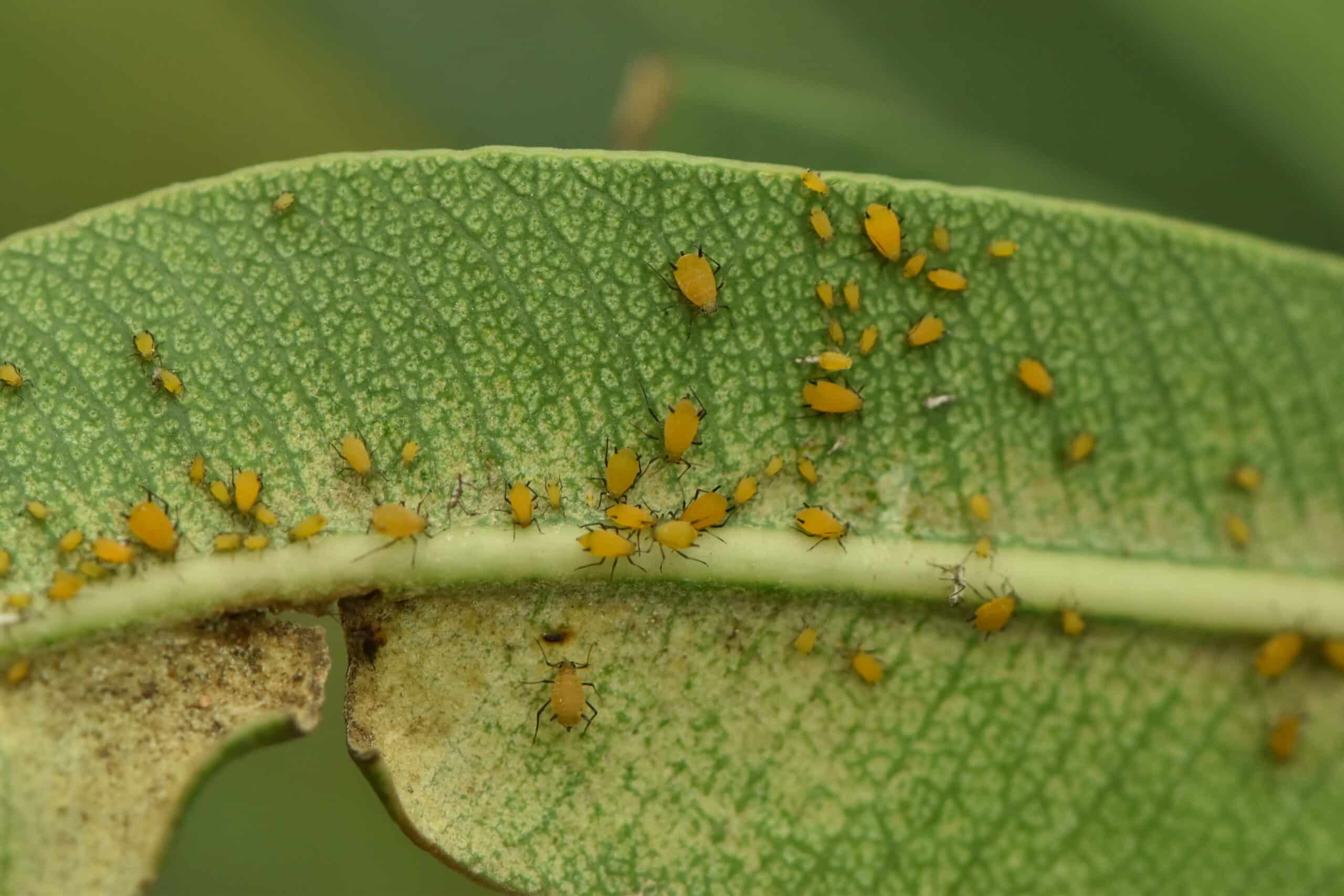
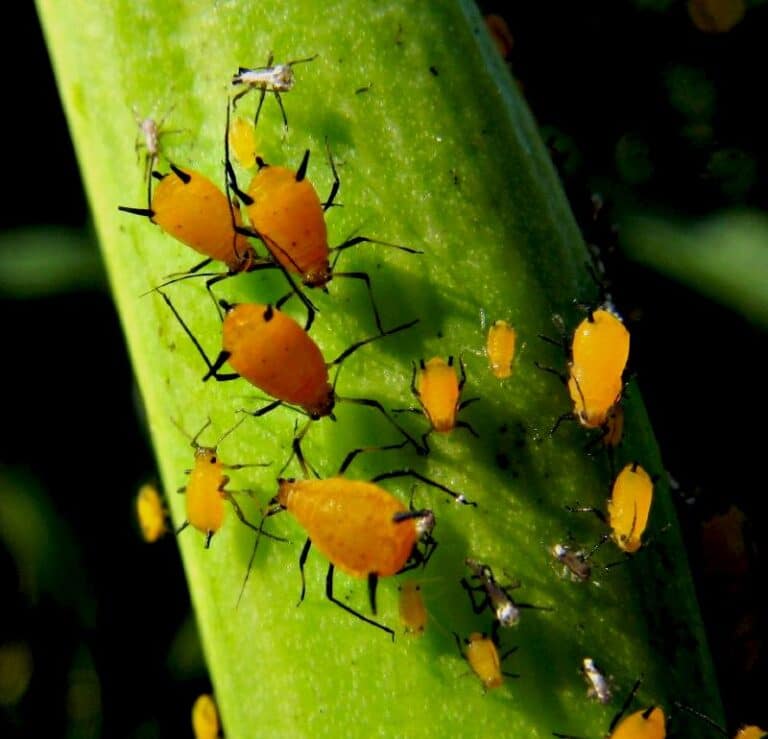
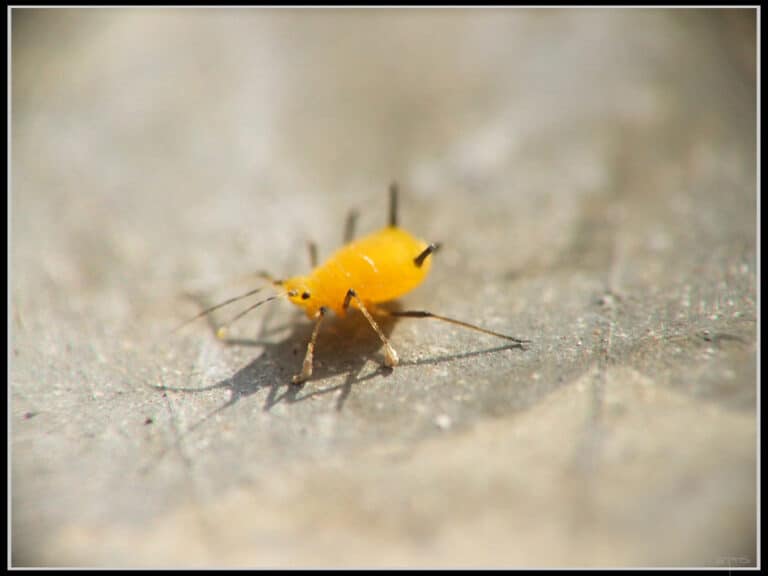
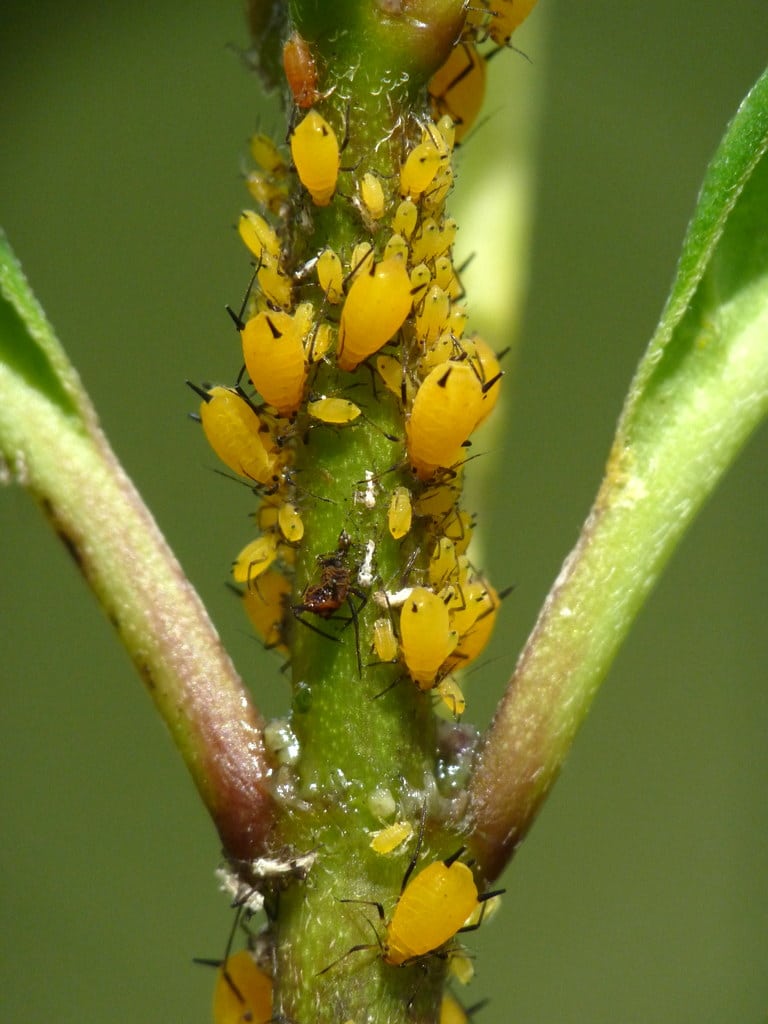
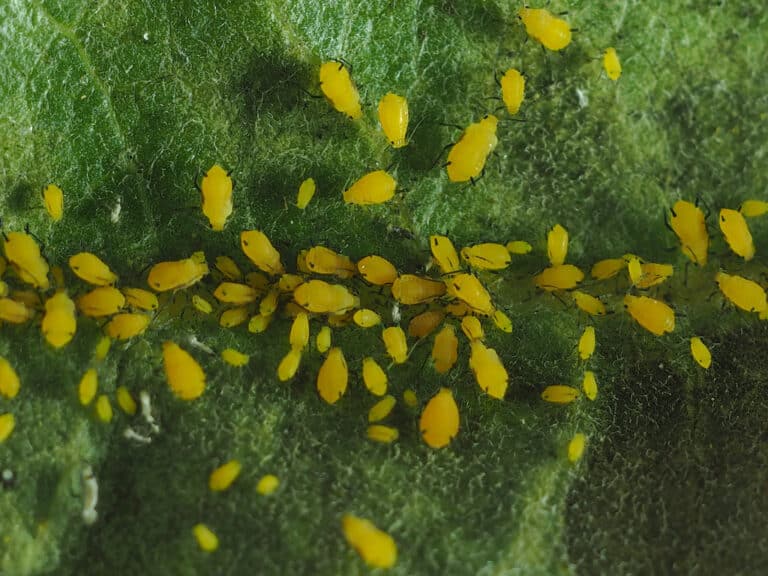
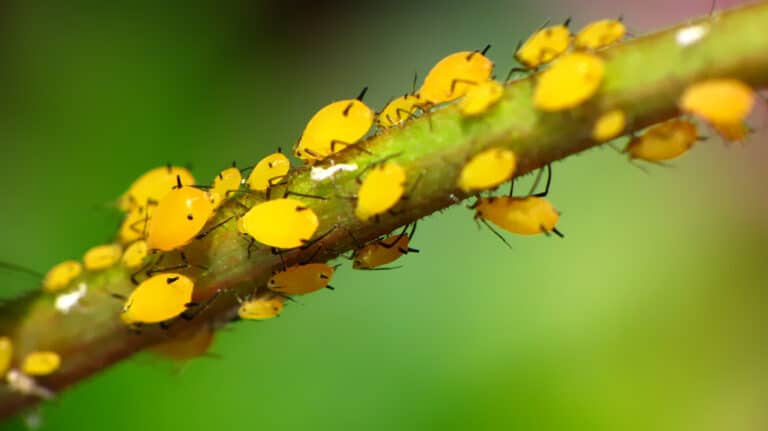
Yellow aphids, also called Aphis nerii, are tiny but mighty little insects that can fit on the tip of your pencil! They belong to the insect class, which means they are invertebrates like butterflies and spiders, and they usually measure between 1 to 3 millimeters in size.
These little fellows live primarily in Asia, where they love to munch on the sweet sap found in plants. Their diet makes them true plant party enthusiasts, as they can sap the life from flowers and shrubs, making them one of nature's tiny, pesky pests.
Yellow aphids grow up quickly because they have a short lifespan of about one month. That means they live life in the fast lane, buzzing around to eat and reproduce before their time is up, leading to big families of small critters!

Where can you find a Yellow Aphids in the wild?
What does a Yellow Aphids eat?
How big can a Yellow Aphids grow?
How long does a Yellow Aphids typically live?
What is the conservation status of the Yellow Aphids?
What are the main threats to the Yellow Aphids?
Fun facts
Yellow aphids can reproduce without a mate, a process called parthenogenesis. This means a single female can create a whole colony by herself, kind of like having a one-person party!


These insects can change their appearance depending on the weather. When it gets chilly, some yellow aphids develop a thicker skin and become a little rounder to stay warm and cozy, like putting on a winter coat!
Yellow aphids communicate with each other using tiny chemical signals called pheromones. They send out these messages to warn others about danger, almost like sending a text to friends when a surprising event happens!
Some plants love yellow aphids and actually encourage them to live on them by producing extra sweet sap! It's like having a sugary buffet where the aphids get their favorite snacks delivered right to their door!
When yellow aphids get really crowded, they can grow wings! This helps them fly off to find new plants to munch on, turning them into hungry little explorers.
These tiny creatures can produce a sticky substance called honeydew, which attracts ants. Some ants even protect aphids from predators, turning them into little farm animals in the insect world!
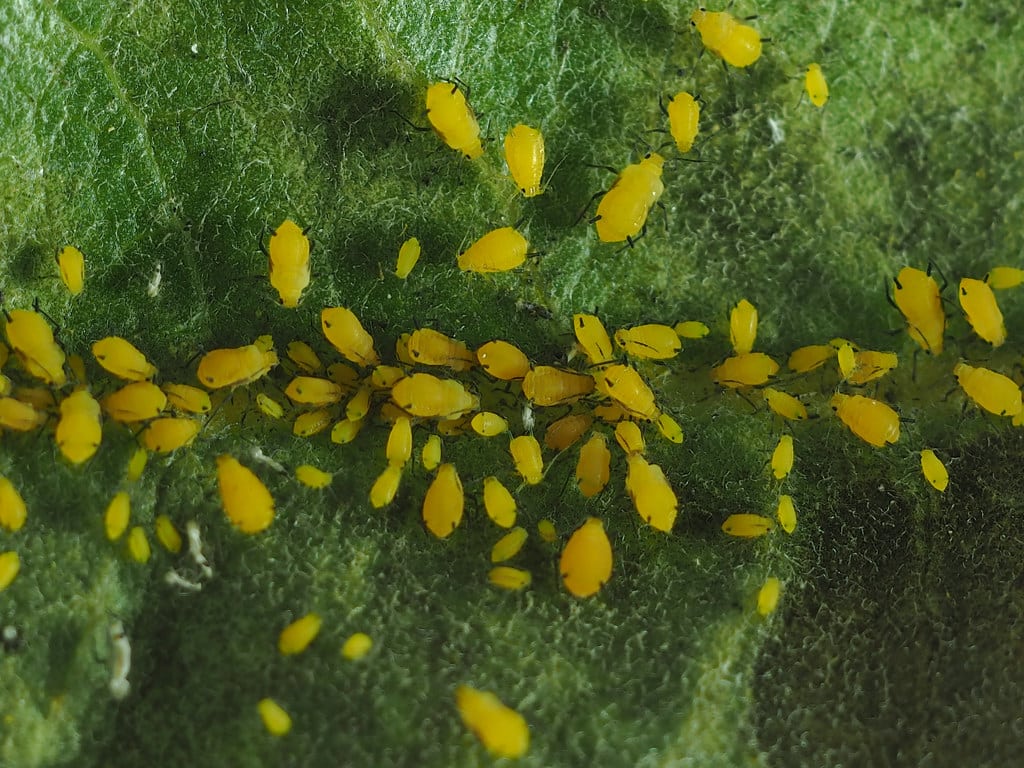
Yellow aphids can create a whole colony in just a few weeks! Their fast reproductive rate is like having a family reunion where everyone just keeps bringing more friends along to the party.
When threatened, yellow aphids can produce a smelly spray to deter predators. This ability might seem odd, but it's like having a built-in stink bomb to help them escape danger!
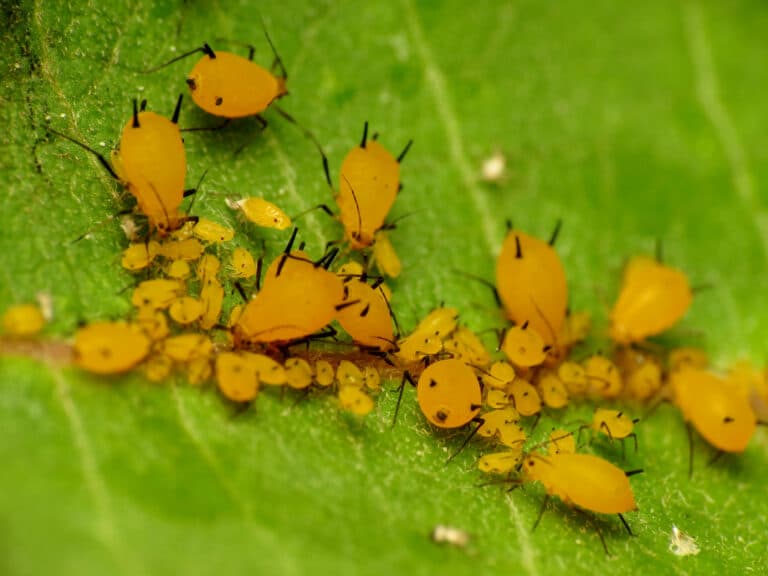
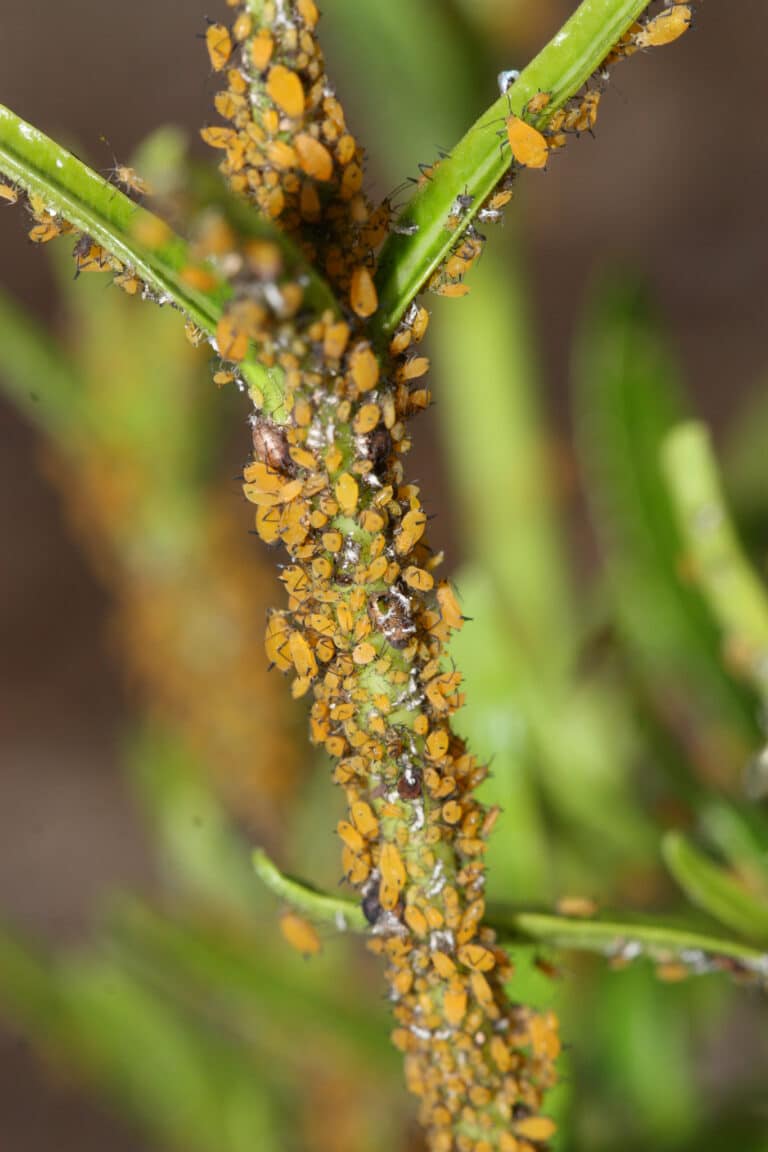
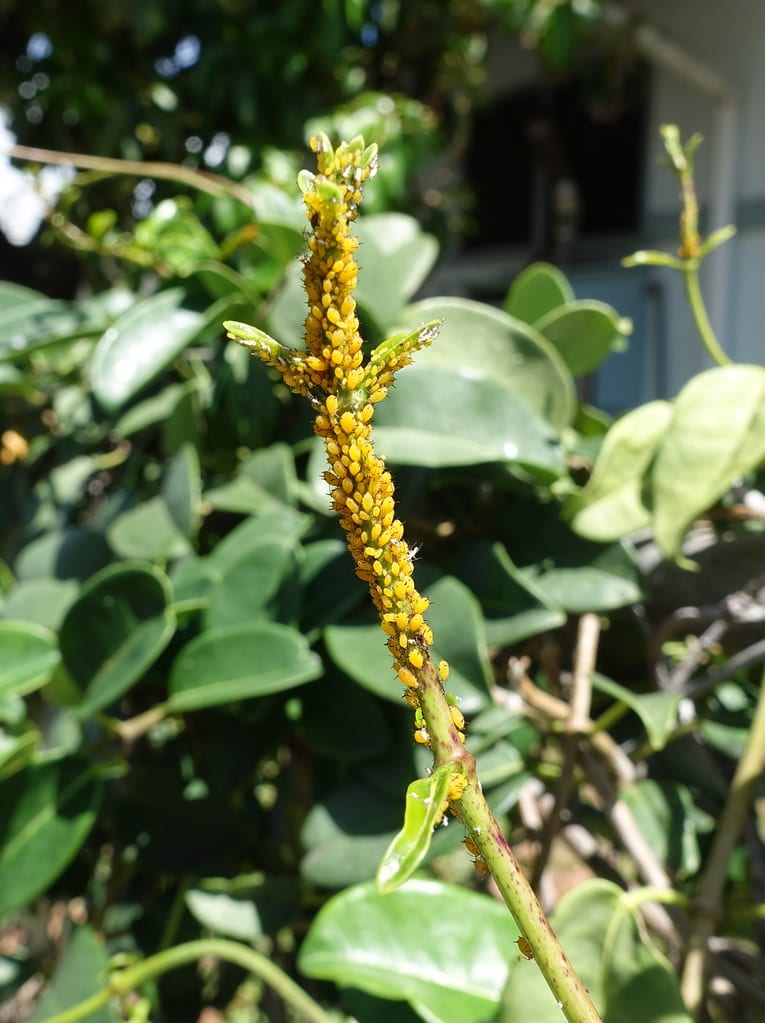
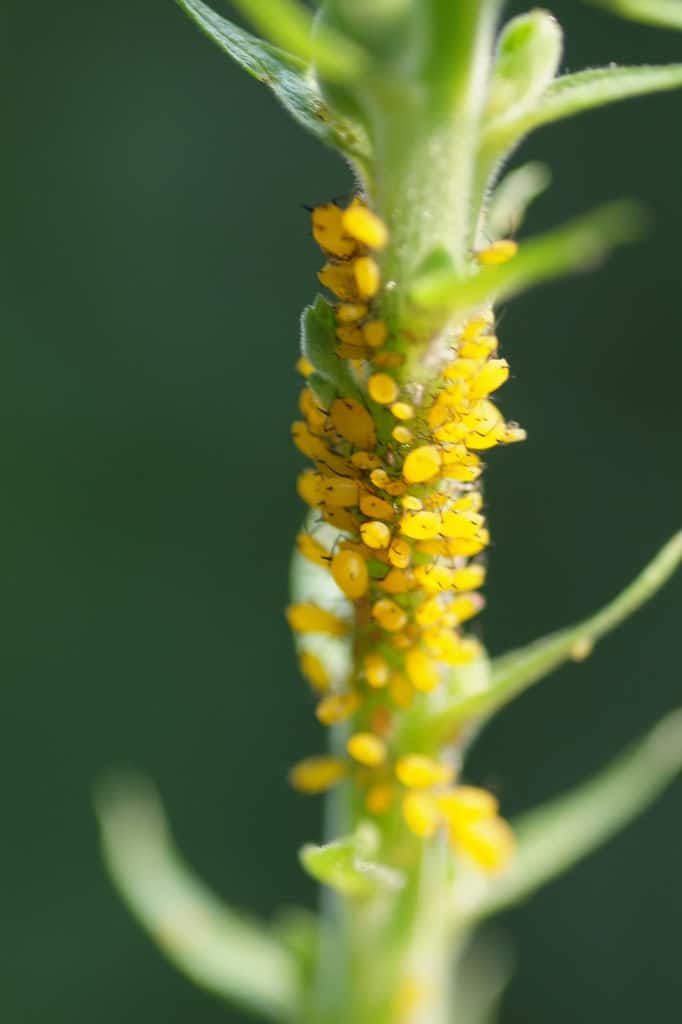
Some yellow aphids can live in groups that resemble fluffy clouds on plants! These clusters can be so dense that they can actually make the leaves look fuzzy or puffy!
These aphids can be so prolific that they sometimes create more offspring in a week than there are kids in an entire school! Talk about a classroom filled with tiny yellow friends!
Photos





The Basics


explore more
Amphibians
Arachnids
Birds
Cats
Crustaceans
Fish
Fish Pet Guide
Gastropods
Insects
Invertebrates
Mammals
Pet Fish
Pet Rodents
Plants
Reptiles
Roundworms
Sea Slugs