
Successfully copied to clipboard!
Yellow-faced Bee
Meet nature's tiny heroes, buzzing with energy and purpose!
Let’s Explore
Overview
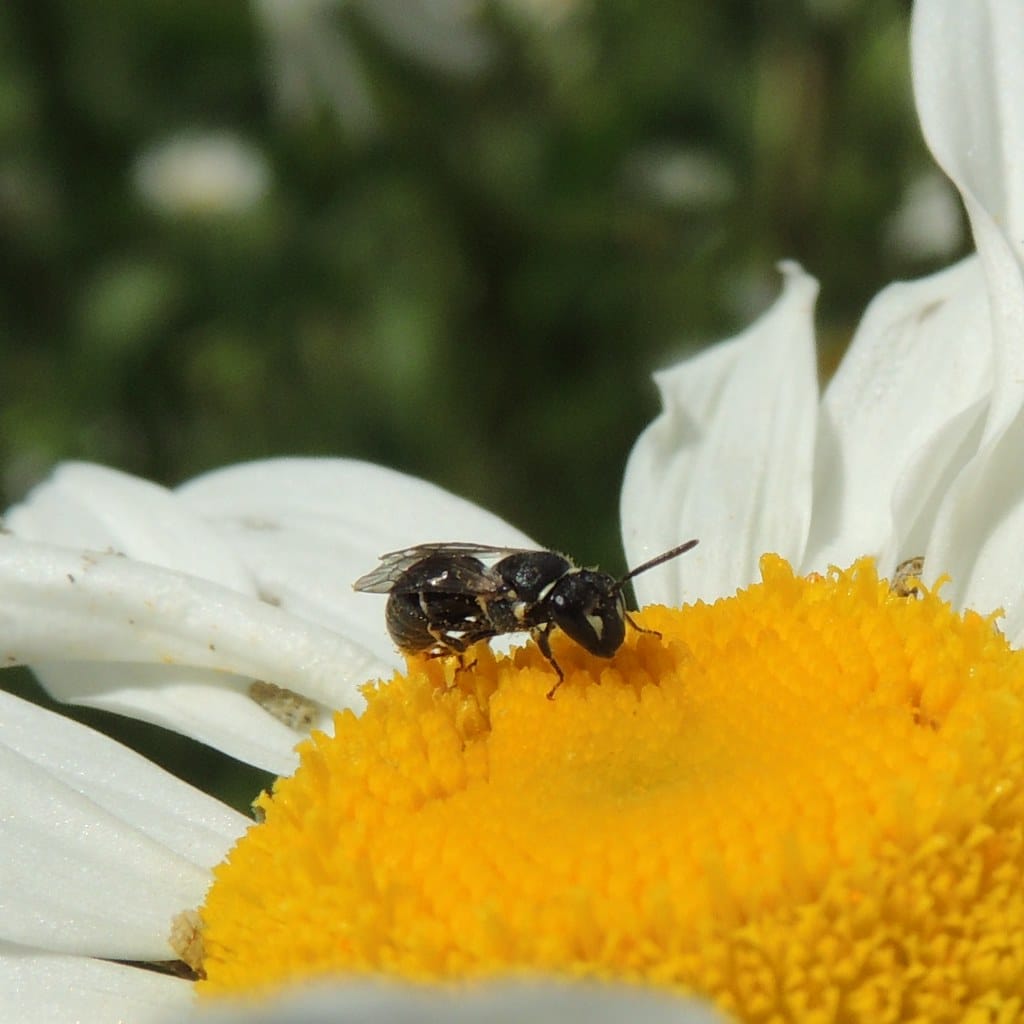
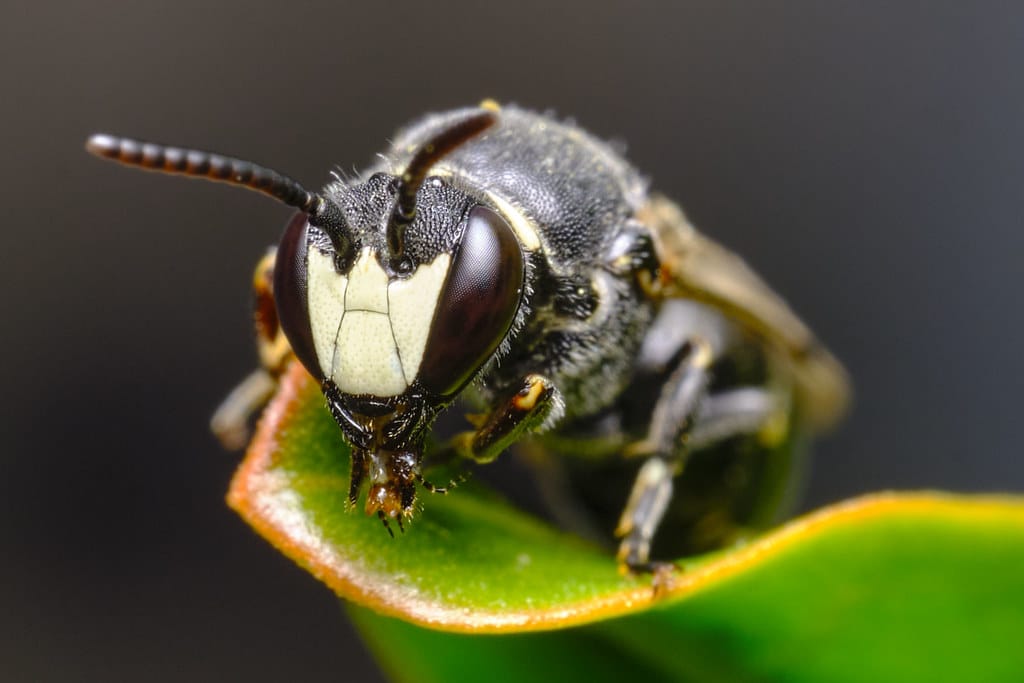
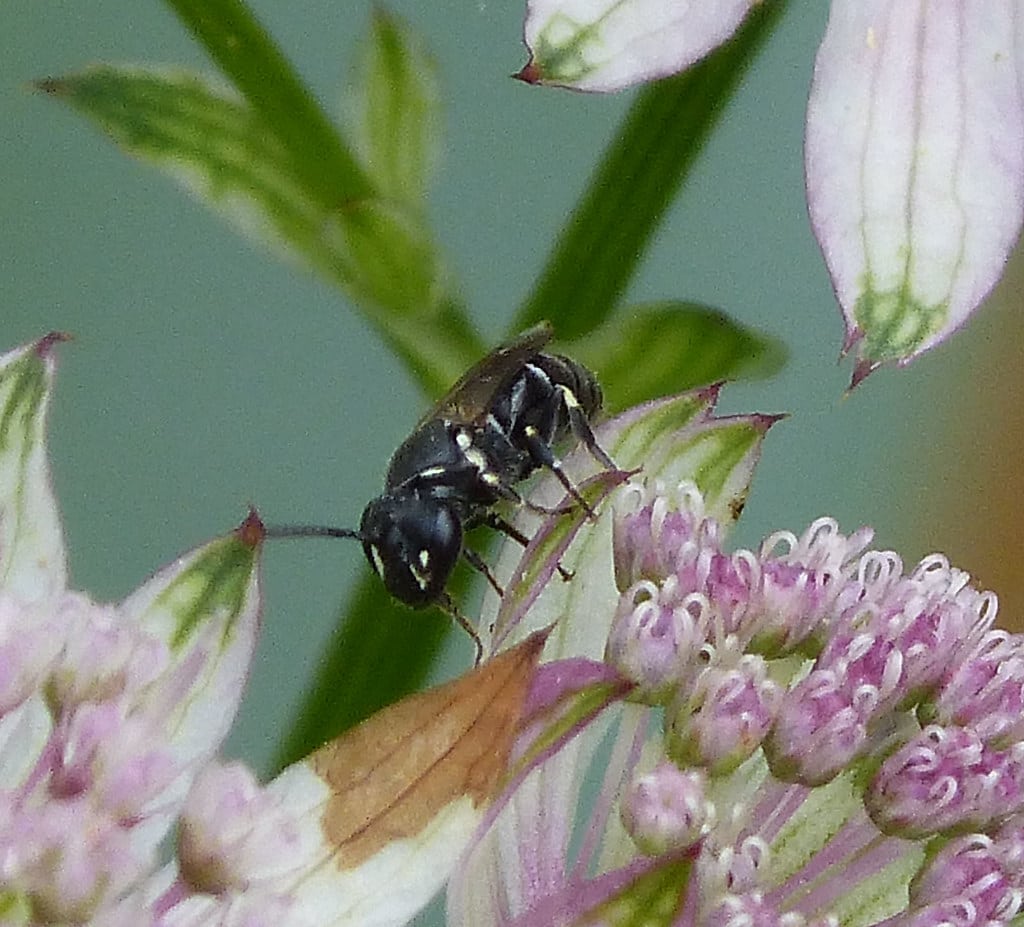
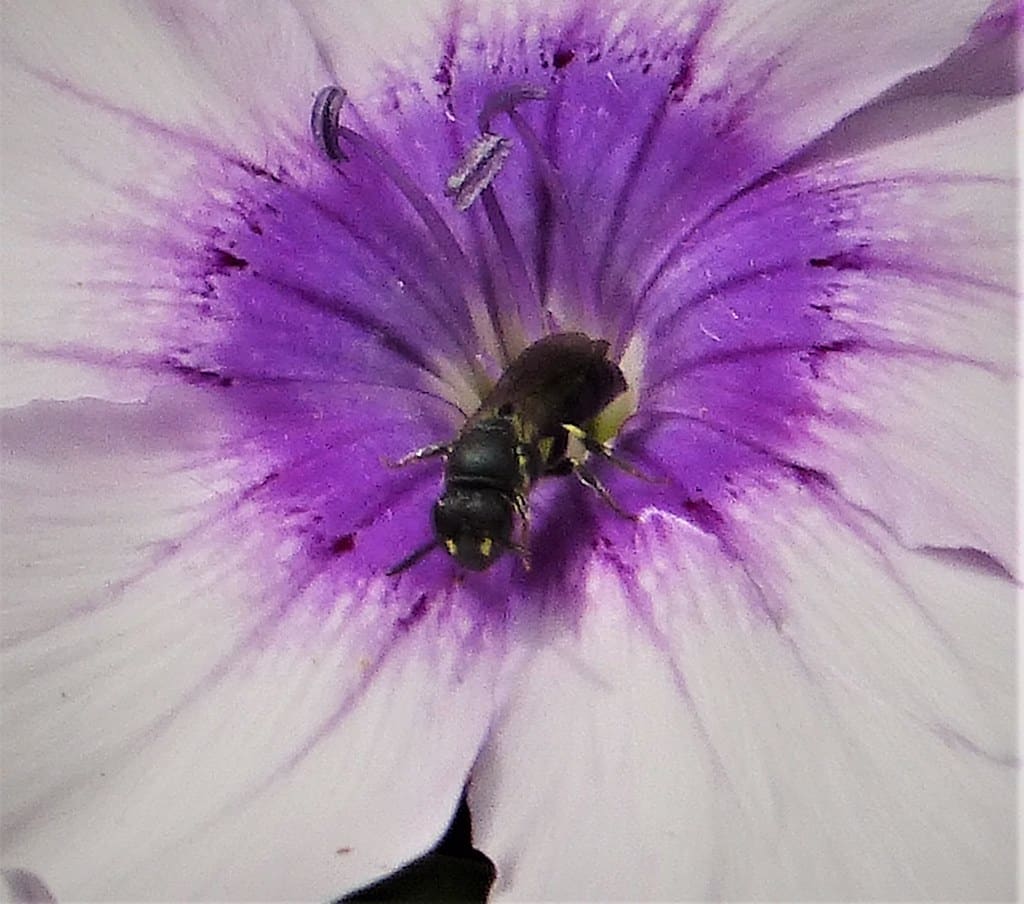
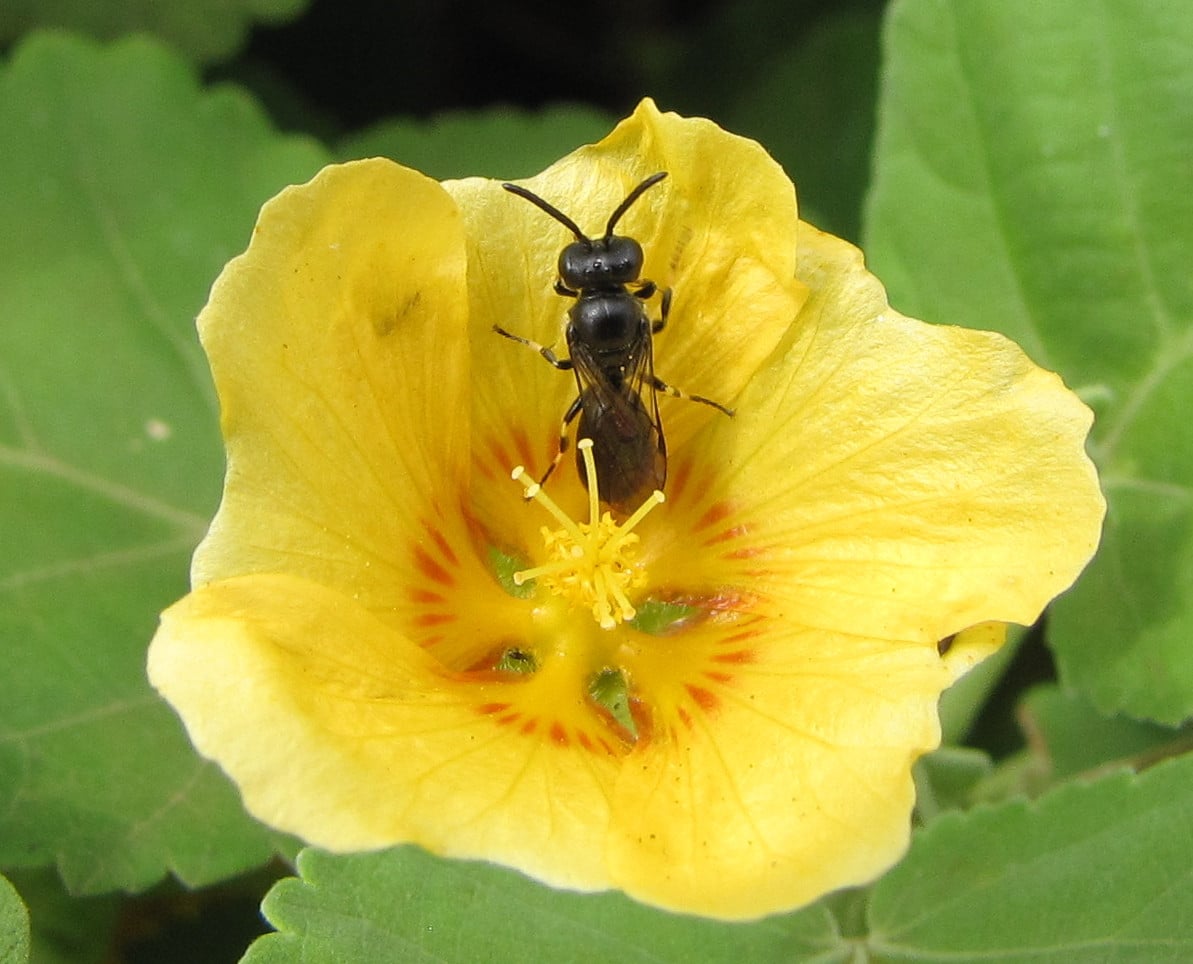
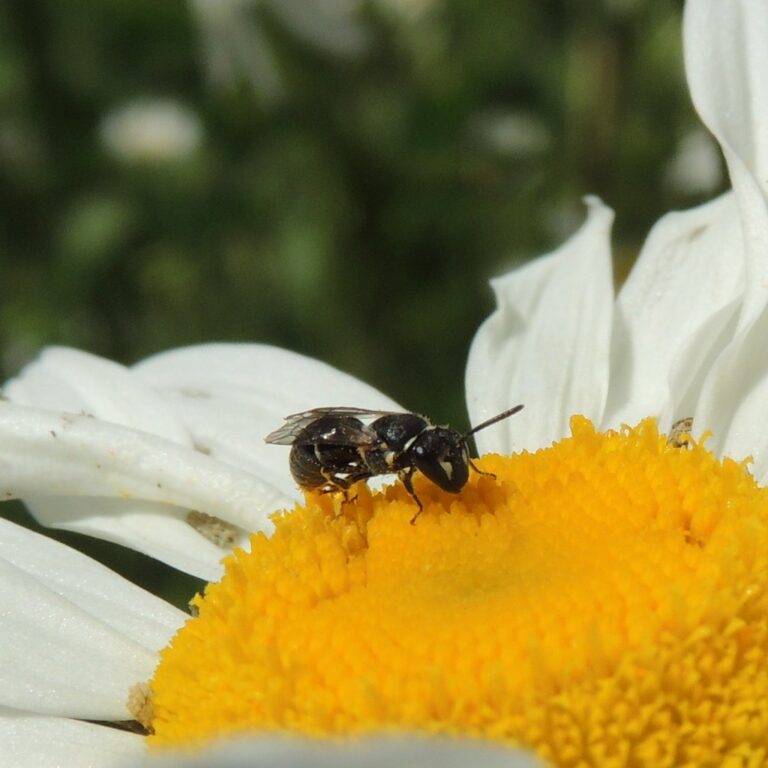
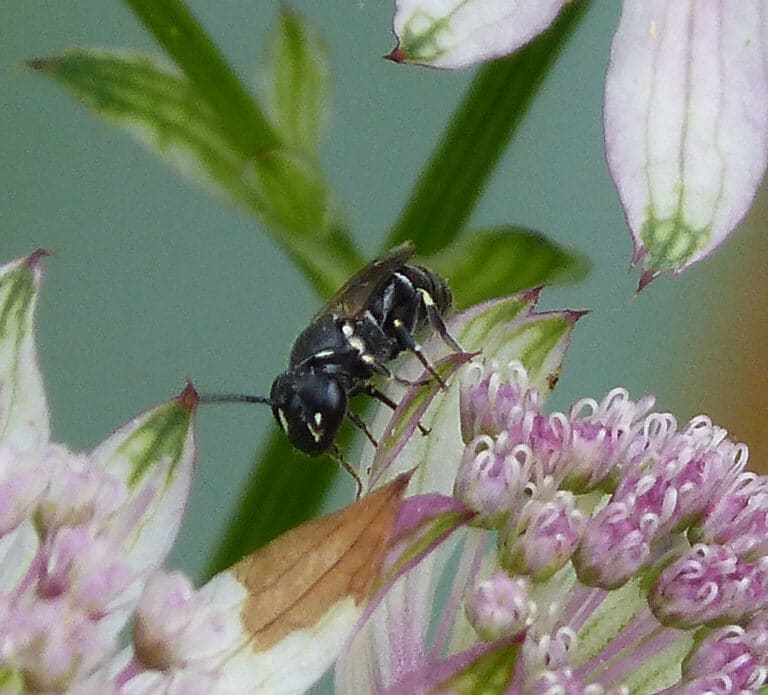
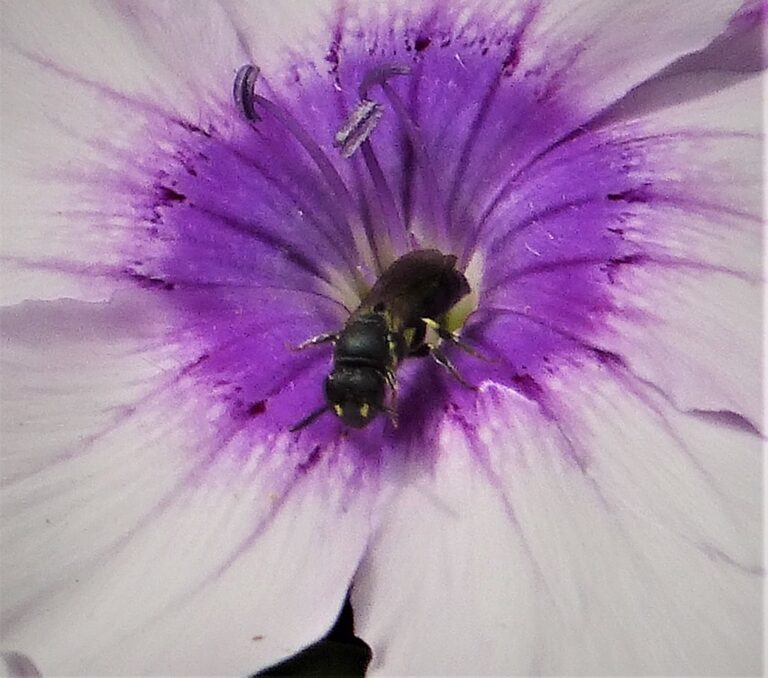
The Yellow-faced Bee, known scientifically as Hylaeus, belongs to a fun group of invertebrates called insects. These buzzing buddies usually measure between 0.3 to 0.5 inches long, making them small enough to fit on a fingertip!
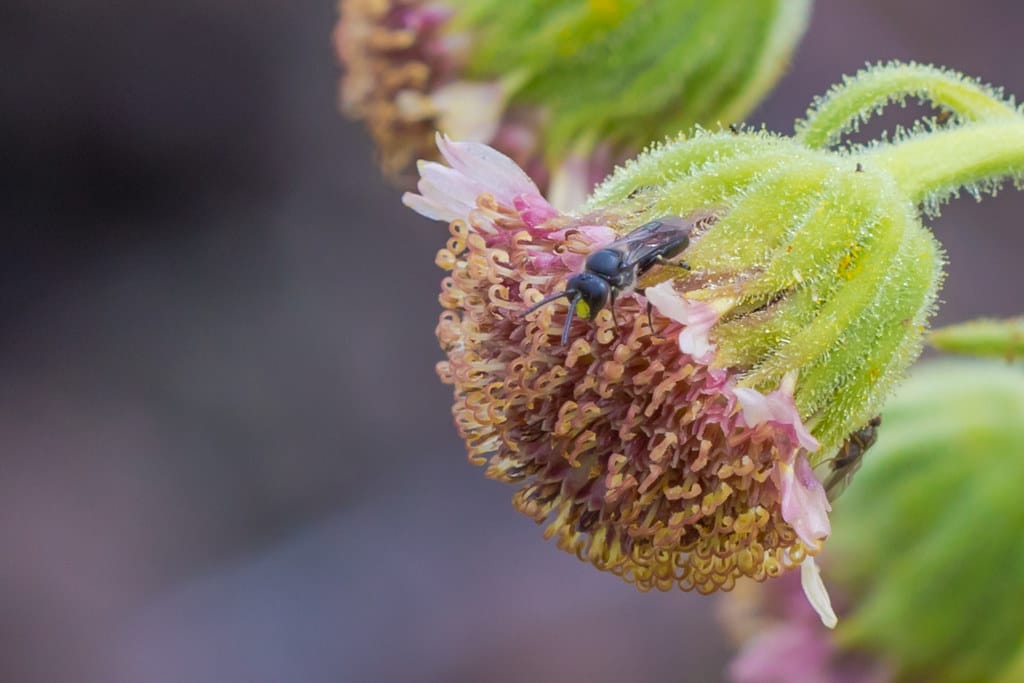
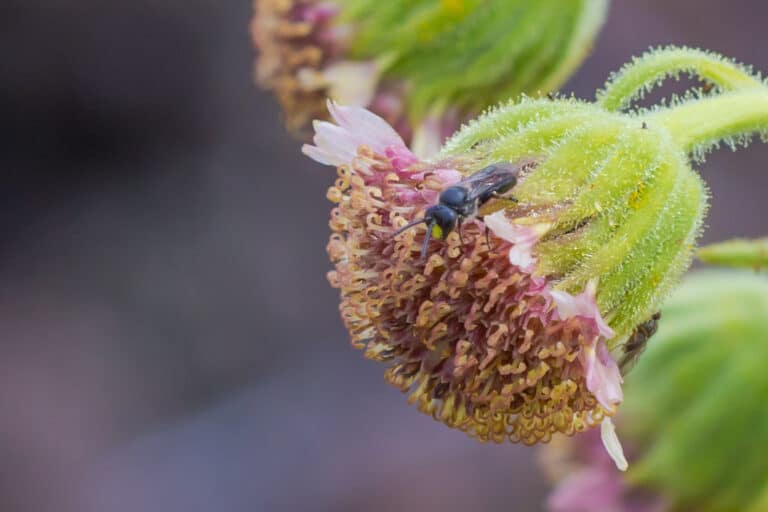
These bees thrive in Africa, where they flit from flower to flower. They love a tasty diet of nectar and pollen, helping to pollinate plants while they munch!
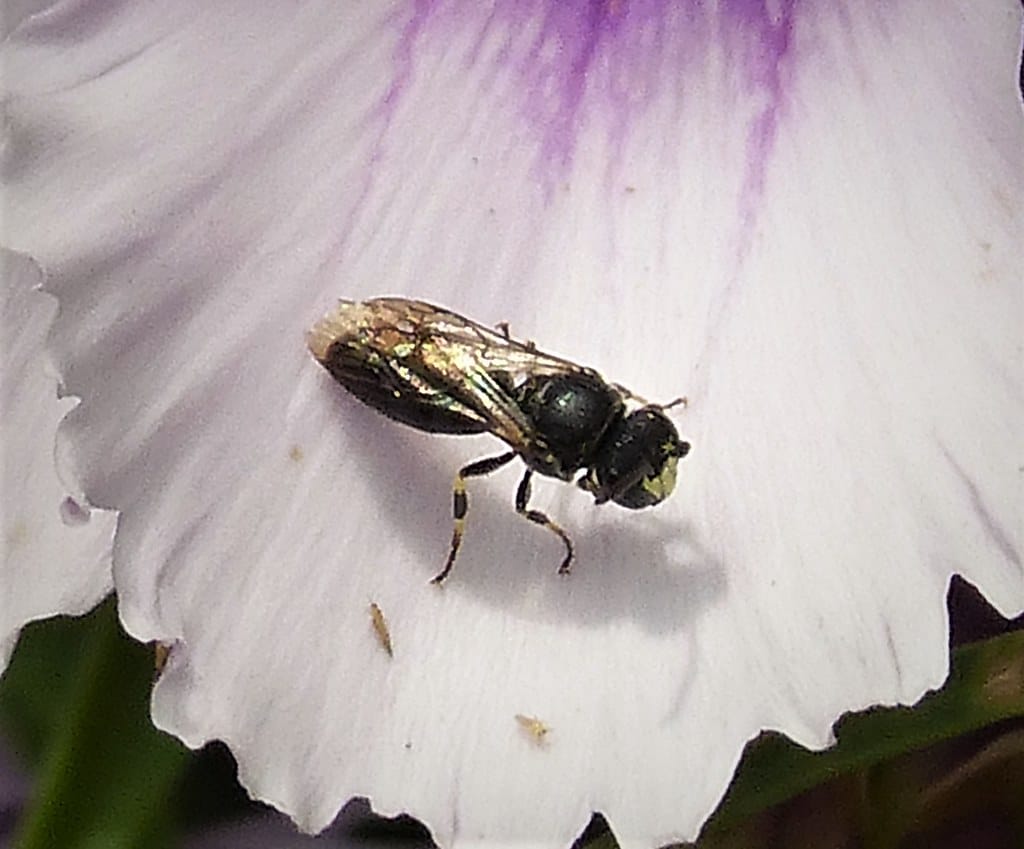
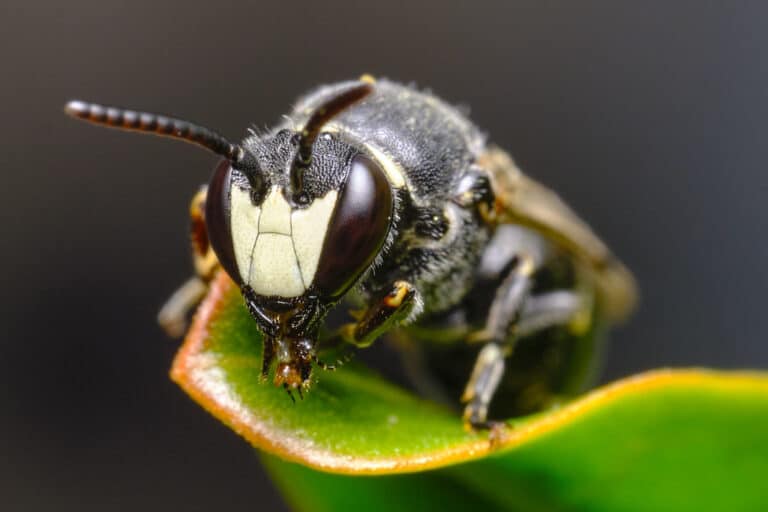
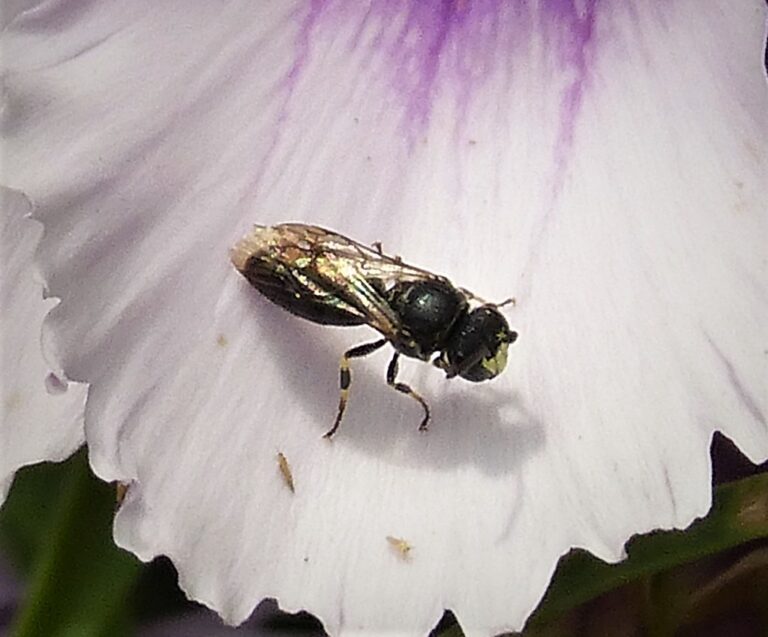
Unlike many of their bee cousins, Yellow-faced Bees do not have the same fuzzy bodies. Instead, these sleek insects possess a smooth, shiny appearance that makes them stand out in their vibrant habitats.
Yellow-faced Bees live for just a few weeks, but they make the most of their short lives. They work hard to gather food and reproduce, ensuring the next generation of unique yellow-faced friends!
Their scientific class, Insecta, includes all those amazing little critters you can find buzzing around us. Yellow-faced Bees belong to the family Colletidae, making them part of a special group of bees known for their love of flowers.
Next time you spot a flower and witness a bee hard at work, imagine the Yellow-faced Bee doing its thing! They may be small, but they play a big role in keeping our ecosystems blooming and buzzing.

Where can you find a Yellow-faced Bee in the wild?
What does a Yellow-faced Bee eat?
How big can a Yellow-faced Bee grow?
How long does a Yellow-faced Bee typically live?
What is the conservation status of the Yellow-faced Bee?
What are the main threats to the Yellow-faced Bee?
Fun facts
The Yellow-faced Bee has a unique talent for going on nectar scavenger hunts.
Instead of collecting pollen like many bees, these bees sip nectar directly from flowers and can visit lots of different blooms in one day!


These little bees help create beautiful gardens and flowering meadows wherever they go.
Their busy work carries pollen from one flower to another, helping plants grow and produce more seeds.
Unlike most bees, Yellow-faced Bees keep their bodies sleek and smooth instead of fluffy.
This shiny look helps them stay cooled off in the warm Africa sun while they zoom around!
The Yellow-faced Bee is like a mini superhero, saving plants with their amazing pollination skills.
Even by themselves, they manage to pollinate a variety of flowers, showing that every single bee counts!
Some researchers say Yellow-faced Bees are like nature’s tiny gardeners.
By pollinating flowers, they encourage the growth of fruits and veggies, which helps humans too!
These bees have a short life, but they live like there’s no tomorrow!
In just a few weeks, they flutter, forage, and find mates, making their mark on the world before they buzz off!
The Yellow-faced Bee has no queen to protect them.
Instead, these individual bees work alone, being independent little flyers in their vibrant environments!
Each Yellow-faced Bee can visit hundreds of flowers in a single day.
This means they keep busy, zipping around to connect different plants just like nature’s very own delivery service!
Some scientists think these bees might be secret food critics.
They seem to prefer certain flowers based on the deliciousness of the nectar, making food choice a sweet adventure!
After all their buzzing, Yellow-faced Bees help create a lifeline for other creatures too!
Their pollination supports entire ecosystems, benefiting not just flowers but also plants and animals at every level!
Photos

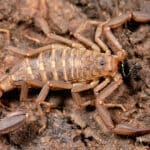
The Basics


explore more
Amphibians
Arachnids
Birds
Cats
Crustaceans
Fish
Fish Pet Guide
Gastropods
Insects
Invertebrates
Mammals
Pet Fish
Pet Rodents
Plants
Reptiles
Roundworms
Sea Slugs