
Successfully copied to clipboard!
Zebra Mussels
Uncover the hidden world of tiny striped filter feeders!
Let’s Explore
Overview
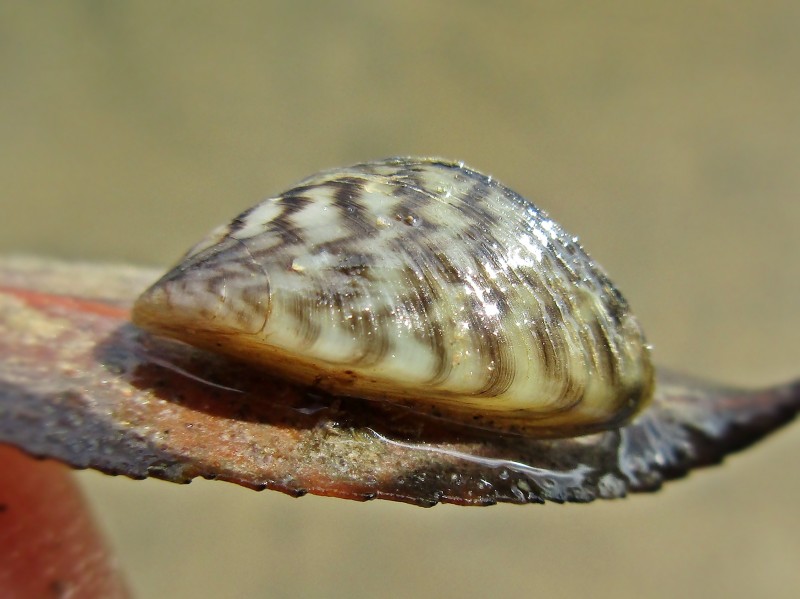
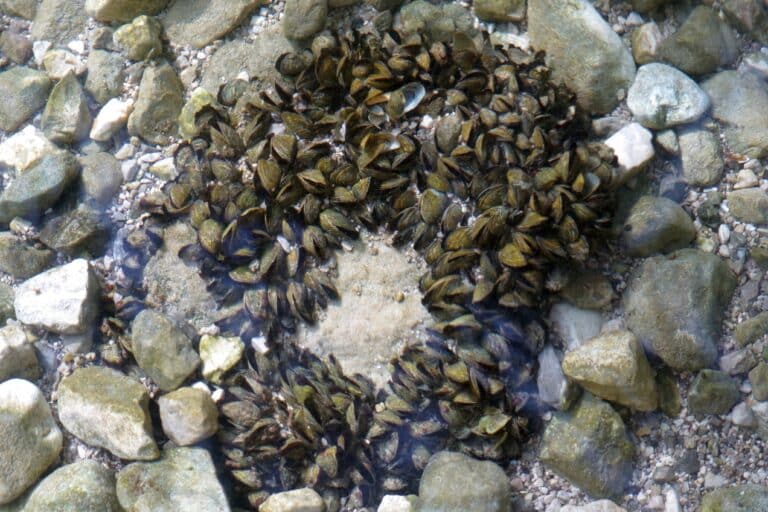
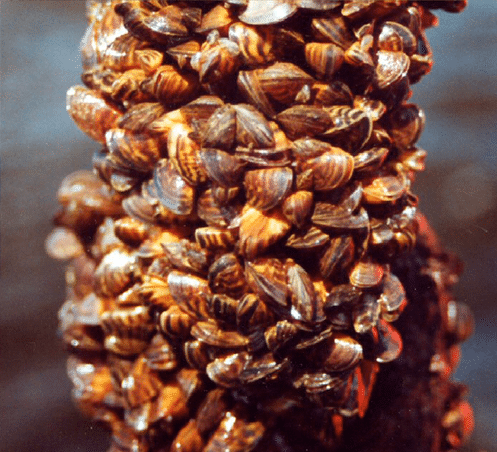
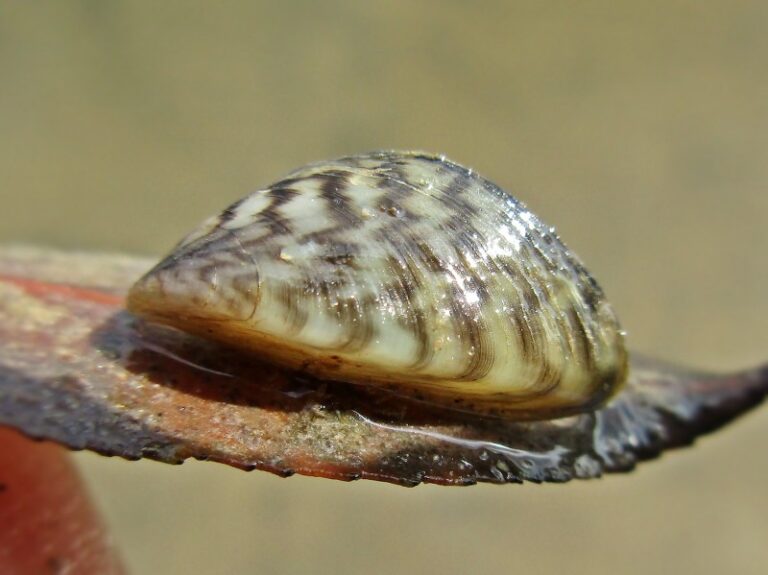
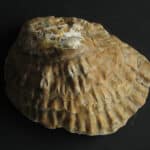
Zebra mussels are intriguing little creatures that bring a splash of excitement to freshwater ecosystems. These tiny invertebrates, measuring between 2 to 5 centimeters (0.8 to 2 inches) long, have a striped pattern that resembles the stripes of a zebra, making them quite a sight to see!
Belonging to the class of bivalves, zebra mussels have two shells that protect their soft bodies inside. They come from Eurasia, where they originally thrived in lakes and rivers before making their way to new waters around the world.
Zebra mussels love to munch on plankton and tiny water particles, filtering the water as they feed. This filter-feeding behavior can help clear and improve water quality, but it can also lead to some unexpected changes in their environment.
These fascinating creatures have a lifespan of about 4 to 5 years. With a knack for reproducing, a single female zebra mussel can lay up to a million eggs in one season, making them quite the busy bivalves!
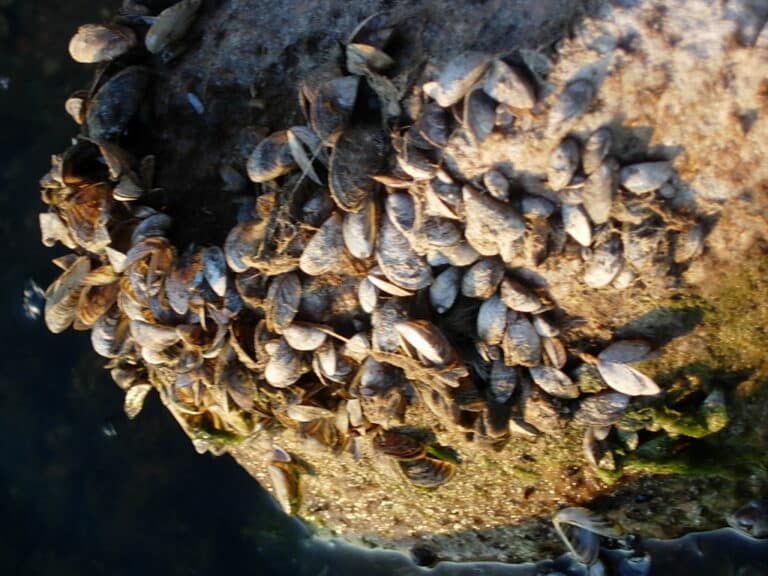
While zebra mussels can be fun to learn about, they can also decide to stick around in ways that cause trouble. They often attach themselves to surfaces like boats and docks, and they can create big clusters that affect local plants and animals.
Despite their ability to create challenges in some ecosystems, zebra mussels remind us of how complex and interconnected life in our waters really is. So next time you enjoy a swim or a boat ride, just remember the tiny zebra that might be watching from the depths!

Where can you find a Zebra Mussels in the wild?
What does a Zebra Mussels eat?
How big can a Zebra Mussels grow?
How long does a Zebra Mussels typically live?
What is the conservation status of the Zebra Mussels?
What are the main threats to the Zebra Mussels?
Fun facts
Zebra mussels can reproduce at an astonishing rate, with females laying up to a million eggs each year! That’s like having a new generation of tiny mussels popping up all summer long.


Their striped shells, which resemble the stripes of a zebra, act as clever camouflage! This helps them blend in with rocks and other surfaces on the lake or riverbed.
Zebra mussels filter feed, which means they help clean the water around them. They act like tiny vacuum cleaners, sucking in water and filtering out bad stuff while enjoying their meals!
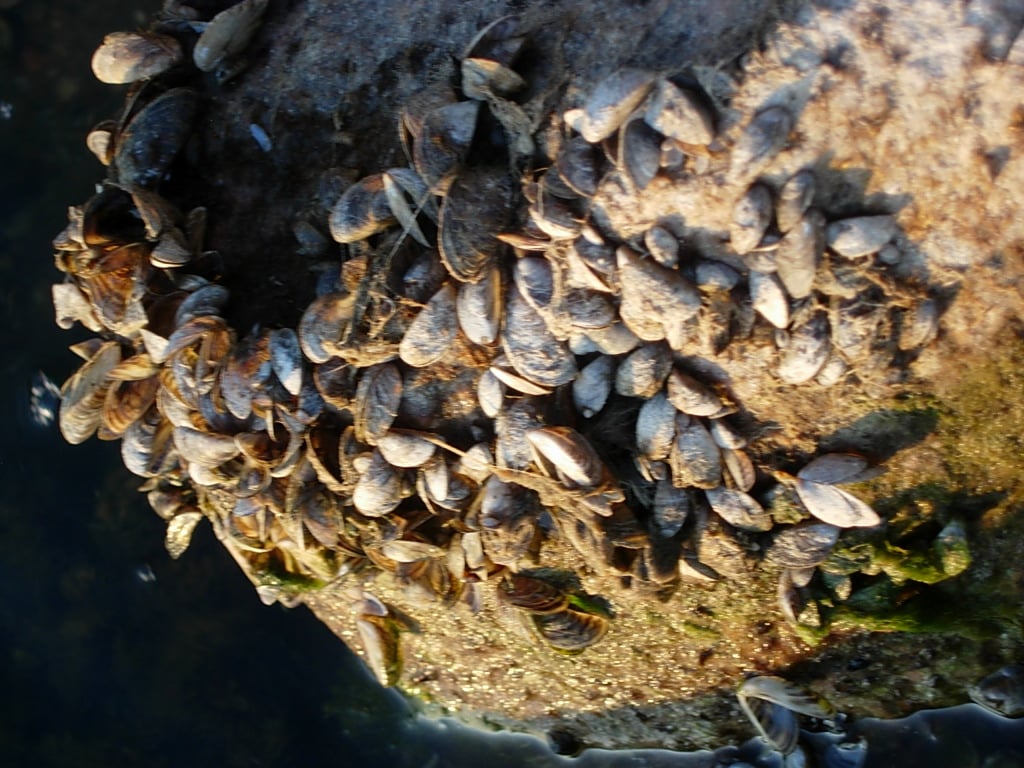
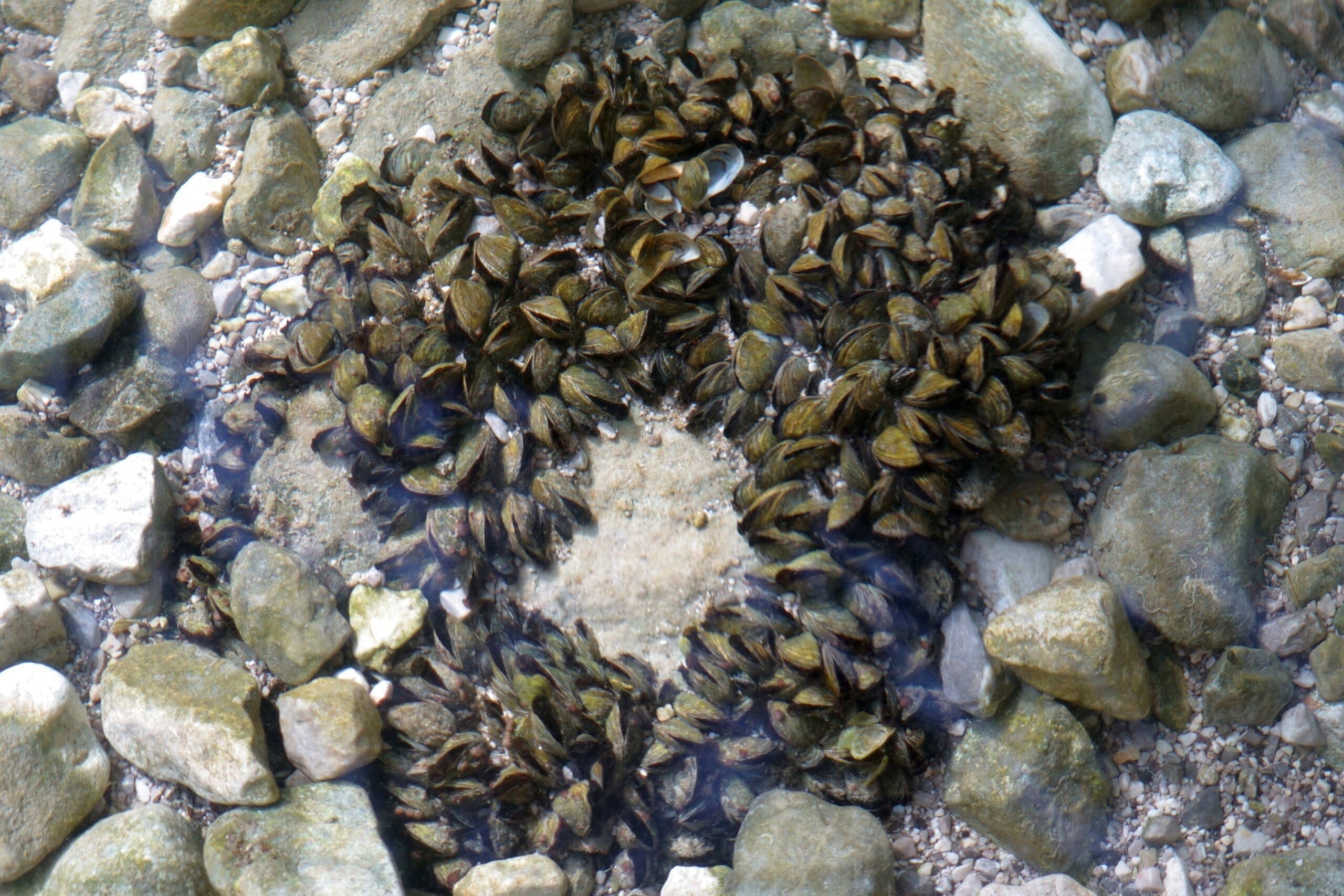
<pA group of zebra mussels can form what looks like a mussel city! They attach to each other and create large clusters that can completely cover surfaces like docks and even native plants.
These little guys can live in water as cold as 5 degrees Celsius or as warm as 28 degrees Celsius! Talk about being adaptable to different environments!
Zebra mussels use a special foot to move around and to anchor themselves to surfaces. This foot helps them stick to rocks or even boats, making them tough little hitchhikers.
These mussels can filter up to one liter of water per day each! If you think about it, a small group of zebra mussels can filter a whole swimming pool of water in no time.
Some birds and fish love to munch on zebra mussels! They serve as an important source of food in the ecosystem, maintaining a balance in the underwater dining scene.
In the weird world of zebra mussels, they can live up to five years but sometimes can become a nuisance within just a year or two! They know how to make themselves at home very quickly.
Scientists study zebra mussels to learn about the effects of invasive species! This tiny bivalve helps researchers discover how species can spread and impact local environments.
Photos

The Basics


explore more
Amphibians
Arachnids
Birds
Cats
Crustaceans
Fish
Fish Pet Guide
Gastropods
Insects
Invertebrates
Mammals
Pet Fish
Pet Rodents
Plants
Reptiles
Roundworms
Sea Slugs