Successfully copied to clipboard!
African Wild Dog
Join the pack and explore amazing teamwork in the wild!
Let’s Explore
Overview
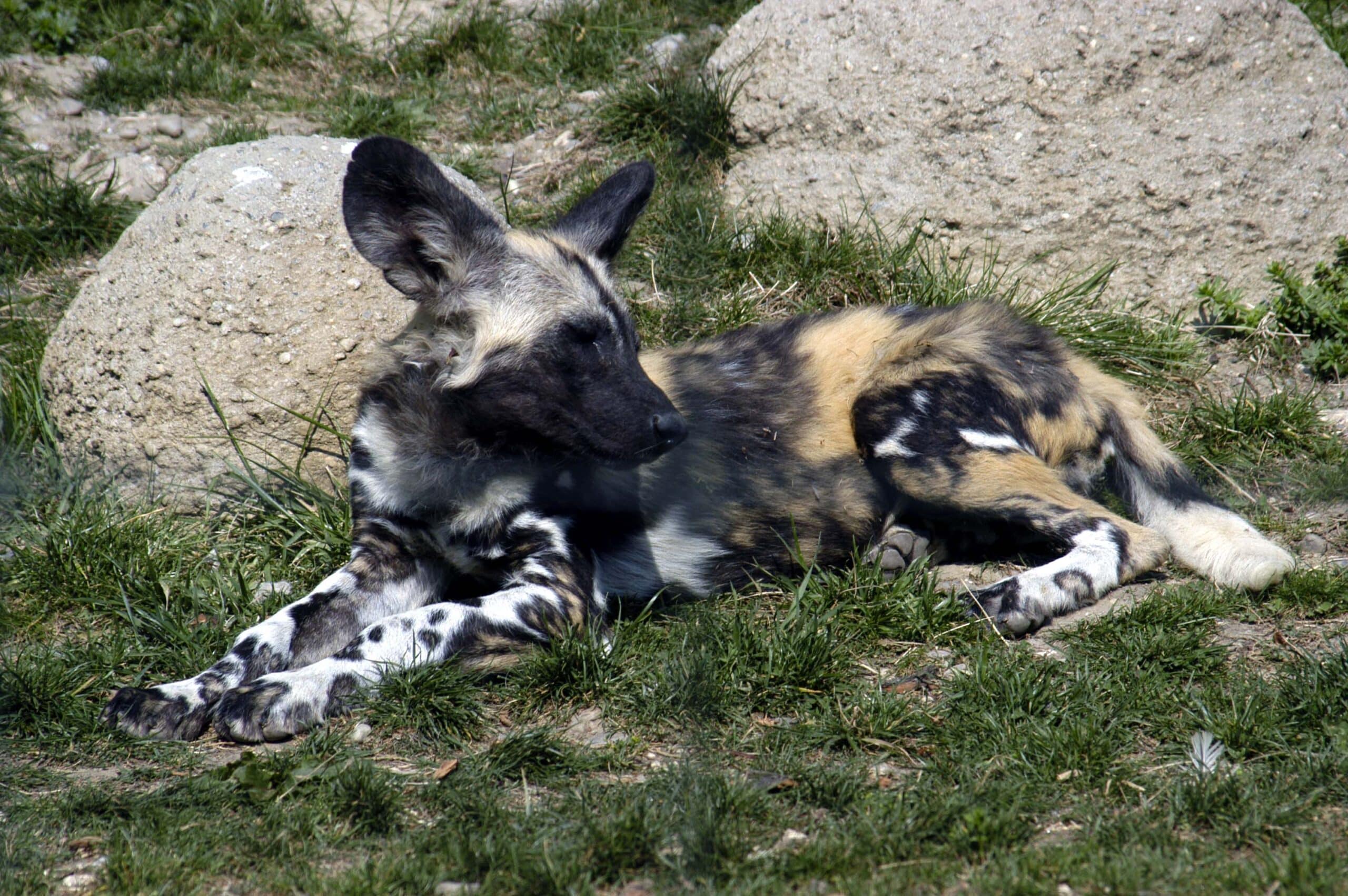
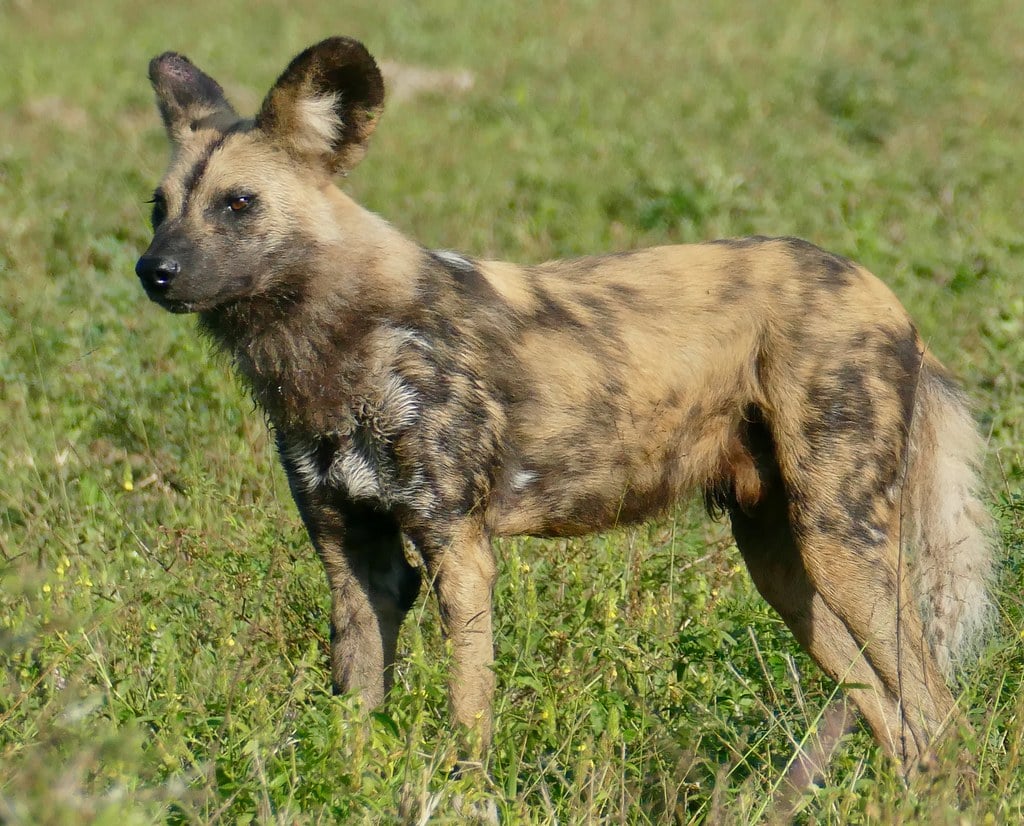
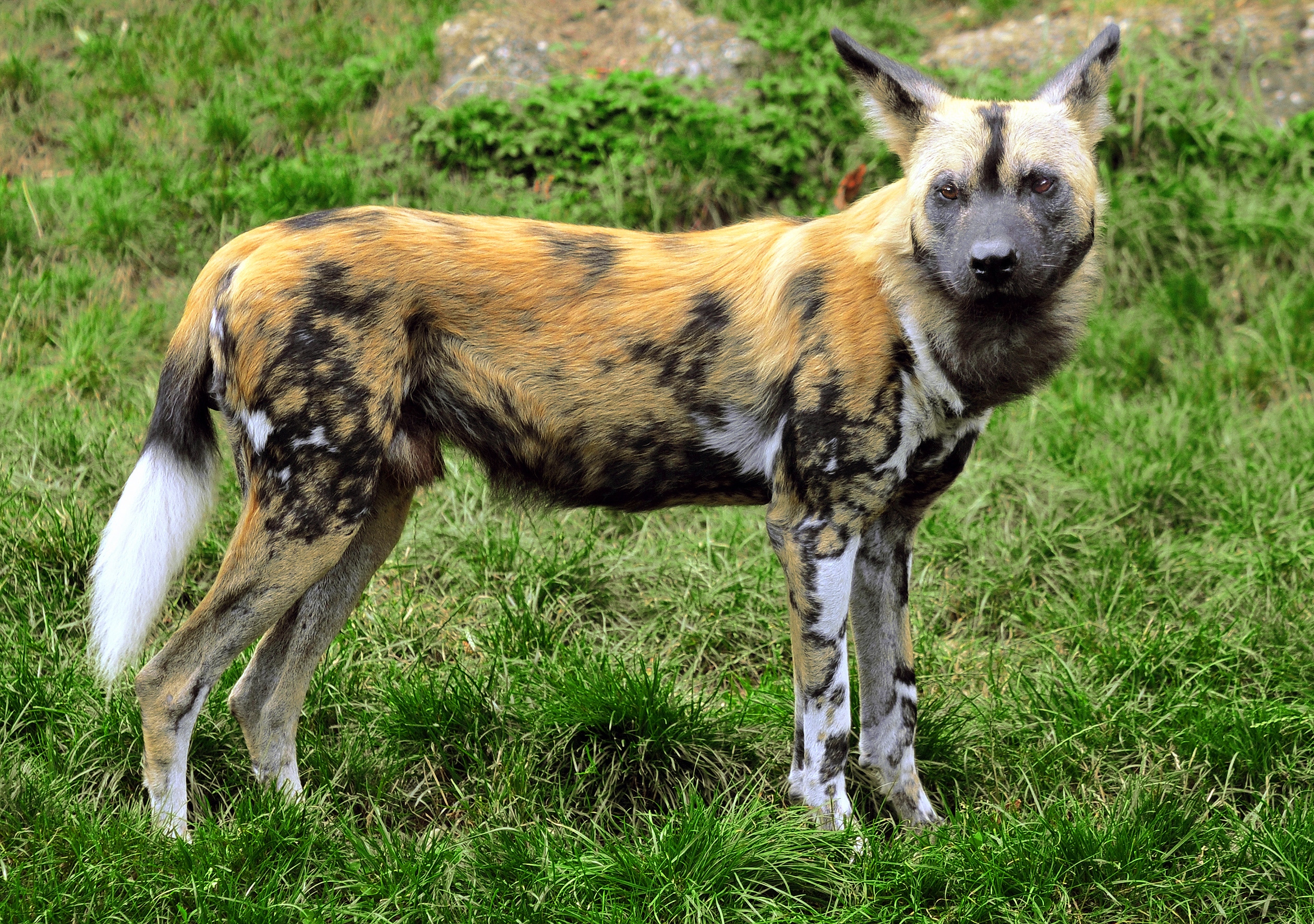
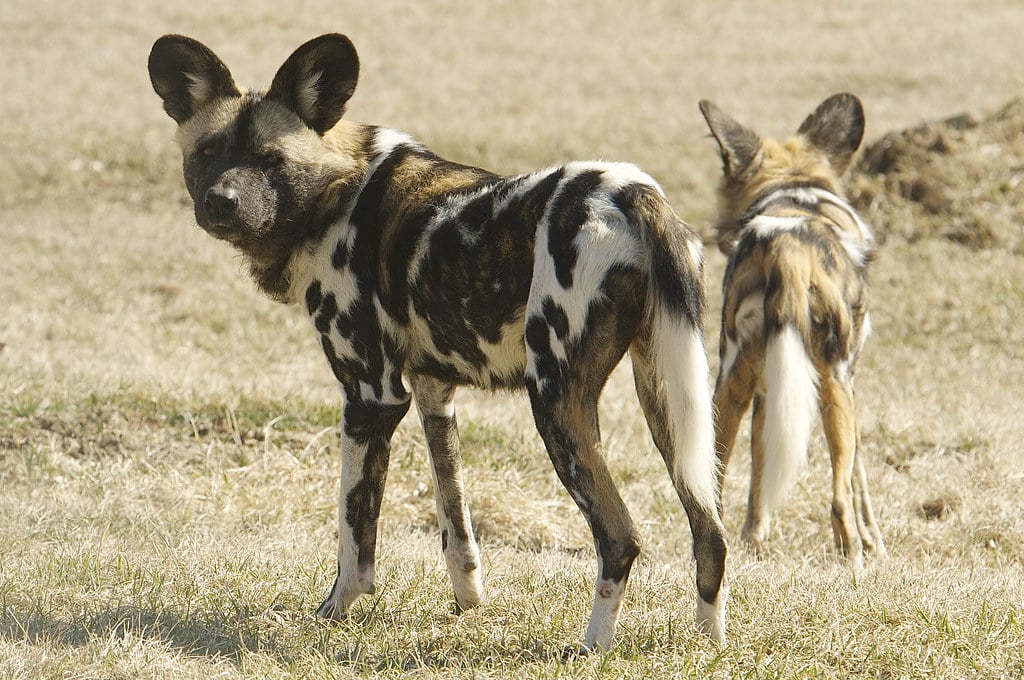
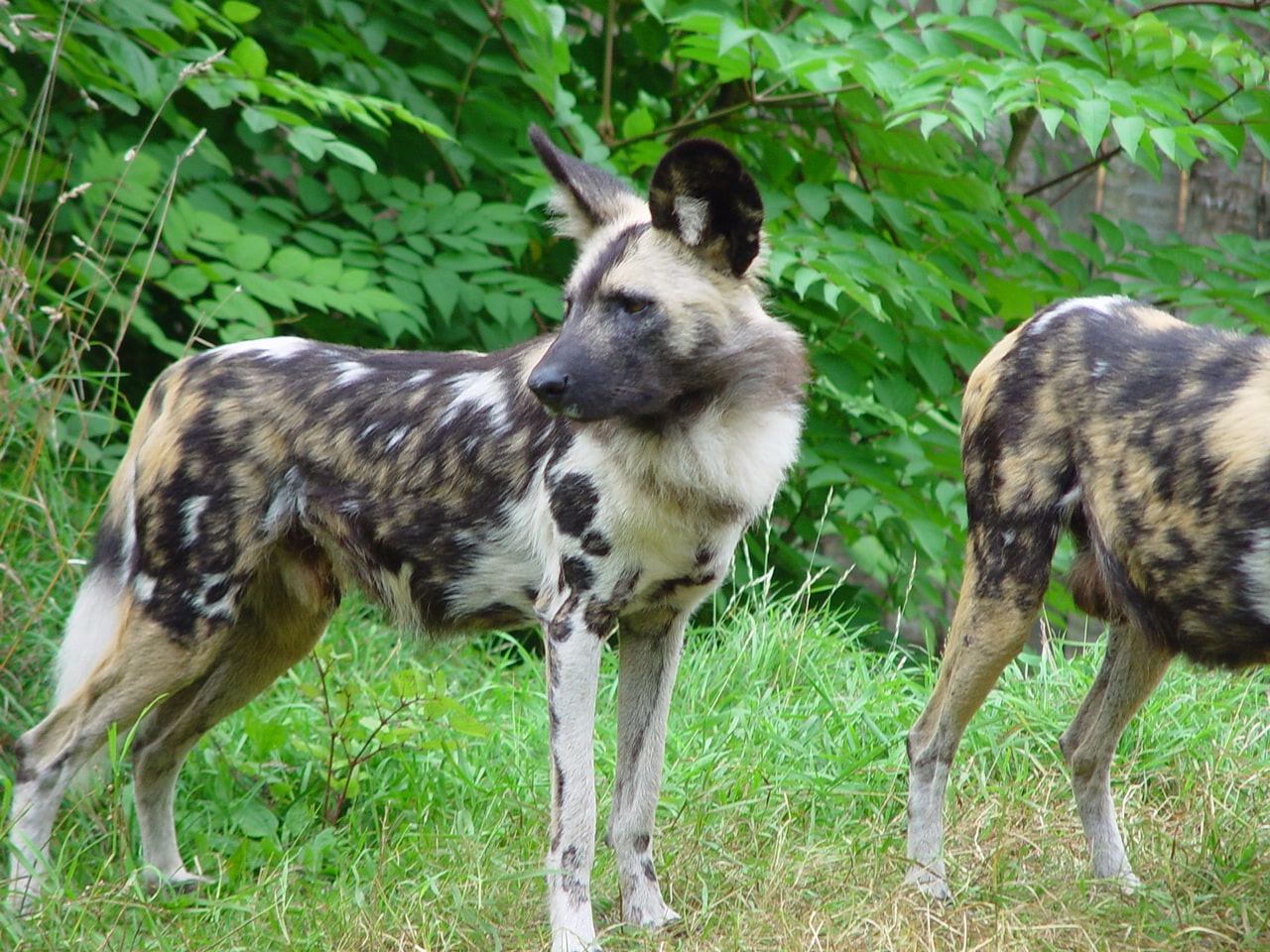
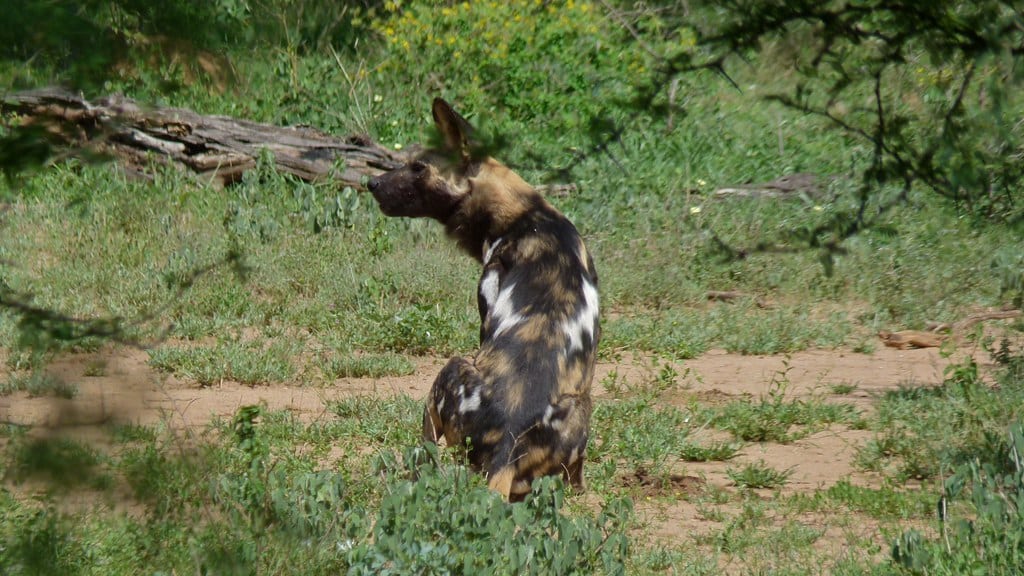
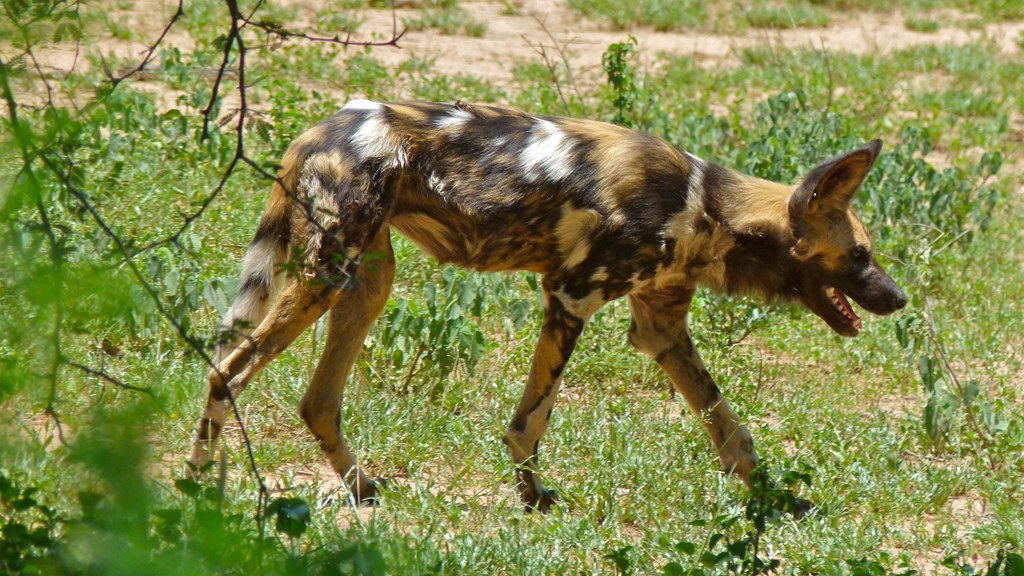
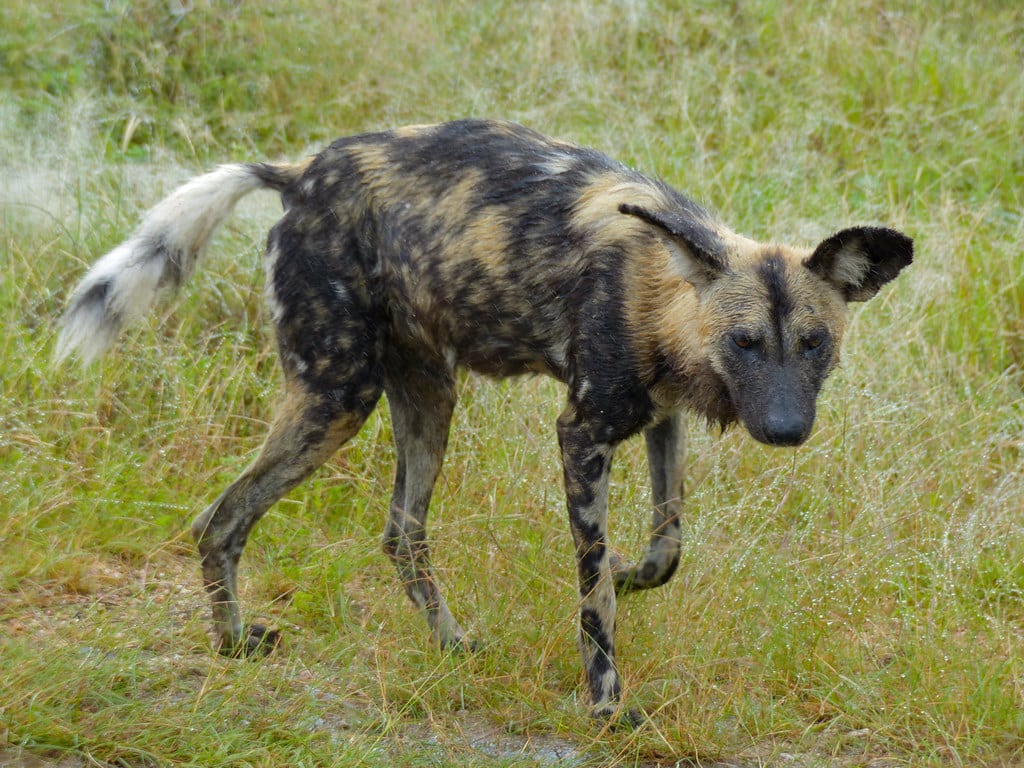
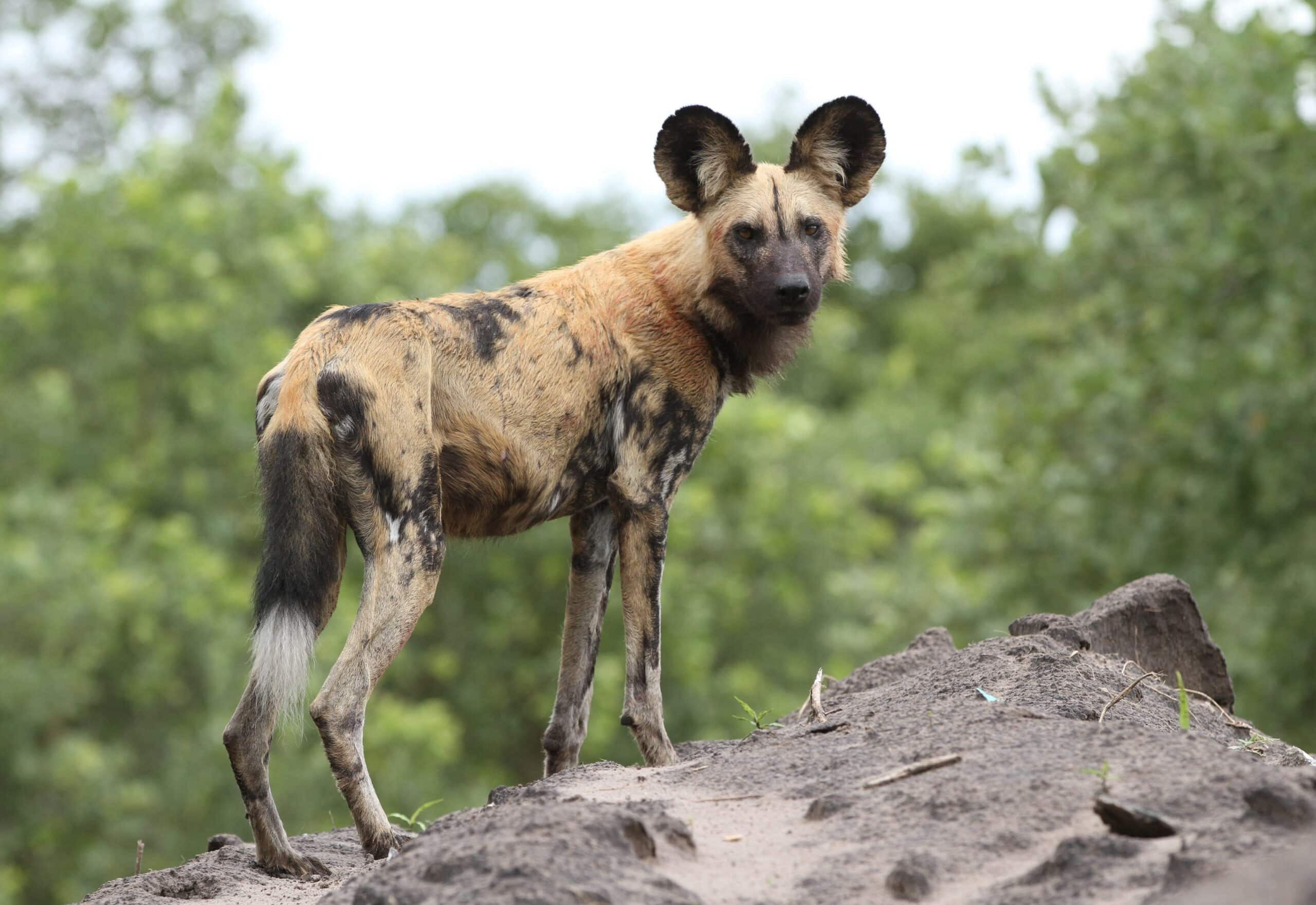
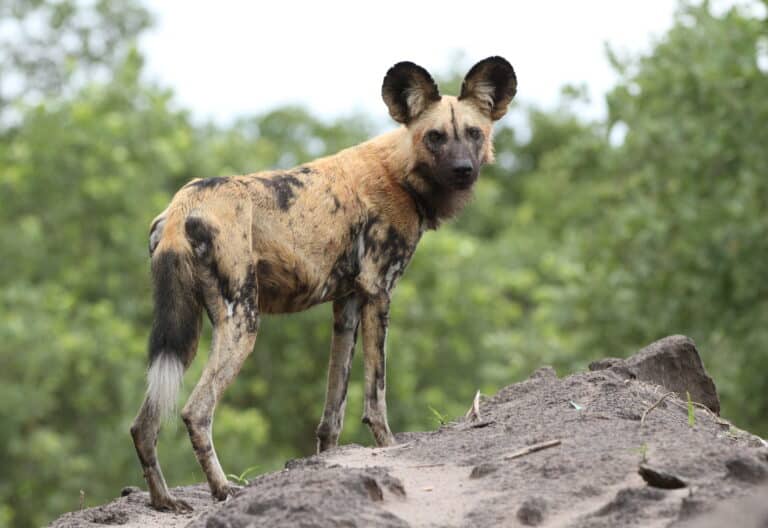
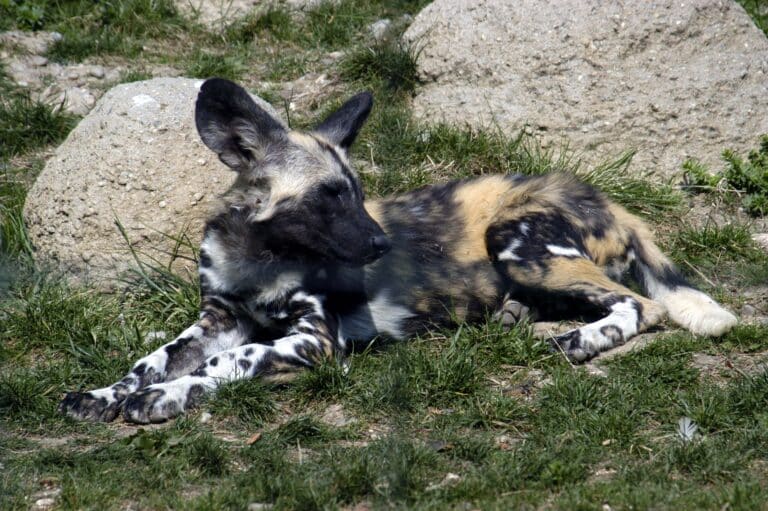
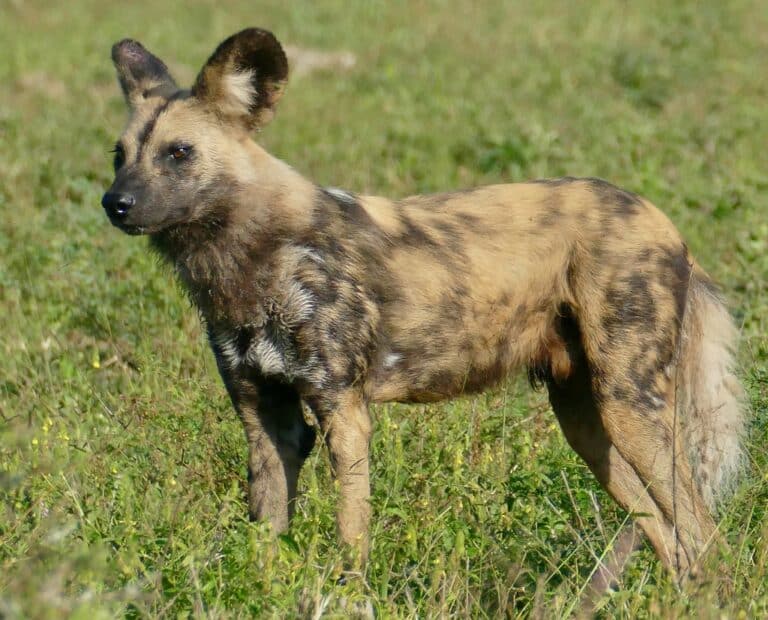
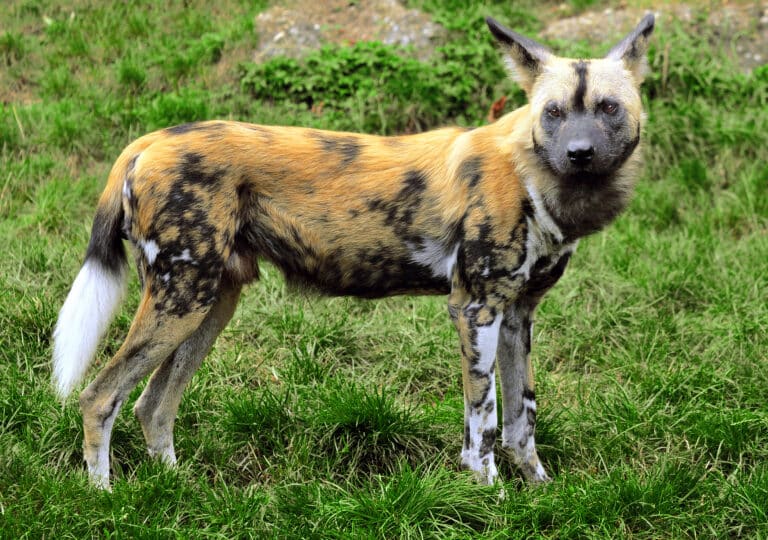
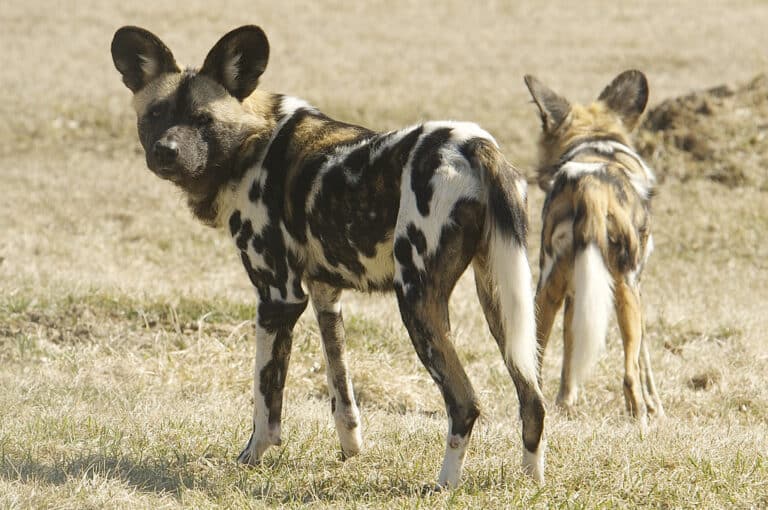
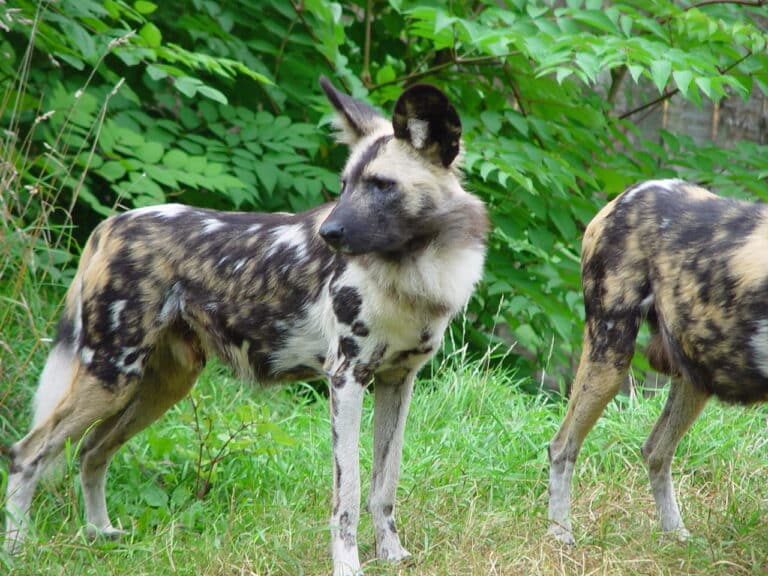
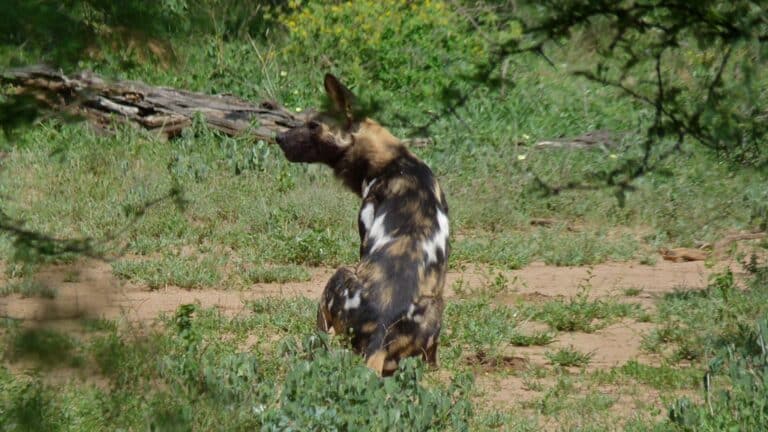
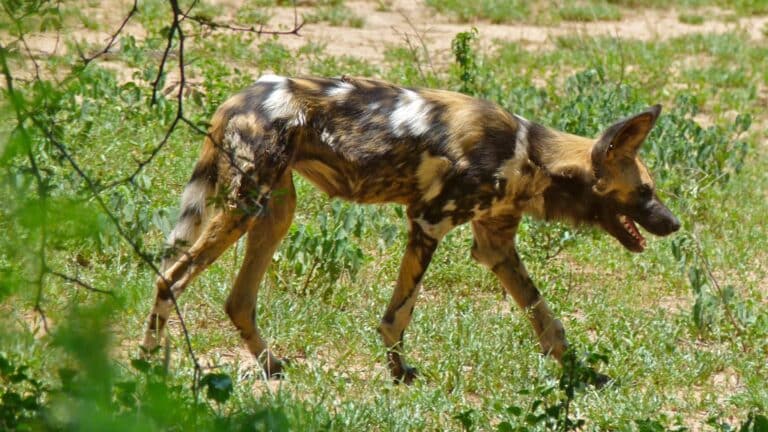
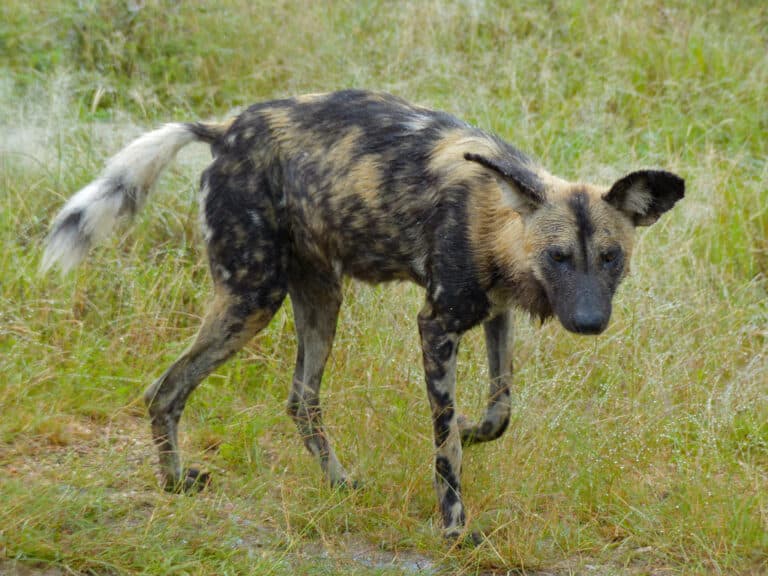
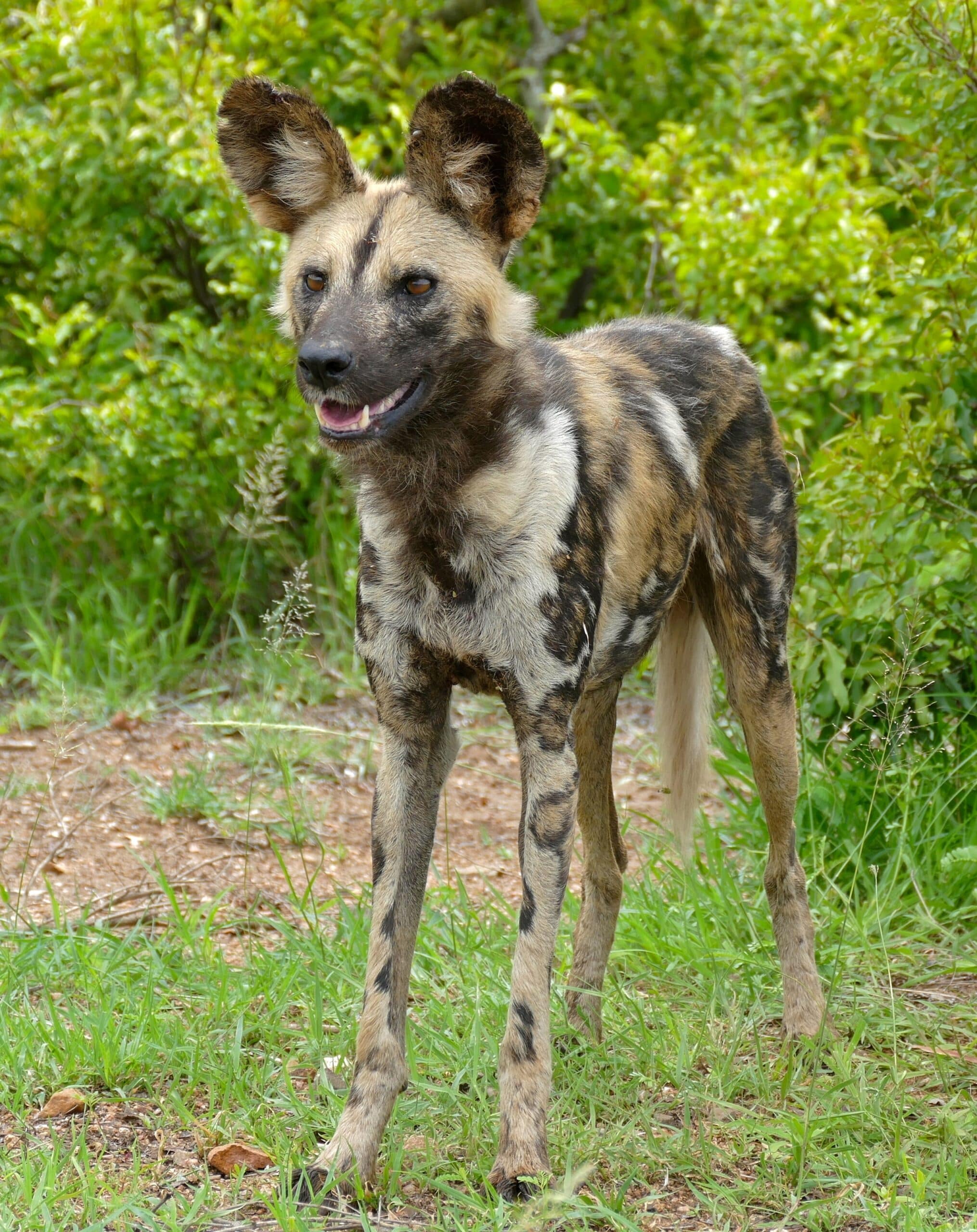
The African Wild Dog is a spectacular and social mammal known for its incredible teamwork. Scientists call it Lycaon pictus, which translates to "painted wolf," due to its beautiful, mottled coat of spots in shades of yellow, brown, and black.
These dogs live in packs that can consist of 2 to 27 members, showcasing their friendly nature. They rely on each other for hunting and protecting their young, making family a top priority in their wild world.
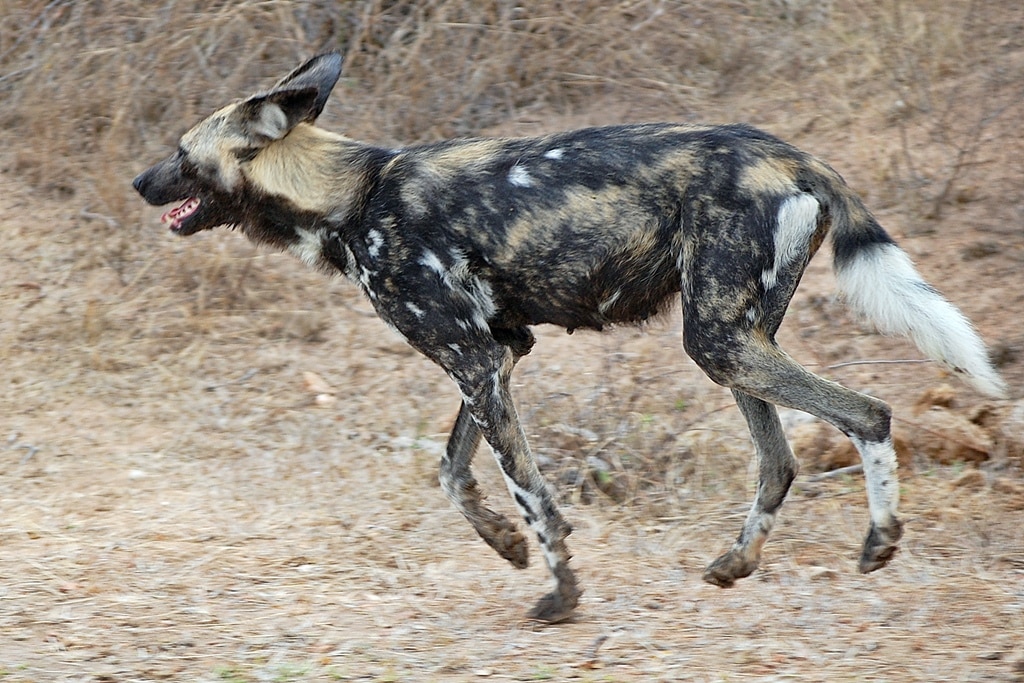
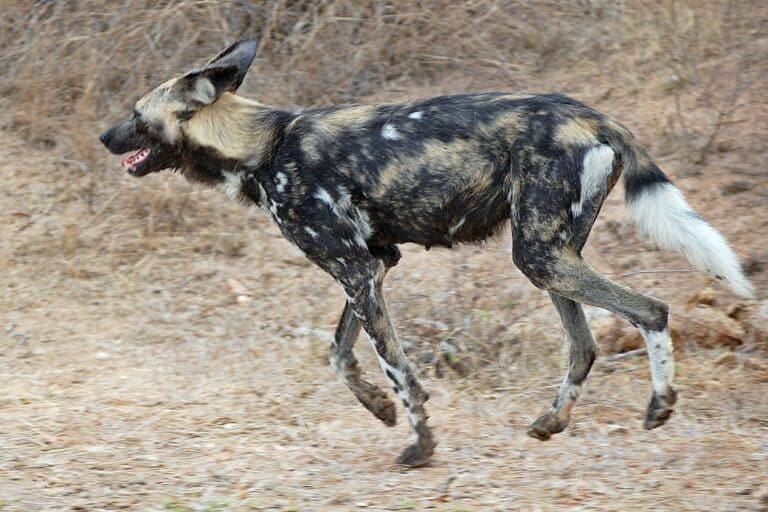
African Wild Dogs grow to be between 0.7 to 1 meter (2.4 to 3.3 feet) long. They can sprint at speeds of up to 66 kilometers per hour (41 miles per hour), helping them chase down antelopes, zebras, and even small rodents during their hunts.
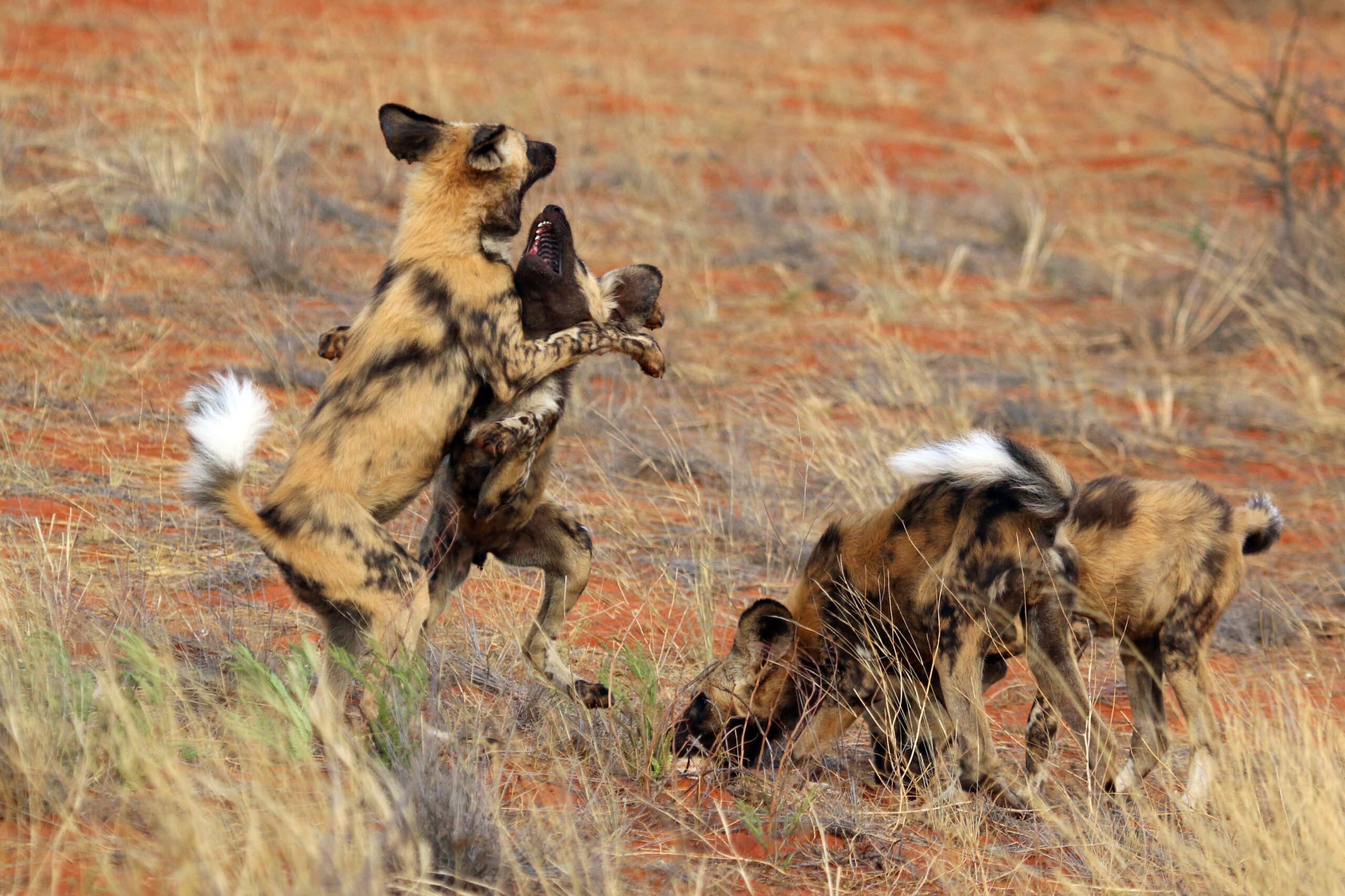
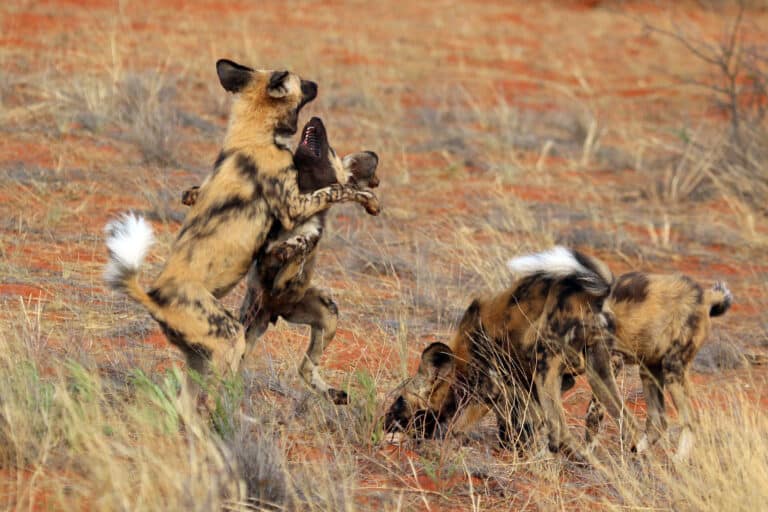
This fun-loving pack spends a lot of time playing and grooming each other. Their playful behavior keeps them close and strengthens their bonds, showcasing that teamwork is not just for sports; it’s vital in the wild too!
With an average lifespan of 10 to 12 years, African Wild Dogs enjoy their days frolicking in their African homes. They create an unforgettable pack dynamic that emphasizes loyalty and unity, proving that friends make the fantastic world go round!

Where can you find a African Wild Dog in the wild?
What does a African Wild Dog eat?
How big can a African Wild Dog grow?
How long does a African Wild Dog typically live?
What is the conservation status of the African Wild Dog?
What are the main threats to the African Wild Dog?
Fun facts
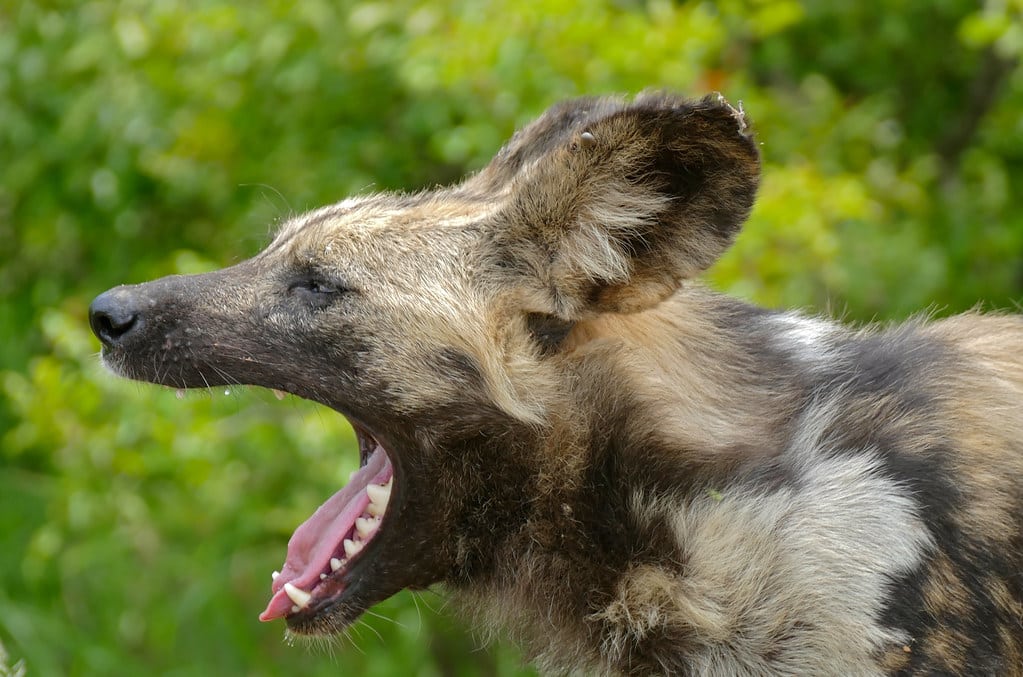
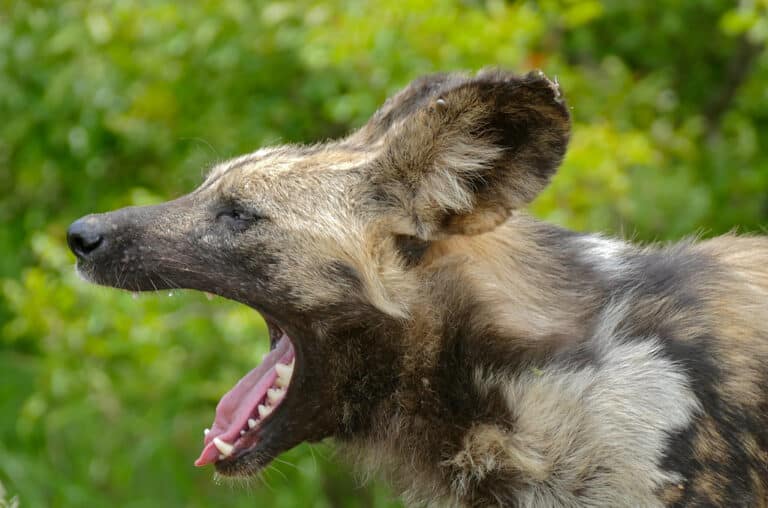
African Wild Dogs have unique facial markings that help pack members recognize each other, making their friendships even stronger!


These fascinating canines can only run about 20 kilometers (12 miles) per hour for long distances, but they can sprint nearly 66 kilometers per hour (41 miles per hour) in short bursts, making them incredibly fast sprinters during a hunt.
When a wild dog catches prey, it uses a special way of eating – the pack shares the meal, with the puppies often taking the first bites. This helps the little ones learn how to eat and share!
The pack size of African Wild Dogs can greatly impact their hunting success; larger packs can catch bigger prey, like adult zebras, while smaller ones focus on easier meals.
These social animals often finish their daily hunting by playing with each other. Their joyful antics can include chasing, wrestling, and even a game of tug-of-war!
African Wild Dogs have a special way of communicating through chirps and squeaks, making their voices quite different from the typical barks we hear from domestic dogs.
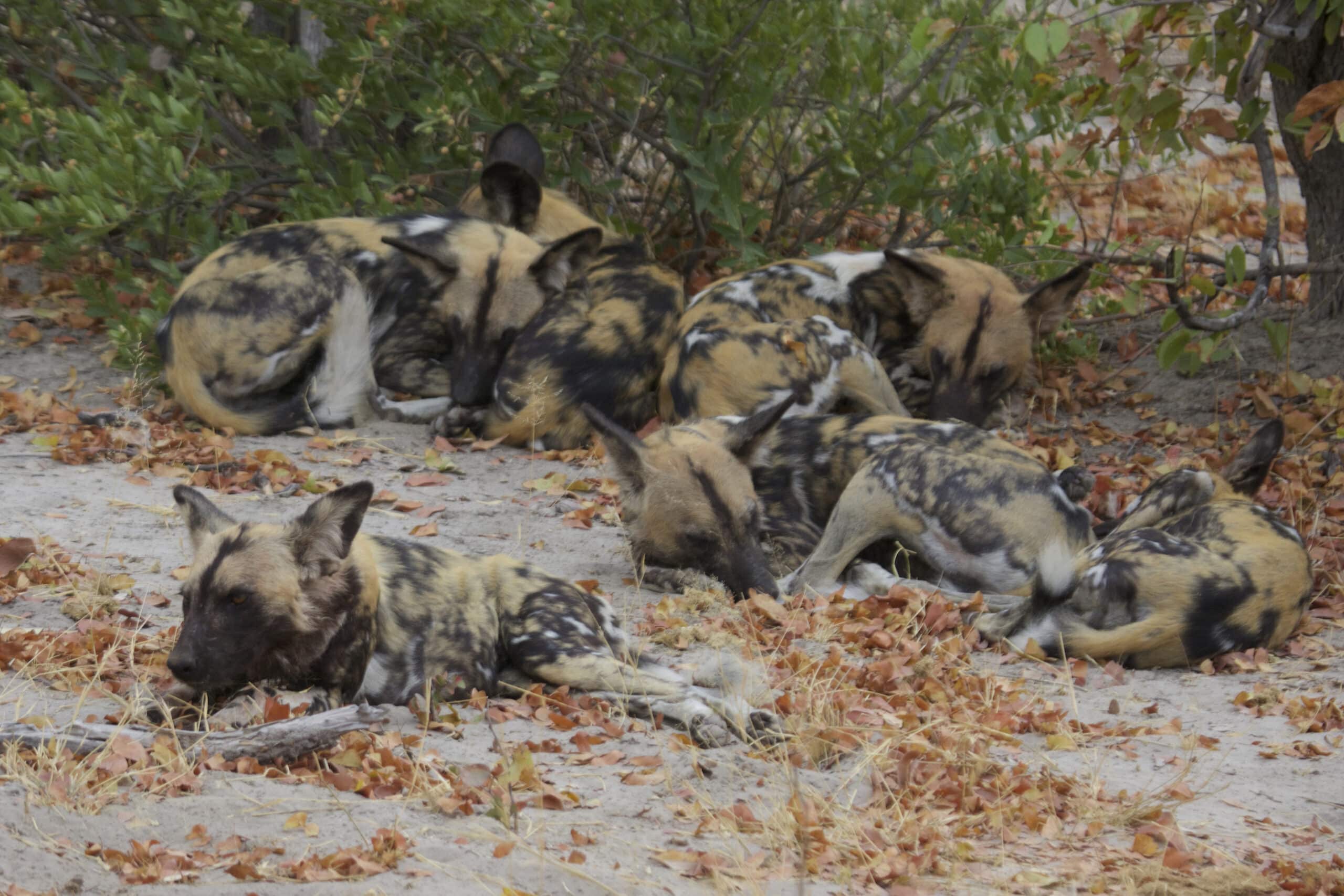
At the end of the day, African Wild Dogs often gather in a group for a cozy nap, snuggling close together to keep warm and stay safe from predators.
Unlike many other dog species, these wild dogs do not howl. Instead, they prefer to keep their communication light and playful, which helps them stay connected during hunts.
When wild dogs go hunting, they use incredible teamwork by taking turns chasing prey and resting. It’s like when friends take shifts playing goalie at soccer!
After their parents care for the puppies, older siblings help teach them hunting skills, sharing the load of raising the next generation. It’s a true family affair!
Photos

The Basics


explore more
Amphibians
Arachnids
Birds
Cats
Crustaceans
Fish
Fish Pet Guide
Gastropods
Insects
Invertebrates
Mammals
Pet Fish
Pet Rodents
Plants
Reptiles
Roundworms
Sea Slugs