

Successfully copied to clipboard!
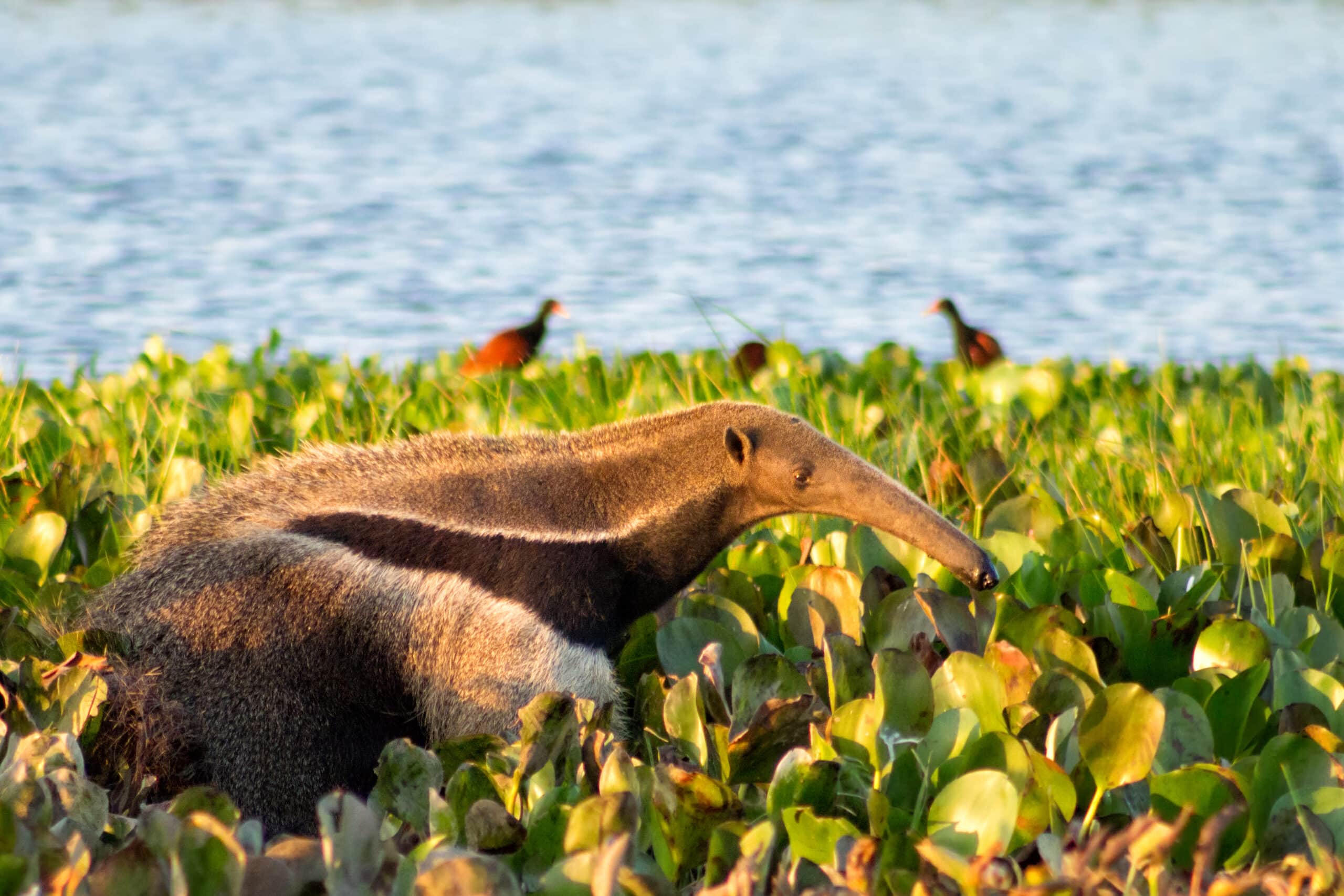
Anteater
Unleash your curiosity for the ultimate insect munching machine!
Let’s Explore
Overview
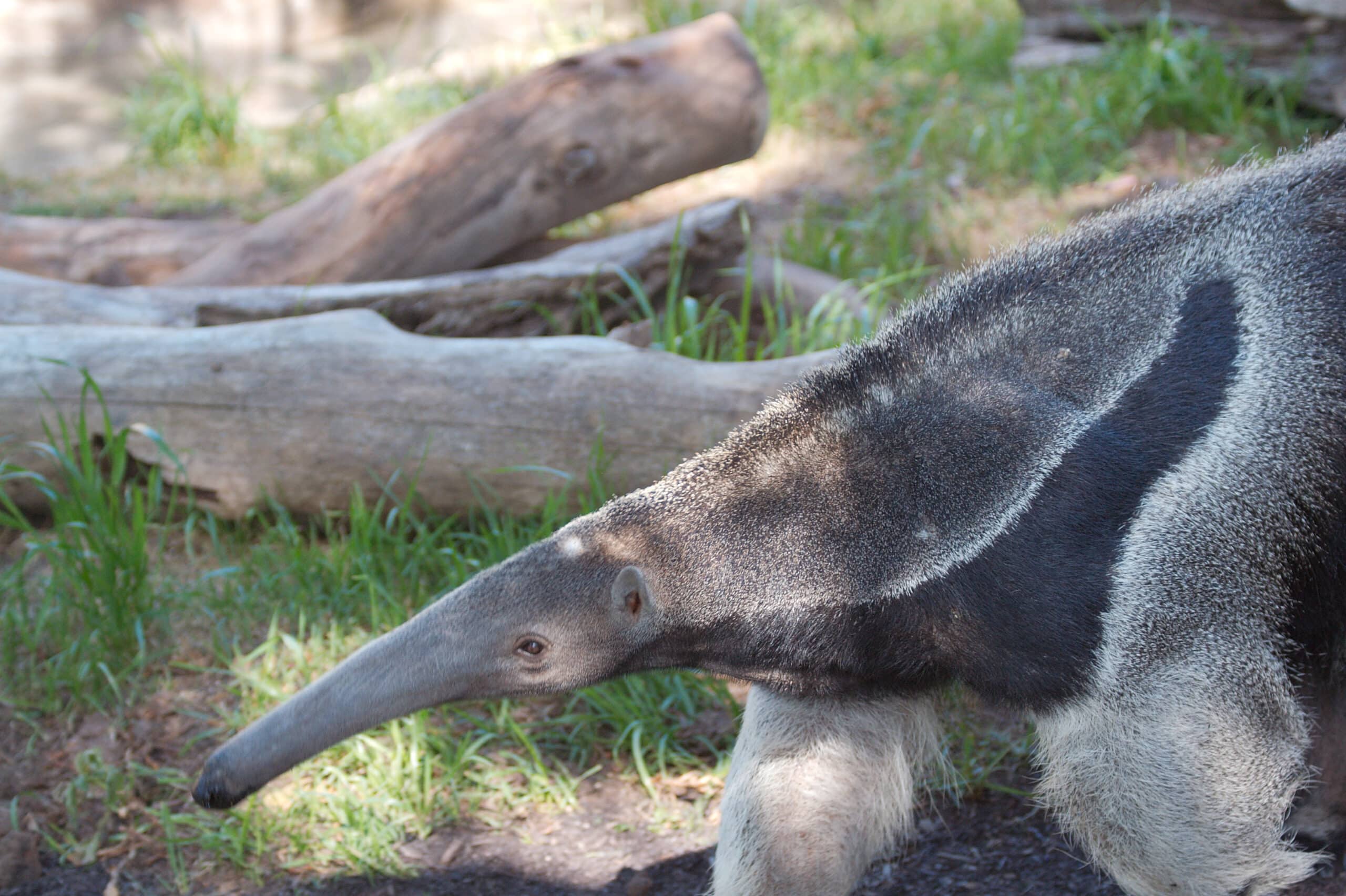
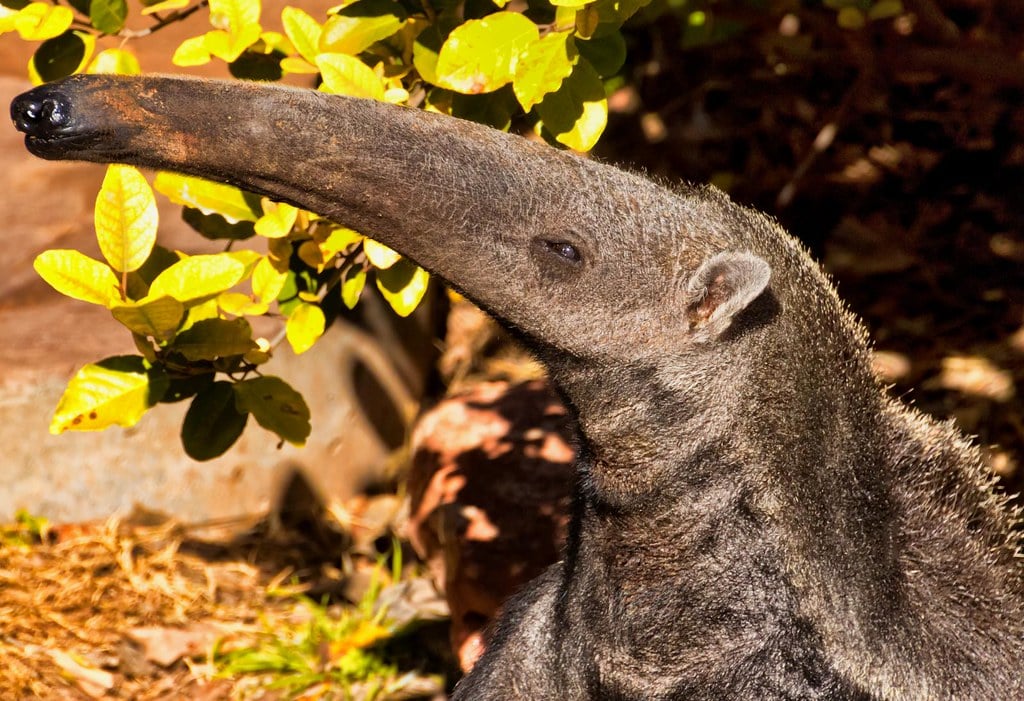
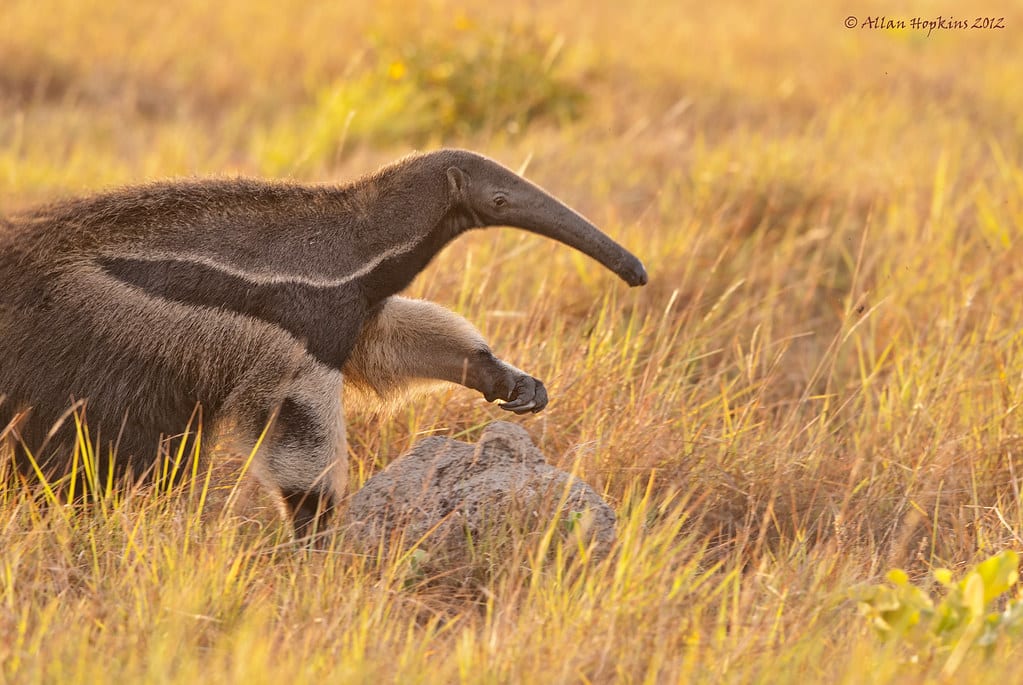
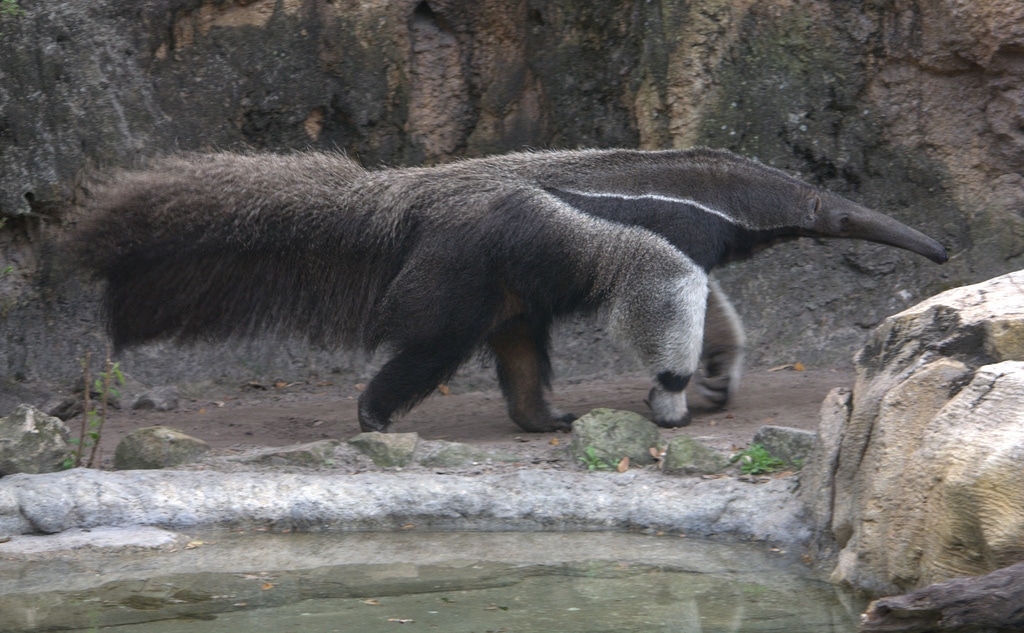
The anteater is a remarkable mammal that grows to an impressive length of 1.8 to 2.4 meters (6 to 8 feet). With a long snout and a sticky tongue, this creature is perfectly designed for snacking on ants and termites.
Anteaters belong to the Xenarthra order, which includes other fascinating animals like sloths and armadillos. Their sharp claws help them dig into ant hills and termite mounds, making them the ultimate snack masters of the animal kingdom!
These curious creatures mainly roam the forests and grasslands of Central America. While they may seem shy, anteaters have a keen sense of smell that helps them sniff out yummy bugs from far away!
Anteaters sport a unique coat of coarse fur, giving them a distinctive look. Their fur can be coated in dirt or even the leftovers from a meal, helping them blend into their habitat and stay incognito from unwelcome guests.
Did you know these marvelous mammals can live up to 15 years in the wild? That’s plenty of time to develop a taste for billions of ants and termites!
Next time you imagine a superhero, think of the anteater! With a long tongue that can reach up to 60 centimeters (about 24 inches) and a diet consisting almost entirely of insects, they are the real-life champions of munching down on pests.

Where can you find a Anteater in the wild?
What does a Anteater eat?
How big can a Anteater grow?
How long does a Anteater typically live?
What is the conservation status of the Anteater?
What are the main threats to the Anteater?
Fun facts
Anteaters have no teeth! They rely on their long, sticky tongues to capture ants and termites instead of chewing their food.


An anteater's tongue can be as long as 60 centimeters (24 inches), making it the perfect tool for snagging tasty insects deep inside their nests.
These fascinating animals can cover a distance of about 25 kilometers (15.5 miles) in a single day while searching for their favorite snacks - that’s quite the workout!
Anteaters can close their ears and nostrils while eating, helping them block out dust and dirt from ant hills and termite mounds as they dig in.
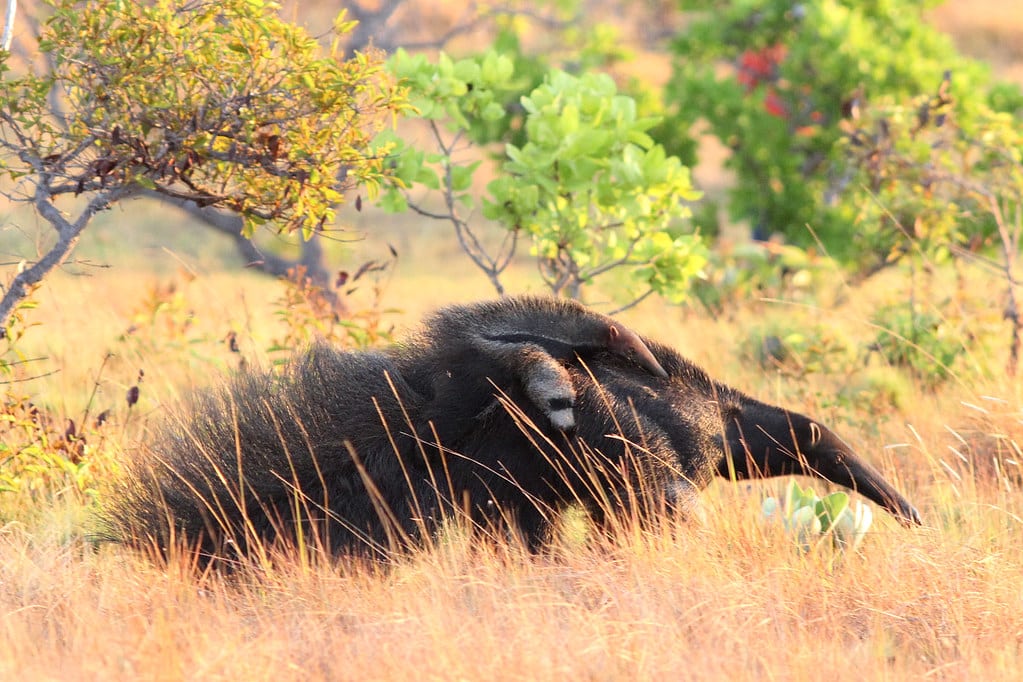
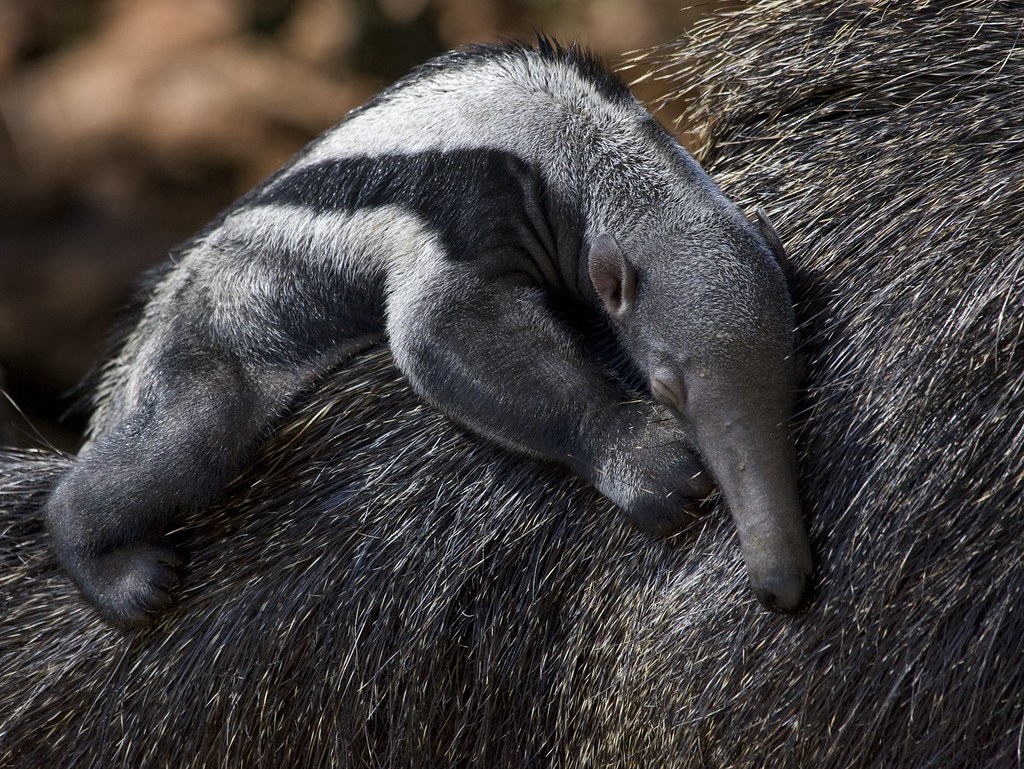
Young anteaters cling to their mothers' backs for safety, learning the tricks of the trade as they grow up in the wild.
Anteaters are known to roll into a ball when threatened, using their thick fur for protection against predators like jaguars.
These unique creatures have a special feature called 'Xenarthra' that gives them extra vertebrae in their backs, helping them be super flexible while foraging!
In some cultures, anteaters are considered lucky symbols, believed to bring good fortune to those who spot them in the wild.
Anteaters can eat more than 30,000 ants or termites in a single day - that's like devouring an entire ant colony in one sitting!
These marvelous mammals have a unique habit of taking naps in shady spots, sometimes curling up into a ball to stay cool during hot days.
Photos

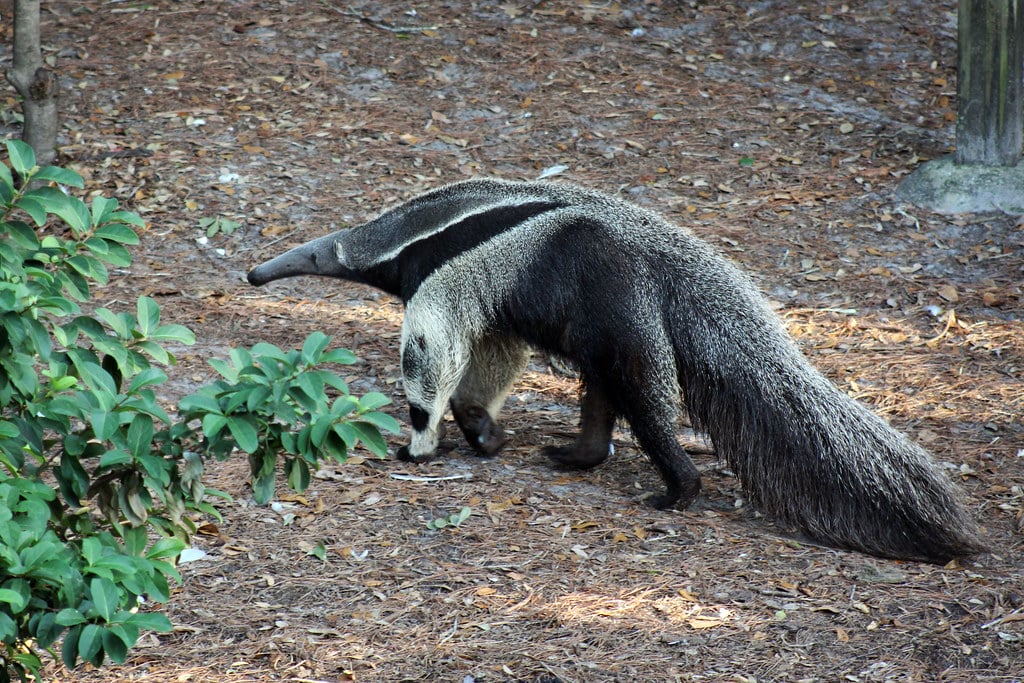
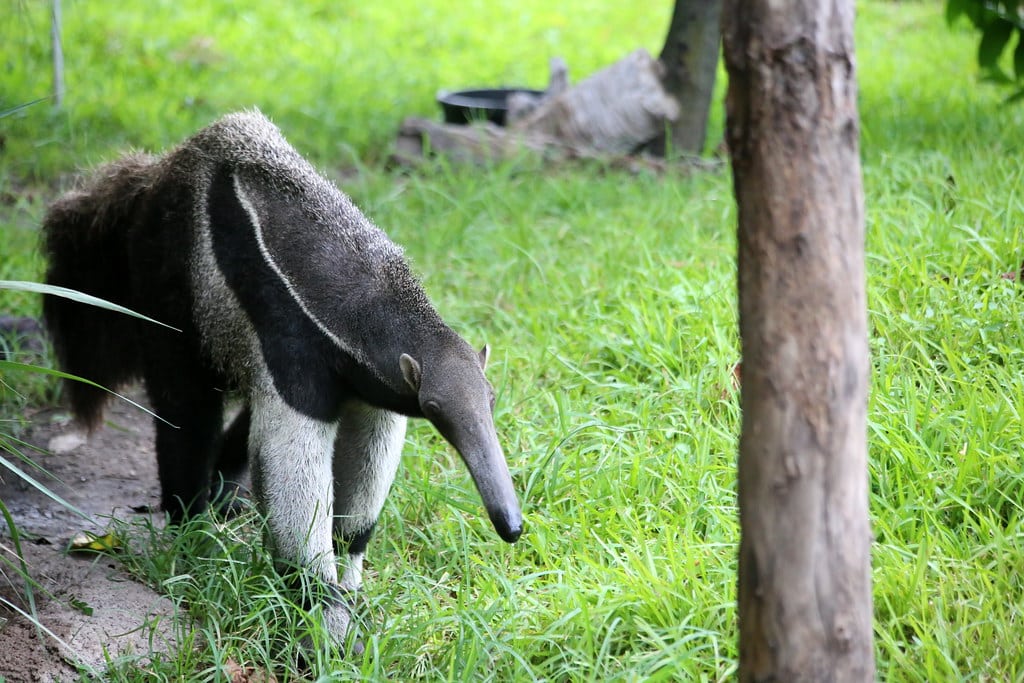
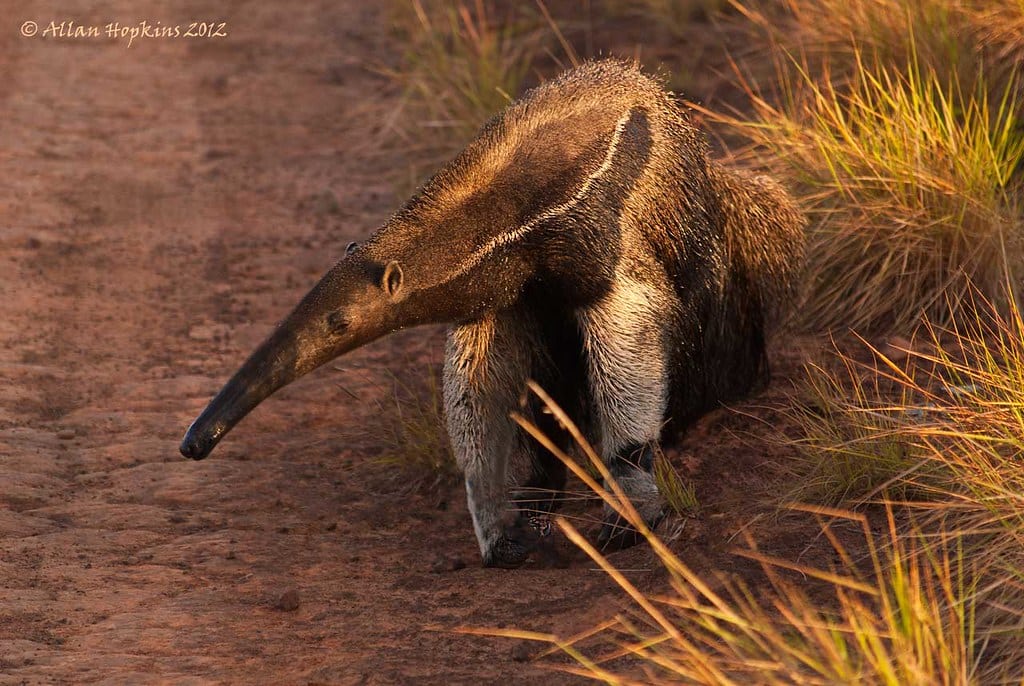
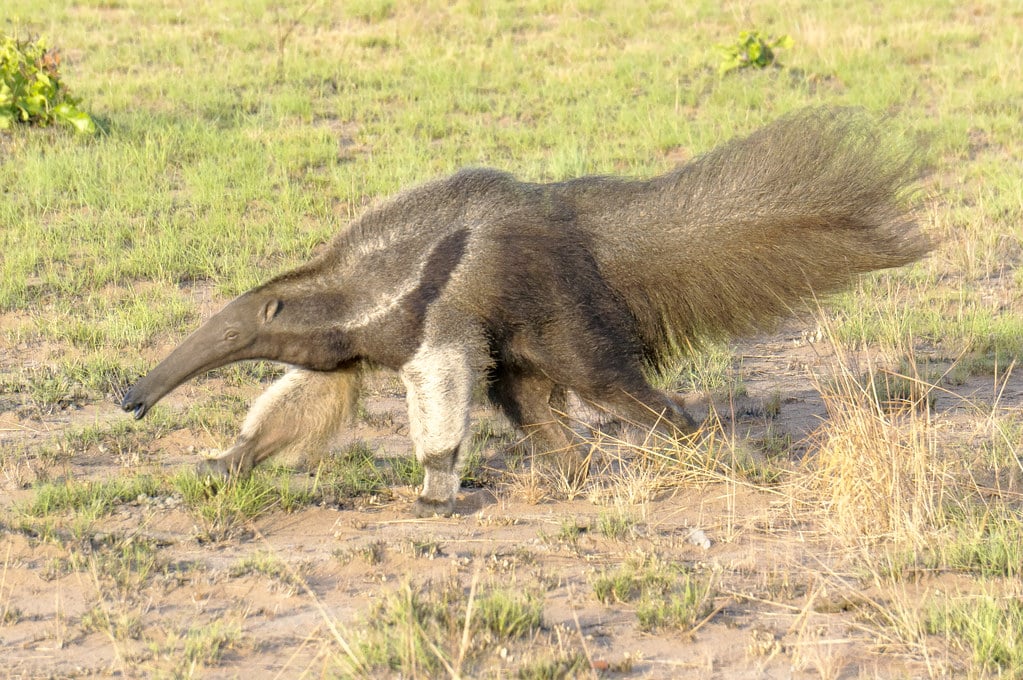
![Oso Hormiguero [Giant anteater] (Myrmecophaga tridactyla)](https://i.tydepool.com/wp-content/uploads/2024/12/f8e821bf-59d9-46c8-873a-95e94a61005b.jpg "Oso Hormiguero [Giant anteater] (Myrmecophaga tridactyla)")
The Basics


explore more
Amphibians
Arachnids
Birds
Cats
Crustaceans
Fish
Fish Pet Guide
Gastropods
Insects
Invertebrates
Mammals
Pet Fish
Pet Rodents
Plants
Reptiles
Roundworms
Sea Slugs
