Successfully copied to clipboard!
Antelope
Celebrate the speedy champions of the African landscapes!
Let’s Explore
Overview
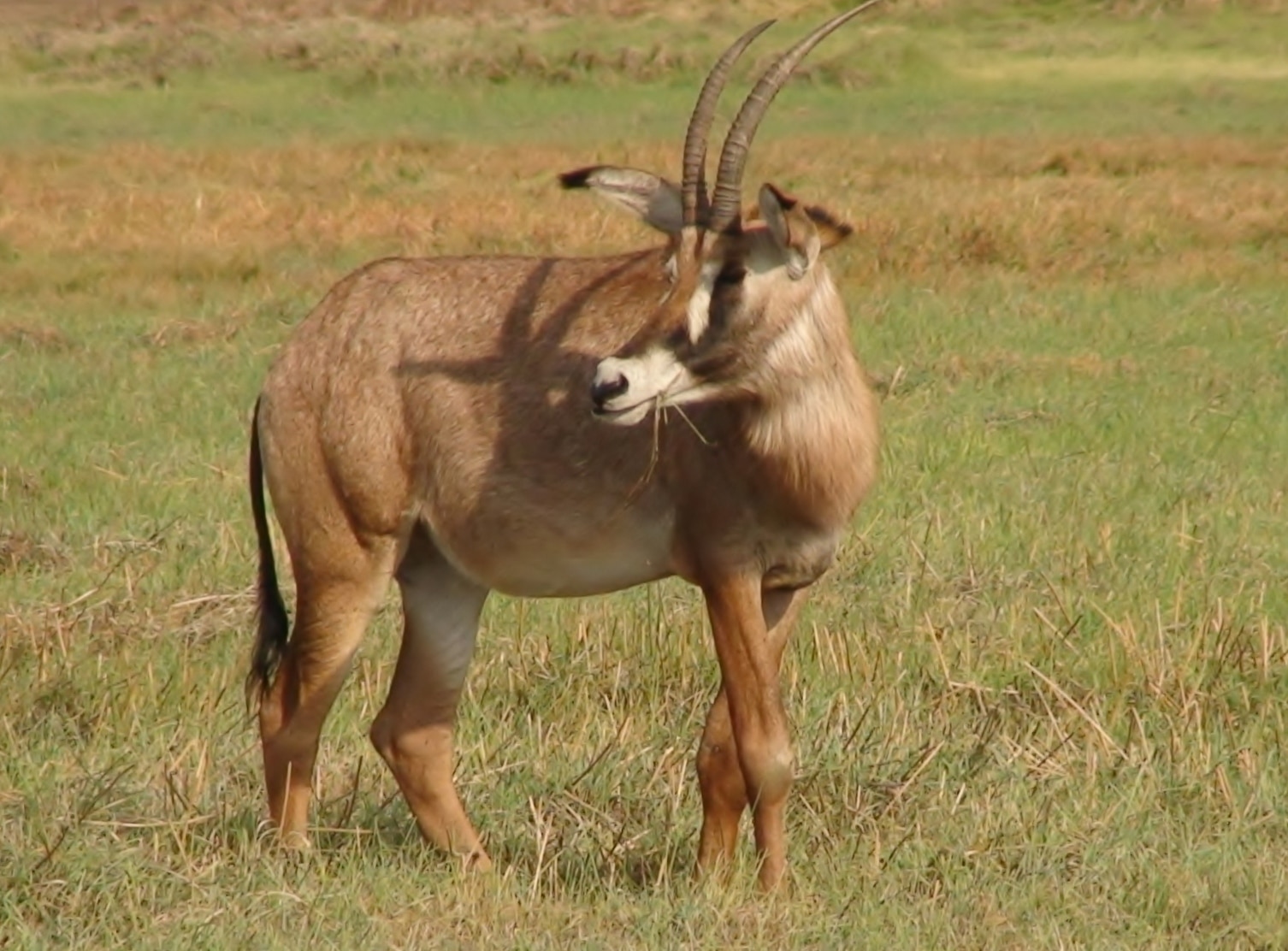
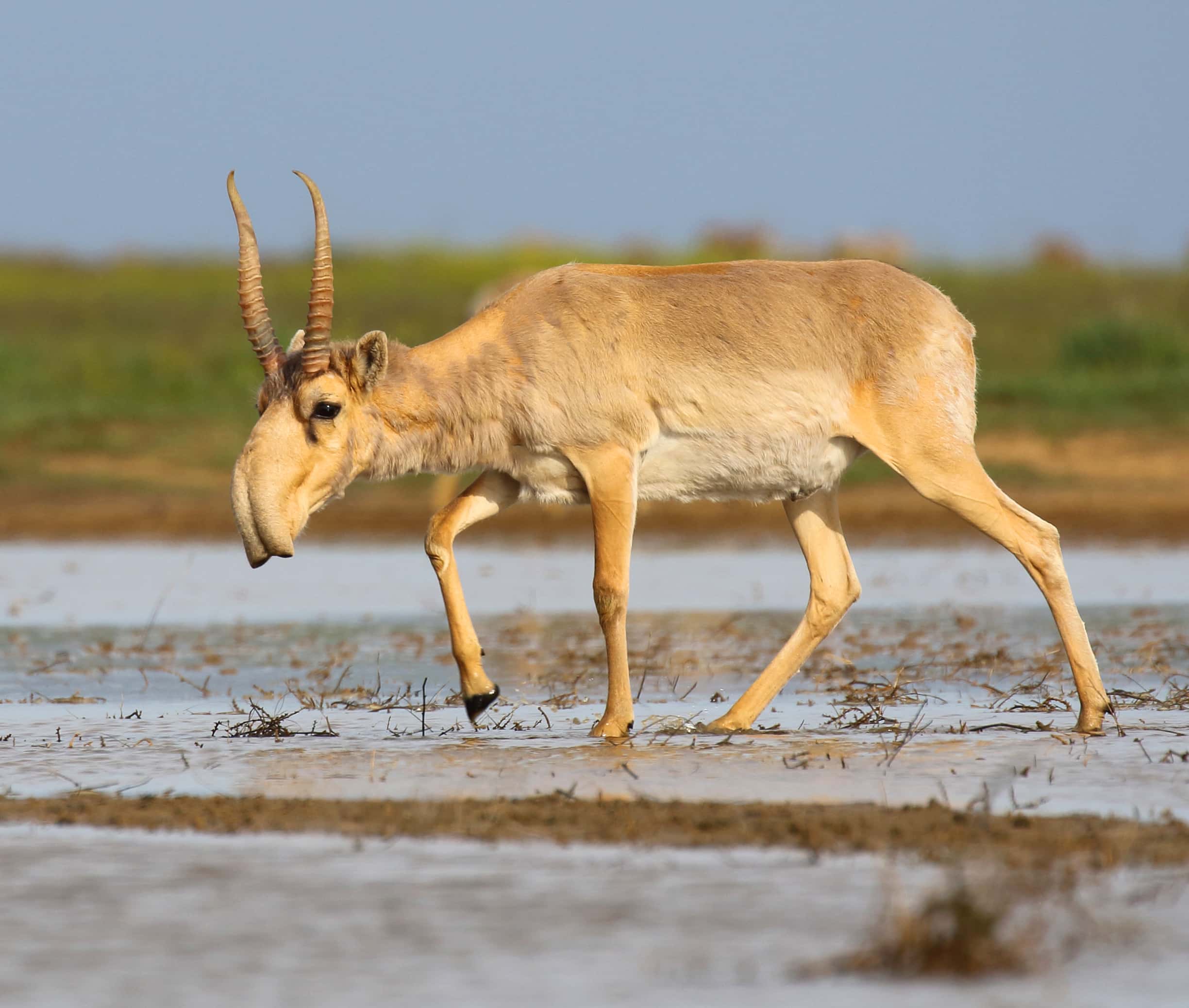
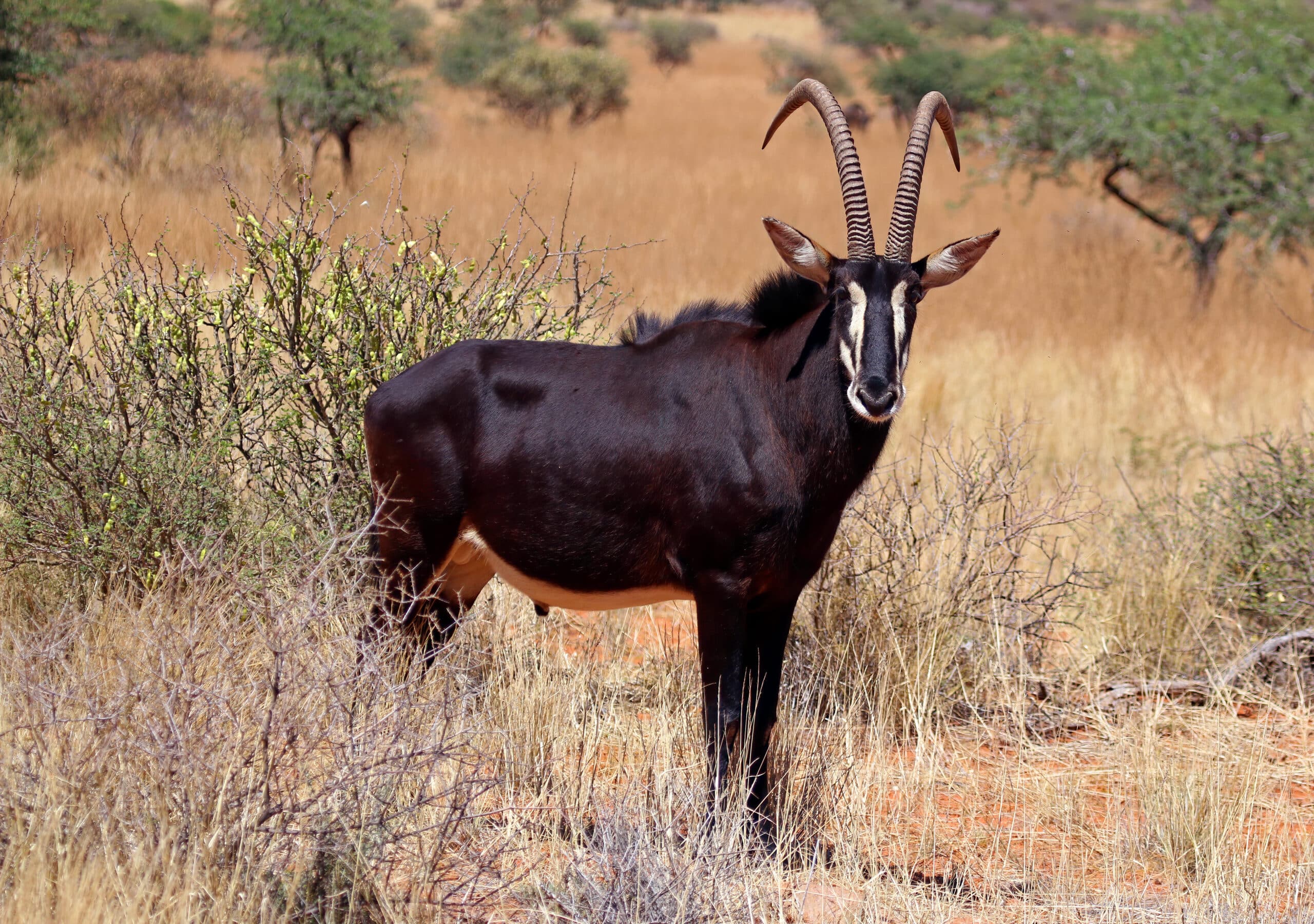
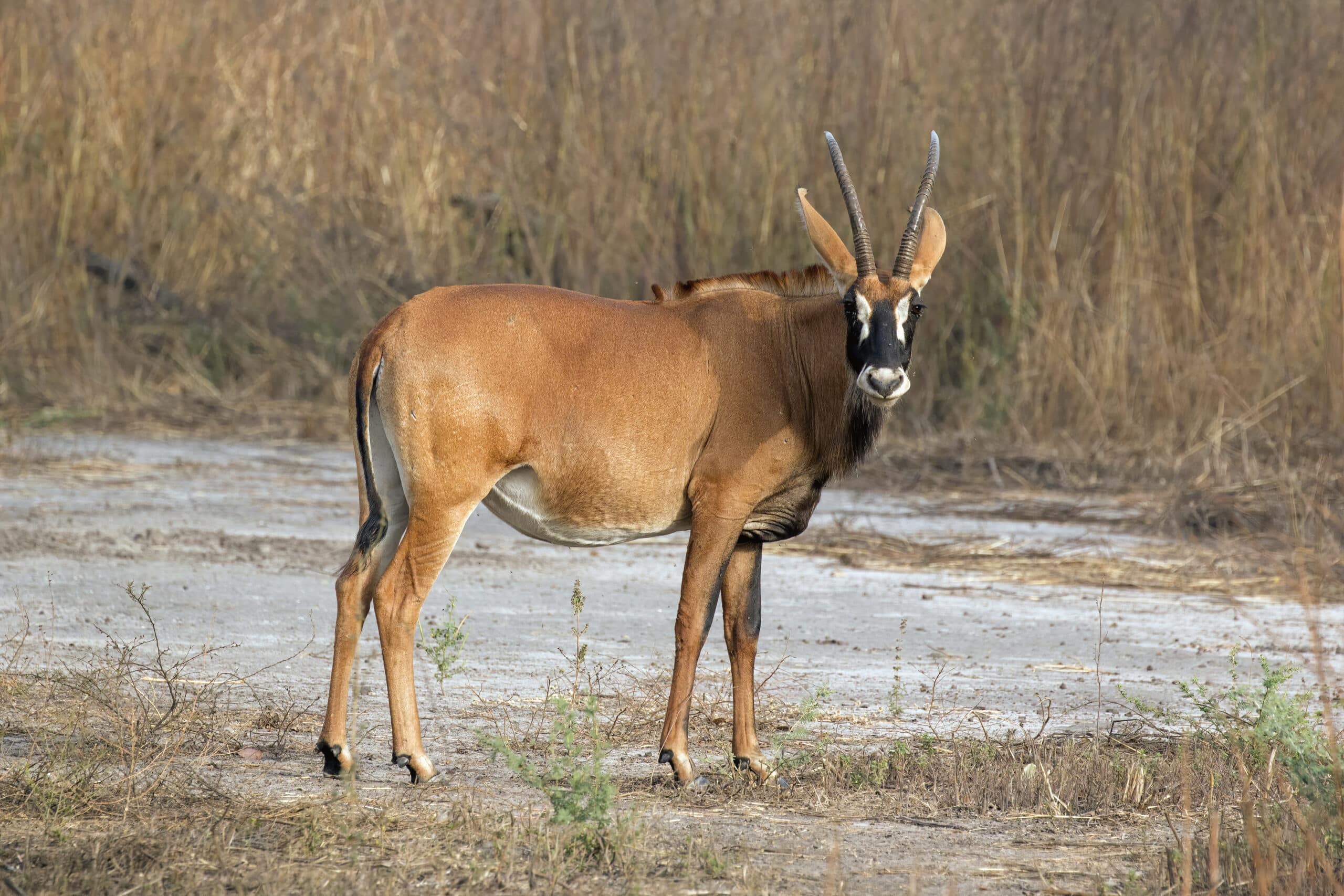
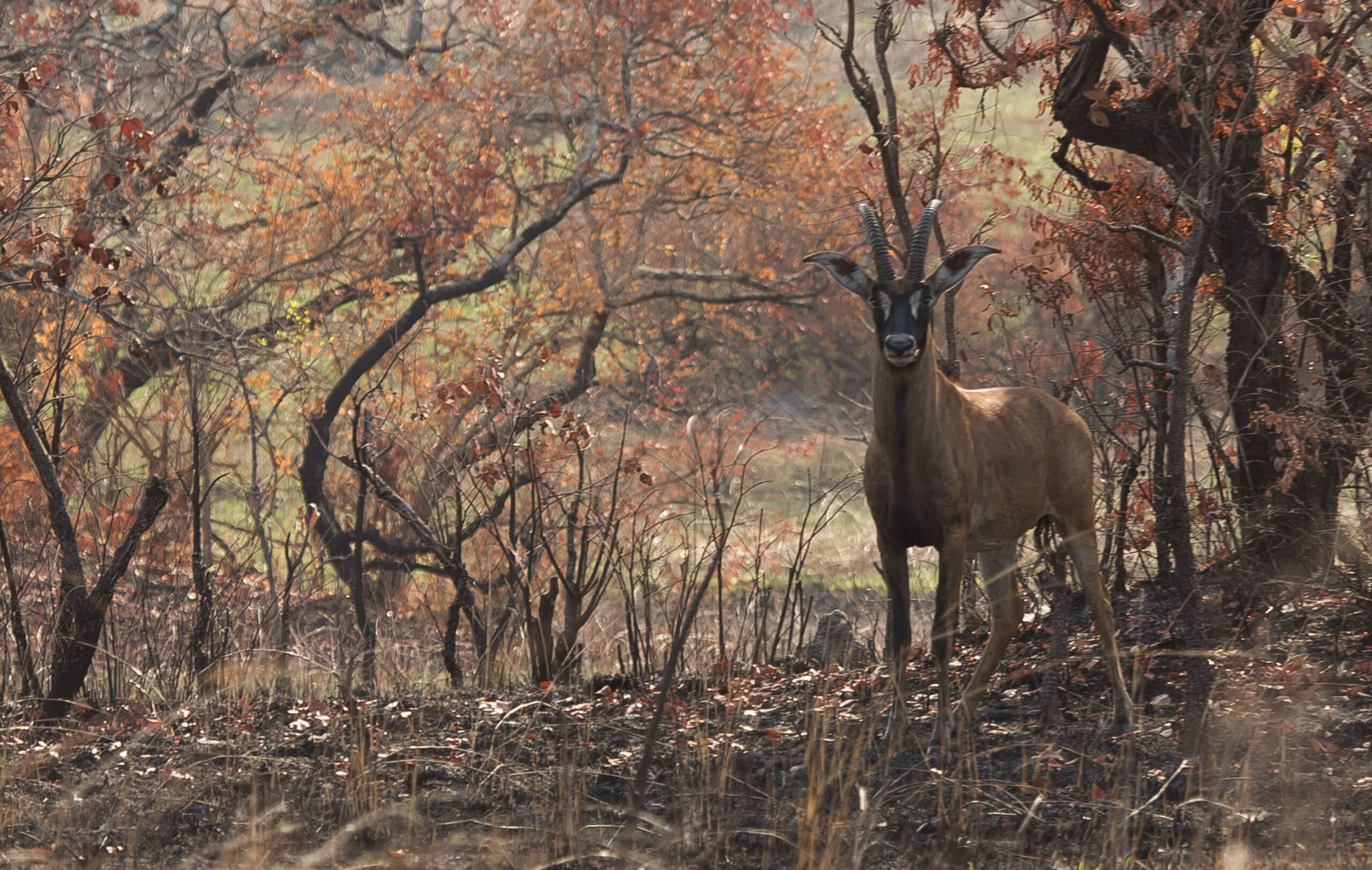
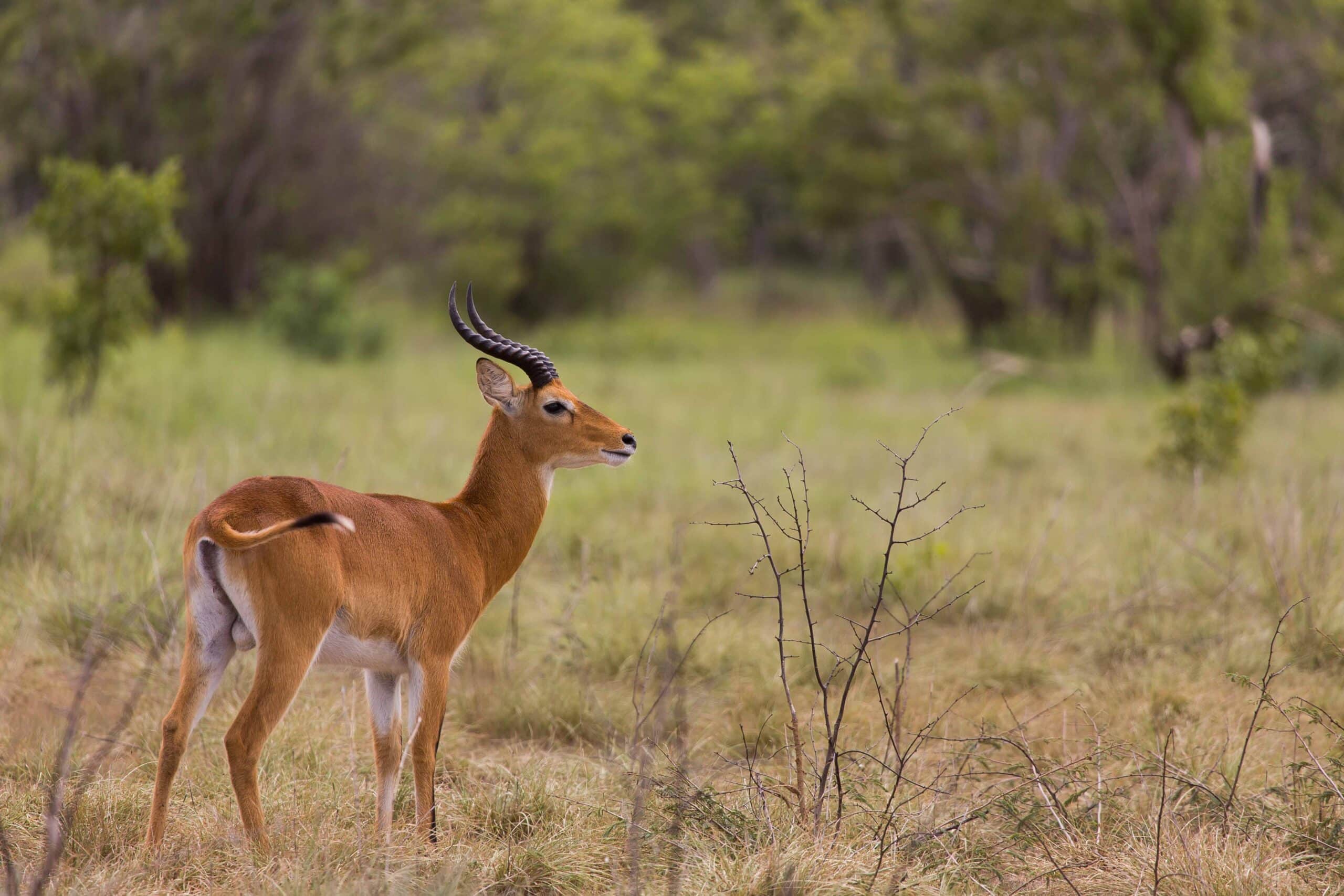
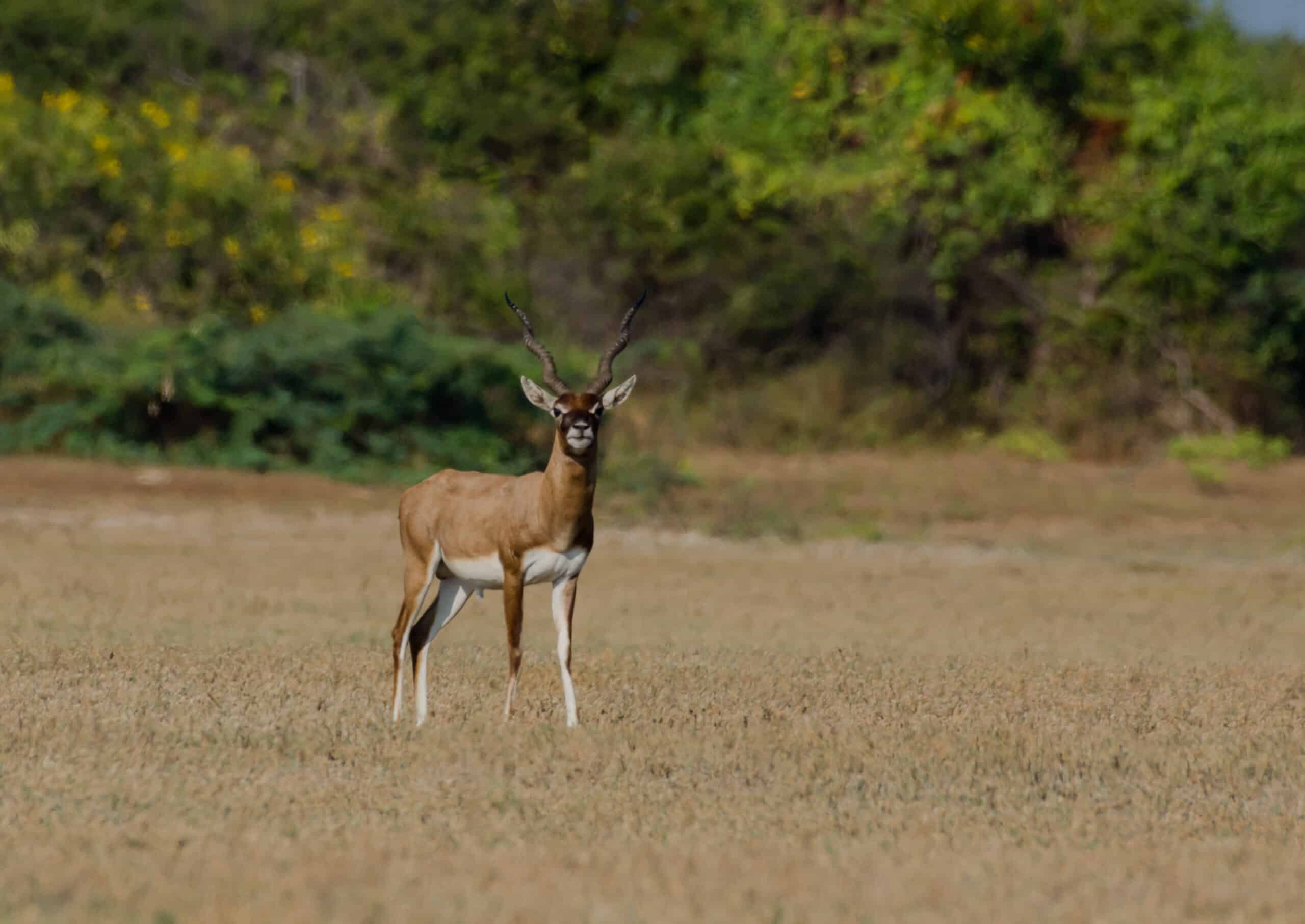
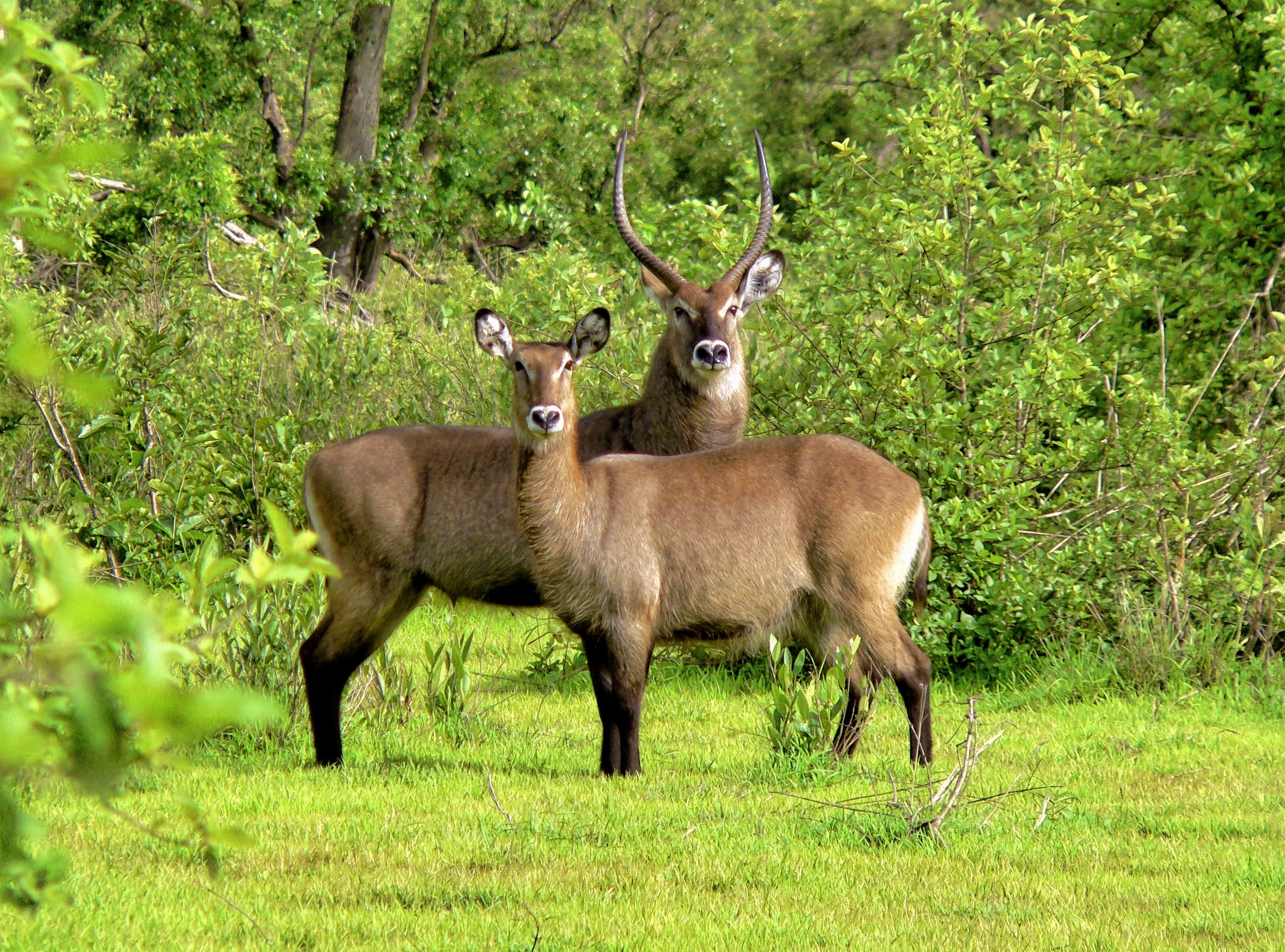
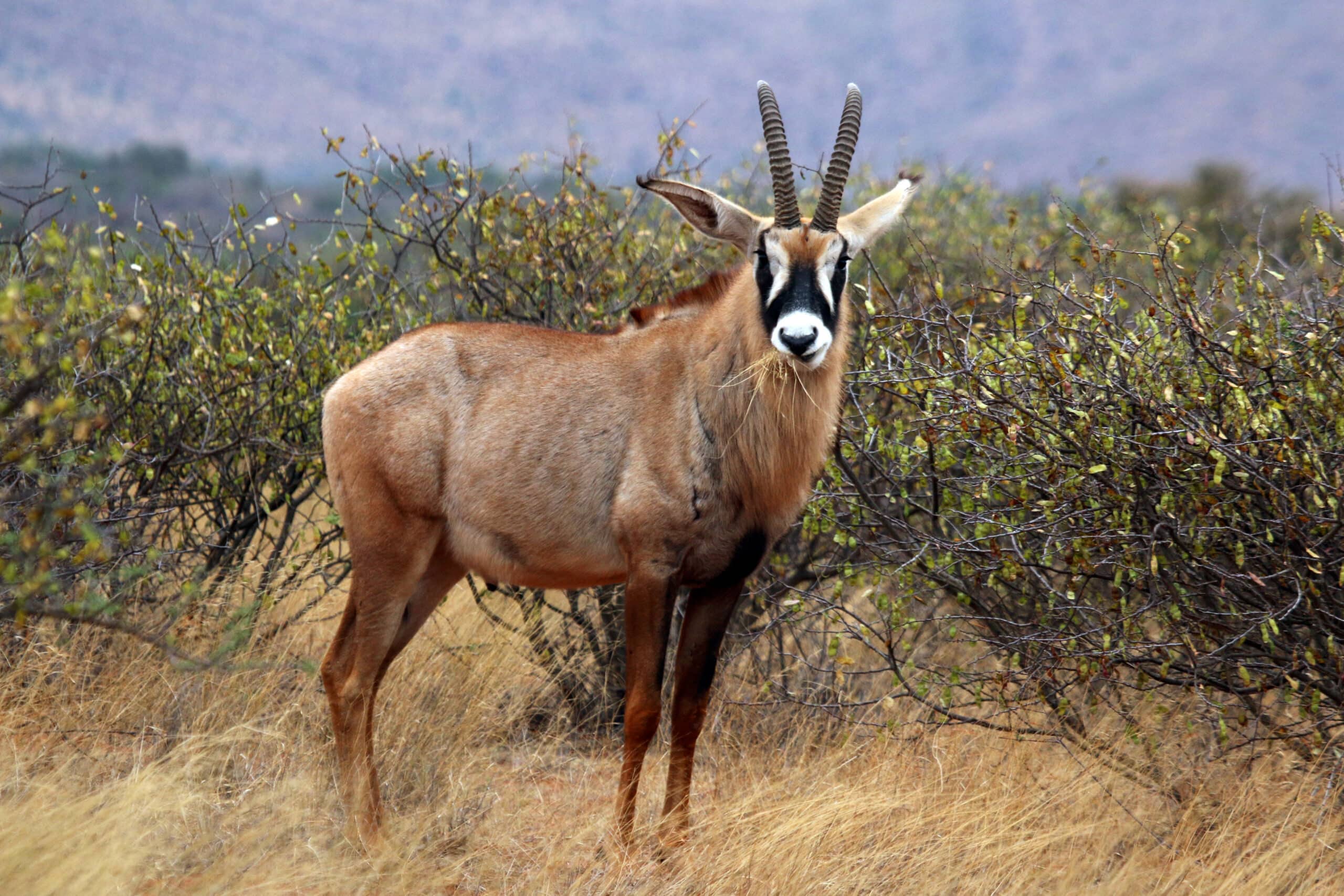
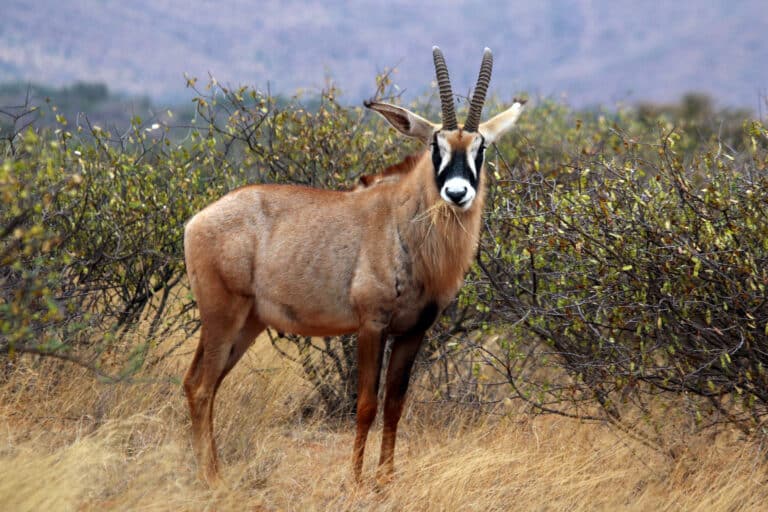
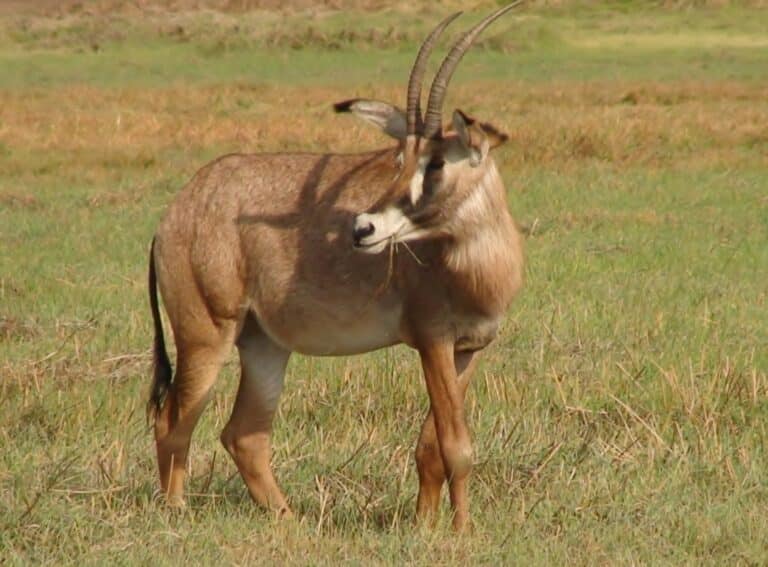
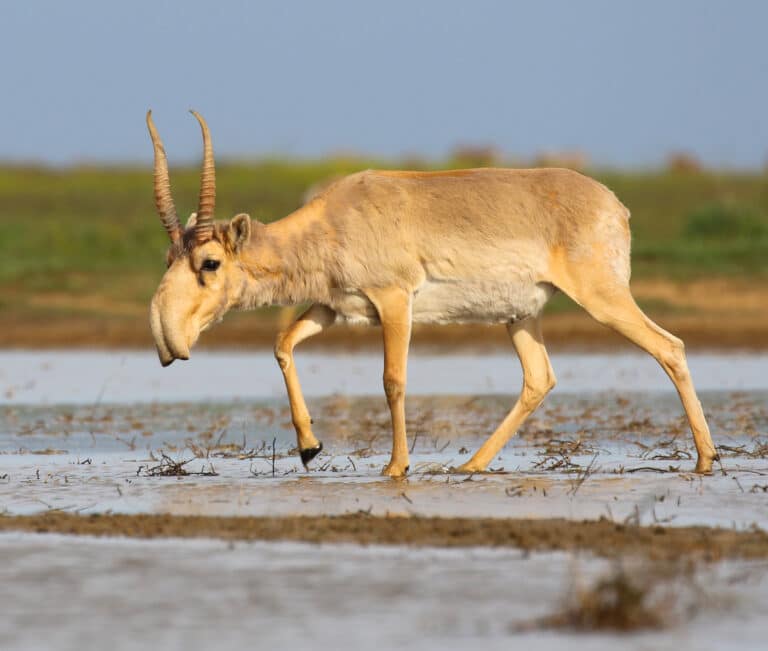
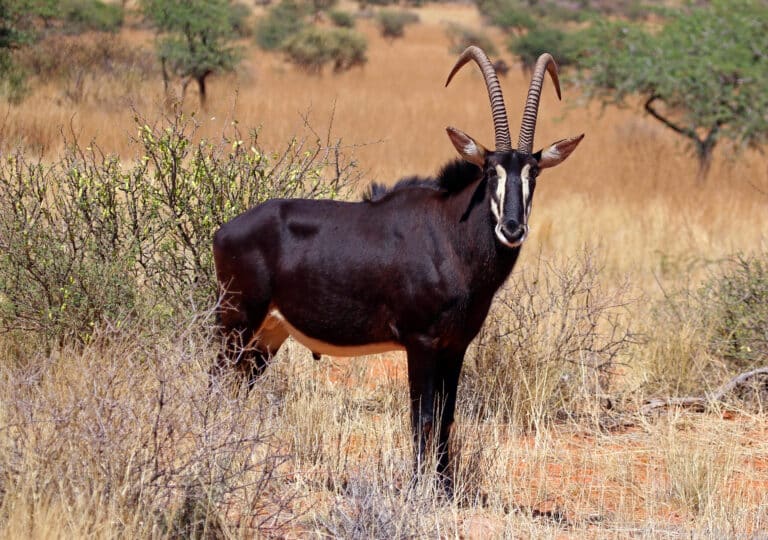
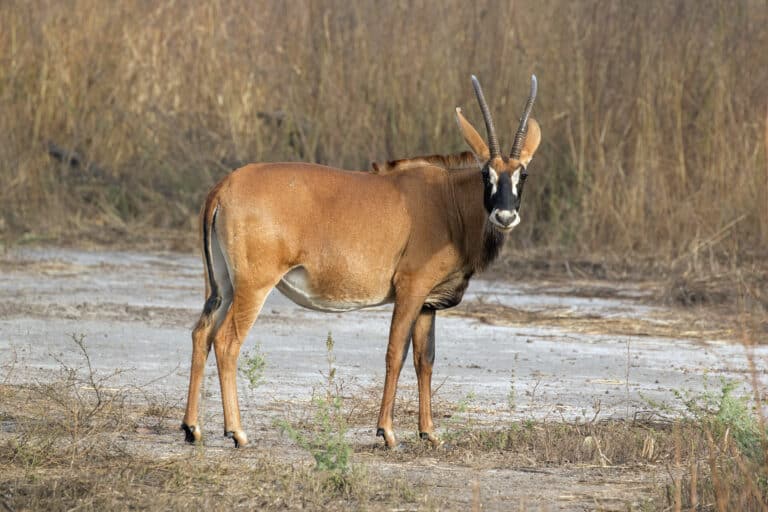
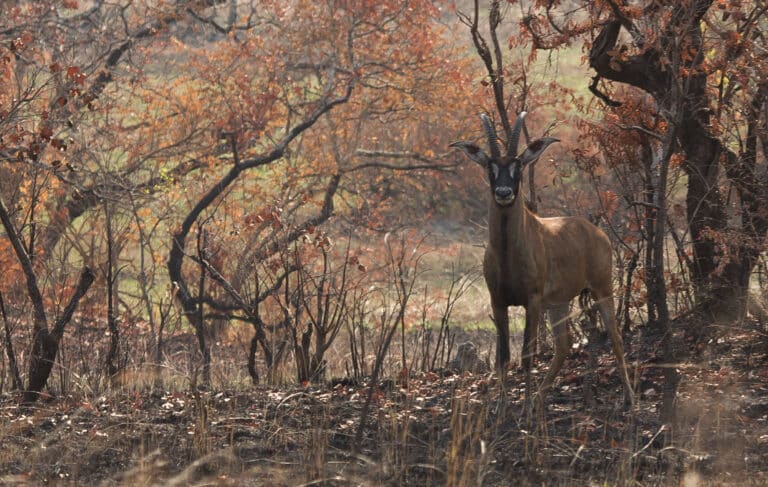
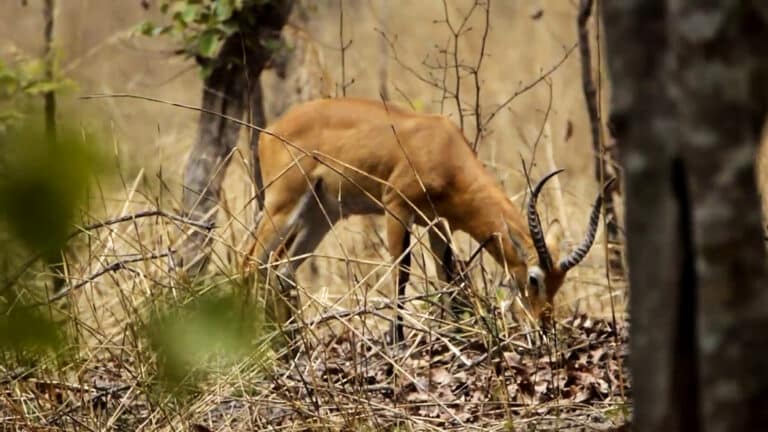
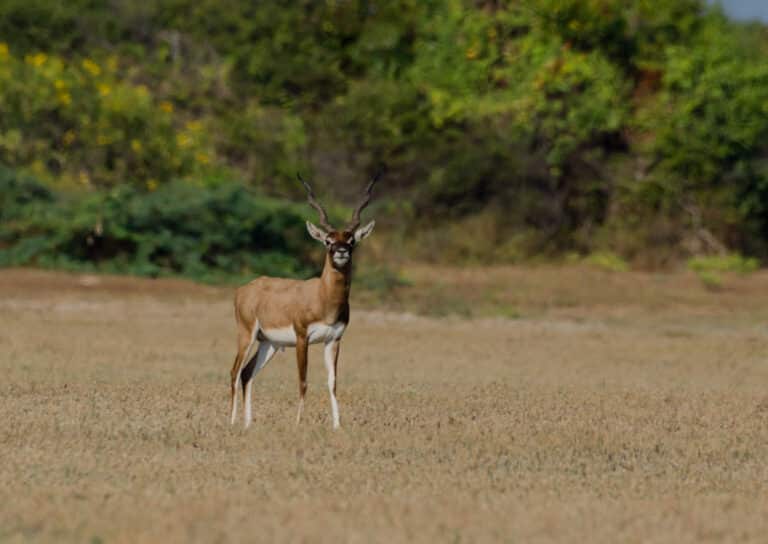
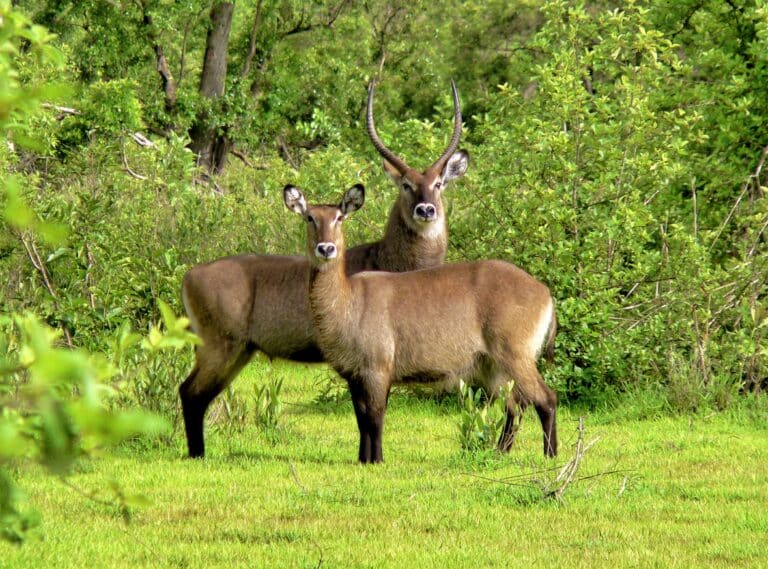
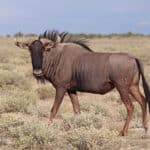
Antelopes are incredible mammals that roam the grassy plains of Africa. These agile creatures belong to the family Bovidae and are known for their speed and grace, making them the sprinters of the savanna.
Most antelopes stand about 0.9 to 1.2 meters (3 to 4 feet) tall at the shoulder. Their unique body structure and strong legs allow them to run quickly, escaping predators and leaping through tall grasses like jumping beans.
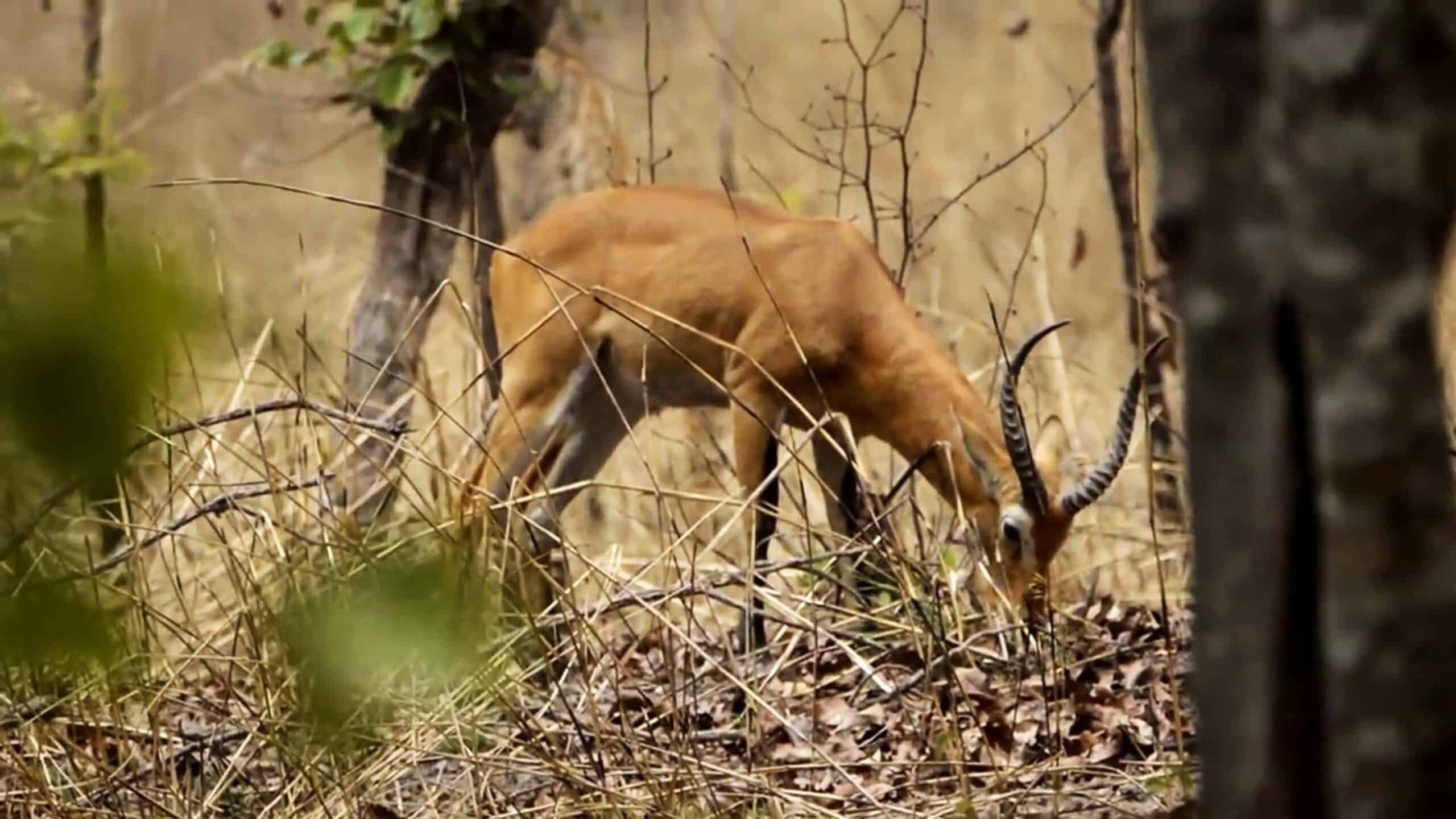
Antelopes have a herbivorous diet, munching on grass, leaves, and shrubs. They cleverly graze during different times of the day to avoid the hottest sun, showing off their skills in both eating and surviving.
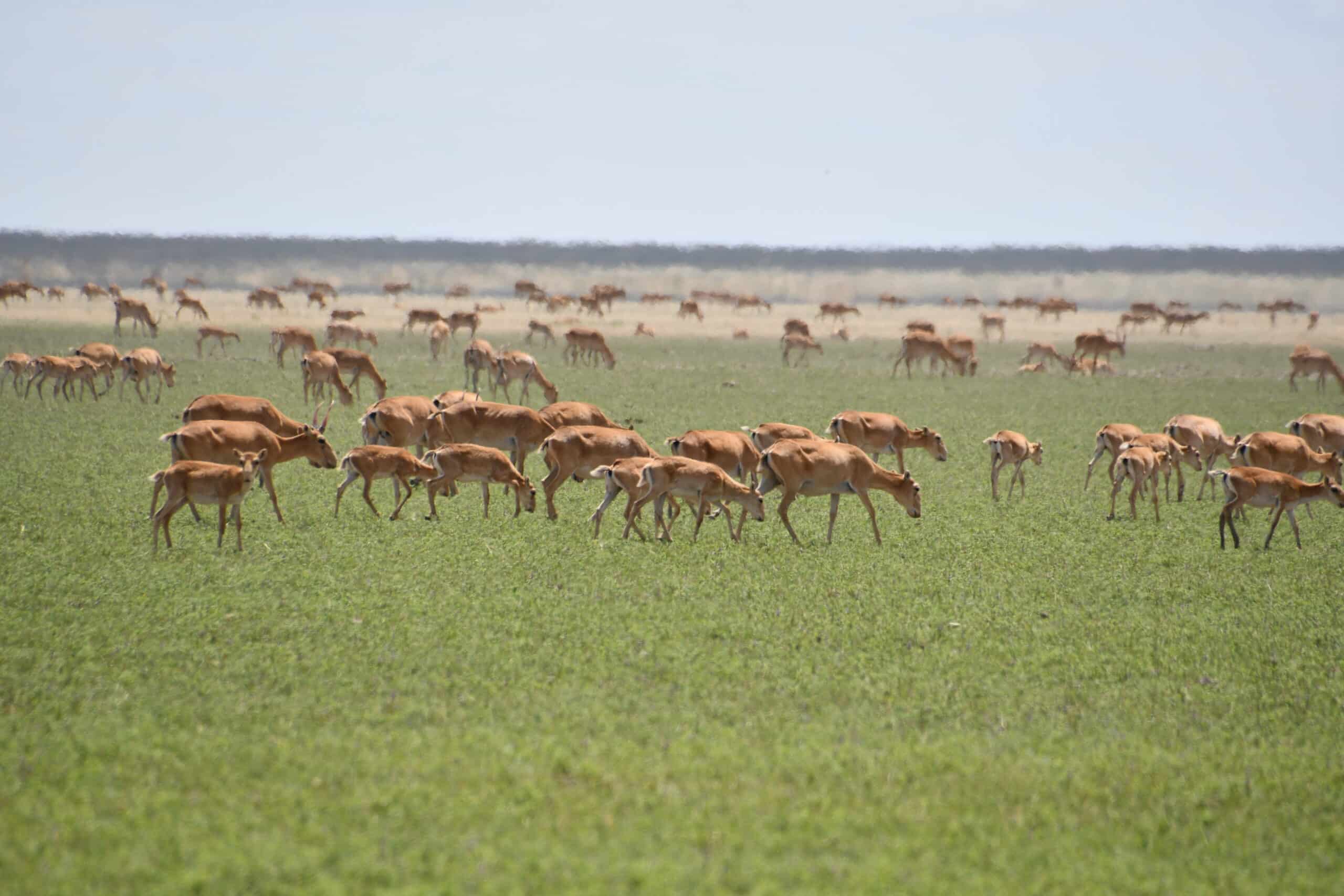
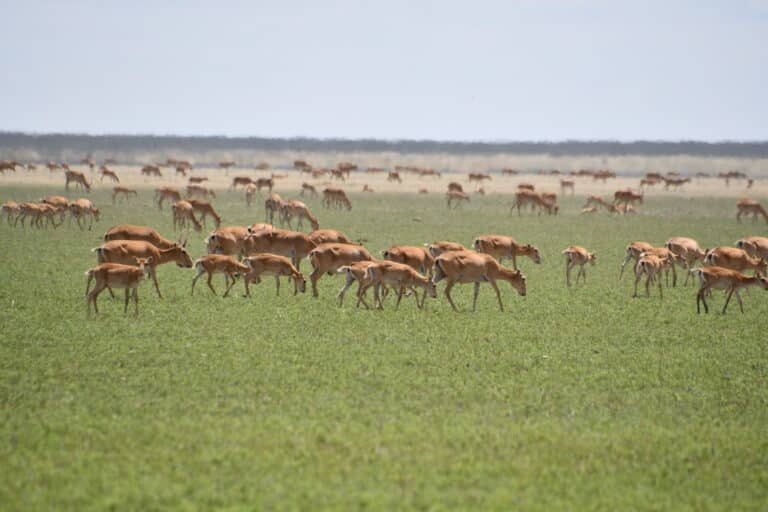
These smart animals also have excellent eyesight, helping them spot dangers from far away. With social structures ranging from solitary to groups, they enjoy company while staying alert to watch out for potential threats.
Their lifespan usually ranges from 10 to 15 years, giving them time to explore their homes and romp around the open fields. Antelopes are not just pretty faces; they play an important role in their ecosystem by helping to maintain plant growth through grazing.
In African folklore and stories, antelopes symbolize agility and beauty. Next time you think of a hero, remember the antelope's impressive ways of living freely and gracefully in the wild!

Where can you find a Antelope in the wild?
What does a Antelope eat?
How big can a Antelope grow?
How long does a Antelope typically live?
What is the conservation status of the Antelope?
What are the main threats to the Antelope?
Fun facts
Some antelope species can leap up to 3 meters (10 feet) high, making them the acrobats of the animal kingdom!


The springbok, a type of antelope, performs a special jump called a "pronking" when excited: it leaps high into the air with all four feet off the ground, like a joyful celebration!
Antelopes have incredible eyesight, allowing them to spot predators from over 400 meters (1,300 feet) away, giving them a head start when it comes to escaping danger!
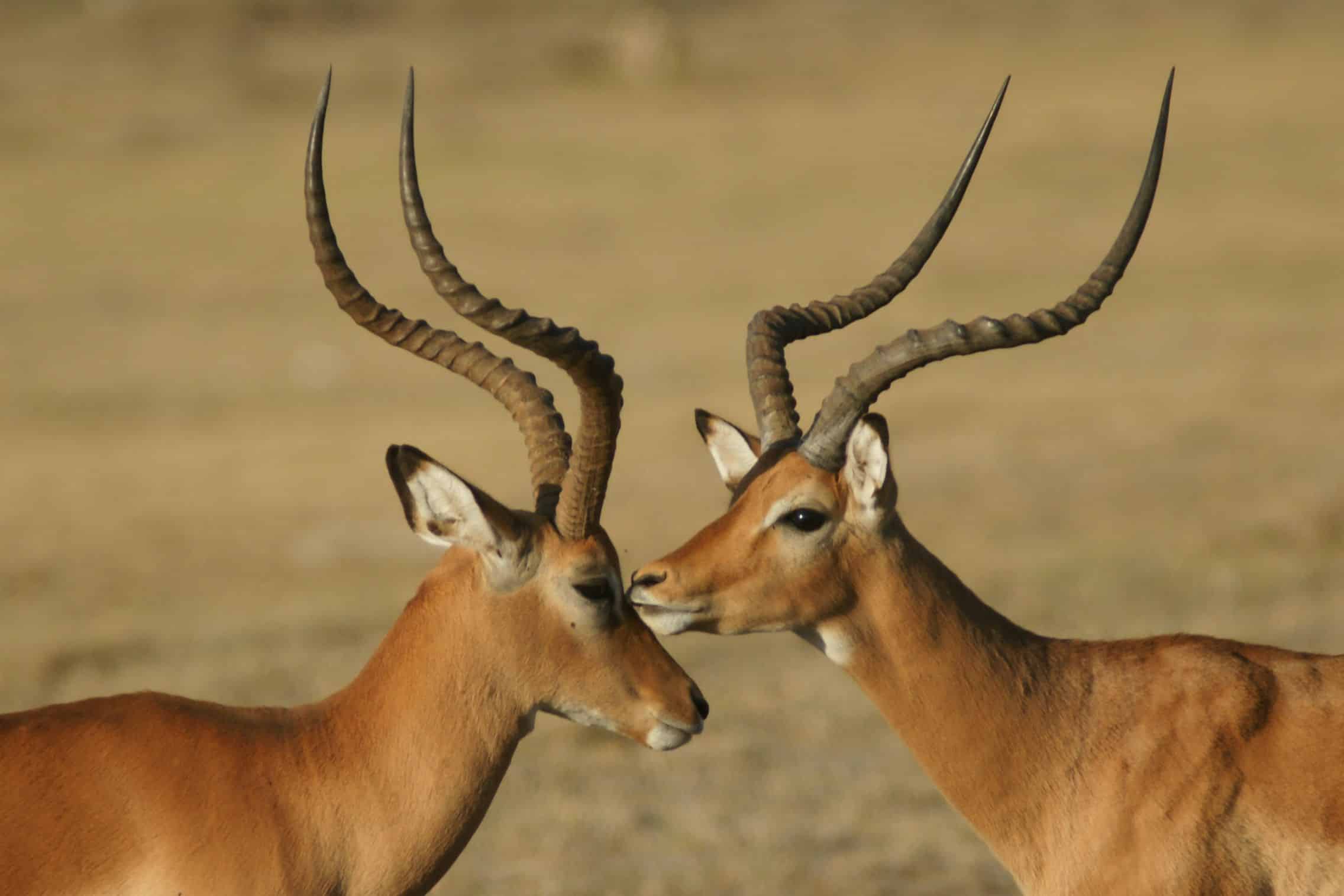
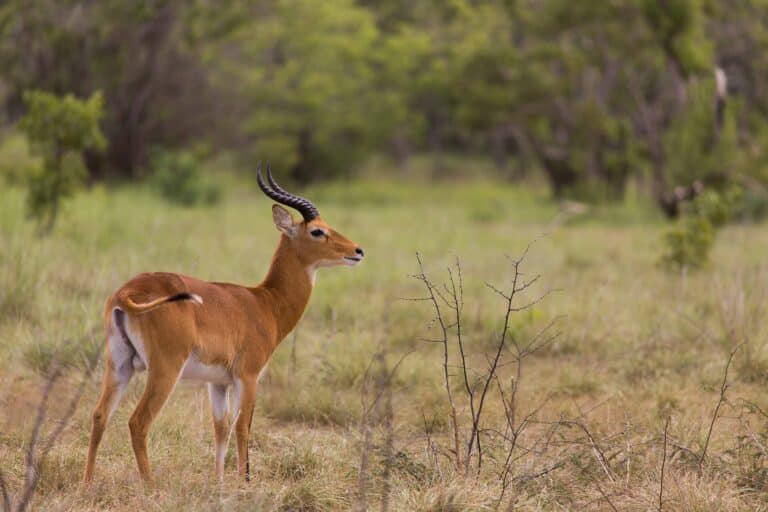
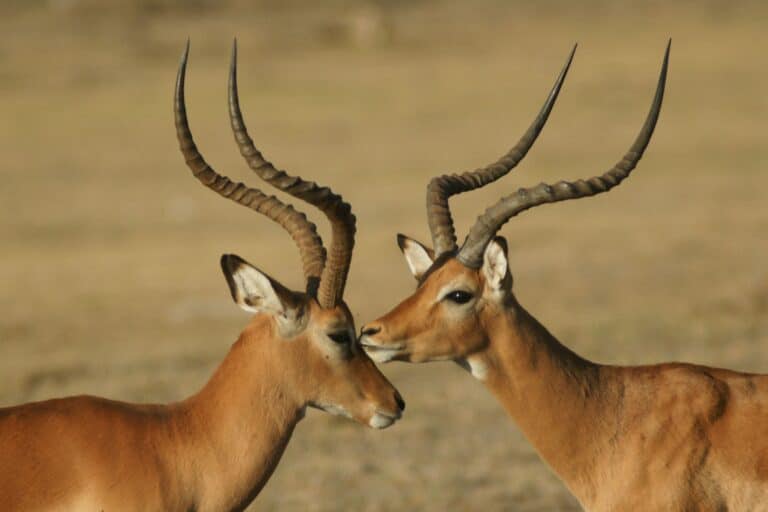
Some antelope species, like the kudu, have twisting horns that can grow more than 1 meter (3 feet) long, making them look like a magnificent spiraled decoration on top of their heads!
Antelope mothers are very caring. They hide their newborn calves in tall grass for safety, returning only a few times a day to nurse and protect them.
The male impala is like a star athlete; he can run at speeds of about 88 kilometers per hour (55 miles per hour) and can leap more than 10 meters (32 feet) in one bound!
Antelopes communicate with each other using a series of sounds, including grunts and bleats, like they have their own secret language!
As part of a herd, antelopes take turns keeping watch for danger! This teamwork helps them stay safer from hungry predators lurking nearby.
Many antelope species use their keen sense of smell to find food and to recognize each other, showing off their impressive abilities beyond just sight.
The endangered black-faced impala is a rare find! It has distinct facial markings and exists only in specific areas of Africa, making it a unique gem of the antelope family.
Photos


The Basics


explore more
Amphibians
Arachnids
Birds
Cats
Crustaceans
Fish
Fish Pet Guide
Gastropods
Insects
Invertebrates
Mammals
Pet Fish
Pet Rodents
Plants
Reptiles
Roundworms
Sea Slugs