
Successfully copied to clipboard!
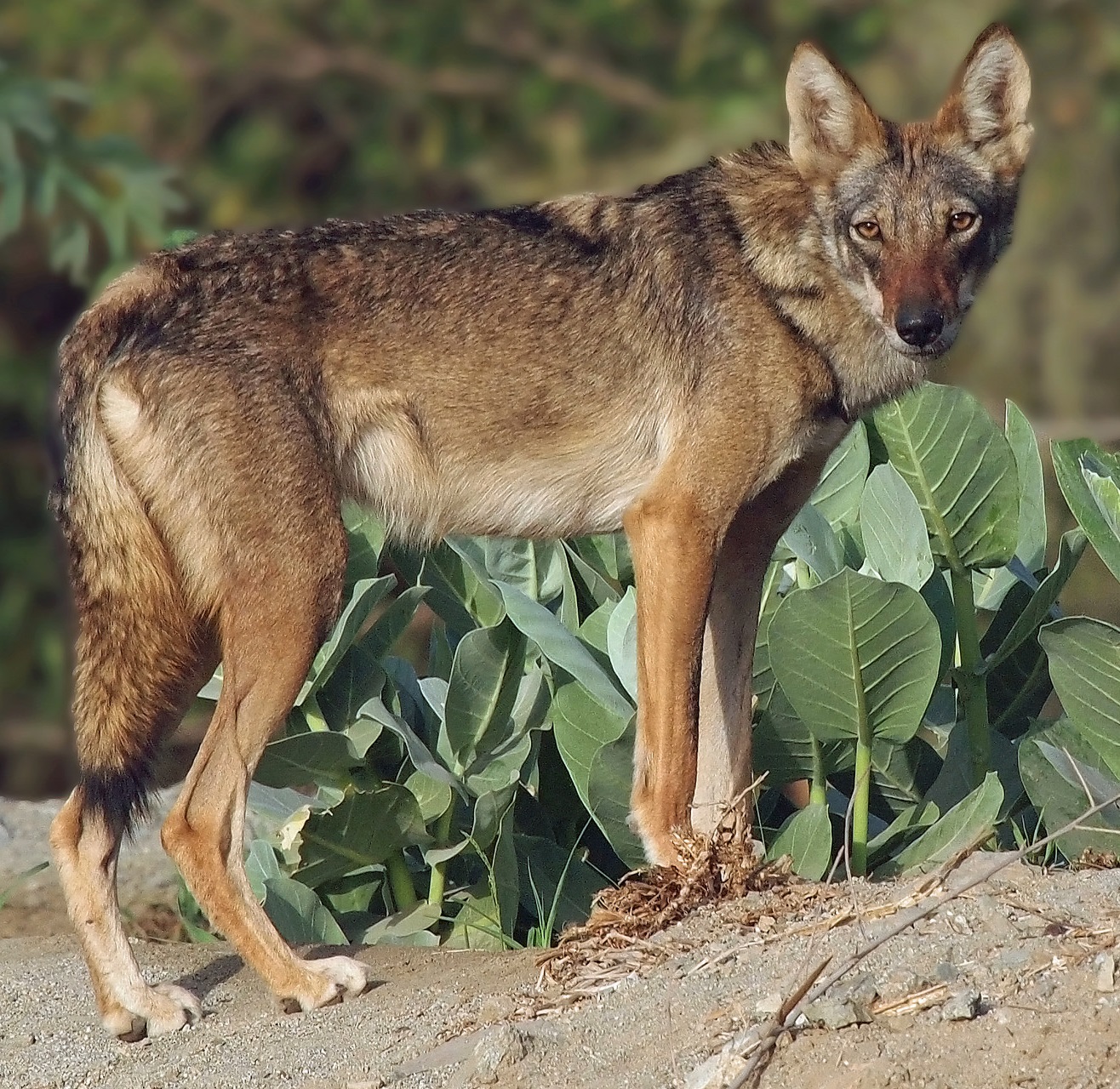
Arabian Wolf
Unleash your wild side with fascinating desert-dwelling hunters!
Let’s Explore
Overview
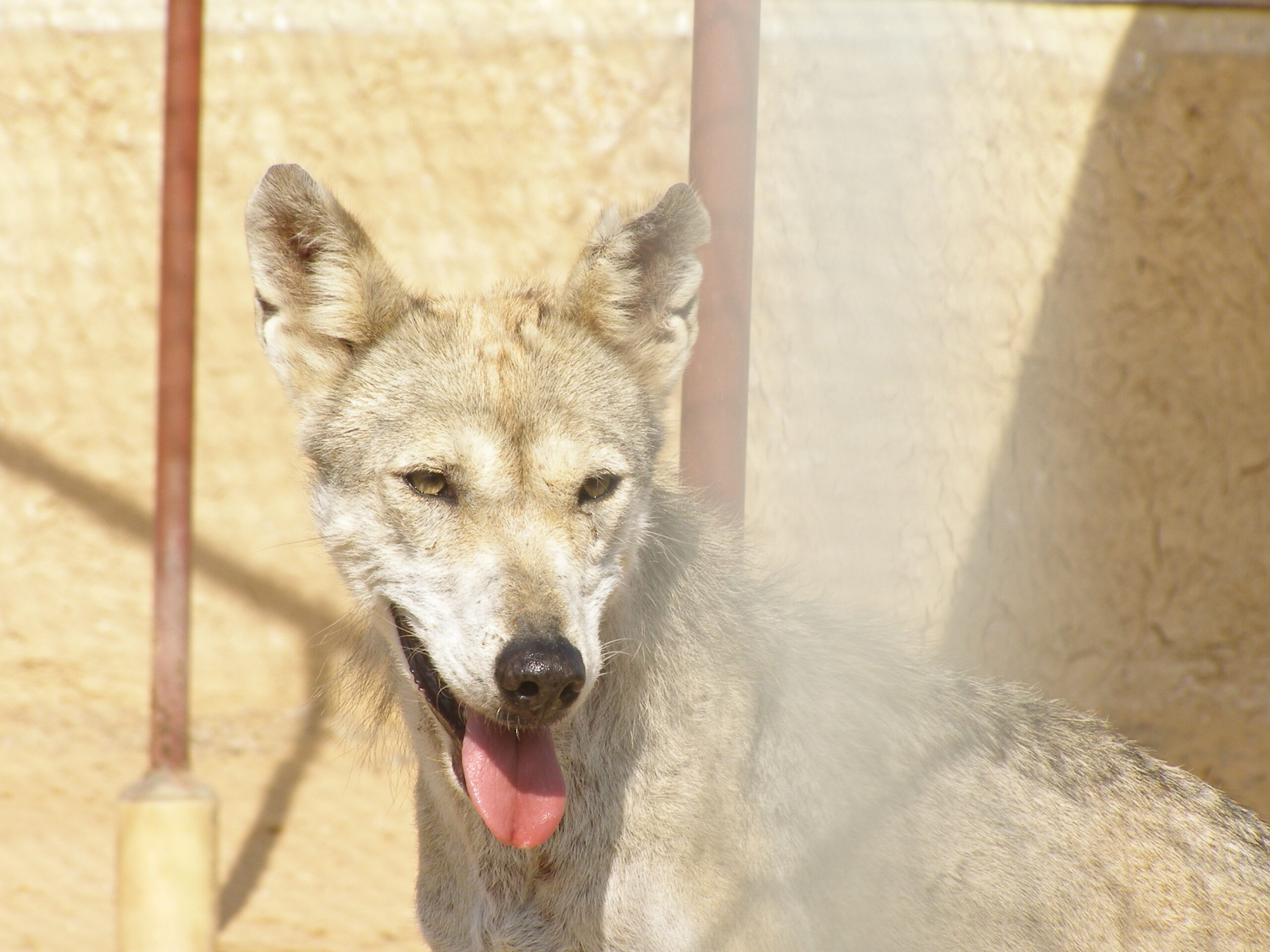
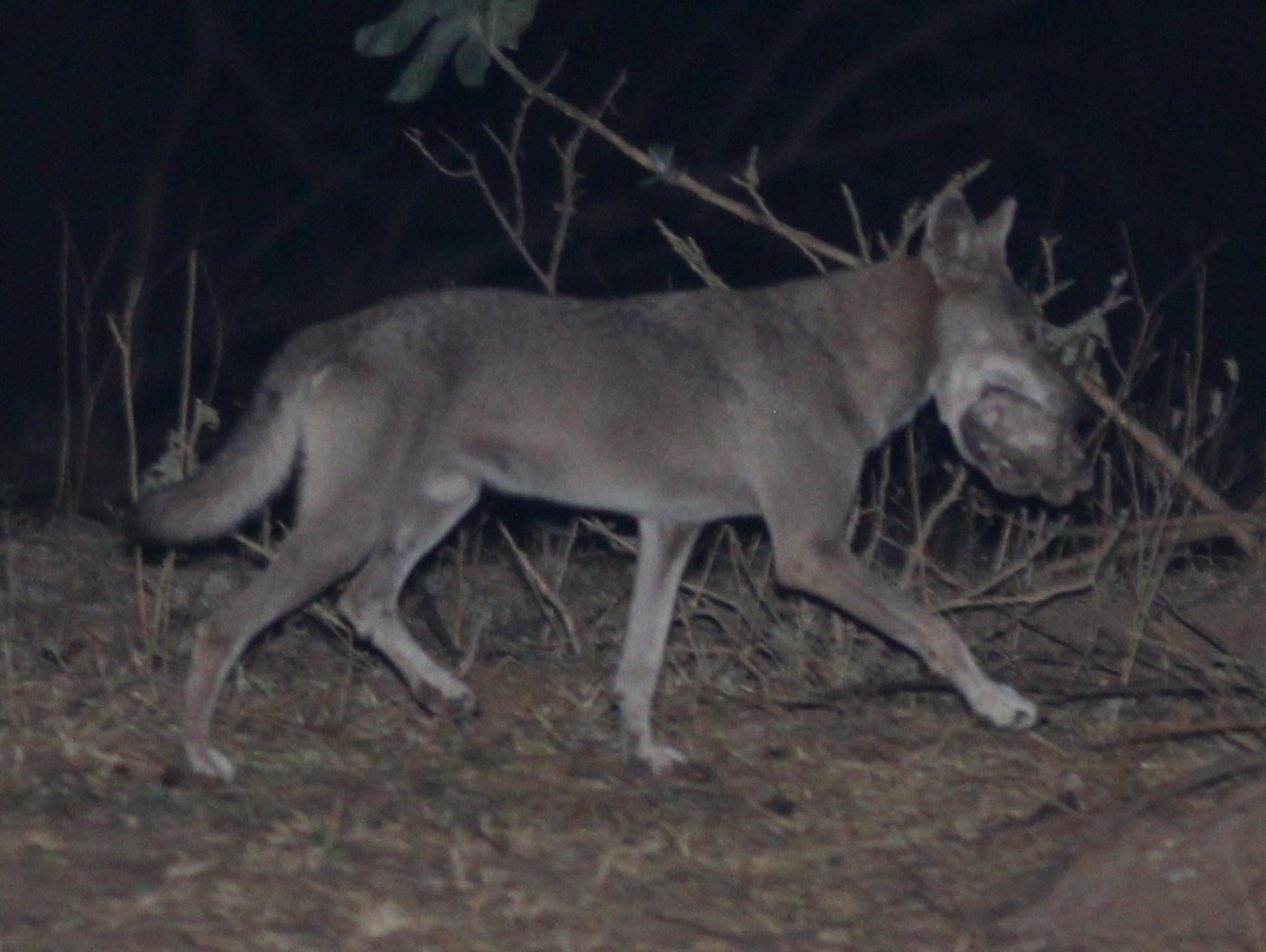
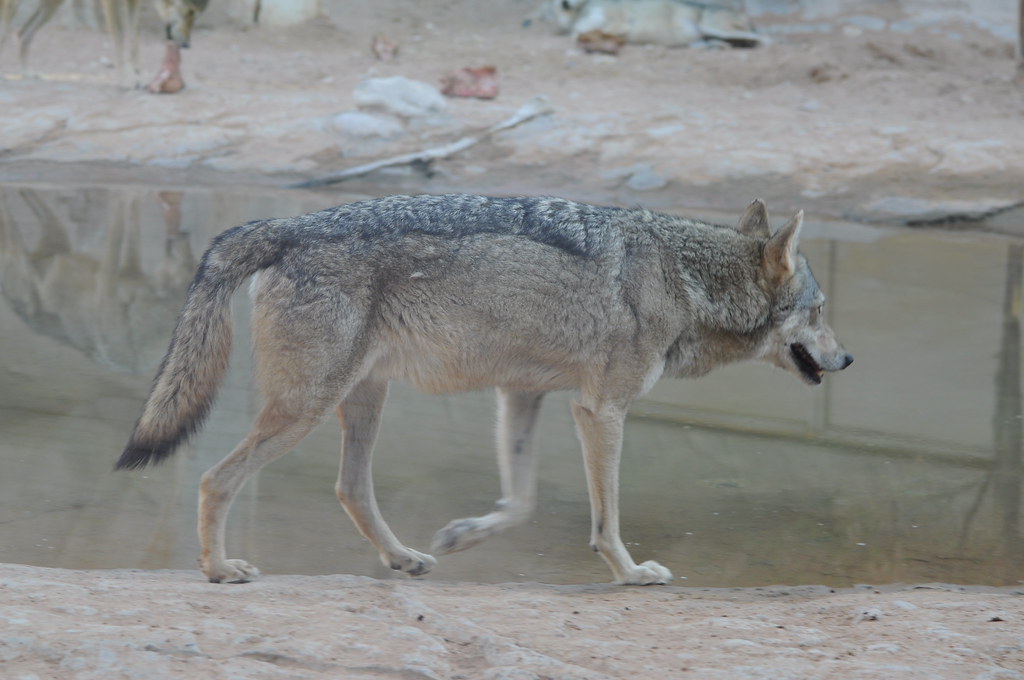
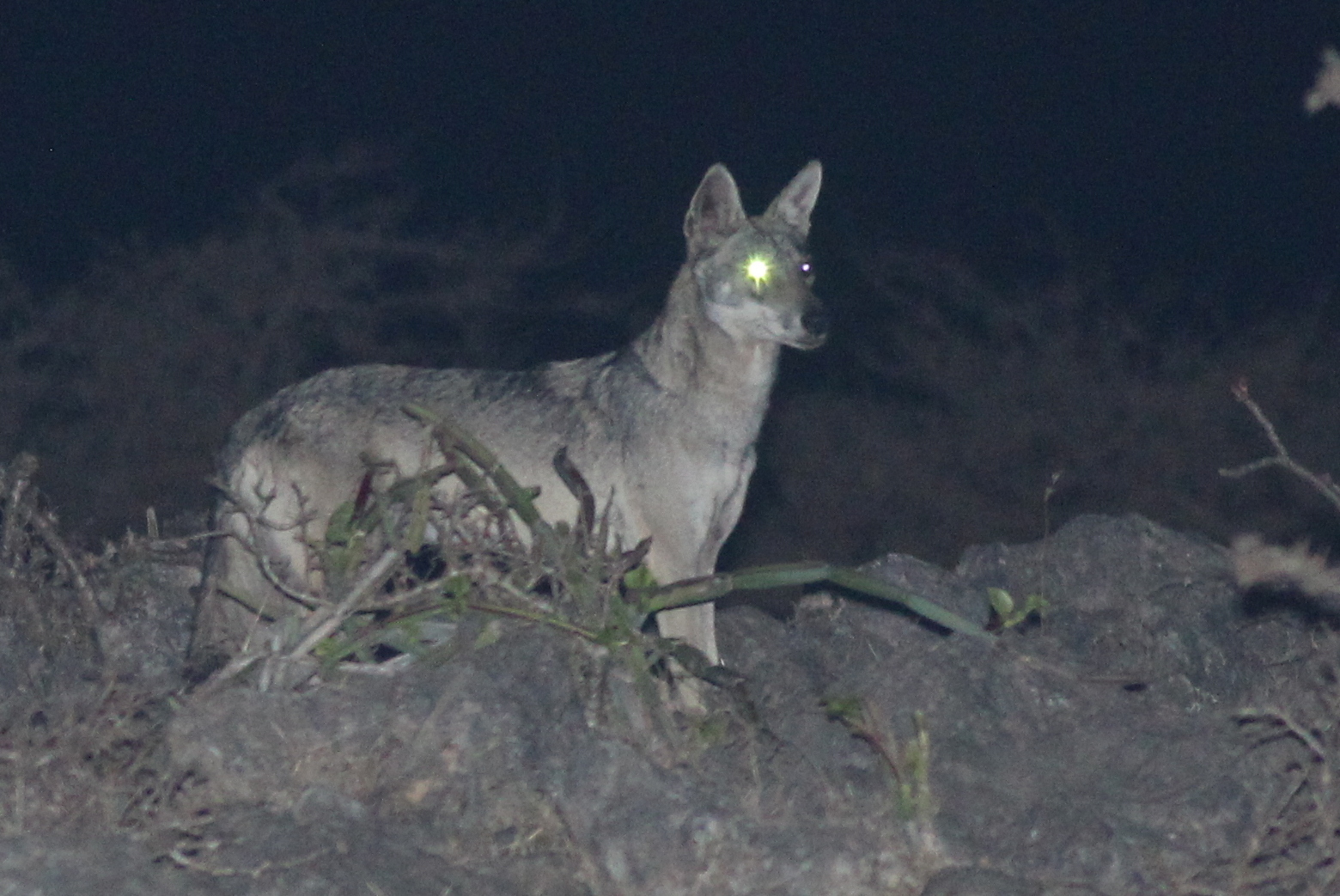
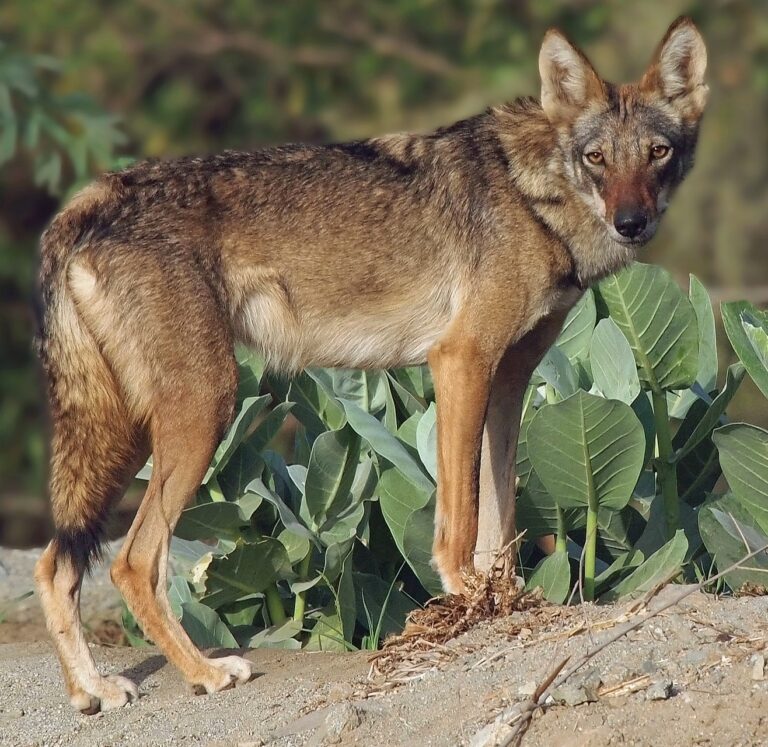
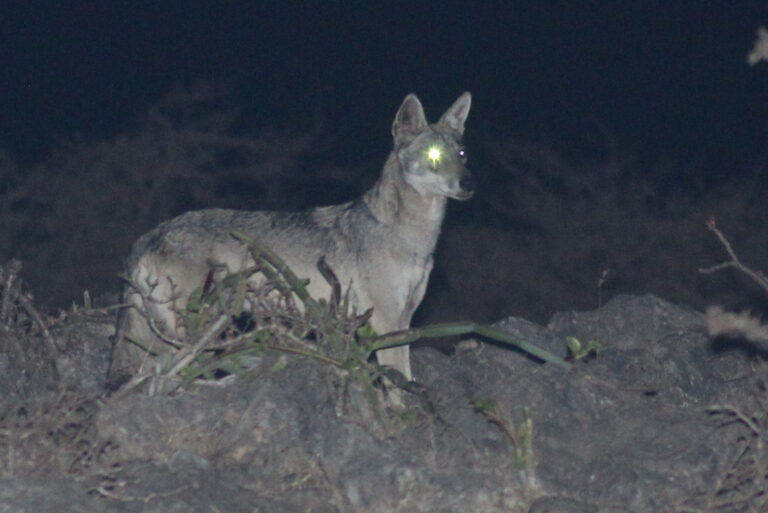
The Arabian wolf roams the Middle East and is a remarkable subspecies of the gray wolf. These fascinating mammals belong to the family Canidae, which includes dogs, foxes, and other wolves.
Arabian wolves typically measure between 1.2 to 1.5 meters (4 to 5 feet) in length. They are sleek and agile, making them superb hunters of small animals.
This cunning predator enjoys a diet of rodents, hares, and small ungulates. Arabian wolves have sharp teeth and keen senses that help them track down tasty meals.
In the wild, Arabian wolves usually live for about 5 to 7 years. These social animals often form packs, but they can also hunt solo when needed—talk about adaptability!
With their incredible ability to thrive in various habitats, Arabian wolves play an important role in their ecosystem. They help maintain the balance by controlling populations of smaller animals.
Next time you hear a howl in the night, remember the Arabian wolf may be out there, making its presence known in the desert moonlight!

Where can you find a Arabian Wolf in the wild?
What does a Arabian Wolf eat?
How big can a Arabian Wolf grow?
How long does a Arabian Wolf typically live?
What is the conservation status of the Arabian Wolf?
What are the main threats to the Arabian Wolf?
Fun facts
Arabian wolves can run up to 64 kilometers per hour (40 miles per hour), making them quick and agile hunters on the hunt for their dinner.


These wolves have a unique fluffy tail that they use to communicate with their pack members, making it easier to tell when they are happy or ready to play!
Arabian wolves share an interesting social habit; they often groom one another to strengthen their bond and build friendships just like how kids share laughs and play together!
Unlike many other wolves, Arabian wolves do not howl as loudly. Instead, they often use softer sounds to keep their communication discreet while hunting.
Each Arabian wolf has a special scent that makes them unique, helping them recognize each other like a secret signature in the wild!
During the hot days, Arabian wolves often take naps in the shade, conserving energy for nighttime when they are most active.
Arabian wolves have keen senses of hearing and smell, allowing them to detect tiny movements and sounds, making them expert detectives in their desert homes.
These clever canines form small packs, usually made of family members, which adds to their strength and skill in hunting.
When hunting, Arabian wolves often work together to drive their prey toward each other, showing off their teamwork skills just like a sports team passing the ball!
Arabian wolves can sometimes be very picky eaters, preferring certain types of prey over others, making their dining experience a little more gourmet!
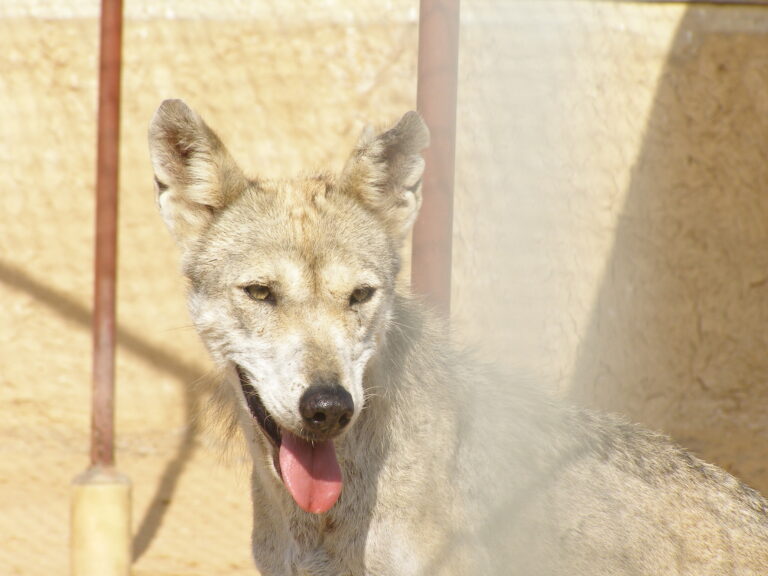
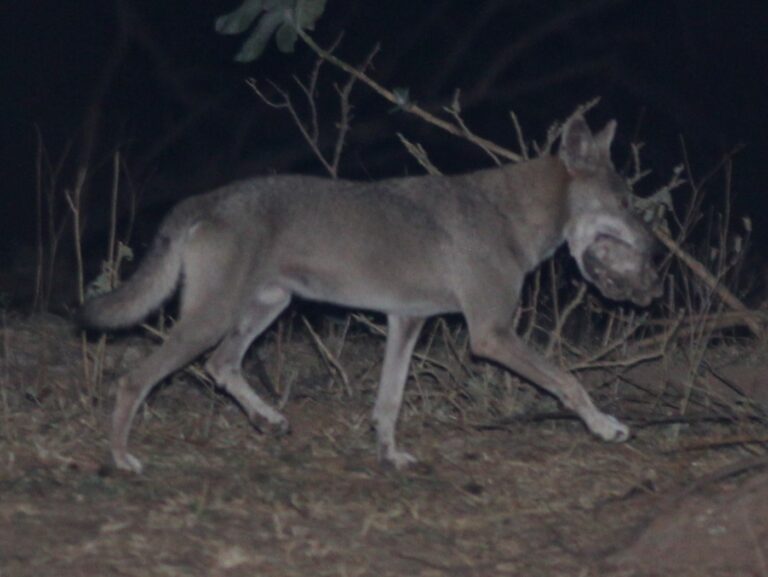
Photos





The Basics


explore more
Amphibians
Arachnids
Birds
Cats
Crustaceans
Fish
Fish Pet Guide
Gastropods
Insects
Invertebrates
Mammals
Pet Fish
Pet Rodents
Plants
Reptiles
Roundworms
Sea Slugs