Successfully copied to clipboard!
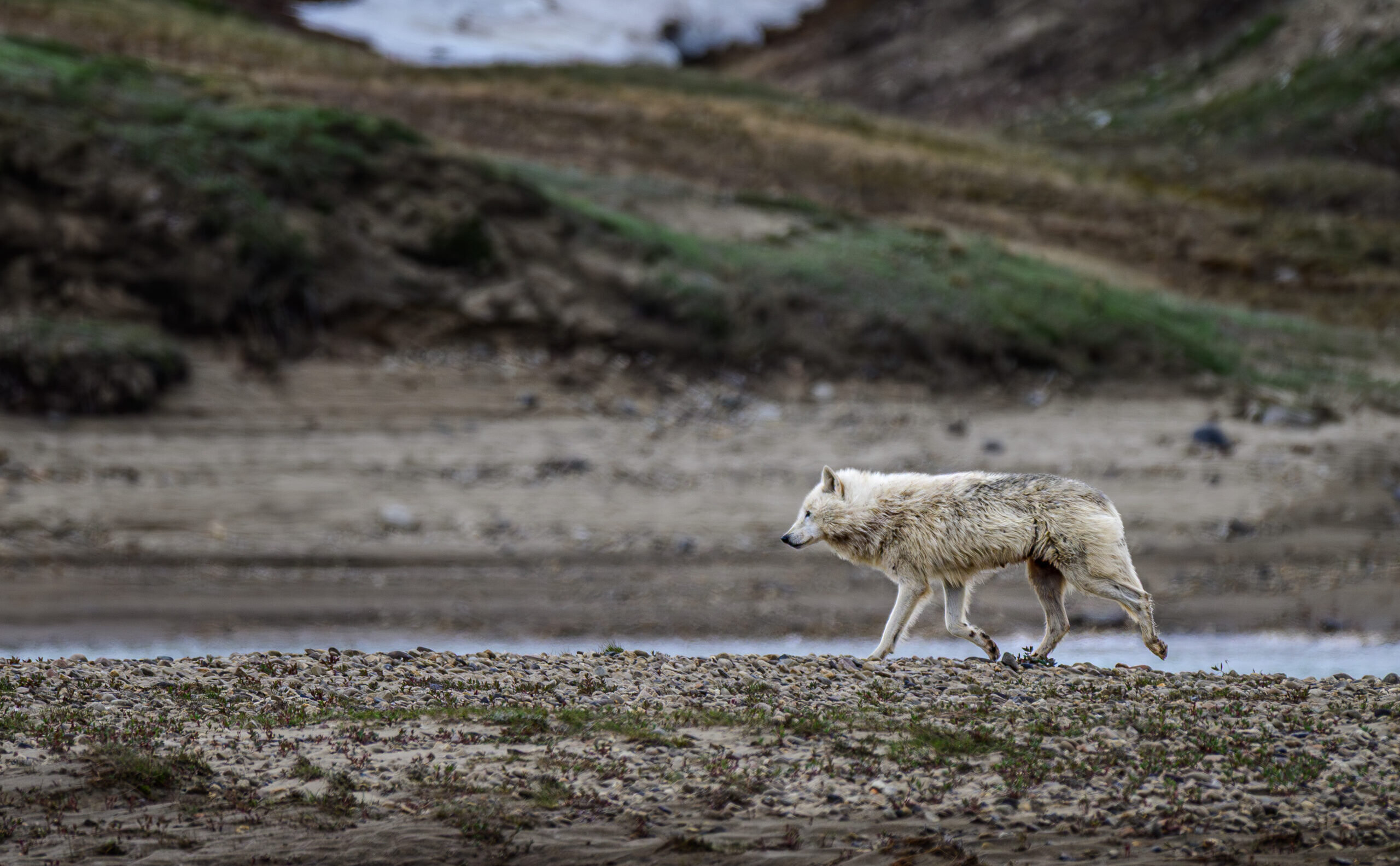
Arctic Wolf
Venture into the icy wild with a clever carnivorous adventurer!
Let’s Explore
Overview
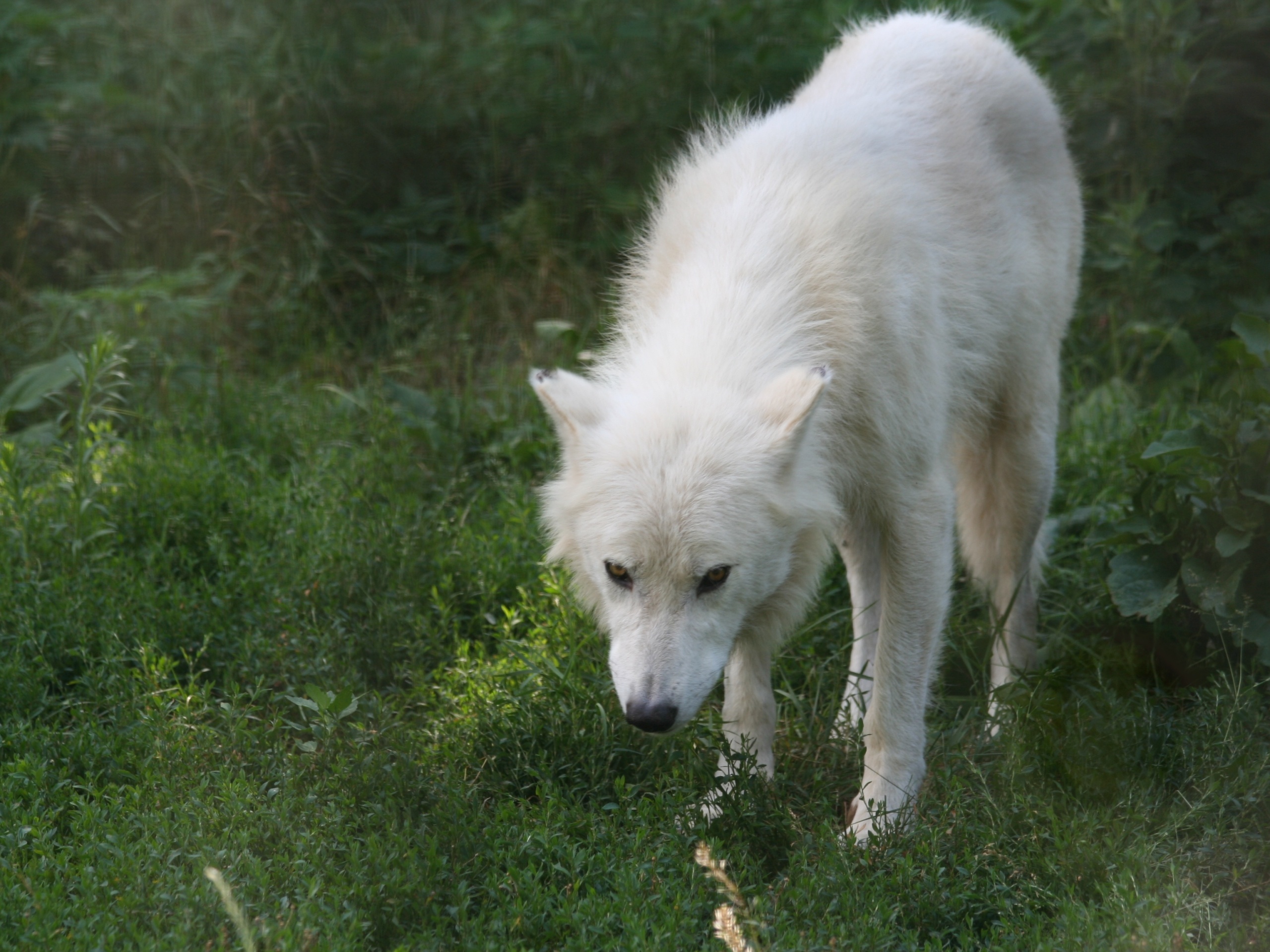
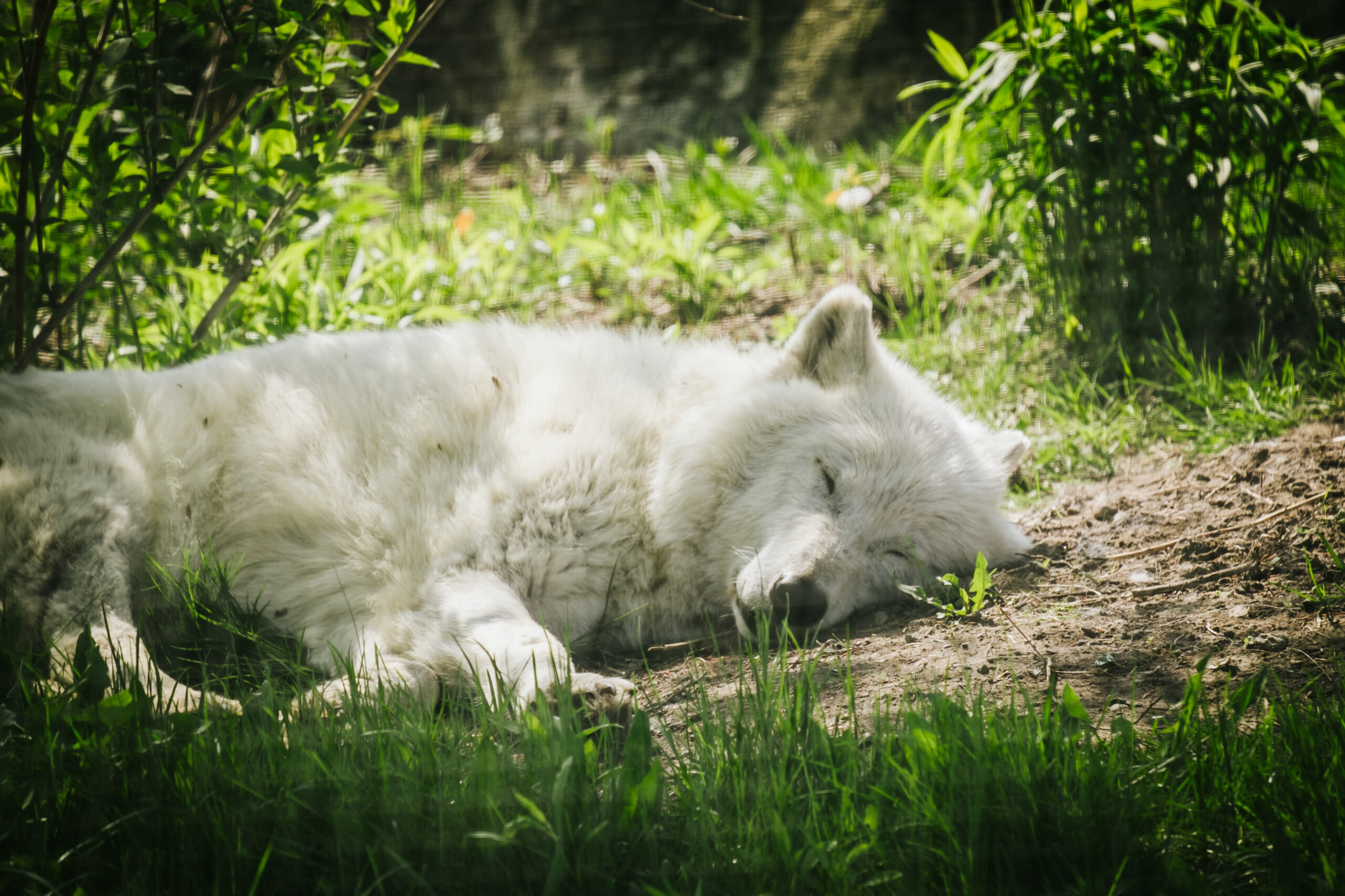
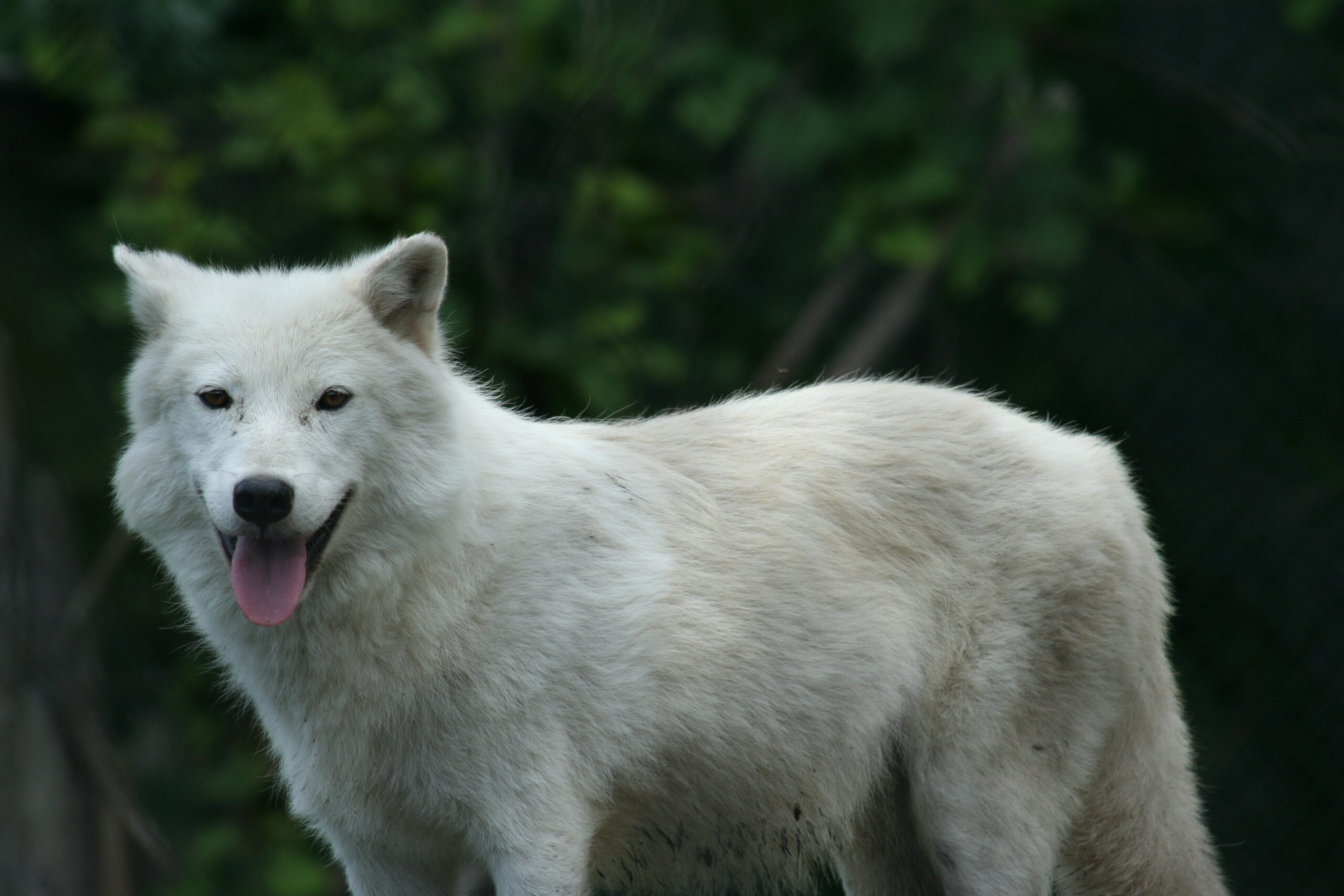
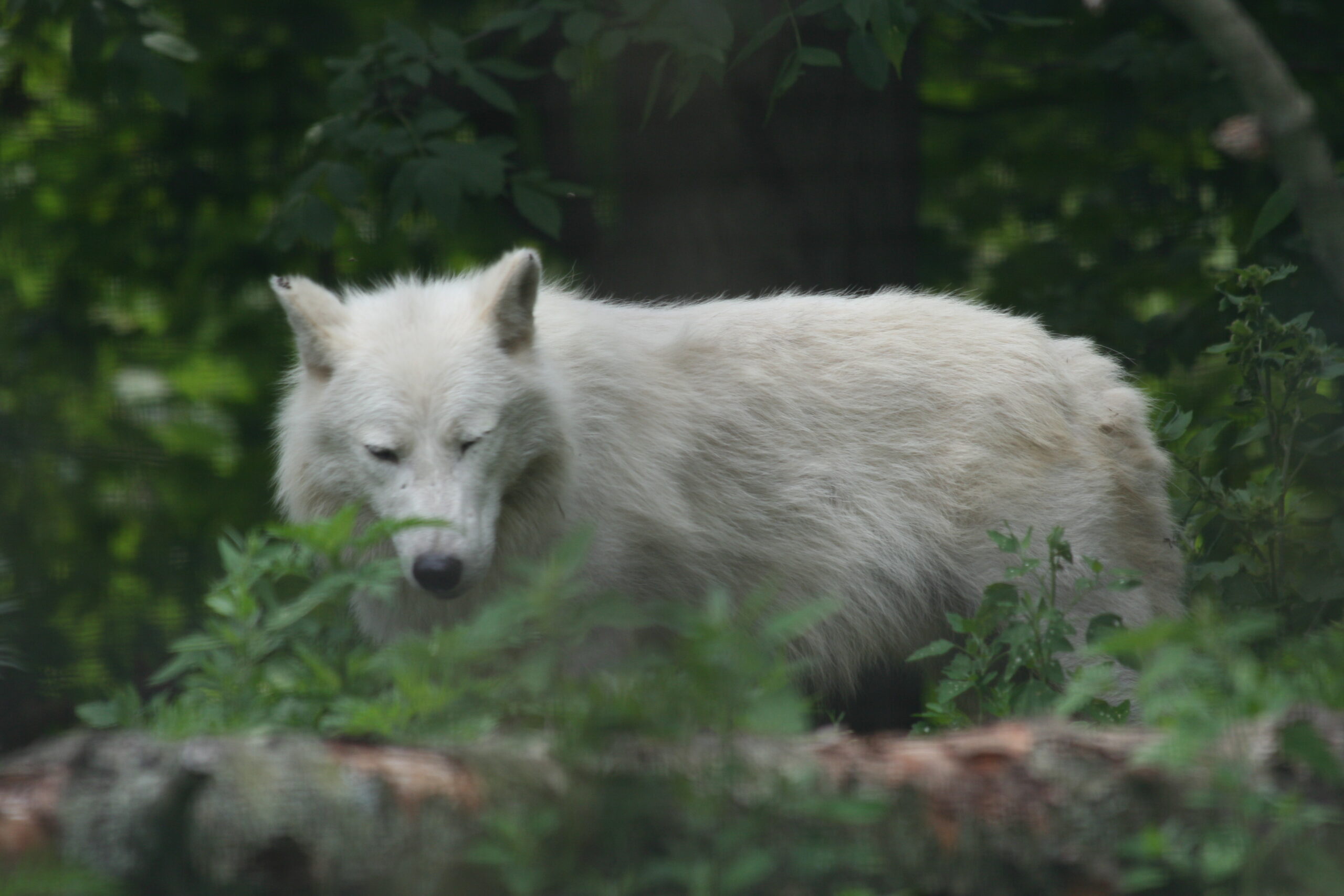
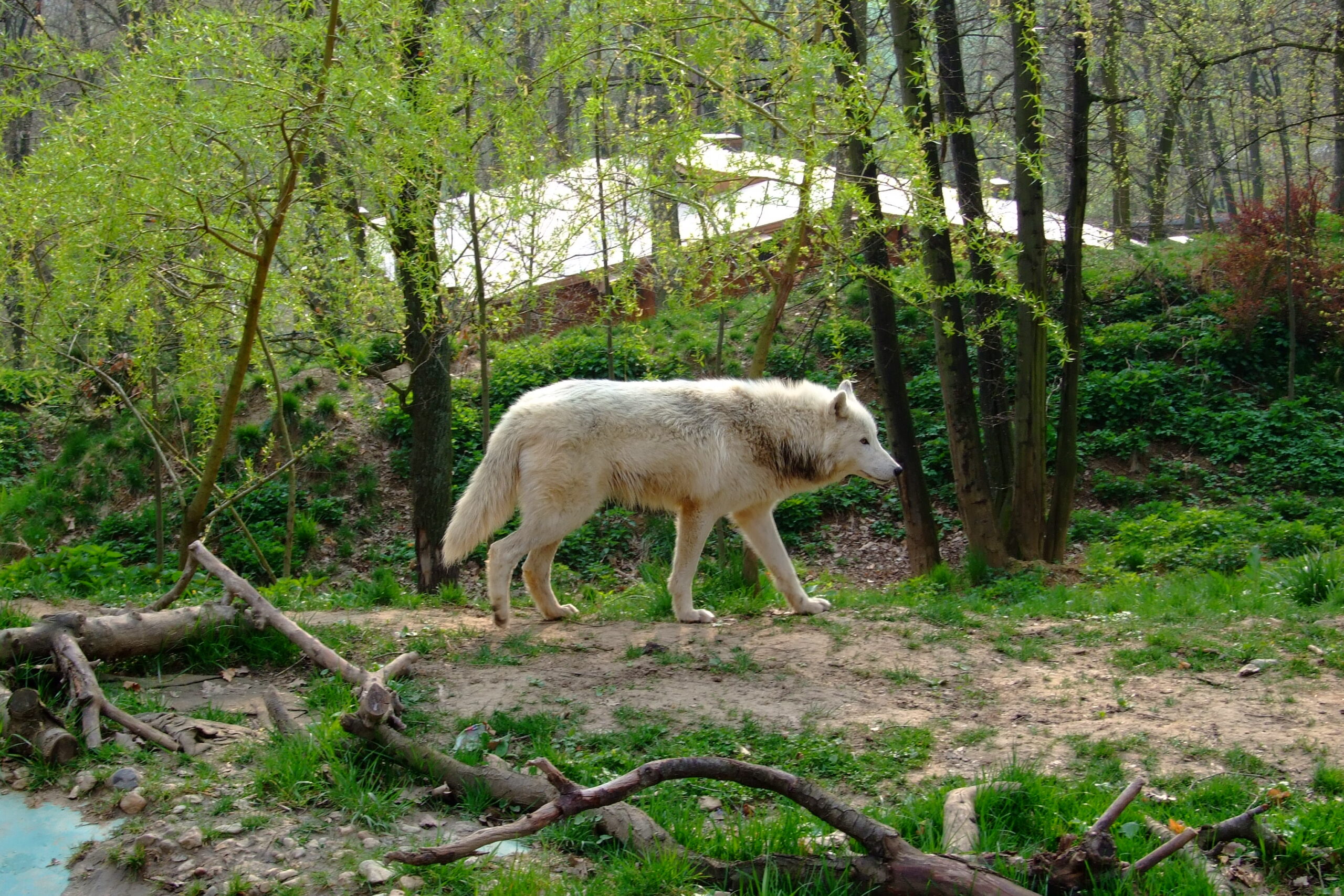
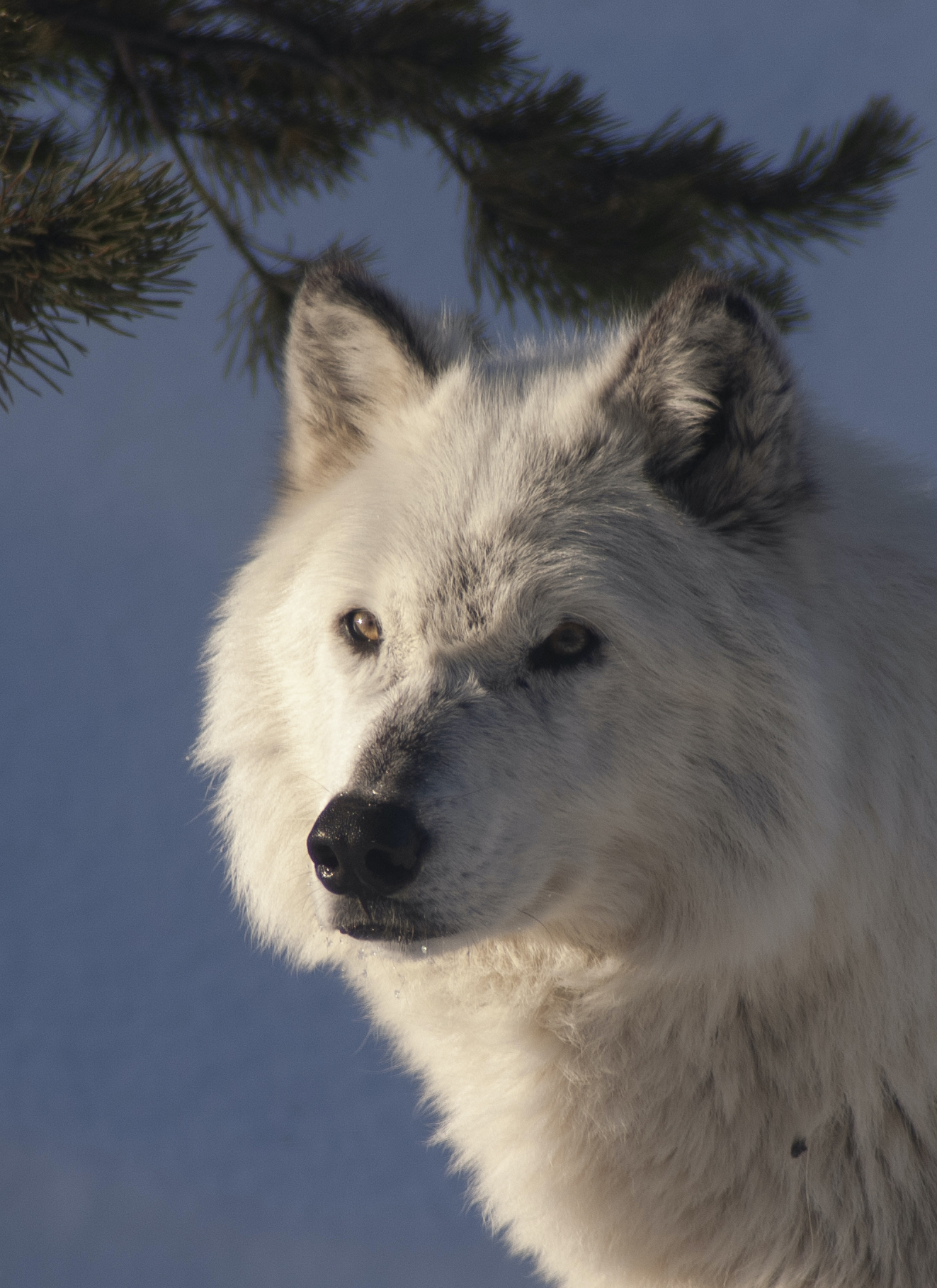
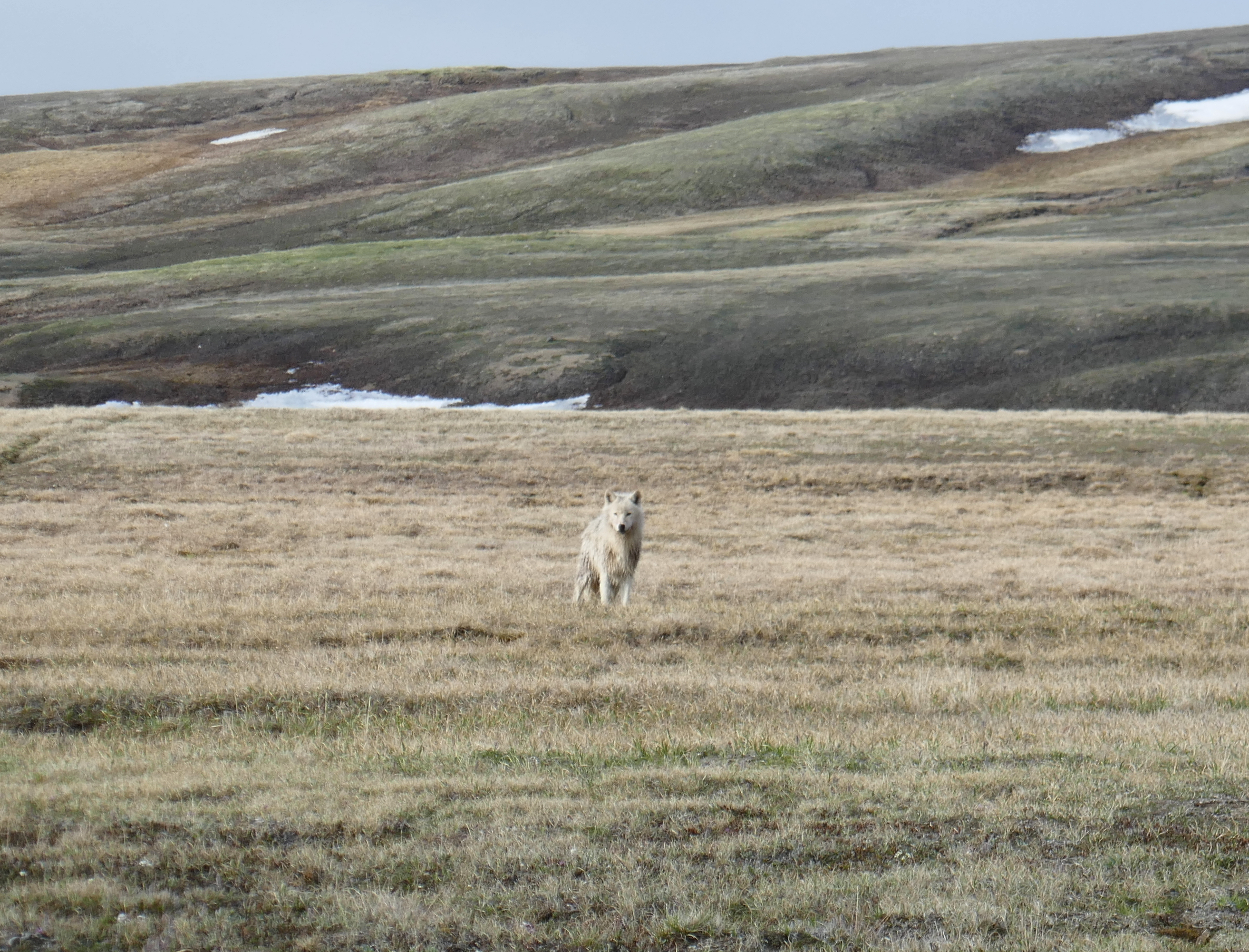
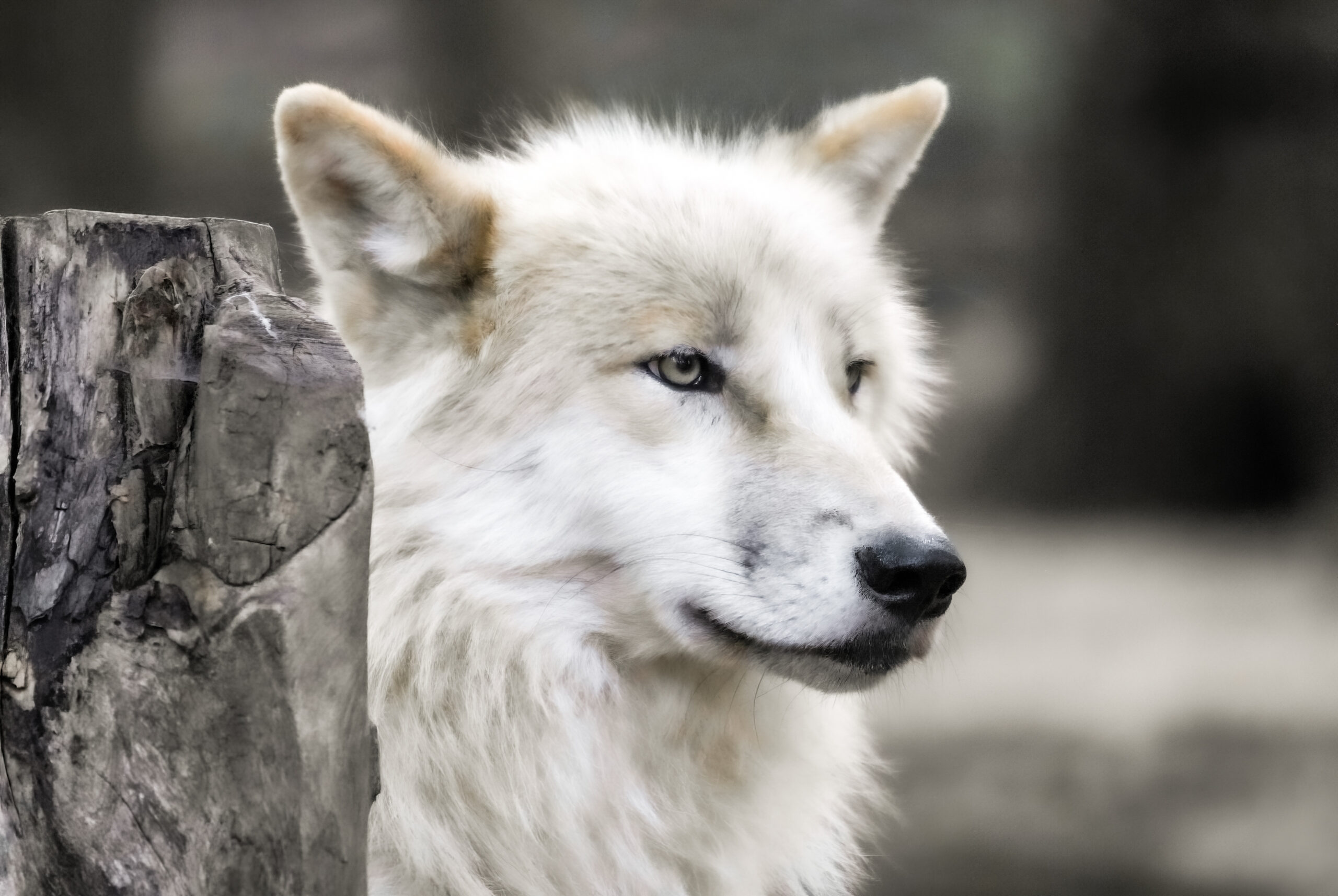
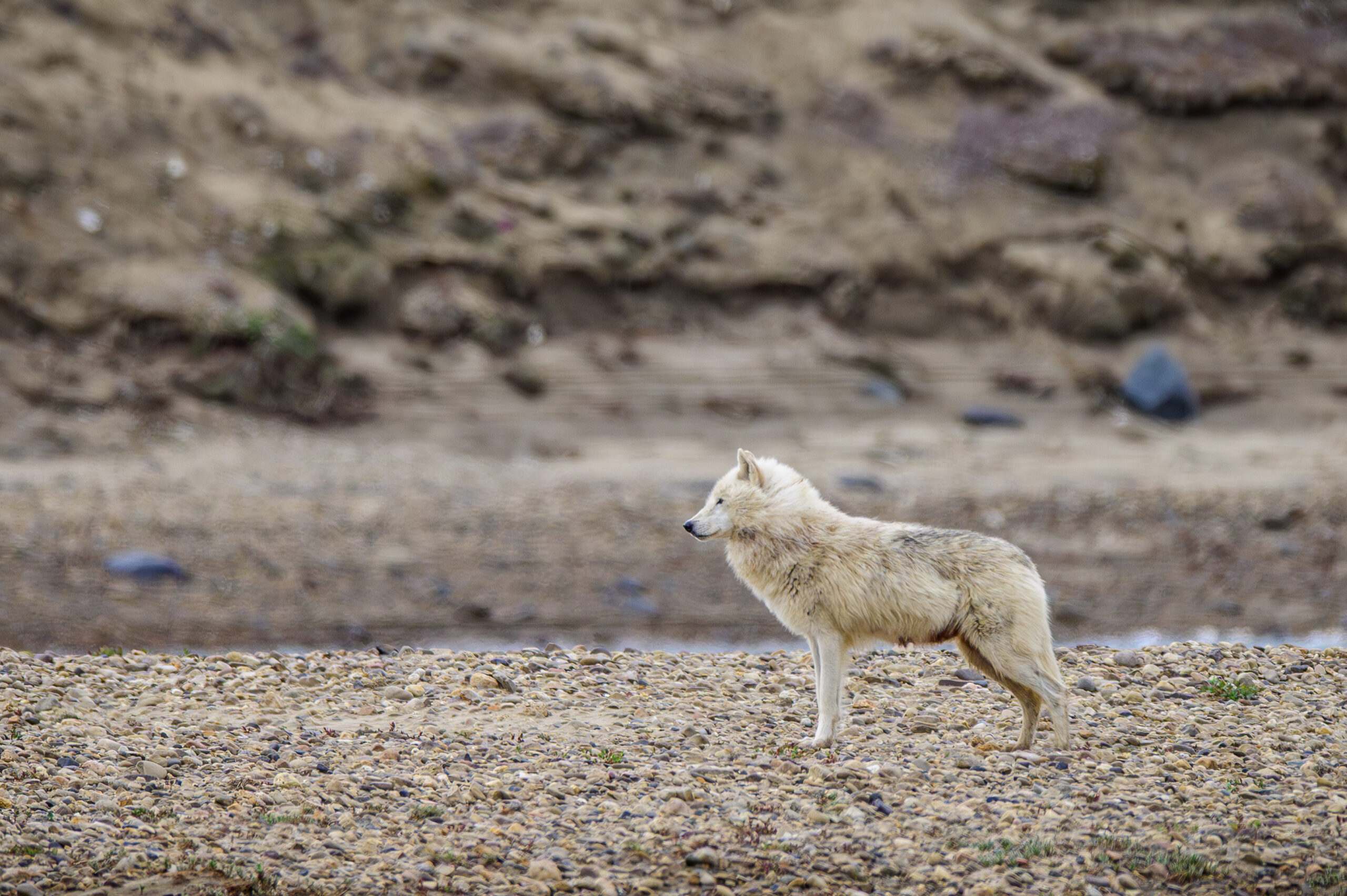
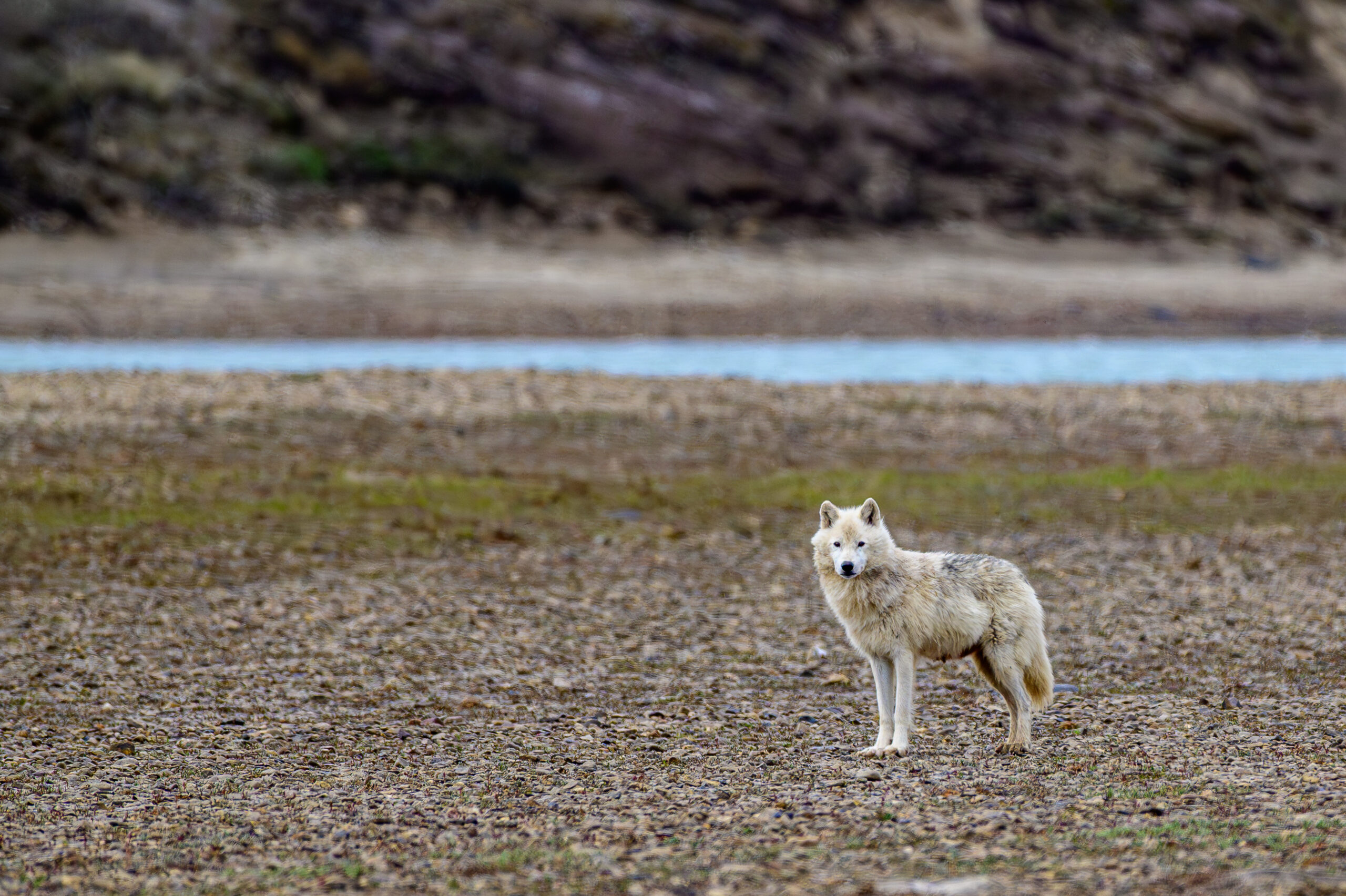
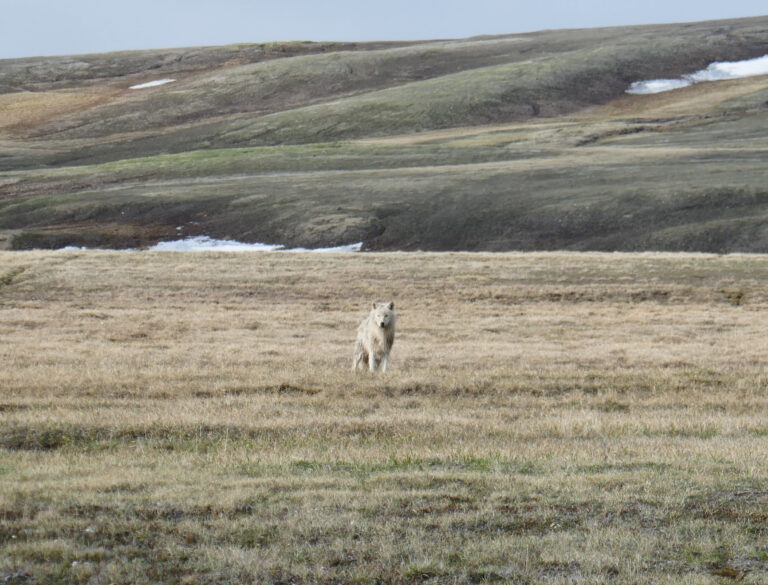
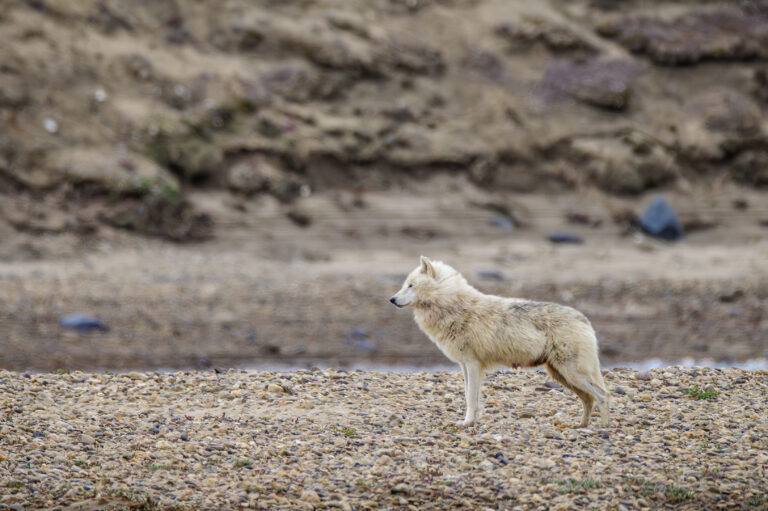
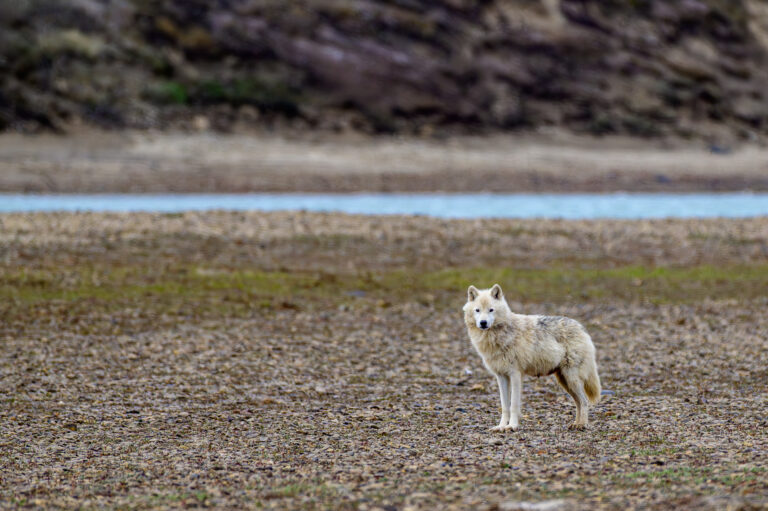
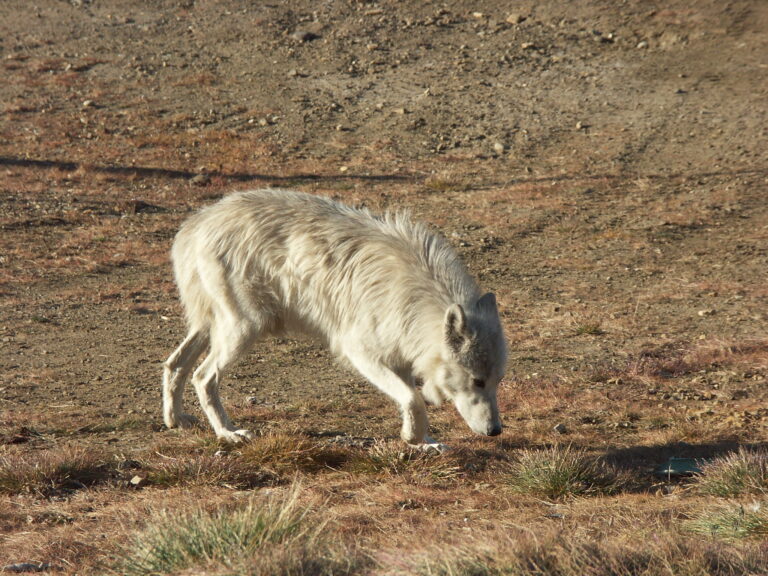
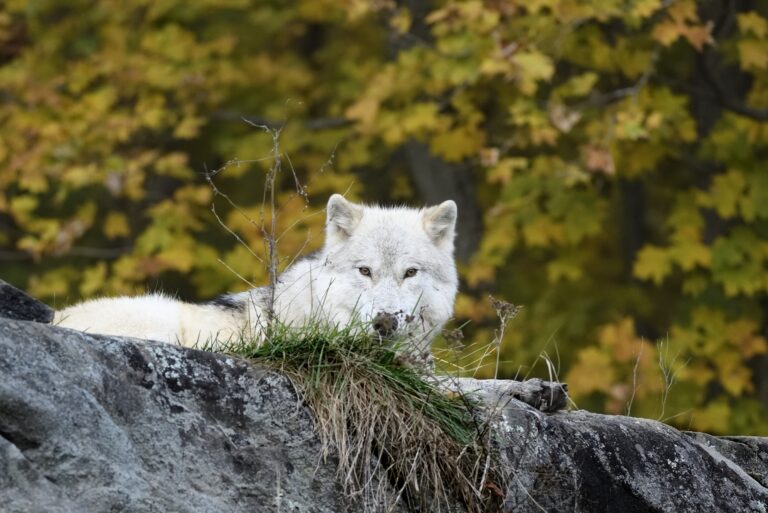
The Arctic Wolf is an amazing mammal that roams the icy landscapes of North America. Known scientifically as Canis Lupus Arcticus, this wolf has adapted perfectly to its frigid home.
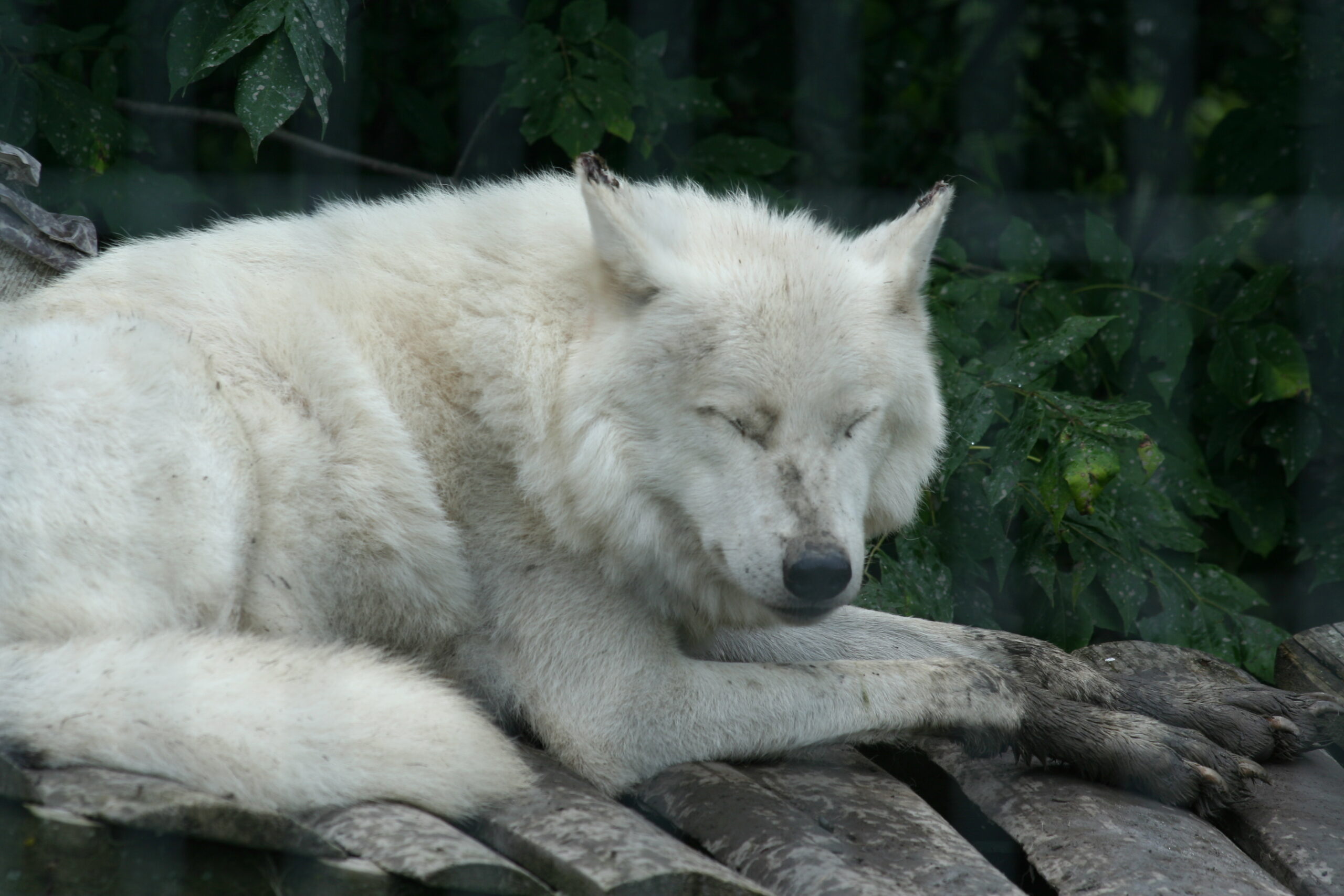
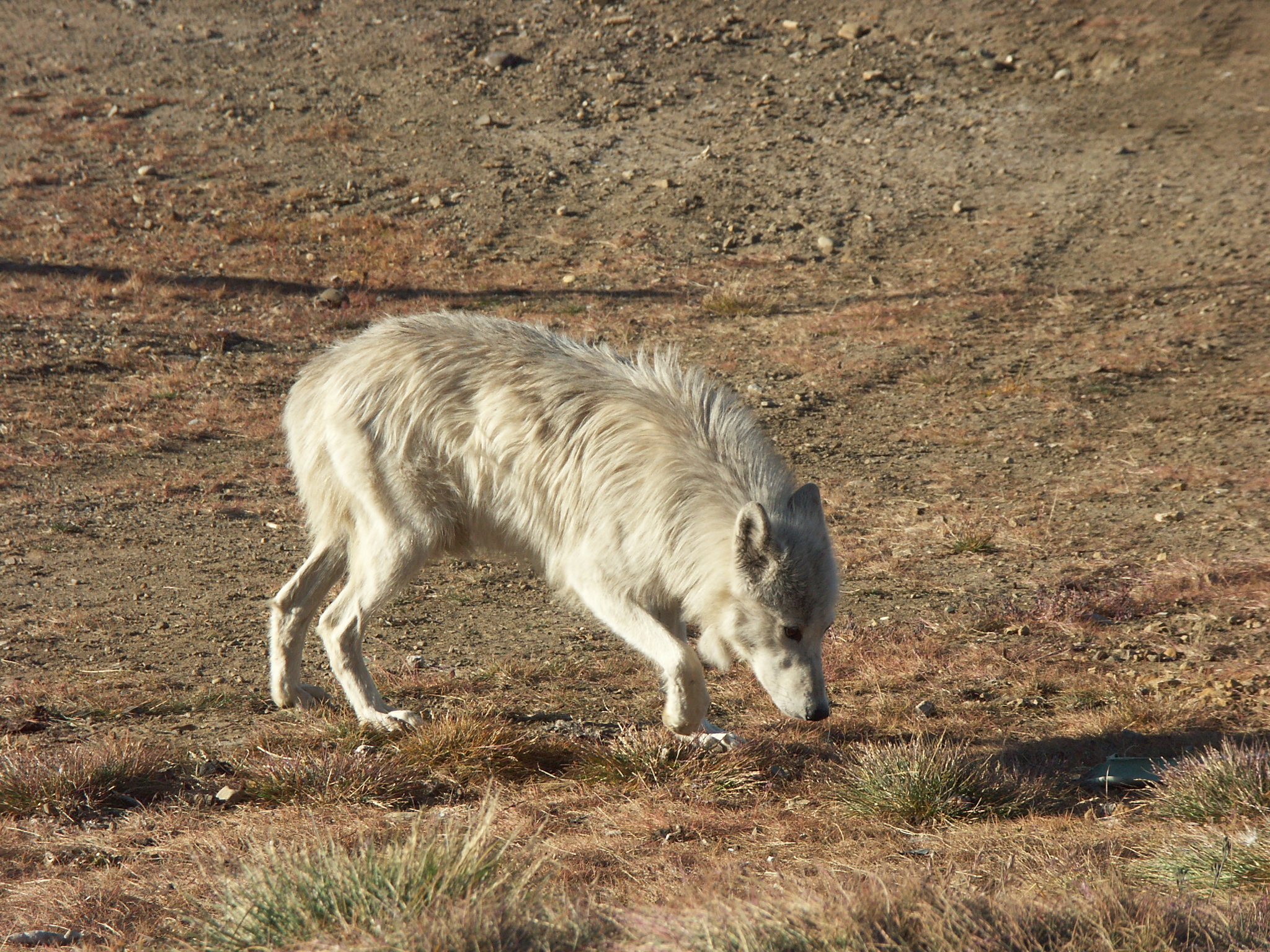
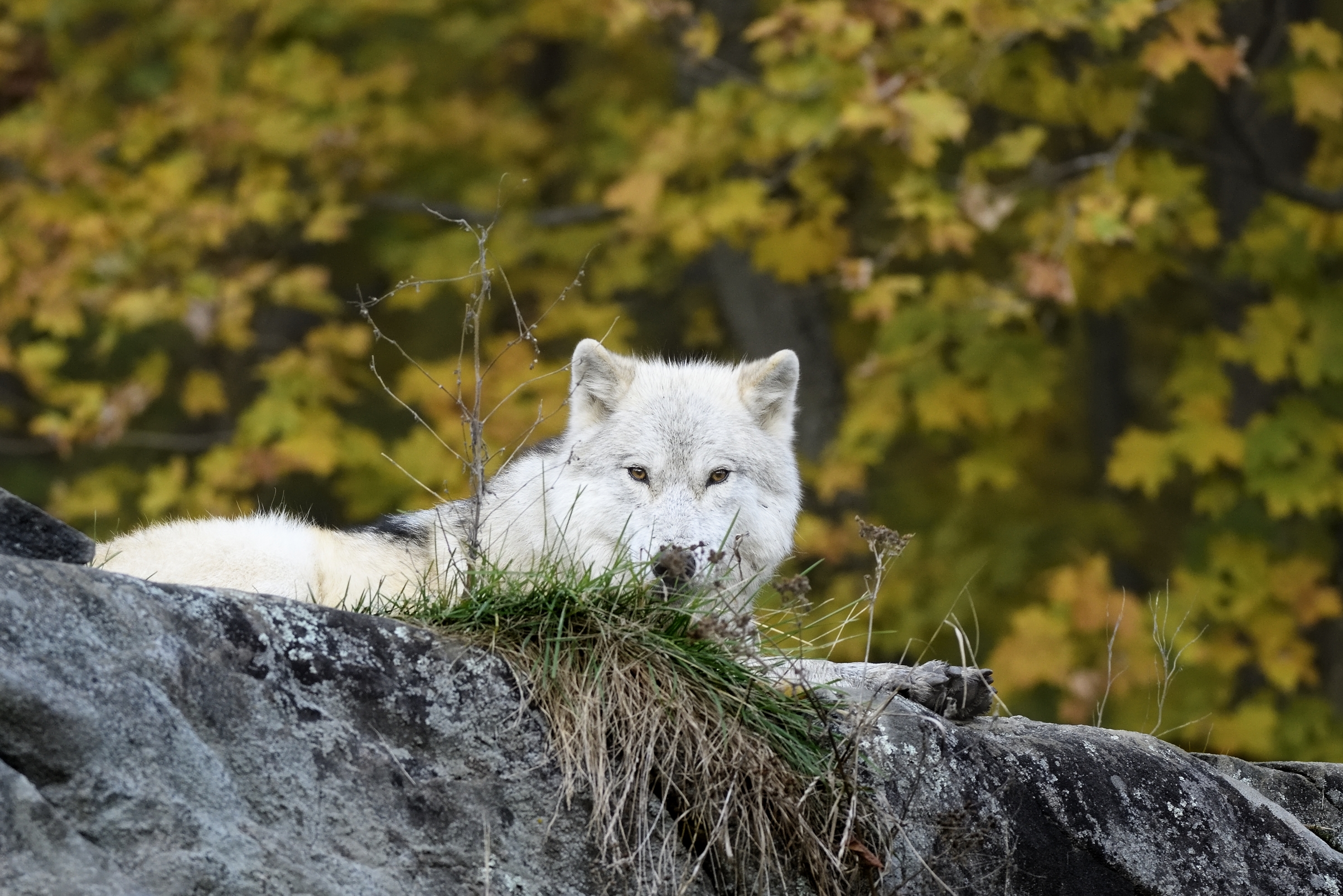
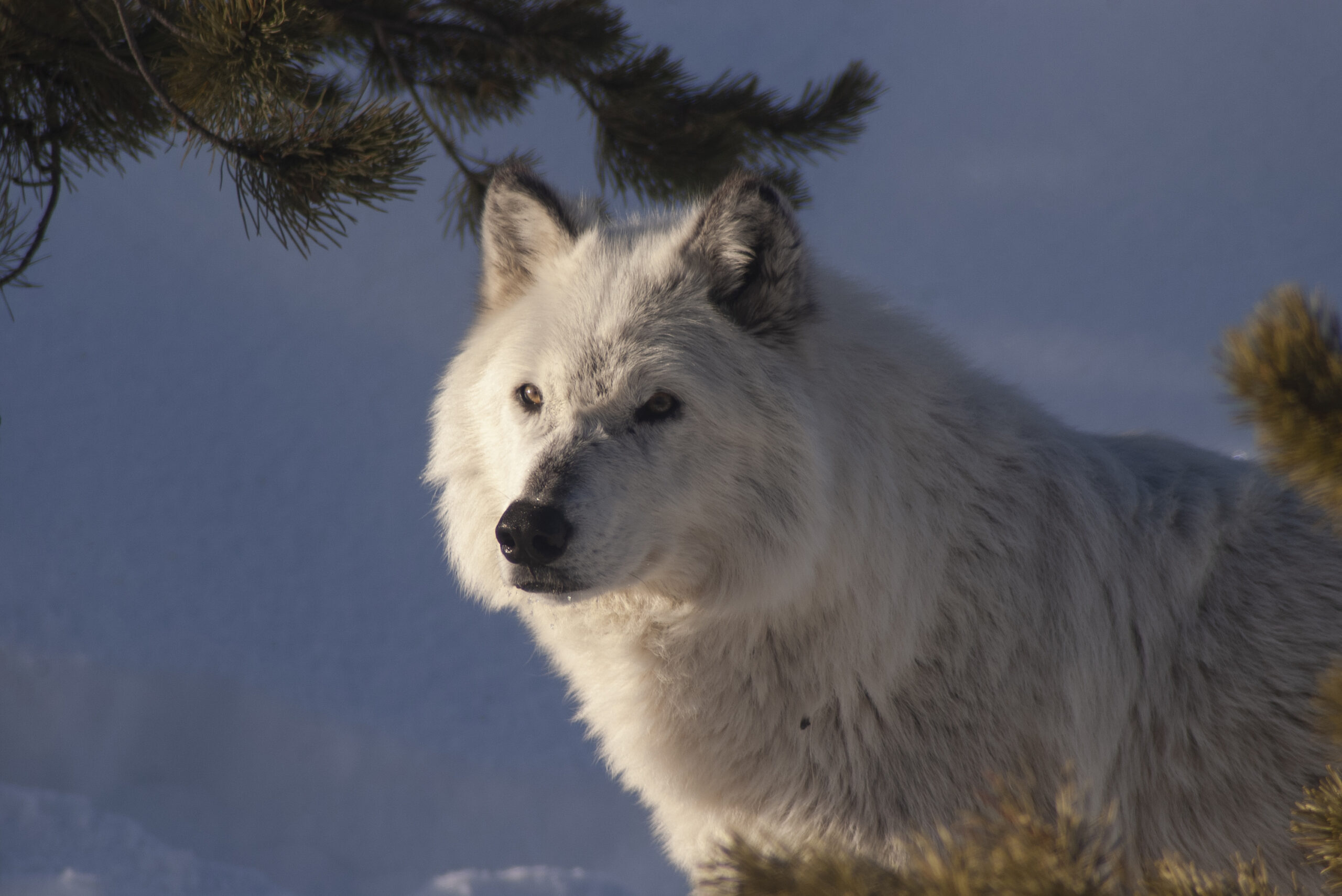
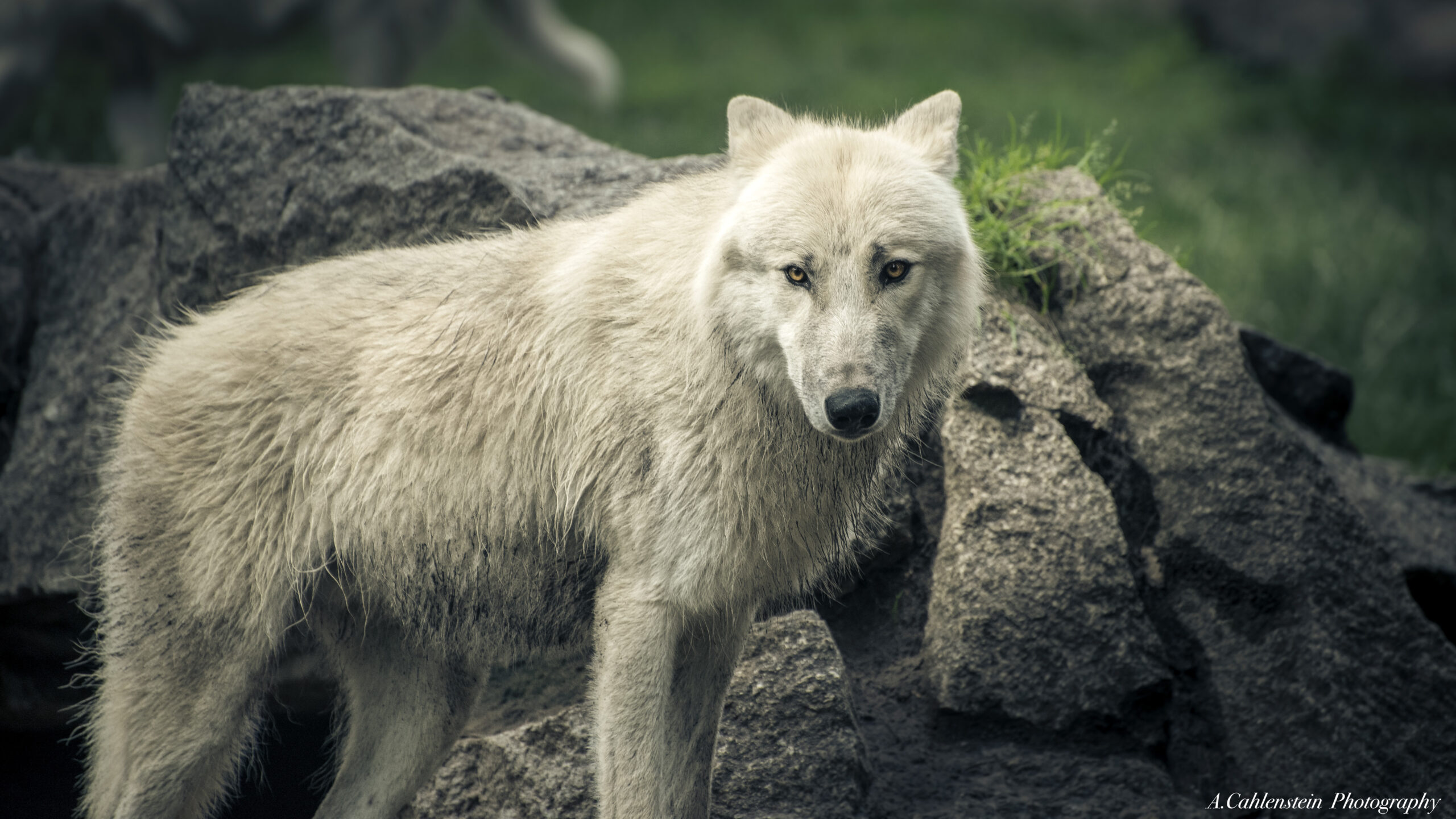
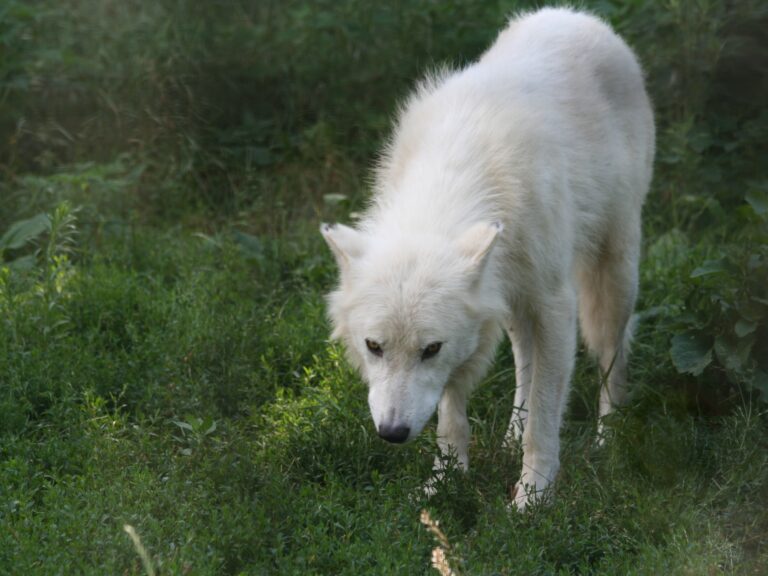
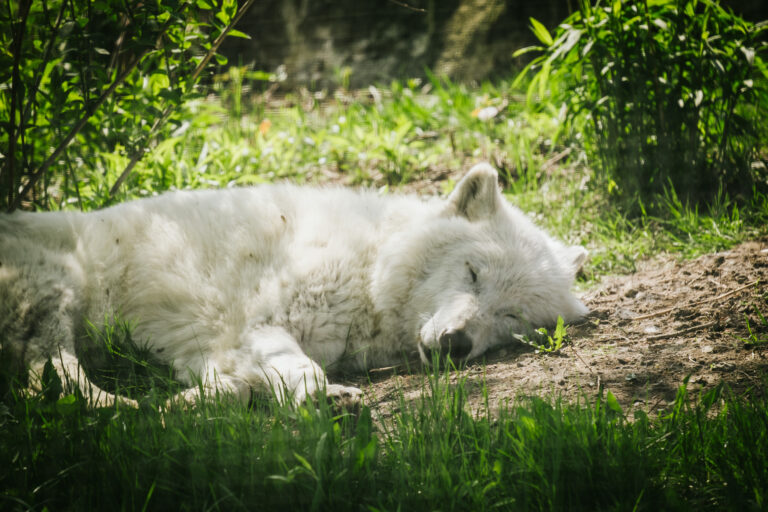
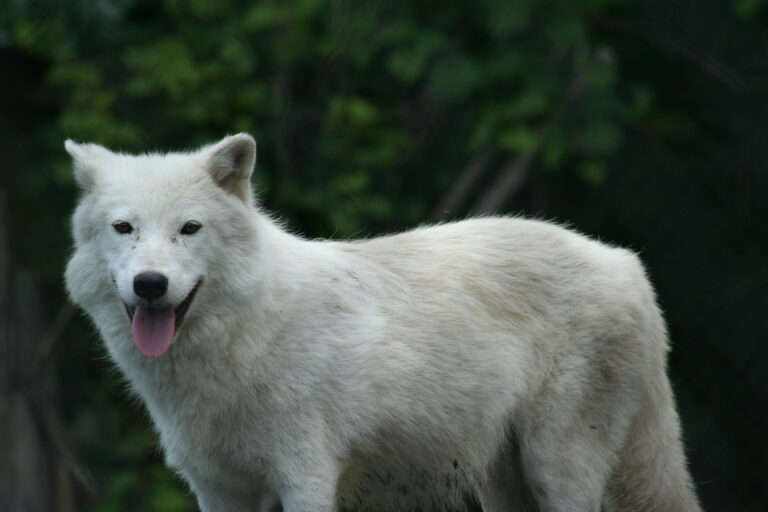
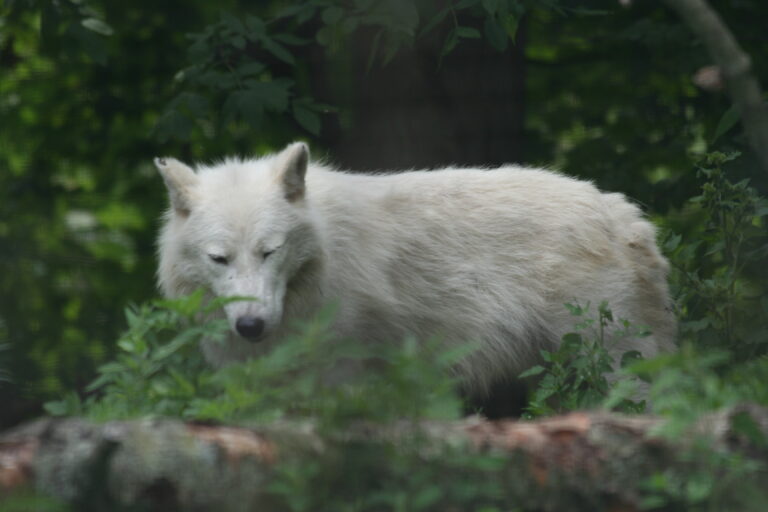
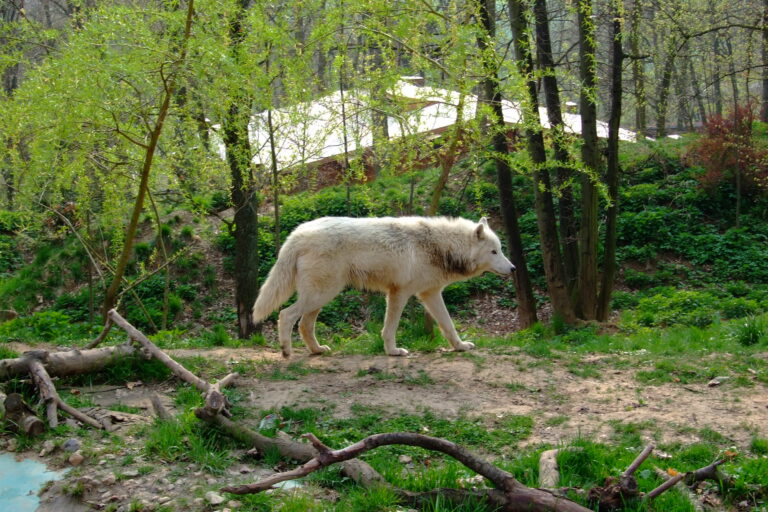
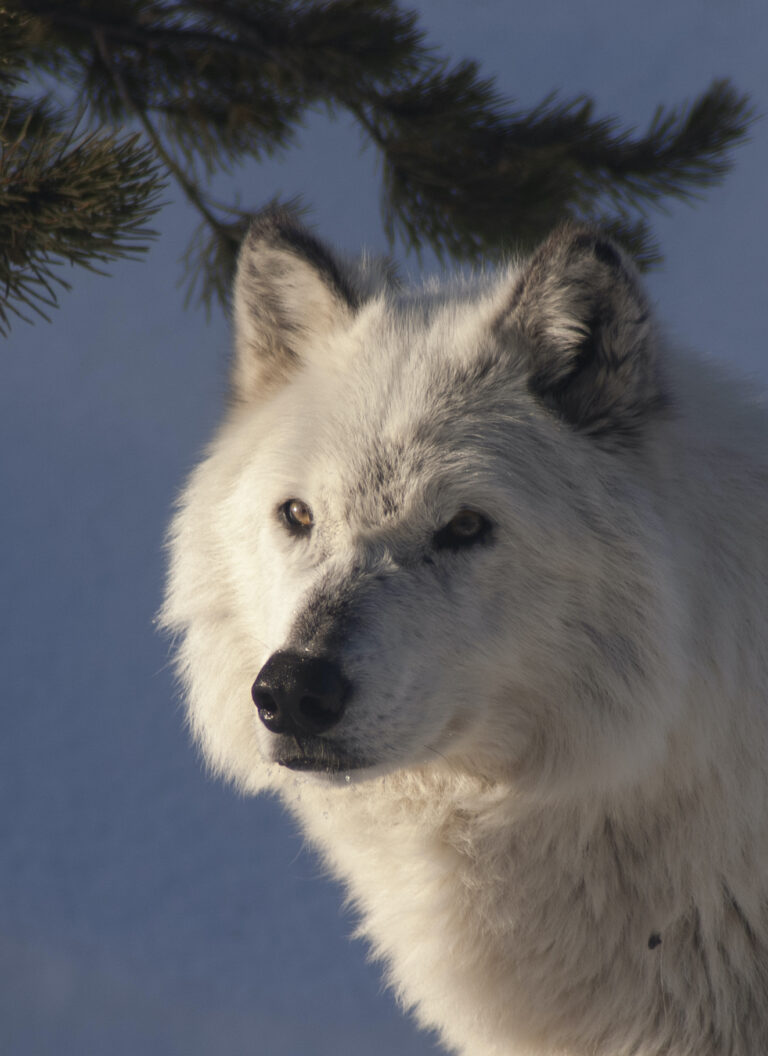
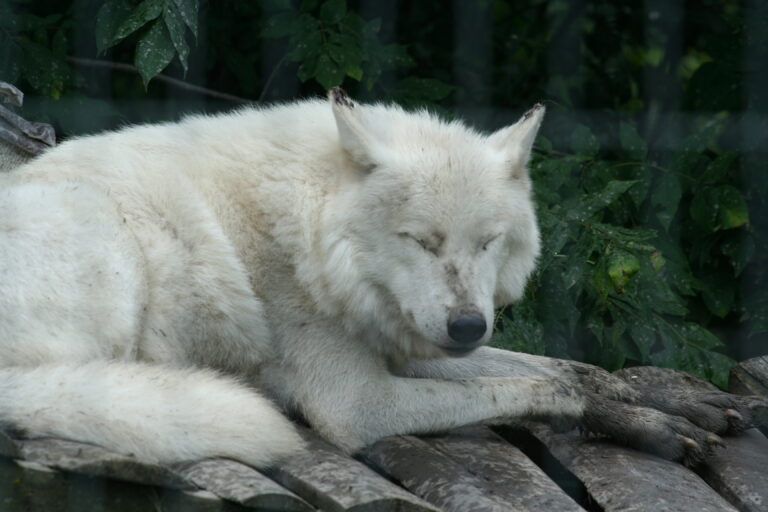
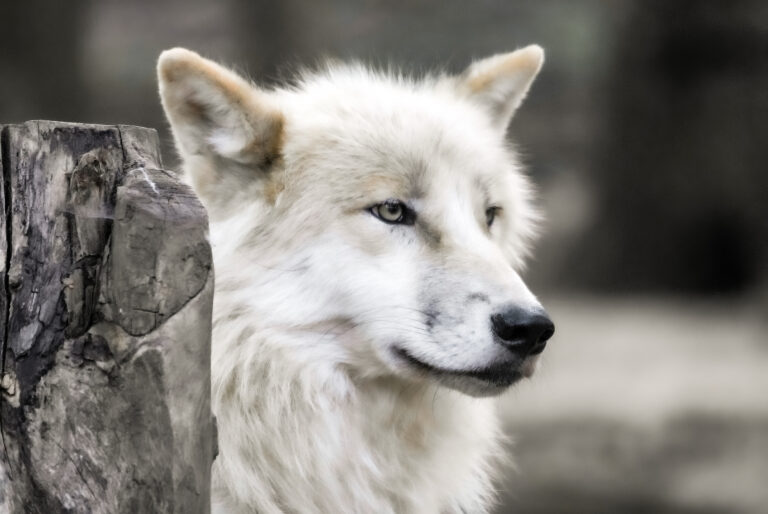
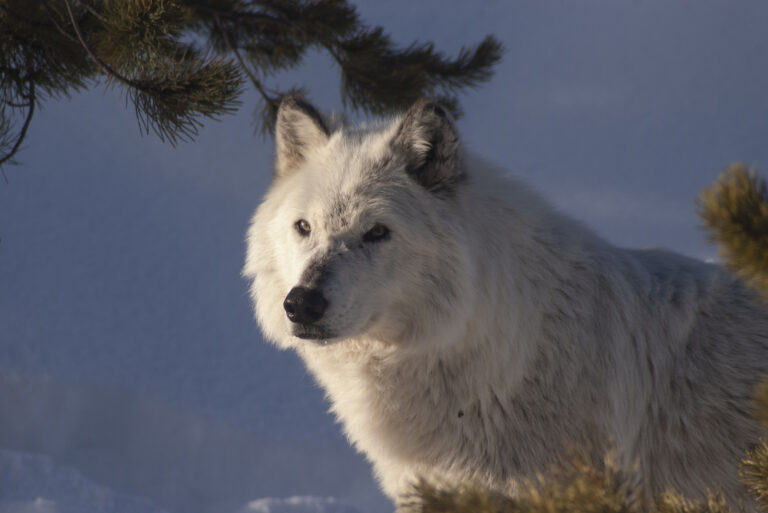
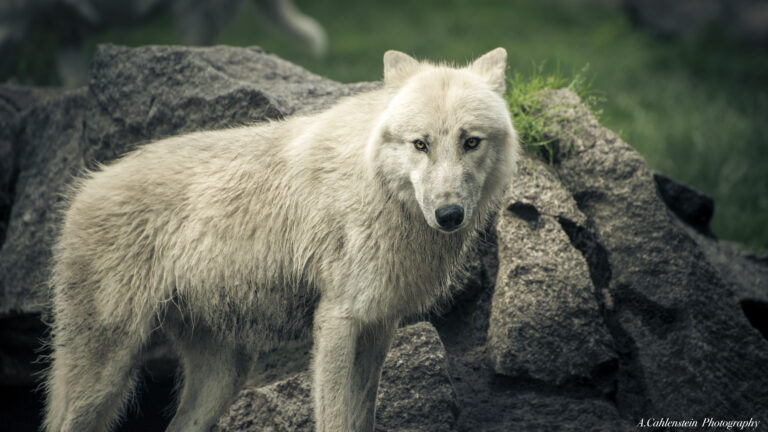
Arctic Wolves typically measure around 3 to 5 feet long, making them about the size of a small sled dog. Their thick, white fur keeps them warm while blending into the snowy surroundings, perfect for a game of hide and seek!
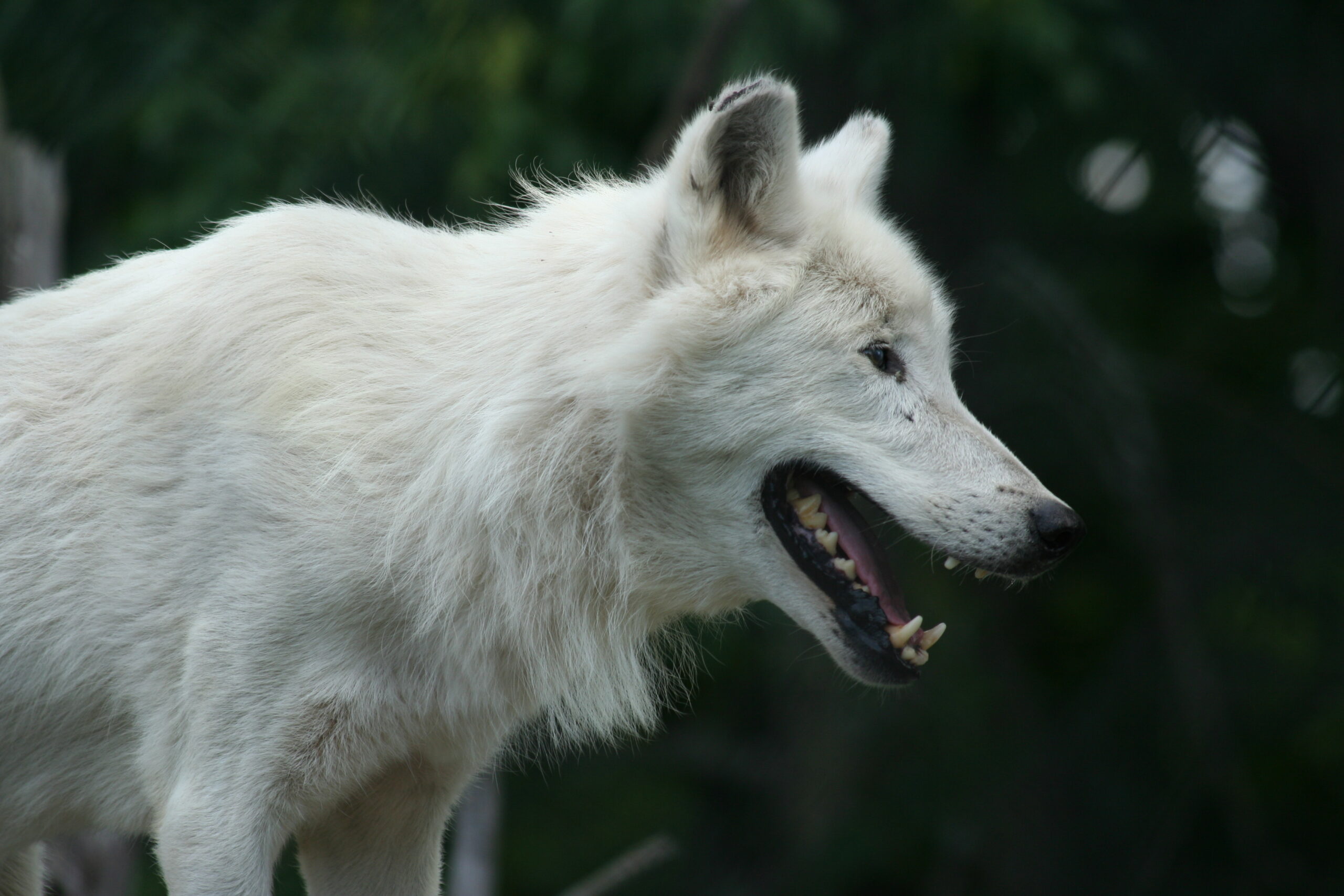
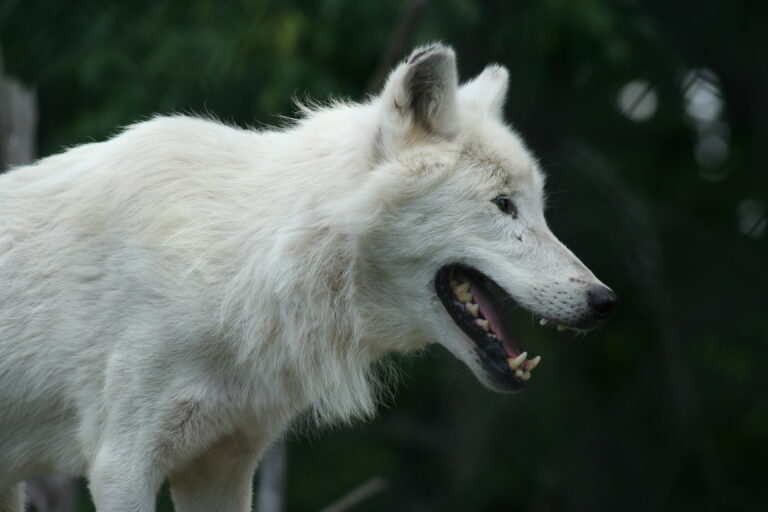
This carnivorous powerhouse mainly feasts on caribou, muskoxen, and Arctic hares. Their strong jaws and sharp teeth make 'snack time' truly a howl of a tale!
These wolves live in packs, which makes them super social animals. Working together helps them hunt more effectively and stay safe in their chilly habitat.
The average lifespan of an Arctic Wolf ranges from 7 to 10 years in the wild. During this time, they explore their icy terrain and develop strong bonds with their pack mates.
So, if you ever find yourself in the Arctic, keep your eyes peeled! You never know when an Arctic Wolf might make a spectacular snowy appearance.

Where can you find a Arctic Wolf in the wild?
What does a Arctic Wolf eat?
How big can a Arctic Wolf grow?
How long does a Arctic Wolf typically live?
What is the conservation status of the Arctic Wolf?
What are the main threats to the Arctic Wolf?
Fun facts
Arctic Wolves have a remarkable way of keeping warm in freezing temperatures - their fur is up to 10 centimeters (about 4 inches) thick, which is like having a winter coat all winter long!


These clever creatures have a unique method of hunting. They can run up to 50 kilometers per hour (about 31 miles per hour) in short bursts to catch their prey, showcasing their speed and agility in the snow!
Pack life is essential for Arctic Wolves, and they often work together to raise pups. This teamwork allows them to keep the little ones safe and share hunting duties, making parenting a group effort!
When it comes to chatting, these wolves use a variety of sounds - howls, growls, and barks help them communicate with each other. Their howls can travel for miles across the icy tundra, making them the loudest neighbors on the block!
Unlike many other wolves, Arctic Wolves do not migrate for food. They find prey in their snowy homes all year round, proving they are true winter warriors!
Little Arctic Wolf pups are born blind and depend on their parents for everything. As they grow, they develop thick fur coats and learn to hunt, transforming from cuddly pups into fierce hunters!
Arctic Wolves have an interesting diet, but they really love feasting on caribou, which can weigh over 200 kilograms (440 pounds). That’s like devouring a giant buffet after a long day of playing in the snow!
These wolves have incredible eyesight. They can spot movement from a great distance, helping them track their prey in the vast, snowy wilderness!
When Arctic Wolves travel, they tend to follow the same paths year after year. This behavior helps them conserve energy and find food more easily in the familiar snow-covered terrain!
In winter, Arctic Wolves’ feet are specially adapted with furry pads that prevent slipping on the ice, making them excellent ice skaters if they ever decide to give it a try!
Photos





The Basics


explore more
Amphibians
Arachnids
Birds
Cats
Crustaceans
Fish
Fish Pet Guide
Gastropods
Insects
Invertebrates
Mammals
Pet Fish
Pet Rodents
Plants
Reptiles
Roundworms
Sea Slugs