

Successfully copied to clipboard!
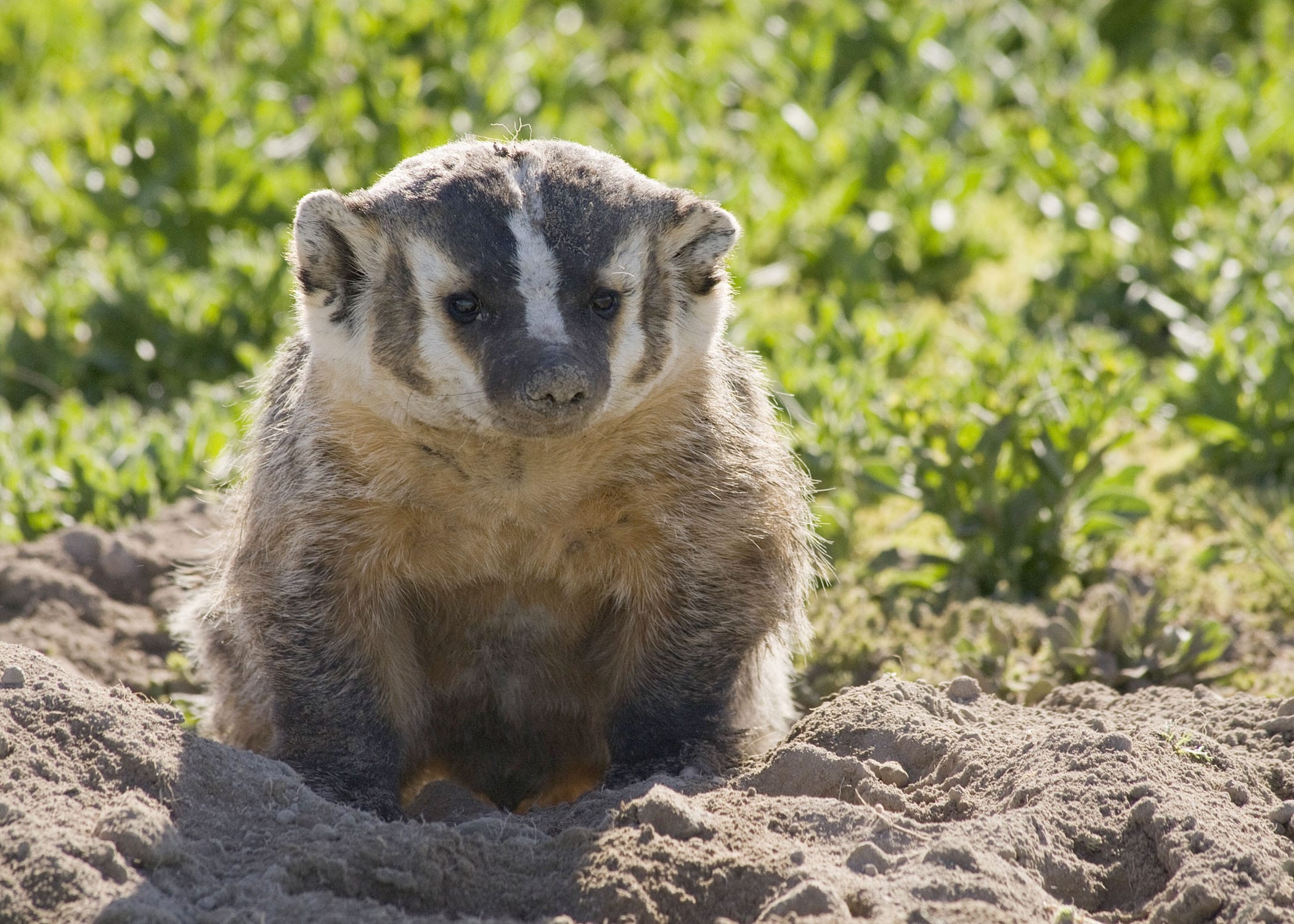
Badger
Learn about Europe’s underground architects with a charming twist!
Let’s Explore
Overview
Badgers are adorable creatures that belong to the family Mustelidae, which also includes weasels and otters. These mammals live in Europe and have become well-known for their unique appearance, with their stocky bodies and short legs.
Badgers typically measure between 50 to 86 centimeters (20 to 34 inches) long. They have thick fur that offers warmth and protection, helping them adapt to various habitats, including forests, grasslands, and even urban areas.
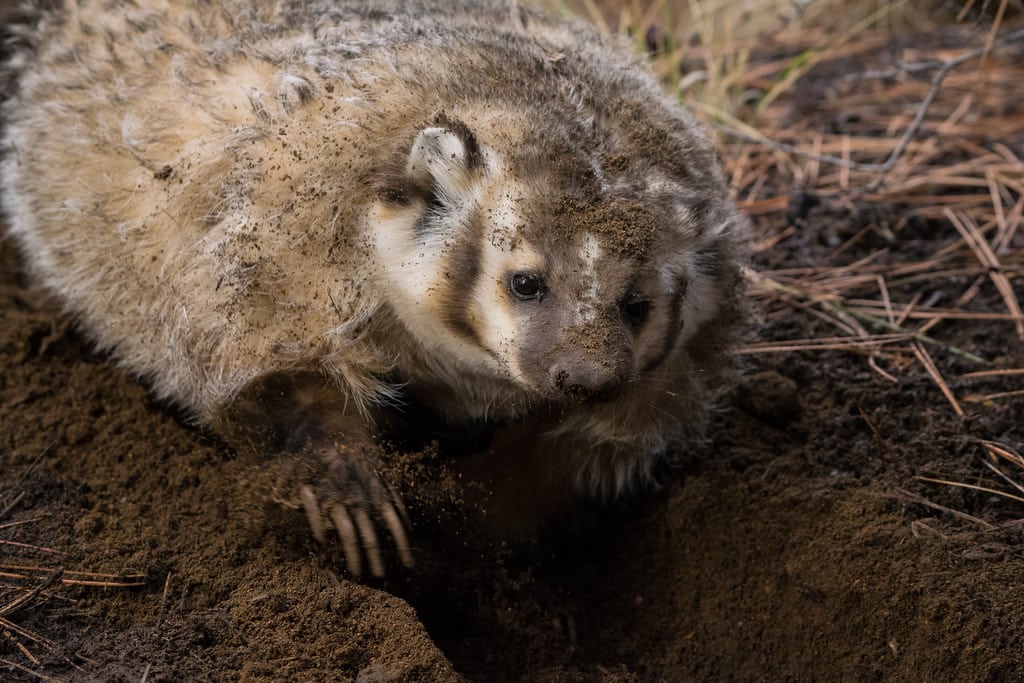
These little diggers use their strong claws to create tunnels and burrows. Badgers are excellent builders, often living in complex networks underground. Their homes can be cozy and spacious, allowing them to raise their playful young.
Badgers are not picky eaters, enjoying a diet of small mammals, insects, and plants. They are like nature's recyclers, helping keep the ecosystem balanced by controlling insect populations and clearing away dead matter.
In the wild, badgers can live up to 9 to 10 years, reminding us that even small creatures can have long lives! These furry friends tend to live in groups, called cete, where they work together to keep an eye out for any sneaky predators.
With their big, expressive eyes and cute faces, badgers remind us that nature offers quirky and unique wonders. So the next time you think about badgers, picture these charming creatures digging up the dirt, searching for their next snack!

Where can you find a Badger in the wild?
What does a Badger eat?
How big can a Badger grow?
How long does a Badger typically live?
What is the conservation status of the Badger?
What are the main threats to the Badger?
Fun facts
Badgers have super strong claws that help them dig underground tunnels quickly, allowing them to create homes and look for food!


These furry friends can run as fast as 30 kilometers per hour (19 miles per hour) when they feel a little scared or excited.
Badgers sleep in communal burrows with their family members, sharing cozy rooms and keeping warm during chilly nights!
During the fall, badgers eat a lot to prepare for winter. They fatten up like little furry potatoes, getting ready to hibernate!
When excited or threatened, badgers can hiss, growl, and even let out a loud 'puff' sound, like a mini monster warning you to stay away!
Badgers have whiskers that help them feel their way in the dark and check out if they can squeeze through small spaces!
These clever critters mark their territory by using scent from their bodies, leaving a 'message' for other badgers that says, 'This is my amazing home!'
Even though they are mammals, badgers will take a quick bath in mud to cool off in the summer heat - talk about a muddy spa day!
Badgers can recognize their family members, showing that they have strong social bonds much like humans do!
With their thick fur coats, badgers can tolerate cold weather better than most animals, so they stay active even in snowy conditions!
Photos
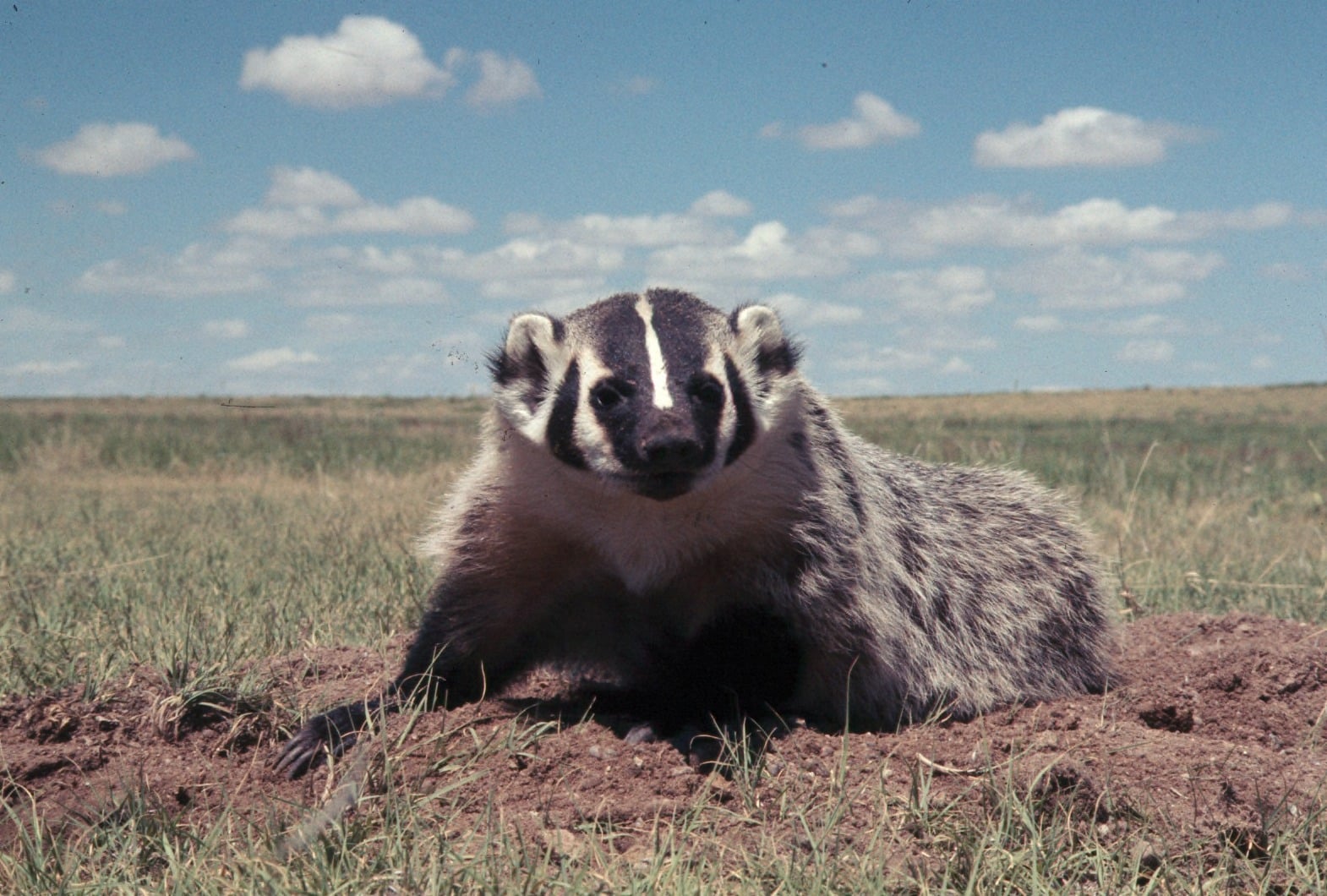
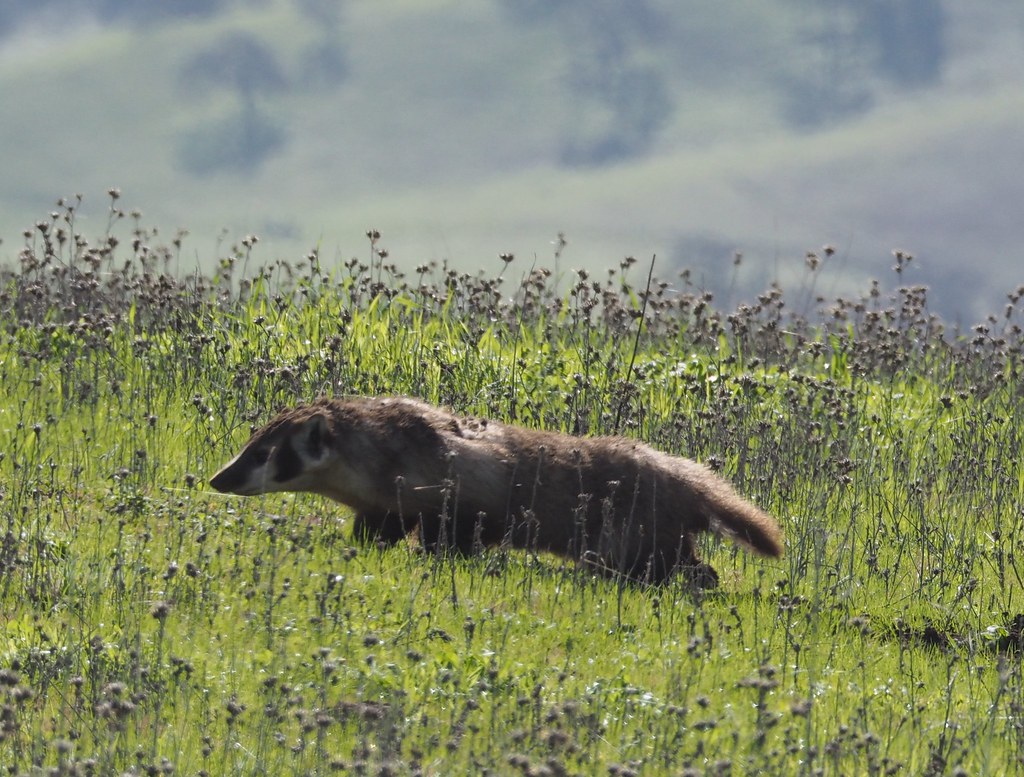
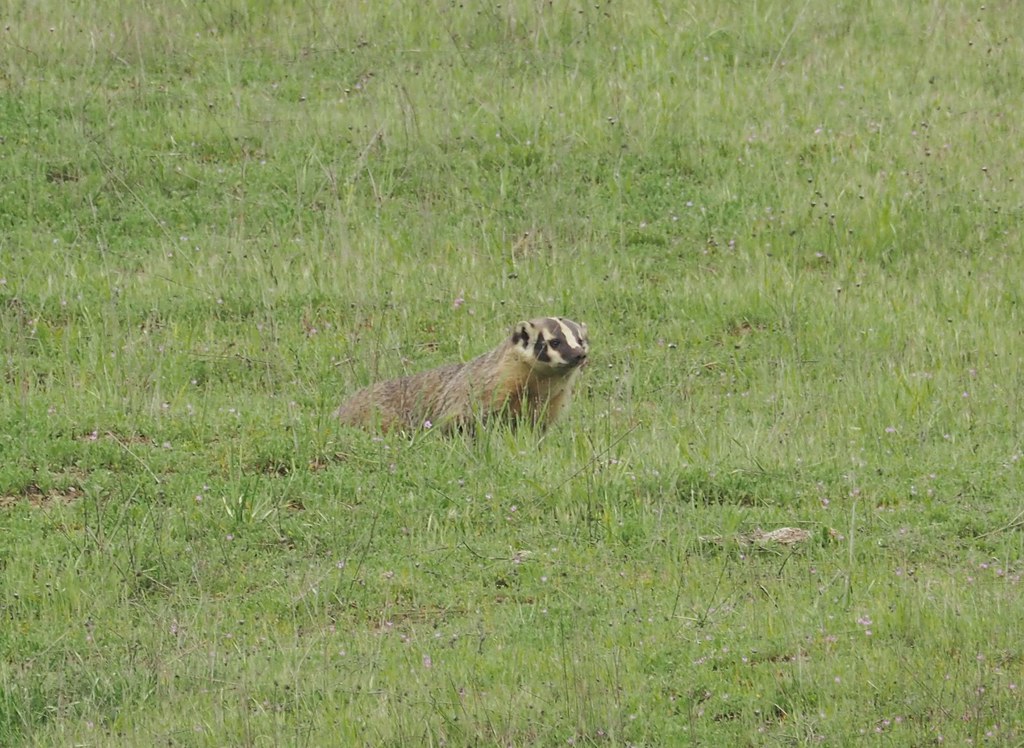
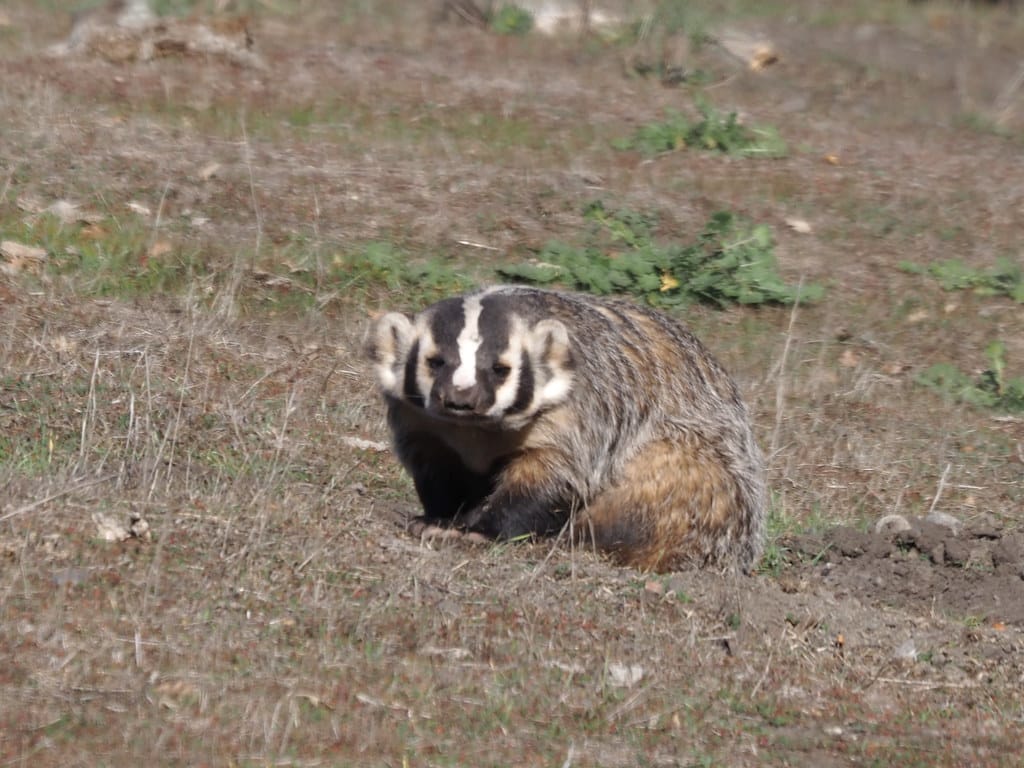
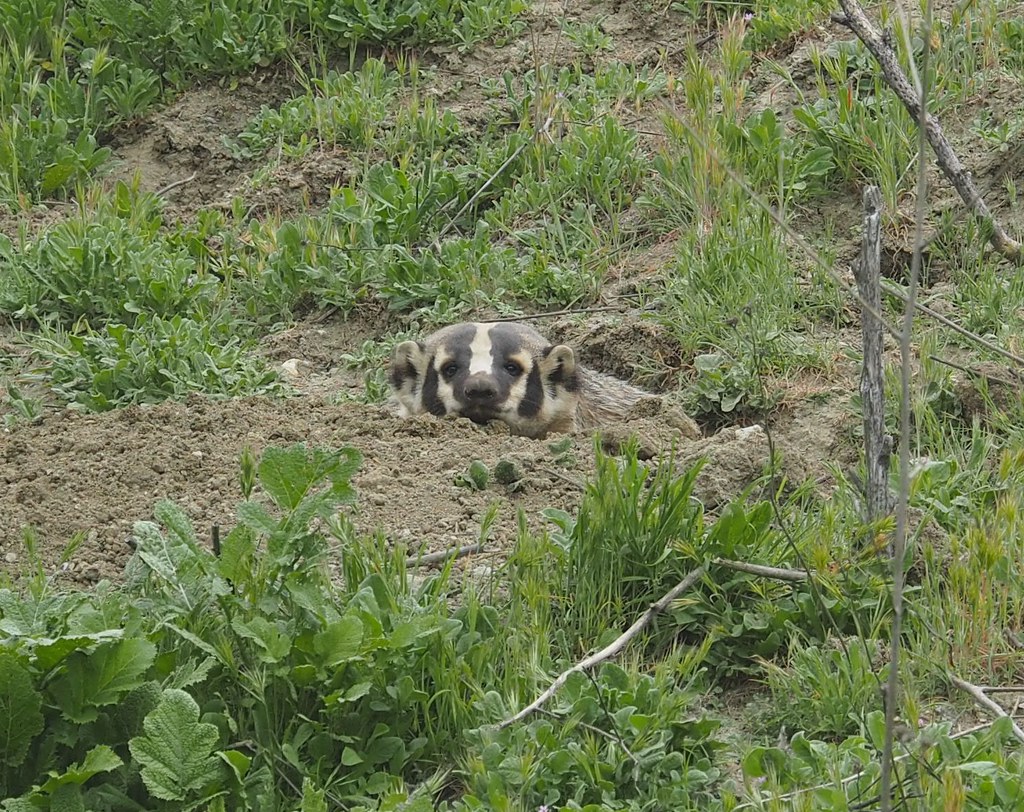
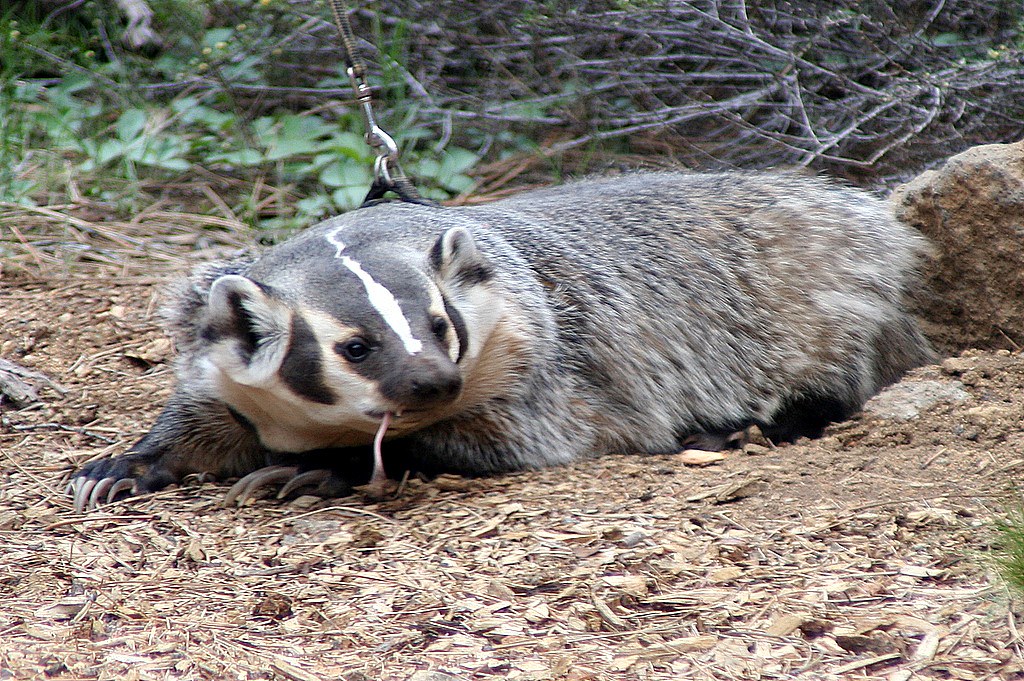
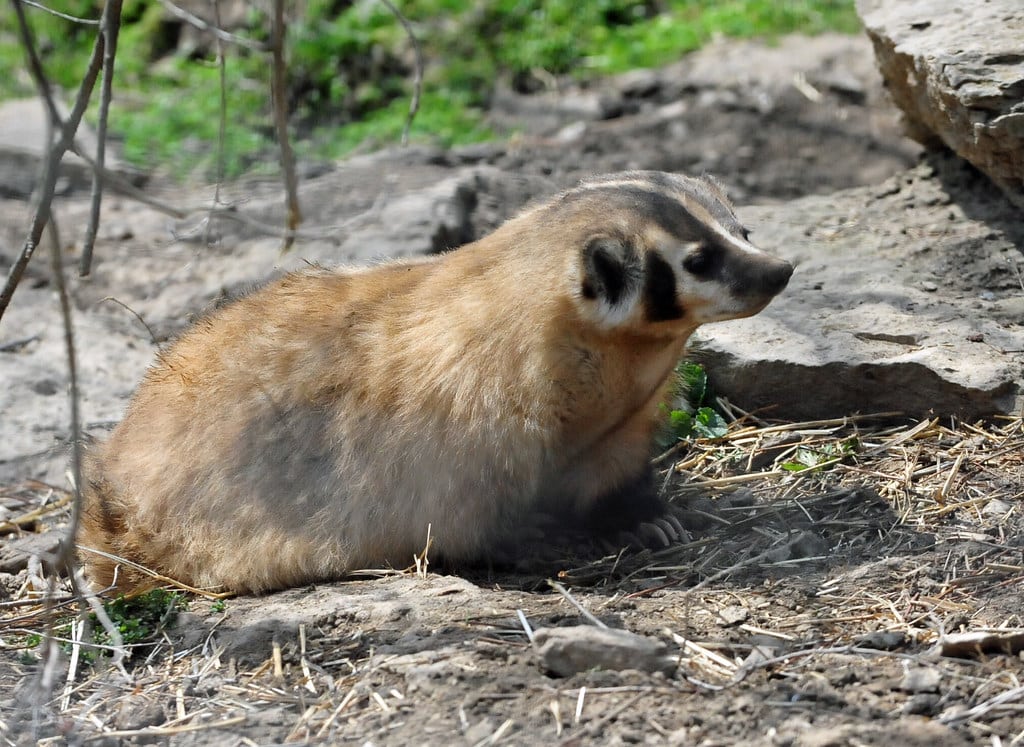
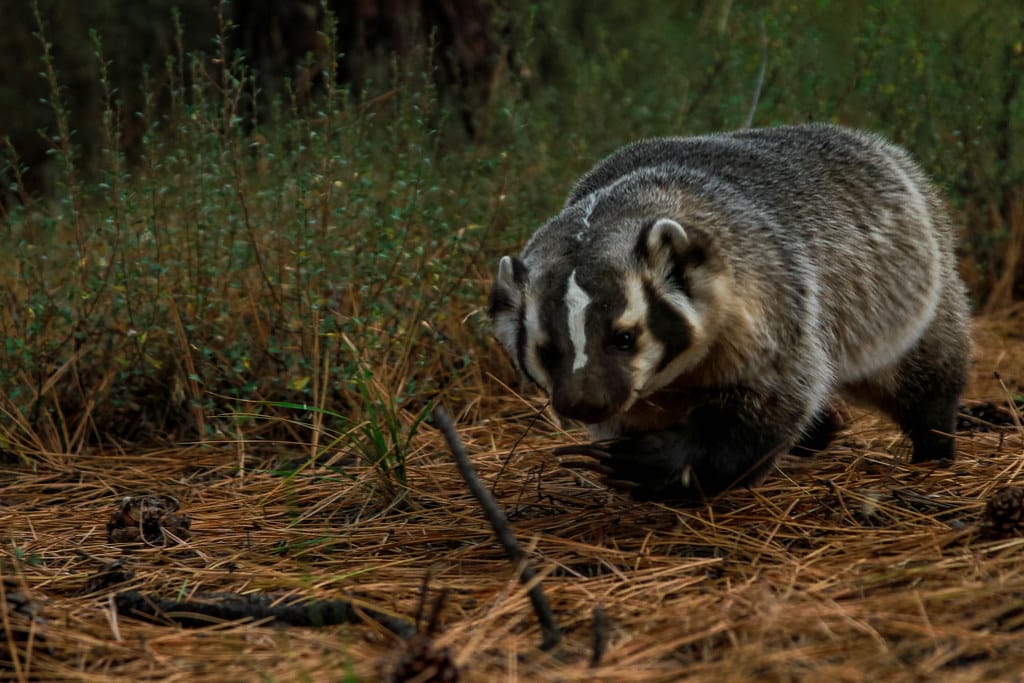
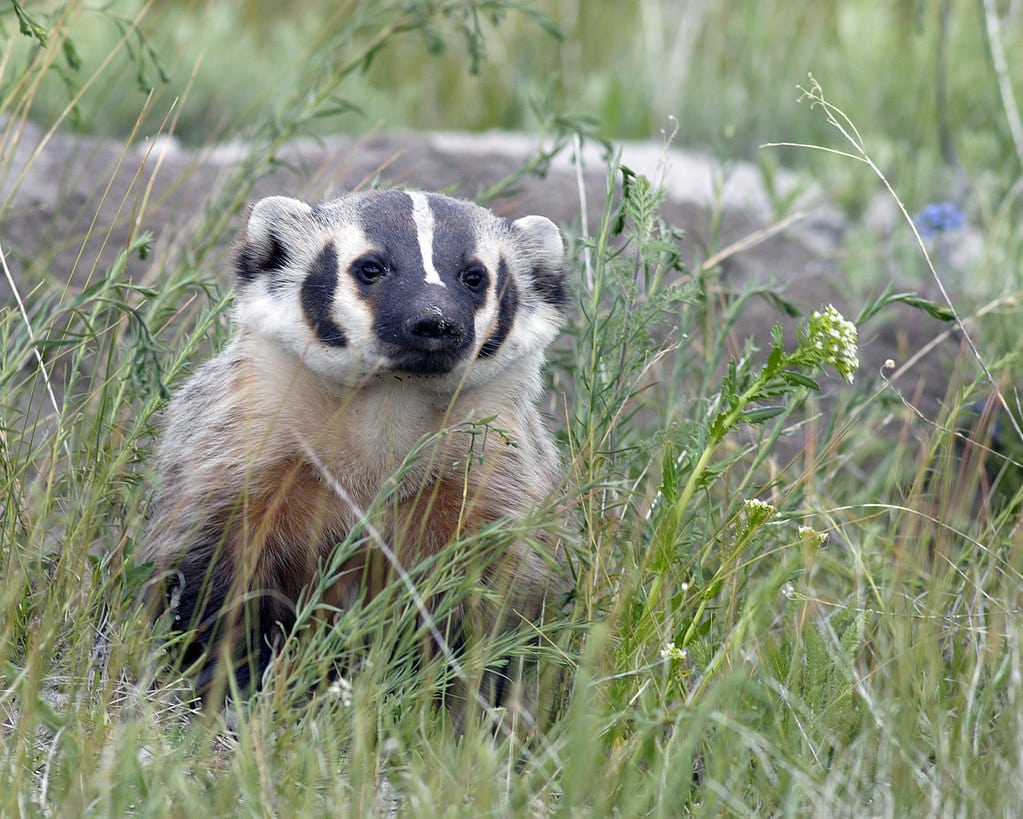
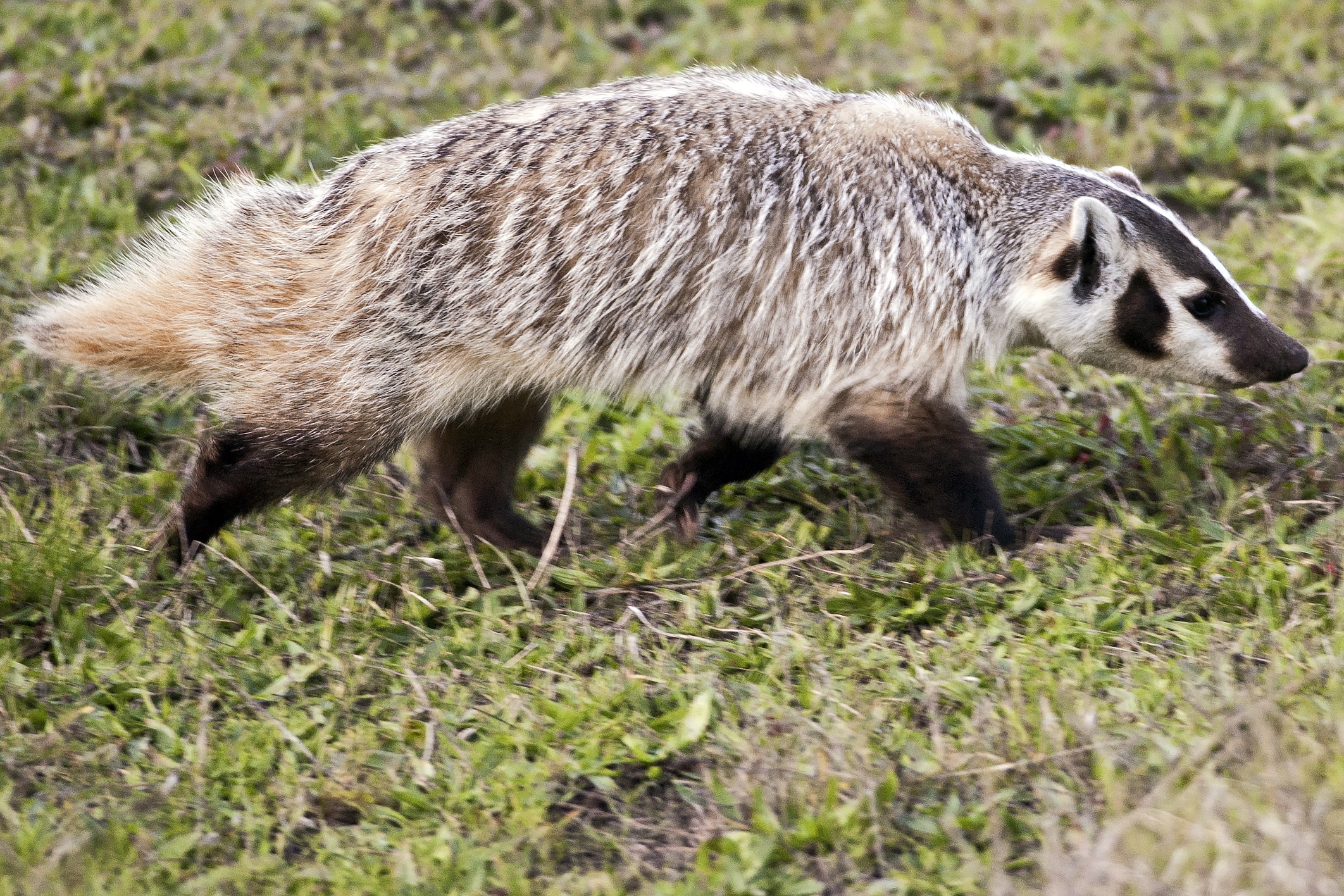
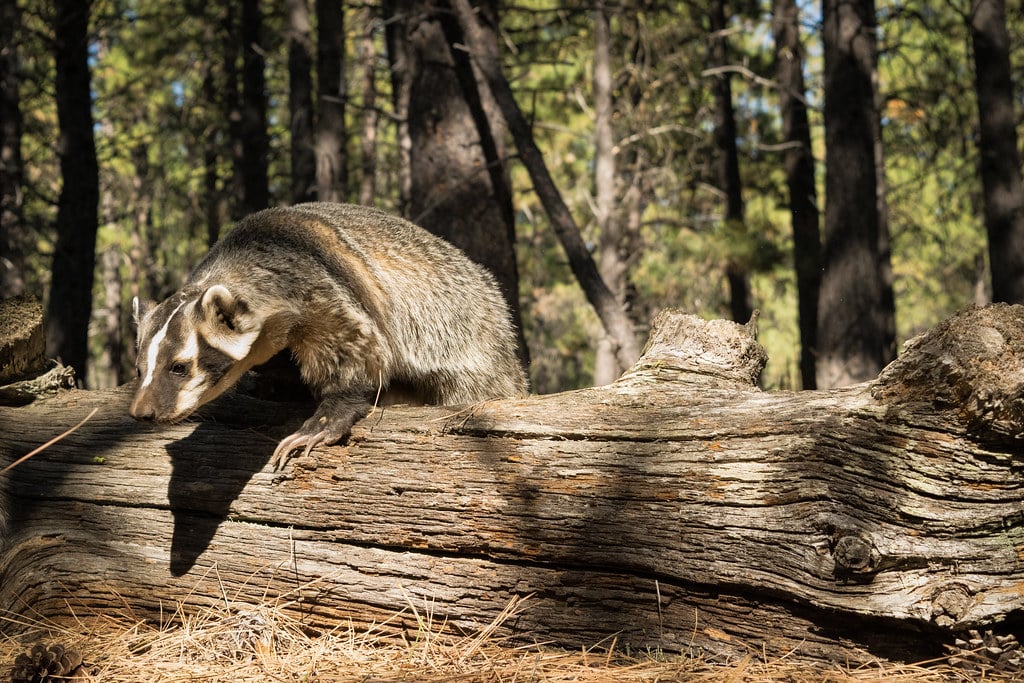
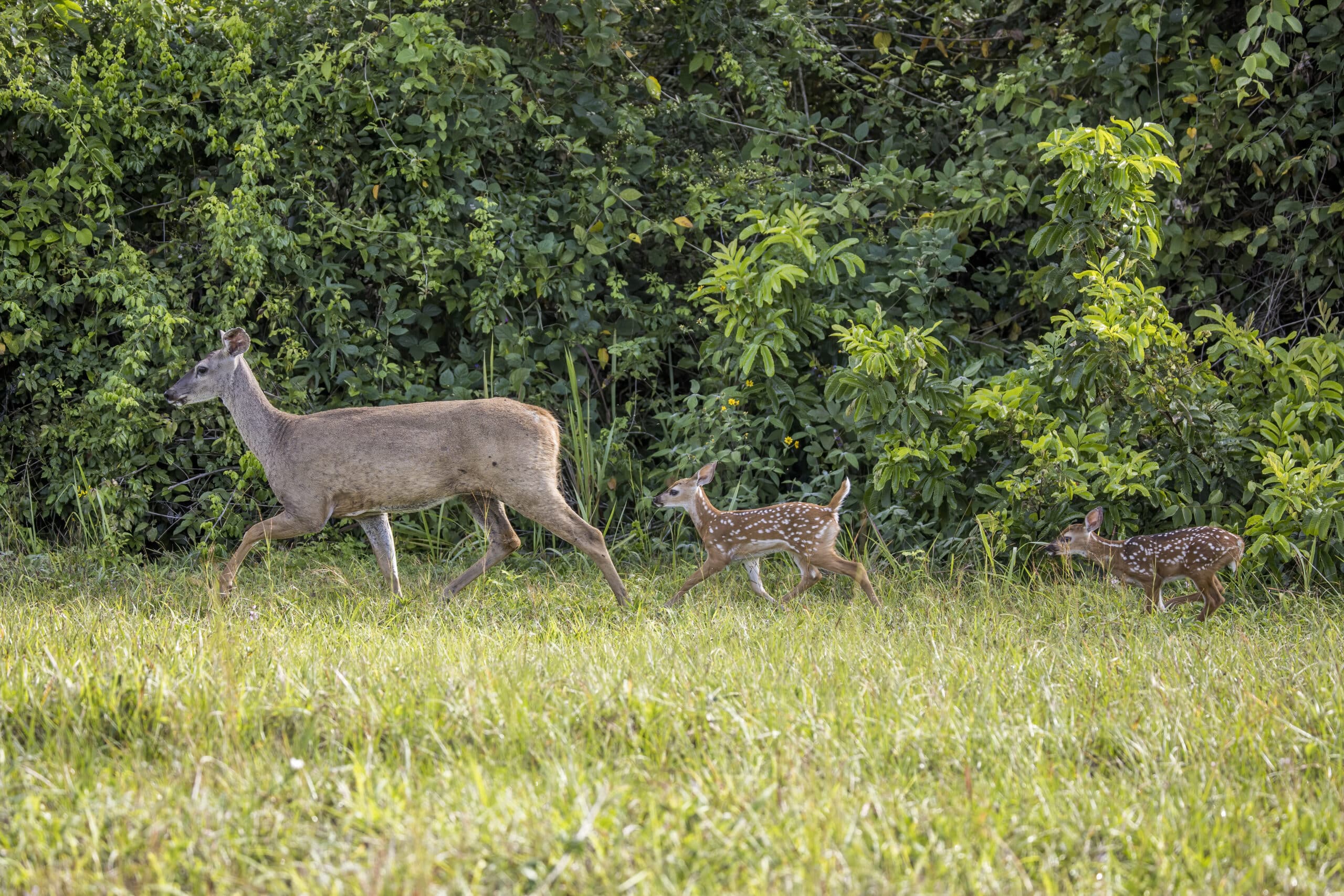
American badger sitting near burrow
" by null is licensed under CC BY-SA 4.0

The Basics


explore more
Amphibians
Arachnids
Birds
Cats
Crustaceans
Fish
Fish Pet Guide
Gastropods
Insects
Invertebrates
Mammals
Pet Fish
Pet Rodents
Plants
Reptiles
Roundworms
Sea Slugs
