
Successfully copied to clipboard!
Banded Palm Civet
Uncover the playful acrobats of Southeast Asia's rainforests!
Let’s Explore
Overview
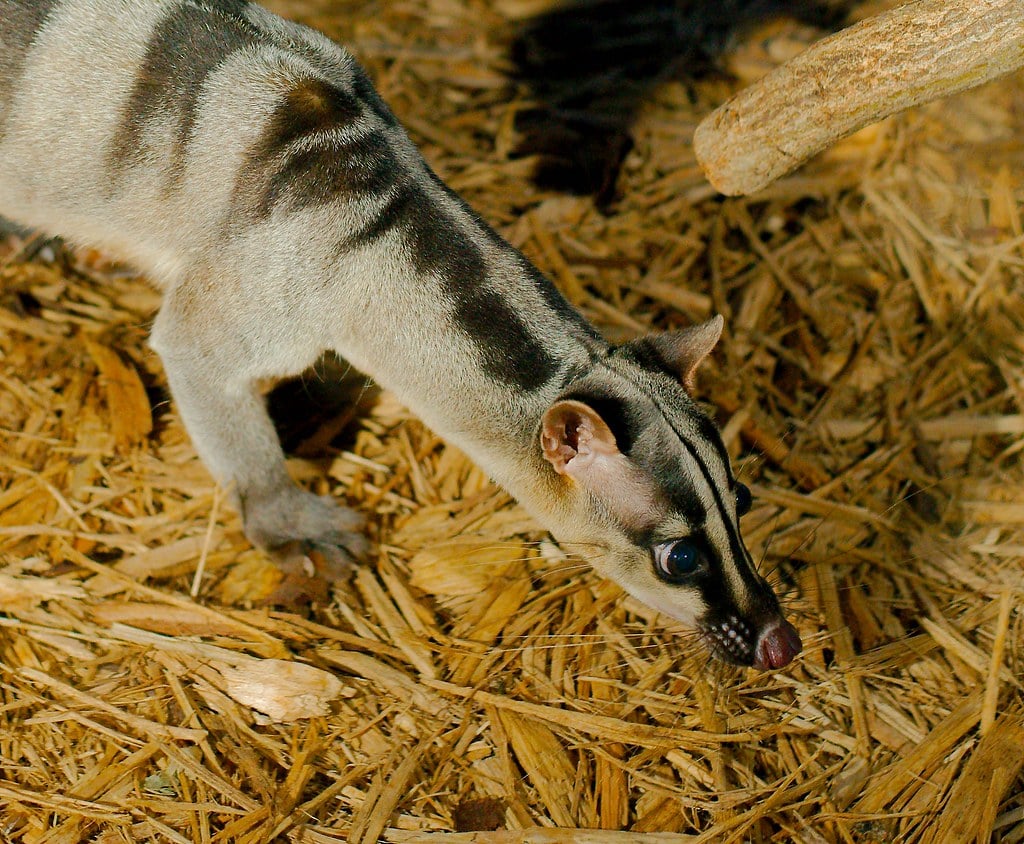
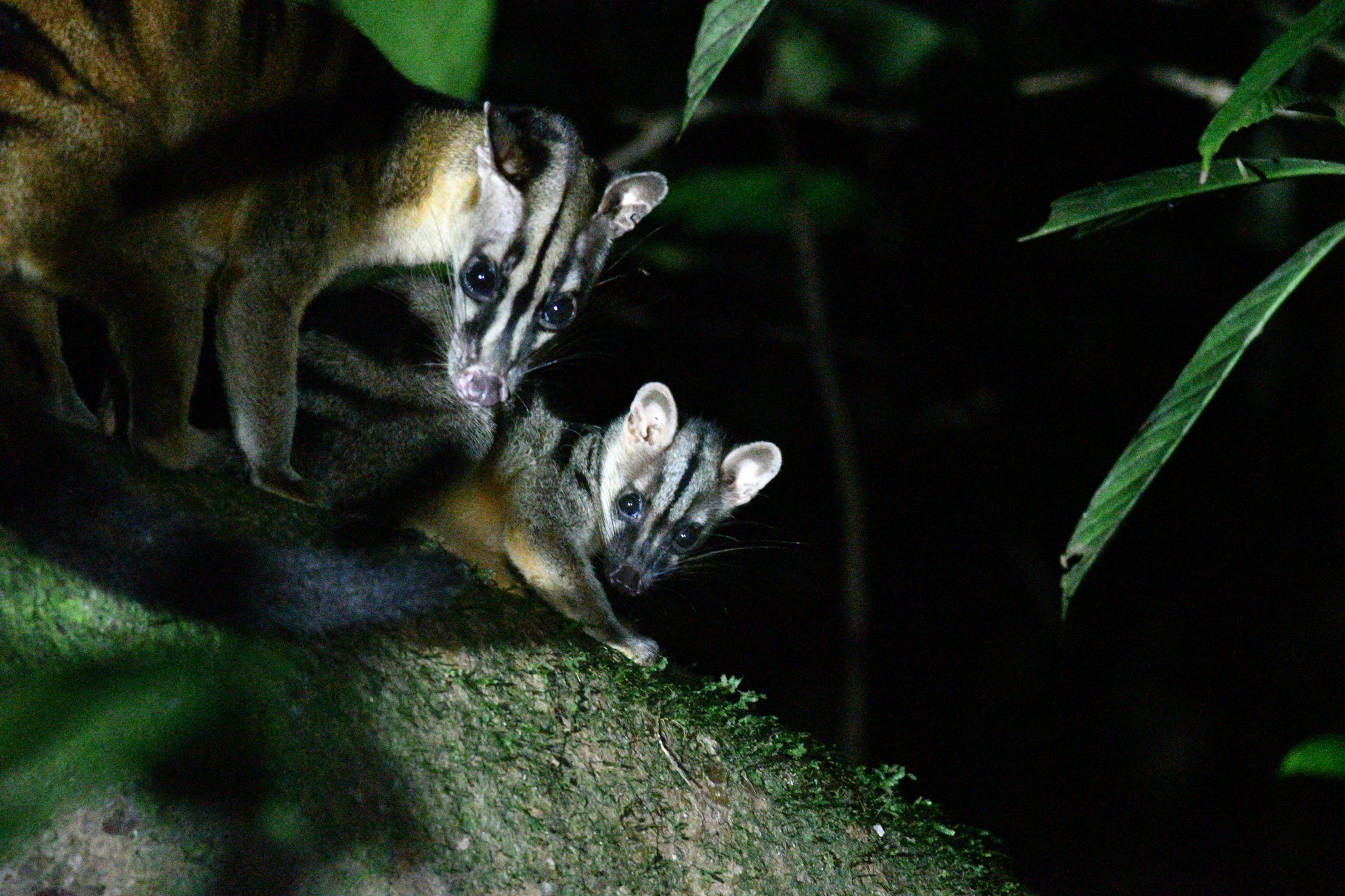
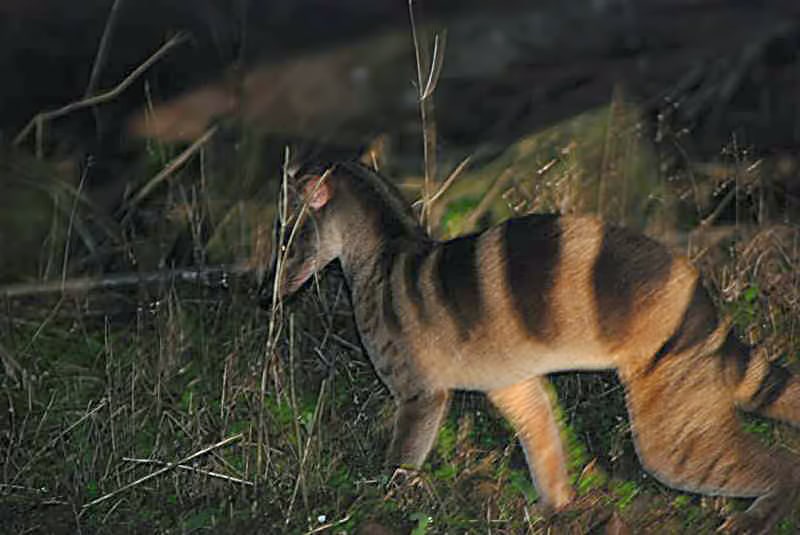
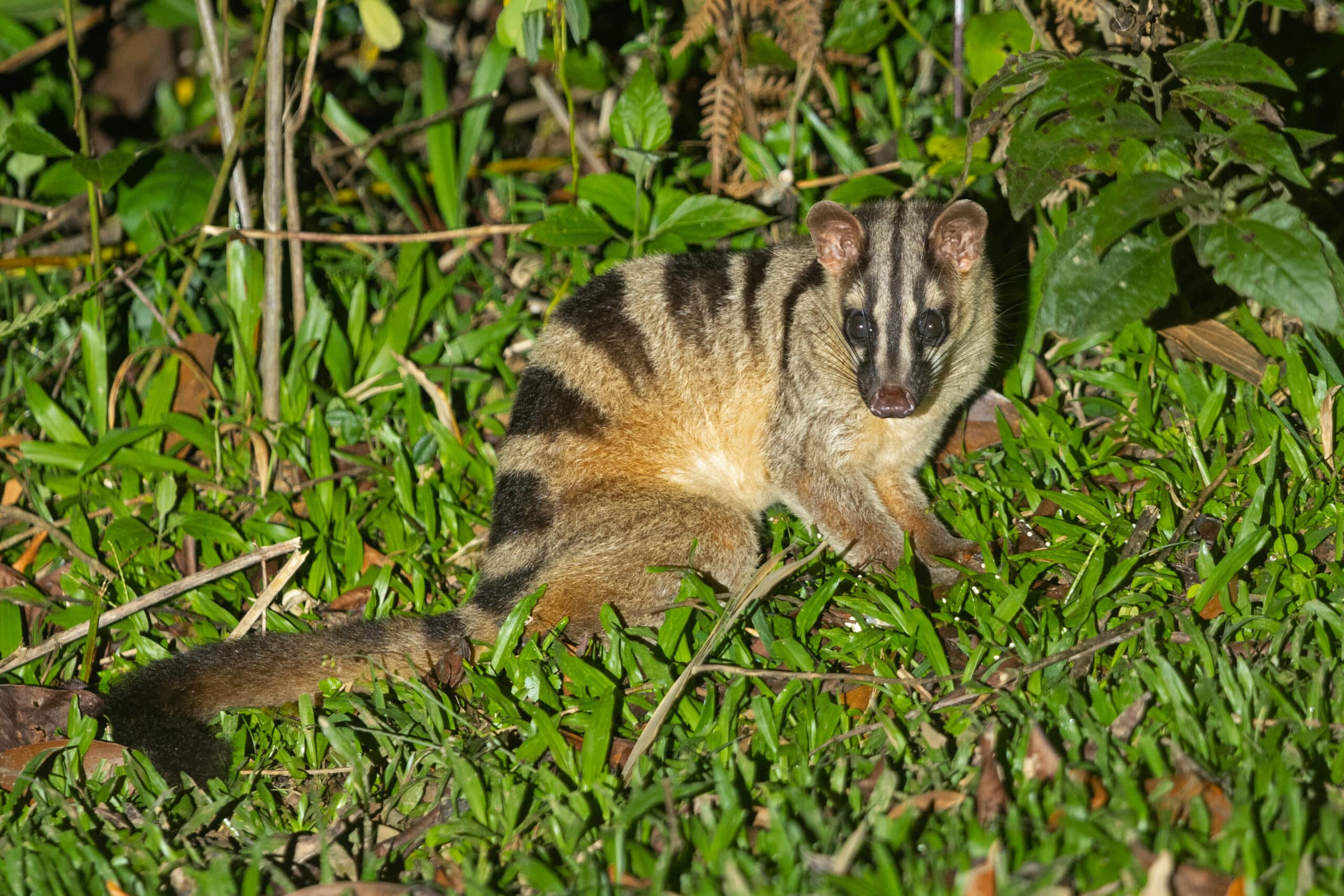
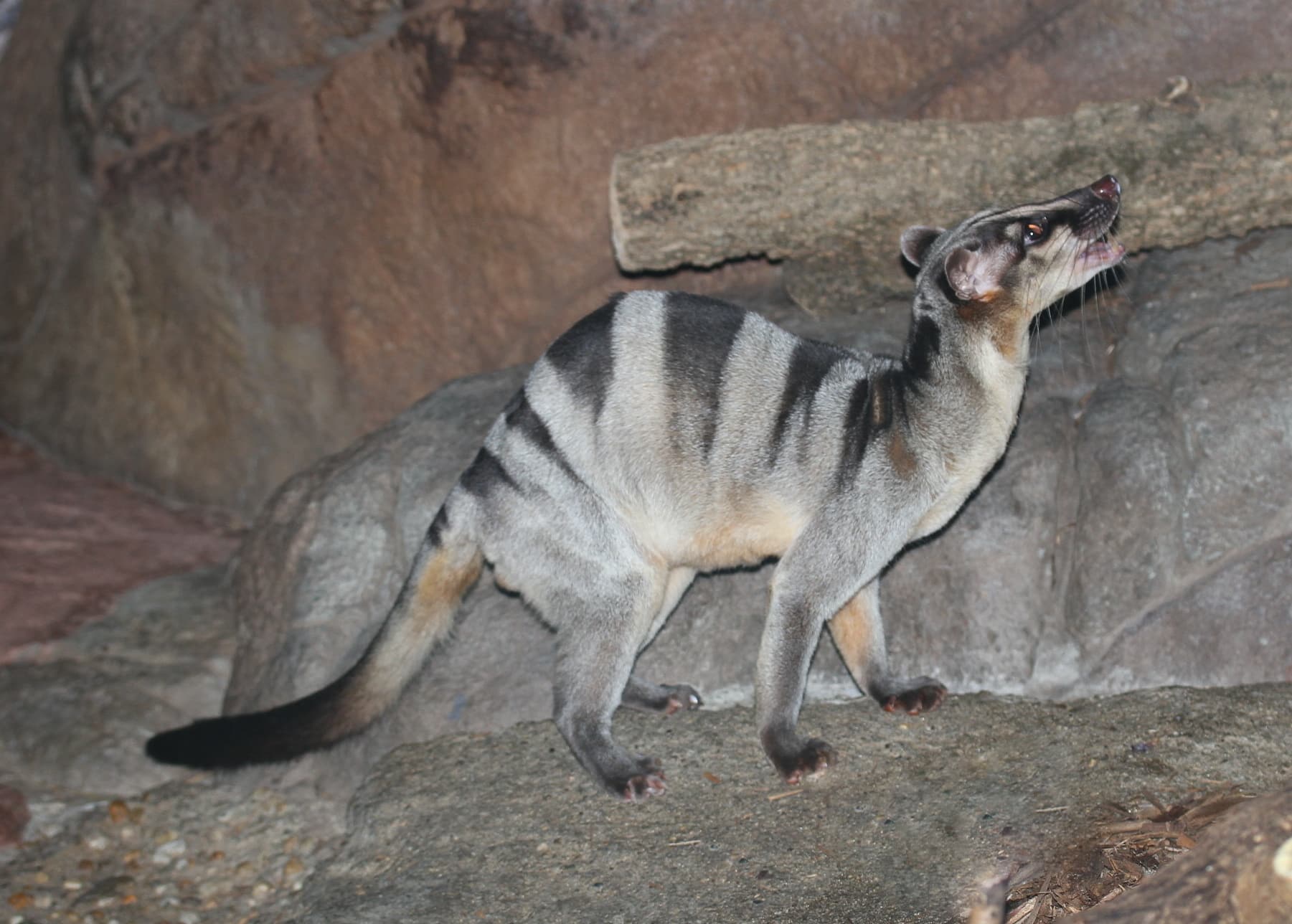
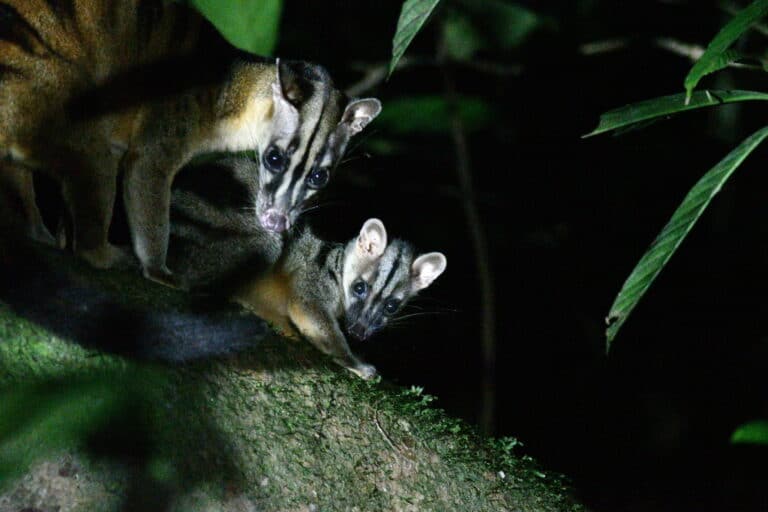
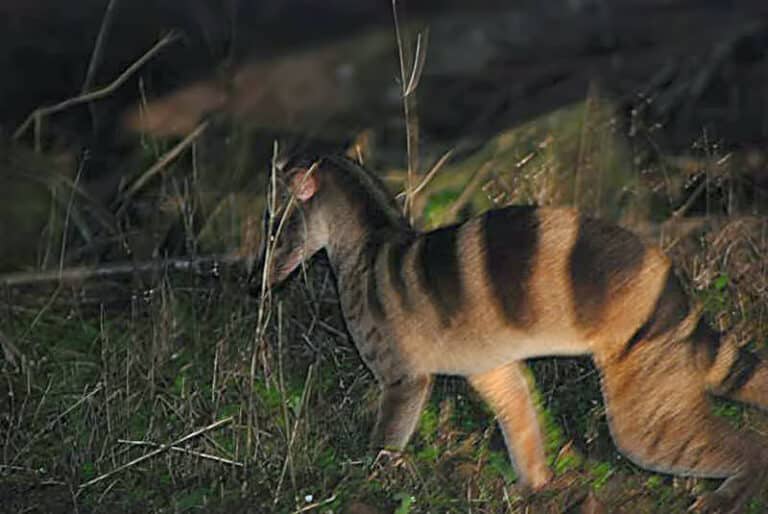
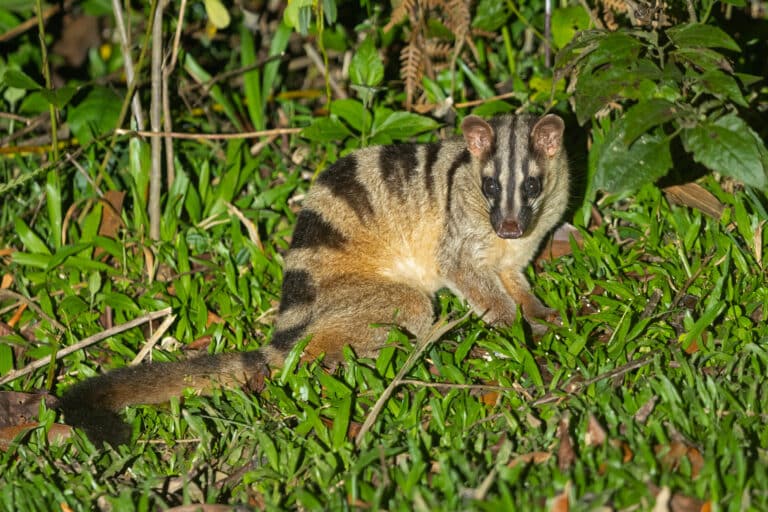
The Banded Palm Civet is a playful mammal found in Asia, known for its striking banded pattern and curious nature. With a body length that ranges from 50.8 to 71.1 centimeters (20 to 28 inches), this adorable creature captures the hearts of many!
This little critter belongs to the carnivore group but enjoys a varied diet. The Banded Palm Civet munches on insects, small animals, and fruits, making it a true foodie in the wild!
These civets have a lifespan that can stretch up to 11 years in the wild. They live a lively life, exploring their rainforest homes and enjoying all the tasty snacks nature has to offer!
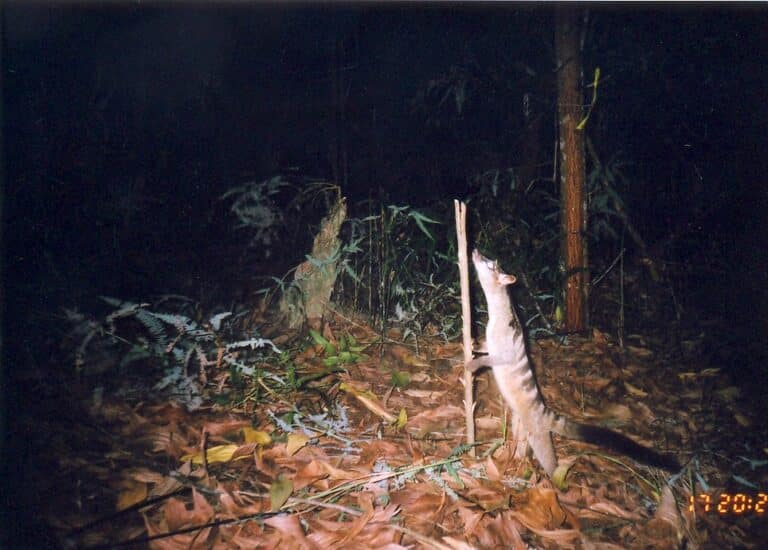
With their mischievous personalities, Banded Palm Civets often engage in tree-climbing races. They show off their agility and grace as they leap from branch to branch, proving they are the acrobats of the animal kingdom!
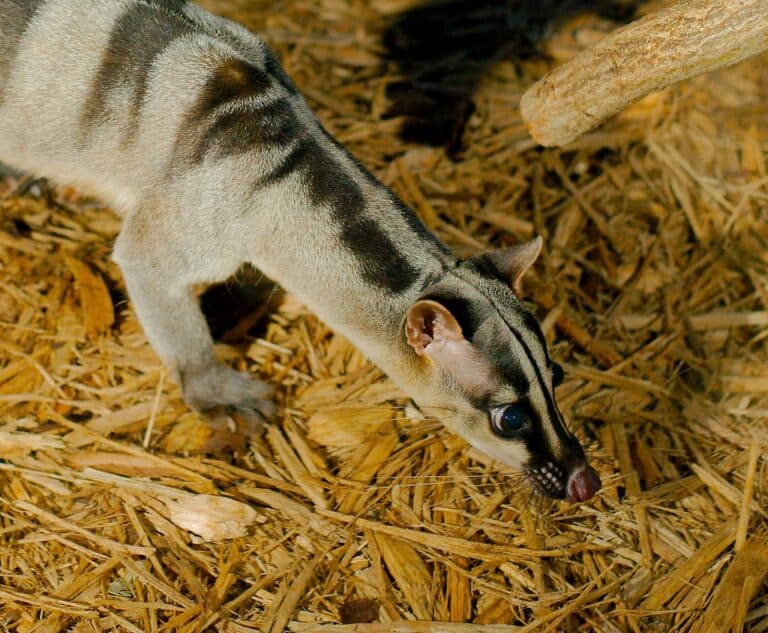
The Banded Palm Civet has a keen sense of smell that helps it locate food. This skill also keeps them safe from potential predators, as they can sniff out trouble before it gets too close!
These charming mammals play an important role in their ecosystem. By eating fruits, they help disperse seeds, which promotes healthy plant growth. So, the Banded Palm Civet doesn’t just have fun; it also contributes to a vibrant environment!

Where can you find a Banded Palm Civet in the wild?
What does a Banded Palm Civet eat?
How big can a Banded Palm Civet grow?
How long does a Banded Palm Civet typically live?
What is the conservation status of the Banded Palm Civet?
What are the main threats to the Banded Palm Civet?
Fun facts
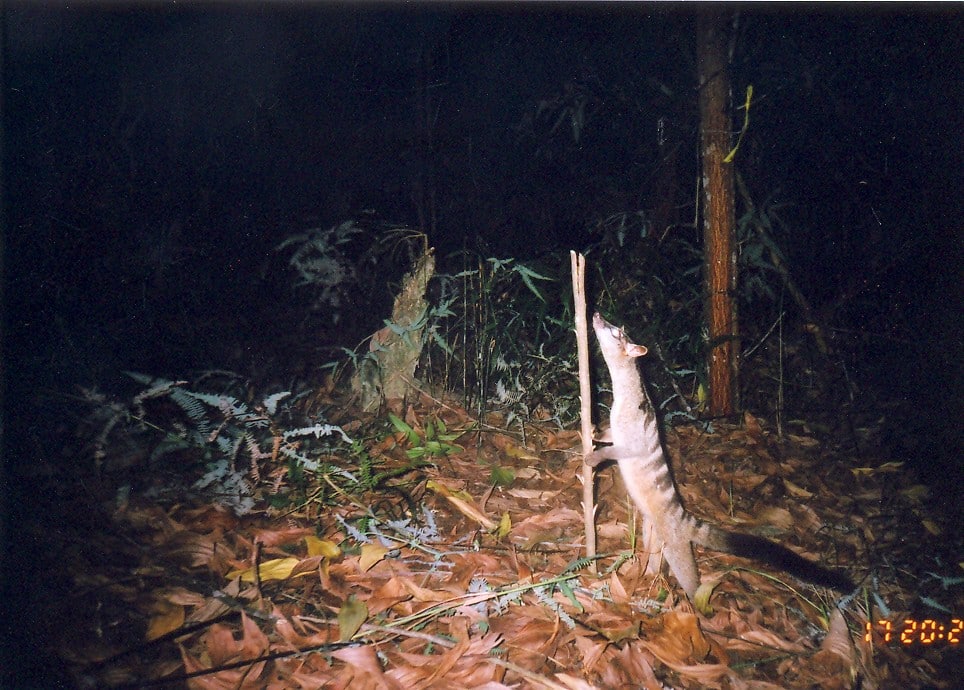
Banded Palm Civets often show off their climbing skills by racing each other up tree trunks, turning every tree into a playground!


This curious critter can rotate its hind feet to climb down trees headfirst, making them look like natural acrobats, flipping and spinning among the branches!
The Banded Palm Civet loves to take a leisurely snack break, often lounging in trees while munching on fruits, adding to the rainforest buffet!
These playful mammals use their keen sense of smell to find ripe fruits hidden in the leaves and sniff out insects, proving they are expert foragers!
A group of Banded Palm Civets is called a 'gaze,' which is quite fitting since they often observe their surroundings with curious eyes!
Banded Palm Civets communicate with each other through a series of chirps, growls, and even squeaks, creating their own rainforest chatter!
When feeling threatened, these critters can emit a strong odor similar to skunk spray to ward off larger predators, showing they have a sneaky defense!
Banded Palm Civets play a vital role in helping seeds grow by eating fruits and passing seeds through their bodies, spreading life throughout the rainforest!
Even though they mostly live alone, Banded Palm Civets can sometimes be seen forming temporary friendships, sharing a tree branch for cozy naps!
Some researchers believe the markings on a Banded Palm Civet's fur help camouflage them among the dappled sunlight in the forest, turning them into nature's little ninjas!
Photos




The Basics


explore more
Amphibians
Arachnids
Birds
Cats
Crustaceans
Fish
Fish Pet Guide
Gastropods
Insects
Invertebrates
Mammals
Pet Fish
Pet Rodents
Plants
Reptiles
Roundworms
Sea Slugs