Successfully copied to clipboard!
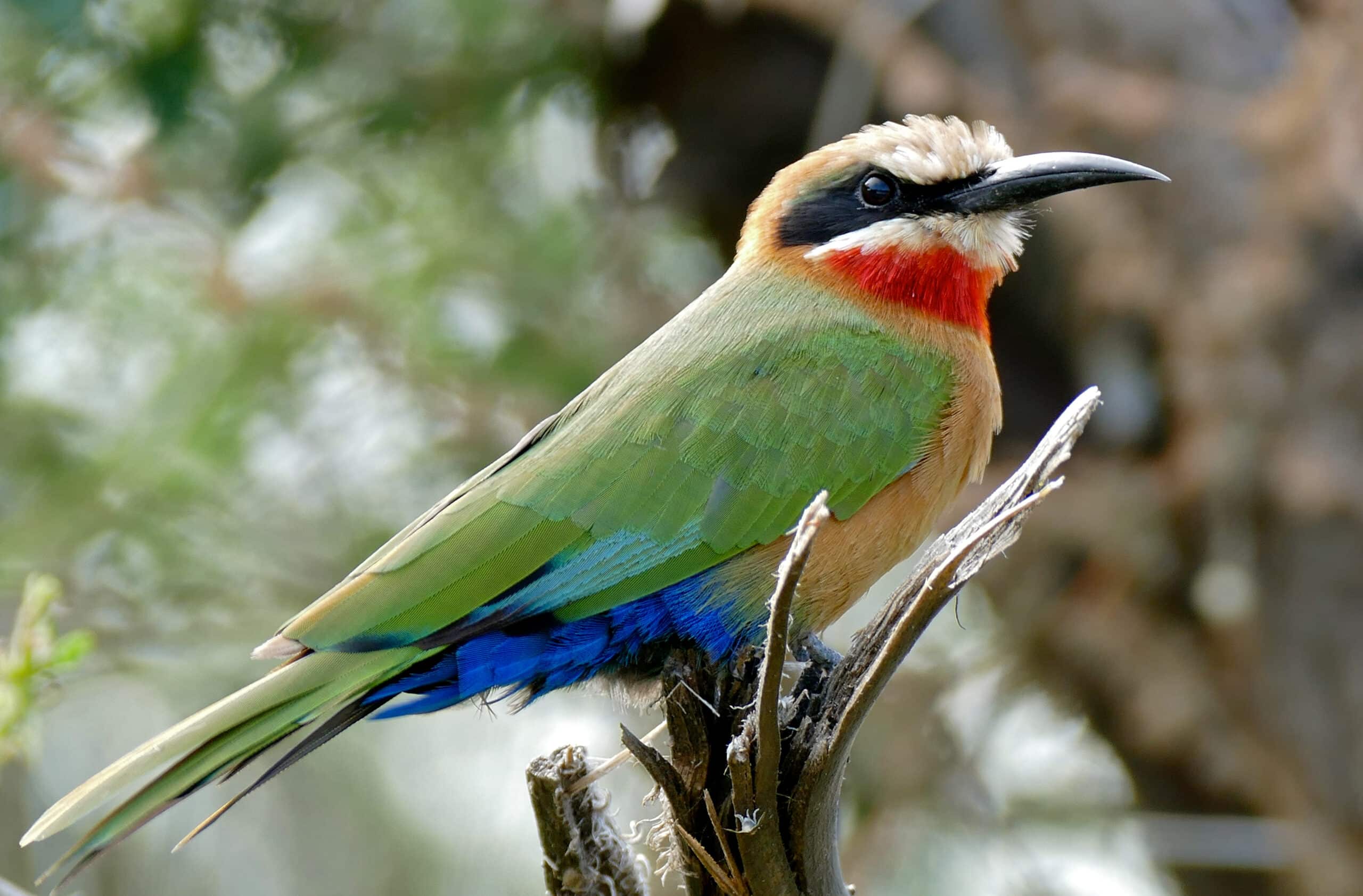
Bee-Eater
Soar with vibrant fliers that catch insects like pros!
Let’s Explore
Overview
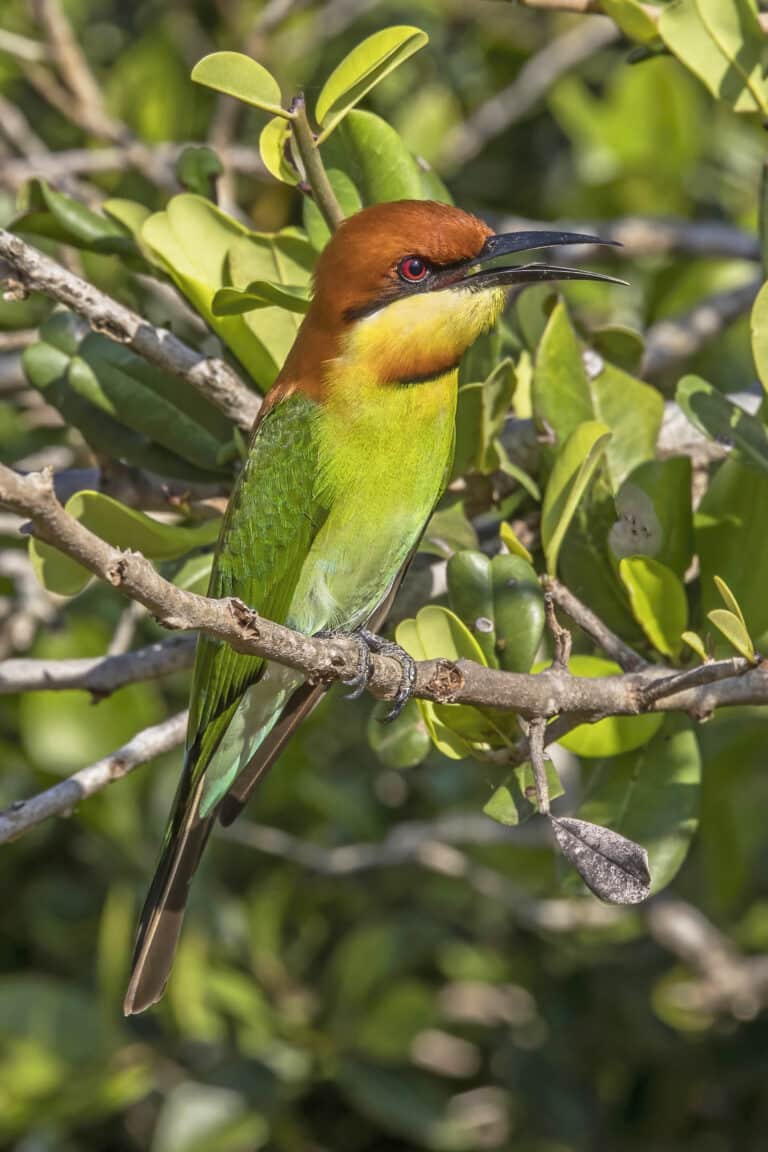
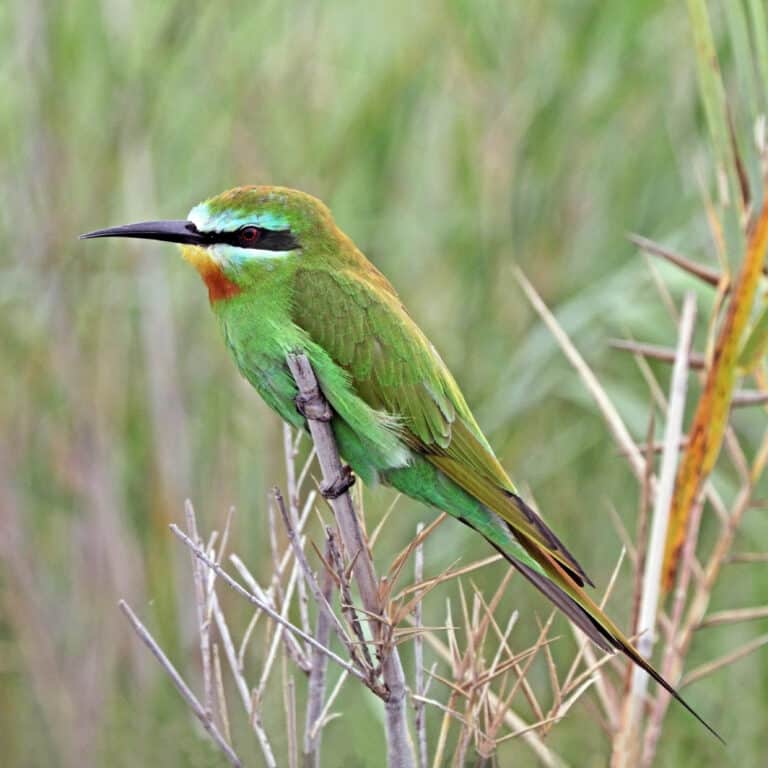
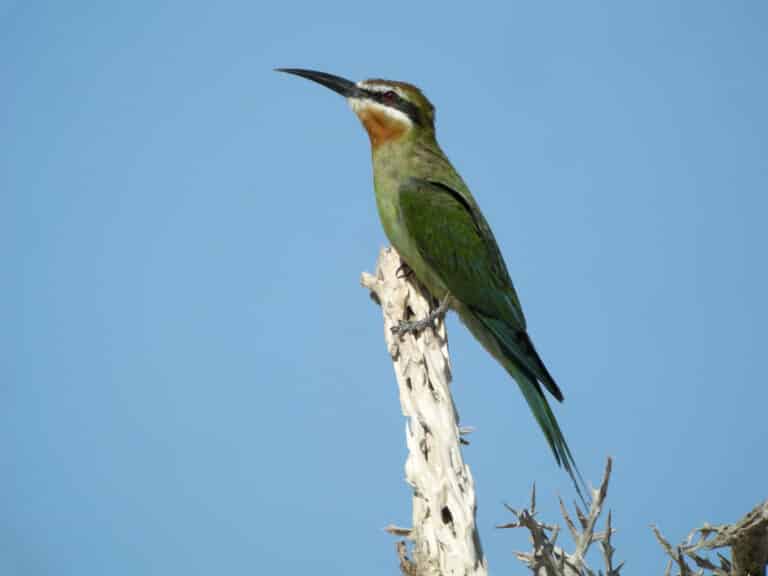
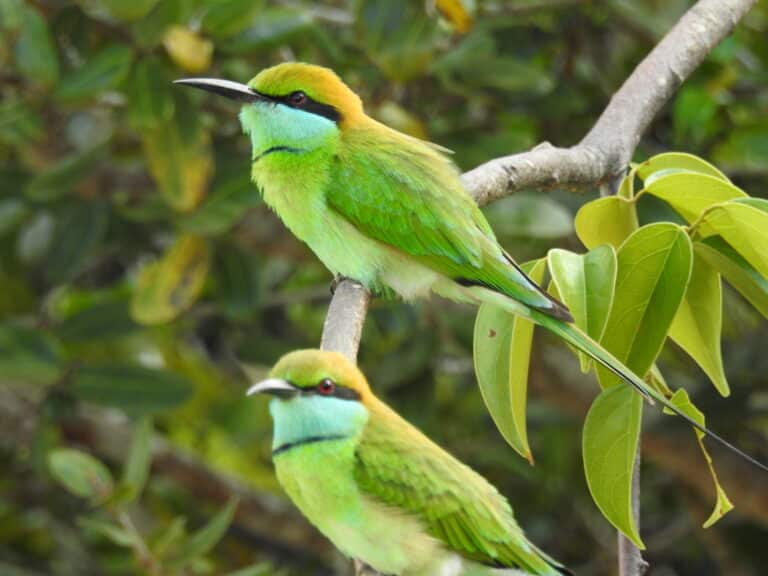
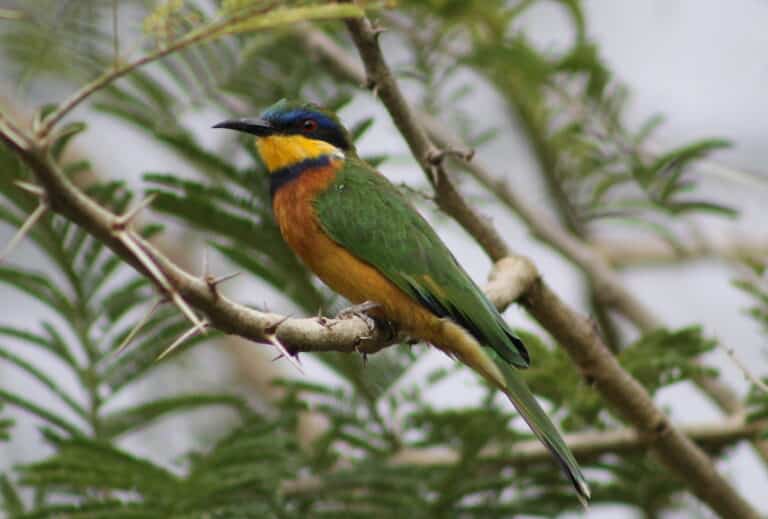
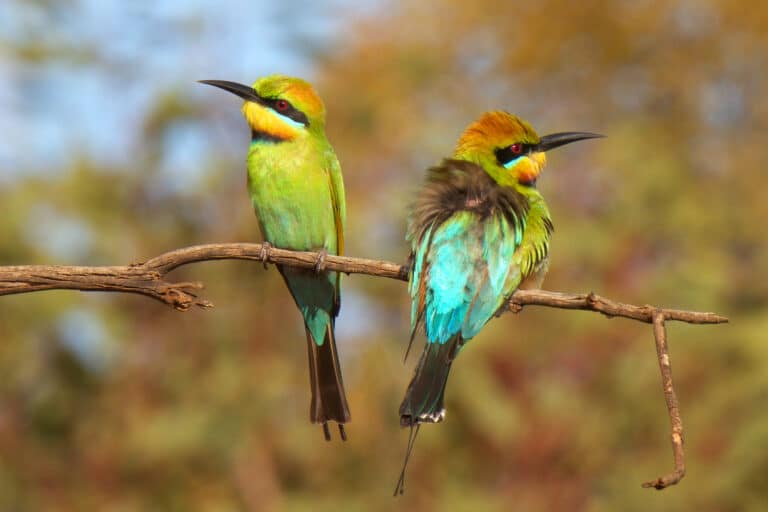
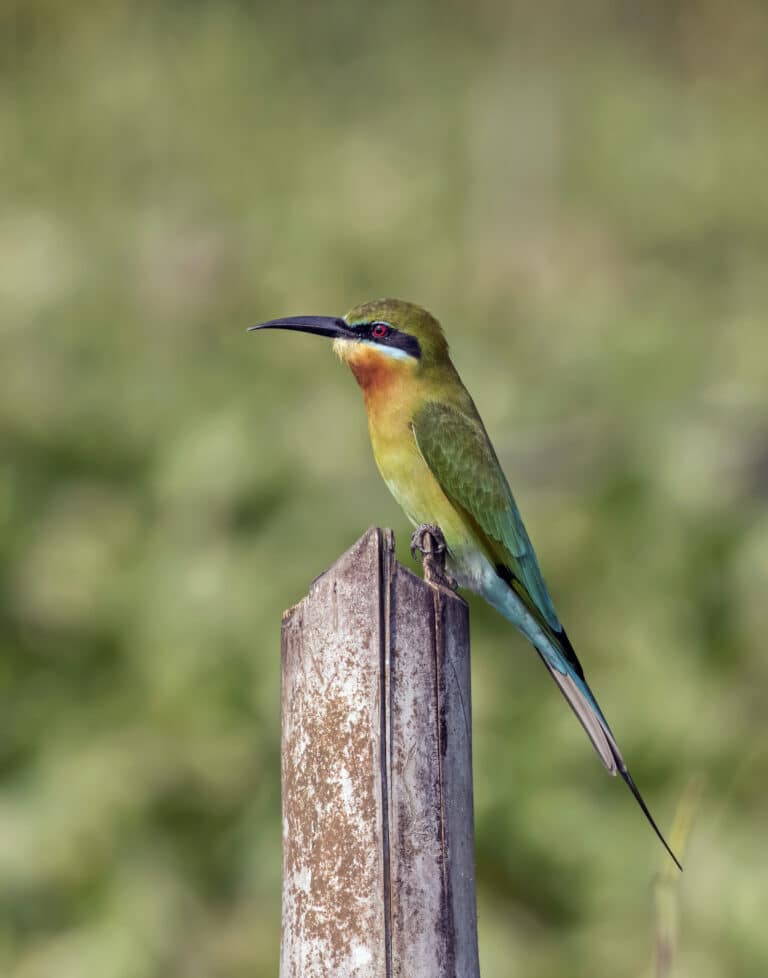
The Bee-Eater is a colorful bird that loves to catch insects, especially bees and wasps. These birds belong to the family Meropidae and can be found flitting around in Africa, where they brighten the landscape with their vibrant feathers.
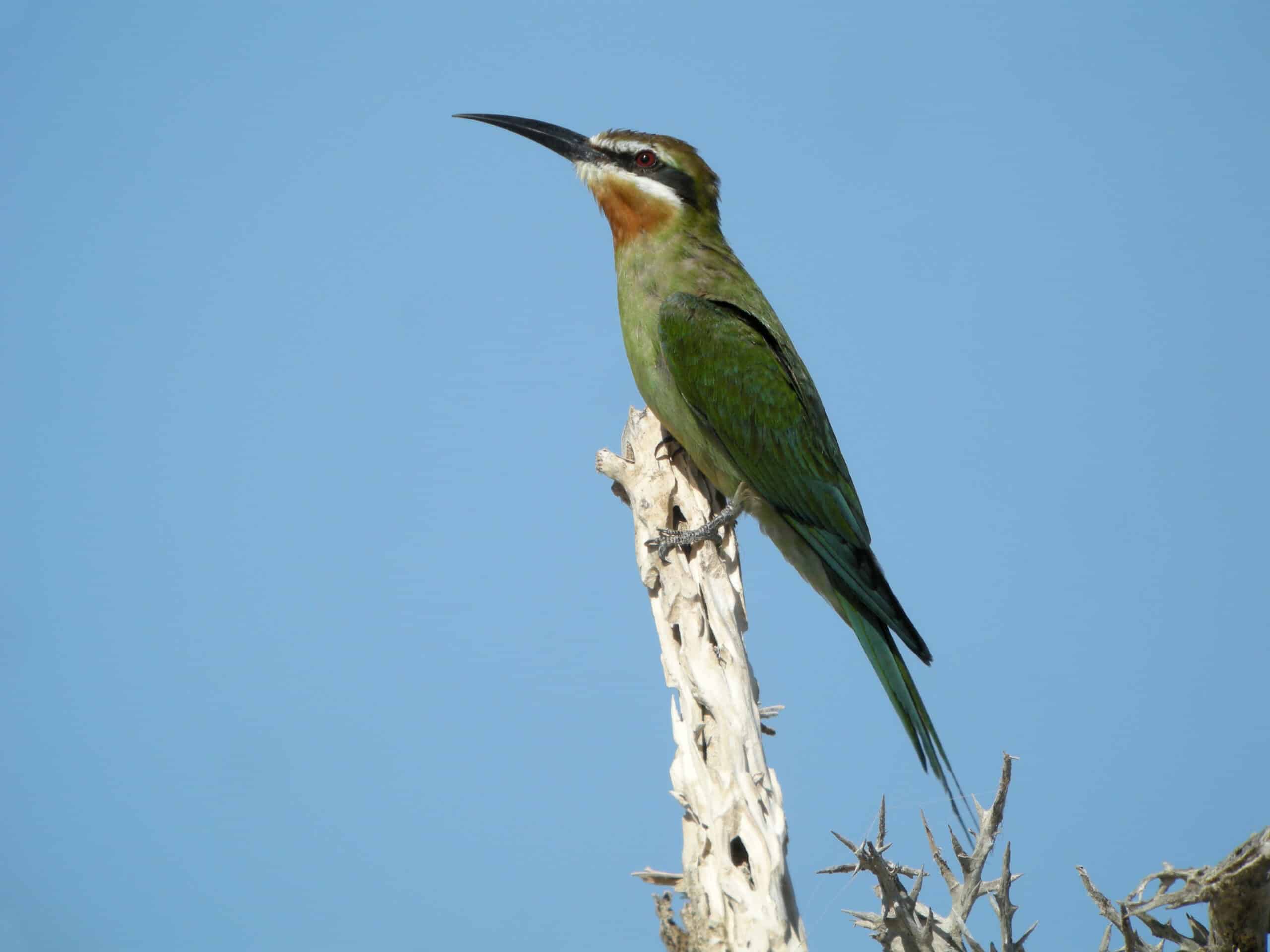
Bee-Eaters grow to be about 15 centimeters (6 inches) long. Their slender bodies and long wings help them swoop and glide as they hunt for flying snacks in mid-air like feathered food fighters.
These birds are excellent hunters! They use their sharp beaks to catch insects on the wing and even have a special technique for removing the stingers before they feast. Talk about a sting-free snack time!
Bee-Eaters are social creatures and often gather in groups called colonies. They sing joyful songs that sound like nature's own melodious chorus, making them a delight to watch and listen to in their natural homes.
With a lifespan of around 5 to 6 years, these birds make the most of their time by darting through the air and enjoying each moment. Just like busy little bee-boppers, they keep their lives buzzing with excitement and endless fun!

Where can you find a Bee-Eater in the wild?
What does a Bee-Eater eat?
How big can a Bee-Eater grow?
How long does a Bee-Eater typically live?
What is the conservation status of the Bee-Eater?
What are the main threats to the Bee-Eater?
Fun facts
Bee-Eaters can catch insects mid-flight with impressive accuracy, diving at speeds of up to 40 kilometers per hour (about 25 miles per hour) to snare their next meal.


These birds do not just eat any insects; they have a particular fondness for bees and wasps. They can even remove the stingers by hitting their catch against a branch, making their meals sting-free!
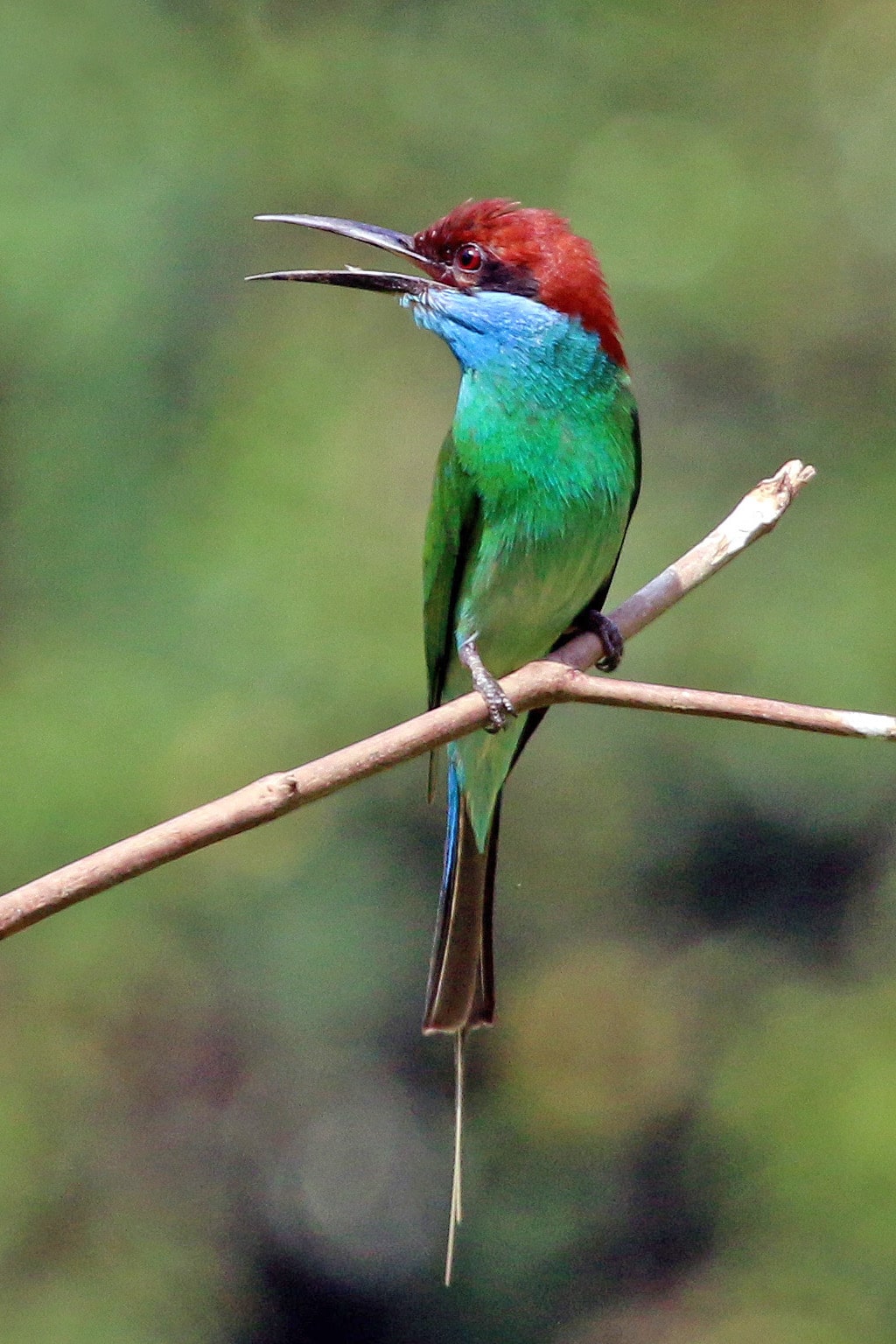
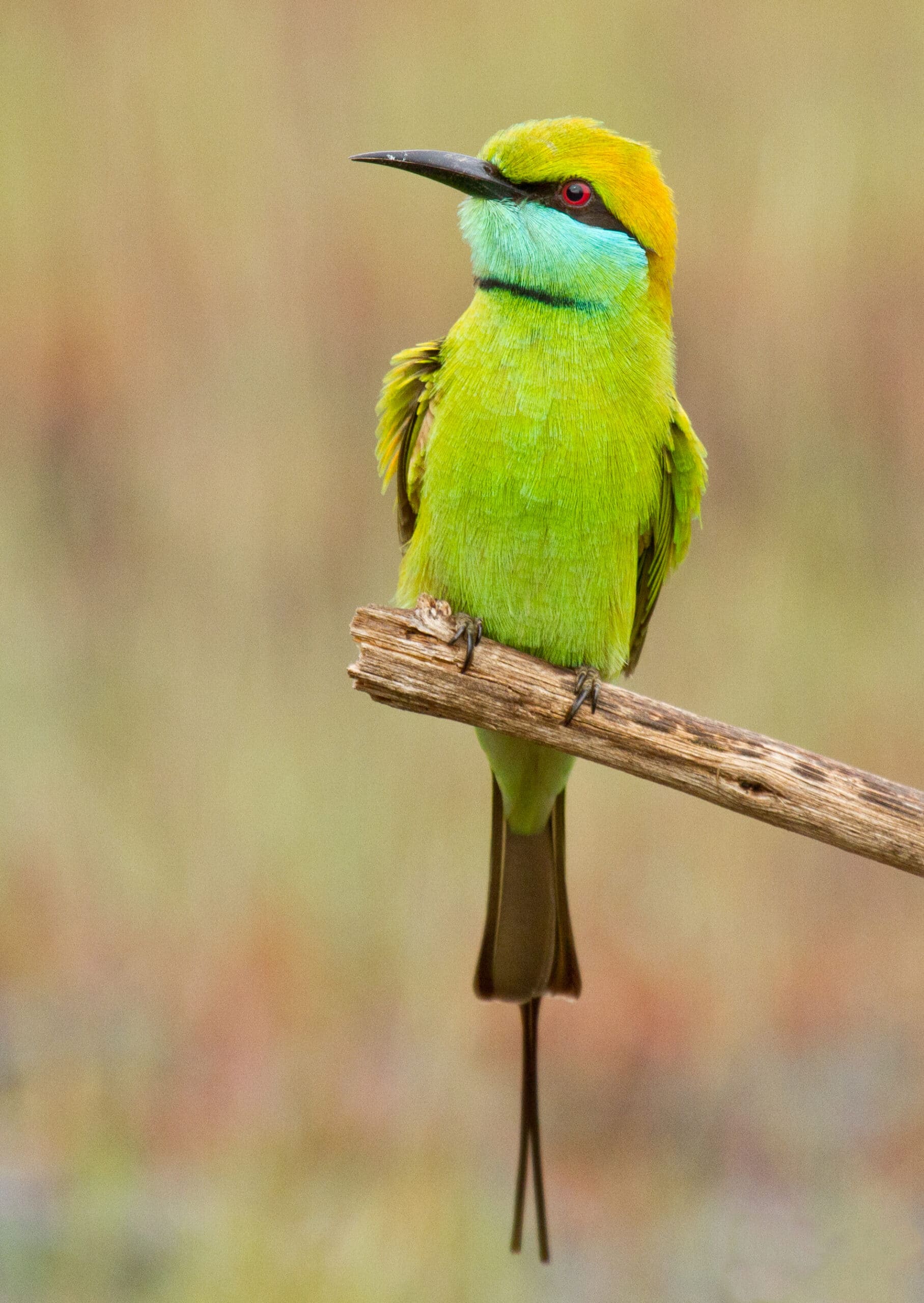
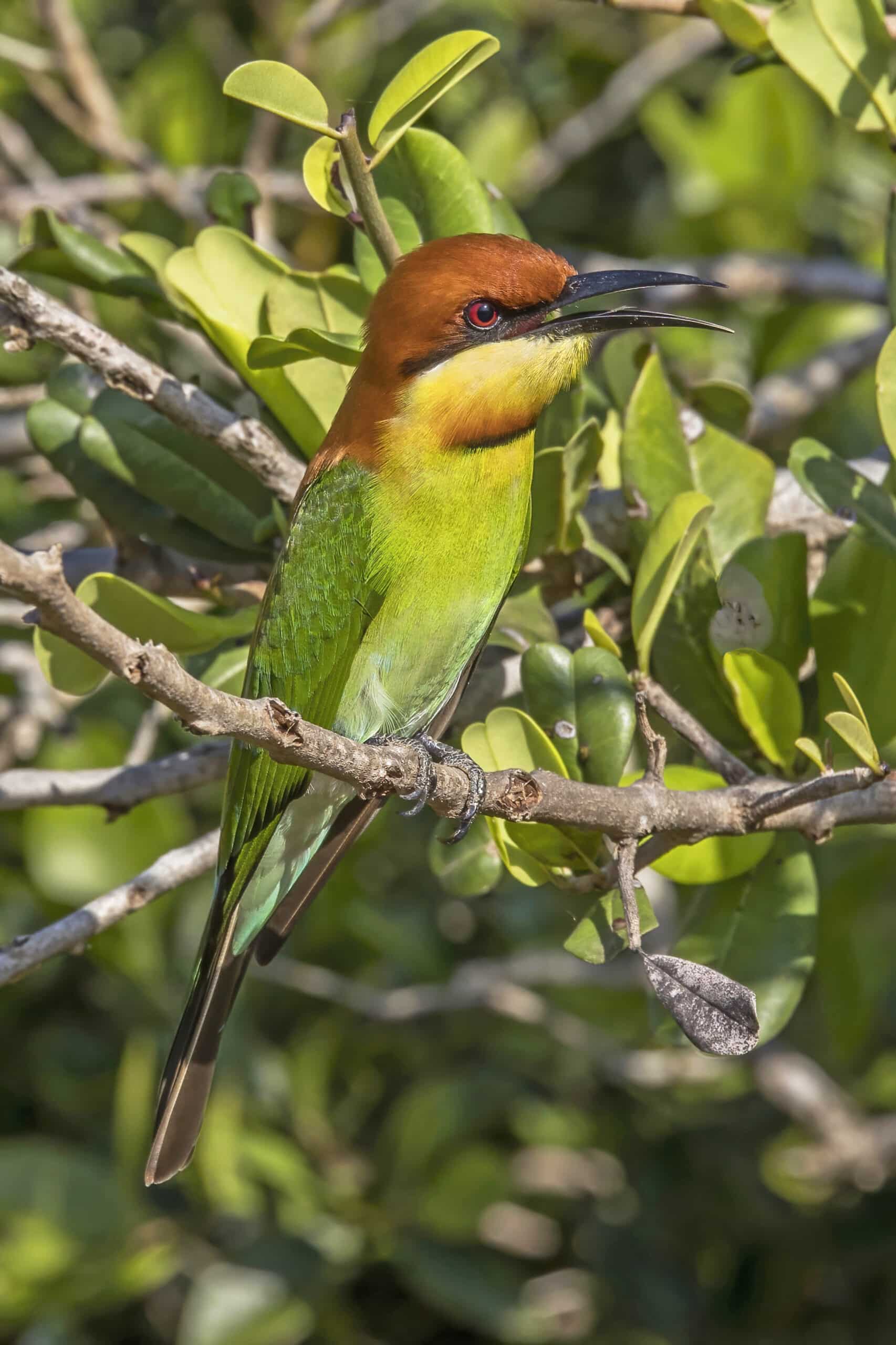
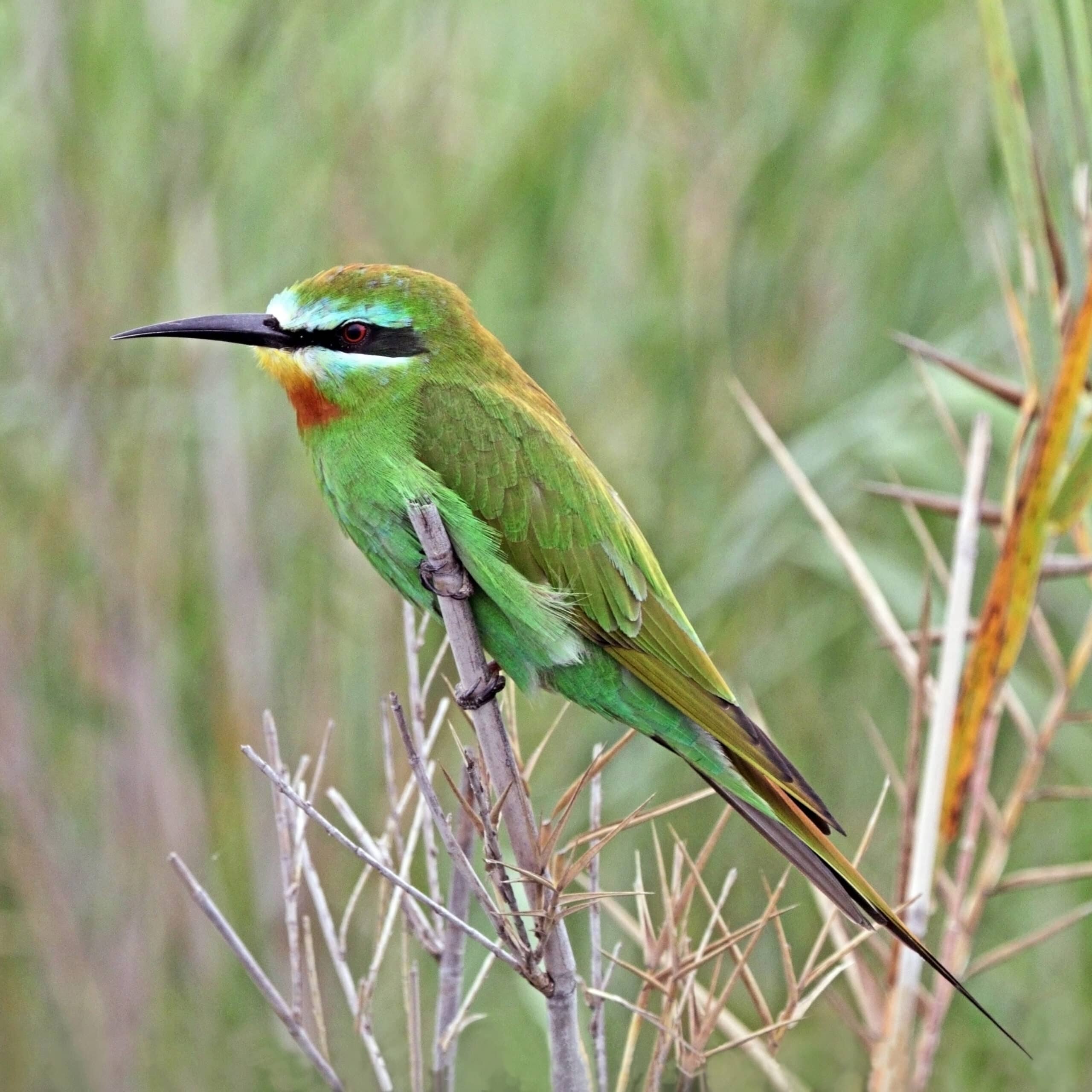
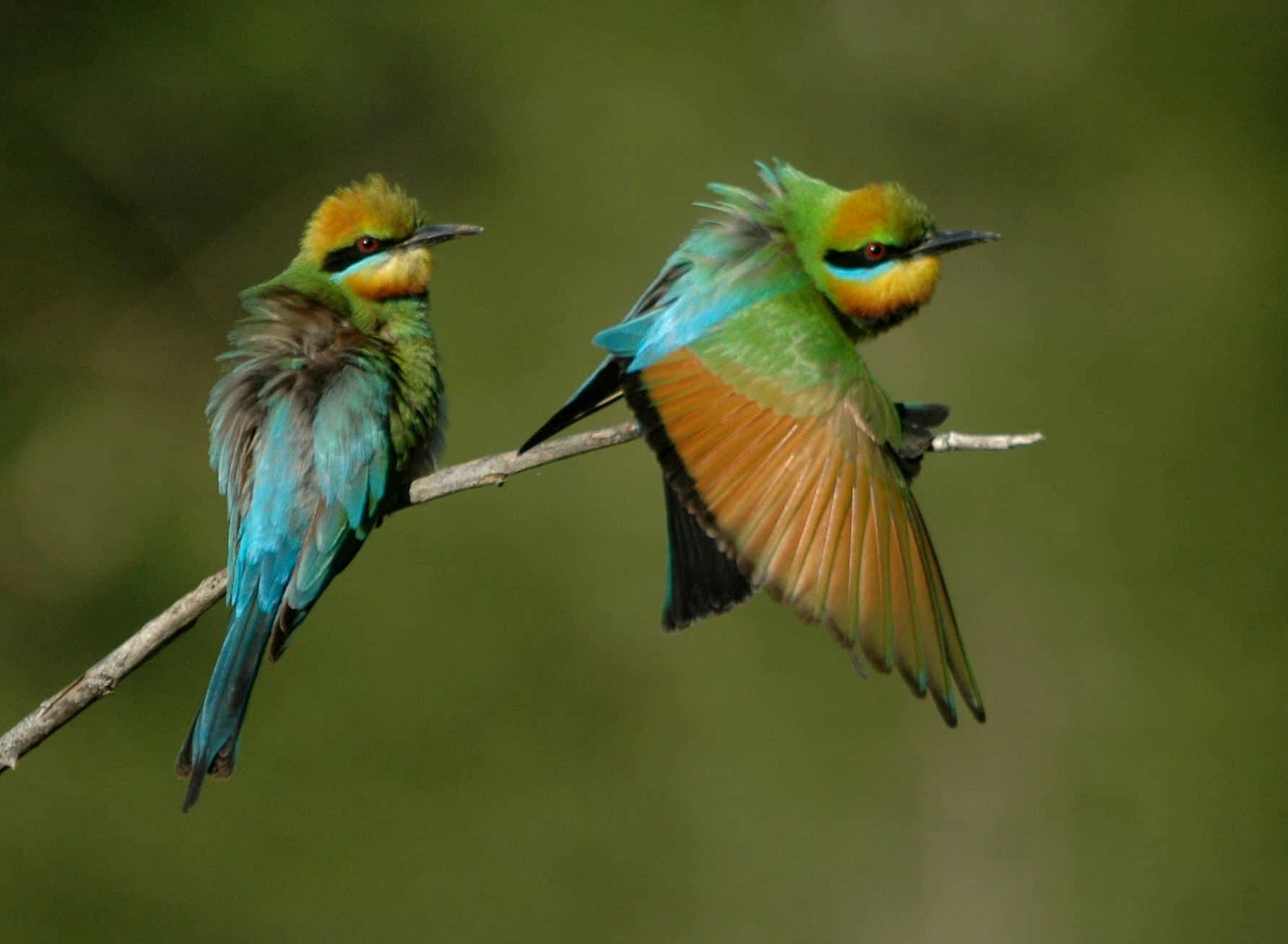
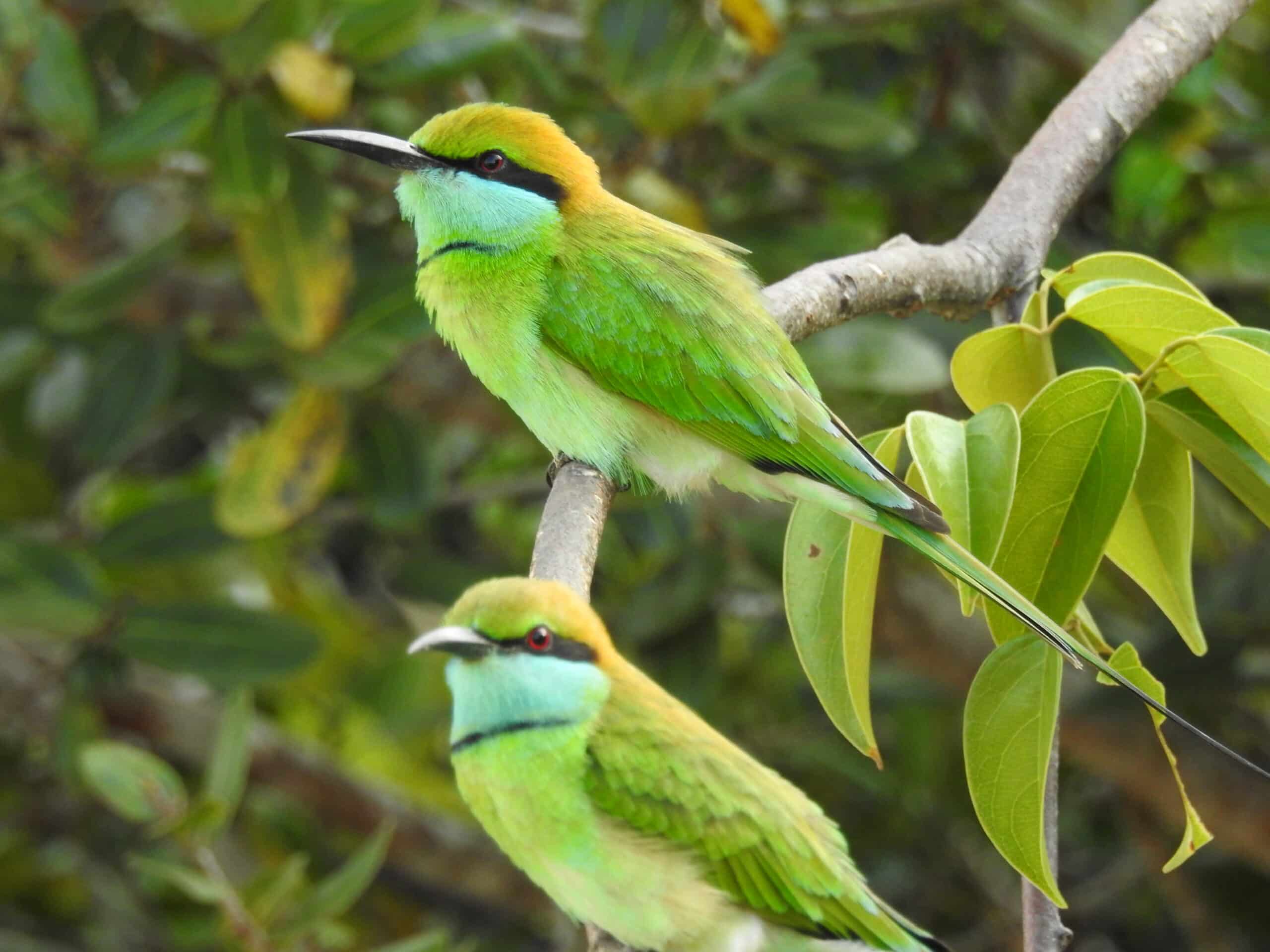
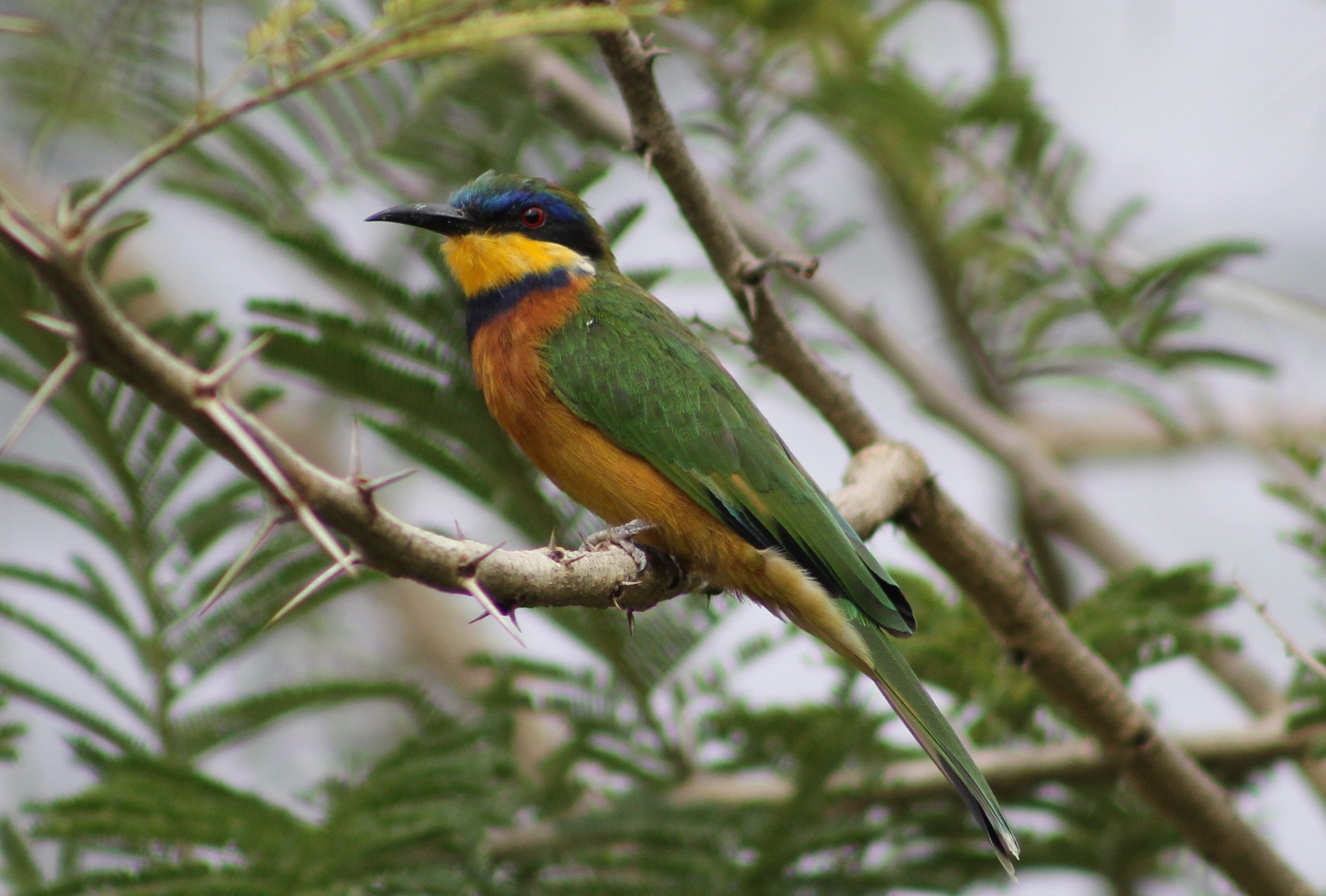
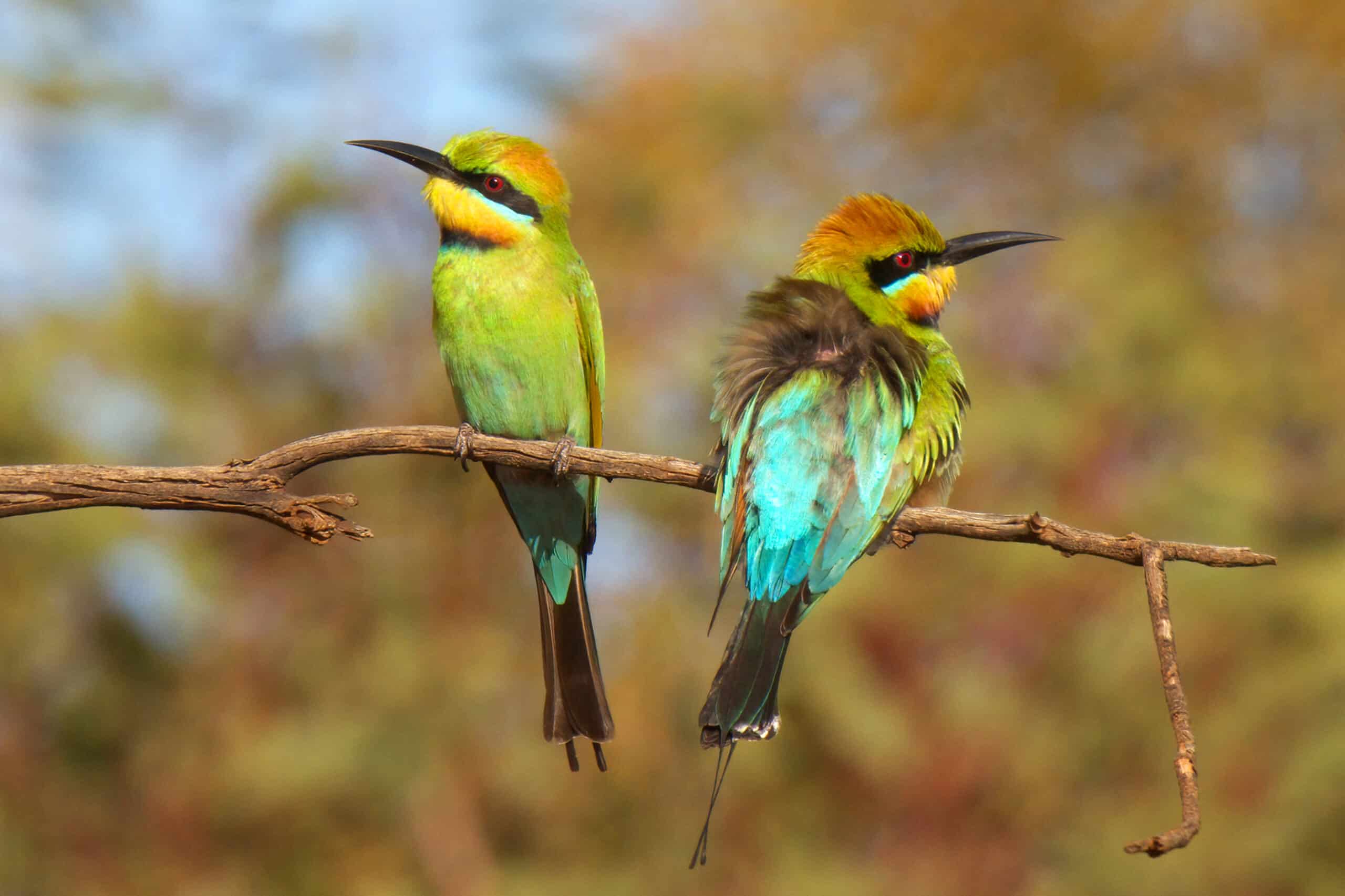
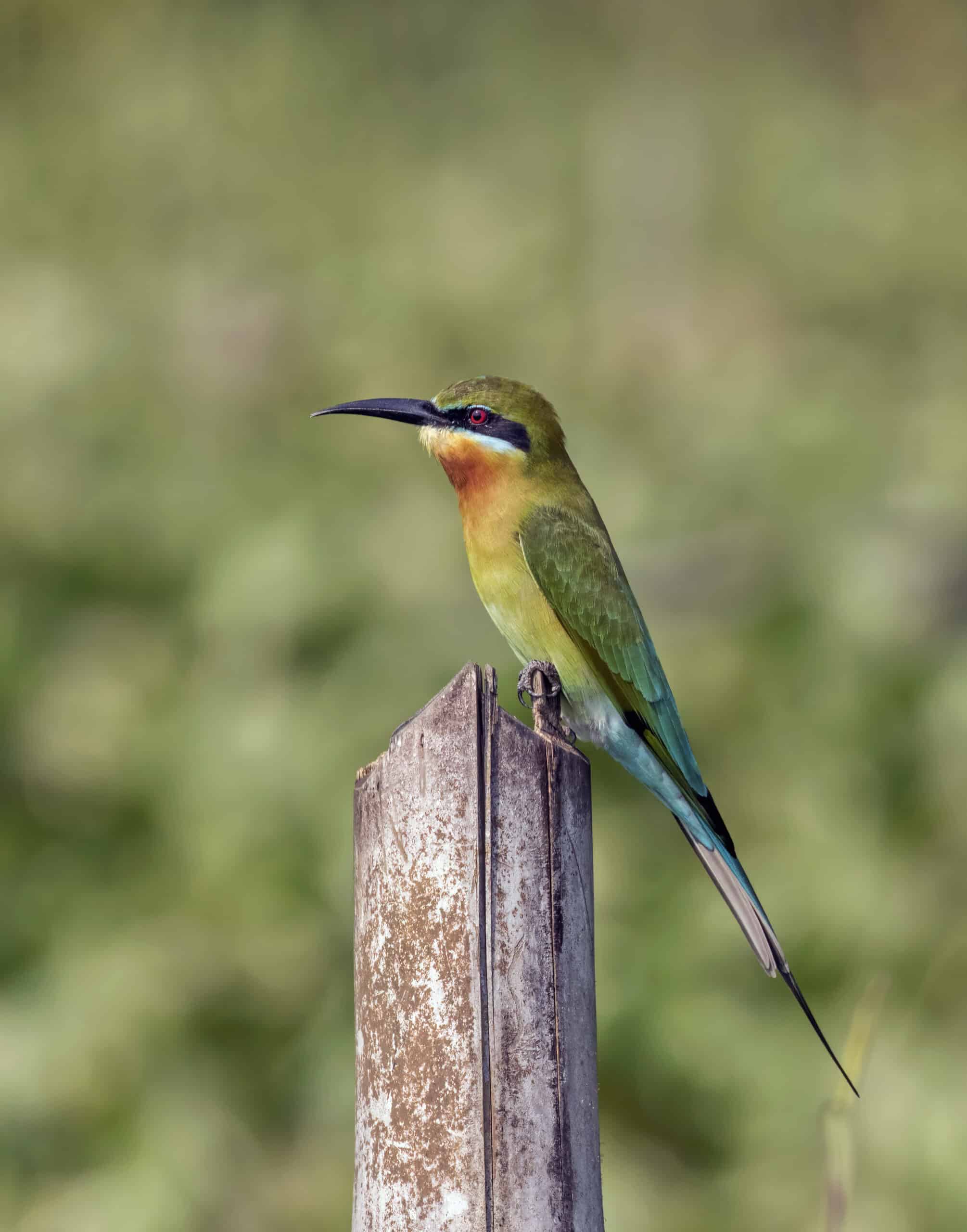
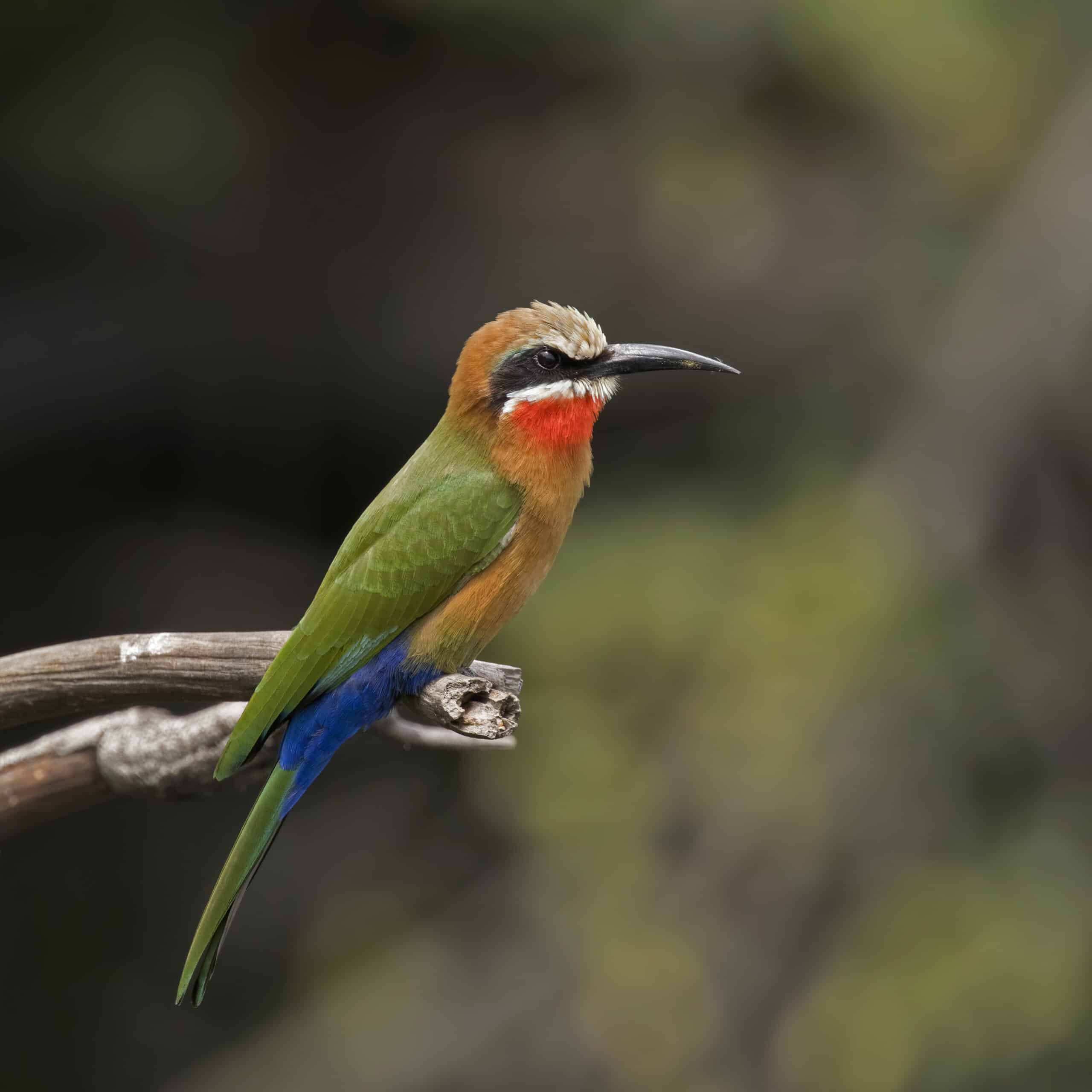
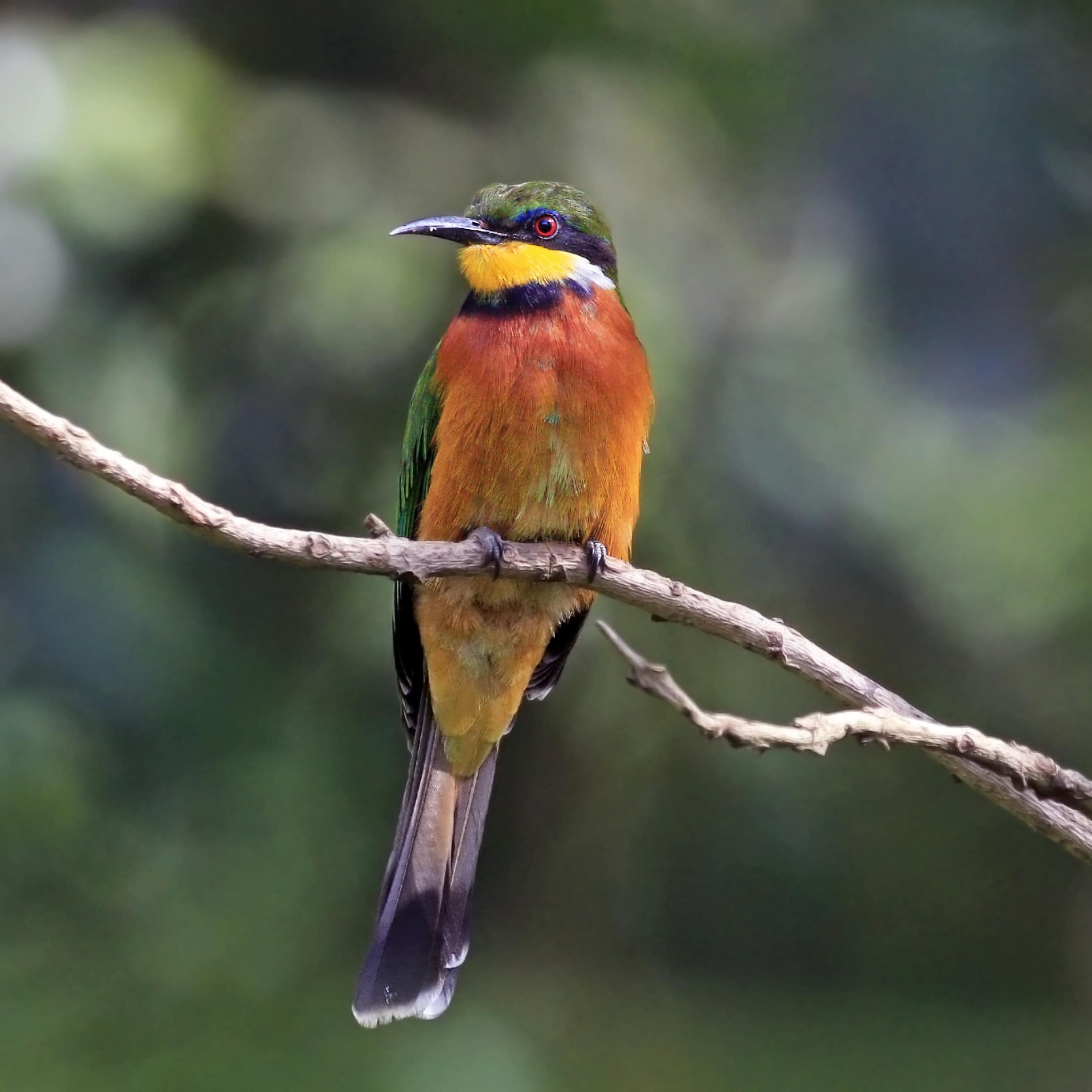
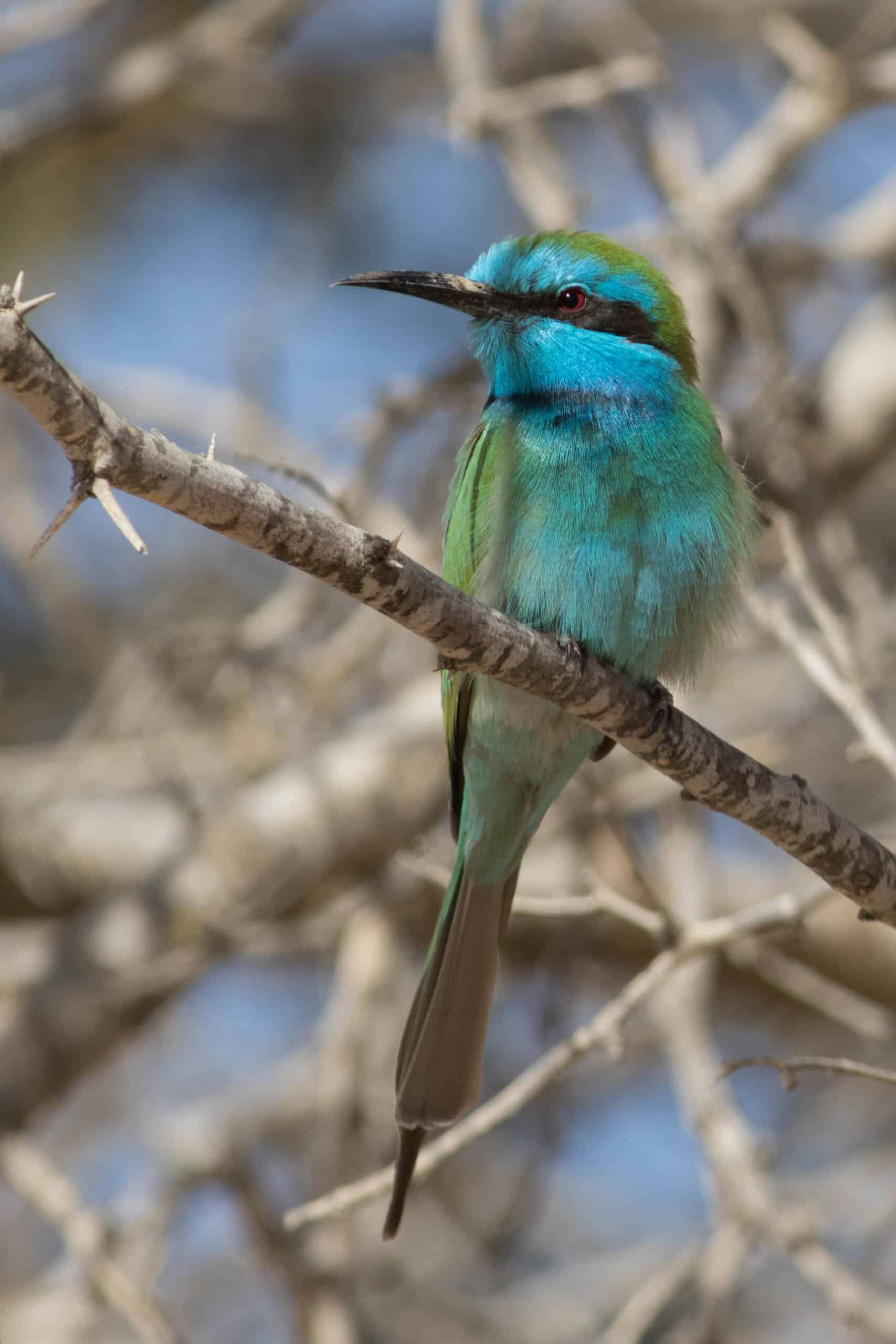
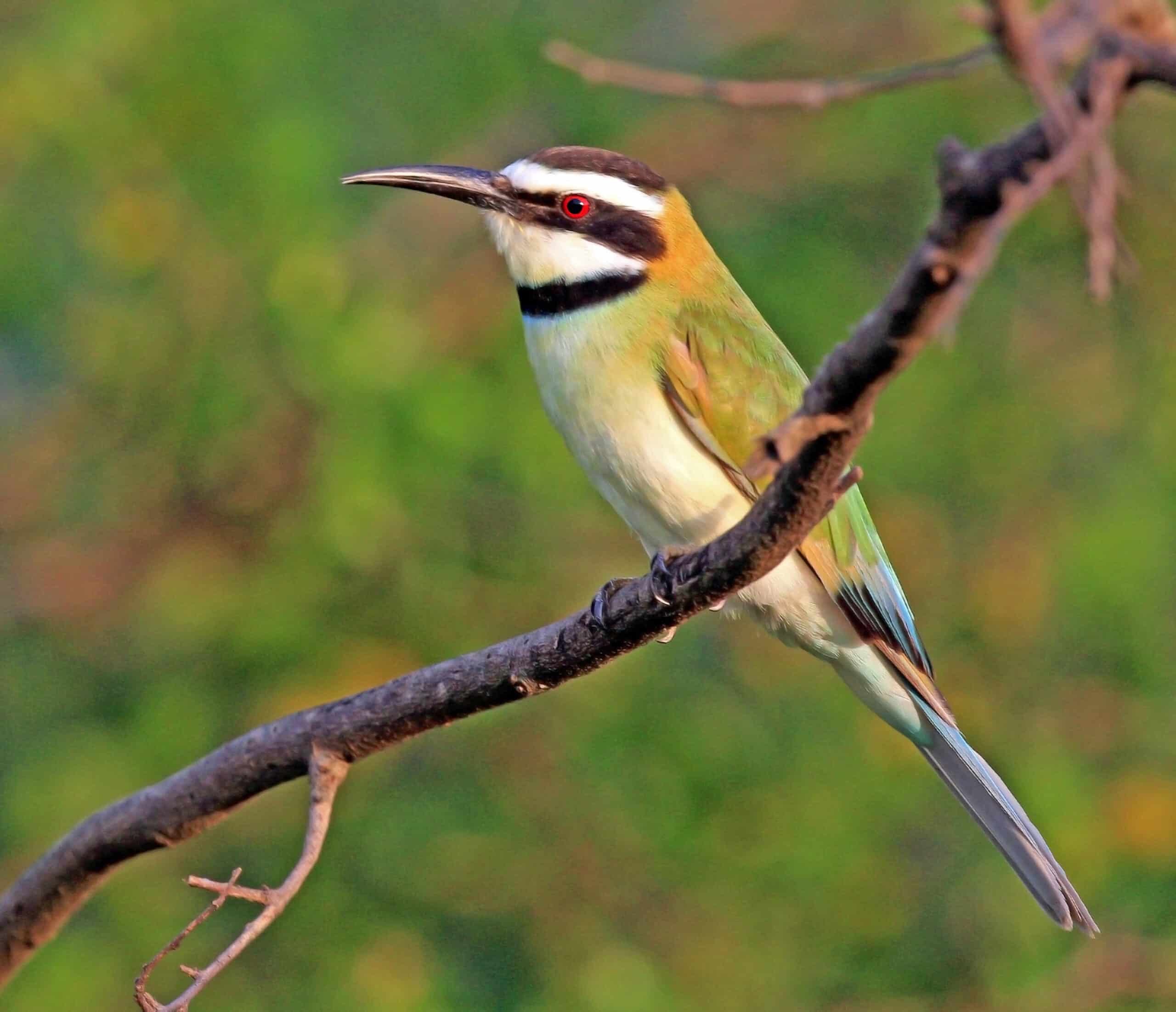
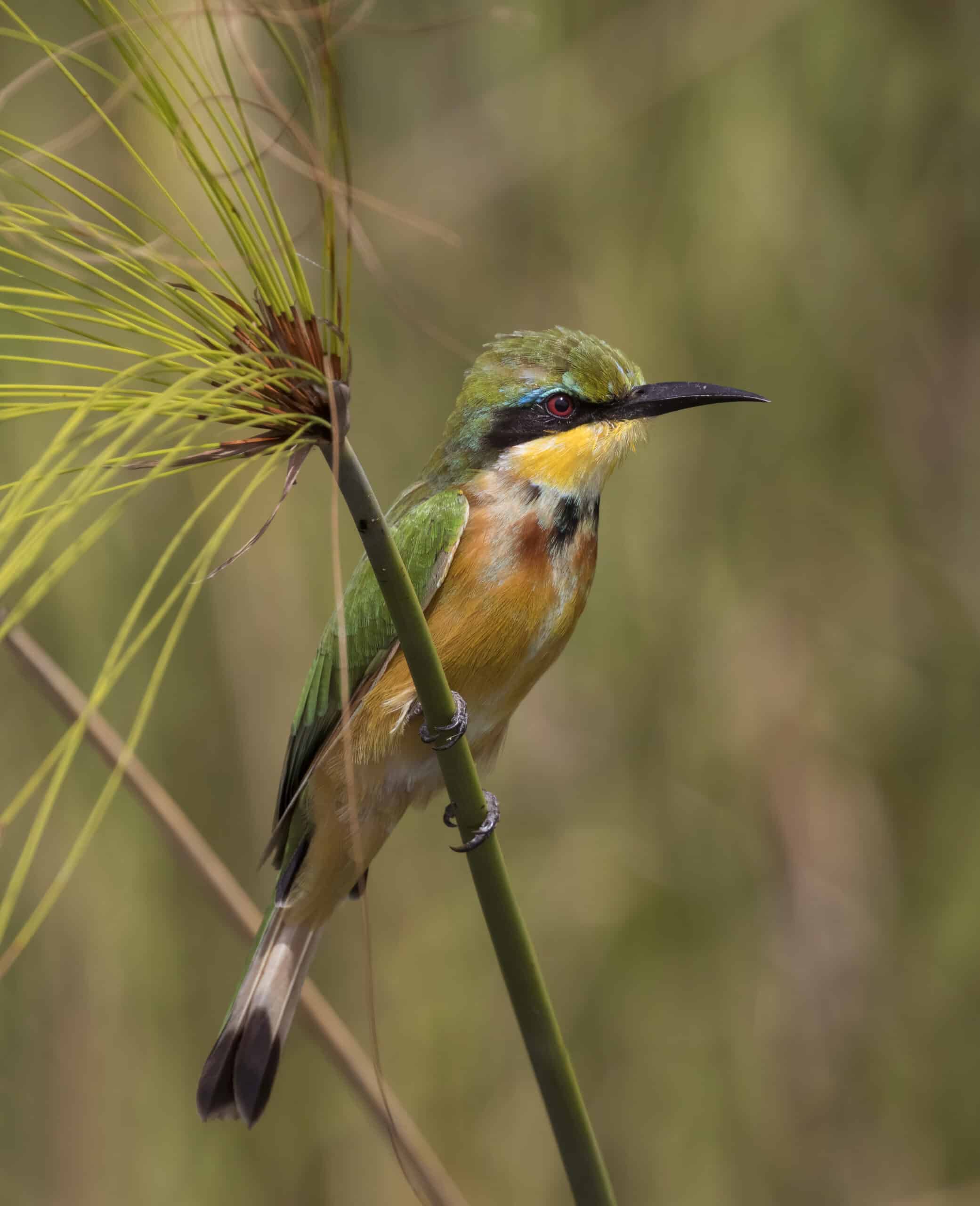
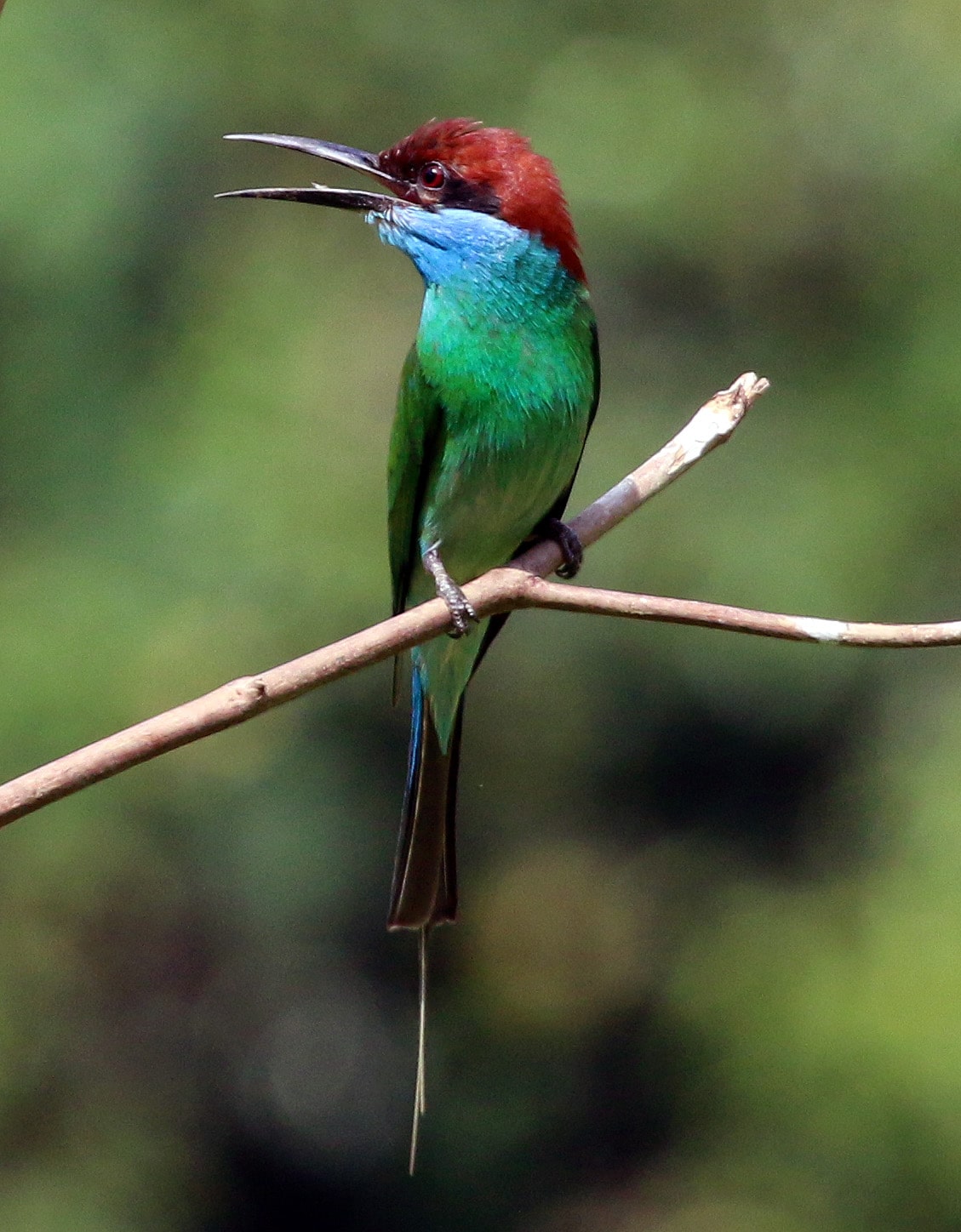
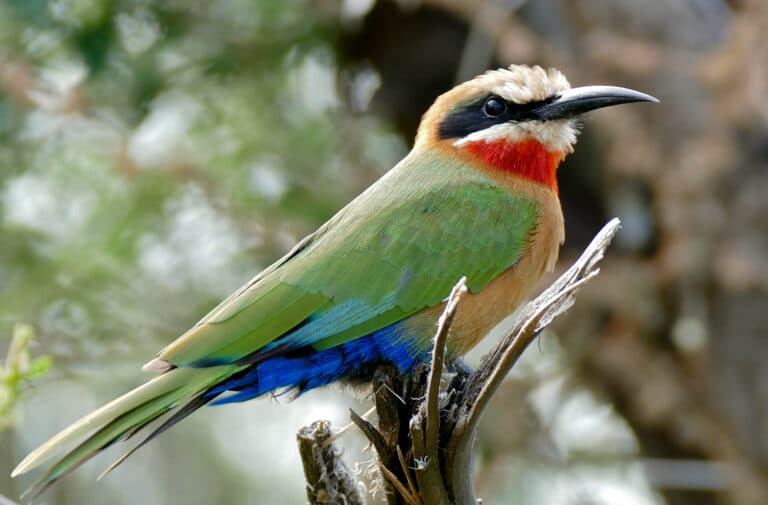
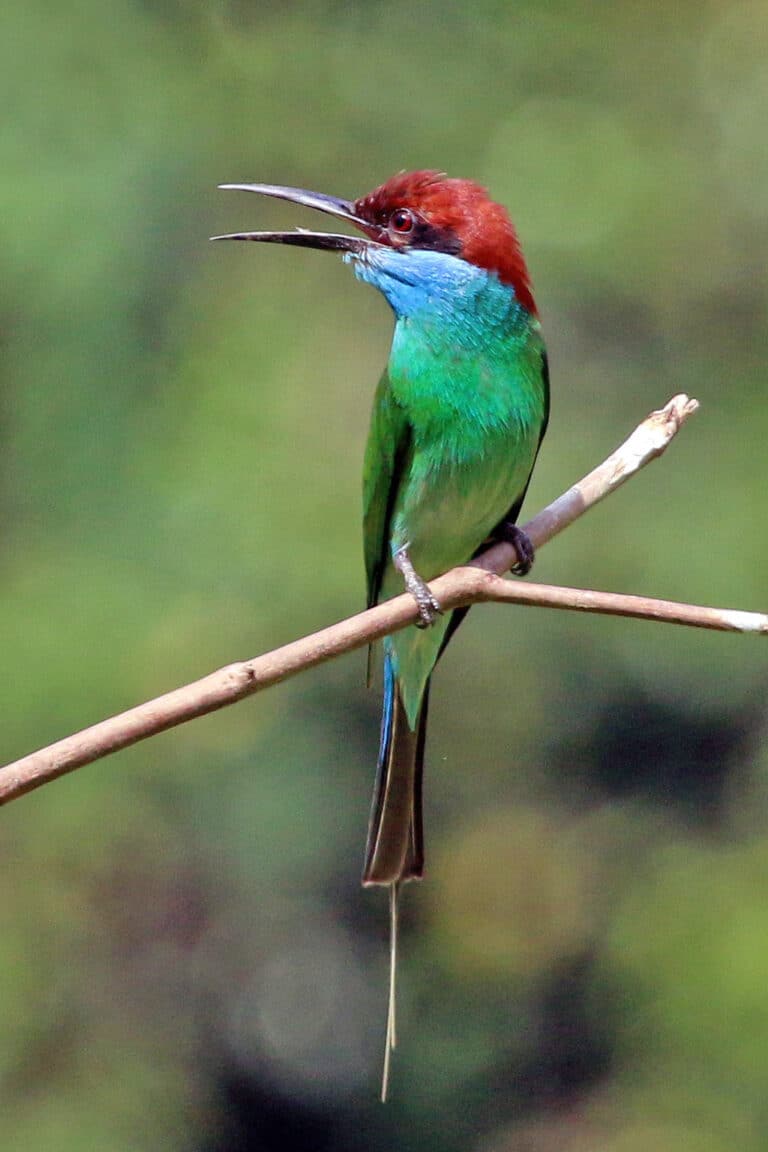
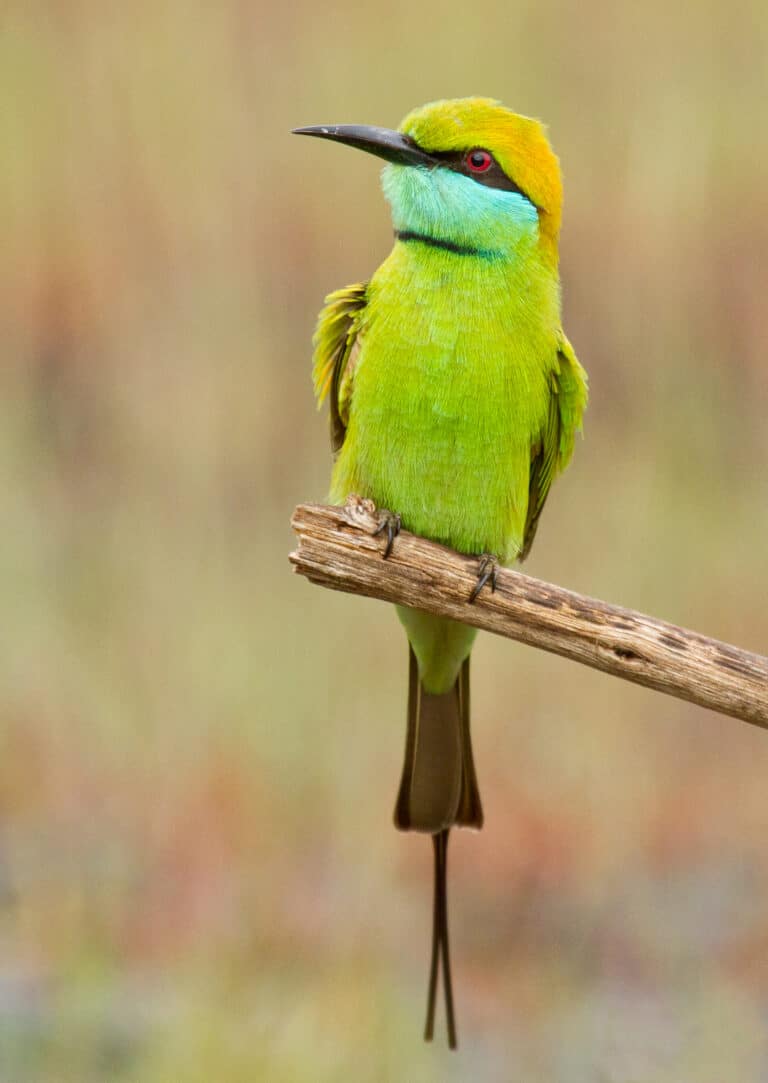
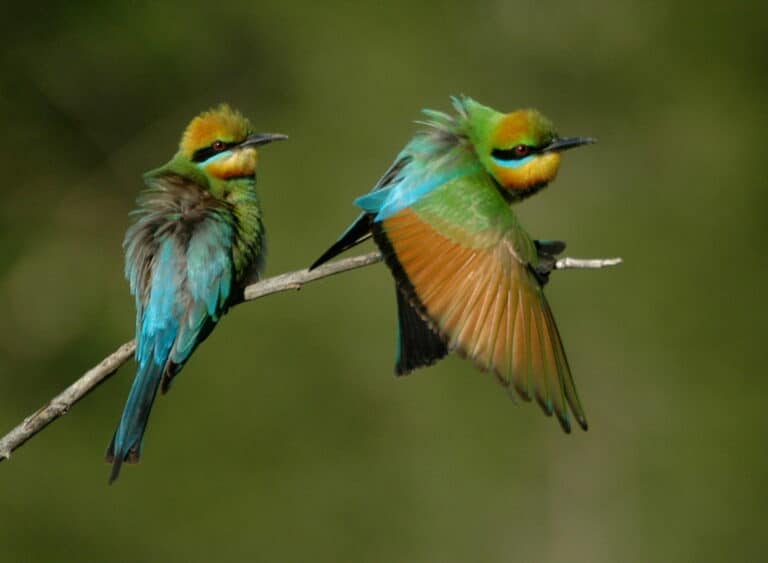
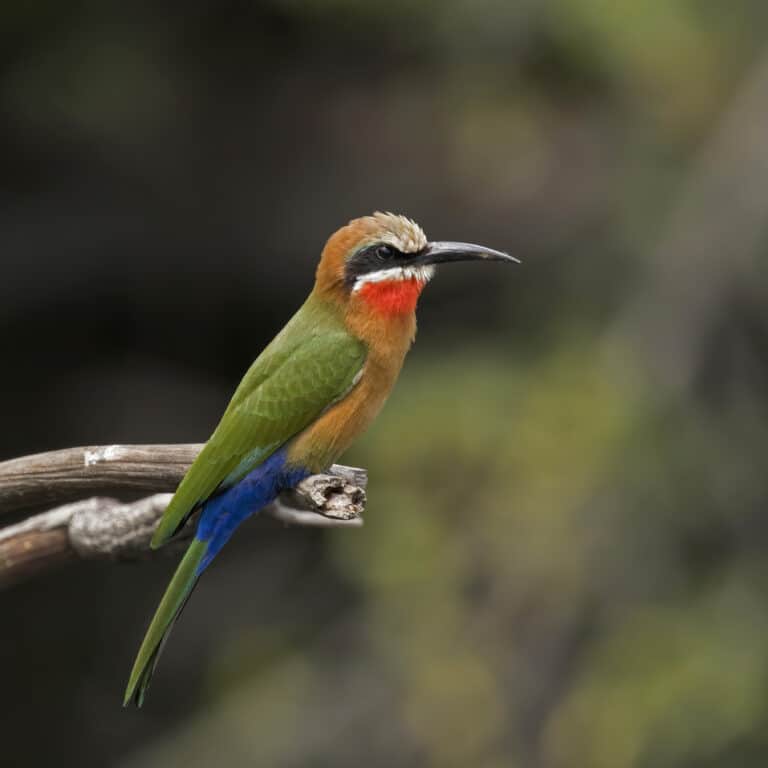
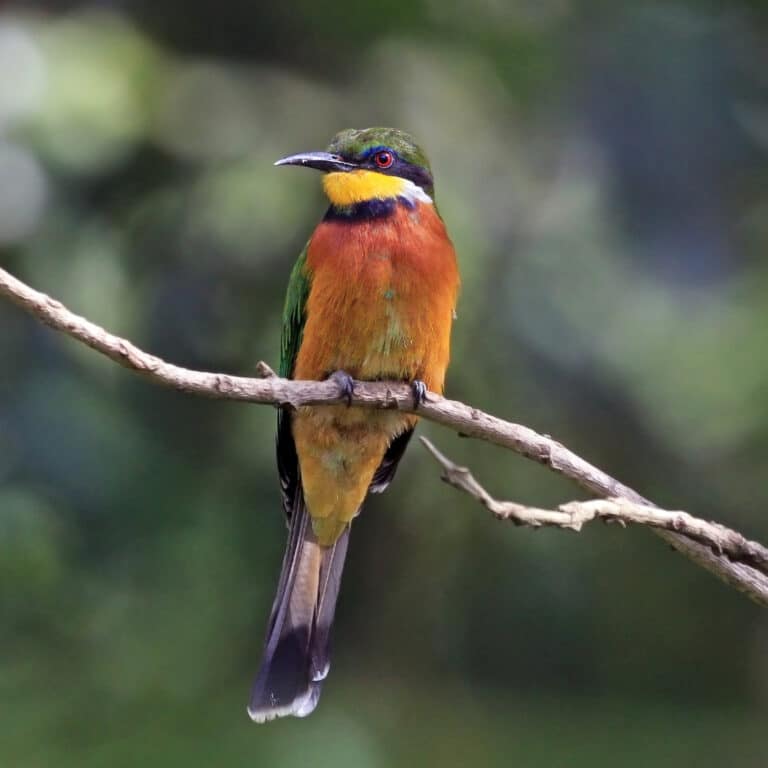
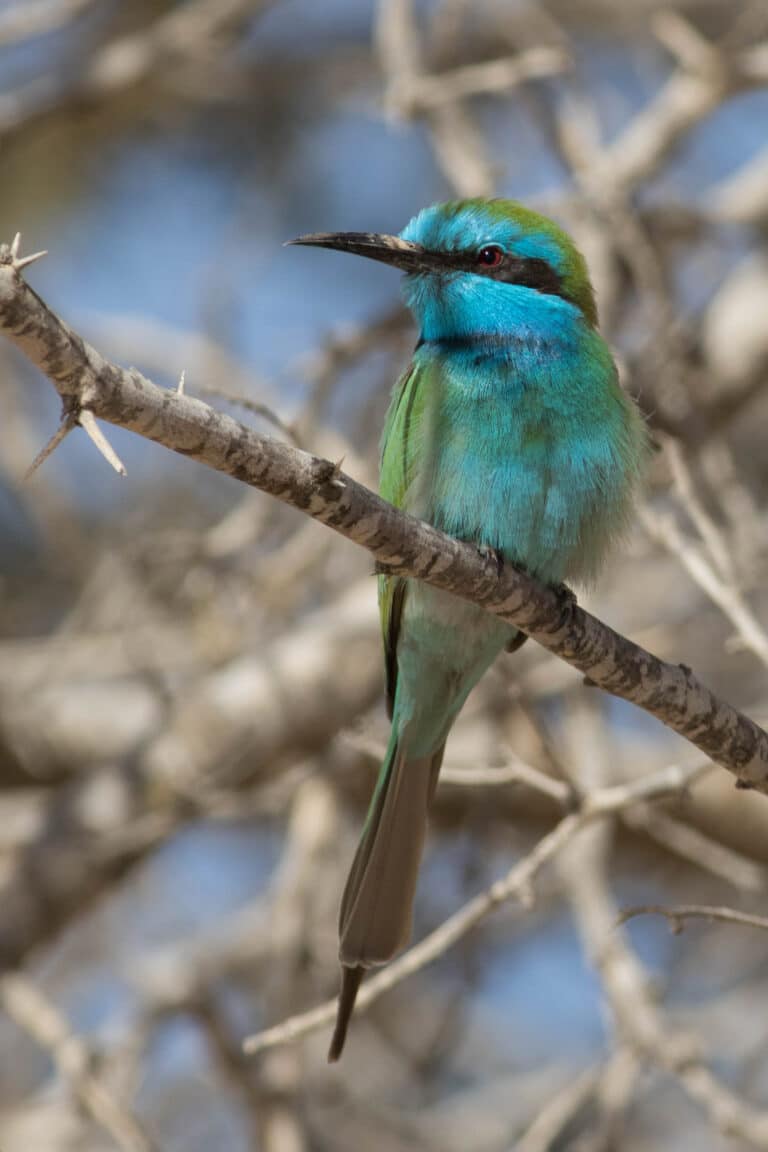
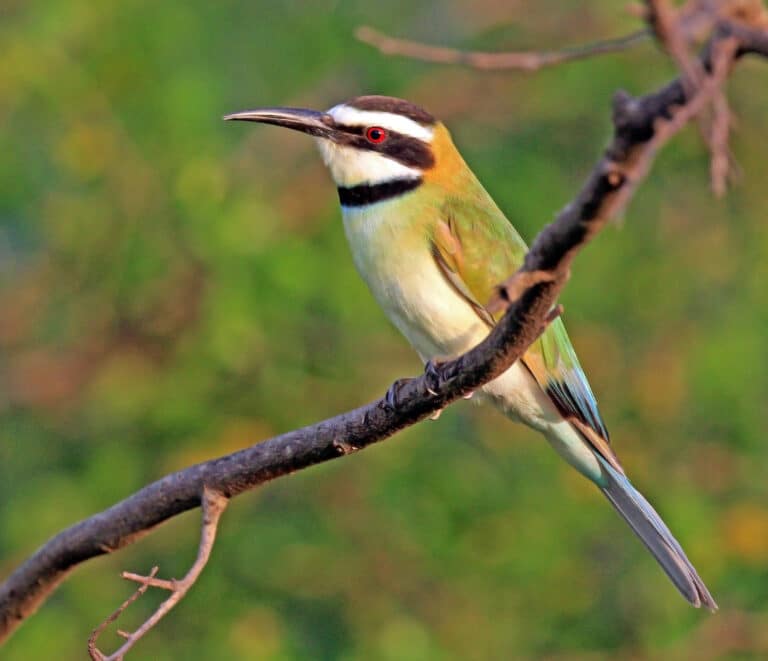
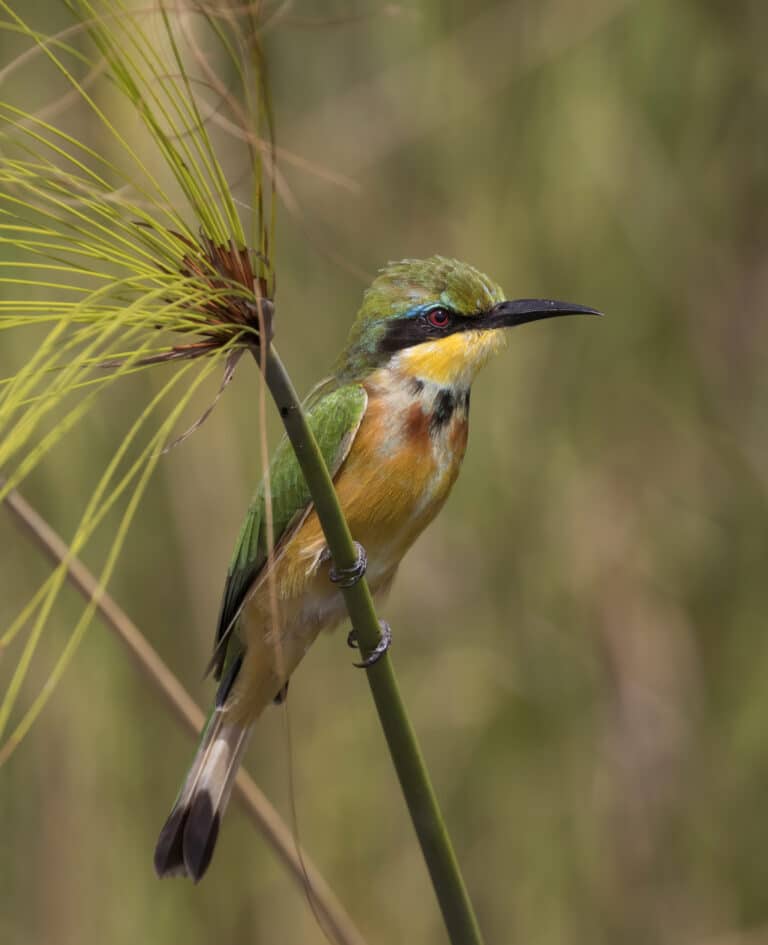
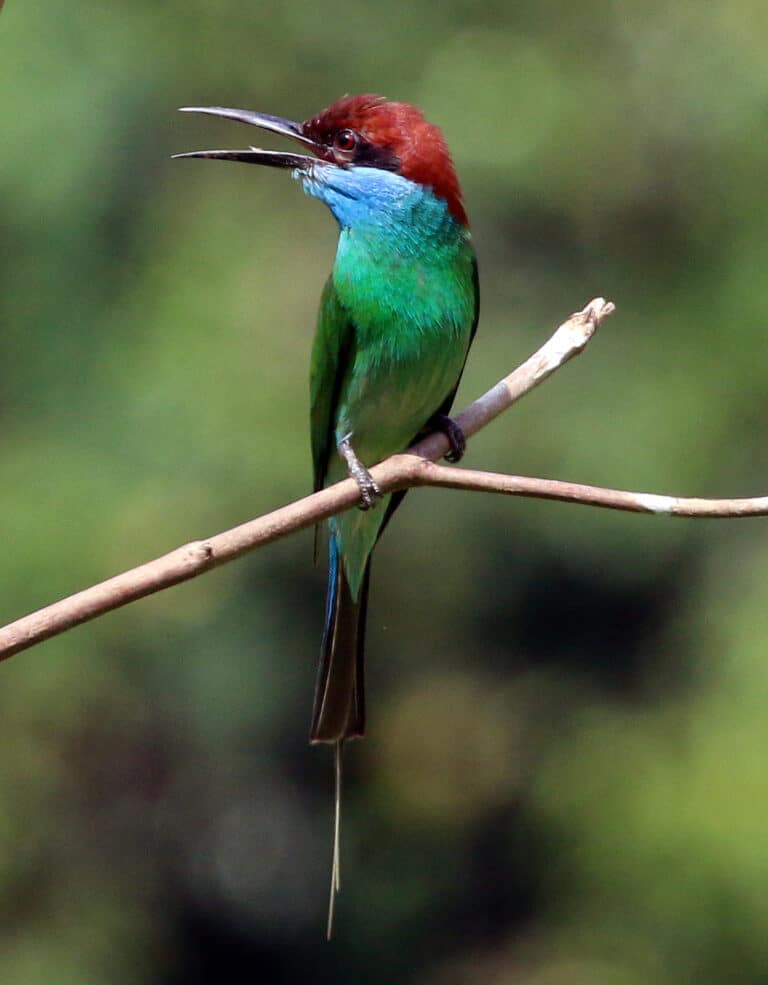
Bee-Eaters are known for their bright, colorful plumage, which helps them stand out in the lush environments where they live. They can be seen in shades of blue, green, yellow, and orange, creating a rainbow in the sky!
In addition to their hunting skills, Bee-Eaters are excellent performers. They engage in aerial acrobatics, fluttering, diving, and rolling in the air to display their agility to mates and rivals.
These birds are very social. They often gather in large groups when feeding, which can resemble a lively sports event as they cheer each other on with their melodic calls.
The nests of Bee-Eaters look like little tunnels in the ground. They dig these tunnels up to 1 meter (about 3 feet) deep to keep their eggs and chicks safe from predators.
Bee-Eaters have a special relationship with the insects they eat. They help control insect populations, so their tasty meals help protect the plants that bees pollinate.
During mating displays, male Bee-Eaters present food to females. This charming tradition not only shows off their hunting skills but also says, 'Look at how I can provide for you!'
When Bee-Eaters take a bath, they often enjoy a communal splash! They gather near water sources and delightfully shake and fluff their feathers while taking a refreshing dip.
The buzzing sound of a bee can confuse a Bee-Eater! They sometimes dive and miss their catch, showing that even expert hunters can face off against quick and clever insects.
Photos


The Basics


explore more
Amphibians
Arachnids
Birds
Cats
Crustaceans
Fish
Fish Pet Guide
Gastropods
Insects
Invertebrates
Mammals
Pet Fish
Pet Rodents
Plants
Reptiles
Roundworms
Sea Slugs