Successfully copied to clipboard!
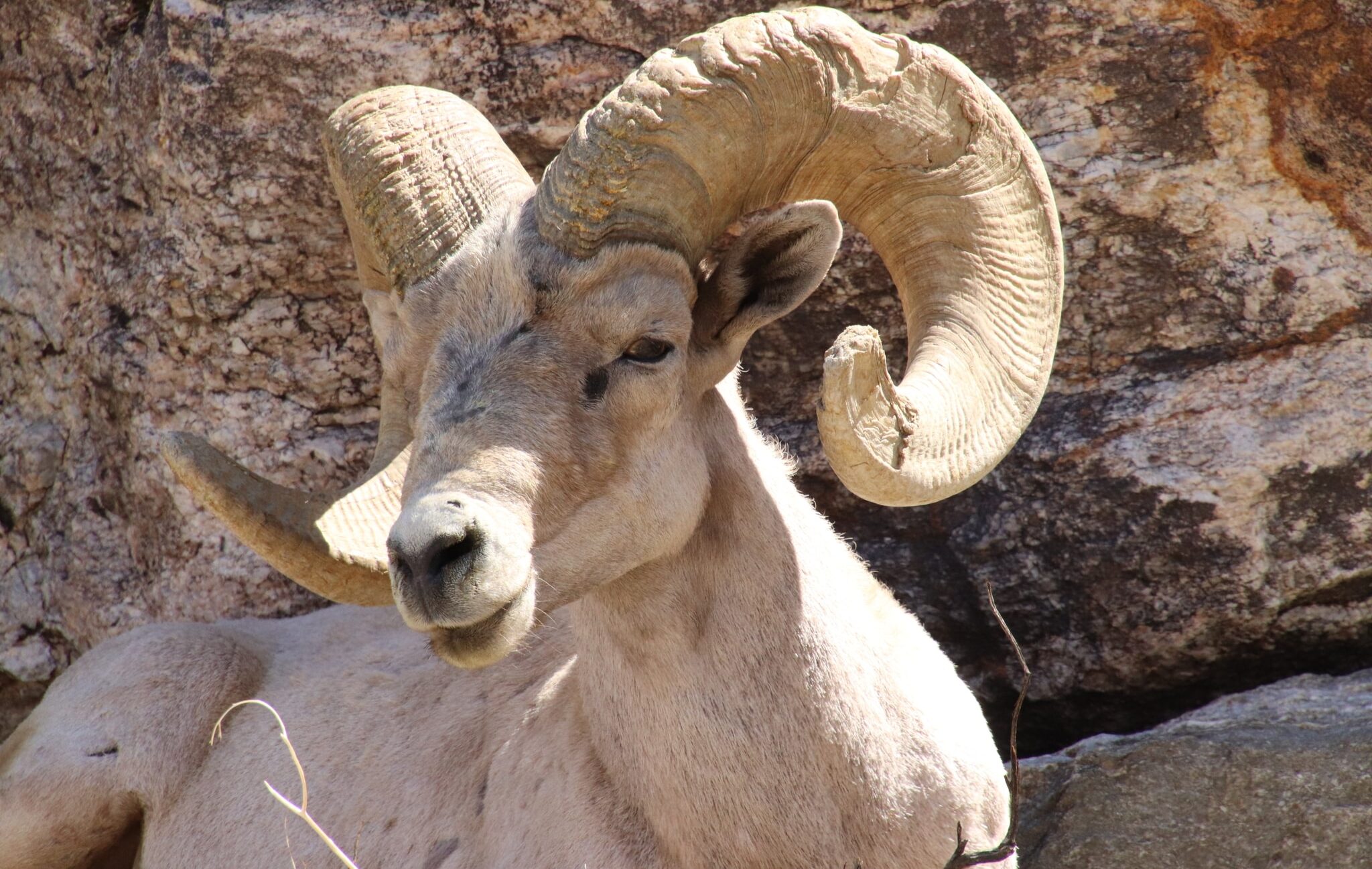
Bighorn Sheep
Explore the agile mountain climbers with impressive curled horns!
Let’s Explore
Overview
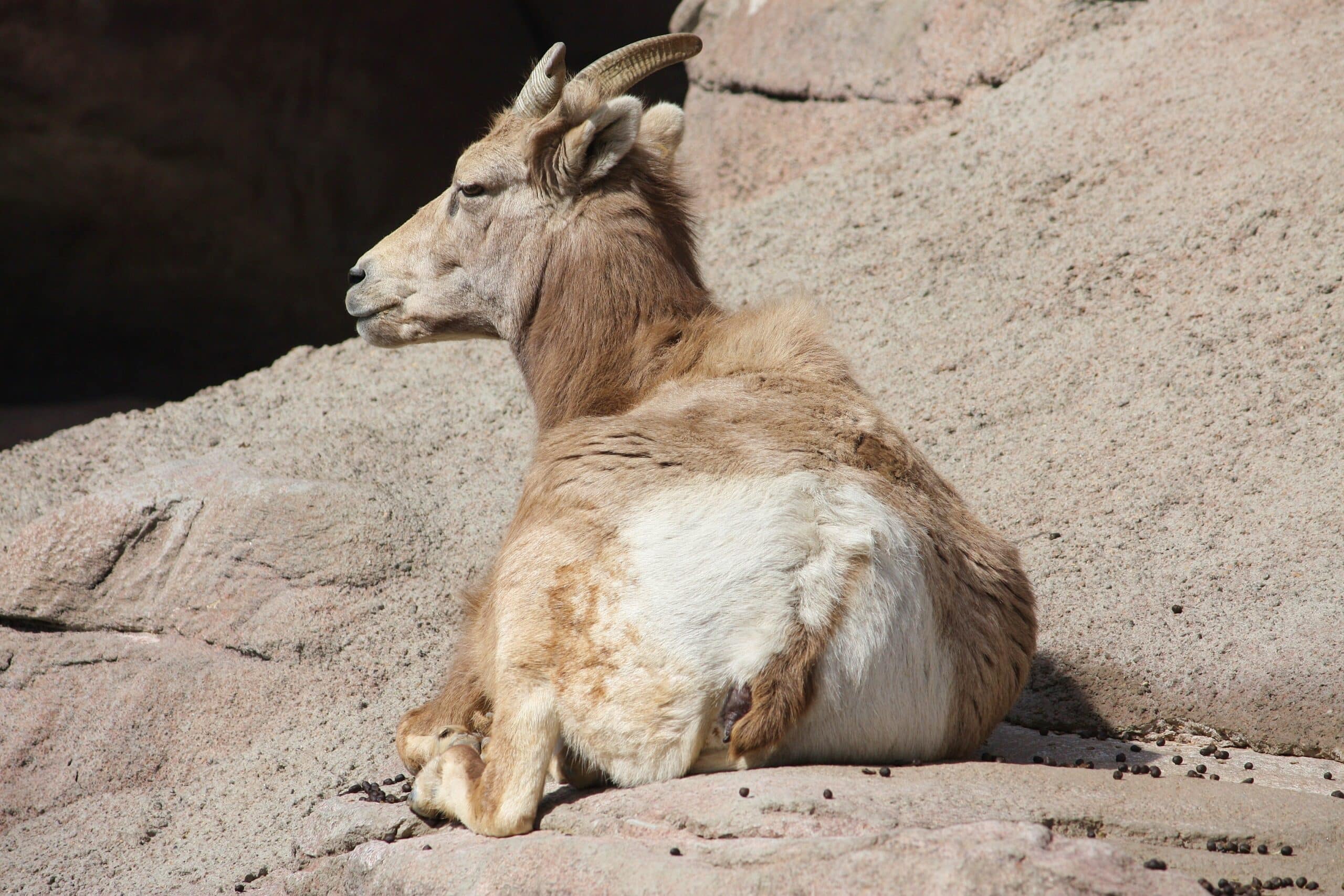
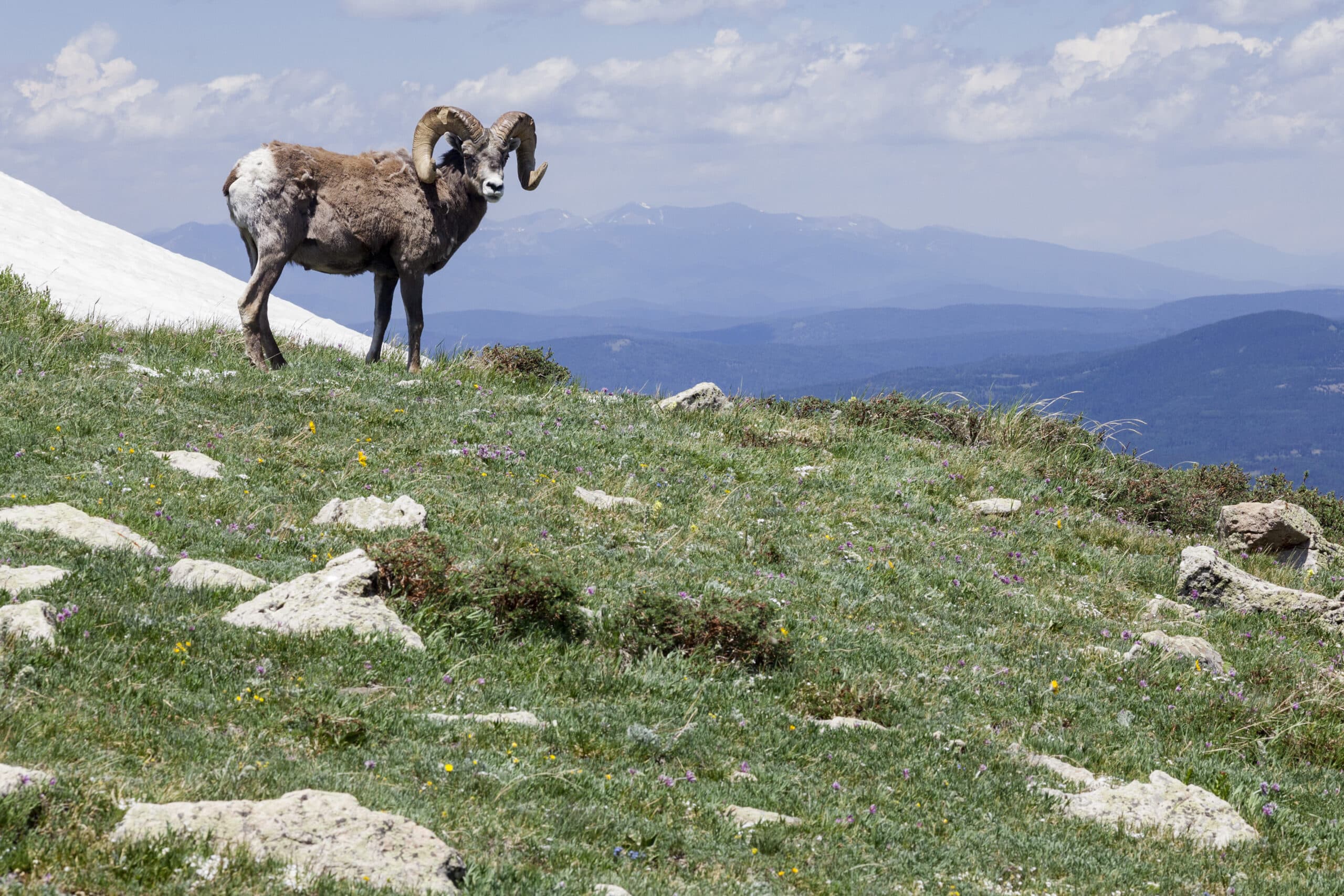
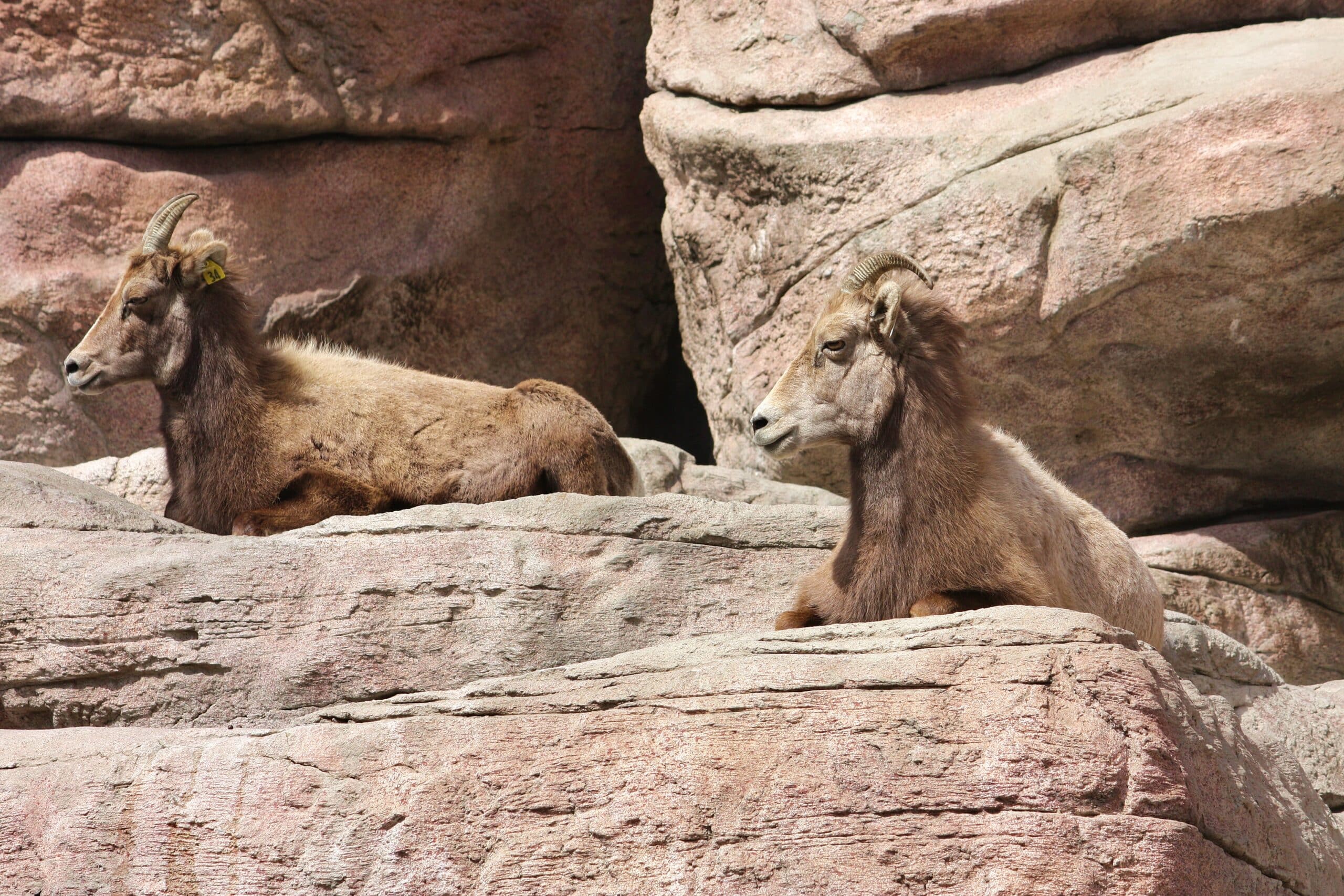
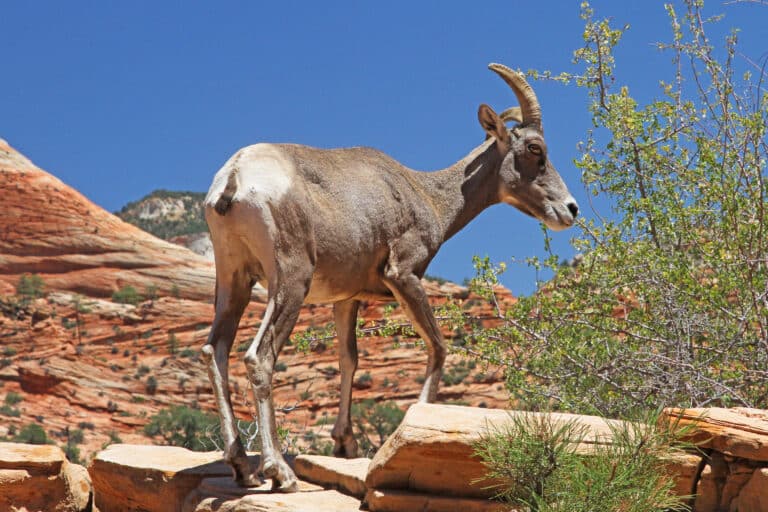
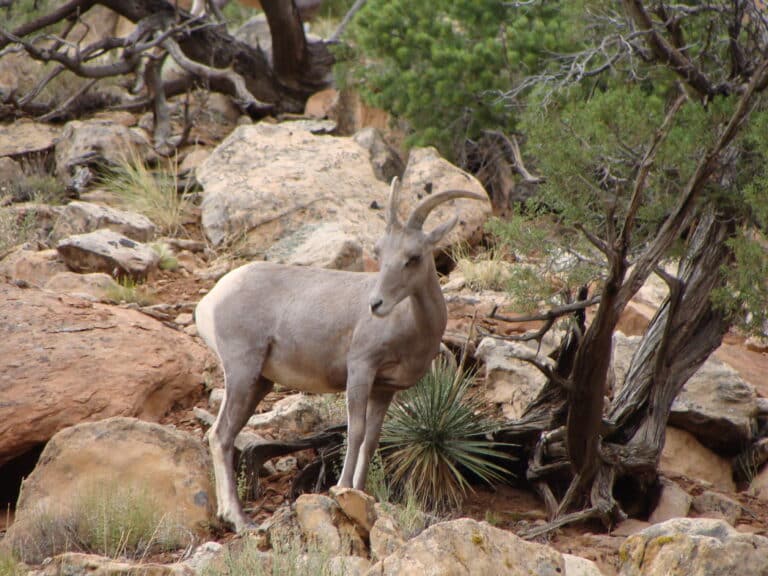
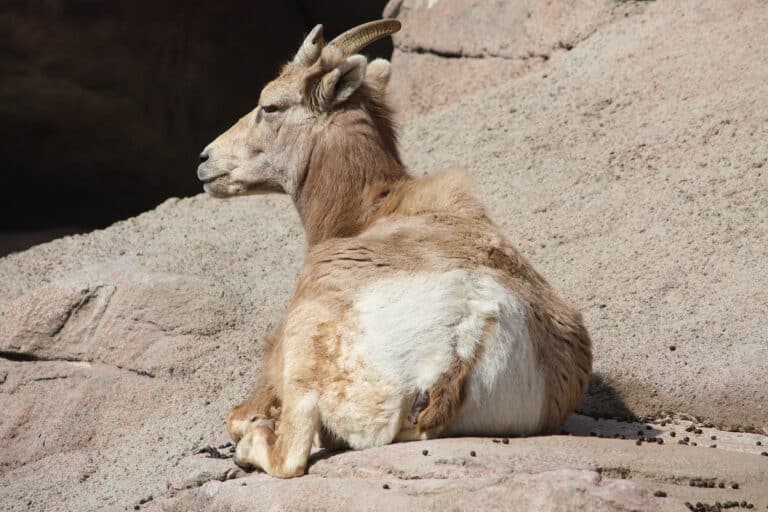
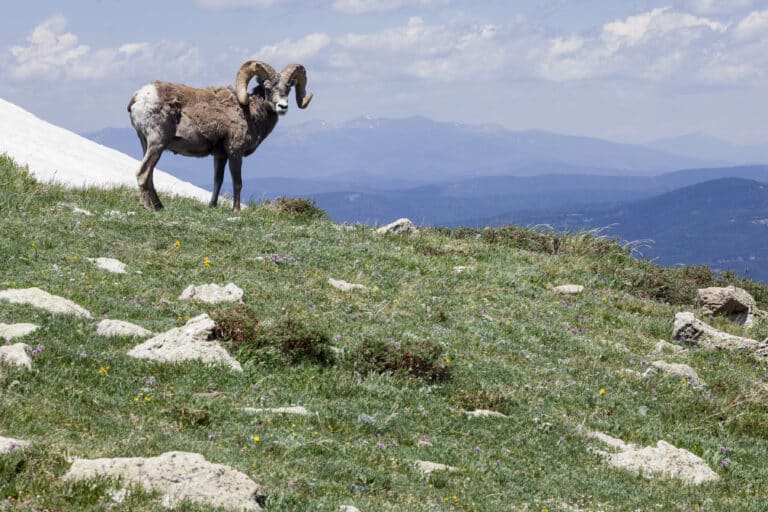
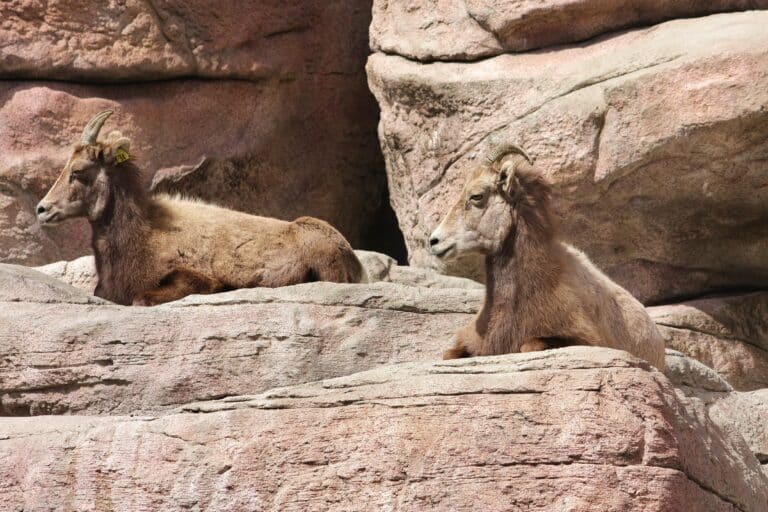
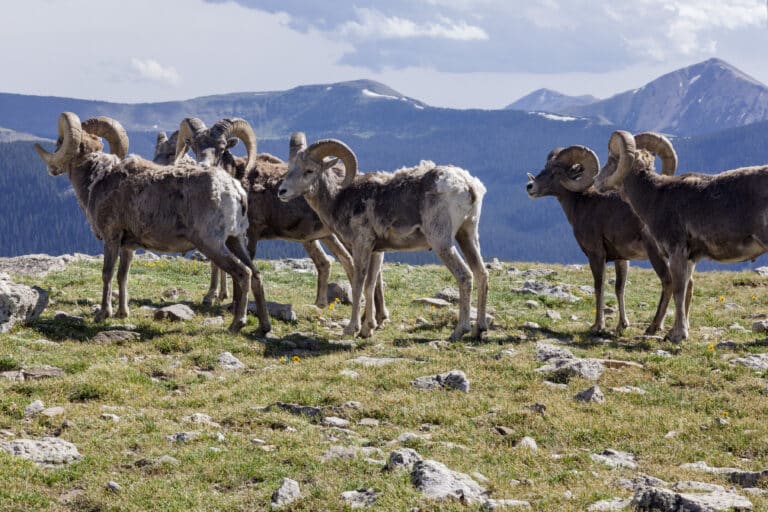
Bighorn sheep are remarkable mammals that roam the mountainous regions of North America. They belong to the Bovidae family, which includes goats and antelopes, and their scientific name is Ovis canadensis.
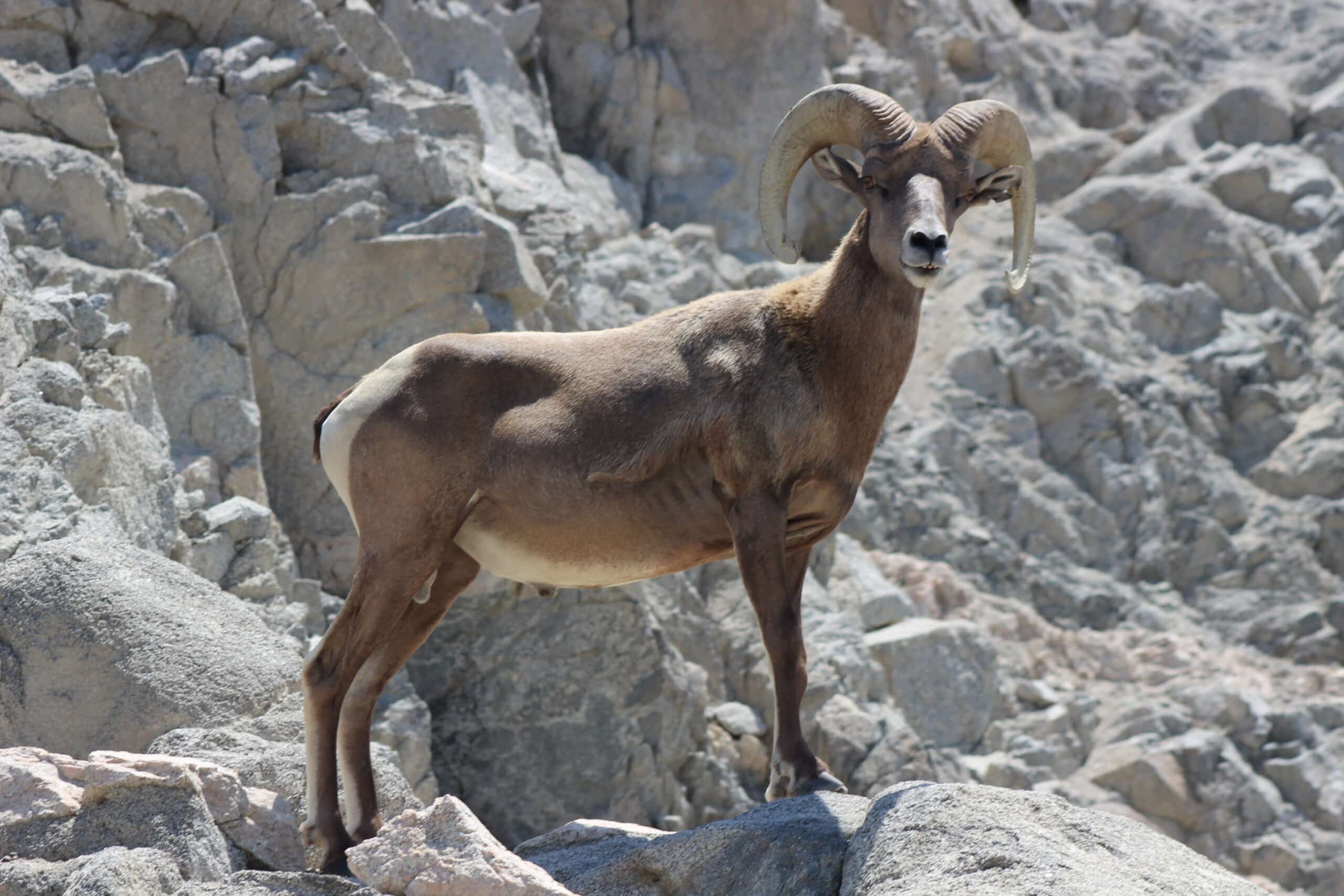
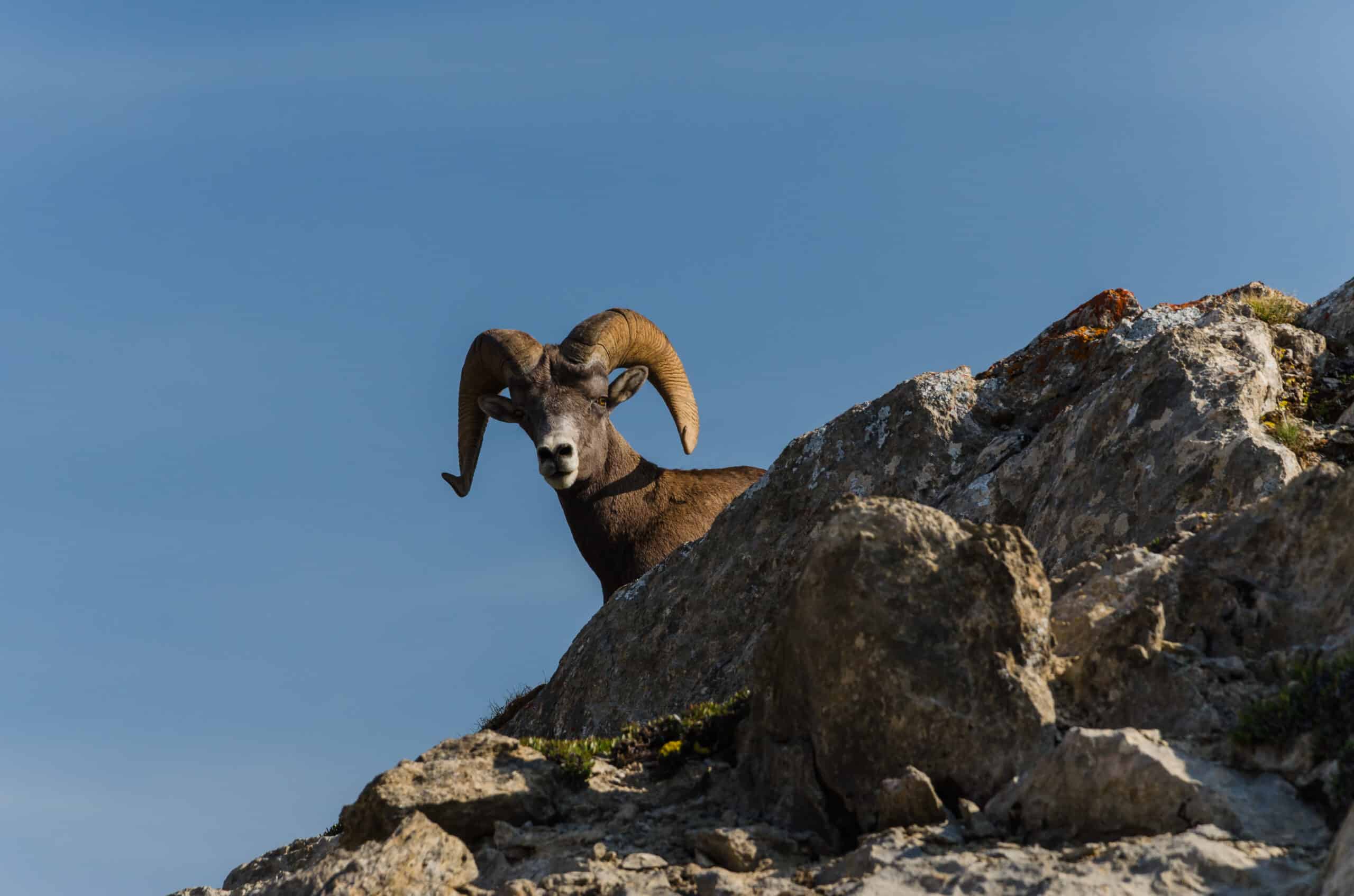
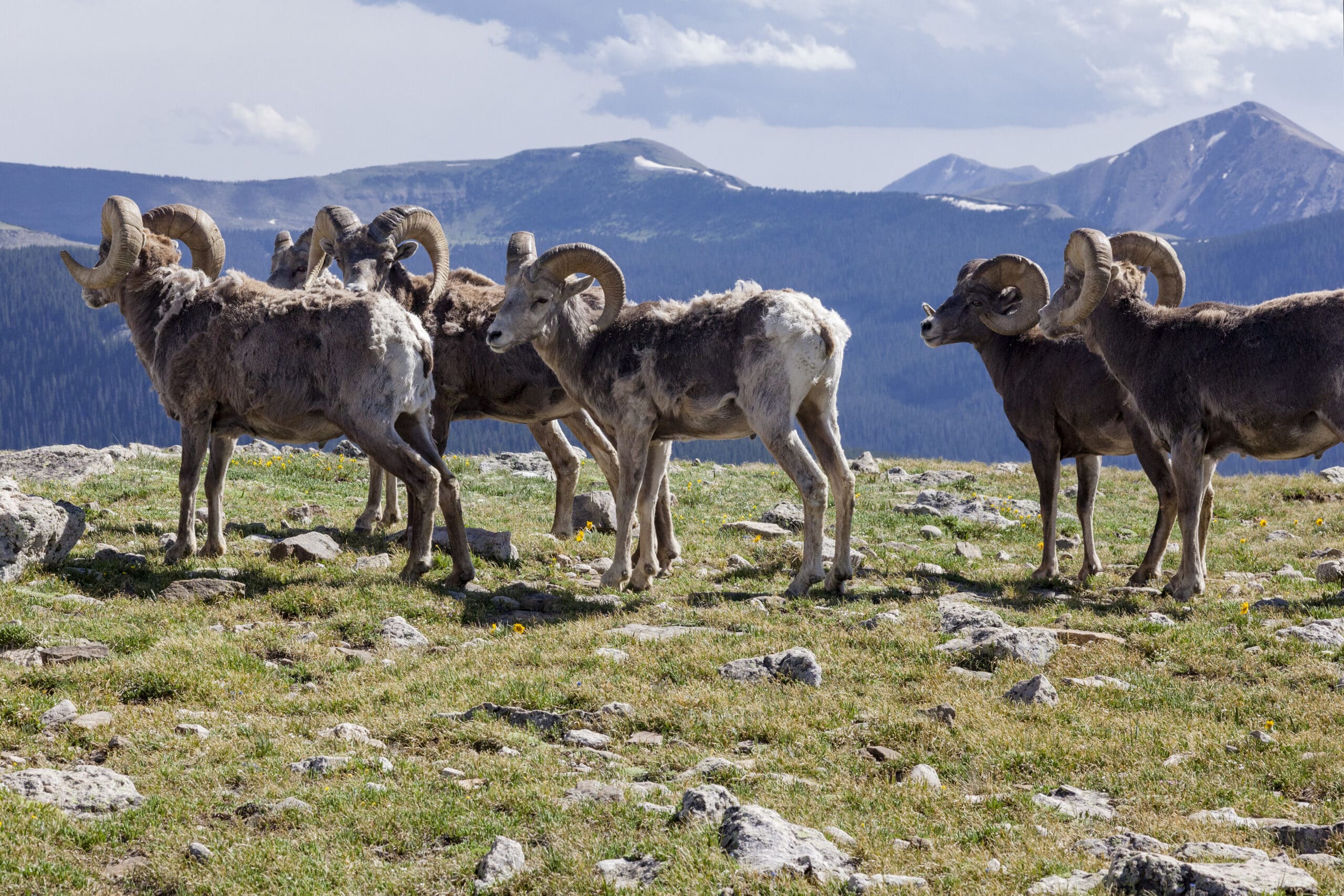
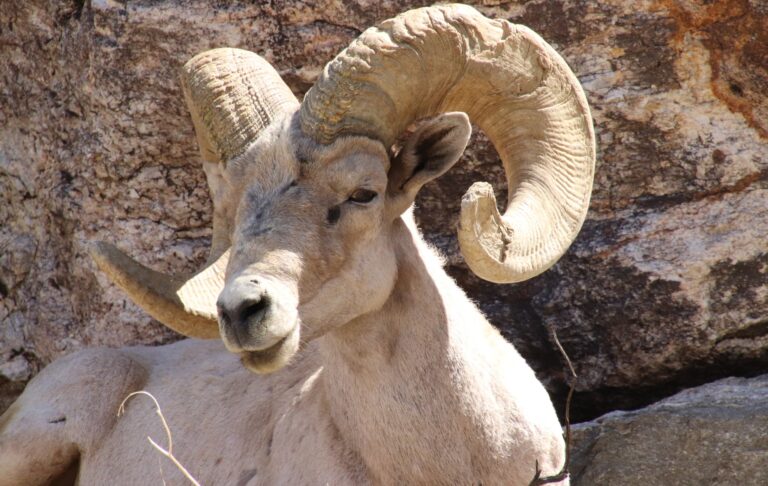
These agile animals are known for their impressive curled horns. Males, called rams, can have horns that weigh up to 14 kilograms (30 pounds) and grow up to 1 meter (3.3 feet) long, making them quite the show-stoppers on the mountain slopes!
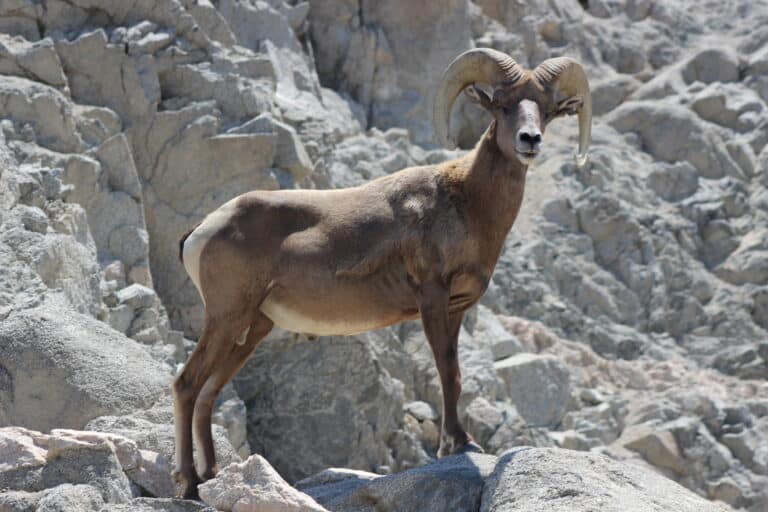
Bighorn sheep typically grow between 1.5 to 1.8 meters (5 to 6 feet) long. They enjoy a diet consisting of grasses, seeds, and shrubs, which they munch on while scaling rocky terrain.
These fascinating creatures can live for about 10 to 15 years in the wild. They form tight-knit groups called herds, which provide safety and companionship as they navigate their rugged homes.
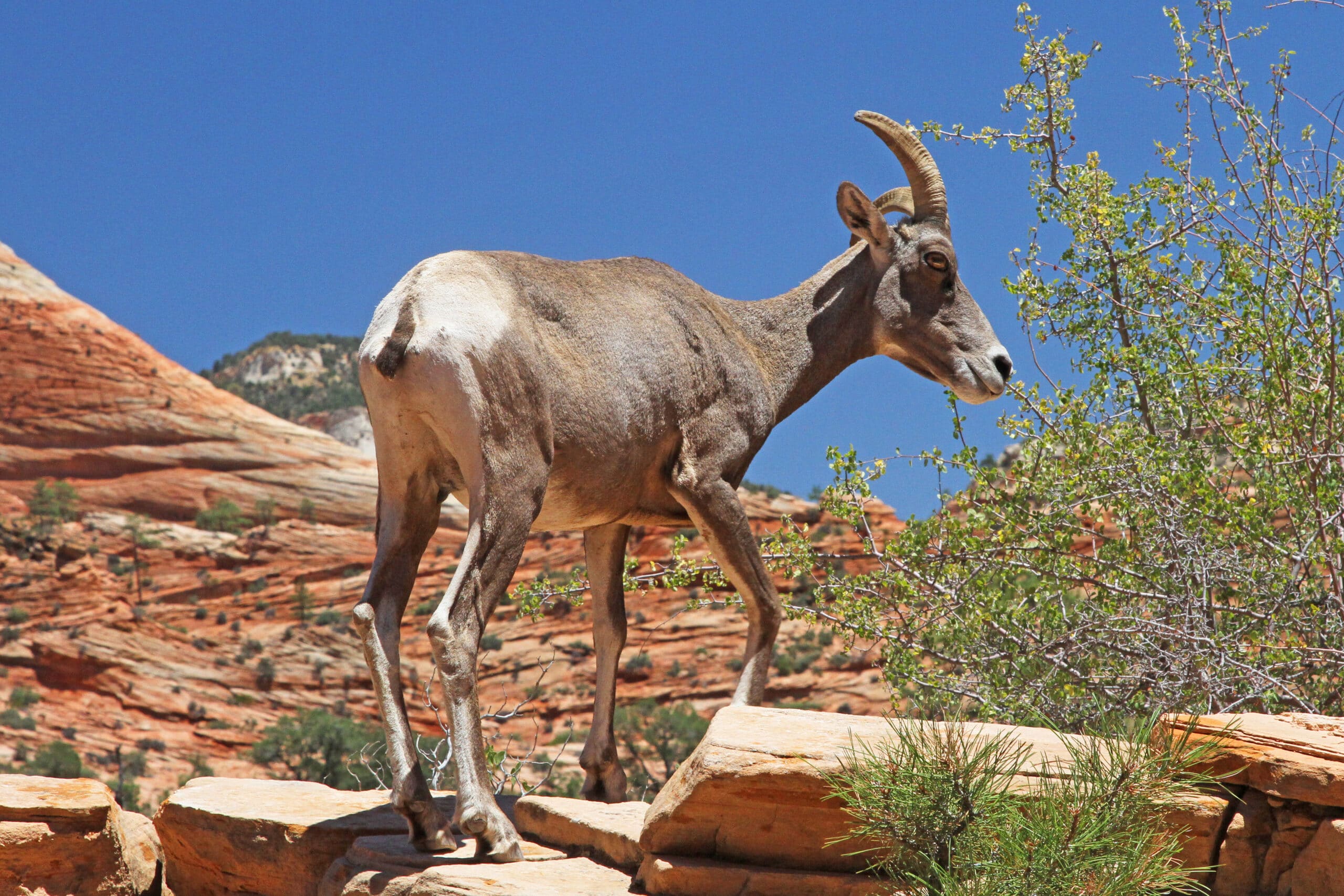
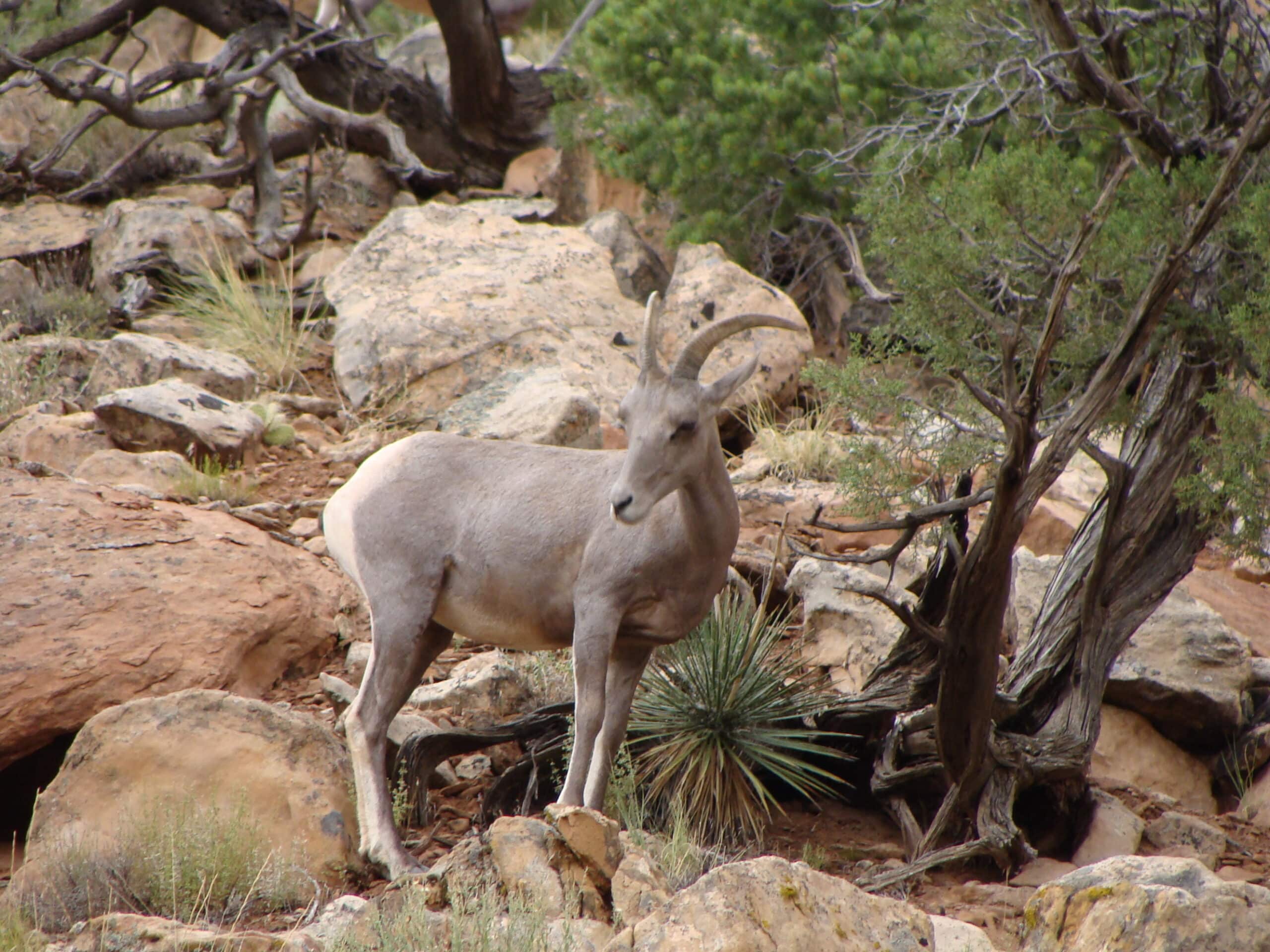
Bighorn sheep have strong hooves that help them climb steep, rocky cliffs easily. Their incredible balance and agility allow them to leap across gaps and dodge predators!
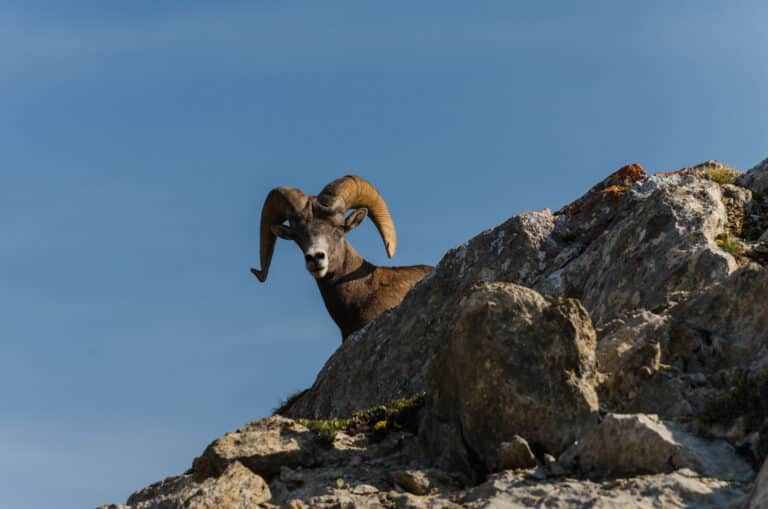
Seeing a bighorn sheep in its natural habitat is an unforgettable experience. With their striking appearance and impressive skills, they truly embody the spirit of the wild!

Where can you find a Bighorn Sheep in the wild?
What does a Bighorn Sheep eat?
How big can a Bighorn Sheep grow?
How long does a Bighorn Sheep typically live?
What is the conservation status of the Bighorn Sheep?
What are the main threats to the Bighorn Sheep?
Fun facts
Bighorn sheep can jump over obstacles that are almost three times their own height, like having their own mountain trampoline!


The bighorn sheep's horns are not just for looks; they help rams establish their dominance and win the hearts of females. Rams can get so into their headbutting contests that they create loud booms that can be heard far away!
In the wild, male bighorn sheep shed their horns every year, while females keep theirs for life. Imagine if humans grew and lost their hair every year - it would make haircuts a lot more interesting!
These incredible climbers can accurately judge their jumps, allowing them to leap across gaps that are over 5.5 meters (18 feet) wide. Talk about fearlessness!
When bighorn sheep graze, they often roll their tails up like a flag. This shows others in their herd that it's time to move to a new spot for food.
Bighorn sheep can communicate using a variety of sounds. They can grunt, bleat, and even make a loud roar-like noise - their very own mountain talk show!
In harsh winters, bighorn sheep can lose their body fat to survive. They have a special way of adapting: their metabolism slows down to save energy, like turning down the thermostat on a cold day!
When risks appear, bighorn sheep use their keen eyesight to spot danger from far away. They have eyes that can see almost 360 degrees around them, which helps avoid sticky situations!
Bighorn sheep have extraordinary hooves! Their special foot structure with a hard outer edge and a soft inner pad provides a perfect grip for rocky slopes and ensures they don’t slip.
These sheep are very social animals, forming groups of 10 to 100 individuals. Their herd behavior is so strong that they can even perform synchronized jumps to avoid predators!
Photos





The Basics


explore more
Amphibians
Arachnids
Birds
Cats
Crustaceans
Fish
Fish Pet Guide
Gastropods
Insects
Invertebrates
Mammals
Pet Fish
Pet Rodents
Plants
Reptiles
Roundworms
Sea Slugs