Successfully copied to clipboard!
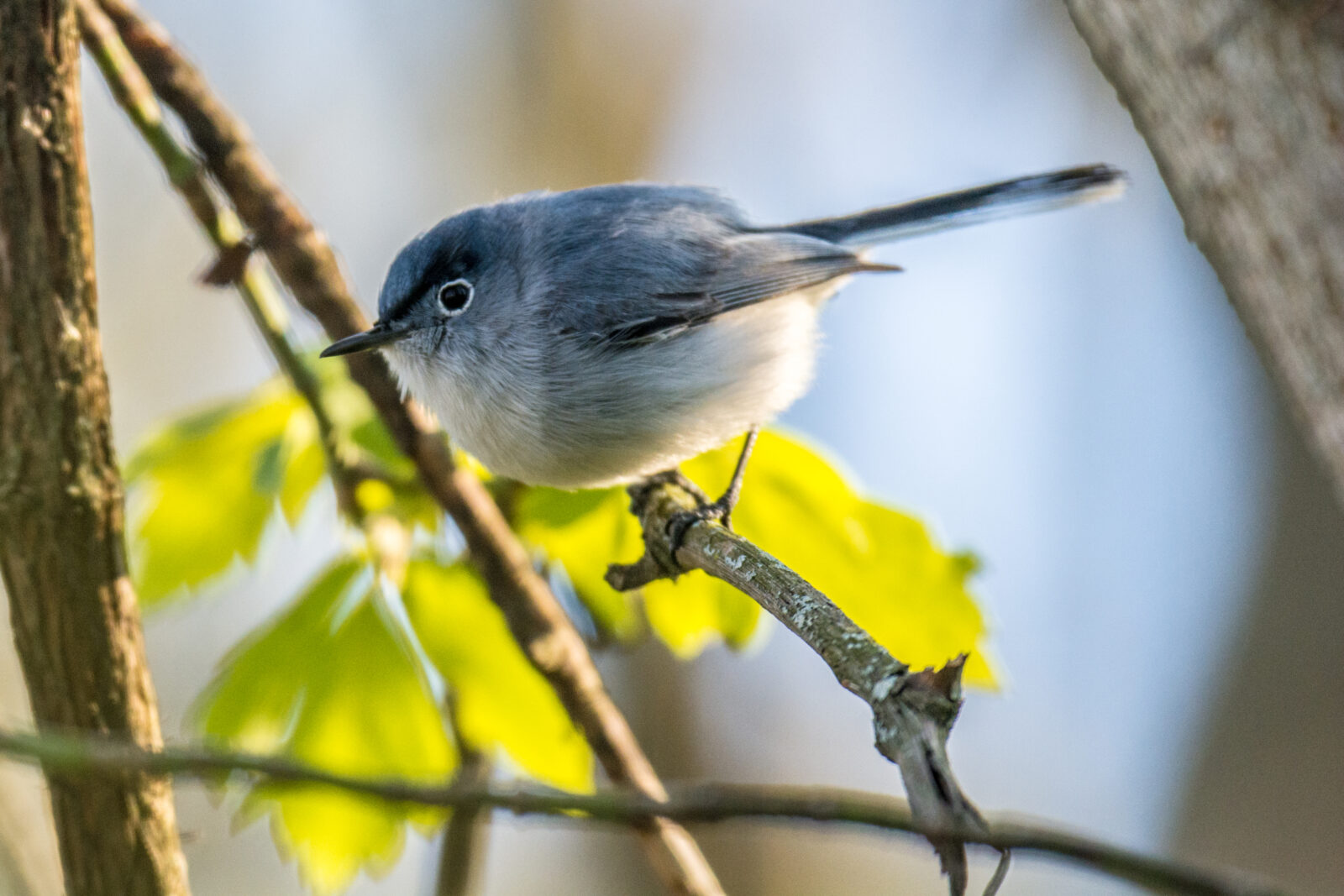
Blue Gray Gnatcatcher
Explore the vibrant world of energetic, tiny feathered friends!
Let’s Explore
Overview
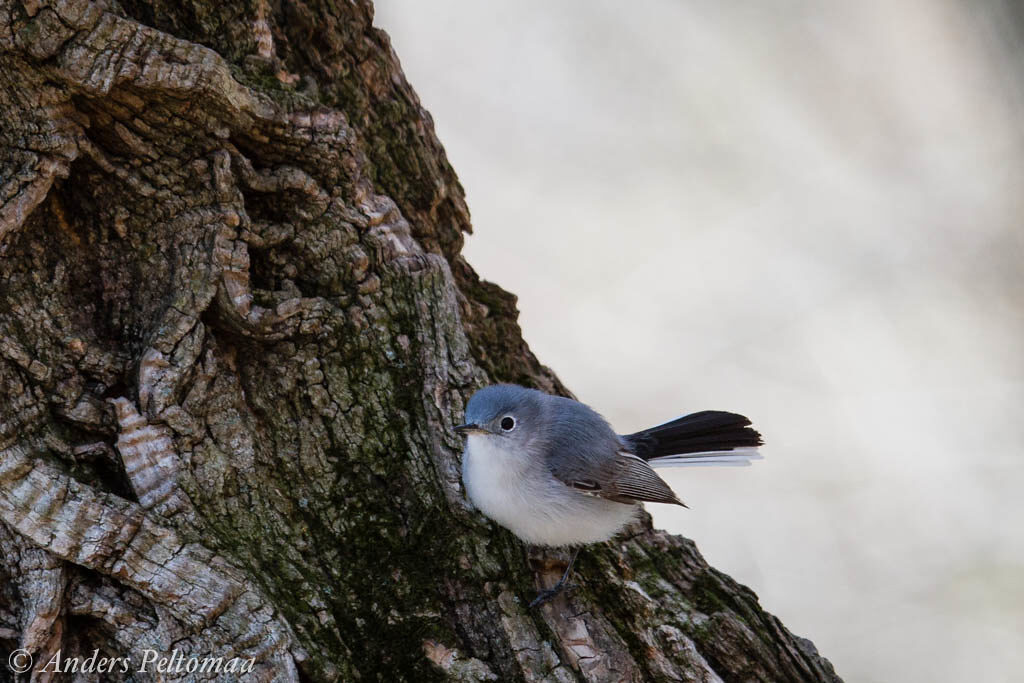
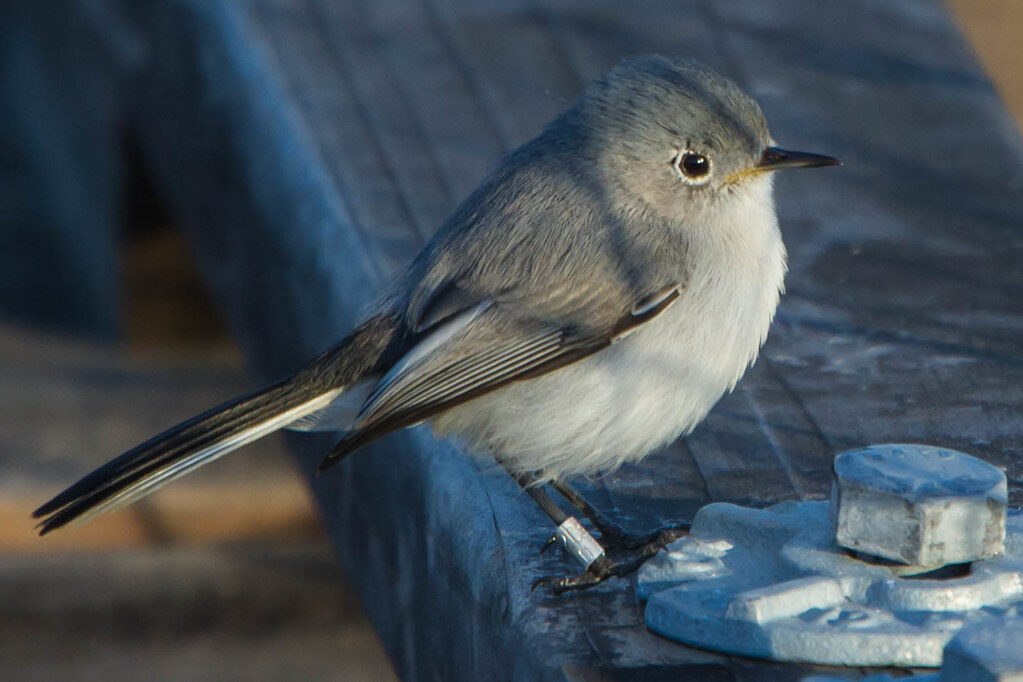
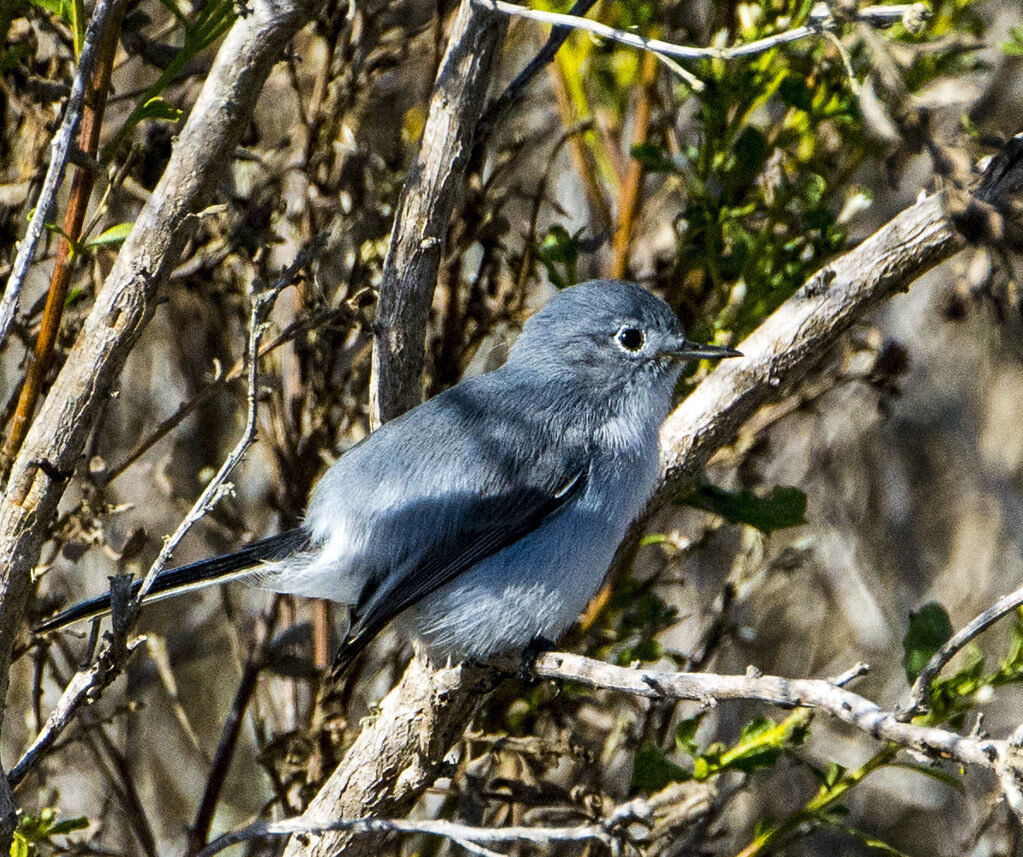
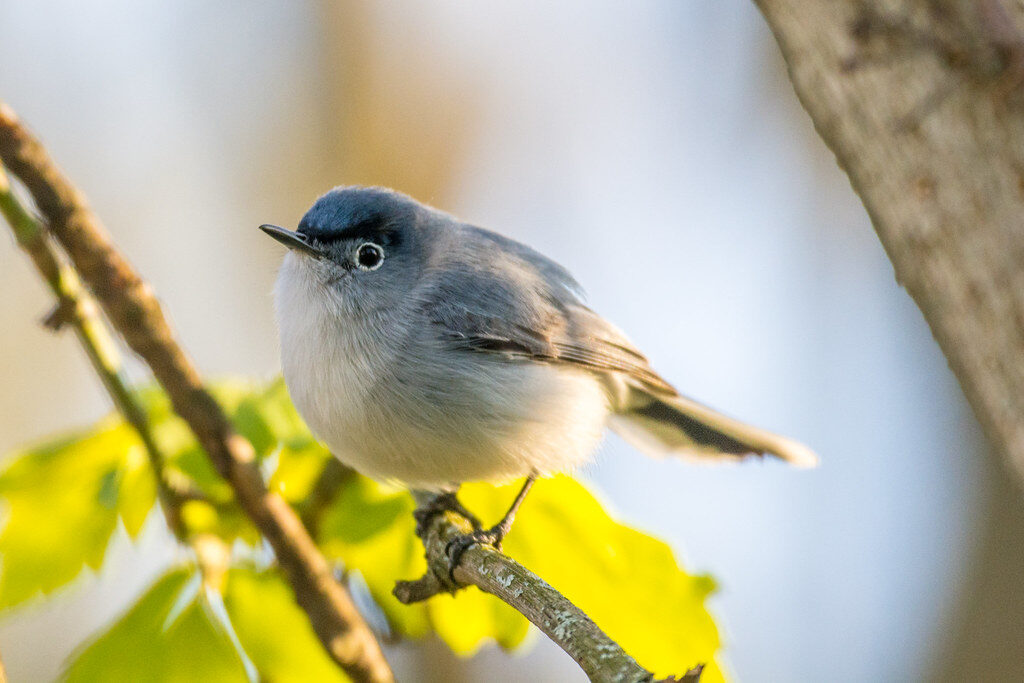
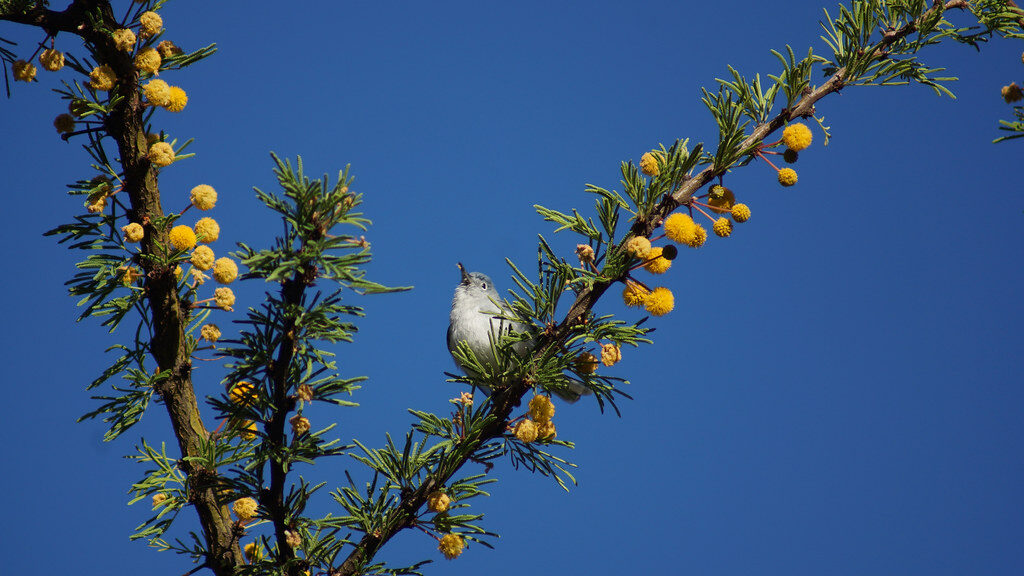
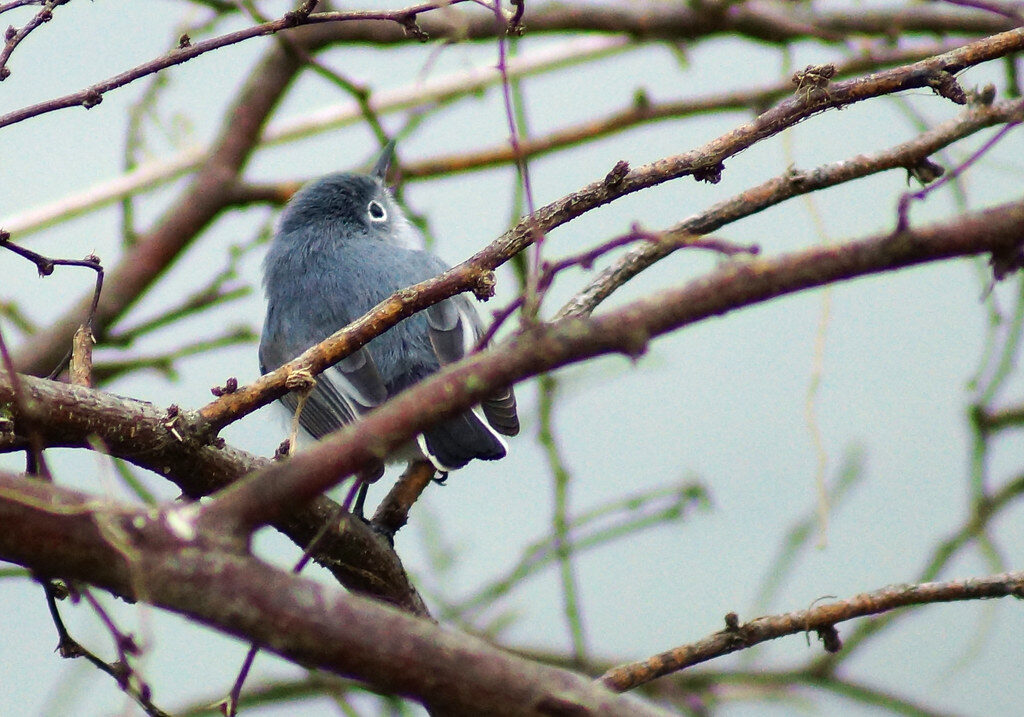
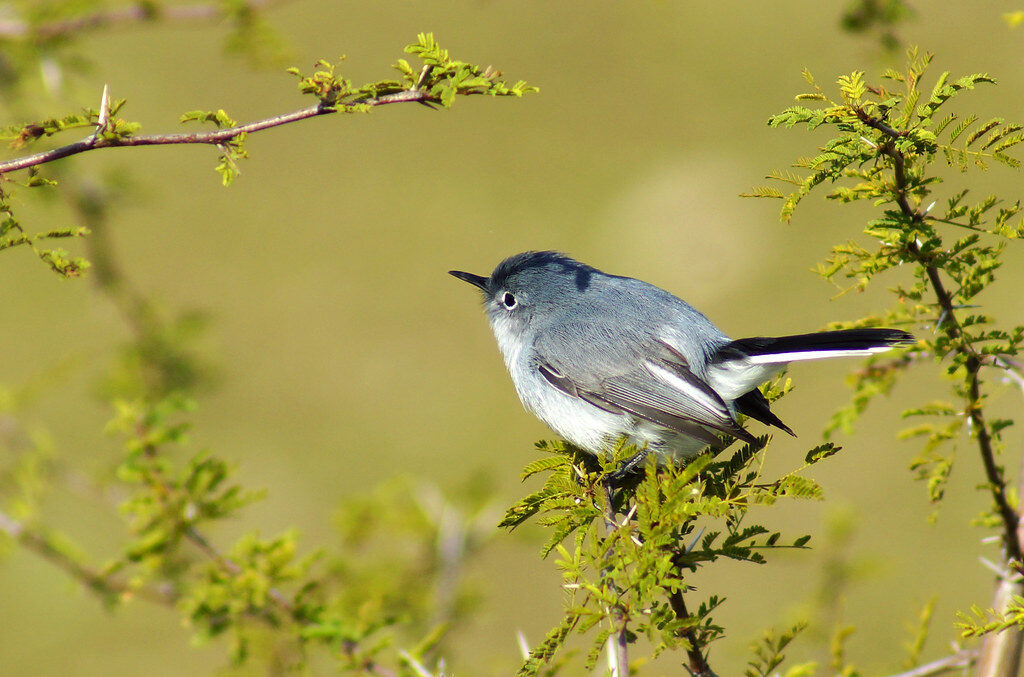
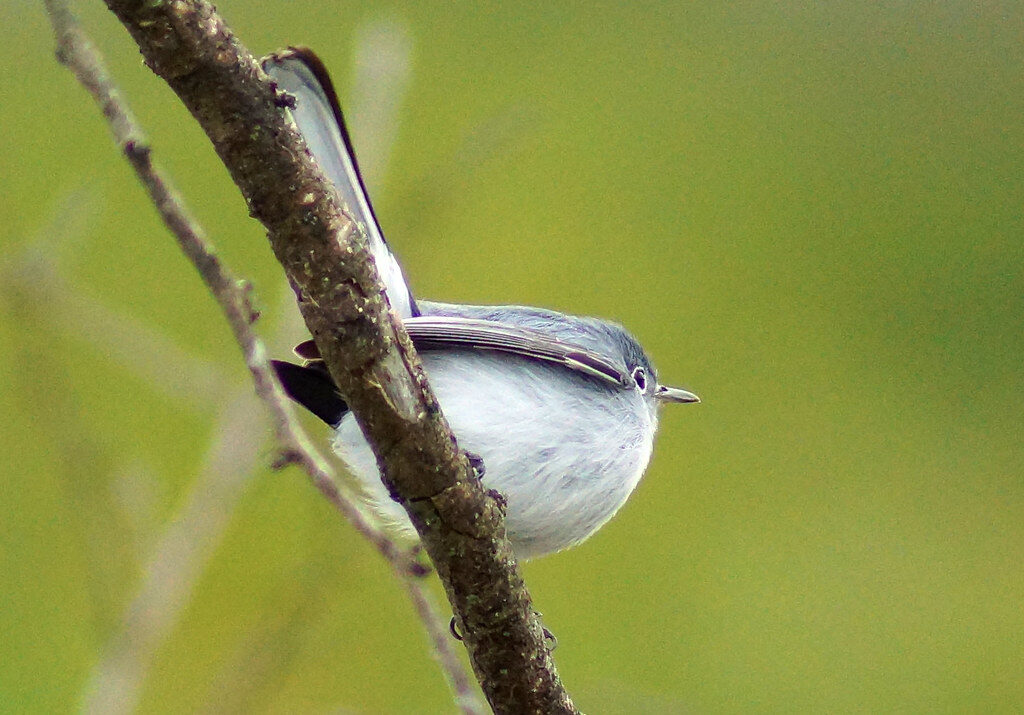
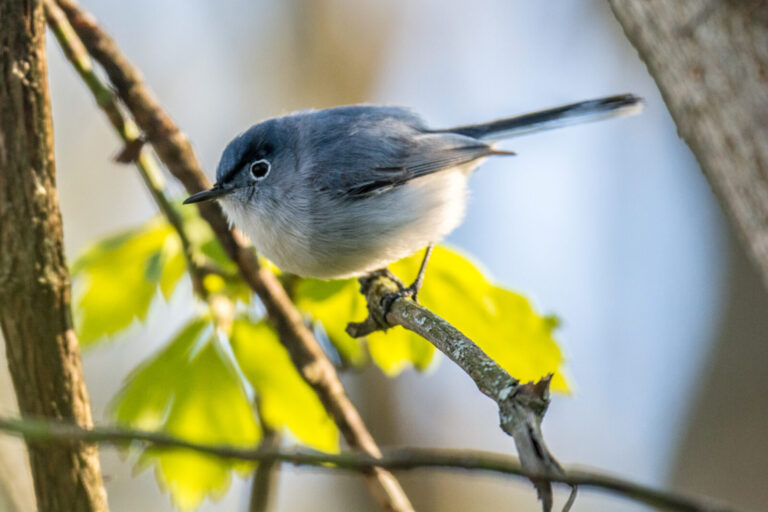
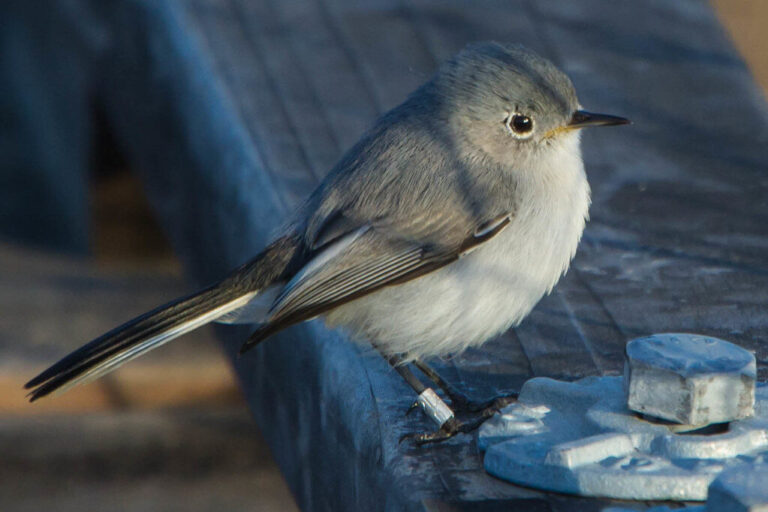
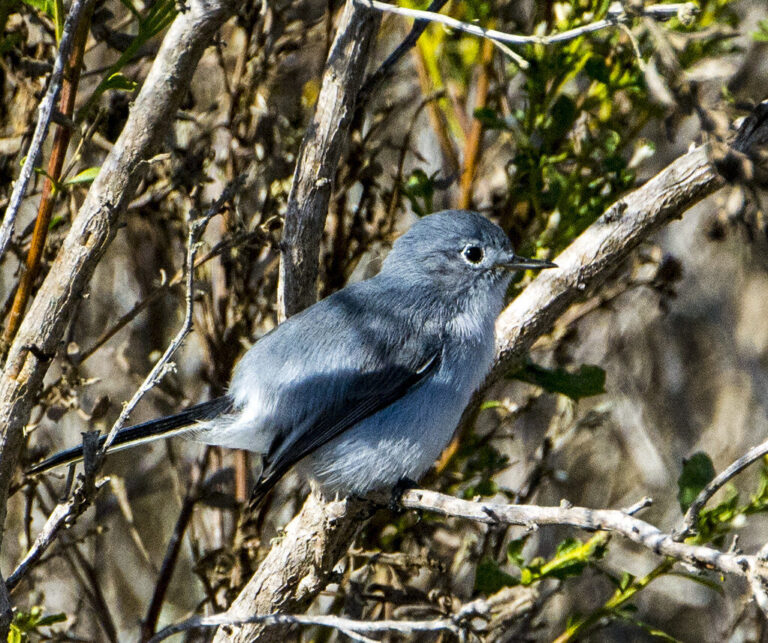
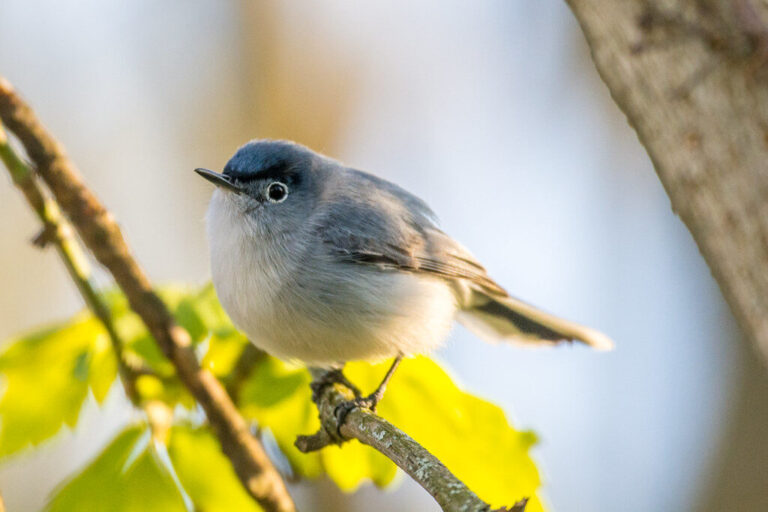
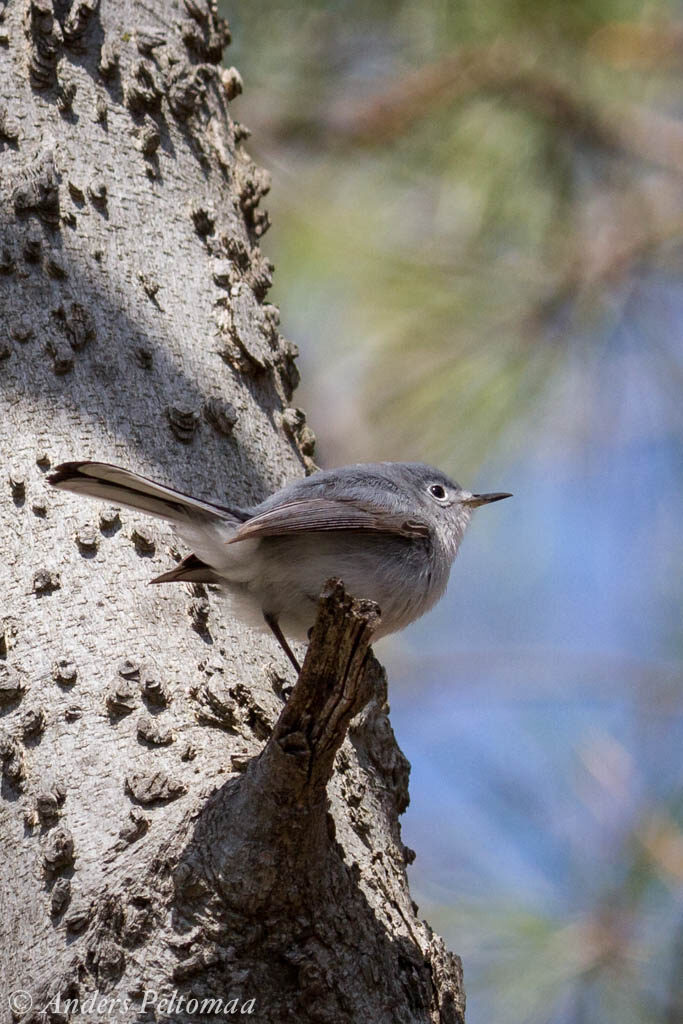
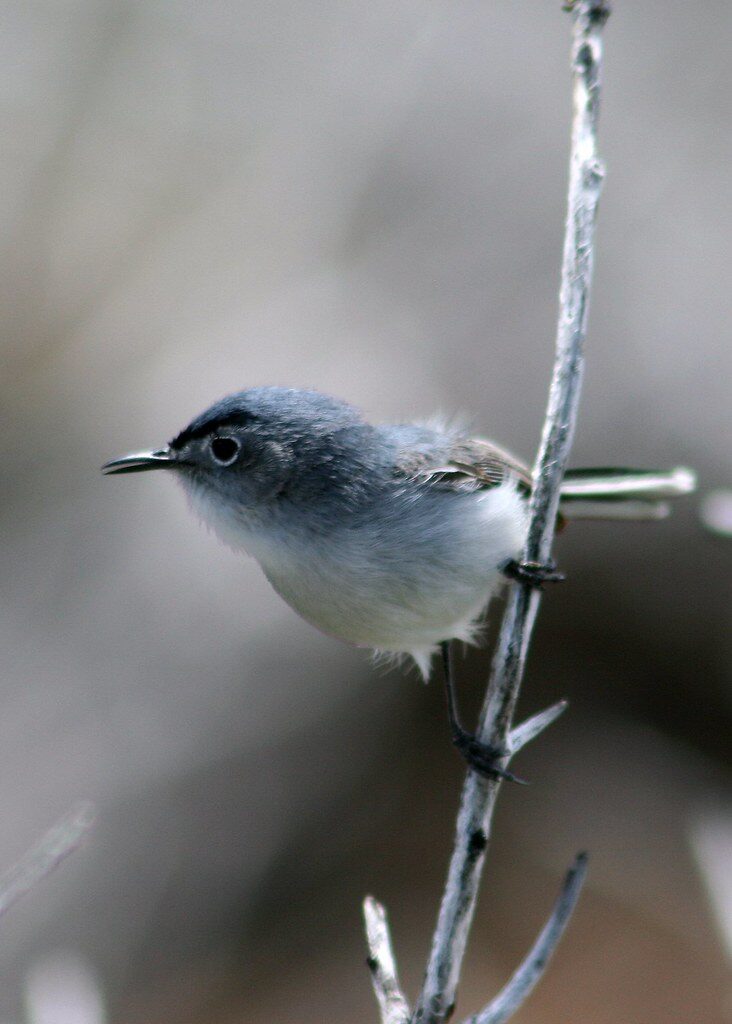
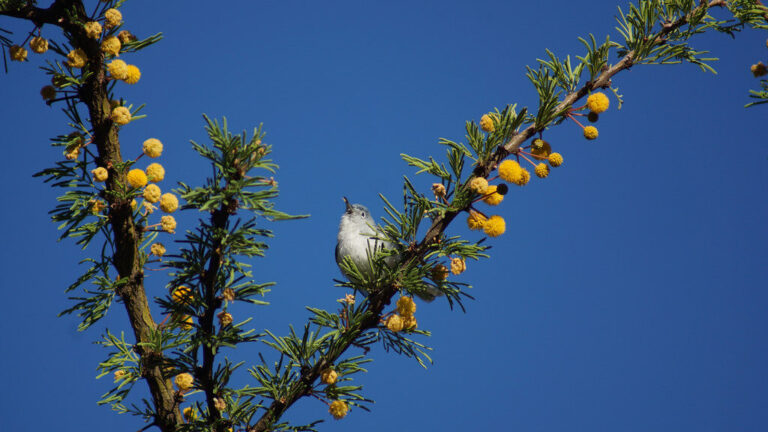
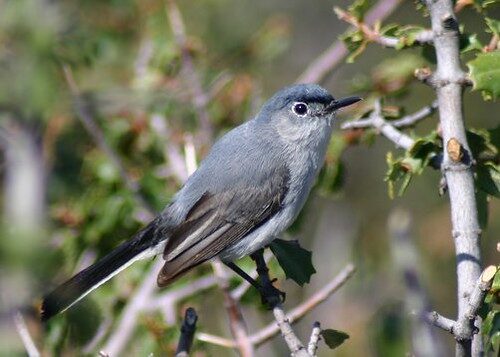
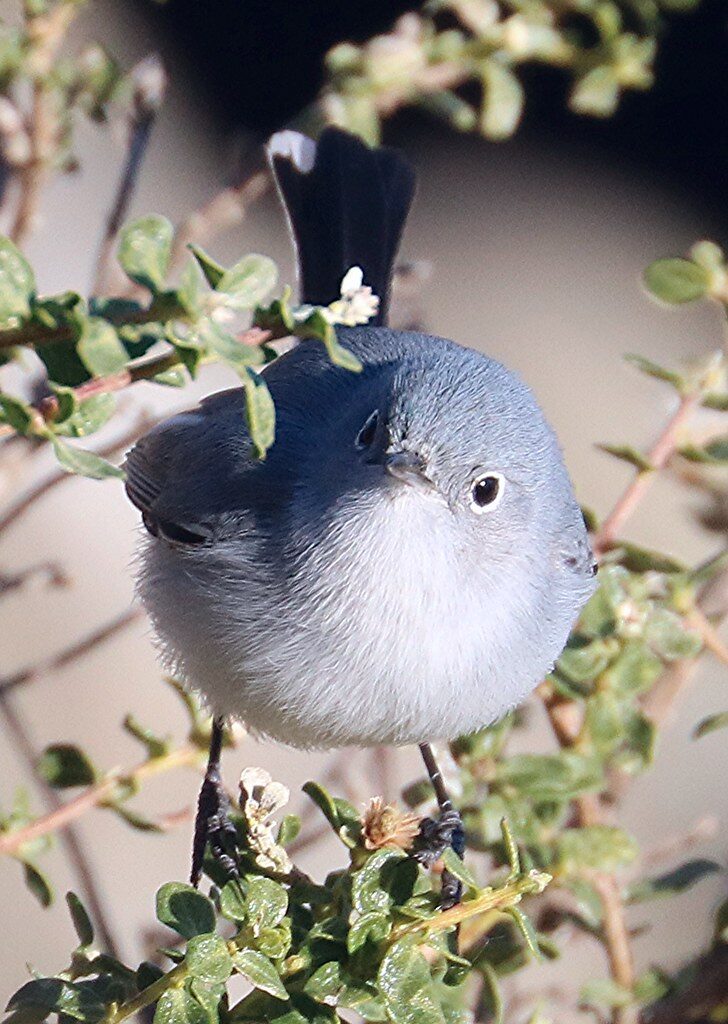
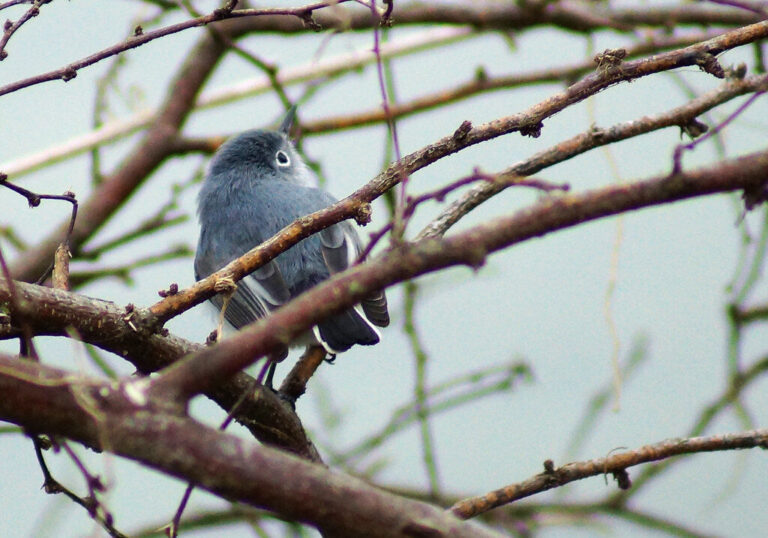
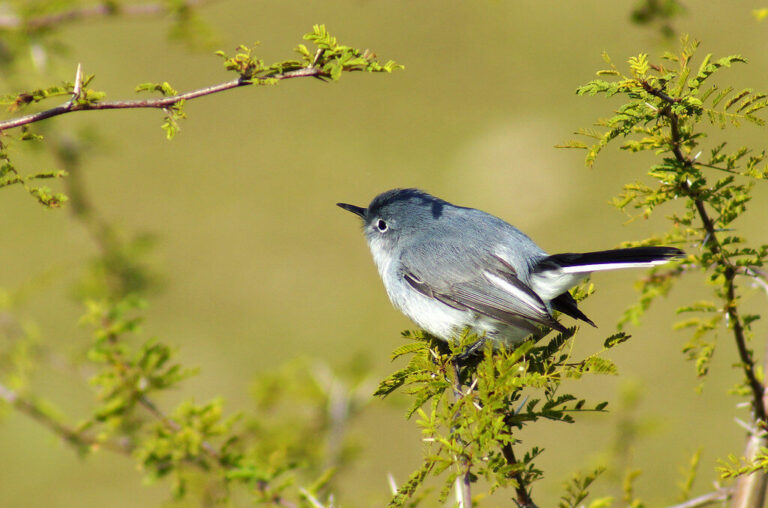
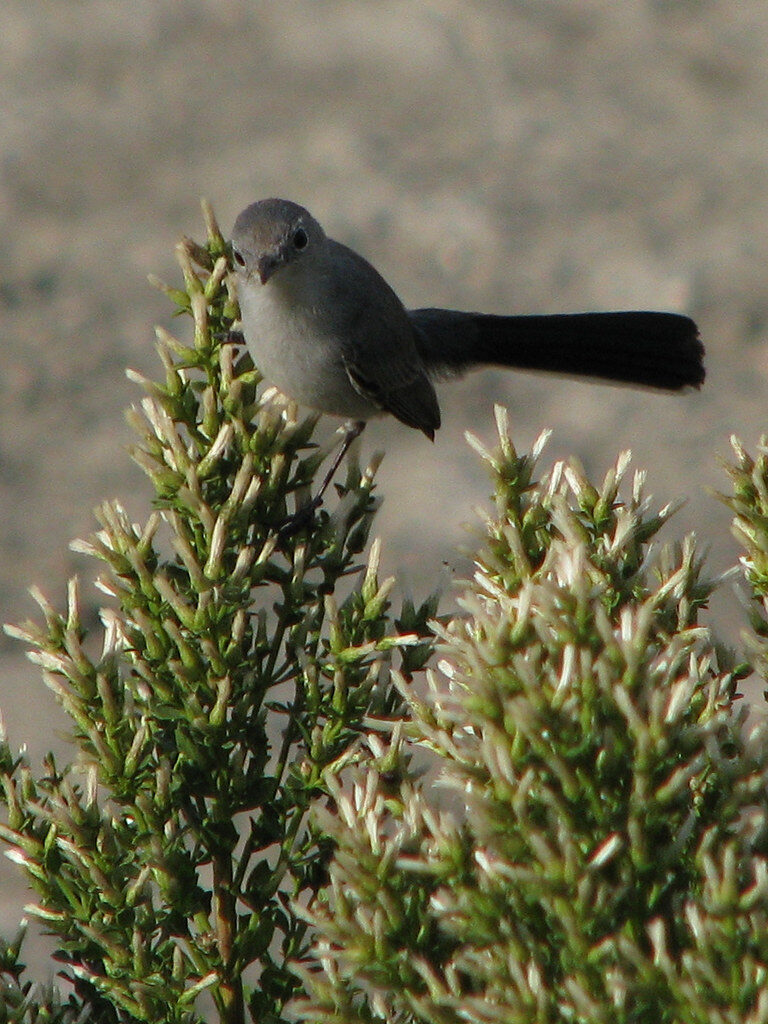
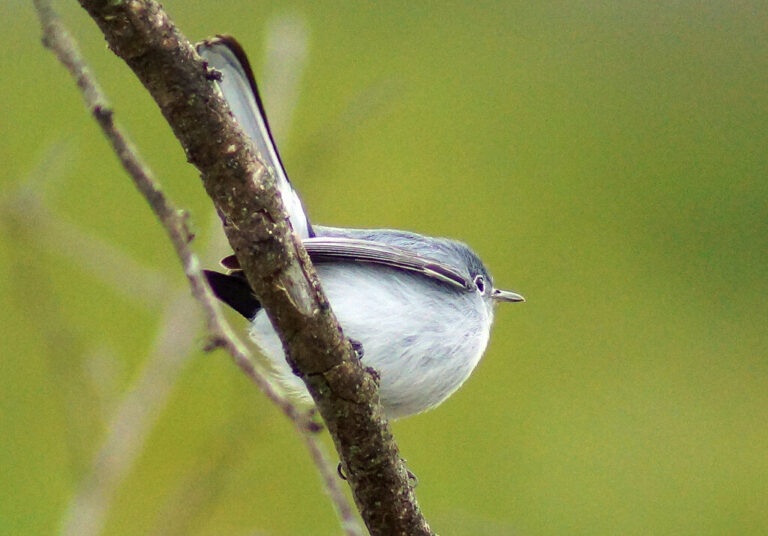
The Blue Gray Gnatcatcher is a tiny and lively bird native to Central America. This little bird measures about 10 to 11.5 centimeters (4 to 4.5 inches) long, making it easy to spot flitting around in the trees.
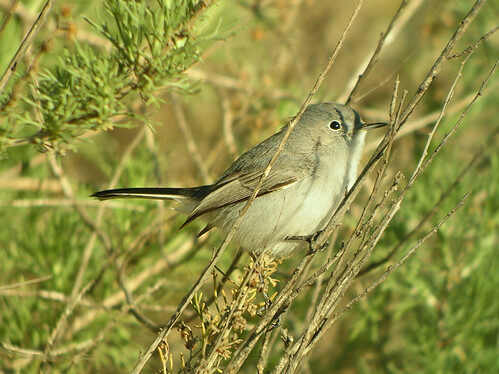
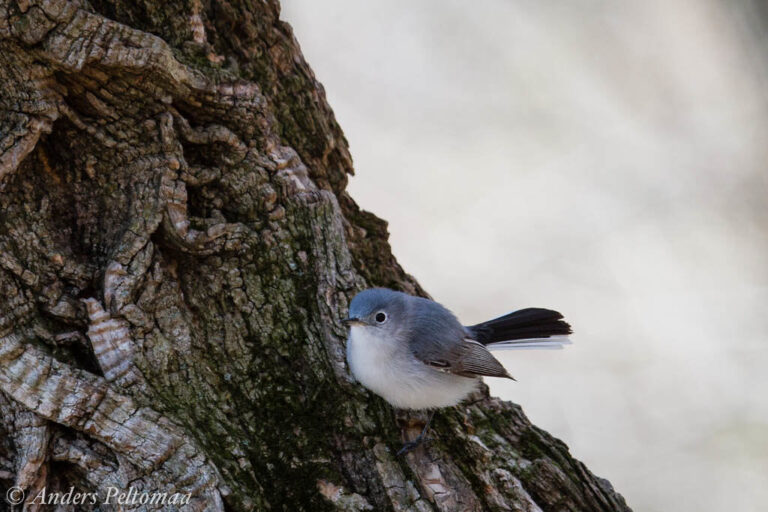
These gnatcatchers have a distinctive blue-gray color, with a short tail that they often flick up and down. Their cute, tiny size and energetic behavior make them a charming addition to wooded areas and gardens.
The Blue Gray Gnatcatcher loves to feast on insects, spiders, and small invertebrates. With their quick movements, they dart through branches and leaves, catching their meals in midair.
This energetic bird has a lifespan of about 3 to 4 years. They make their nests from tiny bits of plant material, often hidden in dense foliage, providing a cozy home for their chicks.

Where can you find a Blue Gray Gnatcatcher in the wild?
What does a Blue Gray Gnatcatcher eat?
How big can a Blue Gray Gnatcatcher grow?
How long does a Blue Gray Gnatcatcher typically live?
What is the conservation status of the Blue Gray Gnatcatcher?
What are the main threats to the Blue Gray Gnatcatcher?
Fun facts
The Blue Gray Gnatcatcher can flap its wings up to 15 times a second, allowing it to zip around like a tiny superhero in the trees!


These birds are known for their acrobatic behavior. They often hang upside down while foraging, searching for tasty insects hidden among the leaves.
Blue Gray Gnatcatchers sing a sweet, musical tune that sounds like a series of soft chirps. They use this lovely song to communicate with each other and attract mates.
During breeding season, these birds get creative by building their nests using spider silk and plant materials, making them strong and cozy for their eggs.
These tiny birds often join flocks with other species, creating a lively party in the trees. Together, they help each other find food and stay safe from predators.
To keep predators guessing, Blue Gray Gnatcatchers sometimes perform a dramatic “broken-wing display” to draw attention away from their nests. It’s like a nature magic trick!
When young gnatcatchers leave the nest, they usually stay with their parents for a little while, learning the ropes of survival before heading out on their own.
Blue Gray Gnatcatchers can often be seen flicking their tails up and down. This fun behavior helps them communicate and display their energetic personalities.
These birds can often be seen moving in a zigzag pattern through the air while chasing insects, almost like they are playing a game of tag with their food!
During migration, Blue Gray Gnatcatchers can travel hundreds of kilometers to reach warmer climates, showcasing their adventurous spirits as they chase the sun!
Photos

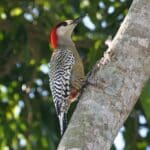
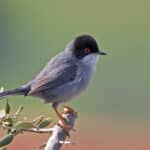

The Basics


explore more
Amphibians
Arachnids
Birds
Cats
Crustaceans
Fish
Fish Pet Guide
Gastropods
Insects
Invertebrates
Mammals
Pet Fish
Pet Rodents
Plants
Reptiles
Roundworms
Sea Slugs