
Successfully copied to clipboard!
Camel
Conquer the desert with these resilient, humped heroes!
Let’s Explore
Overview
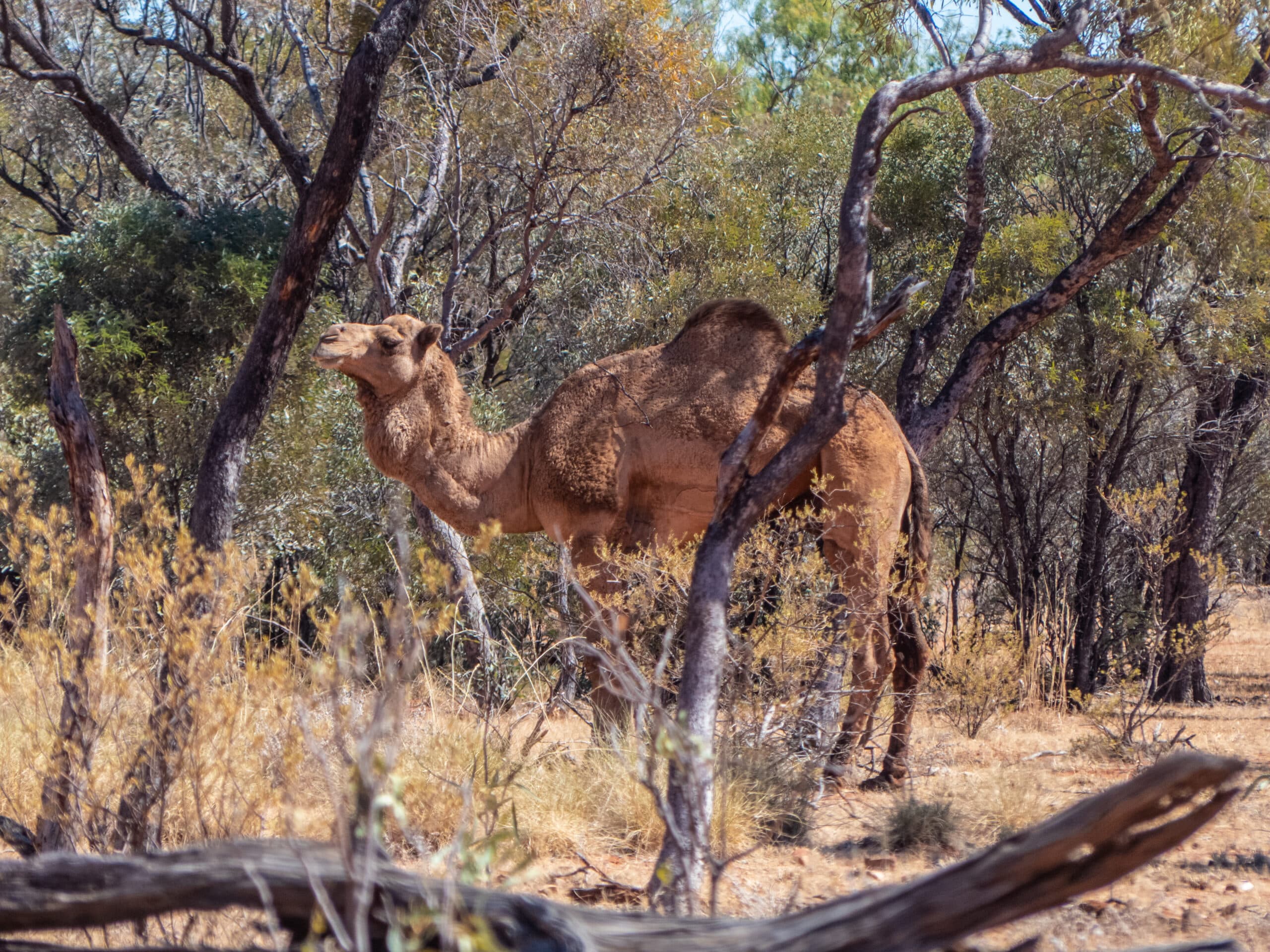
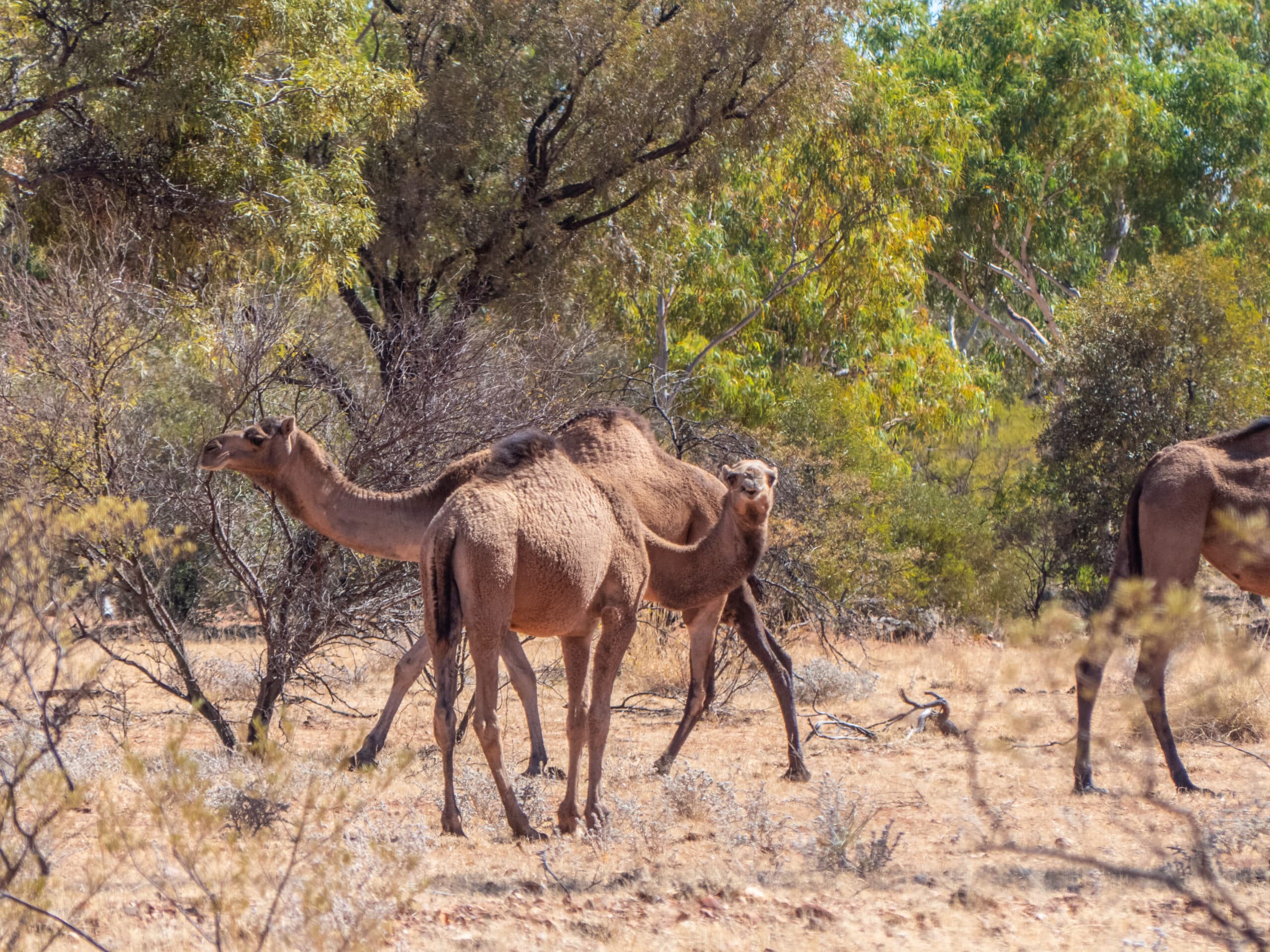
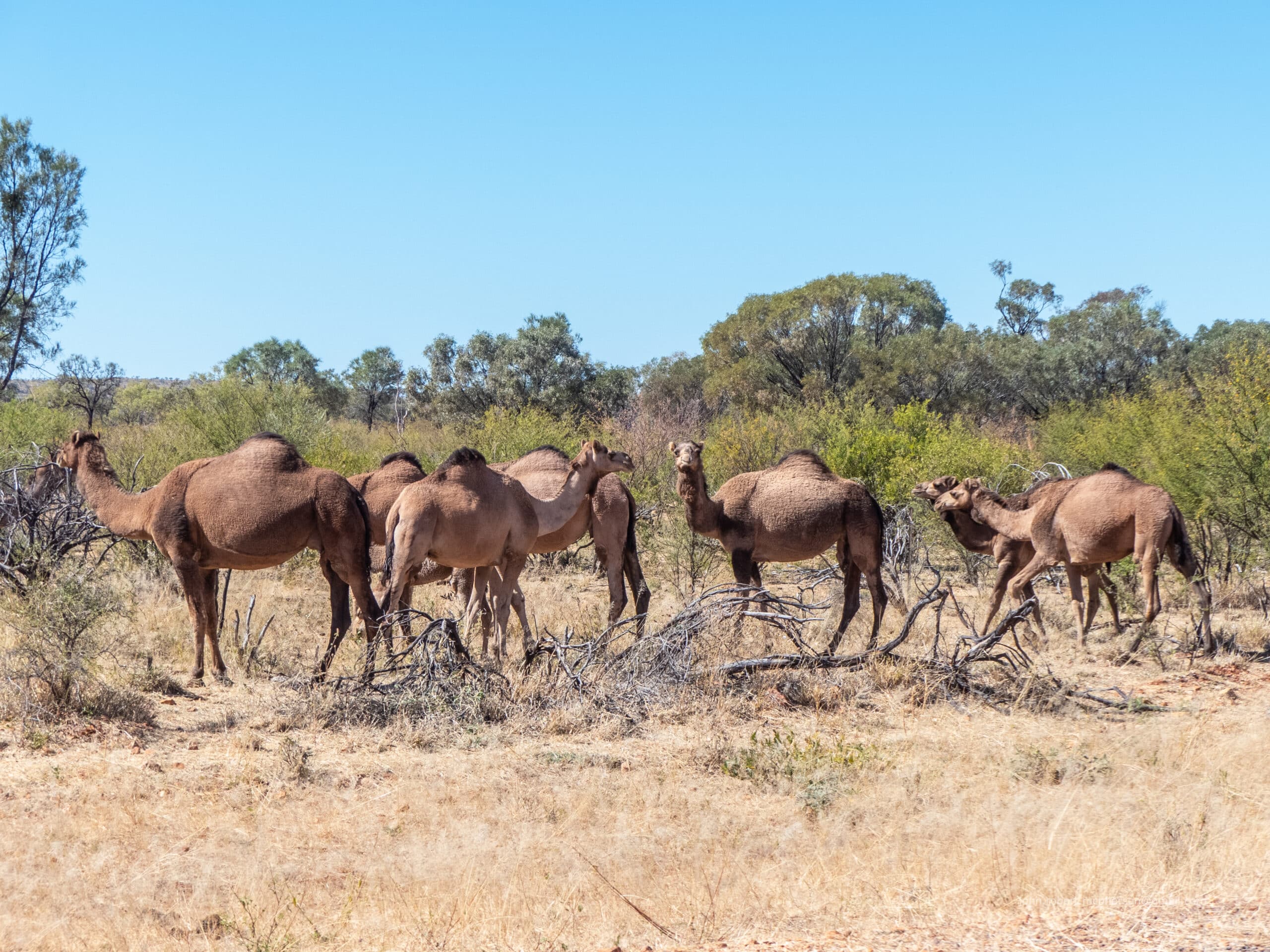
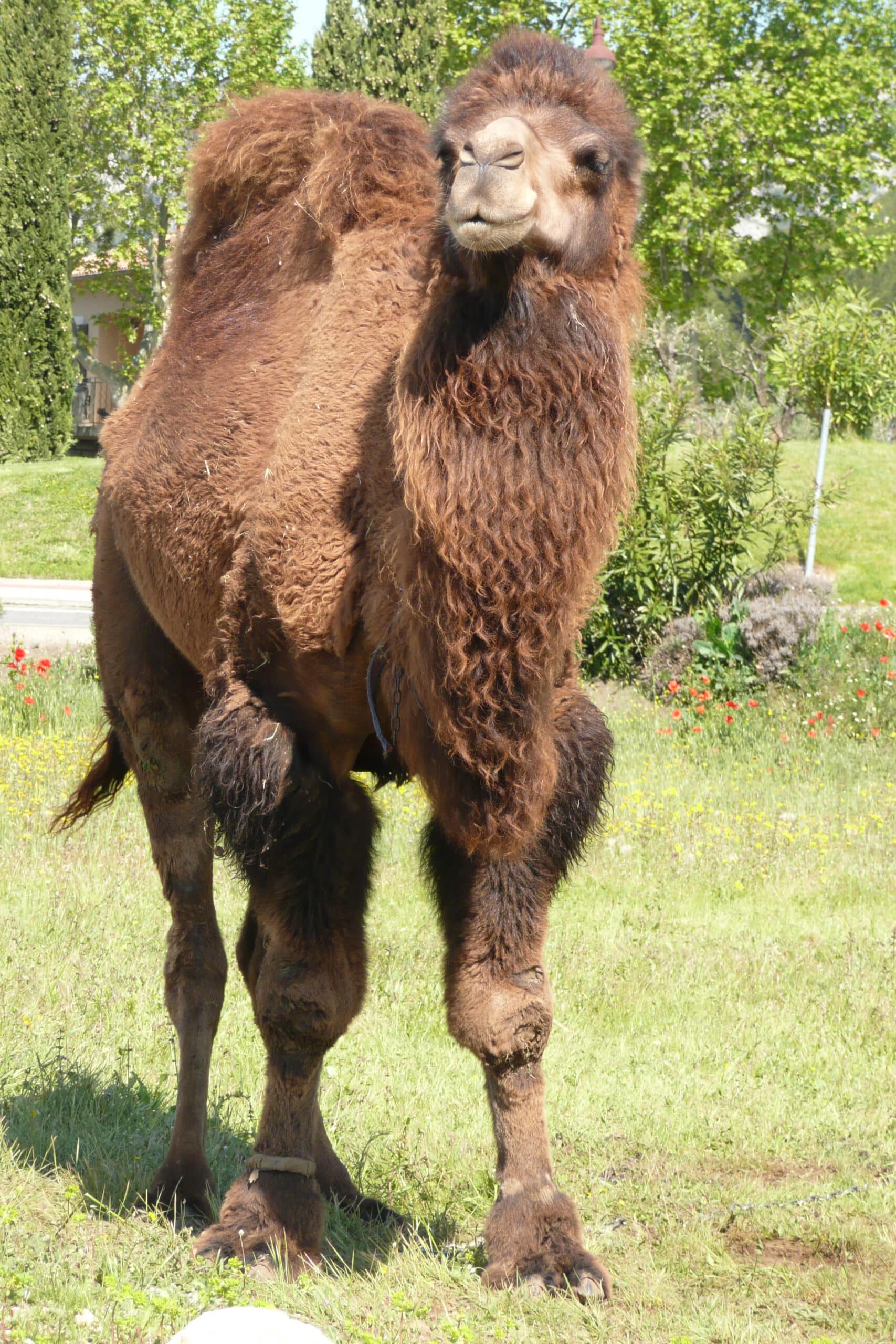
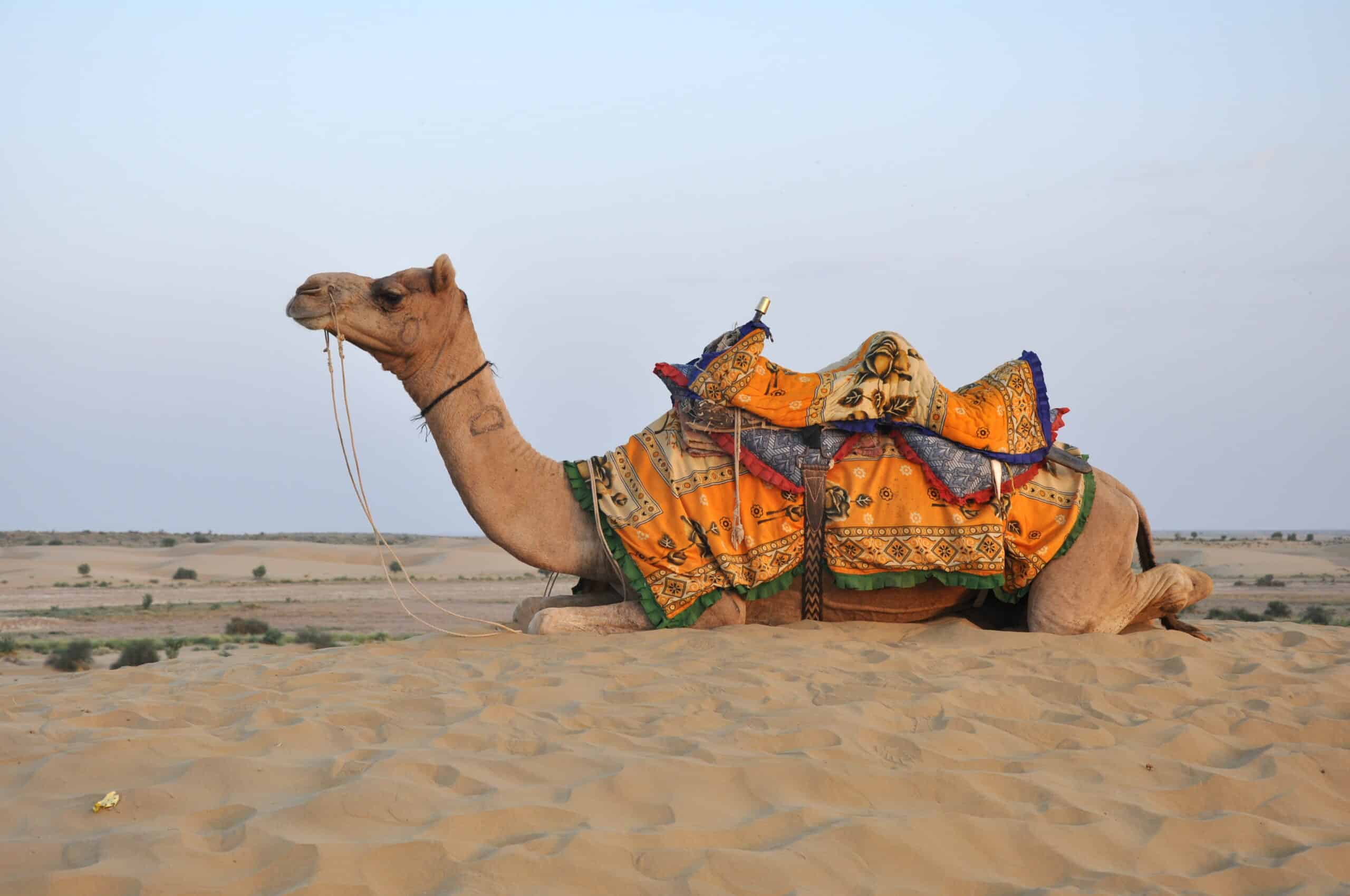
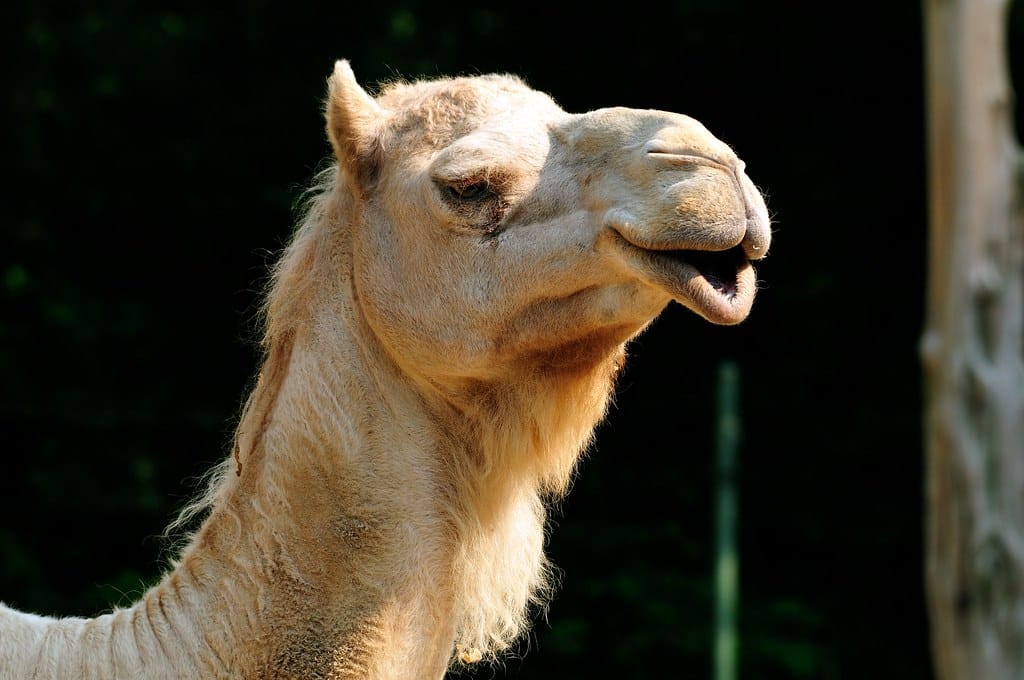
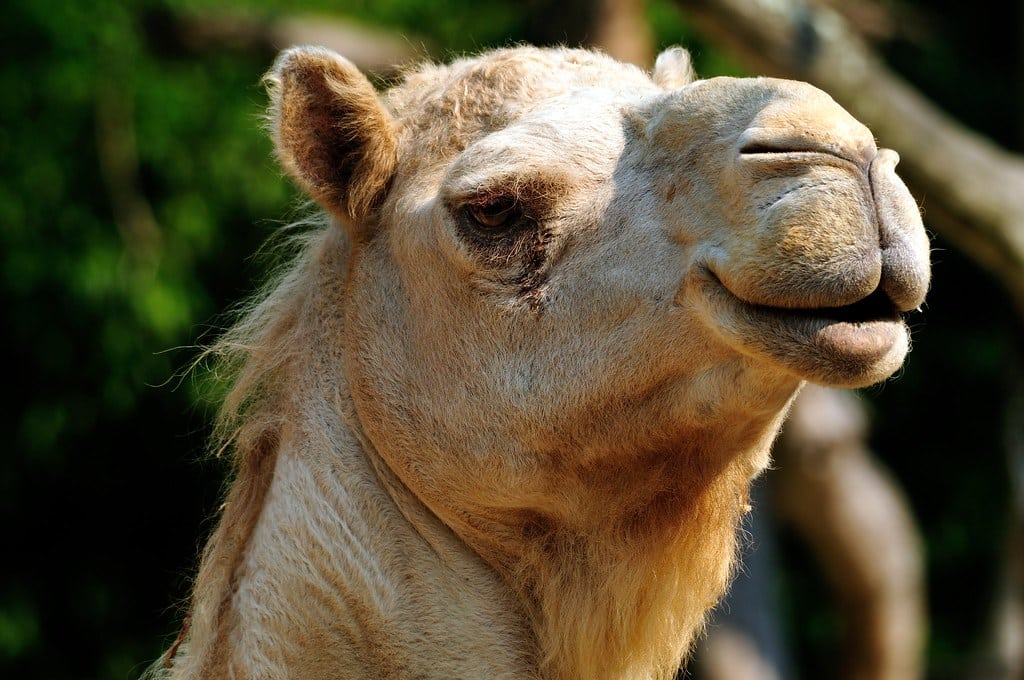
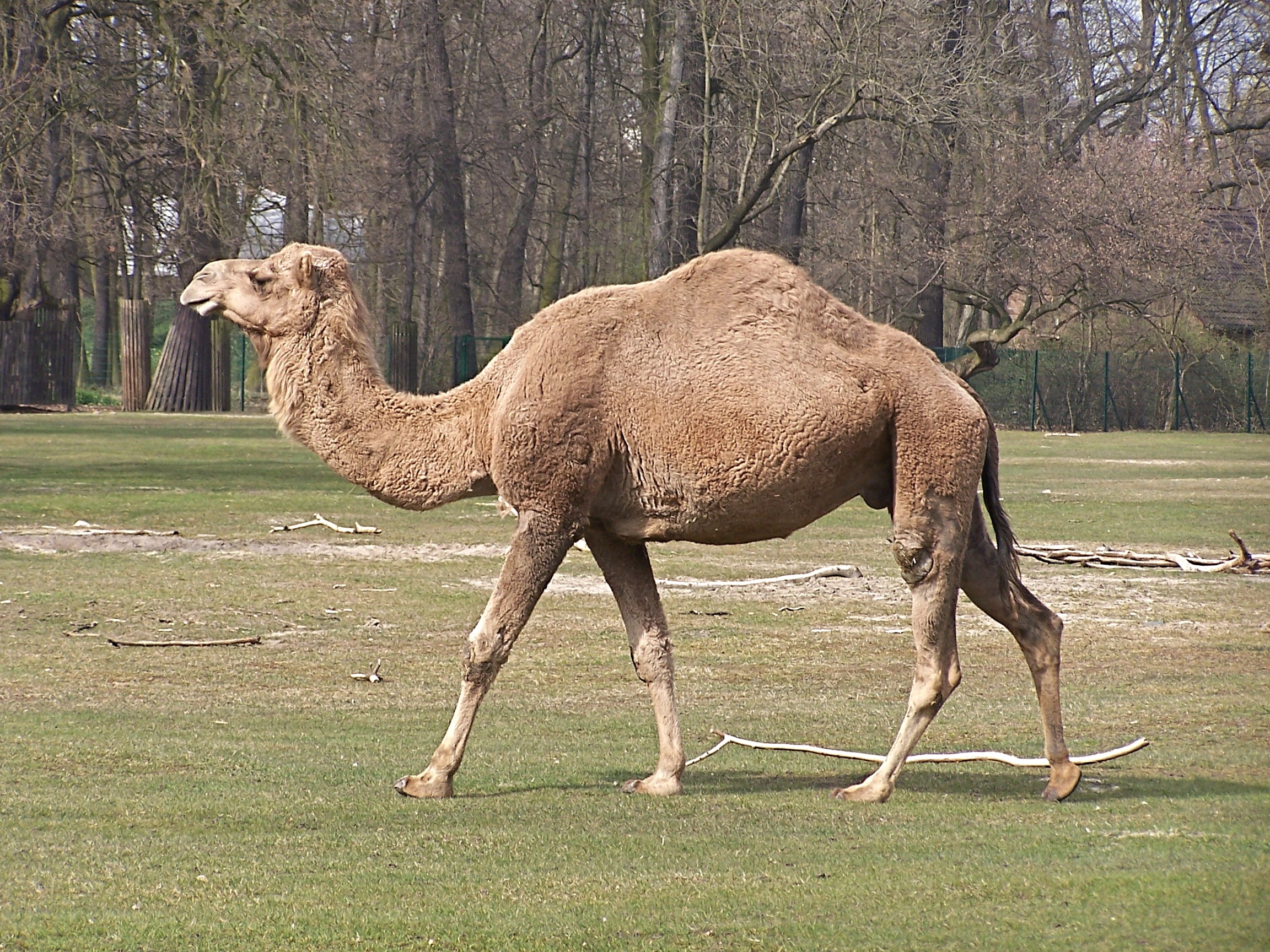
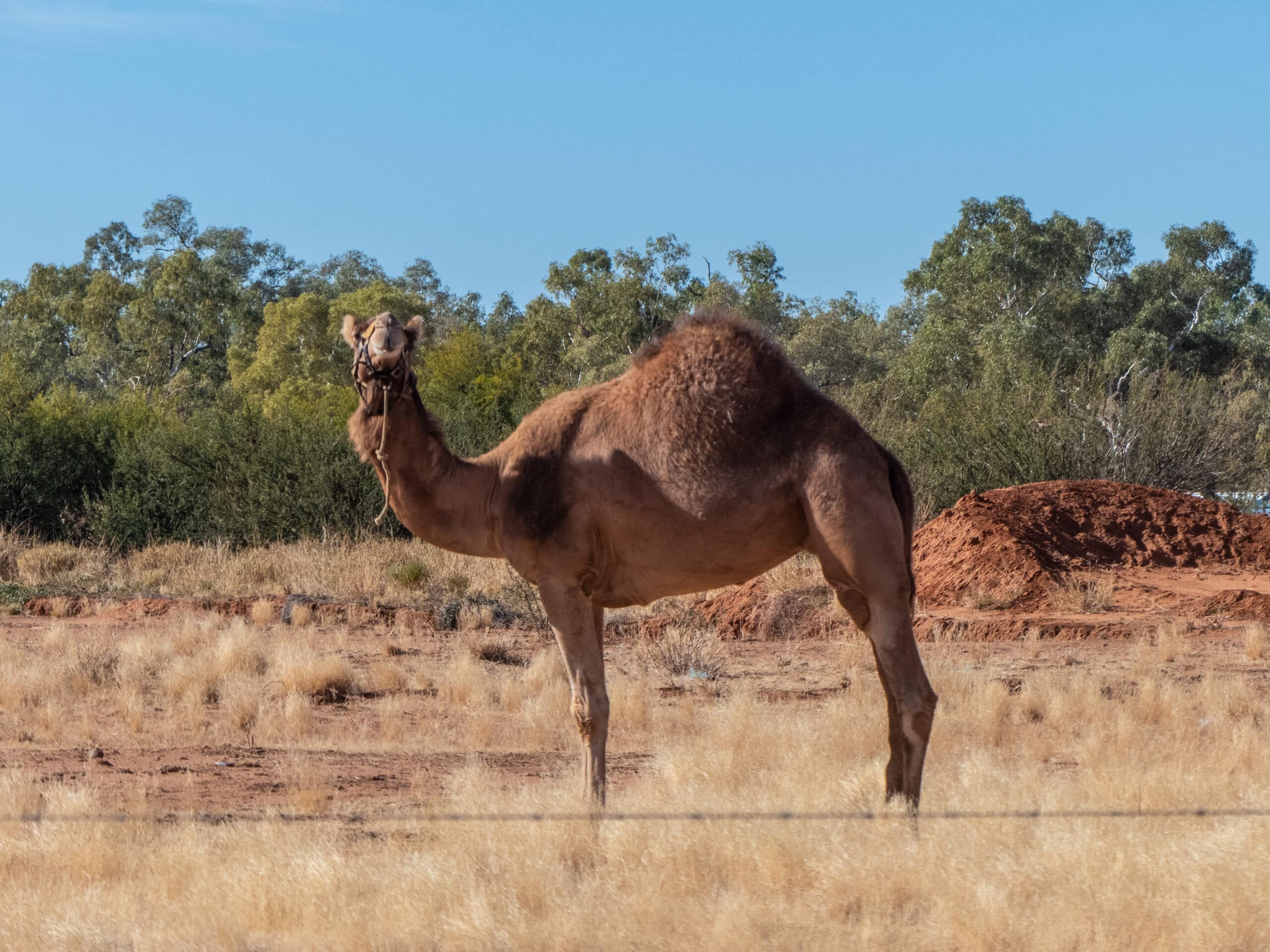
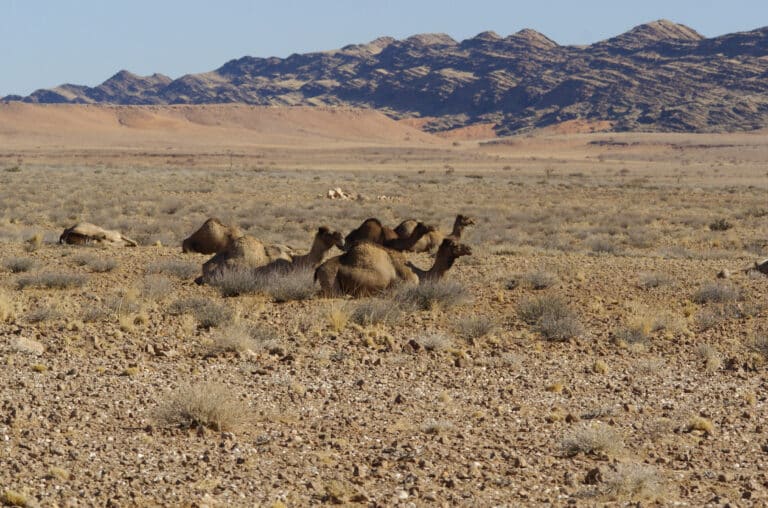
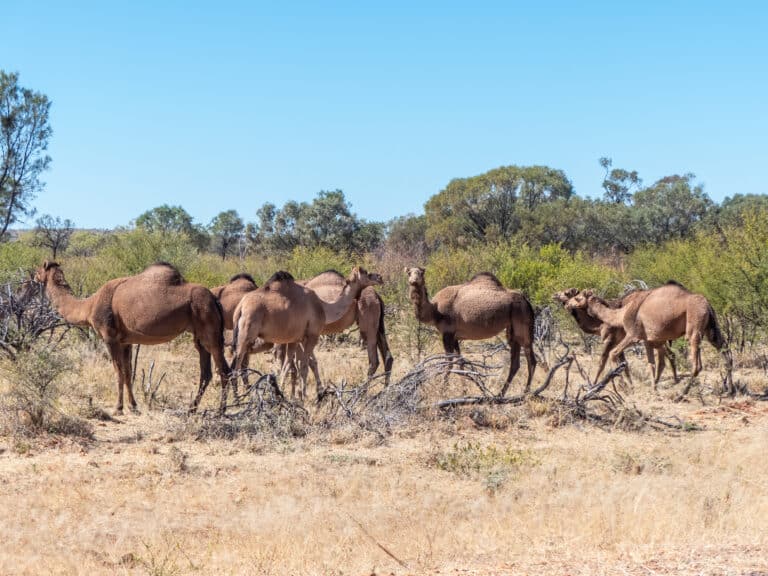
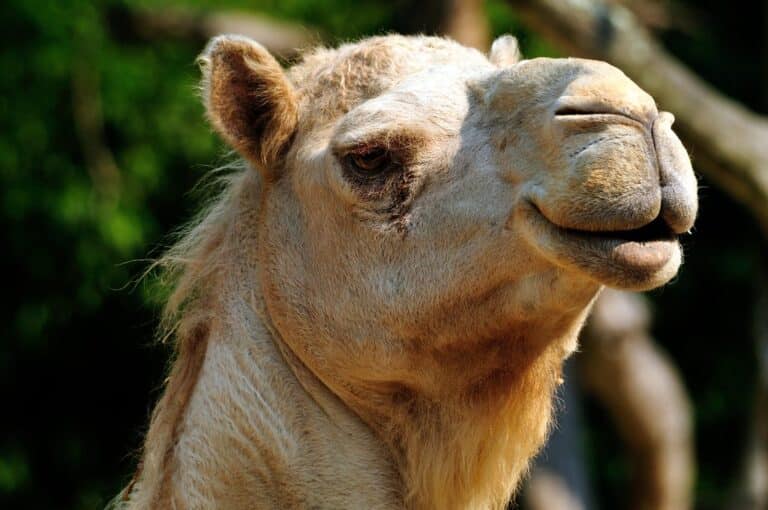
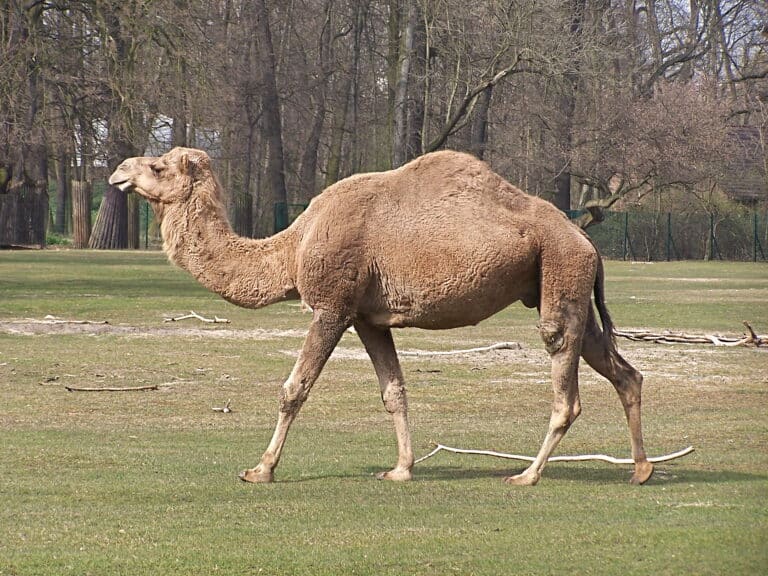
Cameras may capture pictures, but camels create the ultimate desert masterpiece! These amazing mammals, known scientifically as Camelus dromedarius, can grow to an impressive length of 2.1 to 3.4 meters (7 to 11 feet).
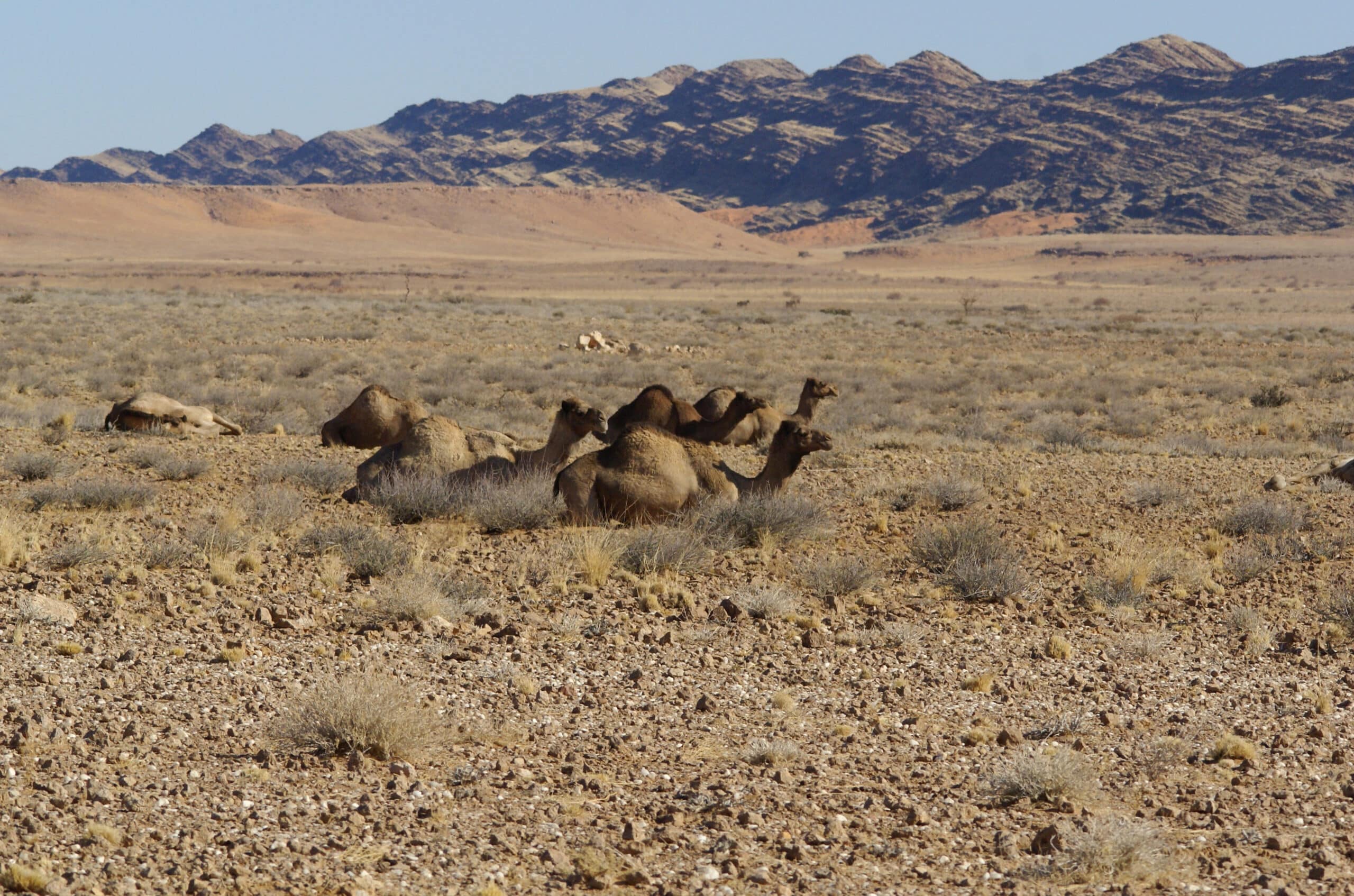
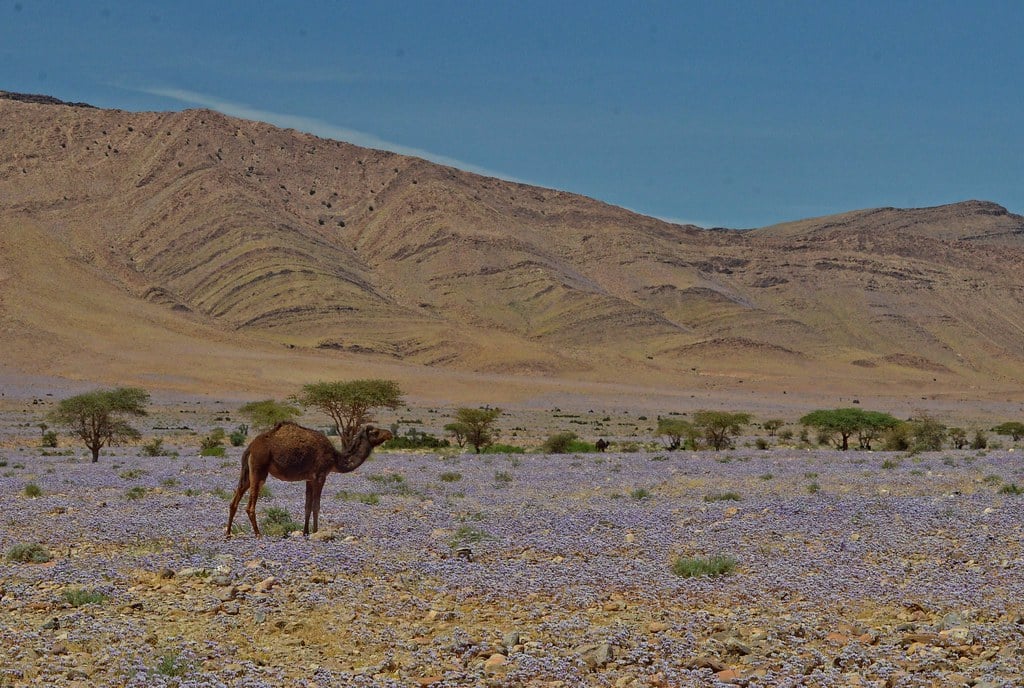
Camels belong to the class Mammalia and the order Artiodactyla. They thrive in Africa, showcasing their resilience in hot and dry environments where few other animals venture.
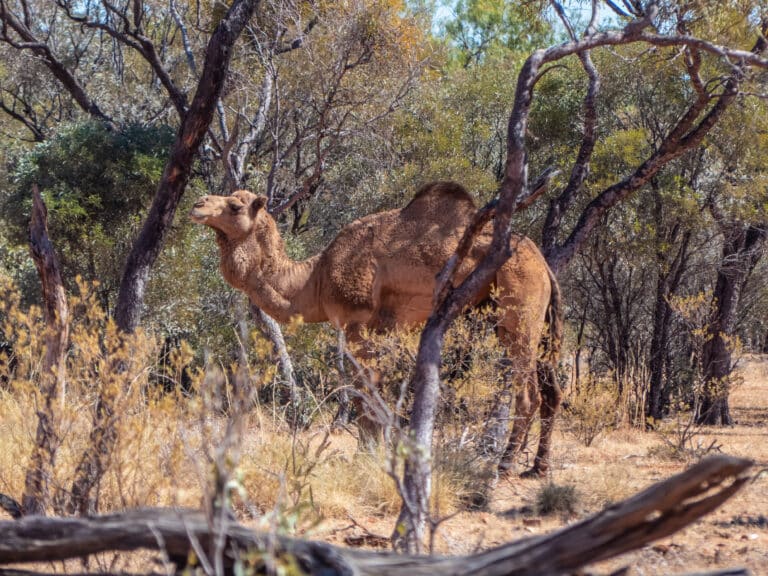
These clever creatures munch on a diet of herbs, shrubs, and salt bush, making them expert eaters in tough settings. With their unique digestive systems, they can turn even the most challenging plants into energy, proving that little things can make a big difference in life.
Camels are famous for their incredible ability to go without water for long stretches. They can withstand heat and dehydration, making them perfect companions for nomadic peoples who traverse the desert.
These mammoths of the Sahara can live for 40 to 50 years, letting them experience much of life's adventures! With their gentle nature and strong builds, camels have become important helpers to people in their journeys across sandy landscapes.
These fascinating animals do not just carry goods; they also carry stories and traditions from generation to generation, making them treasures of the desert. Next time you see a camel, remember, they are not just humps and fur, but a marvel of nature's artistry!

Where can you find a Camel in the wild?
What does a Camel eat?
How big can a Camel grow?
How long does a Camel typically live?
What is the conservation status of the Camel?
What are the main threats to the Camel?
Fun facts
Camels can drink up to 40 liters (10.6 gallons) of water in one go after a long trek, like a super thirsty sponge soaking up everything!


These extraordinary animals can withstand body temperature changes of up to 6 degrees Celsius (11 degrees Fahrenheit), helping them stay cool in the blistering desert heat!
Camels store fat in their humps, not water! This fat serves as energy, letting them survive in rugged environments.
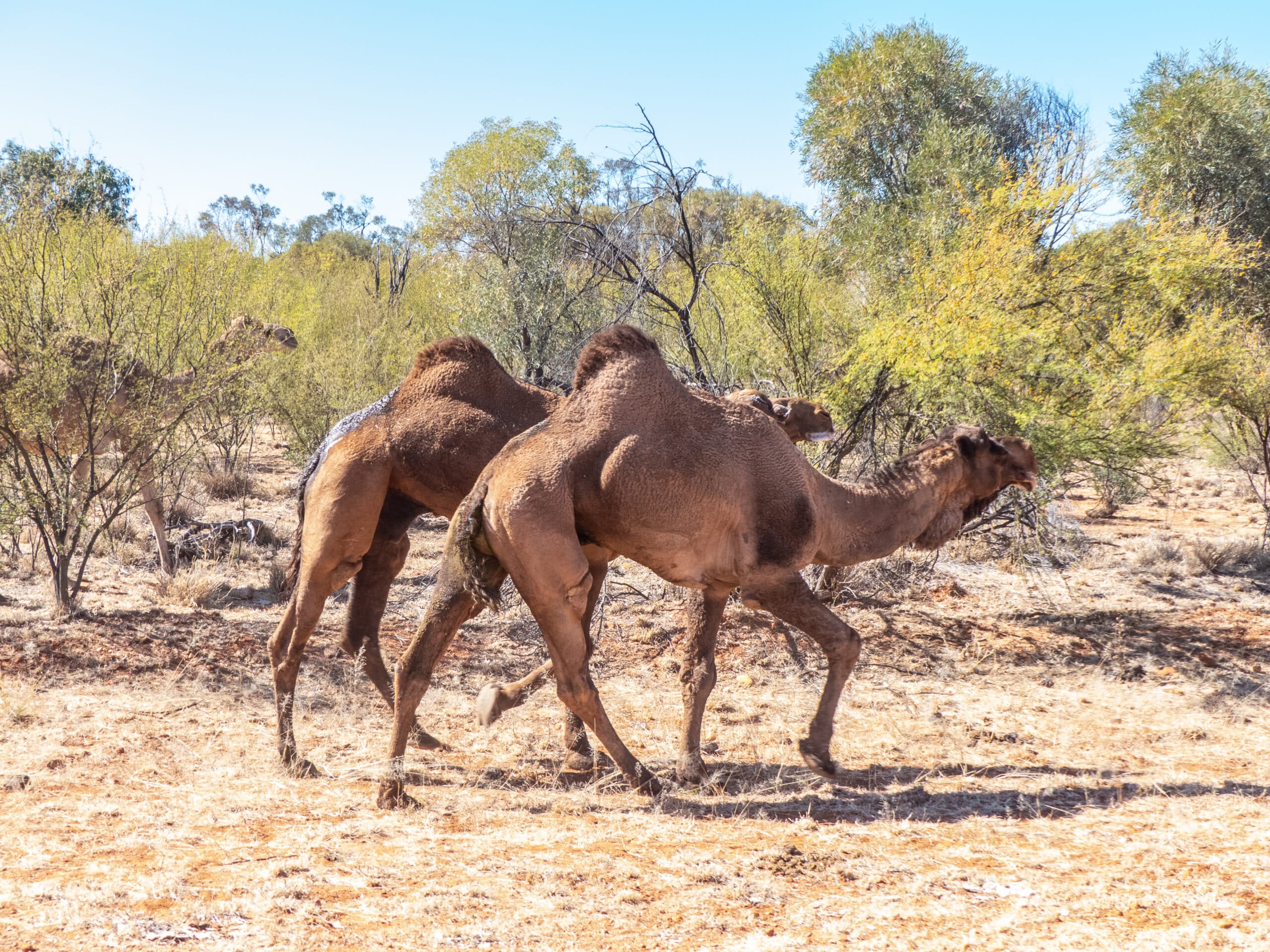
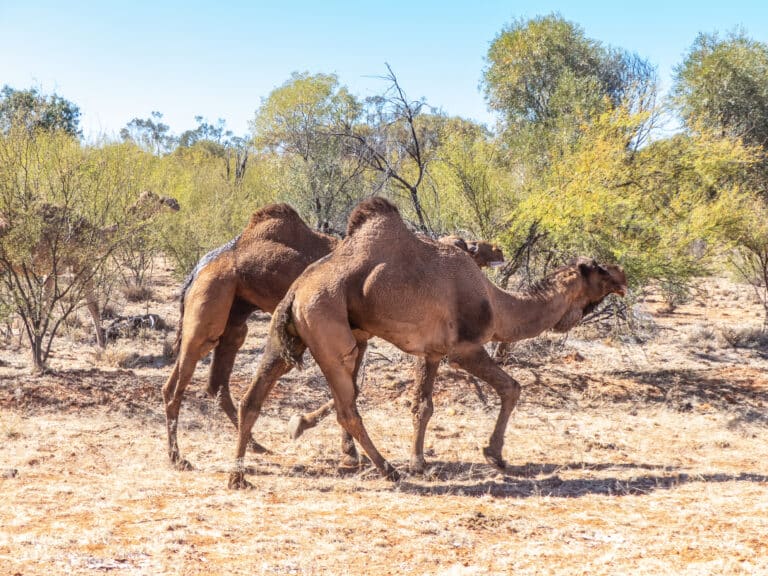
When camels walk, they move both legs on one side of their body and then both on the other side, giving them a unique swaying motion that looks like they are dancing!
Camels have three eyelids and two rows of eyelashes to protect their eyes from sandstorms, making them look like they are always prepared for a desert party!
These desert creatures can consume thorny plants that many other animals avoid, thanks to their special mouths that can munch through the pointy bits.
Camels communicate with each other through a mix of grunts, bellows, and even moans, creating their own version of desert music!
In a super cool adaptation, camels can lose up to 25 percent of their body weight due to dehydration without getting sick, proving they are the champions of the desert!
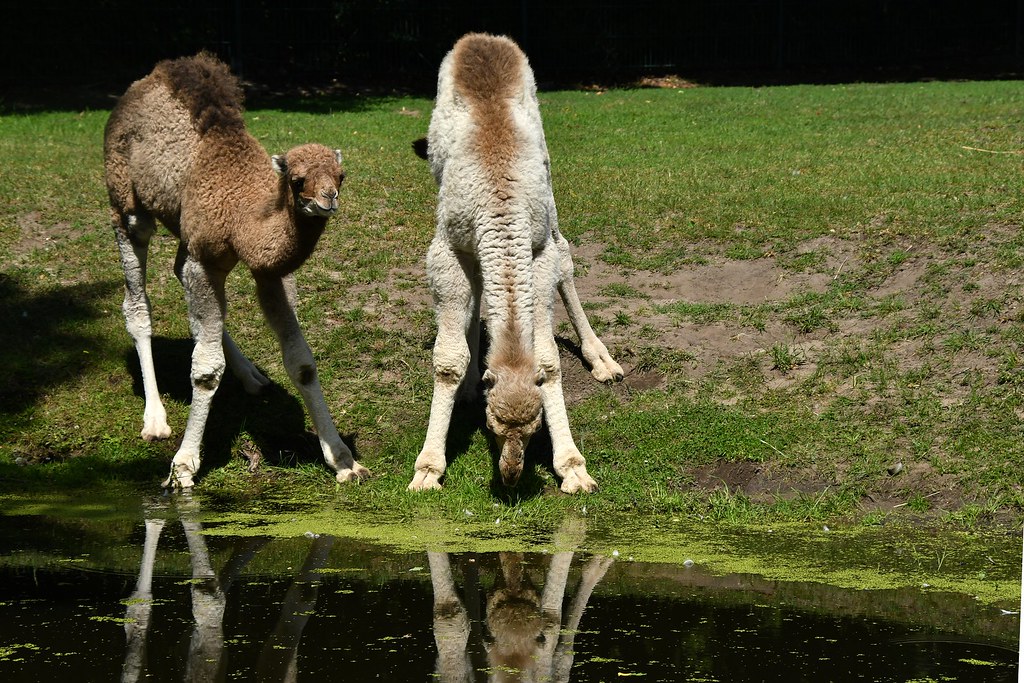
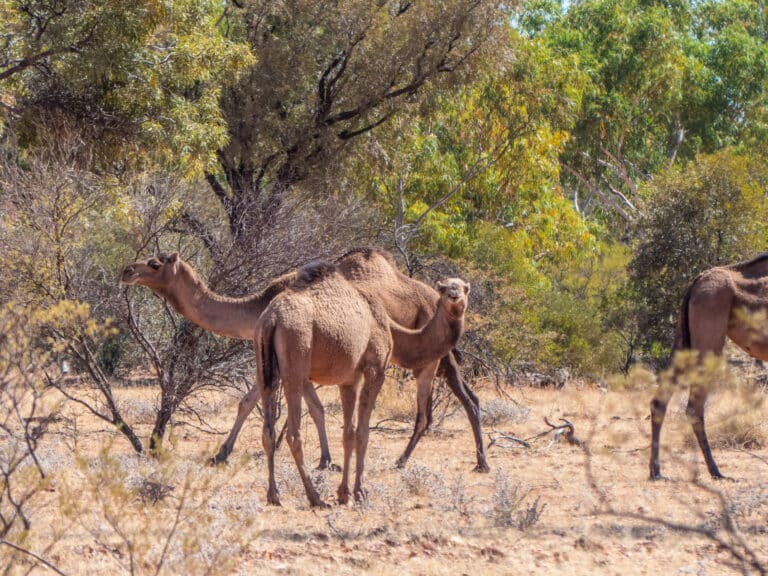
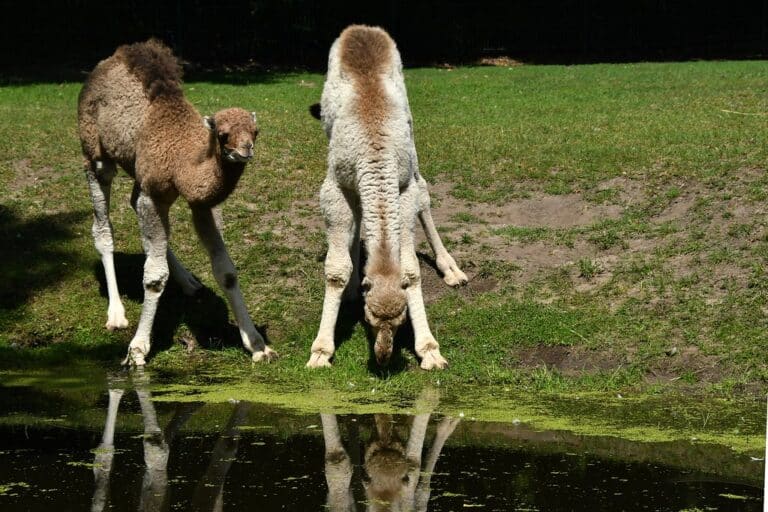
Young camels are born with a soft coat of hair that turns thicker as they grow, allowing them to stay warm during chilly desert nights!
In their travels, camels can cover up to 40 miles (64 kilometers) in a single day, just like an incredibly well-trained marathon runner!
Photos

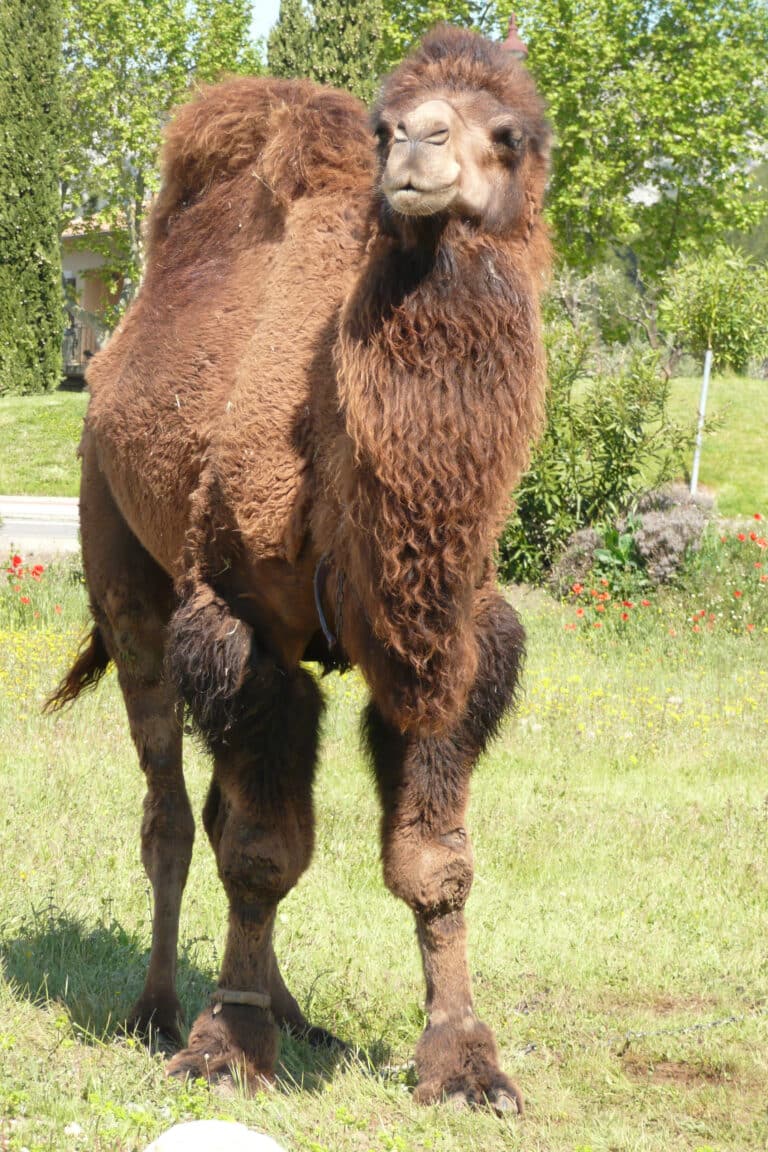
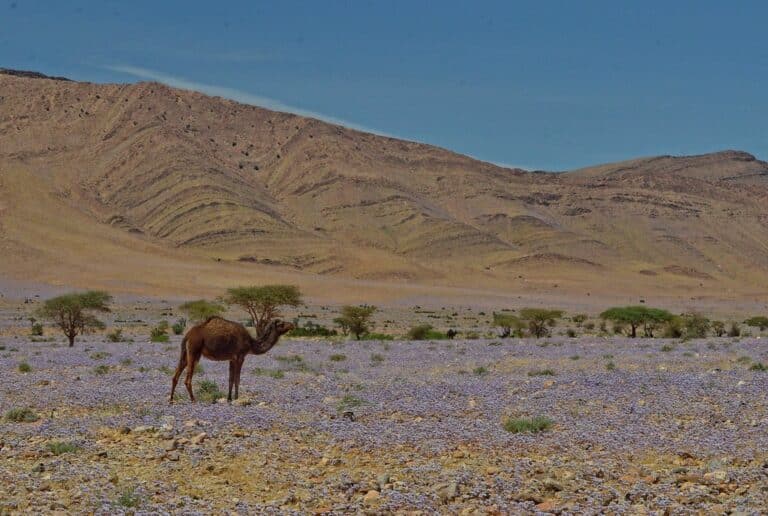
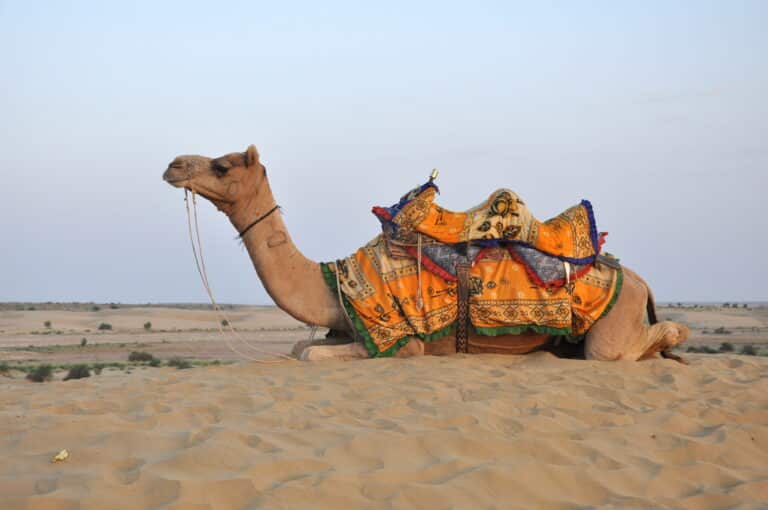
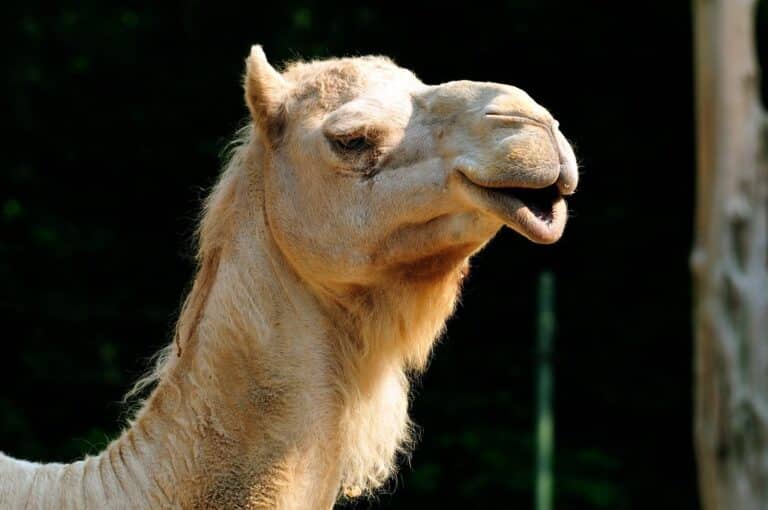



The Basics


explore more
Amphibians
Arachnids
Birds
Cats
Crustaceans
Fish
Fish Pet Guide
Gastropods
Insects
Invertebrates
Mammals
Pet Fish
Pet Rodents
Plants
Reptiles
Roundworms
Sea Slugs