
Successfully copied to clipboard!
Cedar Waxwing
Join the Berry Party with Nature's Flamboyant Fashionistas!
Let’s Explore
Overview
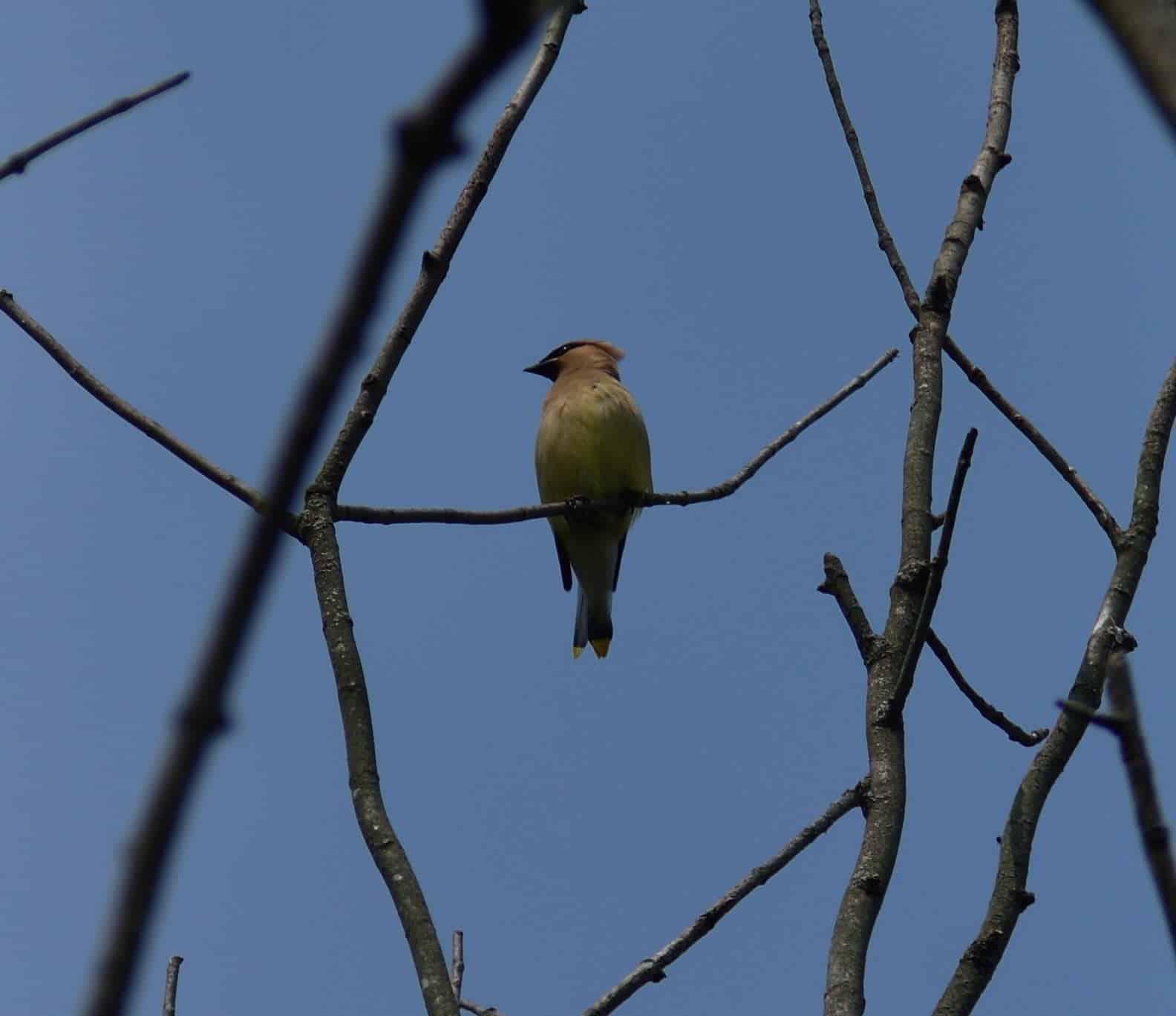
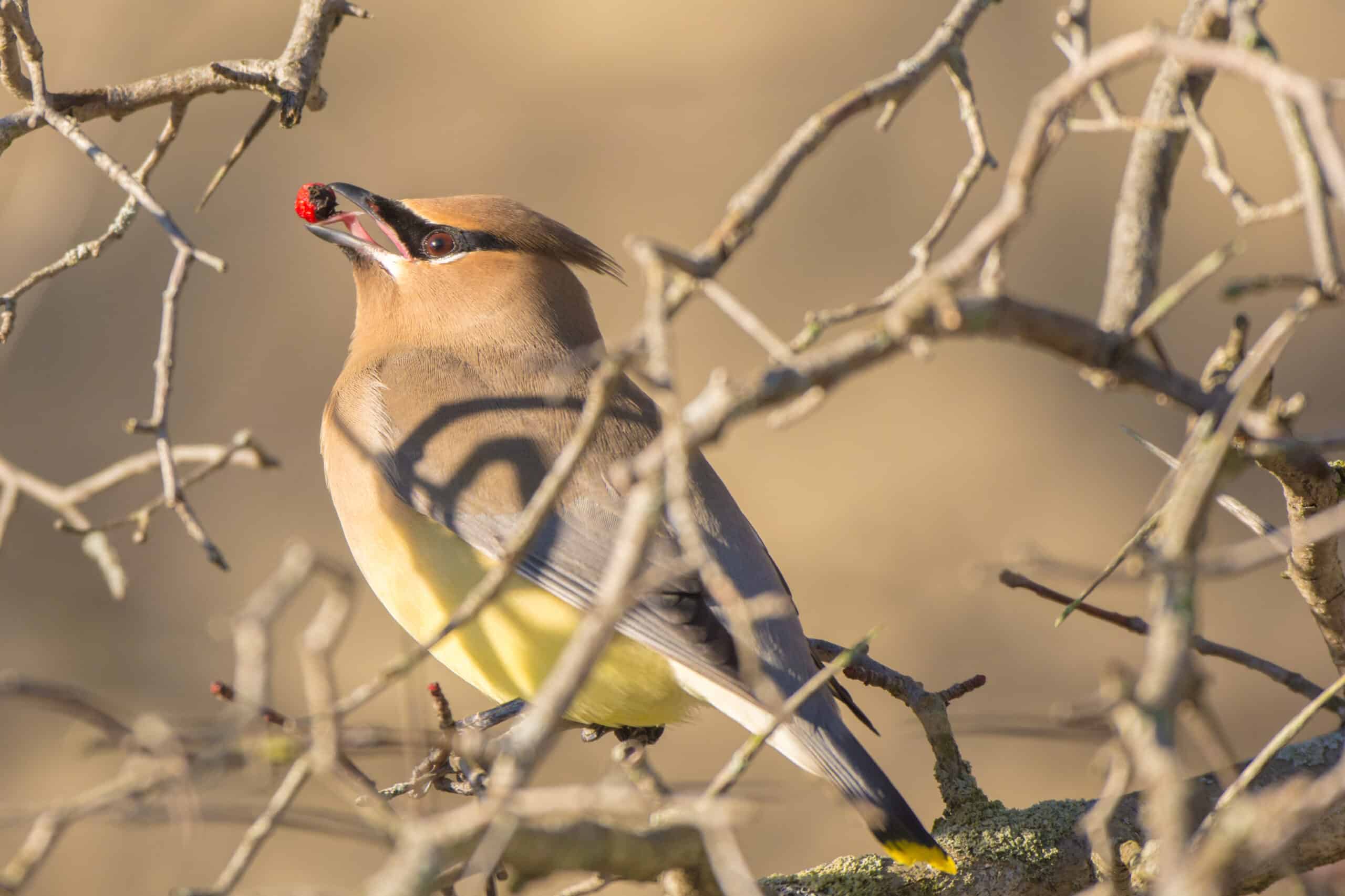
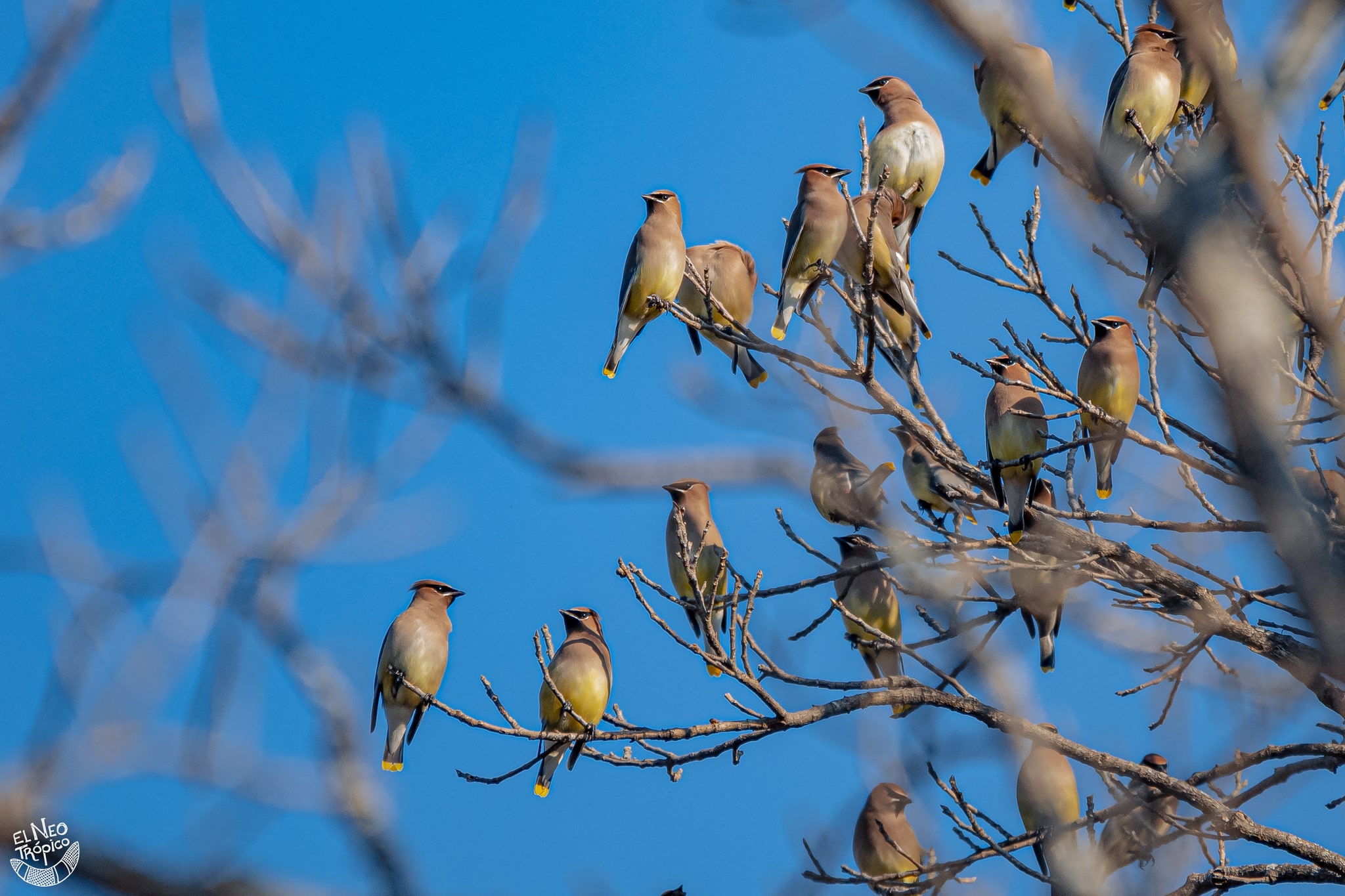
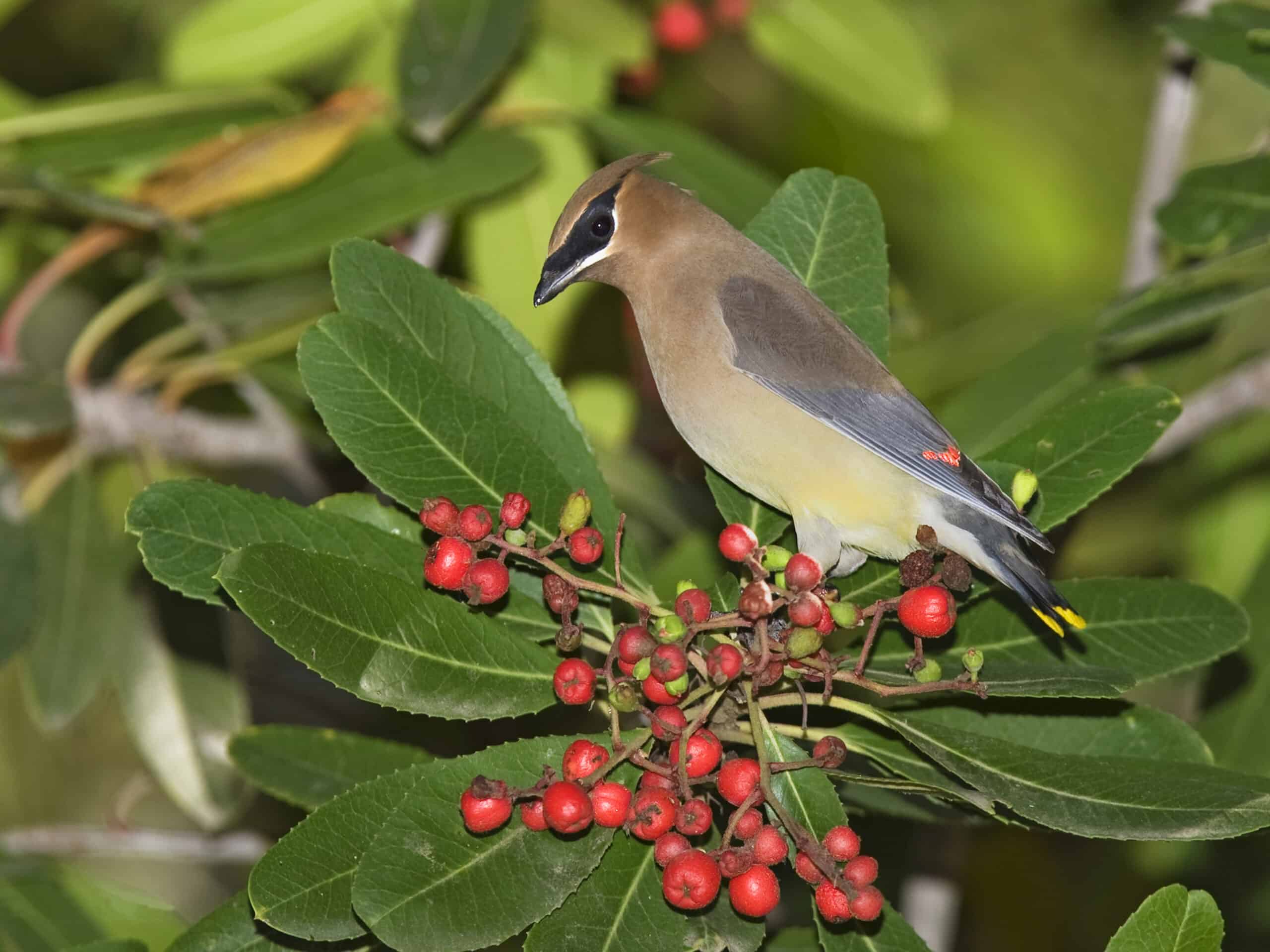
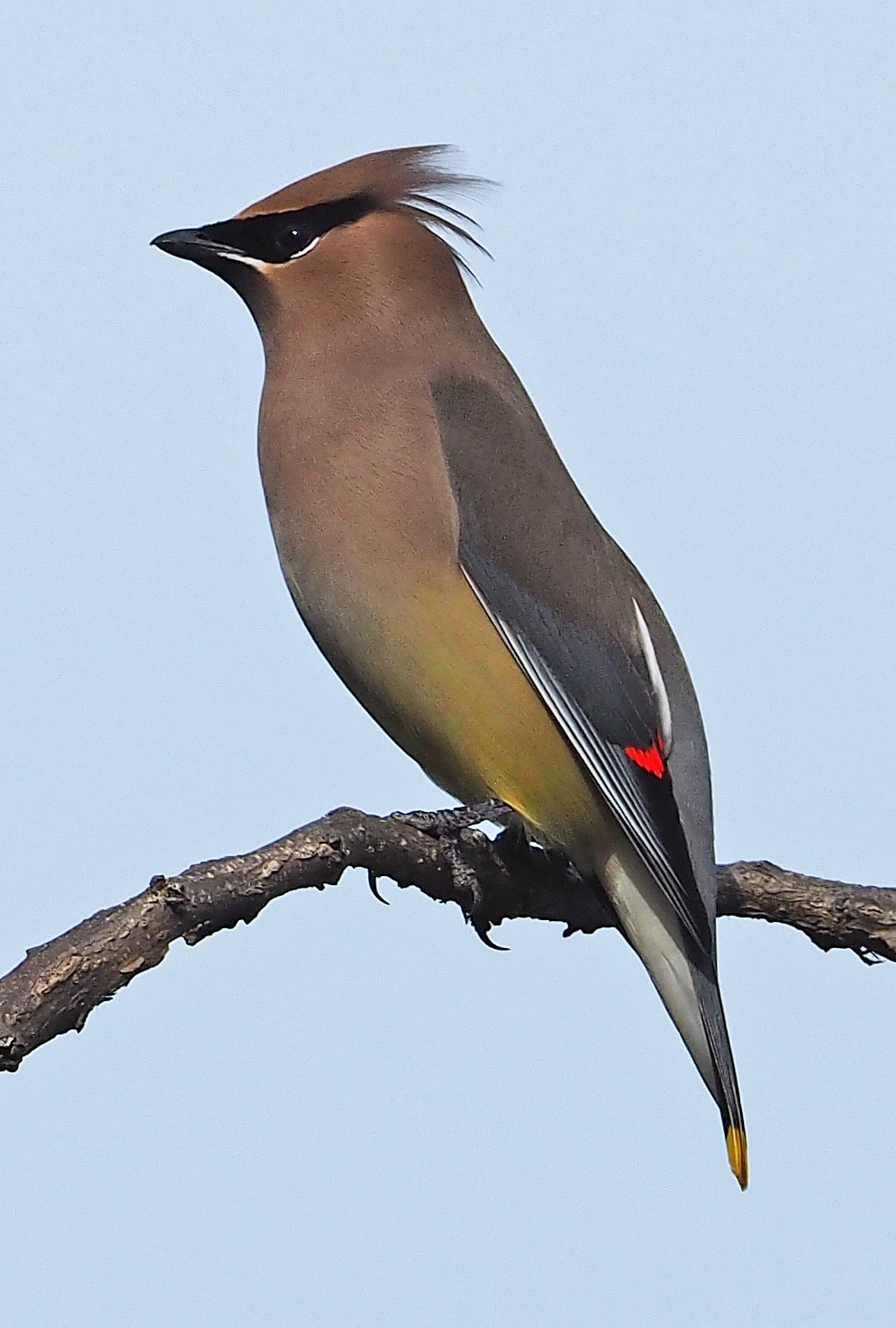
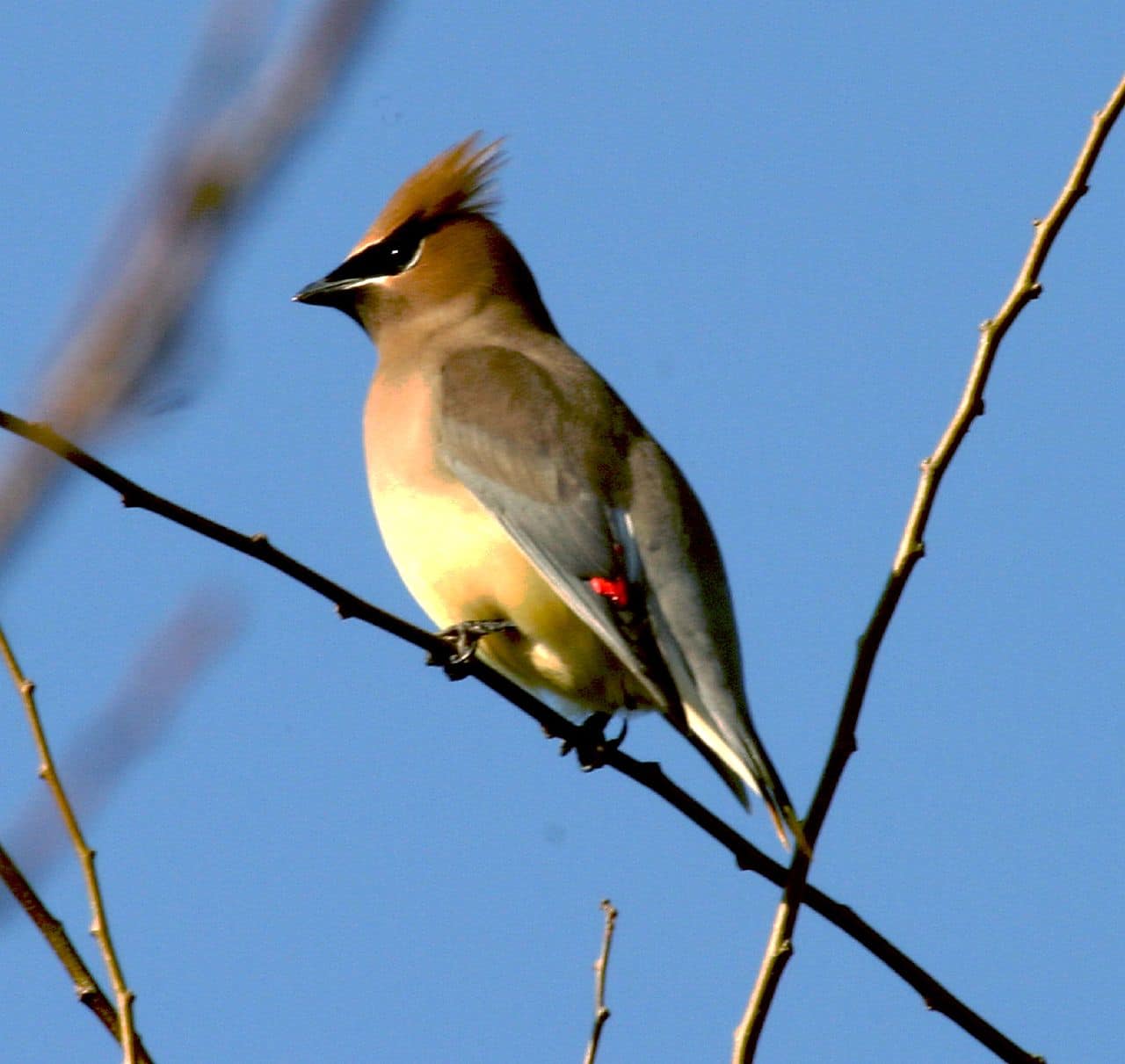
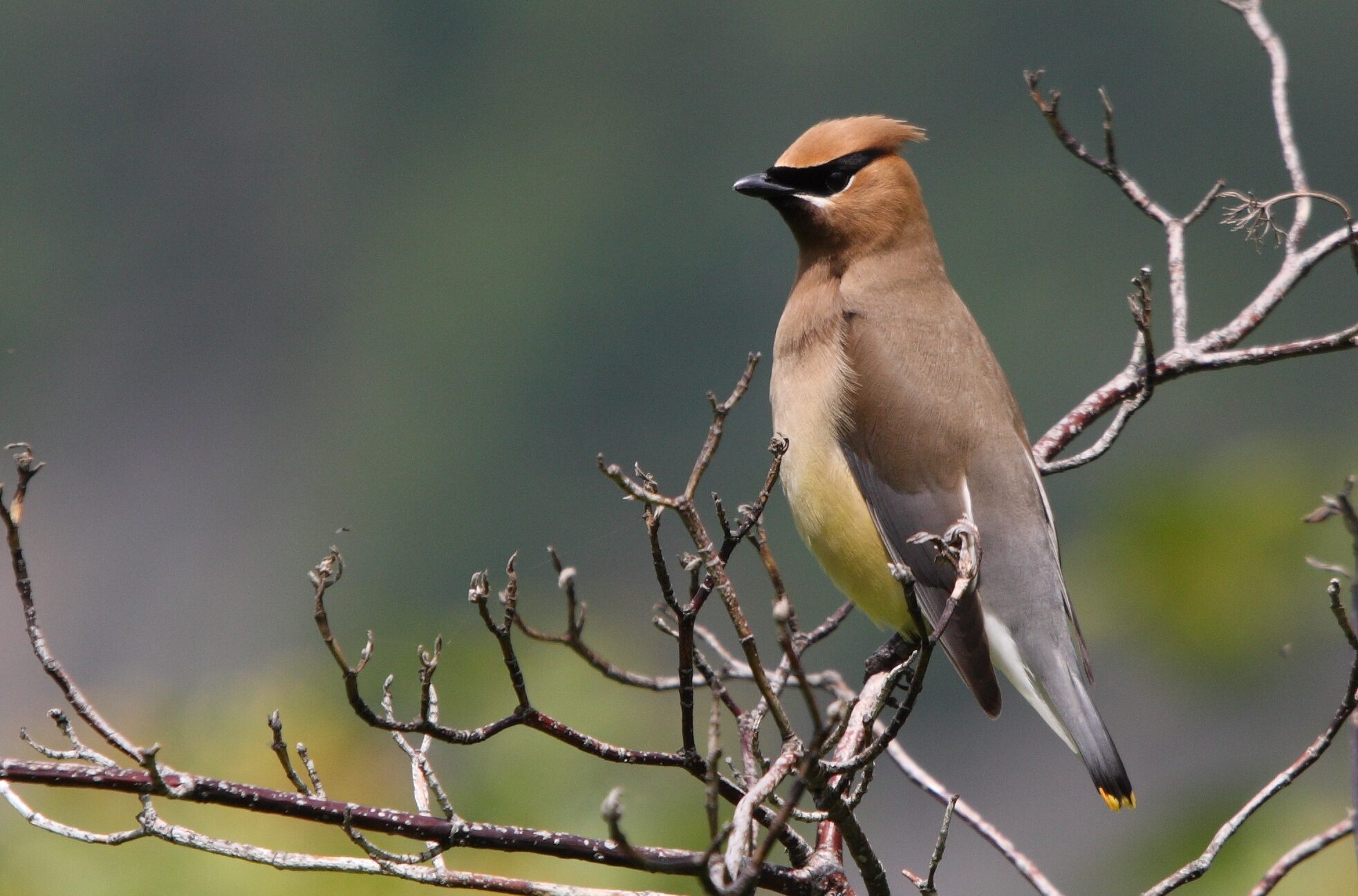
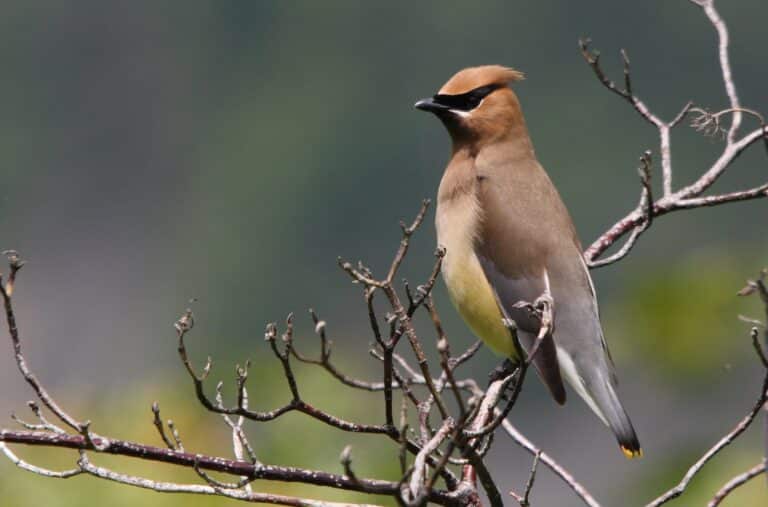
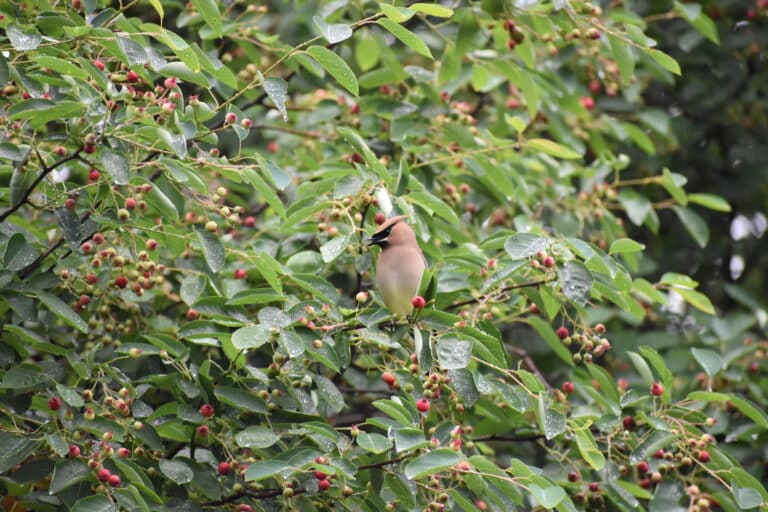
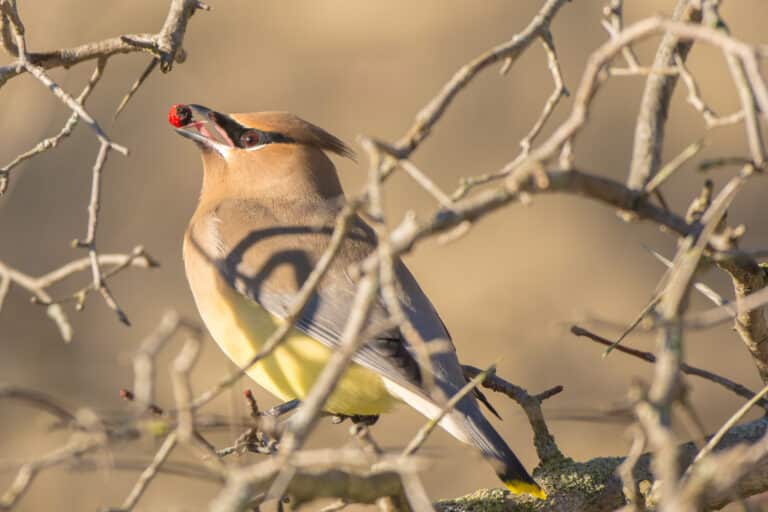
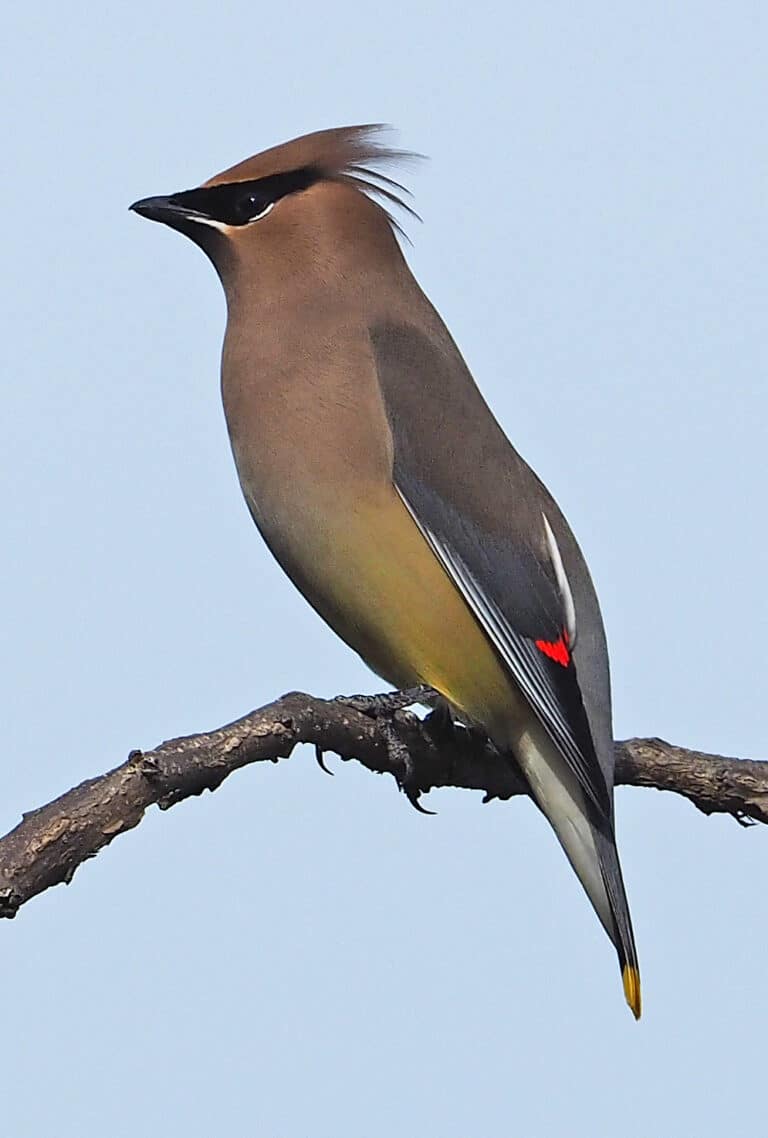
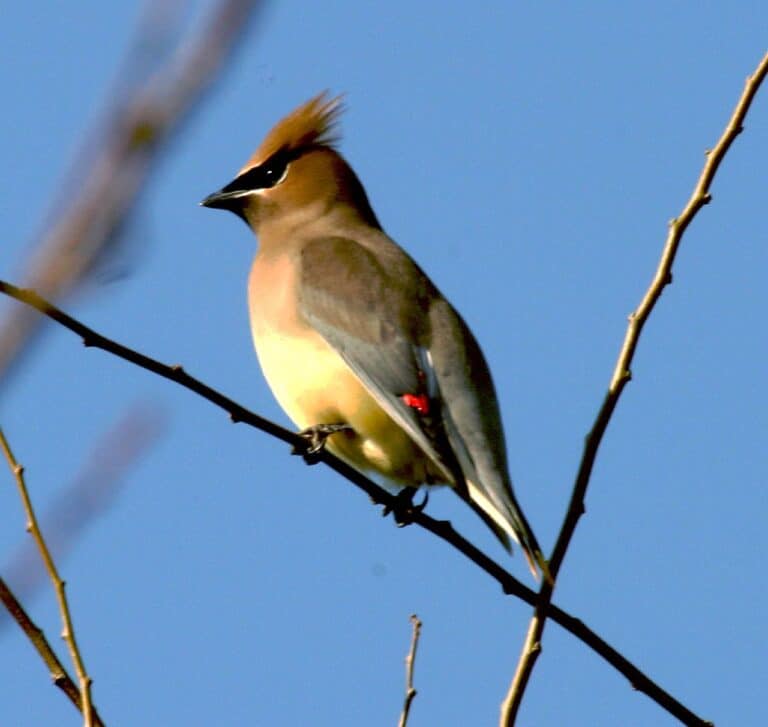
Cedar Waxwings are striking birds known for their smooth, sleek feathers and a fancy hairdo of short crest. They measure between 15 to 18 centimeters (6 to 7 inches) long, making them a fun-sized addition to the birdwatching roster!
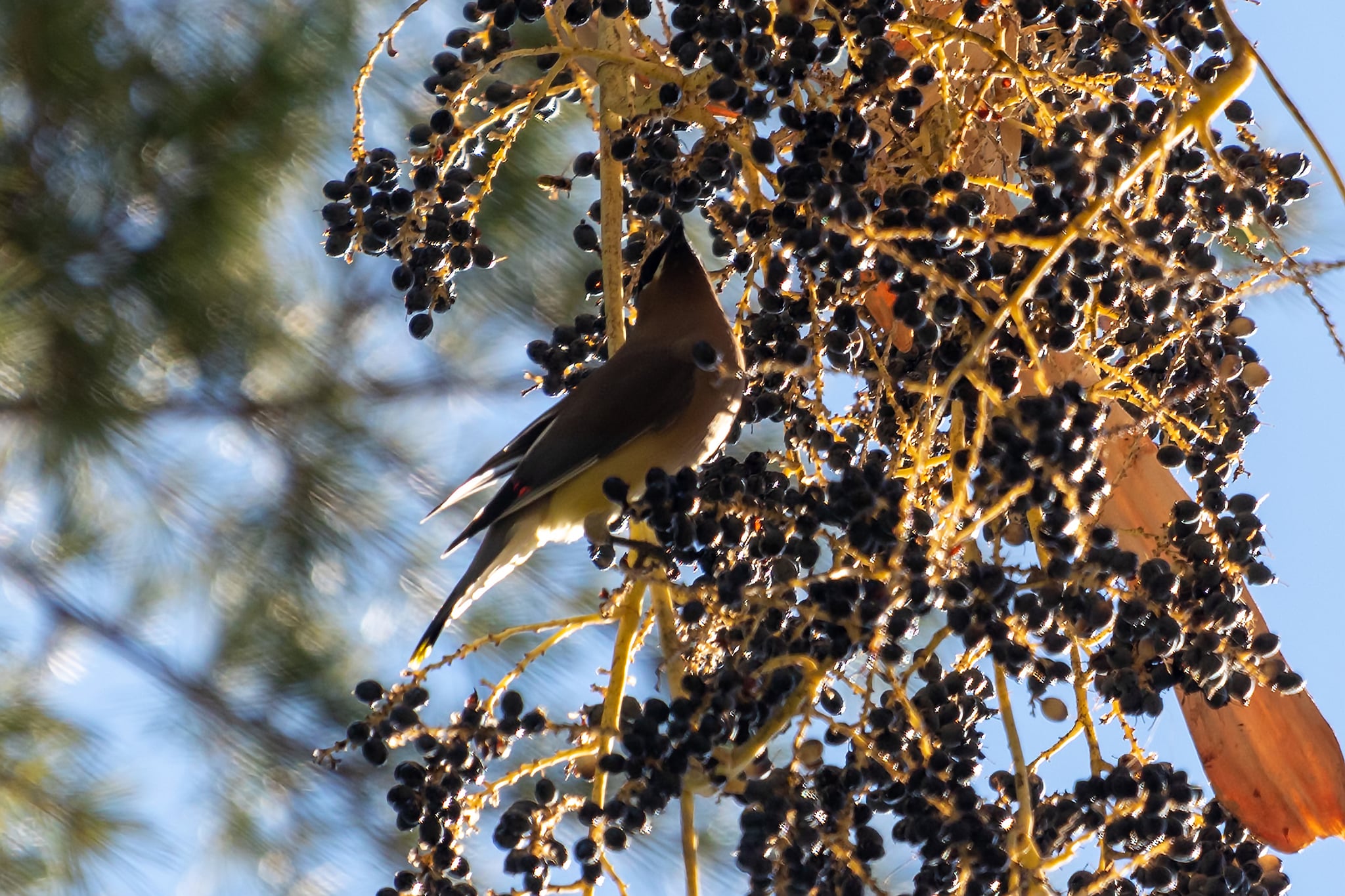
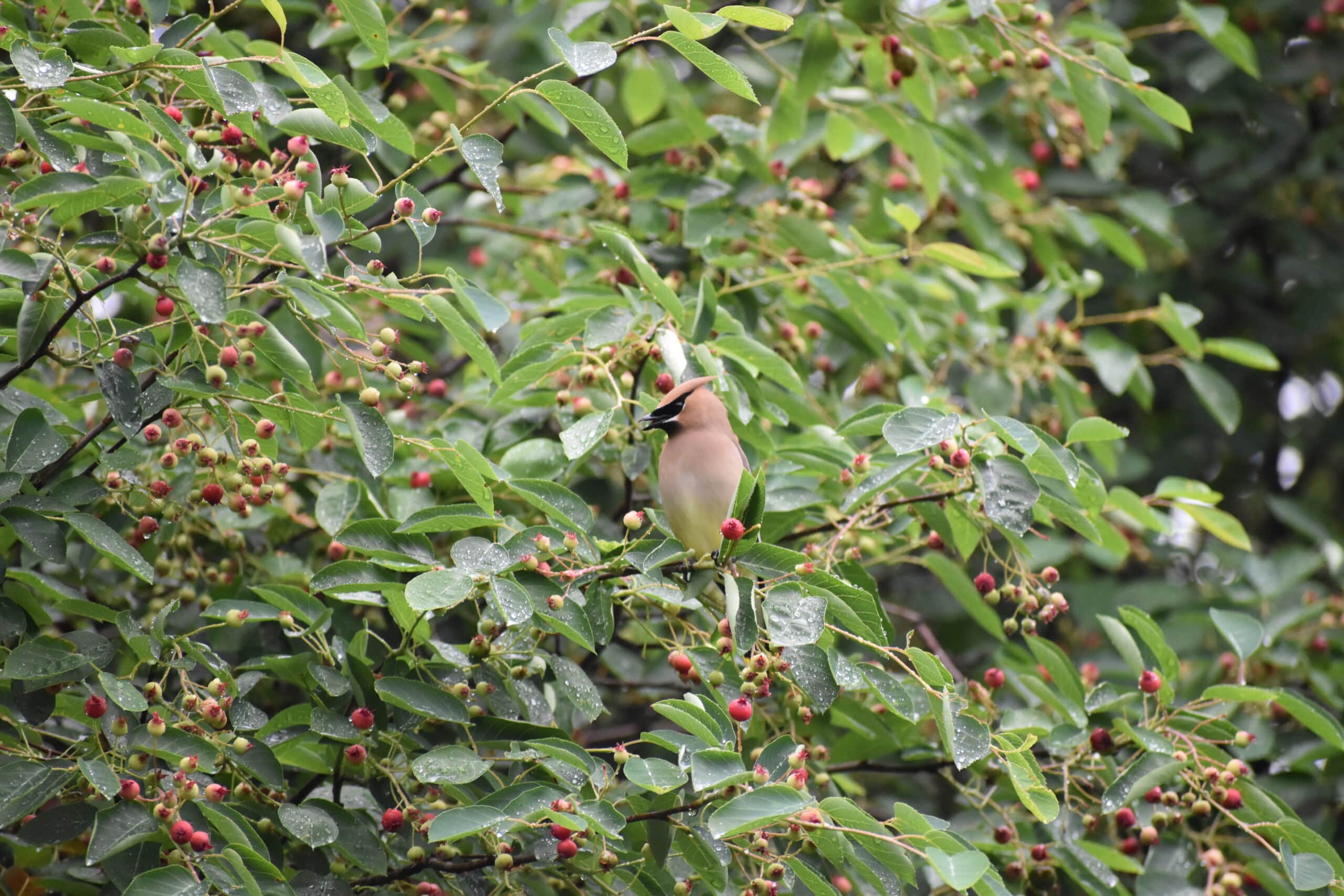
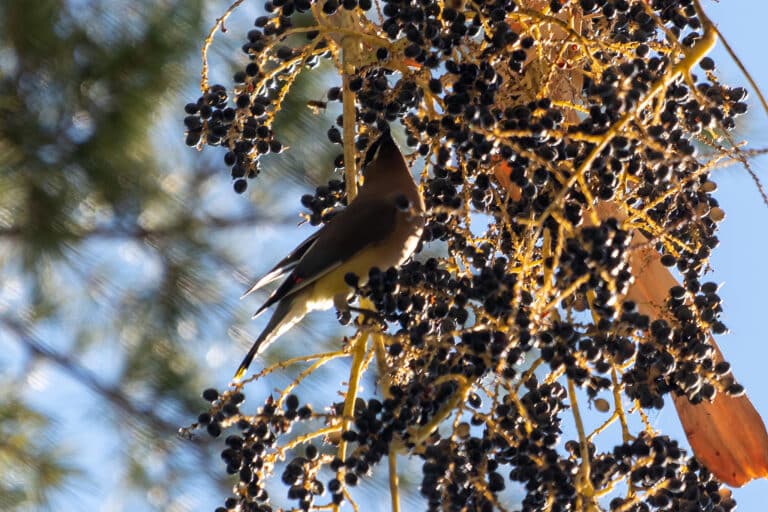
These birds love to dine on berries and fruits, making them berry-lovers extraordinaire. Cedar Waxwings also snack on insects, adding some crunch to their fruity feast!
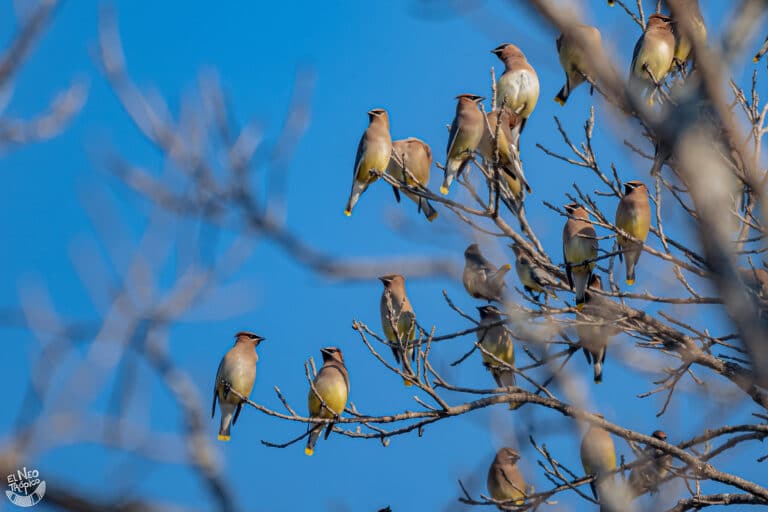
Cedar Waxwings live for about 7 to 8 years in the wild. Their playful and social nature often leads them to flock together in groups, where they chirp and chatter happily.
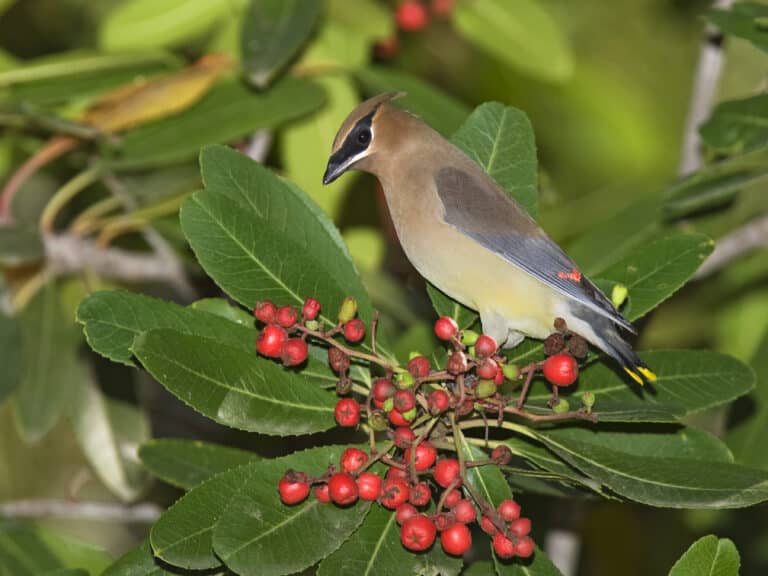
During the spring and summer, you can find these birds flitting through trees in Central America and parts of North America. Their beautiful yellow-tipped tail feathers and dapper appearance make them look like nature's little fashionistas!
Watch out for their unique feeding style! Cedar Waxwings can eat to their hearts' content by gorging on berries. They sometimes even eat so many that they become a little tipsy!
These feathery friends do not build their nests very close to the ground. They prefer to hang out in tree canopies, keeping their homes high above the hustle and bustle.
Next time you spot a Cedar Waxwing, give a little cheer! These cheerful birds bring joy and color to the skies, reminding us all how delightful nature can be!

Where can you find a Cedar Waxwing in the wild?
What does a Cedar Waxwing eat?
How big can a Cedar Waxwing grow?
How long does a Cedar Waxwing typically live?
What is the conservation status of the Cedar Waxwing?
What are the main threats to the Cedar Waxwing?
Fun facts
Cedar Waxwings have a nifty trick for attracting mates. They engage in playful dance displays that include hopping and bill twirling, proving that charm can be part of the courtship!


These birds enjoy a unique social life. Cedar Waxwings often feed in large flocks, sharing their berry bounty and partaking in chirpy conversations that sound like a joyful choir!
When Cedar Waxwings eat fermented fruit, they can get a little tipsy! Eating too many berries can make them wobble and fly a bit clumsily, resembling party guests who had one too many!
Their name, Cedar Waxwing, comes from their love of cedar berries and their lovely waxy tips on their wing feathers, adding a dash of elegance to their appearance.
Cedar Waxwings have a colorful fashion scene! Their feathers showcase a mix of soft tan, yellow, and gray, making them some of the most stylish birds in the sky!
These feathery friends are expert berry pickers! They often eat fruits in mid-flight, grabbing them with their beaks while soaring through the trees.
When it comes to nesting, Cedar Waxwings are all about the high life. They typically build their nests in tree canopies, staying safe from ground predators and observing the bustling world below.
Their chirps and whistles create a sweet melody. Cedar Waxwings communicate with a variety of vocal sounds, turning their social gatherings into delightful concerts!
Young Cedar Waxwings often stick with their parents for several weeks after hatching, giving them plenty of time to learn about berry selection and other bird skills.
Cedar Waxwings are some of the best travelers. During migration, they can fly long distances to find the best berry-filled spots for their feasting.
Photos



The Basics


explore more
Amphibians
Arachnids
Birds
Cats
Crustaceans
Fish
Fish Pet Guide
Gastropods
Insects
Invertebrates
Mammals
Pet Fish
Pet Rodents
Plants
Reptiles
Roundworms
Sea Slugs