Successfully copied to clipboard!
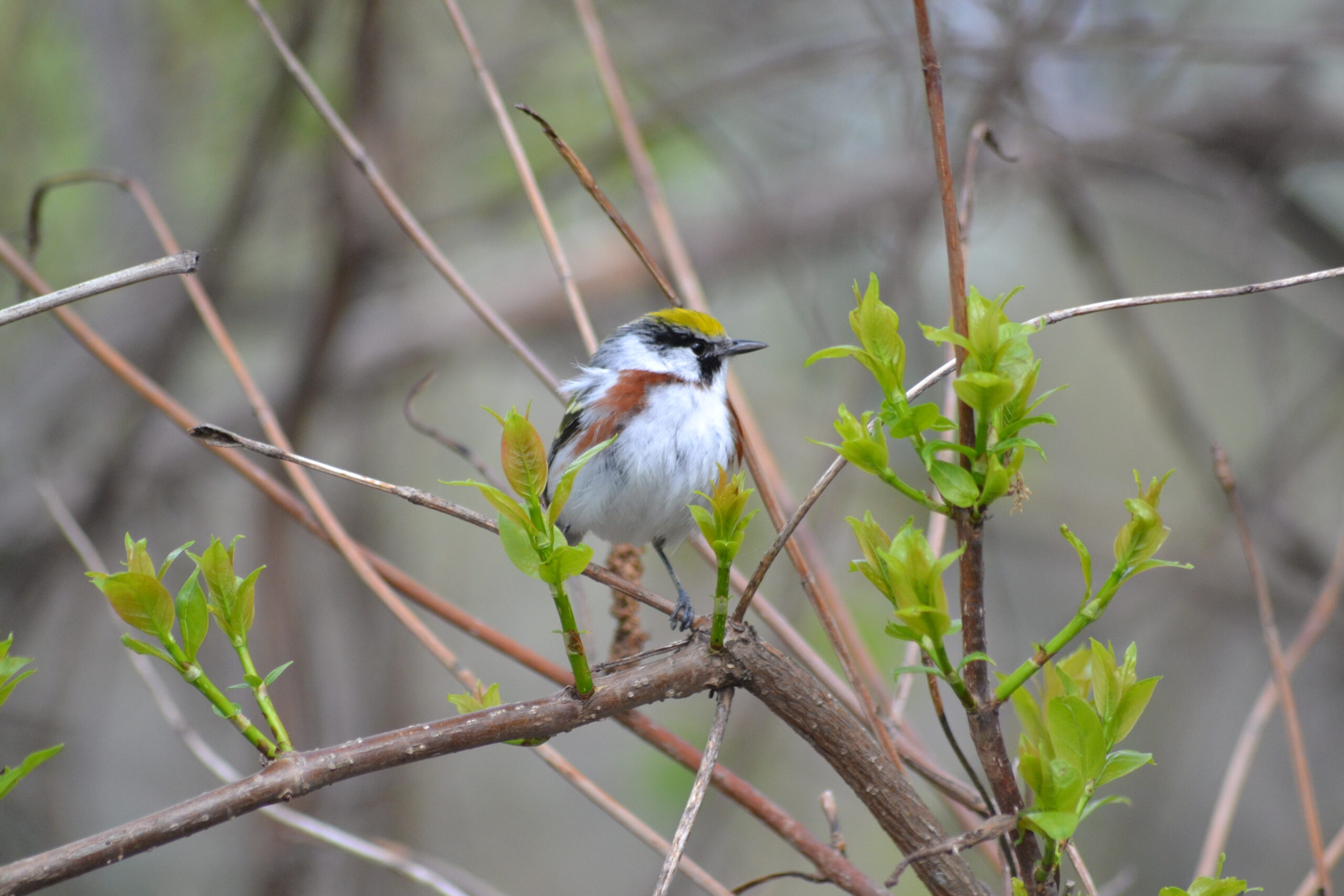
Chestnut-Sided Warbler
Uncover the vibrant traveler of forests and skies!
Let’s Explore
Overview
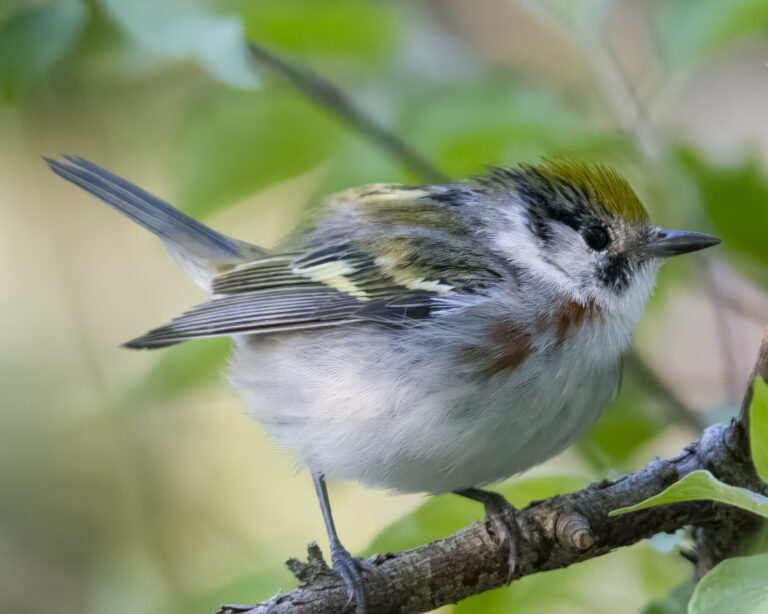
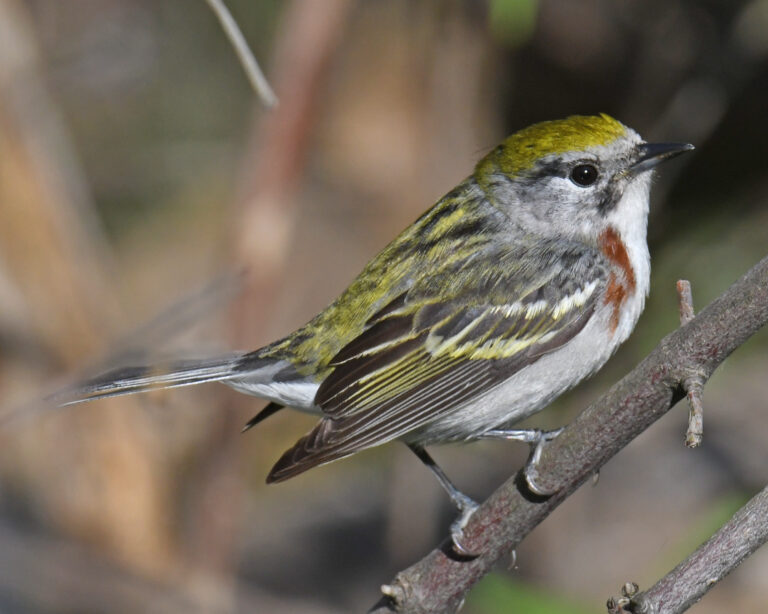
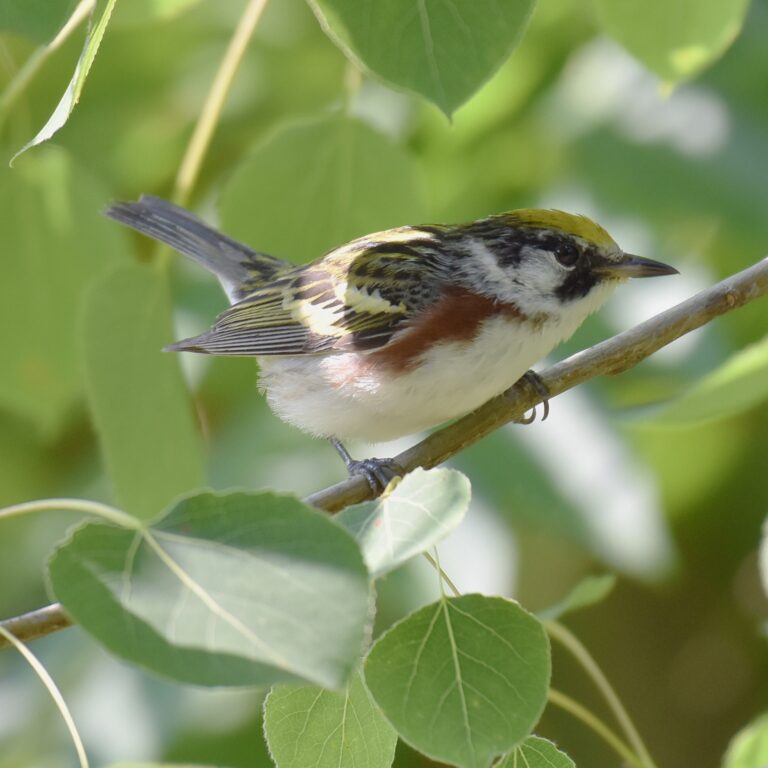
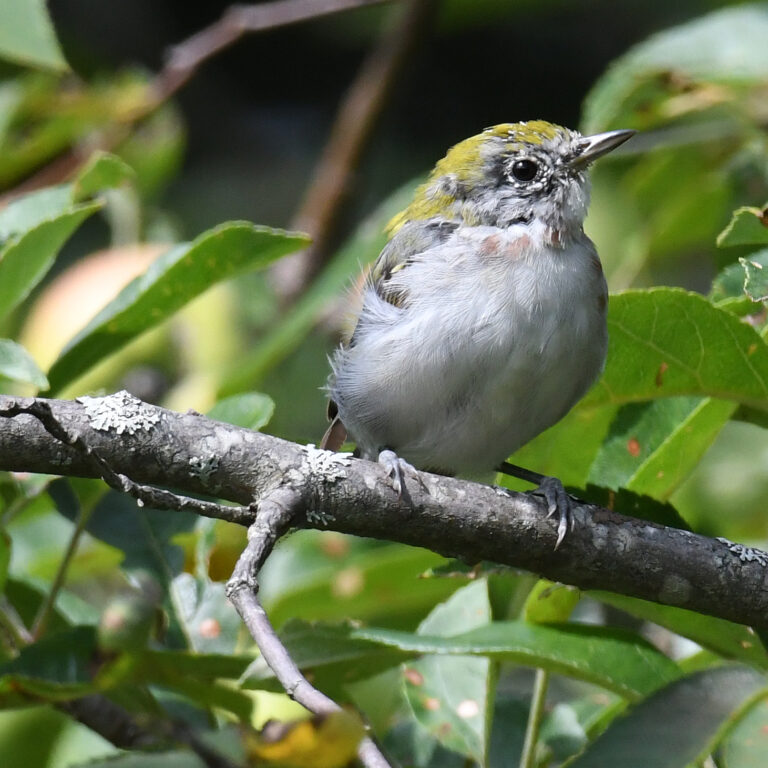
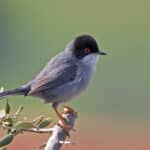
The Chestnut-Sided Warbler is a delightful little bird known for its beautiful colors and cheerful song. This small avian treasure measures about 5 inches long, making it a compact package of wonder in the bird world.
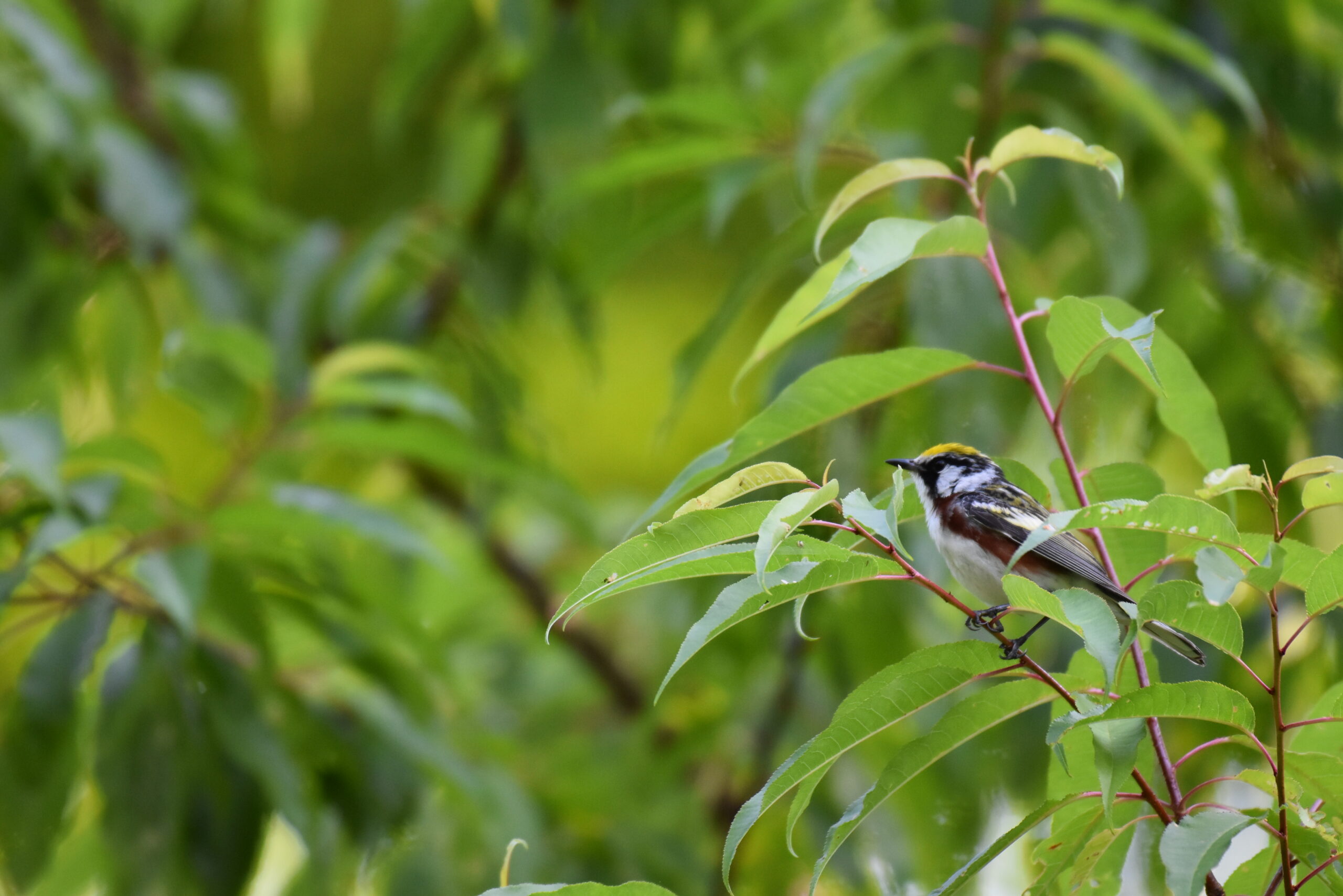
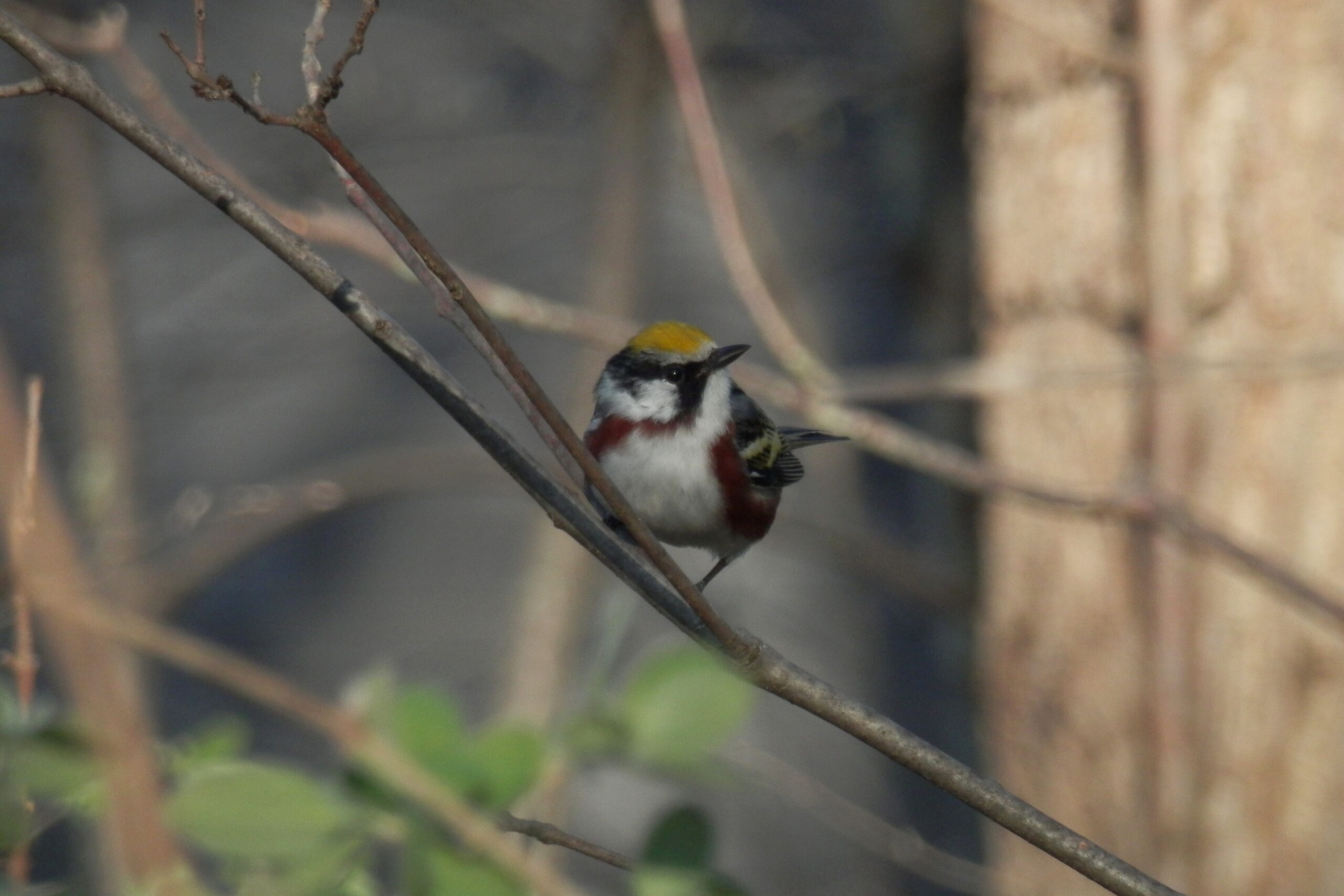
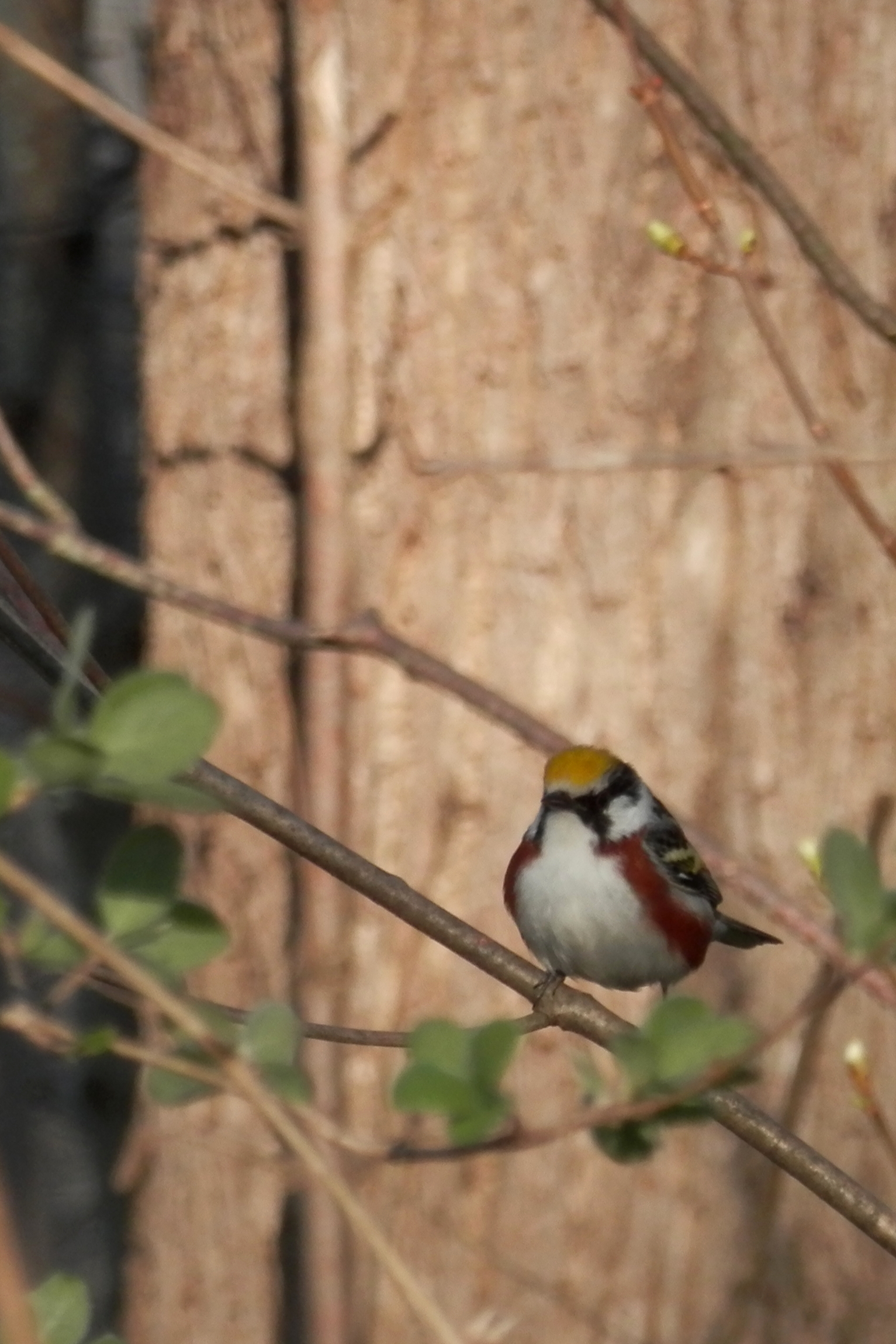
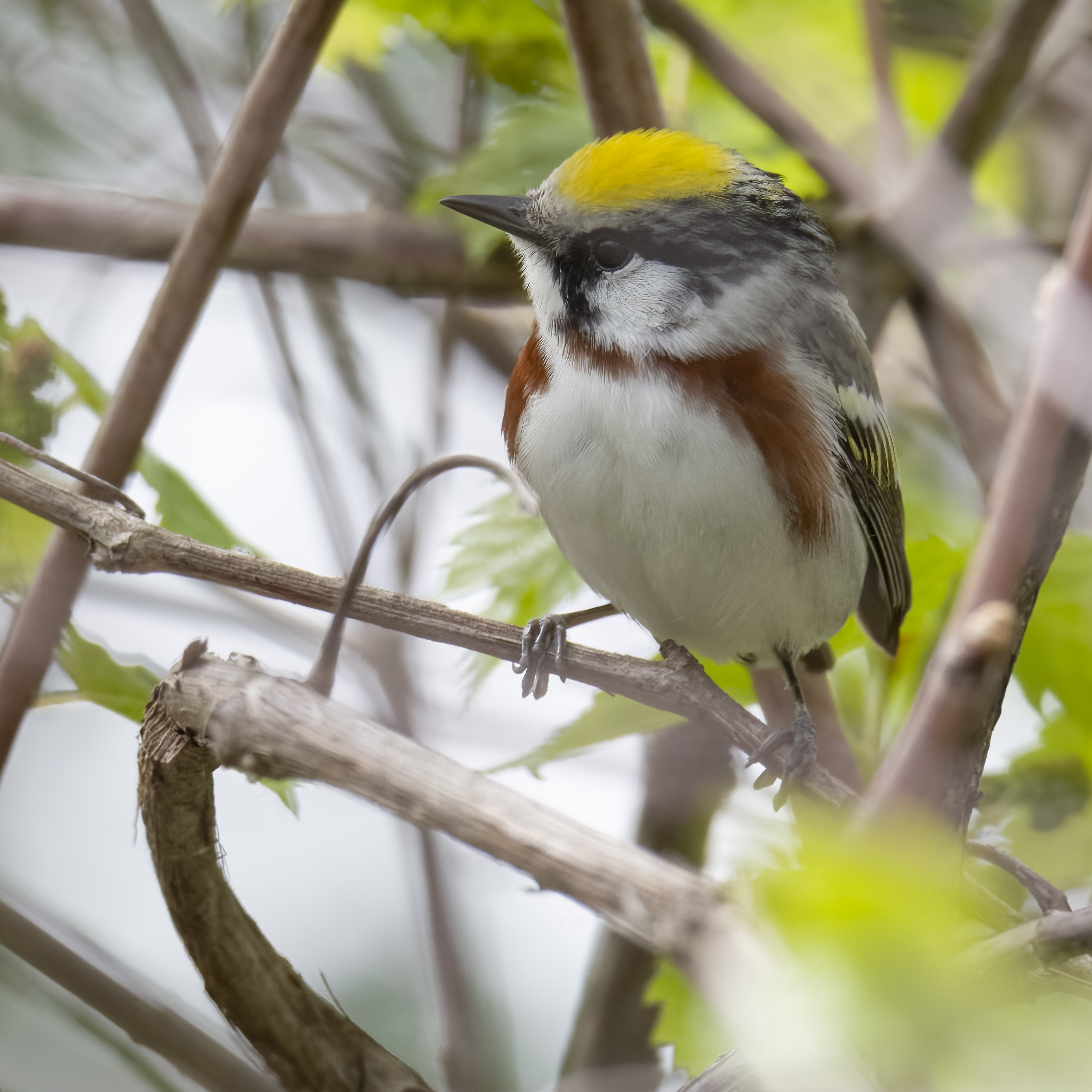
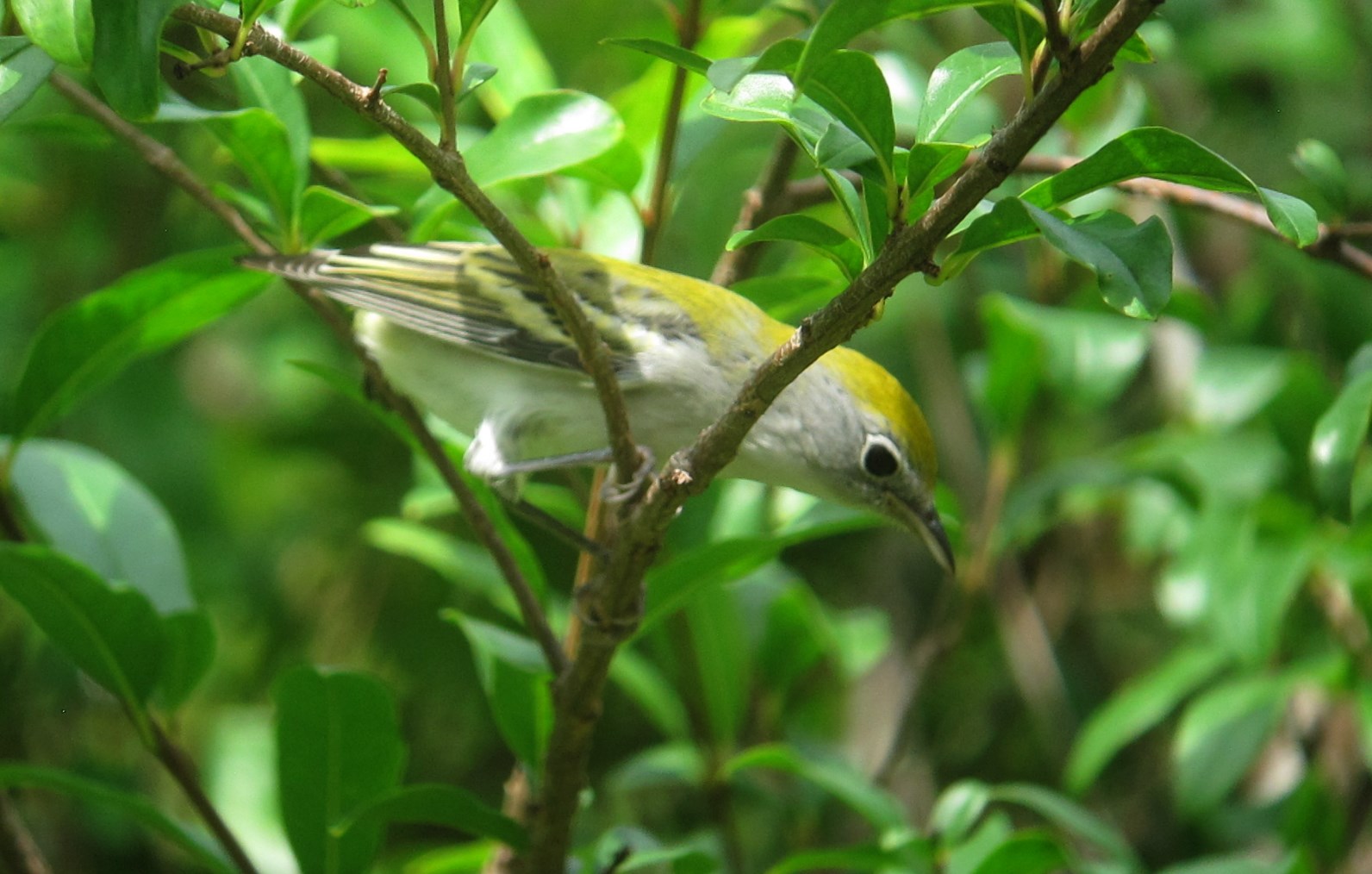
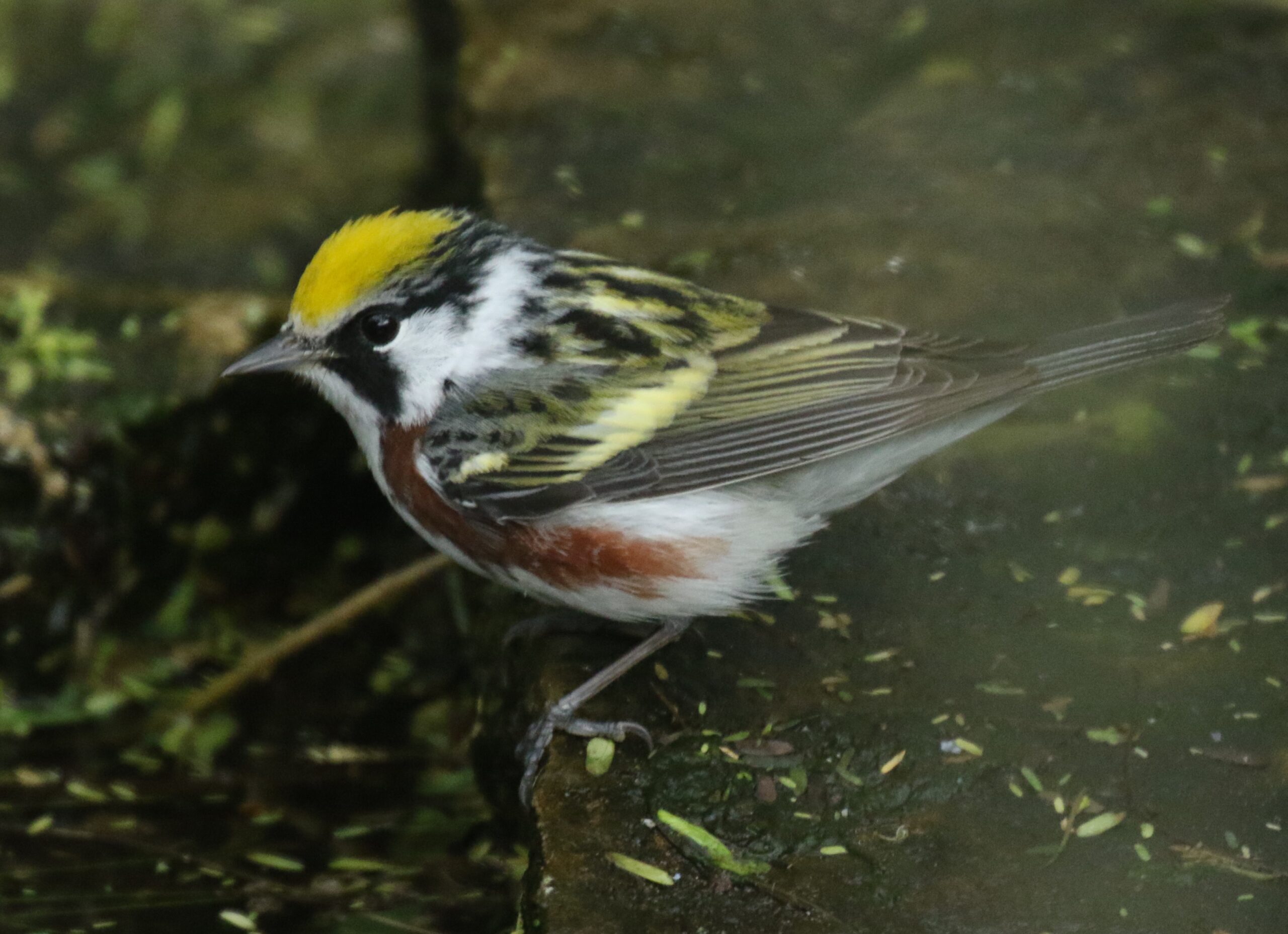
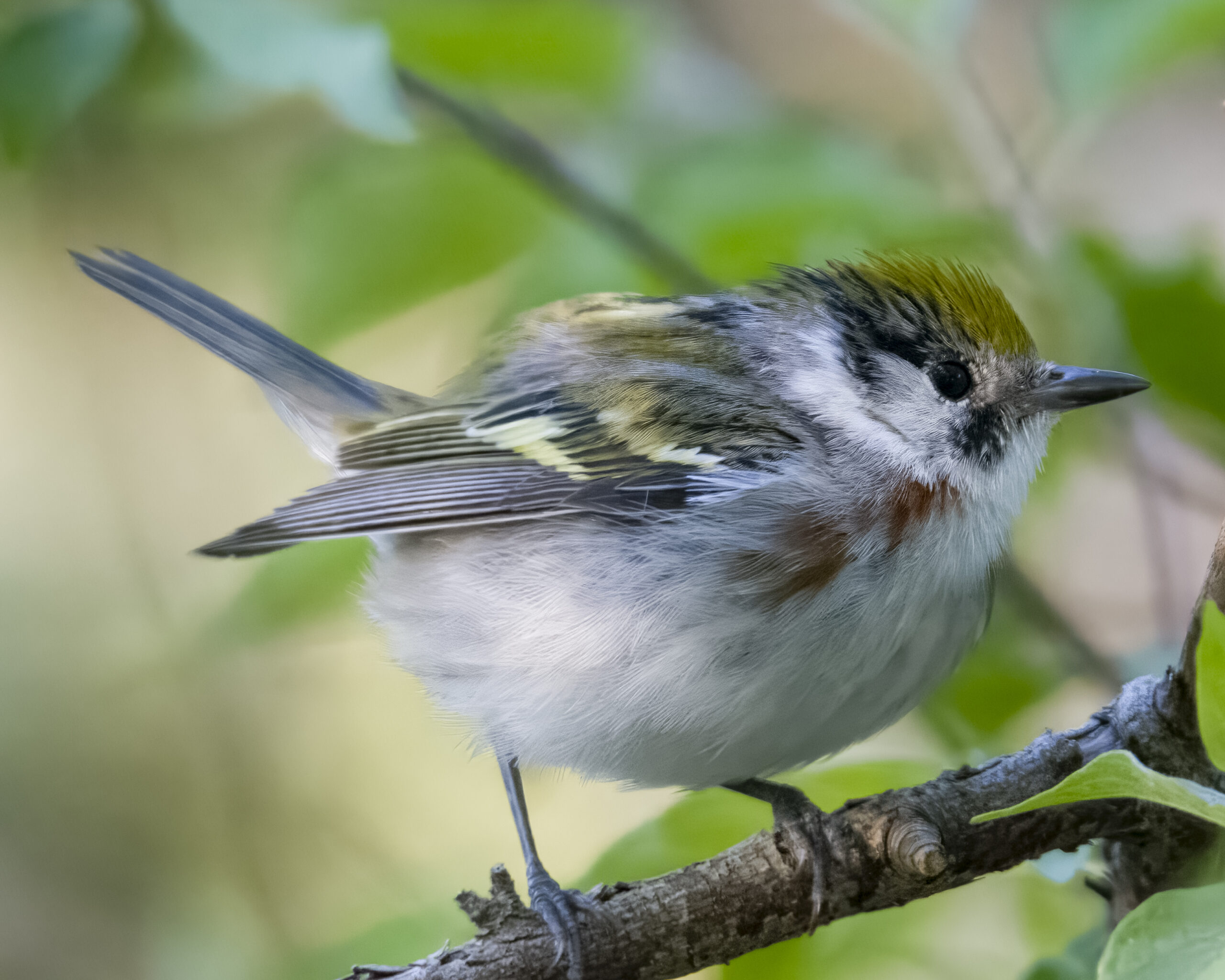
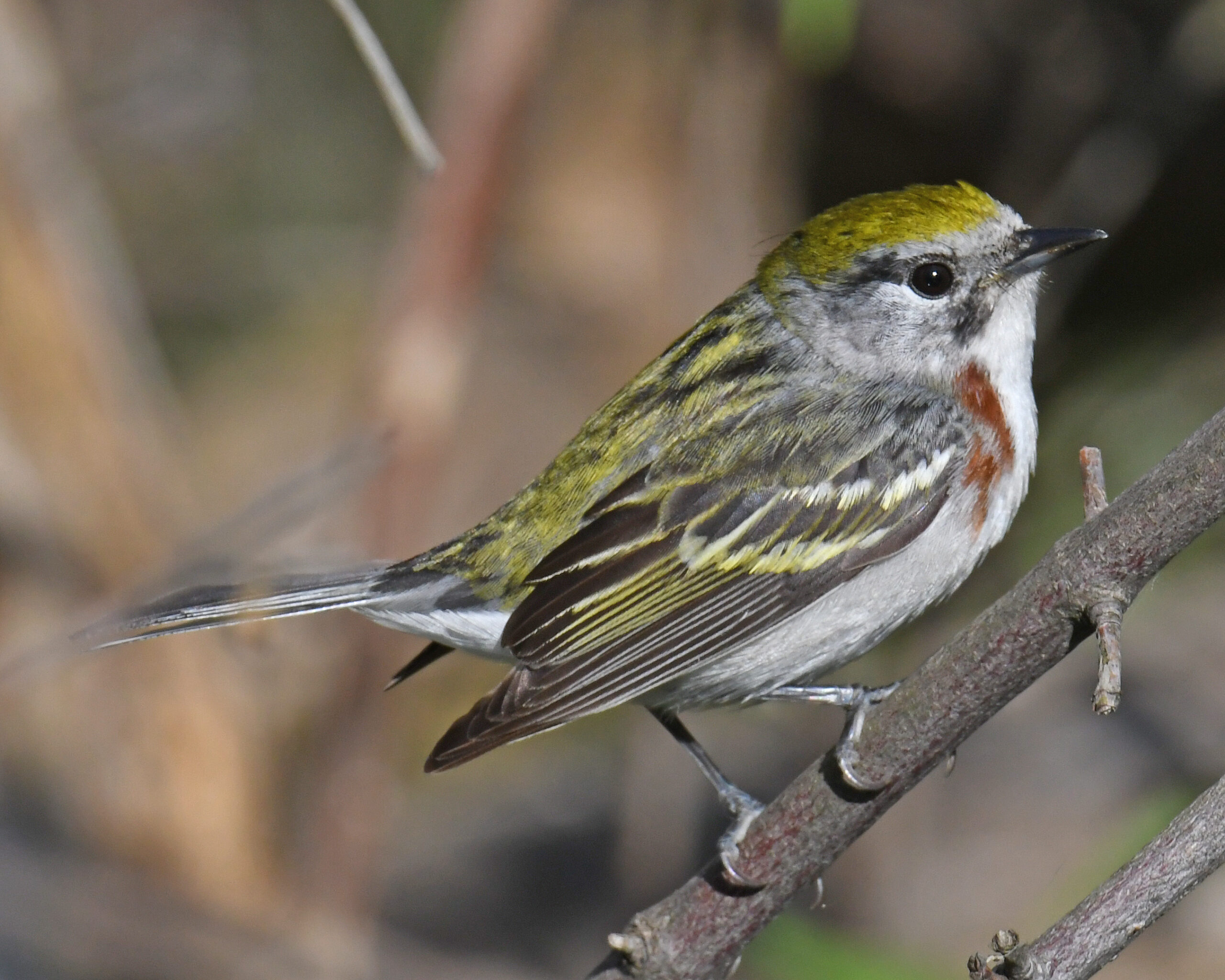
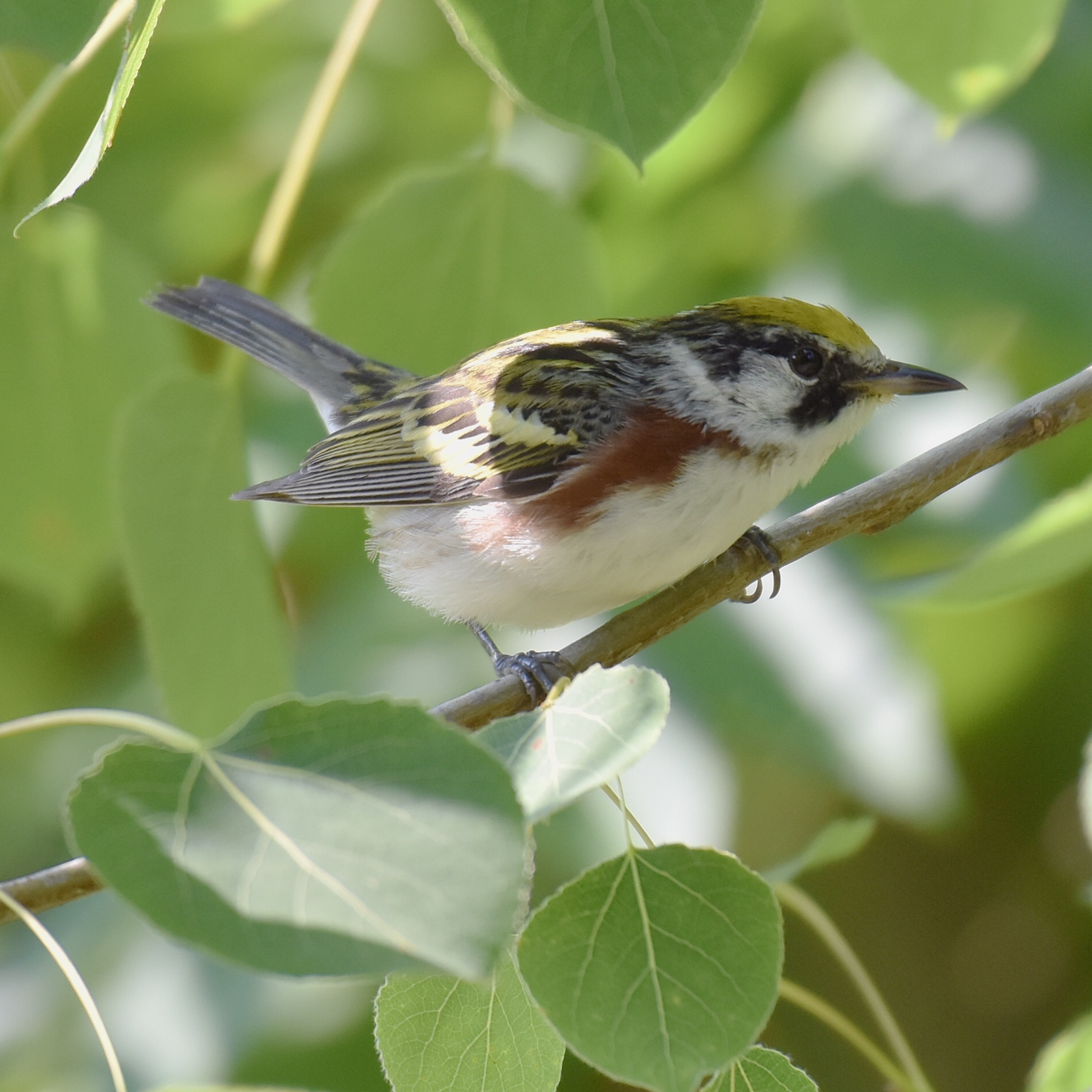
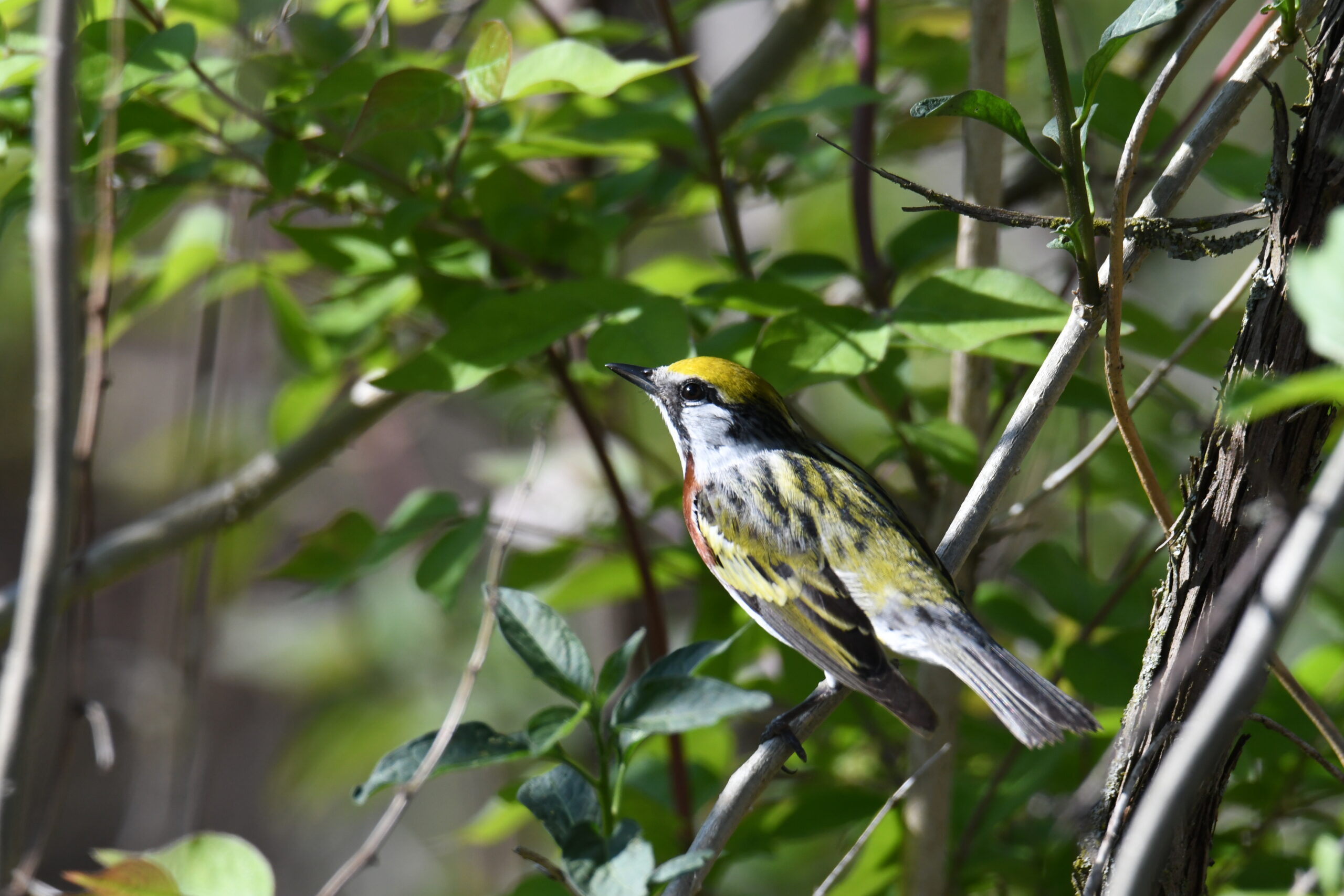
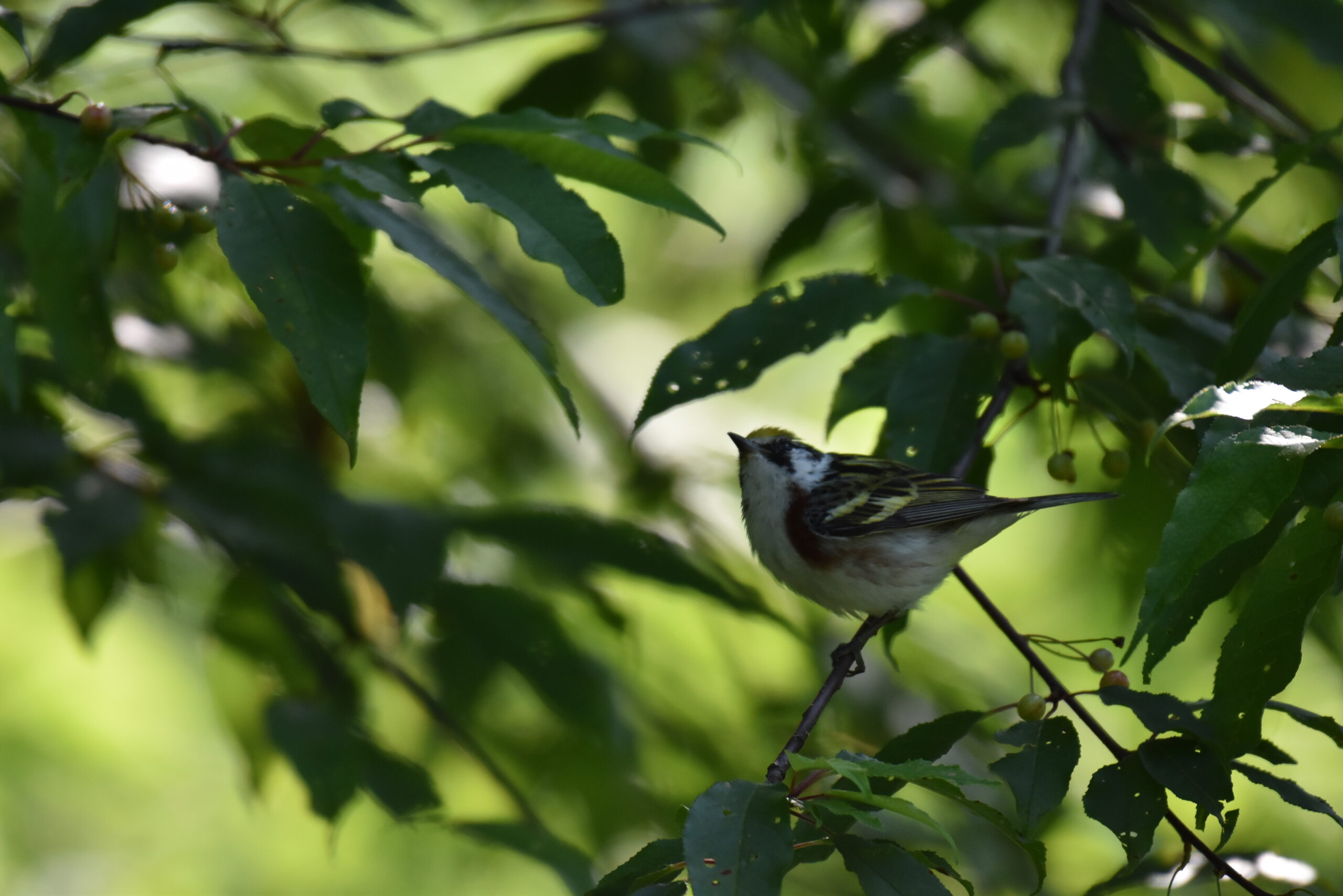
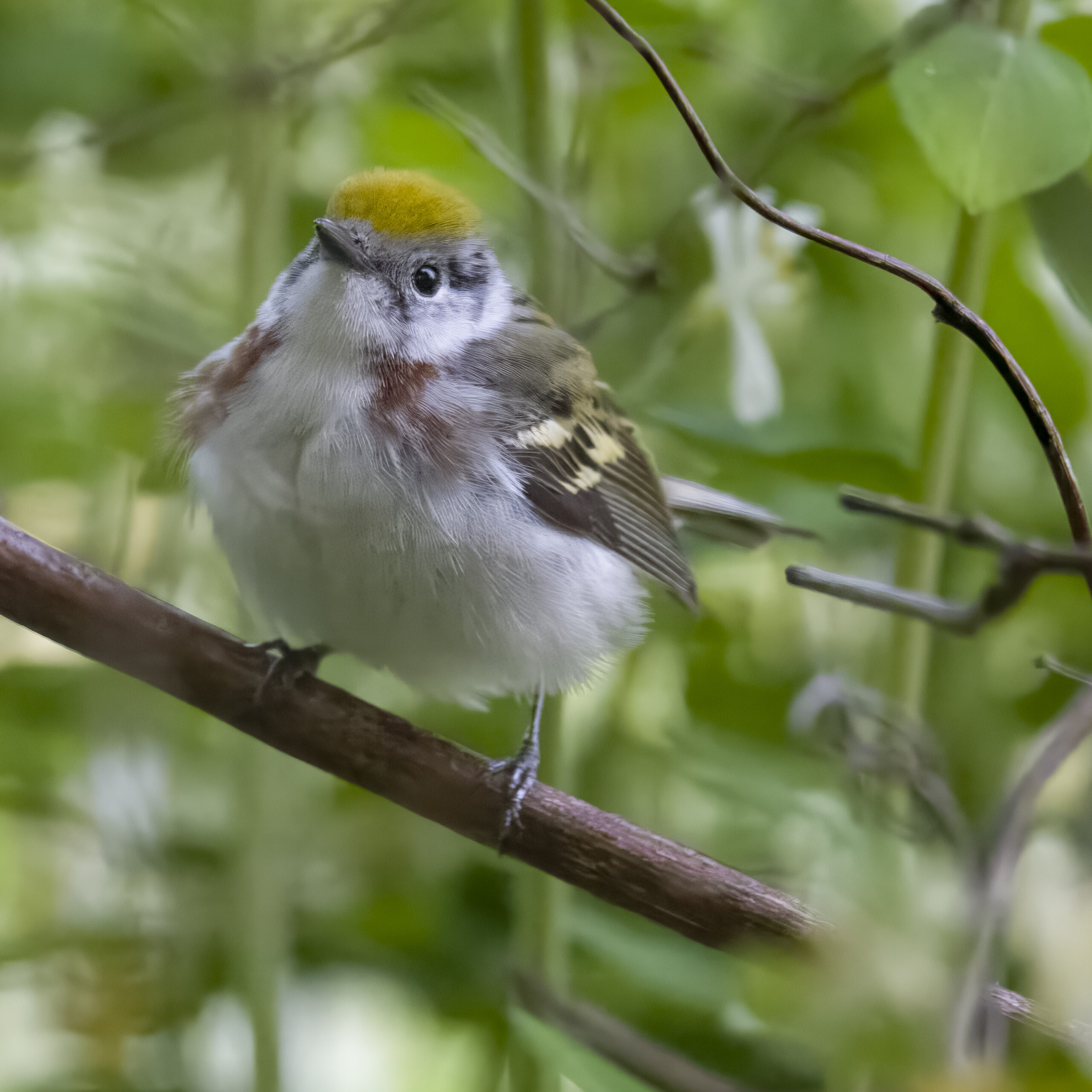
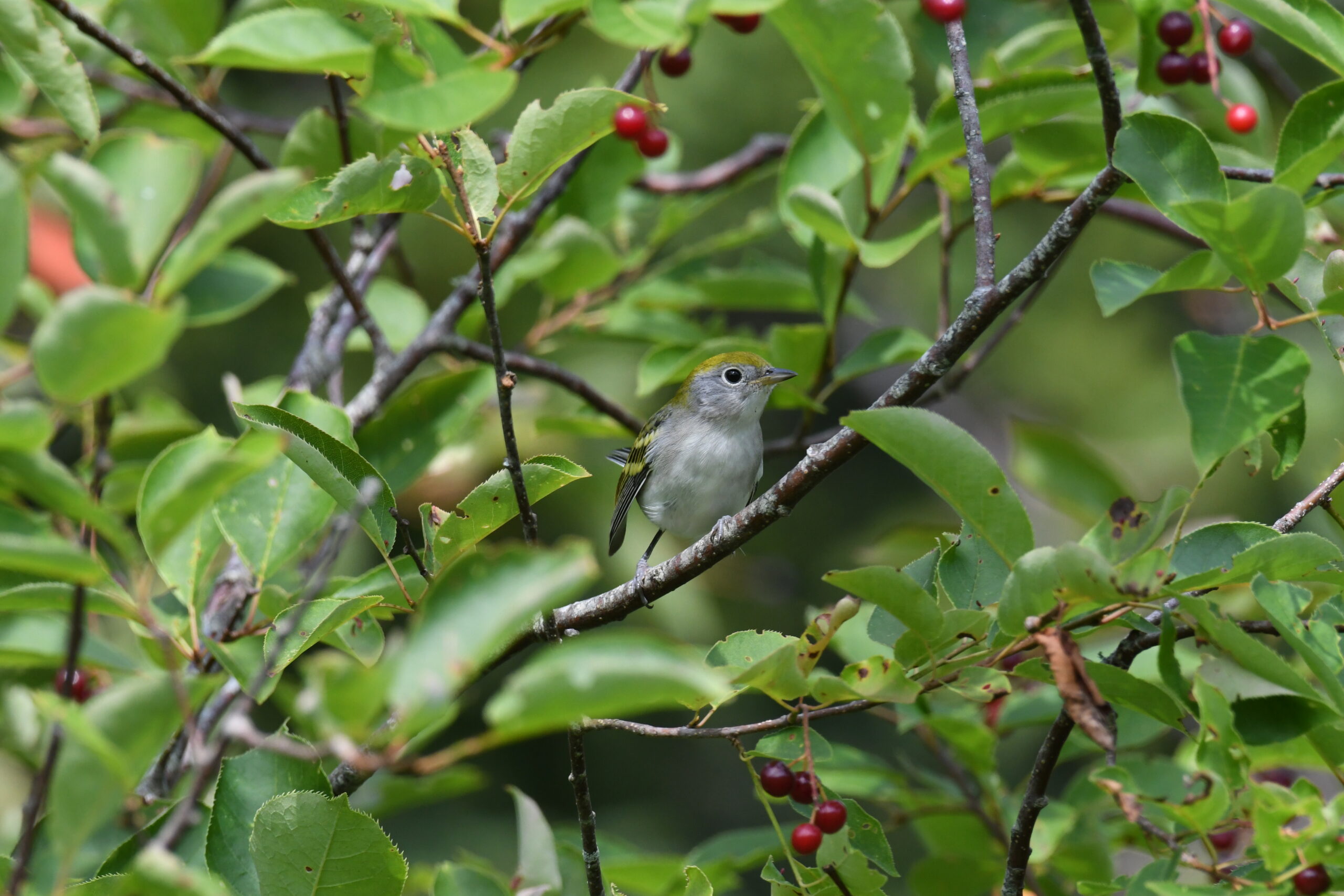
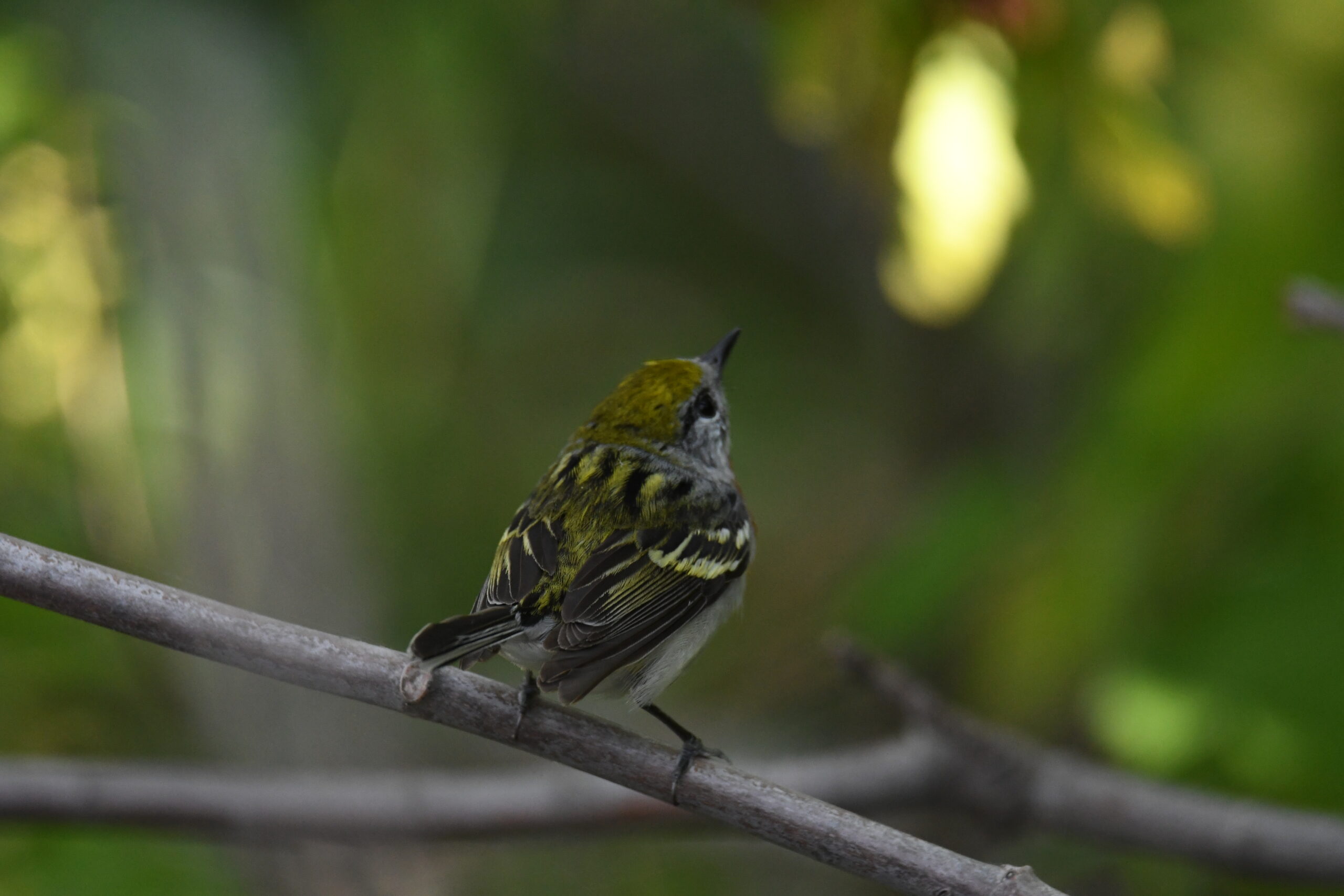
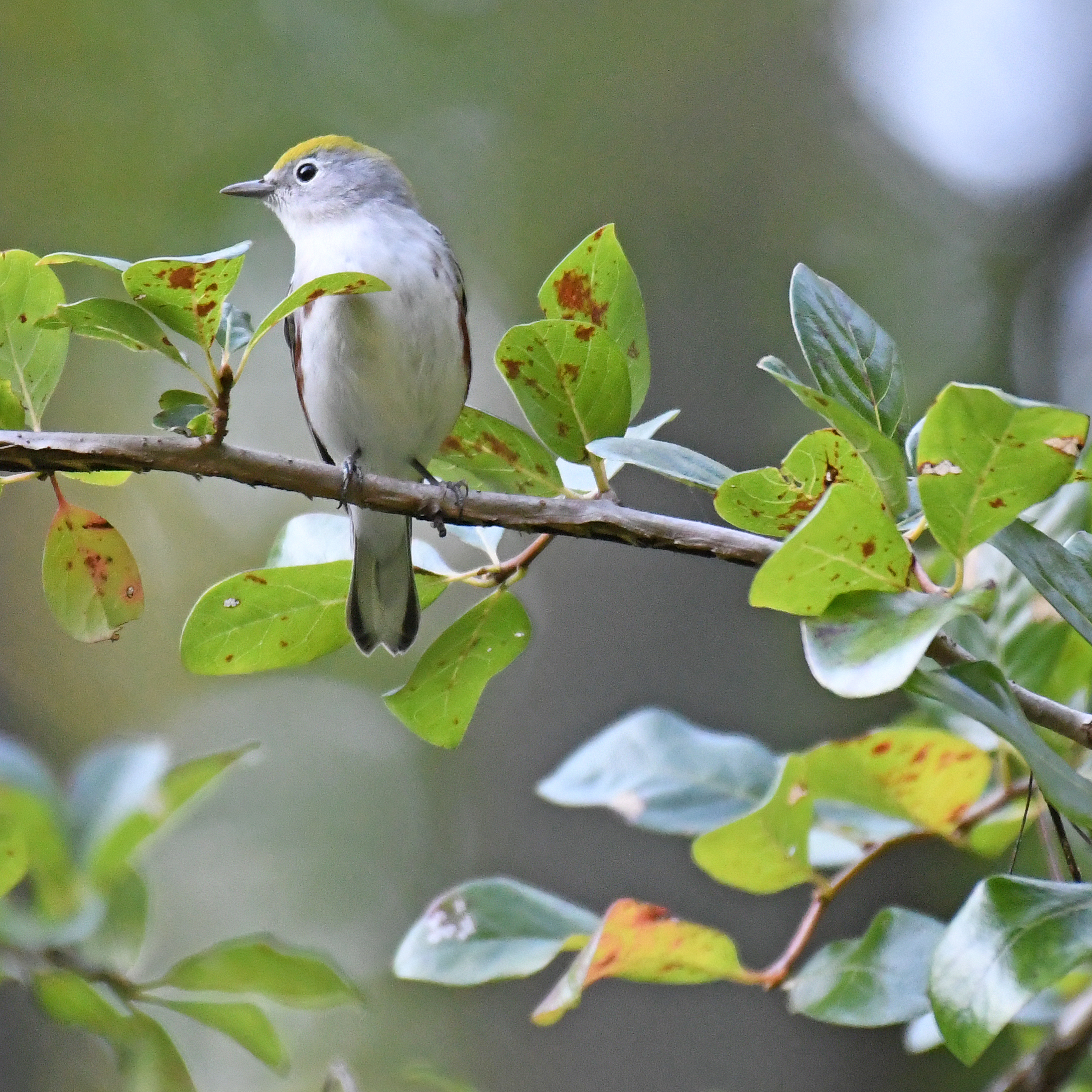
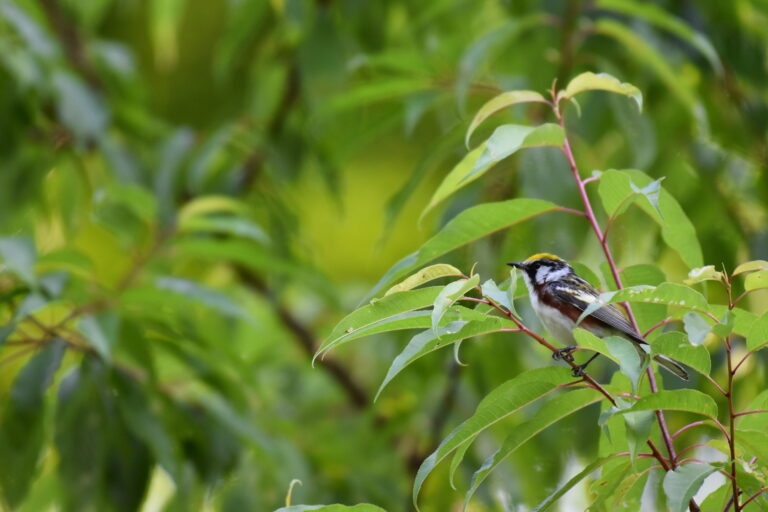
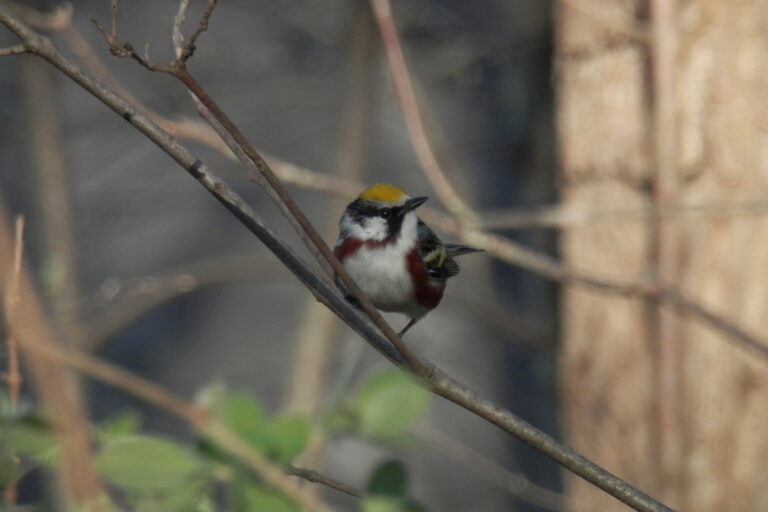
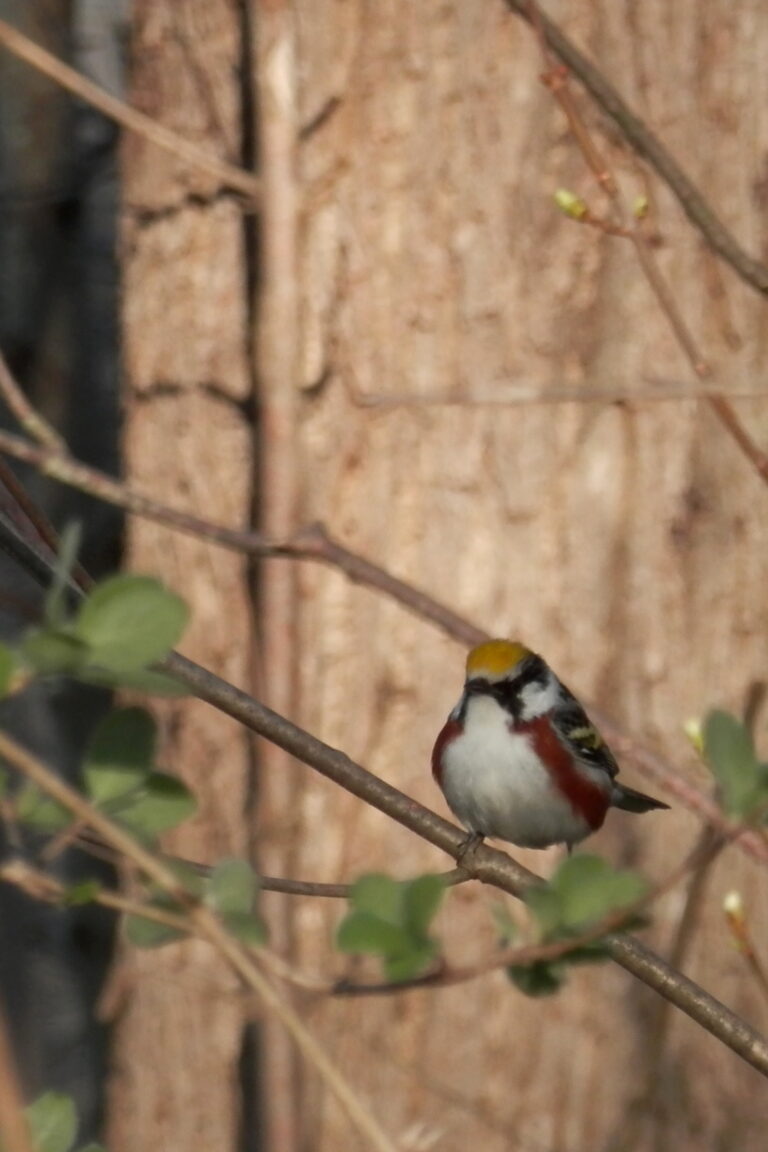
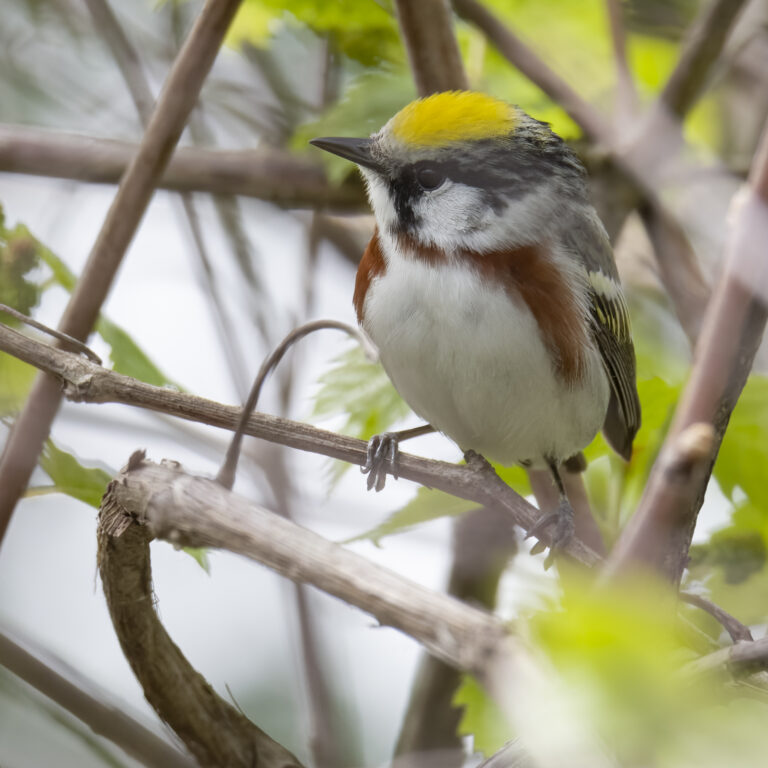
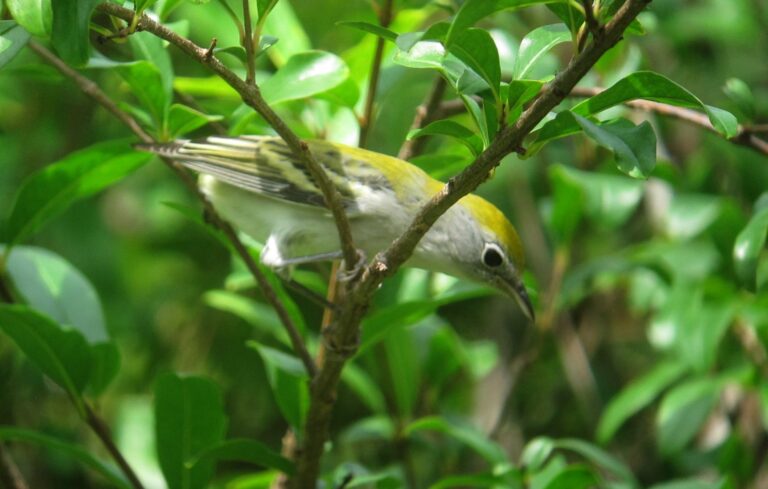
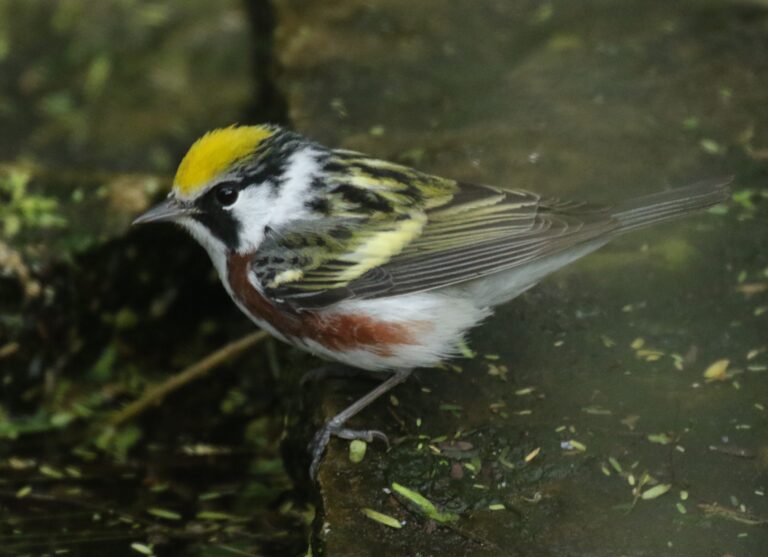
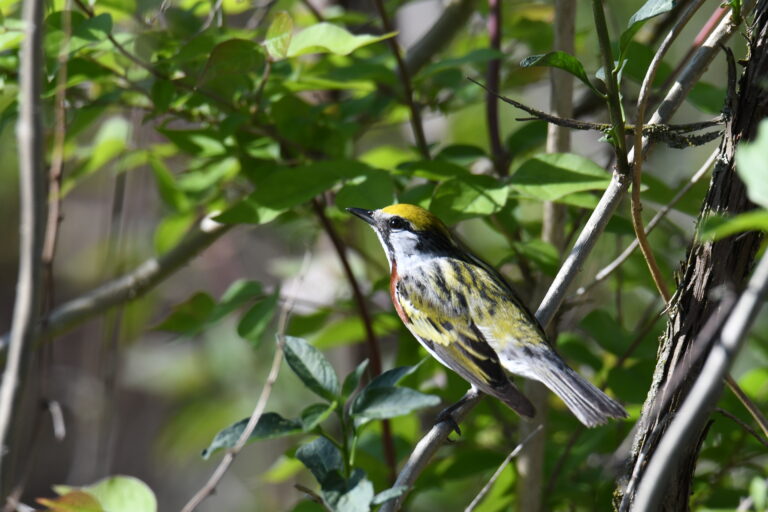
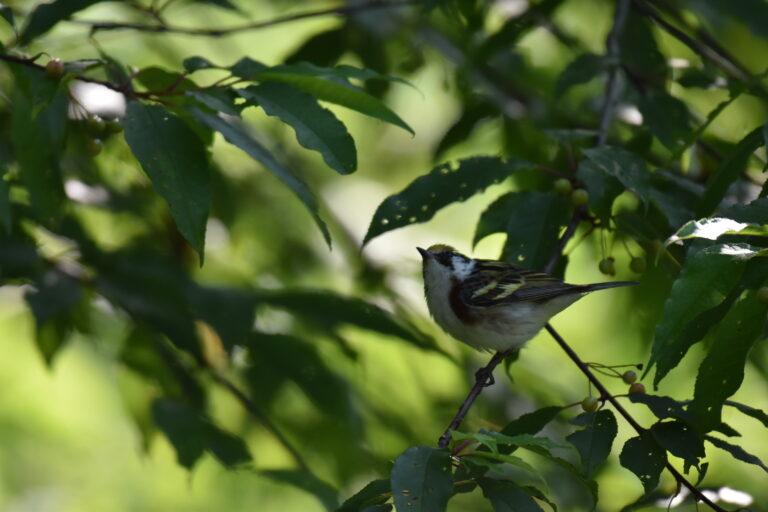
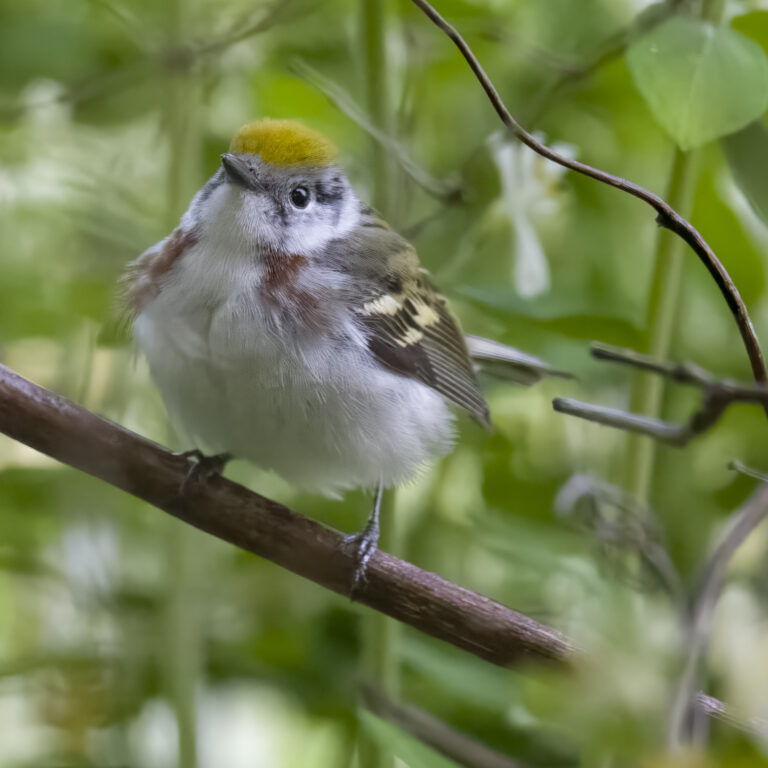
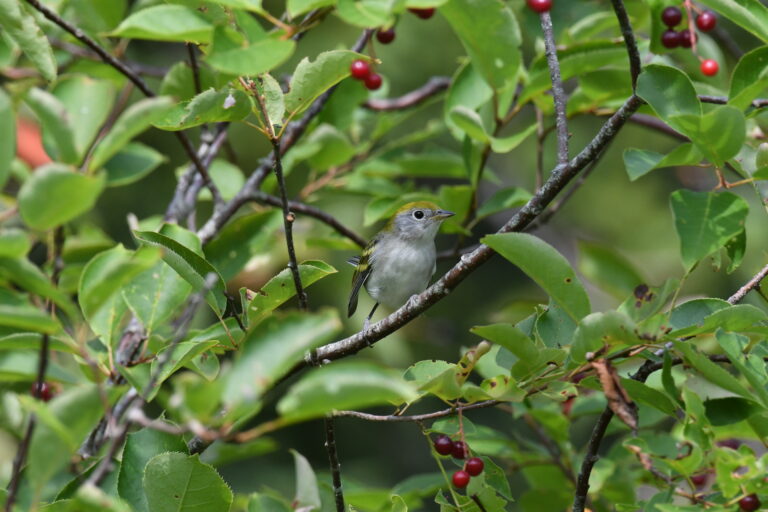
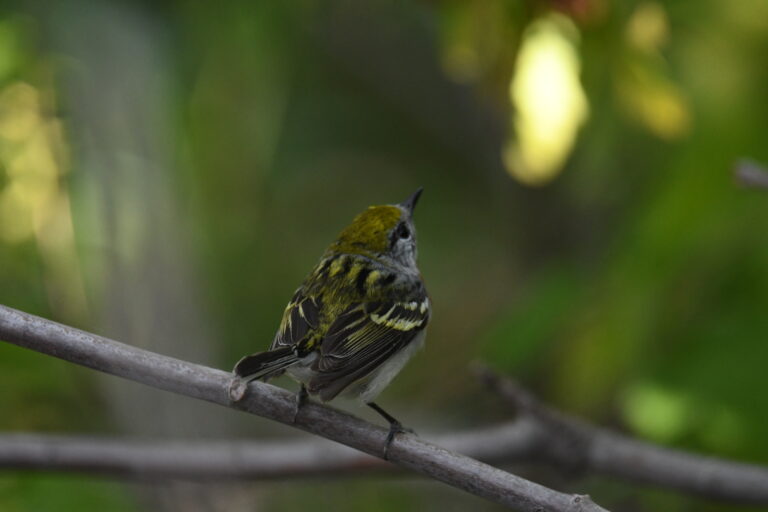
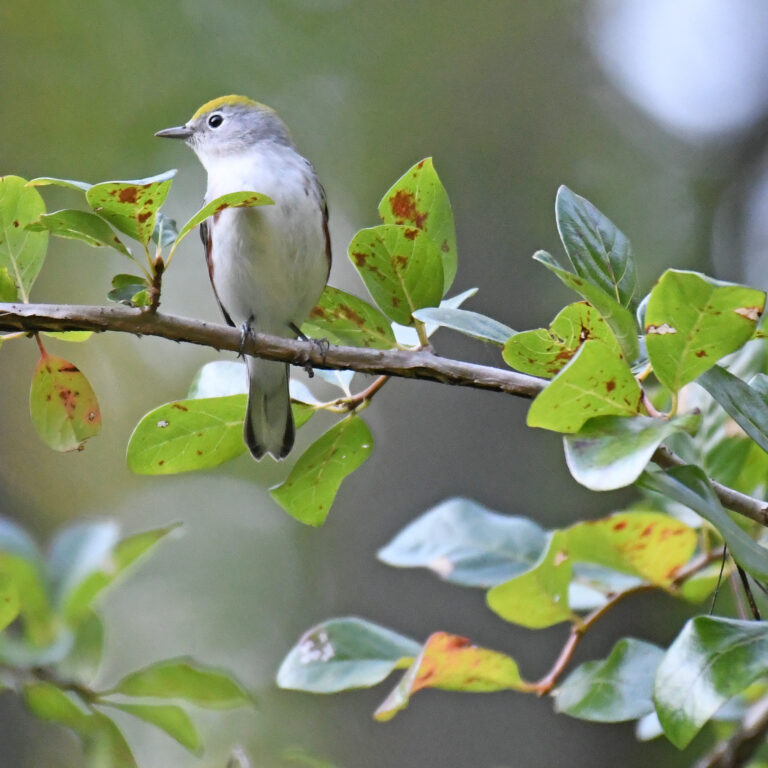
These warblers sport a striking appearance. Their chestnut-colored sides and yellow crown make them stand out among the green foliage they call home in Central America.
The Chestnut-Sided Warbler has a varied diet. It happily munches on insects, fruits, and even spiders, making it a friendly gardener of the forest by helping control insect populations.
This vocal bird delights its neighbors with songs. Its melodious tunes fill the air, creating a symphony of nature wherever it flutters about.
With a lifespan of up to 6 years, the Chestnut-Sided Warbler may be small but its spirit is big. Each year, it migrates to enjoy different habitats, showcasing its adventurous nature!

Where can you find a Chestnut-Sided Warbler in the wild?
What does a Chestnut-Sided Warbler eat?
How big can a Chestnut-Sided Warbler grow?
How long does a Chestnut-Sided Warbler typically live?
What is the conservation status of the Chestnut-Sided Warbler?
What are the main threats to the Chestnut-Sided Warbler?
Fun facts
Chestnut-Sided Warblers can sing more than 10 different songs, each with a unique melody, making them true musical maestros of the forest.


These little birds are remarkable acrobats! They can twist and turn in mid-air while chasing insects, showing off aerial skills that would impress any gymnast.
Male Chestnut-Sided Warblers are fashion-forward; they change colors slightly during the breeding season, becoming bolder and brighter to attract female partners.
Dive into the dining habits of these warblers! They often join mixed-species flocks, which helps them find food and stay safe from predators.
These charming birds can migrate over 5,000 kilometers (about 3,100 miles) each year to their winter homes in Central America, showcasing their strong sense of direction.
Chestnut-Sided Warblers often hide their nests in dense shrubs to keep their eggs safe from hungry predators like snakes and raccoons.
These warblers are social butterflies! They can often be seen flitting around with other birds during migration, creating a lively avian party in the skies.
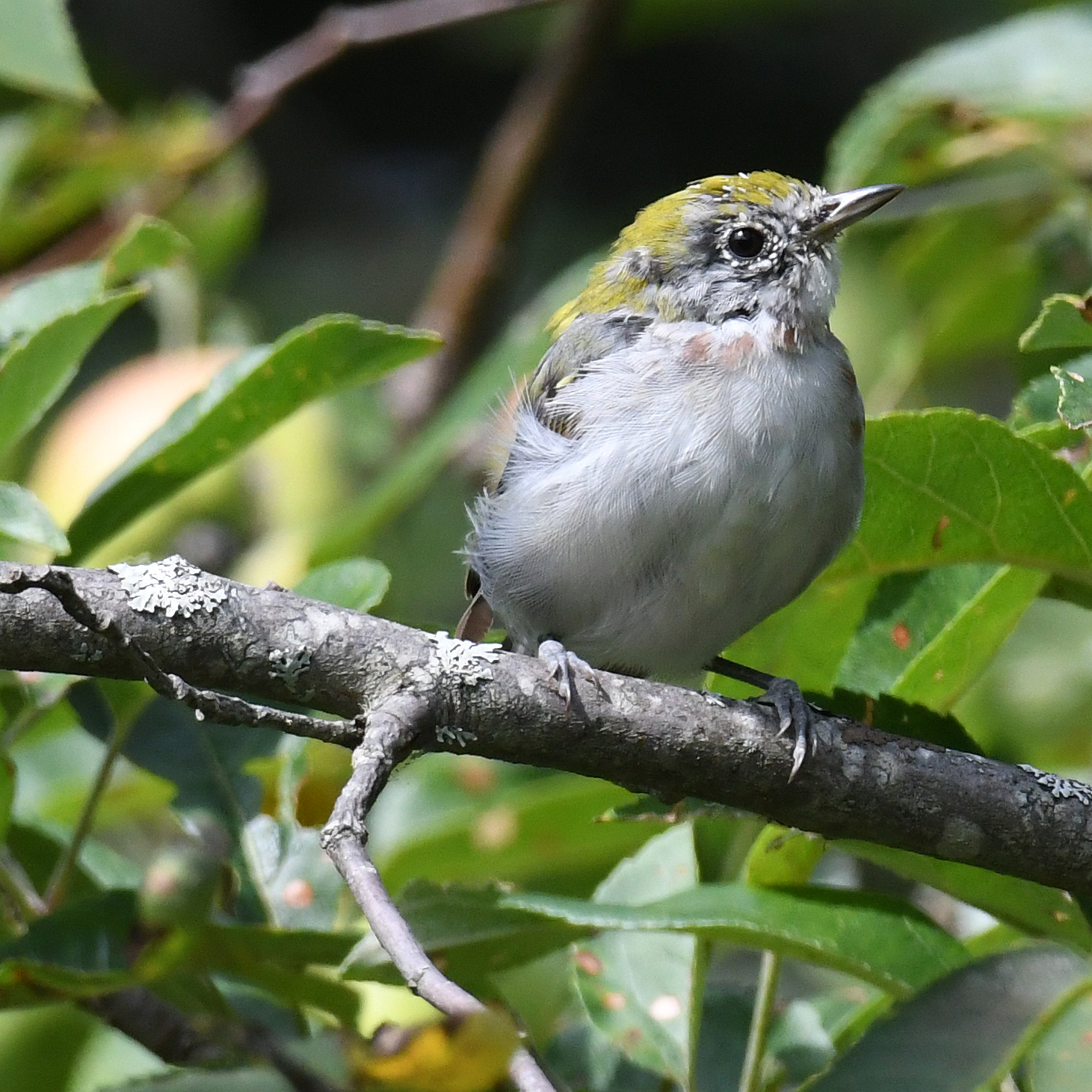
Young Chestnut-Sided Warblers practice singing by chirping soft notes, rehearsing for their future musical performances before they even leave the nest.
No need for fancy baths! These birds can often be found splashing in shallow puddles or streams, enjoying a refreshing splash that keeps their feathers clean and shiny.
Chestnut-Sided Warblers have a unique alarm call that warns friends about predators, showing that teamwork is essential in the wild.
Photos


The Basics


explore more
Amphibians
Arachnids
Birds
Cats
Crustaceans
Fish
Fish Pet Guide
Gastropods
Insects
Invertebrates
Mammals
Pet Fish
Pet Rodents
Plants
Reptiles
Roundworms
Sea Slugs